How composers captured nature in music
Nature and music have always been intertwined, creating an eternal symphony that speaks to the soul. From the rustling of leaves to the gentle flow of a river, these natural sounds have inspired countless composers to create masterpieces.
This fascinating connection reflects how deeply nature influences the art of music, providing both inspiration and a canvas for creativity. Join us as we explore the melodies shaped by the natural world and the composers who brought them to life.
The Timeless Influence of Nature on Music

Nature has served as an endless source of inspiration for composers throughout history. The sounds of birds, wind, and water have been woven into musical compositions, creating pieces that transport listeners to serene landscapes.
From the chirping of birds to the sound of rain, these elements have been integral in shaping music’s evolution. This timeless influence continues to resonate with audiences, reminding us of the beauty and power of the natural world in shaping artistic expression.
Ludwig van Beethoven: Symphony of the Outdoors
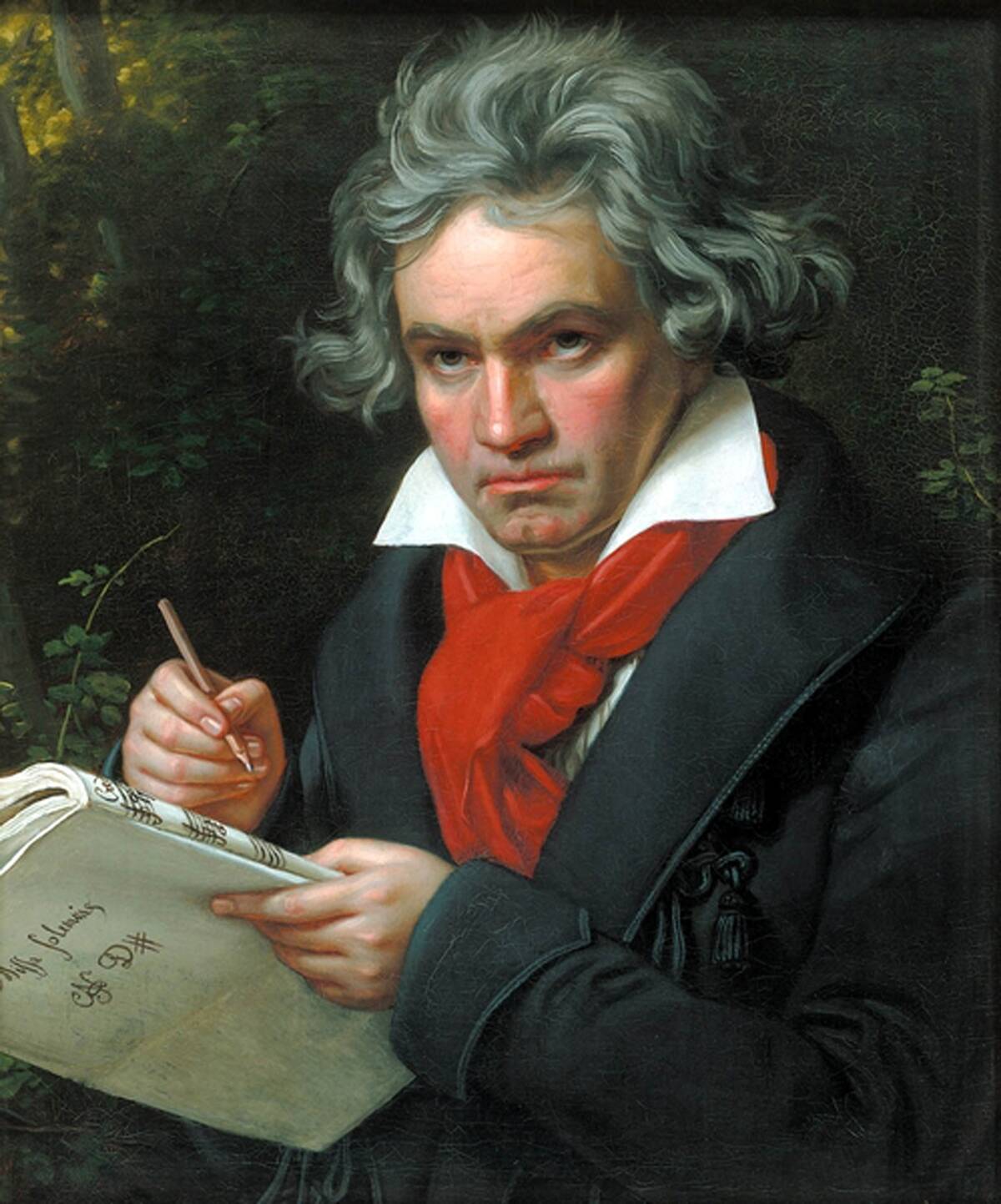
Ludwig van Beethoven’s love for nature is well-documented, with his Sixth Symphony, the ‘Pastoral Symphony,’ being a testament to this affinity. Composed in 1808, this piece captures the essence of the countryside, from its babbling brooks to the rustling trees.
Beethoven’s walks through the Viennese woods inspired him to translate the tranquility and beauty of nature into music, crafting an evocative soundscape that lets listeners escape into the pastoral world he cherished.
Camille Saint-Saëns: Capturing the Carnival of the Animals
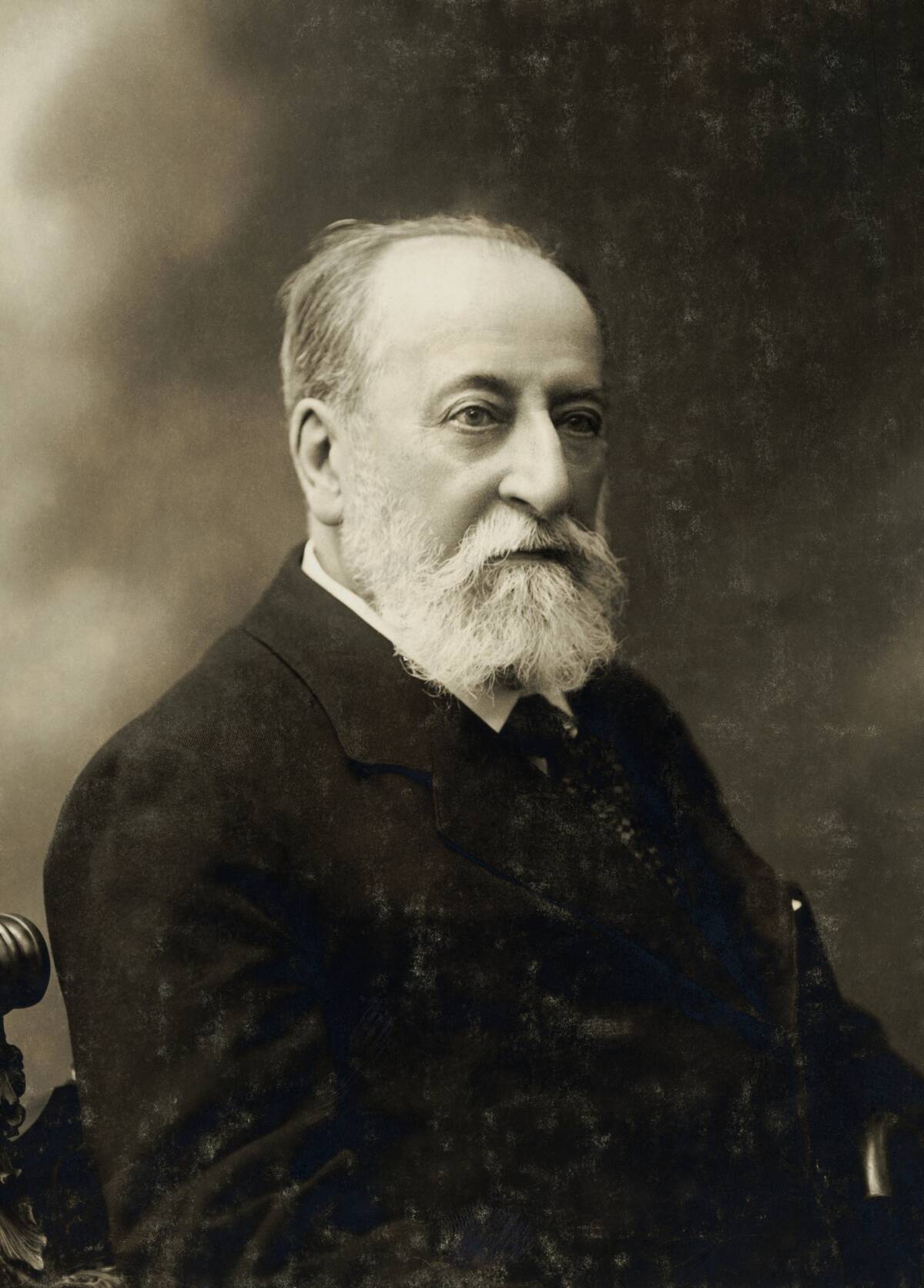
French composer Camille Saint-Saëns brought the animal kingdom to life in his humorous suite, ‘The Carnival of the Animals.’ Composed in 1886, this work playfully mimics animals’ sounds and movements, from the graceful swan to the clumsy elephant.
Saint-Saëns used a variety of instruments to evoke different creatures, creating a whimsical musical menagerie. Though intended as a private joke, this piece remains a beloved classic, enchanting audiences with its vivid portrayal of nature’s creatures.
Gustav Mahler: Echoes of the Earth in Symphony
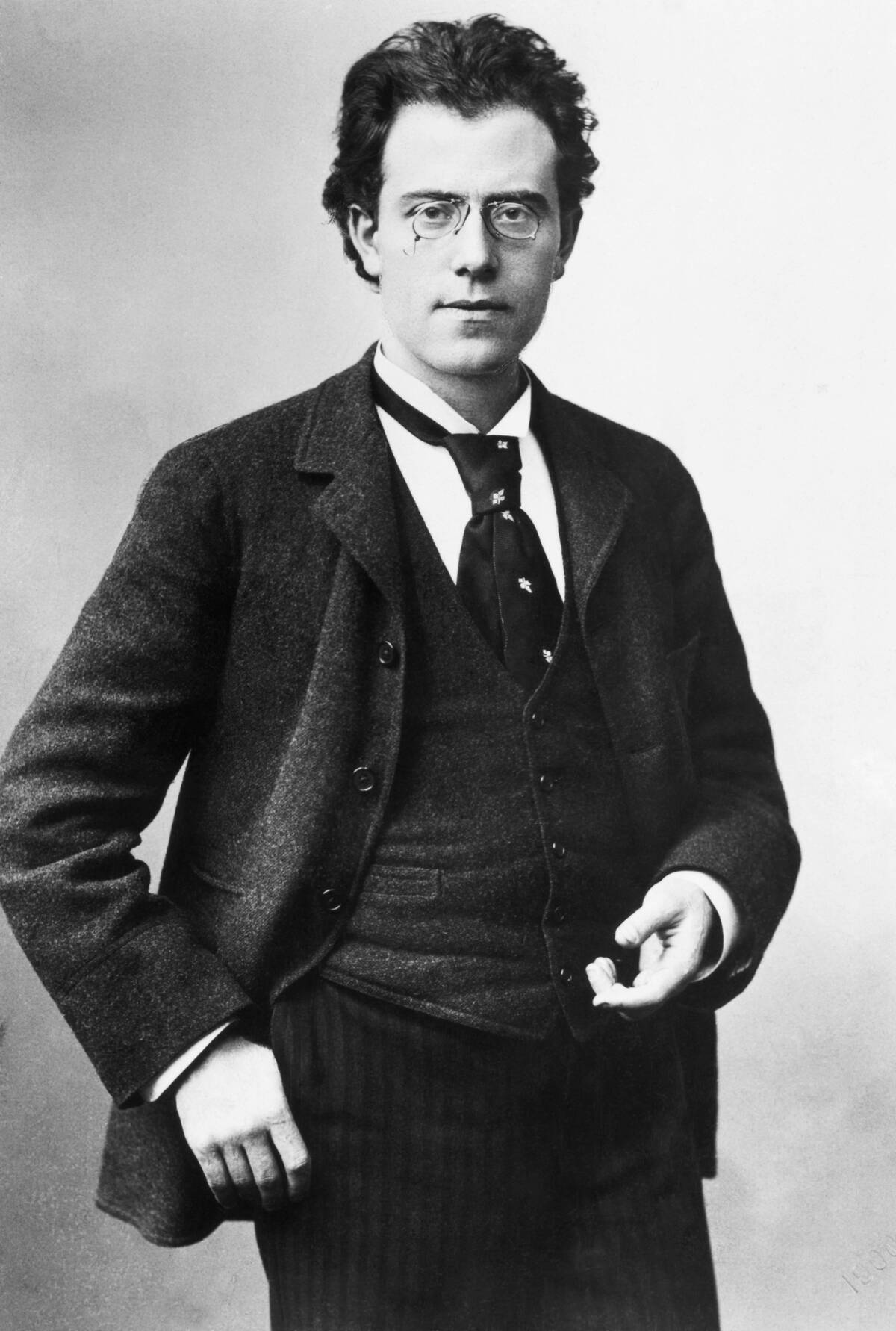
Gustav Mahler’s symphonies are renowned for their emotional depth and complexity, often drawing inspiration from nature. His Third Symphony, composed in the late 19th century, embodies this connection with its depiction of the natural world and humanity’s place within it.
Mahler’s use of folk melodies and natural soundscapes creates a profound exploration of life’s cycles. This symphony, filled with echoes of the earth, showcases the enduring bond between nature and music, inviting reflection on our own existence.
Olivier Messiaen: The Avian Orchestra
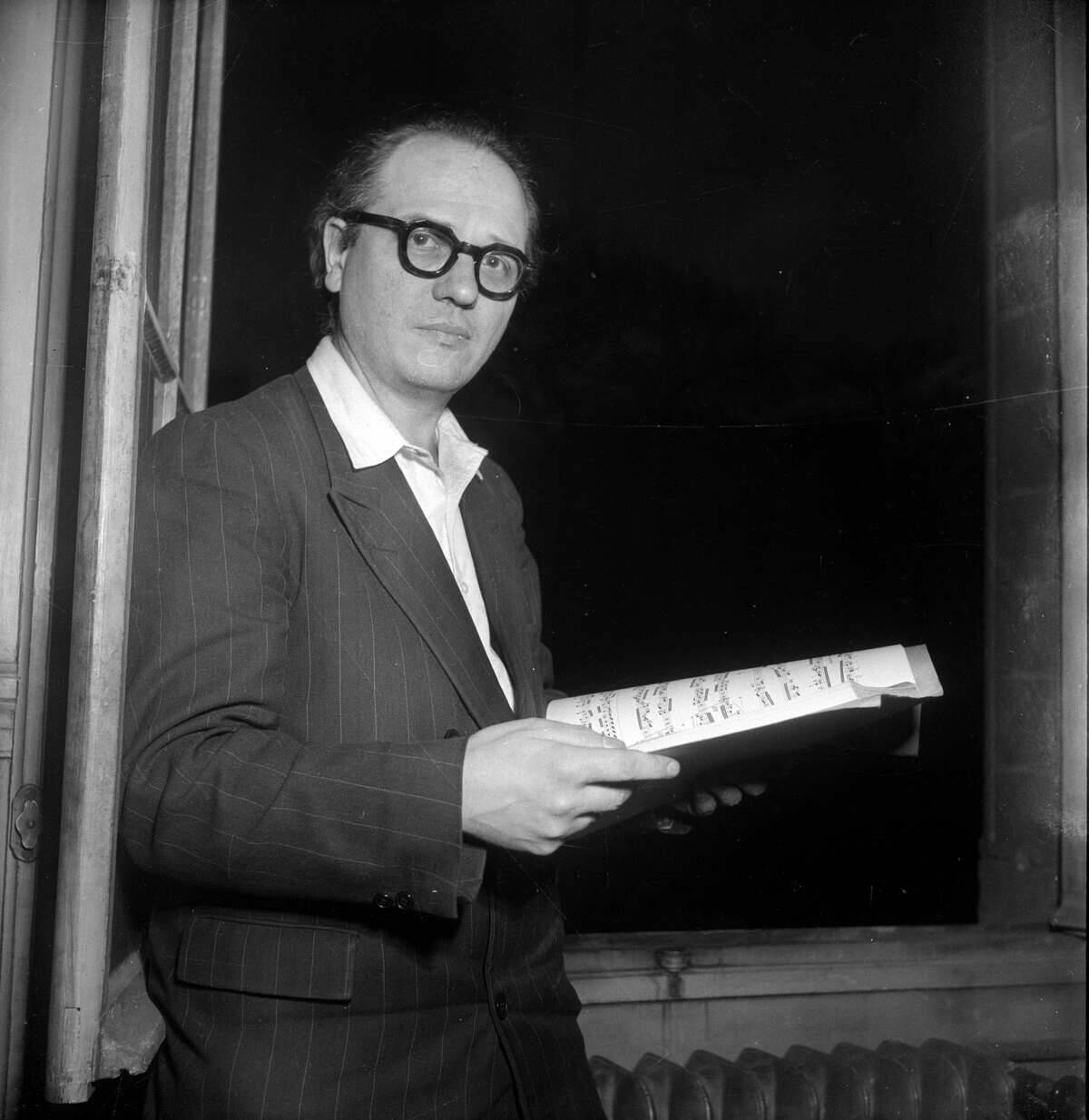
Olivier Messiaen, a 20th-century French composer, was captivated by the songs of birds, incorporating them into his music with intricate detail. His ‘Catalogue d’oiseaux’ is a testament to his fascination, consisting of 13 piano pieces that vividly evoke various bird calls.
Messiaen’s ability to transcribe these sounds into musical notation highlights his dedication to capturing nature’s essence. Through his avian-inspired works, he invites listeners to appreciate the complexity and beauty of the natural world.
Bedřich Smetana: The Moldau’s Musical Journey
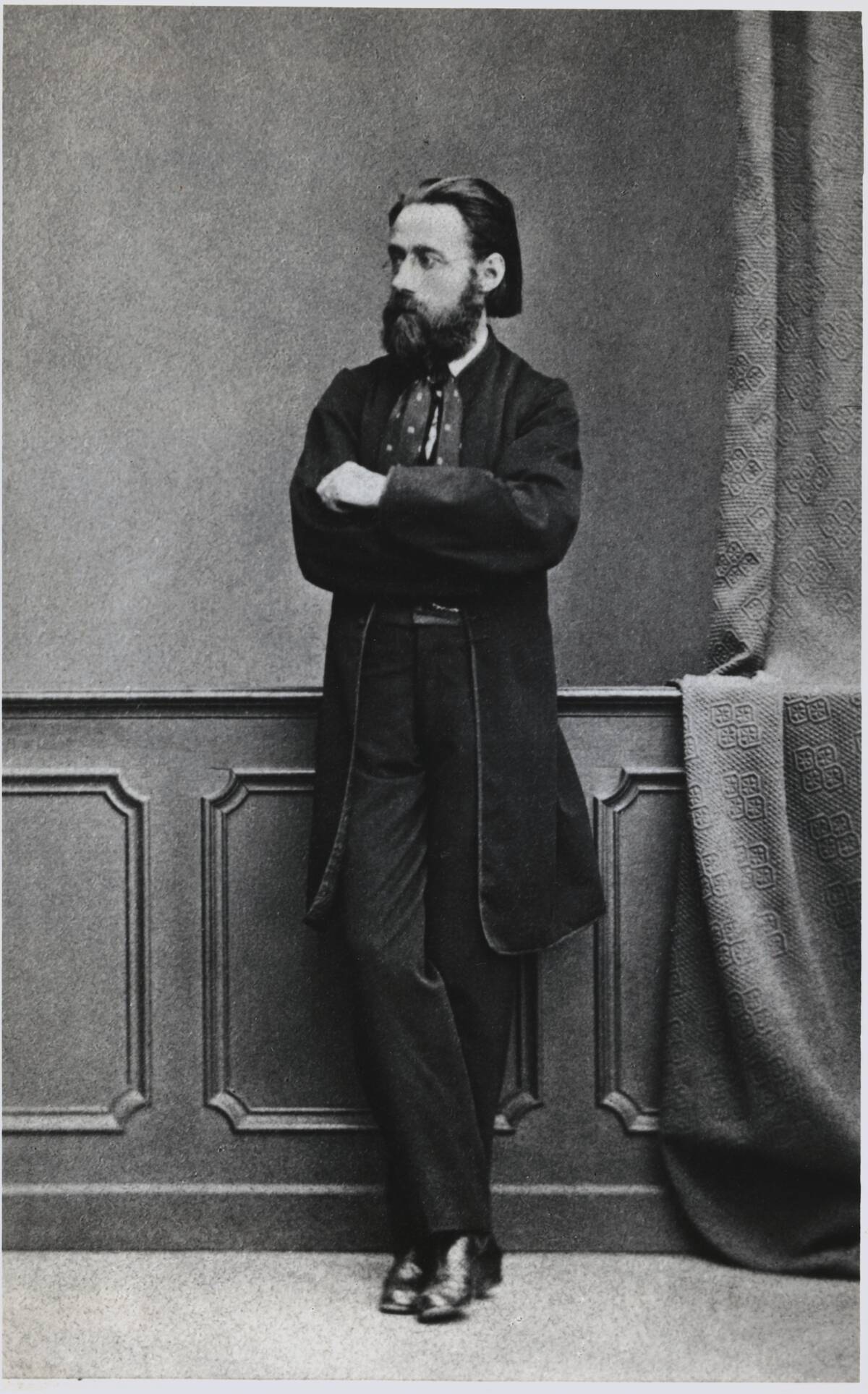
Czech composer Bedřich Smetana’s symphonic poem ‘The Moldau’ is a musical depiction of the Vltava River, capturing its journey through the Czech countryside. Composed in 1874, the piece portrays the river’s course from its bubbling spring to its majestic flow through Prague.
Smetana’s use of musical motifs to represent different scenes along the river creates a vivid aural landscape. This work remains a testament to the power of music to evoke the natural beauty and cultural identity of a region.
Jean Sibelius: The Nordic Natural Soundscape
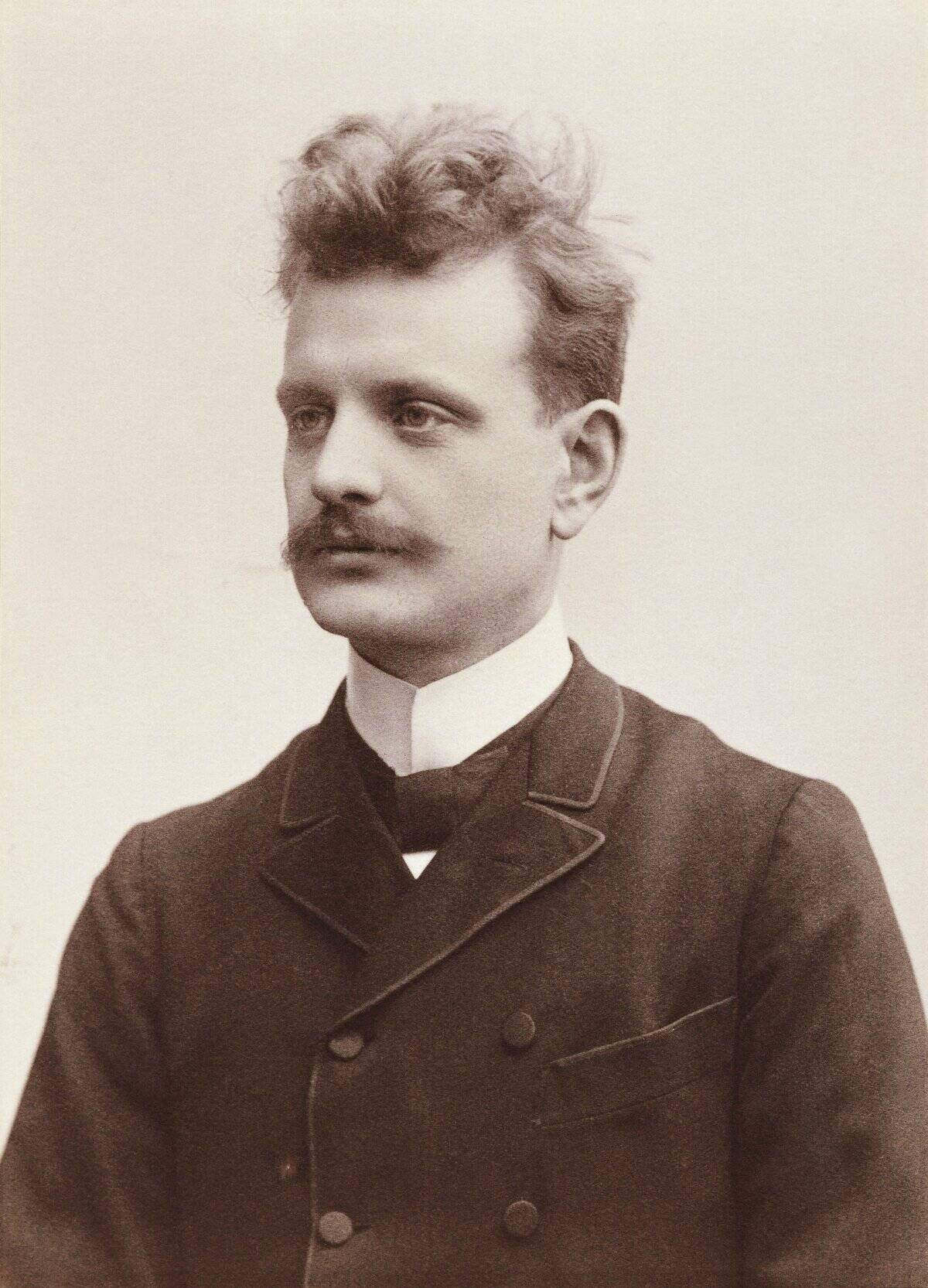
Jean Sibelius, Finland’s most celebrated composer, drew deeply from the Nordic landscape’s grandeur in his music. His symphonic poem ‘Finlandia’ and the ‘Karelia Suite’ reflect the vastness and mystery of Finnish nature.
Sibelius’s ability to translate the essence of his homeland into music creates a powerful connection between nature and national identity. His compositions resonate with the rugged beauty of the Nordic environment, offering listeners a glimpse into the soul of Finland’s natural world.
Ralph Vaughan Williams: The Lark Ascending
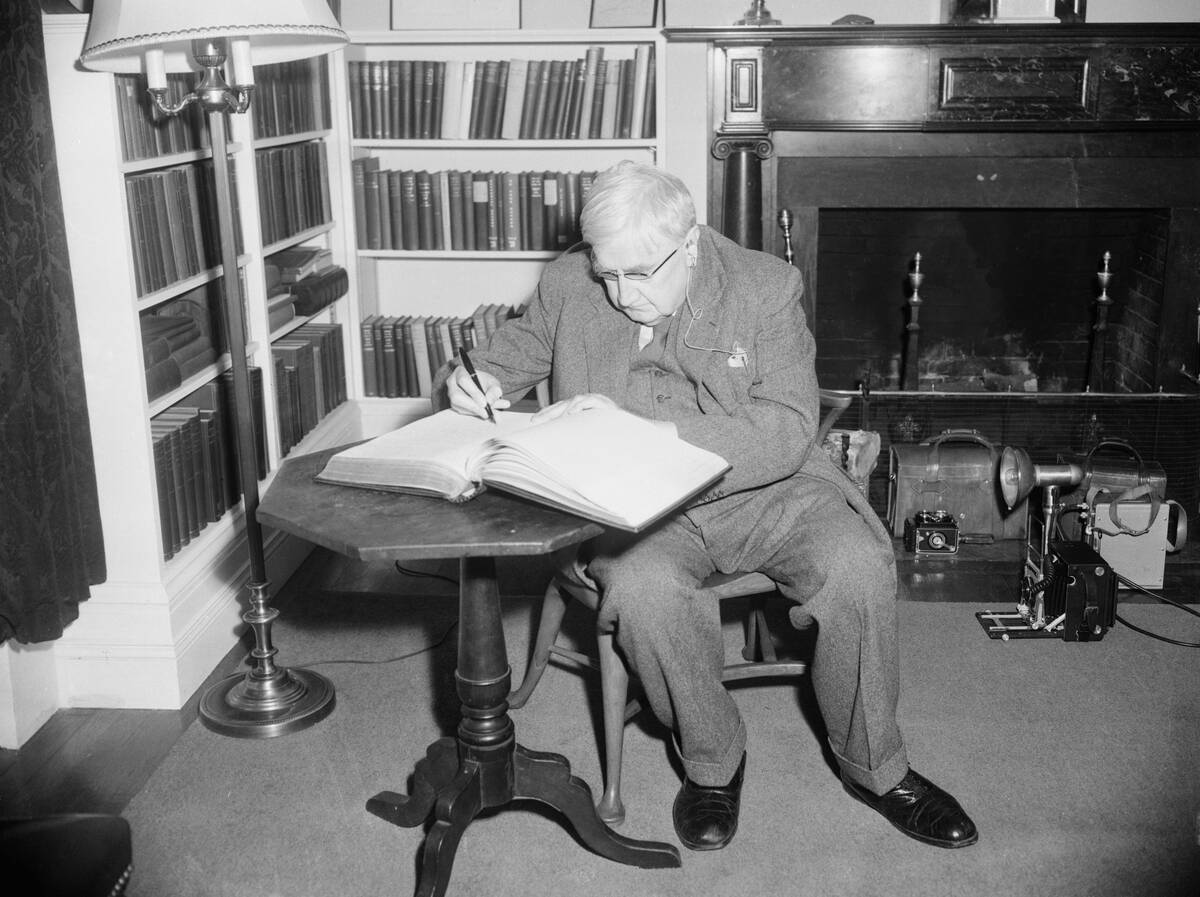
Ralph Vaughan Williams’s ‘The Lark Ascending’ is a quintessential example of music inspired by nature. Composed in 1914, this piece captures the ethereal flight of a lark, with a violin solo that soars gracefully above a lush orchestral backdrop.
Vaughan Williams’s use of pentatonic scales and modal harmonies creates a sense of pastoral tranquility. This work remains a beloved staple of the classical repertoire, celebrated for its ability to evoke the serene beauty of the English countryside.
Antonín Dvořák: From the New World’s Natural Inspiration
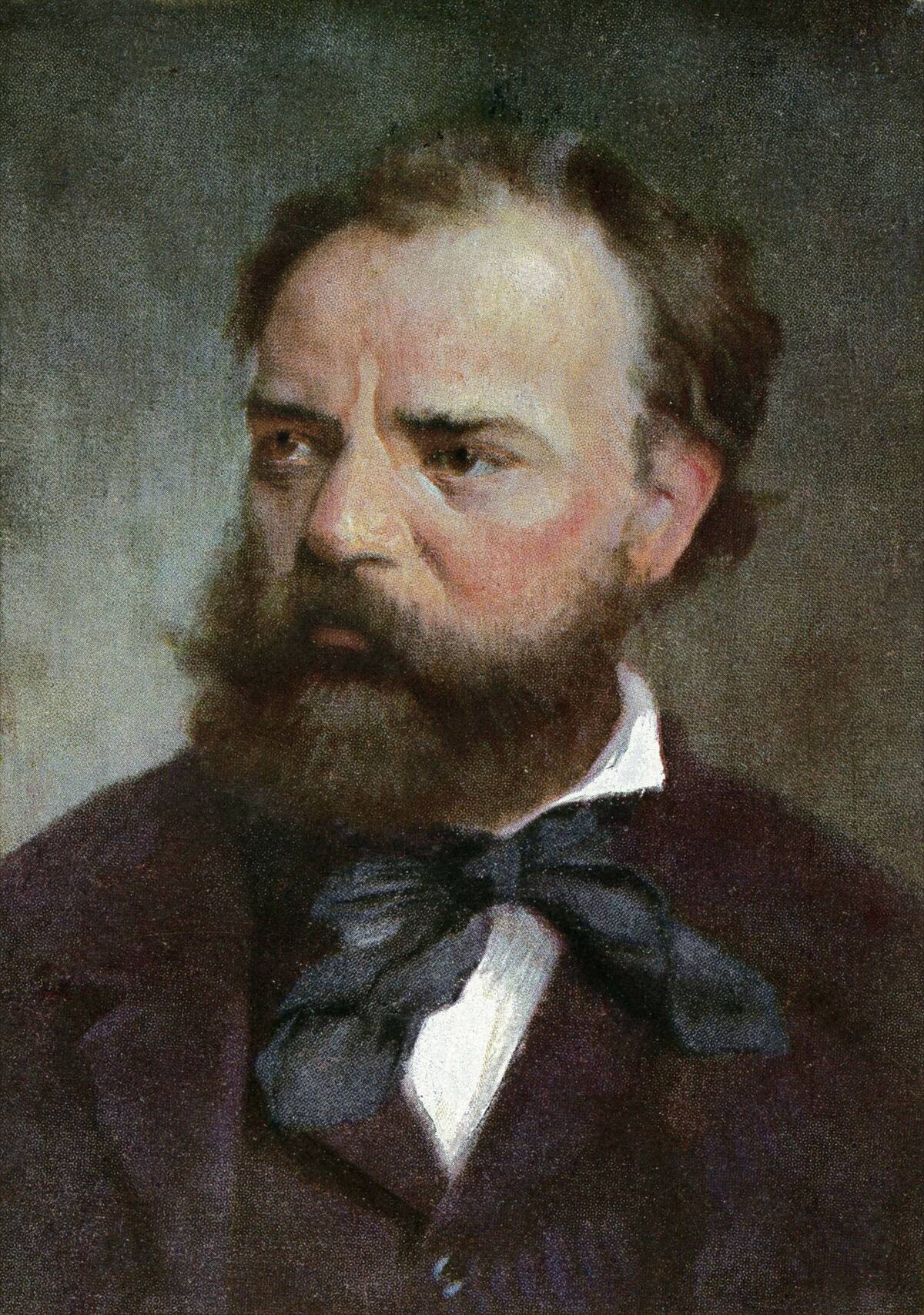
Antonín Dvořák’s Symphony No. 9, ‘From the New World,’ is infused with the influence of American landscapes and Native American music. Composed during his time in the United States in the 1890s, Dvořák drew inspiration from the vast American plains and the spiritual melodies he encountered.
The symphony’s melodies evoke the spirit of the American frontier, blending Dvořák’s European roots with the new world’s natural beauty and cultural diversity, creating a rich tapestry of sound.
John Luther Adams: Embracing the Alaskan Wilderness

Contemporary composer John Luther Adams finds his muse in the Alaskan wilderness, crafting music that reflects the breathtaking landscapes of his home. Works like ‘Become Ocean’ and ‘The Place Where You Go to Listen’ immerse listeners in the natural world, using sound to evoke the vastness and stillness of Alaska’s majestic terrain.
Adams’s compositions celebrate the interplay between humanity and nature, encouraging audiences to contemplate their relationship with the environment through immersive soundscapes.
Alan Hovhaness: Mountains and Mysticism

Alan Hovhaness, an American composer of Armenian descent, was deeply inspired by nature’s majesty, particularly mountains. His Symphony No. 2, ‘Mysterious Mountain,’ reflects his fascination with the mystical qualities of these towering landscapes.
Hovhaness’s music often incorporates Eastern musical elements and a spiritual dimension, bridging the gap between the earthly and the divine. Through his compositions, he invites listeners to experience the transcendental beauty and power of the natural world.
R. Murray Schafer: The Soundscape Composer
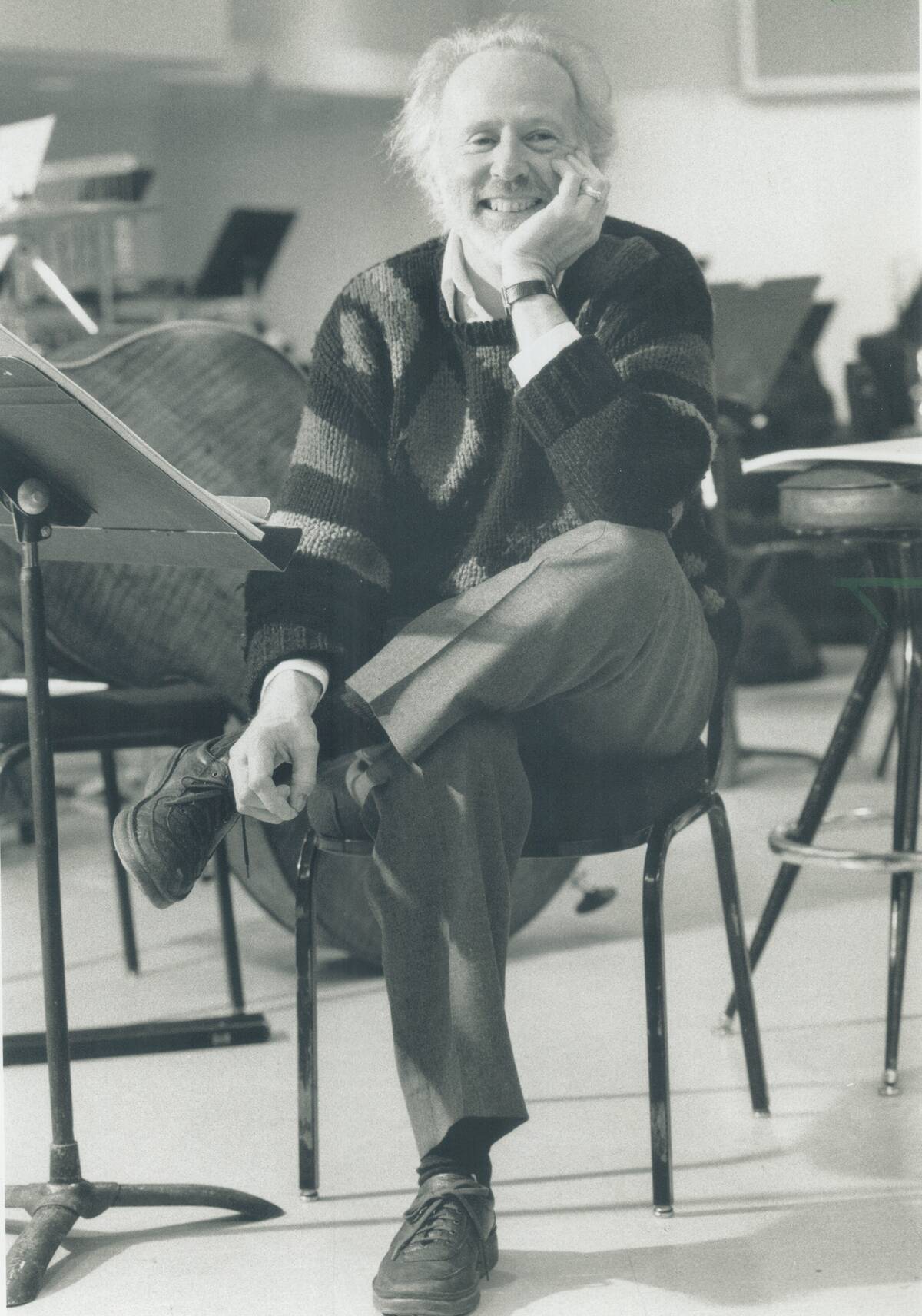
Canadian composer R. Murray Schafer is known for his pioneering work in acoustic ecology and soundscape composition. His pieces often incorporate environmental sounds, blurring the lines between music and nature.
Schafer’s ‘Patria’ cycle and ‘Music for Wilderness Lake’ invite listeners to engage with the natural world, heightening awareness of their sonic environment. His work underscores the importance of preserving natural soundscapes, advocating for a deeper connection between humanity and the world around us.
Tan Dun: The Water Concerto’s Flow

Chinese composer Tan Dun explores the element of water in his innovative ‘Water Concerto,’ where traditional instruments are augmented with water percussion. This piece creates a unique auditory experience, with sounds of splashing and flowing water interwoven into the music.
Tan Dun’s work highlights the importance of natural elements in shaping musical expression, blending Eastern and Western traditions. The ‘Water Concerto’ serves as a reminder of water’s vital role in both nature and human culture.
Toru Takemitsu: Nature as a Sonic Garden

Japanese composer Toru Takemitsu viewed nature as a source of endless inspiration, creating music that reflects its beauty and serenity. His work ‘A Flock Descends into the Pentagonal Garden’ demonstrates his ability to blend Western and Eastern musical traditions, capturing the essence of a tranquil garden.
Takemitsu’s use of subtle textures and tonal colors evokes the natural world’s delicate balance, inviting listeners to experience music as an auditory extension of the environment.
Béla Bartók: Folk Music and Forest Whispers
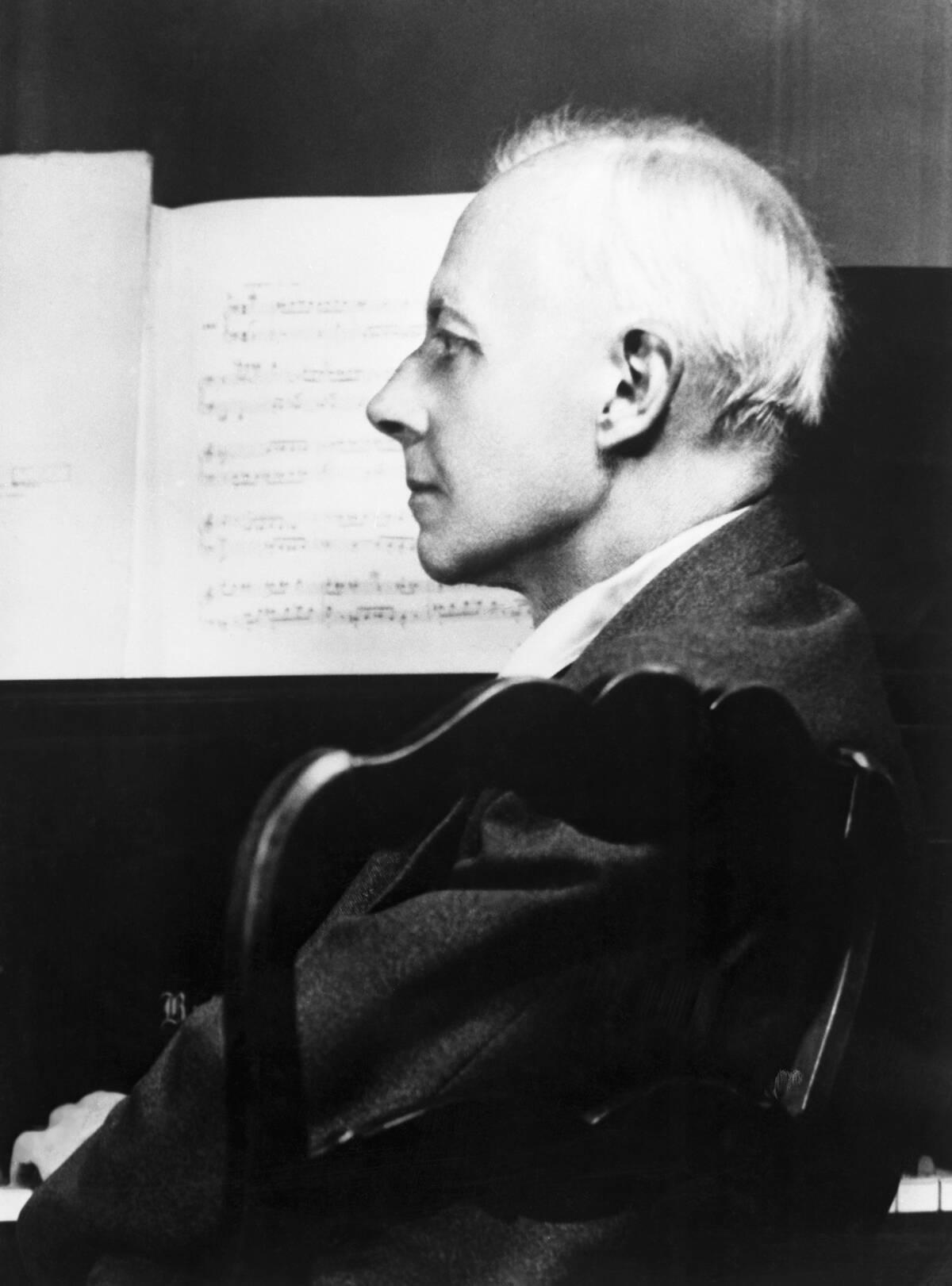
Hungarian composer Béla Bartók was deeply influenced by the folk music of Eastern Europe, which he often intertwined with the sounds of nature. His ‘Music for Strings, Percussion, and Celesta’ reflects this fusion, incorporating rhythms and melodies reminiscent of the natural world.
Bartók’s exploration of folk tunes and his fascination with the outdoors created a unique musical language that resonates with the whispers of forests and fields, celebrating the connection between humanity and nature.
Richard Wagner: The Ring and the Rhine
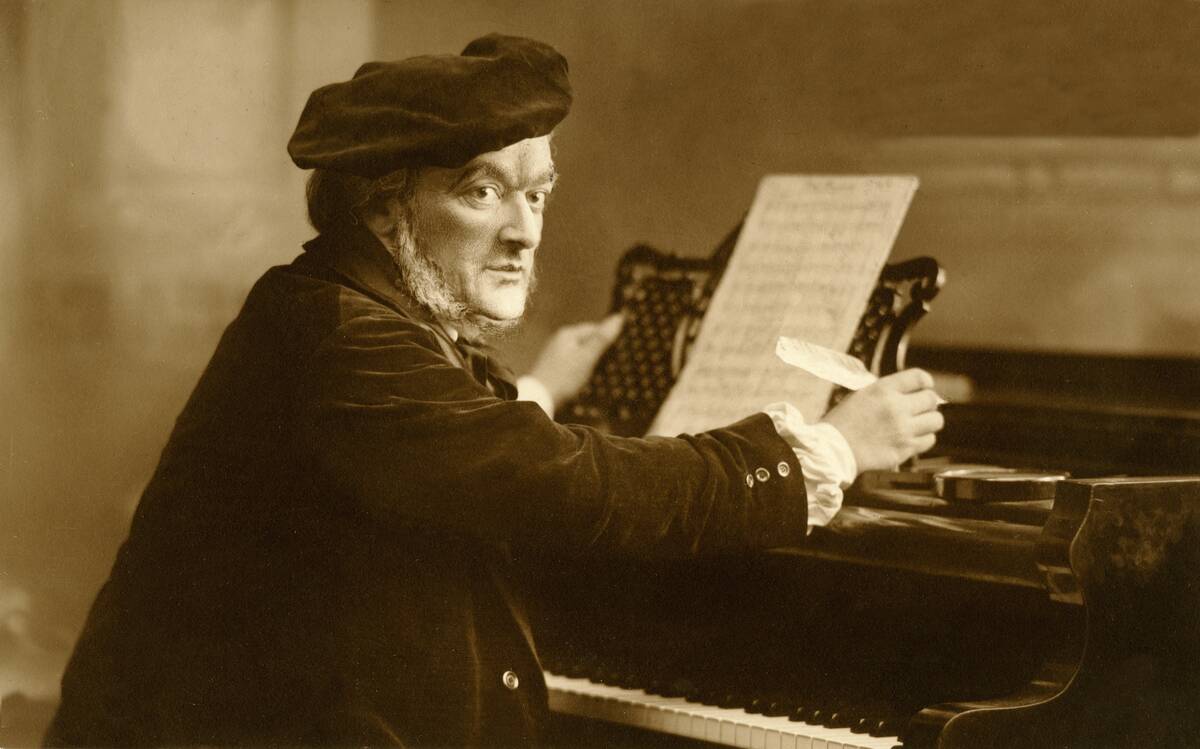
Richard Wagner’s epic opera cycle ‘Der Ring des Nibelungen’ draws heavily from nature, particularly the mighty Rhine River. The cycle’s opening, ‘Das Rheingold,’ features a musical depiction of the river’s flowing waters, setting the stage for the saga that follows.
Wagner’s use of leitmotifs to represent natural elements creates a rich tapestry of sound, immersing audiences in a world where the forces of nature and myth collide. The Rhine’s presence is a testament to nature’s role in Wagner’s storytelling.
Conclusion: The Enduring Symphony of Nature and Creativity

The relationship between nature and music is a testament to the enduring power of both. Through the works of composers past and present, we see how the natural world continues to inspire and shape musical expression.
This harmony between nature and creativity offers a glimpse into the profound ways in which art and environment are intertwined. As we listen to these compositions, we are reminded of the beauty and complexity of the world around us, and the timeless inspiration it provides.




