Ancient musical traditions still performed today
Music is a universal language that transcends borders and cultures, connecting people through shared rhythms and melodies. Throughout history, various musical traditions have emerged, each with its own unique sound and significance.
These timeless traditions not only preserve cultural heritage but also enrich our global tapestry, offering us a glimpse into the past while influencing contemporary music. Let’s embark on a journey to explore some of these captivating musical traditions from around the world.
The Enchanting Mystique of Gregorian Chant
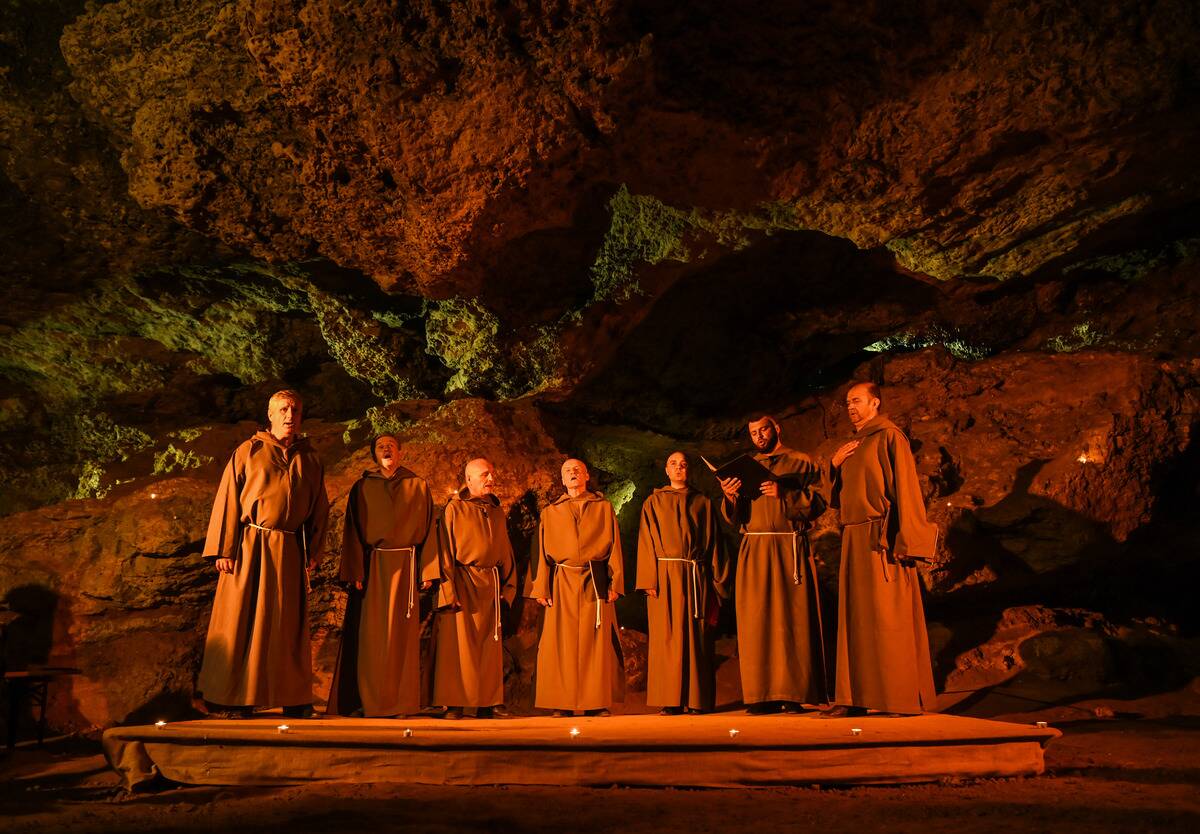
Gregorian chant, named after Pope Gregory I, is a form of plainchant that emerged in the medieval churches of Western Europe. Its ethereal melodies and monophonic texture create a serene atmosphere, often sung in Latin by choirs without instrumental accompaniment.
These chants were used in religious services, and their simplicity allows the listener to focus on spiritual contemplation. Even today, Gregorian chant remains a symbol of spiritual devotion and continues to inspire modern composers.
The Resilient Rhythms of Indian Classical Music
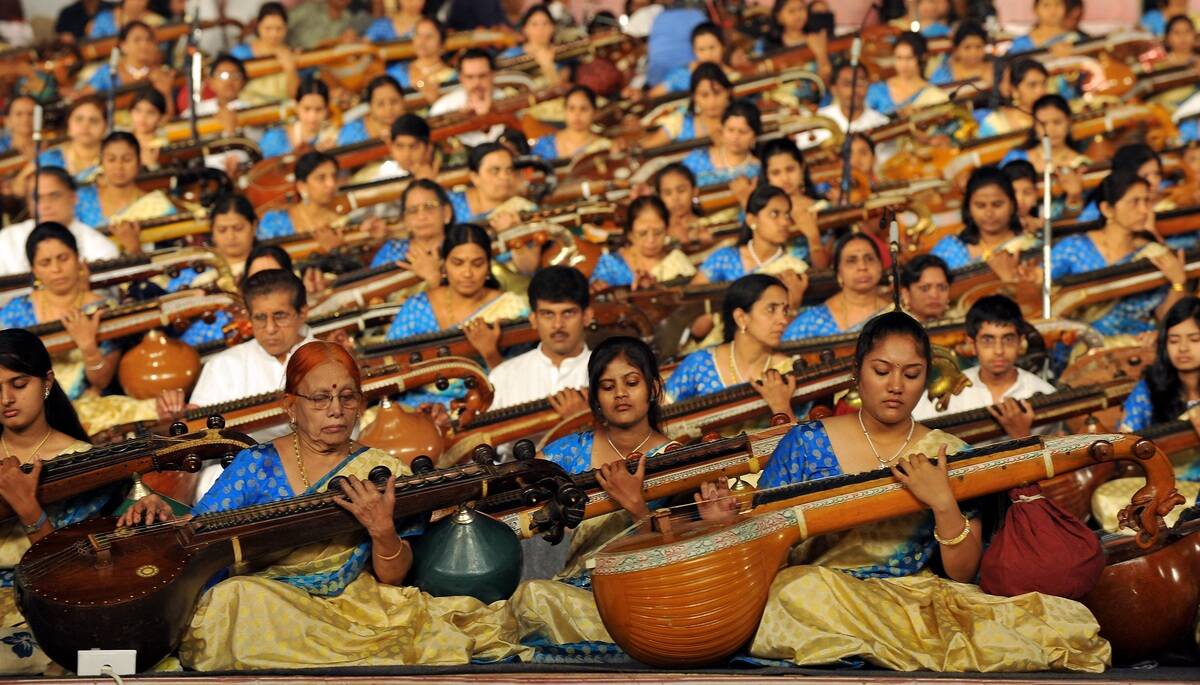
Indian classical music, with its origins tracing back thousands of years, is characterized by its intricate ragas and talas. This music tradition splits into two main styles: Hindustani in the north and Carnatic in the south.
Both styles are deeply rooted in spirituality and aim to evoke specific emotions through improvisation. Instruments like the sitar, tabla, and veena are integral to this music, each contributing to its mesmerizing and complex soundscape that captivates audiences worldwide.
Flamenco: The Passionate Pulse of Spain
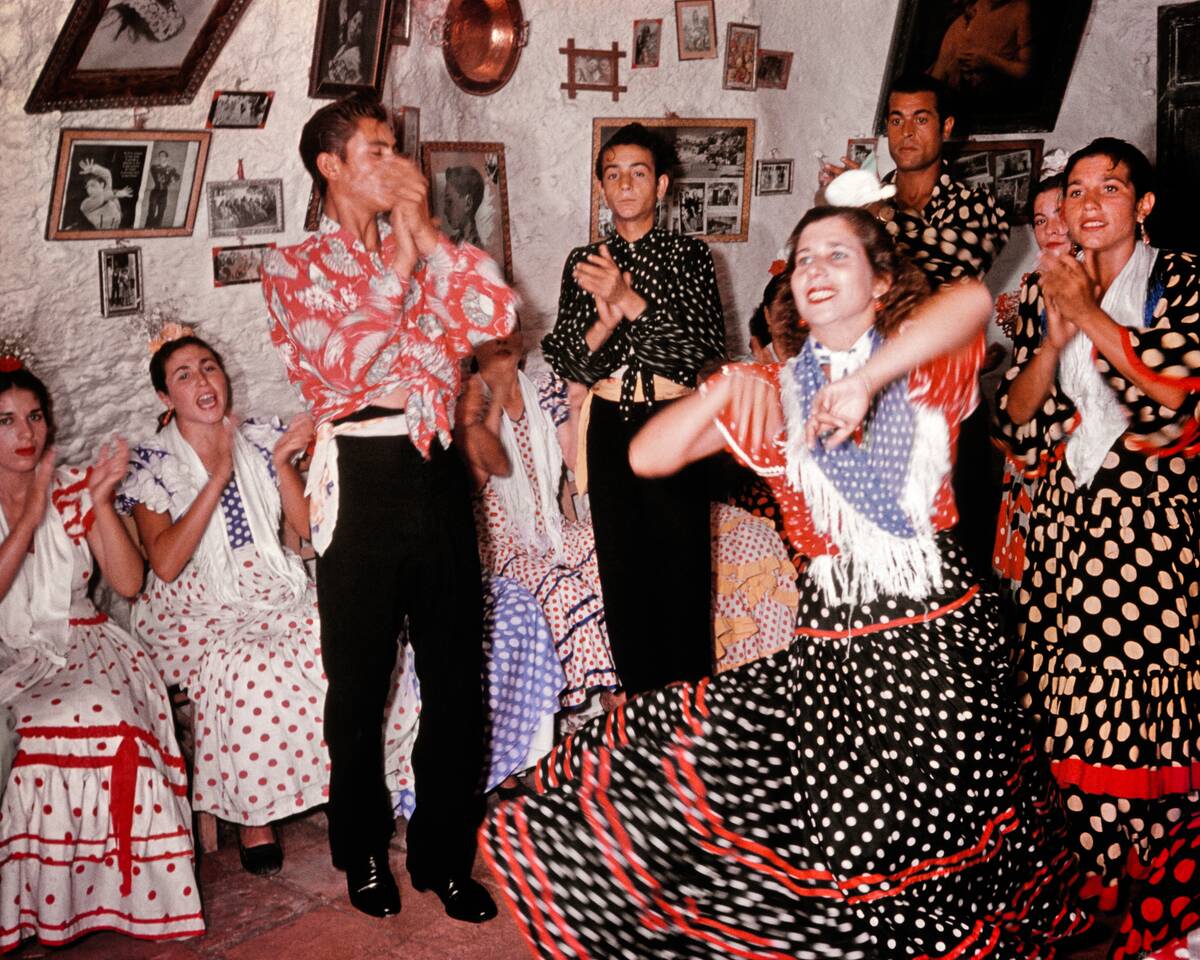
Flamenco is an expressive art form originating from the Andalusian region of Spain, known for its passionate dance, guitar playing, and soulful singing. It reflects the cultural melting pot of Spanish, Moorish, and Romani influences.
The emotive intensity of flamenco comes from its complex rhythms, hand claps, and footwork, often telling stories of love, struggle, and celebration. Flamenco’s vibrant energy and emotional depth have earned it a place as a UNESCO Intangible Cultural Heritage.
The Soulful Echoes of West African Griots
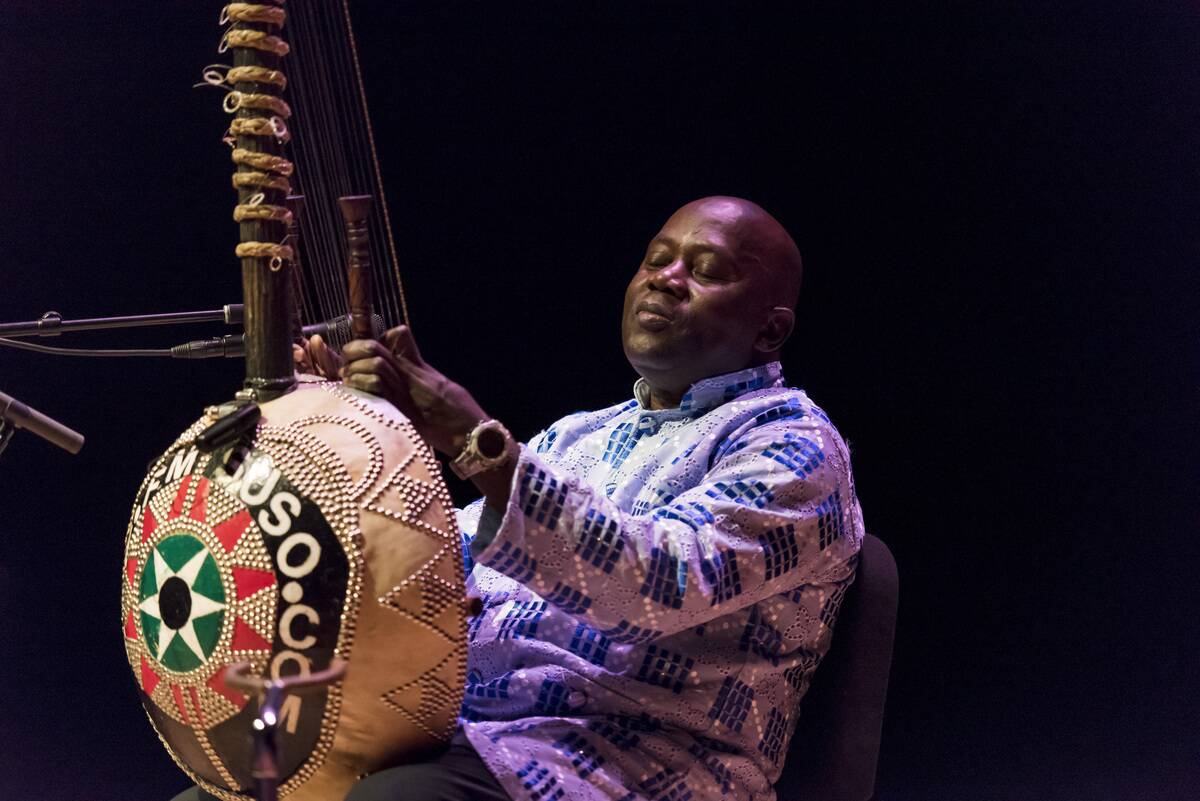
Griots are the storytellers and musicians of West Africa, preserving history and culture through oral tradition. Known as the keepers of oral history, they play the kora, a 21-string lute-bridge-harp, and sing epic tales of ancestry and folklore.
Griots are respected figures in their communities, often performing at ceremonies and events. Their music is not only a form of entertainment but also a vital cultural practice that ensures the transmission of historical knowledge across generations.
The Enduring Elegance of Japanese Gagaku
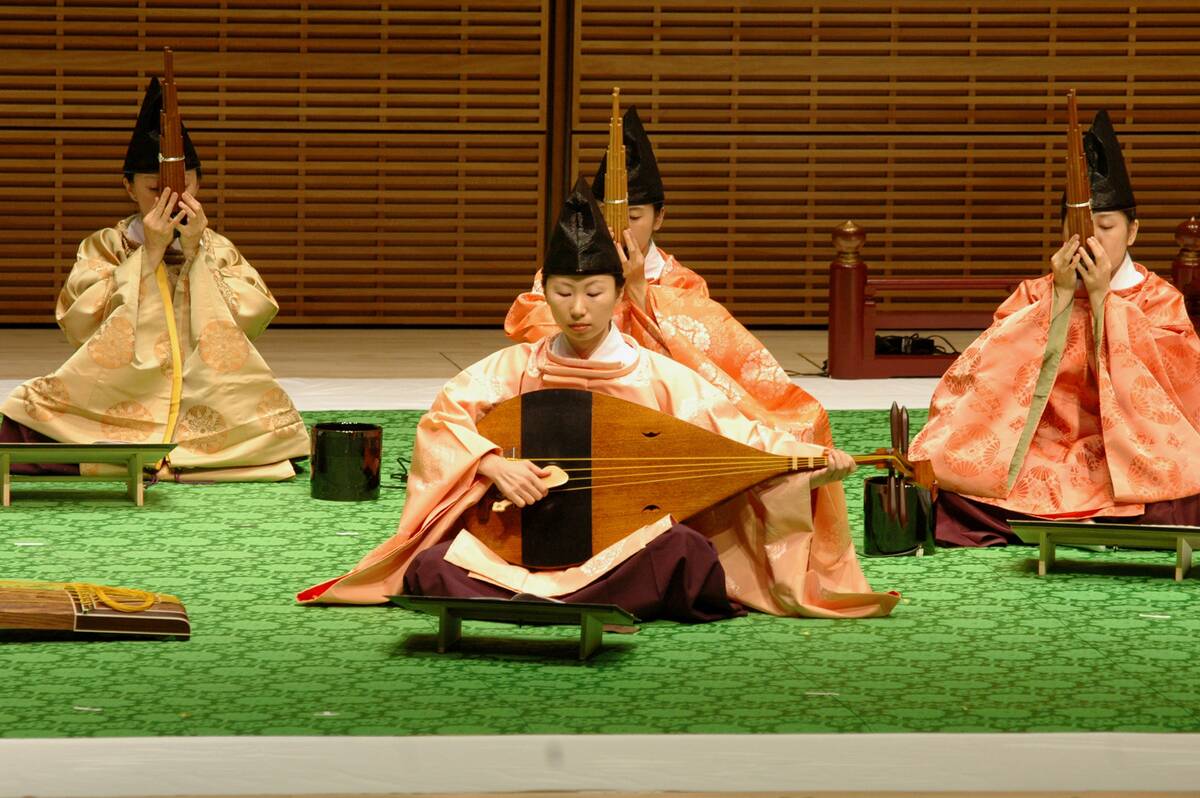
Gagaku, meaning “elegant music,” is a traditional form of Japanese court music that dates back well over a thousand years. It is performed with a variety of instruments, including the hichiriki, sho, and biwa.
Gagaku’s slow, deliberate melodies and refined movements are designed to create a sense of harmony and balance. This ancient music form is still performed at the Imperial Court in Japan, symbolizing the continuity of cultural traditions and the enduring beauty of ceremonial music.
The Majestic Legacy of Scottish Bagpipes
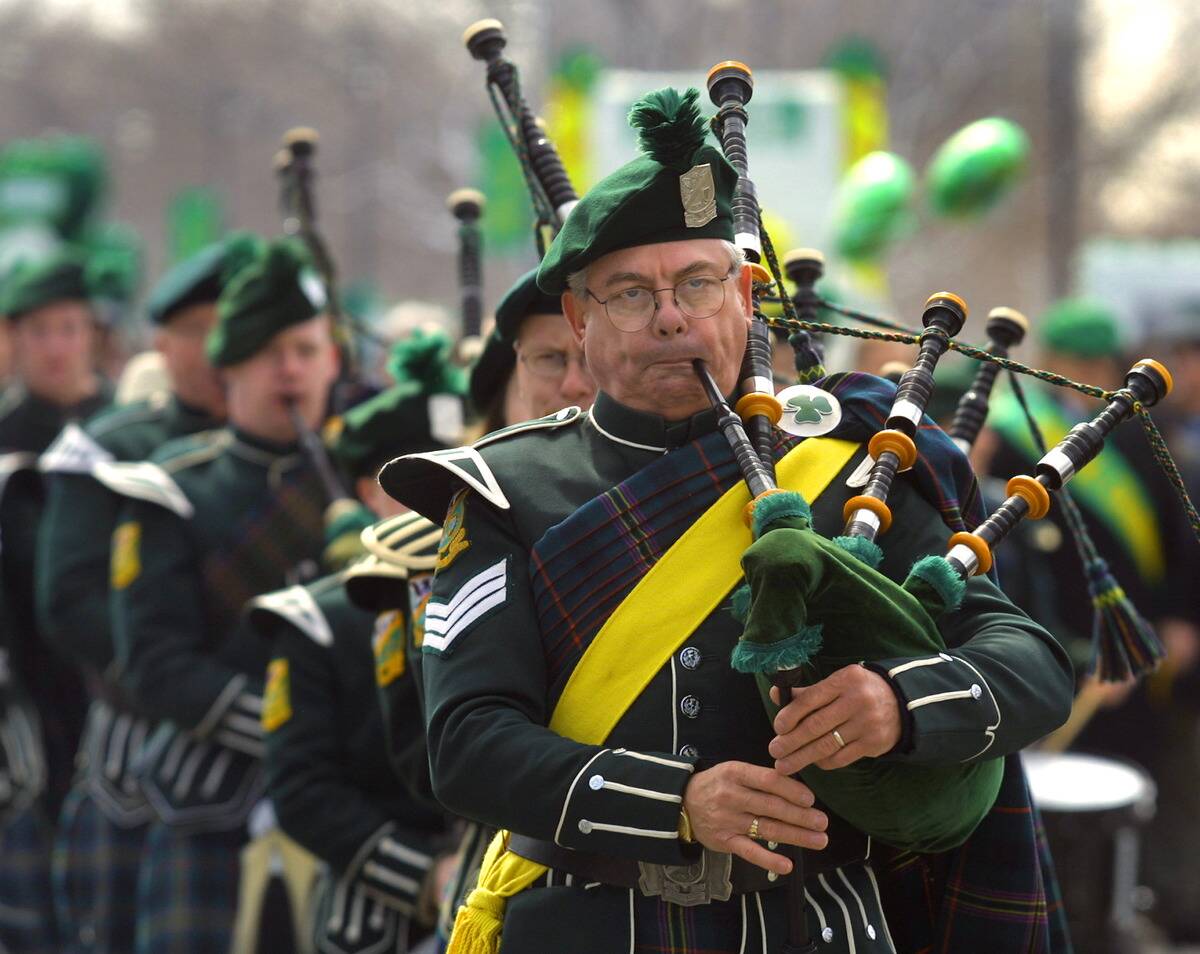
The bagpipes are synonymous with Scottish cultural identity, with their origins dating back to ancient times. Characterized by their unique sound produced by a continuous flow of air, bagpipes are often played at significant Scottish events, such as weddings and military ceremonies.
The Great Highland Bagpipe is the most well-known type, and its music ranges from lively dance tunes to solemn laments. Bagpipes evoke a sense of pride and nostalgia, resonating with audiences far beyond Scotland’s borders.
The Vibrant Tapestry of Native American Powwow Music
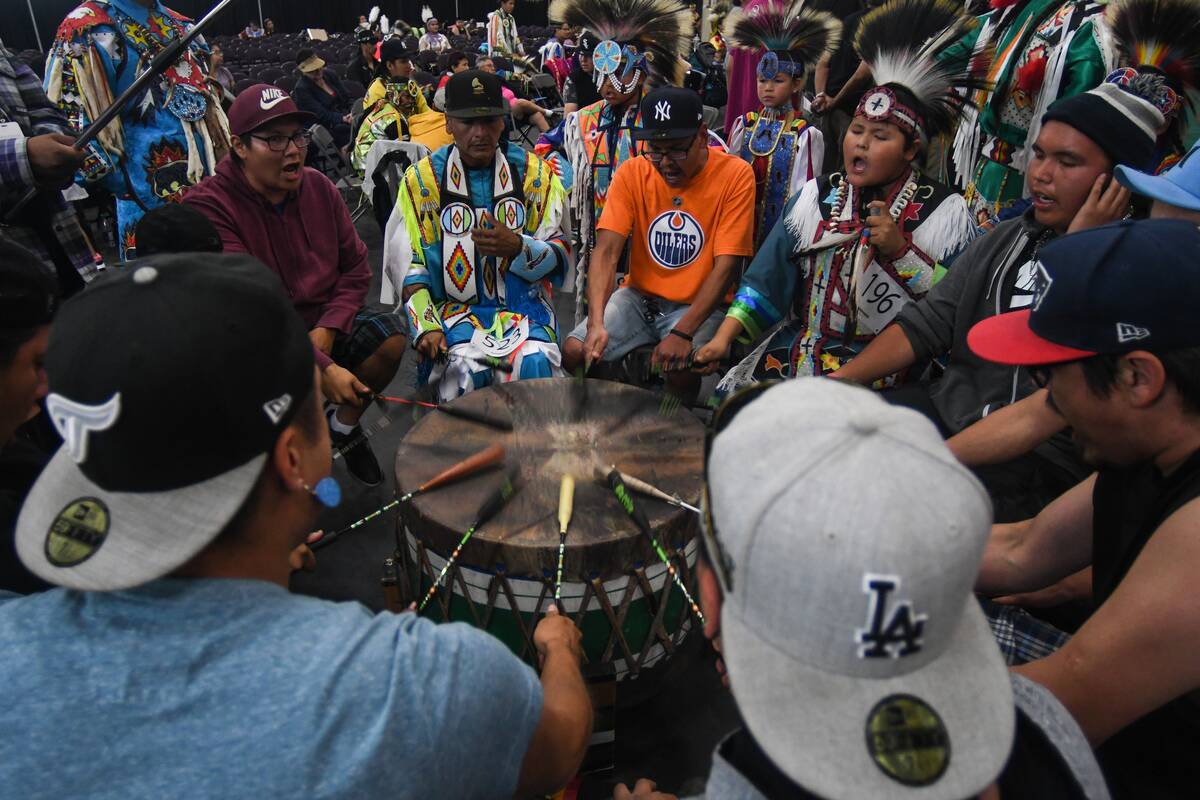
Powwow music is a central element in Native American culture, serving as a unifying force among different tribes. It features drumming, singing, and dancing, reflecting a rich tapestry of traditions and beliefs.
The drum is considered sacred, often referred to as the “heartbeat of the people.” Powwows are social gatherings where communities come together to celebrate heritage, share stories, and preserve cultural practices. This vibrant music fosters a sense of identity and communal spirit.
The Harmonious Heritage of Chinese Guqin
![Master instrument maker Choi Cheung-sau, poses with a Guqin, at Choi Fook Kee Musical Instrument Factory in Shek Kip Mei. 03NOV15 [LIFE FEATURES]](https://media.tellmebest.com/wp-content/uploads/2026/01/master-instrument-maker-choi-cheung-sau-poses-with-a-guqin-at-choi-fook-kee-musical-instrument-factory-in-shek-kip-mei.-03nov15-life-features-33981.jpeg)
The guqin is an ancient Chinese stringed instrument with a history spanning over 3,000 years. Known for its delicate and nuanced tones, the guqin is often associated with scholarly and artistic pursuits.
Traditionally, it has been played by literati as a means of self-cultivation and meditation. The music of the guqin is characterized by its subtlety and depth, inviting listeners to experience a serene and introspective journey. It remains a symbol of Chinese cultural refinement and wisdom.
The Joyful Melodies of Irish Traditional Music
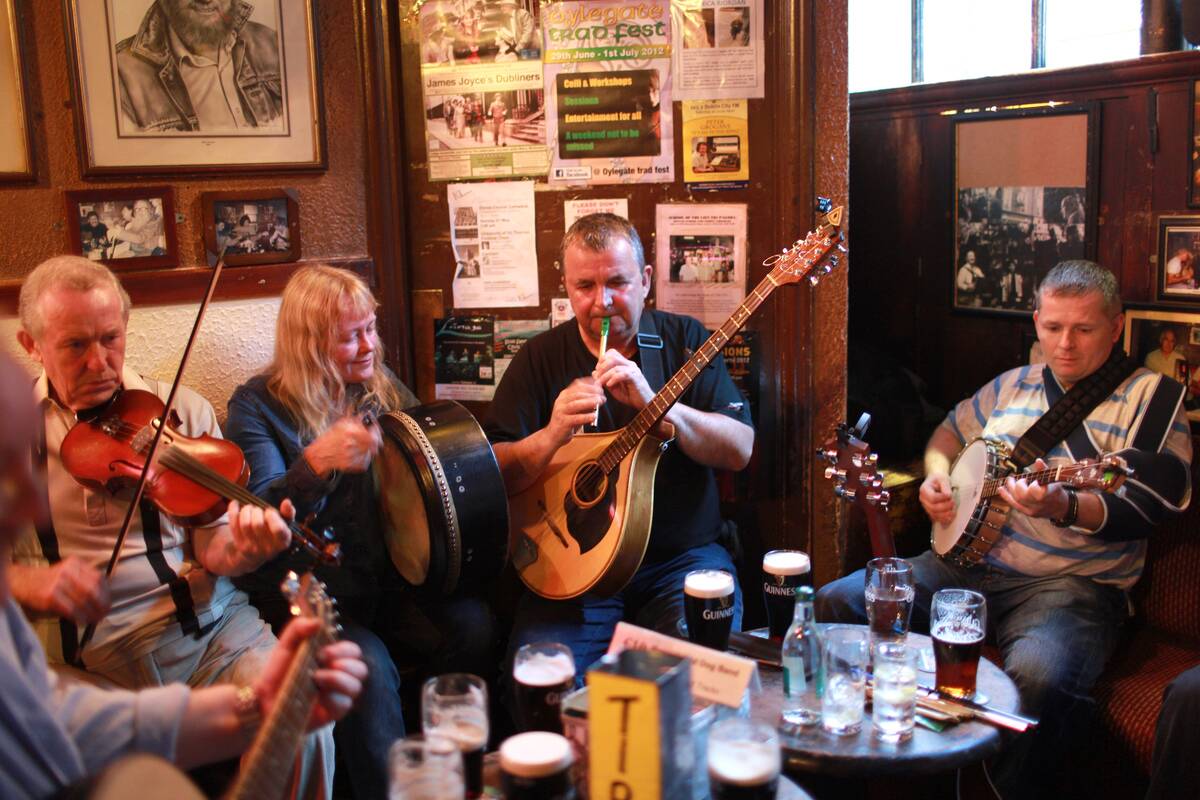
Irish traditional music is characterized by its lively and infectious rhythms, often played at social gatherings and celebrations. Instruments such as the fiddle, tin whistle, and bodhrán drum are commonly used, creating upbeat and spirited tunes.
This music invites participation, encouraging dancing and singing along. Irish music is not only a source of entertainment but also a way to express national pride and cultural heritage, with its roots deeply embedded in Irish history and folklore.
The Sacred Serenades of Byzantine Chant
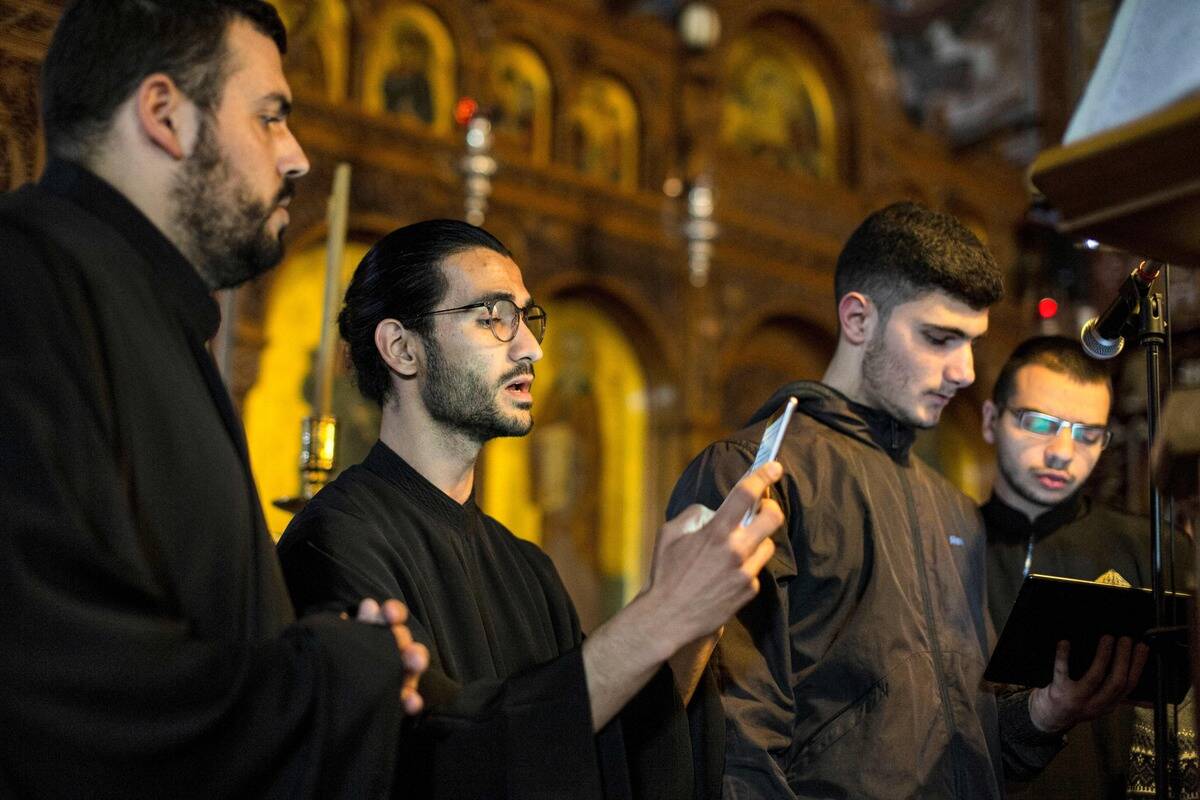
Byzantine chant is a form of sacred music that has its roots in the early Christian traditions of the Byzantine Empire. Known for its complex vocal harmonies and modal scales, this chant is performed a cappella, emphasizing the human voice’s purity.
It plays an integral role in Eastern Orthodox liturgical services, conveying a profound sense of spirituality and devotion. Byzantine chant continues to be a living tradition, revered for its beauty and spiritual depth across Orthodox communities.
The Heartfelt Strains of Russian Orthodox Choral Music
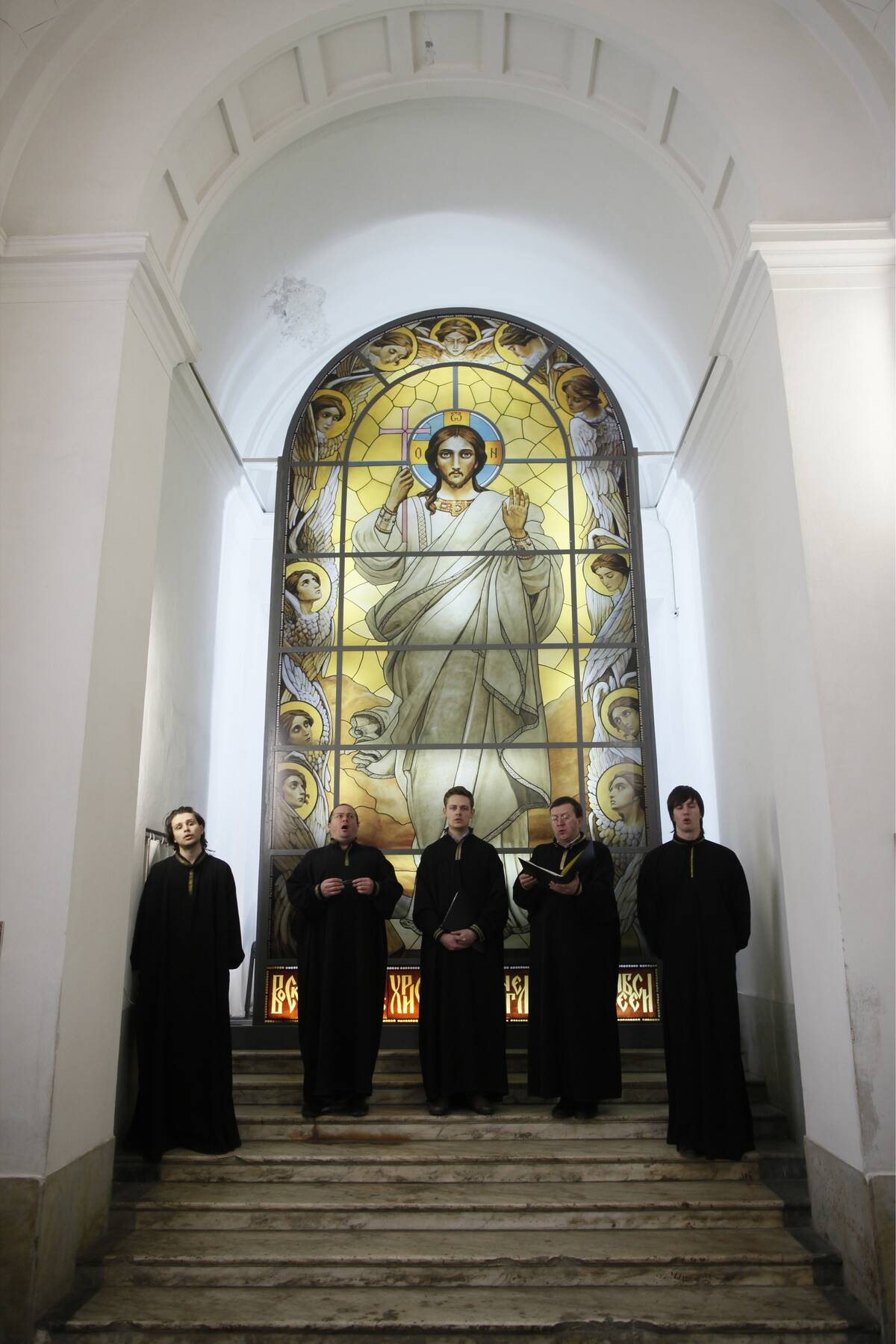
Russian Orthodox choral music is renowned for its rich harmonies and emotional depth, often performed in church services. It features a cappella singing, with choirs producing powerful and resonant sounds that evoke a sense of divine presence.
This music tradition draws from centuries-old liturgical texts, creating a connection between the congregation and the sacred. Its transcendent beauty continues to inspire both worshippers and music enthusiasts, highlighting the profound spirituality of the Russian Orthodox faith.
The Intricate Artistry of Persian Classical Music
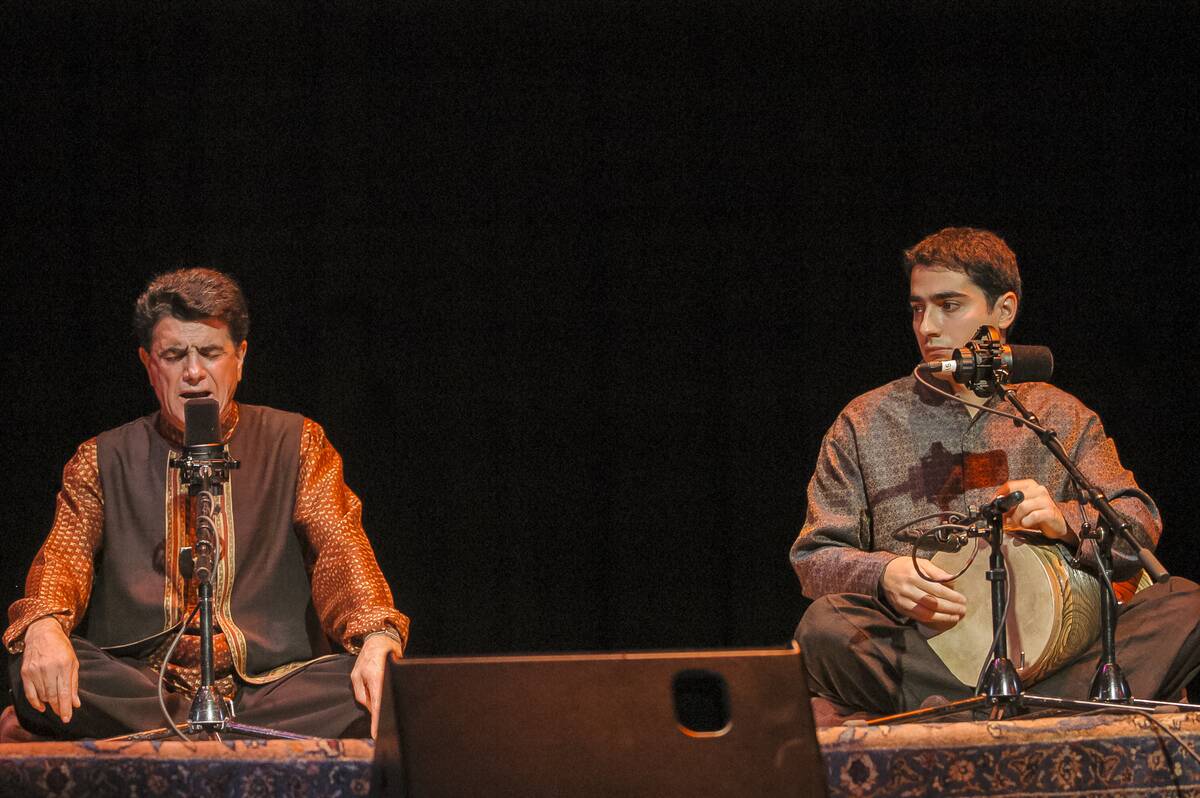
Persian classical music is an ancient and sophisticated art form that emphasizes improvisation and expressive melodies. It is structured around the dastgah system, with each dastgah comprising a set of melodic modes.
Instruments like the tar, santur, and setar are commonly used, creating intricate and emotive soundscapes. This music tradition is deeply intertwined with Persian poetry and philosophy, reflecting themes of love, mysticism, and nature. Its beauty and complexity continue to captivate audiences around the world.
The Timeless Tunes of Aboriginal Didgeridoo
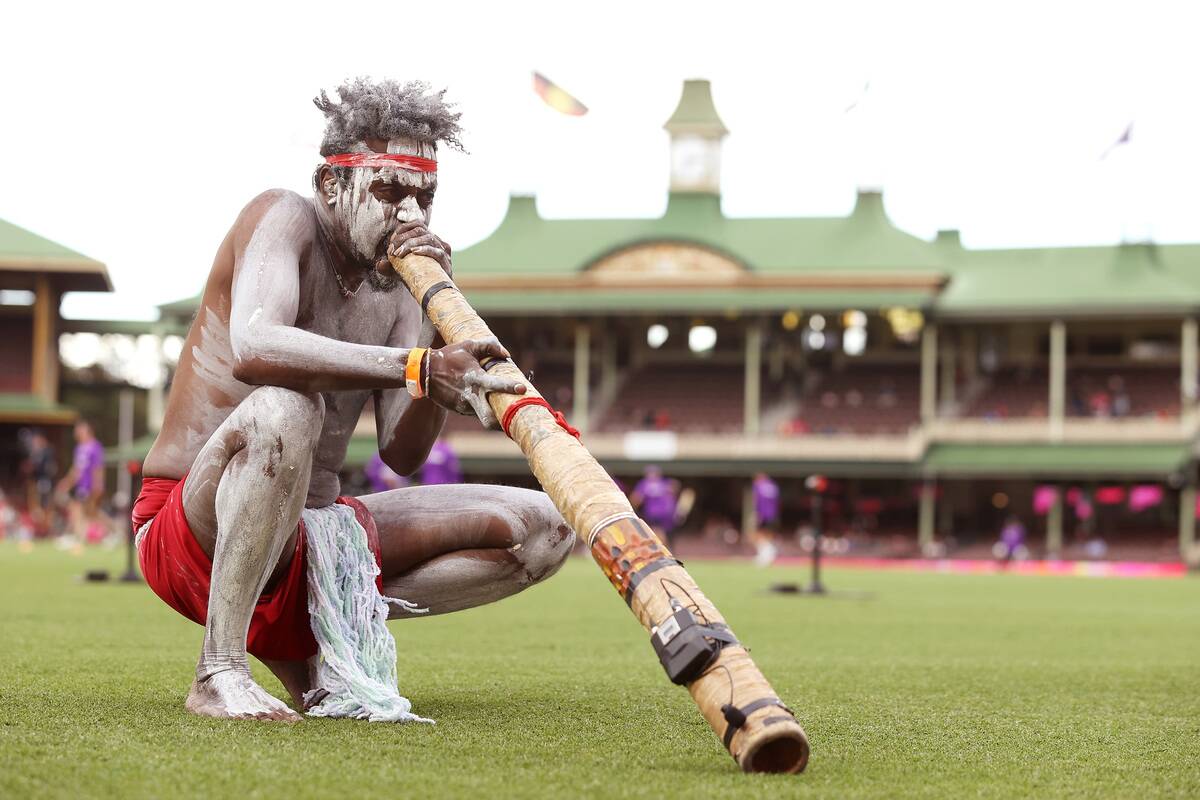
The didgeridoo is a traditional wind instrument of the Aboriginal Australians, known for its deep, resonant drone. Crafted from naturally hollowed-out eucalyptus branches, it is played using a technique called circular breathing.
The didgeridoo’s sound is often accompanied by songs and dances, serving as an integral part of Aboriginal ceremonies and storytelling. It symbolizes a connection to the land and ancestral spirits, and its haunting tones continue to intrigue and enchant listeners worldwide.




