How misidentified animals inspired legendary creatures
Mythical creatures have long captured the human imagination, blurring the lines between reality and fantasy. These fascinating beings often have roots in real-world phenomena, leading to tales as captivating as the creatures themselves.
From the deep oceans to the highest mountains, the stories of these mythical beasts reveal much about human culture and our connection to nature. Let’s embark on a journey to uncover the origins of these legendary creatures, exploring the truths hidden behind the myths.
The Kraken: From Real-Life Giant Squid to Nautical Nightmare
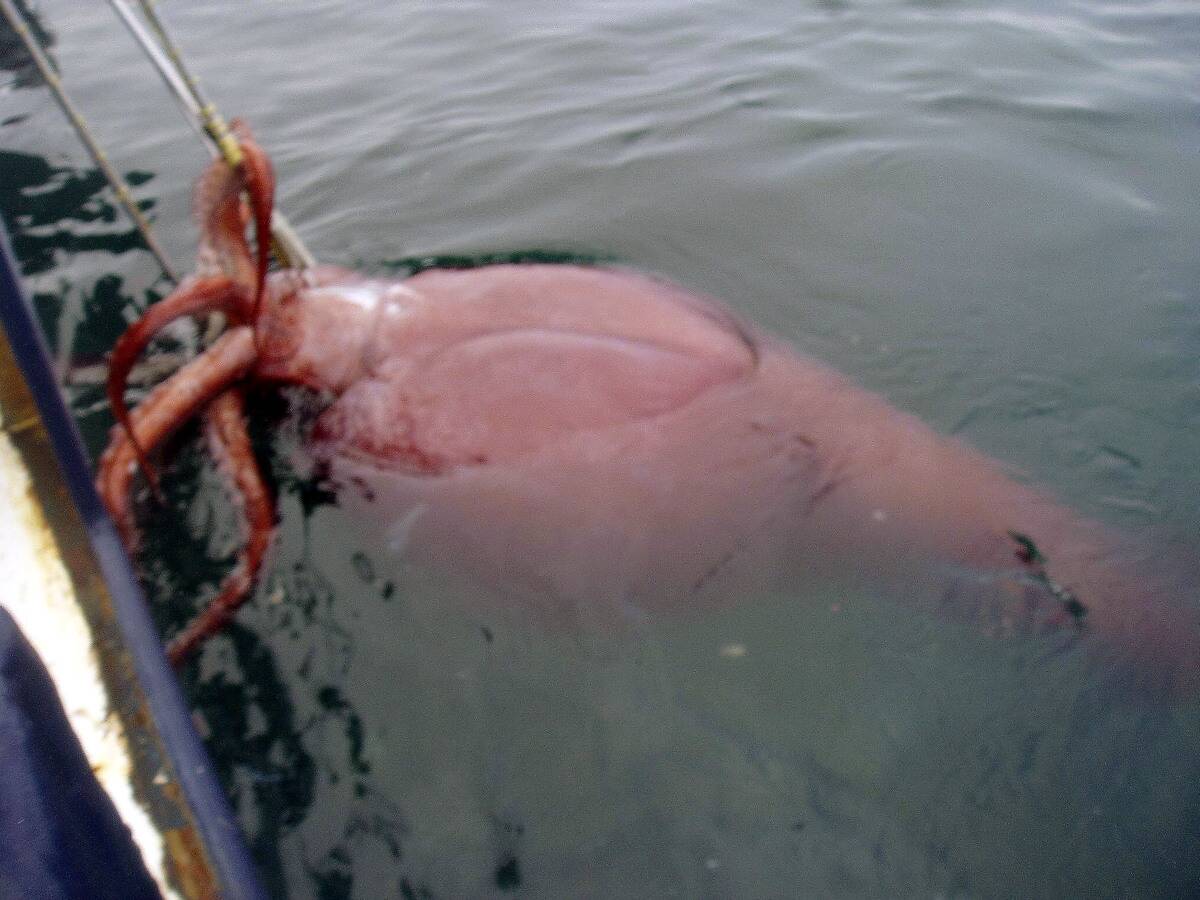
The Kraken, a legendary sea monster said to dwell off the coasts of Norway and Greenland, might have been inspired by sightings of the giant squid. These elusive creatures can grow up to 43 feet and have been known to engage in battles with sperm whales.
The terrifying descriptions of the Kraken pulling entire ships down into the depths may have stemmed from sailors’ encounters with these massive squids, their tentacles thrashing at the surface.
Cyclops: Elephants and the One-Eyed Giants of Greek Mythology
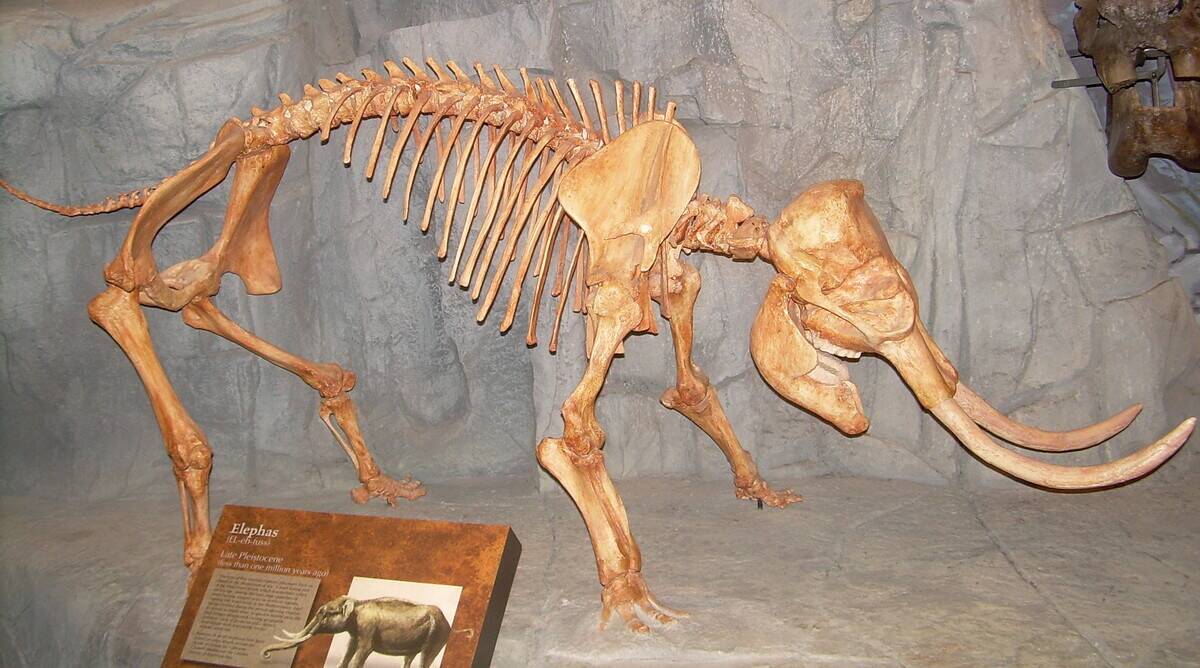
The Cyclops, known for their singular eye and immense size, might have been inspired by the fossilized skulls of prehistoric dwarf elephants found in the Mediterranean. It’s worth noting that this has not been conclusively proven.
These skulls have a large central nasal cavity that could easily be mistaken for a large eye socket. Ancient Greeks, unfamiliar with elephants, could have interpreted these fossils as remains of giant, one-eyed humans, hence birthing the myth of Cyclopes.
The Unicorn: Narwhals and the Birth of the Enchanted Horned Horse
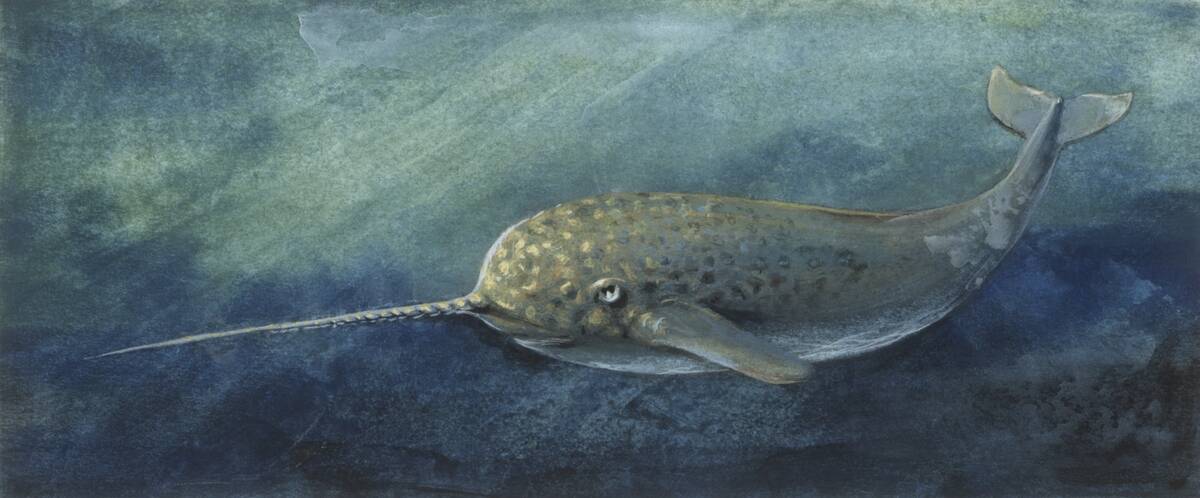
Unicorns, the epitome of mythical purity and grace, may owe their legendary horn to the narwhal. Narwhal tusks, often mistaken for unicorn horns, were traded across Europe and prized as magical artifacts.
The narwhal’s spiraled tooth, extending up to 10 feet, gave rise to the enchanting image of a horse with a single, twisted horn, fostering myths of these elusive creatures prancing through untouched forests.
The Yeti: Himalayan Bears and the Legend of the Abominable Snowman
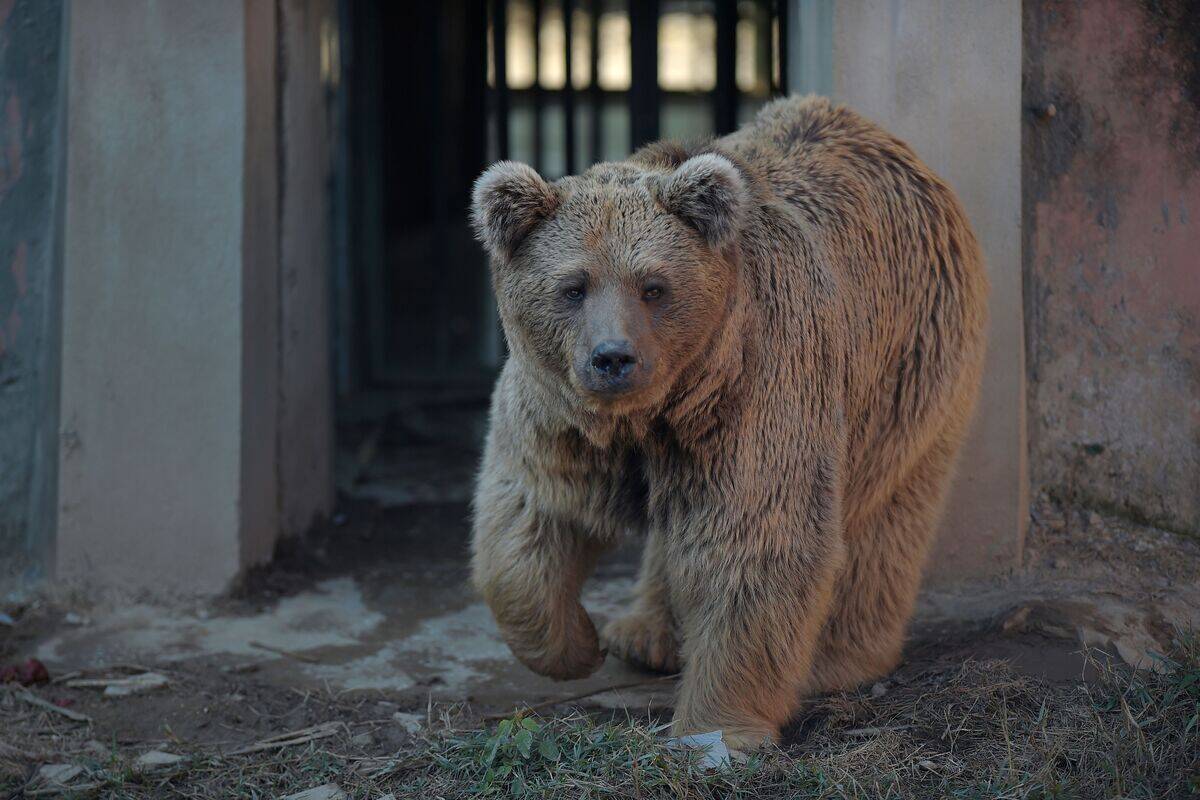
The Yeti, or Abominable Snowman, is a creature said to roam the snowy peaks of the Himalayas. Some researchers suggest that sightings of the Yeti could be attributed to the Himalayan brown bear or the Tibetan blue bear.
These bears, when glimpsed from a distance or through snowstorms, could easily be mistaken for large, bipedal creatures, feeding into the myth of a mysterious, elusive beast.
Mermaids: Manatees and the Sirens of the Sea
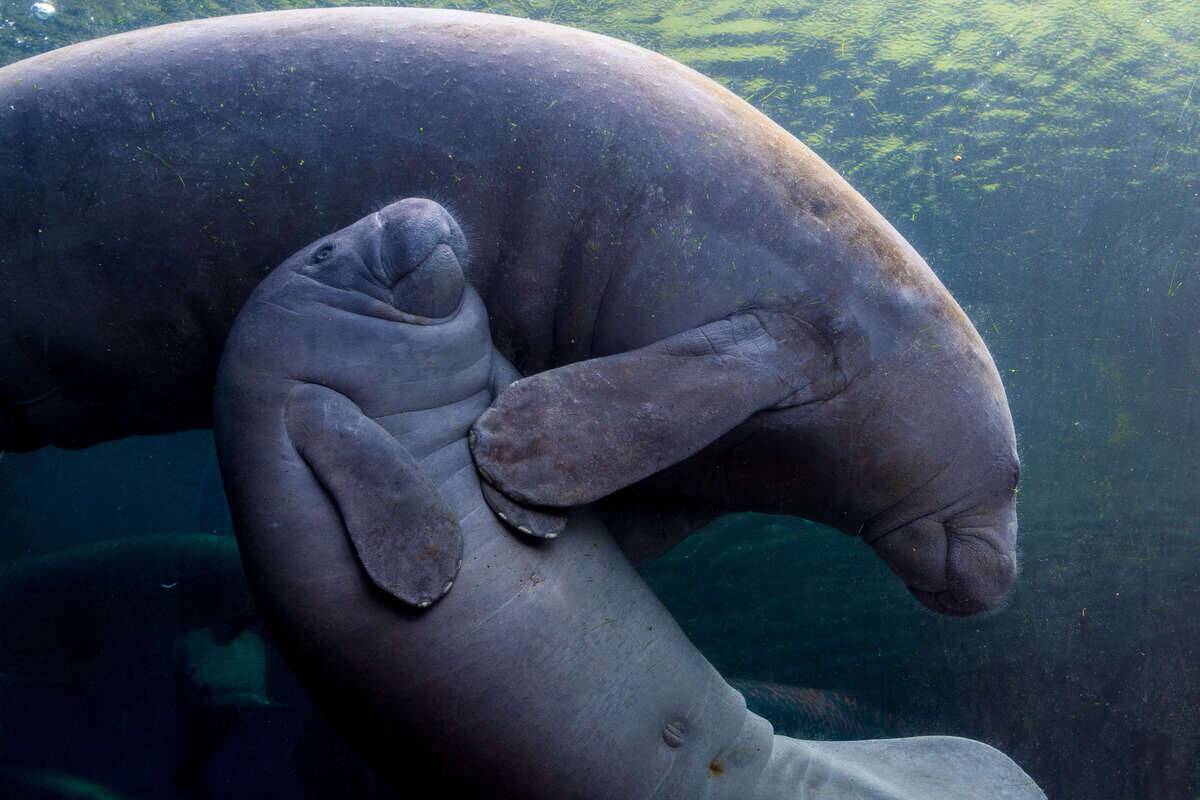
Mermaids, those enchanting sea maidens, may have been inspired by sightings of manatees. Sailors, weary from long voyages, could have mistaken these gentle creatures for half-human, half-fish beings.
The manatees’ slow, graceful movements and mermaid-like tails might have fueled the imagination of seafarers, leading to tales of sirens luring sailors to their watery doom with sweet songs.
The Chupacabra: Coyotes with Mange and the Blood-Sucking Fiend
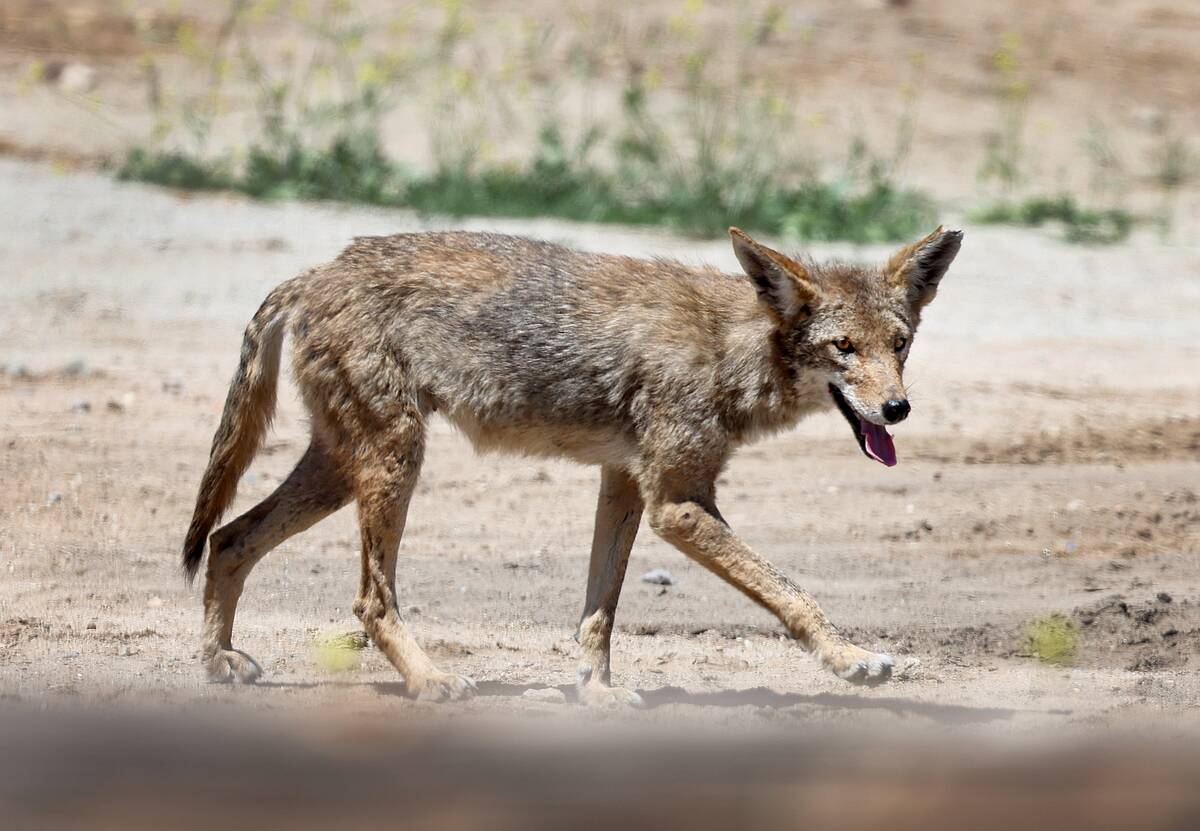
The Chupacabra, a creature blamed for livestock deaths in Latin America, may have a more mundane explanation. Coyotes suffering from mange, a skin disease, bear a striking resemblance to the descriptions of this blood-sucking fiend.
Hairless and gaunt, these animals can appear monstrous, especially under the cover of night. This might explain the reports of vampiric attacks on animals, linking them to this infamous creature.
The Basilisk: Cobras and the Myths of the Deadly Gaze
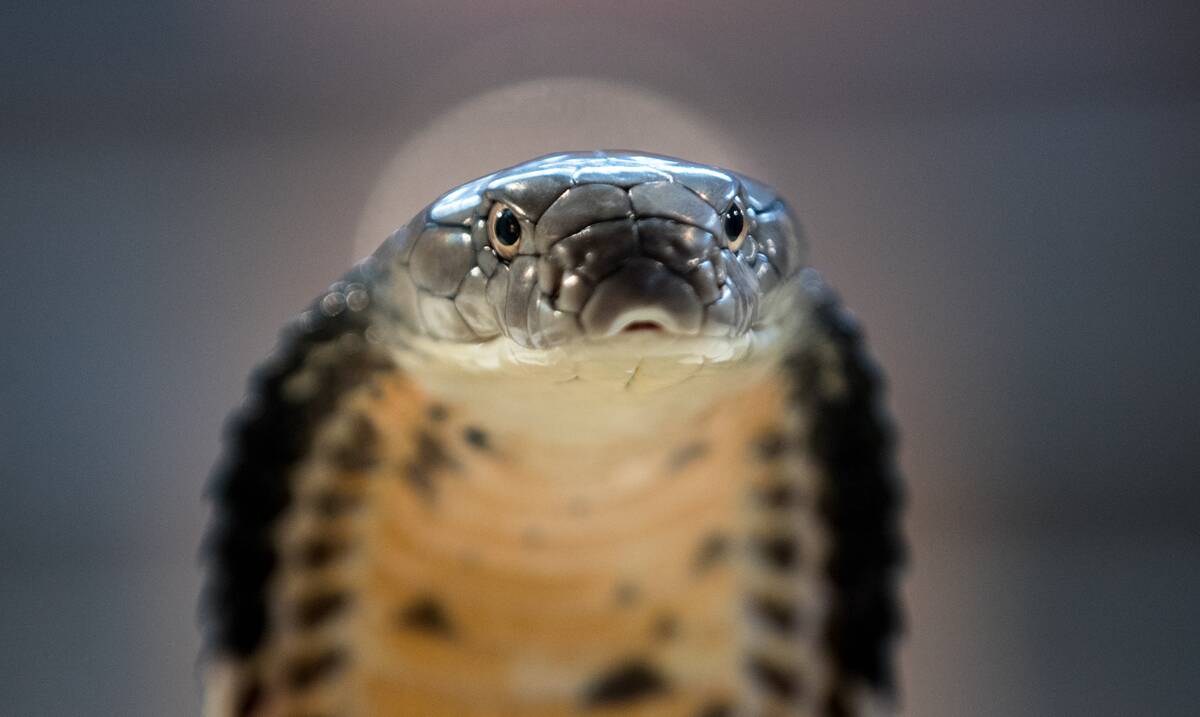
The Basilisk, known for its lethal gaze and venomous bite, could have been inspired by cobras. Cobras, with their hooded appearance and deadly venom, match the deadly reputation of the Basilisk.
The belief that a Basilisk could kill with a mere glance might stem from the cobra’s intimidating stance and the mesmerizing effect of its swaying, further fueling this myth.
The Roc: Giant Eagles and the Myth of the Enormous Bird
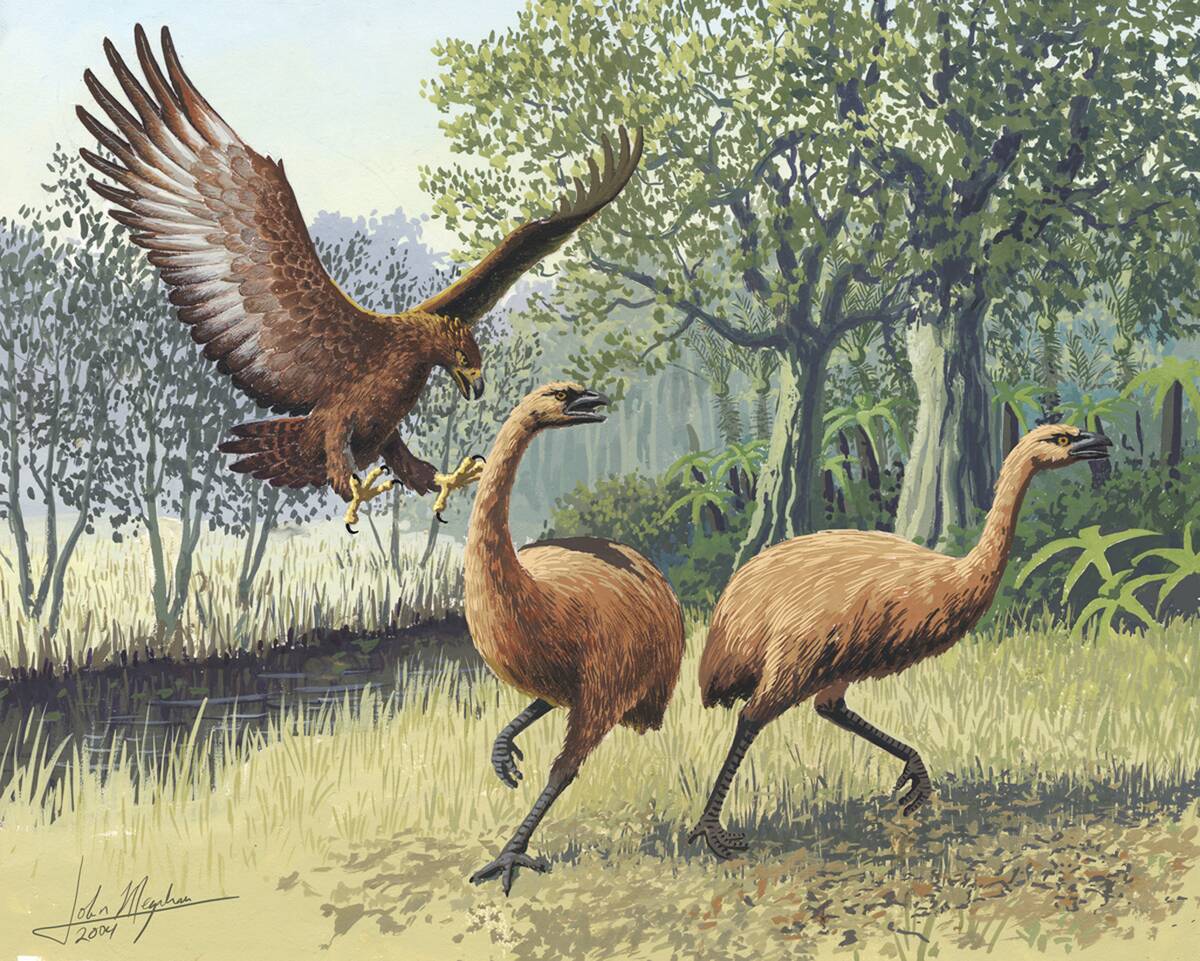
The Roc, a colossal bird capable of carrying off elephants, possibly has its roots in sightings of large birds like the Haast’s eagle.
Native to New Zealand, the Haast’s eagle was the largest eagle known to have existed. Although extinct, its formidable size and strength could have inspired tales of a bird so large it could lift elephants, adding to the rich tapestry of mythical giants.
The Minotaur: Bull Worship and the Birth of a Monstrous Maze-Dweller
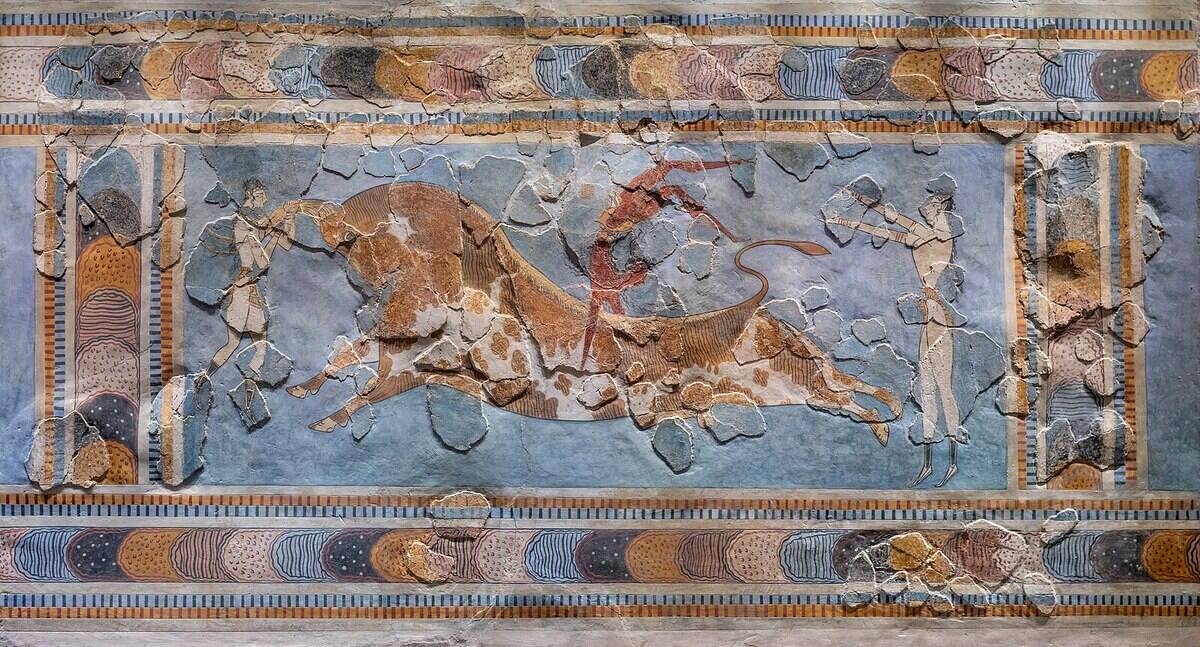
The Minotaur, a beast with the body of a man and the head of a bull, is linked to ancient bull-worshiping cultures on Crete. The Minoans, who engaged in bull-leaping rituals, might have inspired the tale of a fearsome creature dwelling within a labyrinth.
This legend reflects the blending of human and animal elements, symbolizing the power and mystery of the bull in ancient mythology.
The Phoenix: Flamingos and the Myth of the Reborn Firebird
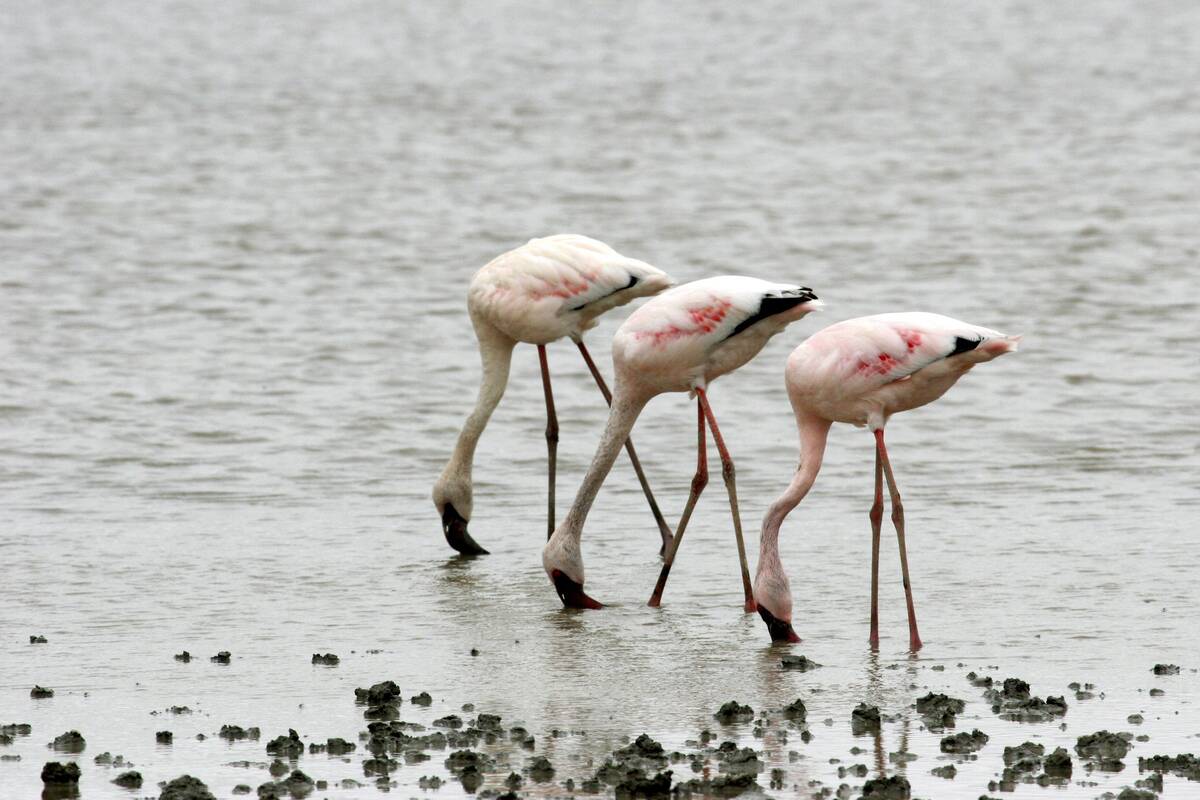
The Phoenix, a bird of fire and rebirth, might be linked to flamingos. Flamingos, with their vibrant plumage and tendency to inhabit volcanic regions, could have inspired tales of fiery birds. Another potential candidate is the now-extinct Bennu heron of ancient Egypt.
The cyclical nature of volcanic eruptions and the sight of flamingos thriving in such landscapes might have contributed to the myth of a bird that rises anew from its ashes, eternally reborn.
The Werewolf: Rabid Wolves and the Transformation Legend

The werewolf, a human cursed to transform into a wolf, could have origins in the behavior of rabid wolves. Rabies, causing erratic and aggressive behavior, might have been interpreted as a supernatural transformation.
In medieval times, tales of men turning into wolves under the full moon were common, possibly reflecting fears of this disease and its terrifying symptoms, thus perpetuating the legend of the werewolf.




