Artworks capturing pivotal moments in history
Art has long been a window into the soul of past generations, capturing the essence of different eras and turning them into tangible memories. Like a time capsule, artworks preserve the thoughts, emotions, and cultures of their creators, offering us a glimpse into history.
Each brushstroke or chisel mark tells a story, inviting us to explore the world through the eyes of artists who lived in times very different from our own.
Leonardo da Vinci’s The Last Supper and Its Cultural Impact
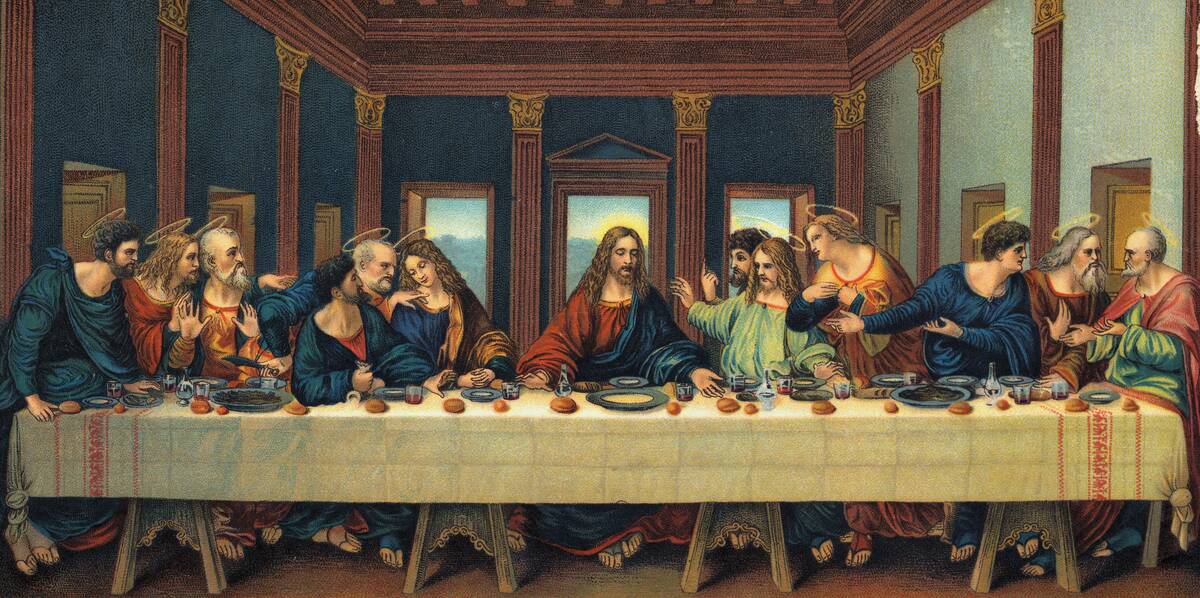
Leonardo da Vinci’s The Last Supper, painted between 1495 and 1498, is a masterpiece that has left an indelible mark on the cultural landscape. This mural, depicting Jesus and his disciples at the moment Jesus announces his betrayal, is revered not only for its artistic brilliance but also for its profound religious symbolism.
Its influence permeates both art and popular culture, inspiring acountless reproductions and adaptations over the centuries.
Michelangelo’s David: A Renaissance Marvel
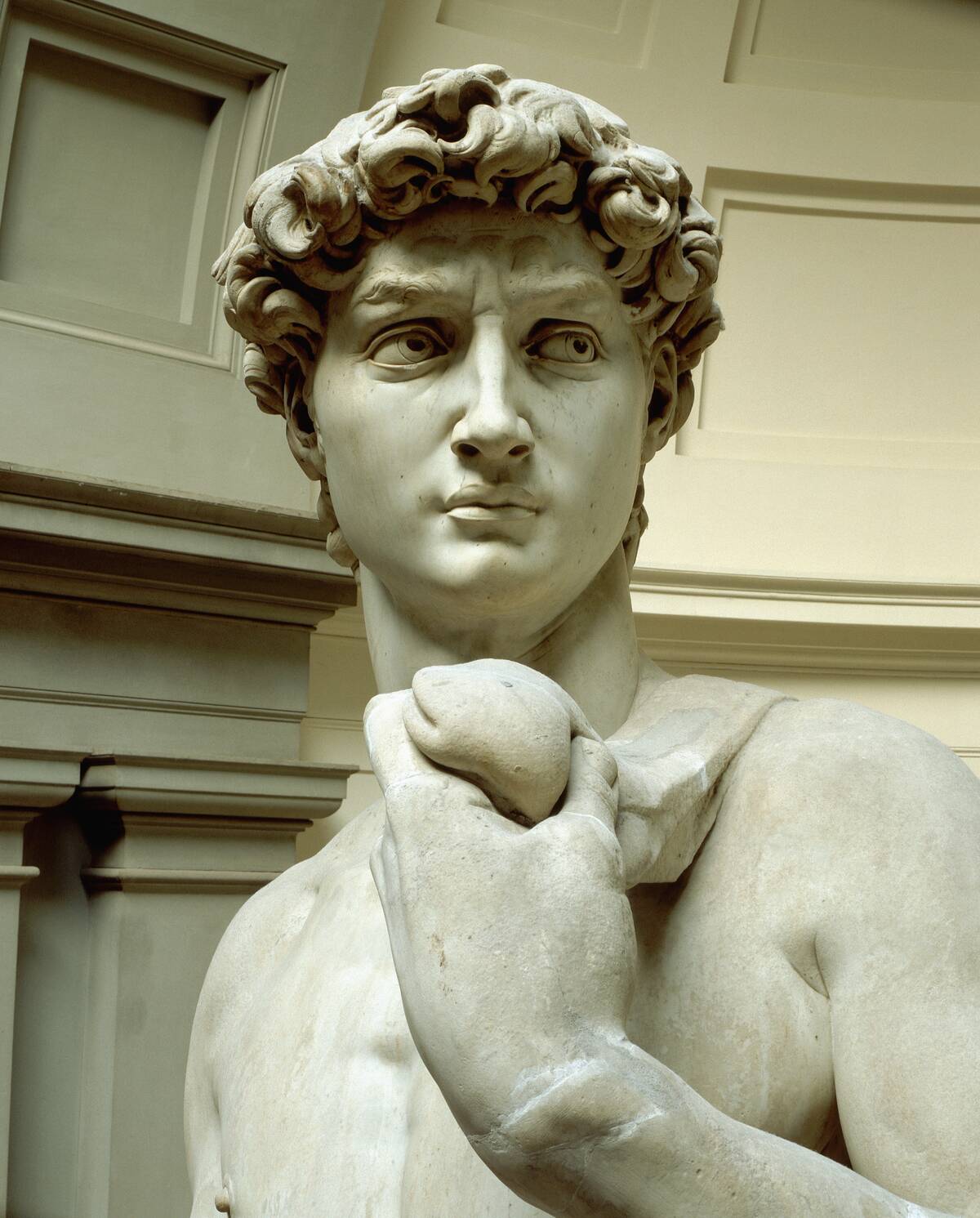
Michelangelo’s David, sculpted from 1501 to 1504, stands as a towering testament to Renaissance artistry and humanist ideals. This 17-foot marble statue captures the biblical hero in a moment of contemplative readiness, embodying the era’s fascination with the beauty and power of the human form.
David continues to captivate viewers with its meticulous detail and the way it encapsulates the spirit of Florence during the Renaissance.
Eugene Delacroix’s Liberty Leading the People and the French Revolution
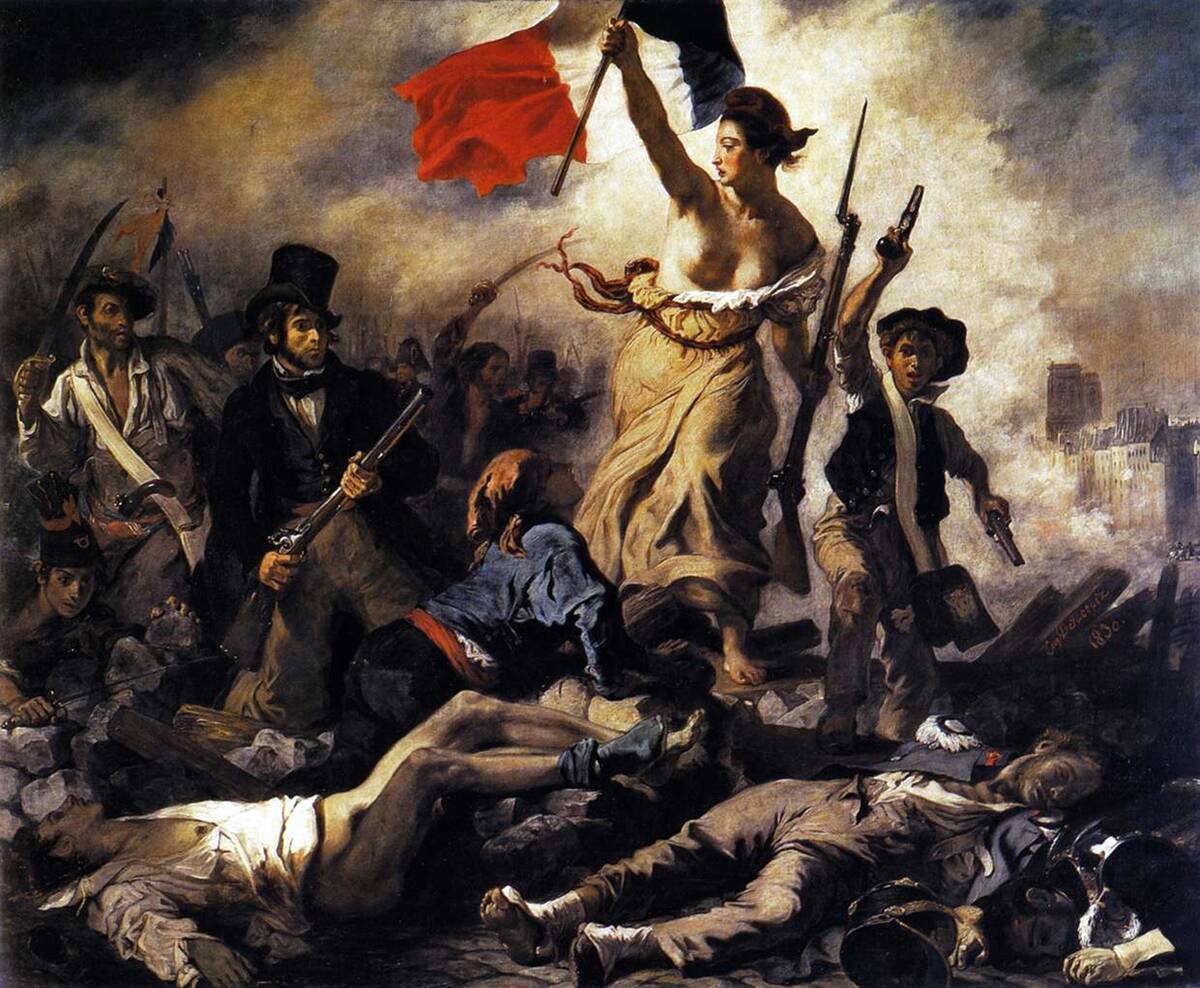
Eugene Delacroix’s Liberty Leading the People, painted in 1830, is a stirring portrayal of the July Revolution in France. This dynamic work, with its allegorical depiction of Liberty personified as a fierce, bare-breasted woman leading a diverse group of revolutionaries, captures the tumultuous spirit of the time.
It remains a powerful symbol of rebellion and the struggle for freedom, echoing the ideals of the French Revolution and inspiring future generations.
Francisco Goya’s The Third of May 1808 – A Commentary on War
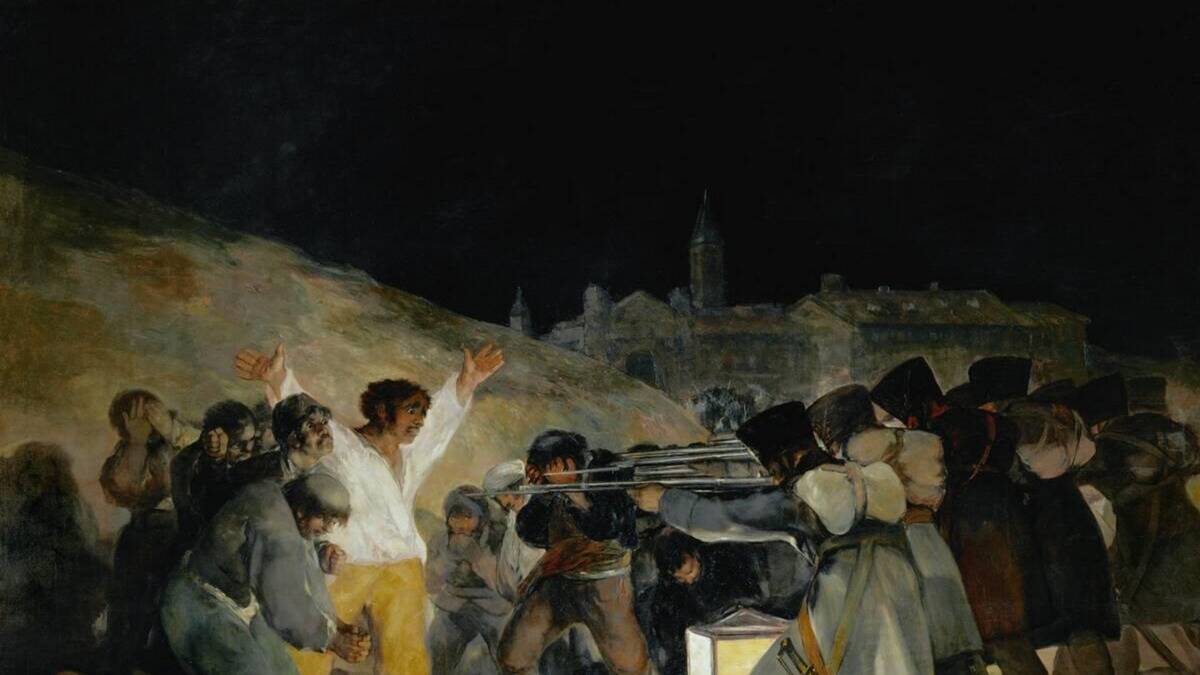
Francisco Goya’s The Third of May 1808, created in 1814, offers a harrowing commentary on the brutality of war. This poignant painting depicts the execution of Spanish rebels by Napoleon’s troops during the Peninsular War.
Goya’s raw and emotional portrayal of the victims’ fear and despair serves as a timeless reminder of the horrors of conflict, influencing how war is depicted in art and reminding us of the human cost of violence.
Jacques-Louis David’s The Death of Marat and the French Revolution
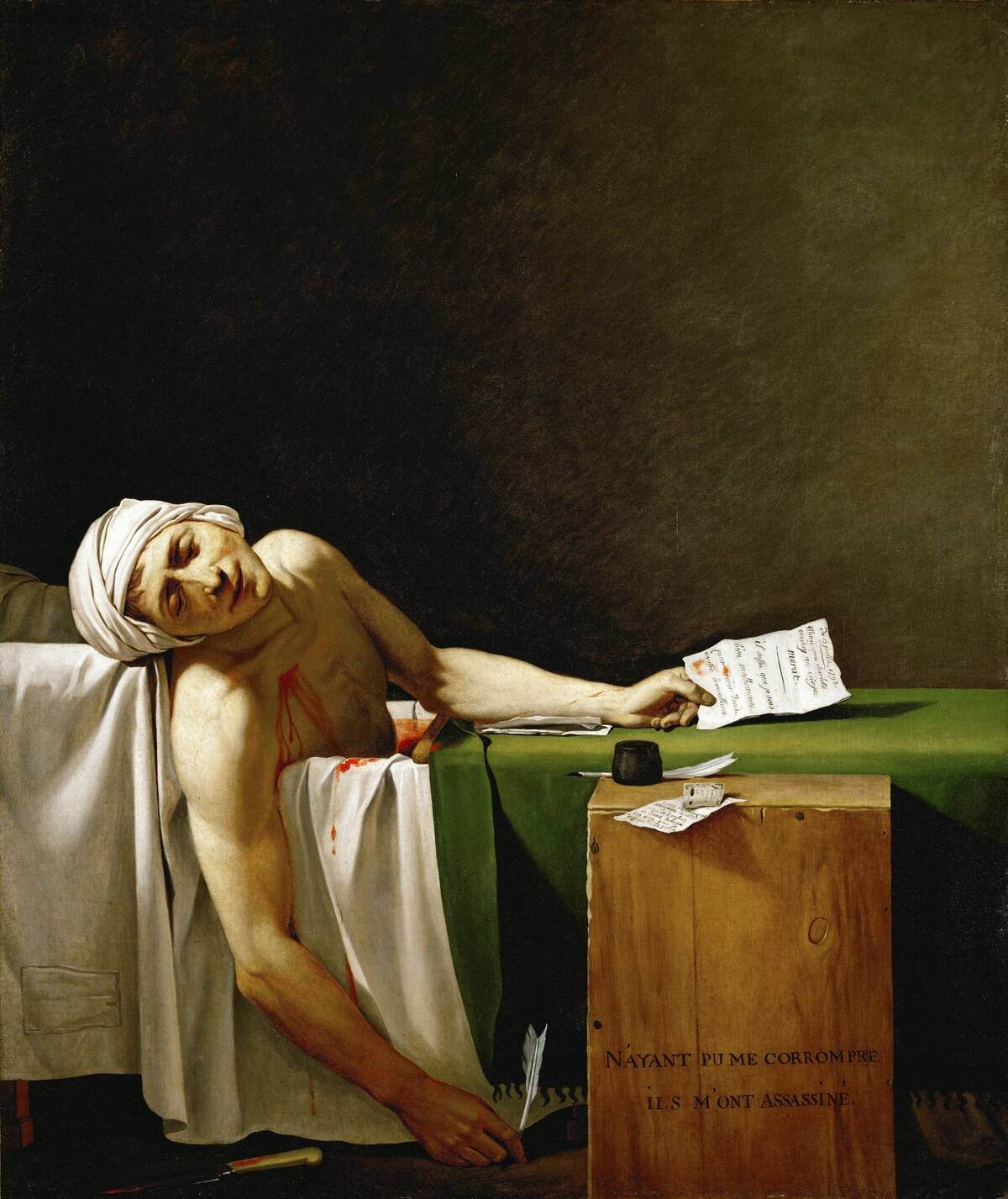
Jacques-Louis David’s The Death of Marat, painted in 1793, captures a key moment in the French Revolution by immortalizing the assassination of revolutionary leader Jean-Paul Marat. David, a fervent supporter of the revolution, portrays Marat as a martyr, highlighting his dedication to the cause.
The painting’s stark composition and emotional intensity make it a significant historical document, reflecting the upheaval and fervor of revolutionary France.
The Significance of Washington Crossing the Delaware by Emanuel Leutze
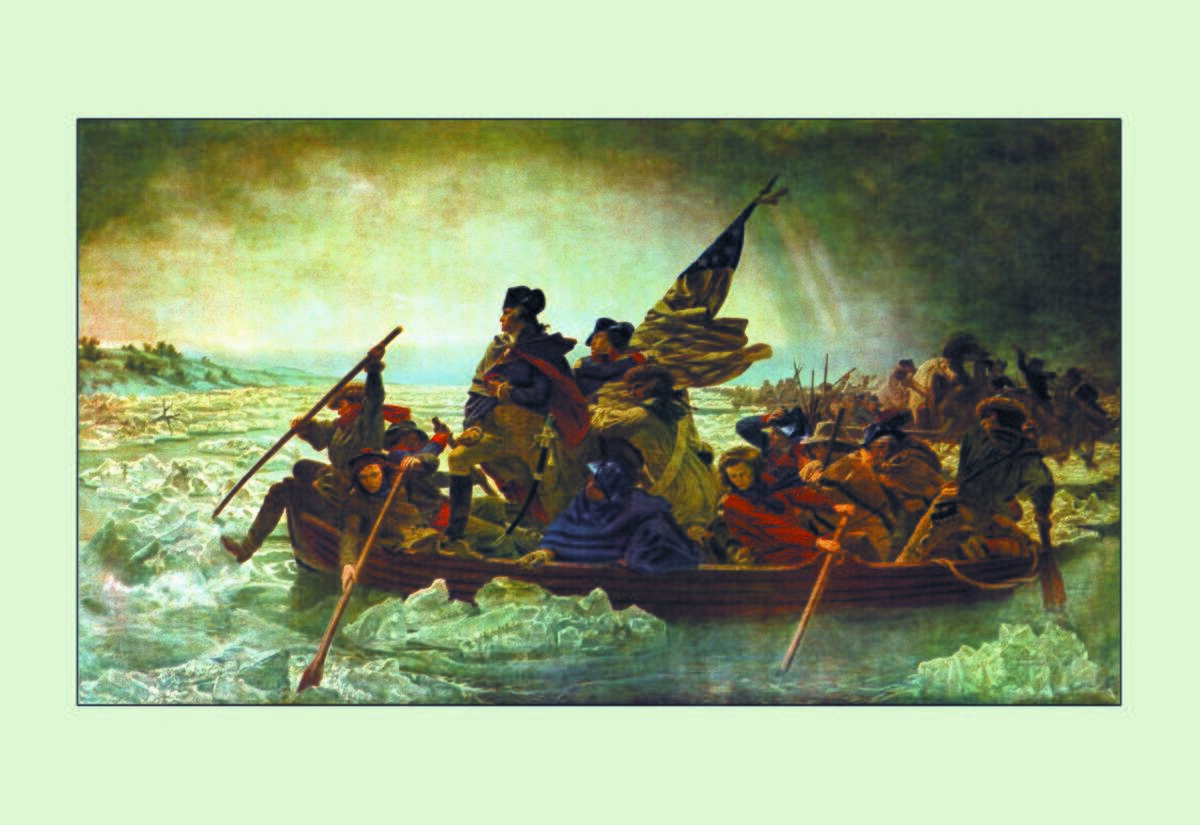
Emanuel Leutze’s iconic 1851 painting, Washington Crossing the Delaware, immortalizes a pivotal event in American history. This grand depiction of George Washington leading his troops across the icy Delaware River on Christmas night 1776 is a symbol of courage and determination.
Despite its historical inaccuracies, the painting captures the spirit of the American Revolution and has become an enduring emblem of perseverance and leadership.
Pablo Picasso’s Guernica: A Stark Reflection on War
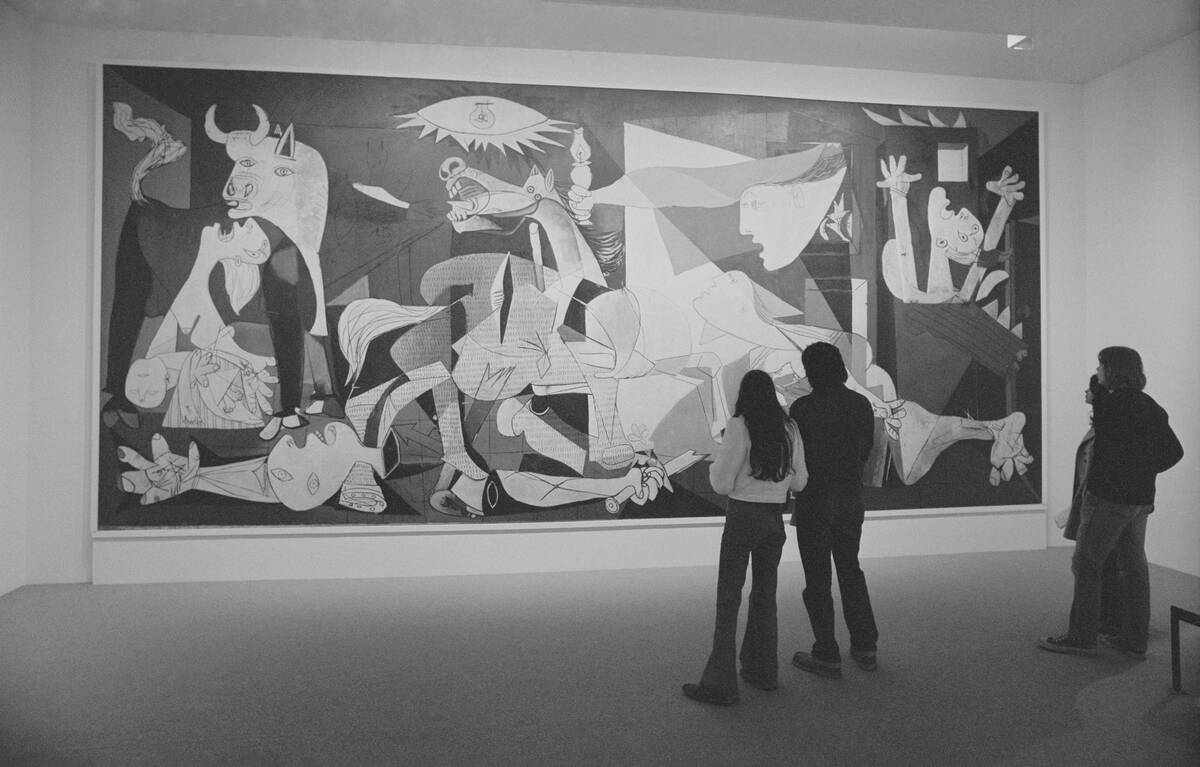
Pablo Picasso’s Guernica, completed in 1937, is a powerful anti-war statement that reflects the horrors of the Spanish Civil War. This monumental black-and-white mural, with its chaotic and distorted figures, conveys the suffering and devastation caused by the bombing of the Basque town of Guernica.
Picasso’s masterpiece remains a poignant reminder of the tragedies of war and the enduring resilience of the human spirit.
Auguste Rodin’s The Thinker and Its Philosophical Implications
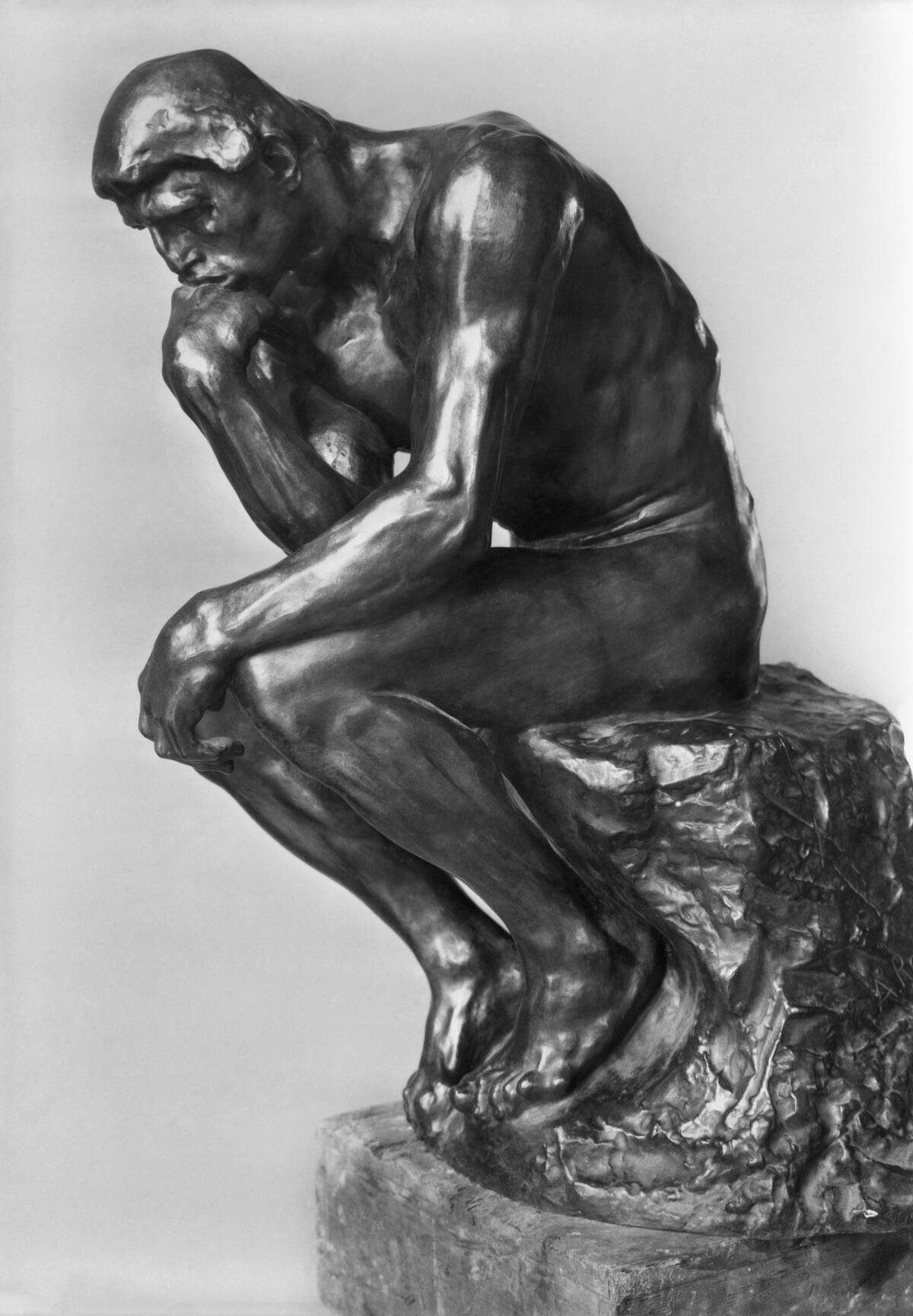
Auguste Rodin’s The Thinker, initially conceived in 1880 as part of a larger work, has become a symbol of contemplation and introspection. This iconic bronze sculpture depicts a man deep in thought, pondering the complexities of existence.
Its universal appeal lies in its ability to evoke questions about the human condition, making it a philosophical emblem that continues to resonate with audiences around the world.
Frida Kahlo’s The Two Fridas – Self-Reflection and Identity
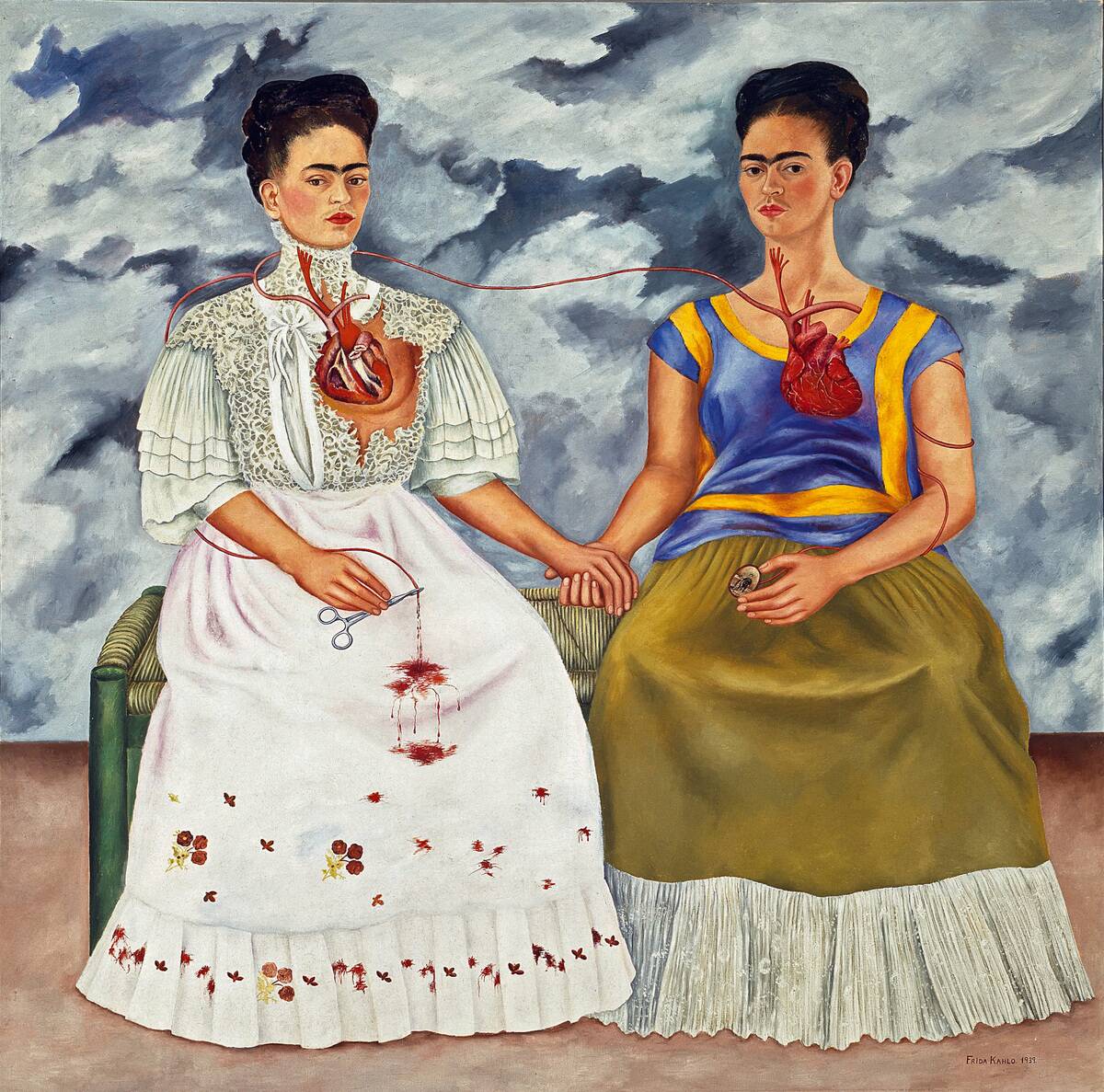
Frida Kahlo’s The Two Fridas, painted in 1939, is a profound exploration of identity and self-reflection. This double self-portrait depicts two versions of Kahlo seated side by side, each representing different aspects of her heritage and personal struggles.
The work is deeply personal and symbolic, offering insight into Kahlo’s inner world and the dualities she experienced. It remains a powerful testament to her resilience and artistic vision.
Edvard Munch’s The Scream – Capturing Existential Angst
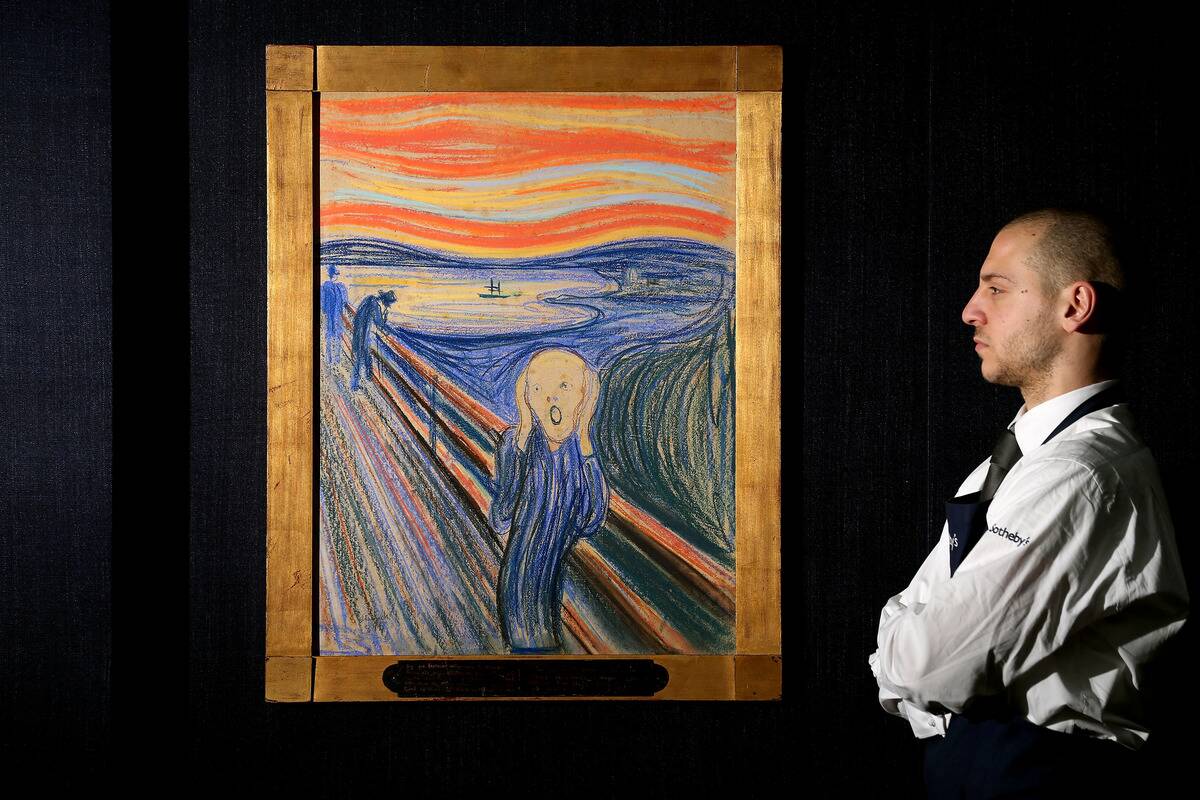
Edvard Munch’s The Scream, created in 1893, is an iconic representation of existential angst and human anxiety. This striking composition, with its swirling skies and haunting figure, captures the overwhelming emotions of modern life.
Munch’s work has resonated with audiences worldwide, becoming a symbol of psychological turmoil and the universal experience of confronting one’s inner fears and uncertainties.
The Historical Relevance of Grant Wood’s American Gothic
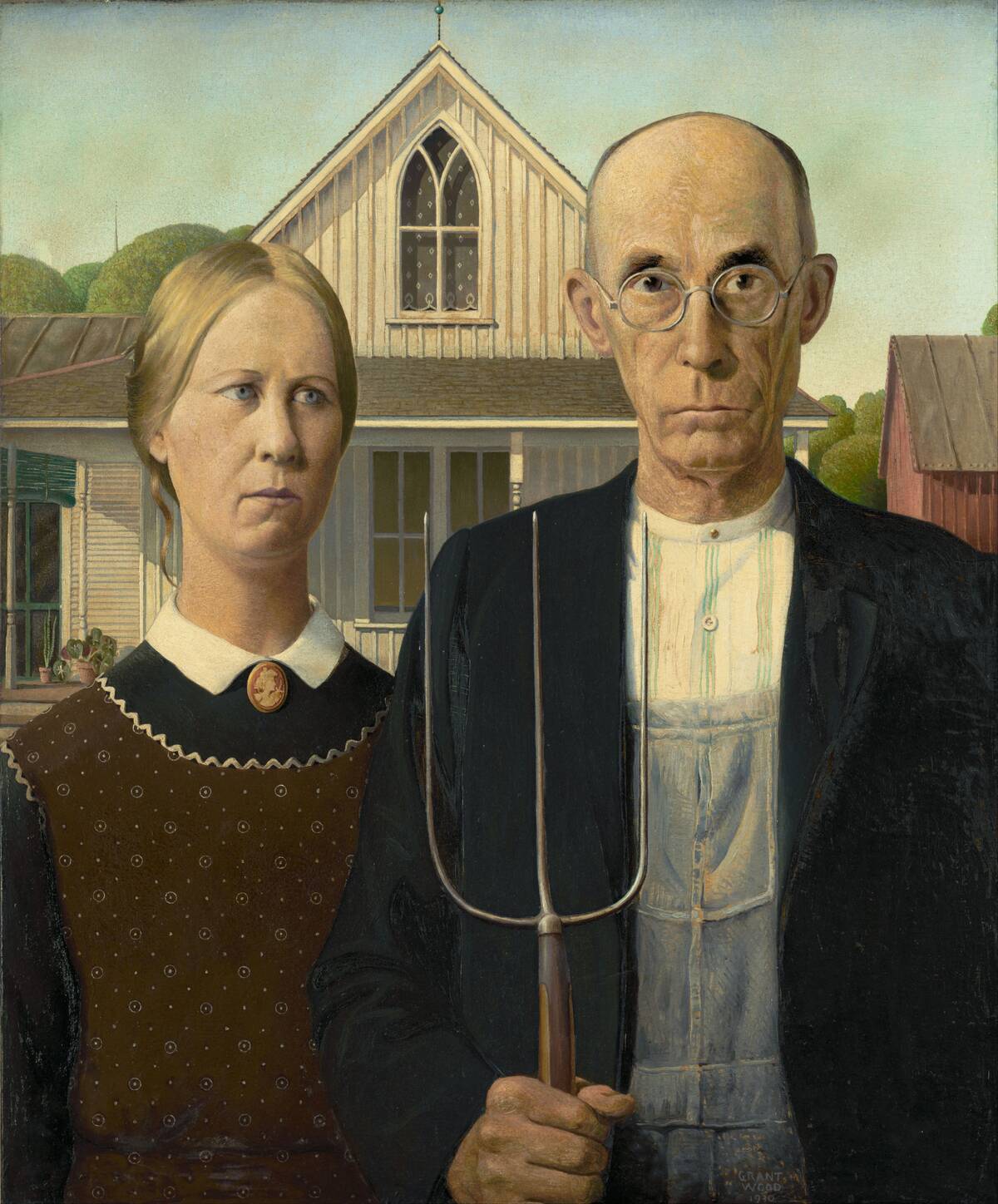
Grant Wood’s American Gothic, painted in 1930, is a quintessential depiction of rural American life during the Great Depression. This iconic image of a stern-faced farmer and his daughter standing in front of their Gothic-style house has sparked various interpretations.
It reflects the resilience and stoicism of the American spirit during challenging times, while also inviting viewers to explore themes of tradition, identity, and societal change.
Norman Rockwell’s The Problem We All Live With and the Civil Rights Movement
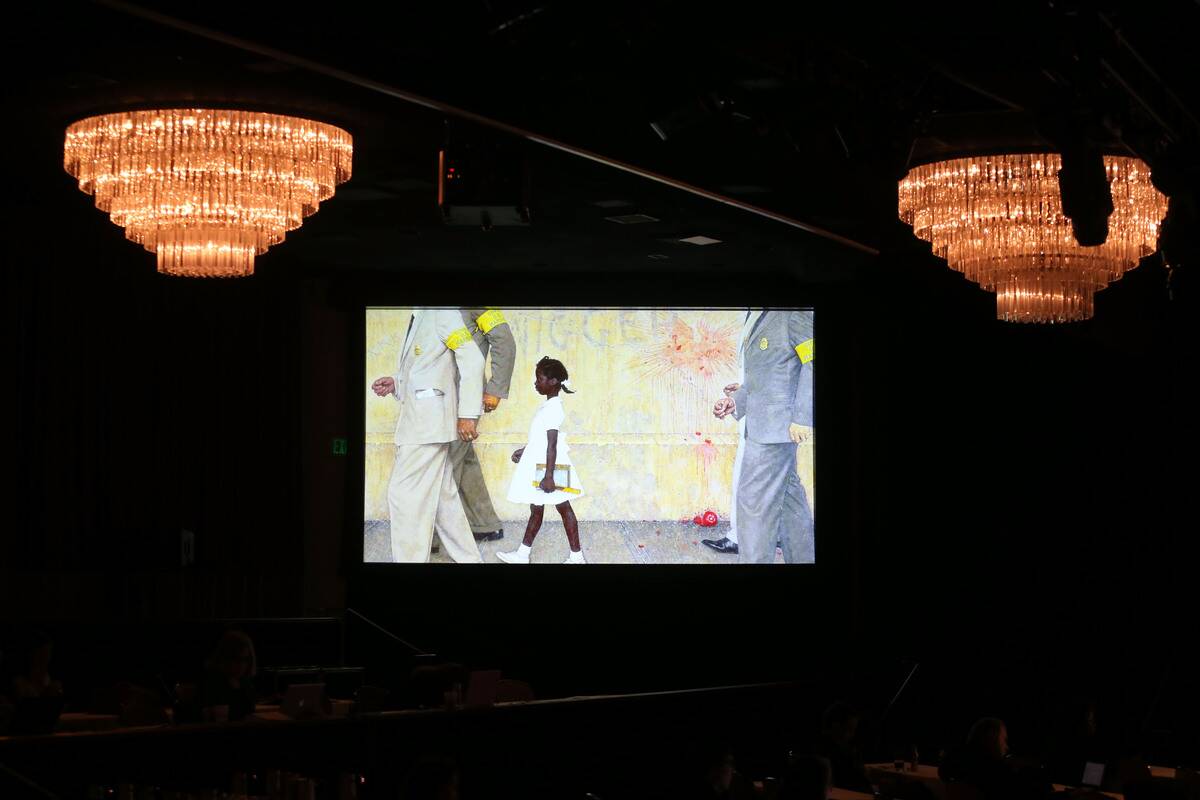
Norman Rockwell’s The Problem We All Live With, created in 1964, is a poignant depiction of the Civil Rights Movement in the United States. This powerful illustration portrays Ruby Bridges, a six-year-old African American girl, escorted by federal marshals to her newly desegregated school.
Rockwell’s work captures a significant moment in history, highlighting the courage and determination of those fighting for equality and justice.
The Monumental Emotion in The Pietà by Michelangelo
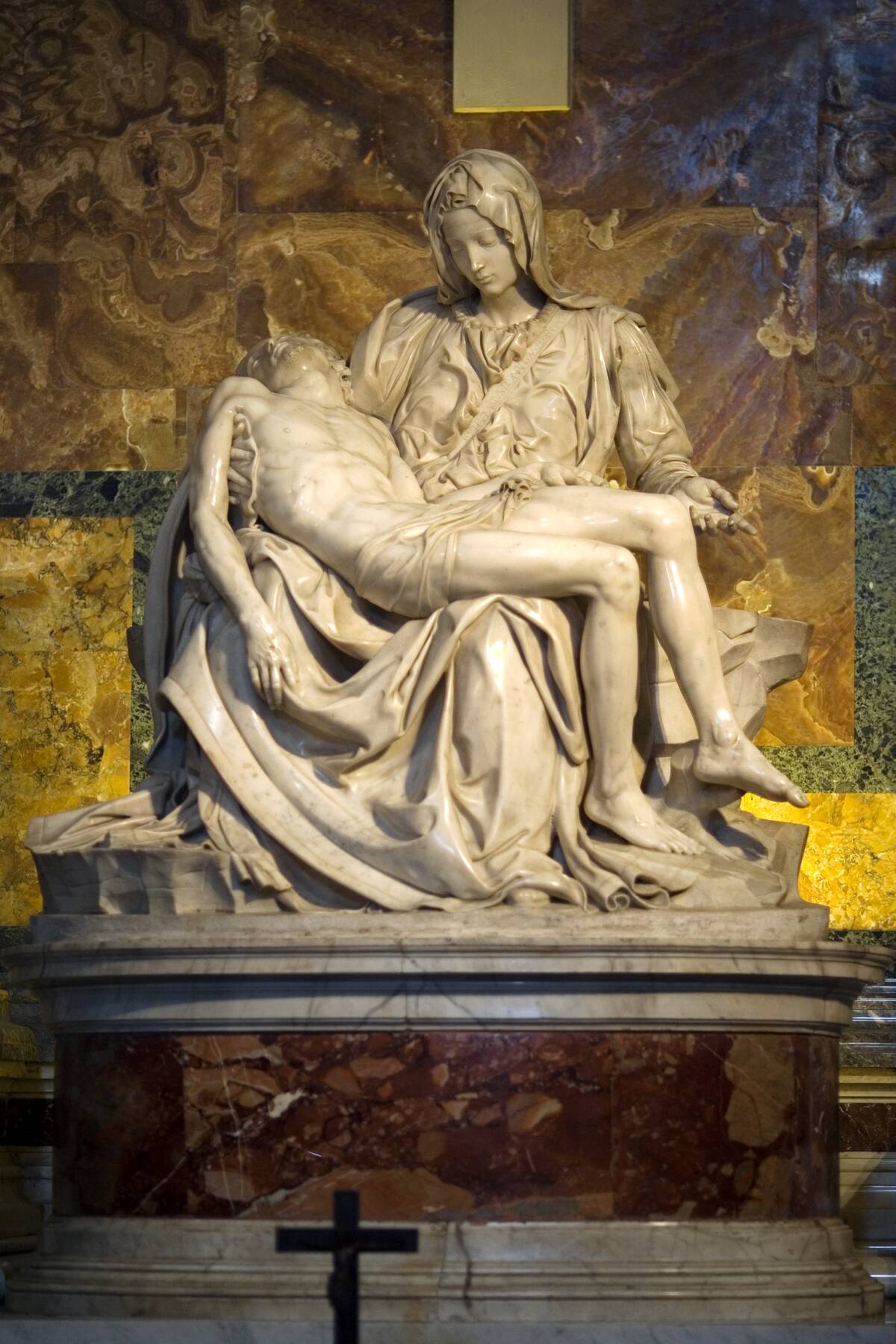
Michelangelo’s The Pietà, sculpted between 1498 and 1499, is a masterpiece of Renaissance art that conveys deep emotion and spiritual grace. This exquisite marble sculpture depicts the Virgin Mary cradling the lifeless body of Jesus, capturing a moment of profound sorrow and compassion.
Michelangelo’s skillful craftsmanship and attention to detail make The Pietà a timeless symbol of maternal love and sacrifice, resonating with viewers across centuries.
Banksy’s Street Art: Modern Commentary on Society
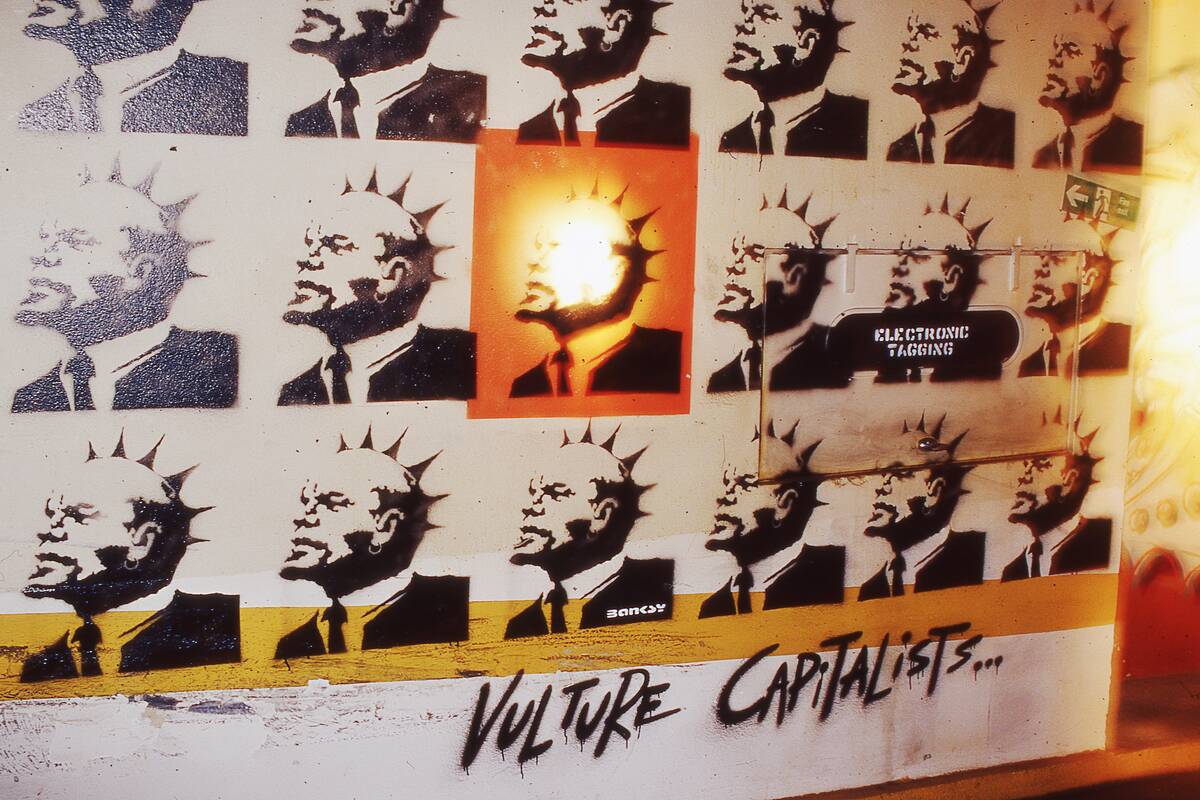
Banksy’s street art has become a global phenomenon, offering a modern commentary on societal issues through its provocative imagery and clever symbolism. Known for its anonymity and unexpected locations, Banksy’s work challenges conventions and provokes thought on themes such as consumerism, war, and political corruption.
The art’s accessibility and immediacy make it a powerful tool for engaging with contemporary social and political discourse.
Ai Weiwei’s Sunflower Seeds – A Modern Take on Culture and Politics
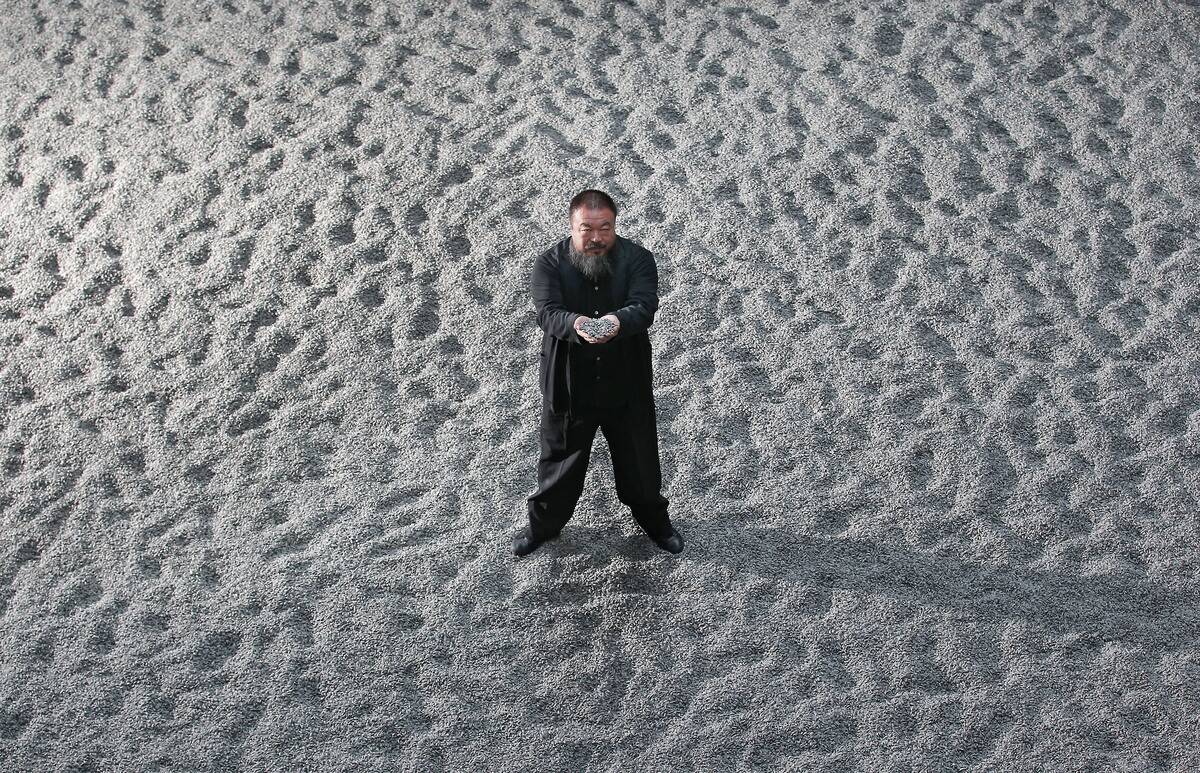
Ai Weiwei’s Sunflower Seeds, created in 2010, is an installation that examines culture, politics, and mass production. Comprising millions of handcrafted porcelain seeds, the work reflects on China’s cultural heritage and the impact of industrialization.
Each seed is unique, highlighting the tension between individuality and conformity. Weiwei’s piece invites viewers to consider the complexities of modern society and the interplay between art, politics, and history.




