Early visions of internet-like networks before computers
Throughout history, there have been extraordinary individuals who dared to imagine the unimaginable. These visionaries laid the groundwork for technologies that many of us now take for granted.
By weaving together concepts of interconnectedness and information sharing, they helped shape the digital world we know today. Their groundbreaking ideas and foresight have influenced the evolution of the internet, turning dreams into reality and connecting people across the globe.
Paul Otlet and the Mundaneum: A Precursor to the Internet
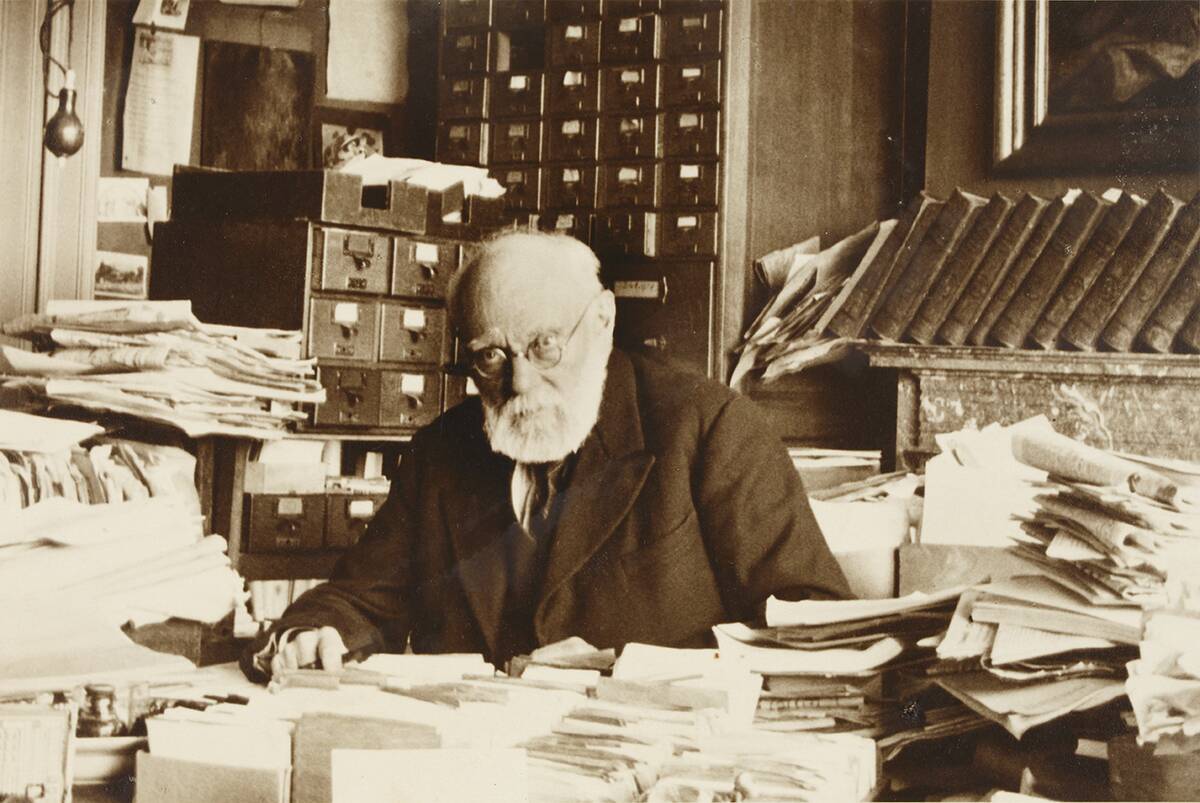
Paul Otlet, a Belgian bibliographer, dreamed of a universal network for information sharing. In 1910, he founded the Mundaneum, a vast collection of documents intended to store all human knowledge.
Otlet’s vision was to connect these documents to create a “réseau” or network, foreshadowing the hyperlinked structure of the internet. Though his dream was not fully realized in his lifetime, Otlet’s pioneering efforts highlight the early desire to connect and share knowledge globally.
Vannevar Bush and His Memex Machine
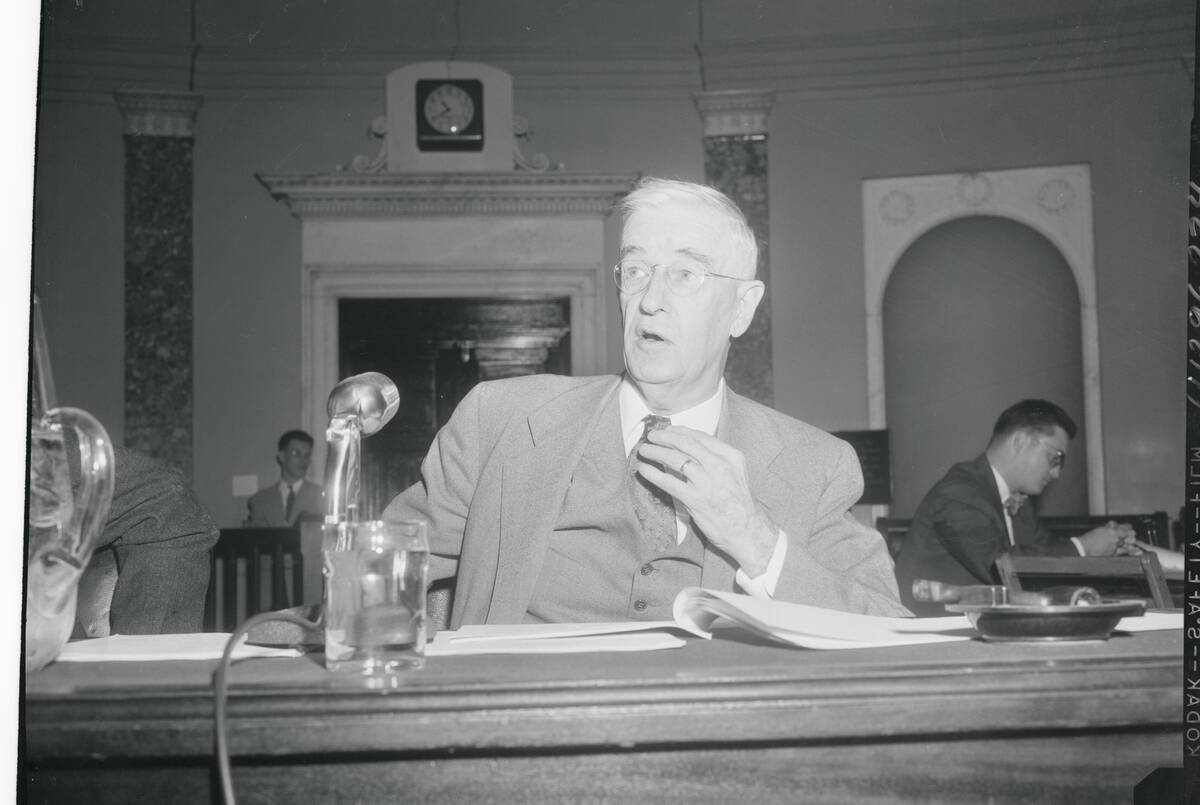
Vannevar Bush proposed the Memex machine in his 1945 essay “As We May Think.” The Memex was a theoretical device that would allow users to store, navigate, and link information. This idea of associative indexing inspired the development of hyperlinks and search engines.
Bush’s Memex was a visionary concept that anticipated how computers could enhance human cognition and information retrieval, laying groundwork for the interactive web experience we enjoy today.
H.G. Wells and the World Brain
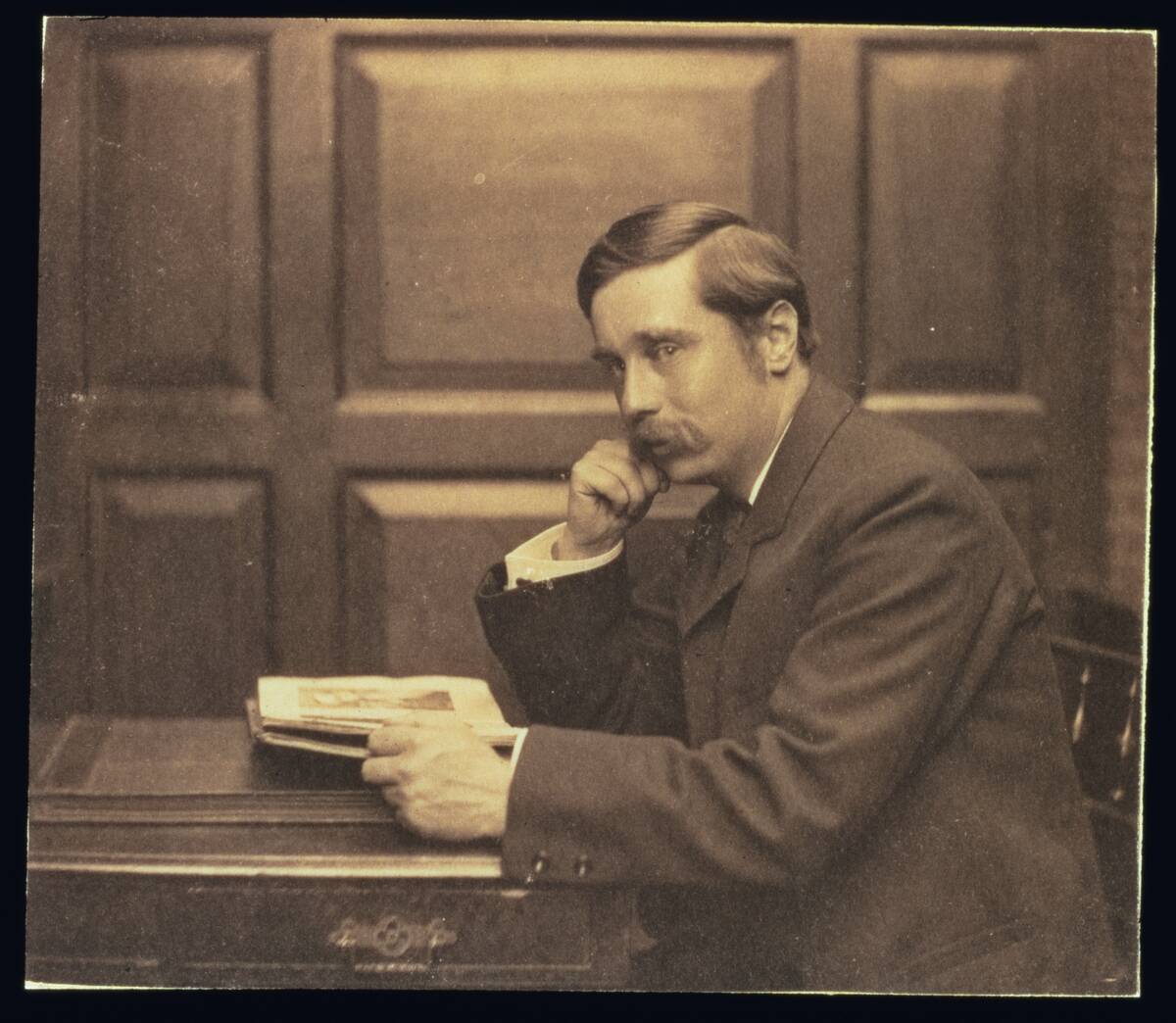
Renowned author H.G. Wells imagined a “World Brain” in the 1930s, a concept where global knowledge could be accessed by everyone. He envisioned a centralized repository of information that would lead to greater intellectual unity and world peace.
Wells’ World Brain anticipated the collaborative and democratizing potential of the internet, highlighting his belief in the power of shared knowledge to transform society. His concept resonates with the spirit of the modern-day web.
Nikola Tesla’s Vision of a “World Wireless System”
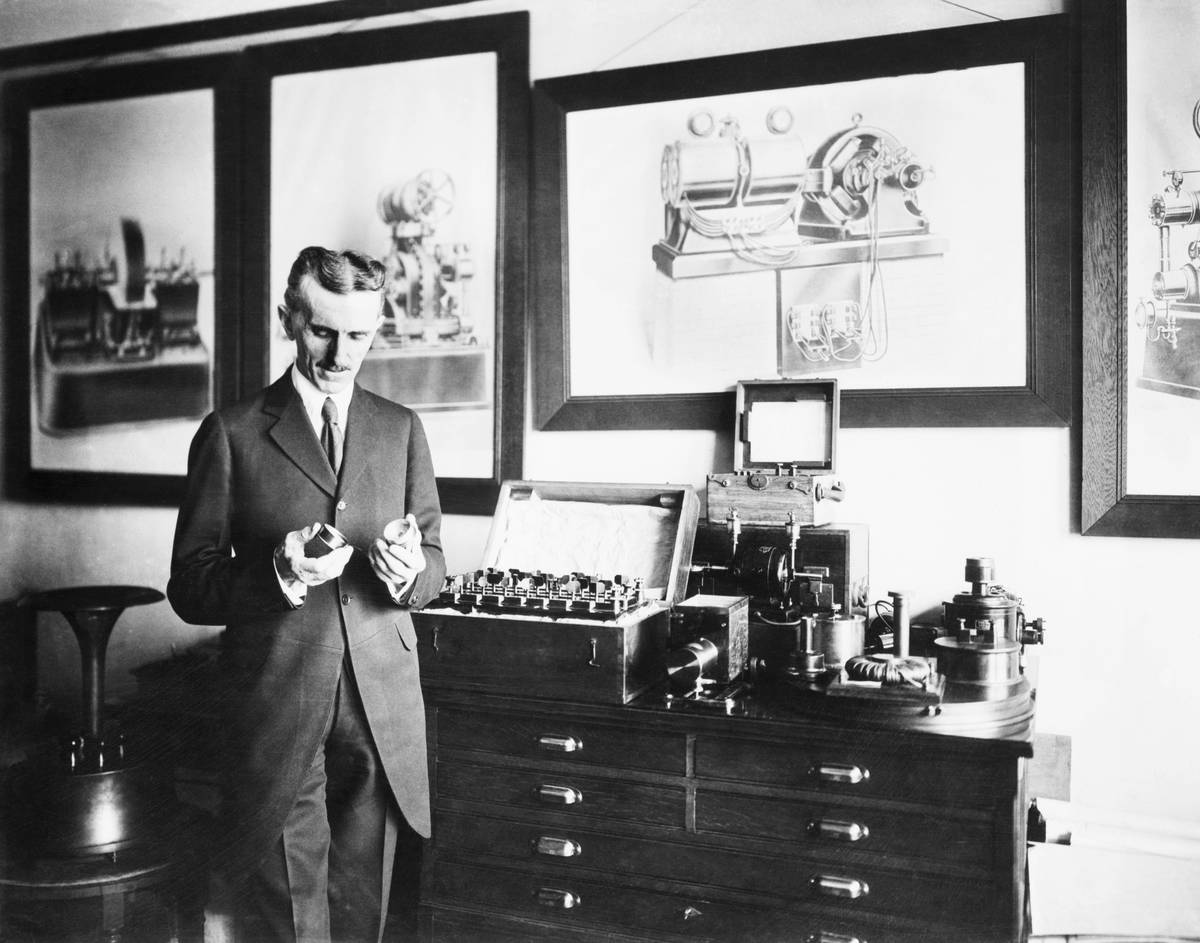
Nikola Tesla, the prolific inventor, foresaw a “World Wireless System” in the early 20th century. He envisioned a global communication network capable of transmitting information wirelessly across vast distances.
Tesla’s vision included the transmission of images, music, and even power. Although his ideas were ahead of their time and faced skepticism, they anticipated many possibilities of wireless communication and influenced later thinking about global connectivity.
J.C.R. Licklider’s “Intergalactic Computer Network”
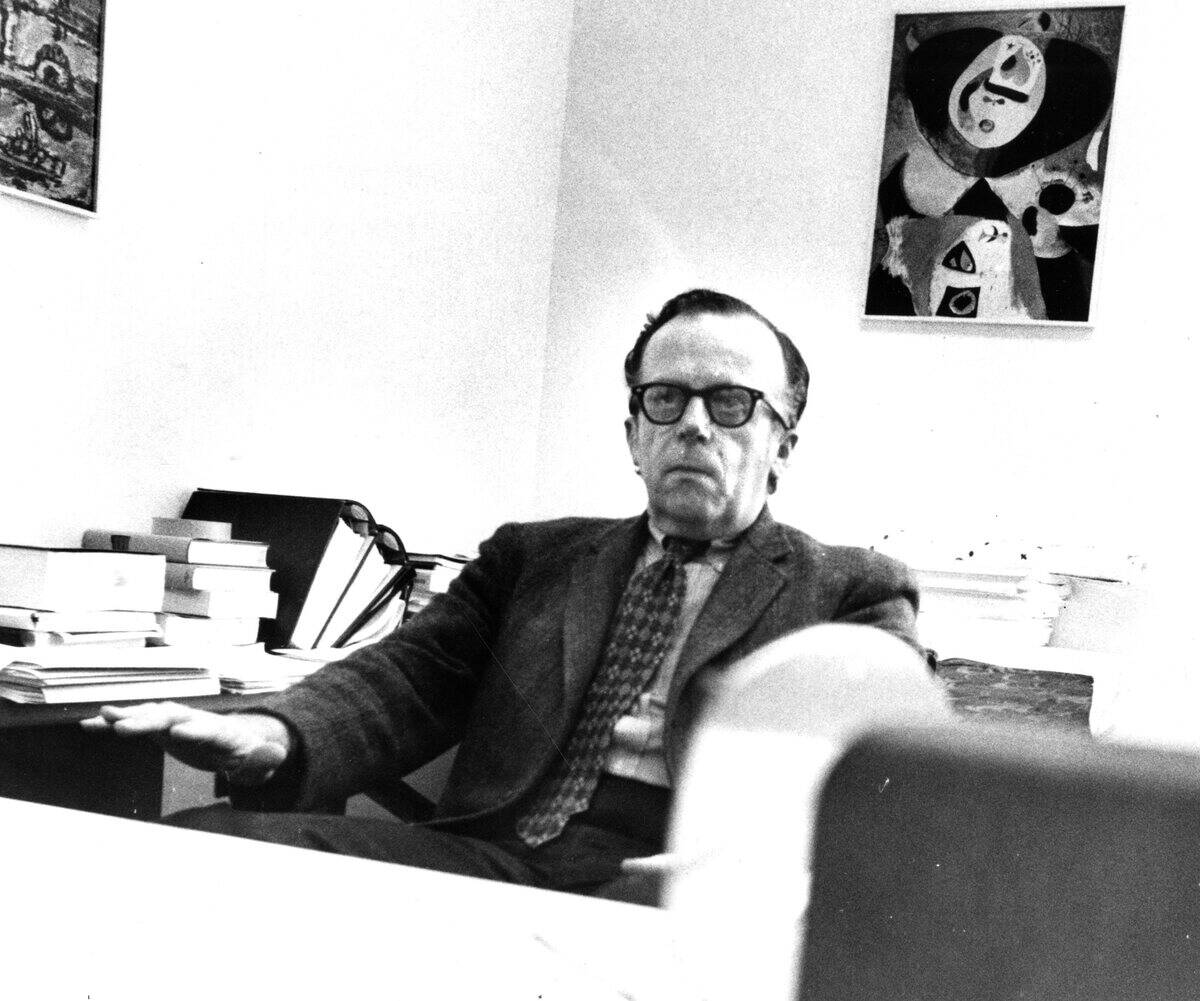
J.C.R. Licklider, a psychologist and computer scientist, was instrumental in conceptualizing what he called the “Intergalactic Computer Network.” In the 1960s, he envisioned a globally interconnected set of computers through which users could access data and programs from anywhere.
His vision greatly influenced the development of ARPANET, the precursor to the internet. Licklider’s ideas were pivotal in shaping the collaborative and interconnected nature of modern computing.
William Gibson’s Cyberspace: Fiction Meets Future

Science fiction author William Gibson coined the term “cyberspace” in his 1984 novel Neuromancer. Gibson’s depiction of a digital landscape where data could be navigated as a physical space captured the imagination of readers and technologists alike.
His conceptualization of cyberspace as a virtual realm strongly influenced the language, metaphors, and cultural imagination surrounding the internet. Gibson’s work demonstrates how fiction can inspire and shape the trajectory of technological advancements.
Marshall McLuhan’s Global Village
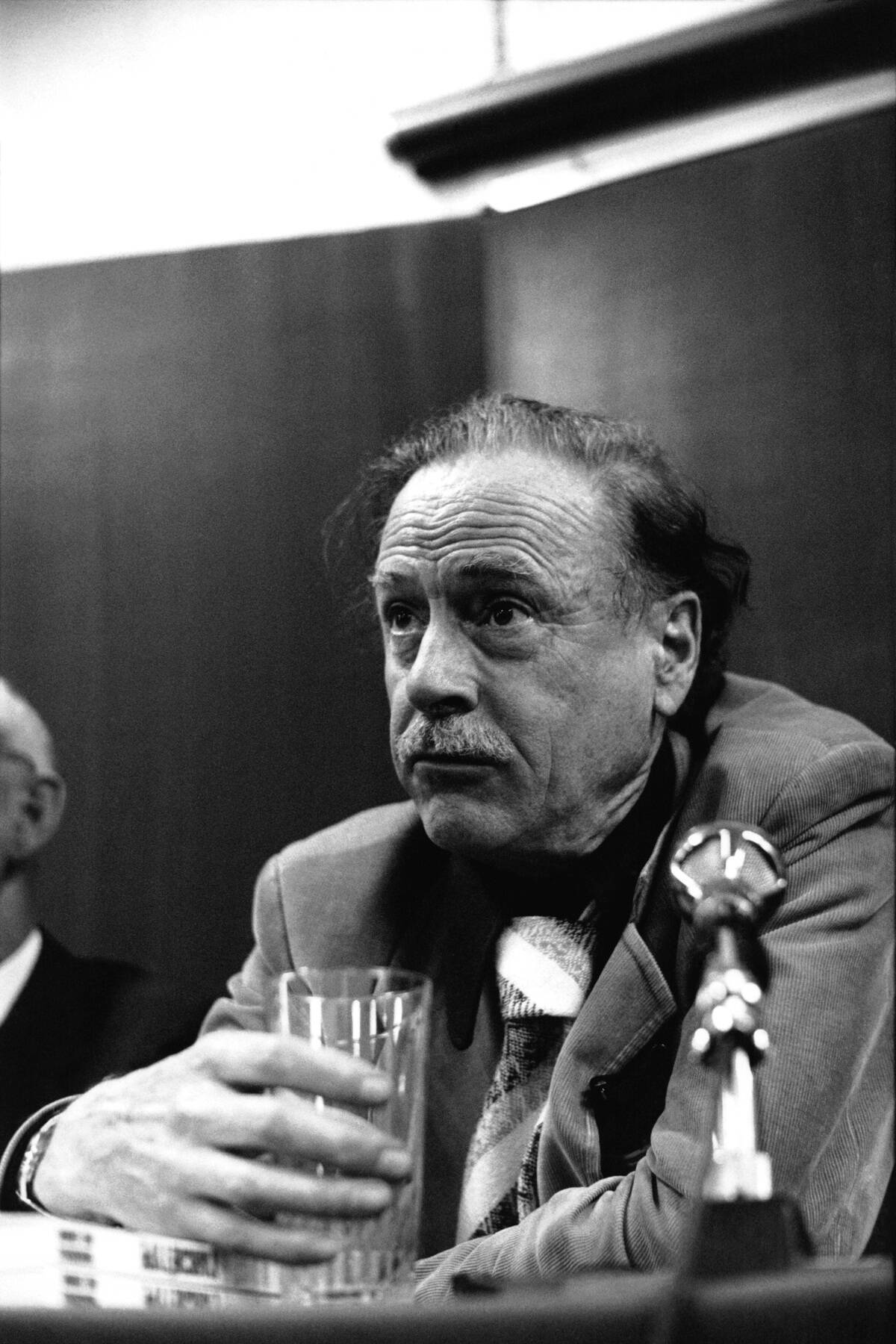
Marshall McLuhan, a Canadian media theorist, predicted the emergence of a “global village” in the 1960s. He foresaw a world where electronic media would shrink distances and create a collective consciousness.
McLuhan’s ideas about media shaping society anticipated the social dynamics of the internet age, where information is shared instantaneously worldwide. His work highlights the profound impact of media on human interaction and the way the internet fosters global connectivity.
Ted Nelson and the Xanadu Project
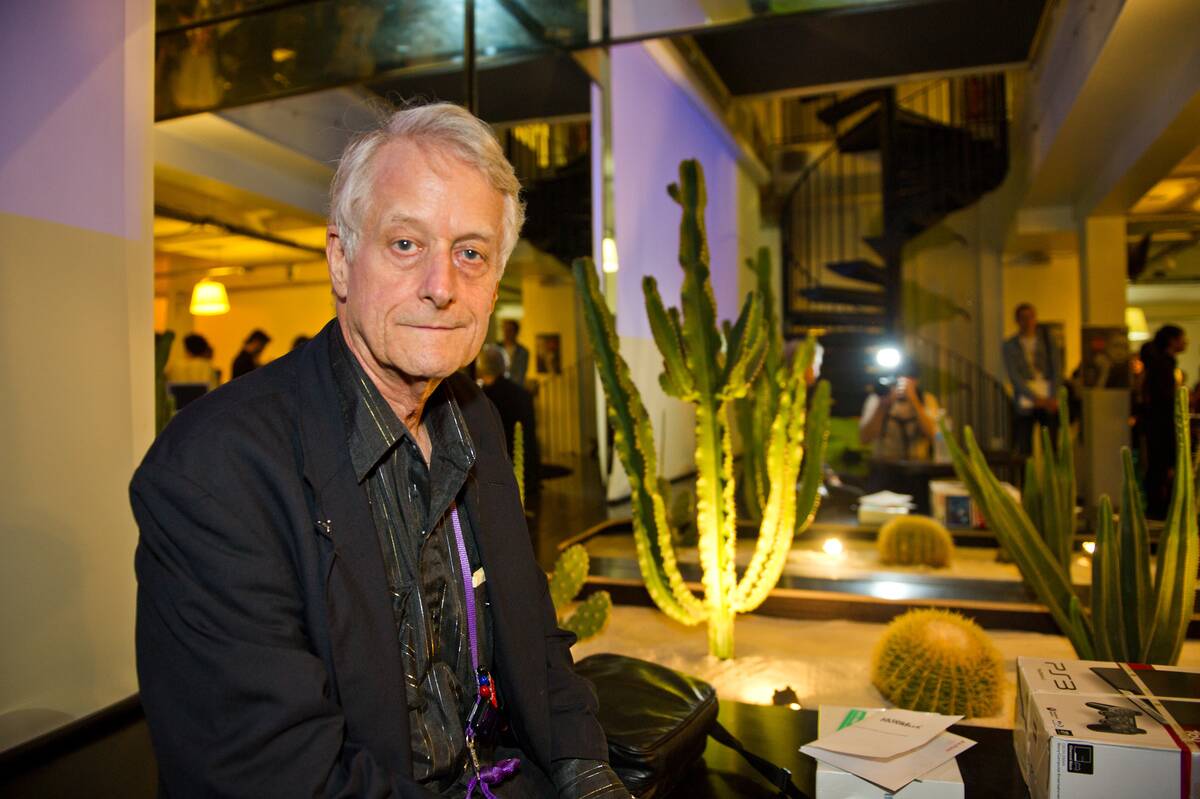
Ted Nelson, an information technology pioneer, introduced the concept of “hypertext” through his Xanadu Project. Nelson envisioned a world where all text and media could be interconnected, allowing users to access information non-linearly.
Although the Xanadu Project faced many challenges, Nelson’s ideas were instrumental in the development of the World Wide Web. His vision of interconnected documents and media laid the groundwork for the seamless navigation we now experience online.
Douglas Engelbart’s Augmenting Human Intellect
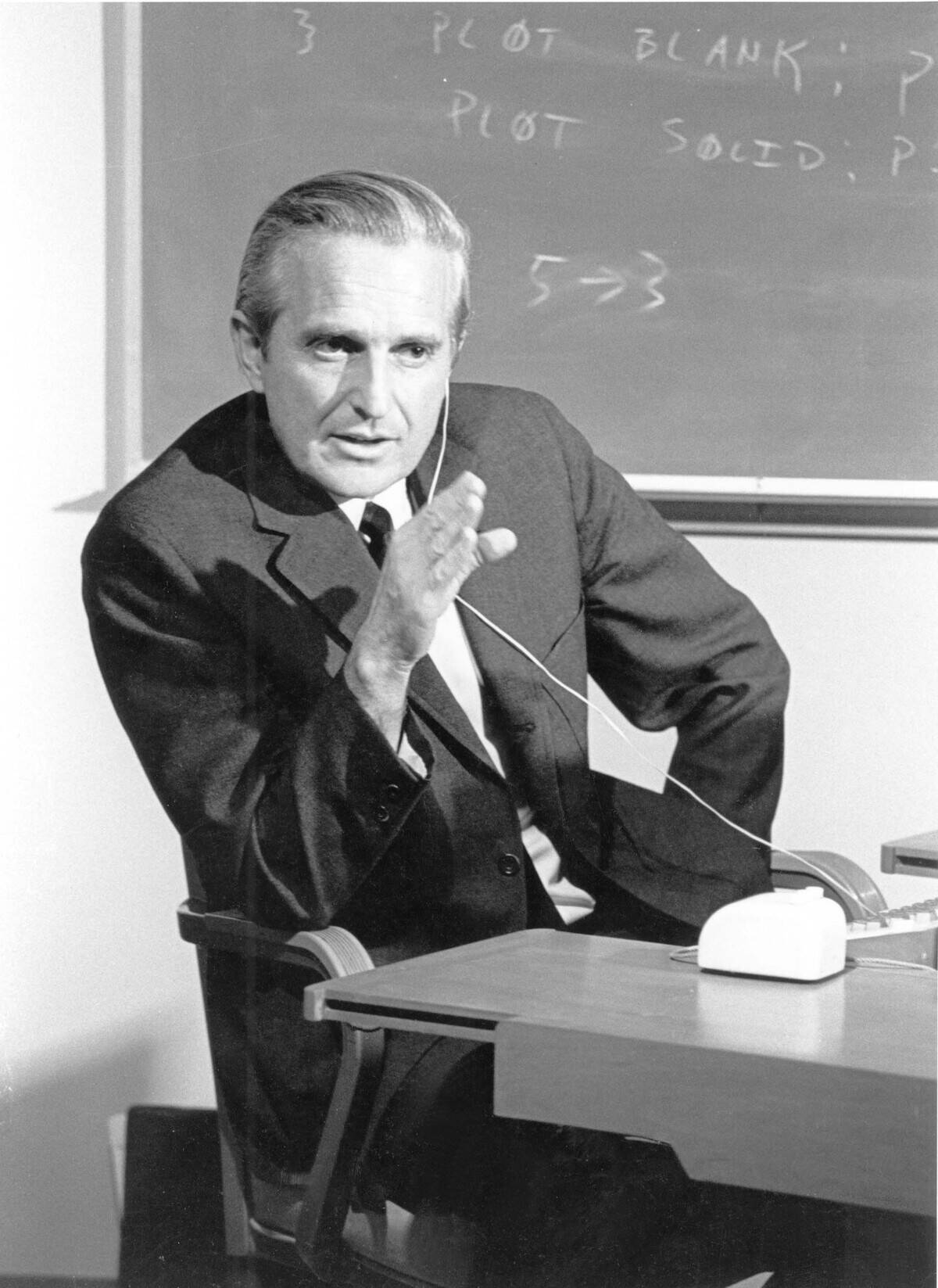
Douglas Engelbart, a visionary engineer, sought to “augment human intellect” through technology. His 1968 “Mother of All Demos” showcased innovations such as the computer mouse, hypertext linking, on-screen windows, and collaborative computing concepts.
Engelbart believed that computers could enhance human problem-solving capabilities and improve collaboration. His pioneering work laid the foundation for modern interactive computing, and his vision of empowered users continues to inspire the development of user-friendly technology.
Tim Berners-Lee and the Birth of the World Wide Web

Tim Berners-Lee, a British computer scientist, invented the World Wide Web in 1989. His creation allowed for the sharing of information across the internet using hypertext. Berners-Lee’s vision of a decentralized web empowered users to publish and access information freely.
Today, the web is a vital part of the internet, transforming how we communicate, learn, and conduct business. Berners-Lee’s groundbreaking work laid the foundation for the interconnected digital world we inhabit.
The Influence of Science Fiction on Network Concepts

Science fiction has long been a source of inspiration for technological advancements. Writers like Isaac Asimov and Arthur C. Clarke envisioned networks and artificial intelligence that later sparked real-world innovations.
These fictional works challenged technologists to explore the possibilities of networked systems and information sharing. The interplay between science fiction and technology illustrates how creative storytelling can drive the development of new ideas and shape the future of digital networks.
How These Predictions Shaped Modern Internet Development

The visionary ideas of these pioneers have profoundly influenced the development of modern internet technologies. Their predictions, once seen as fantastical, laid the groundwork for the interconnected world we live in today.
By imagining a future where information is freely shared and accessible, these visionaries inspired generations of technologists to bring their ideas to life. Their legacy is evident in the continuous evolution of the internet, as it adapts to meet the needs of a global society.