The deadliest sieges throughout history
Sieges have always held a unique place in military history, often changing the course of entire wars and empires. Whether they ended in victory or defeat, the stories of these sieges are marked by incredible endurance, innovation, and sometimes tragedy.
From ancient battles that shaped empires to modern conflict, the tales of survival and strategy continue to fascinate us, offering insight into the resilience of the human spirit and the tactical genius of military leaders.
The Siege of Leningrad: Starvation and Survival
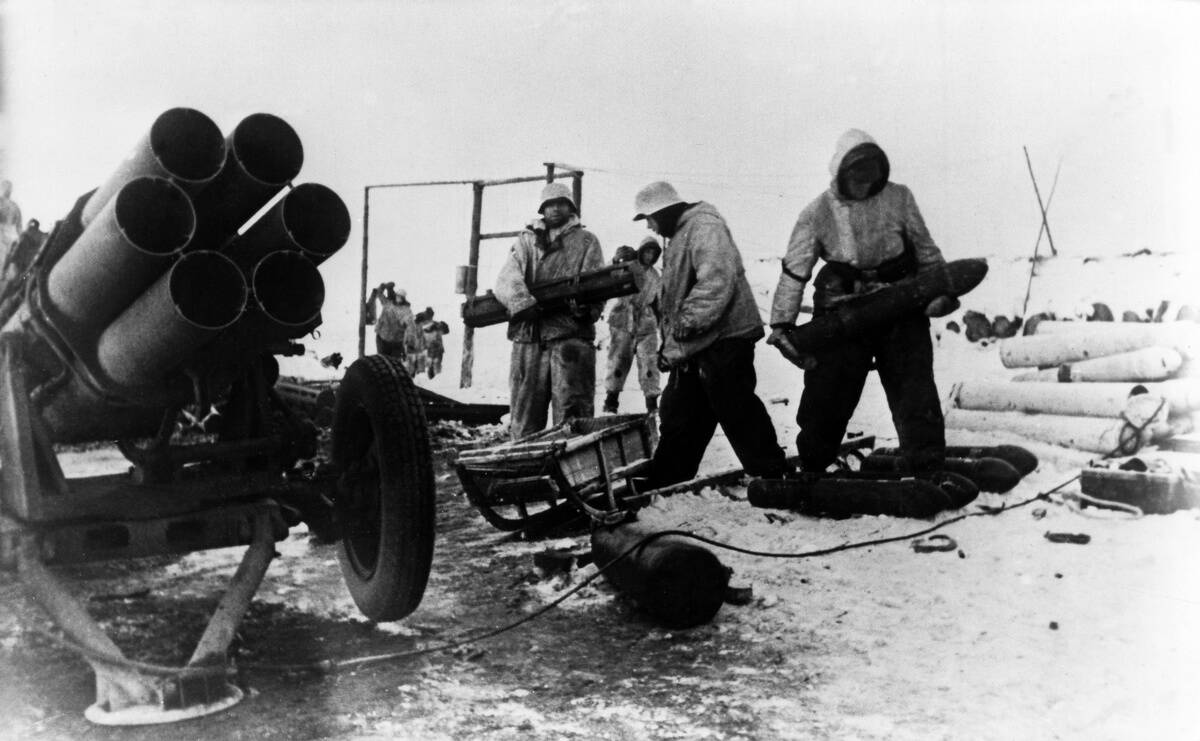
The Siege of Leningrad during World War II was one of the longest and most destructive sieges in history, lasting from September 8, 1941, to January 27, 1944. The city endured nearly 900 days of relentless bombardment and blockade by German and Finnish forces.
Despite severe food shortages that led to the death of an estimated 1 million civilians, the people of Leningrad managed to hold out. Their resilience became a symbol of Soviet endurance against the Nazi war machine.
The Siege of Stalingrad: A Turning Point in WWII
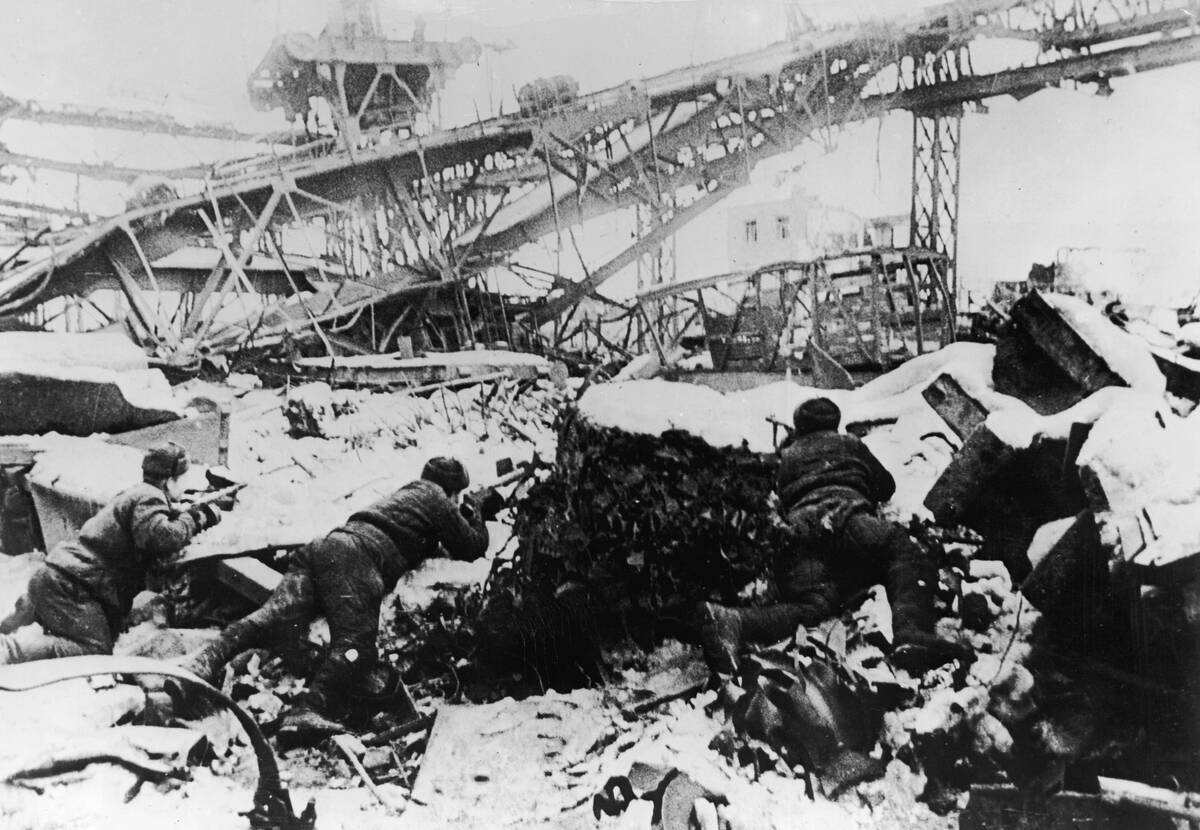
The Battle of Stalingrad, lasting from July 17, 1942, to February 2, 1943, was a crucial turning point in World War II. It marked the first major defeat of the German army, with the Soviets turning the tables on nearly 300,000 Axis troops, with about 91,000 of them surviving long enough to be captured.
The brutal urban combat and harsh winter conditions made this siege infamous for its intensity and high casualties. The victory at Stalingrad boosted Soviet morale and shifted the momentum of the war in favor of the Allies.
The Siege of Jerusalem: A Clash of Empires
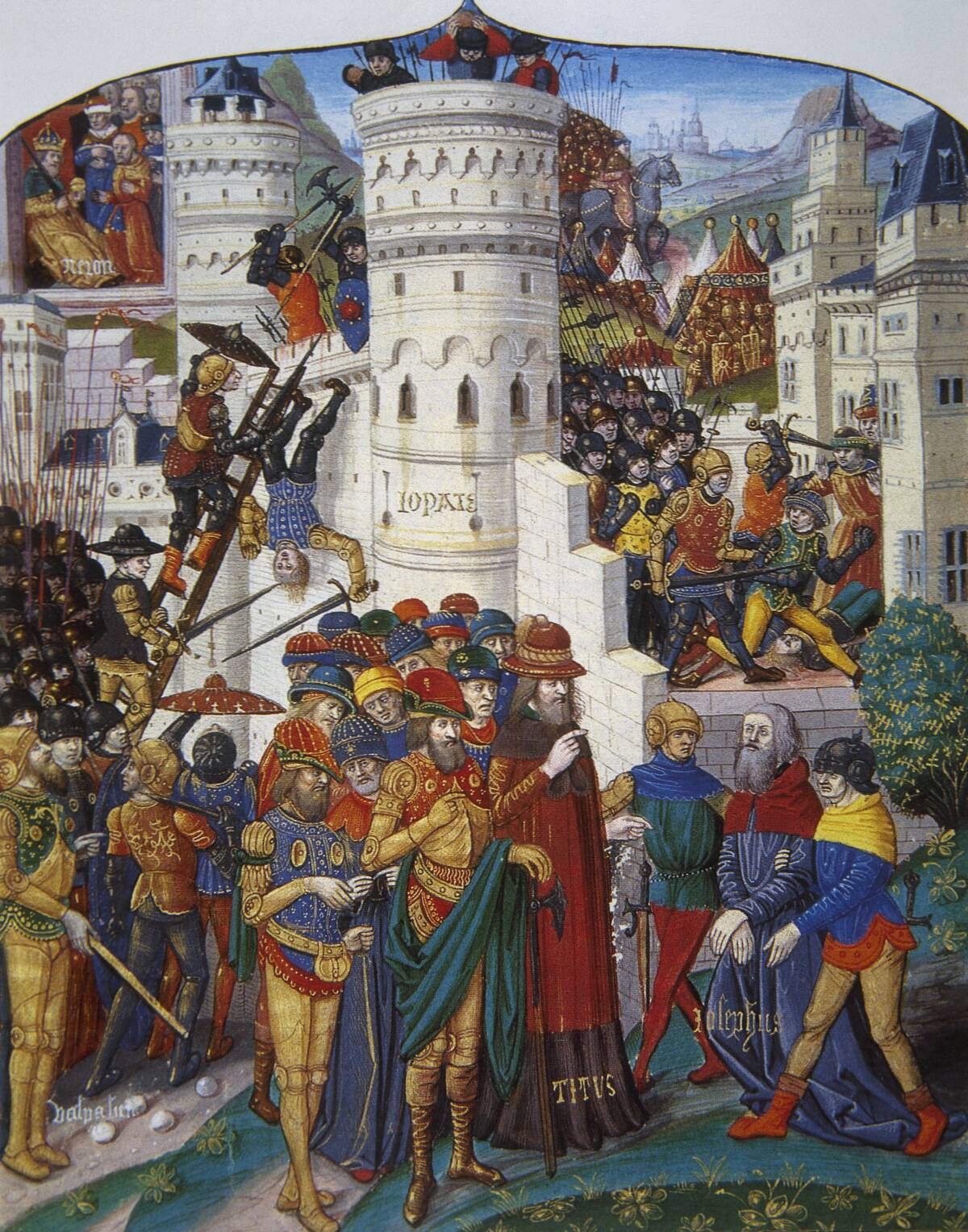
The Siege of Jerusalem in 70 CE was a pivotal event during the First Jewish-Roman War. Roman forces, led by future Emperor Titus, besieged the city, ultimately breaching its walls and destroying the Second Temple.
This marked a significant moment in Jewish history, leading to the diaspora of Jewish people. The siege symbolizes the power struggles of ancient empires and the enduring impact of Roman military might on the world stage.
The Siege of Vienna: The Ottoman Empire’s Last Stand
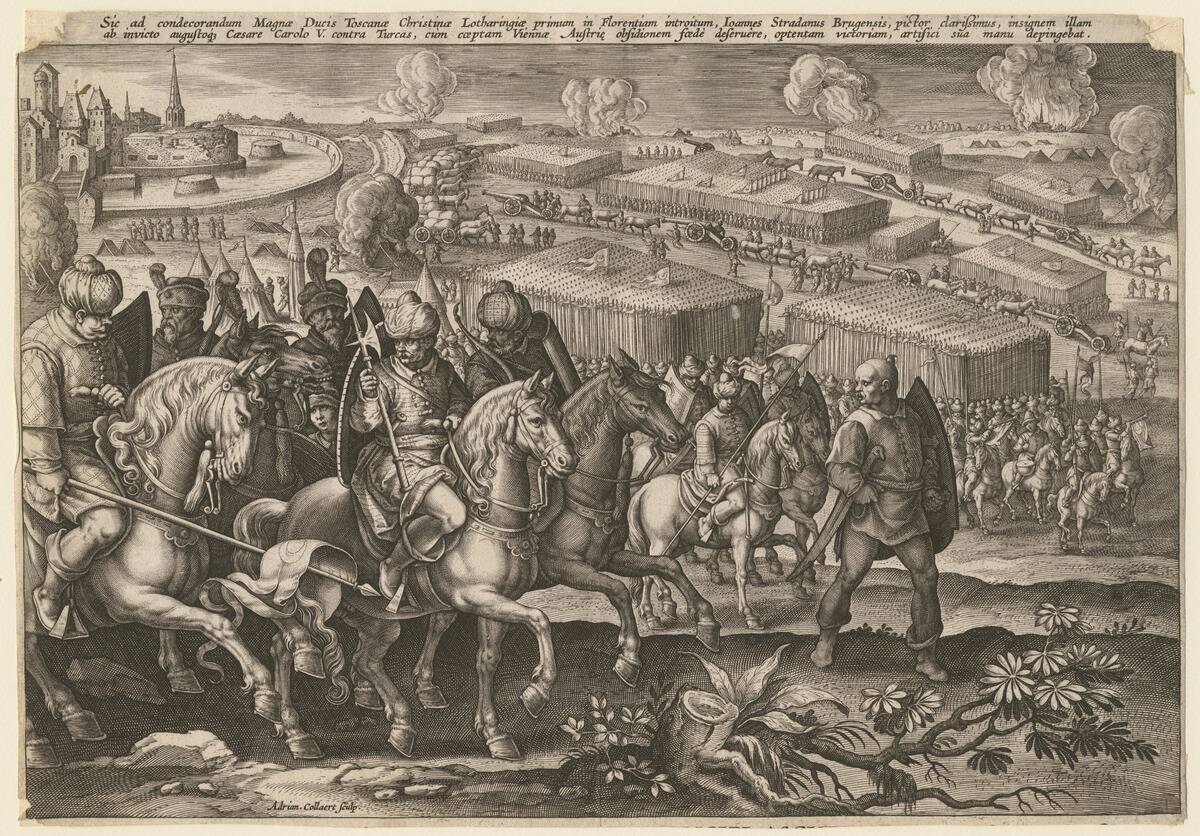
The Siege of Vienna in 1683 was a defining moment in European history. The Ottoman Empire sought to expand its reach into Central Europe, but was met with fierce resistance. A coalition of European forces, led by the Polish King Jan III Sobieski, successfully defended the city.
The battle marked the turning point in the Ottoman Empire’s westward expansion and heralded the beginning of its decline. The siege’s outcome highlighted the shifting balance of power in Europe.
The Fall of Constantinople: The End of an Era
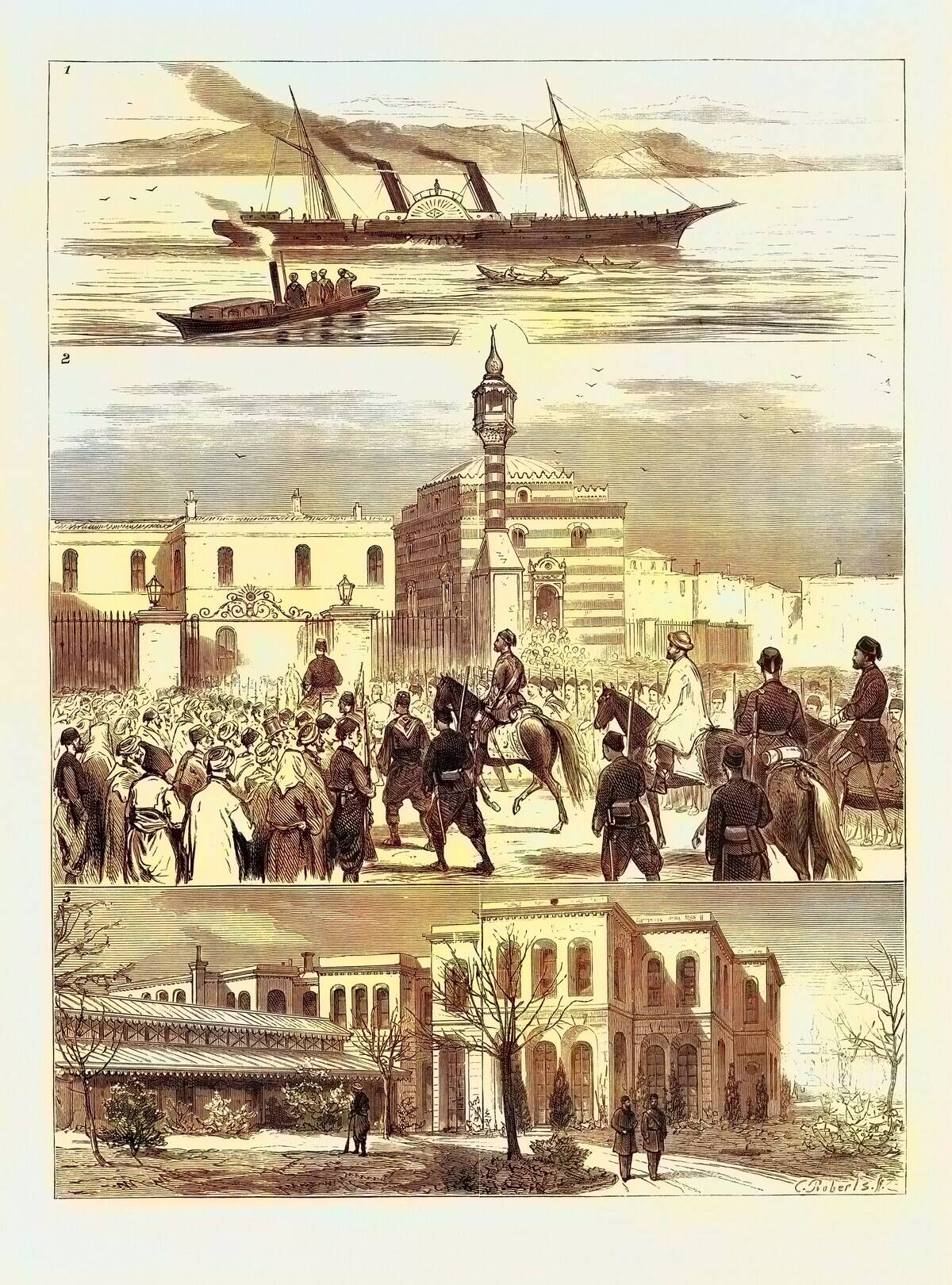
In 1453, the Fall of Constantinople signaled the end of the Byzantine Empire and the rise of the Ottoman Empire. Sultan Mehmed II led the assault, employing advanced siege tactics and artillery to breach the city’s formidable defenses.
The fall of this ancient city marked the end of the medieval period and the beginning of the Renaissance, influencing trade and cultural exchanges between Europe and Asia. This pivotal event reshaped the geopolitical landscape of the time.
The Siege of Tenochtitlán: The Fall of the Aztec Empire
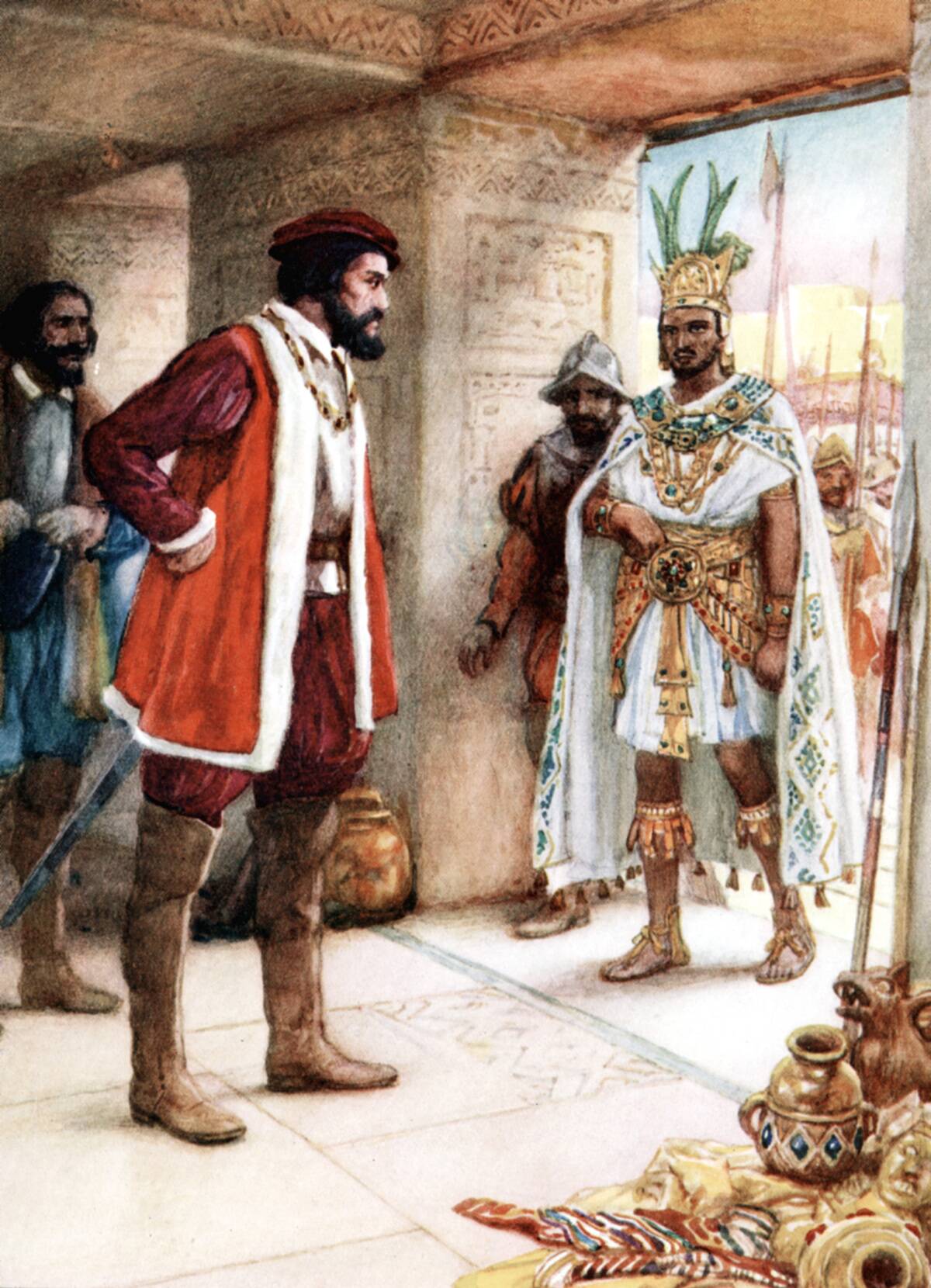
The Siege of Tenochtitlán in 1521 marked the fall of the Aztec Empire at the hands of Spanish conquistadors led by Hernán Cortés. With the aid of indigenous allies, the Spanish besieged the capital city, which was ravaged by smallpox and internal strife.
The fall of Tenochtitlán paved the way for Spanish colonization of the Americas. This event highlights the complex interactions between European explorers and indigenous civilizations, leading to profound cultural and demographic shifts.
The Siege of Vicksburg: A Pivotal Moment in the American Civil War
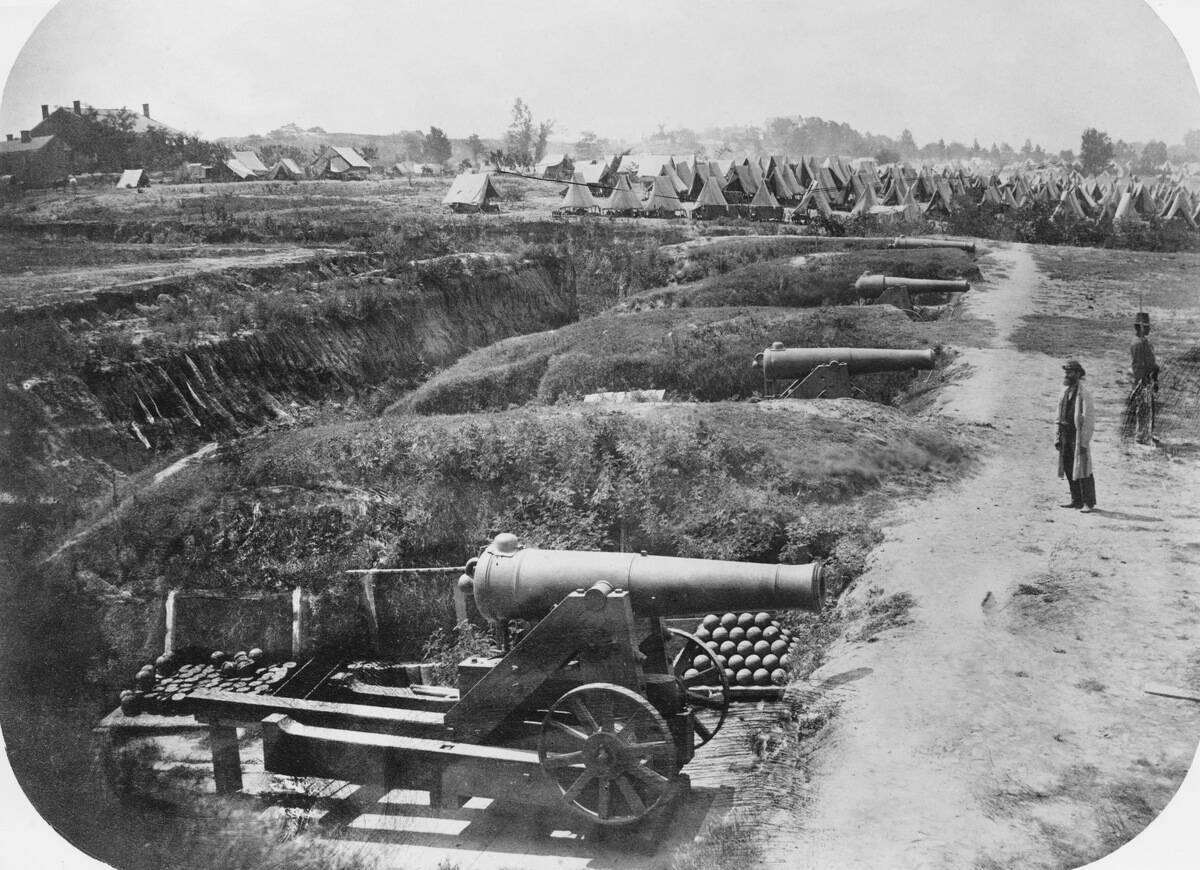
The Siege of Vicksburg in 1863 was a critical turning point in the American Civil War, giving the Union control of the Mississippi River. Led by General Ulysses S. Grant, Union forces besieged the city for over 40 days, ultimately forcing its surrender on July 4.
The victory effectively split the Confederacy in two, bolstering Northern morale and helping to secure President Lincoln’s re-election (which wasn’t guaranteed even after it occurred). Vicksburg’s fall was instrumental in the eventual Union victory.
The Siege of Sarajevo: A Modern-Day Struggle
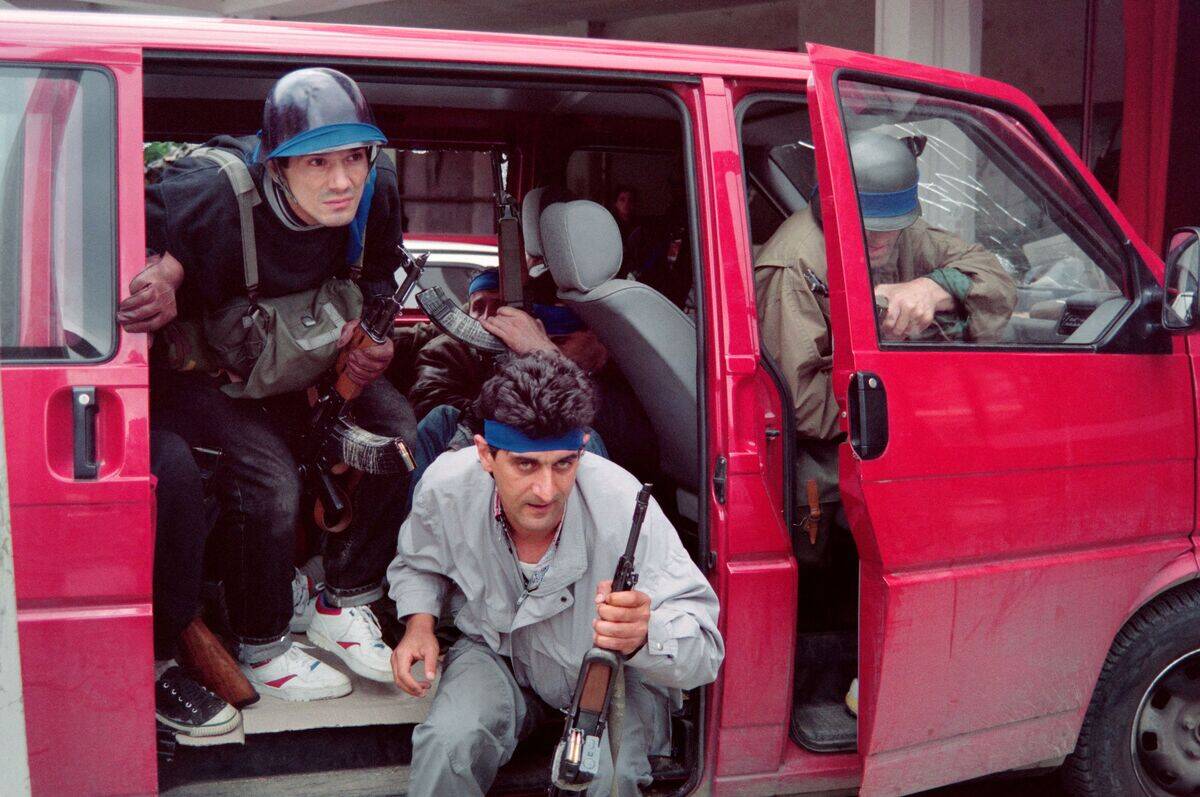
The Siege of Sarajevo, lasting from 1992 to 1996, was the longest siege of a capital city in modern history. During the Bosnian War, the city was encircled by Bosnian Serb forces, resulting in severe humanitarian crises and widespread destruction.
Citizens endured constant shelling and sniper attacks, with limited access to food, water, and medical supplies. The siege eventually ended with the Dayton Agreement in 1995, highlighting the complexities of modern warfare and international diplomacy.
The Siege of Orleans: Joan of Arc’s Heroic Stand
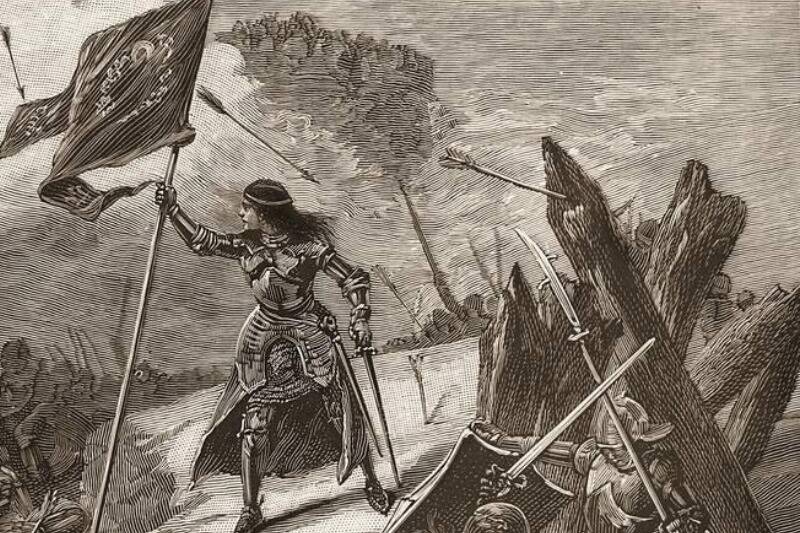
In 1429, the Siege of Orleans was a crucial turning point in the Hundred Years’ War between France and England. Joan of Arc, a peasant girl claiming divine guidance, played a key role in lifting the siege.
Her leadership inspired the French forces, leading to a decisive victory that marked the beginning of the end for English ambitions in France. Joan’s remarkable courage and strategic insight made her a national heroine and symbol of French unity.
The Siege of Yorktown: The Decisive Blow in the American Revolution
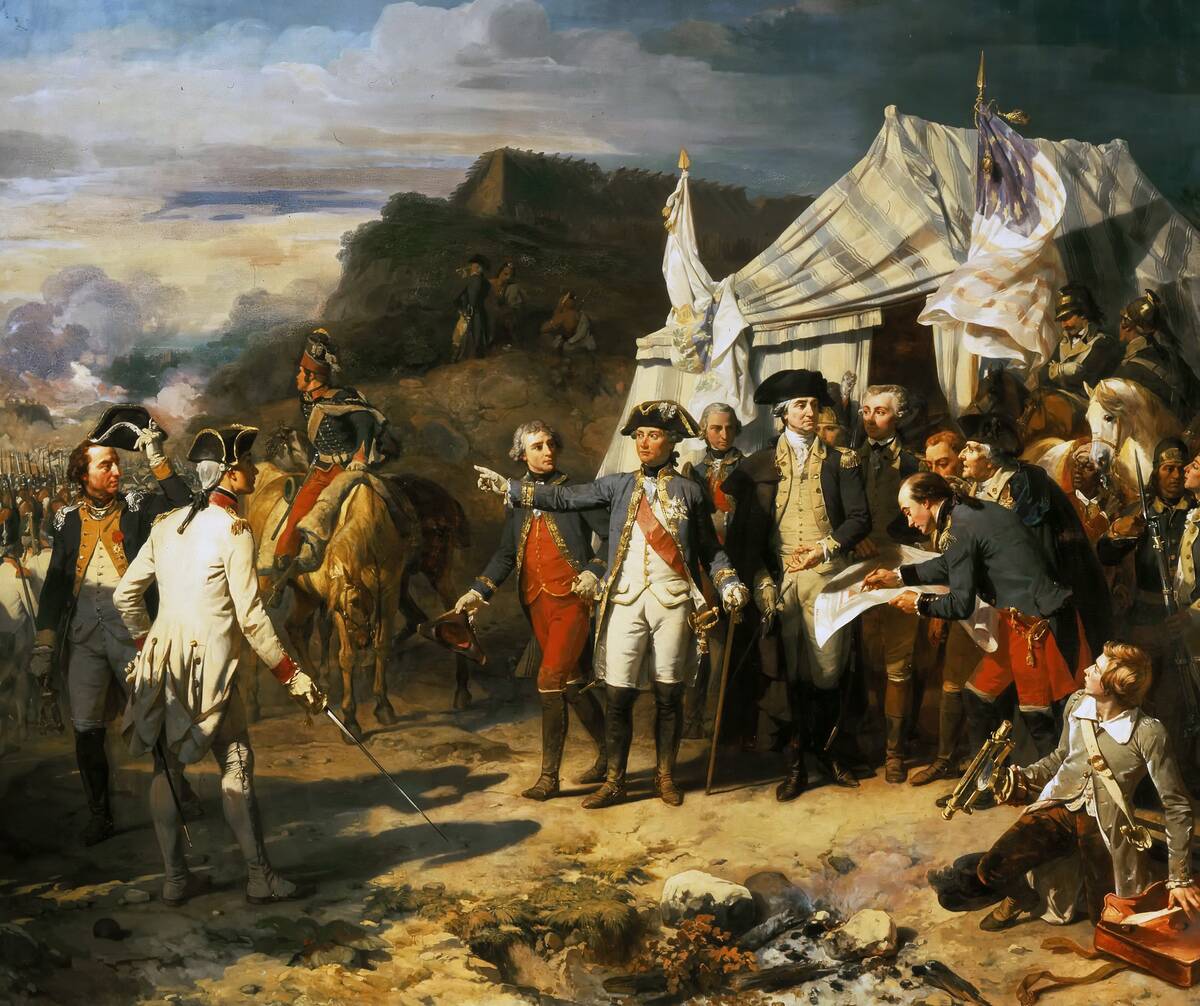
The Siege of Yorktown in 1781 was the decisive battle that ended the American Revolutionary War. American and French forces, under General George Washington and General Rochambeau, besieged British troops led by General Cornwallis.
After weeks of intense fighting, Cornwallis surrendered, effectively ending British hopes of retaining control over their American colonies. This victory solidified the United States’ independence and showcased the power of international alliances in achieving military success.
The Siege of Masada: A Story of Defiance
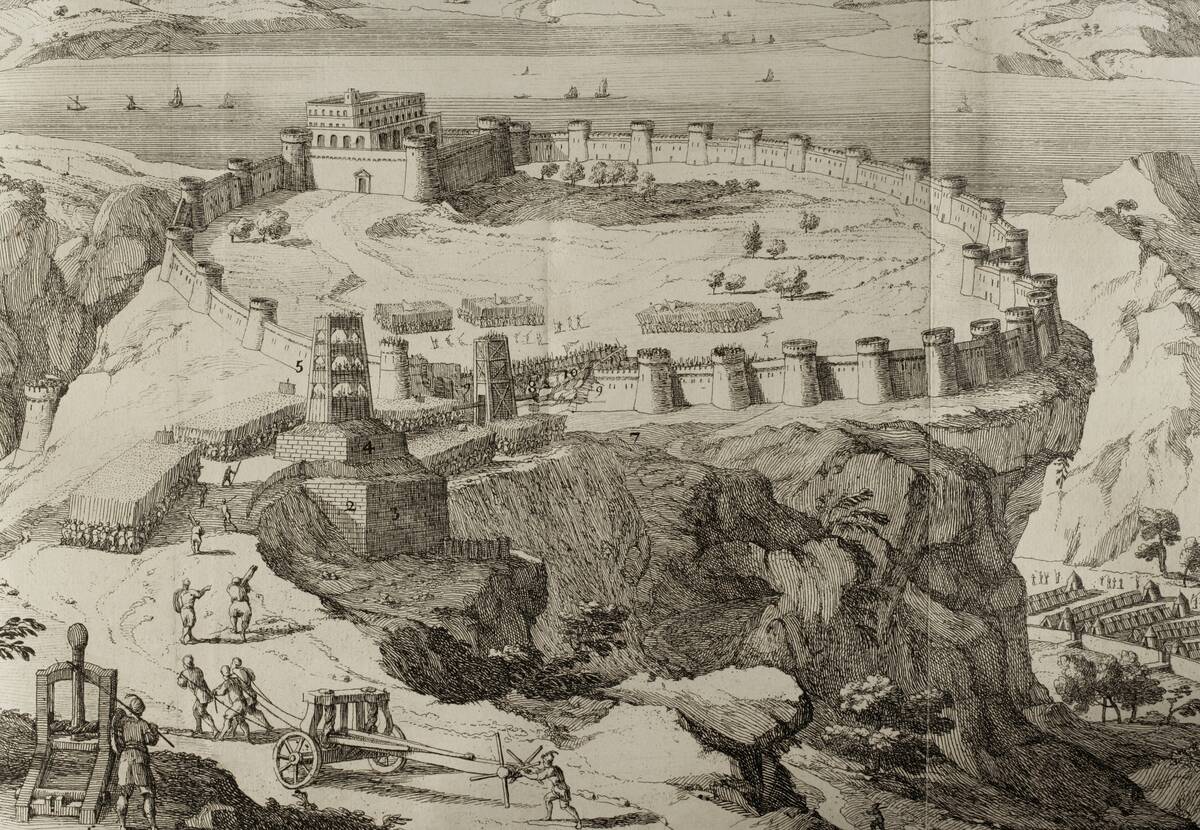
The Siege of Masada, occurring from 73 to 74 CE, was the final chapter in the First Jewish-Roman War. Roman forces laid siege to the mountain fortress of Masada, where a group of Jewish rebels held out.
Facing inevitable defeat, the defenders chose mass suicide over surrender. Masada has since become a symbol of Jewish resistance and courage, serving as a poignant reminder of the struggles for freedom and the tragic costs of war.
The Siege of Paris: The Franco-Prussian War’s Bitter End
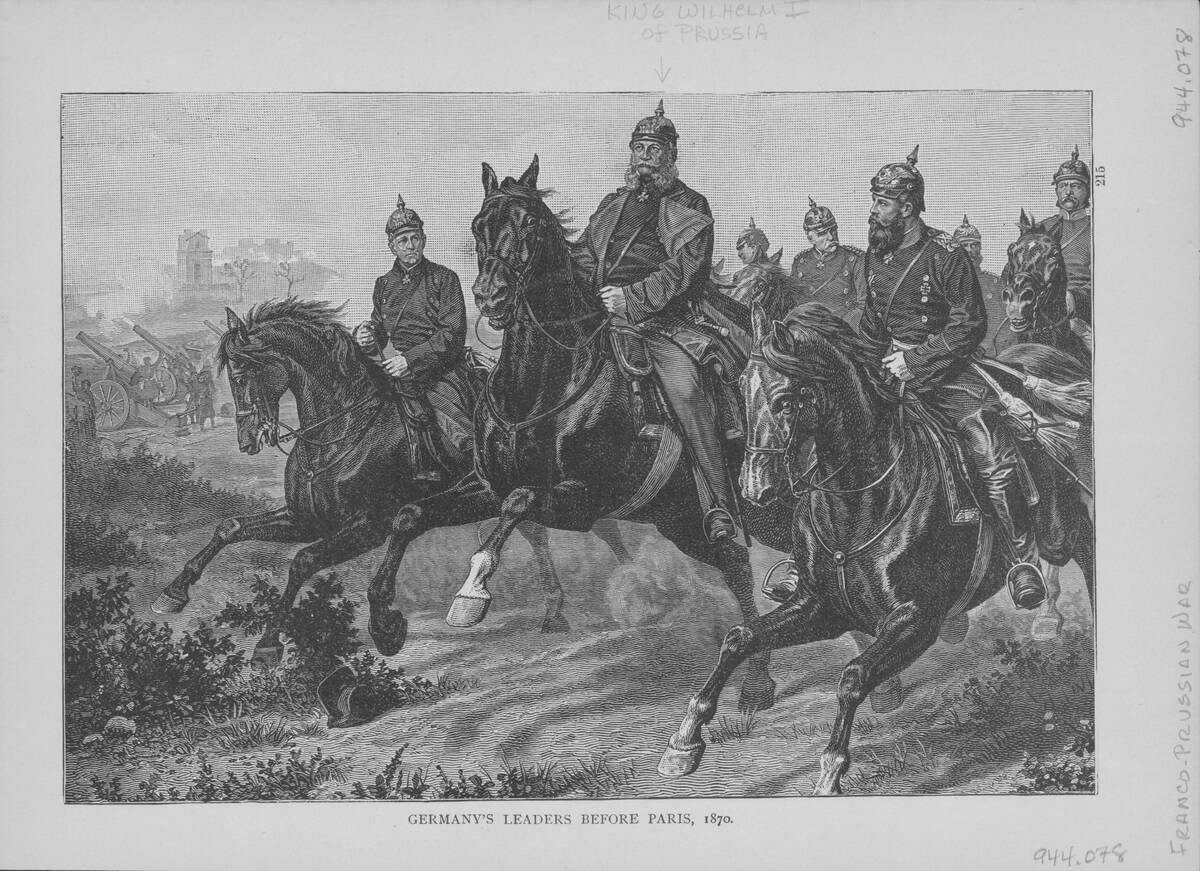
The Siege of Paris from September 1870 to January 1871 was a key event in the Franco-Prussian War. Prussian forces surrounded the French capital, cutting off supplies and leading to severe food shortages and suffering.
The fall of Paris led to the end of the Second French Empire and the proclamation of the German Empire in the Hall of Mirrors at Versailles. This siege emphasized the shifting power dynamics in Europe and set the stage for future conflicts.
The Siege of Acre: The Crusades’ Turning Point
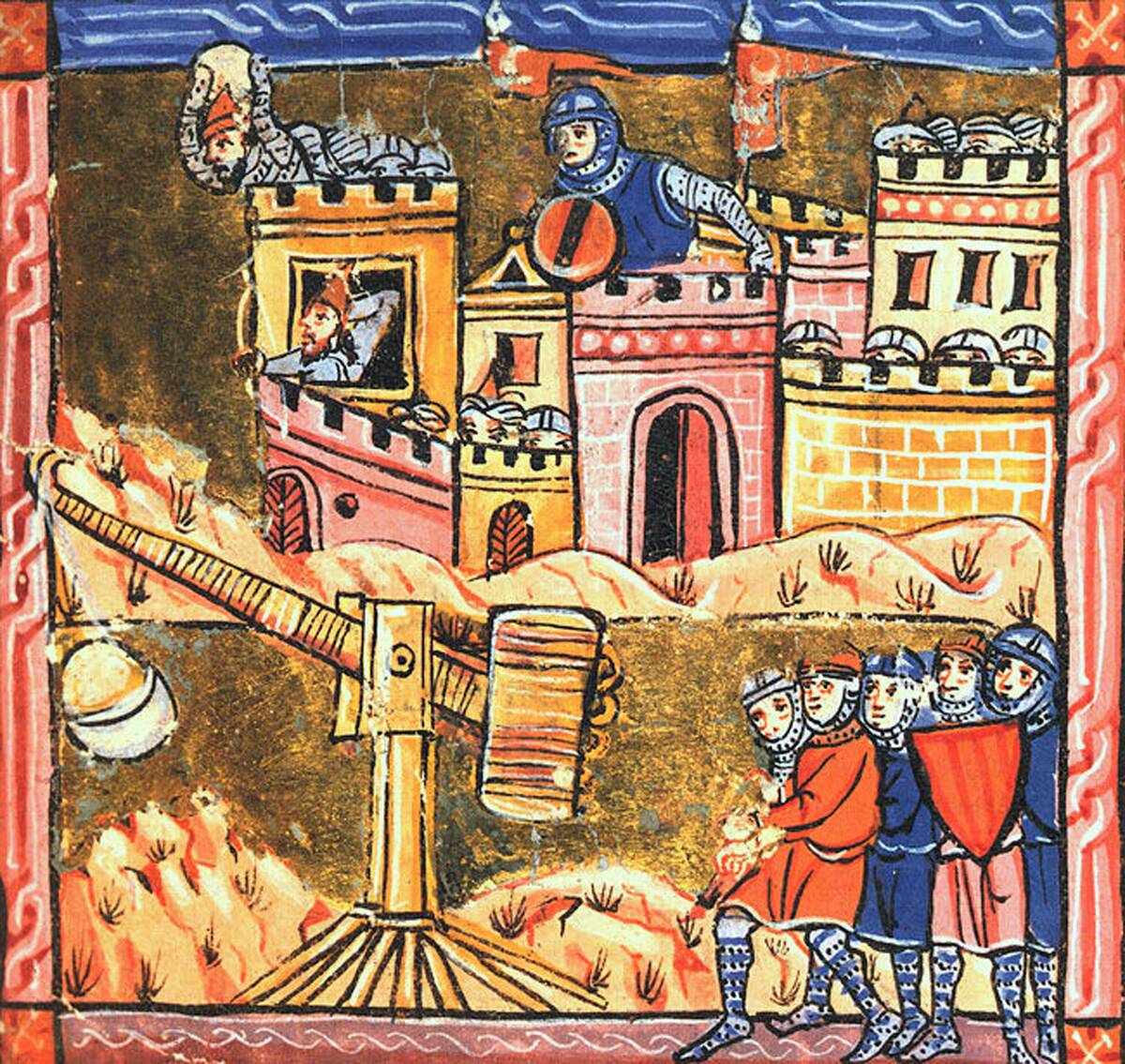
The Siege of Acre from 1189 to 1191 was a major battle during the Third Crusade. Crusader forces, led by Richard the Lionheart and Philip II of France, besieged the city held by Saladin’s forces.
After a prolonged and bloody siege, the city fell to the Crusaders, marking a significant victory. However, the inability to recapture Jerusalem highlighted the limitations of the Crusades. Acre’s siege remains a testament to the era’s religious zeal and military ambition.
The Siege of Quebec: The Battle for North America
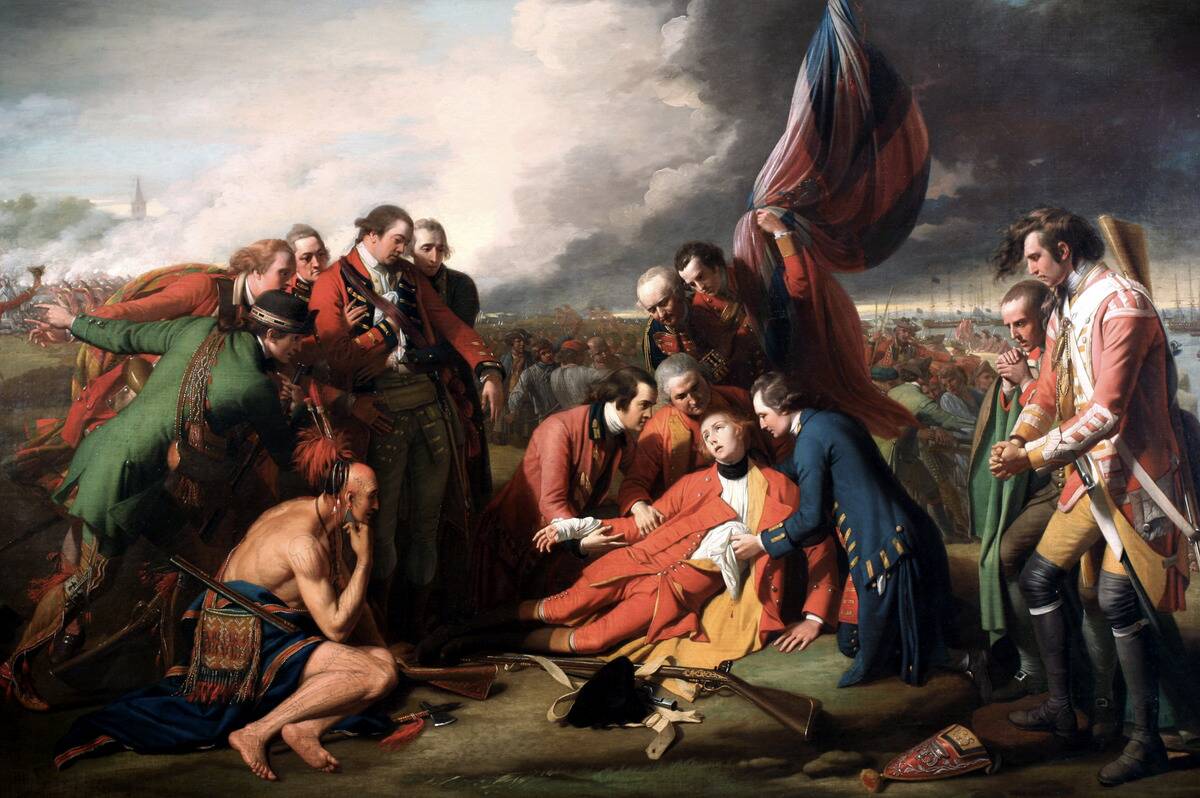
The Siege of Quebec in 1760 was a pivotal battle during the Seven Years’ War, also known as the French and Indian War. British forces, led by General James Wolfe, besieged the French-held city on the cliffs of the St. Lawrence River.
The British victory at Quebec marked a turning point in the war, leading to British dominance in North America and the eventual cession of French territories. This battle shaped the future of the continent.
The Siege of Malta: The Knights’ Last Stand
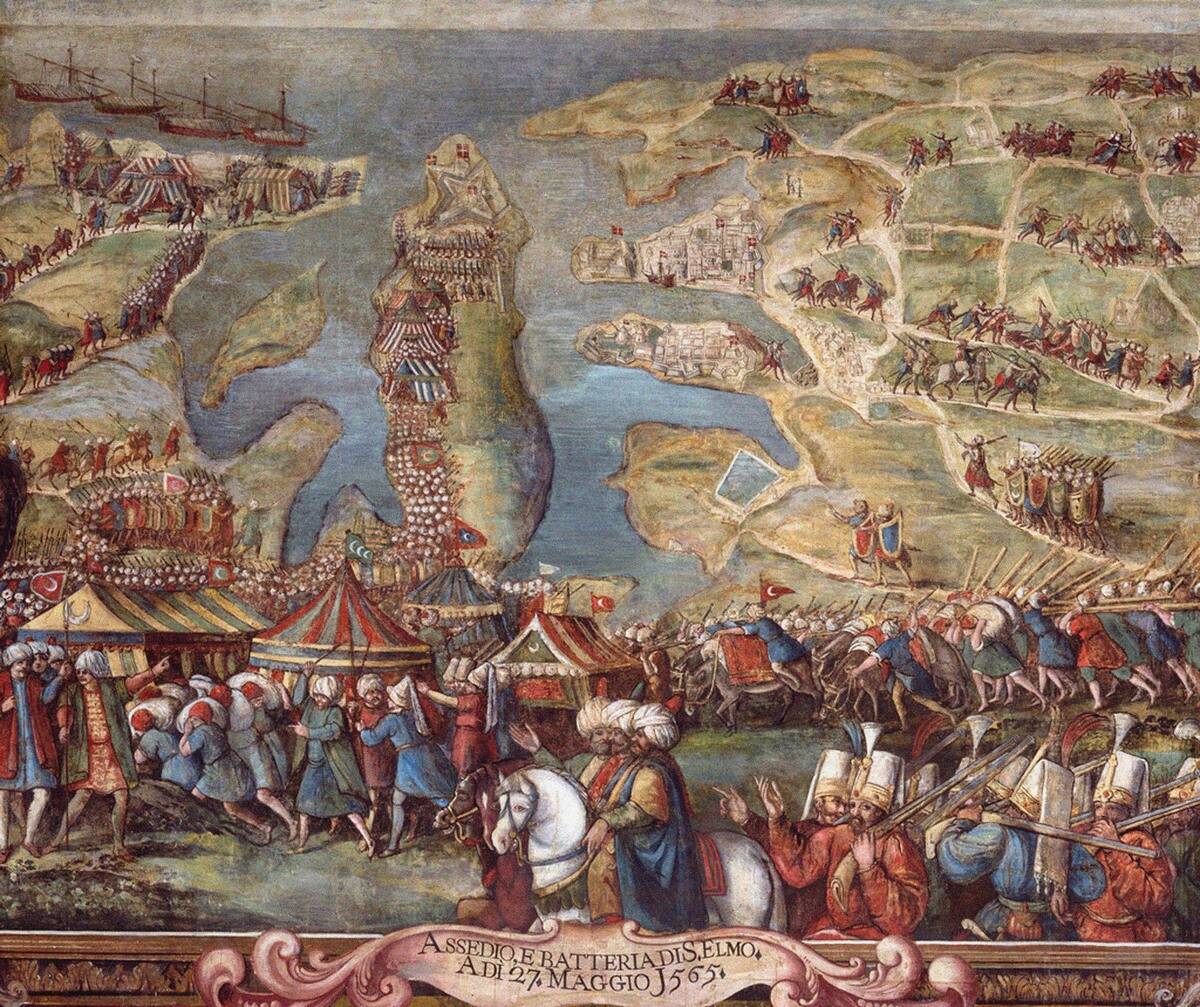
The Great Siege of Malta in 1565 was a dramatic conflict between the Ottoman Empire and the Knights Hospitaller. Despite being heavily outnumbered, the knights and Maltese defenders held out against the Ottoman onslaught.
Their resilience and strategic fortifications led to a stunning victory that halted Ottoman expansion into the Mediterranean. The siege reinforced the Knights’ reputation as formidable defenders of Christendom and showcased the strategic importance of Malta in regional geopolitics.
The Siege of Sevastopol: The Crimean War’s Epic Battle
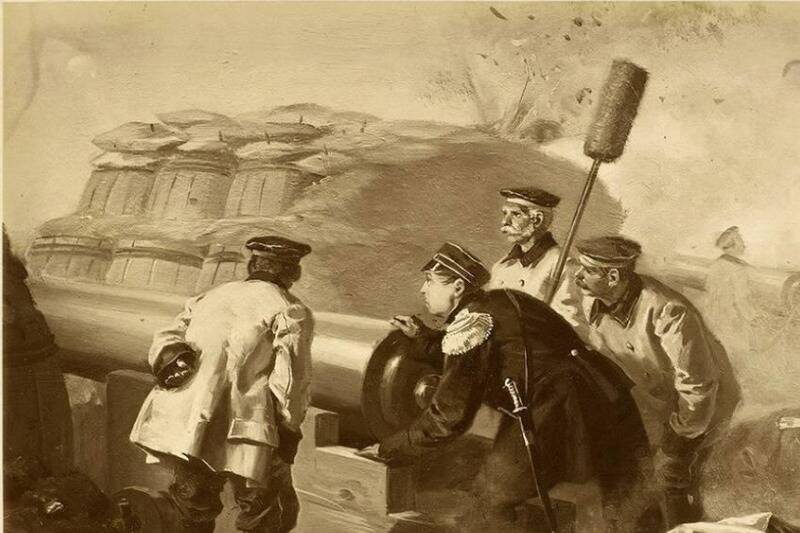
The Siege of Sevastopol, lasting from 1854 to 1855, was a key engagement in the Crimean War. Allied forces from Britain, France, and the Ottoman Empire besieged the Russian-held port city for nearly a year.
The protracted siege highlighted the harsh realities of 19th-century warfare, with significant casualties on both sides. The eventual fall of Sevastopol marked a turning point in the war, leading to peace negotiations. This siege underscored the changing nature of military technology and tactics.




