Ancient societies pushed toward collapse by nature
The whispers of environmental collapse echo ominously through the pages of history. While we often see ourselves as masters of our fate, the truth is that nature has a way of reminding us of our vulnerability.
From ancient civilizations to modern societies, the challenge of balancing prosperity with environmental stewardship remains daunting. As we delve into the past, we uncover stories of those who faced similar trials, often with catastrophic consequences, and consider what lessons they might hold for us today.
The Mayan Empire: Drought and Deforestation
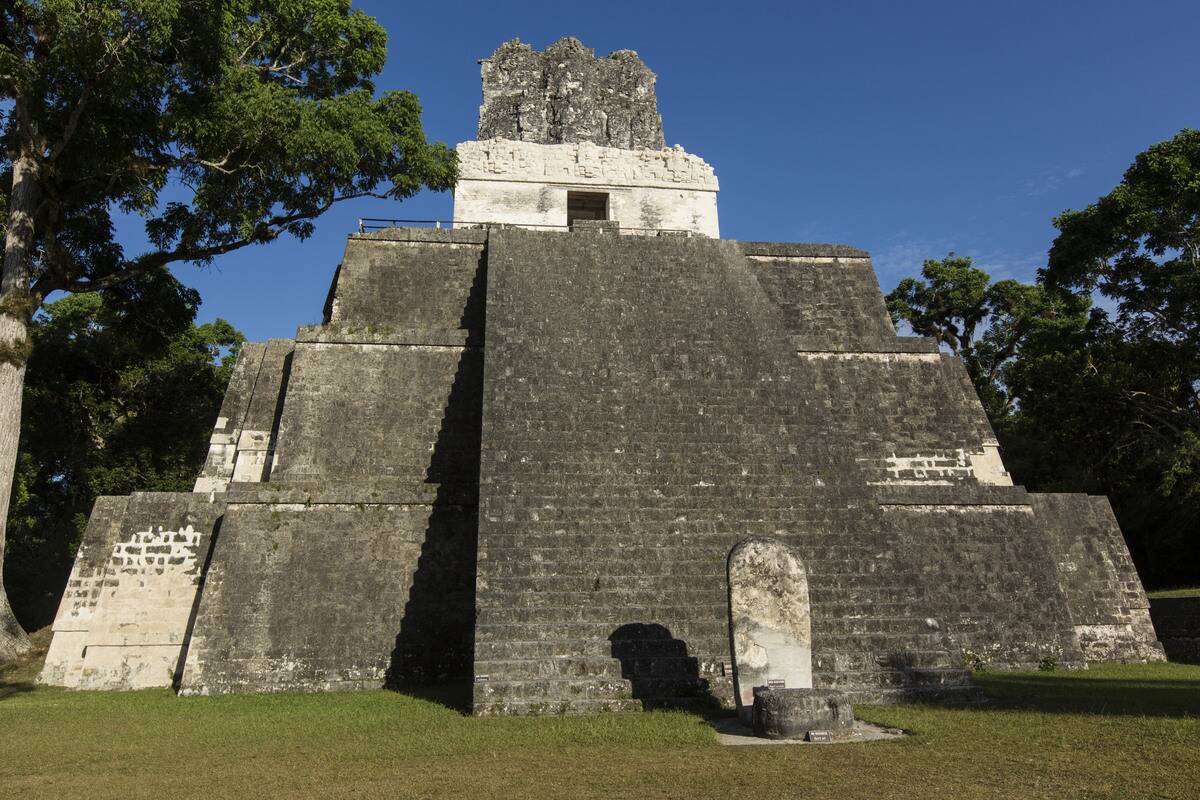
The Mayan Empire, once a vibrant civilization, faced its downfall partly due to severe droughts and relentless deforestation. At least, those are among the many theories for the civilization’s collpse. The Maya depended heavily on their lush rainforests for resources, yet extensive logging for agriculture and construction led to soil degradation.
Evidence from lake sediment cores indicates prolonged drought periods coincided with the collapse of major cities. This serves as a stark reminder of how environmental mismanagement can undermine even the most advanced societies.
The Fall of the Khmer Empire: Water Management Woes
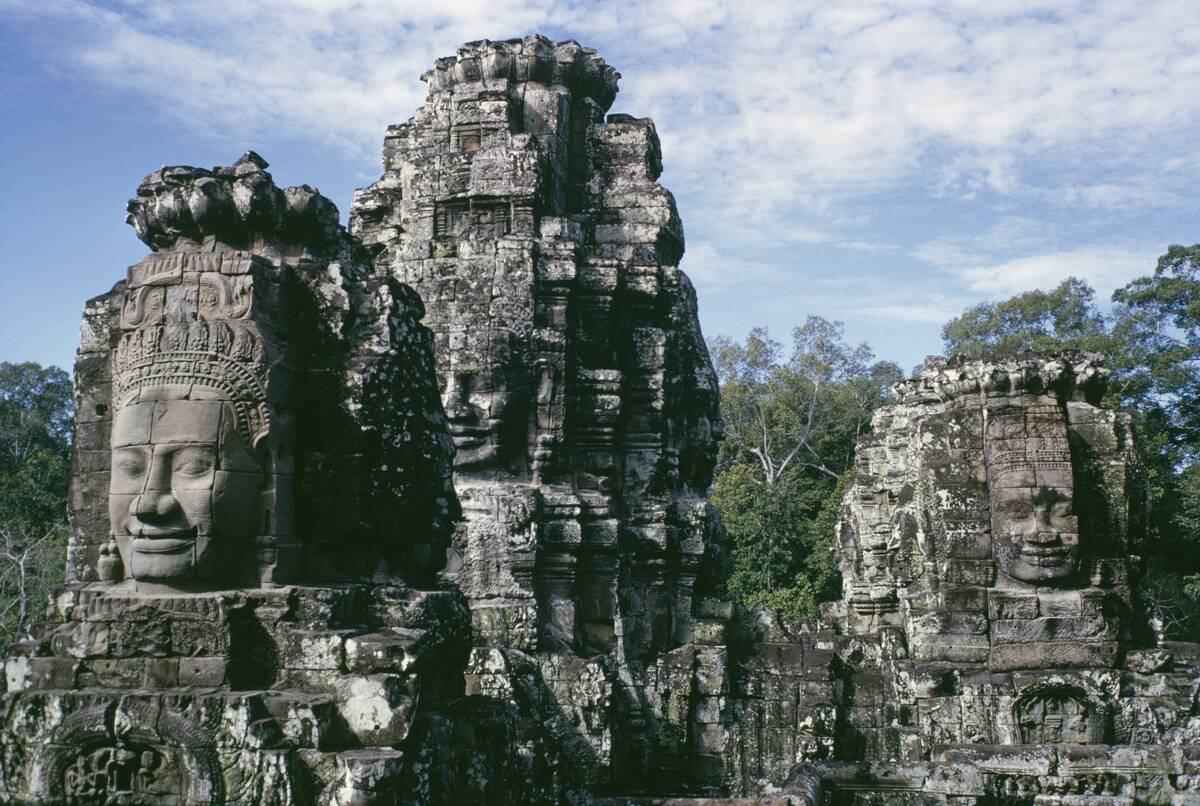
The Khmer Empire, known for the magnificent Angkor Wat, was a marvel of engineering, especially in hydraulic management. However, this complex system eventually became their Achilles’ heel.
As climate patterns shifted, the intricate network of canals and reservoirs proved inflexible and vulnerable to both drought and flooding. Recent studies suggest that these water management failures contributed significantly to their decline, highlighting the need for adaptable infrastructure in the face of environmental changes.
Mesopotamia: The Land Between Rivers and Its Salinity Struggles
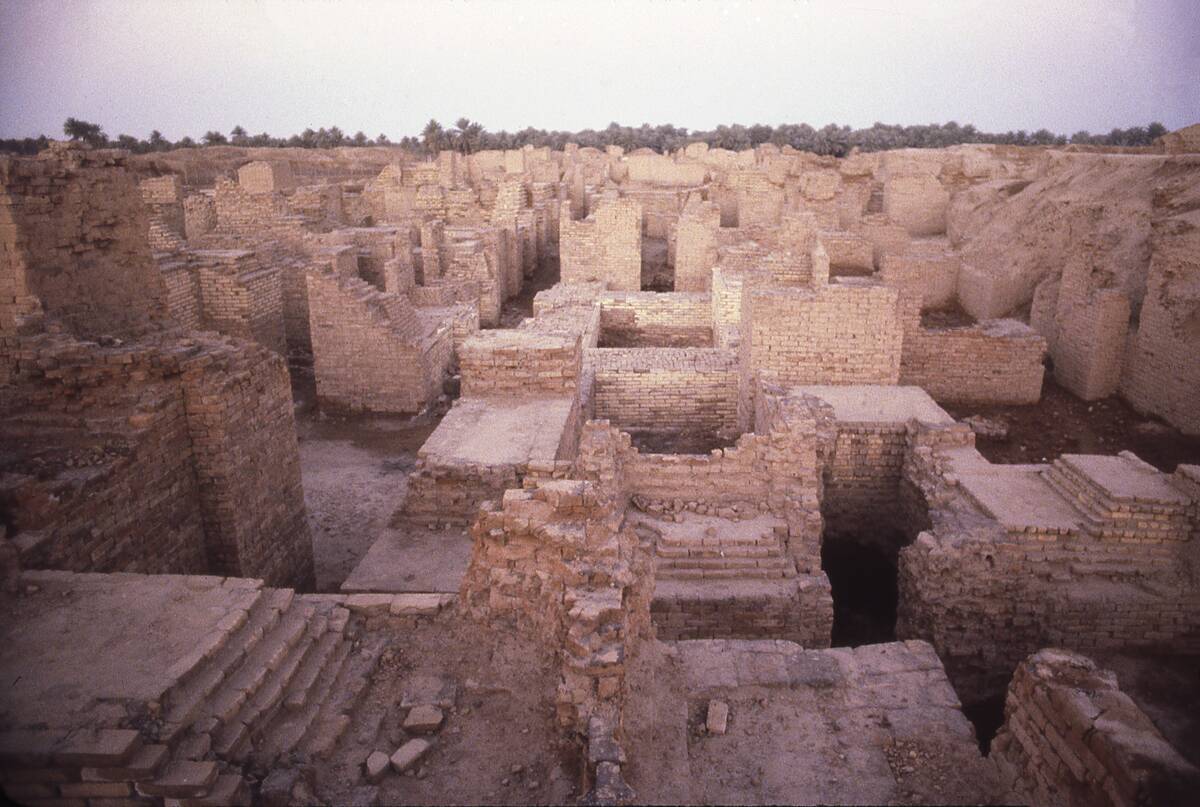
Mesopotamia, the cradle of civilization, thrived between the Tigris and Euphrates rivers. However, their reliance on irrigation led to salinization of the soil. Over time, salt accumulation degraded agricultural lands, reducing crop yields and threatening food security.
Archaeological evidence supports that this ecological stress played a role in the decline of Sumerian city-states. The tale of Mesopotamia underscores the importance of sustainable agricultural practices and the management of soil health.
The Mysterious Disappearance of the Ancestral Puebloans

The Ancestral Puebloans, known for their remarkable cliff dwellings, vanished from the American Southwest around the late 13th century. Scholars suggest a combination of prolonged drought and resource depletion triggered their migration.
Tree-ring data reveals significant drought periods coinciding with their departure. Despite their ingenuity in water conservation and agriculture, the relentless environmental pressures proved insurmountable. Their story invites us to consider the balance between cultural resilience and environmental limits.
Easter Island: A Cautionary Tale of Resource Depletion
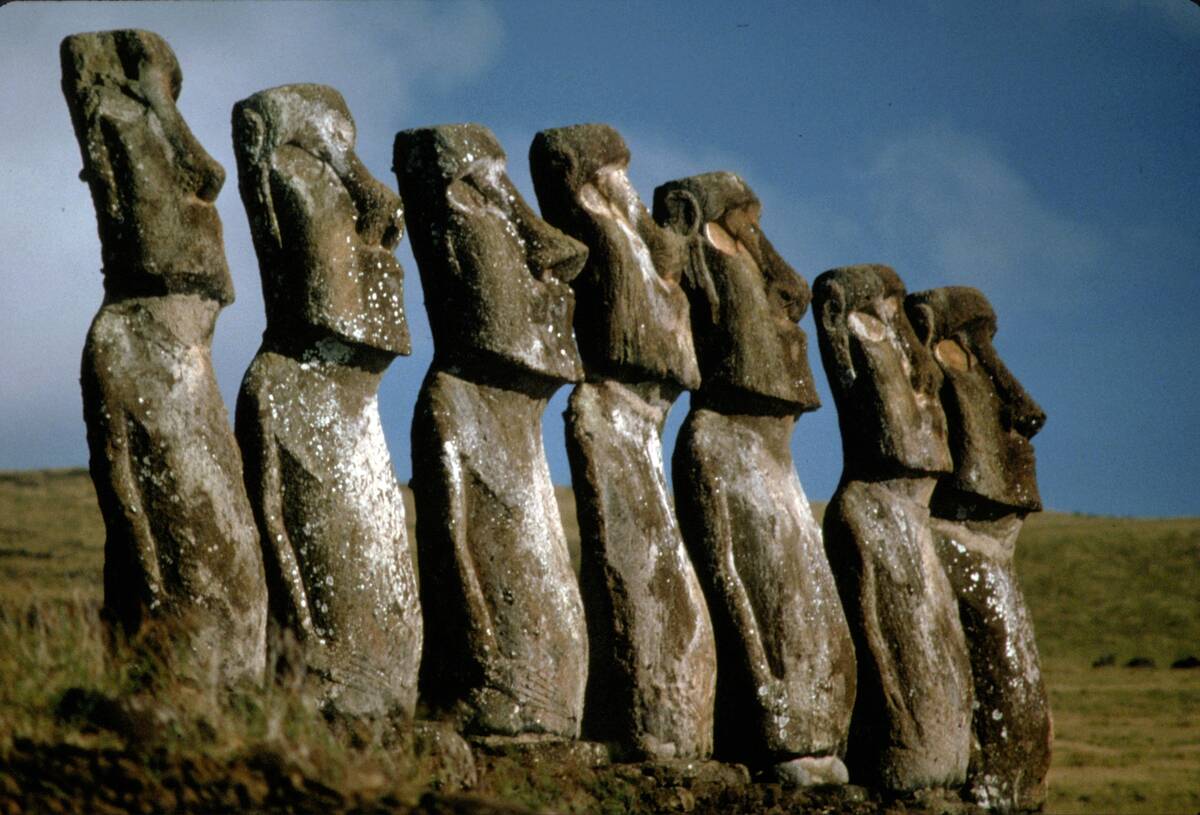
Easter Island, or Rapa Nui, presents one of the most striking examples of resource depletion. The Rapa Nui people famously constructed massive moai statues, but their society collapsed due to deforestation and overexploitation of resources.
Pollen analysis shows that the island once supported lush forests, which were gradually cleared for agriculture and statue transportation. By the time Europeans arrived, the society was a shadow of its former self, a poignant reminder of unsustainable practices.
The Viking Retreat from Greenland: Climate Change in the Medieval Era
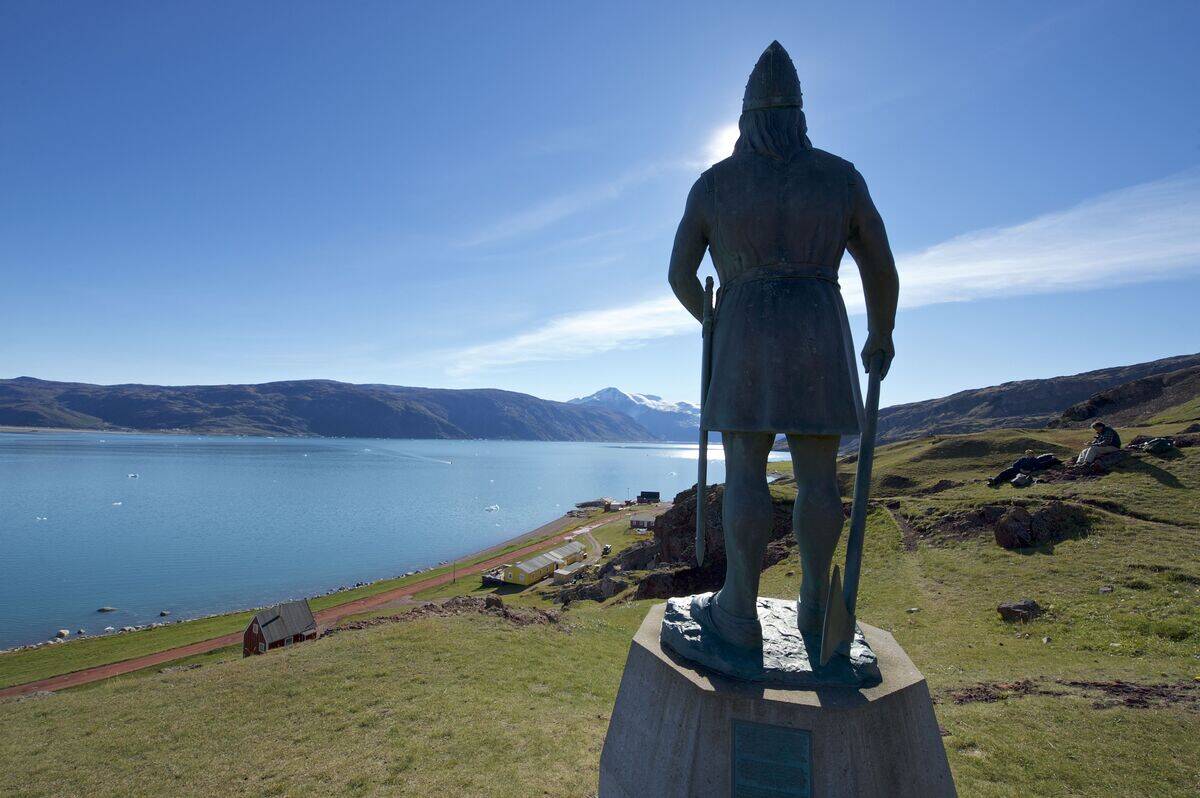
During the Medieval Warm Period, Norse settlers established a foothold in Greenland. They thrived for centuries, relying on farming and hunting. However, the onset of the Little Ice Age brought harsher climates, making traditional farming unsustainable.
Eventually, the Vikings abandoned Greenland, with one of the many factors for this likely being environmental change. Their experience highlights the vulnerability of societies to climate shifts and the necessity of adaptability.
The Harappan Civilization: Monsoon Mismanagement
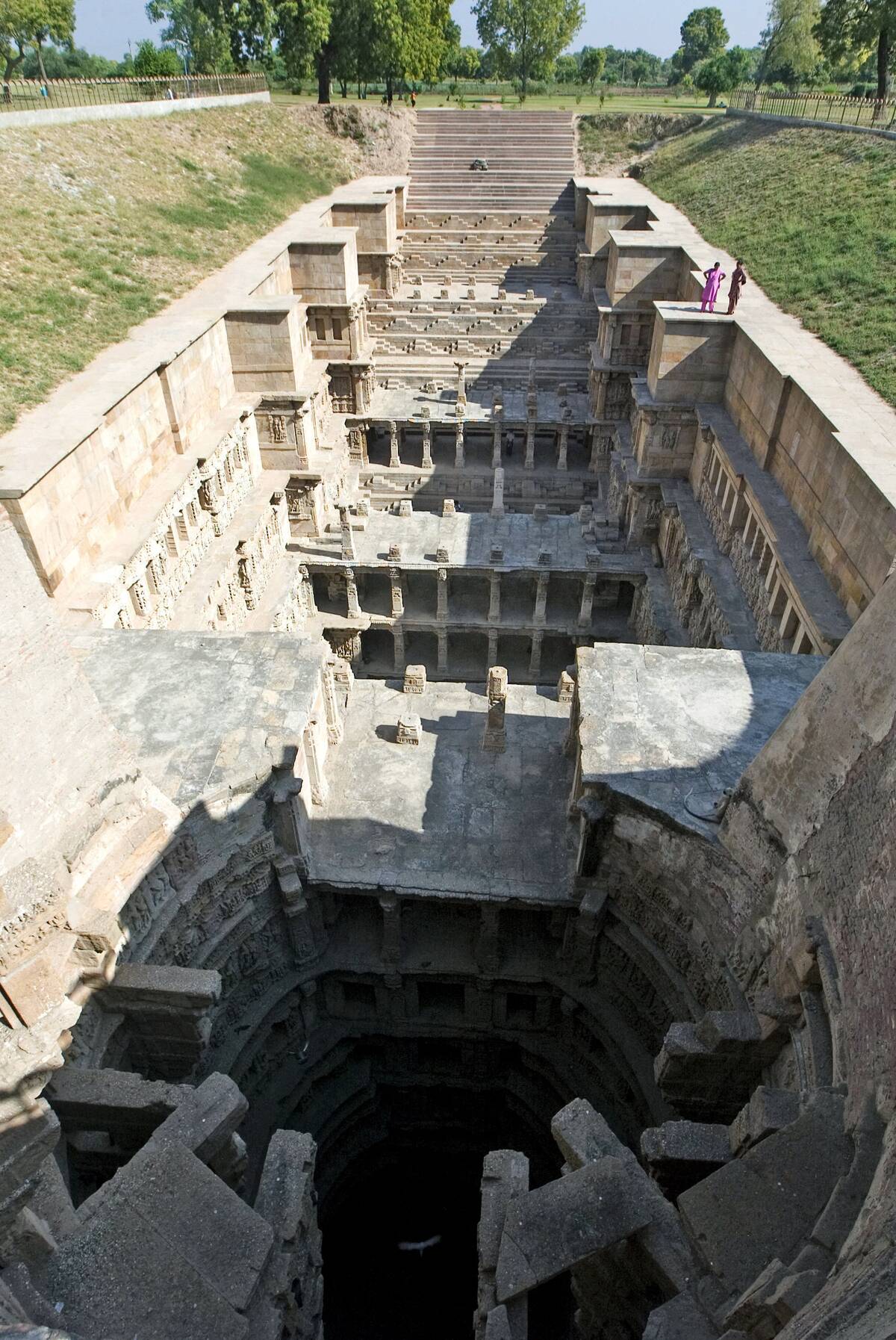
The Harappan civilization, part of the Indus Valley, was an ancient marvel with advanced urban planning and drainage systems. Yet, they struggled with monsoon variability. Geological studies indicate that changes in monsoon patterns led to water scarcity and agricultural stress.
The once-thriving cities were gradually abandoned as residents migrated towards more fertile lands. This history offers insight into the critical role of climate stability and water management in sustaining large urban centers.
The Decline of the Byzantine Empire: Natural Disasters and Their Impact

The Byzantine Empire, a continuation of the Roman legacy, faced numerous challenges, including natural disasters. Earthquakes, plagues, and volcanic eruptions strained their resources and population.
The eruption of Krakatoa in 535 AD, for instance, is believed to have caused significant climate cooling. These events coincided with periods of political and economic instability. The Byzantine struggle with environmental catastrophes reminds us of the profound impact natural events can have on human societies.
The Demise of the Akkadian Empire: A Dust Storm Warning
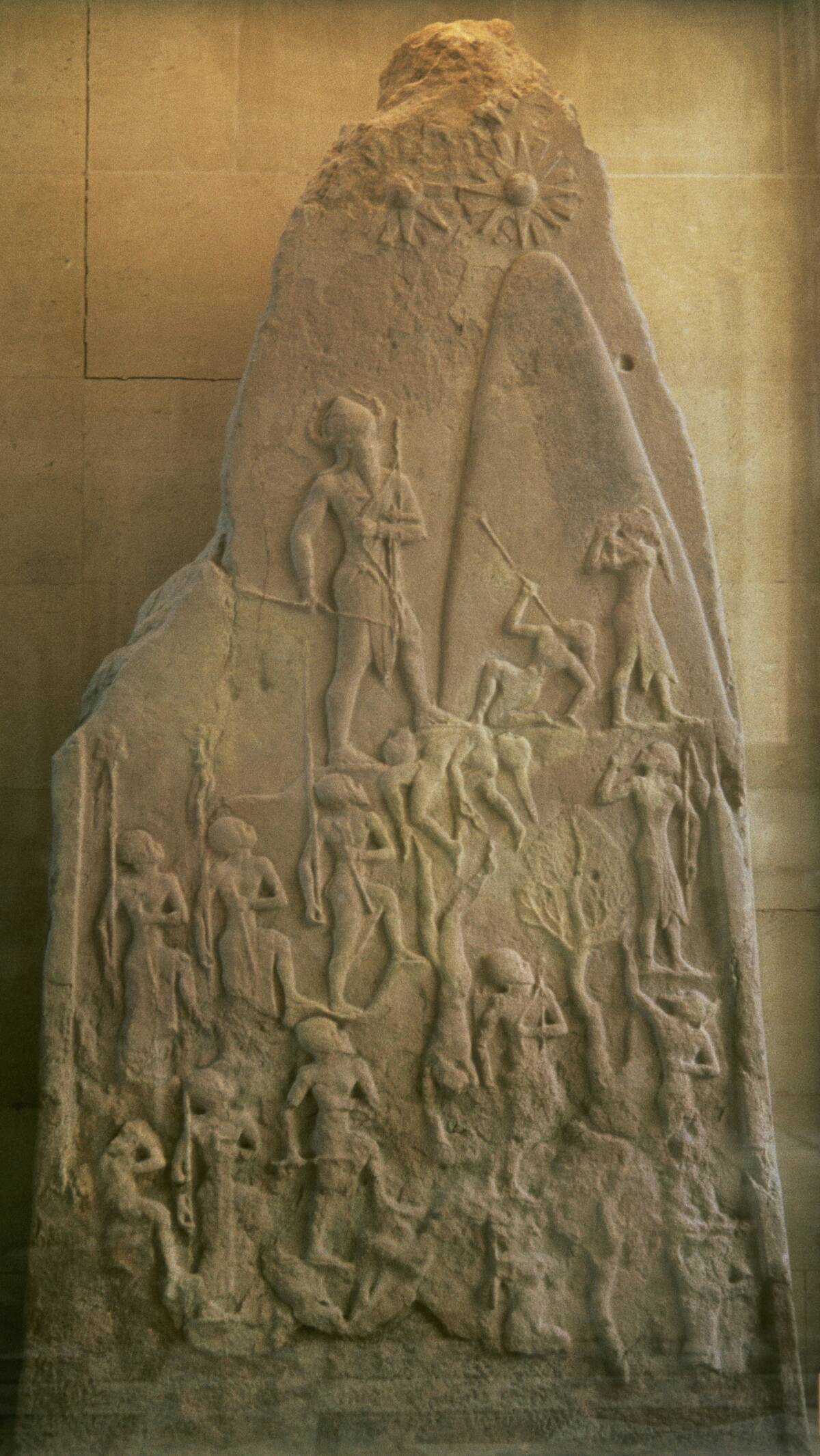
The Akkadian Empire, one of the world’s first empires, faced its demise around 2200 BC. Paleoclimate records suggest that a series of severe dust storms, linked to abrupt climate change, devastated agriculture.
The empire’s inability to adapt to these harsh conditions led to widespread famine and societal breakdown. The Akkadian collapse serves as a stark warning of how rapid environmental changes can disrupt even the most powerful civilizations, urging us to prepare for future climate uncertainties.