How ancient civilizations developed writing
Ancient civilizations have always fascinated us with their rich cultures and ingenious innovations. Among their most remarkable achievements are the writing systems they developed, which laid the foundation for modern communication.
From pictographs to complex alphabets, these early scripts offer us a glimpse into the past. By exploring these ancient writing methods, we can better understand the societies that created them and how they communicated their thoughts and stories.
The Birth of Writing: A Look Back
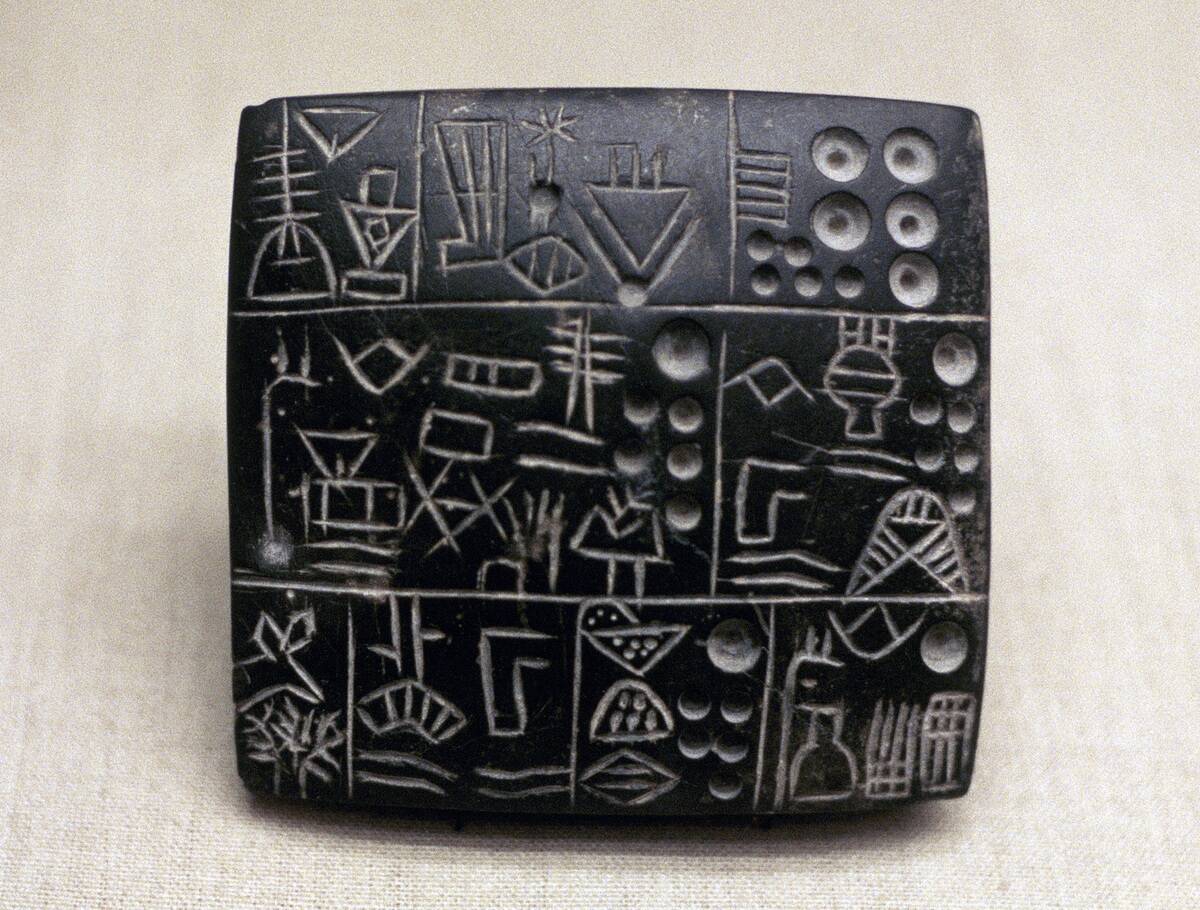
Writing began as a tool for record-keeping and evolved over time into a means of storytelling and cultural expression. The earliest known form of writing is believed to have emerged around 3400 BCE in ancient Mesopotamia.
These initial forms were utilitarian, used primarily for documenting trade and administration. As societies grew more complex, so did their need for sophisticated writing systems. This evolution marks a significant turning point in human history, leading to the diverse scripts we know today.
Mesopotamia: The Cradle of Writing
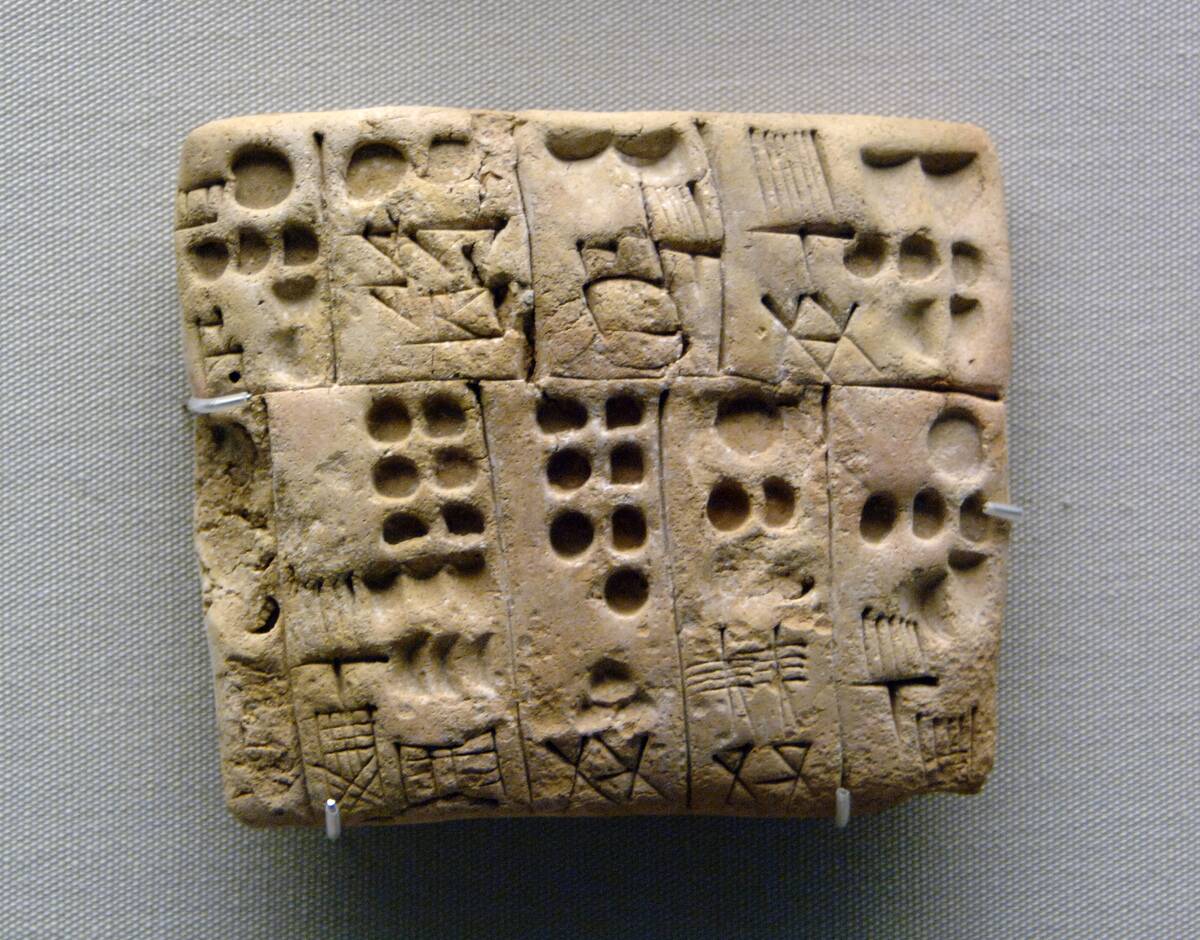
Mesopotamia, often dubbed the ‘Cradle of Civilization,’ is where writing first took shape. The Sumerians, who inhabited the region, developed the cuneiform script, marking the start of written history.
This ancient land, nestled between the Tigris and Euphrates rivers, was a hub of innovation. The Sumerians’ invention of writing enabled them to document everything from agricultural yields to epic tales, leaving a rich legacy for future generations to discover and study.
Cuneiform: The Wedge-Shaped Wonder
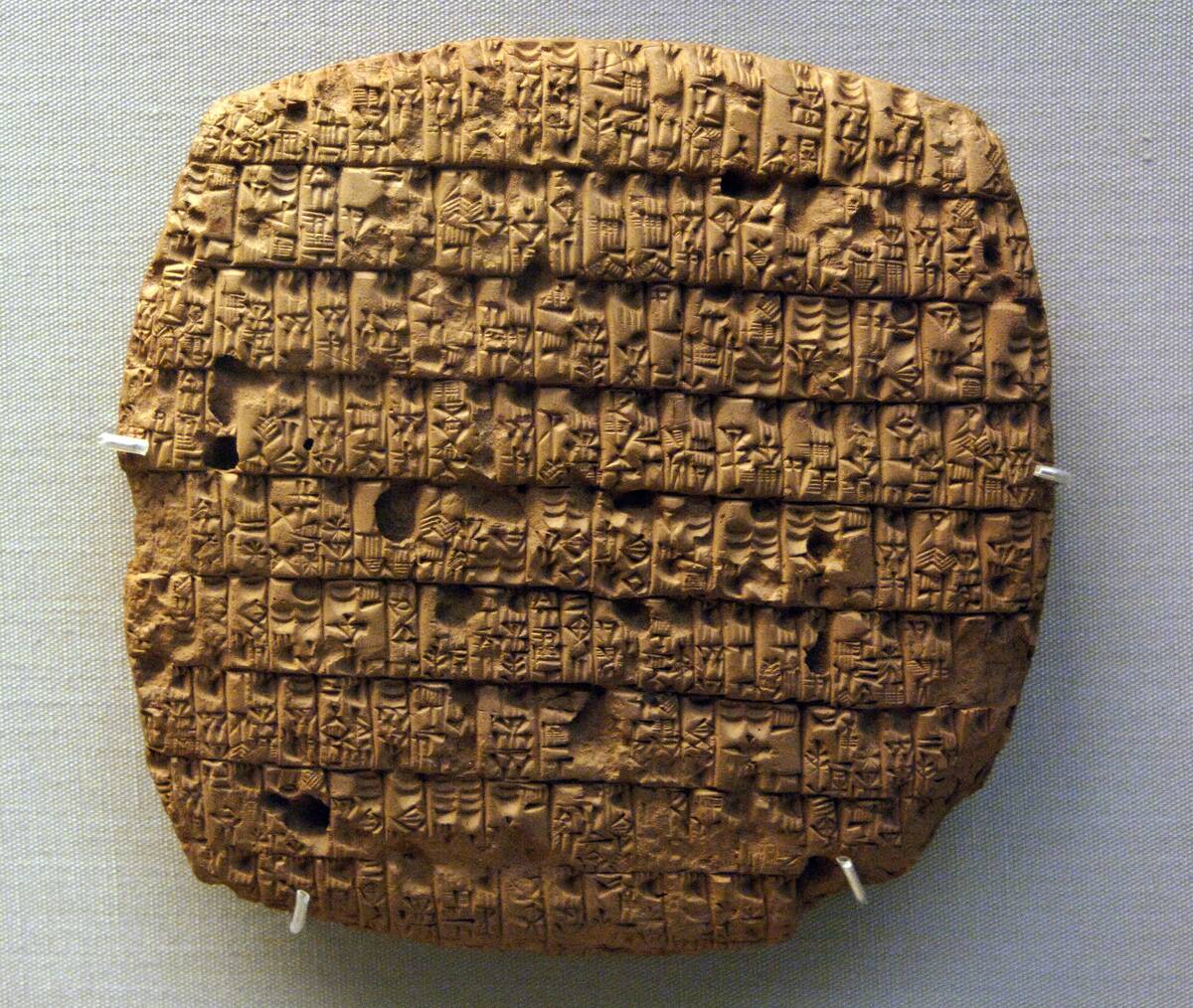
Cuneiform is one of the earliest systems of writing, distinguished by its wedge-shaped marks made on clay tablets. Developed by the Sumerians, this script was used across various cultures in Mesopotamia, including the Akkadians and Babylonians.
Cuneiform’s adaptability allowed it to represent multiple languages, making it a powerful tool for administration and communication. Despite its complexity, scholars today have deciphered much of it, providing us with invaluable insights into ancient civilizations.
Ancient Egypt: The Land of Hieroglyphs
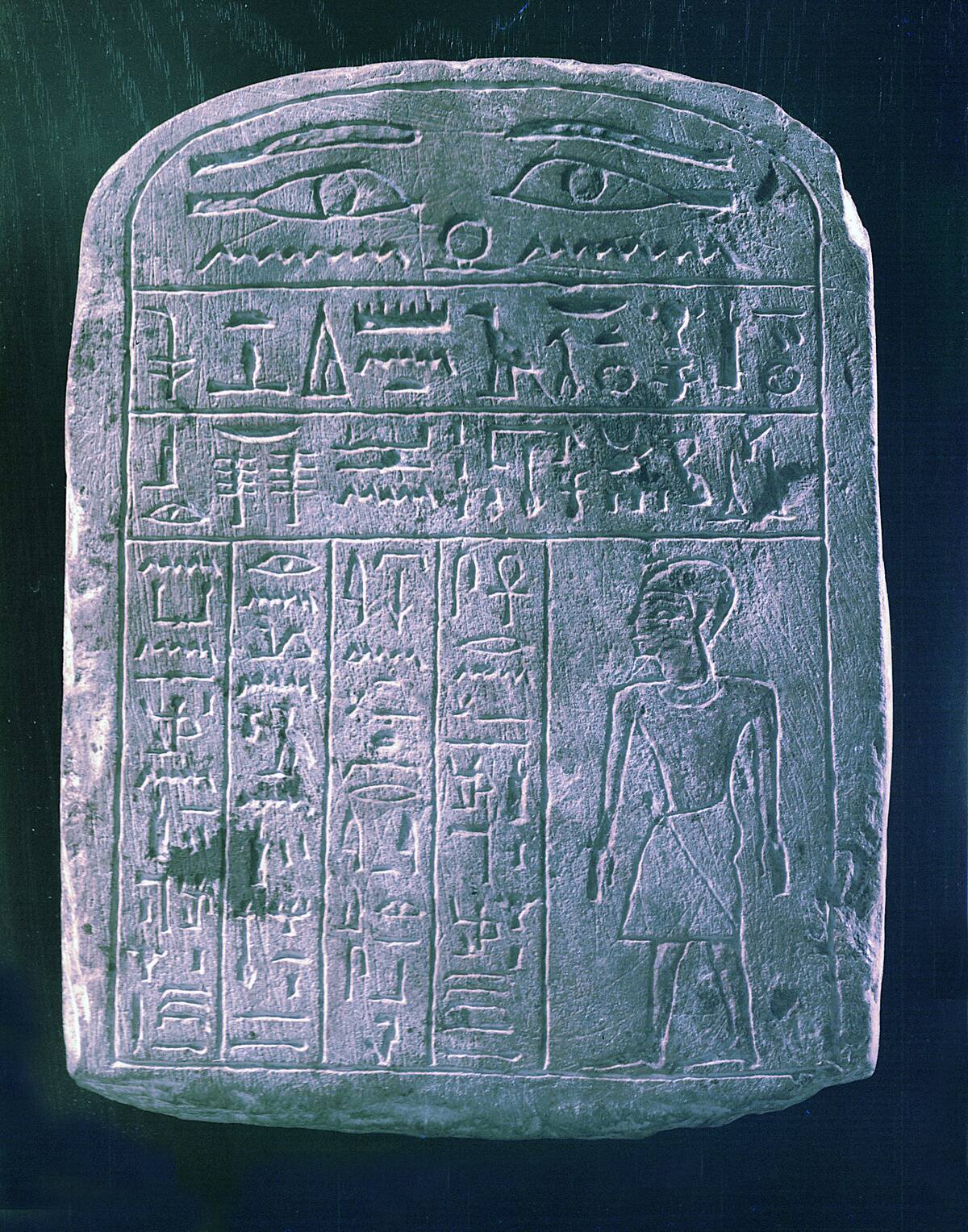
Egyptian hieroglyphs are among the most iconic writing systems, characterized by their intricate symbols representing sounds, concepts, and objects. Used mainly for religious texts and monumental inscriptions, hieroglyphs were integral to Egyptian culture.
The script evolved over millennia, reflecting changes in language and society. Beyond their practical use, hieroglyphs offer a window into the spiritual and ceremonial life of ancient Egypt, revealing the beliefs and values that shaped this remarkable civilization.
Decoding the Rosetta Stone
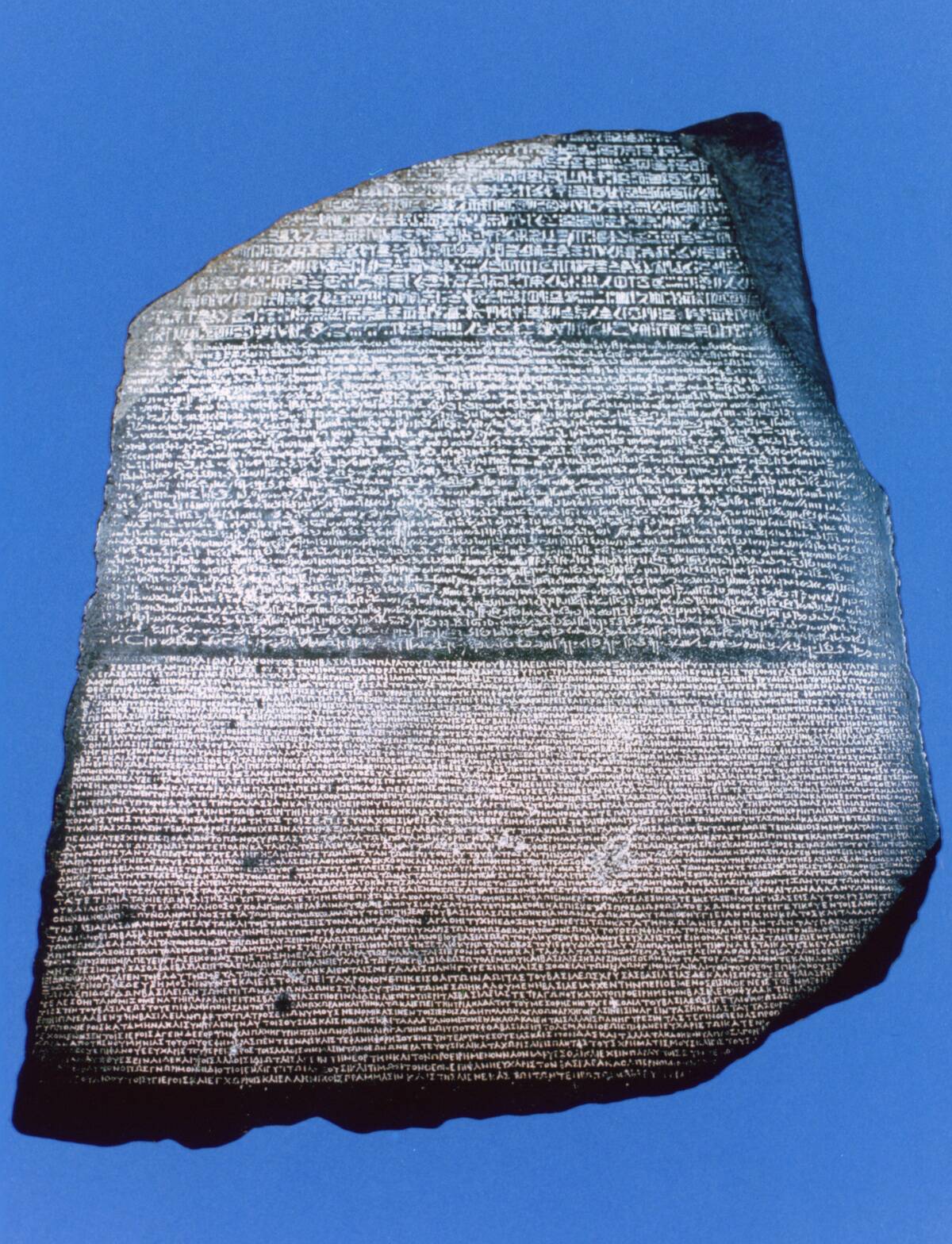
The Rosetta Stone was the key to unlocking the secrets of Egyptian hieroglyphs. Discovered in 1799, it features the same text in three scripts: Greek, Demotic, and hieroglyphic.
This trilingual inscription allowed scholars, most notably Jean-François Champollion, to decipher hieroglyphs by comparing them with the known Greek text. The Rosetta Stone’s discovery was a breakthrough in Egyptology, transforming our understanding of ancient Egyptian language and culture, and remains a symbol of linguistic discovery.
The Enigmatic Indus Script
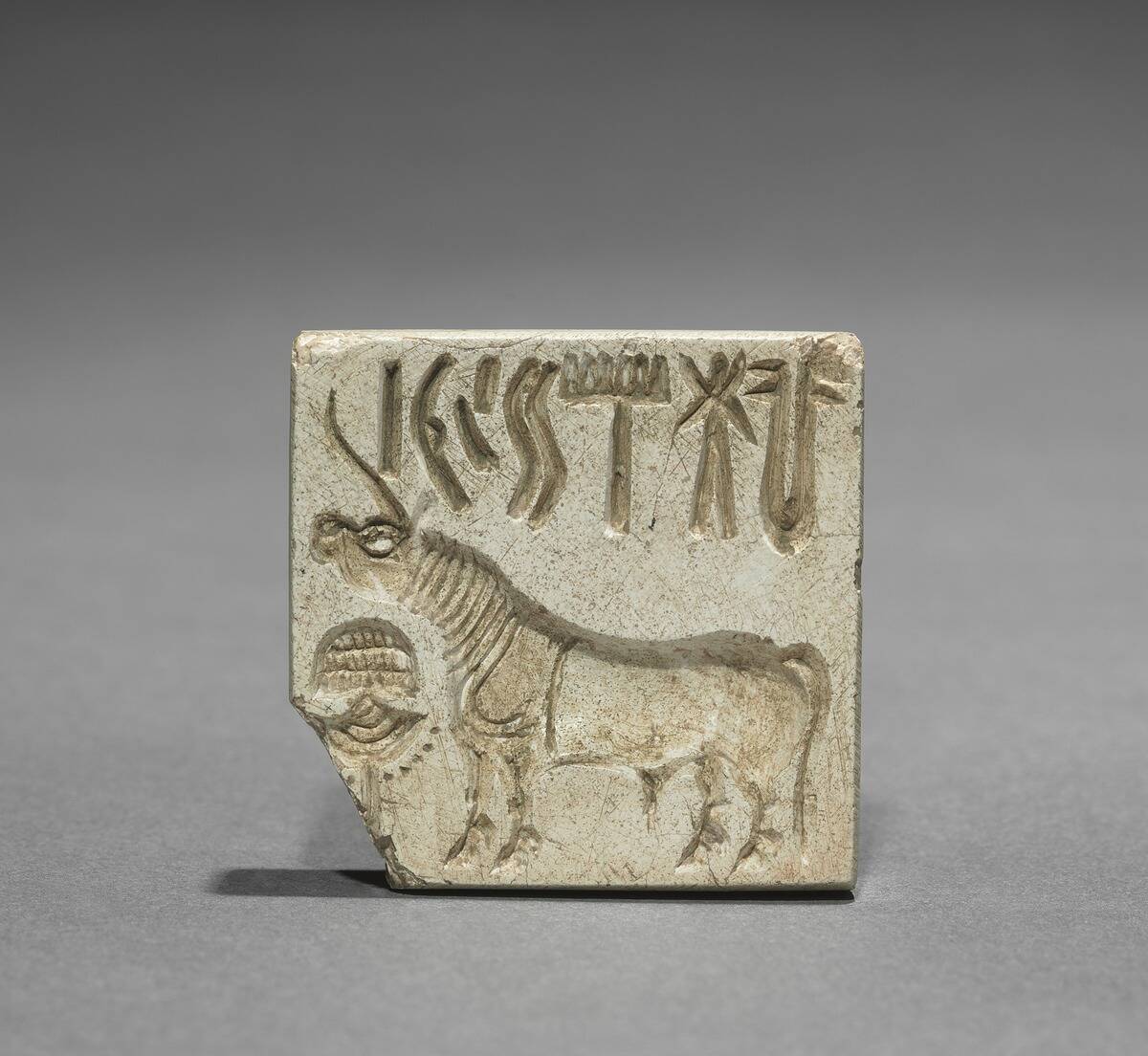
The Indus Script, used by the ancient Indus Valley Civilization, remains one of the most mysterious writing systems. Despite extensive archaeological findings, including thousands of inscribed seals, it has yet to be deciphered.
The script’s brevity and lack of bilingual texts make interpretation challenging. However, the symbols suggest a complex society with advanced trade networks. The Indus Script’s undeciphered status continues to intrigue researchers and fuels ongoing efforts to unlock its secrets.
China: The Calligraphy Capital
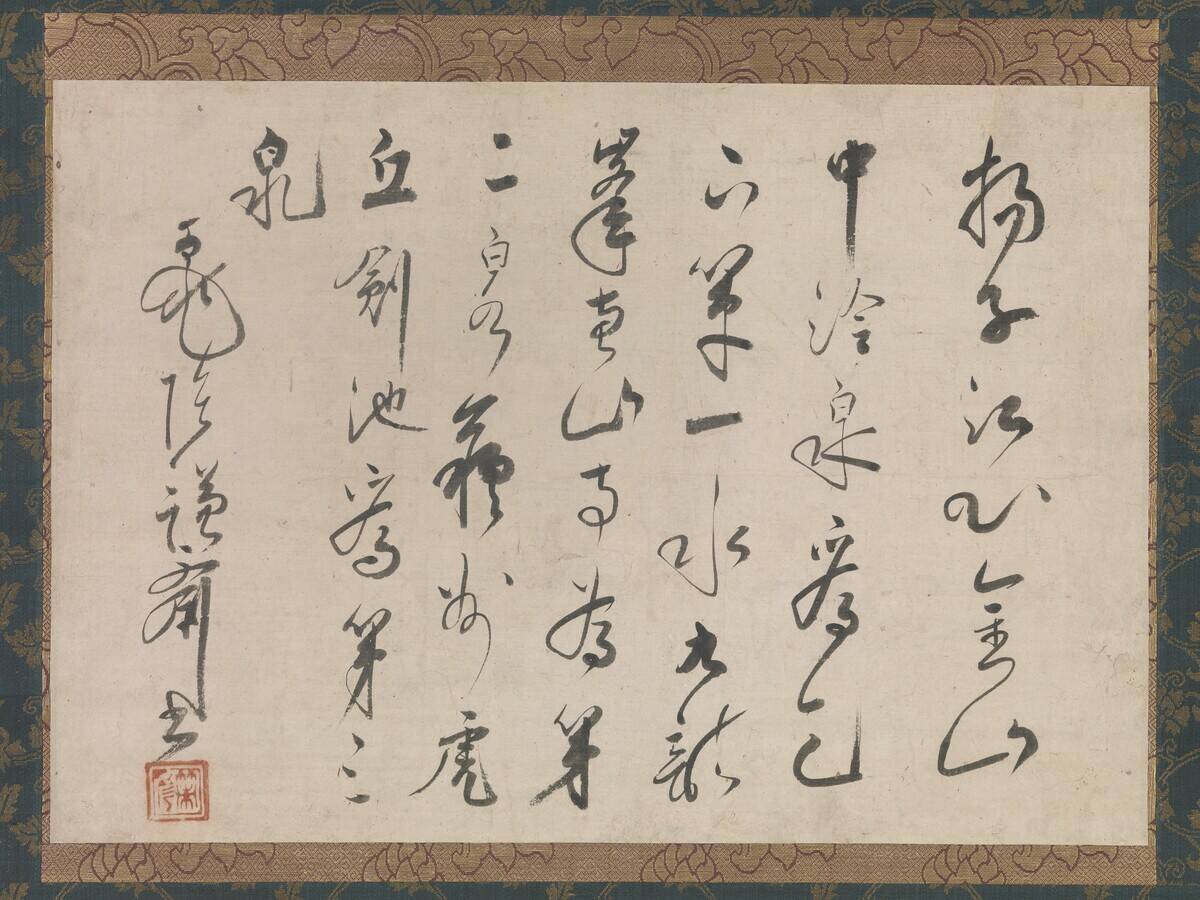
China boasts one of the oldest continuous writing traditions, with characters that have evolved over millennia. Chinese calligraphy is revered as both an art form and a method of communication.
The script’s development reflects China’s rich history, from oracle bones to modern simplified characters. Each stroke in Chinese calligraphy carries meaning, embodying centuries of linguistic and cultural heritage. This deep connection between art and language highlights the unique role of writing in Chinese society.
Oracle Bones and Early Chinese Characters
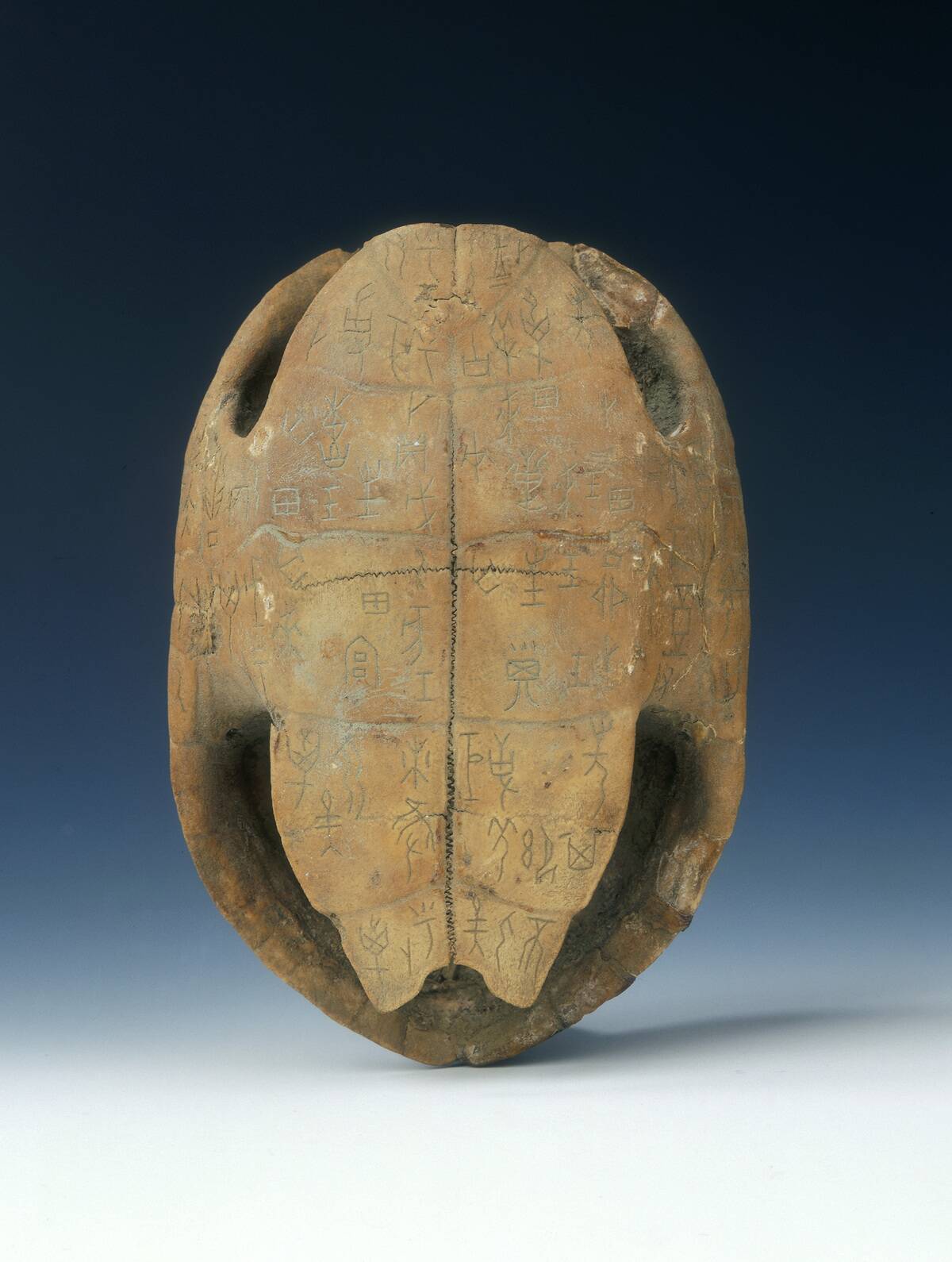
Oracle bones are the earliest known form of Chinese writing, dating back to the Shang Dynasty around 1200 BCE. These inscribed animal bones and turtle shells were used for divination, providing insights into ancient Chinese beliefs and practices.
The inscriptions on oracle bones are the precursors to modern Chinese characters, showcasing the script’s evolution over time. The study of these ancient relics has been instrumental in understanding China’s early history and linguistic development.
The Mayans: Masters of Glyphs
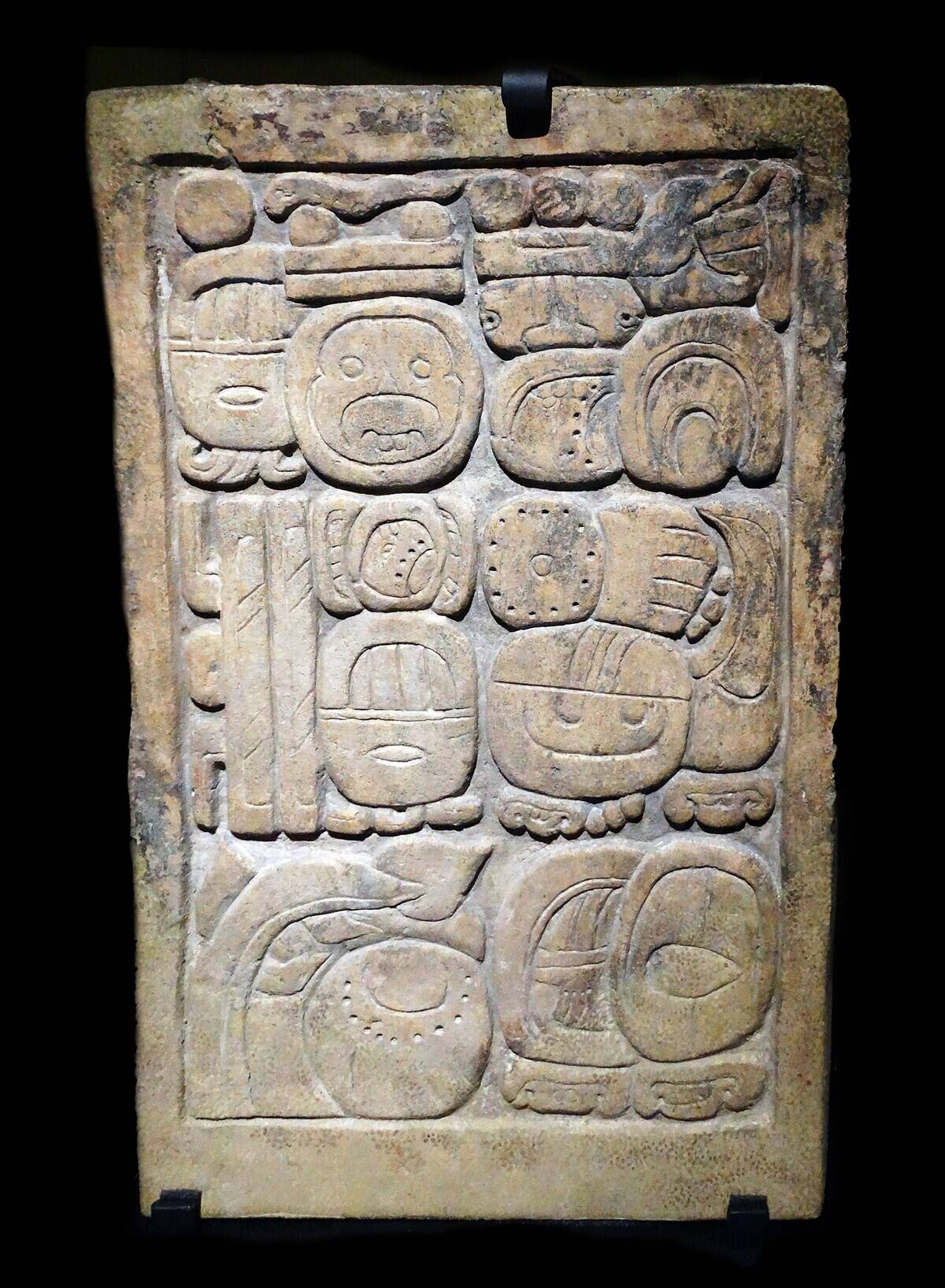
The Mayan civilization developed one of the most sophisticated writing systems in the pre-Columbian Americas. Mayan glyphs combined pictographic and syllabic elements, allowing for complex expression of language and ideas.
Used for recording history, mythology, and astronomical events, these glyphs adorned temples, stelae, and codices. The decipherment of Mayan glyphs in the 20th century transformed our understanding of Mayan culture, revealing a civilization rich in knowledge and tradition.
The Intriguing Inca Quipu
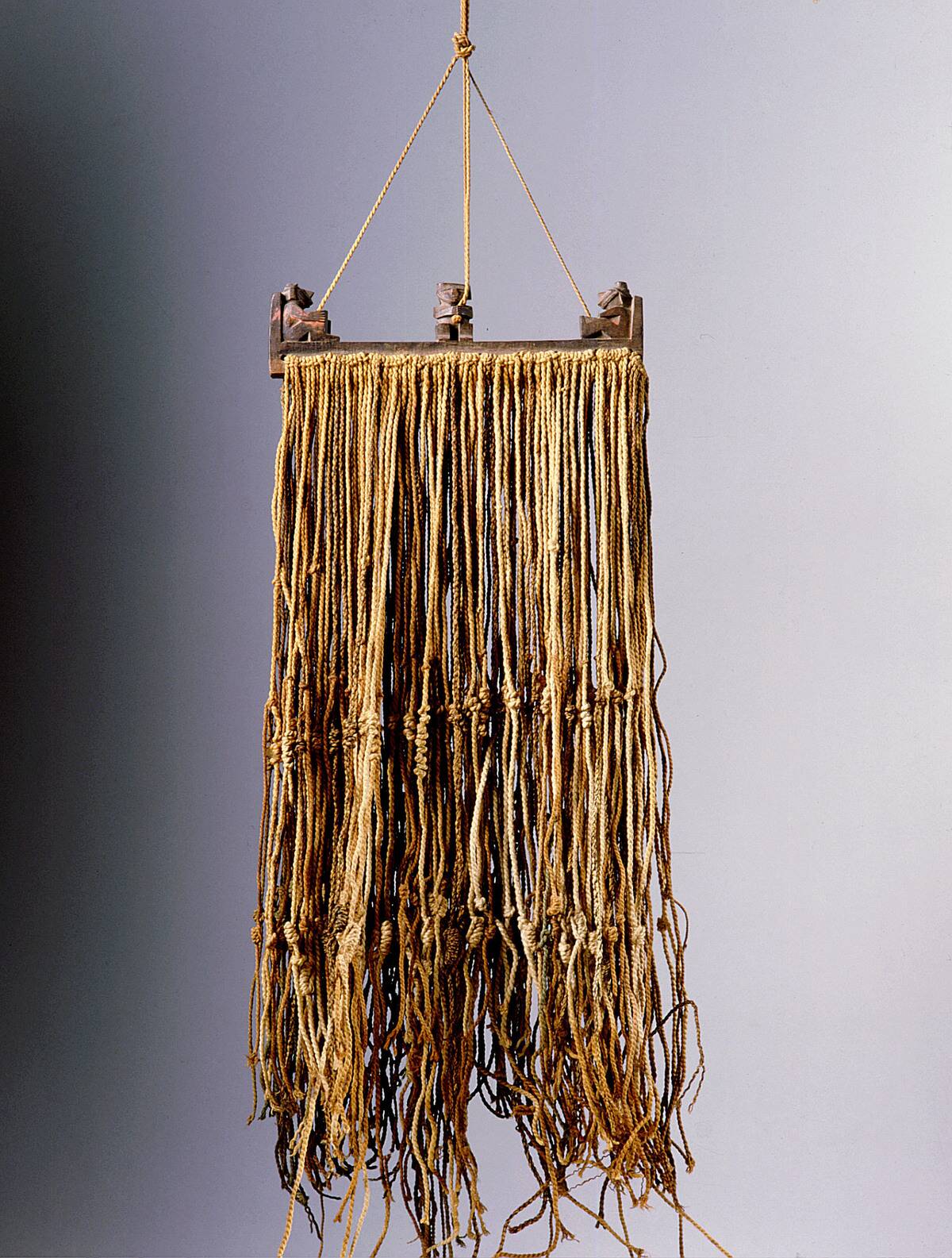
The Inca civilization utilized a unique system of record-keeping known as the quipu, which consisted of knotted cords. Although not a traditional writing system, quipus encoded information in the form of knots and colors.
They were used for administrative purposes, such as census data and resource management. The quipu’s complexity highlights the Inca’s ingenuity and adaptability. Despite being non-literal, quipus offer a fascinating glimpse into the administrative capabilities of the Inca Empire.
The Phoenicians: Pioneers of the Alphabet
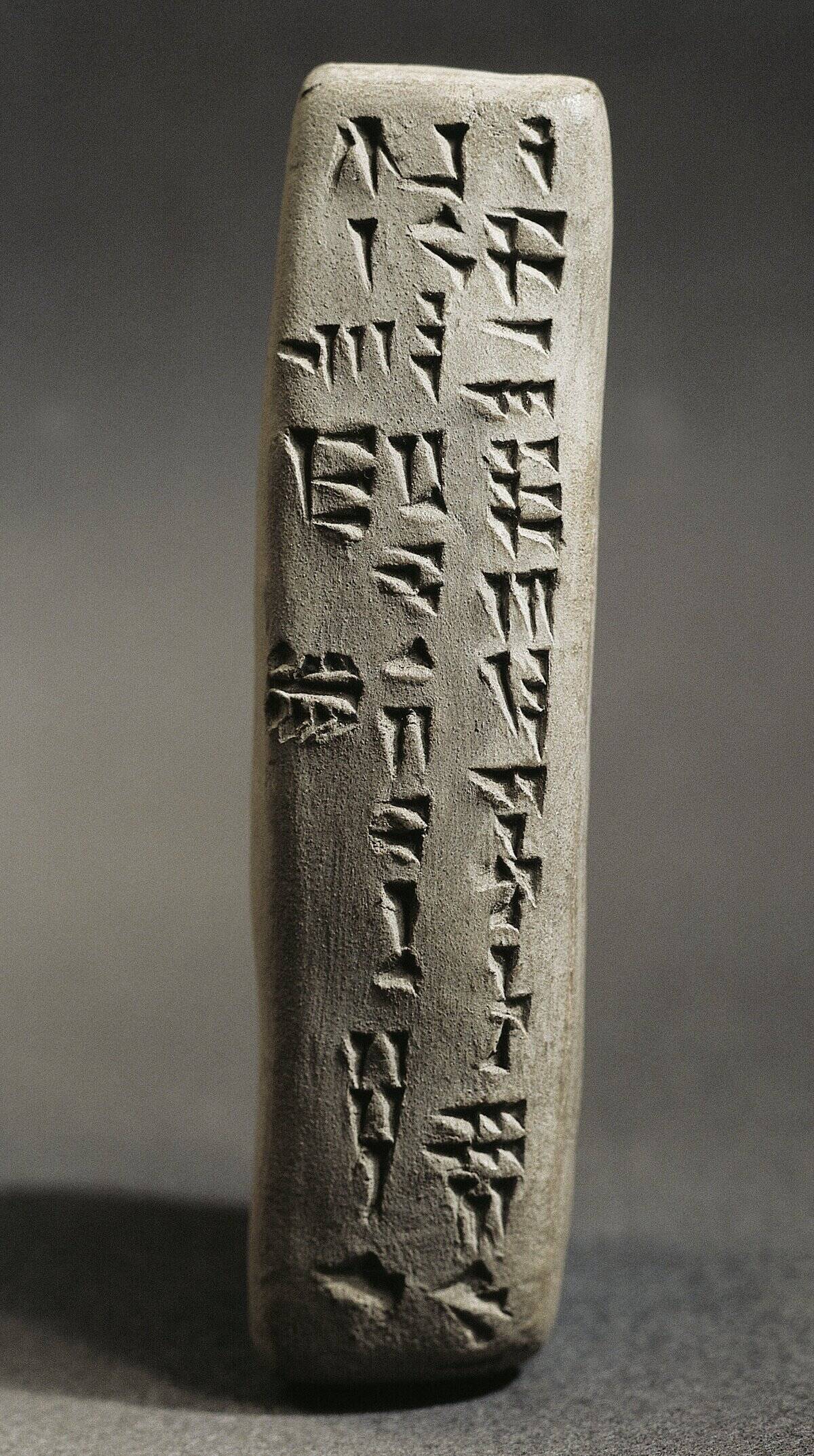
The Phoenicians are credited with developing one of the first alphabets, which greatly influenced subsequent writing systems. Their script, consisting of 22 consonantal letters, was simple yet revolutionary, allowing for easier learning and adaptation.
The Phoenician alphabet served as a foundation for Greek and Latin scripts, among others. Its spread across the Mediterranean facilitated trade and communication, underscoring the Phoenicians’ role as influential cultural and commercial intermediaries in the ancient world.
Greece and the Evolution of Written Language
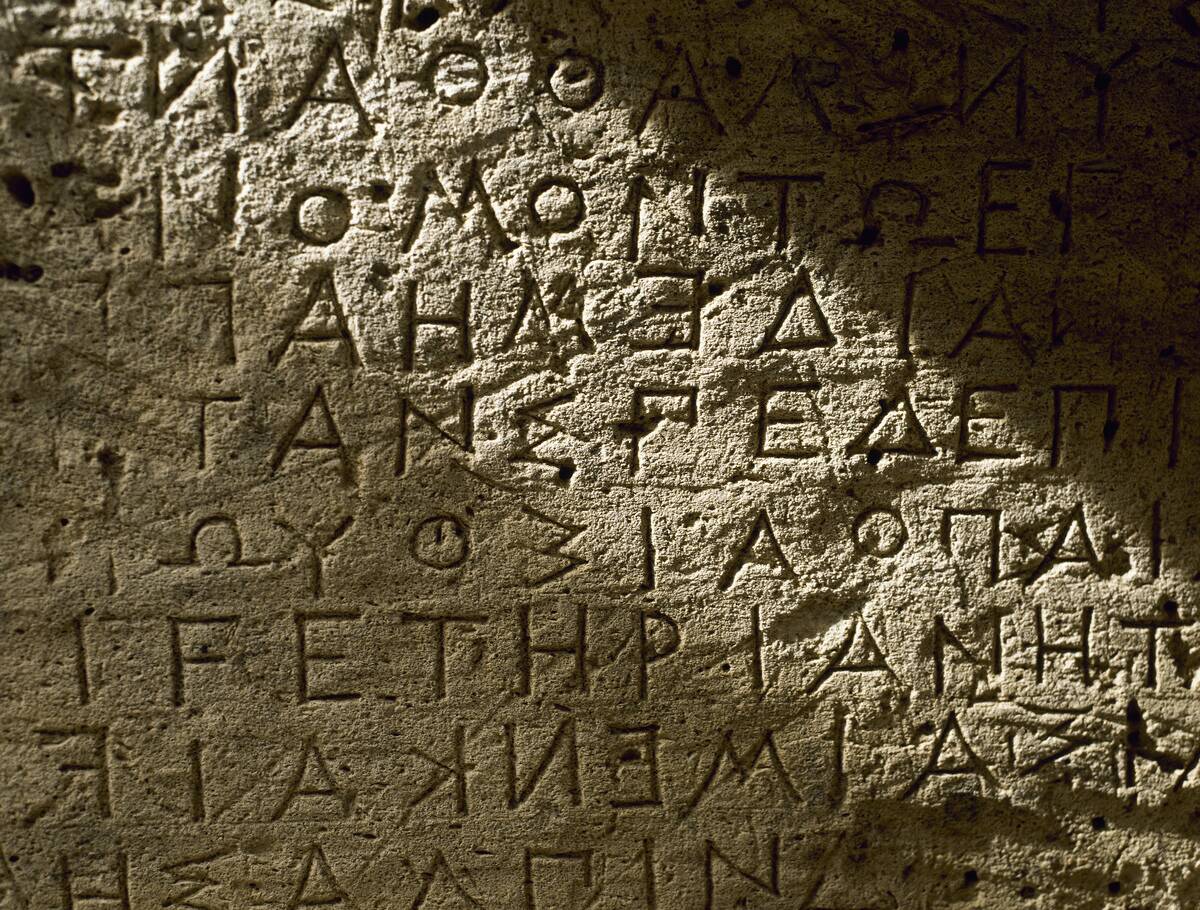
The Greeks adapted the Phoenician alphabet, introducing vowels and creating the first true alphabetic system. This innovation allowed for a more precise representation of spoken language. Greek writing became a cornerstone of Western literature, philosophy, and science.
The Greek alphabet’s influence is evident in modern alphabets, such as Latin and Cyrillic. Its development marks a significant leap in linguistic history, facilitating the rich intellectual and cultural achievements of ancient Greece that continue to resonate today.
Roman Script: A Legacy of Letters
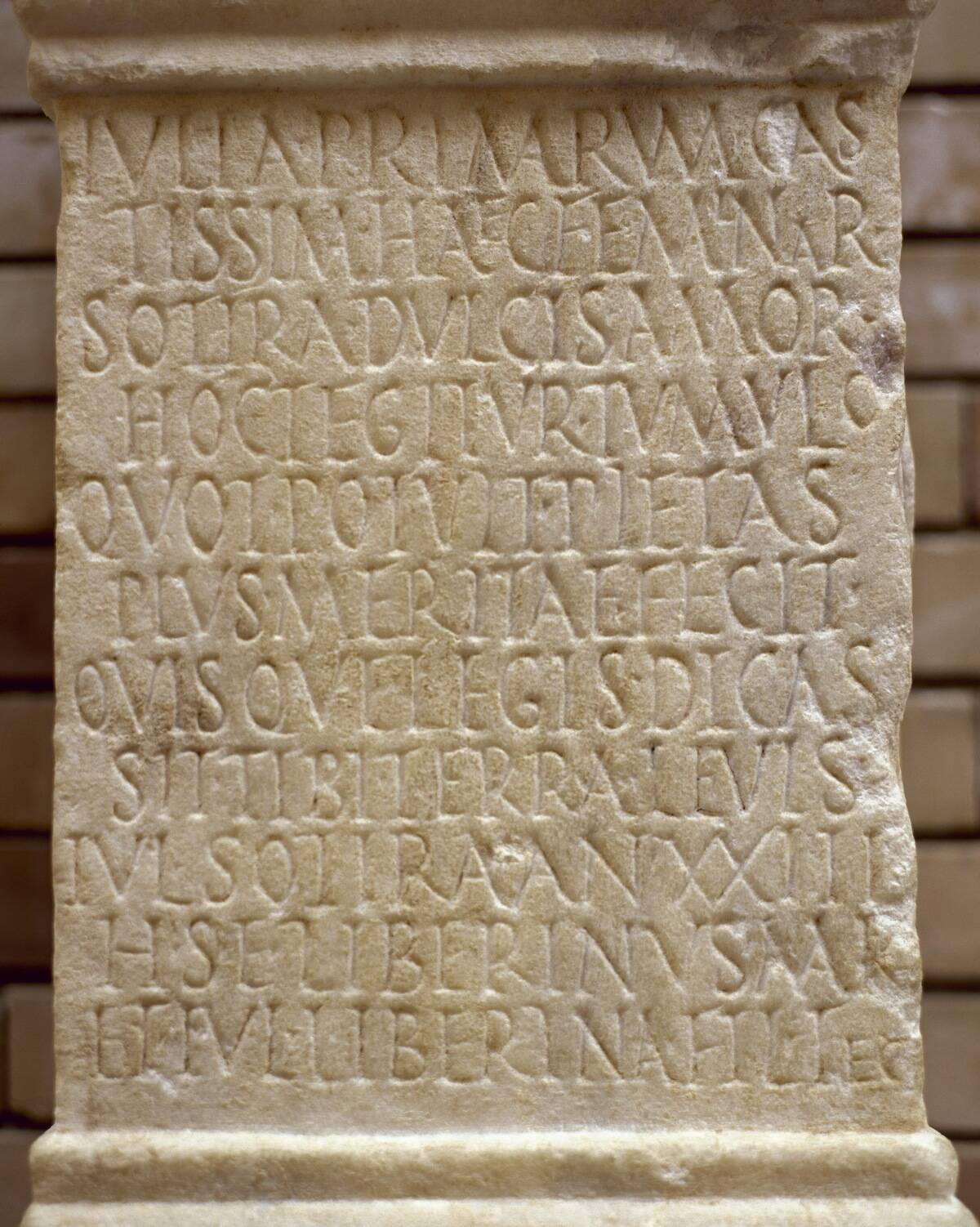
The Roman script, derived from the Greek alphabet, became the basis for the Latin alphabet used widely in the Western world today. The Romans adapted and expanded the script, making it suitable for Latin, their native language.
This script spread across the Roman Empire, leaving a lasting legacy. Latin script’s adaptability has allowed it to accommodate numerous languages, underscoring its importance in shaping written communication in Europe and beyond. Its influence is still seen in modern alphabets.
The Mysterious Runes of the Norse
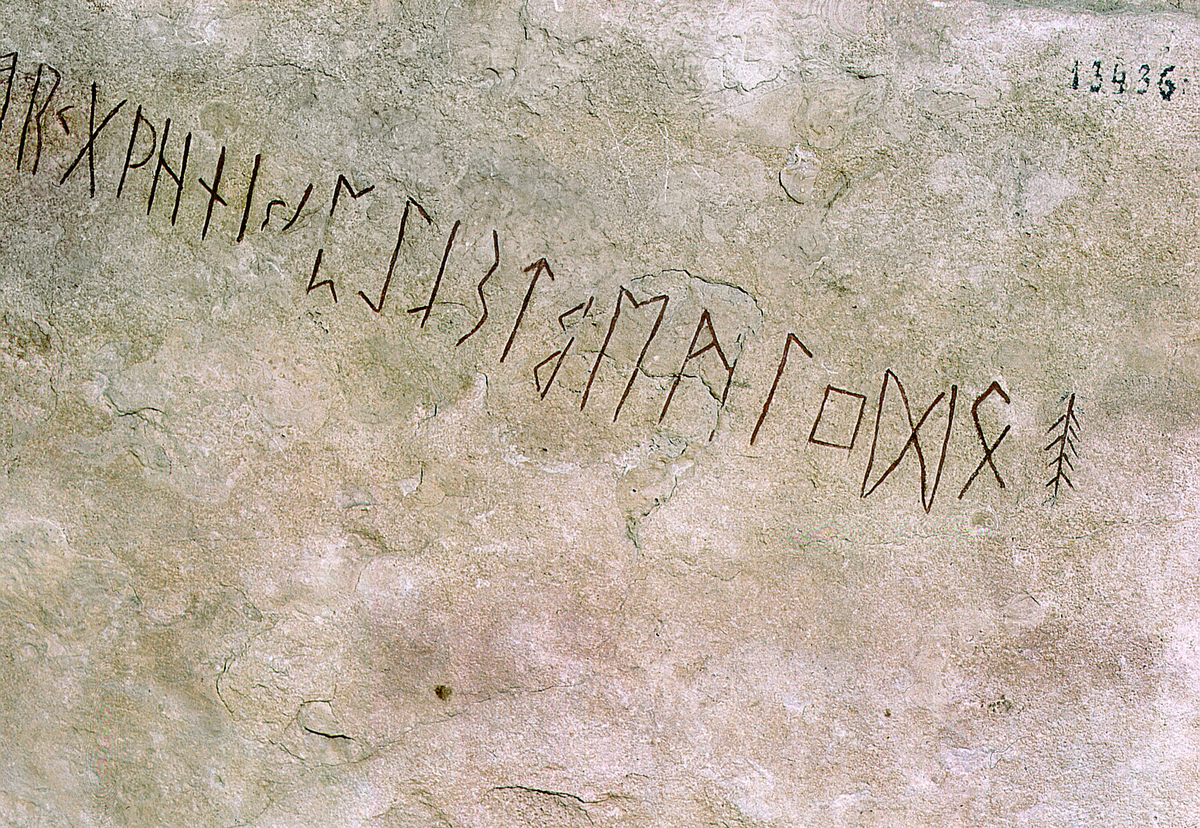
Runes were the letters used in various Germanic languages before the adoption of the Latin alphabet. The Norse people utilized them for inscriptions on monuments, weapons, and everyday objects. Runes held mystical significance, often associated with magic and divination.
Their angular shapes made them ideal for carving into wood and stone. Although predominantly used for short inscriptions, runes offer insights into the beliefs and practices of early Germanic cultures, enriching our understanding of their world.
The Richness of Ancient Persian Writing
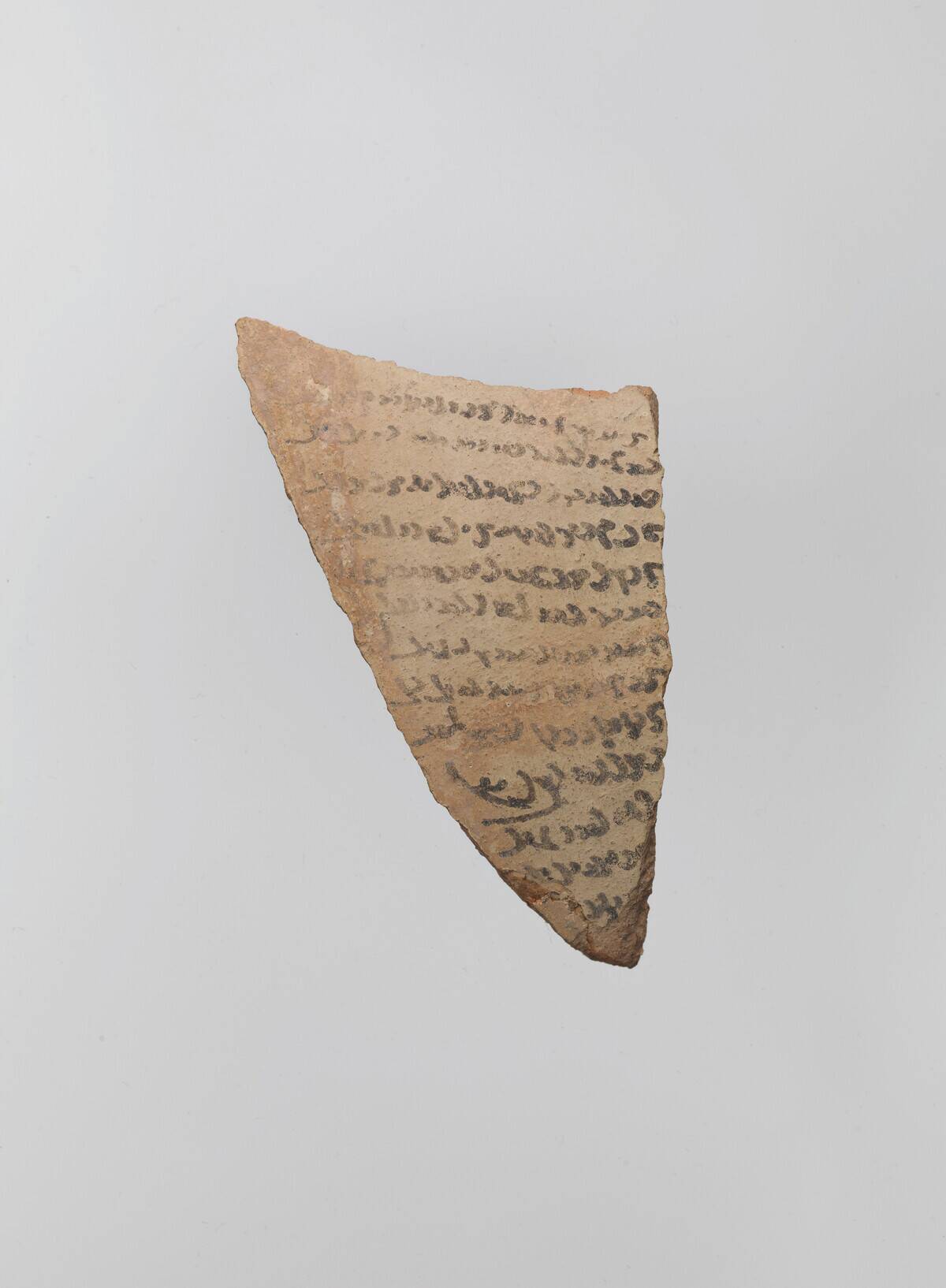
Ancient Persia, with its vast empire, developed a diverse array of writing systems, including Old Persian cuneiform and the Aramaic-derived Pahlavi script. These scripts were crucial in administering the empire and preserving its rich cultural heritage.
Persian writing played a significant role in documenting historical events and literary works, many of which have survived to this day. The evolution of Persian scripts reflects the empire’s interactions with neighboring cultures, highlighting its position as a cultural bridge between East and West.




