Forgotten wars that shaped world history
History is peppered with conflicts that, despite their peculiar nature or brevity, have left a lasting impact on the world. These lesser-known wars often come with intriguing backstories and unexpected consequences that defy their seemingly trivial beginnings.
From birds and pastries to swine and sports, these conflicts remind us that the roots of war can grow from the most unusual seeds.
The War of Jenkins’ Ear: A Peculiar Beginning

The War of Jenkins’ Ear, which began in 1739, is as curious as its name suggests. This conflict between Britain and Spain was sparked in part by an incident involving Captain Robert Jenkins, whose ear was allegedly severed by Spanish coast guards.
The incident gained notoriety when Jenkins presented his preserved ear to the British Parliament, fueling national outrage. Despite its peculiar start, the war was part of the larger conflict over colonial territories in the Americas.
The Emu War: When Birds Battled Humans

In 1932, Australia faced an unexpected opponent: the emu. Dubbed the Emu War, this peculiar conflict arose when thousands of emus invaded farmland in Western Australia, causing significant crop damage.
The military was called in to control the bird population, but the emus proved surprisingly elusive, evading capture with ease. Although the ‘war’ ended in the emus’ favor, it highlighted the challenges of wildlife management in rural areas.
The Anglo-Zanzibar War: A Conflict Shorter Than a Sitcom
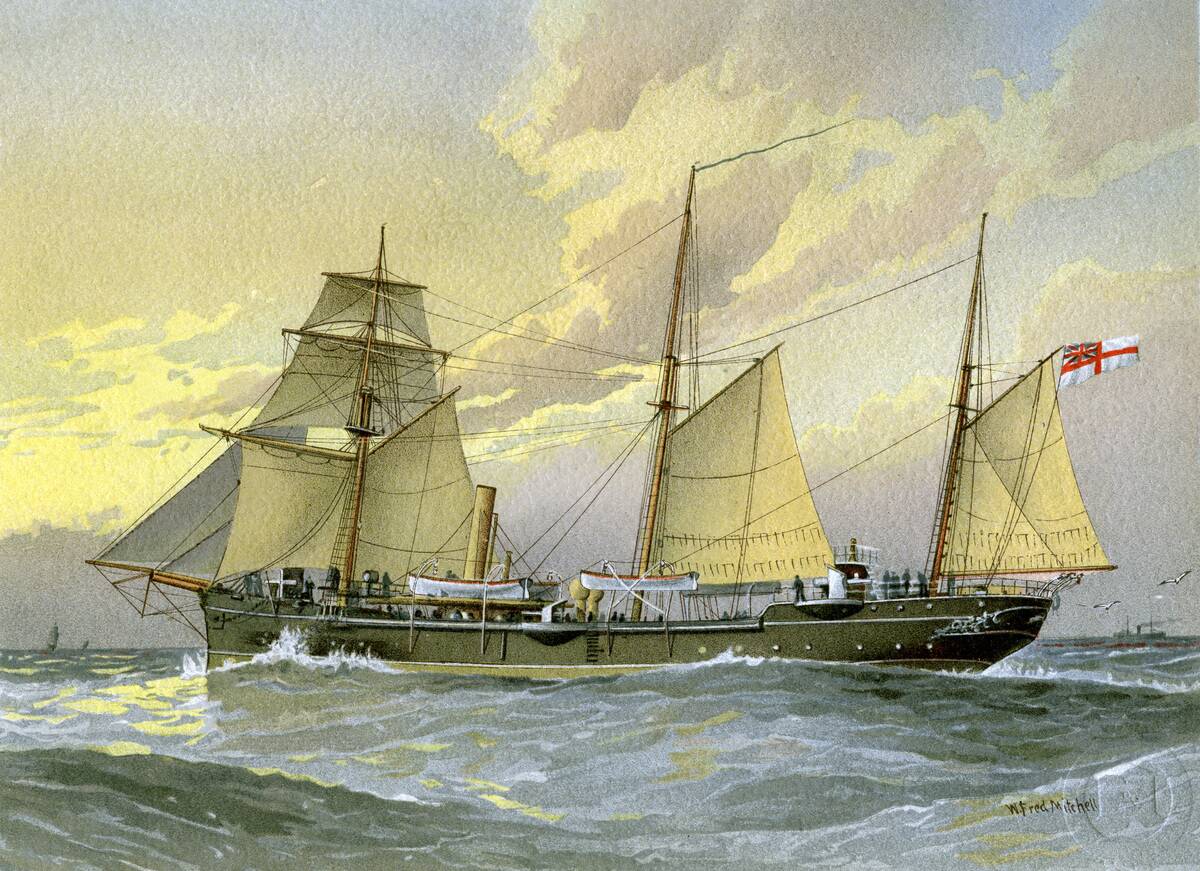
Lasting just 38 minutes, the Anglo-Zanzibar War of 1896 holds the record as the shortest war in history. The conflict erupted when Sultan Khalid bin Barghash took control of Zanzibar following the death of the pro-British Sultan Hamad bin Thuwaini.
Britain, wanting a more compliant ruler, issued an ultimatum to Khalid, who refused to step down. The British bombardment quickly overwhelmed the Sultan’s forces, ending the conflict almost as swiftly as it began.
The Pig War: When Swine Almost Caused a War
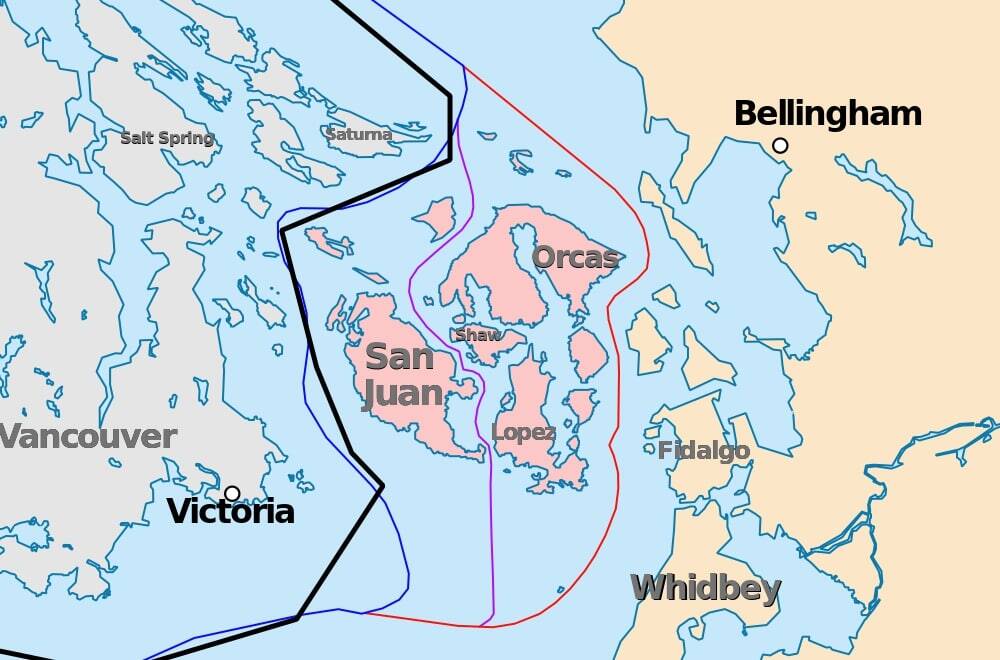
In 1859, a pig nearly caused a war between the United States and Britain. Known as the Pig War, this conflict arose over a territorial dispute in the San Juan Islands. The incident began when an American farmer shot a British-owned pig that wandered onto his land.
Tensions escalated, leading to a military standoff. Fortunately, diplomacy prevailed, and the two nations reached a peaceful resolution without any human casualties.
The Football War: Soccer’s Surprising Role in Conflict
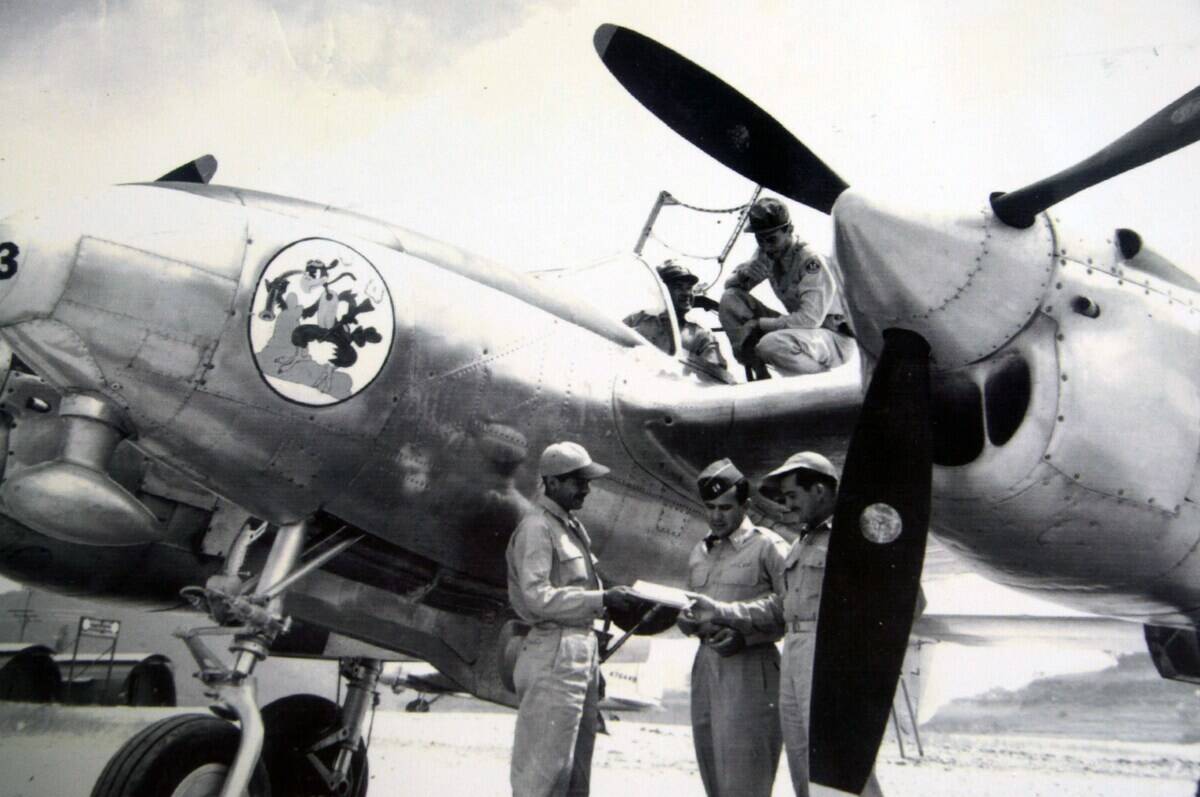
The Football War, or Soccer War, broke out in 1969 between Honduras and El Salvador. Although tensions were already high due to immigration and land issues, the conflict was sparked by rioting during a World Cup qualifying match.
The short-lived war lasted only 100 hours but resulted in significant casualties and strained relations. It serves as a reminder of how sports can sometimes escalate existing tensions into outright conflict.
The Pastry War: When Pastries Became Political

The Pastry War of 1838-1839 between France and Mexico had its origins in a seemingly trivial grievance. A French pastry chef in Mexico City claimed his shop was looted by Mexican officers, demanding compensation.
When the Mexican government refused, France blockaded Mexican ports, leading to military engagement. The conflict ended with Mexico agreeing to pay the demanded indemnity, highlighting how small disputes can escalate into international incidents.
The Cod Wars: Fishy Tensions Under the Sea
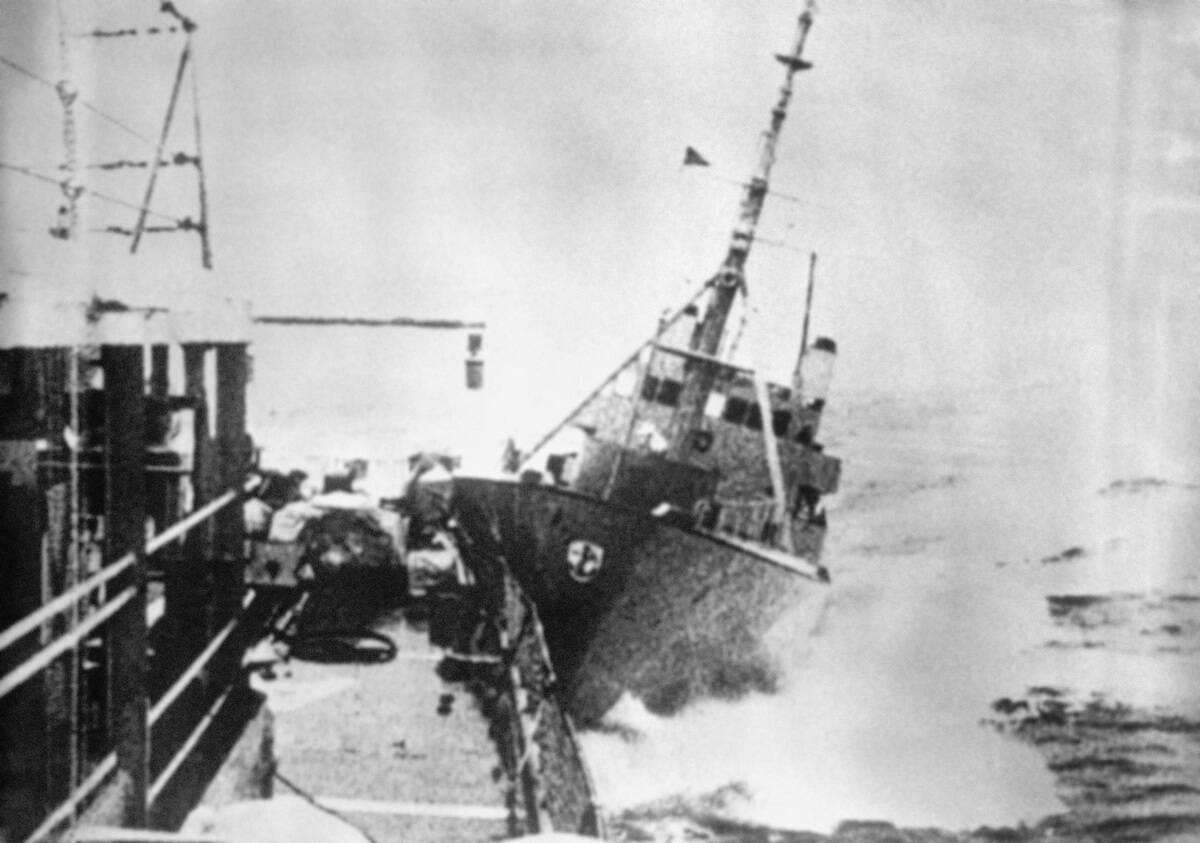
The Cod Wars were a series of confrontations between the United Kingdom and Iceland from the late 1950s to the 1970s over fishing rights in the North Atlantic. Iceland, heavily reliant on fishing, sought to extend its territorial waters, leading to clashes with British trawlers.
Although no official war was declared, these disputes strained diplomatic relations and eventually led to changes in international maritime law, favoring Iceland’s claims.
The Moldovan-Transnistrian Conflict: A Forgotten Struggle
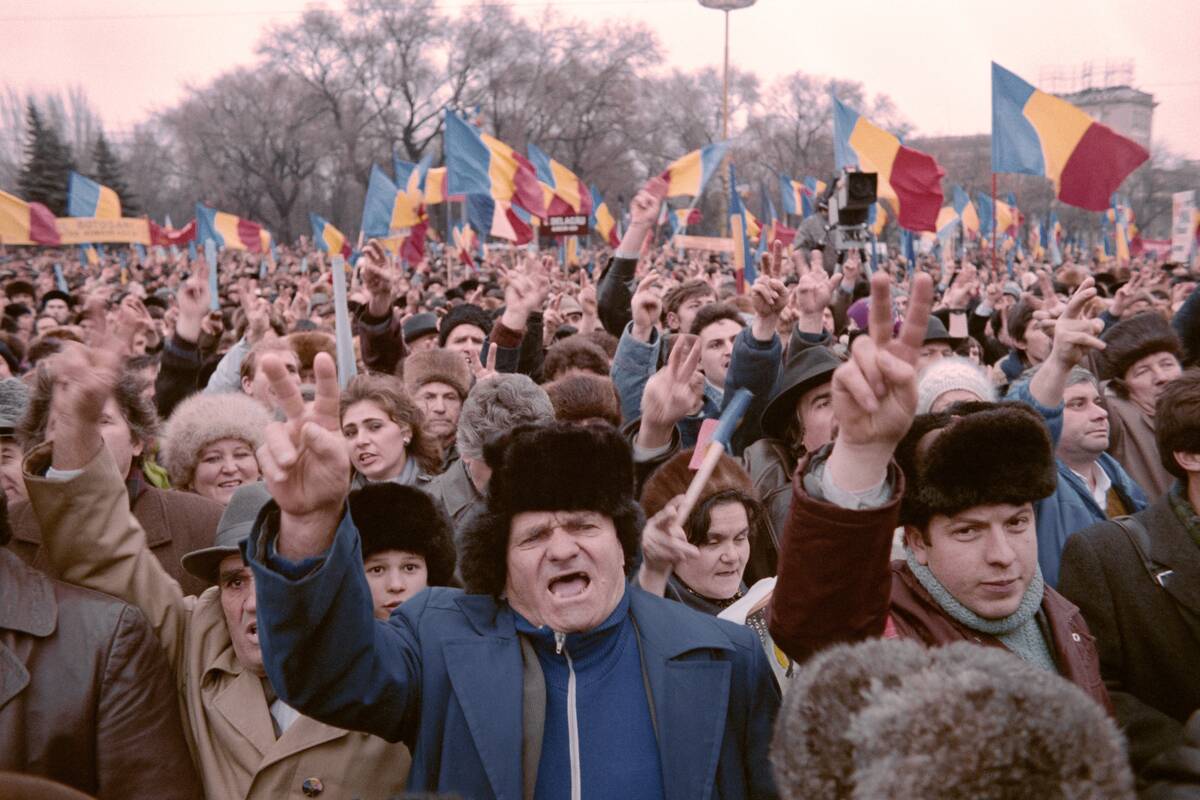
The Moldovan-Transnistrian conflict is a lesser-known post-Soviet struggle that began in 1992. Following the collapse of the Soviet Union, the region of Transnistria declared independence from Moldova, leading to a brief but intense armed conflict.
Despite a ceasefire, Transnistria remains a self-declared republic with no international recognition. The conflict highlights the complexities of national identity and territorial claims in the post-Soviet landscape.
The Chaco War: South America’s Struggle for Resources
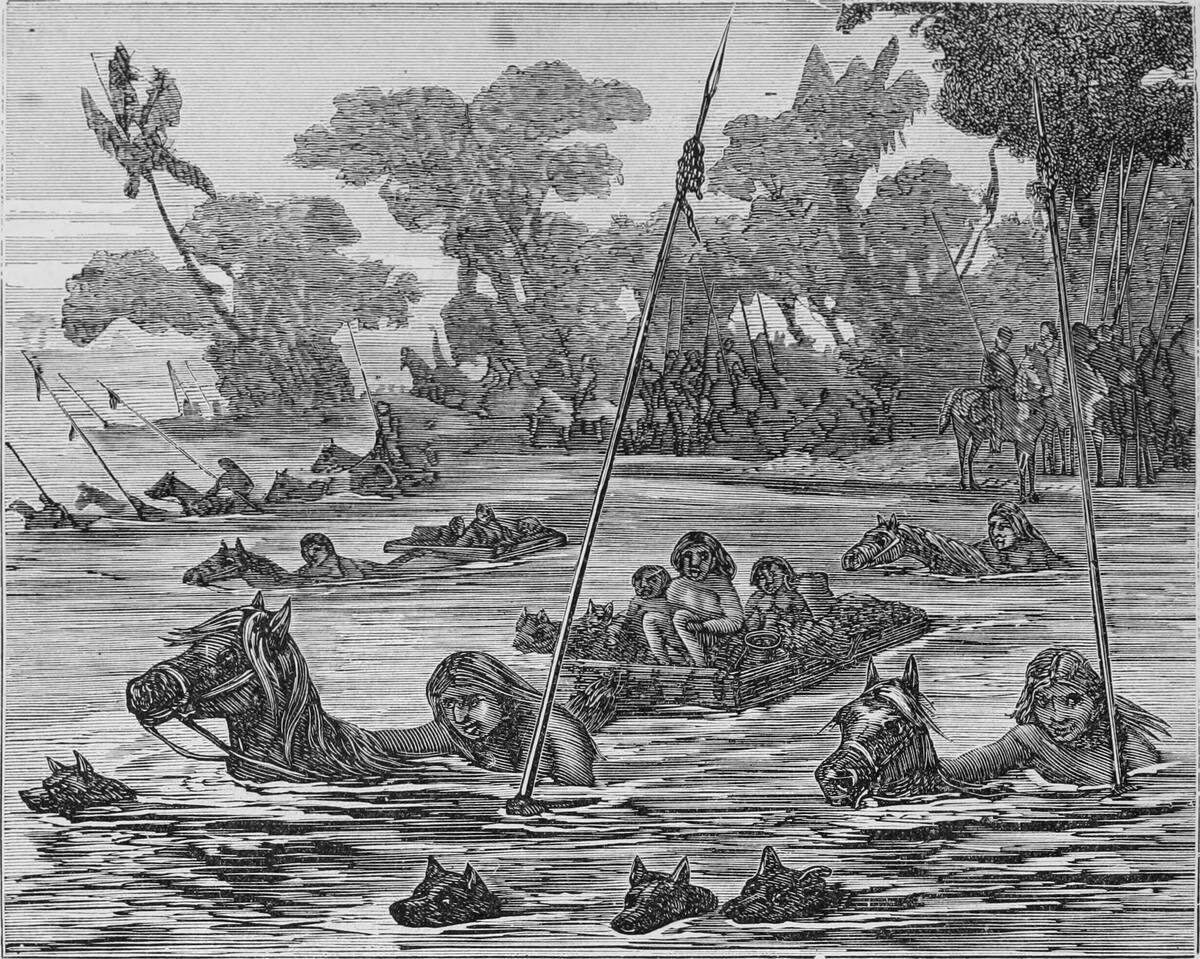
The Chaco War between Bolivia and Paraguay from 1932 to 1935 was fueled by the quest for control over the Gran Chaco region, believed to be rich in oil. Despite its harsh environment, both nations sought to expand their territories.
The war resulted in heavy casualties and significant territorial changes, with Paraguay ultimately gaining most of the disputed area. The conflict underscored the lengths countries will go to secure valuable natural resources.
The War of the Golden Stool: A Battle for Royal Honor
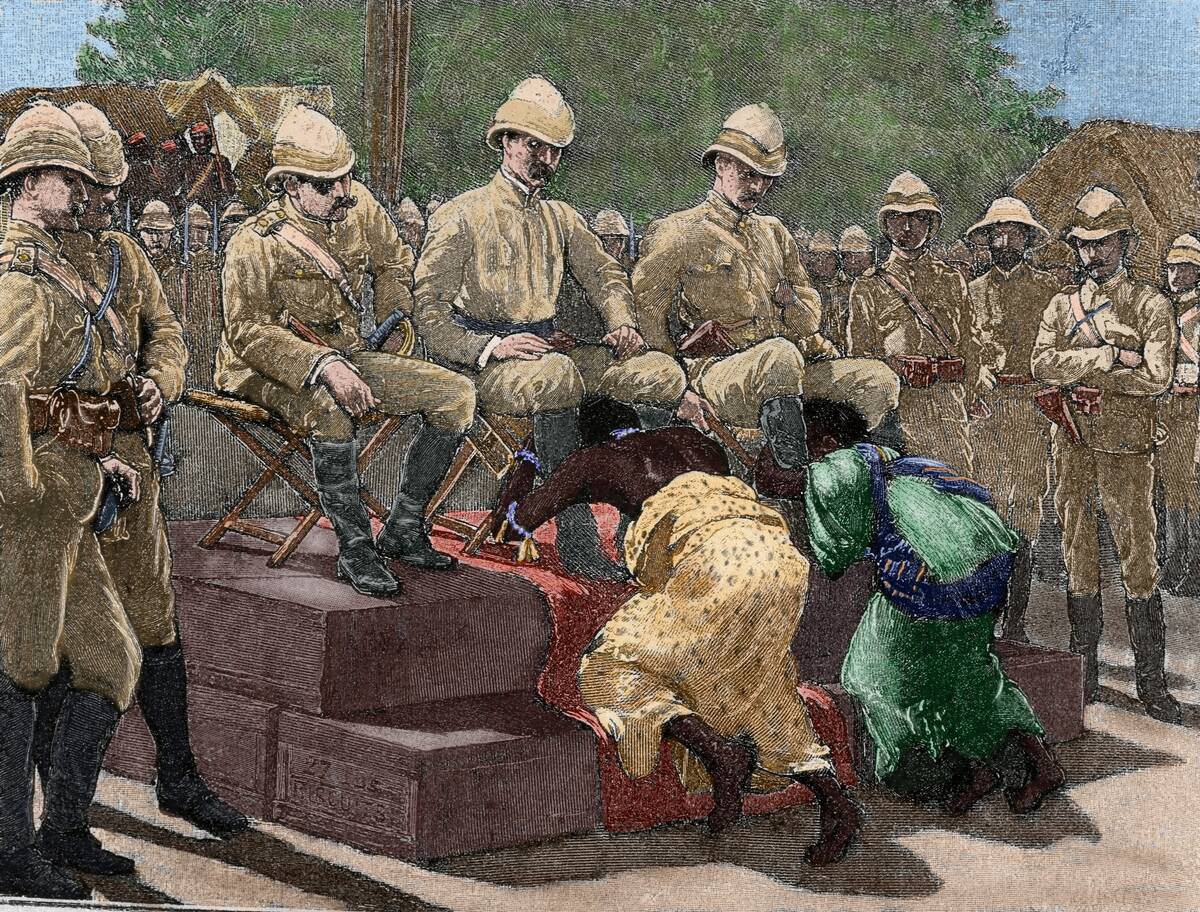
The War of the Golden Stool in 1900 was a significant conflict in Ghana between the British Empire and the Ashanti people. The war erupted when British officials demanded to sit on the Golden Stool, a sacred symbol of Ashanti sovereignty.
The Ashanti fiercely resisted, viewing it as a grave insult to their heritage. Though ultimately subdued, the Ashanti’s resistance demonstrated the deep cultural significance of the Golden Stool and the lengths to which people will go to defend their traditions.
The Paraguayan War: A Devastating Triple Alliance
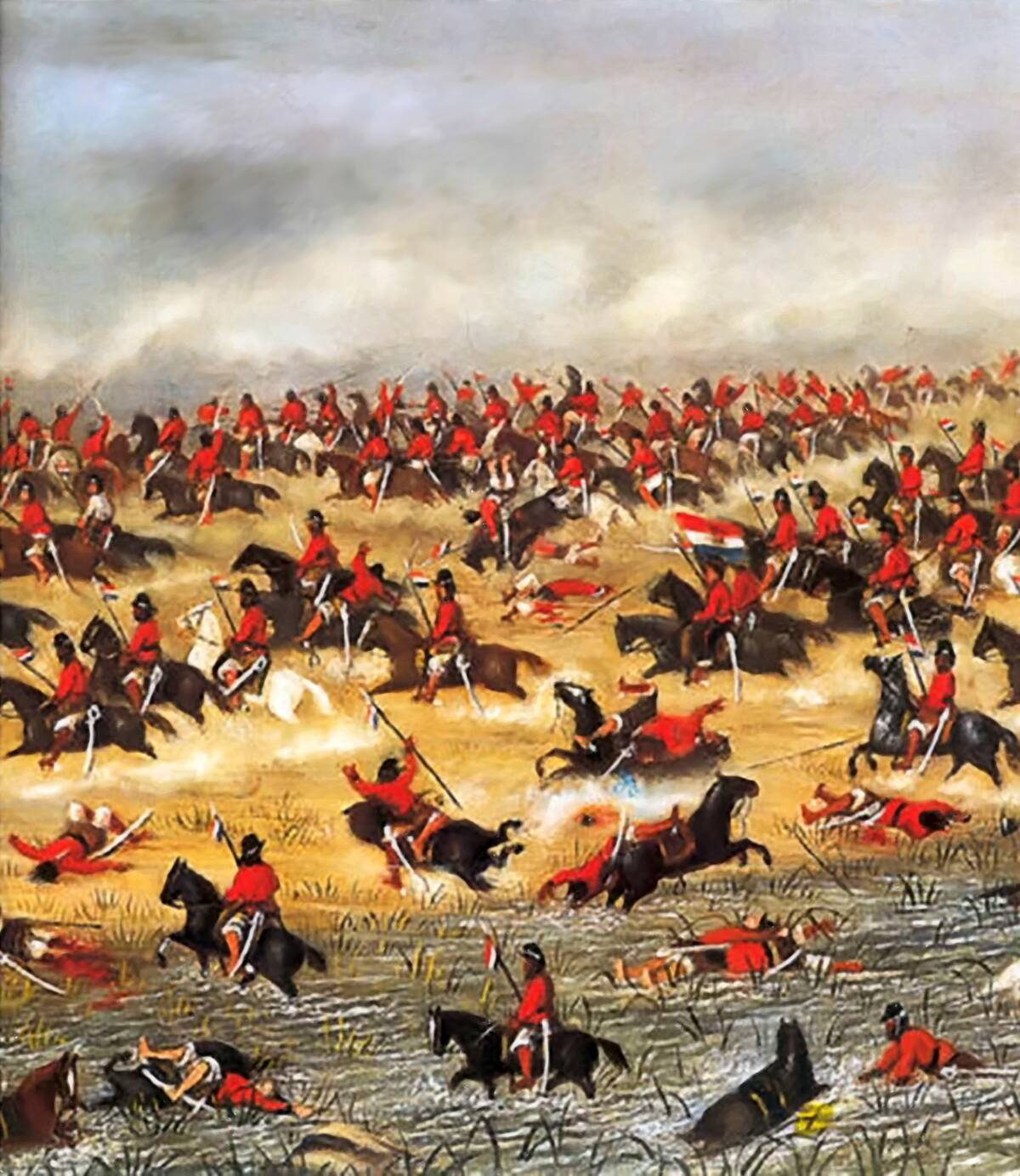
The Paraguayan War, also known as the War of the Triple Alliance, was a devastating conflict from 1864 to 1870 involving Paraguay against Argentina, Brazil, and Uruguay.
It is considered one of the deadliest wars in South American history, resulting in massive casualties and significant territorial loss for Paraguay. The war reshaped the political landscape of the region, demonstrating the profound and lasting impact of regional alliances and rivalries.
The War of the Stray Dog: When a Canine Incident Turned Hostile
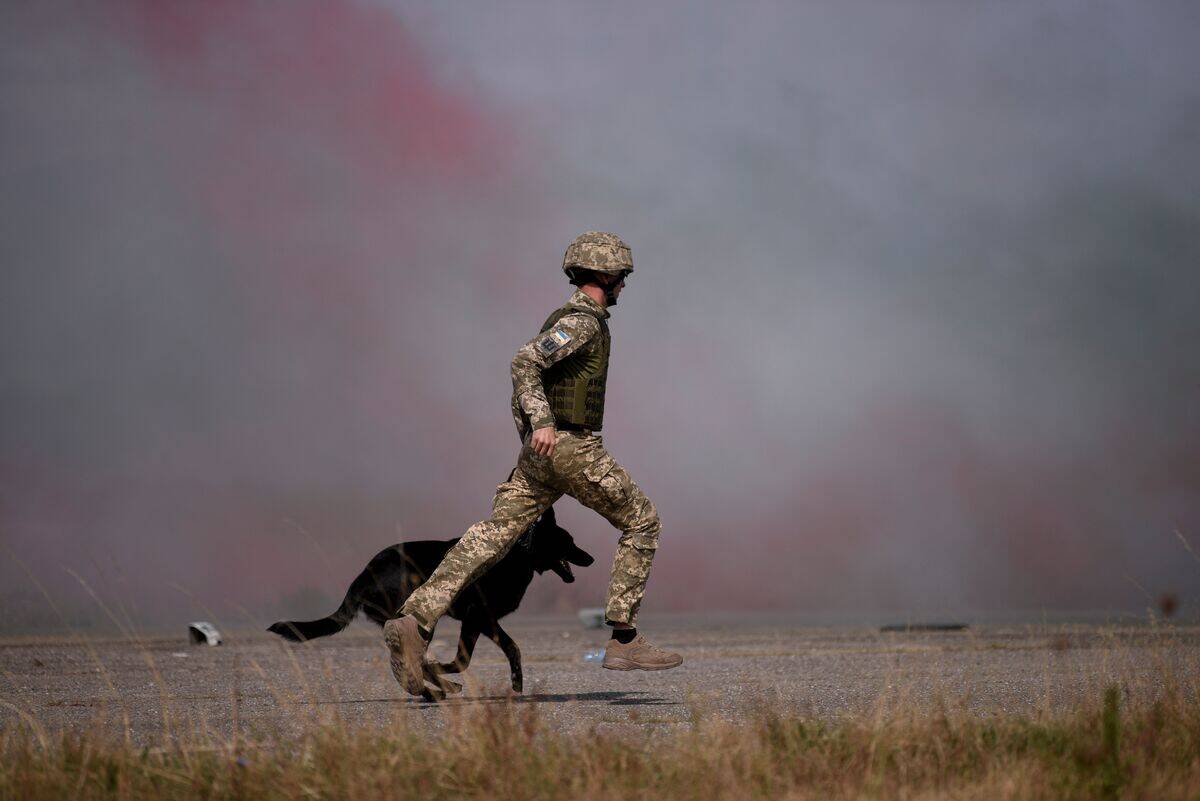
The War of the Stray Dog in 1925 between Greece and Bulgaria is one of history’s most unusual conflicts. The incident began when a Greek soldier chased his dog across the border into Bulgaria, resulting in a fatal shooting.
The event led to escalating tensions and military engagement, though it was quickly resolved through diplomatic intervention by the League of Nations. It serves as a peculiar example of how minor incidents can spiral into international disputes.
The Suez Crisis: A Short-Lived but Impactful Conflict
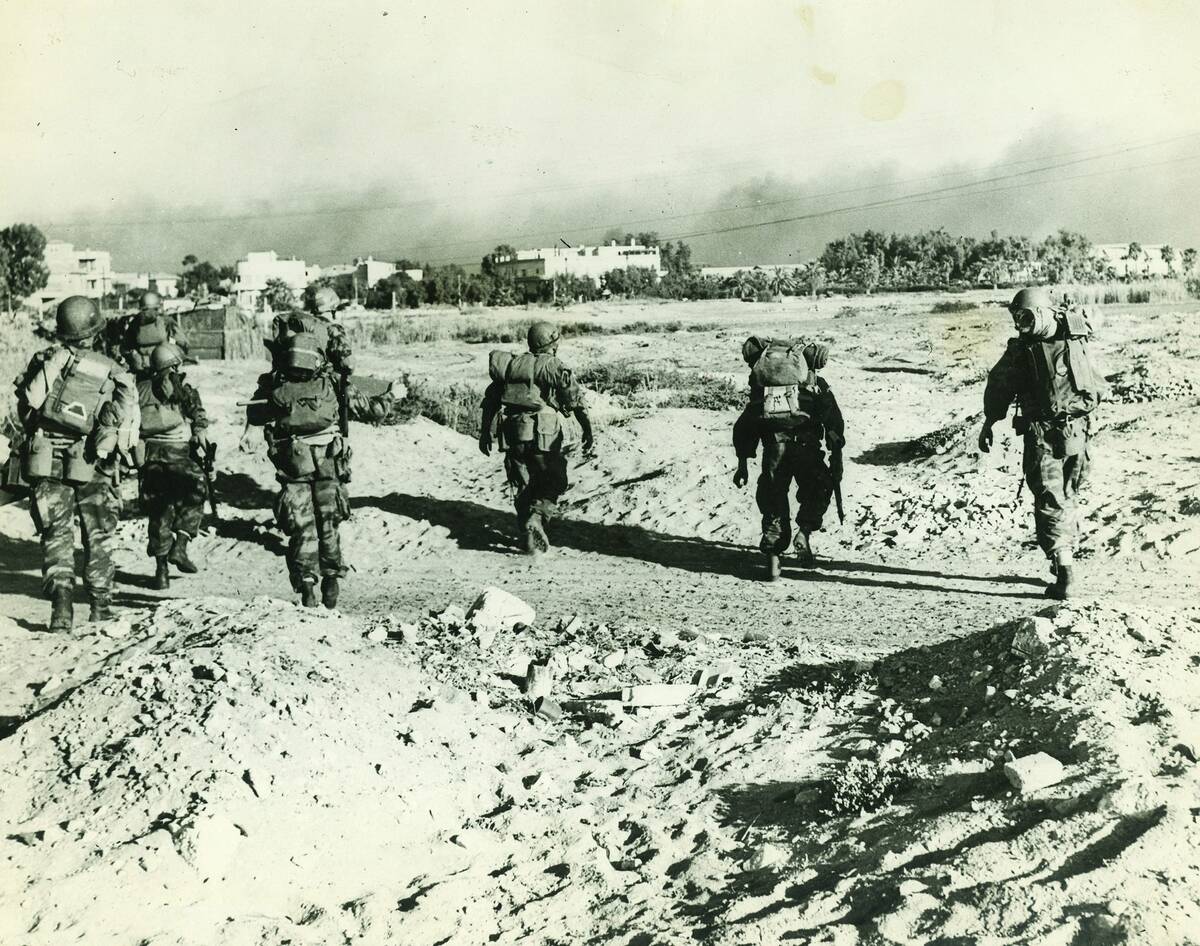
The Suez Crisis of 1956 was a pivotal event in Middle Eastern history. The crisis erupted when Egypt nationalized the Suez Canal, previously controlled by British and French interests. In response, Israel, Britain, and France launched a military intervention.
While the conflict was brief, it led to significant geopolitical shifts, including the decline of British and French influence in the region and the rise of the United States and the Soviet Union as dominant powers in the Middle East.
The Falklands War: A Remote but Resounding Clash
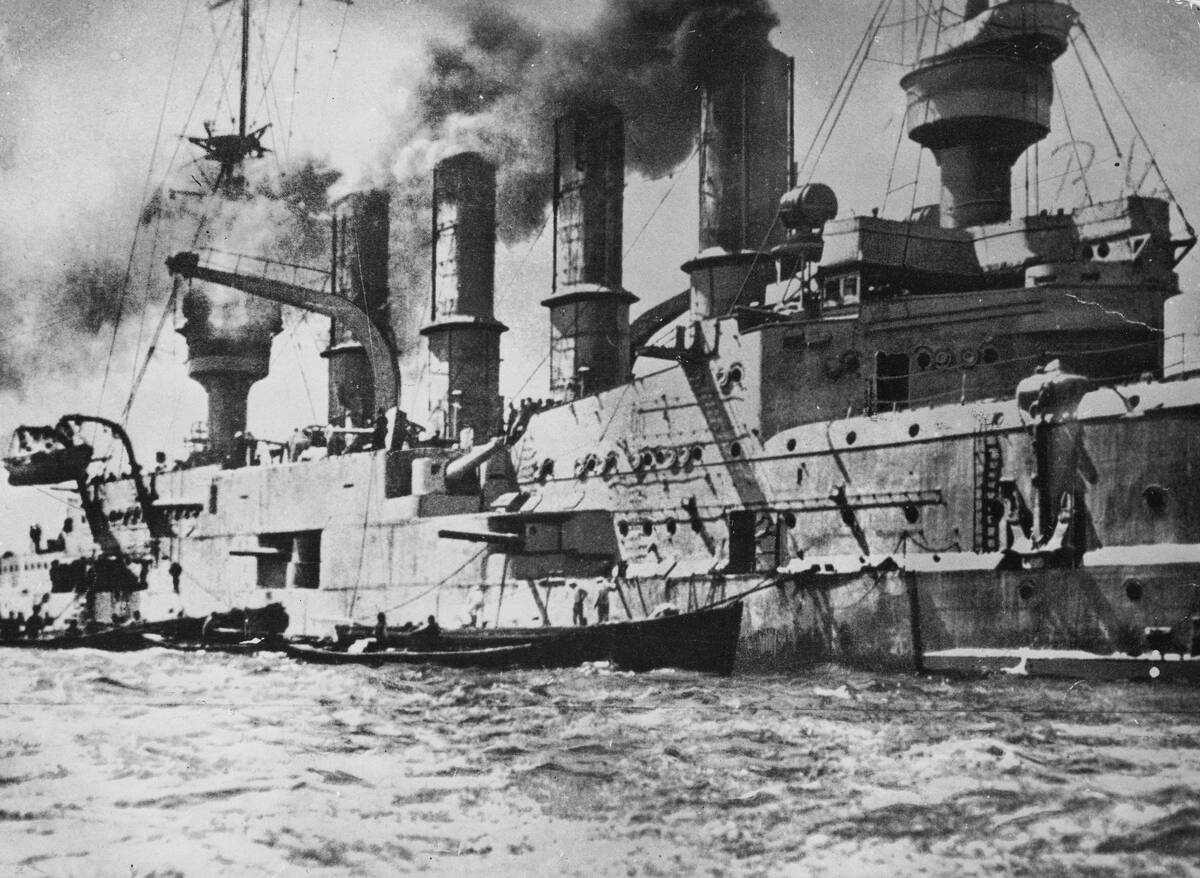
The Falklands War in 1982 was a conflict between Argentina and the United Kingdom over the disputed Falkland Islands in the South Atlantic. Argentina’s invasion of the islands prompted a swift British military response, resulting in a 74-day conflict.
Despite its remote location, the war had significant political repercussions, solidifying British control of the islands and impacting Argentine politics. It remains a contentious issue in Argentine-British relations to this day.
The Sino-Vietnamese War: A Brief but Bitter Border Battle
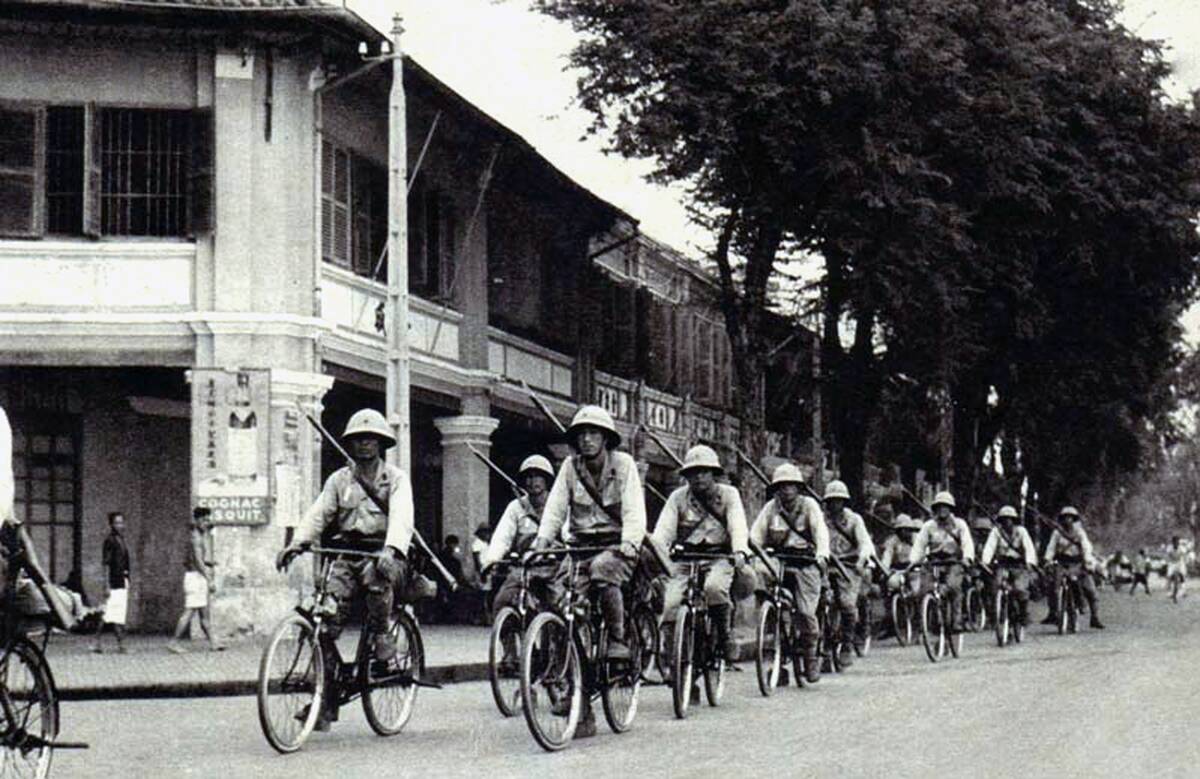
The Sino-Vietnamese War in 1979 was a brief but intense conflict between China and Vietnam. The war was sparked by Vietnam’s invasion of Cambodia, which toppled the Khmer Rouge regime, an ally of China.
In response, China launched a punitive invasion of northern Vietnam. Despite its short duration, the war resulted in significant casualties and strained relations between the two countries, highlighting the complexities of regional politics in Southeast Asia.




