Historical thinkers who predicted future technologies
Throughout history, some remarkable minds have dared to peer beyond the veil of their time, envisioning futures that seemed fantastical. These historical thinkers, with their profound imagination and understanding of the world, managed to predict technological advancements and societal changes that resonate with us today.
Their insights, often wrapped in fiction or satire, provide a fascinating lens through which we can appreciate the evolution of our modern world.
Leonardo da Vinci: The Original Renaissance Futurist
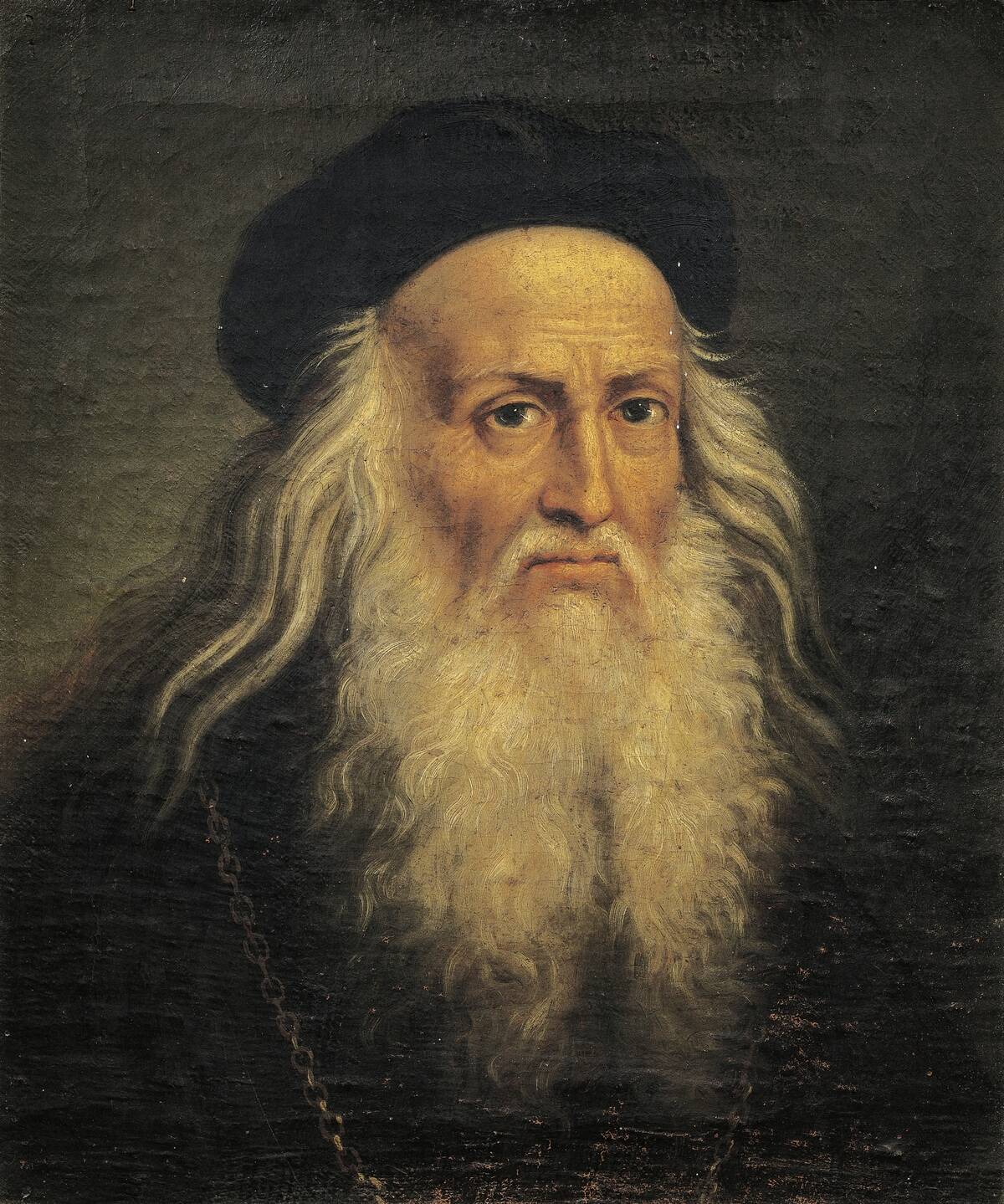
Leonardo da Vinci, the quintessential Renaissance man, was a visionary in every sense. His sketches of flying machines and submarines were far ahead of his time.
Though they were never realized in his lifetime, his designs laid the groundwork for future inventors. His detailed studies of human anatomy and mechanical devices reveal a mind constantly pushing the boundaries of possibility, blending art and science in a way few have matched since.
Jonathan Swift: Satirical Predictions of Lunar Exploration
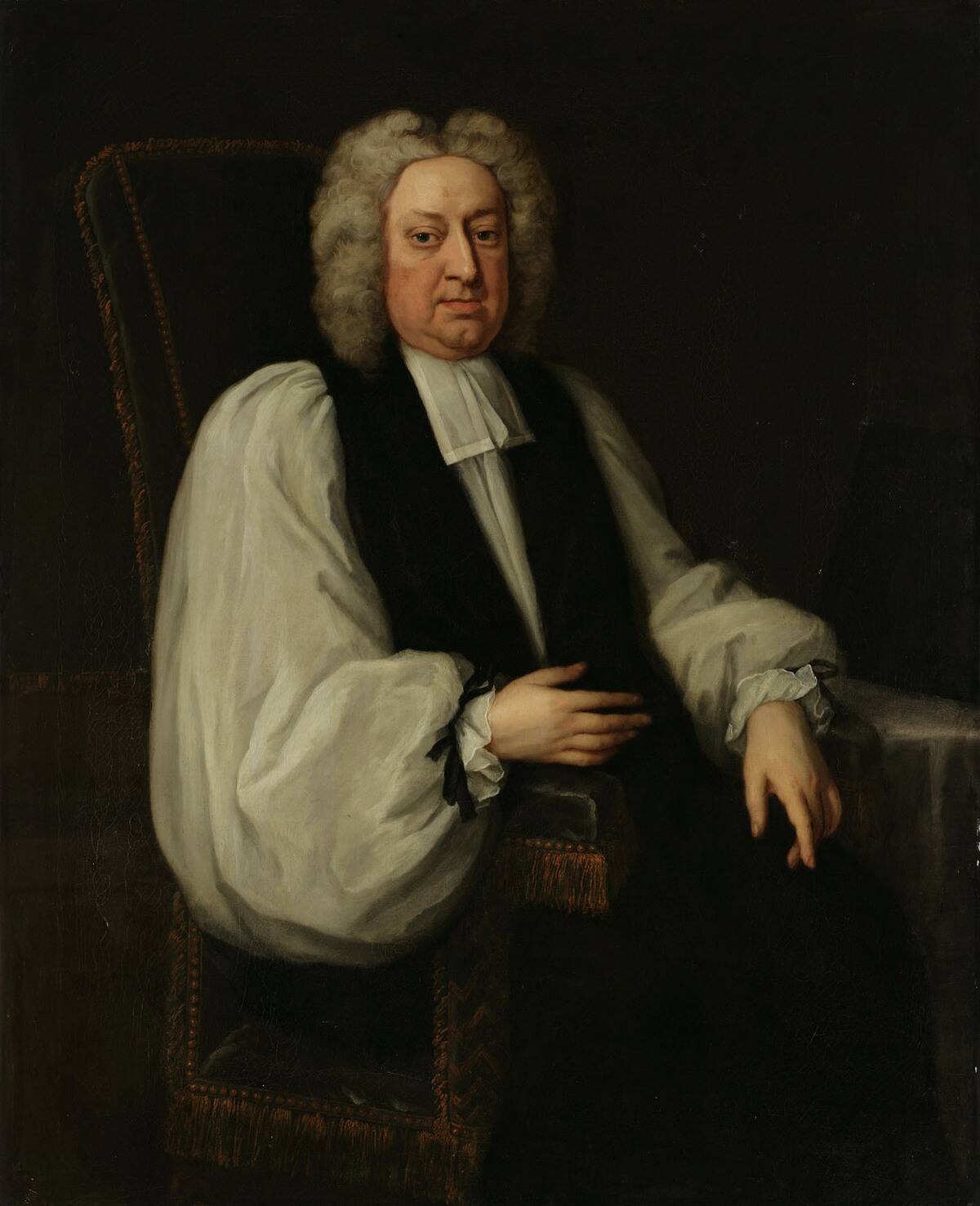
Jonathan Swift, in his 1726 novel Gulliver’s Travels, humorously imagined the discovery of two moons orbiting Mars. Over a century later, Swift’s fictional prediction was confirmed by astronomers.
This satirical tale, while entertaining, also demonstrates Swift’s keen understanding of the power of scientific inquiry. His work reminds us how literature can cleverly reflect and even anticipate scientific progress.
Jules Verne: Pioneering Adventure into the Depths of Space and Sea
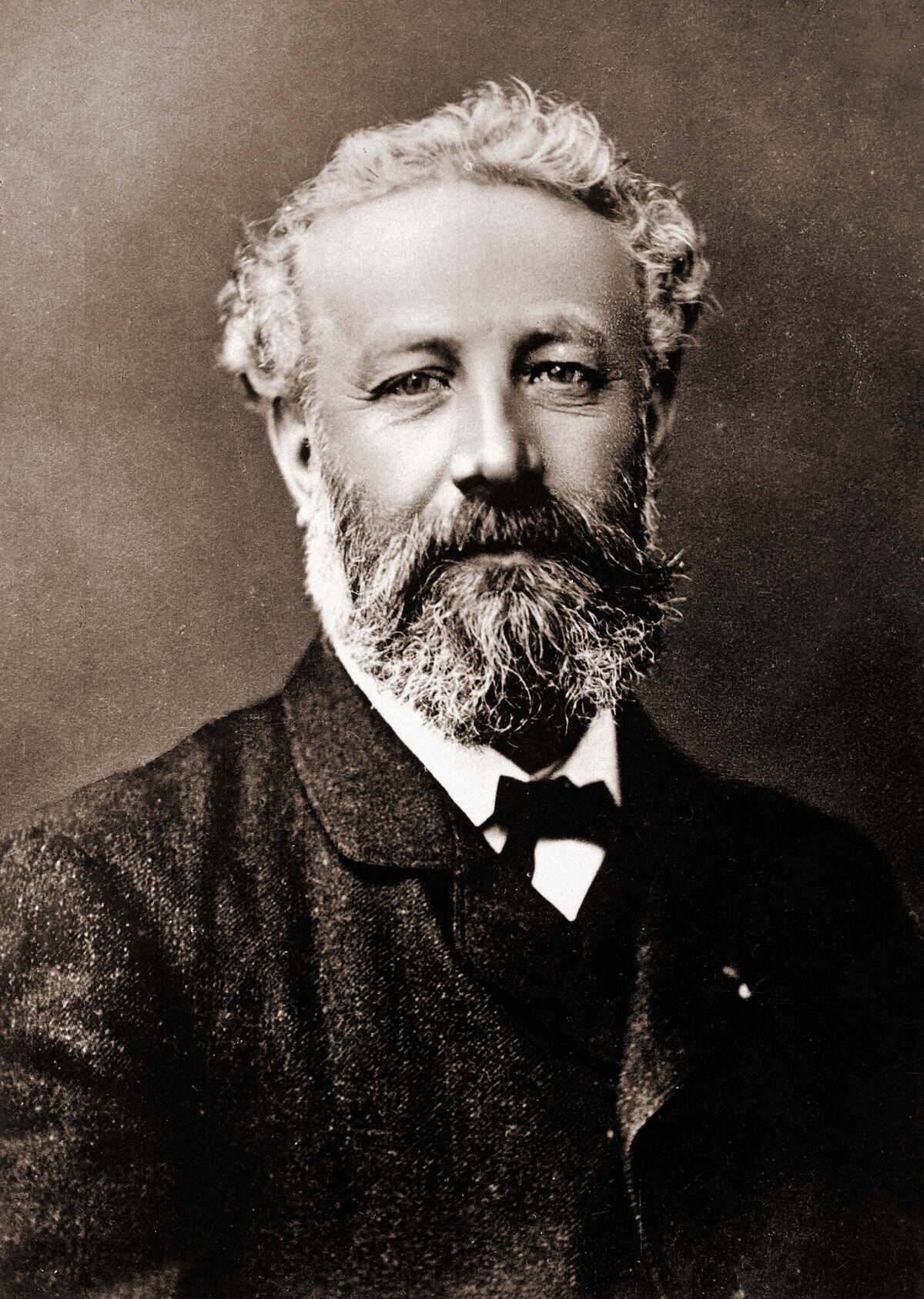
Jules Verne, often called the father of science fiction, wrote with astonishing foresight about space travel and underwater exploration.
His novels, such as Twenty Thousand Leagues Under the Sea and From the Earth to the Moon, depicted technologies that would eventually become reality. Verne’s imagination inspired generations of scientists and explorers, proving that fiction can fuel the engines of innovation.
Nikola Tesla: The Man Who Dreamed of Wireless Communication
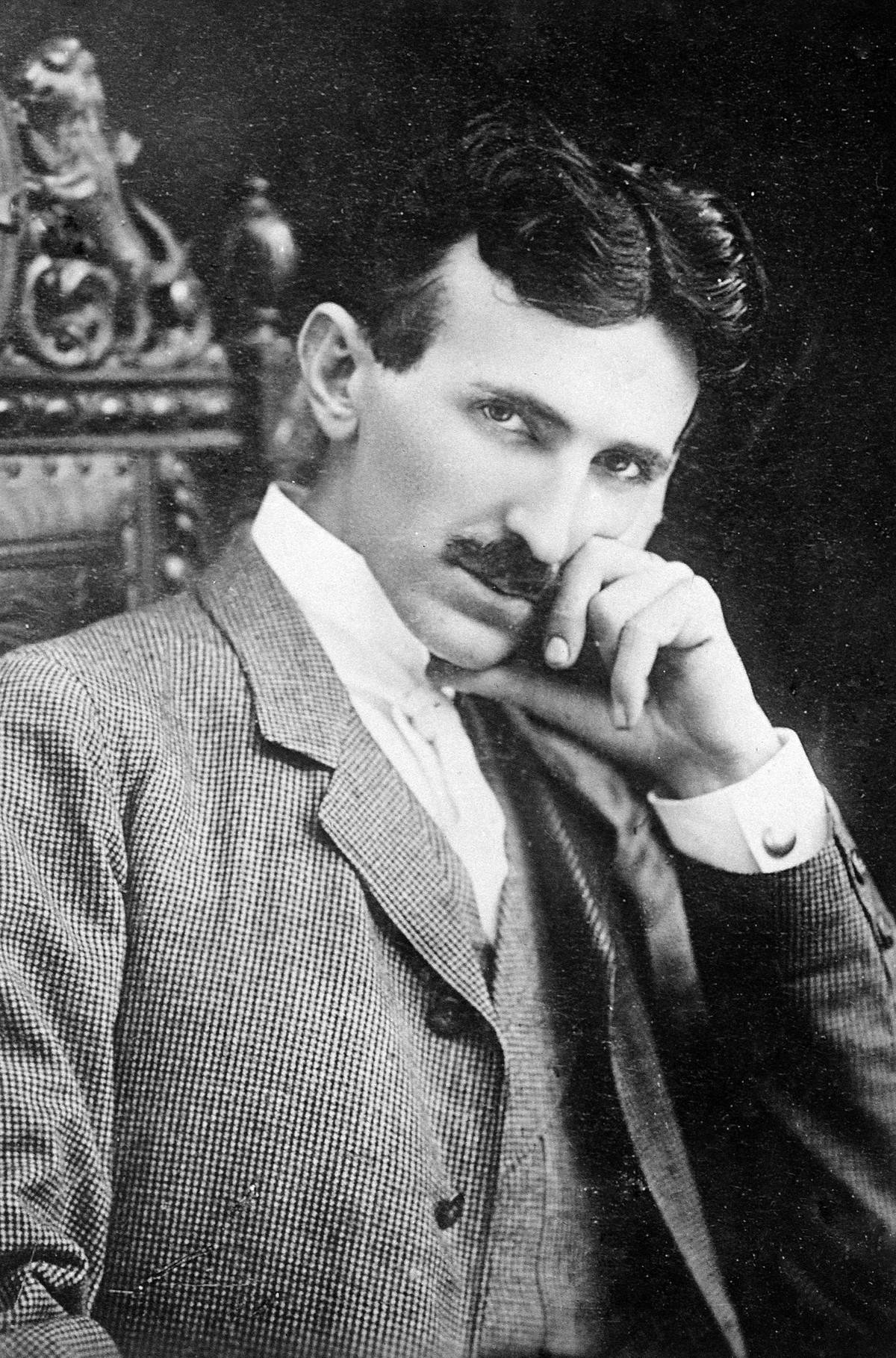
Nikola Tesla, the eccentric genius, envisioned a world connected by wireless technology. His experiments with radio waves and electrical currents laid the foundation for modern wireless communication.
Tesla’s vision of a connected world seemed fantastical in his time, yet today, Wi-Fi and smartphones are integral to daily life. His legacy is a testament to the enduring power of innovation.
Mary Shelley: Foreseeing the Ethical Dilemmas of Modern Science
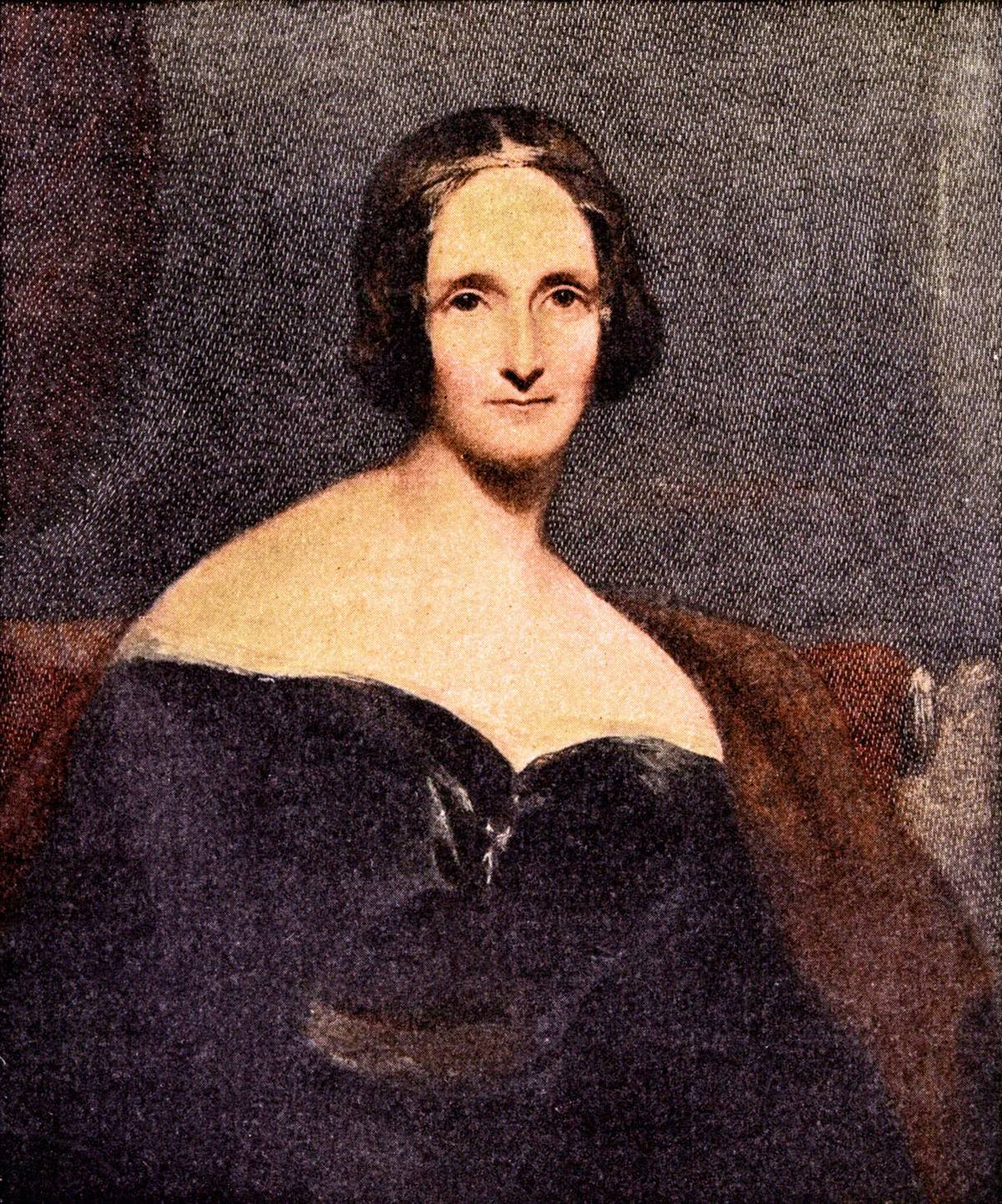
Mary Shelley’s Frankenstein explored the consequences of unchecked scientific ambition. Her tale of a scientist creating life raised questions about morality and responsibility that resonate in today’s debates over genetic engineering and biotechnology.
Shelley’s work, often seen as the first science fiction novel, continues to challenge readers to consider the ethical implications of their scientific pursuits.
Isaac Asimov: Robotics and the Laws That Govern Them
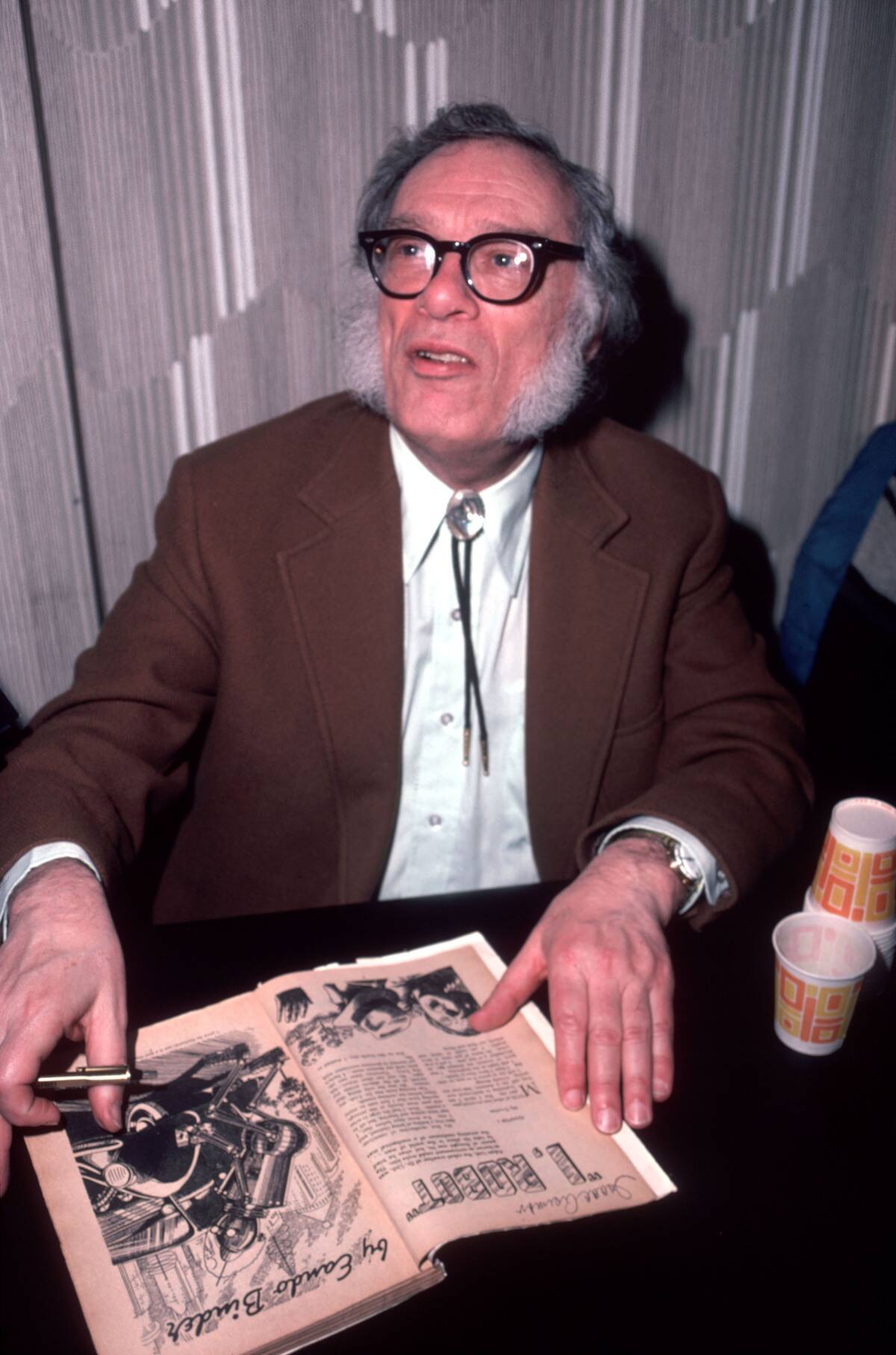
Isaac Asimov, with his “Three Laws of Robotics,” shaped the framework for thinking about artificial intelligence and robotics. His stories explored the complexities of human-machine interaction, predicting a future where robots would be integral to society.
Asimov’s work has influenced both science fiction and real-world robotics, highlighting the need for ethical guidelines in technological development.
Arthur C. Clarke: The Prophet of Satellite Technology
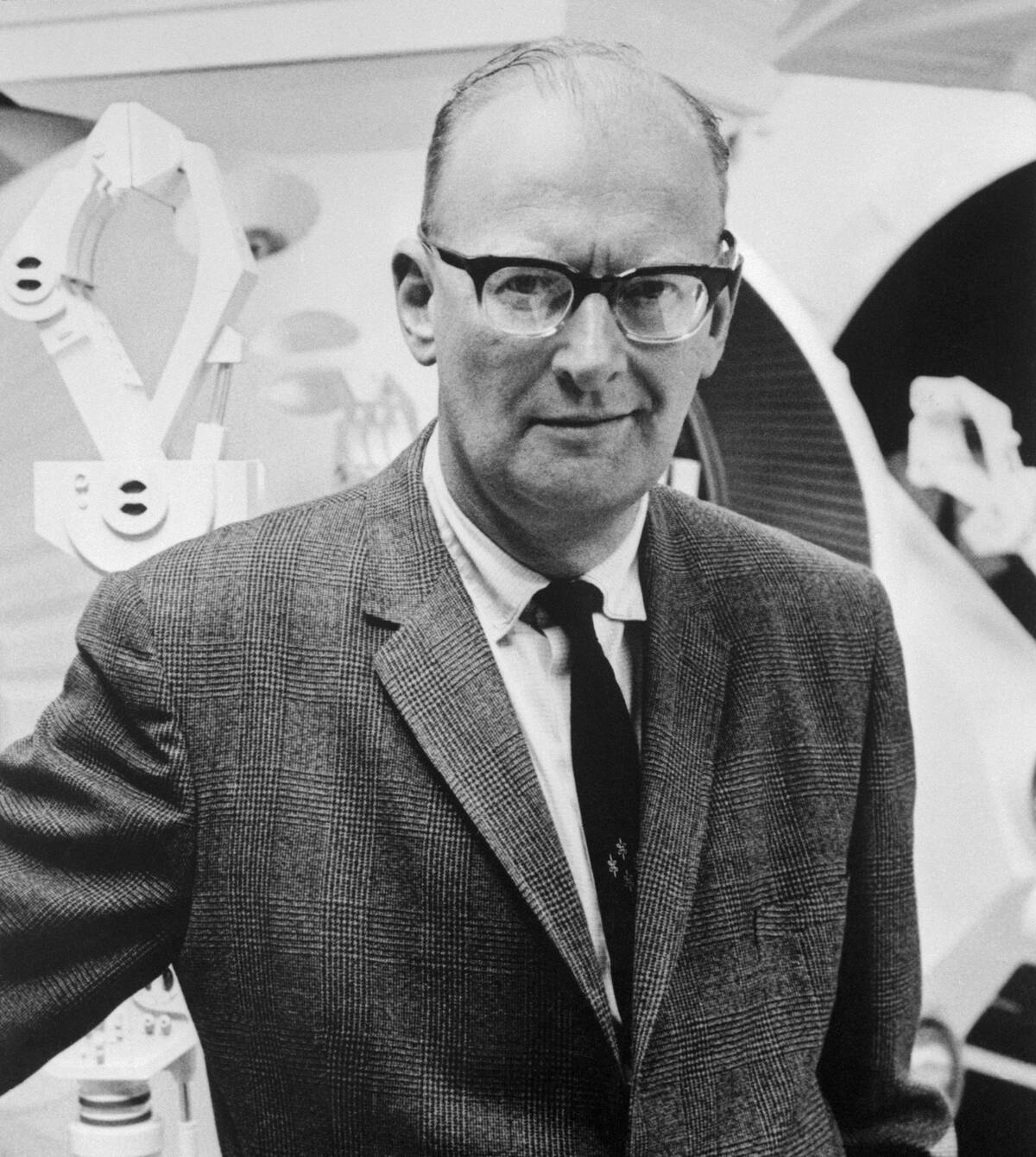
Arthur C. Clarke, in his 1945 article, proposed the concept of geostationary satellites, revolutionizing global communication. His vision became reality with the launch of communication satellites, transforming how we connect across the globe.
Clarke’s work exemplifies how speculative ideas can lead to groundbreaking technological advancements, influencing both science fiction and practical science.
Philip K. Dick: Navigating Virtual Realities and AI
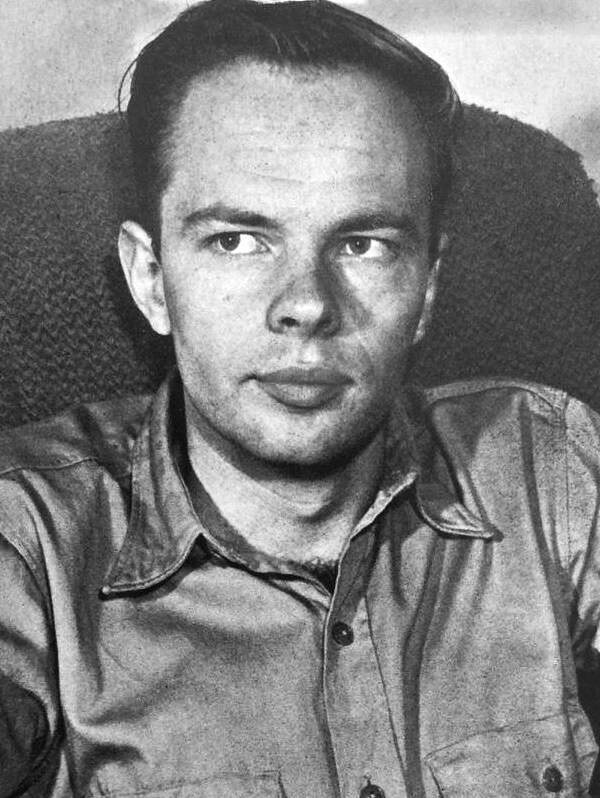
Philip K. Dick’s novels, such as Do Androids Dream of Electric Sheep?, delved into themes of artificial intelligence and virtual reality. His stories often blurred the lines between human and machine, questioning the nature of consciousness and identity.
Dick’s exploration of these themes has become increasingly relevant in the age of AI, offering a cautionary perspective on technological advancement.
Ray Bradbury: Imagining a World Filled with Smart Homes
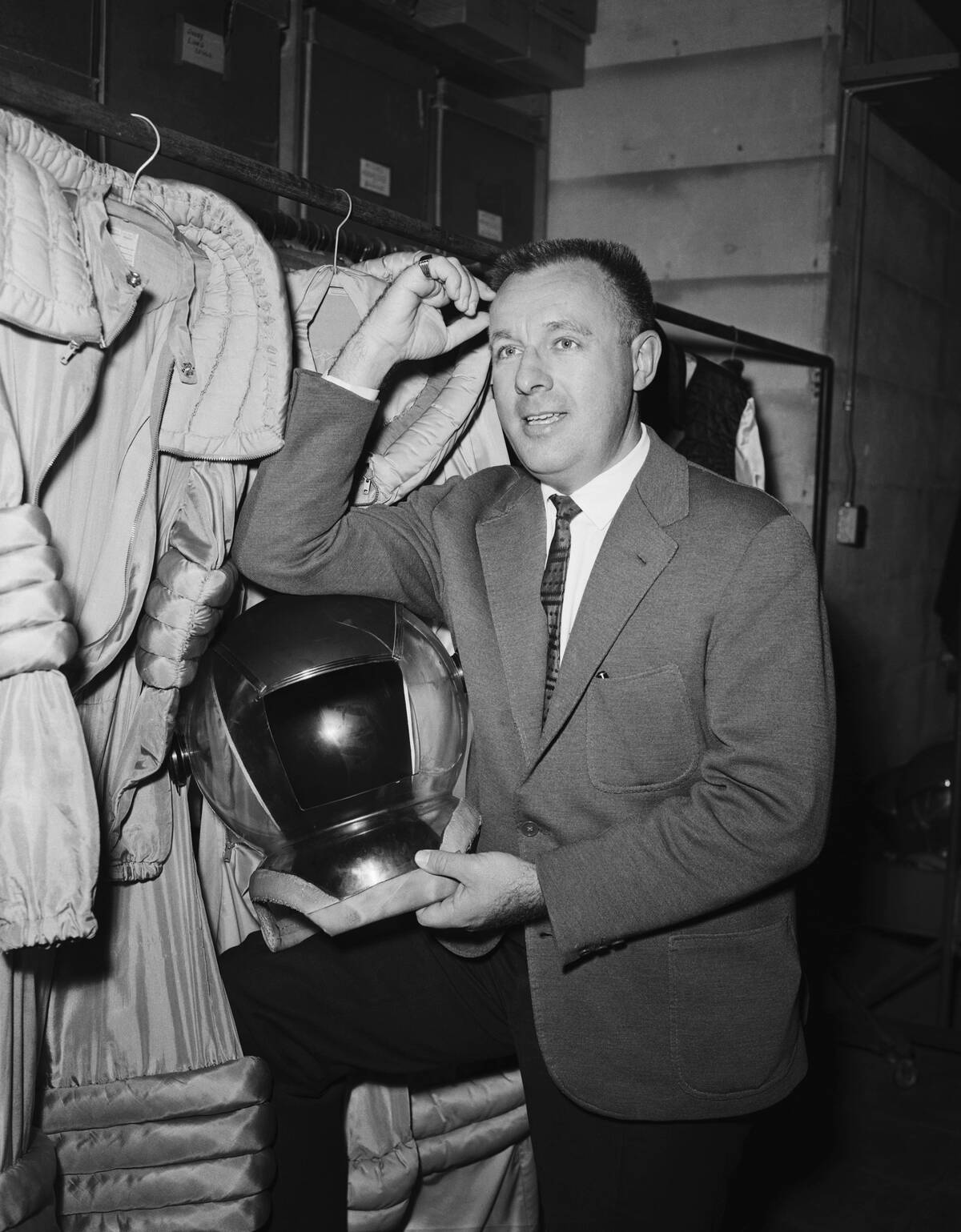
Ray Bradbury, in his short story ‘There Will Come Soft Rains,’ envisioned a fully automated home long before smart technology became commonplace.
His depiction of a house performing daily tasks without human intervention reflects our current reality of smart homes and IoT devices. Bradbury’s work serves as a reminder of how quickly fiction can become fact, reshaping our everyday lives.
Aldous Huxley: A Vision of Genetic Engineering and Its Implications
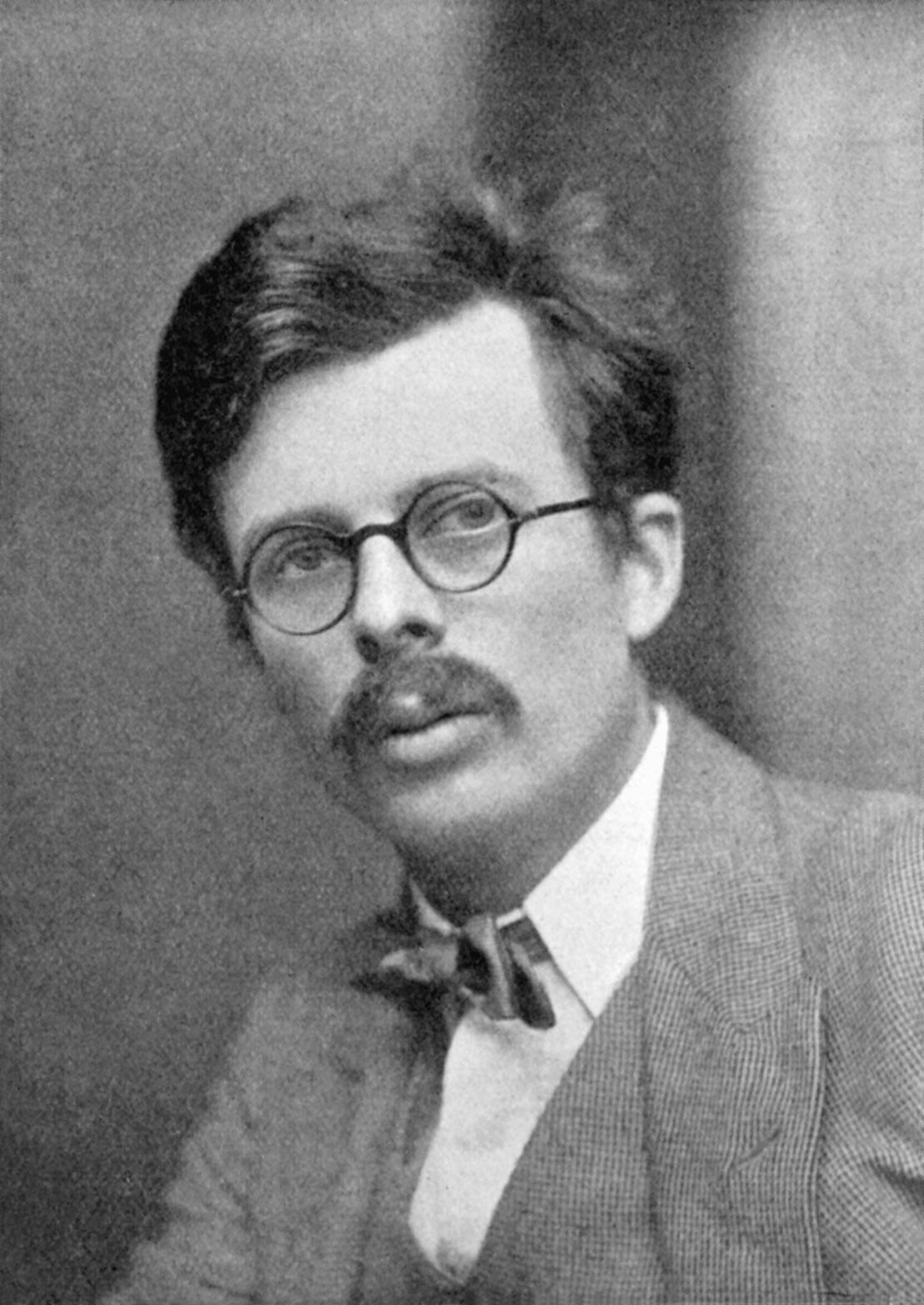
Aldous Huxley, in Brave New World, imagined a future society driven by genetic engineering and social conditioning. His portrayal of a world where humans are engineered for specific roles raises questions about the ethical boundaries of science.
As advancements in genetic engineering continue, Huxley’s cautionary tale remains relevant, urging society to consider the moral implications of such power.
Edward Bellamy: Dreaming of Credit Cards and Digital Transactions
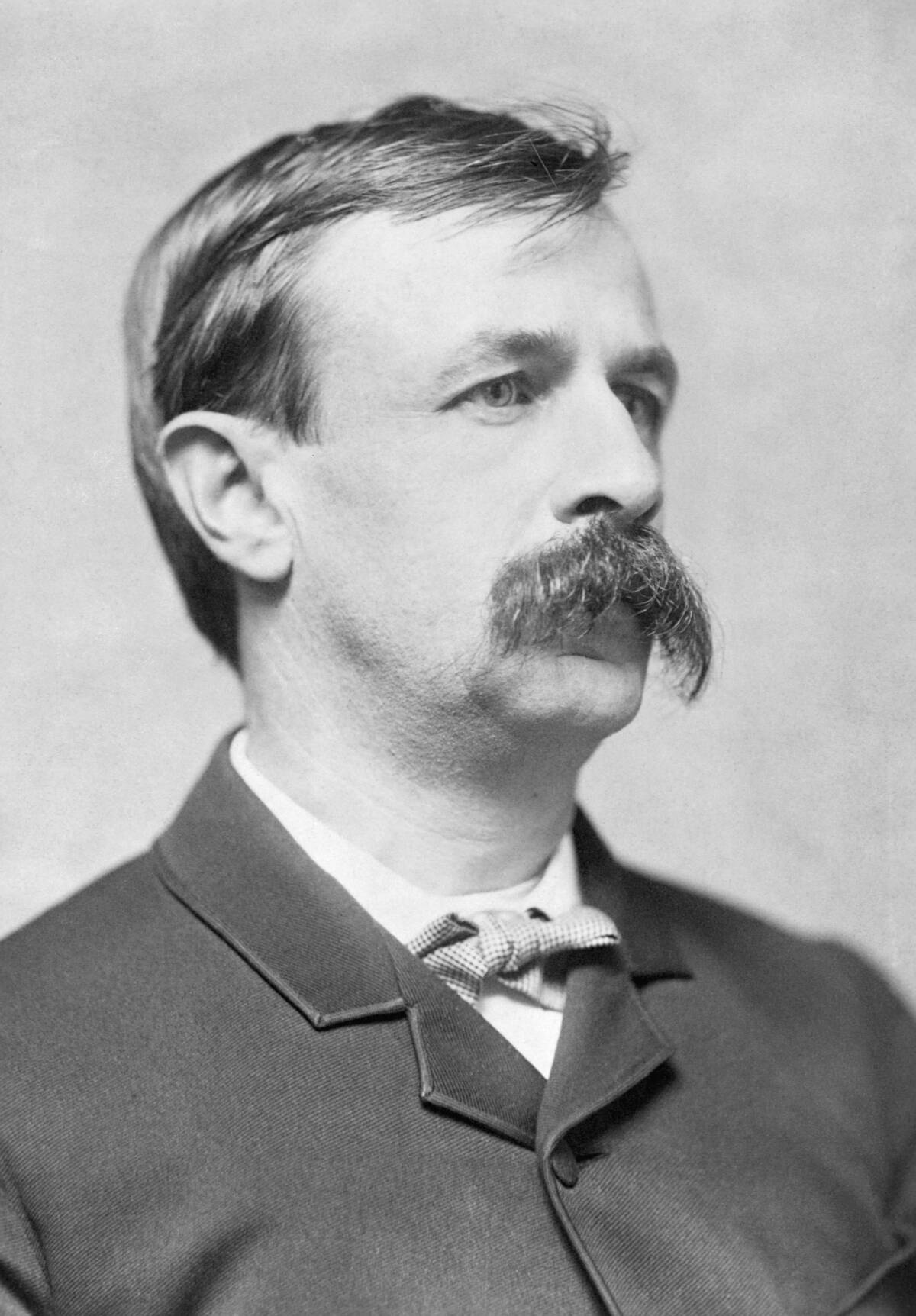
Edward Bellamy’s 1888 novel Looking Backward envisioned a future where transactions were made with a card similar to modern credit cards.
His utopian vision included a cashless society, a concept that has largely come to fruition with digital payments and electronic banking. Bellamy’s foresight highlights how technological advancements can reshape economic systems, influencing how we engage in commerce.
Mark Twain: Predicting the Internet in a Century-Old Essay
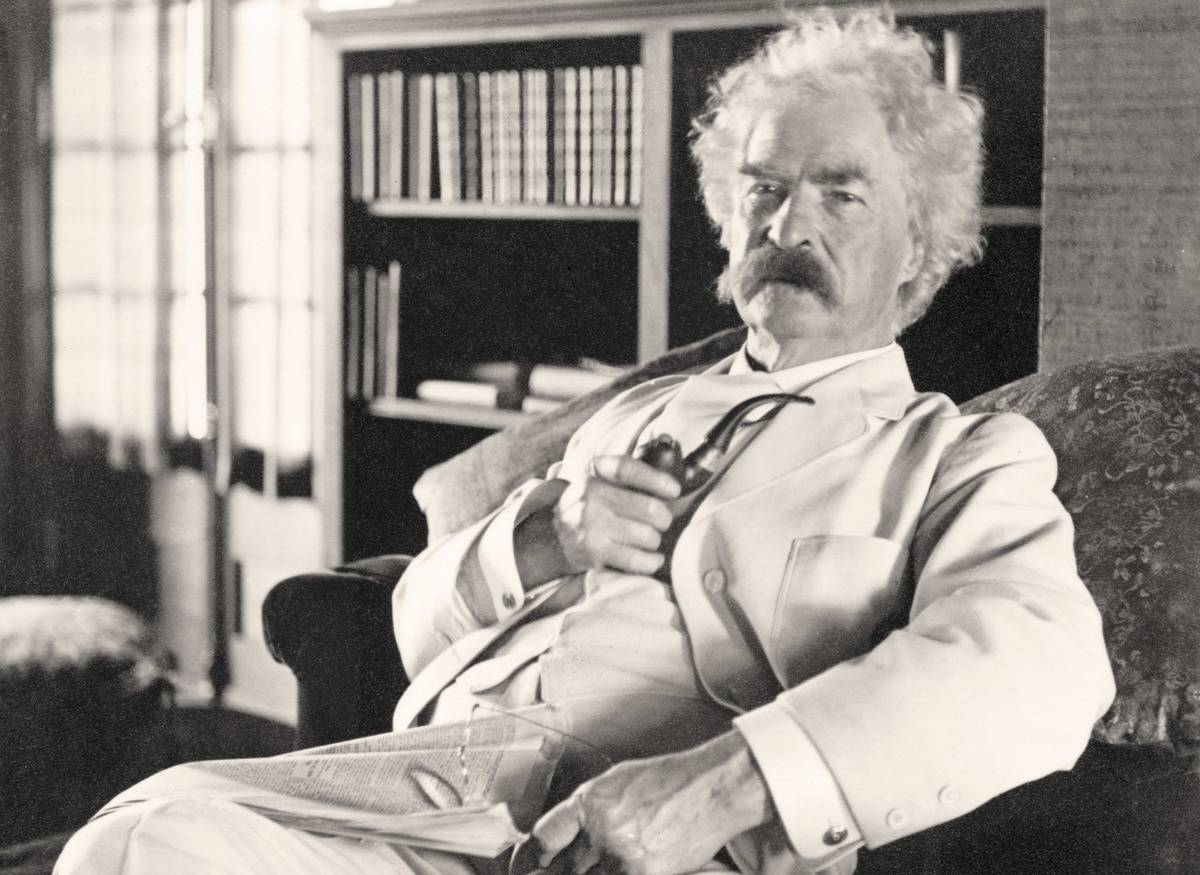
Mark Twain, in an essay written in 1898, described a global network of information sharing that echoes the modern internet. Although he never saw its realization, Twain’s vision of interconnected knowledge anticipated the digital revolution.
His insight into the potential of global communication underscores the enduring relevance of his work, reminding us of the power of imagination to foresee future innovations.
H.G. Wells: Envisioning the Atomic Age Before It Began
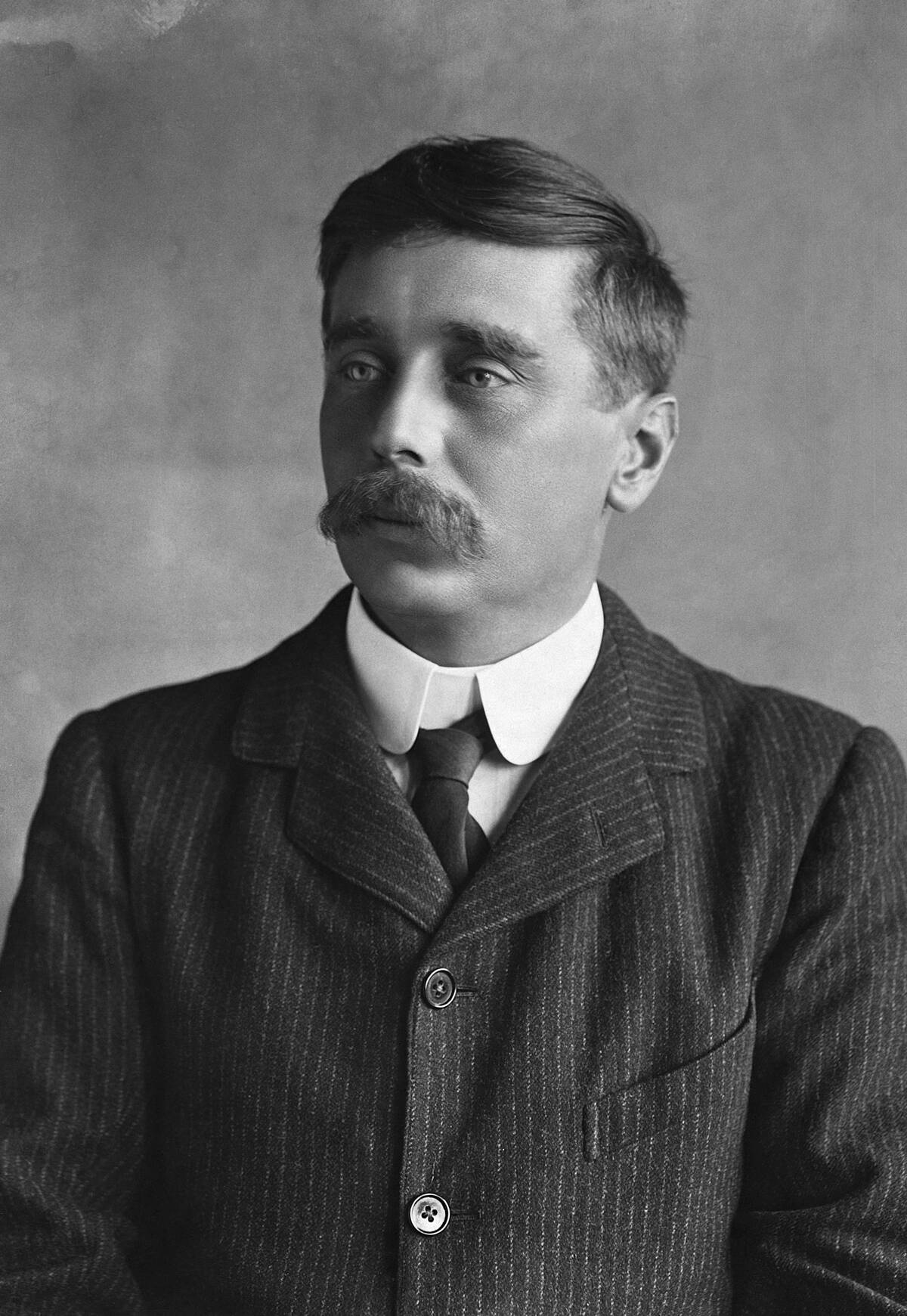
H.G. Wells, in his novel The World Set Free, anticipated the development of atomic weapons decades before they became a reality. His depiction of a world transformed by nuclear energy and warfare was both prescient and cautionary.
Wells’s vision of the atomic age underscores the potential for scientific discoveries to fundamentally alter the course of history, prompting reflection on the responsibilities that come with such power.




