Treaties that defined today’s international legal order
Throughout history, treaties have served as the backbone of international relations, shaping the boundaries of nations and the fate of peoples. These agreements not only resolved conflicts but also laid the groundwork for modern international law.
From defining sovereignty to addressing global challenges, treaties have been pivotal in establishing the rules that govern our world today. Let’s embark on a journey through some of the most significant treaties and their lasting impacts.
The Treaty of Westphalia: Defining Sovereignty and Statehood

The Treaty of Westphalia, signed in 1648, marked a turning point in European politics by ending the Thirty Years’ War. It introduced the concept of state sovereignty, recognizing the right of rulers to govern without external interference.
This treaty is often credited with laying the foundation for the modern nation-state system. By affirming the principle of non-intervention, it set a precedent that continues to influence international relations to this day.
The Treaty of Paris (1783): Birth of a New Nation and Shifts in Power
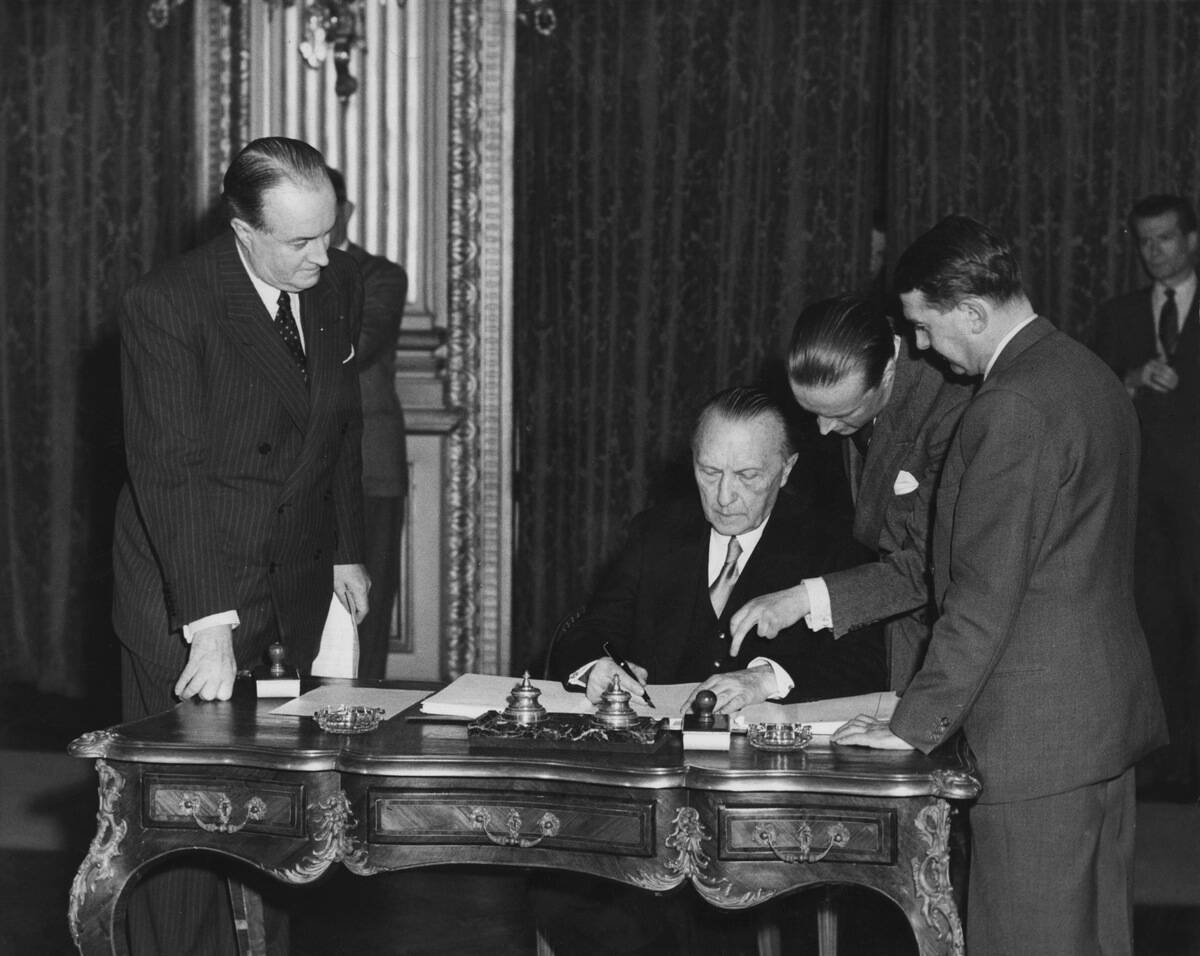
In 1783, the Treaty of Paris was signed, effectively ending the American Revolutionary War. This pivotal agreement recognized the independence of the United States, signaling a shift in global power dynamics.
The treaty established borders for the new nation, setting the stage for its westward expansion. It also represented a decline in British colonial influence, as the British Empire recognized the need to adapt to the changing geopolitical landscape.
The Congress of Vienna (1815): Balancing Power and Redrawing Europe’s Map
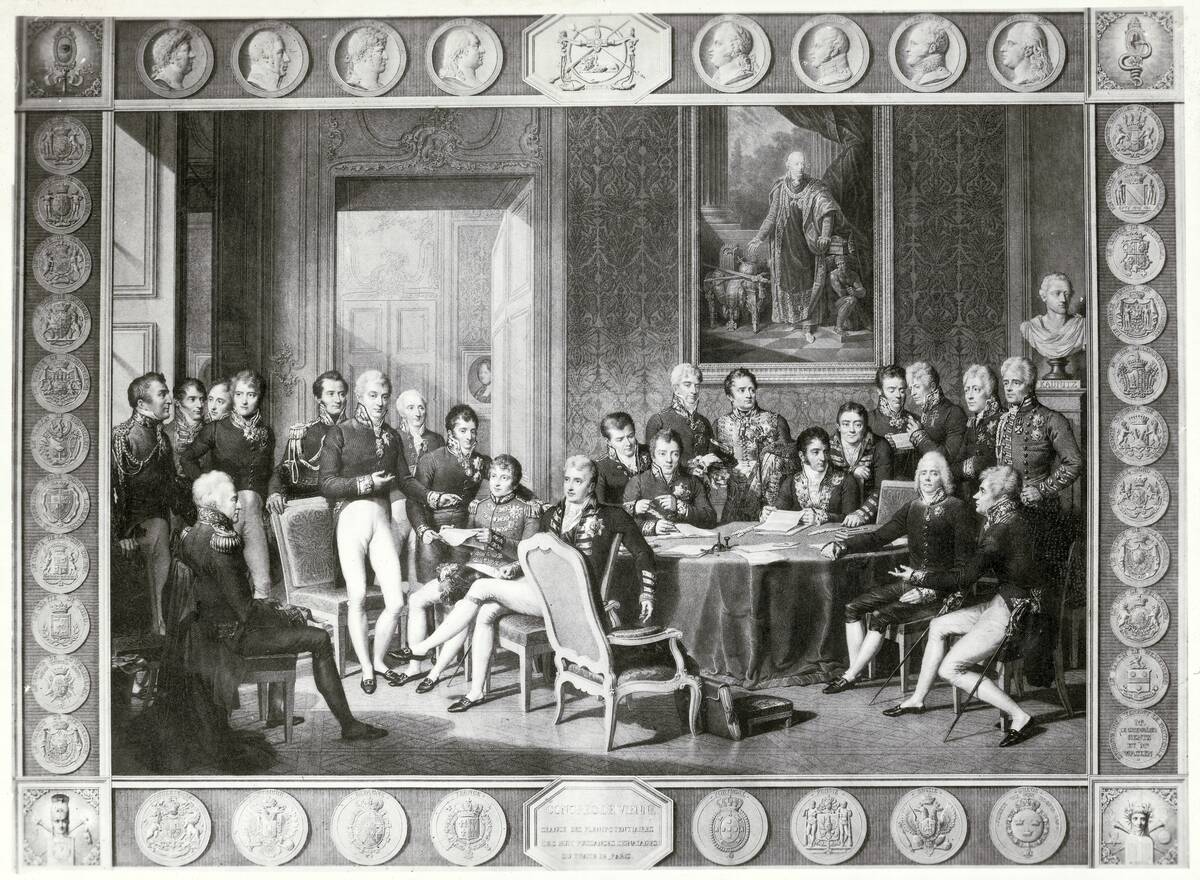
The Congress of Vienna in 1815 was a grand diplomatic gathering aimed at restoring order after the Napoleonic Wars. The resulting treaties redrew borders across Europe, striving for a balance of power to prevent future conflicts.
Leaders like Metternich and Talleyrand played key roles in these negotiations. The congress’s legacy is the long period of relative peace it ushered in, known as the Concert of Europe, which lasted until the outbreak of World War I.
The Treaty of Nanking (1842): Opening the Door to Modern International Trade
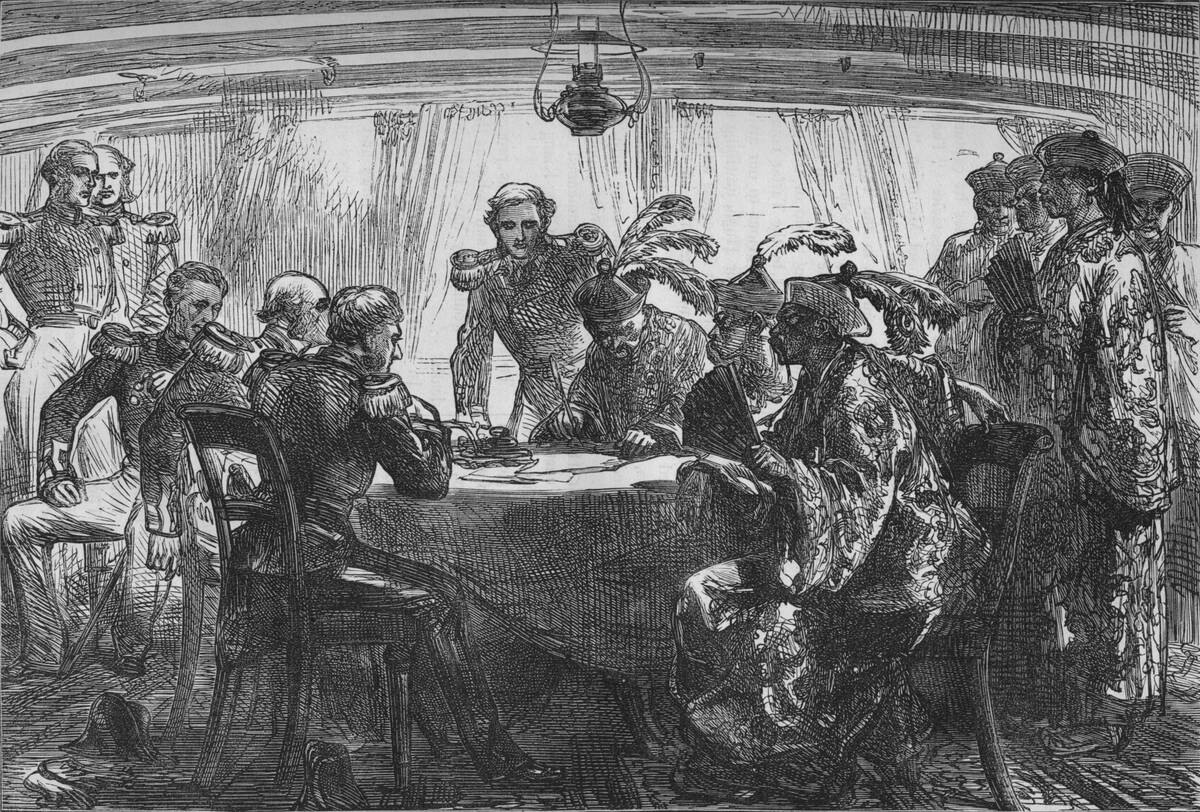
Signed in 1842, the Treaty of Nanking concluded the First Opium War between Britain and China. This treaty marked the beginning of the "Unequal Treaties" era, with China ceding Hong Kong to Britain and opening several ports to British trade.
It was a significant moment that altered the course of Chinese history, signaling the start of Western influence in Asia. The treaty also paved the way for modern international trade practices, albeit under coercive circumstances.
The Treaty of Kanagawa (1854): Japan’s Entry into the International Arena
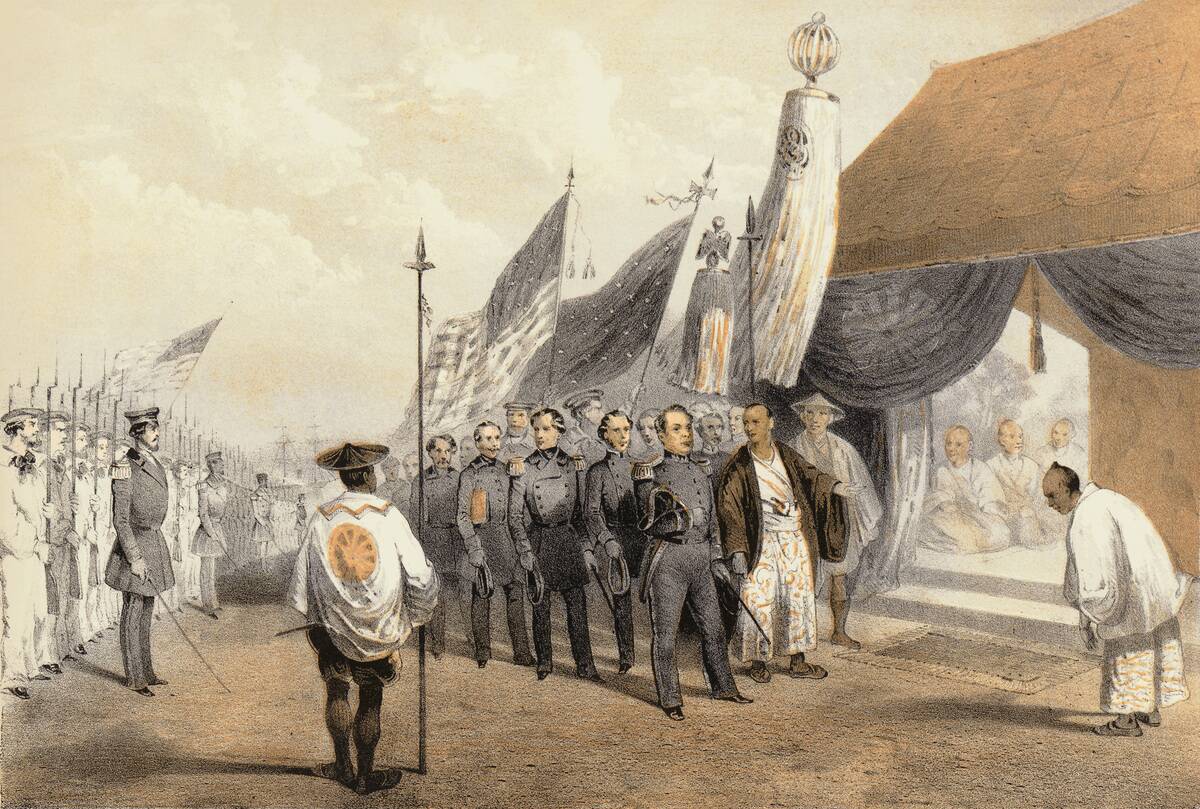
In 1854, the Treaty of Kanagawa was signed between the United States and Japan, marking the end of Japan’s isolationist policy known as Sakoku. This treaty opened Japanese ports to American ships and established diplomatic relations.
Commodore Matthew Perry’s expeditions were instrumental in this development, which led to Japan’s rapid modernization and emergence as a global power. The treaty was a catalyst for Japan’s transformation and its significant role in international affairs.
Berlin Conference (1885): Scramble for Africa and Its Lasting Effects
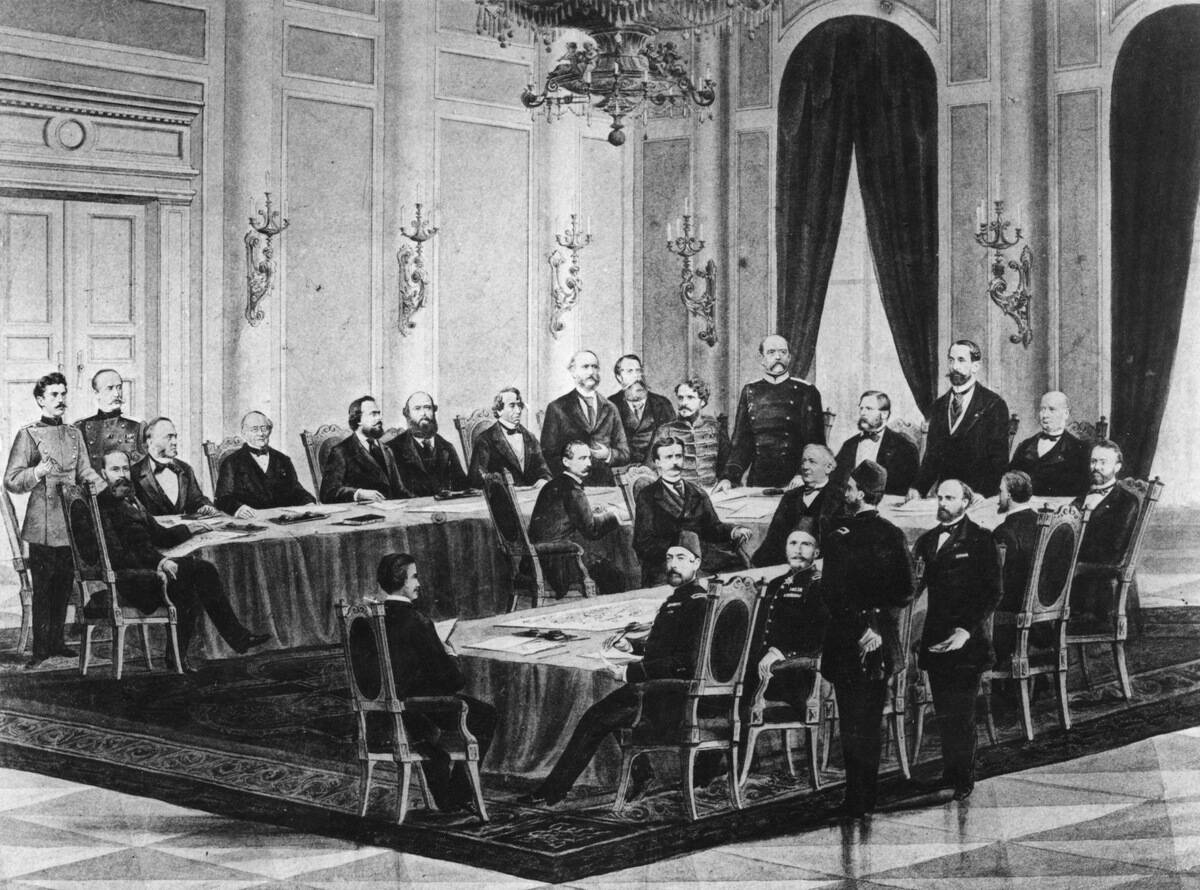
The Berlin Conference, or General Act of Berlin in 1885 was pivotal in formalizing the partitioning of Africa among European powers, an event often referred to as the Scramble for Africa. This treaty aimed to avoid conflict between colonizing countries by establishing rules for acquiring African territories.
However, it disregarded the cultural and social structures of African societies, leading to long-lasting repercussions. The arbitrary borders drawn then continue to impact African nations’ political and social dynamics today.
The Hague Conventions (1899 & 1907): The Foundation of Modern War Laws
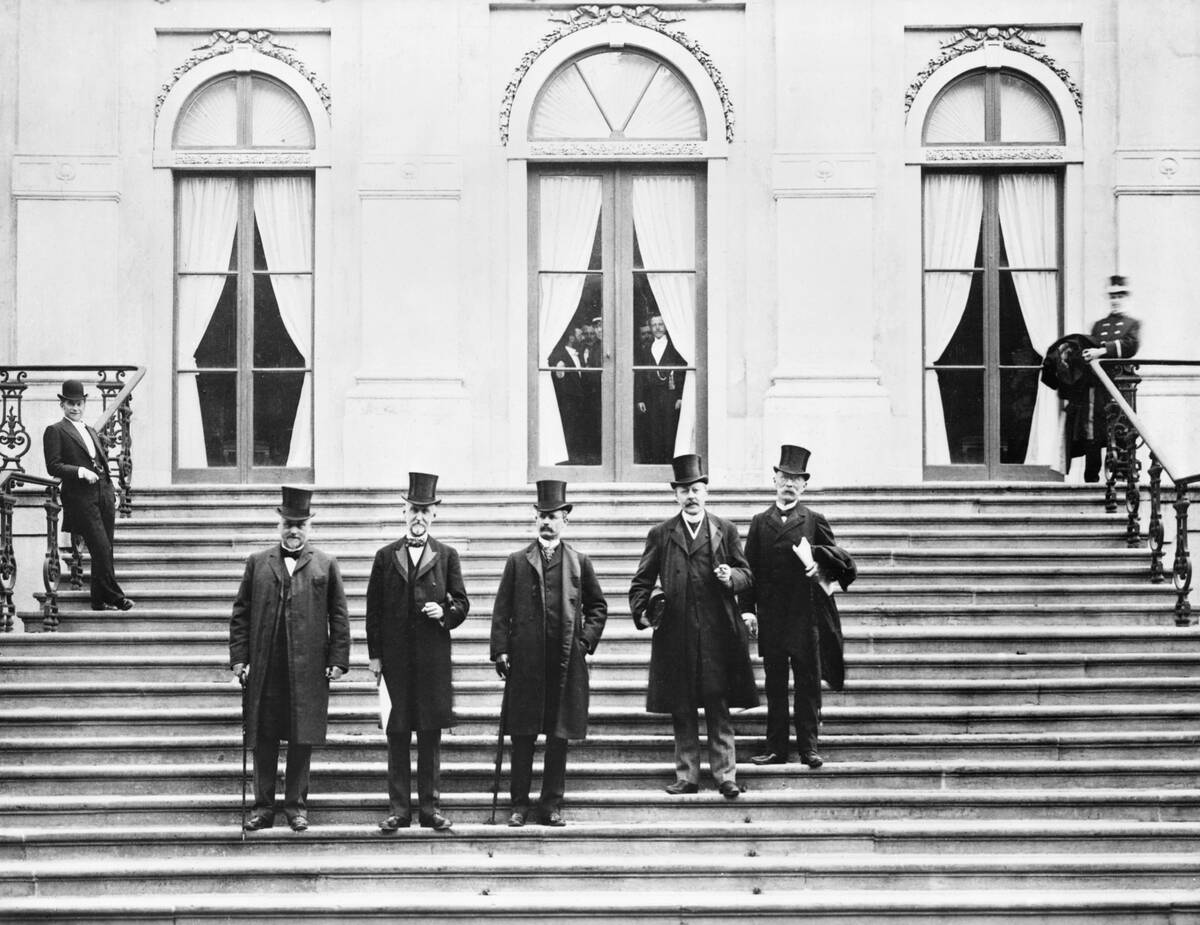
The Hague Conventions of 1899 and 1907 were among the first formal statements of the laws of war and war crimes in international law. These treaties sought to regulate the conduct of war, emphasizing the humane treatment of combatants and civilians.
They introduced concepts such as the prohibition of certain weapons and the establishment of war tribunals. The conventions laid the groundwork for later international humanitarian law, influencing treaties like the Geneva Conventions.
The Treaty of Versailles (1919): Reshaping Europe and the Seeds of Future Conflict
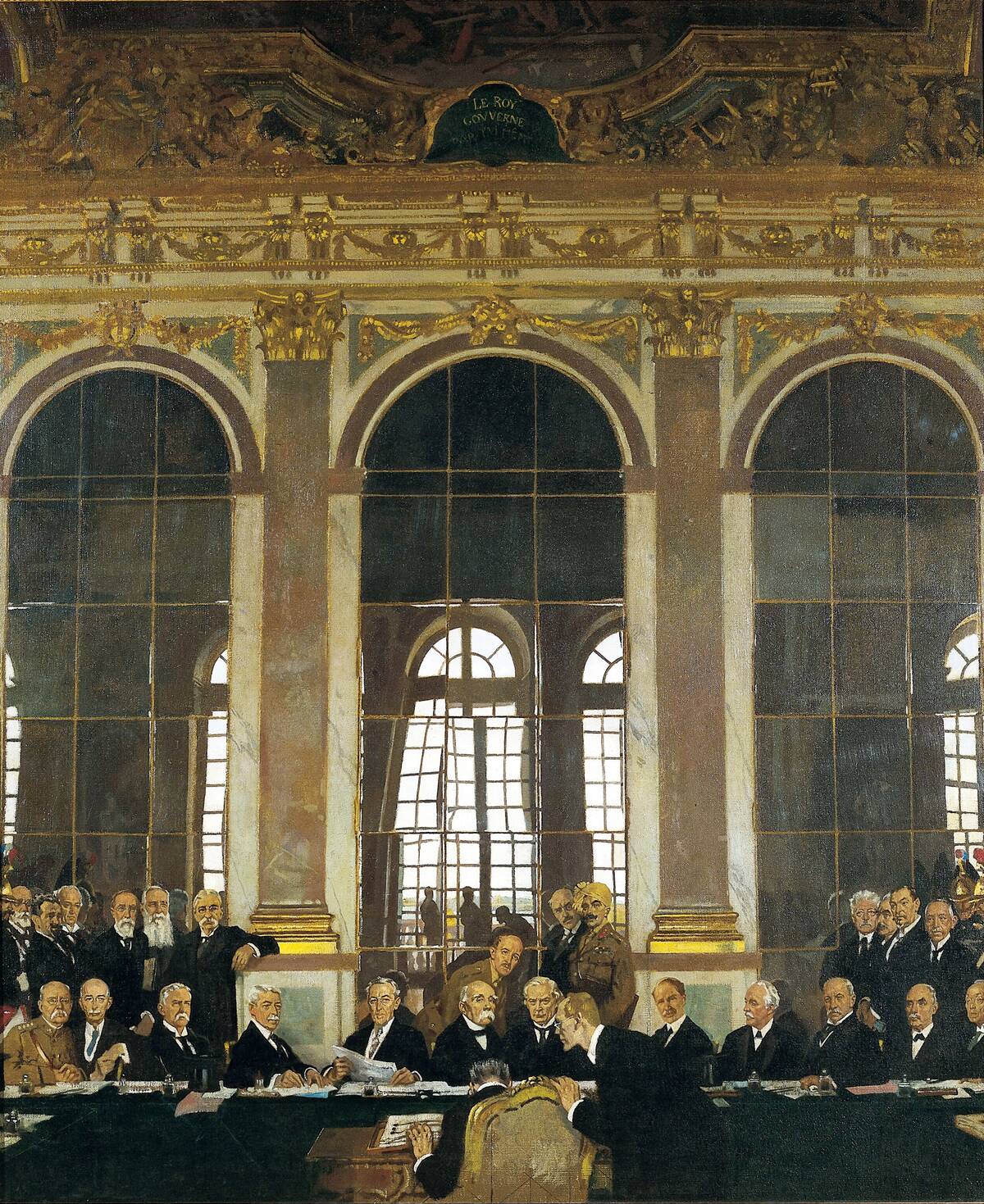
Signed in 1919, the Treaty of Versailles ended World War I and imposed heavy reparations on Germany.
The treaty redrew the map of Europe, creating new nations and altering borders. While it aimed to ensure lasting peace, its harsh terms are often cited as a factor leading to World War II. The treaty’s legacy is a testament to the complexities of peacemaking and the unintended consequences of punitive measures on international stability.
The Kellogg-Briand Pact (1928): A Noble Attempt at Outlawing War
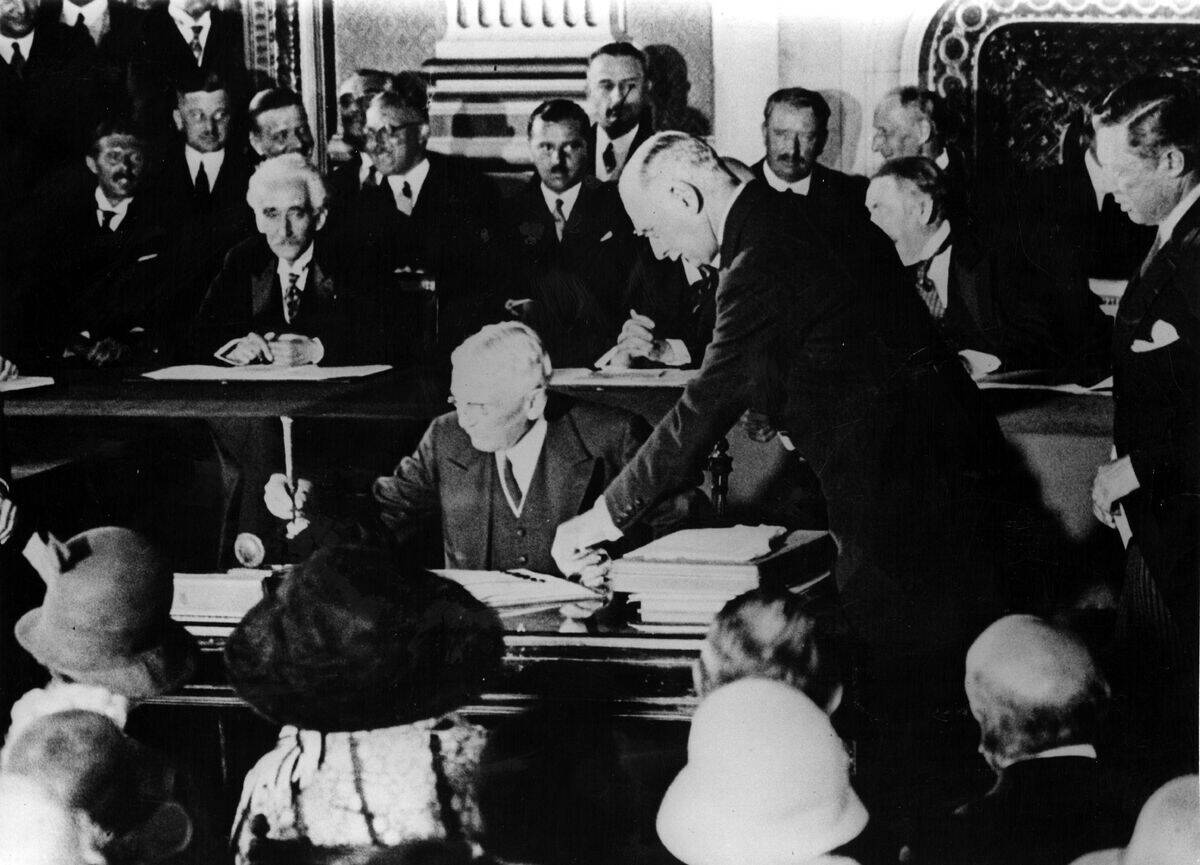
The Kellogg-Briand Pact of 1928 was an ambitious international agreement aimed at renouncing war as a means of resolving disputes. Signed by major powers including the United States, France, and Germany, the pact reflected the idealistic aspirations of the interwar period.
Despite its noble intentions, the pact lacked enforcement mechanisms, limiting its effectiveness. Nevertheless, it represented an important step towards the development of international norms against aggressive warfare.
The United Nations Charter (1945): Establishing a New World Order
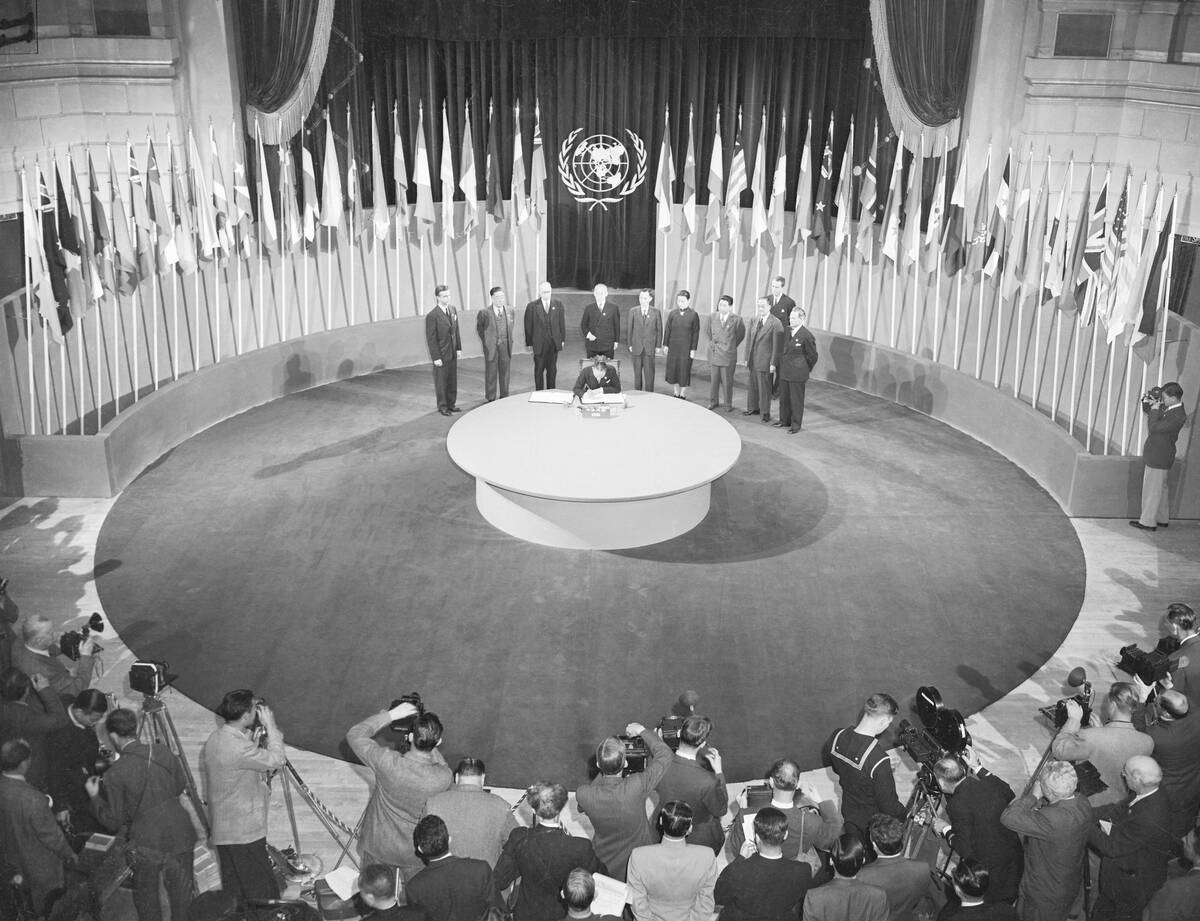
The United Nations Charter, signed in 1945, was a landmark document that established the United Nations and set the framework for international cooperation post-World War II. With a mission to maintain peace and security, promote human rights, and foster social and economic development, the UN Charter has been central to addressing global challenges.
It symbolizes a commitment to multilateralism and the collective effort to prevent future conflicts, shaping the world order we know today.
The Geneva Conventions (1949): Protecting Humanity in Times of War
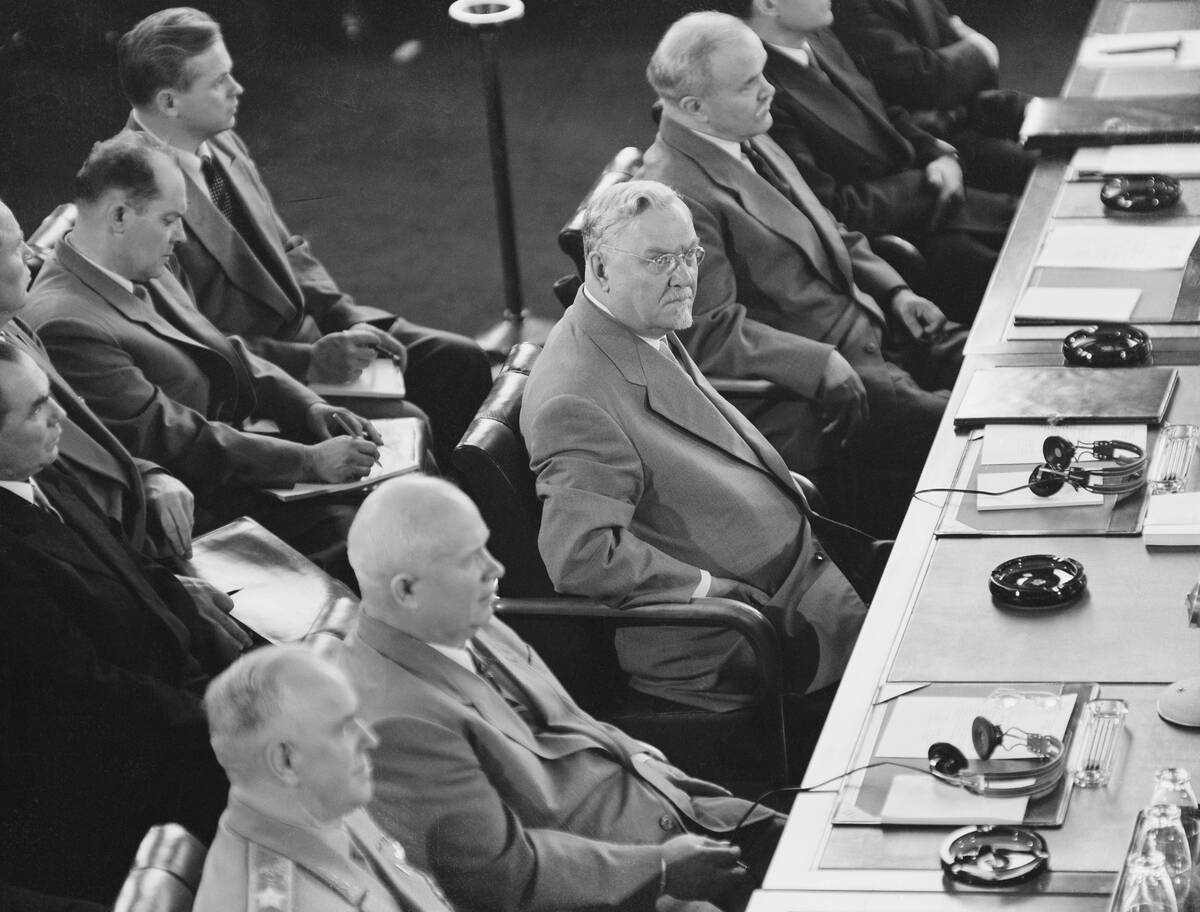
The Geneva Conventions of 1949 are a series of treaties that establish international legal standards for humanitarian treatment in war. They focus on the protection of non-combatants, prisoners of war, and the wounded.
These conventions are a cornerstone of international humanitarian law, underscoring the need for compassion and respect for human dignity even amidst conflict. The Geneva Conventions have been ratified by virtually all nations, reflecting a global consensus on the principles of humane warfare.
The Treaty of Rome (1957): Laying the Foundation for the European Union
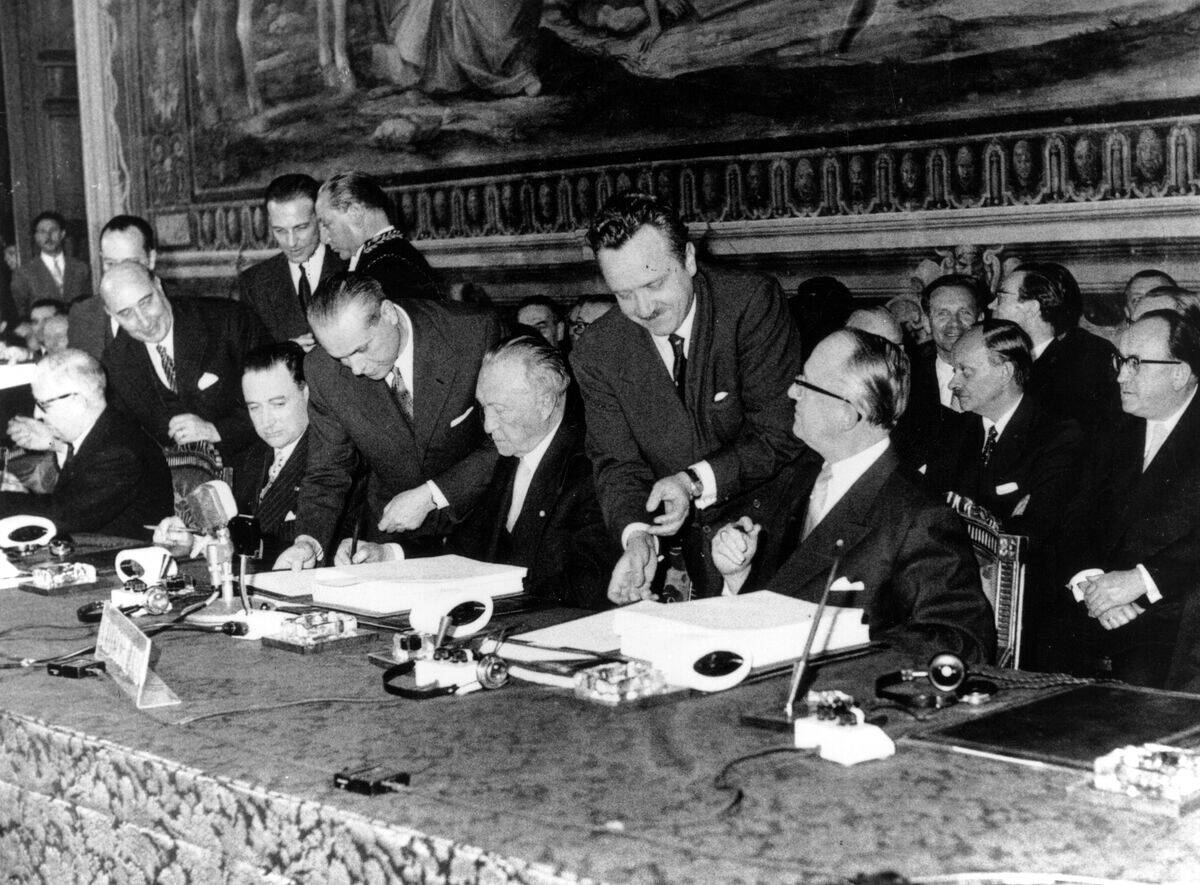
The Treaty of Rome, signed in 1957, was a monumental step towards European integration, creating the European Economic Community (EEC). This treaty laid the groundwork for what would eventually become the European Union, fostering economic cooperation and reducing barriers to trade among member states.
By promoting stability and prosperity, the Treaty of Rome has been instrumental in the EU’s evolution, encouraging a collective European identity and the pursuit of peace on the continent.
The Outer Space Treaty (1967): Peaceful Uses and Global Cooperation Beyond Earth
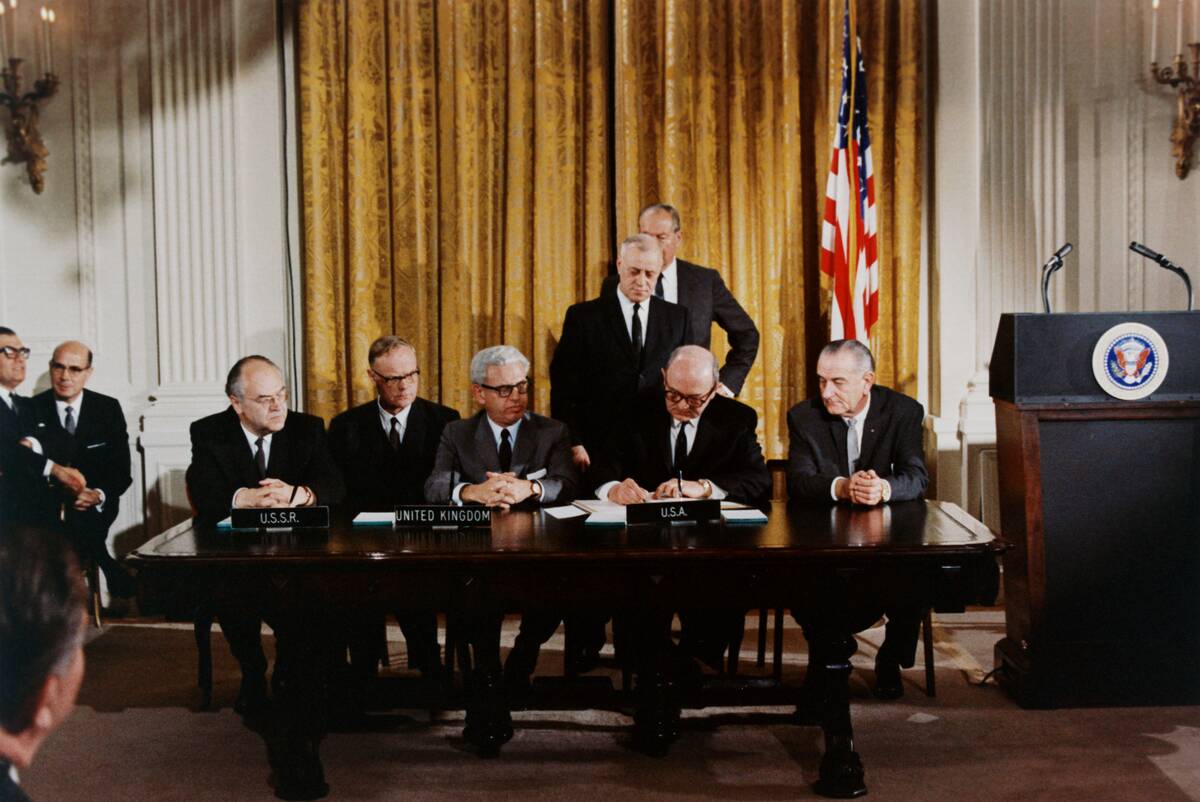
The Outer Space Treaty of 1967 was a pioneering agreement that established the principles for the use of outer space. It emphasized the peaceful exploration of space and prohibited the placement of nuclear weapons in orbit.
The treaty underscores the idea that space should be a domain for all humankind, free from national appropriation. As space exploration continues to advance, this treaty remains a bedrock for international collaboration and the sustainable use of the cosmos.
The Treaty on the Non-Proliferation of Nuclear Weapons (1968): Controlling the Atom
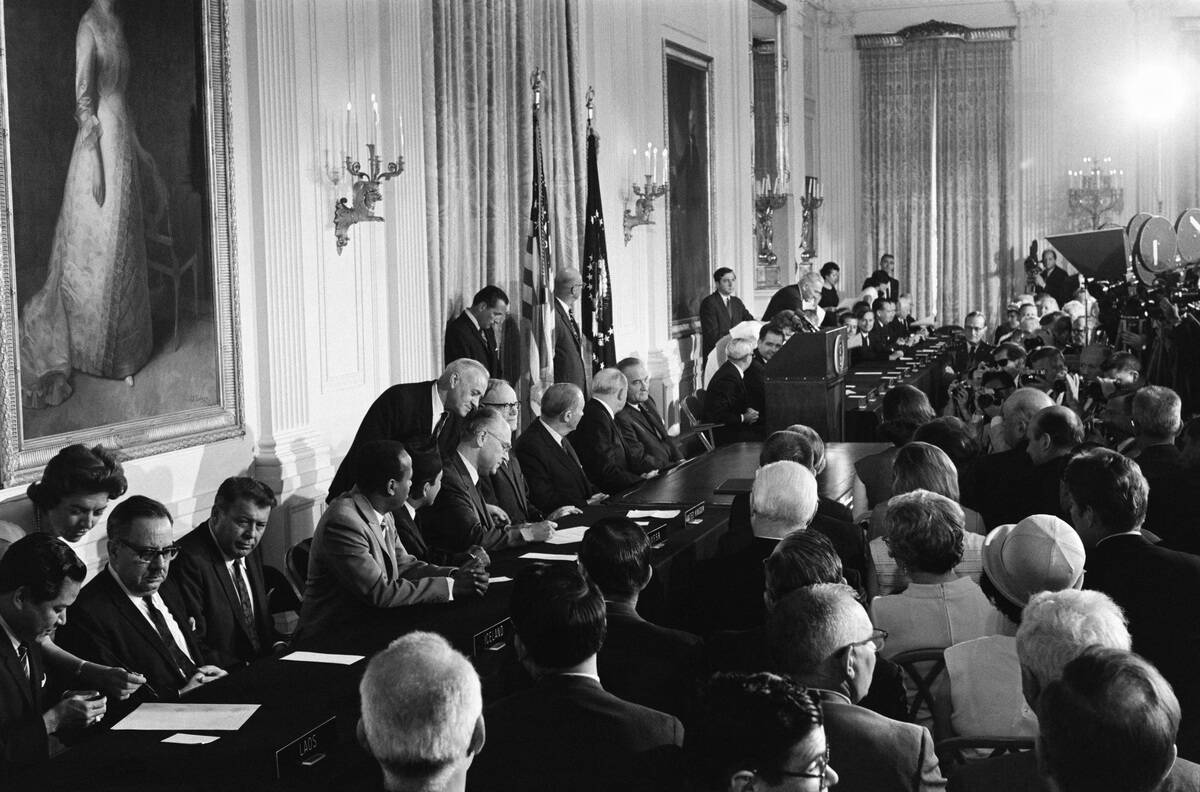
The Treaty on the Non-Proliferation of Nuclear Weapons (NPT), signed in 1968, is a cornerstone of global efforts to prevent the spread of nuclear weapons. The treaty seeks to promote the peaceful use of nuclear energy while preventing the development of new nuclear arsenals.
With widespread international support, the NPT has played a crucial role in nuclear disarmament discussions and efforts to ensure that nuclear technology does not contribute to global instability.
The Helsinki Accords (1975): Human Rights and Security in the Cold War Era
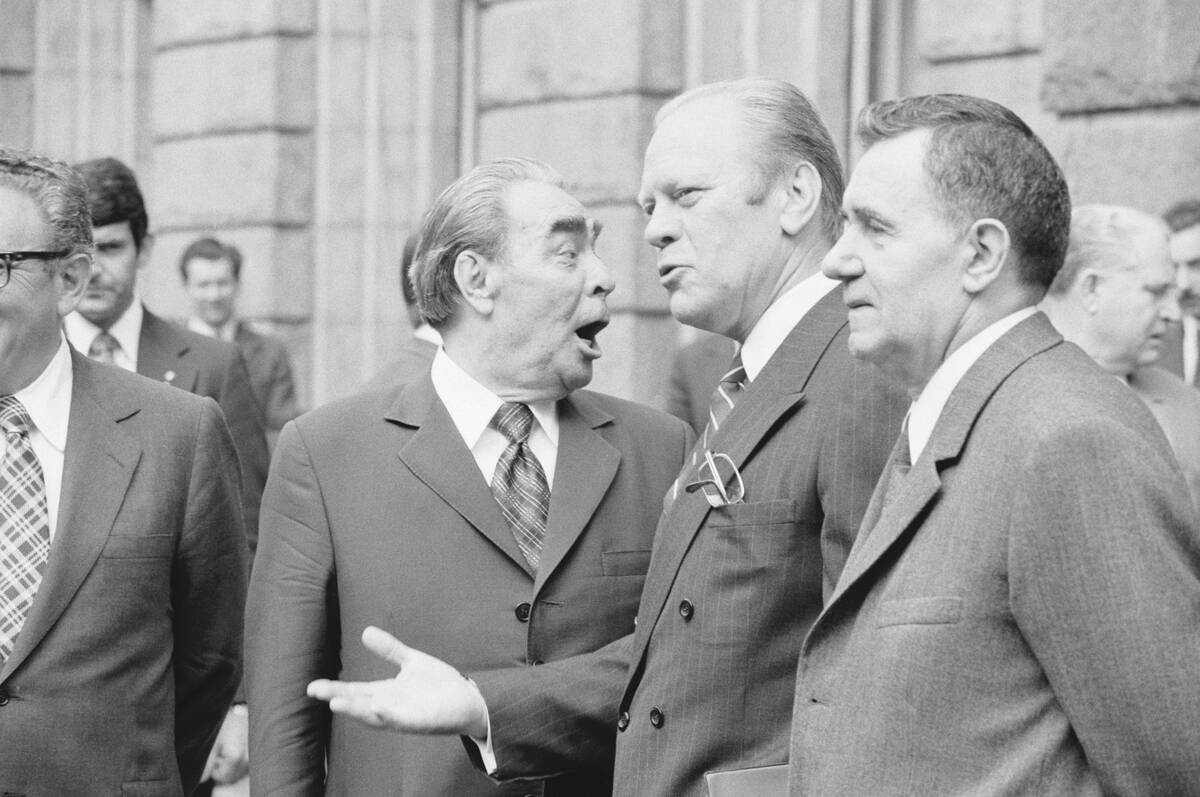
The Helsinki Accords, signed in 1975, were a major diplomatic agreement during the Cold War, emphasizing respect for human rights and fundamental freedoms. The accords played a significant role in easing tensions between the Eastern and Western blocs, promoting cooperation on economic, scientific, and humanitarian issues.
While not legally binding, they were influential in the eventual dissolution of the Soviet Union, highlighting the power of soft diplomacy in international relations.




