Pioneering women breaking barriers in scientific fields
Throughout history, women have made significant contributions to science, although their achievements were often overshadowed and under-appreciated. Today, we celebrate these pioneering women whose work has changed the world.
From physics to medicine, these trailblazers have paved the way for future generations of women scientists, breaking barriers and setting benchmarks. Join us on a journey through time as we explore the lives and legacies of these remarkable women.
The Early Days: Women in Science Before the 20th Century
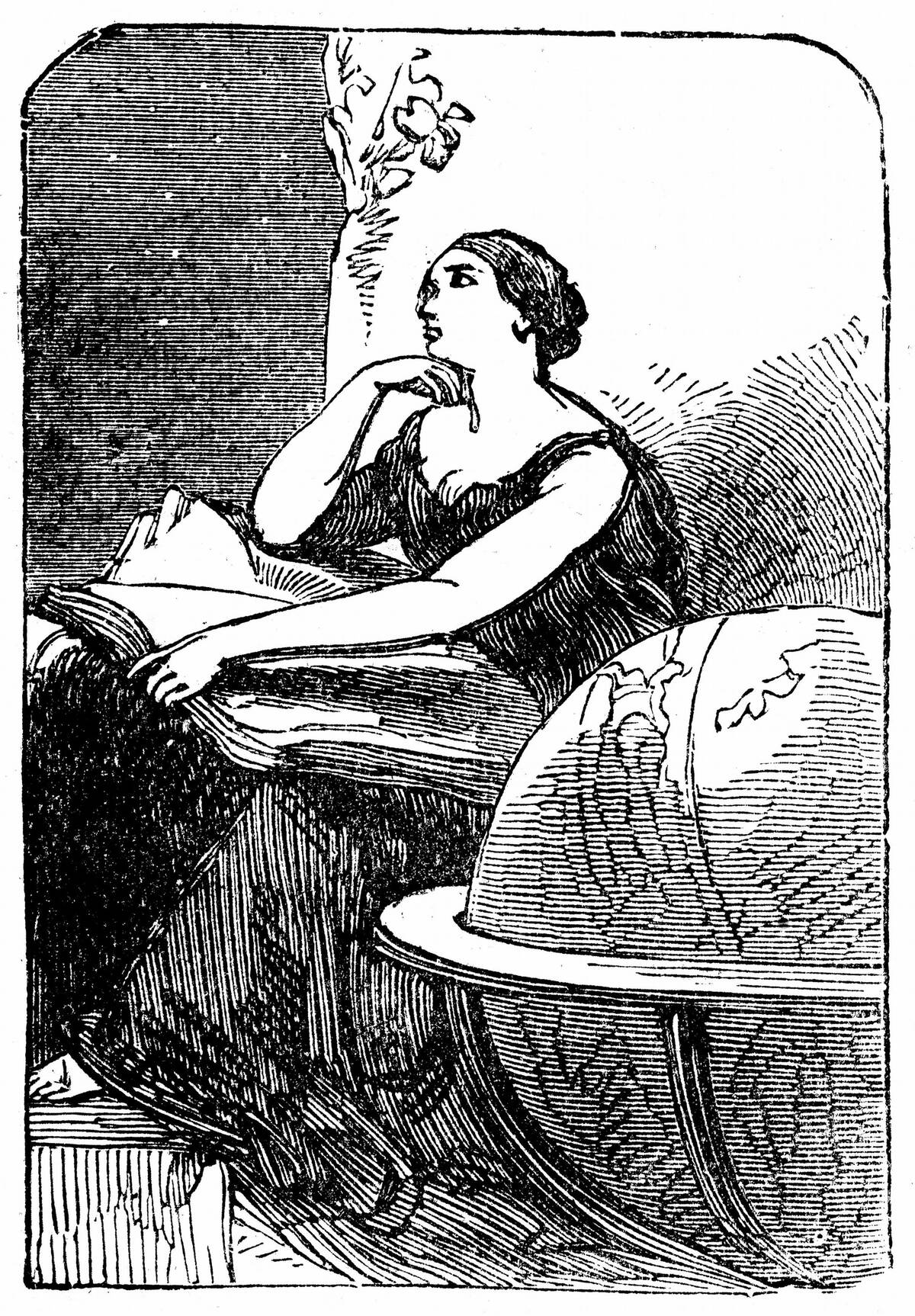
Long before the 20th century, women like Hypatia of Alexandria and Maria Sibylla Merian were making strides in science. Hypatia, a mathematician and astronomer of ancient Egypt, was known for her work in mathematics and philosophy.
Meanwhile, Merian, a 17th-century naturalist, was one of the first to study and document the metamorphosis of insects. These women laid the groundwork for future female scientists, showing that curiosity and talent know no gender.
Marie Curie: The First Lady of Physics and Chemistry
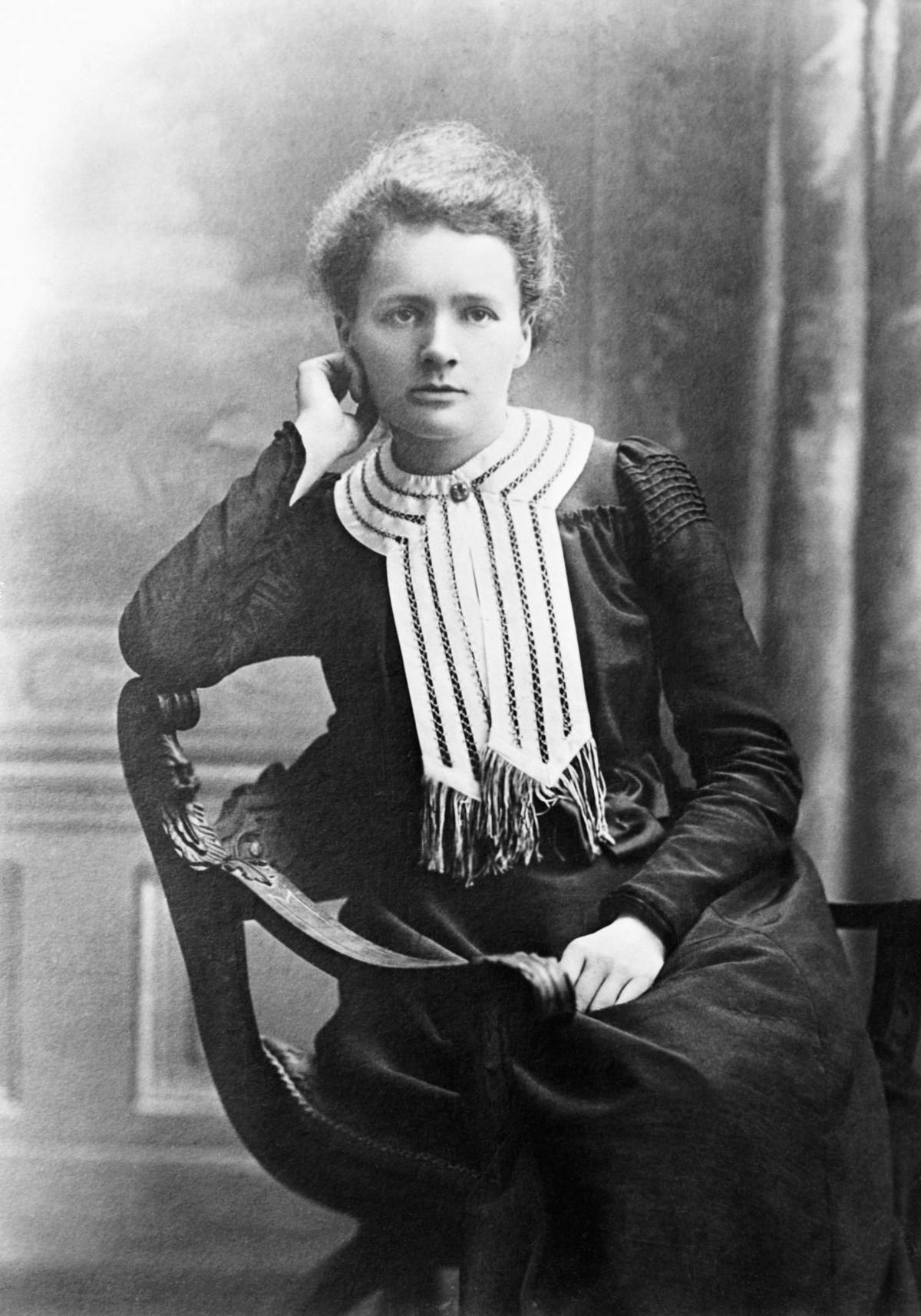
Marie Curie was a trailblazer in the fields of physics and chemistry, known for her pioneering research on radioactivity. She was the first woman to win a Nobel Prize and remains the only person to win Nobel Prizes in two different scientific fields: Physics in 1903 and Chemistry in 1911.
Curie’s discovery of the elements polonium and radium opened up new research paths, revolutionizing medical treatments and scientific understanding.
Rosalind Franklin: Unraveling the Mystery of DNA
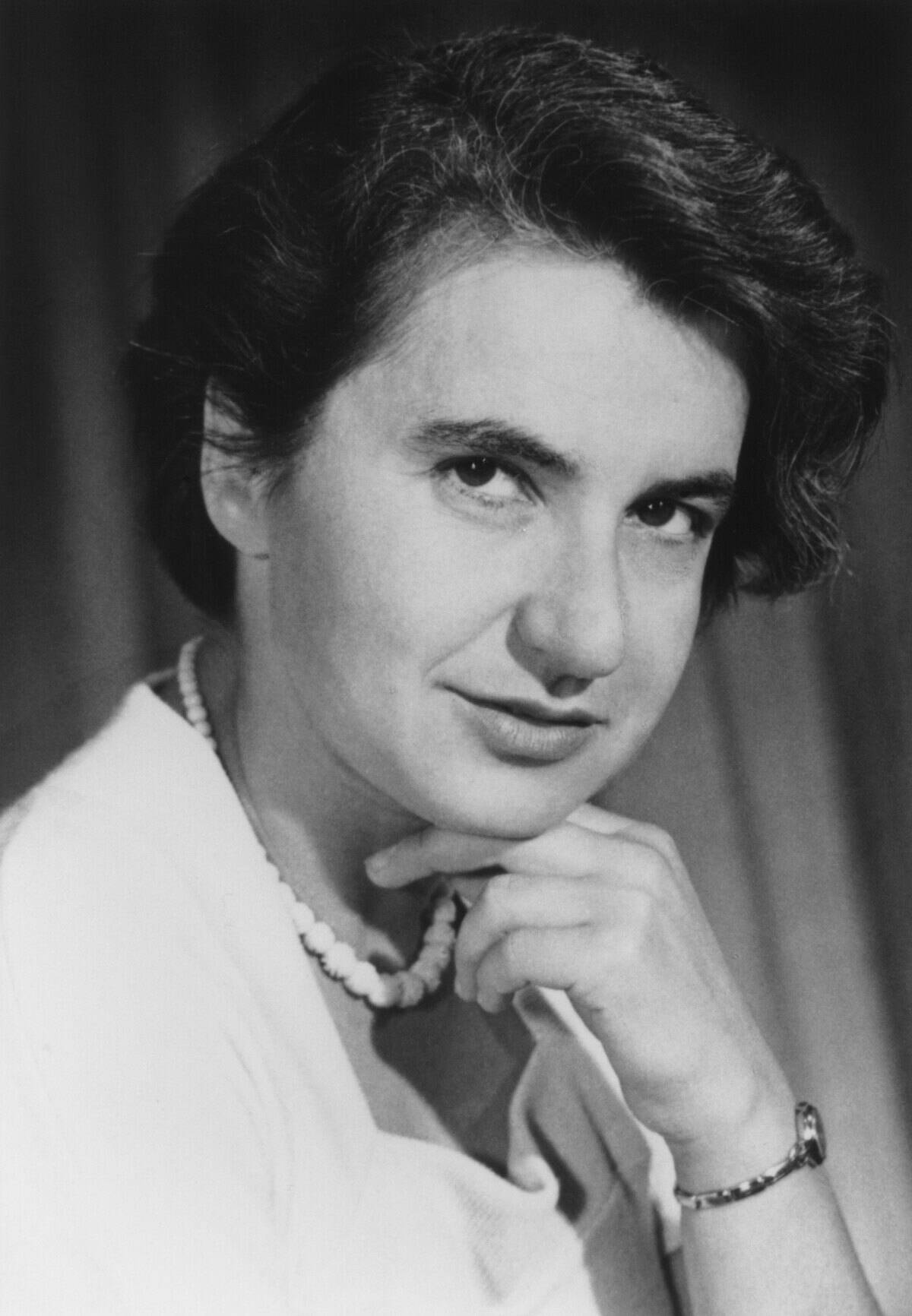
Rosalind Franklin’s contributions to the discovery of the DNA double helix were crucial yet often overlooked. Her X-ray diffraction images of DNA, particularly Photo 51, provided key insights into its structure.
Although Watson and Crick received the Nobel Prize for this discovery, Franklin’s work was fundamental in understanding the molecular structures of DNA, RNA, viruses, coal, and graphite, shaping the future of genetics and molecular biology.
Ada Lovelace: The Enchantress of Numbers
![Portrait Of [redacted]](https://media.tellmebest.com/wp-content/uploads/2023/08/portrait-of-ada-byron-24732.jpeg)
Ada Lovelace, often regarded as the world’s first computer programmer, worked on Charles Babbage’s early mechanical general-purpose computer, the Analytical Engine. Her notes included what is recognized as the first algorithm intended to be processed by a machine.
Lovelace’s visionary ideas about the potential of computers went beyond mere calculation, anticipating future capabilities in a time when such concepts were revolutionary.
Chien-Shiung Wu: The First Lady of Physics

Chien-Shiung Wu was an experimental physicist who made significant contributions to nuclear physics. Best known for her role in the Manhattan Project, Wu later conducted the Wu experiment, which disproved the law of conservation of parity. T
his groundbreaking work earned her the Wolf Prize in Physics in 1978. Her achievements challenged the scientific community and earned her the nickname “The First Lady of Physics.”
Rachel Carson: Mother of Environmental Science
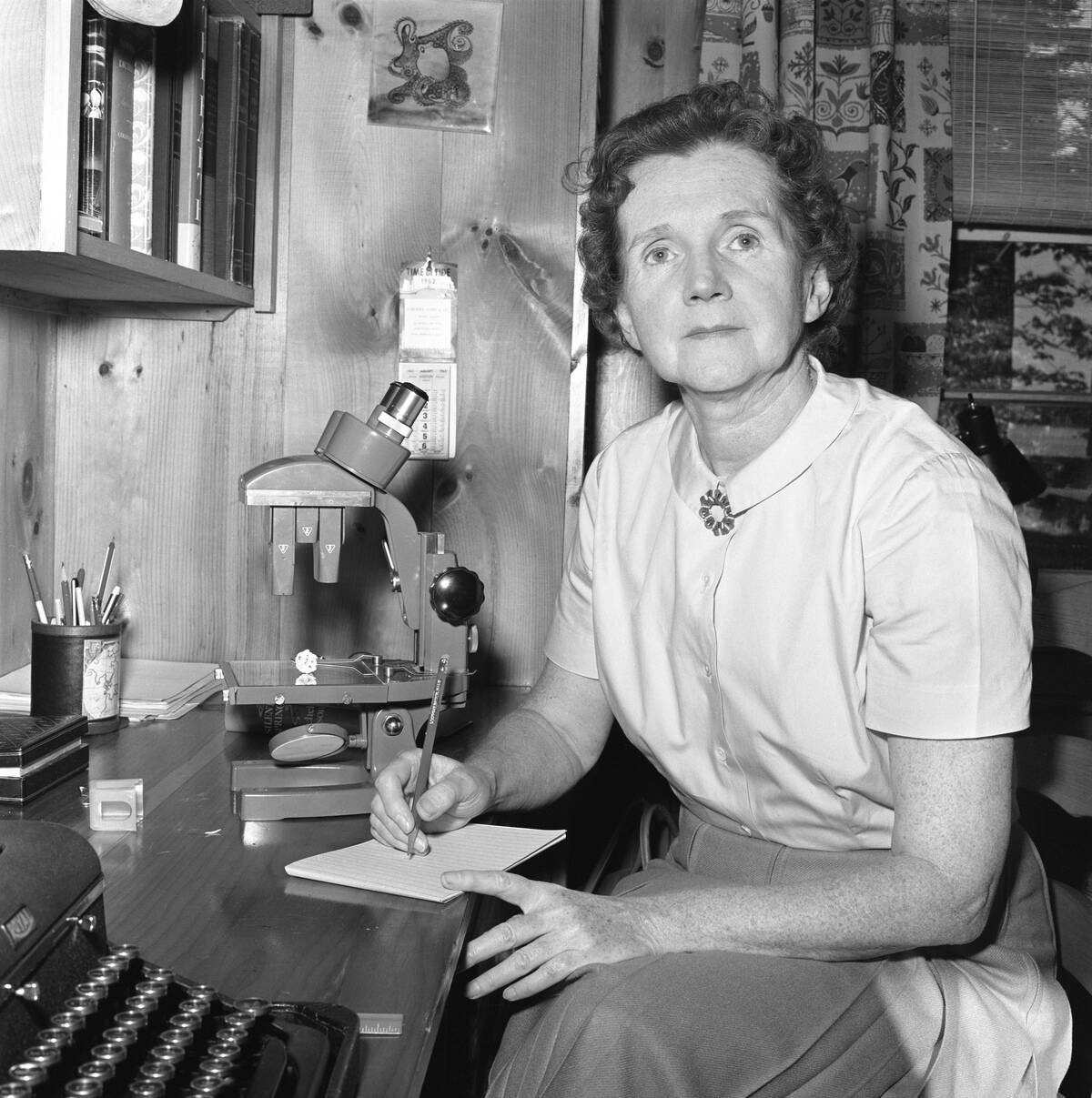
Rachel Carson’s seminal work, “Silent Spring,” published in 1962, is credited with advancing the global environmental movement. Her research warned of the dangers of pesticides, particularly DDT, on ecosystems, sparking a change in policies and public awareness.
Carson’s passion for nature and science led to significant environmental policy reforms and inspired a generation of environmentalists dedicated to preserving our planet.
Jane Goodall: Revolutionizing Primatology
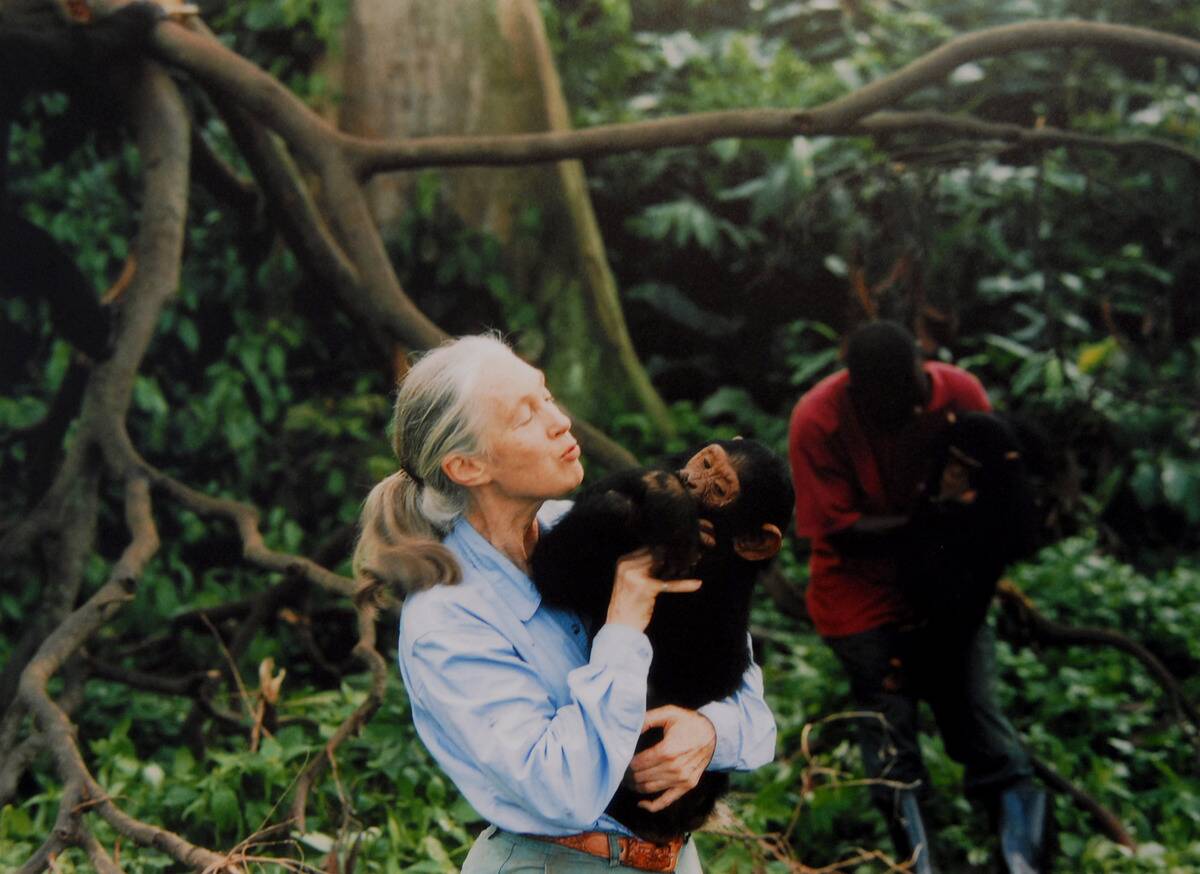
Jane Goodall’s groundbreaking research on chimpanzees changed our understanding of primates and their relationship to humans. Her long-term study in Tanzania’s Gombe Stream National Park revealed that chimpanzees make and use tools, a trait once thought unique to humans.
Goodall’s work has not only provided deep insights into primate behavior but also highlighted the importance of conservation and animal welfare.
Katherine Johnson: A Human Computer at NASA
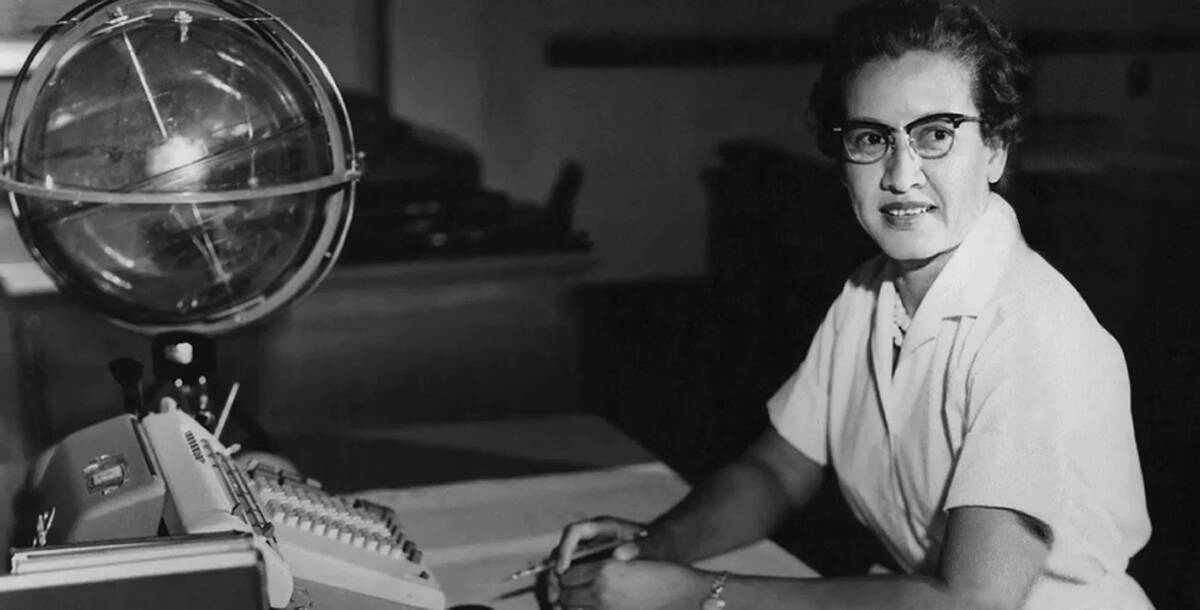
Katherine Johnson’s mathematical prowess was crucial to NASA’s success during the space race. Her calculations helped ensure the safe return of astronauts during the Apollo missions, including the famous Apollo 11 moon landing in 1969.
Johnson’s work broke both gender and racial barriers, proving that talent and intellect are key to scientific progress, and inspiring countless women and minorities to pursue careers in STEM fields.
Lise Meitner: The Unsung Hero of Nuclear Fission
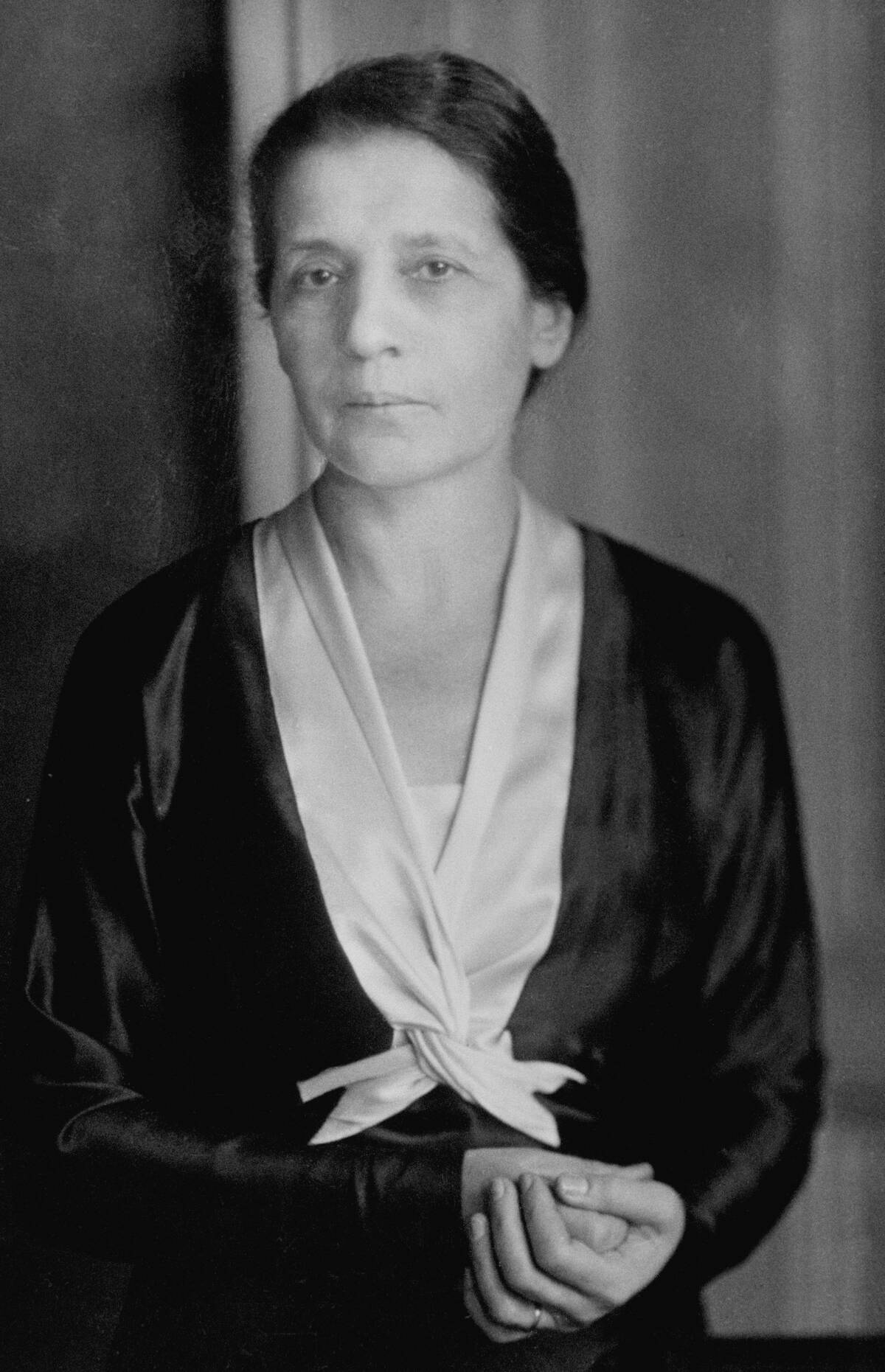
Lise Meitner was a physicist whose research led to the discovery of nuclear fission, the process that powers nuclear reactors and atomic bombs. Despite her critical contributions, she was overlooked for the Nobel Prize, which was awarded to her collaborator Otto Hahn.
Meitner’s perseverance and dedication to science in the face of adversity have inspired many in the scientific community, and she is recognized as a pioneering figure in nuclear physics.
Dorothy Hodgkin: Pioneering X-ray Crystallography
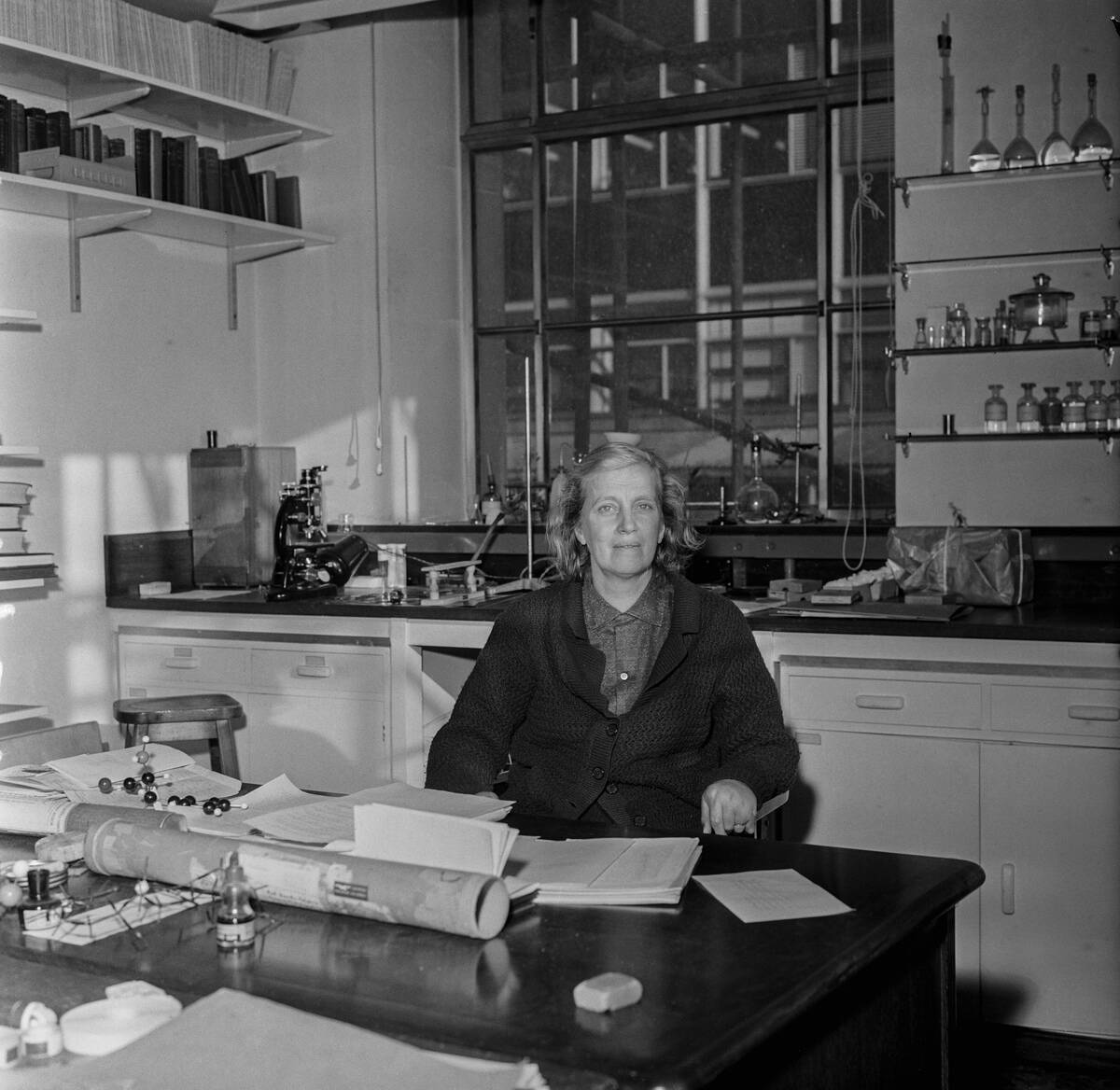
Dorothy Hodgkin was a pioneer in the field of X-ray crystallography, a technique that reveals the structures of biomolecules. Her most notable achievements include determining the structures of penicillin and vitamin B12, for which she received the Nobel Prize in Chemistry in 1964.
Hodgkin’s work laid the foundation for modern drug development and our understanding of complex biological molecules, impacting both science and medicine.
Barbara McClintock: Discovering Genetic Transposition
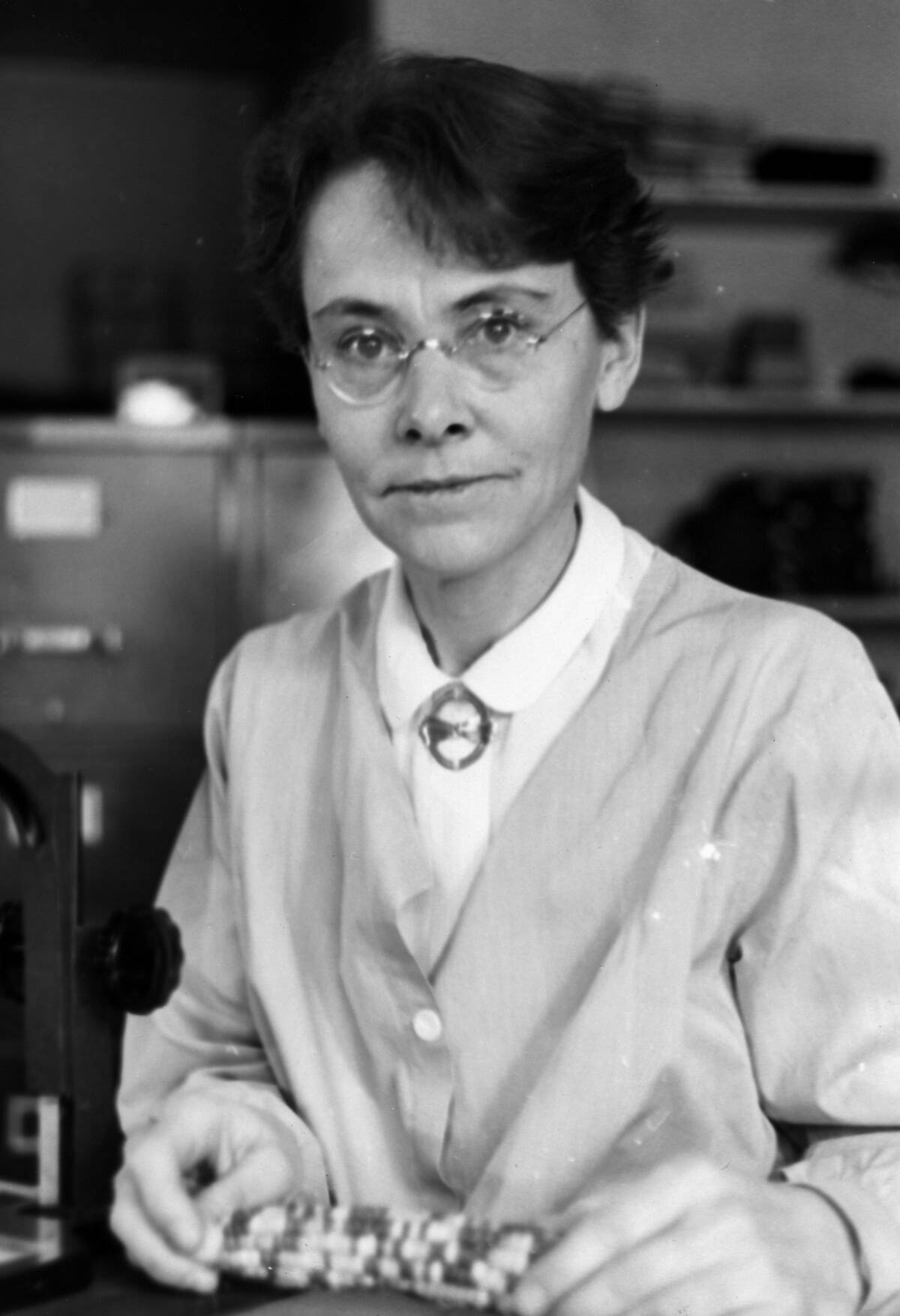
Barbara McClintock was a cytogeneticist whose discovery of genetic transposition, or “jumping genes,” revolutionized genetics. Her groundbreaking work with maize demonstrated that genes could change position on chromosomes, a concept that was initially met with skepticism.
McClintock’s persistence paid off, and she was awarded the Nobel Prize in Physiology or Medicine in 1983, becoming one of the most respected figures in the field of genetics.
Vera Rubin: Illuminating the Dark Matter Mystery
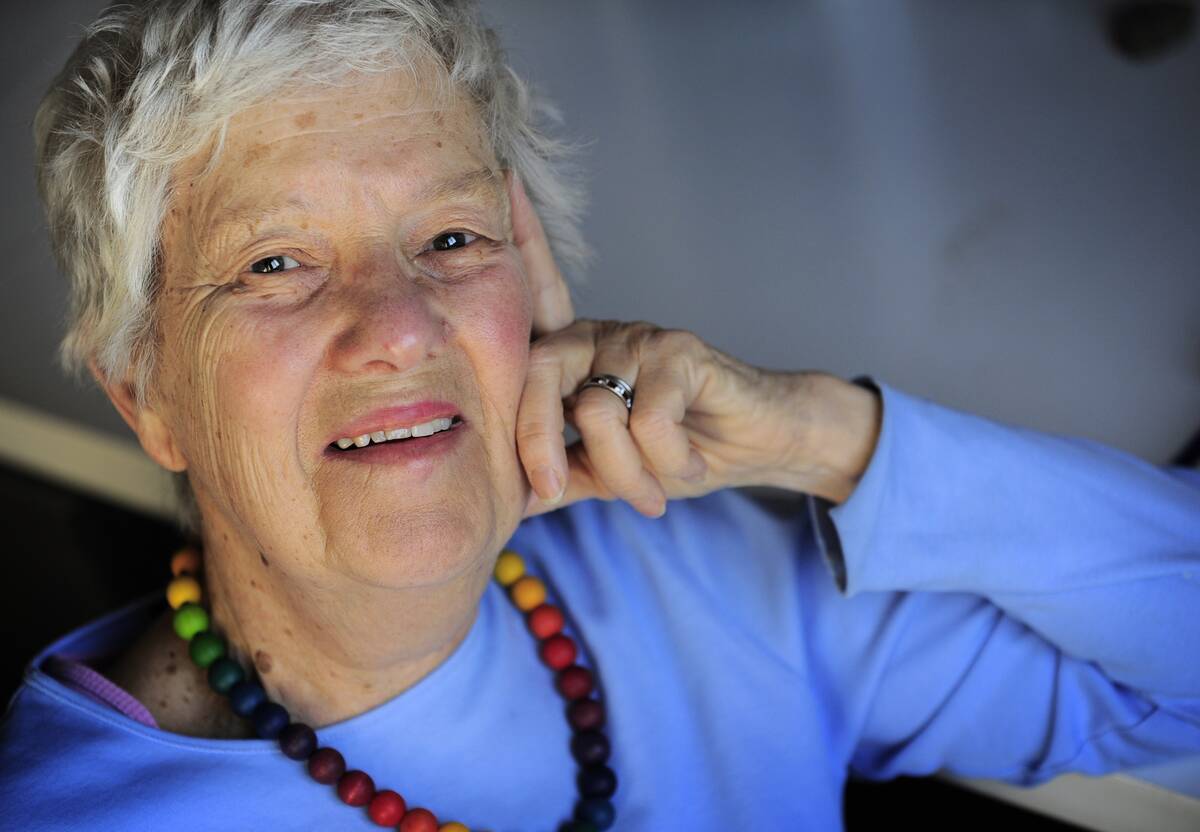
Vera Rubin’s research provided the first evidence of dark matter, a mysterious substance that makes up most of the universe’s mass. Through her study of galaxy rotation curves, Rubin showed that galaxies rotate at a speed that cannot be explained by visible matter alone.
Her work was pivotal in confirming the existence of dark matter, reshaping our understanding of the universe and inspiring a new era of astronomical research.
Mae Jemison: Breaking Barriers in Space Exploration
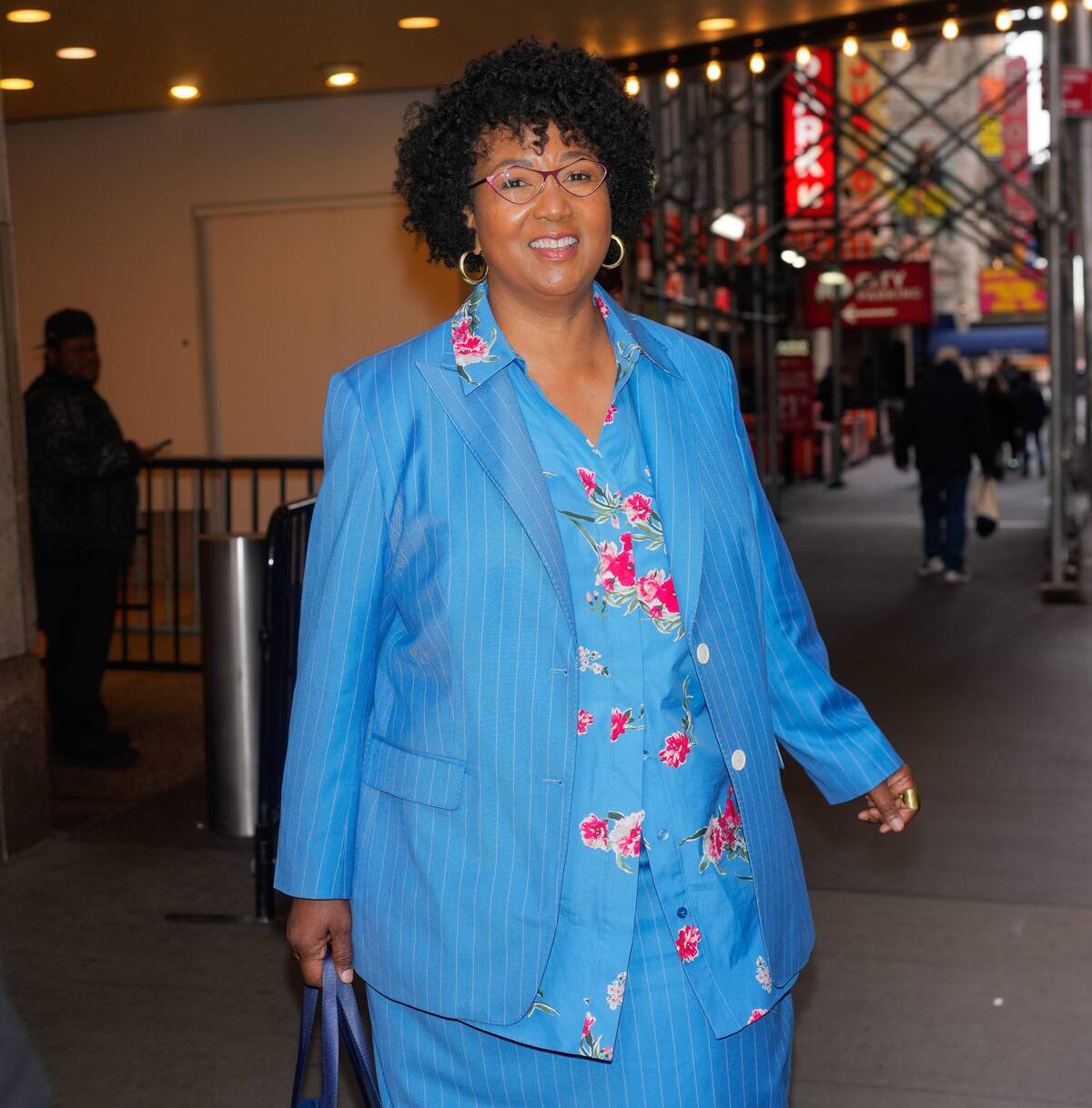
Mae Jemison made history as the first African American woman to travel in space when she flew aboard the Space Shuttle Endeavour in 1992. A physician and engineer, Jemison’s journey to space was a testament to her determination and passion for exploration.
Beyond her NASA career, she has been an advocate for science education and diversity in STEM, inspiring future generations to reach for the stars.
Tu Youyou: Herbal Medicine Meets Modern Science
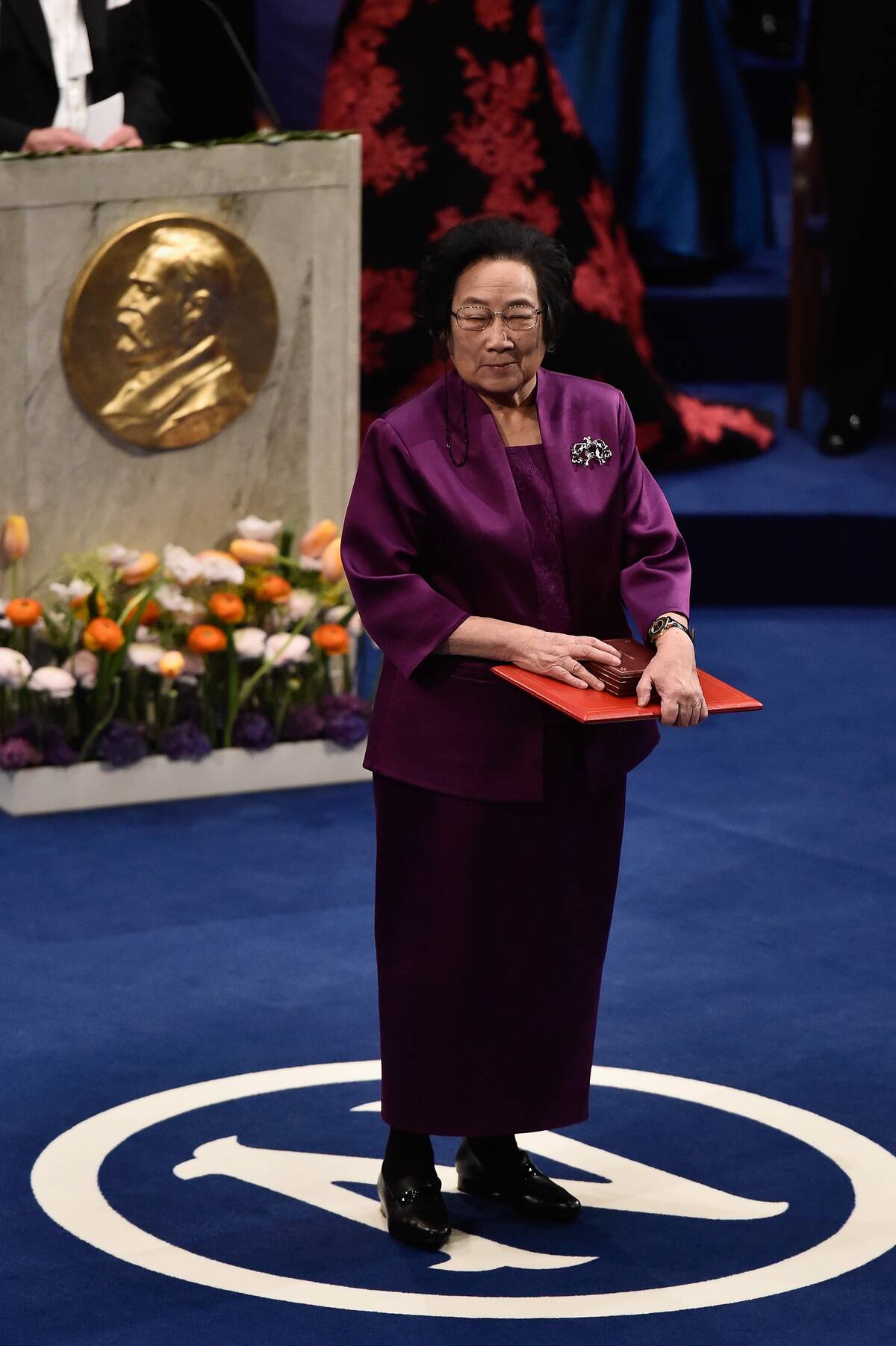
Tu Youyou, a pharmacologist, was awarded the Nobel Prize in Physiology or Medicine in 2015 for her role in discovering artemisinin, a drug that has saved millions of lives from malaria.
Her work blends traditional Chinese medicine with modern scientific methods, highlighting the potential of ancient knowledge in addressing contemporary health challenges. Tu’s discovery has had a profound impact on global health, particularly in malaria-endemic regions.
Modern-Day Trailblazers: Continuing the Legacy of Innovation

Today’s women in science continue to break new ground and innovate across various fields. Scientists like Jennifer Doudna, co-creator of CRISPR gene-editing technology, and astrophysicist Katie Bouman, who helped develop the algorithm that produced the first image of a black hole, are paving the way for future discoveries.
These modern trailblazers embody the spirit of their predecessors, proving that the legacy of women in science is alive and thriving.




