Cultural symbols that surpass time and borders
Cultural symbols have the power to transcend language and time, offering a visual shorthand for complex ideas and beliefs. These symbols, steeped in history, shape how societies understand themselves and the world.
From ancient times to the modern era, they continue to influence art, religion, and personal identity. This article explores some of the most enduring symbols, revealing the stories and meanings that have allowed them to remain relevant through centuries.
The Ubiquitous Power of the Circle
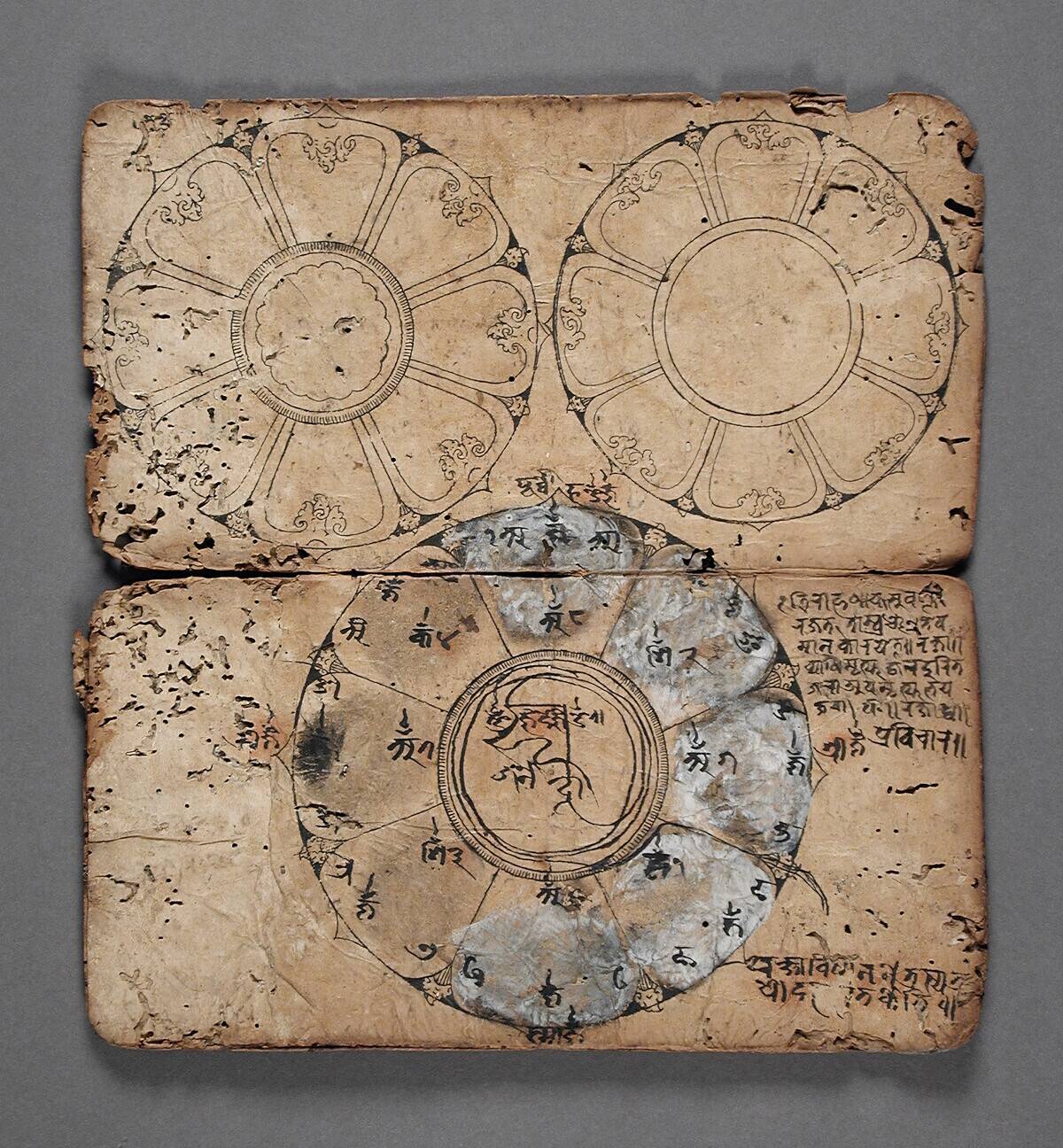
The circle is perhaps one of the most universally recognized symbols, representing concepts such as unity, infinity, and the cyclical nature of life. Its seamless form suggests wholeness, having neither beginning nor end. In many cultures, it signifies protection, inclusion, and the cosmos.
For instance, Native American medicine wheels and the mandalas of Hindu and Buddhist traditions use circles to convey spiritual completeness and harmony.
The Enduring Strength of the Cross
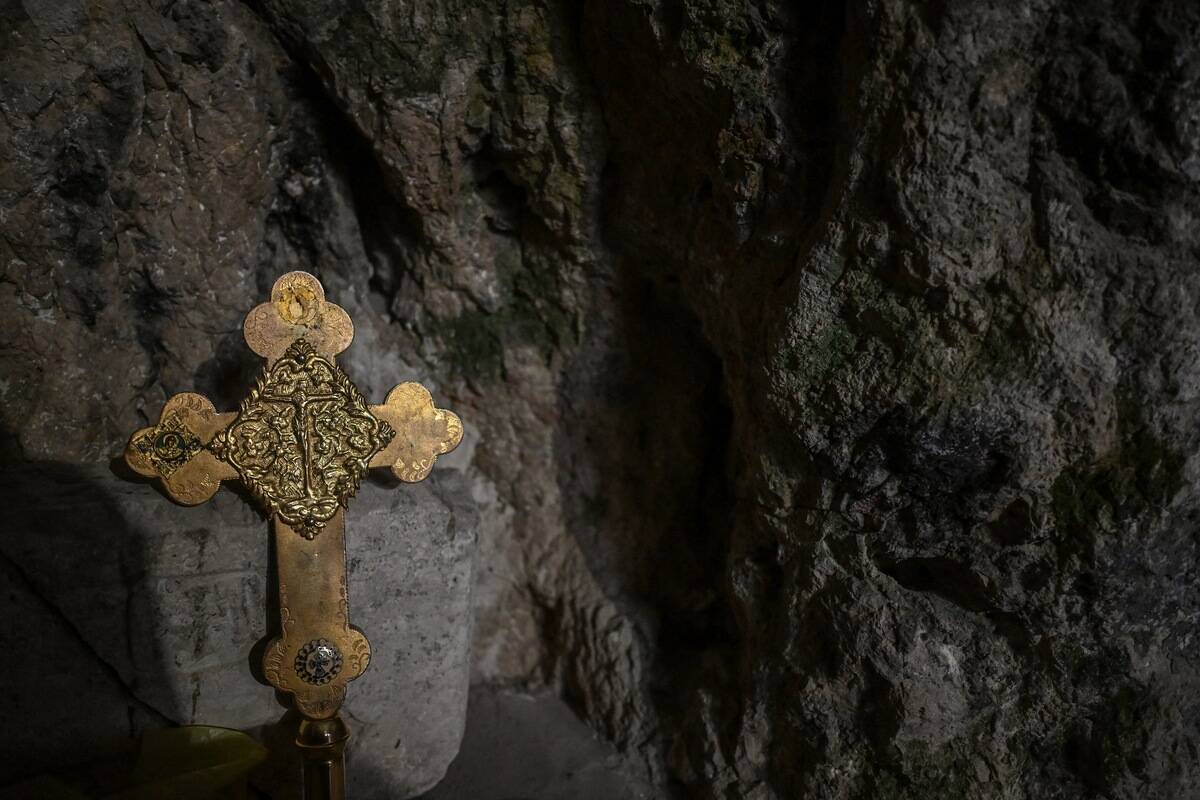
The cross is a symbol with profound religious significance, most notably within Christianity, where it represents the crucifixion and resurrection of Jesus Christ. However, its origins predate Christianity, appearing in ancient cultures as a symbol of the four cardinal directions or the intersection of the divine and earthly realms.
Its simplicity and versatility have ensured its presence in various cultural and spiritual contexts, from Celtic crosses to Egyptian ankh.
The Universal Appeal of the Heart
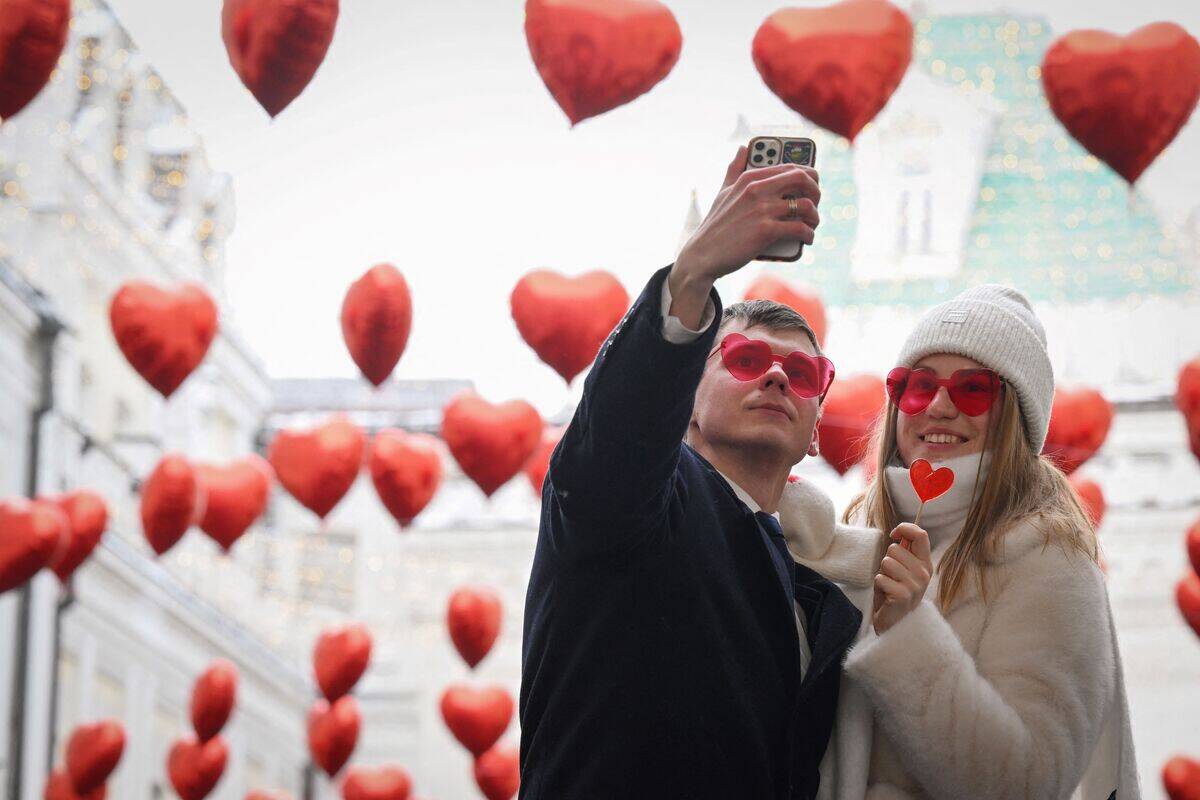
The heart symbol, with its iconic rounded lobes, speaks to the universal language of love and affection. Tracing its origins back to ancient times, the heart has been associated with emotion and morality.
In the Middle Ages, it became a popular motif in art and literature, eventually evolving into the emblem of romantic love we recognize today. Its appeal is timeless, appearing everywhere from Valentine’s Day cards to emojis.
The Timeless Elegance of the Lotus Flower
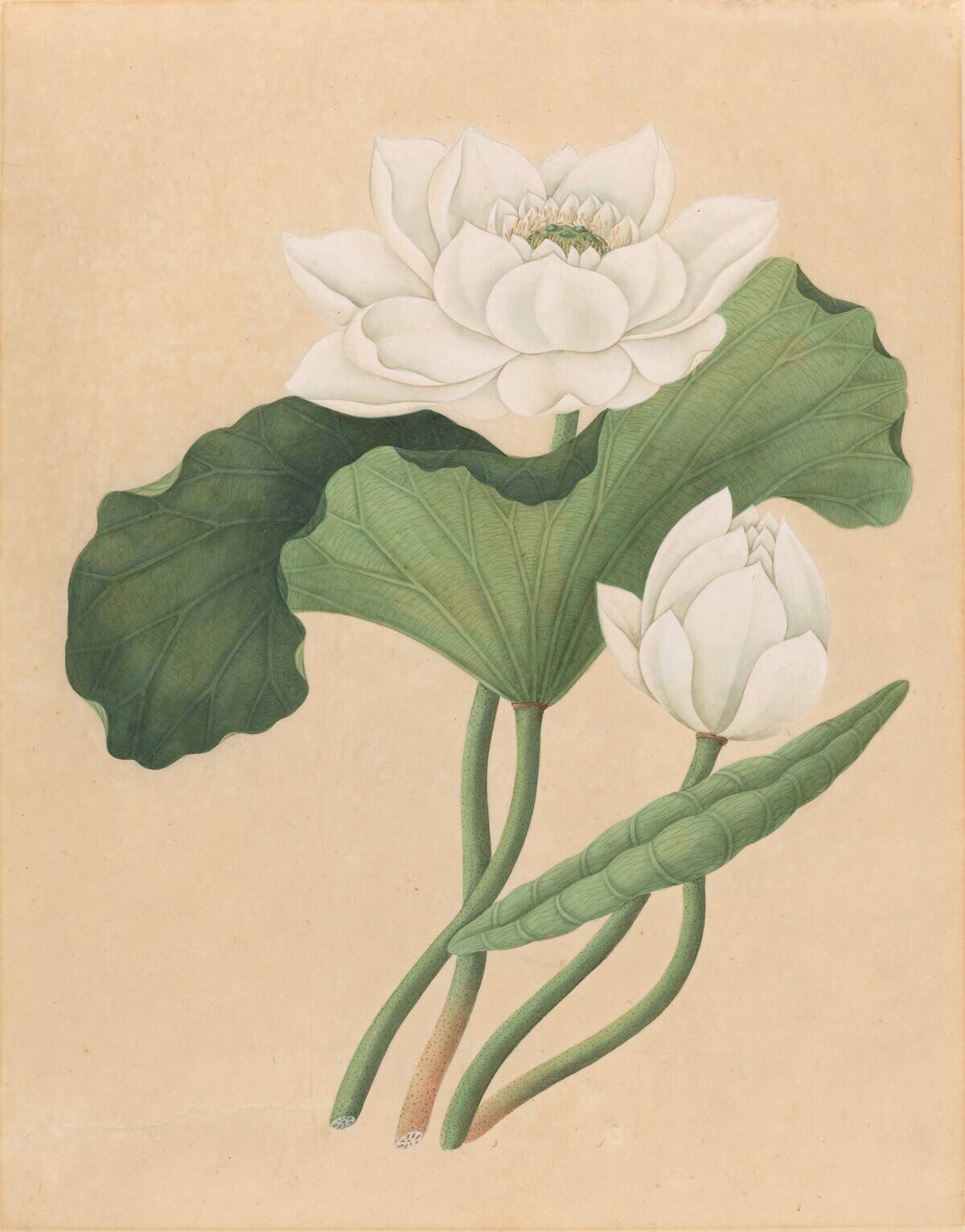
The lotus flower is revered in many Eastern cultures as a symbol of purity, enlightenment, and rebirth. Its growth—from muddy waters to a stunning bloom—is often seen as a metaphor for spiritual awakening.
In Buddhism, the lotus is associated with the Buddha and his teachings, while in Hinduism, it is linked to deities like Lakshmi and Brahma. Its beauty and symbolic richness continue to inspire art and spirituality.
The All-Seeing Eye: A Global Guardian
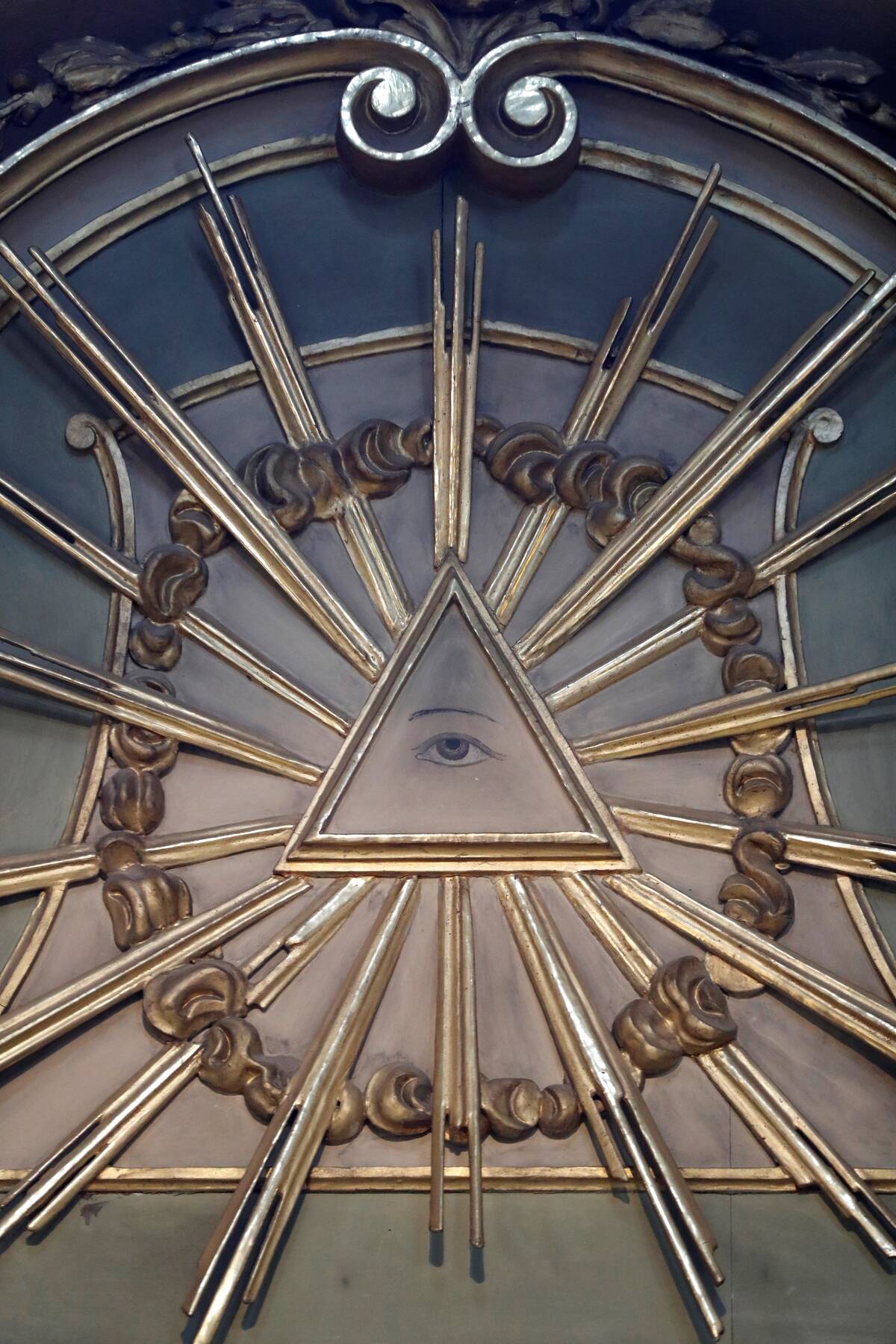
The all-seeing eye, often depicted within a triangle, is a symbol of divine providence and protection. Known as the Eye of Providence, it appears on the Great Seal of the United States, symbolizing enlightenment and guidance.
In ancient Egypt, the Eye of Horus was a symbol of protection and health. Across cultures, it serves as a reminder of a higher power watching over humanity, offering both comfort and caution.
The Omnipresent Spiral: A Journey Through Time
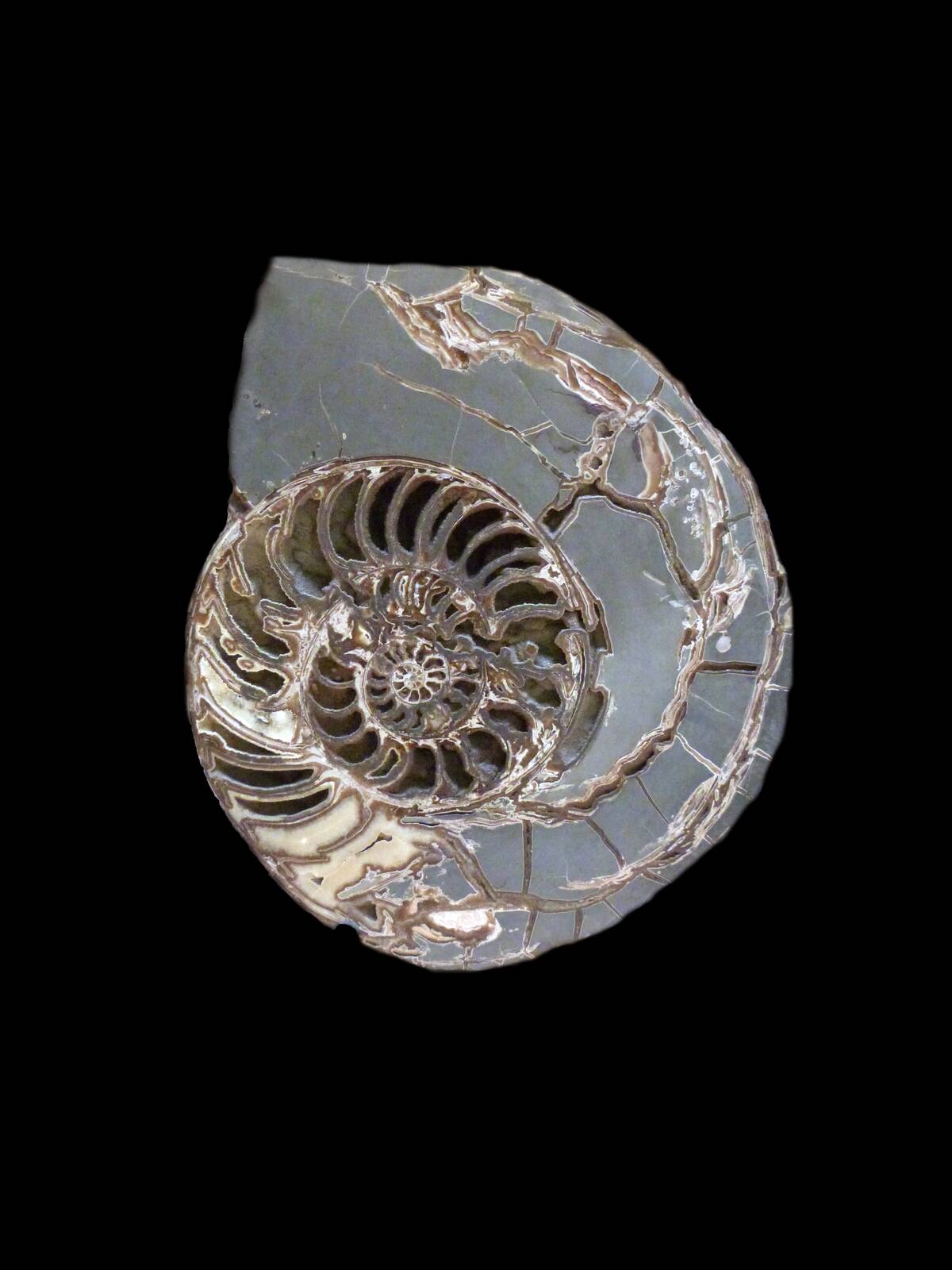
The spiral is an ancient symbol reflecting growth, evolution, and cosmic energy. Found in nature—from shells to galaxies—it signifies the journey from simplicity to complexity. In Celtic culture, spirals represent the cycle of life, death, and rebirth.
The Fibonacci sequence and golden spiral illustrate the mathematical marvels behind this shape, captivating scientists and artists alike with its natural harmony and aesthetic appeal.
The Significance of the Tree of Life
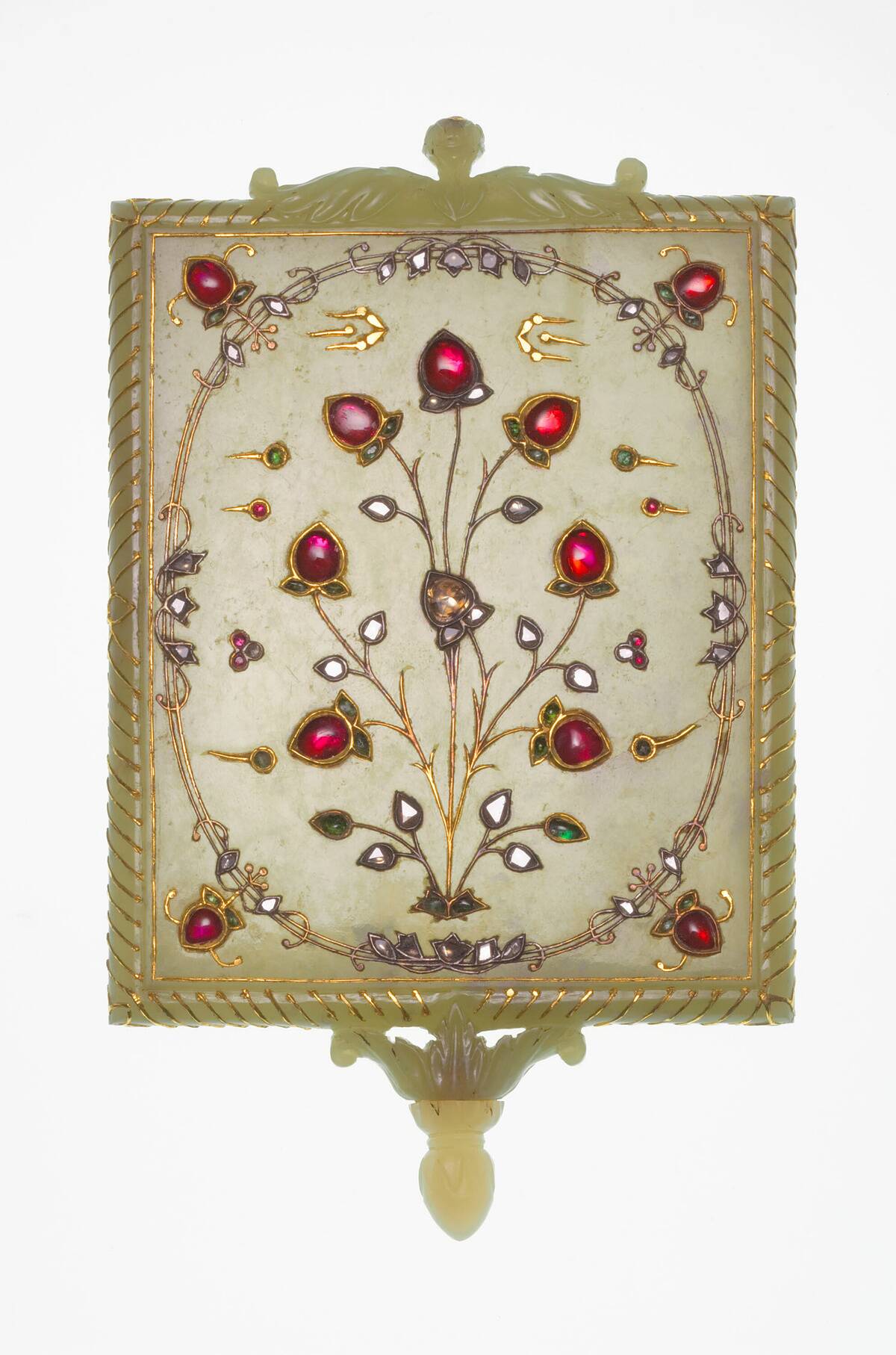
The Tree of Life is a potent symbol of connection, creation, and fertility across various cultures. Its roots deeply embedded in the earth and branches reaching toward the sky symbolize the link between the physical and spiritual realms.
In Norse mythology, Yggdrasil is the world tree connecting the nine worlds. In modern interpretations, it represents personal growth, strength, and interconnectedness with all living things.
The Enigmatic Yin and Yang: Balance Across Cultures
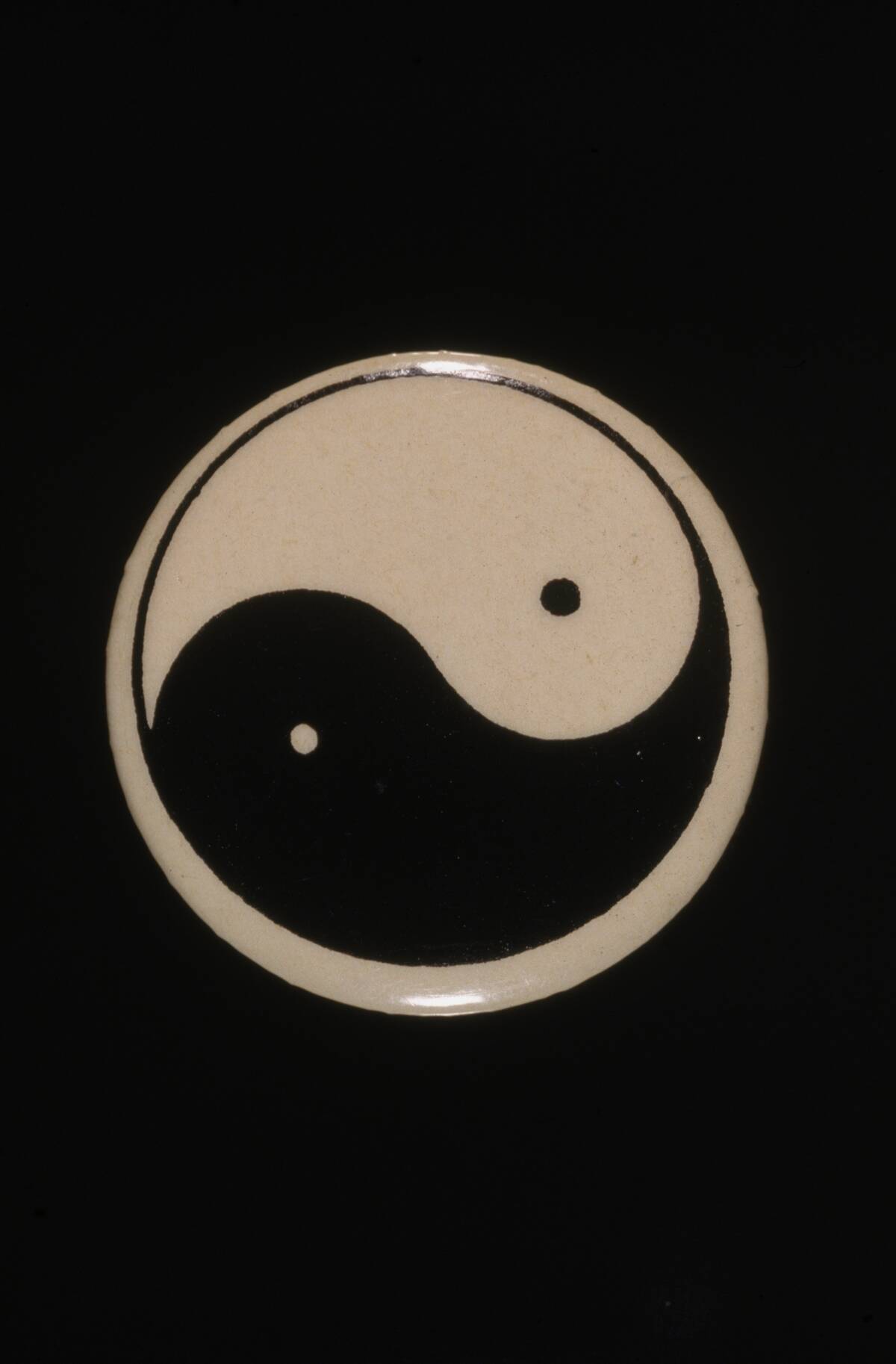
The yin and yang symbol is a fundamental concept in Chinese philosophy, representing the duality of nature. This symbol illustrates how opposite forces are interconnected and interdependent in the natural world.
Yin embodies darkness, femininity, and passivity, while yang represents light, masculinity, and activity. Their harmonious balance is seen as essential for achieving equilibrium in life, influencing everything from traditional medicine to martial arts.
The Majestic Lion: A Symbol of Courage and Royalty
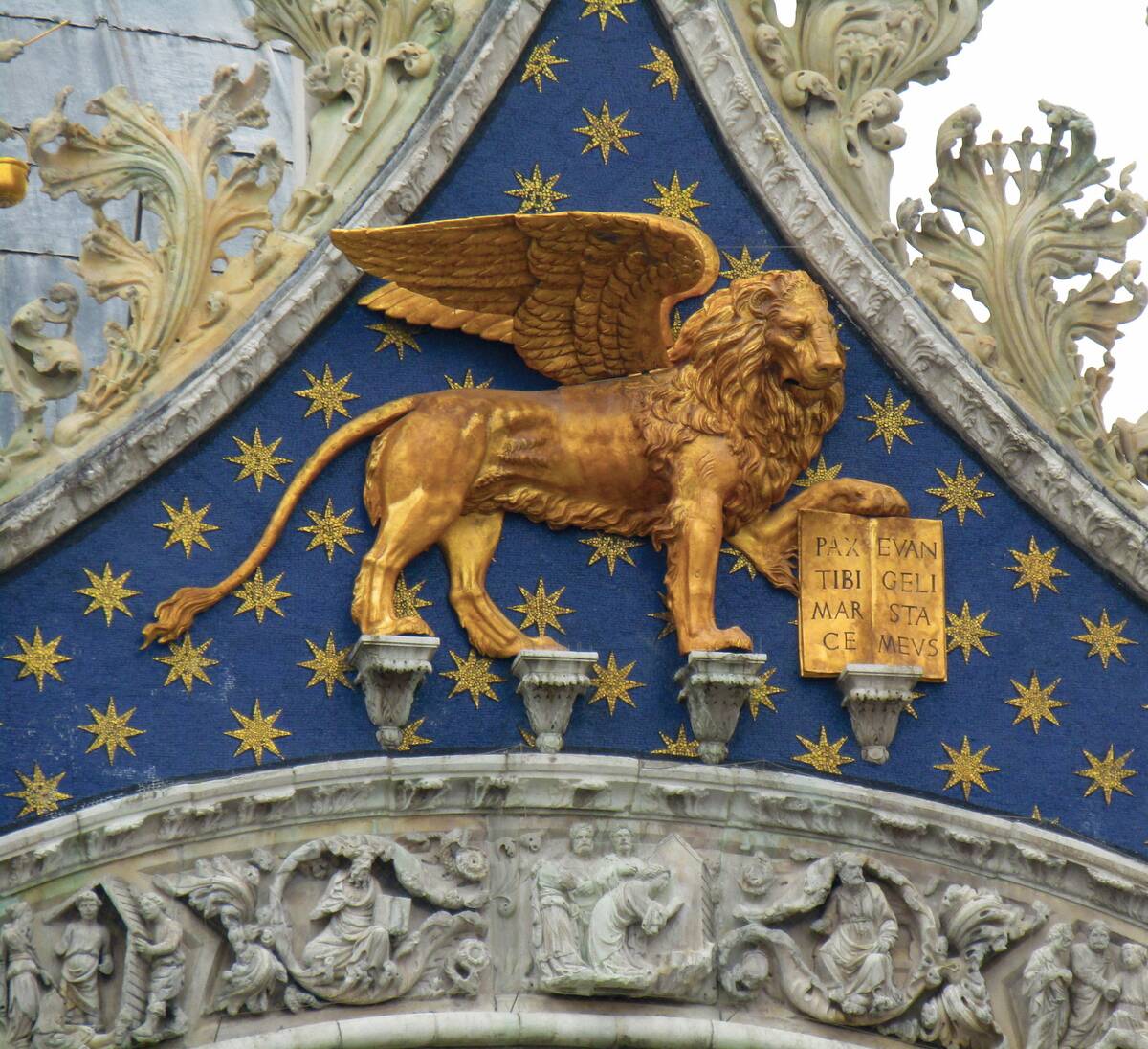
Lions have long been symbols of strength, courage, and nobility. Often referred to as the ‘king of the jungle,’ the lion symbolizes power and leadership.
In ancient Egypt, lions were associated with the sun and pharaohs, while in Hinduism, the lion is the mount of the goddess Durga. Its regal presence continues to be used in heraldry, emblems, and literature, embodying authority and valor.
The Everlasting Knot: A Symbol of Infinity
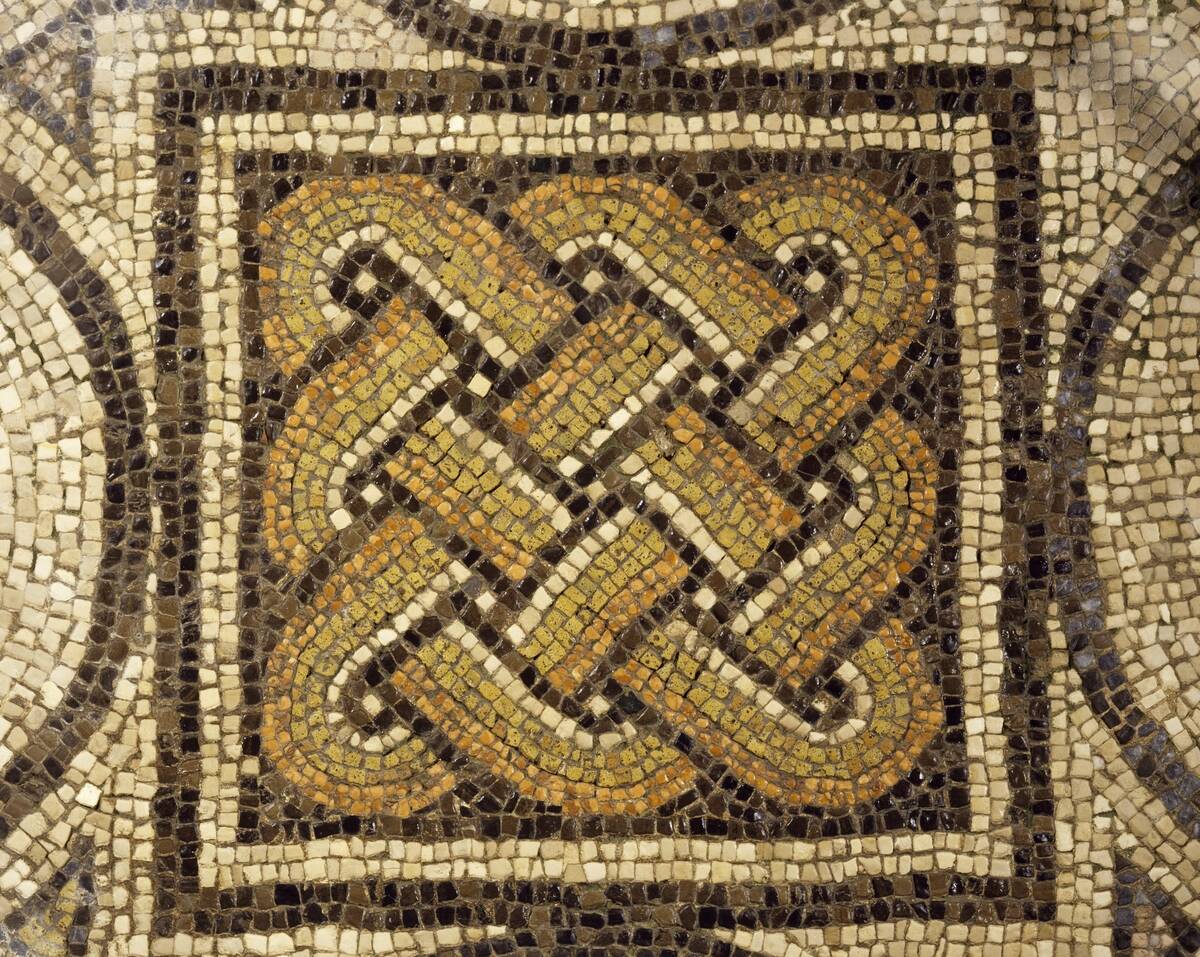
The endless knot, or eternal knot, is an intricate design found in various cultures, especially in Tibetan Buddhism. It represents the interconnectedness of all things, reflecting the endless cycle of life and the flow of time.
In Celtic art, similar knotwork patterns symbolize eternity and the interweaving of life paths. These knots, without beginning or end, serve as reminders of the timeless nature of existence and relationships.
The Revered Dragon: Mythical Power Across Continents
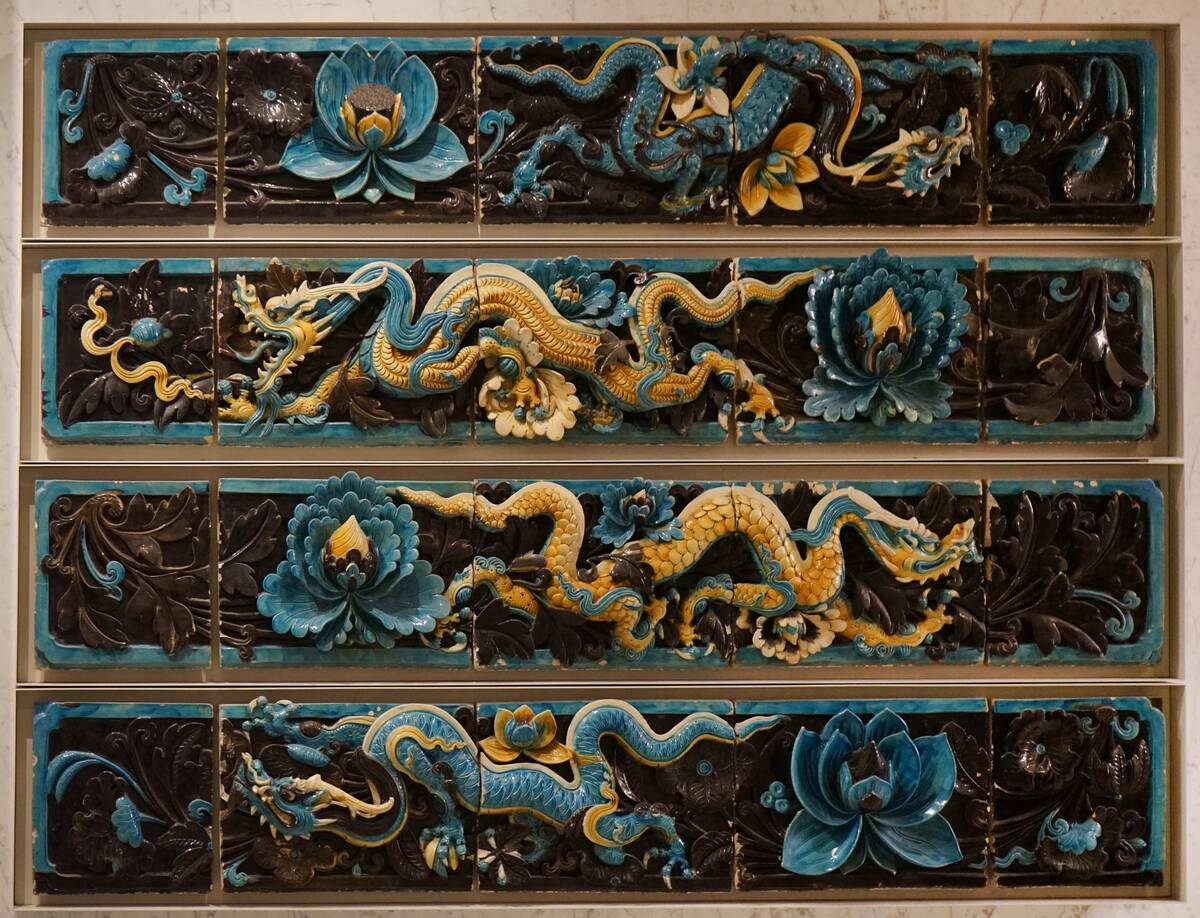
Dragons are legendary creatures symbolizing power, strength, and good fortune across many cultures. In Chinese culture, dragons are benevolent and associated with water, rain, and prosperity.
In contrast, Western dragons often appear as fearsome beasts to be conquered by heroes. Despite these differences, dragons universally embody the awe of the natural world and the mysteries of the unknown, continuing to captivate the human imagination.
The Protective Hand of Hamsa
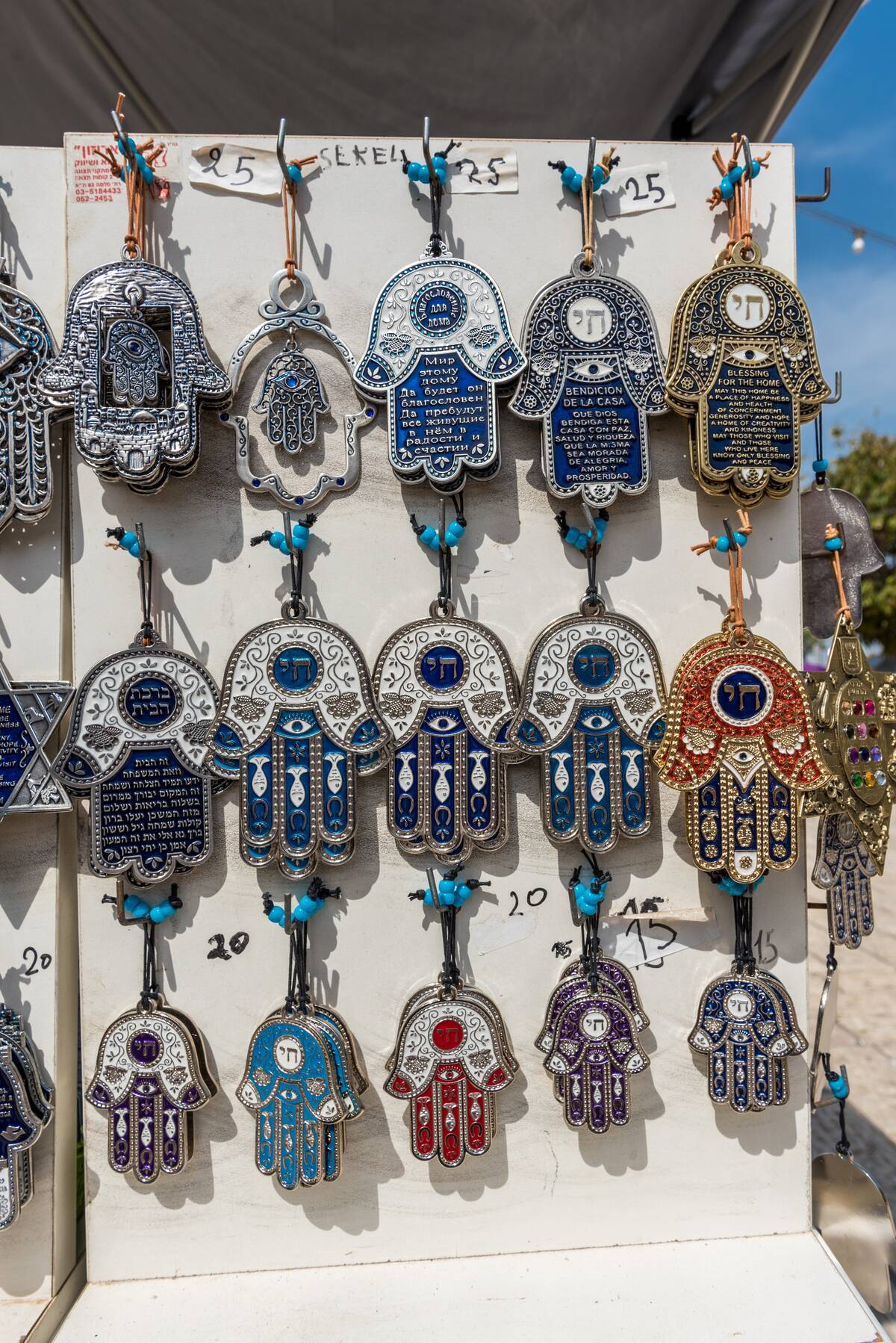
The Hamsa, also known as the Hand of Fatima, is a symbol of protection and blessing in Middle Eastern and North African cultures. Shaped like an open hand, it is often adorned with an eye to ward off the evil eye.
The Hamsa is embraced by both Jewish and Islamic traditions, symbolizing hope, faith, and safety. Its use extends into modern jewelry and art, representing a universal desire for peace and protection.
The Mystical Ankh: Life in Ancient and Modern Times
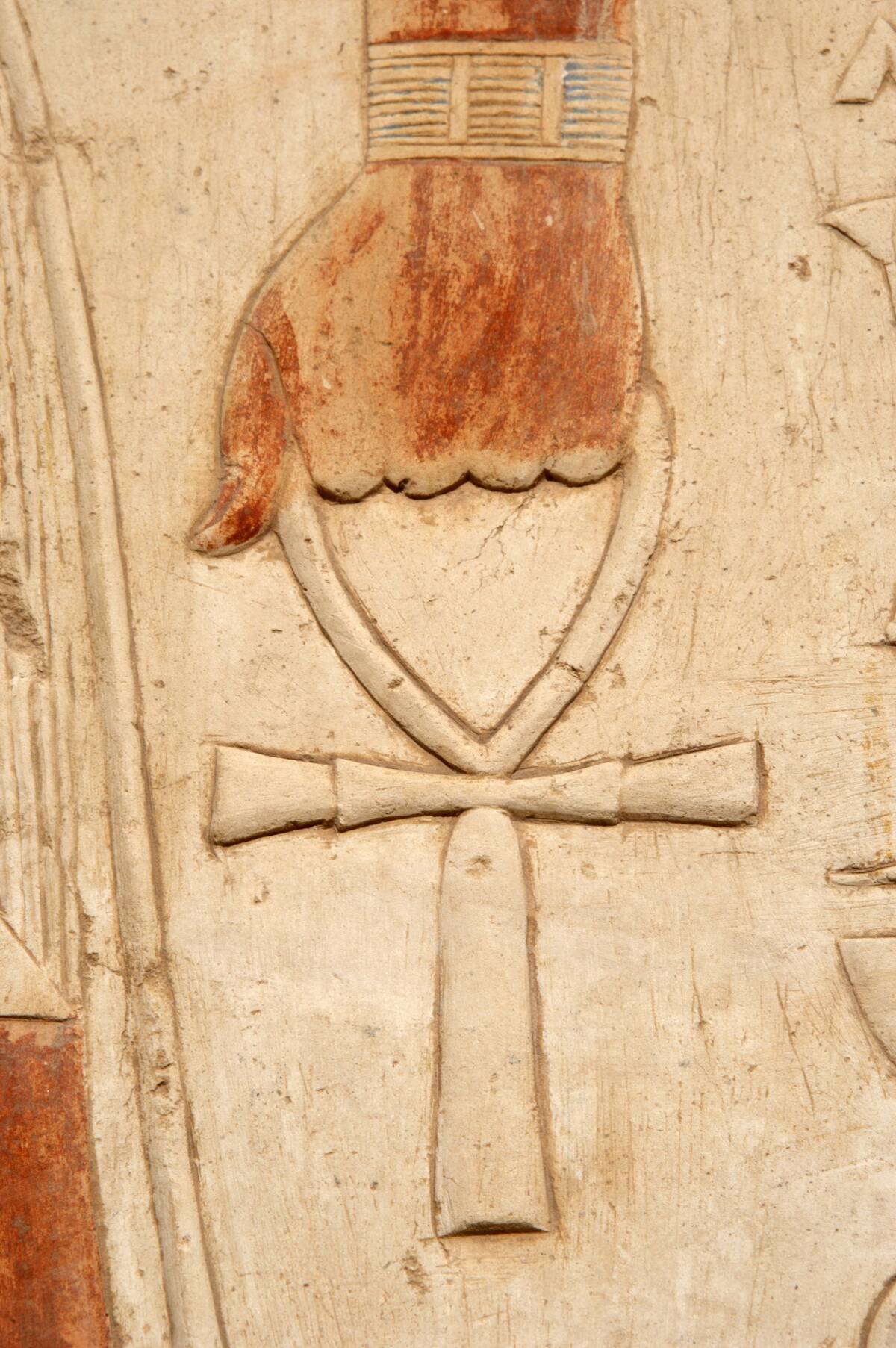
The ankh is an ancient Egyptian symbol representing life and immortality. Known as the ‘key of life,’ it resembles a cross with a loop at the top. Often depicted in the hands of deities, the ankh signifies the promise of eternal life.
Its timeless appeal has transcended millennia, finding a place in modern fashion and spiritual practices as a symbol of life and continuity, bridging the ancient past with the present.
The Timeless Symbol of the Sun: A Source of Life and Energy
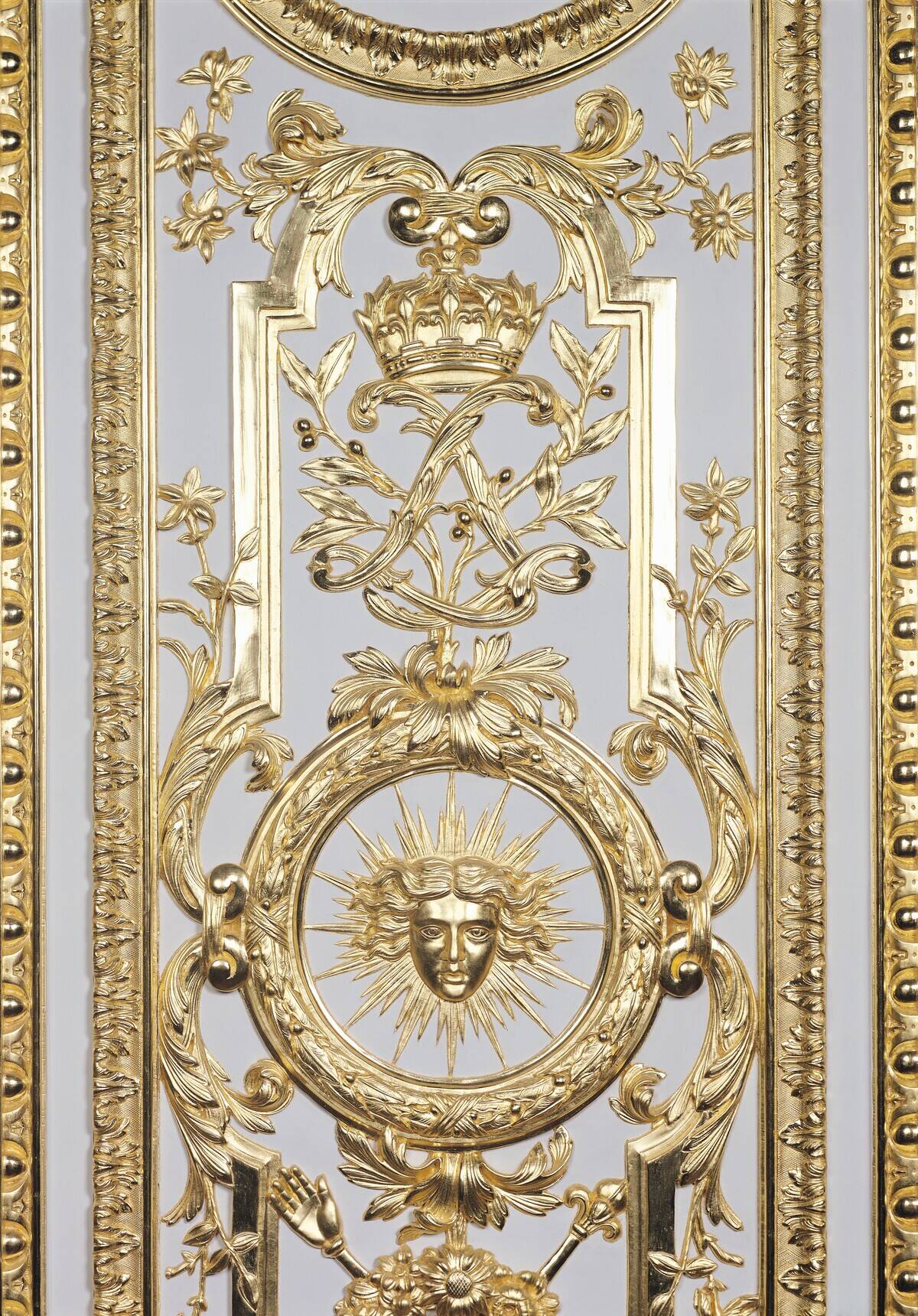
The sun has been a universal symbol of life, energy, and enlightenment. It is revered in many cultures for its role in sustaining life and marking the passage of time. In ancient Egypt, the sun god Ra was the most powerful deity, embodying creation and kingship.
Today, the sun continues to inspire art and spirituality, symbolizing clarity, vitality, and the cycle of life, reminding us of our connection to the natural world.