Ancient festivals that shaped modern holidays
Festivals have always been a vibrant part of human culture, transforming over the centuries into the beloved holidays we celebrate today. From ancient rituals meant to honor gods or nature, these celebrations have evolved to include modern traditions that reflect our diverse global society.
Whether it’s dressing up for Halloween or feasting during Thanksgiving, each holiday carries a rich history that connects us to our ancestors while allowing us to create new memories.
The Origins of Halloween: From Samhain to Spooky Celebrations
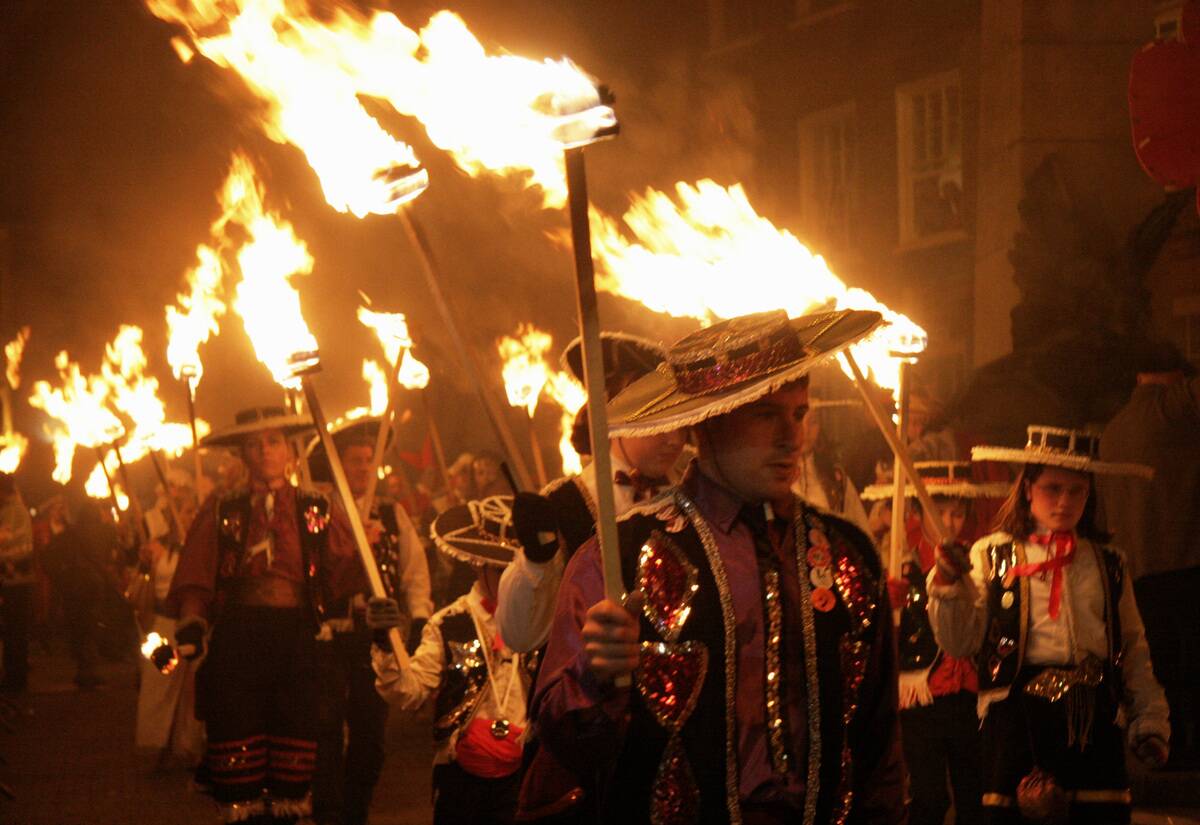
Halloween’s origins date back to the ancient Celtic festival of Samhain, a time when people would light bonfires and wear costumes to ward off ghosts. The Celts believed that on the night of October 31, the boundary between the living and the dead blurred.
As centuries passed, the festival merged with Christian traditions and evolved into All Hallows’ Eve, eventually becoming the Halloween we know today, filled with spooky decorations and trick-or-treating.
Christmas: Tracing Back to Saturnalia and Yule
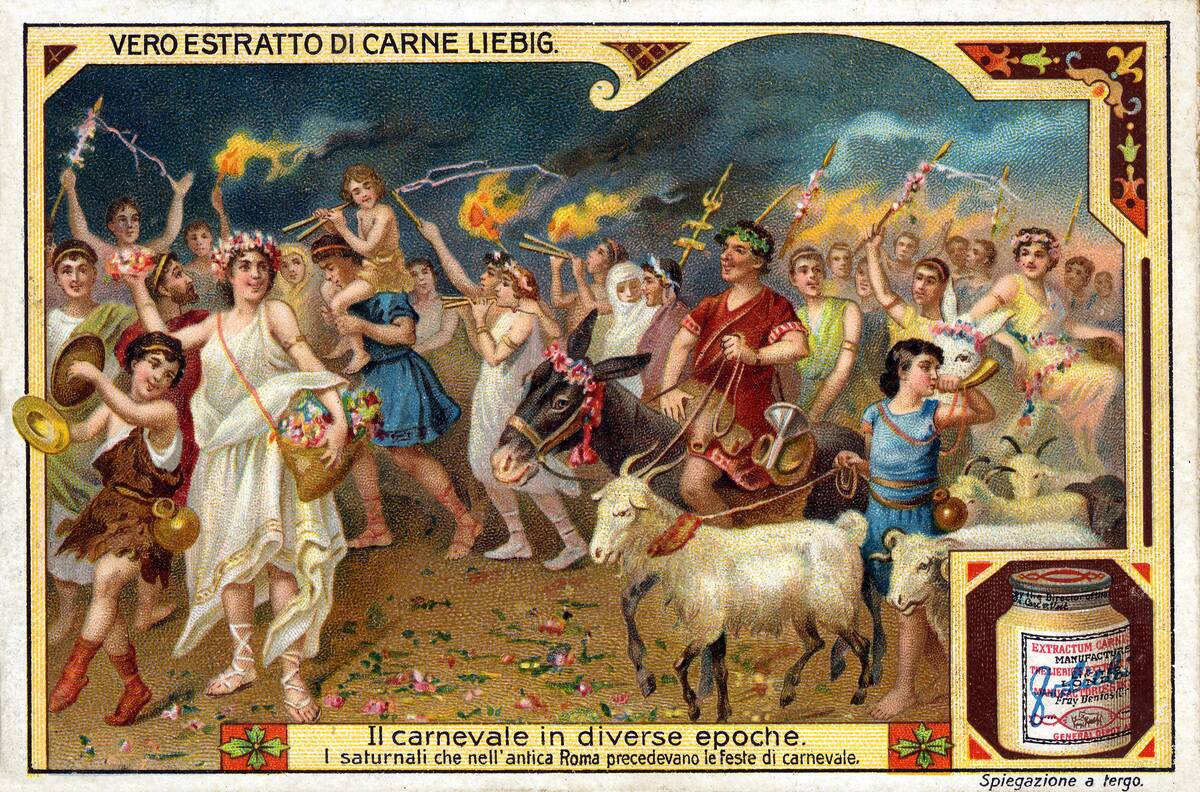
Christmas, celebrated on December 25, developed within early Christianity, with its date and some customs likely influenced by pre-Christian winter festivals such as the Roman festival Saturnalia and the Norse festival Yule.
These ancient celebrations involved gift-giving and decorating homes with evergreen boughs, traditions that have carried into modern Christmas festivities. Today, Christmas is a time for family gatherings and festive cheer, blending religious significance with cultural customs.
Easter: A Blend of Pagan Traditions and Christian Resurrection
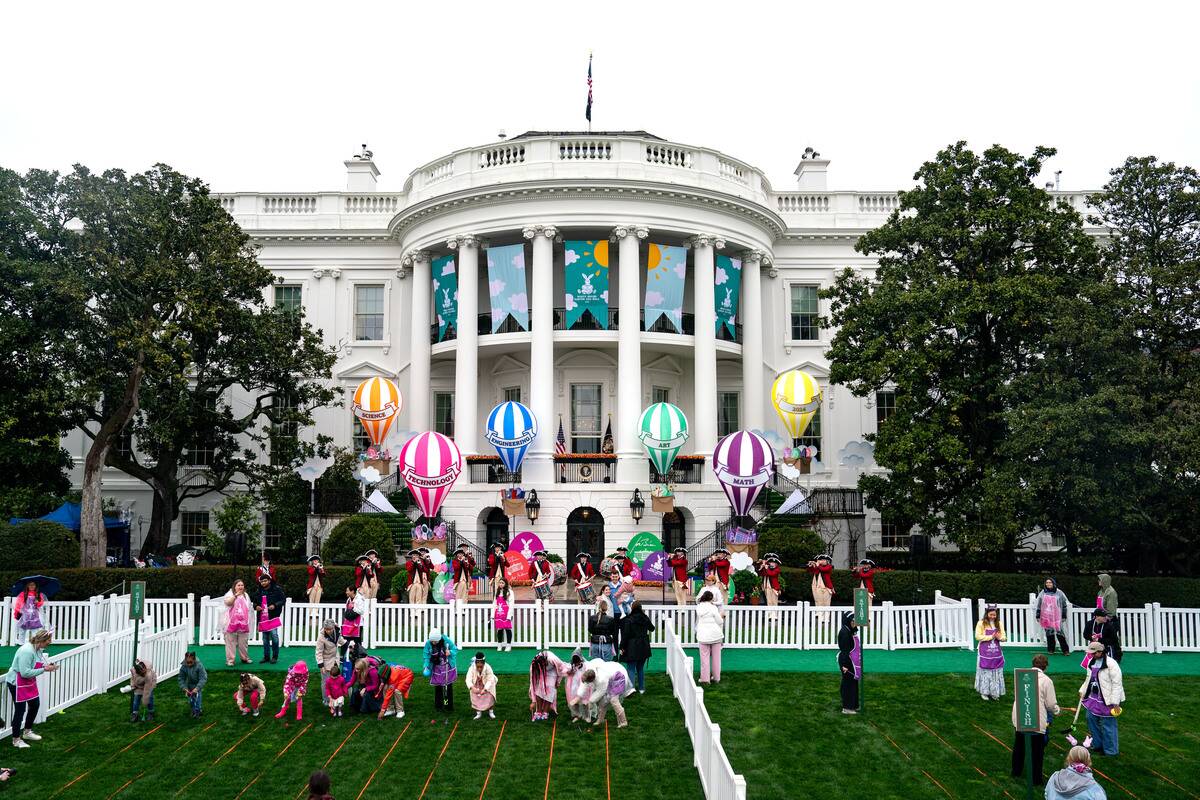
Easter is a holiday that beautifully intertwines Christian and pagan traditions. The word ‘Easter’ is believed to derive from Eostre, the Anglo-Saxon goddess of spring and fertility, whose festival coincided with the spring equinox.
Christians celebrate Easter as the resurrection of Jesus Christ, a pivotal event in the faith. The blending of these traditions is evident in symbols like the Easter egg, representing new life and rebirth, cherished by both cultures.
New Year’s Eve: From Ancient Roman Festivals to Global Revelry
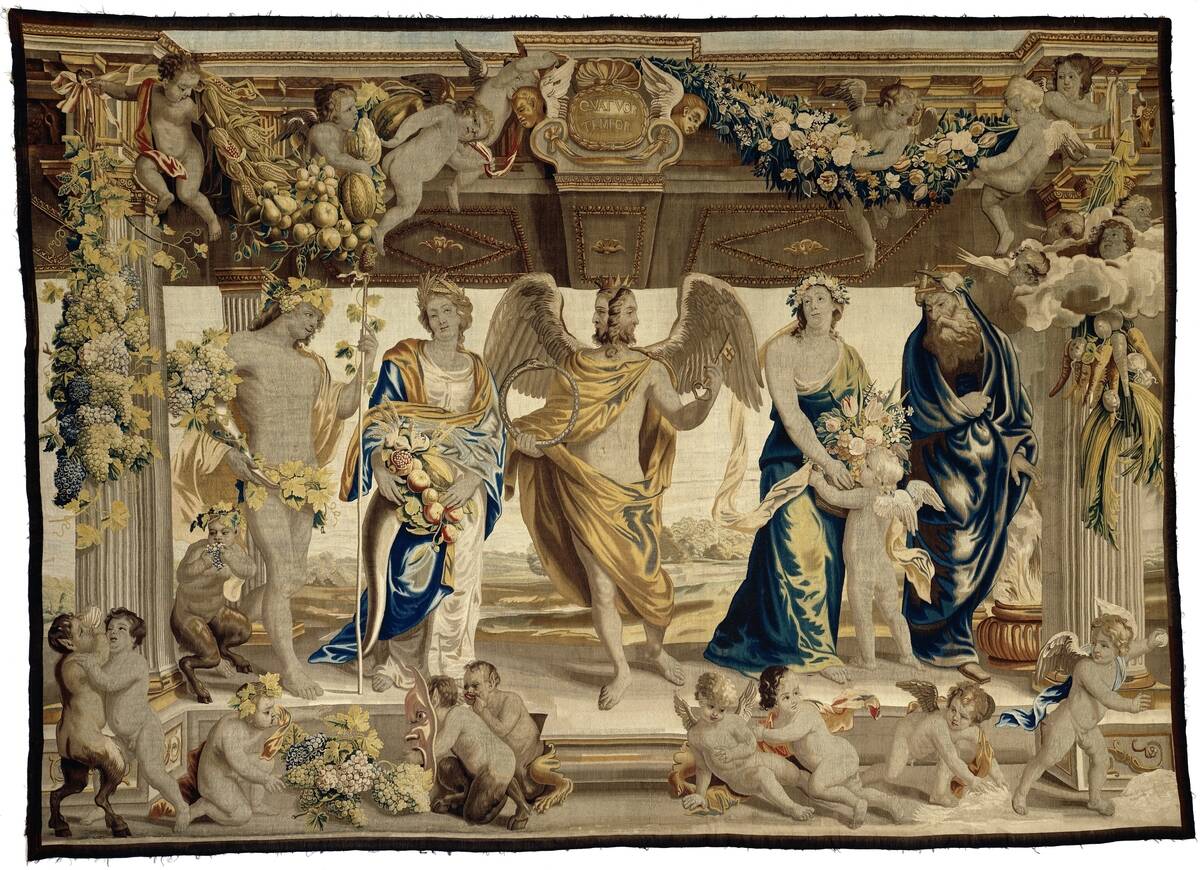
New Year’s Eve festivities can be traced back to the ancient Roman celebration of Janus, the god of beginnings and transitions, who was symbolically represented with two faces. As the Romans marked the start of the new year, they engaged in feasts and sacrifices.
Today, New Year’s Eve is celebrated worldwide with fireworks, music, and parties, as people come together to bid farewell to the old year and welcome the new with hope and joy.
Valentine’s Day: From Lupercalia to a Celebration of Love
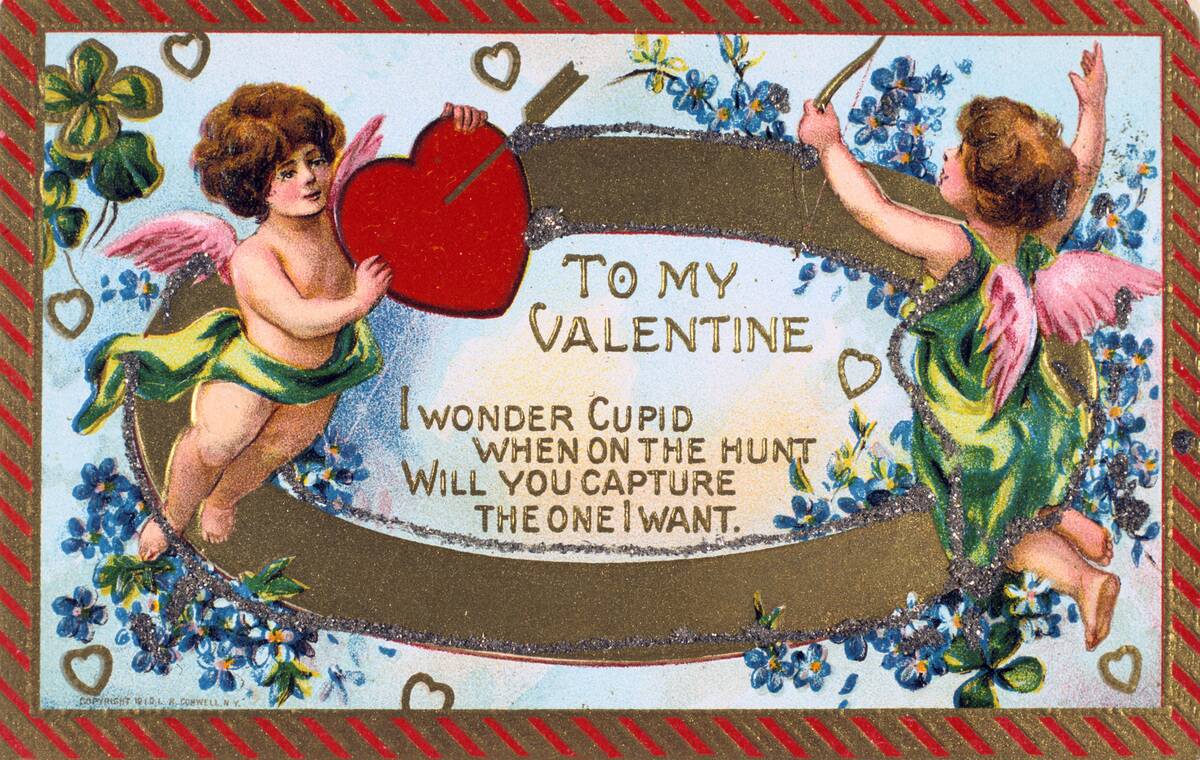
Valentine’s Day, celebrated on February 14, has a layered history shaped by both ancient Roman and Christian traditions. In mid-February, Romans observed Lupercalia, a fertility festival linked to Faunus, centered on purification and renewal rather than romance.
Centuries later, the date became associated with Saint Valentine. During the Middle Ages, literary traditions connected the feast day with romantic love. Over time, these influences blended into today’s Valentine’s Day, a global celebration of love and affection.
Thanksgiving: Harvest Festivals and the Story of Gratitude
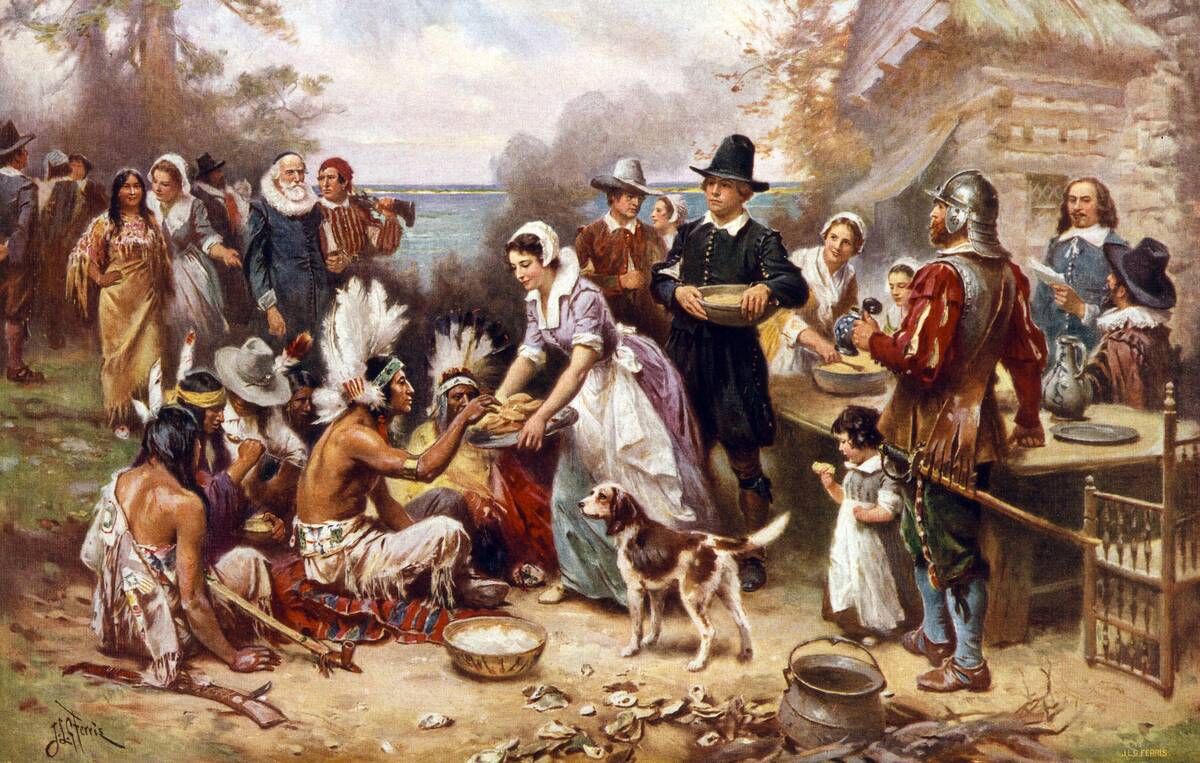
Thanksgiving draws inspiration from ancient harvest festivals, where communities celebrated the bounty of the harvest season. The modern American Thanksgiving traces back to 1621, when Pilgrims and Native Americans shared a feast in gratitude for a successful harvest.
Today, Thanksgiving is synonymous with family gatherings and a lavish meal centered around turkey, serving as a reminder to reflect on the blessings of the past year with gratitude.
Mardi Gras: From Pagan Spring Festivals to a Carnival Extravaganza
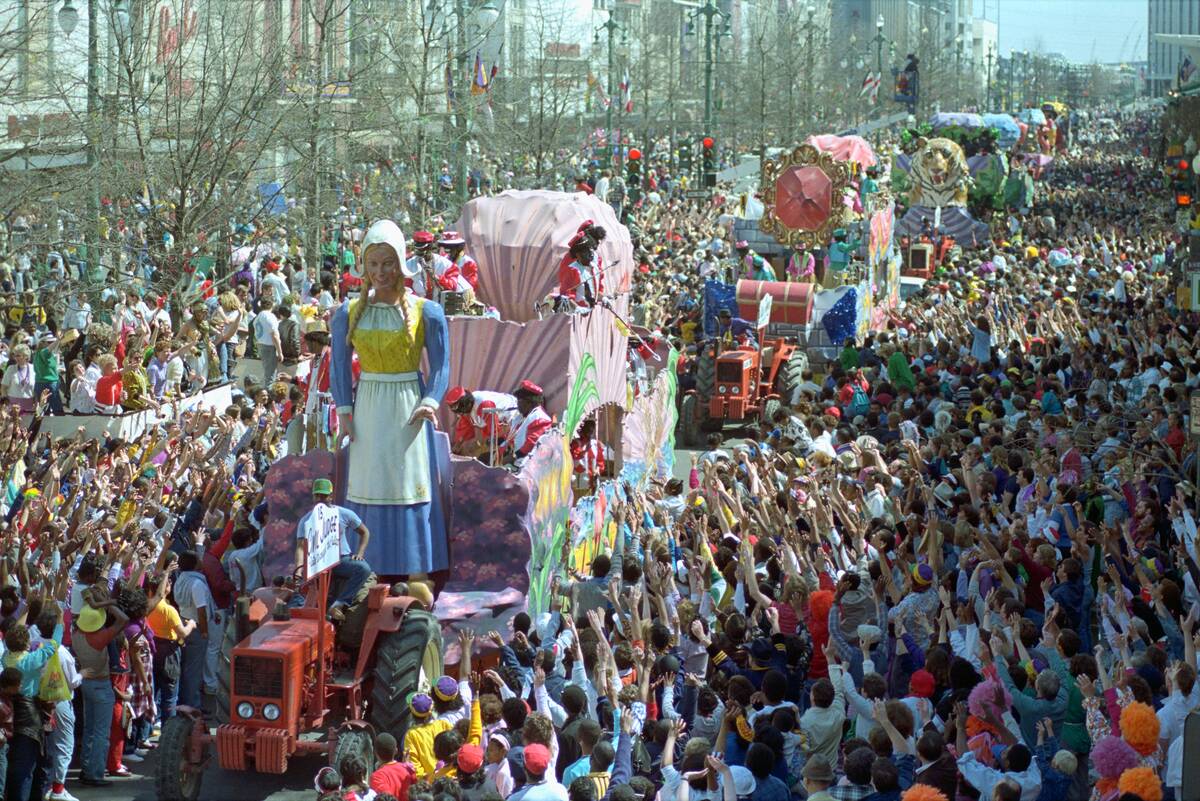
Mardi Gras, or Fat Tuesday, developed primarily within Christian tradition as a pre-Lenten celebration, though it absorbed elements from earlier pagan spring festivals that emphasized fertility, renewal, and feasting.
Today, Mardi Gras is marked by vibrant parades, elaborate costumes, and indulgent foods. Celebrated in places like New Orleans and Rio de Janeiro, it remains a time of joyous revelry before the solemnity of Lent.
Hanukkah: From the Maccabean Revolt to the Festival of Lights
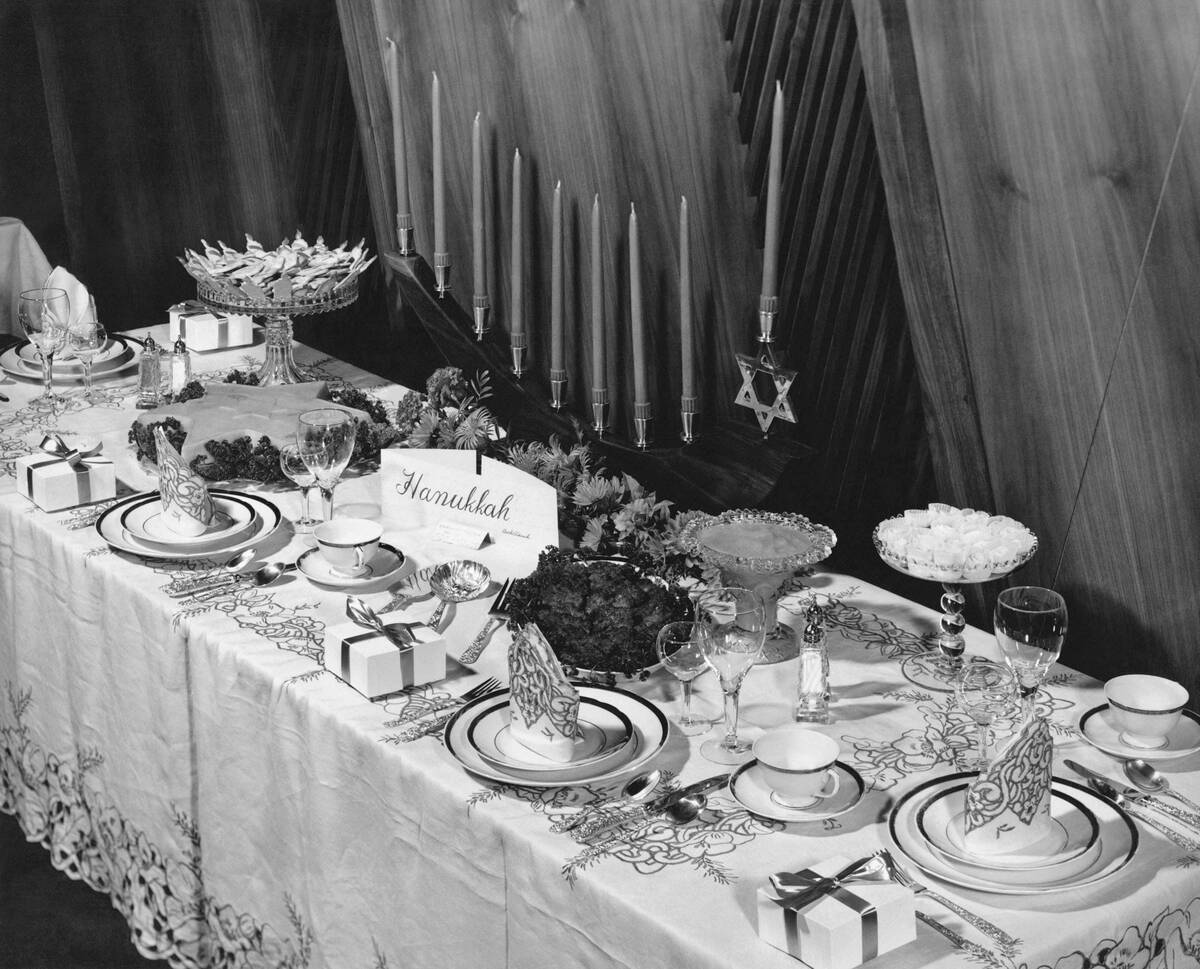
Hanukkah, also known as the Festival of Lights, commemorates the rededication of the Second Temple in Jerusalem following the Maccabean Revolt against the Seleucid Empire. The miracle of the oil that lasted eight days is central to the celebration.
Today, Hanukkah is observed by lighting the menorah, playing games, and enjoying traditional foods like latkes. It’s a time for Jewish families to celebrate resilience and the enduring spirit of their faith.
Diwali: The Ancient Indian Festival of Lights and Its Modern Glow
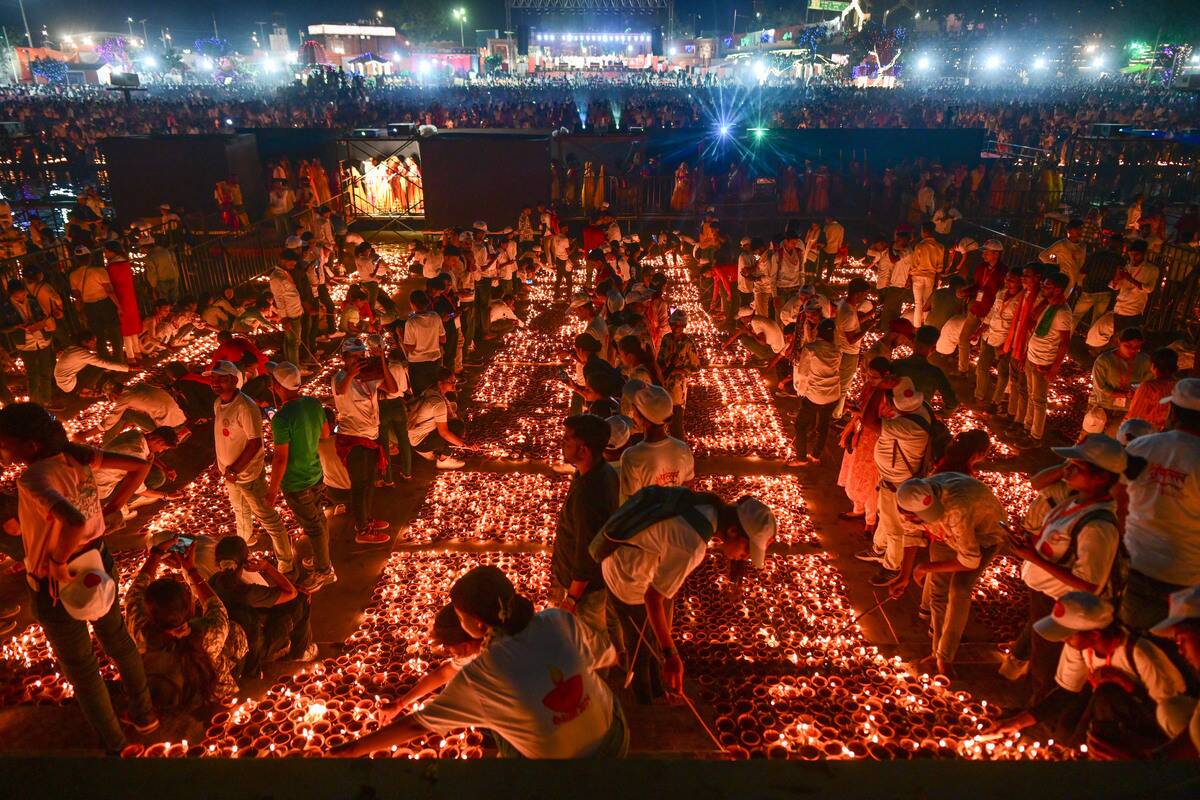
Diwali, the Hindu Festival of Lights, symbolizes the victory of light over darkness and good over evil. Its origins are linked to various legends, including the return of Lord Rama to Ayodhya after defeating Ravana.
Diwali is marked by lighting oil lamps, bursting fireworks, and sharing sweets. It is celebrated not only in India but across the world, bringing people together to cherish hope, happiness, and the triumph of light.
Cinco de Mayo: From the Battle of Puebla to a Celebration of Mexican Heritage
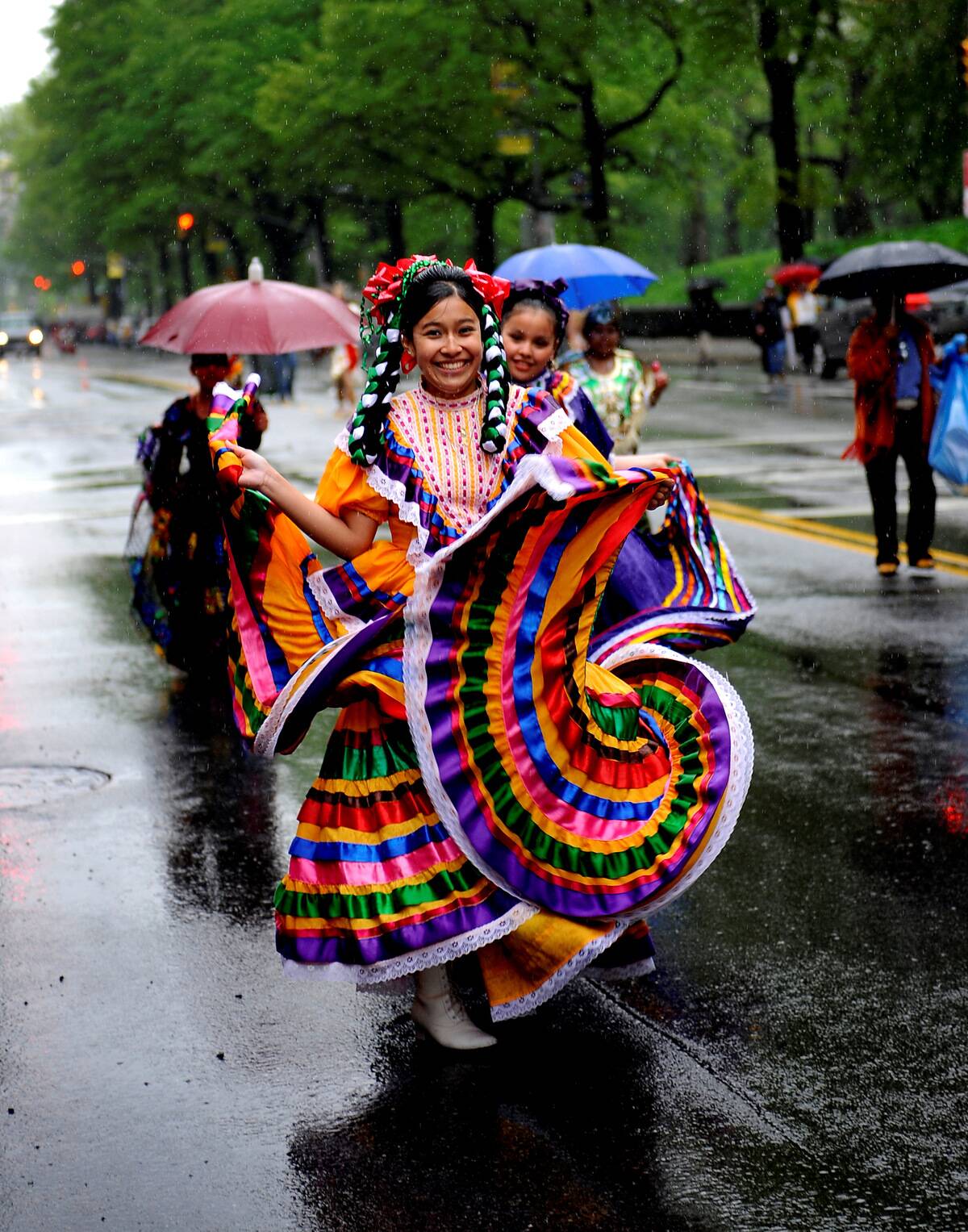
Cinco de Mayo commemorates the Mexican army’s unlikely victory over French forces at the Battle of Puebla on May 5, 1862. Though not Mexico’s Independence Day, which is celebrated on September 16, it has become a symbol of Mexican resistance and pride.
In the United States, Cinco de Mayo has evolved into a celebration of Mexican culture and heritage, with festivities featuring traditional music, dance, and cuisine.
Lunar New Year: An Ancient Tradition with a Global Reach
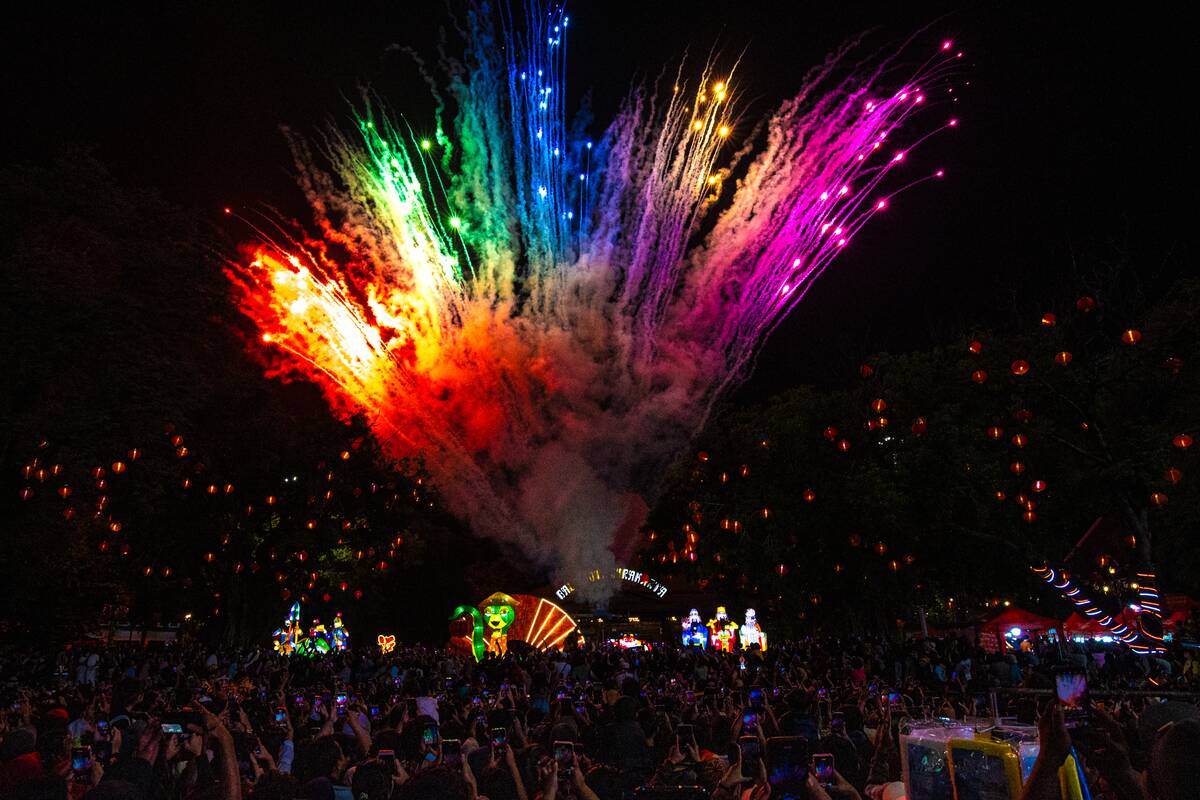
Lunar New Year, also known as Chinese New Year, is a celebration that marks the beginning of the lunar calendar. It is steeped in myths, such as the story of the Nian monster, which was scared away by loud noises and the color red.
This festival is celebrated with family reunions, dragon dances, and fireworks. It has spread beyond Asia, with communities worldwide embracing the rich cultural traditions and joyous spirit of the holiday.
St. Patrick’s Day: From Celtic Traditions to Parades and Green Beer
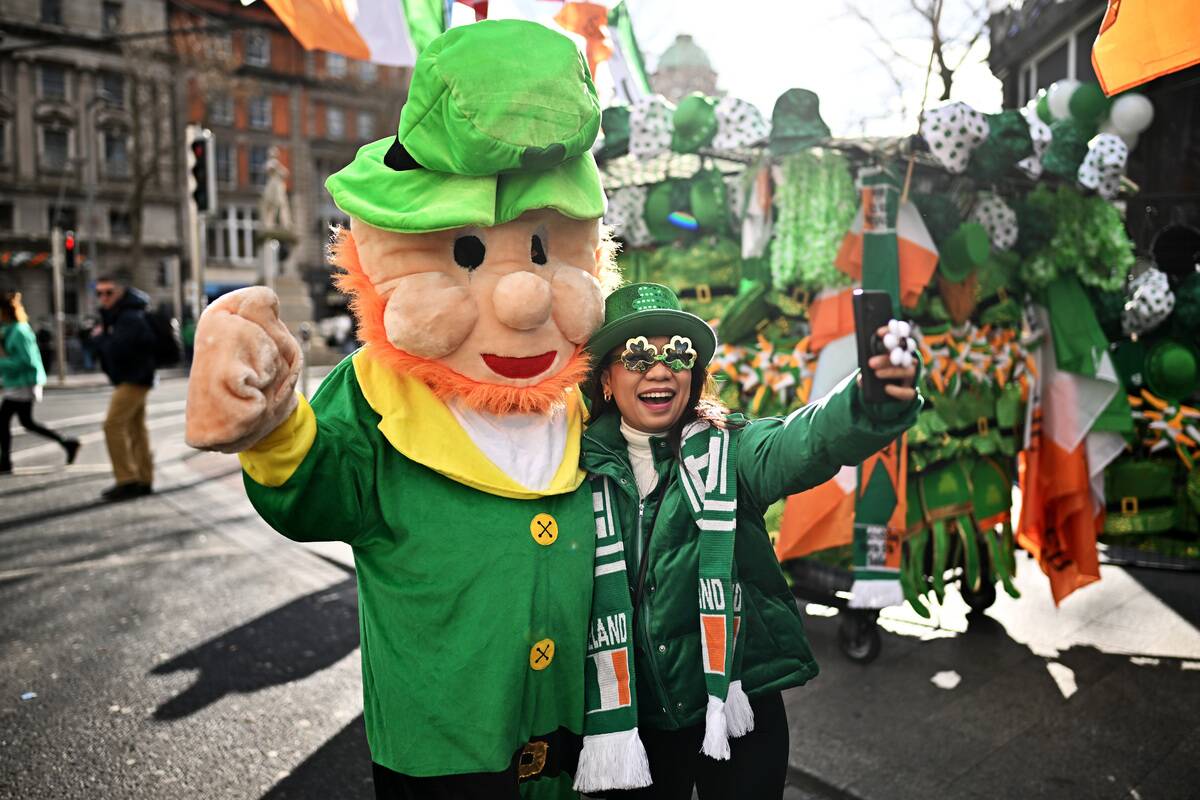
St. Patrick’s Day, celebrated on March 17, honors the patron saint of Ireland who is credited with bringing Christianity to the Irish people. Originally a religious feast day, it has evolved into a worldwide celebration of Irish culture.
Today, St. Patrick’s Day is marked by parades, the wearing of green, and, of course, the consumption of green beer. It’s a day where everyone can be Irish for a day, celebrating with joy and camaraderie.
The Feast of the Epiphany: From Ancient Celebrations to Modern Twelfth Night Traditions
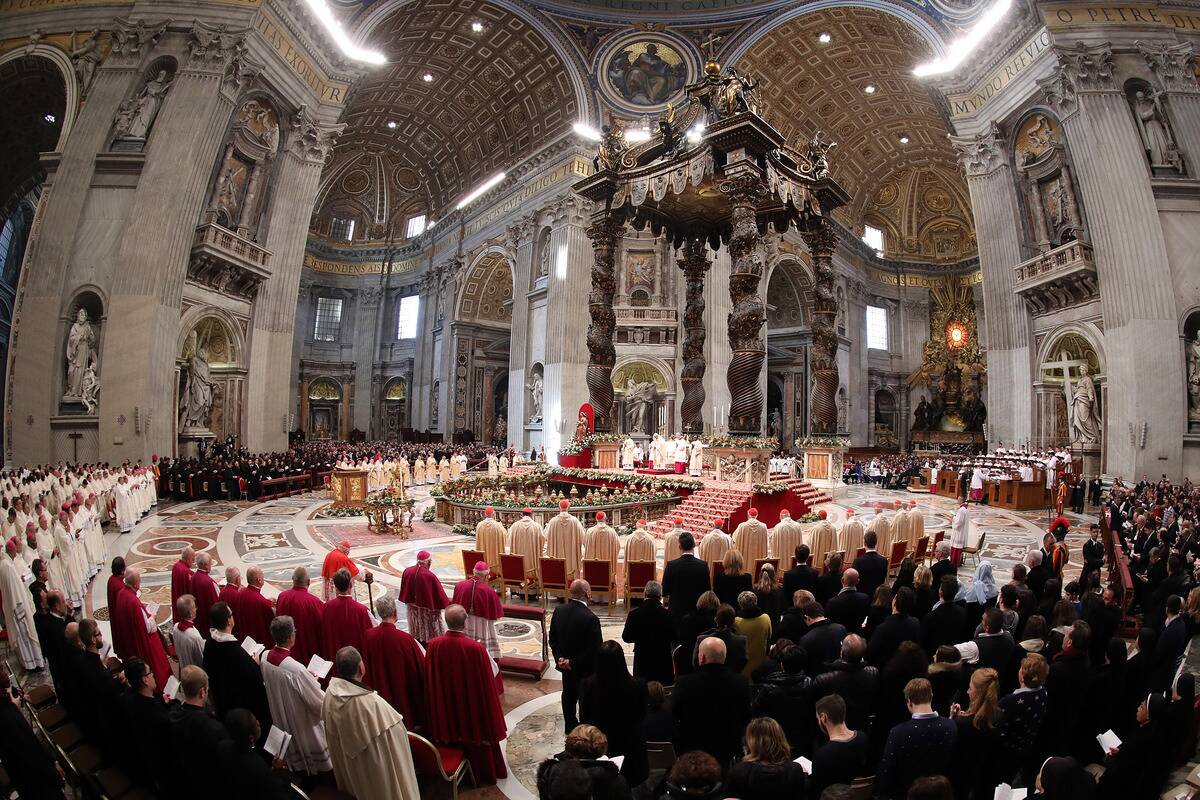
The Feast of the Epiphany, observed on January 6, commemorates the visit of the Magi to the baby Jesus. In some cultures, it marks the end of the Christmas season, known as Twelfth Night.
This feast has evolved into various traditions, such as the baking of King Cake in New Orleans or the blessing of homes in some European countries. It remains a time of reflection on the revelation of Jesus to the Gentiles and a celebration of light and hope.
Passover: The Ancient Story of Exodus and Its Modern Observance
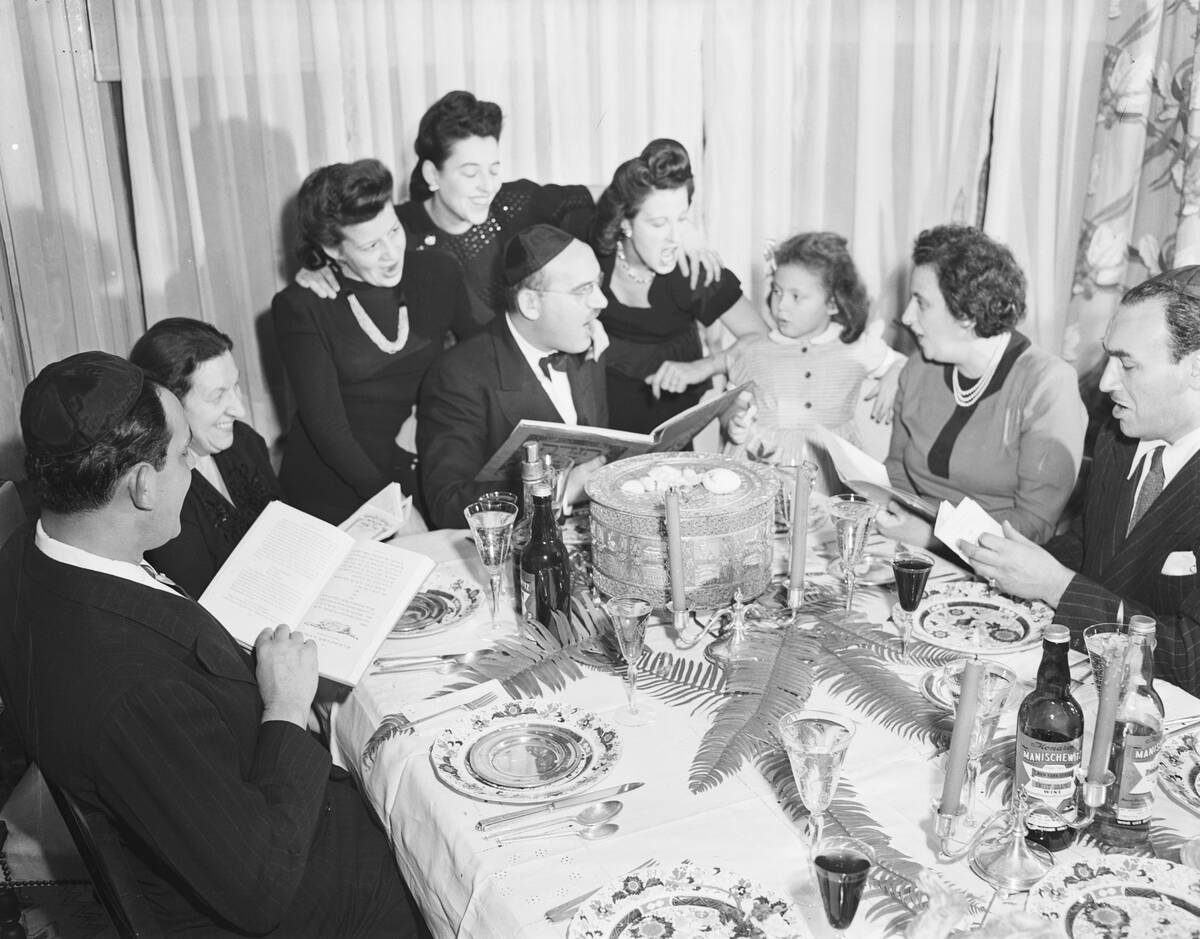
Passover, or Pesach, is a Jewish festival that commemorates the Exodus, the liberation of the Israelites from Egyptian slavery. The holiday is observed by retelling the story of Exodus during a special meal called the Seder, which features symbolic foods like matzah and bitter herbs.
Passover serves as a powerful reminder of freedom and resilience, with families gathering to celebrate their heritage and the enduring hope for liberation and peace.
The Festival of the Dead: From Ancient Rituals to Día de los Muertos
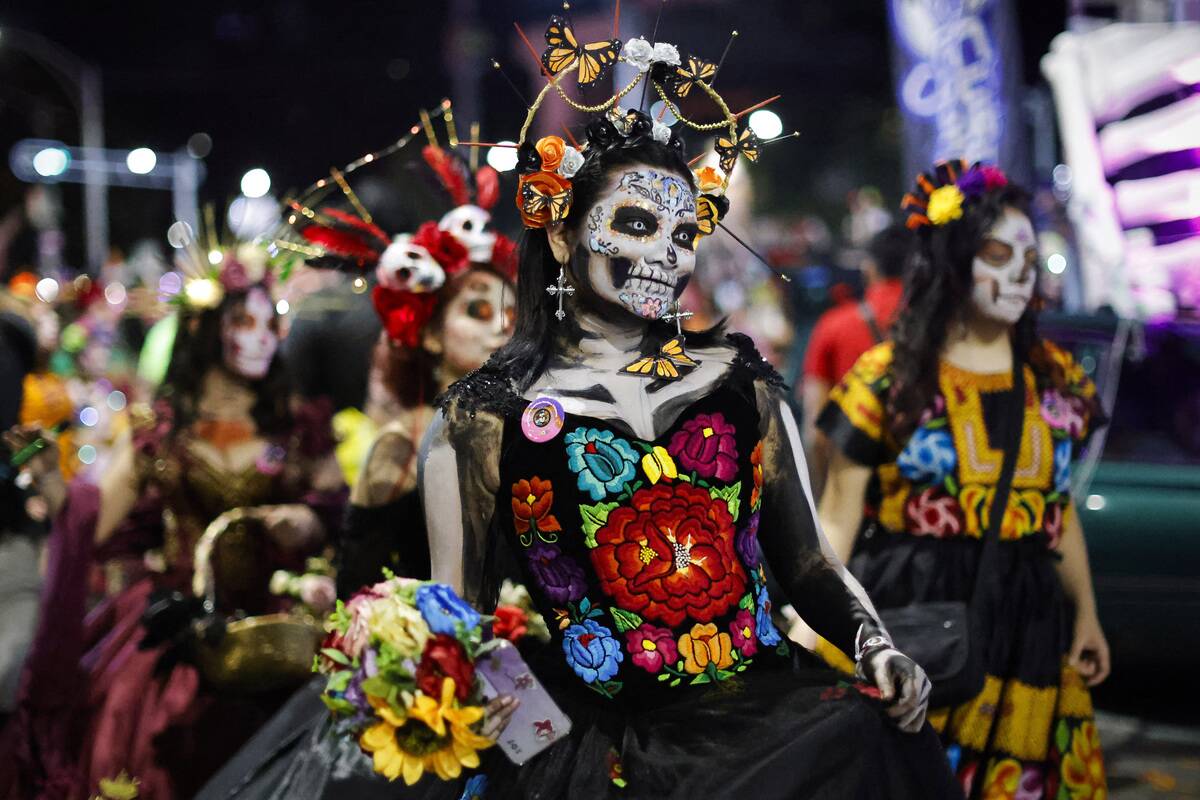
The Festival of the Dead has ancient roots, with many cultures honoring their ancestors during this time. In Mexico, Día de los Muertos, or Day of the Dead, is celebrated with vibrant altars, marigolds, and sugar skulls.
This holiday, which combines Aztec and Catholic traditions, is a joyful celebration of life and death, where families remember their loved ones who have passed. It’s a poignant reminder of the cycle of life and the enduring connections between generations.
Rosh Hashanah: From Ancient New Year Celebrations to Modern Observance
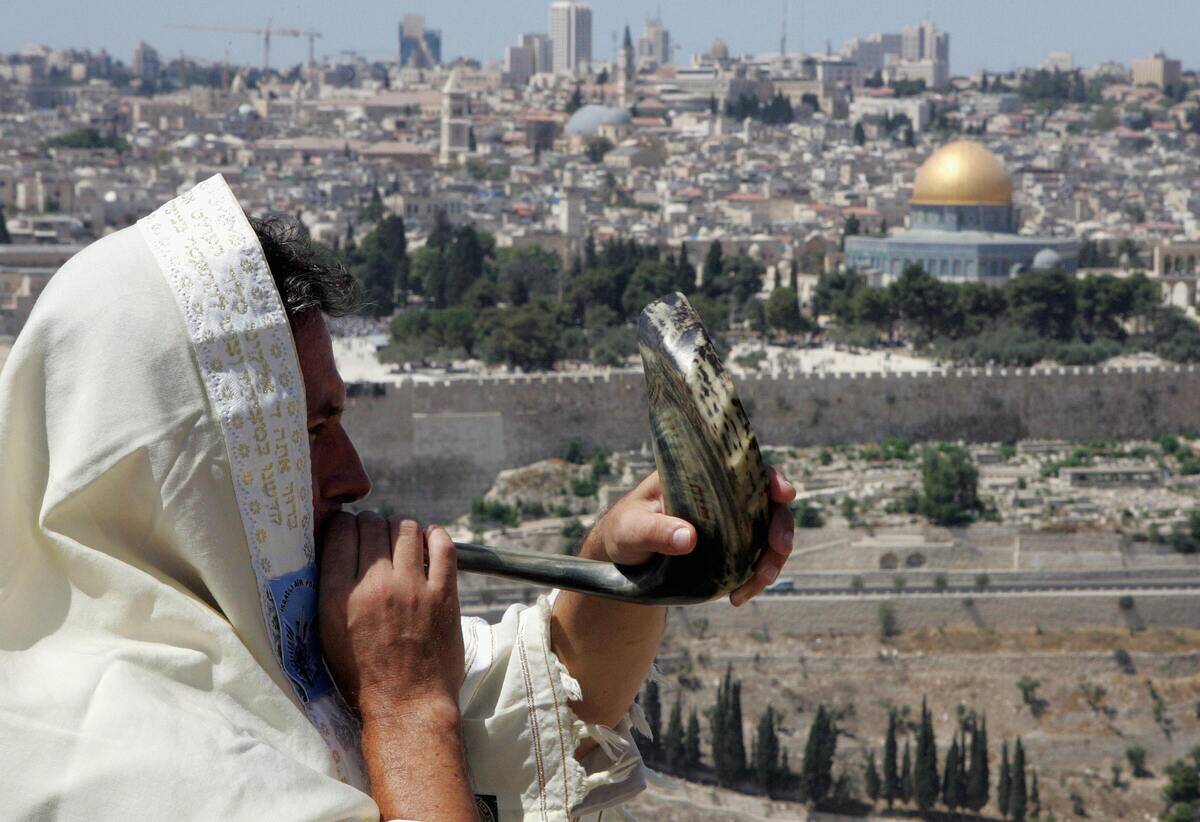
Rosh Hashanah is the Jewish New Year, a time for reflection and renewal. It marks the beginning of the High Holy Days and is observed with the blowing of the shofar, a ram’s horn, as a call to repentance.
Rooted in ancient traditions, Rosh Hashanah is celebrated with sweet foods like apples dipped in honey, symbolizing the hope for a sweet new year. It remains a time for introspection, prayer, and the strengthening of community bonds.
The Evolution of Carnival: From Ancient Roman Festivals to Today’s Global Celebration
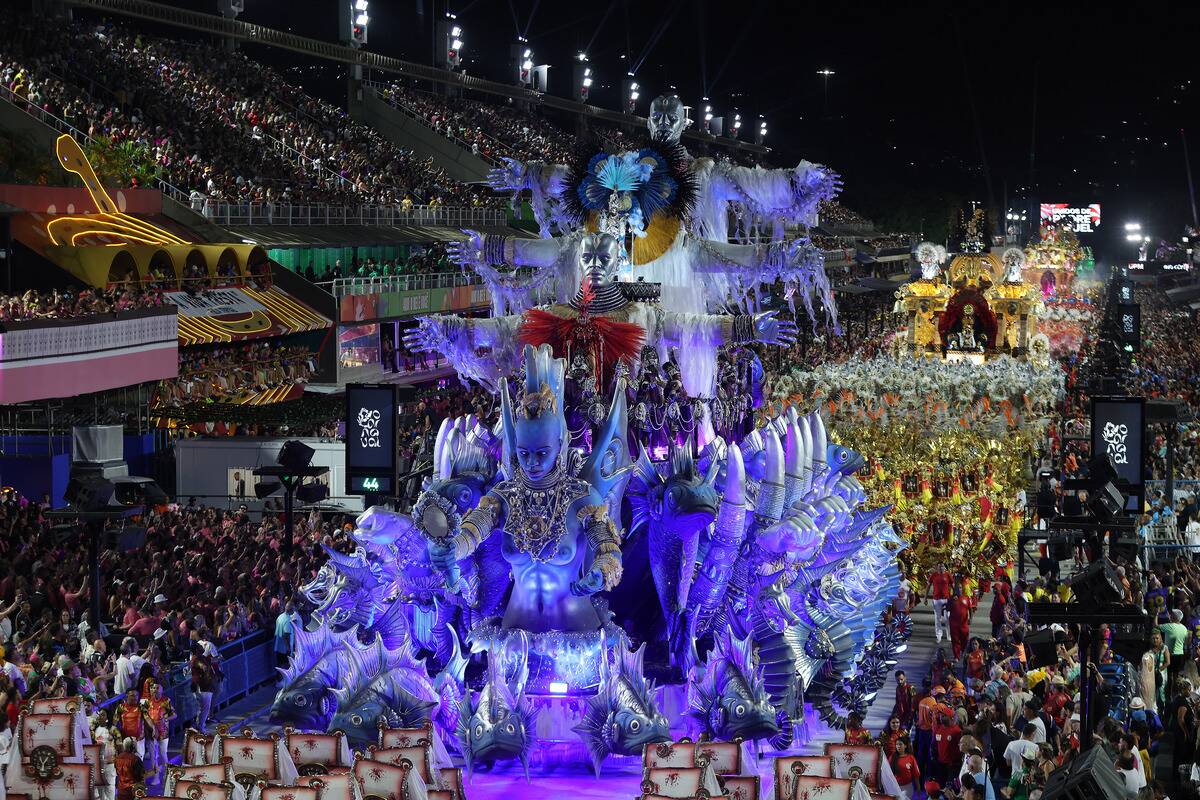
Carnival developed primarily as a Christian pre-Lenten celebration, though it likely absorbed elements from earlier Roman festivals associated with feasting and revelry, including those honoring Bacchus, the god of wine.
As it spread across Europe, each region infused its own cultural elements, leading to diverse expressions like Venice’s masked balls and Brazil’s samba parades. Today, Carnival is celebrated worldwide, bringing together music, dance, and vibrant costumes, serving as a testament to cultural fusion and the joy of community celebration.
Ancient Harvest Festivals: The Roots of Modern Autumn Celebrations
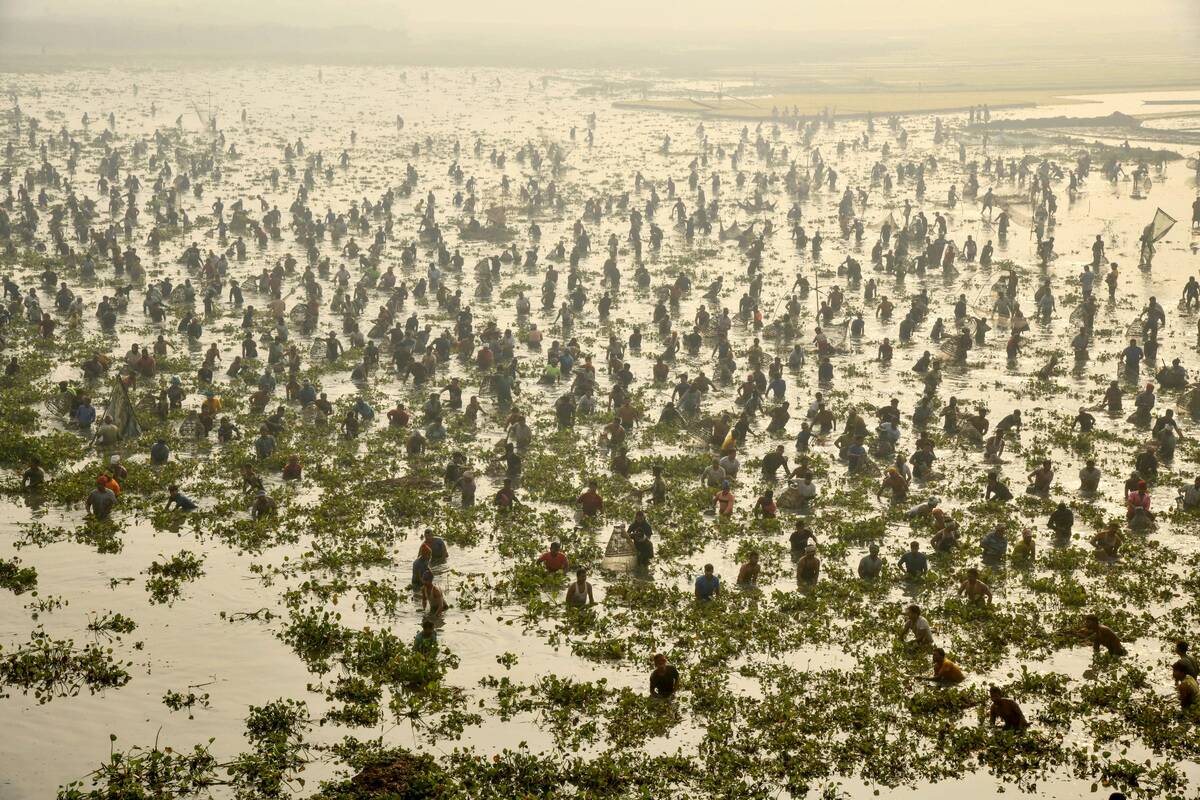
Harvest festivals have been celebrated since ancient times, marking the end of the growing season and the gathering of crops. These festivals were often filled with rituals to thank the gods for a successful harvest.
In modern times, these celebrations have transformed into autumn festivals and fairs, complete with apple picking, pumpkin carving, and hayrides. They continue to be a way for communities to come together and celebrate the bounty of the earth.
The Longest Night: How Winter Solstice Festivals Became Modern Celebrations
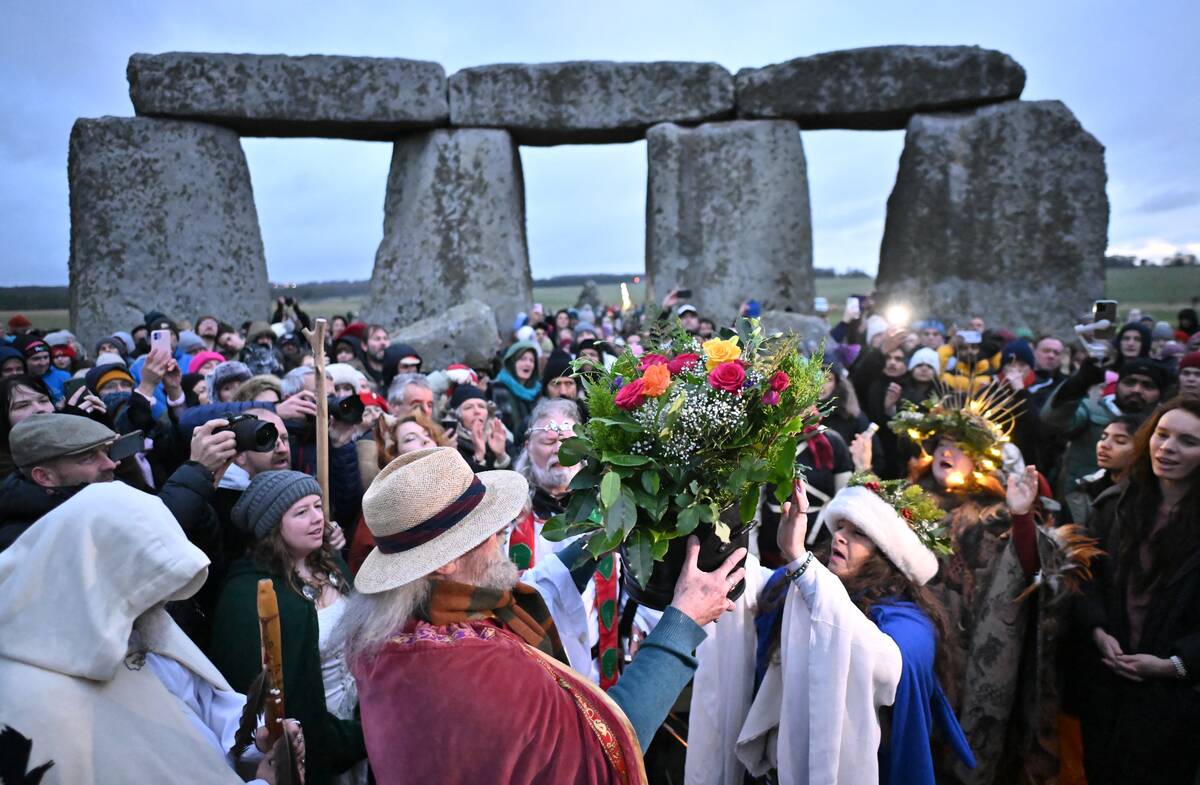
The winter solstice, the longest night of the year, has been celebrated by cultures worldwide for centuries. Ancient peoples marked this time with festivals that celebrated the return of the sun and the promise of longer days.
Today, winter solstice celebrations include Yule in Scandinavian countries and the Dongzhi Festival in China. These celebrations, filled with light and warmth, remind us of the enduring human spirit and the cyclical nature of life.




