Early tools that showcase human ingenuity
Human creativity has long been intertwined with the development of tools. From the simplest stone implements to complex constructions, ancient tools offer a fascinating glimpse into our ancestors’ ingenuity.
These inventions were not just about survival; they were expressions of creativity and adaptability. As we delve into the history of ancient tool-making, we discover how these innovative creations shaped human evolution and laid the foundation for modern technology.
The Oldowan Choppers: Earliest Known Stone Tools

Oldowan choppers are some of the earliest known stone tools, dating back around 2.6 million years. These simple yet effective tools were used by early humans to cut, scrape, and bash, primarily made from river cobbles.
Found mainly in Africa, they mark the beginning of the Stone Age. The Oldowan culture represents a crucial evolutionary step, highlighting the dawn of human creativity and problem-solving abilities.
Acheulean Hand Axes: A Leap in Toolmaking
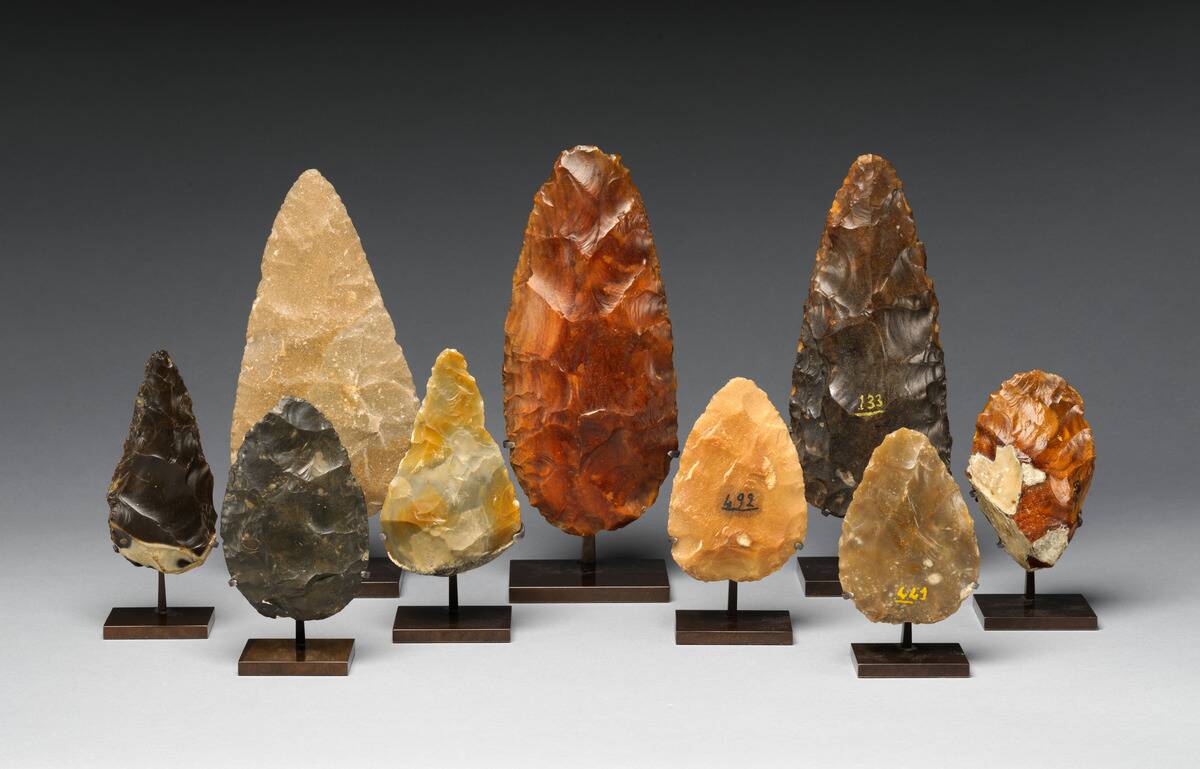
Acheulean hand axes, crafted by Homo erectus, signify a significant leap in toolmaking complexity. These teardrop-shaped tools, dating back around 1.76 million years, were more sophisticated than Oldowan tools.
Made from flint, quartzite, or other stones, they had a bifacial edge, making them versatile for cutting and digging. The widespread use of these axes across Africa, Europe, and Asia indicates the adaptability of early humans in different environments.
Mousterian Tools: Neanderthal Innovations
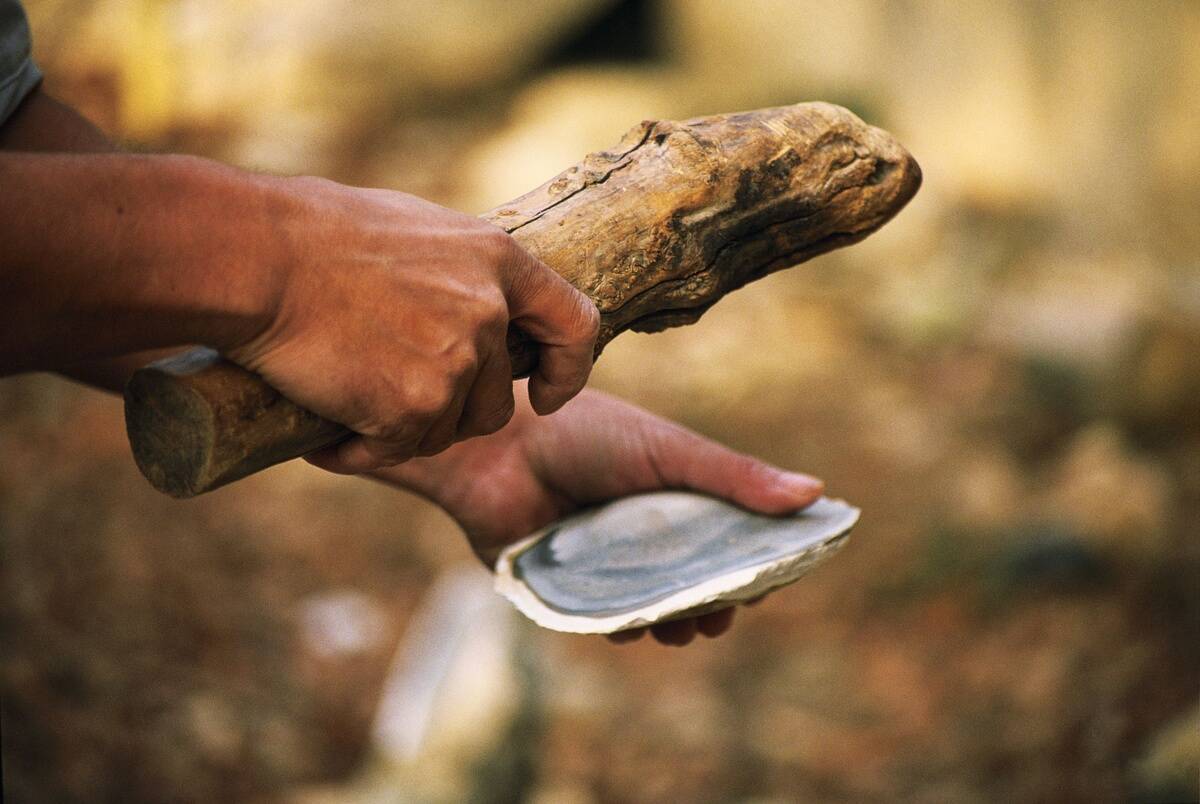
The Mousterian culture, associated with Neanderthals, introduced an advanced toolset that reflected their sophisticated cognitive abilities. These tools, which emerged around 160,000 years ago, included scrapers, points, and blades made primarily from flint.
The Levallois technique, a hallmark of Mousterian toolmaking, allowed for precise shaping of stone cores into predetermined forms. This innovation demonstrated the Neanderthals’ ability to plan and execute complex tasks.
The Versatile Use of Flint: Crafting Sharp Edges
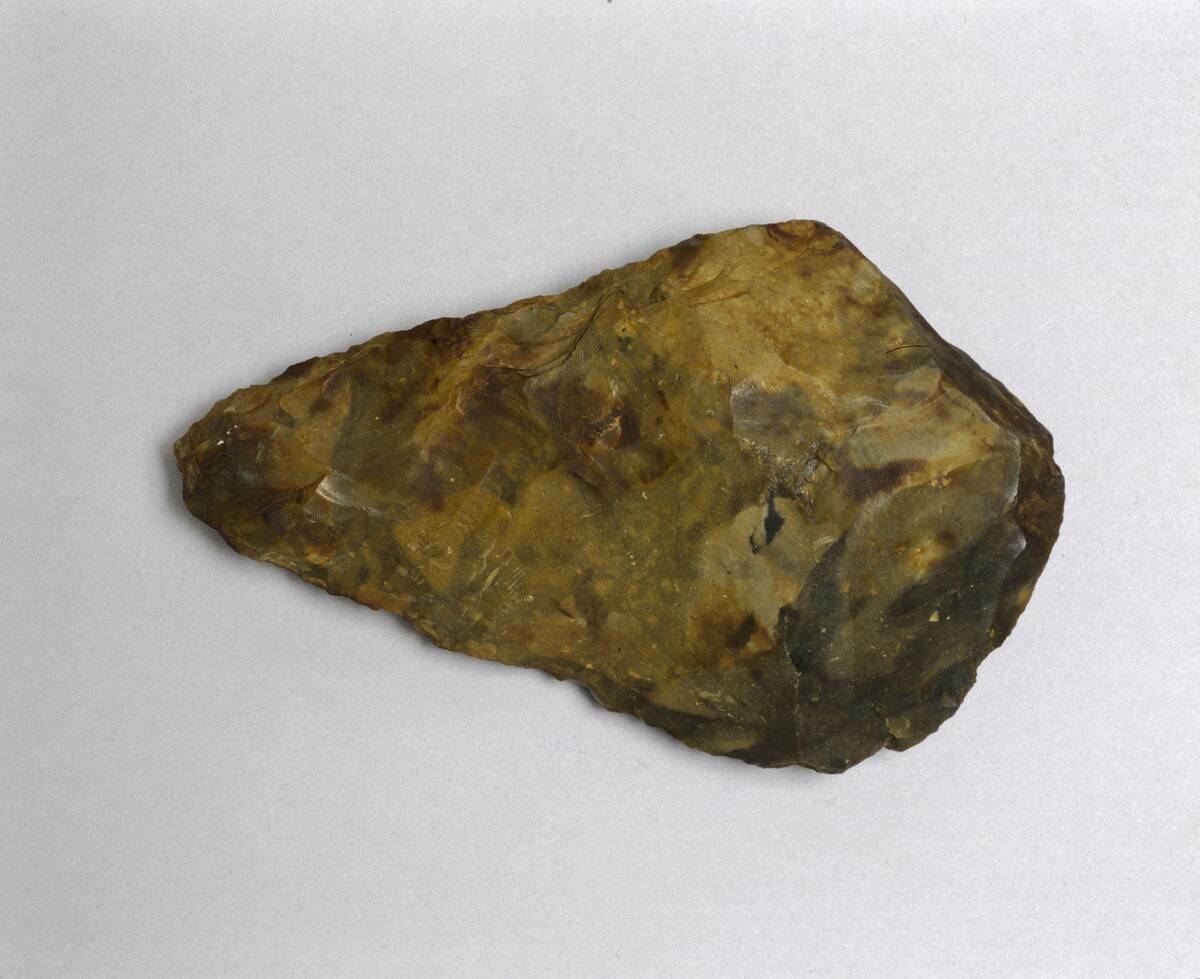
Flint was a favored material for ancient toolmakers due to its ability to fracture predictably and produce sharp edges. This sedimentary cryptocrystalline form of quartz was used in crafting tools like blades, scrapers, and arrowheads.
Flintknapping, the art of shaping flint, required skill and precision. The widespread use of flint tools underscores its importance in prehistoric societies, showcasing the resourcefulness of early humans in utilizing available materials.
Bone and Antler Implements: Beyond Stone
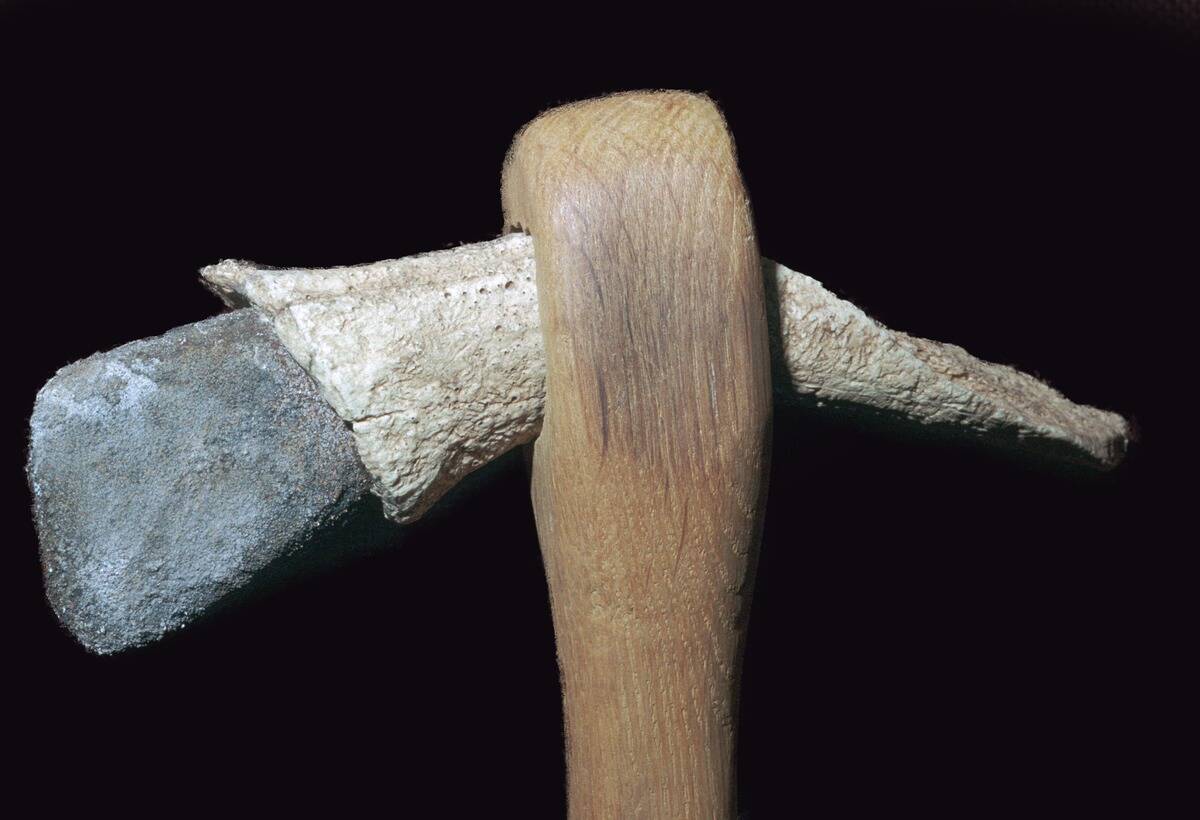
Beyond stone, ancient humans made effective use of bone and antler to create tools and weapons. These materials, being lighter yet durable, were used to craft items like harpoons, needles, and awls.
The use of bone and antler demonstrates an understanding of material properties and an ability to adapt tools to specific tasks. This innovation also highlights a broader spectrum of tool use and craftsmanship skills in prehistoric times.
The Bow and Arrow: Revolutionizing Hunting Techniques

The invention of the bow and arrow marked a revolutionary development in hunting techniques. Appearing around 64,000 years ago, this technology allowed for increased range and accuracy, giving early humans a distinct advantage over prey.
The bow’s design and the aerodynamic properties of the arrow were critical to its effectiveness. This innovation not only improved hunting success but also influenced social structures by enabling new forms of cooperation and strategy.
Atlatls: The Spear Thrower’s Impact on Prehistoric Hunting

The atlatl, or spear thrower, was an ingenious tool that significantly enhanced prehistoric hunting methods. By extending the thrower’s arm, the atlatl increased the velocity and distance of a thrown spear.
This device, used as early as 20,000 years ago, allowed hunters to engage prey from a safer distance. The atlatl’s design reflects an understanding of leverage and mechanics, showcasing the creative problem-solving abilities of ancient humans.
The Advent of Sewing Needles: Early Fashionistas and Survival

Sewing needles made from bone or ivory, dating back around 40,000 years, represent an important development in human adaptation and survival. These tools enabled the creation of tailored clothing, essential for protection against harsh climates.
The advent of sewing also suggests a cultural appreciation for aesthetics and craftsmanship. This leap in technology not only provided practical benefits but also allowed for self-expression and social identity.
Pottery: More Than Just Functional Vessels
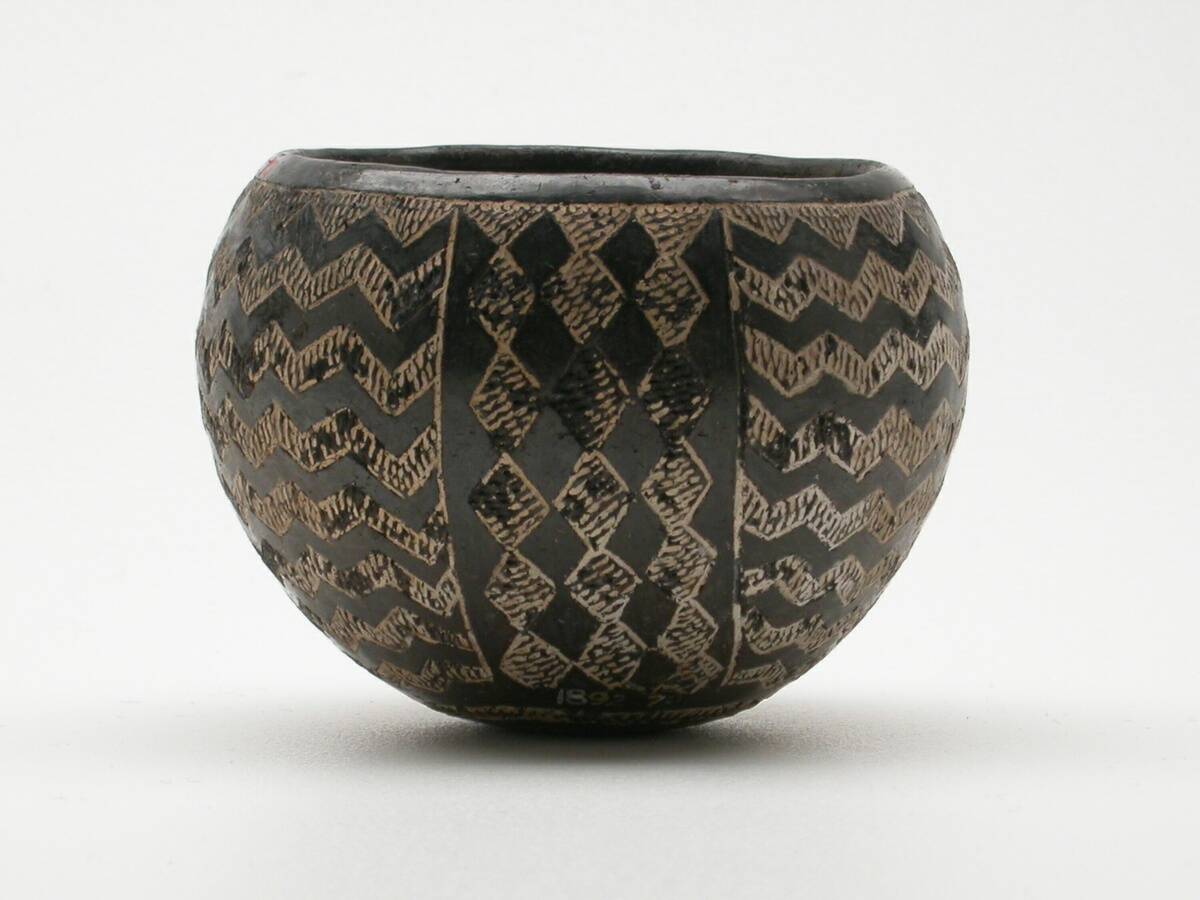
Pottery, which first appeared around 20,000 years ago, was more than just functional; it was a canvas for artistic expression. These ceramic vessels, used for storage, cooking, and serving, were often decorated with intricate patterns and designs.
The development of pottery marks a significant cultural milestone, reflecting advancements in technology and social organization. It also provides valuable archaeological insights into the daily lives and beliefs of ancient societies.
The Evolution of Fishing Tools: Nets, Hooks, and Lines

Fishing tools such as nets, hooks, and lines revolutionized how prehistoric humans exploited aquatic resources. Early hooks were crafted from bone or stone, while nets were woven from plant fibers.
These advancements allowed for more efficient and diverse fishing methods, supporting larger communities. The evolution of fishing tools highlights the adaptability of ancient societies in harnessing the environment, leading to improved diets and economic stability.
Fire Starters: The Birth of Controlled Fire Usage
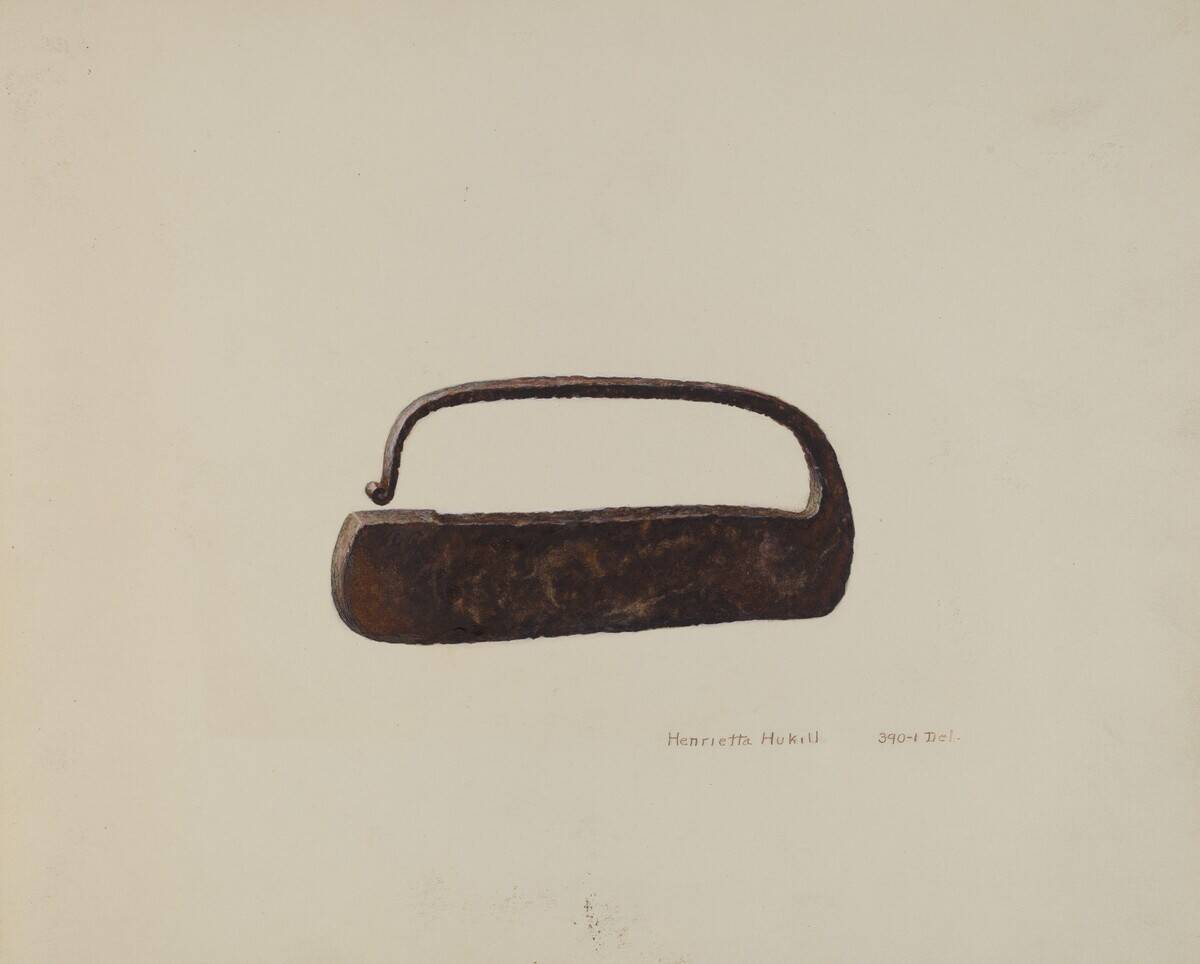
The ability to start and control fire was a turning point in human evolution, with fire starters playing a crucial role. Early methods included striking flint against pyrite or using friction from wooden tools.
Controlled fire provided warmth, protection, and a means to cook food, greatly impacting human health and social structures. This mastery of fire reflects the ingenuity of early humans and their capacity to manipulate natural forces for survival.
The Role of Grinding Stones in Early Agriculture
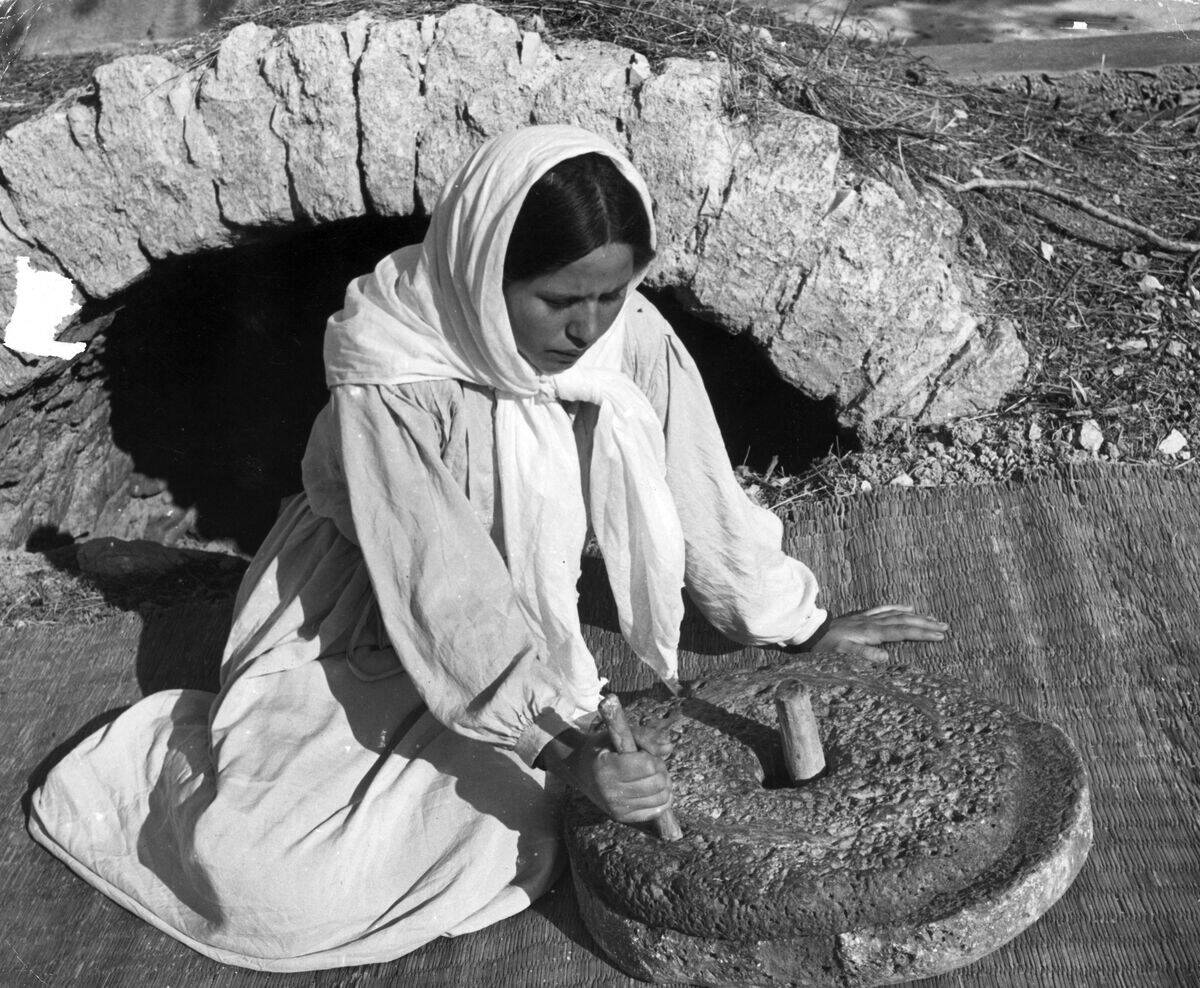
Grinding stones, used to process grains and seeds, were pivotal in the development of early agriculture. These tools allowed for the production of flour, enabling the transition from nomadic lifestyles to settled farming communities.
The use of grinding stones signifies an understanding of crop cultivation and food storage. This agricultural innovation played a key role in the rise of complex societies, as it supported population growth and urbanization.
The Wheel: A Turning Point in Ancient Engineering
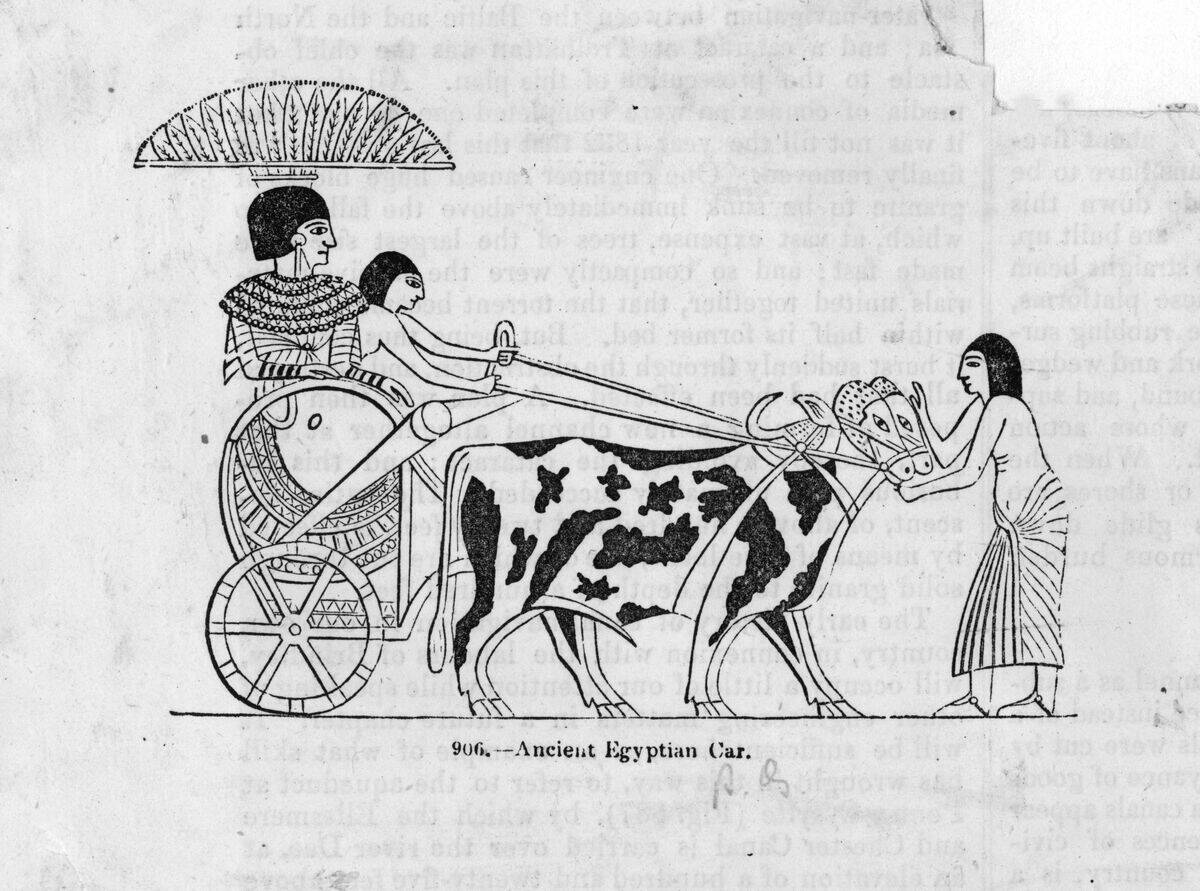
The invention of the wheel, around 3500 BCE, was a milestone in ancient engineering. This simple yet transformative tool facilitated transportation, trade, and the movement of goods. Initially used in pottery making, the wheel’s application rapidly expanded to carts and chariots.
The wheel’s impact on society was profound, influencing economic development and cultural exchange. It remains one of the most significant technological achievements in human history.
The Mystery of Stone Circles: Tools for Construction or Ceremony?

Stone circles, such as Stonehenge, continue to intrigue archaeologists and historians. Built using massive stones, these structures pose questions about their purpose—whether ceremonial, astronomical, or both.
The construction of stone circles required advanced knowledge of engineering and communal effort. Their alignment with celestial events suggests a sophisticated understanding of astronomy. These enigmatic sites offer insight into the spiritual and social lives of ancient civilizations.
Ancient Mining Techniques: Extracting Resources with Ingenuity
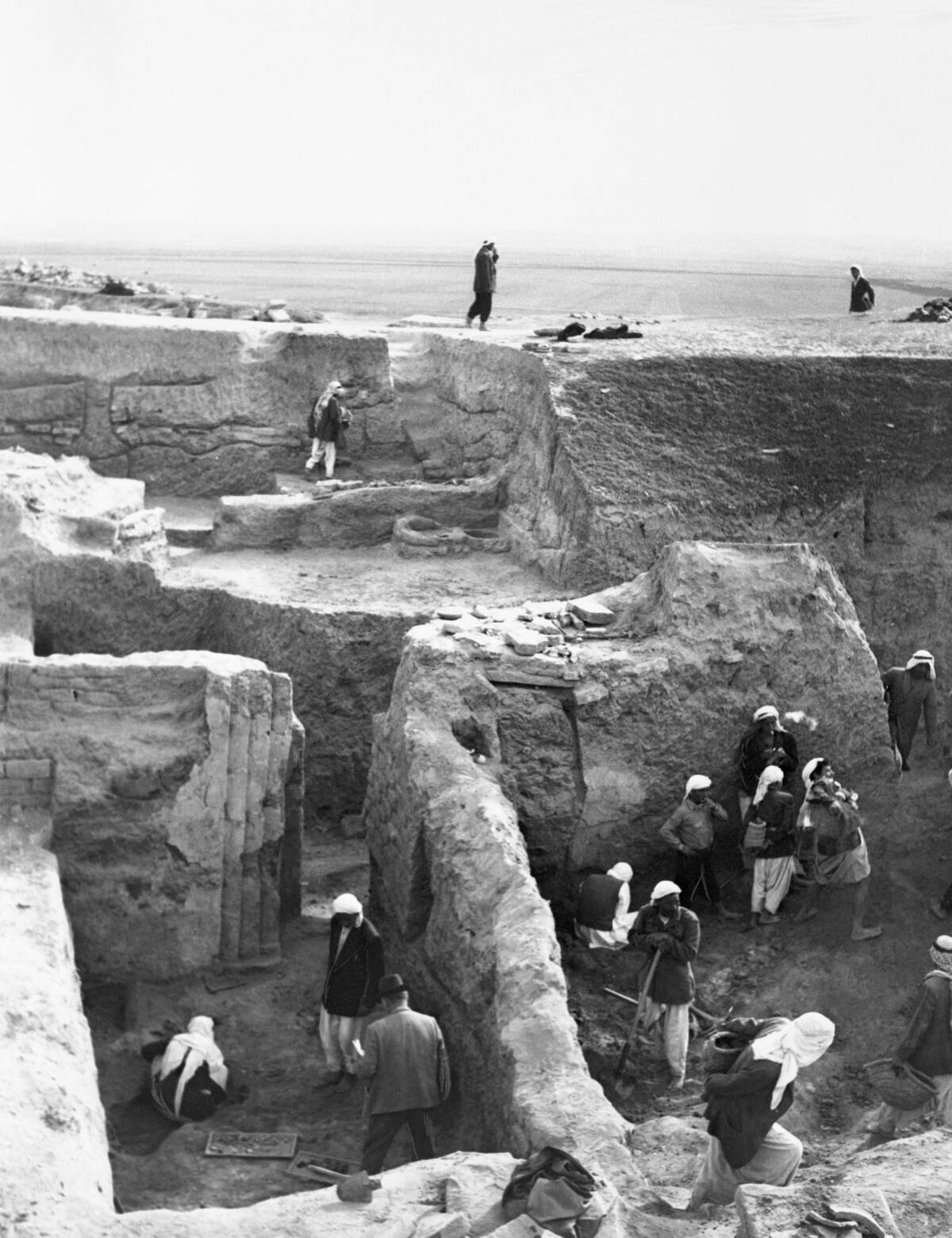
Ancient mining techniques reflect the resourcefulness of early humans in extracting valuable materials from the earth. Methods like open-pit and underground mining were used to obtain metals such as copper and gold.
The development of mining tools and techniques demonstrates an understanding of geology and metallurgy. These practices not only supplied essential materials but also laid the groundwork for technological advancements and trade networks in ancient societies.
The Significance of Ancient Tool Discoveries in Modern Archaeology
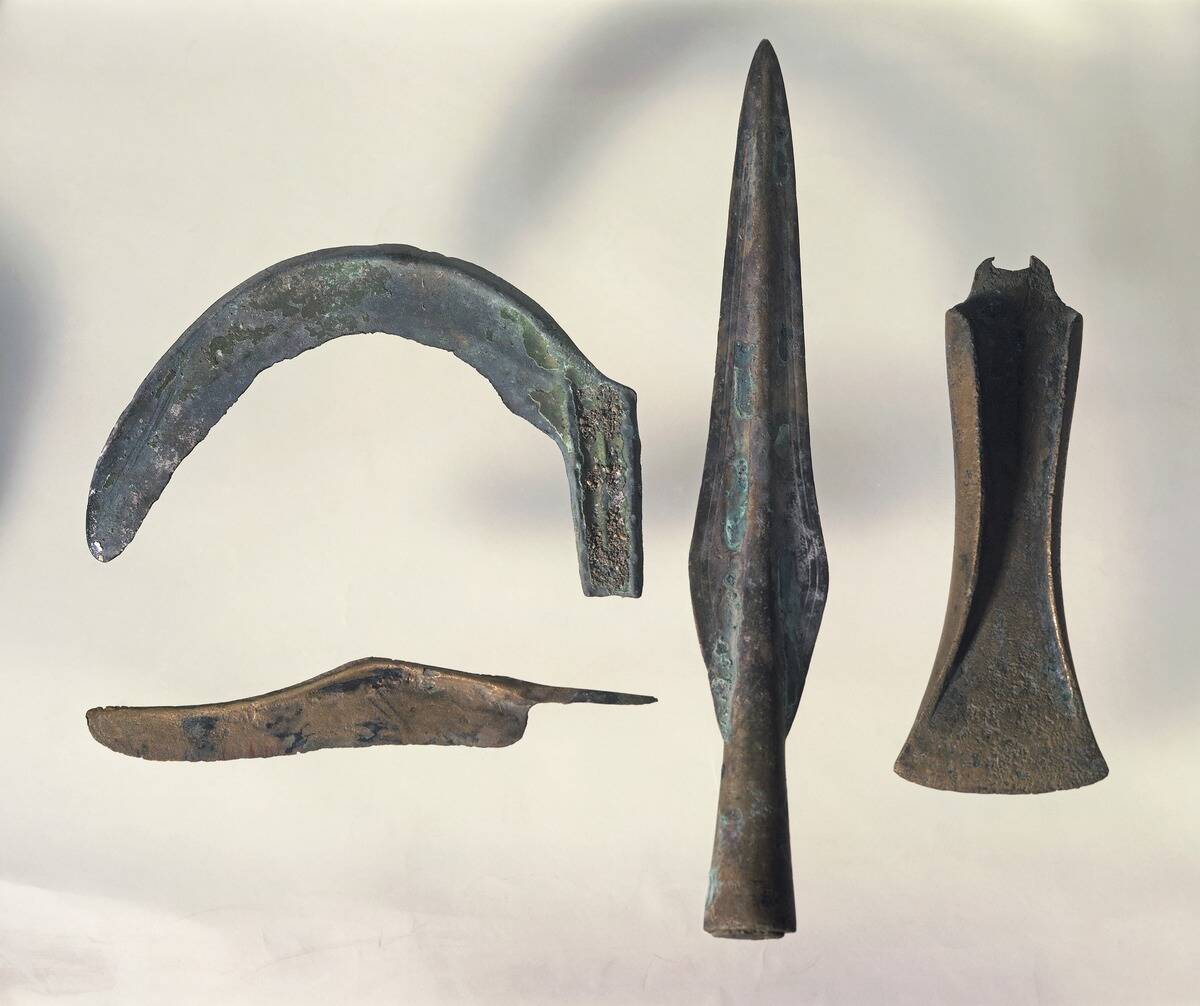
Discoveries of ancient tools are invaluable to modern archaeology, providing insights into the daily lives, cultures, and technological advancements of prehistoric humans. These artifacts help reconstruct ancient environments and human behaviors. Tools serve as tangible links to our past, revealing patterns of migration, trade, and cultural exchange. The study of ancient tools continues to enrich our understanding of human evolution and the development of civilizations.




