What happened to these forgotten restaurant chains
Embark on a nostalgic journey through the annals of American dining with forgotten restaurant chains. These eateries were once staples in communities, offering unique menus and memorable dining experiences.
They left indelible marks on the culinary landscape before fading into obscurity. Let’s explore the stories of these iconic establishments, from their humble beginnings to their mysterious disappearances, and relive the charm and allure that once captured the hearts of diners nationwide.
The Rise and Fall of Howard Johnson’s
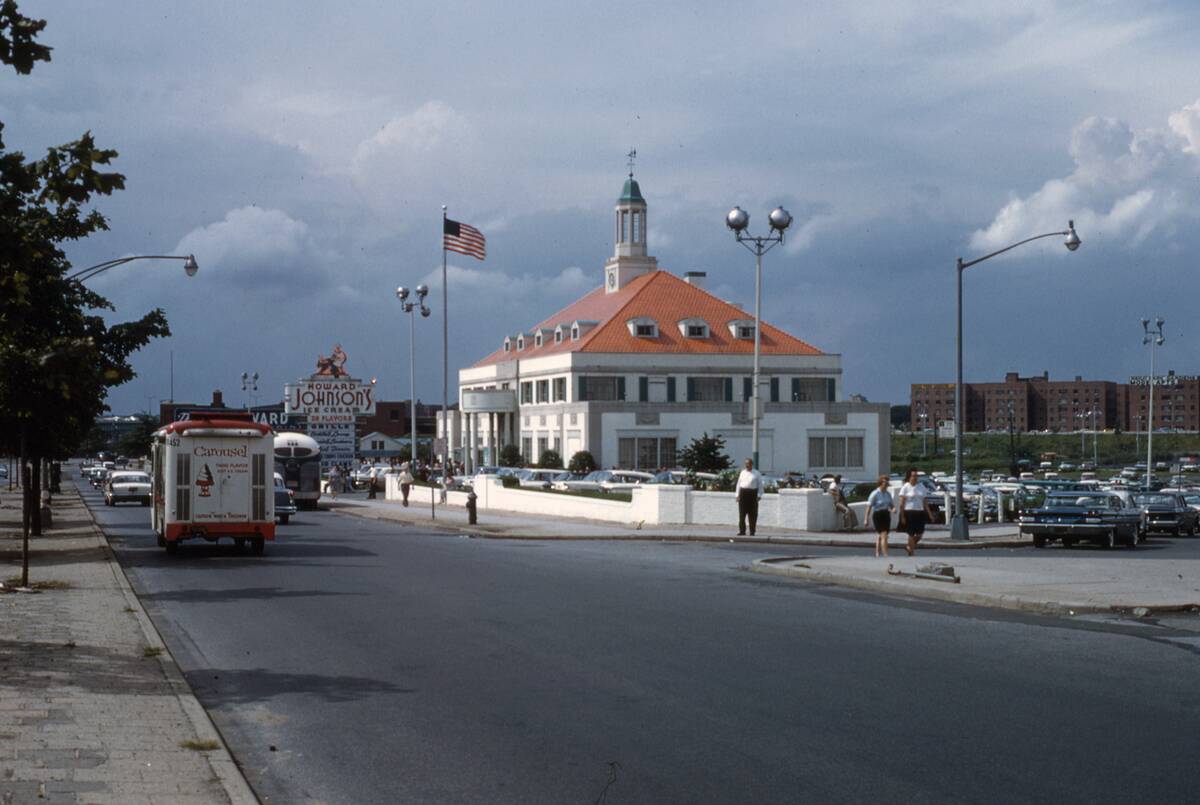
Once known as one of the largest restaurant chains in the U.S., Howard Johnson’s boasted over 1,000 locations at its peak in the 1970s. With its iconic orange roof and 28 flavors of ice cream, it was a family favorite for road-trippers.
However, as competition grew fiercer and tastes evolved, the chain struggled to keep up with fast-food giants. By the early 2000s, nearly all locations had closed, leaving just a handful as relics of a bygone era.
Remembering the Charm of Sambo’s
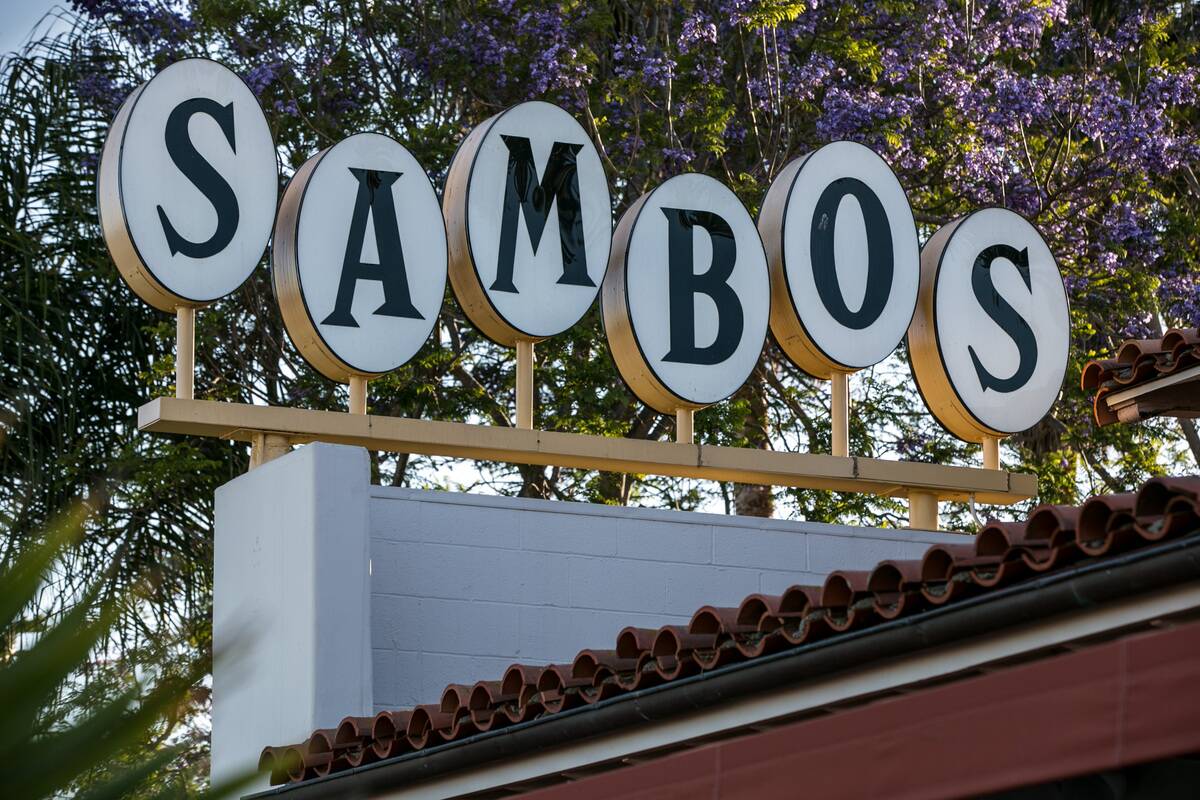
Sambo’s was a beloved pancake chain that started in the late 1950s, with its whimsical decor and budget-friendly breakfast options. At its height, there were over 1,100 locations across the United States. However, controversy over its name and theme led to a decline in popularity.
By the early 1980s, most outlets had rebranded or shuttered. Despite its downfall, many remember the warmth and charm that defined a Sambo’s dining experience.
The Story Behind Chi-Chi’s Mexican Restaurant
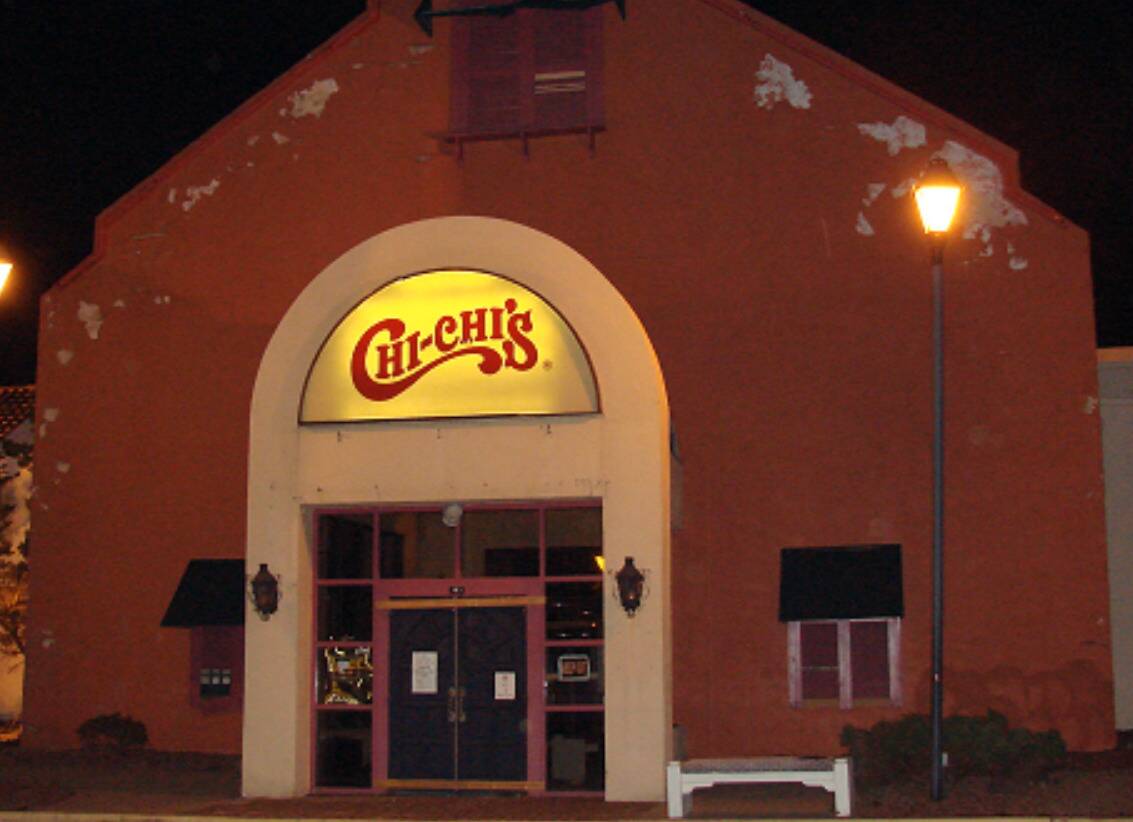
Chi-Chi’s was a pioneer in bringing Mexican cuisine to mainstream American diners in the 1970s. Known for its vibrant atmosphere and ‘sizzle platters,’ it quickly expanded across the country. However, a hepatitis
A outbreak in 2003 devastated the brand, leading to its rapid decline and bankruptcy. While it no longer operates in the U.S., Chi-Chi’s products, like their salsa, are still available in grocery stores, keeping a piece of the chain alive.
What Happened to Bennigan’s?
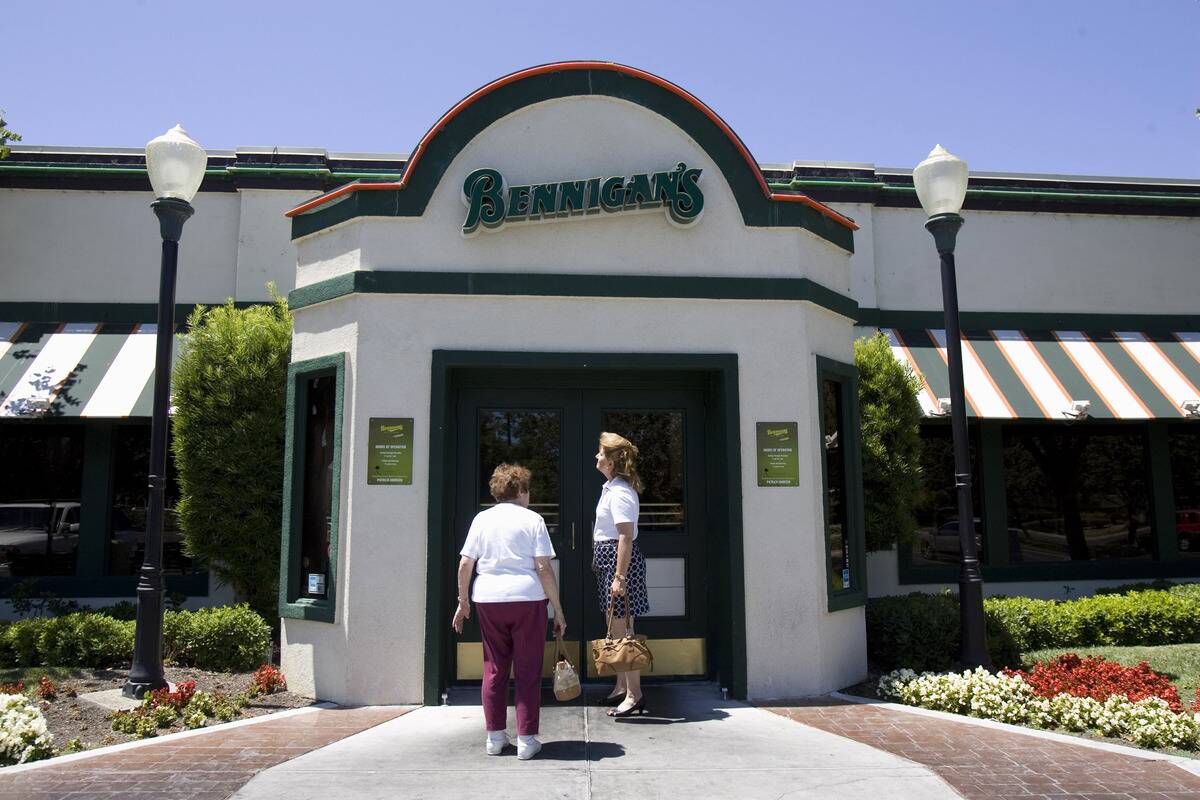
Founded in 1976, Bennigan’s was a cornerstone of casual dining, celebrated for its Irish-themed decor and Monte Cristo sandwiches. However, by the mid-2000s, financial turmoil and stiff competition forced many locations to close.
In 2008, the chain filed for bankruptcy, shuttering numerous outlets. Yet, Bennigan’s has been attempting a comeback, with new franchise locations popping up, hoping to revive its former glory and delight a new generation of diners.
The Nostalgic Tale of Steak and Ale

Steak and Ale introduced Americans to the casual steakhouse experience in 1966, with its dimly lit interiors and salad bars. The chain expanded rapidly, appealing to those seeking a steak dinner without the fine-dining price.
Unfortunately, financial issues led to its closure in 2008. Despite its absence, the brand holds a special place in the hearts of patrons who fondly remember the affordable elegance and hearty meals it once offered.
The Vanishing Act of Lum’s Hot Dogs
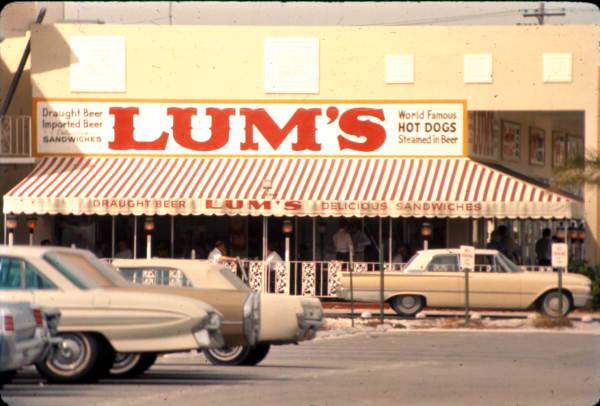
Lum’s was a quirky chain that gained fame in the 1960s for its beer-steamed hot dogs. The brand expanded to over 400 locations, offering a unique twist on the classic hot dog experience. However, shifts in consumer preferences and management challenges led to its decline.
By the early 1980s, most Lum’s locations had disappeared. The chain’s innovative approach to hot dogs remains a fond memory for those who enjoyed its distinctive offerings.
The Decline of Arthur Treacher’s Fish & Chips
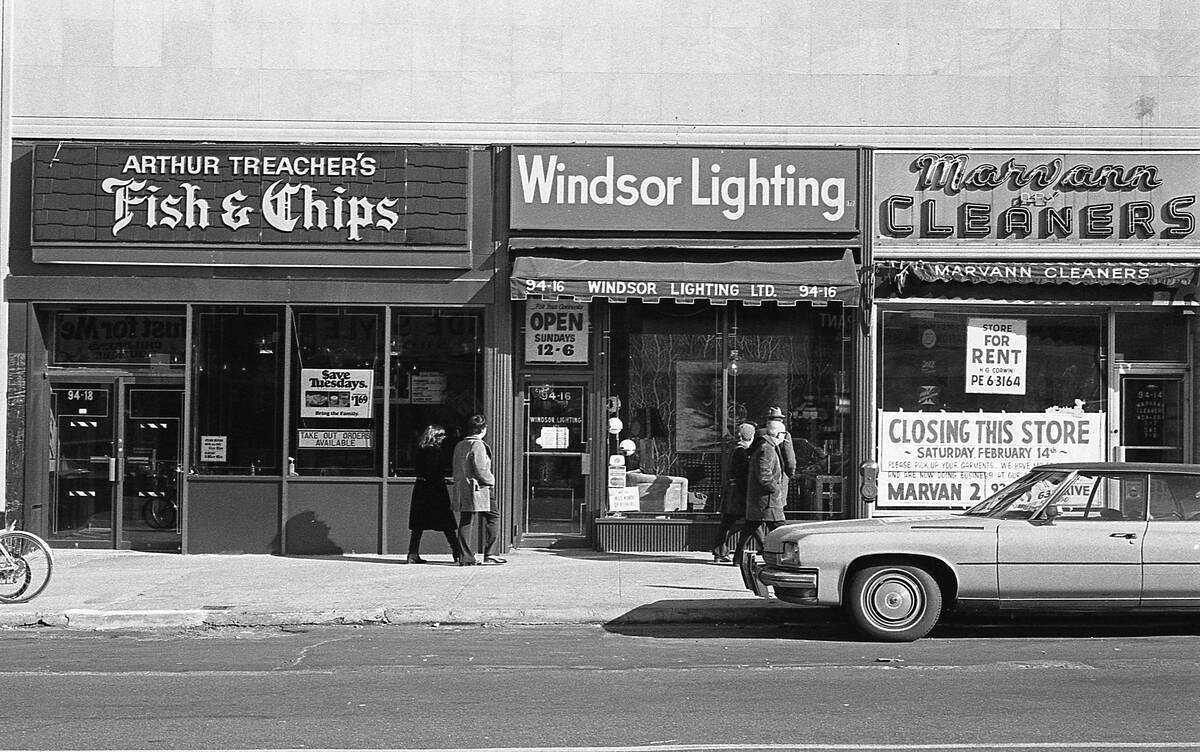
Named after the British actor, Arthur Treacher’s introduced Americans to the traditional fish and chips experience in the 1960s. At its peak, the chain had hundreds of locations nationwide. However, rising costs and competition from fast-food giants led to its downfall.
Today, only a few locations remain, mainly in Ohio. Despite its decline, Arthur Treacher’s is remembered for its crispy fish and tangy tartar sauce that delighted seafood lovers.
Revisiting the Magic of Magic Pan Crepe Stand
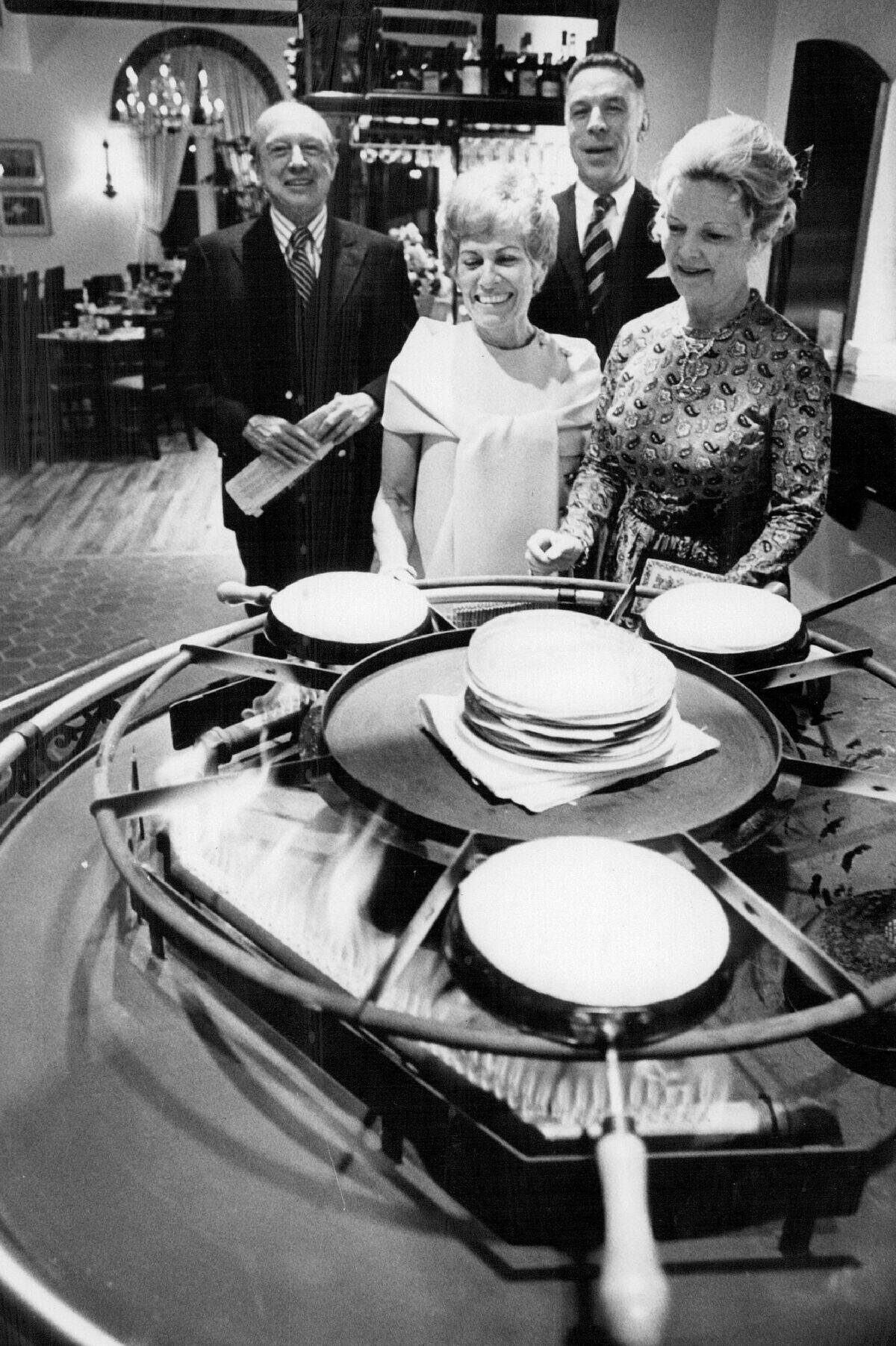
Magic Pan was a unique dining concept that brought the art of crepe-making to malls across America in the 1970s. Known for its spinning crepe griddles and sweet and savory offerings, it was a hit among shoppers.
However, changing food trends and operational challenges led to its closure by the 1990s. The allure of Magic Pan lies in its nostalgic charm, reminding diners of a time when crepes were a fashionable culinary delight.
The Dine-In Experience at Red Barn
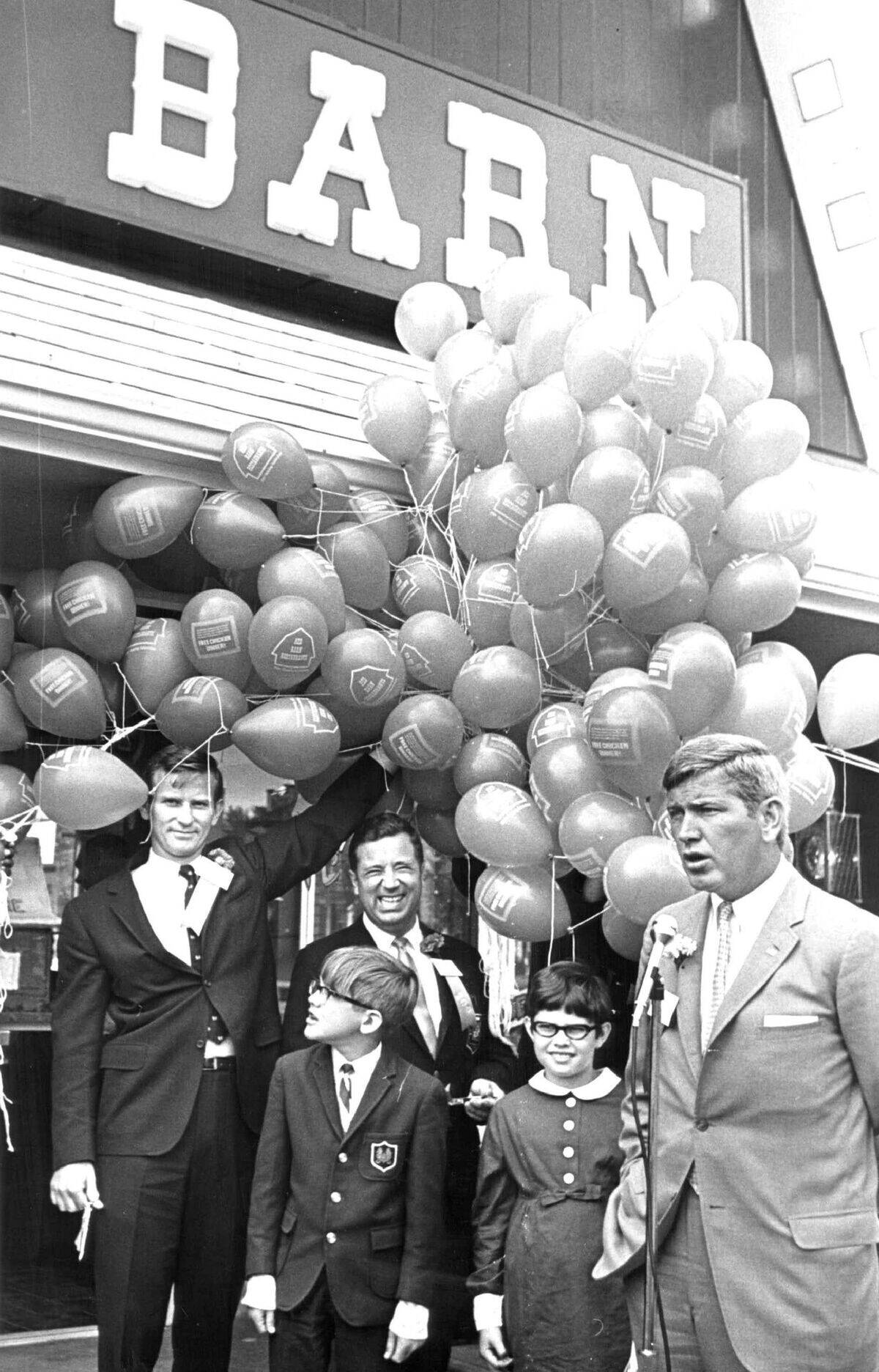
Red Barn was a fast-food chain that stood out for its barn-shaped buildings and extensive menu, including burgers, fried chicken, and fish. It flourished in the 1960s and 1970s, boasting over 400 locations.
However, corporate changes and intense competition led to its decline by the late 1980s. Although no longer in operation, Red Barn is remembered for its distinctive architecture and the warm nostalgia it brings to those who dined there.
The Legendary Journey of Farrell’s Ice Cream Parlour
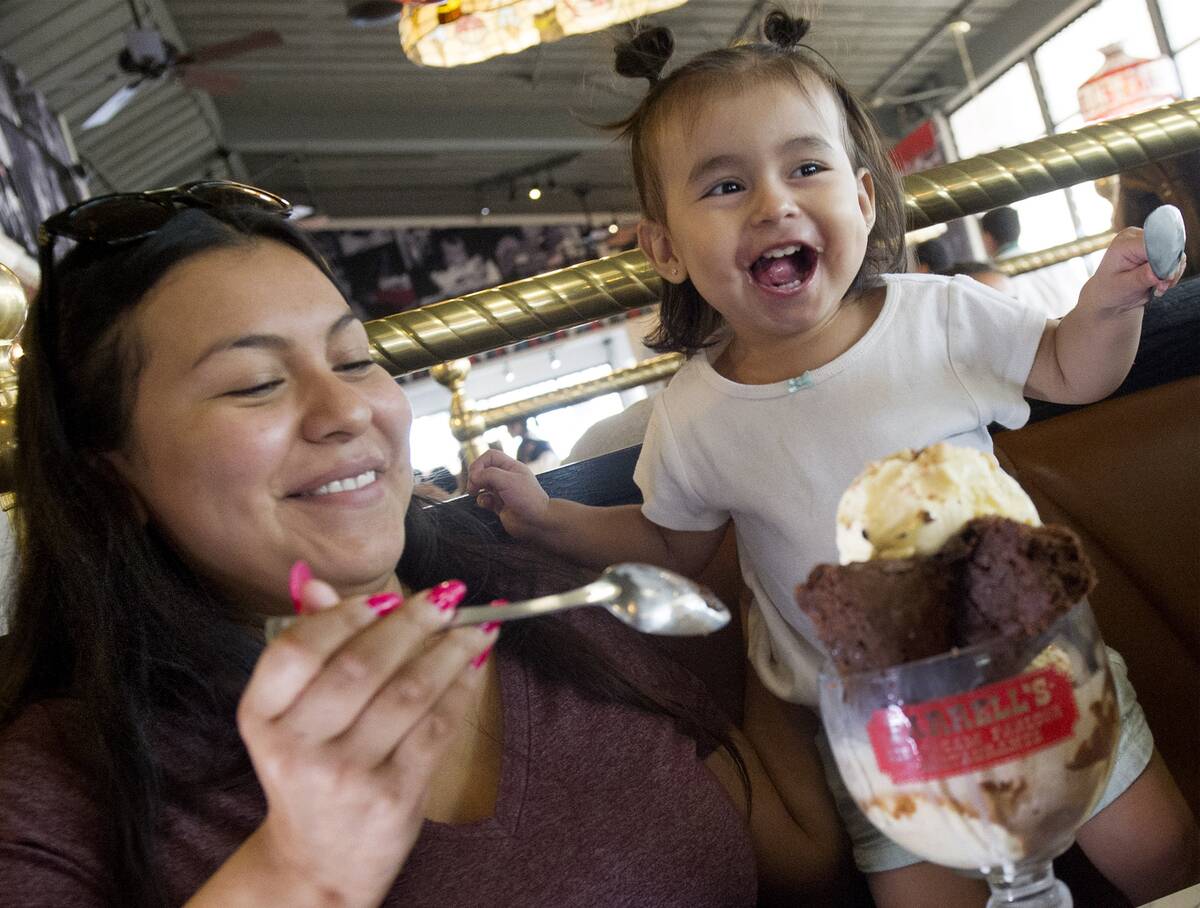
Farrell’s was a whimsical ice cream parlor that delighted families with its oversized desserts and lively atmosphere. Founded in 1963, it became famous for its ‘Zoo,’ a massive sundae carried out with great fanfare.
Despite its popularity, financial troubles led to its decline in the 1990s. While attempts have been made to revive Farrell’s, its legacy endures in the fond memories of those who experienced its joyful and indulgent offerings.
The Disappearance of Burger Chef
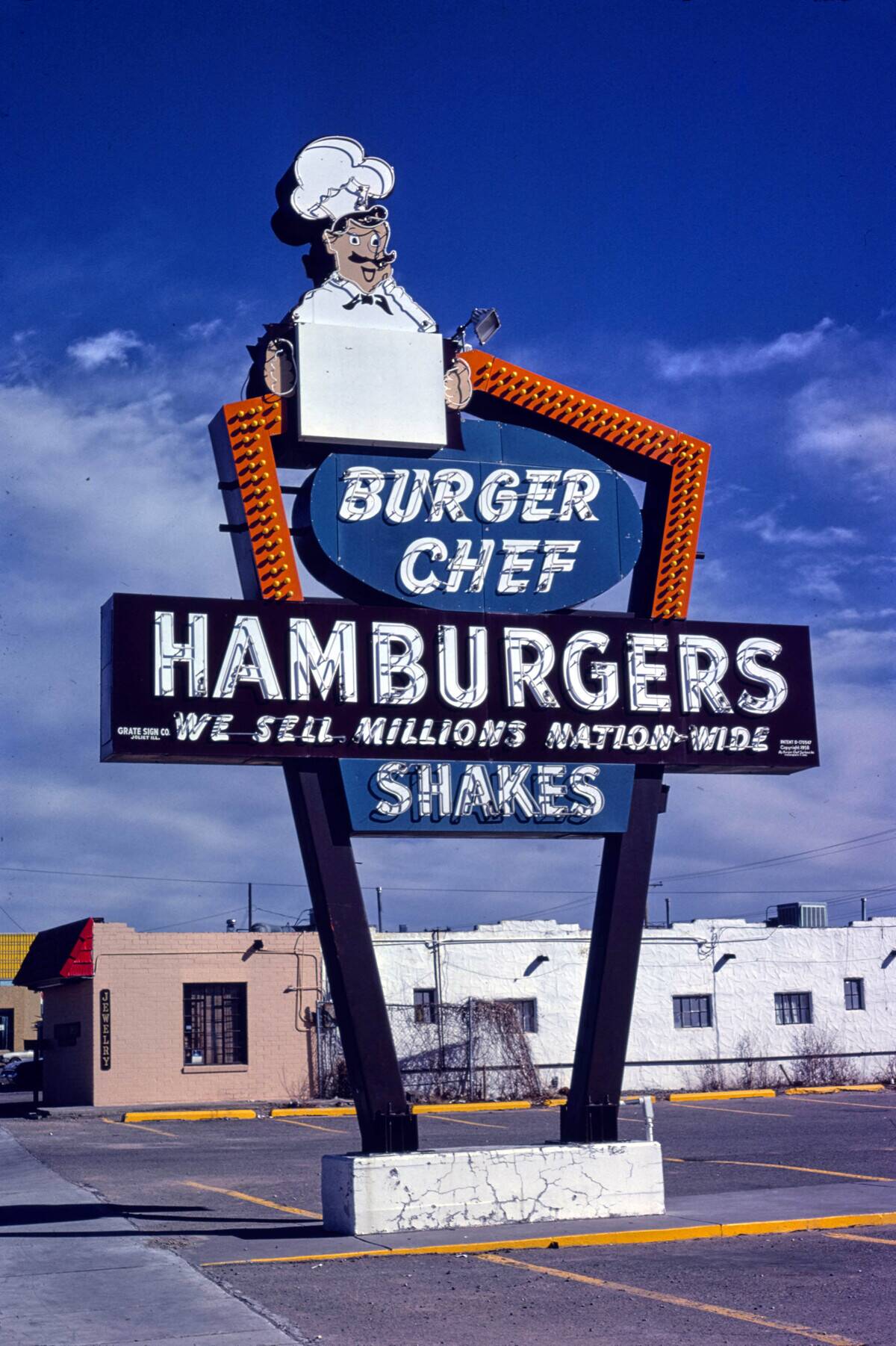
Burger Chef was a trailblazer in the fast-food industry, pioneering the ‘Works Bar’ where customers customized their burgers. At its peak, it was second only to McDonald’s in size.
However, a series of management missteps and the rise of competitors led to its downfall. By the 1980s, most locations had been sold or rebranded. Burger Chef’s innovative spirit is remembered fondly by those who enjoyed its creative contributions to fast food.
The Sweet Memories of Swensen’s Ice Cream
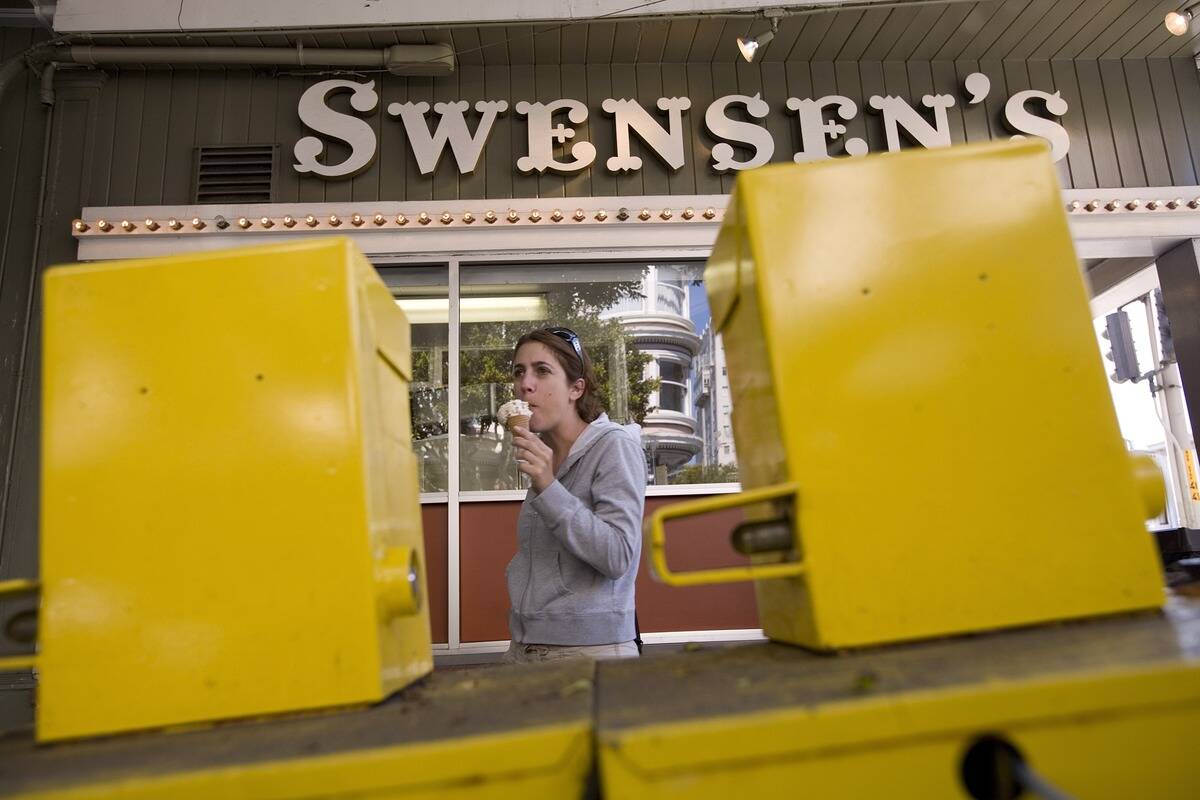
Swensen’s was a beloved ice cream parlor chain known for its rich flavors and quaint parlor setting. Founded in 1948, it expanded globally, offering unique creations like the Earthquake Sundae.
However, stiff competition and changing market demands led to a decline in U.S. locations. While the chain thrives internationally, Swensen’s holds a special place in the hearts of American ice cream enthusiasts who cherished its delightful treats.
The Twists and Turns of Kenny Rogers Roasters
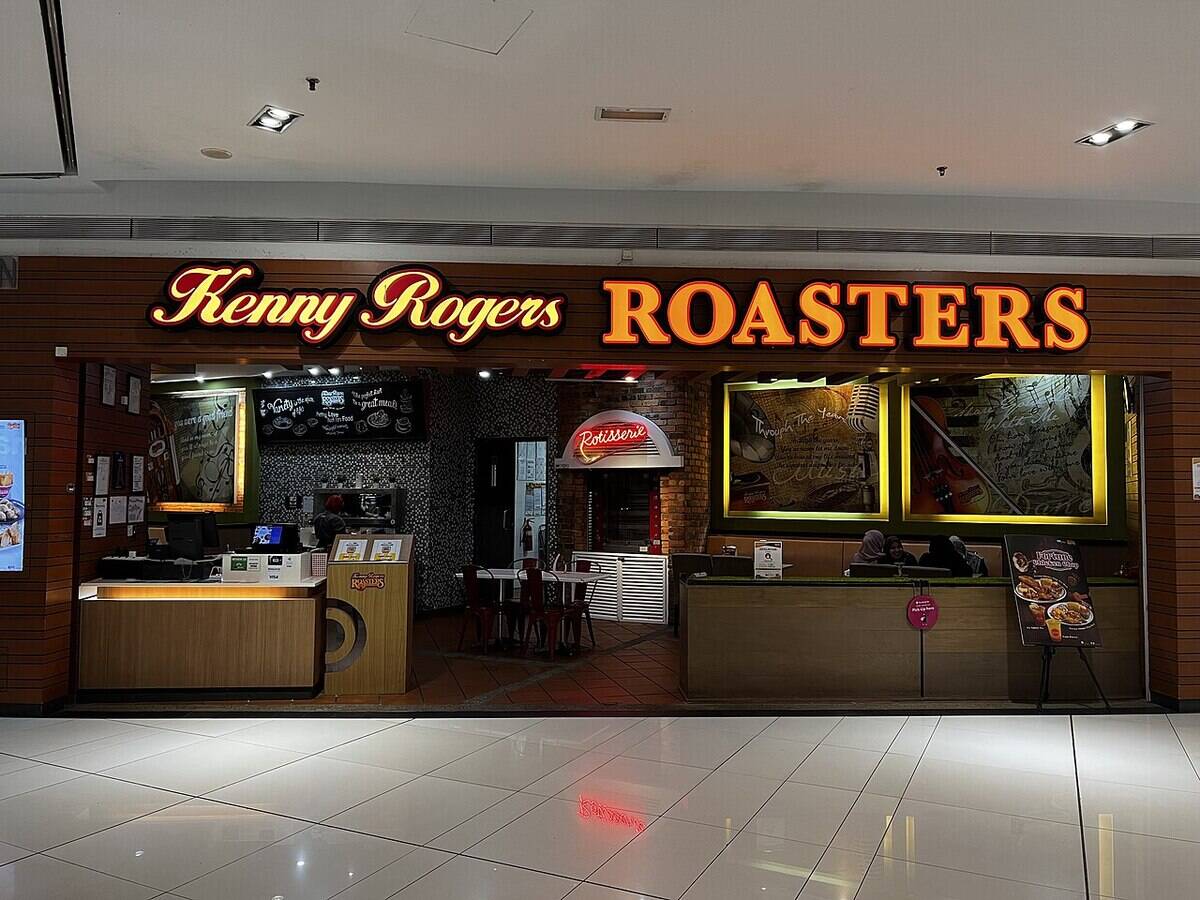
Co-founded by country music legend Kenny Rogers, this rotisserie chicken chain became famous in the 1990s for its roasted chicken and homestyle sides. Despite its initial success, the chain faced financial difficulties and dwindled in the U.S. by the early 2000s.
However, it found new life in Asia, where it remains popular. Kenny Rogers Roasters is a testament to the enduring appeal of quality comfort food, even across continents.
Exploring the Legacy of PoFolks Restaurant
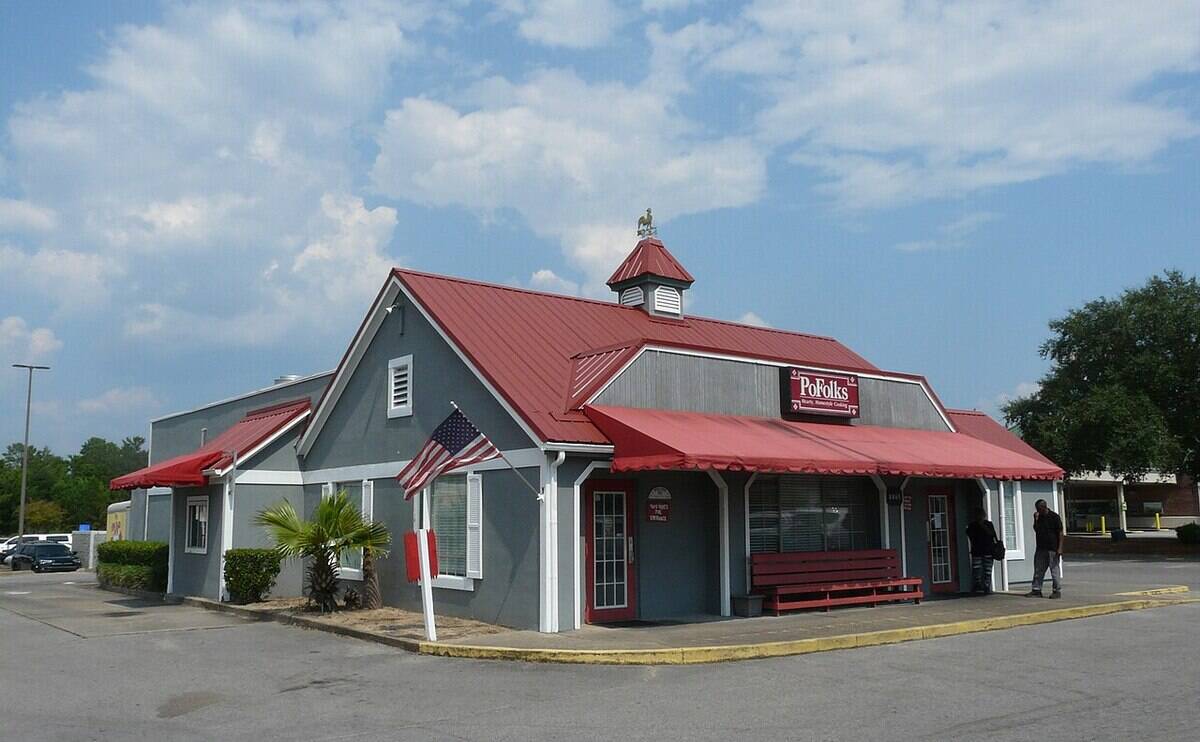
PoFolks was known for its down-home Southern cooking and rustic decor, serving dishes like fried chicken and collard greens. Established in the 1970s, it grew rapidly, appealing to those seeking hearty, affordable meals.
However, financial struggles led to a decline in the 1980s. While only a few locations remain, PoFolks is fondly remembered for its warm hospitality and authentic Southern flavors that resonated with diners across the country.
The Enigmatic History of Bob’s Big Boy
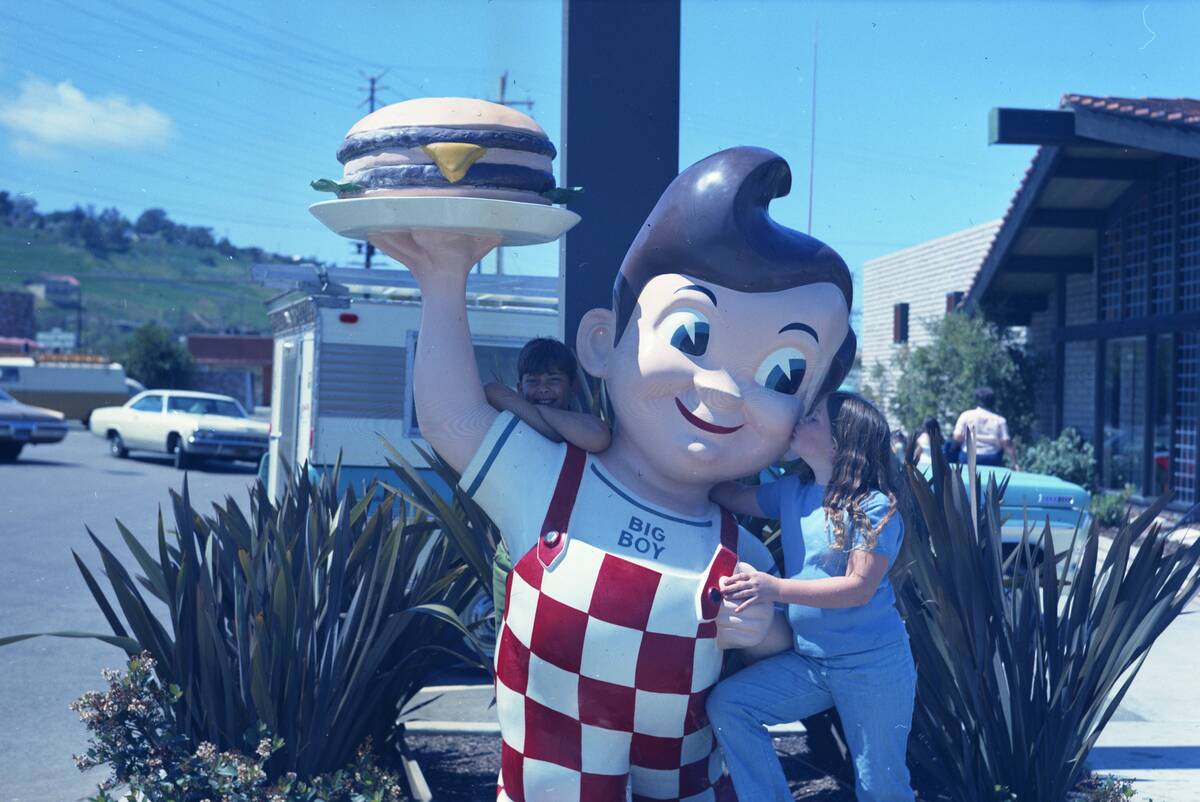
Bob’s Big Boy is best known for its iconic double-decker hamburger and the plump Big Boy statue that stood guard outside its restaurants. Founded in 1936, it became a symbol of American diner culture.
Although many original locations have closed, the brand persists with a handful of restaurants and licensing deals. Bob’s Big Boy continues to evoke memories of classic diner meals and remains a beloved part of American food history.