Archaeological discoveries that changed our view of history
Archaeology is like a time machine, transporting us to eras long gone, and it’s through discoveries that we begin to piece together the stories of our ancestors. From ancient scripts to royal tombs, each find tells a tale.
These treasures unearthed by archaeologists give us glimpses into civilizations that shaped our world. So, let’s embark on a journey through some of the most fascinating archaeological discoveries ever made!
The Rosetta Stone: Deciphering Ancient Scripts
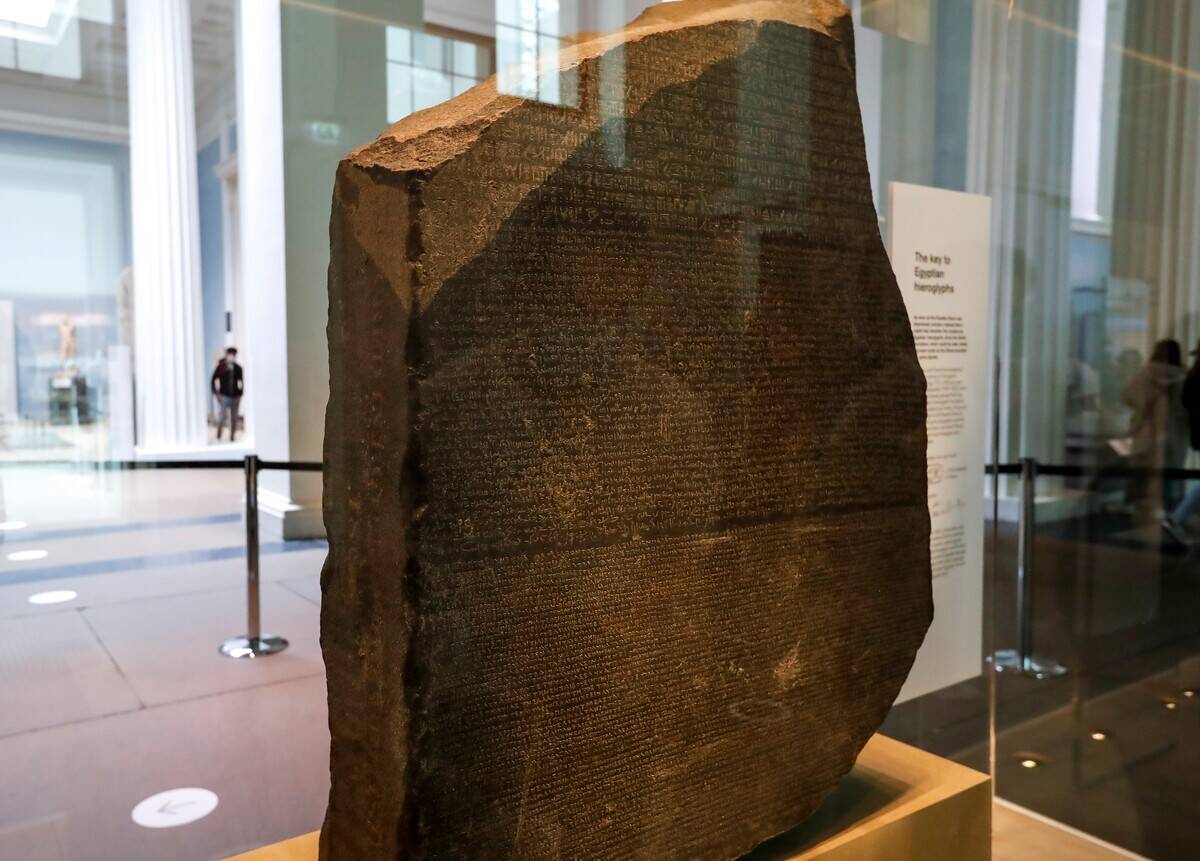
The Rosetta Stone, discovered in 1799, was the key to understanding Egyptian hieroglyphs, thanks to its inscriptions in Greek, Demotic, and hieroglyphic scripts. Before its discovery, the ancient world was a mystery, with hieroglyphs remaining indecipherable.
This stone, now housed in the British Museum, has been instrumental in unlocking the language of the pharaohs, bridging the gap between us and a civilization that flourished thousands of years ago.
King Tutankhamun’s Tomb: A Glimpse into Ancient Egyptian Royalty
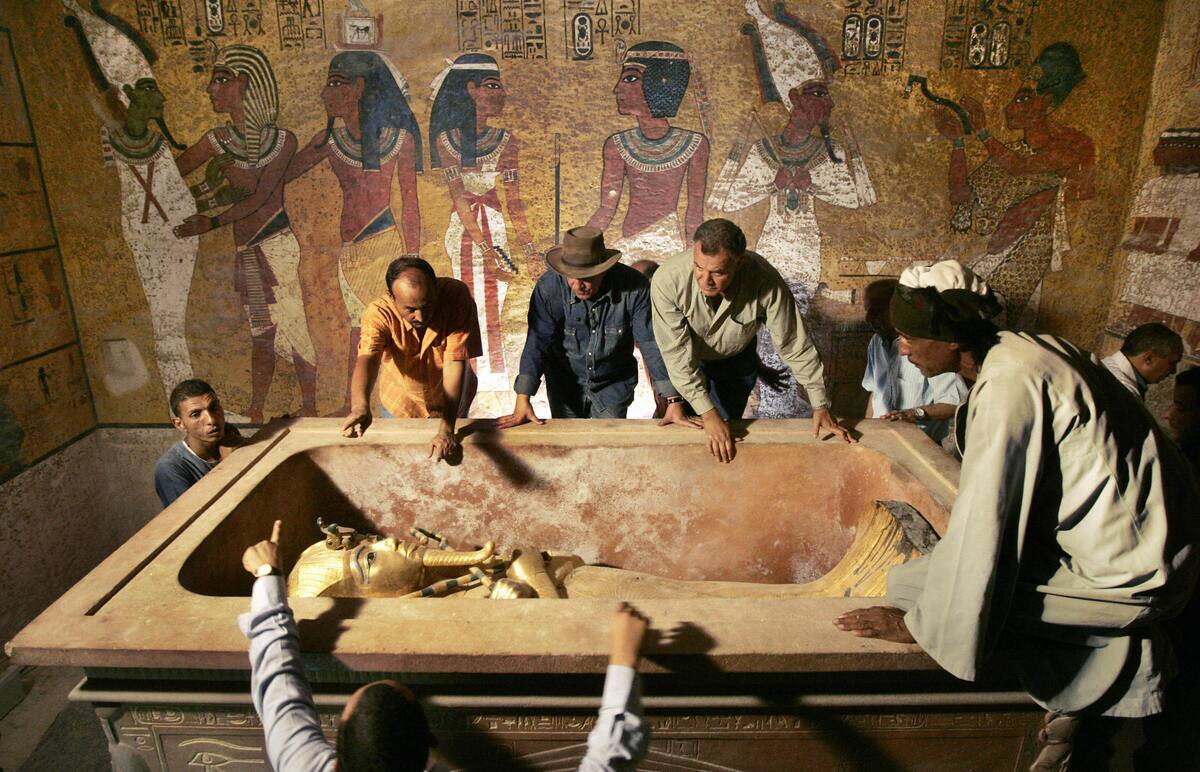
When Howard Carter uncovered King Tutankhamun’s tomb in 1922, the world was captivated by the treasures inside. Unlike other tombs, it was remarkably intact, giving us unprecedented insight into Egypt’s 18th Dynasty.
The opulence of the artifacts, from the famed golden death mask to the ornate chariots, painted a picture of royal life in ancient Egypt. This discovery sparked a global fascination with Egyptology that continues today.
The Terracotta Army: Guardians of China’s First Emperor
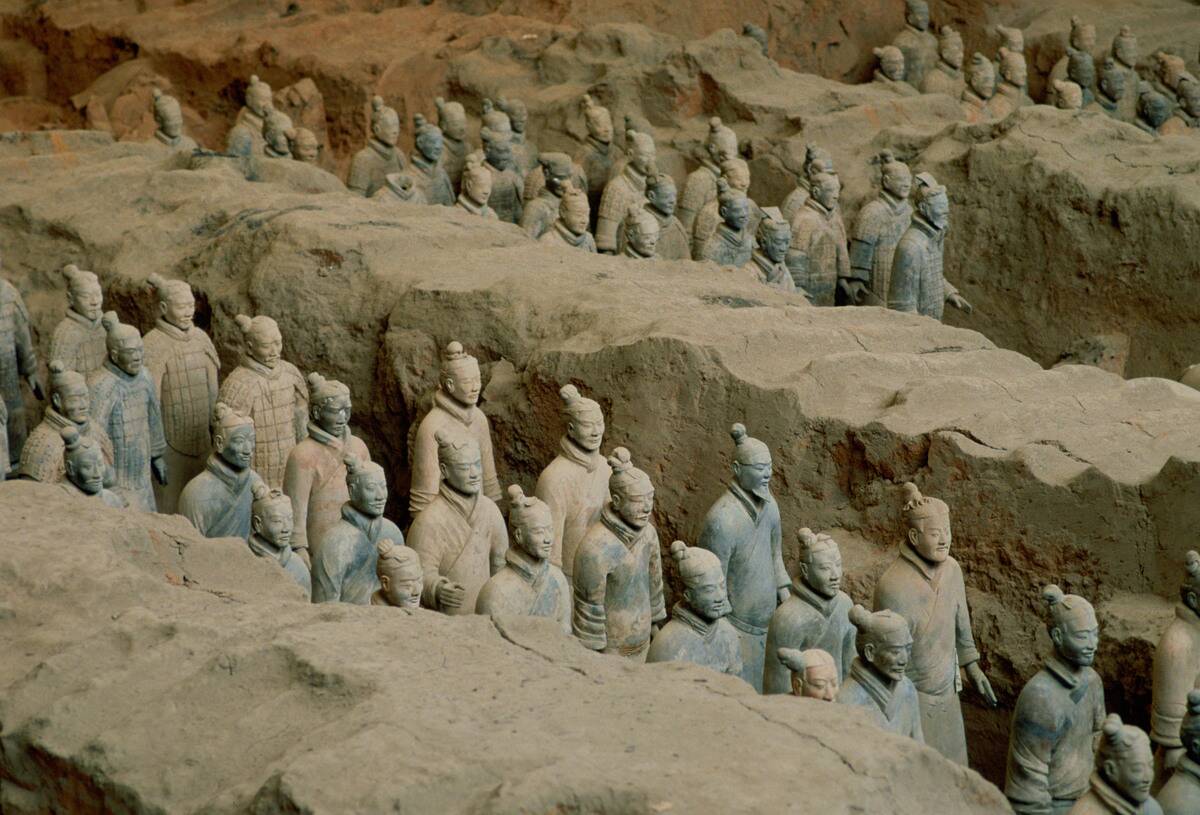
In 1974, farmers in Xi’an, China stumbled upon fragments that led to the discovery of the Terracotta Army, a massive collection of life-sized statues guarding Emperor Qin Shi Huang’s tomb.
Each soldier is unique, showcasing ancient Chinese artistry and the emperor’s desire for protection in the afterlife. This incredible find provides a peek into the military prowess and cultural sophistication of China’s first imperial dynasty.
Machu Picchu: The Lost City of the Incas
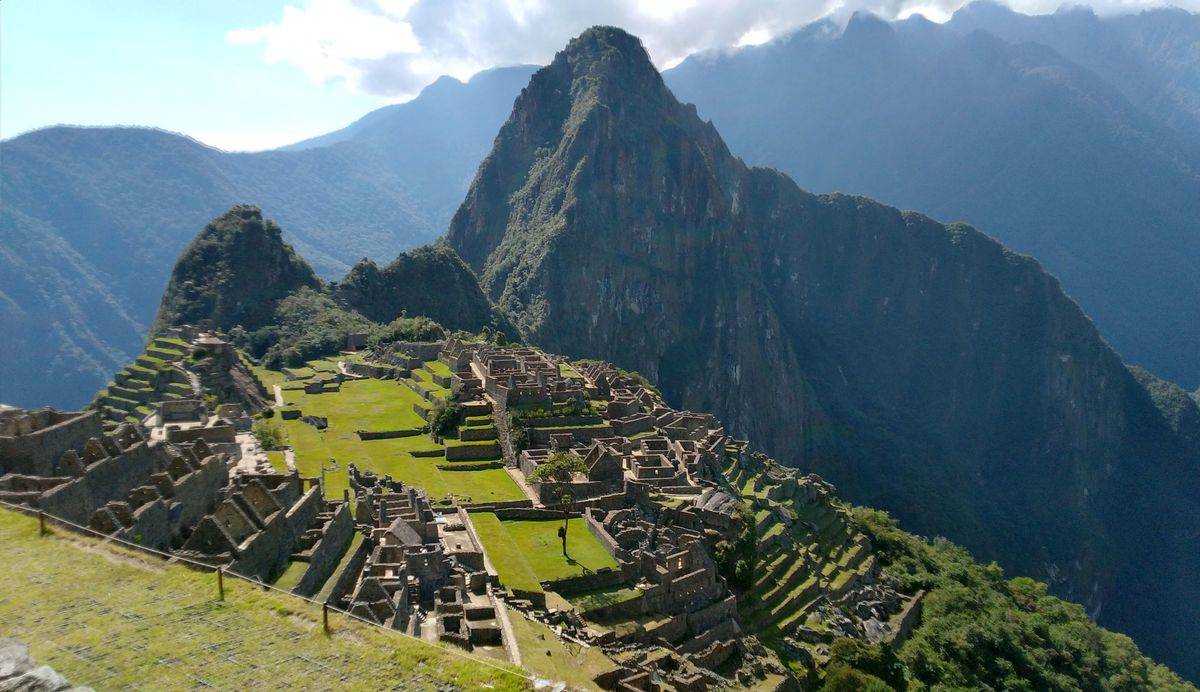
Perched high in the Andes, Machu Picchu was rediscovered by Hiram Bingham in 1911, revealing the architectural genius of the Inca Empire. Its stone structures, built without mortar, have withstood centuries of weathering.
This UNESCO World Heritage site, often referred to as the “Lost City,” illustrates the Incas’ ingenuity in adapting to harsh mountain environments and continues to intrigue historians and tourists alike.
The Dead Sea Scrolls: Insights into Early Religious Texts
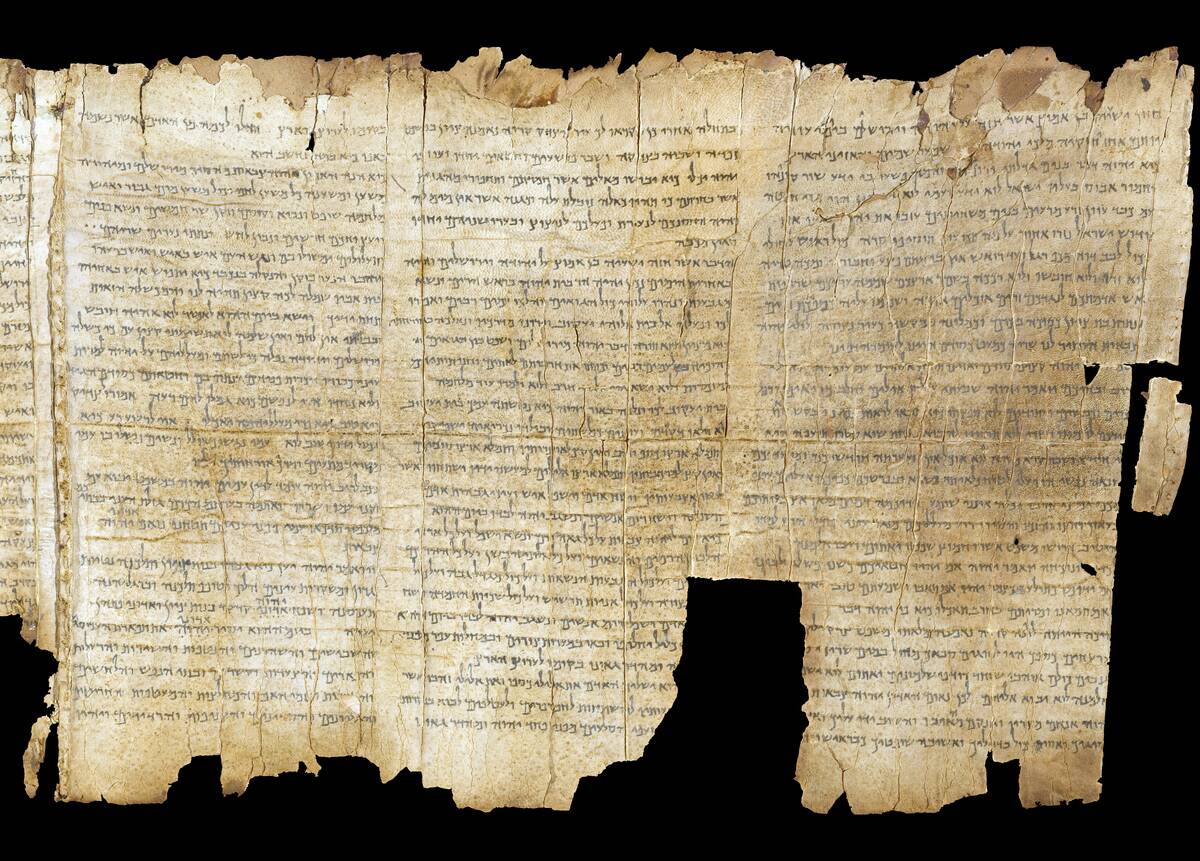
The Dead Sea Scrolls, discovered between 1946 and 1956 in the Qumran Caves, are one of the most significant archaeological finds of the 20th century.
These ancient manuscripts include texts from the Hebrew Bible, offering valuable insights into Jewish history, culture, and religion. Preserved in the arid environment of the Judean Desert, they have greatly enhanced our understanding of religious practices and beliefs from over two millennia ago.
Pompeii: A Snapshot of Roman Life
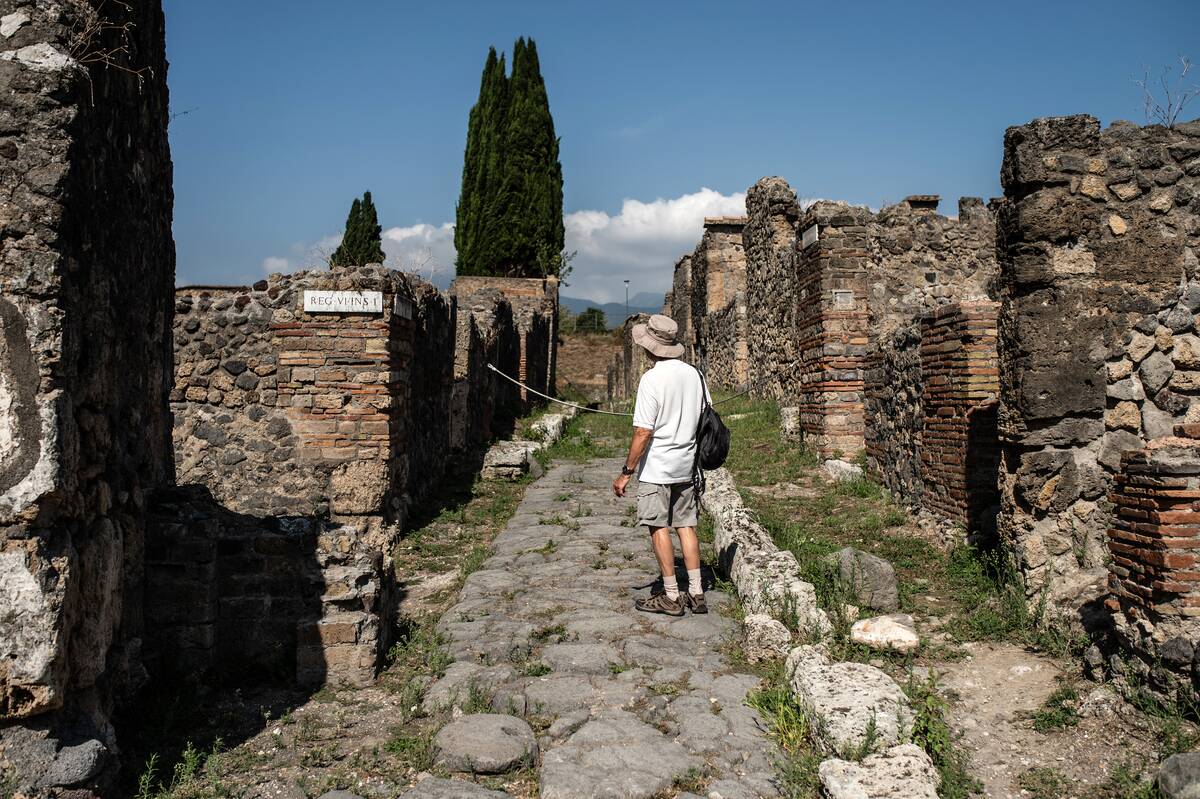
Pompeii, buried by the eruption of Mount Vesuvius in AD 79, was preserved under ash until its rediscovery in the 18th century. This archaeological site offers a rare glimpse into Roman life, with well-preserved buildings, frescoes, and artifacts.
Walking through its streets, one can almost hear the echoes of its bustling past. The tragedy of Pompeii has become a time capsule, providing historians with invaluable insights into ancient urban living.
Göbekli Tepe: Rethinking the Origins of Civilization
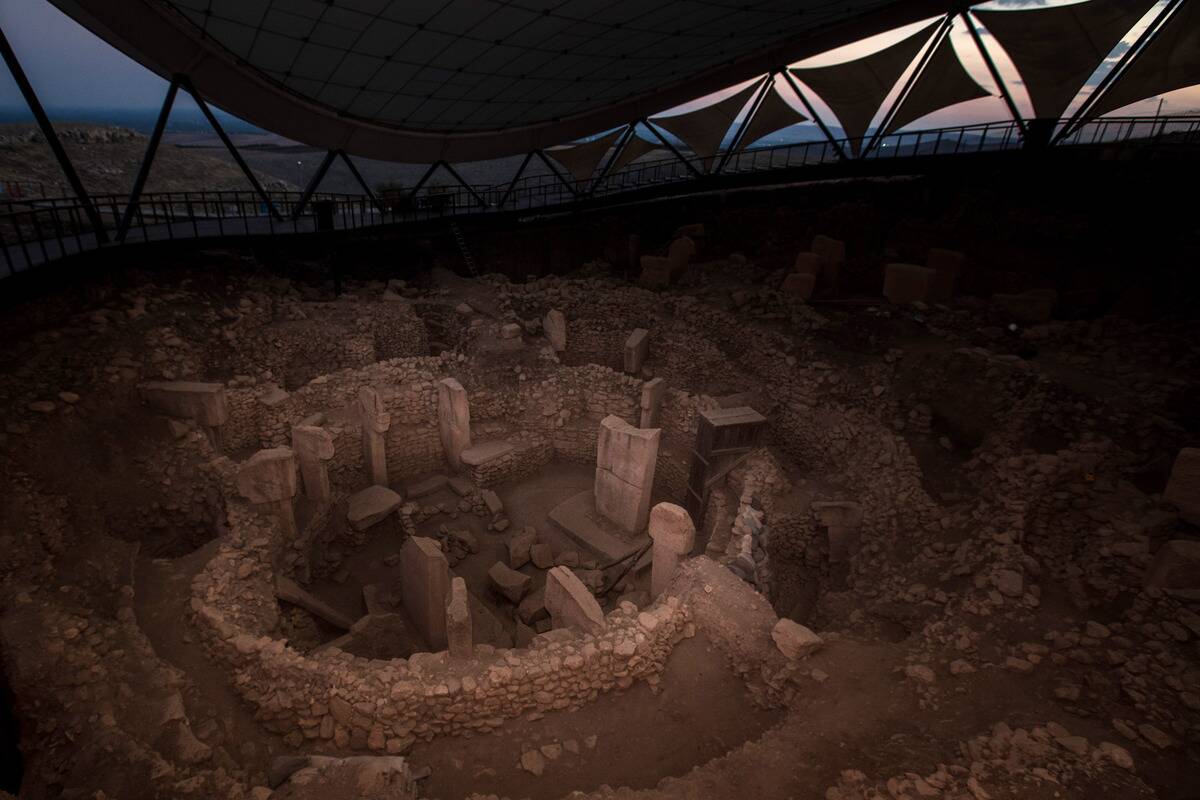
Göbekli Tepe, discovered in southeastern Turkey, is a prehistoric site dating back to around 9600 BC, challenging traditional views on the rise of civilization.
Its massive stone pillars, decorated with intricate carvings, suggest that complex societies existed long before agriculture was established. This site has prompted archaeologists to reconsider the timeline of human development, offering a new perspective on the birth of organized religion and social structures.
The Sutton Hoo Ship Burial: Uncovering Anglo-Saxon England
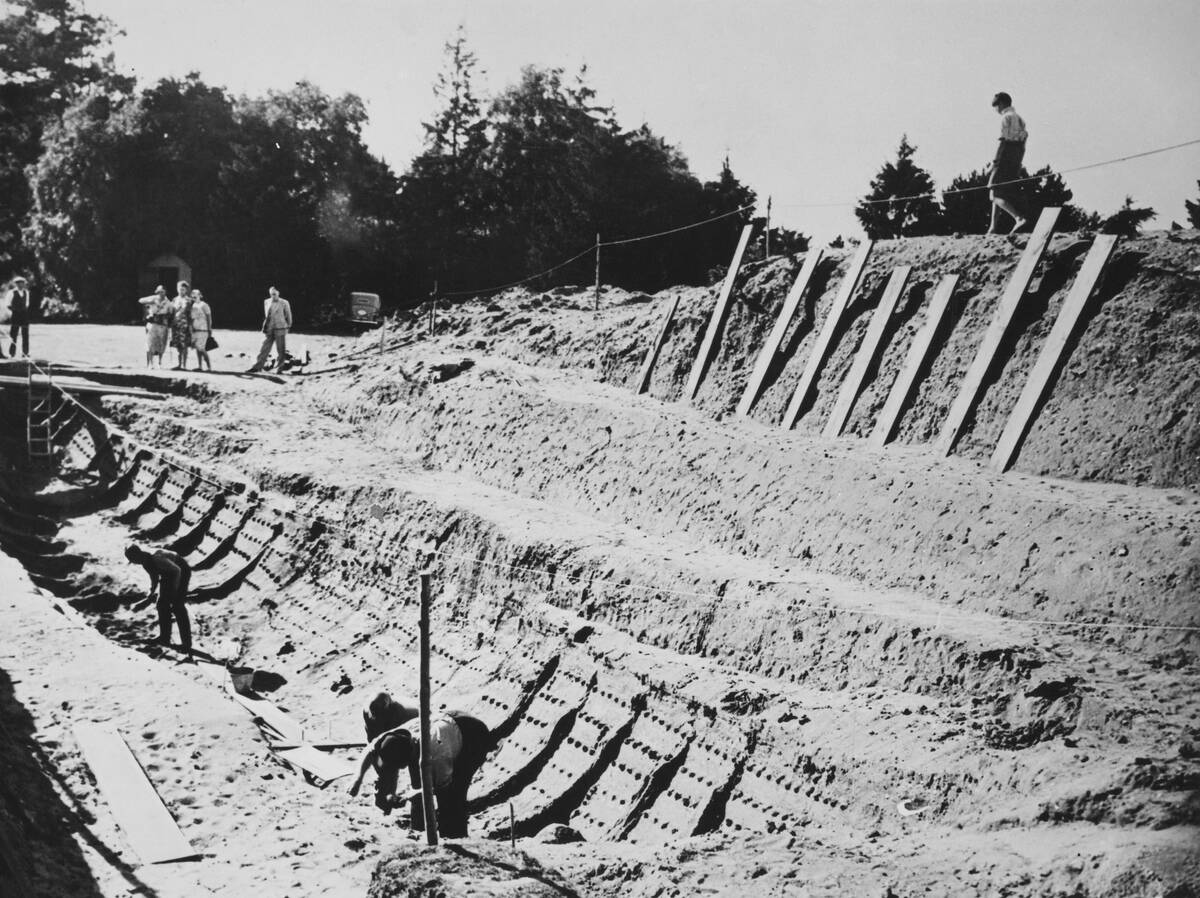
The discovery of the Sutton Hoo ship burial in 1939 unveiled a treasure trove from the early medieval period. Located in Suffolk, England, this site contained a 27-meter-long ship and a wealth of artifacts, including a famous helmet.
These finds have shed light on Anglo-Saxon culture, trade, and craftsmanship during the 7th century. It’s a window into a time often shrouded in mystery, revealing the sophistication of early English society.
Angkor Wat: The Magnificent Temple Complex of the Khmer Empire
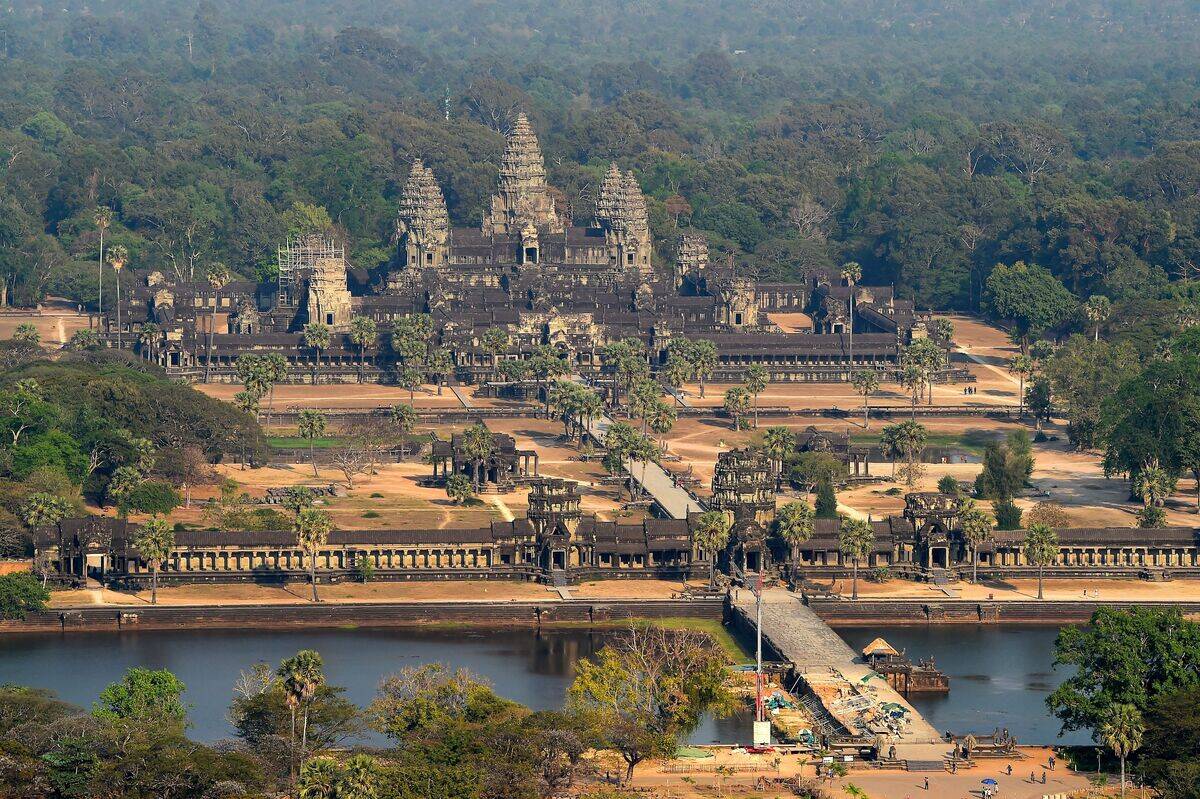
Angkor Wat, the world’s largest religious monument, was built in the early 12th century in Cambodia. Originally a Hindu temple dedicated to Vishnu, it later became a Buddhist site.
This architectural marvel reflects the grandeur of the Khmer Empire, with its expansive galleries and intricate bas-reliefs depicting epic tales. Its sheer scale and beauty continue to draw visitors from around the globe, serving as a testament to the empire’s architectural prowess.
The Lascaux Cave Paintings: Art from Prehistoric Times
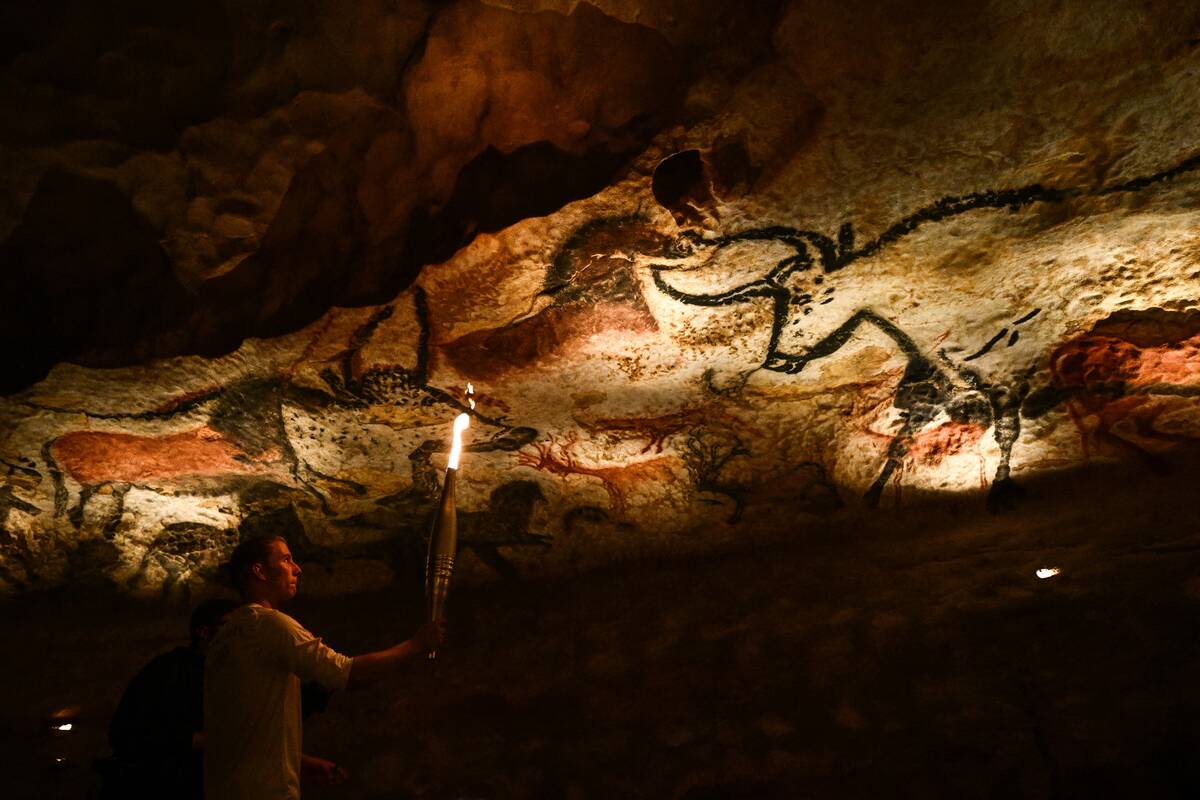
Discovered in 1940 by four teenagers, the Lascaux Caves in France contain some of the world’s most famous prehistoric art. These vivid paintings, dating back over 17,000 years, depict animals like horses, deer, and bulls.
They offer a window into the minds of our Paleolithic ancestors, highlighting their artistic expression and connection to nature. The caves are now closed to the public to preserve these ancient masterpieces for future generations.
The Nazca Lines: Mysterious Geoglyphs in the Peruvian Desert
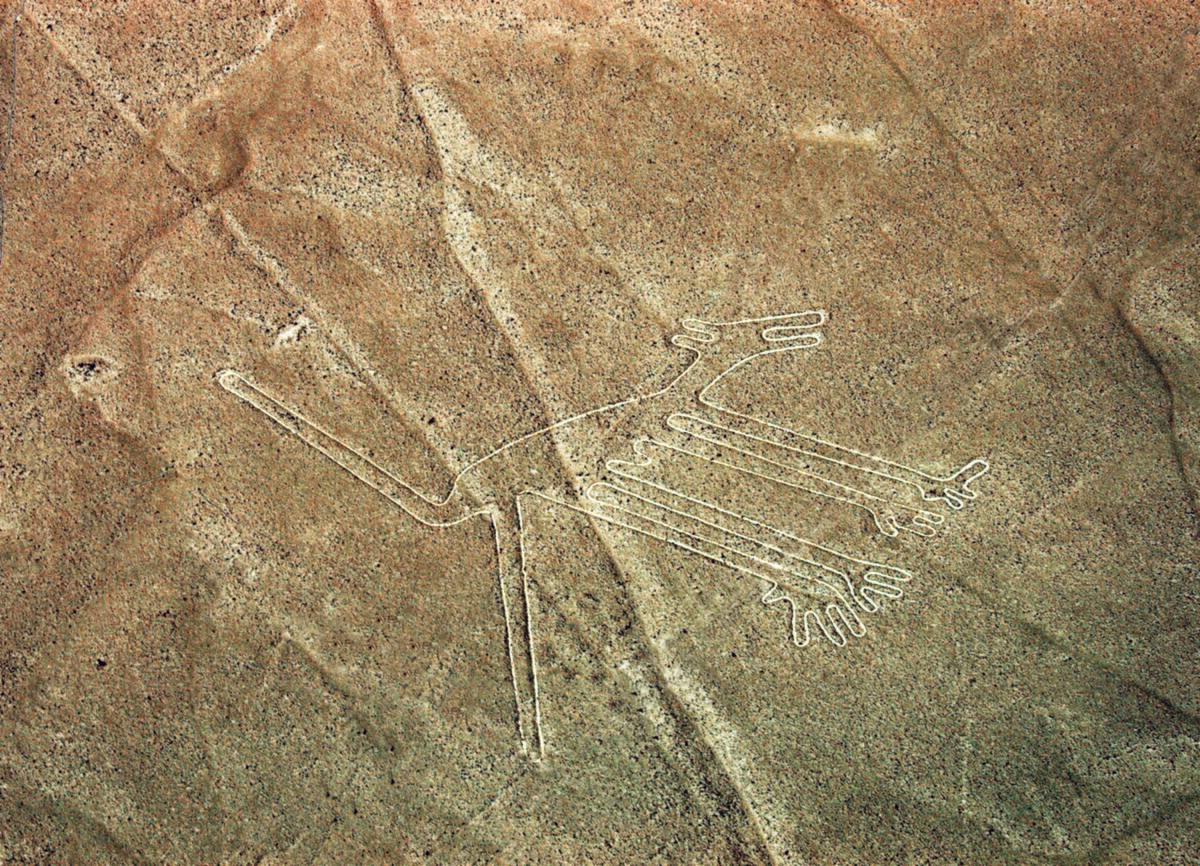
The Nazca Lines, discovered in the Peruvian desert, are a series of large geoglyphs that date back to 500 BC to 500 AD. These massive designs, including shapes of animals and plants, are best seen from the air.
Their purpose remains a mystery, with theories ranging from astronomical calendars to religious rituals. Despite their enigma, the Nazca Lines continue to fascinate archaeologists and tourists, standing as silent sentinels of an ancient culture.
The Uluburun Shipwreck: A Deep Dive into Bronze Age Trade
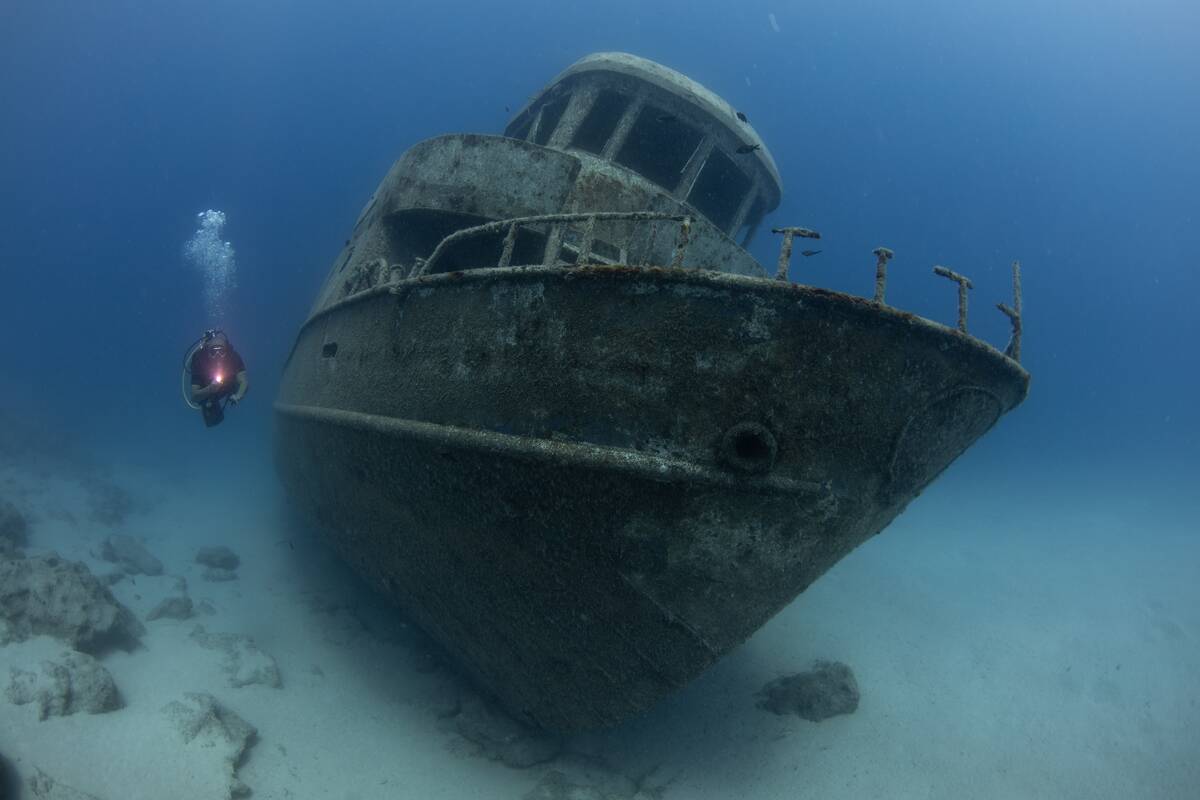
The Uluburun Shipwreck, discovered off the coast of Turkey in the late 20th century, dates back to the late Bronze Age. This ancient merchant ship carried a diverse cargo, including copper ingots, glass beads, and exotic items from distant lands.
Its discovery has provided valuable insights into trade networks and cultural exchanges in the Mediterranean during 14th century BC. The shipwreck is a submerged time capsule revealing the interconnectedness of ancient civilizations.
Ötzi the Iceman: Europe’s Oldest Natural Mummy
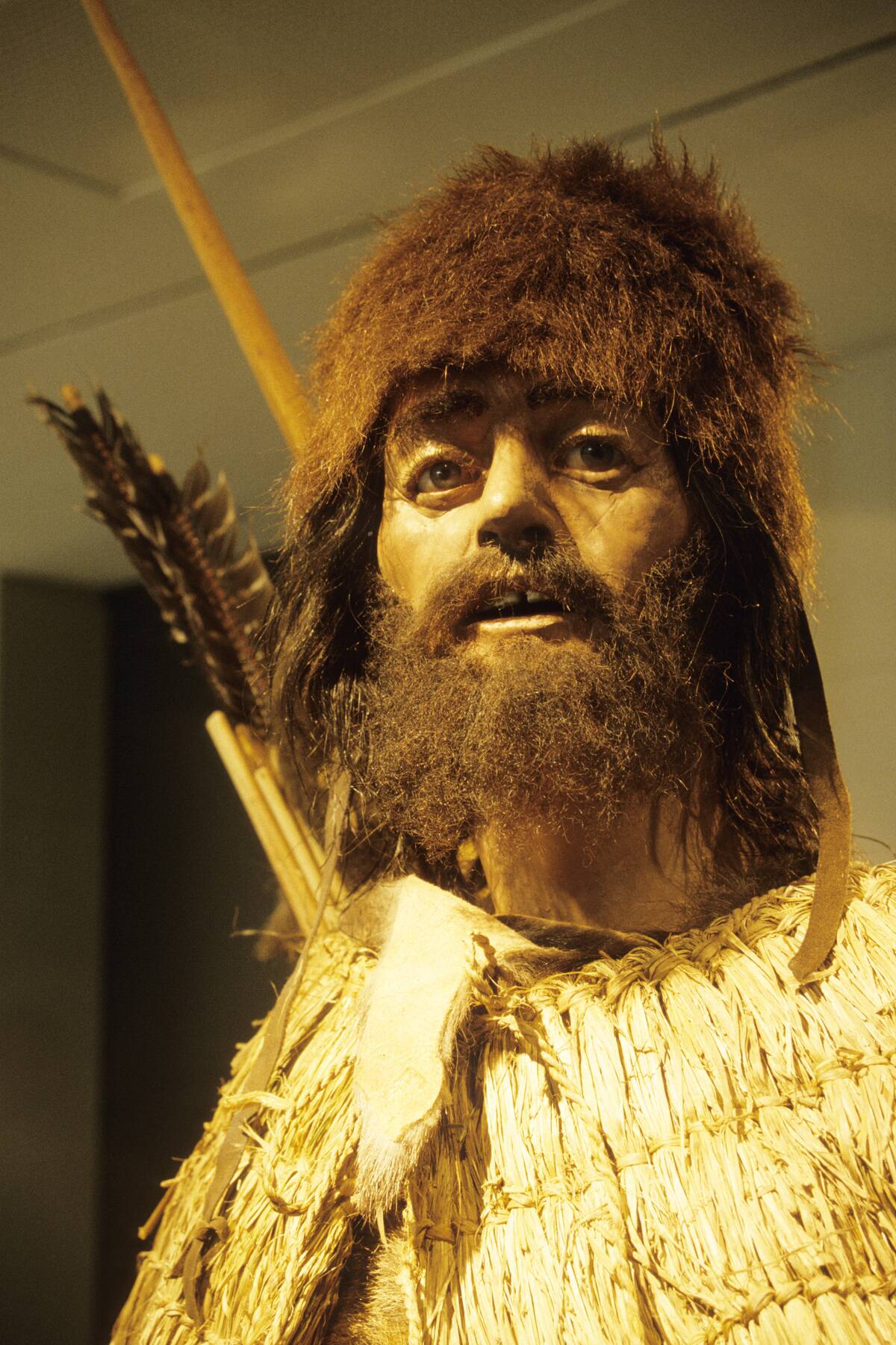
Ötzi the Iceman, discovered in 1991 in the Ötztal Alps, is Europe’s oldest natural mummy, dating back to around 3300 BC. Frozen in ice for millennia, his remarkably preserved body and belongings offer a rare glimpse into Copper Age life.
Analysis of Ötzi’s tools, clothing, and even his last meal has provided invaluable information about the daily life, health, and technology of prehistoric Europeans, making him a scientific treasure.
The Venus of Willendorf: Understanding Paleolithic Art and Society
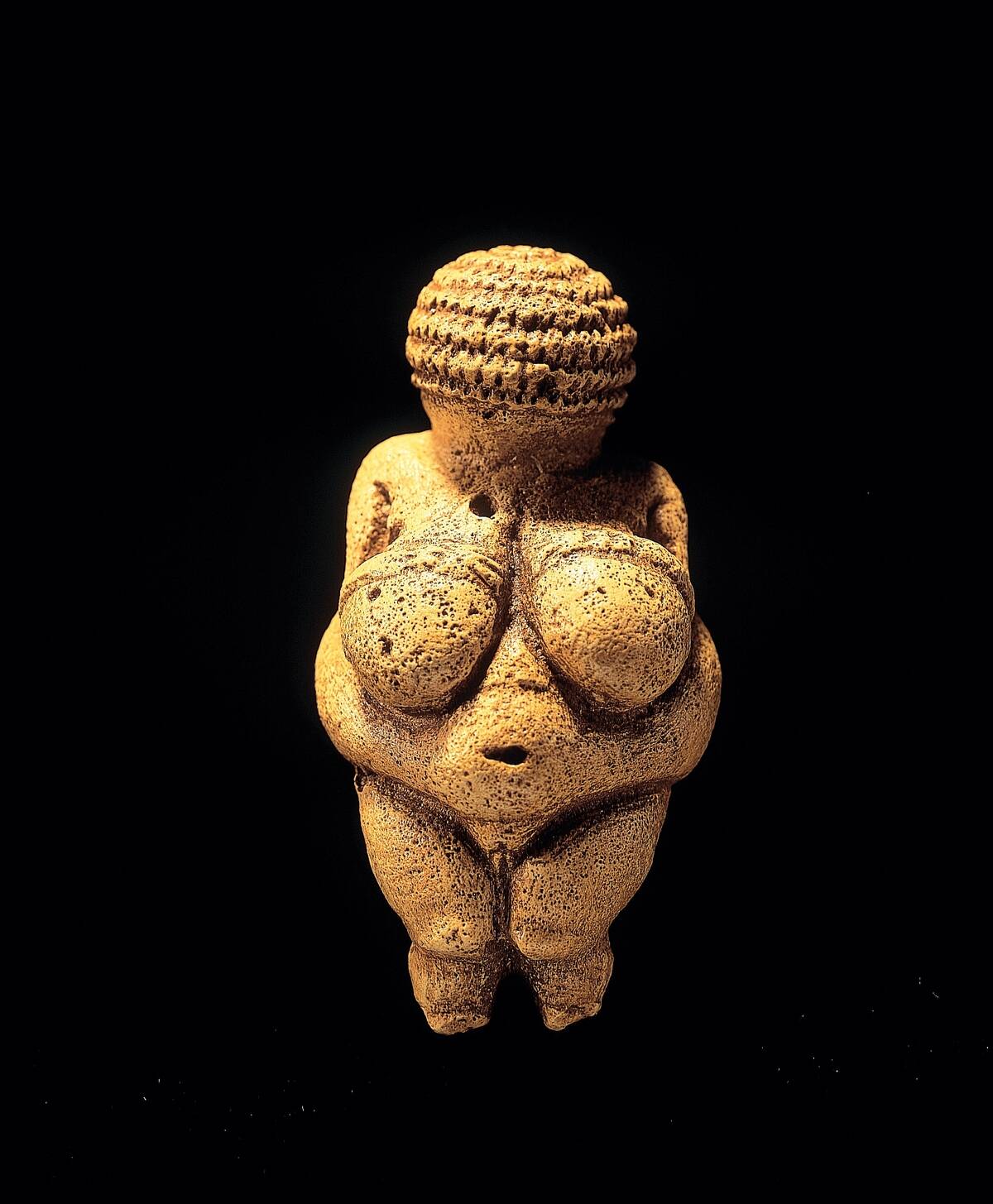
The Venus of Willendorf, a small but significant Paleolithic figurine, was discovered in Austria in 1908. Dating back to around 28,000 BC, this limestone statue is thought to represent fertility or a mother goddess.
Its exaggerated features and craftsmanship provide insights into the cultural and symbolic practices of early humans. This iconic artifact continues to intrigue archaeologists and anthropologists, offering a glimpse into the art and spirituality of our distant ancestors.




