Early global trade routes outside the Silk Road
When we think of ancient trade, the Silk Road often springs to mind, weaving images of caravans laden with exotic silks traversing vast landscapes. However, the world was crisscrossed by a multitude of lesser-known trade routes that were equally significant.
These pathways connected diverse cultures, fostered economic growth, and facilitated the exchange of ideas long before the age of globalization. Each route tells its own fascinating story of the goods and people that traveled its length, shaping history in myriad ways.
The Spice Routes: Aromas and Flavors that Shaped the World
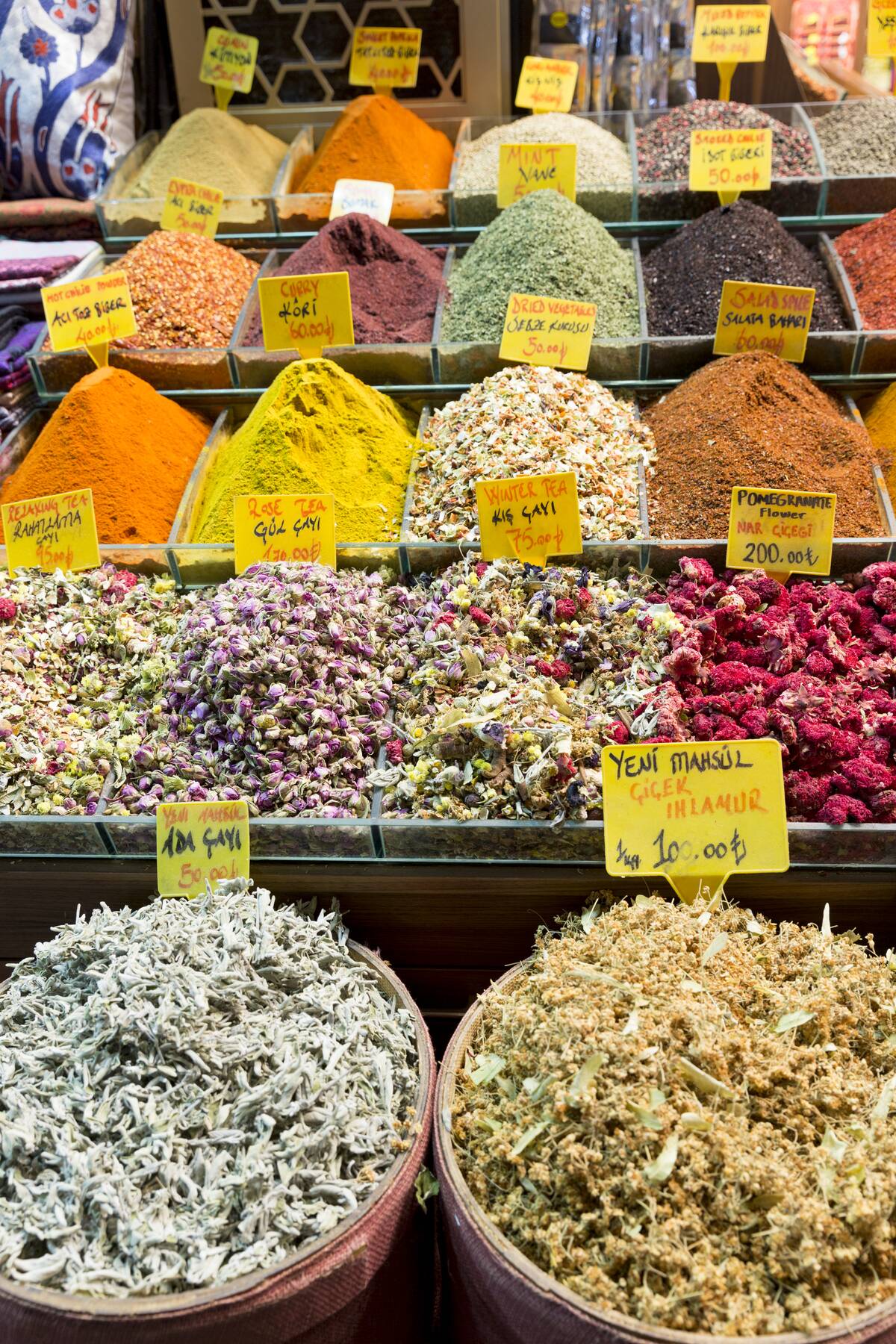
The Spice Routes were a series of sea lanes and overland paths that brought exotic spices from Asia to Europe. Black pepper, cinnamon, and cloves were among the coveted commodities that spurred European exploration.
These aromatic treasures were not just culinary delights but also served as medicines and preservatives. The quest for spices led to the Age of Discovery, forever altering global trade dynamics and leading to the establishment of colonial empires in Asia.
The Incense Route: The Fragrant Path of Antiquity
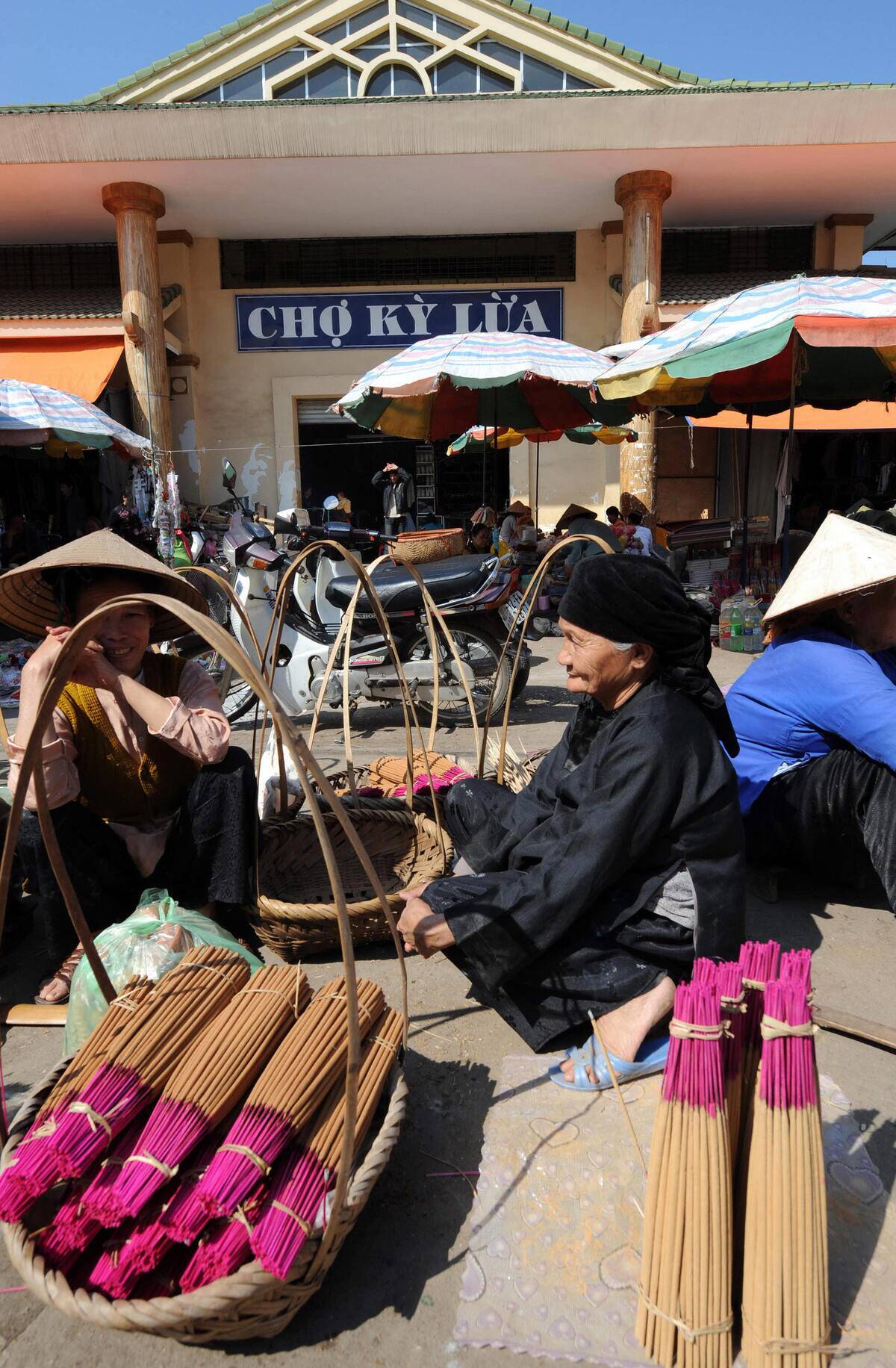
The Incense Route was an ancient network of trade paths connecting the Arabian Peninsula with the Mediterranean. Frankincense and myrrh, harvested from trees in what is now Oman and Yemen, were the star attractions.
These resins were highly prized for religious ceremonies and medicinal uses. The trade brought immense wealth to the Arabian traders, who deftly navigated the harsh desert terrain, and left an indelible mark on the cultural and economic exchanges of the ancient world.
The Amber Road: From the Baltic to the Mediterranean
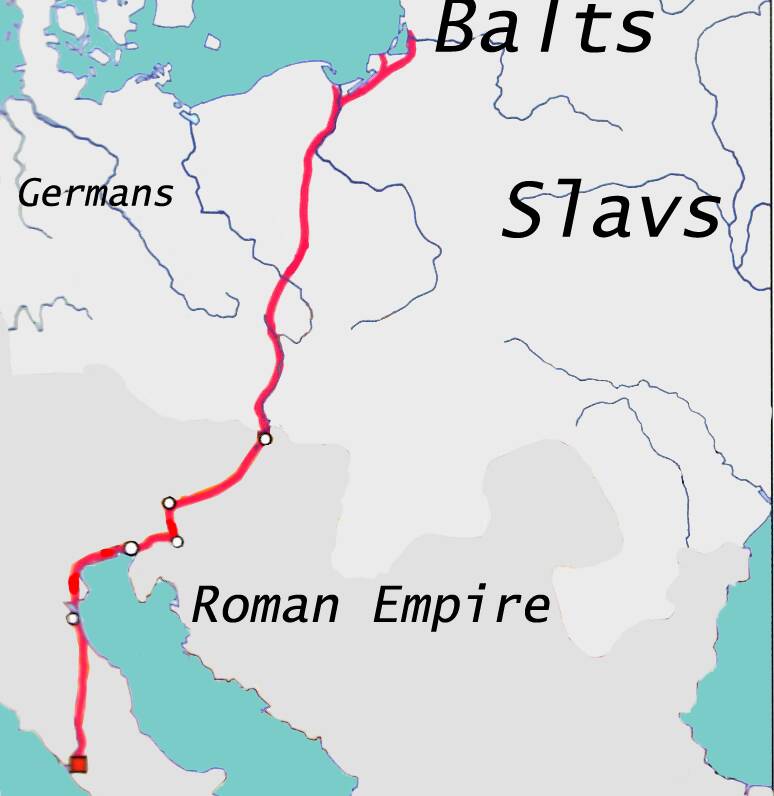
The Amber Road was a prehistoric trade route for transferring amber from the coastal regions of the North Sea and the Baltic Sea to the Mediterranean. Amber, often referred to as “Baltic gold,” was used in jewelry and religious artifacts.
This fossilized tree resin was so valued that it was traded for gold and other precious commodities. Archaeological finds in Mycenaean Greece and Ancient Rome reveal the extent of its popularity, underscoring its role in cross-cultural interactions.
The Trans-Saharan Trade Network: Gold, Salt, and Camels

The Trans-Saharan Trade Network was a vast system of trade routes that connected sub-Saharan Africa to the northern regions of the continent. Gold and salt were the primary commodities exchanged, with gold flowing north and salt heading south.
The introduction of the camel, around the 3rd century, revolutionized this trade, as camels could endure the harsh desert conditions. These routes were instrumental in the rise of great West African empires like Ghana and Mali.
The Tin Route: The Metal that Sparked the Bronze Age
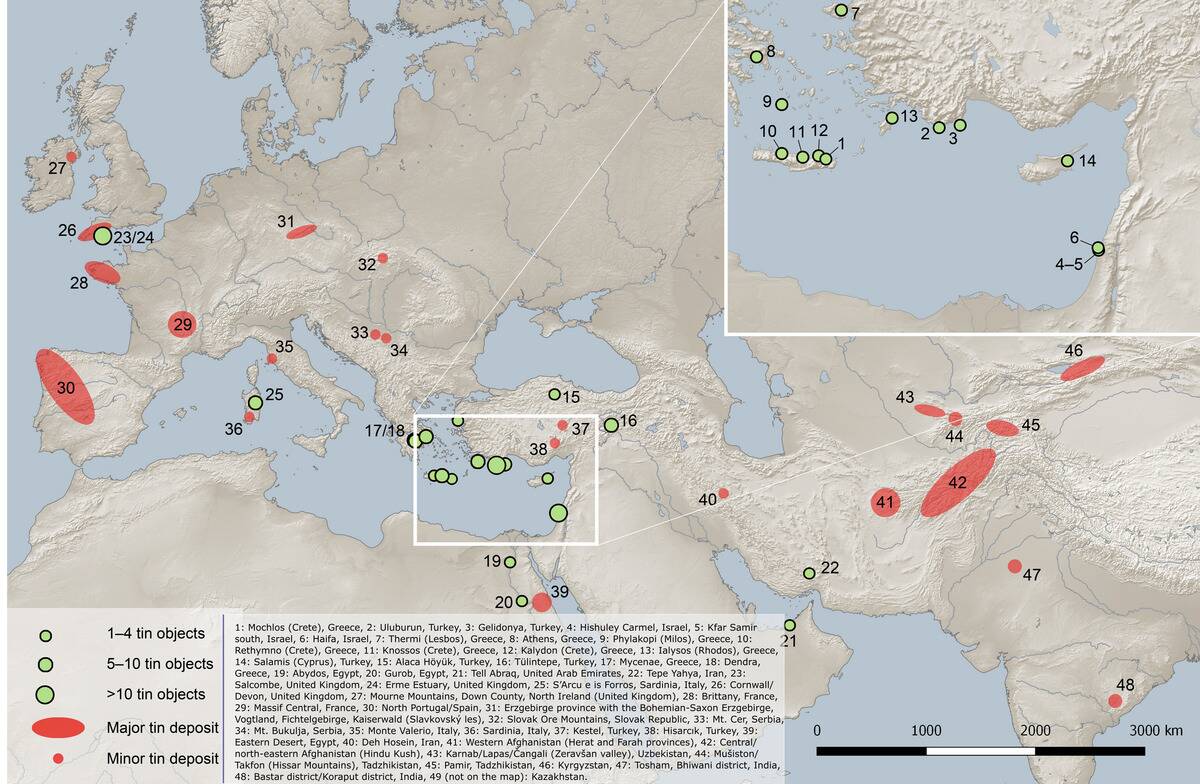
The Tin Route was vital for spreading tin across Europe and Asia, a metal crucial for making bronze. Tin, when combined with copper, produced bronze, revolutionizing tools and weapons.
Key sources of tin included Cornwall in Britain and the Erzgebirge in Germany, among others, with tin transported via multiple trade routes. This widespread trade fueled technological advancements that enhanced agricultural productivity and warfare capabilities throughout the Bronze Age.
The Tea Horse Road: Trading in Tea and Horses in Ancient China
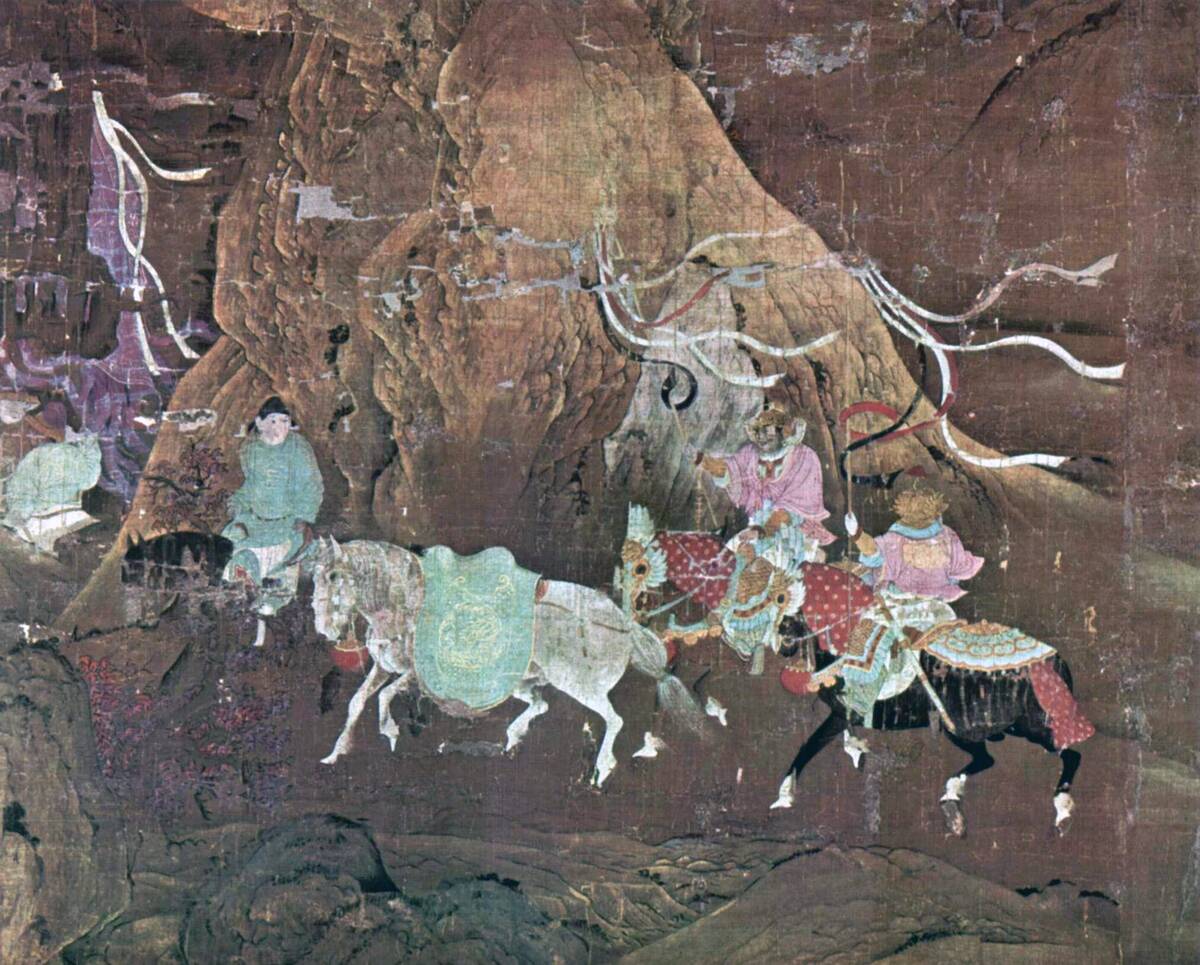
The Tea Horse Road was an ancient network of mule paths winding through the mountains of Yunnan and Sichuan in China. It facilitated the trade of tea from China to Tibet and beyond, in exchange for sturdy Tibetan horses.
This trade was crucial for the Chinese military, relying on quality horses for defense. The road was treacherous, traversed by traders and porters carrying heavy loads of tea bricks, but it was vital for cultural and economic exchange in the region.
The Via Maris: Israel’s Ancient Coastal Highway
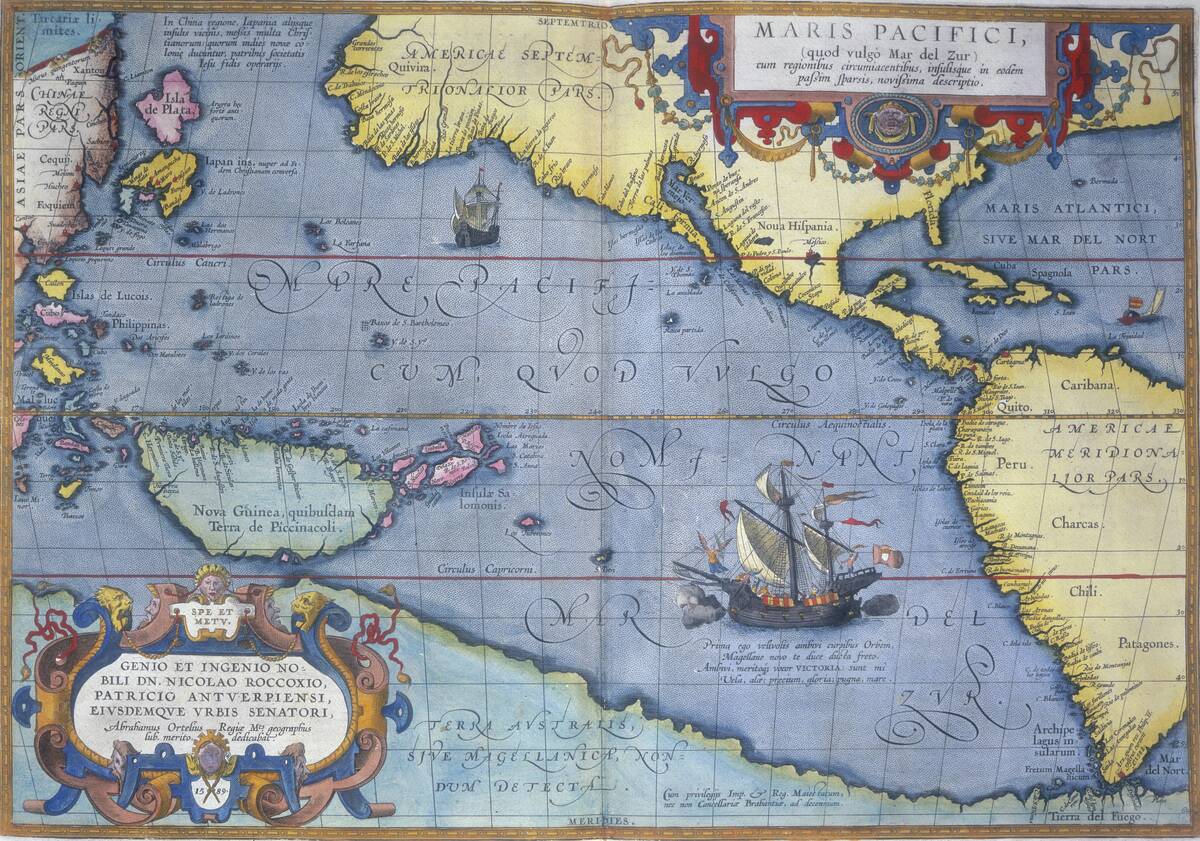
The Via Maris, meaning “Way of the Sea,” was a key trade and military route along the coastal plains of Israel. It connected Egypt with the northern empires of Syria, Anatolia, and Mesopotamia.
This strategic highway facilitated not just the movement of goods like olive oil, wine, and textiles but also armies and ideas. As a result, the region became a melting pot of cultures, with diverse influences seen in archaeological sites along the route.
The King’s Highway: A Royal Road Through the Middle East
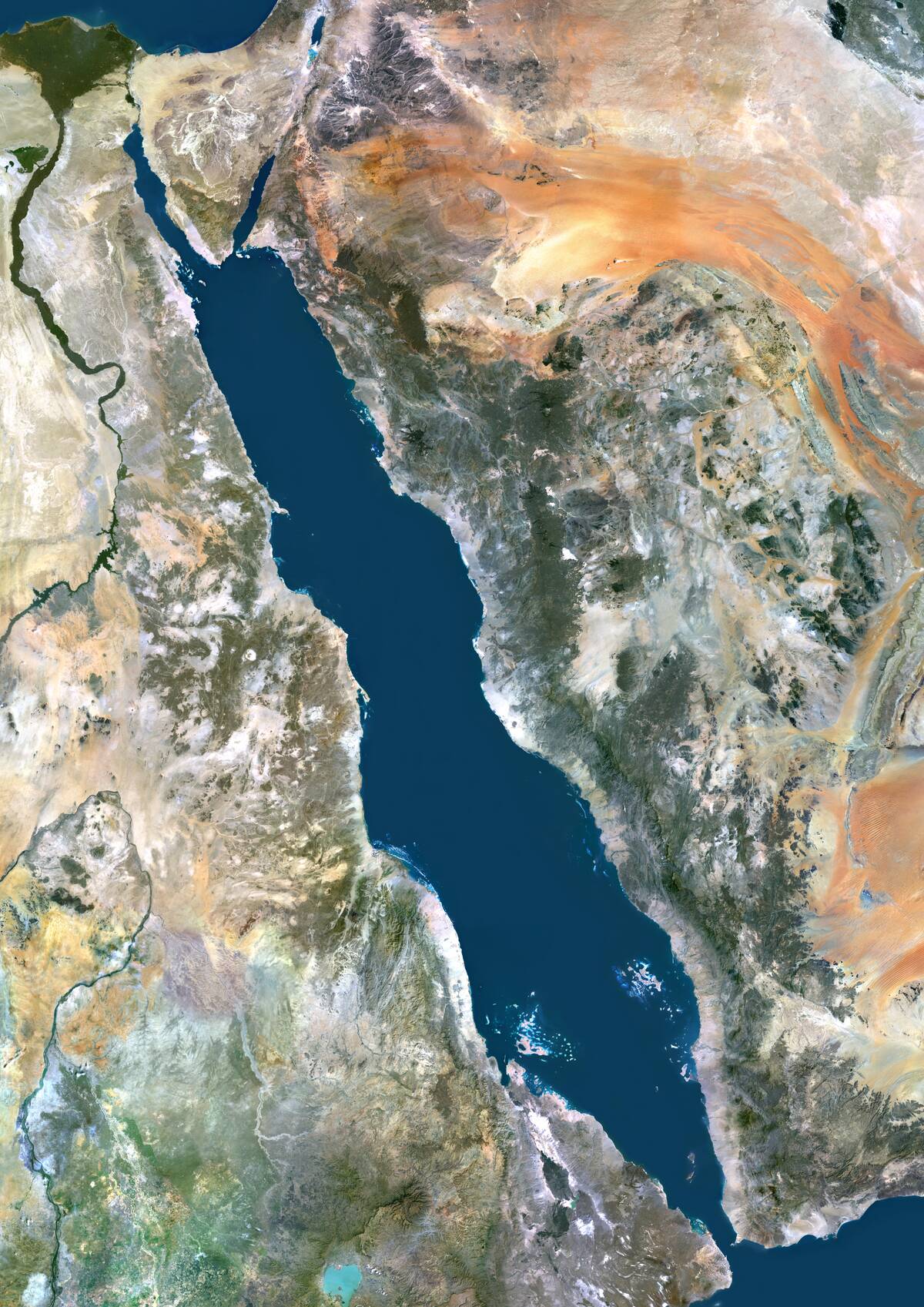
The King’s Highway was an ancient trade route running from the Gulf of Aqaba through modern-day Jordan to Syria. Biblically significant, it is mentioned in the Book of Numbers as the route the Israelites requested permission to use during the Exodus.
The highway facilitated the trade of luxury goods, spices, and metals and later served as an important pilgrimage route. Its strategic importance is reflected in the forts and caravanserais built along it over successive periods, underscoring its long-standing role in commerce, religion, and regional control.
The Grand Trunk Road: The Ancient Roadway of the Indian Subcontinent
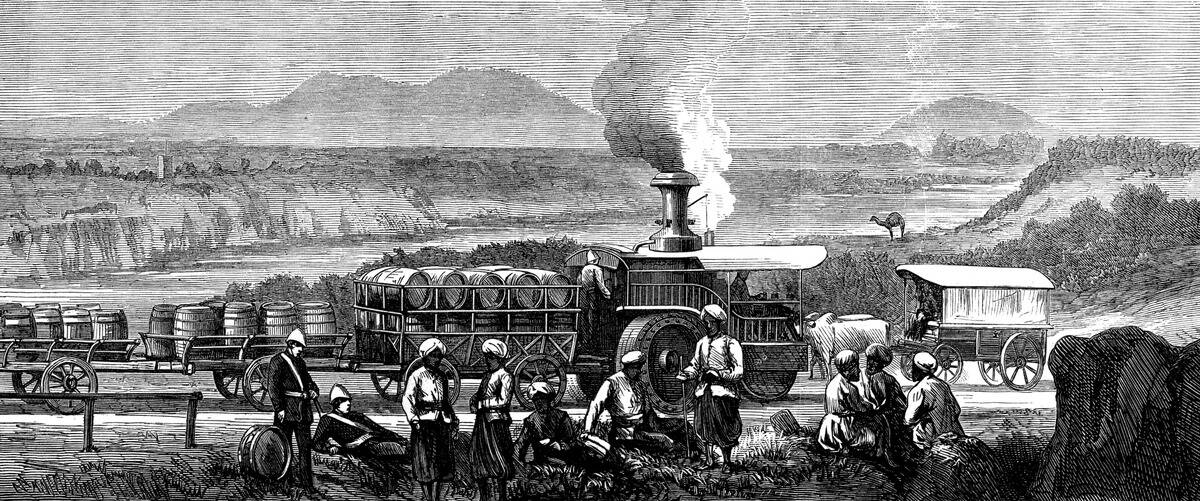
The Grand Trunk Road is one of Asia’s oldest and longest major roads, stretching from Bangladesh to Afghanistan. Its origins date back to the Mauryan Empire, and it was significantly expanded and standardized in the 16th century by Sher Shah Suri, with later maintenance under Mughal rule.
This ancient thoroughfare facilitated the movement of goods, soldiers, and travelers across the Indian subcontinent. Often called the “Road of Life,” it played a crucial role in the cultural and economic integration of the region, reflecting the rich and interconnected history of Indian civilization.
The Roman Roads: Paving the Way for an Empire
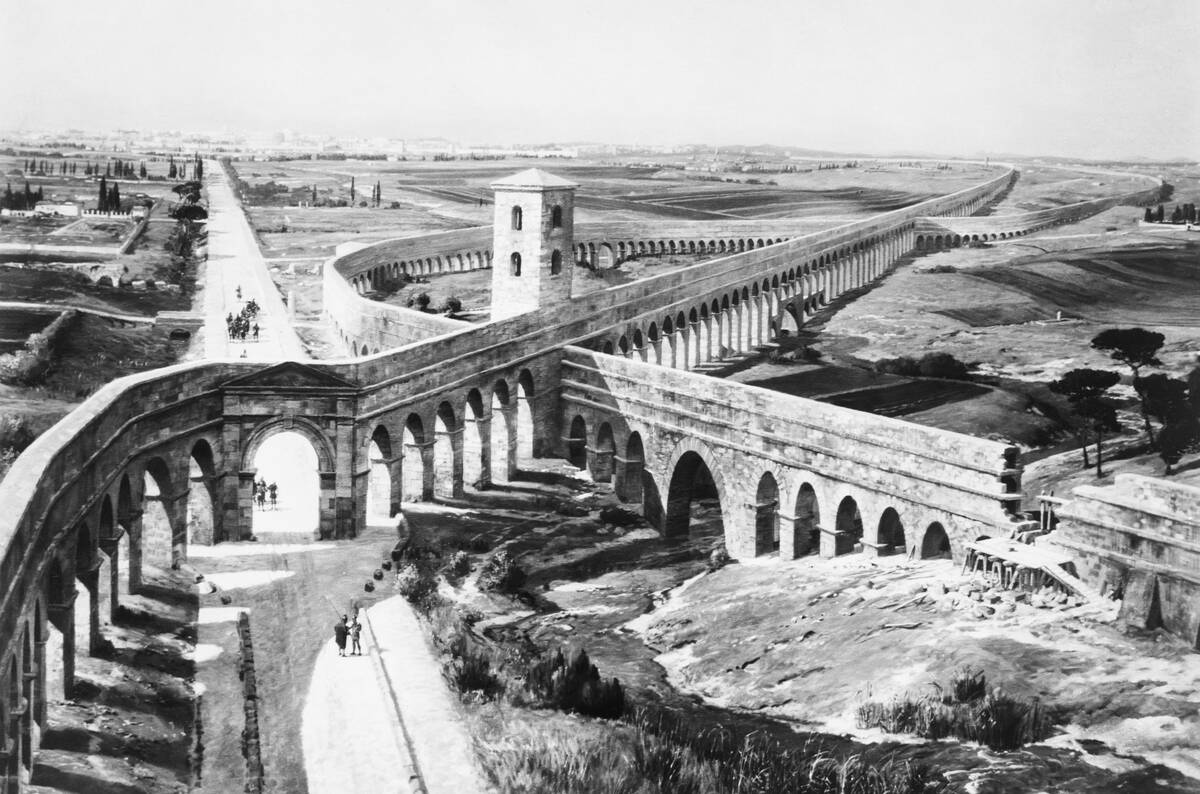
The Roman Roads were a vast network of roads built by the Roman Empire, stretching across Europe, North Africa, and the Middle East. These engineered marvels connected Rome with its far-flung territories, enabling efficient movement of legions, trade goods, and information.
The saying “all roads lead to Rome” reflects their importance. The durability and design principles of Roman roads influenced modern road construction and were pivotal in maintaining the cohesion and expansion of the Roman Empire.
The Turquoise Road: A Precious Stone’s Journey Across Civilizations

Ancient trade routes linked the turquoise mines of Iran and the Sinai Peninsula with the civilizations of the Near East. This semi-precious stone was cherished for its vibrant color and used in jewelry and as a talisman in cultures like the Egyptians and Persians.
These routes facilitated not only the exchange of turquoise but also cultural and technological ideas, enriching the artistic and spiritual life of the ancient world.
The Viking Trade Routes: From Scandinavia to the World
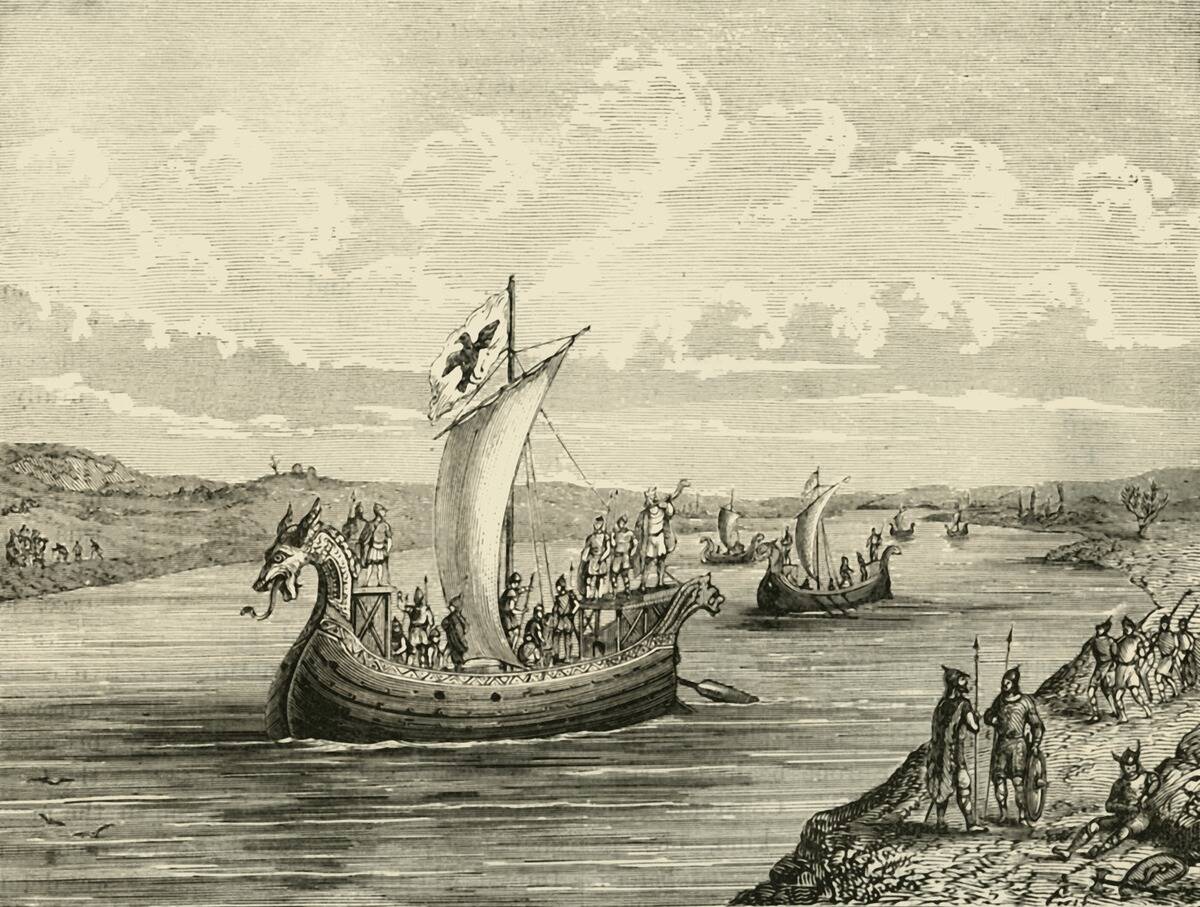
The Viking Trade Routes were a network of sea and river routes used by Norse traders from Scandinavia. These routes extended as far as the Mediterranean, the Middle East, and North America.
Not just raiders, the Vikings were skilled traders dealing in amber, furs, and slaves. Their longships enabled them to navigate shallow rivers and open seas, establishing trade connections that spread cultural influences and opened new markets across medieval Europe and beyond.
The Incas’ Qhapaq Ñan: The Andean Road System
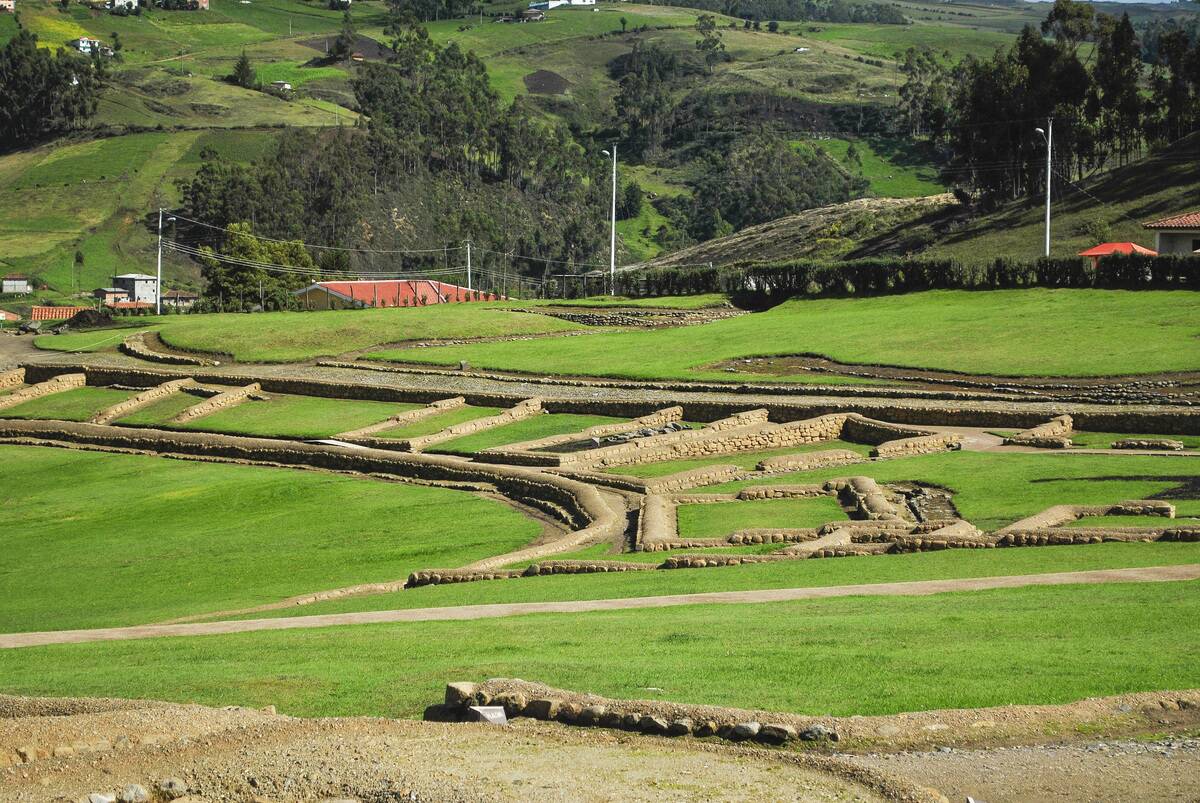
The Qhapaq Ñan was an extensive road system built by the Incas, stretching over 30,000 kilometers across the Andean mountains. It connected various parts of the Inca Empire, facilitating the movement of armies, goods, and information.
The road network was a feat of engineering, with stone-paved paths and suspension bridges. It enabled efficient administration and integration of the diverse regions within the empire, showcasing the Incas’ advanced understanding of logistics and infrastructure.




