Inventions that emerged from wartime needs
In times of conflict, necessity often becomes the mother of invention. While wars bring hardship, they also spur technological advancements that can improve civilian life.
From basic household items to groundbreaking medical discoveries, many of today’s conveniences have their roots in military needs. This article explores some of these innovations, shedding light on the surprising origins of everyday objects and technologies.
Radar: The Eyes in the Sky That Changed Warfare
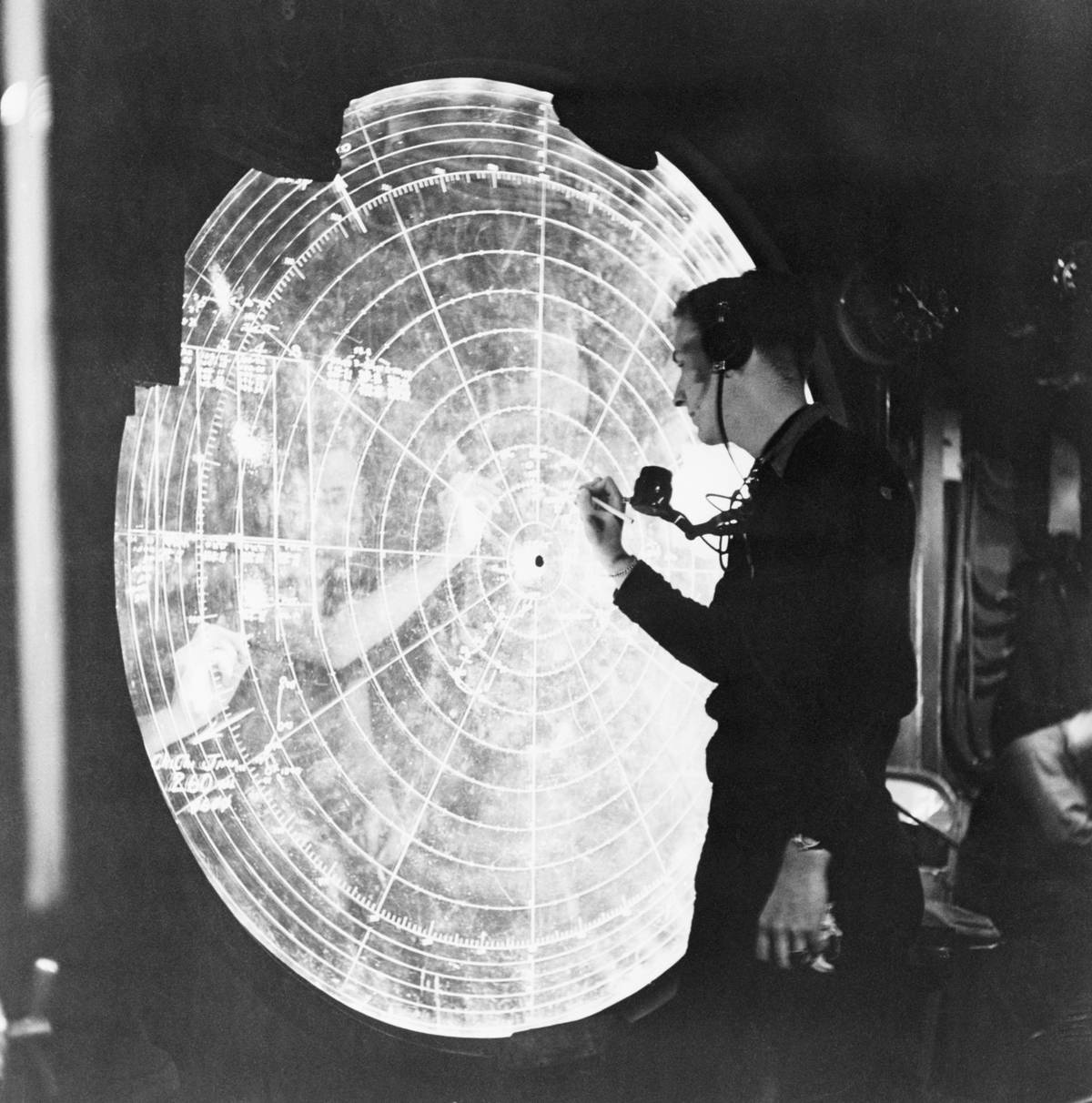
Radar technology, developed during World War II, provided a crucial advantage by detecting enemy aircraft before they could strike. This system uses radio waves to determine the range, angle, and velocity of objects.
Initially used for military purposes, radar technology has since become integral to air traffic control, weather forecasting, and even speed enforcement by police. It’s hard to imagine modern life without it, yet its origins are deeply tied to wartime innovation.
Penicillin: The Accidental Medical Miracle
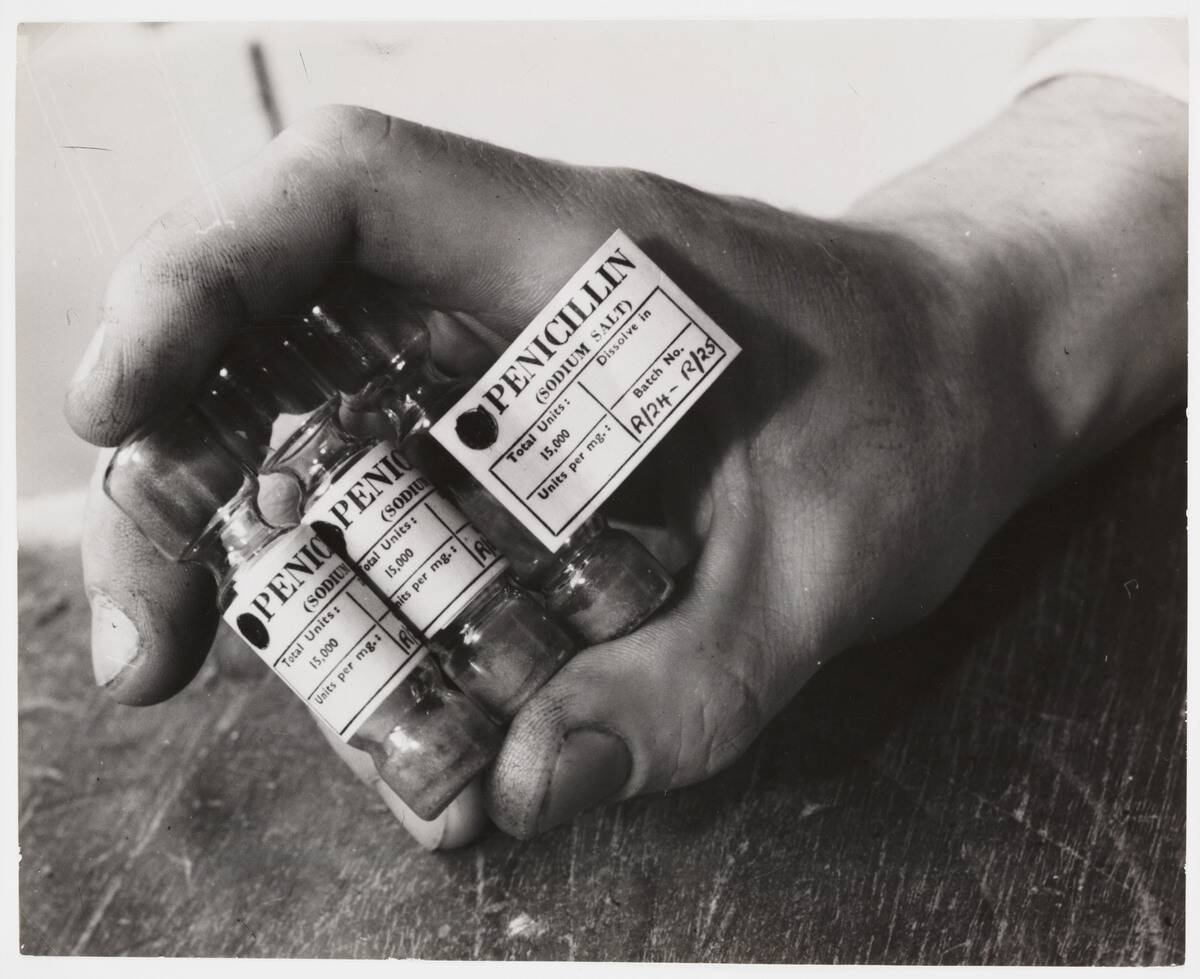
Penicillin’s discovery by Alexander Fleming in 1928 changed the world of medicine, but it was during World War II that its mass production became a priority. This antibiotic saved countless lives by effectively treating bacterial infections, significantly reducing mortality rates among soldiers.
Today, penicillin and its derivatives are essential tools in combating bacterial diseases, underscoring how wartime needs can accelerate medical advancements.
Duct Tape: The Fix-All Invention with Military Roots
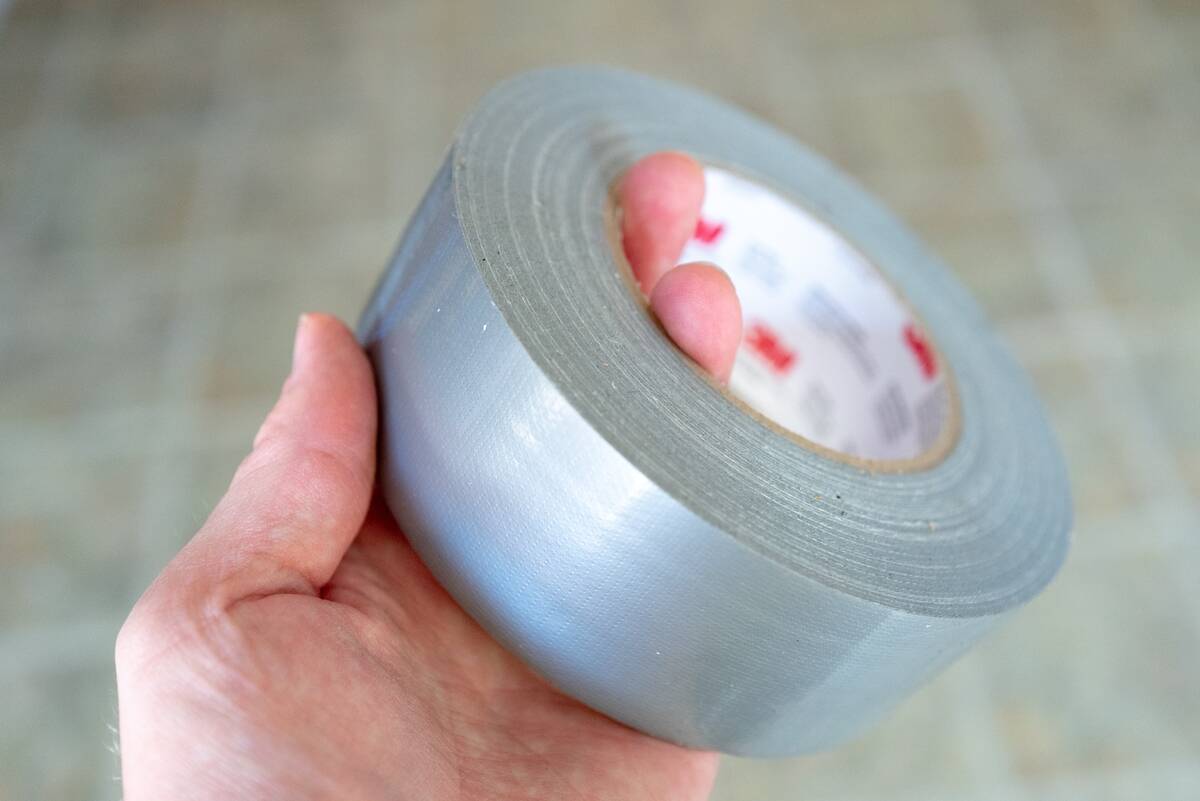
Born out of necessity during World War II, duct tape was created to seal ammunition cases quickly and effectively. Its waterproof, adhesive properties made it indispensable for soldiers in the field.
After the war, its versatility became evident, and it soon found its way into households for a myriad of uses, from fixing leaky pipes to crafting DIY projects. This humble tape’s journey from the battlefield to the toolbox is a testament to its utility.
The Jeep: The All-Terrain Vehicle That Became a Civilian Favorite
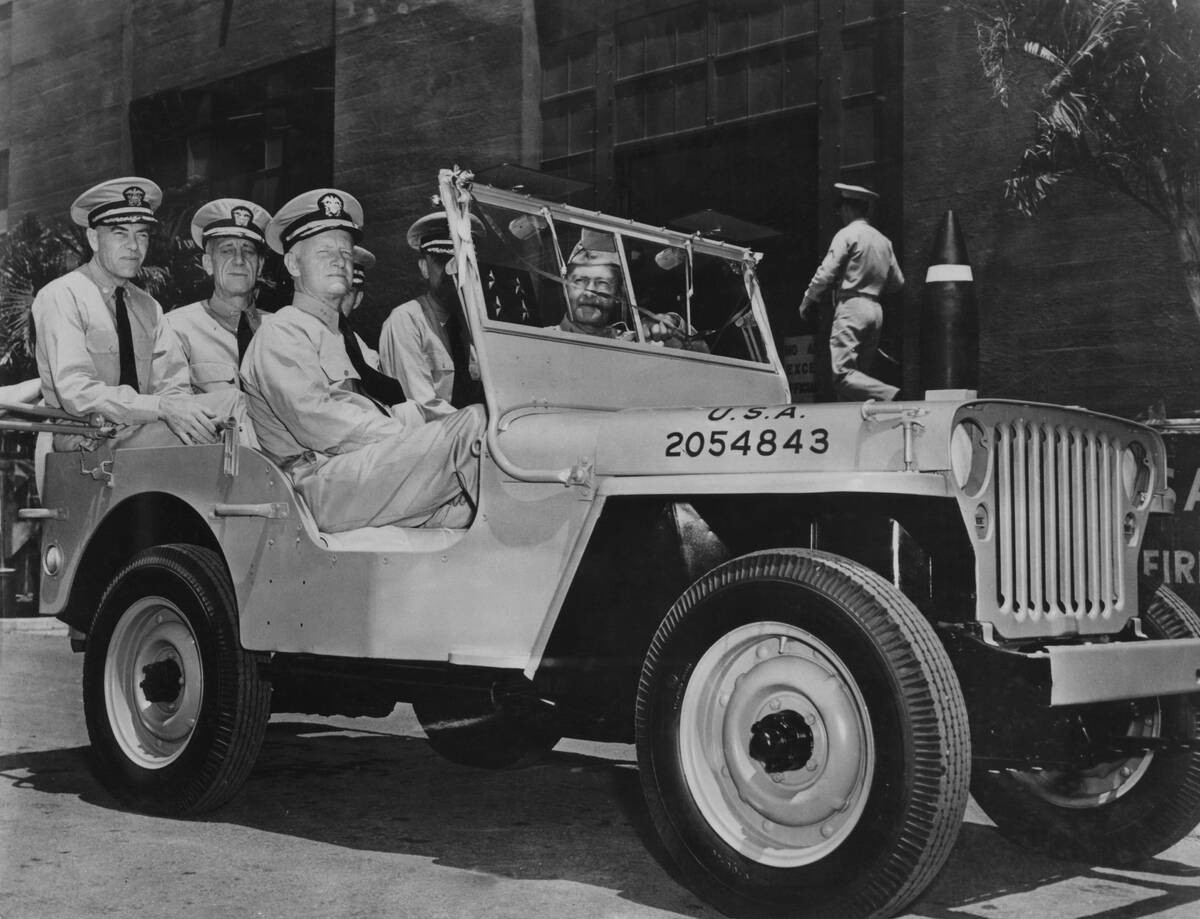
The Jeep was designed as a rugged, reliable vehicle to traverse rough terrain during World War II. Its durability and versatility quickly made it a favorite among soldiers.
After the war, its civilian version gained popularity, becoming synonymous with adventure and off-road capability. Today, Jeeps are still beloved for their ability to handle a variety of landscapes, a legacy of their military origins.
The Internet: From Military Communication to Global Connection
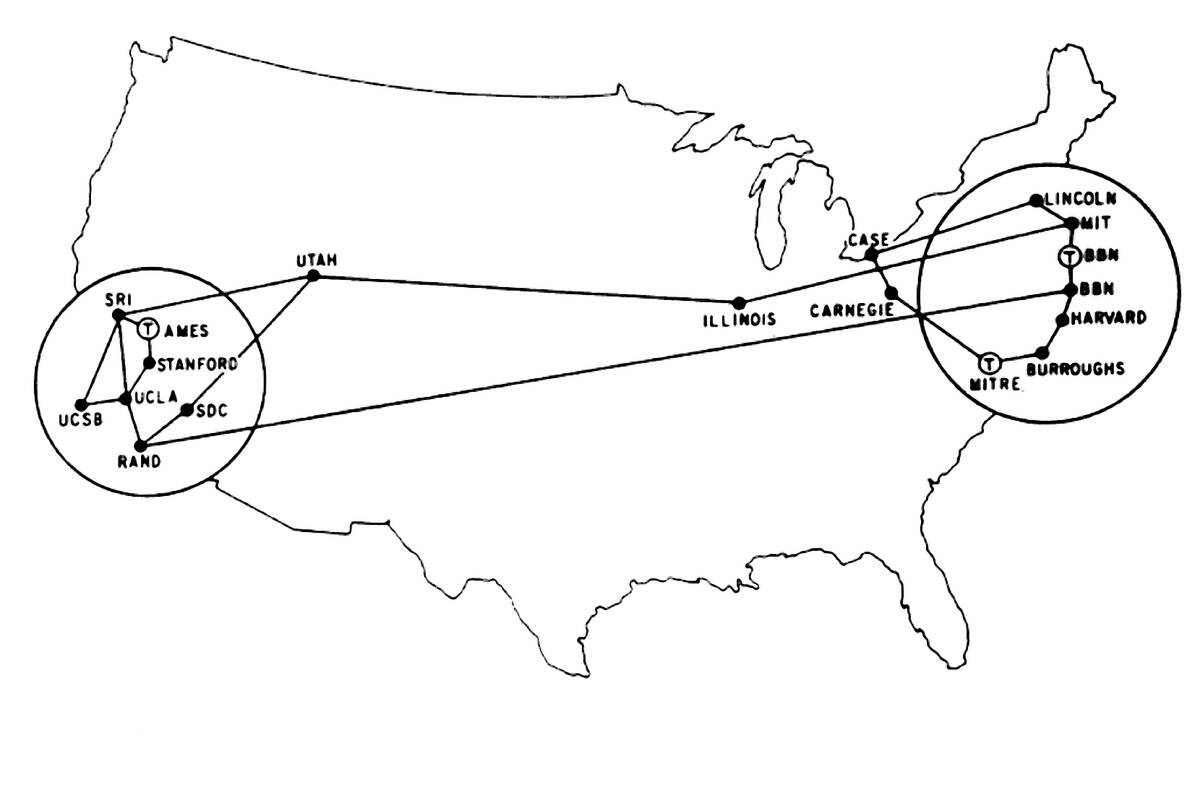
The internet’s origins can be traced back to ARPANET, a military project initiated in the late 1960s to enable secure communication between research institutions. Initially a tool for defense, it gradually expanded beyond military use, evolving into the global network we know today.
The internet has revolutionized communication, commerce, and education, illustrating how a military innovation can reshape the world.
Canned Food: Long-Lasting Supplies for Troops and Homes
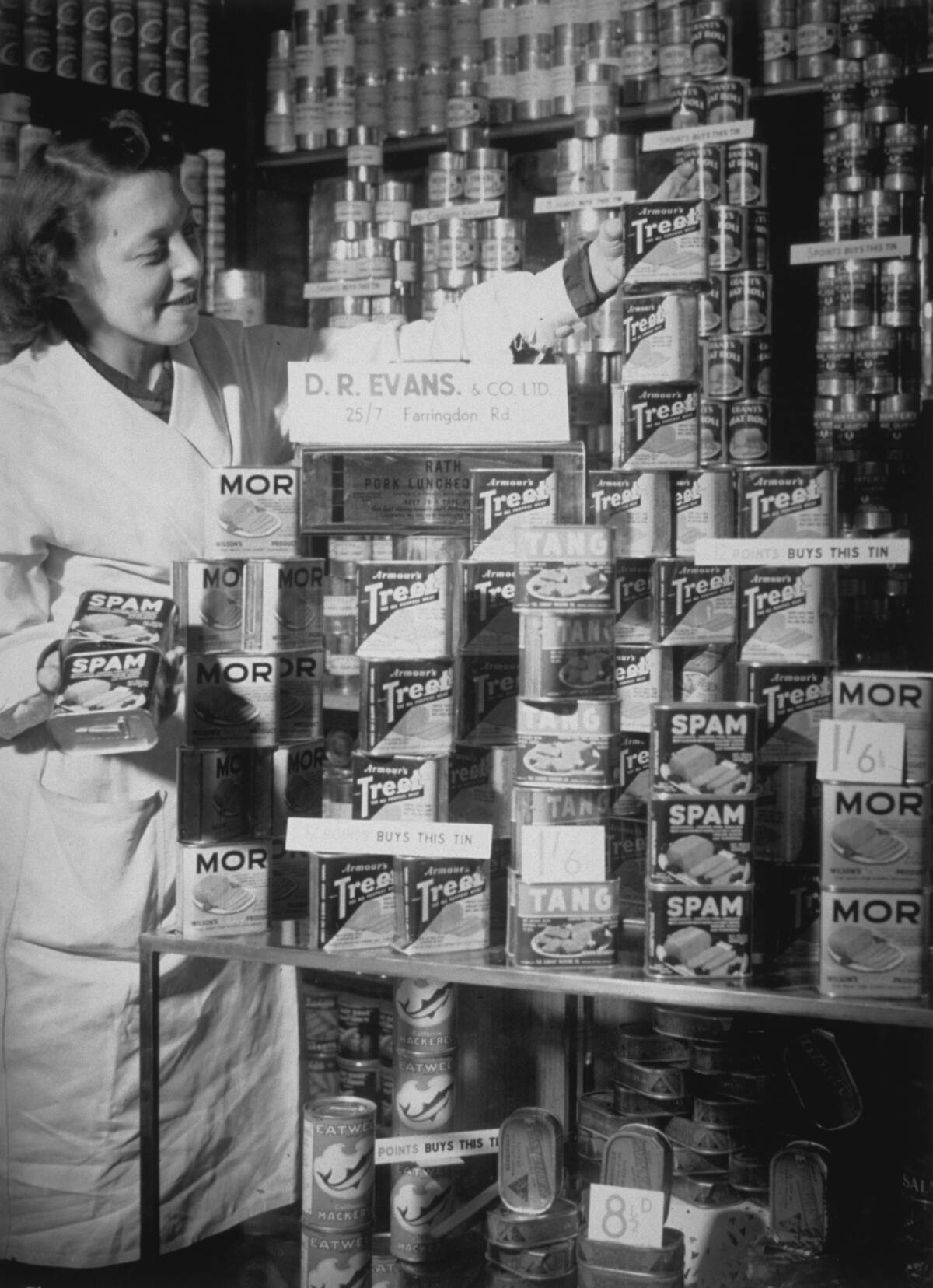
Canned food emerged as a solution to preserve rations for soldiers during long campaigns. The French government offered a prize for food preservation techniques in the early 19th century, leading to the development of canning.
This method allowed for the safe storage of food over extended periods, proving essential for military logistics. Today, canned goods are a pantry staple, providing convenience and long shelf life.
Nylon: The Synthetic Fiber Born from a Need for Parachutes
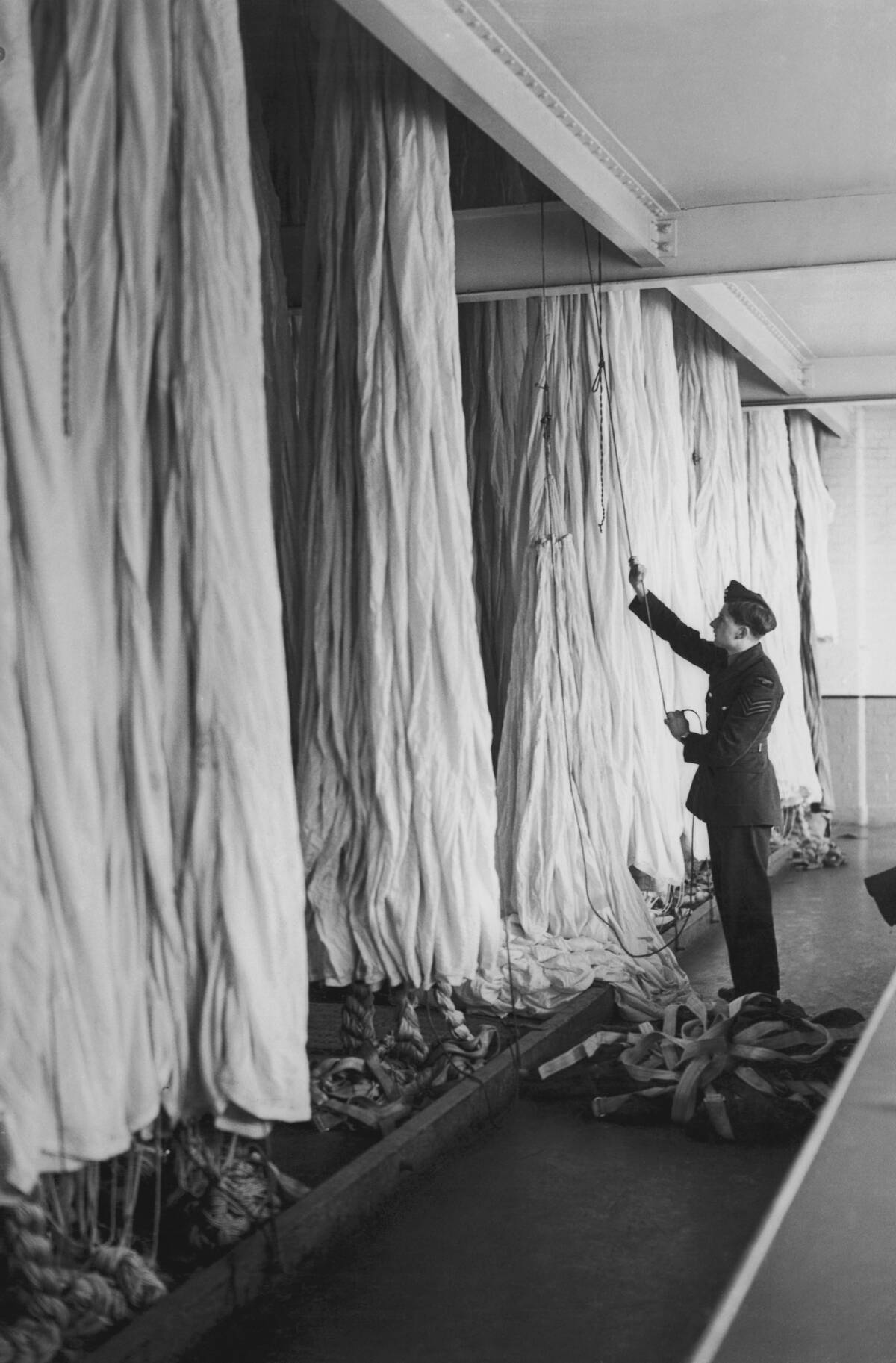
Nylon, first produced in 1935 by Dupont, became a crucial material during World War II when silk supplies dwindled. It was used to make parachutes, ropes, and other military gear.
After the war, nylon found its way into civilian life, revolutionizing the textile industry. From stockings to outdoor gear, nylon’s durability and versatility ensure its continued popularity.
GPS Technology: From Military Precision to Everyday Navigation
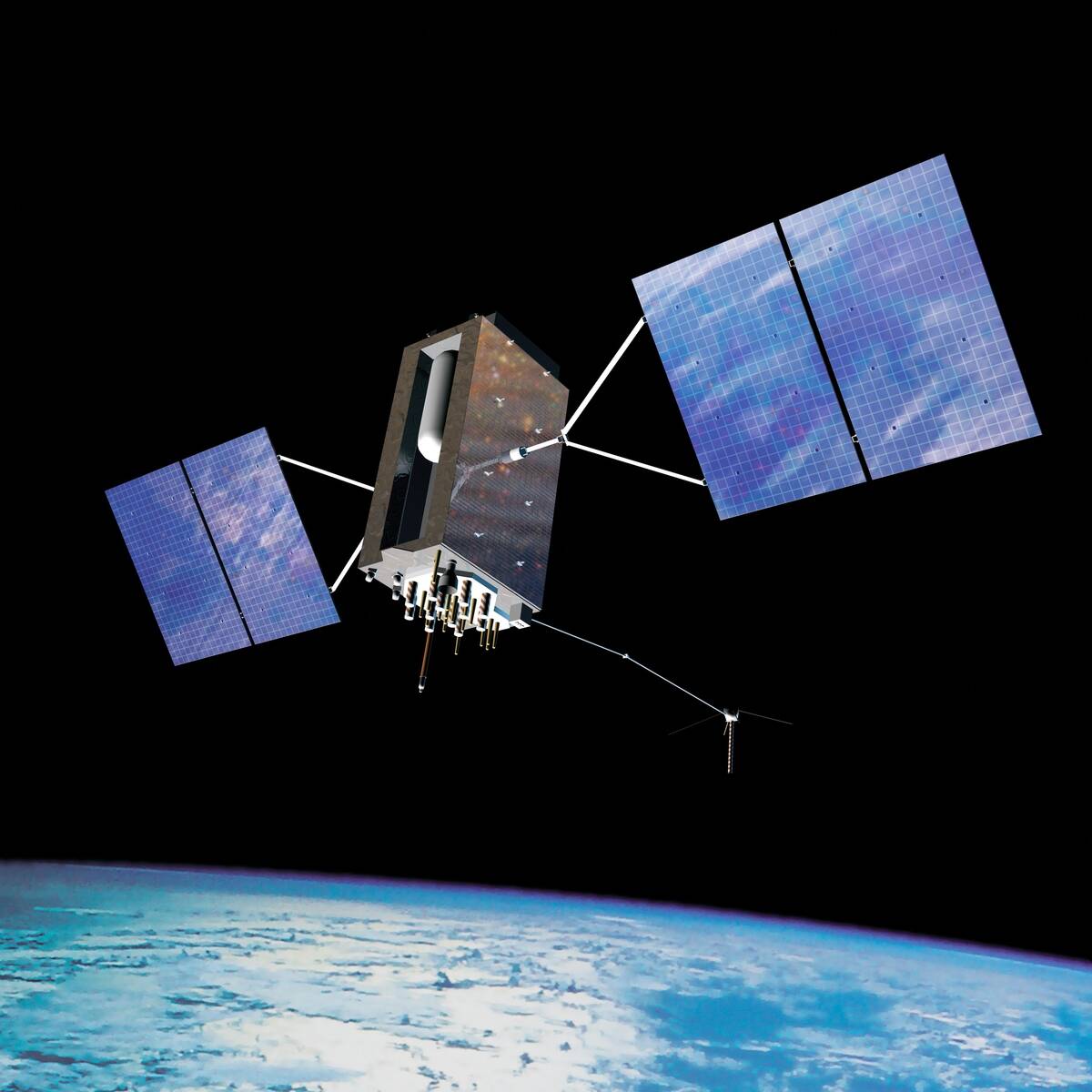
GPS technology, initially developed for military navigation in the 1970s, has become indispensable in civilian life. This satellite-based system provides precise location data, which is now used for everything from driving directions to tracking fitness activities.
The widespread adoption of GPS highlights how military innovations can seamlessly integrate into daily routines, making life easier and more connected.
The Microwave Oven: A Cooking Revolution Sparked by Radar Technology

The microwave oven’s invention was an unexpected byproduct of radar research during World War II. Percy Spencer discovered that radar waves could heat food, leading to the development of the first microwave oven in 1945.
Initially a luxury item, microwave ovens have since become a kitchen staple, offering a quick and convenient way to prepare meals. Their origin in military technology is a fascinating chapter in culinary history.
Plastic Surgery Techniques: Healing Wounds and Changing Lives
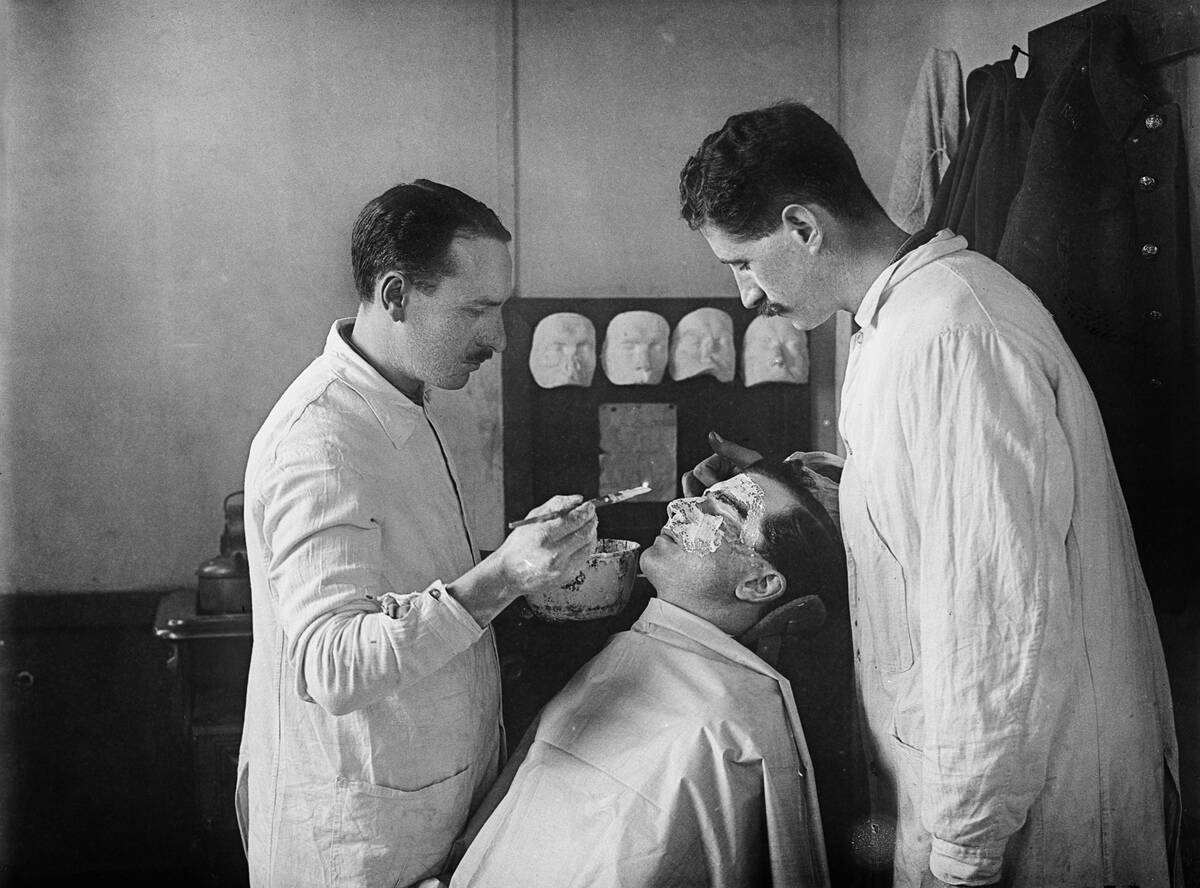
Modern plastic surgery owes much to advancements made during World War I, when surgeons developed techniques to repair facial injuries suffered by soldiers. These pioneering methods laid the groundwork for reconstructive and cosmetic surgery.
Today, plastic surgery enhances and restores countless lives, demonstrating how medical needs in wartime can lead to broader applications that benefit society as a whole.
The Ballpoint Pen: An Easy Writing Solution for Pilots
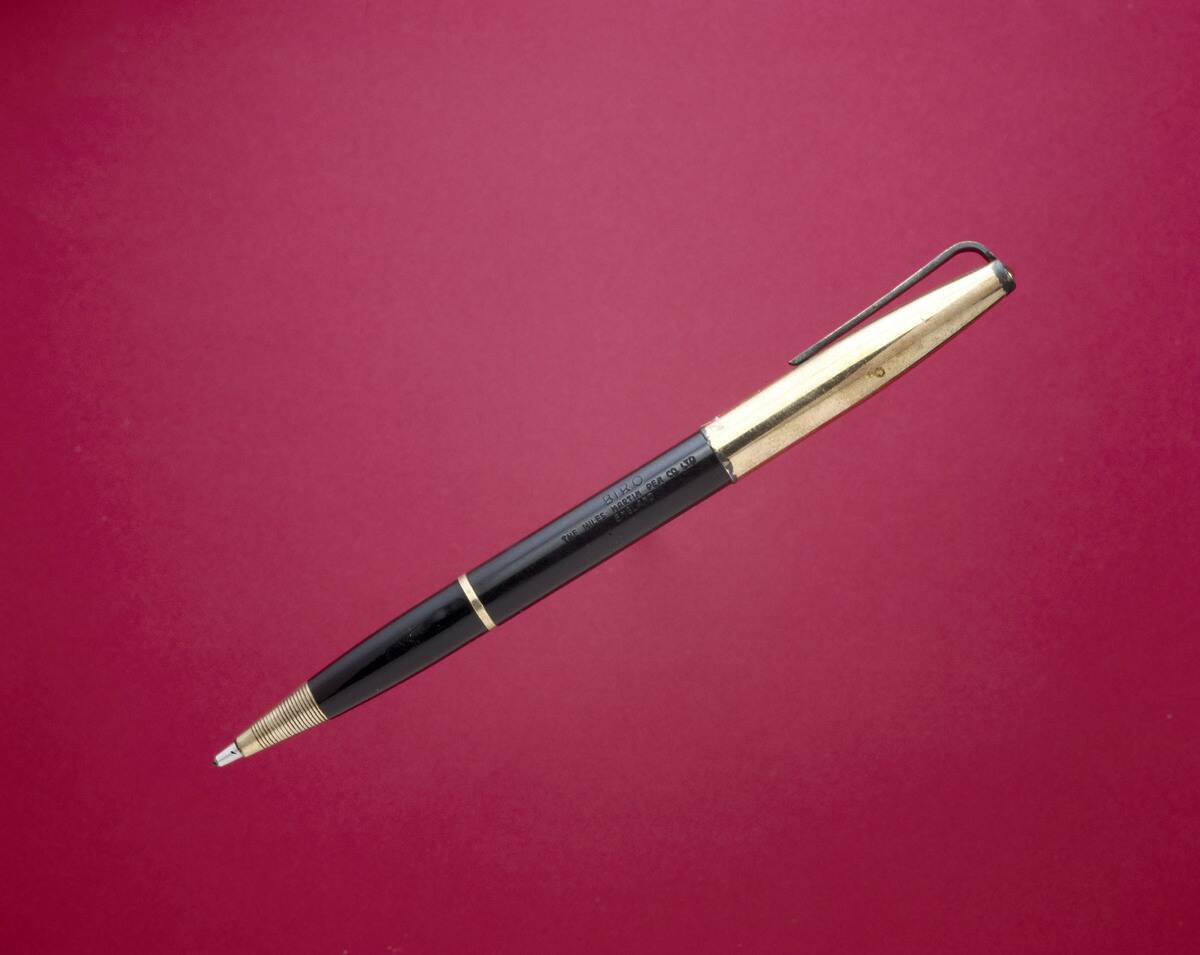
The ballpoint pen, invented by Laszlo Biro, became a practical tool for pilots during World War II. Traditional fountain pens tended to leak at high altitudes, but Biro’s design used a fast-drying ink and a rotating ball to deliver a smooth, consistent line.
After the war, this innovation became a ubiquitous writing instrument, prized for its reliability and convenience in everyday tasks.
Super Glue: The Adhesive Created for Medical Use on the Battlefield
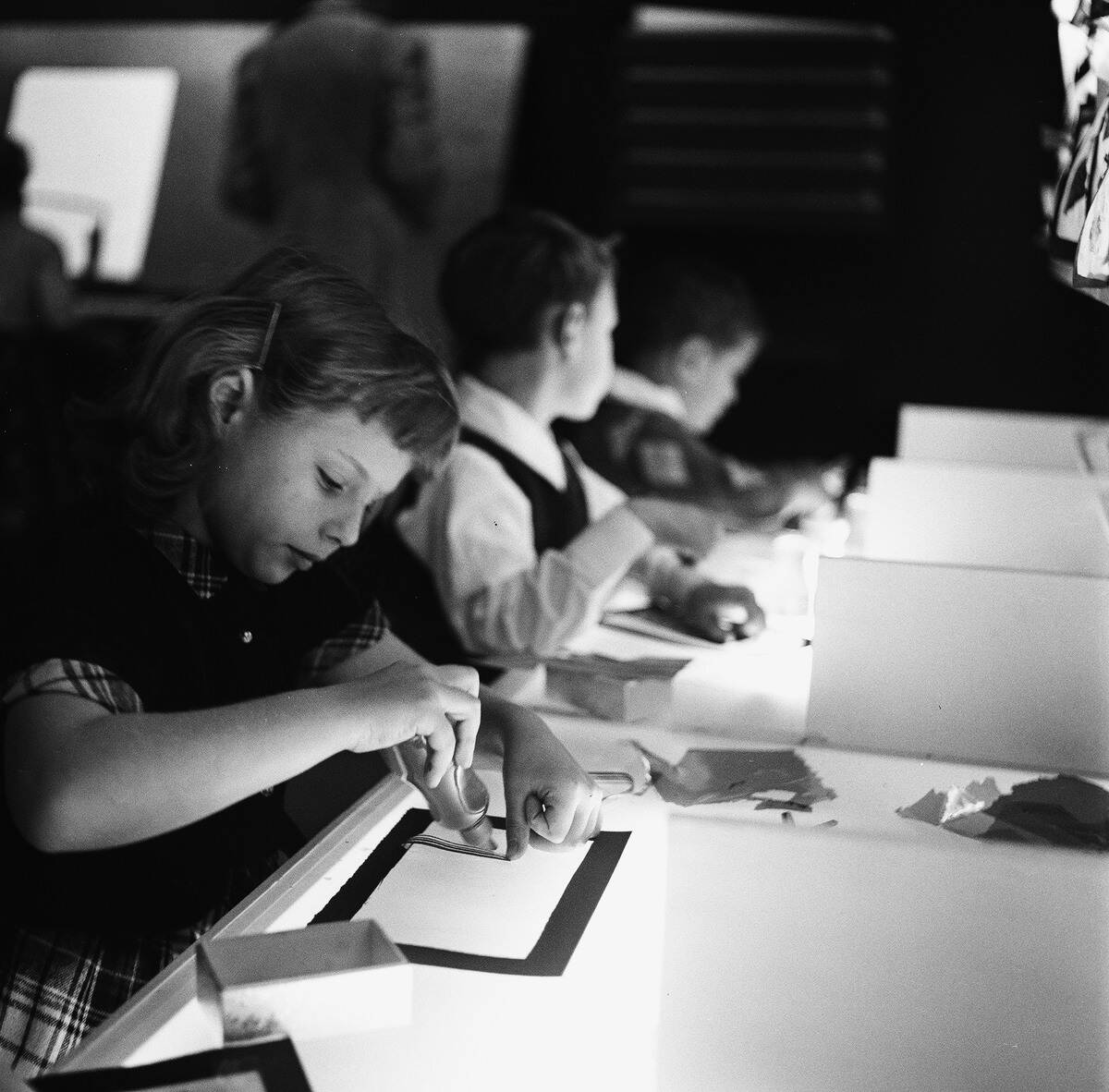
Super glue, or cyanoacrylate, was initially developed during World War II for military and medical applications. It provided a quick and effective way to close wounds on the battlefield, reducing the risk of infection.
While its medical use has evolved, super glue is now a household staple, known for its ability to bond a wide range of materials quickly. Its transition from battlefield to household is a testament to its versatility.
The EpiPen: A Lifesaving Device with Military Origins

The EpiPen, a crucial device for administering emergency medication for allergic reactions, has roots in military medicine. Originally developed to quickly deliver nerve gas antidotes, its design was adapted for civilian use to combat severe allergic reactions.
This life-saving tool is now a vital part of emergency medical care, demonstrating how military innovations can directly impact public health.
Synthetic Rubber: The Essential Material Developed During Shortages
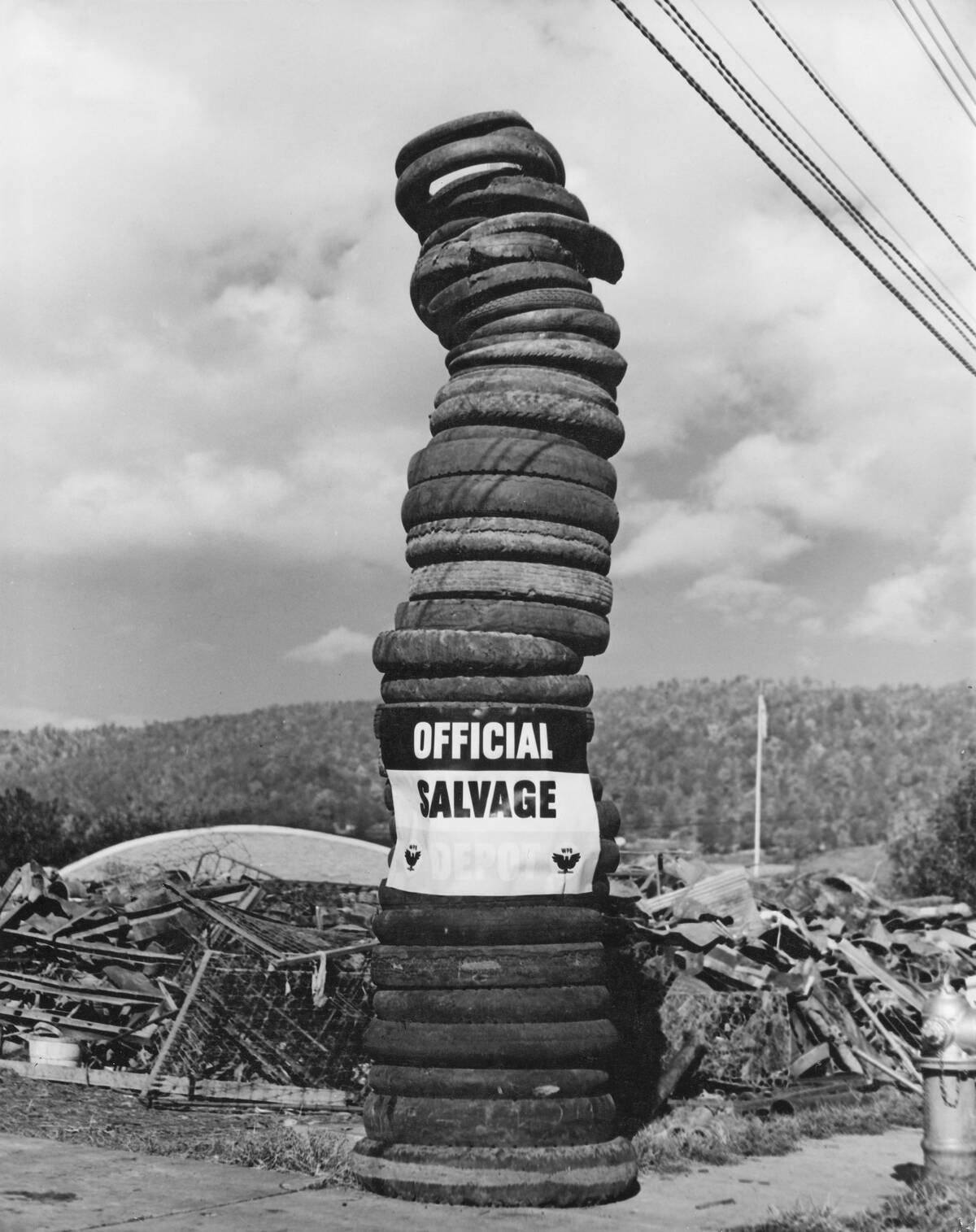
During World War II, natural rubber shortages prompted the development of synthetic alternatives. This innovation was crucial for producing tires, gaskets, and other equipment essential to the war effort.
Post-war, synthetic rubber became integral to various industries, from automotive to footwear. Its development highlights how resourcefulness in times of scarcity can lead to lasting advancements.
Aviator Sunglasses: A Stylish Solution to Protect Pilot Eyes

Aviator sunglasses were designed in the 1930s by Bausch & Lomb to protect pilots’ eyes from harmful sun rays at high altitudes. Their distinctive shape and effective UV protection made them popular with the military.
After the war, their style and functionality captured the public’s imagination, turning aviators into a timeless fashion accessory that continues to soar in popularity.
Digital Photography: Capturing Images Through Wartime Advanced Tech
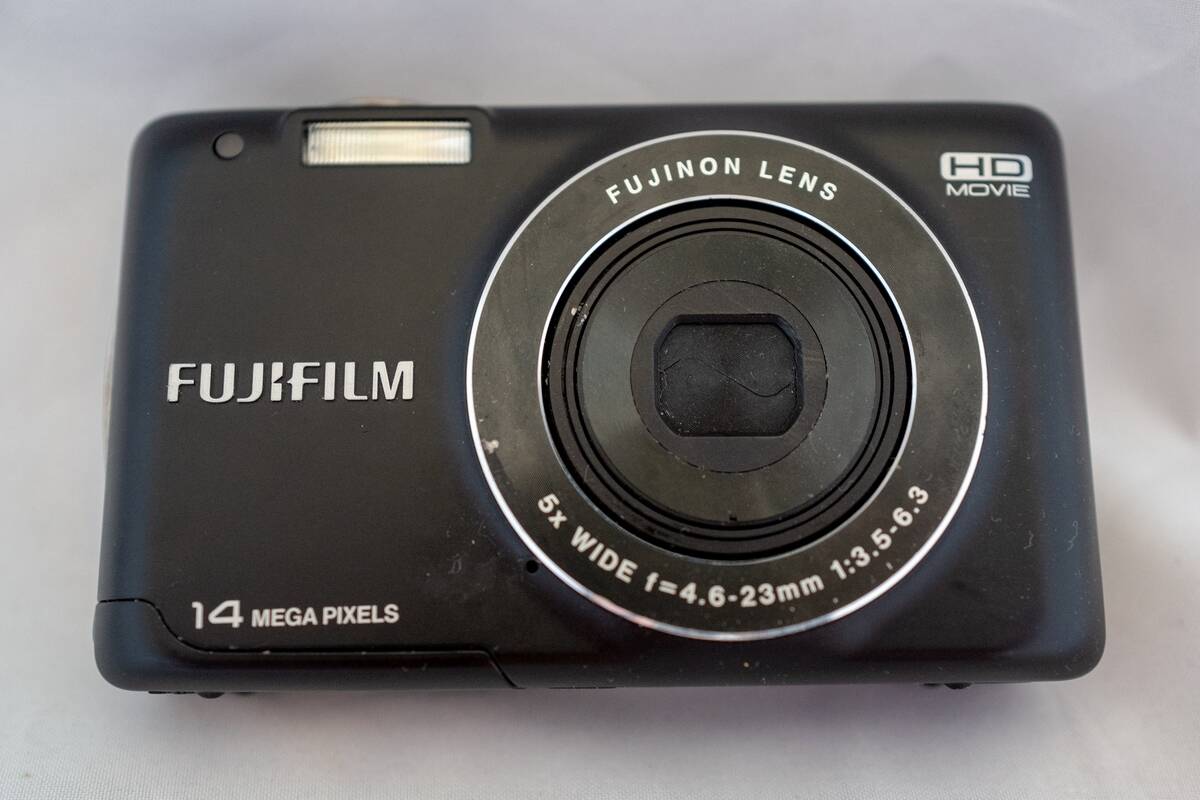
Digital photography’s roots can be traced back to Cold War-era reconnaissance missions, where capturing high-quality aerial images was paramount. These technological advancements paved the way for the digital cameras we use today.
Now, digital photography is an integral part of everyday life, allowing us to capture and share moments instantly. It’s a perfect example of how military technology can evolve into a tool for creativity and connection.




