Inventors’ journals and the origins of genius ideas
The diaries of inventors have always intrigued us, offering a glimpse into the creative minds that shaped our world. These personal journals hold secrets to their owners’ genius, unveiling the thought processes behind groundbreaking inventions.
From scribbles to sketches, these pages capture raw ideas that eventually transformed into revolutionary products. It’s fascinating to imagine how these seemingly mundane entries could lead to such profound innovations, sparking the curiosity of both historians and aspiring inventors alike.
Leonardo da Vinci: The Master of Sketching Ideas
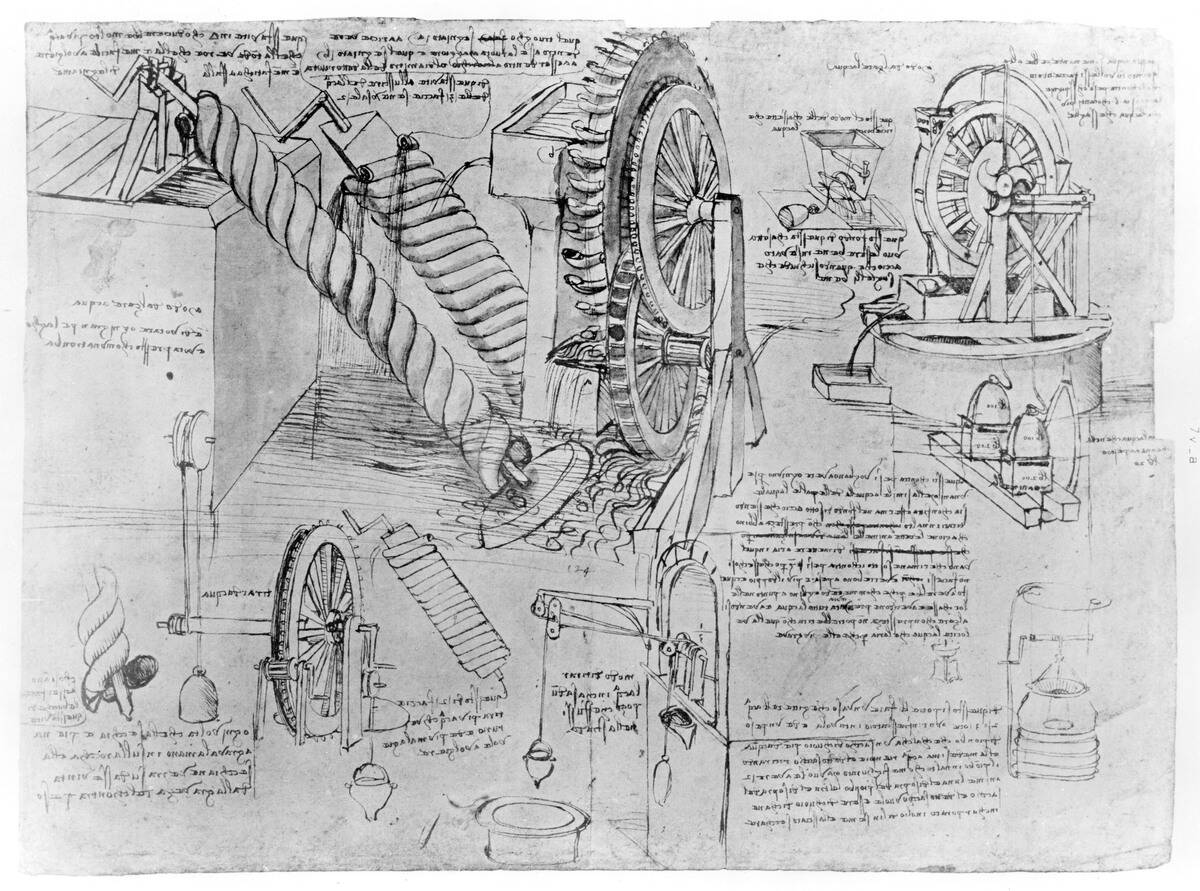
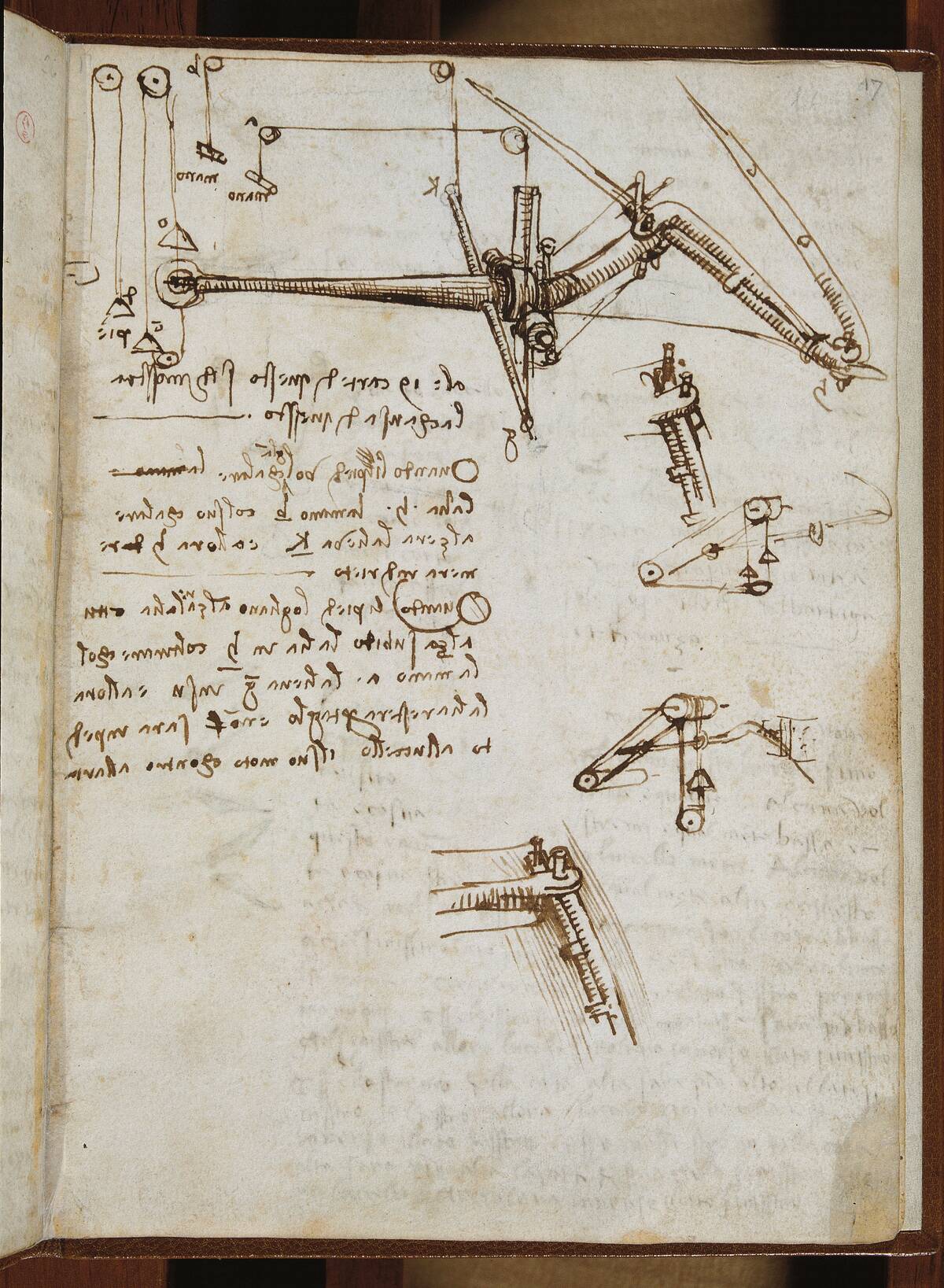
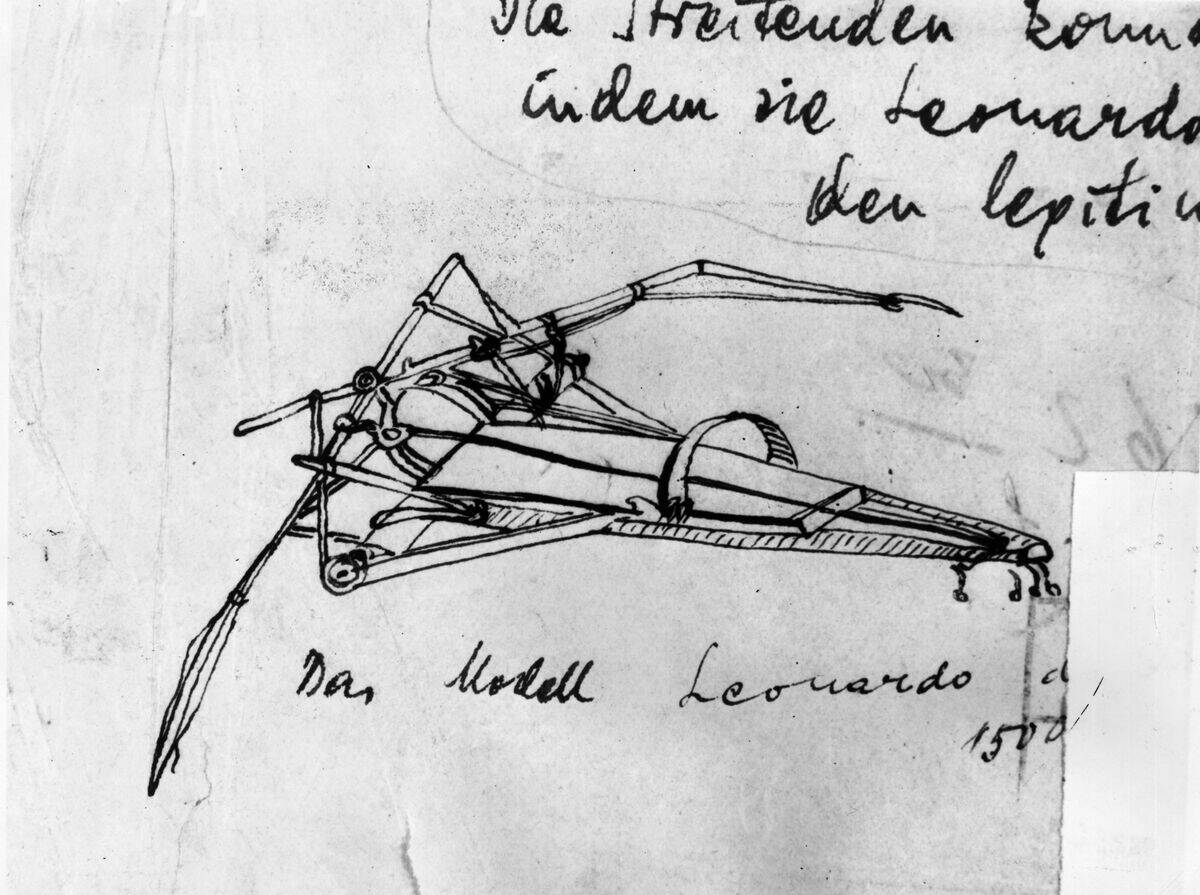
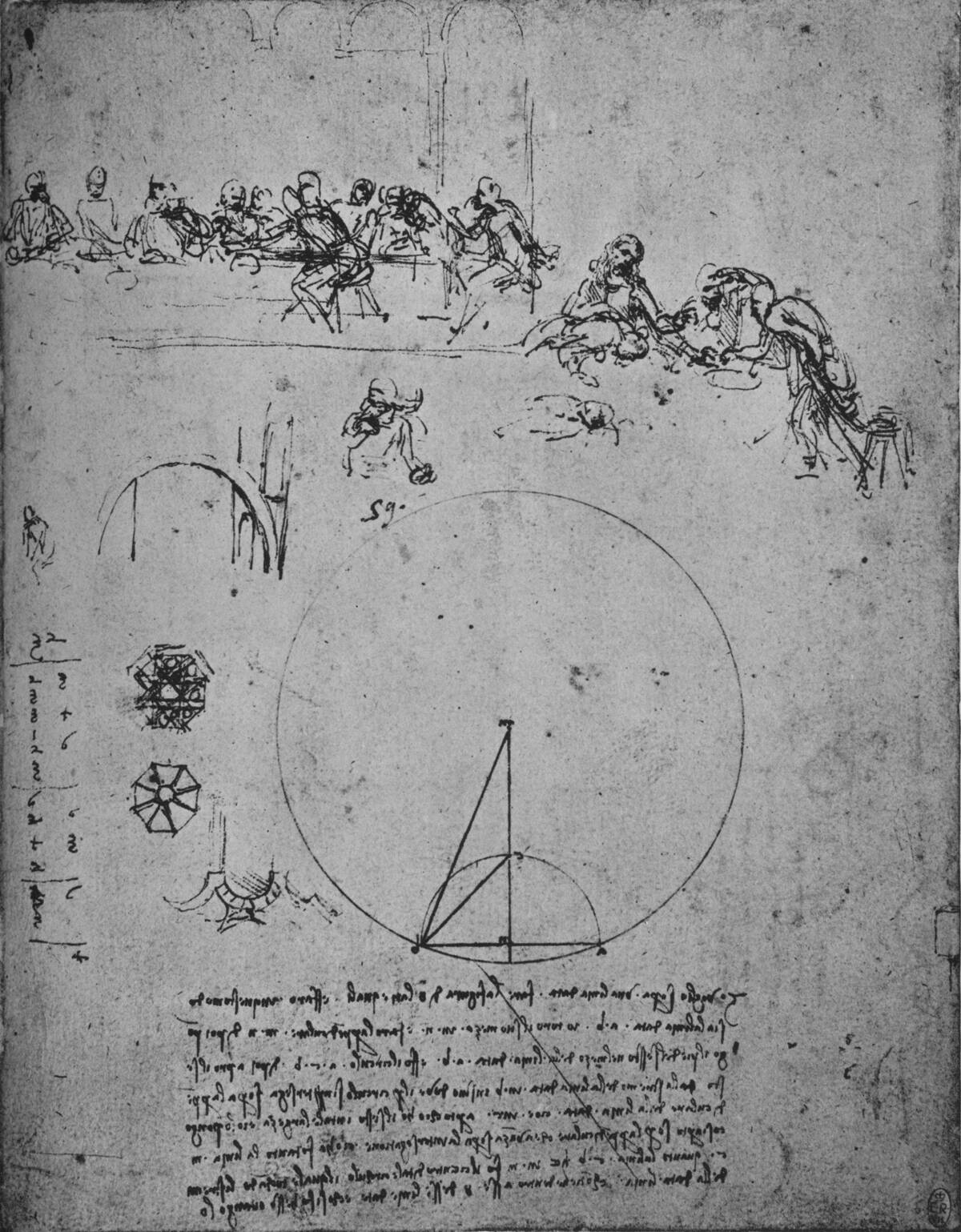
Leonardo da Vinci’s notebooks are a testament to his unparalleled genius and artistic prowess. Filled with sketches of flying machines, anatomical studies, and engineering marvels, they reflect his insatiable curiosity about the natural world.
Da Vinci’s habit of blending art and science in his diaries allowed him to visualize complex concepts with clarity. These sketches, often accompanied by backwards-written notes, remain a source of inspiration for inventors and artists alike.
Nikola Tesla: Dreams Turned into Inventions
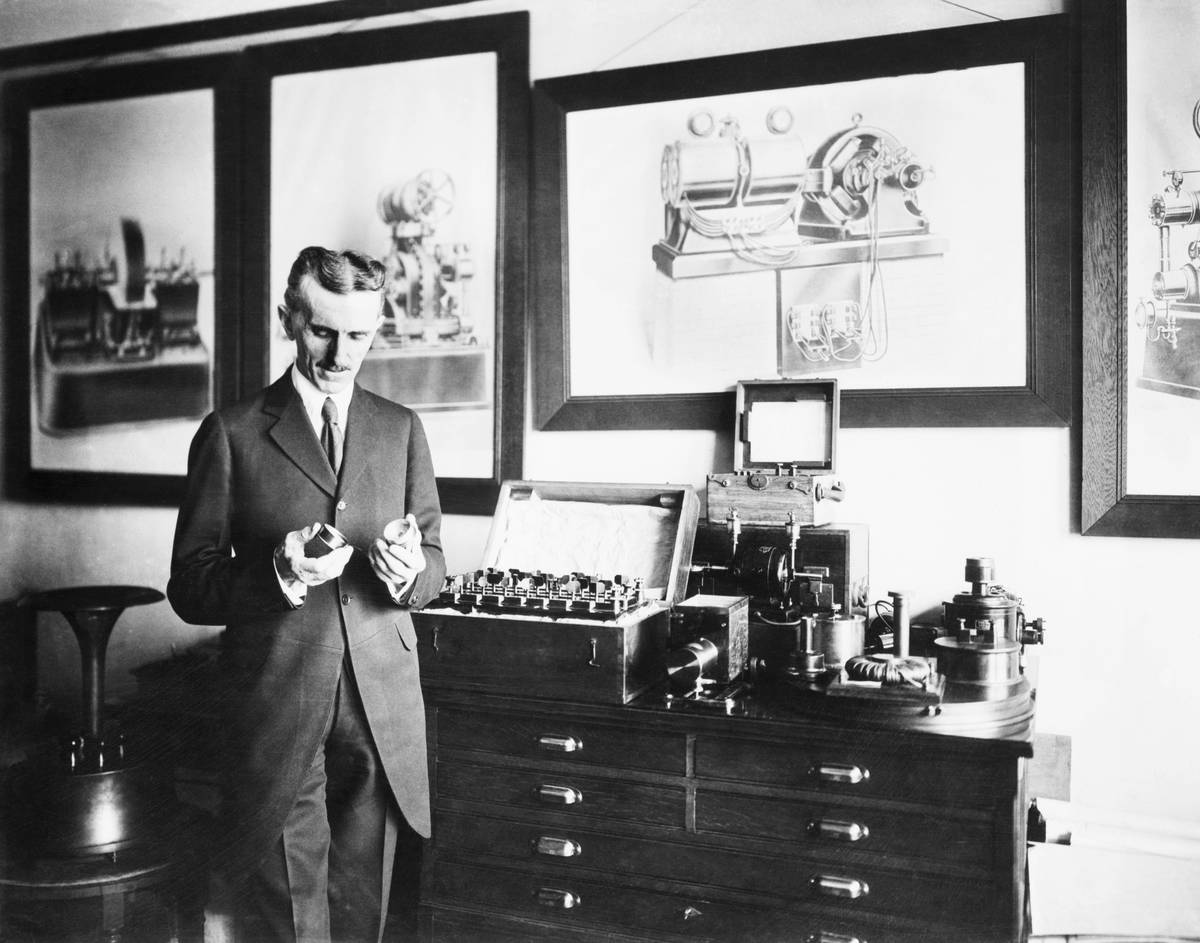
Nikola Tesla’s journals are a captivating mix of scientific insight and visionary thinking. His entries detail experiments with alternating current and wireless communication, showcasing his relentless pursuit of innovation.
Tesla’s ability to conceptualize advanced technologies long before they became reality speaks to his extraordinary foresight. His diaries reveal a mind unbound by the limitations of his time, dreaming up inventions that continue to influence modern technology.
Thomas Edison: The Man of a Thousand Patents
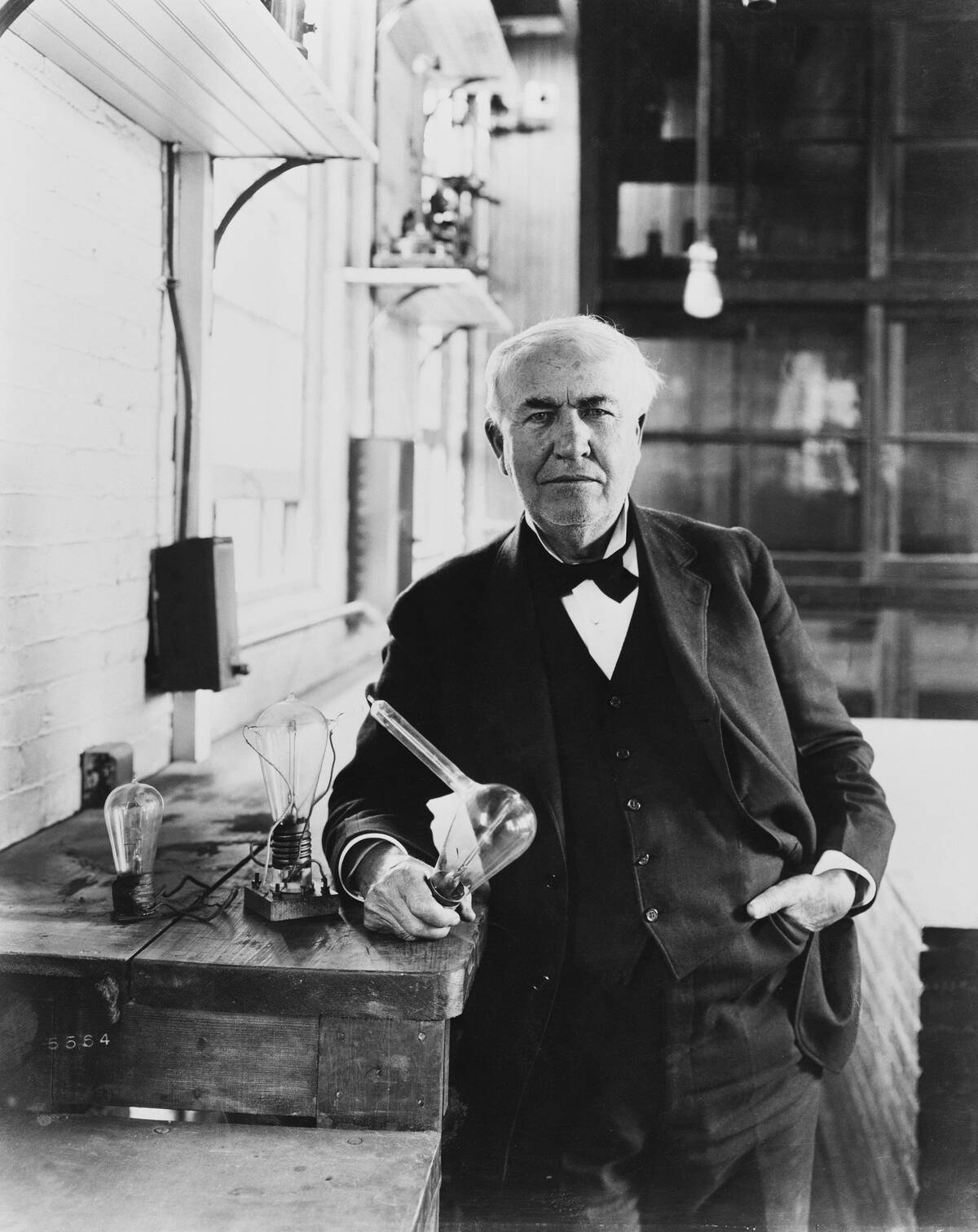
Thomas Edison’s diaries are a testament to his prolific inventiveness, with over a thousand patents attributed to his name. His journals are filled with detailed notes on experiments, failures, and breakthroughs, providing a roadmap of his relentless pursuit of progress.
Edison’s pragmatic approach, as evidenced in his diaries, highlights his belief in trial and error as a path to innovation. His methodical documentation offers insights into the iterative nature of invention.
Marie Curie: Discoveries in Her Own Words
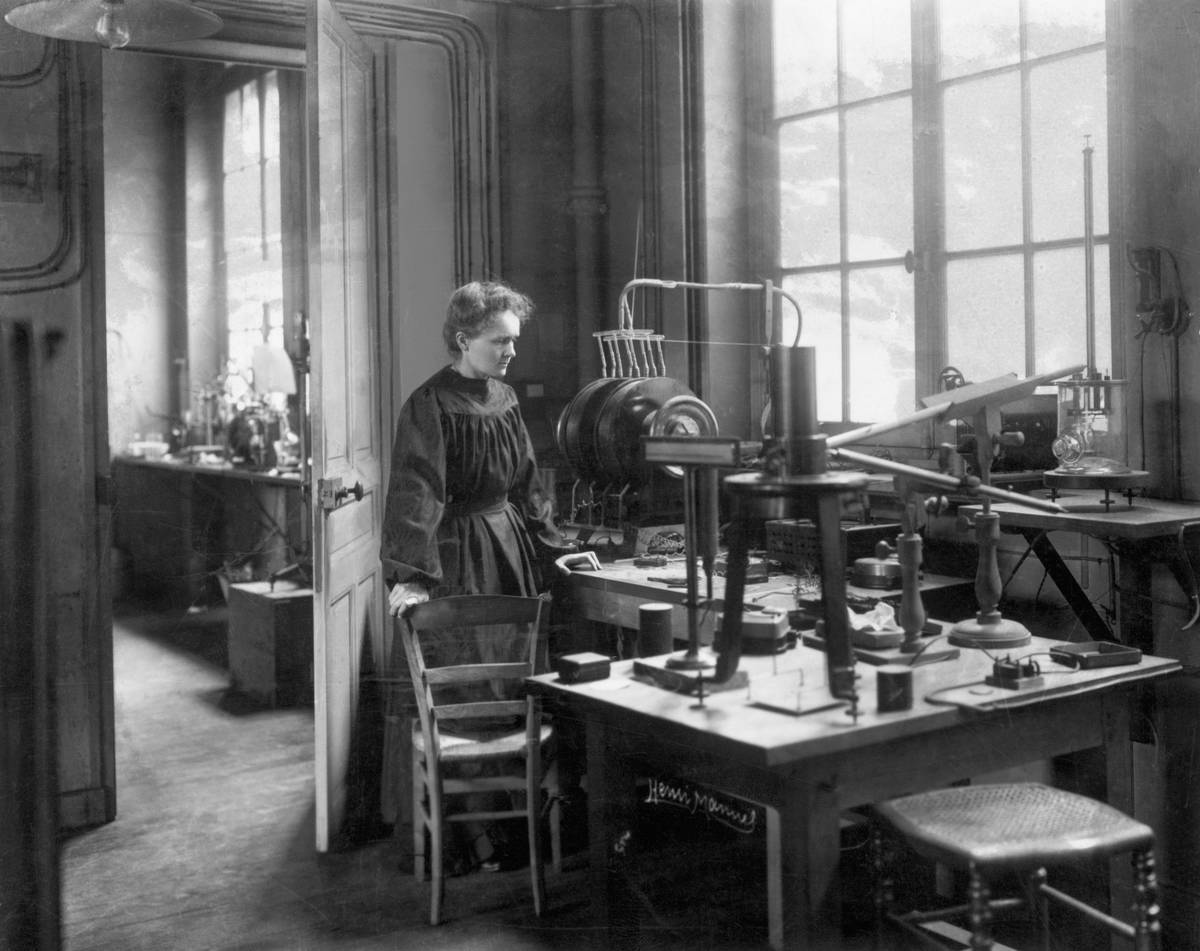
Marie Curie’s diaries offer a deeply personal account of her groundbreaking work in radioactivity. Her meticulous notes reveal the challenges she faced as a pioneering female scientist in a male-dominated field.
Curie’s dedication to documenting her experiments was crucial in her discovery of radium and polonium, which earned her two Nobel Prizes. Her diaries not only capture her scientific achievements but also her resilience and passion for discovery.
Ada Lovelace: Computing Visions in a Notebook
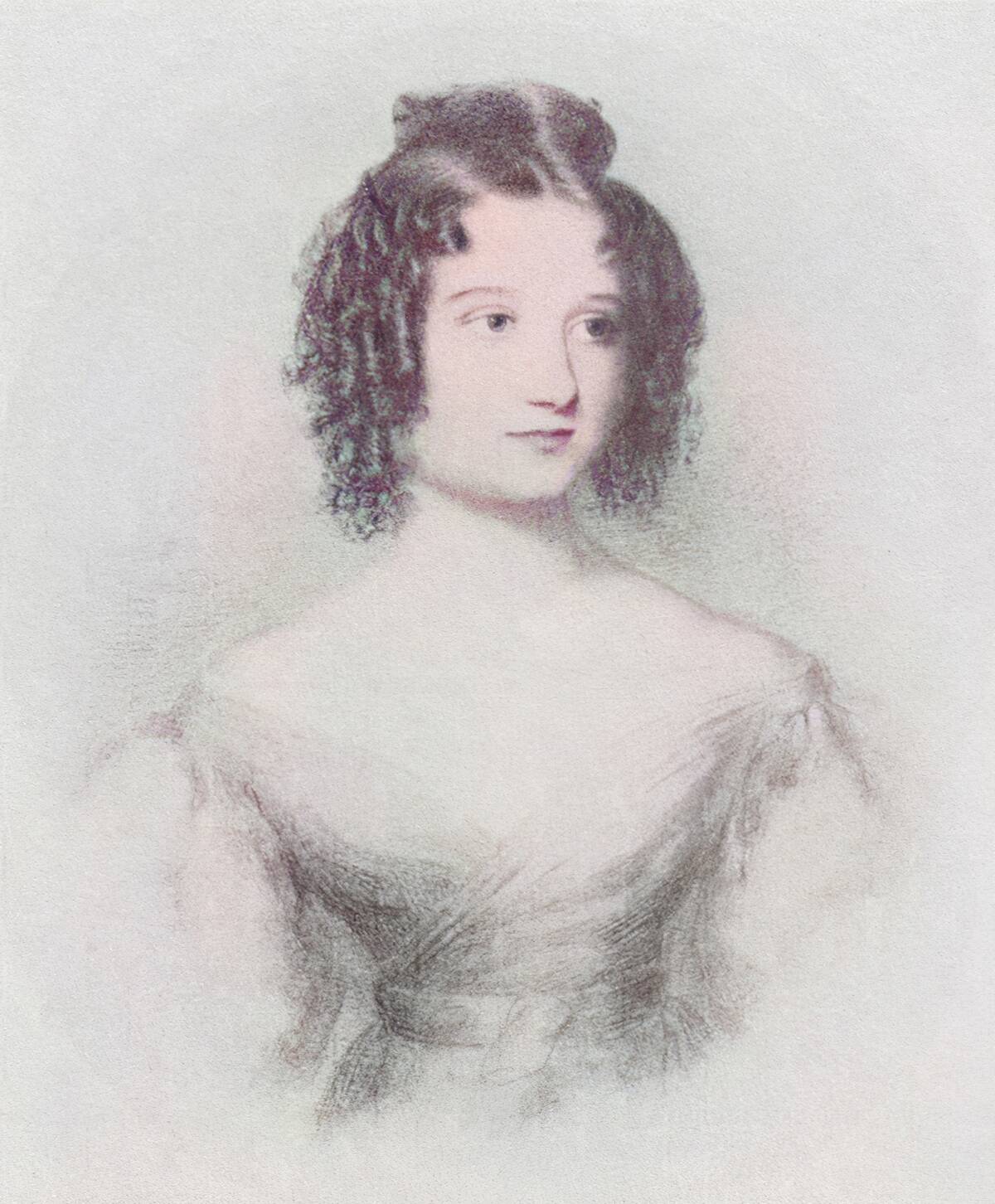
Ada Lovelace’s notes are a fascinating glimpse into the birth of computer science. Her annotations on Charles Babbage’s Analytical Engine outline concepts of algorithms and early programming, earning her recognition as the first computer programmer.
Lovelace’s visionary insights, documented in her notebooks, anticipated the potential of computers to go beyond mere calculation. Her work laid the foundation for the digital revolution, making her diaries a crucial historical artifact.
Hedy Lamarr: From Screen Star to Signal Jammers

Hedy Lamarr’s diaries reveal a lesser-known side to the glamorous Hollywood actress—her inventive mind. Her notes chronicle the development of a frequency-hopping technology, designed to prevent enemy interference in radio communications during World War II.
This innovation, though not immediately recognized, later became a foundation for modern wireless communication technologies. Lamarr’s diaries illustrate the intersection of creativity and science, highlighting her legacy as a pioneer in technology.
The Wright Brothers: Soaring Ideas on Paper
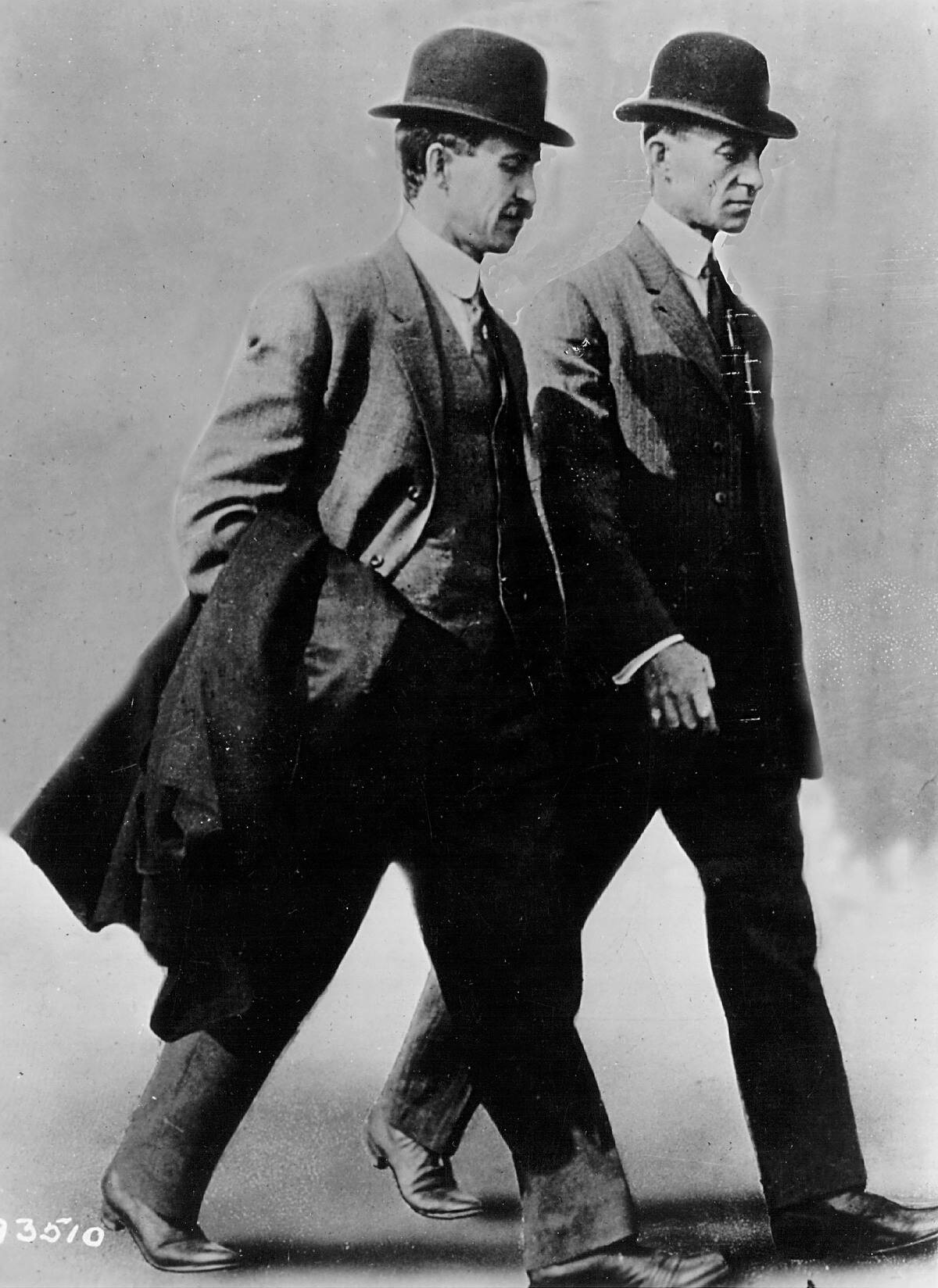
The Wright brothers’ diaries are a testament to their meticulous approach to flight experimentation. Their detailed records of wind tunnel tests and glider designs reflect their methodical pursuit of powered flight.
The brothers’ commitment to documenting every detail was crucial in refining their aircraft designs, ultimately leading to the first successful flight. Their diaries offer a window into the perseverance and innovation that propelled humanity into the age of aviation.
The Personal Touch: Handwriting and Personality
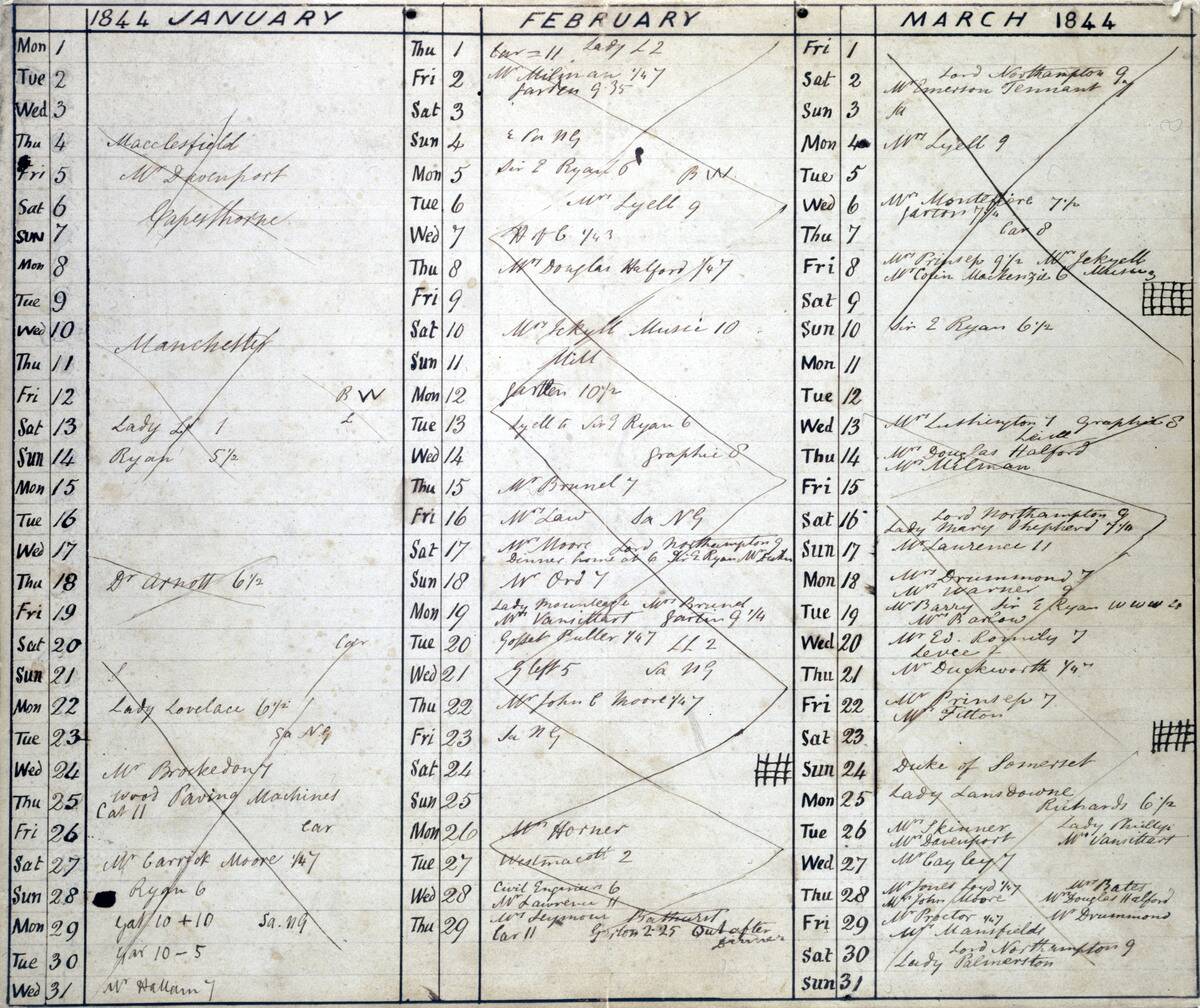
The handwriting in inventors’ diaries adds a personal touch that reveals their unique personalities. The style of writing can reflect the urgency of an idea or the calm contemplation of a problem.
For many inventors, the act of writing by hand serves as a physical manifestation of their thought process. This personal connection to their work immortalizes the human aspect of innovation, bridging the gap between abstract ideas and tangible creations.
Common Themes in Inventors’ Diaries
Amidst the diverse entries in inventors’ diaries, common themes often emerge—persistence, curiosity, and a willingness to embrace failure. These diaries capture the iterative nature of innovation, where setbacks are stepping stones to success.
Inventors frequently document moments of inspiration alongside practical challenges, showcasing the dual nature of creativity and problem-solving. These recurring themes highlight the universal experiences shared by inventors across different eras and disciplines.
Inspirations from Everyday Life
Diaries reveal that many inventors find inspiration in the mundane aspects of everyday life. Observations of nature, interactions with people, and even routine tasks can spark innovative ideas.
Inventors often note how seemingly unrelated experiences contribute to their creative process, illustrating the interconnectedness of life and invention. These insights highlight the importance of remaining open to inspiration from diverse sources, emphasizing the role of curiosity in driving innovation.
How Diaries Influence Modern Inventors
Modern inventors continue to draw inspiration from the diaries of their predecessors, finding value in the documented journeys of past innovators. These journals serve as a source of motivation, offering insights into the creative process and the resilience needed to overcome obstacles.
By studying the successes and failures recorded in these diaries, contemporary inventors can learn valuable lessons and apply them to their own work. The timeless wisdom preserved in these pages continues to shape the future of invention.