How elevators changed cities
Cities have always been hubs of human activity, but the rise of the urban vertical world truly transformed them. As populations grew, cities expanded upwards rather than outwards, leading to the development of the modern skyline.
This shift was largely driven by the invention and improvement of elevators, which made it feasible to live and work in towering skyscrapers. With elevators, the sky was no longer the limit, but rather the beginning of a new horizon.
Early Days: Life Before Elevators
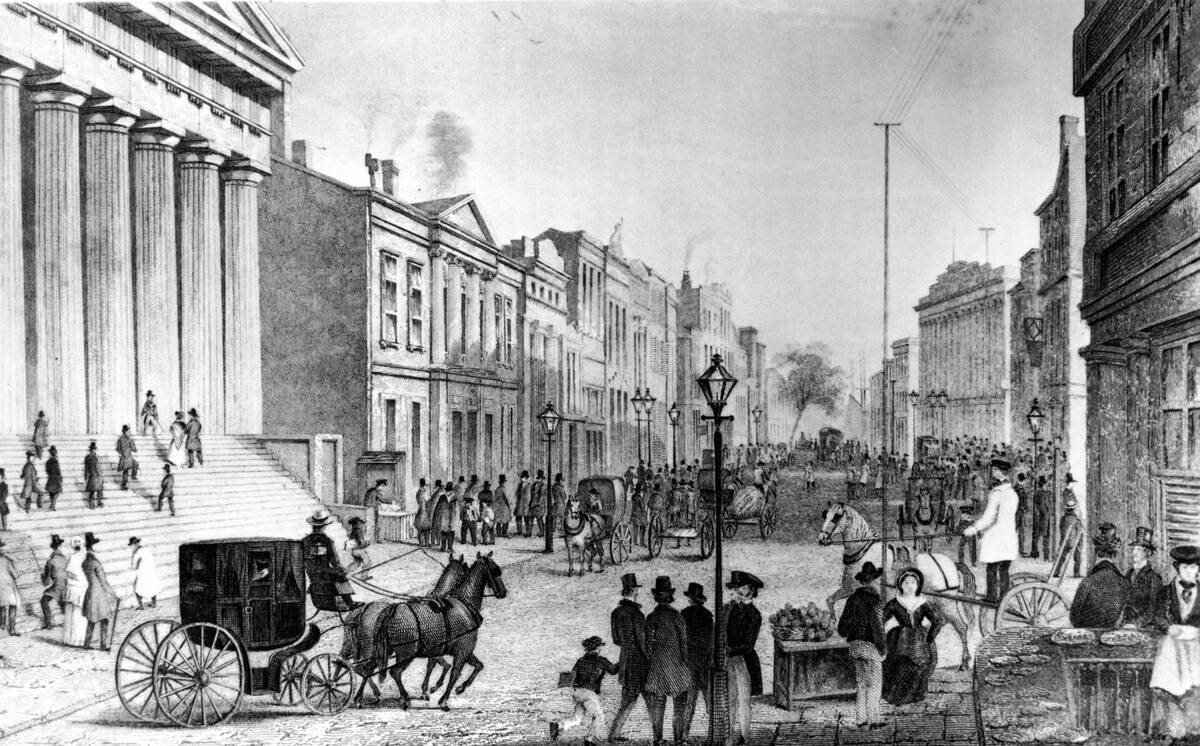
Before elevators, multi-story buildings relied on stairs, making upper floors less accessible. People often preferred ground-level living, as climbing several flights daily was both time-consuming and exhausting.
Buildings rarely exceeded five stories, as this was generally the limit people were willing to climb. The invention of the elevator changed this dynamic, allowing cities to grow upwards and making higher floors more desirable.
The Invention of the Elevator: A Game Changer
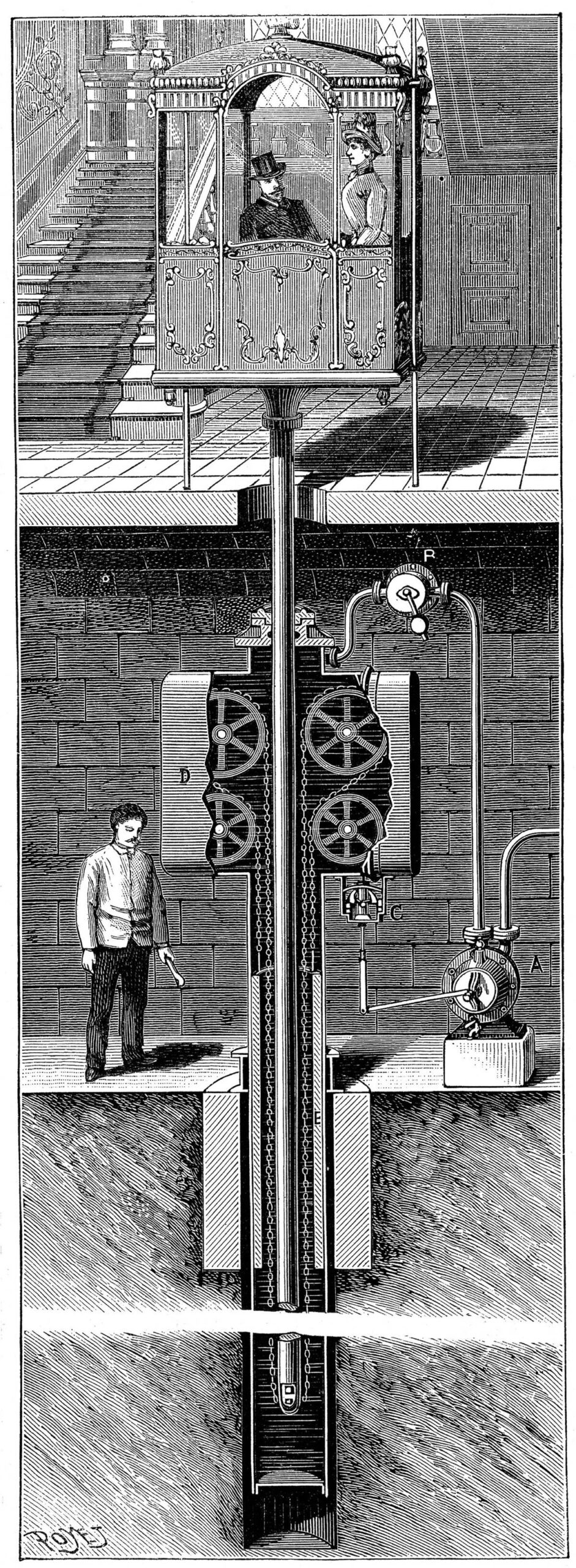
The invention of the elevator revolutionized architecture and urban life. In 1853, Elisha Otis demonstrated the first safety elevator at the New York World’s Fair. This invention brought about a paradigm shift, enabling architects to design buildings that reached new heights.
The elevator not only made skyscrapers possible but also sparked the beginning of modern urban development, transforming the way people lived and worked in cities.
Otis and the Safety Brake: A Turning Point in History
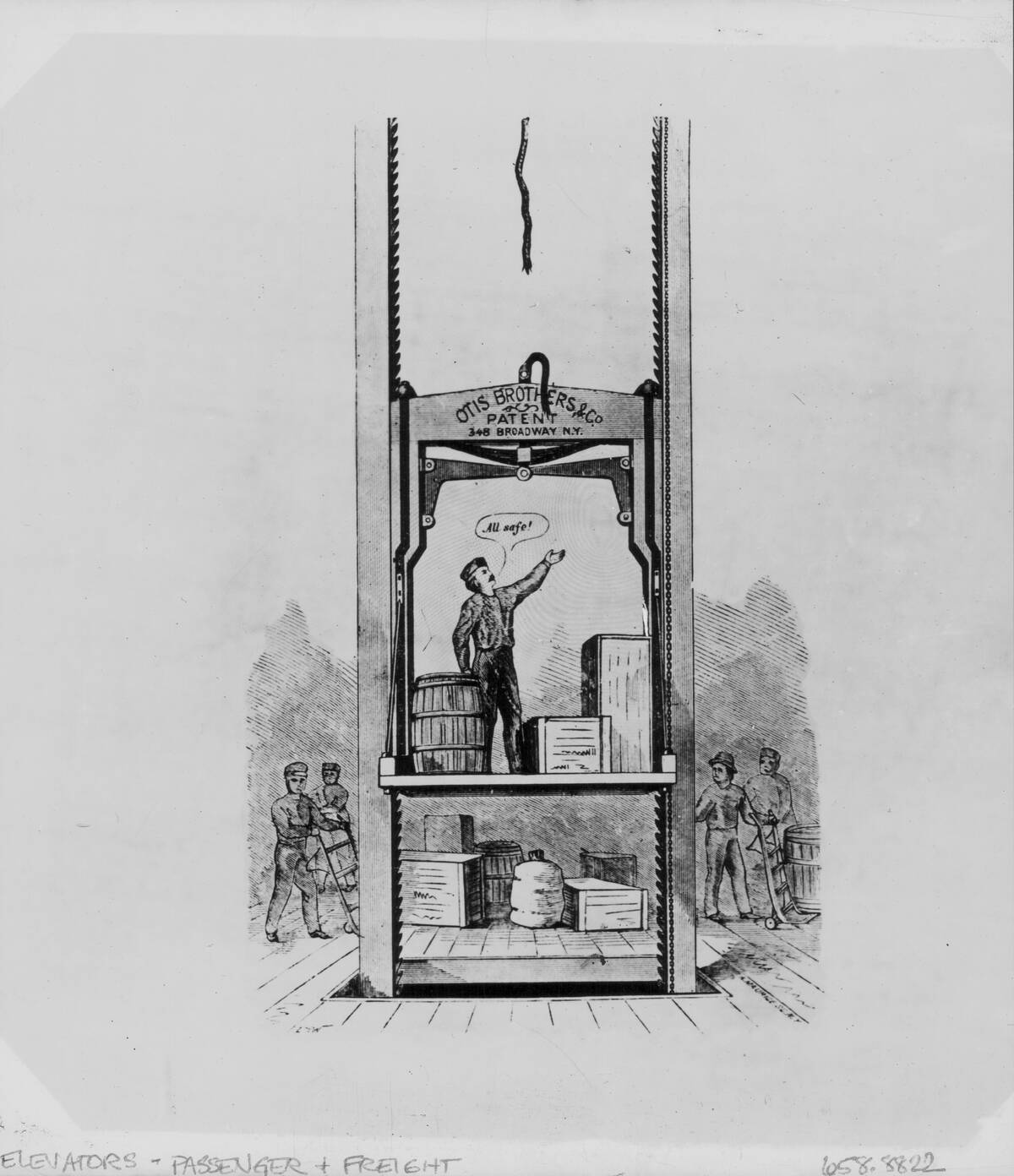
Elisha Otis’s safety brake was a groundbreaking innovation that ensured the elevator would not plummet if the hoisting cable failed. This invention, demonstrated in 1854, was crucial in gaining public trust.
Before the brake, elevators were seen as risky, but Otis’s safety system made vertical transportation reliable. This turning point led to widespread adoption of elevators, making skyscrapers practical and safe for everyday use.
Skyscrapers: Reaching for the Sky
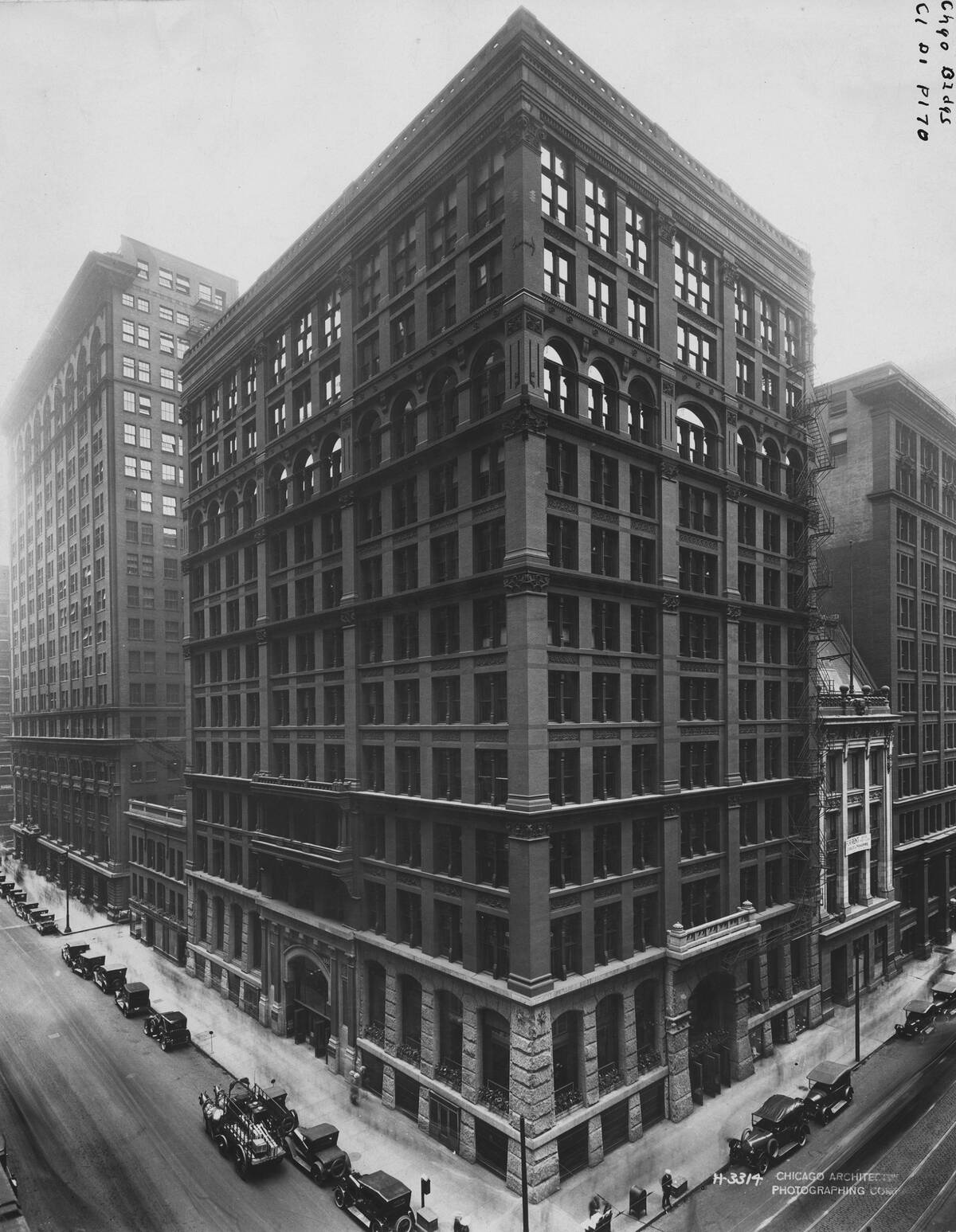
The advent of elevators gave birth to the skyscraper era, with buildings like Chicago’s Home Insurance Building, completed in 1885, marking the start. Skyscrapers became symbols of modernity and economic power, with cities competing to build the tallest structures.
As engineering and elevator technology advanced, so did the height of these buildings. Today, skyscrapers define city skylines worldwide, embodying the ambition to reach ever higher.
Urbanization and the Need for Elevators
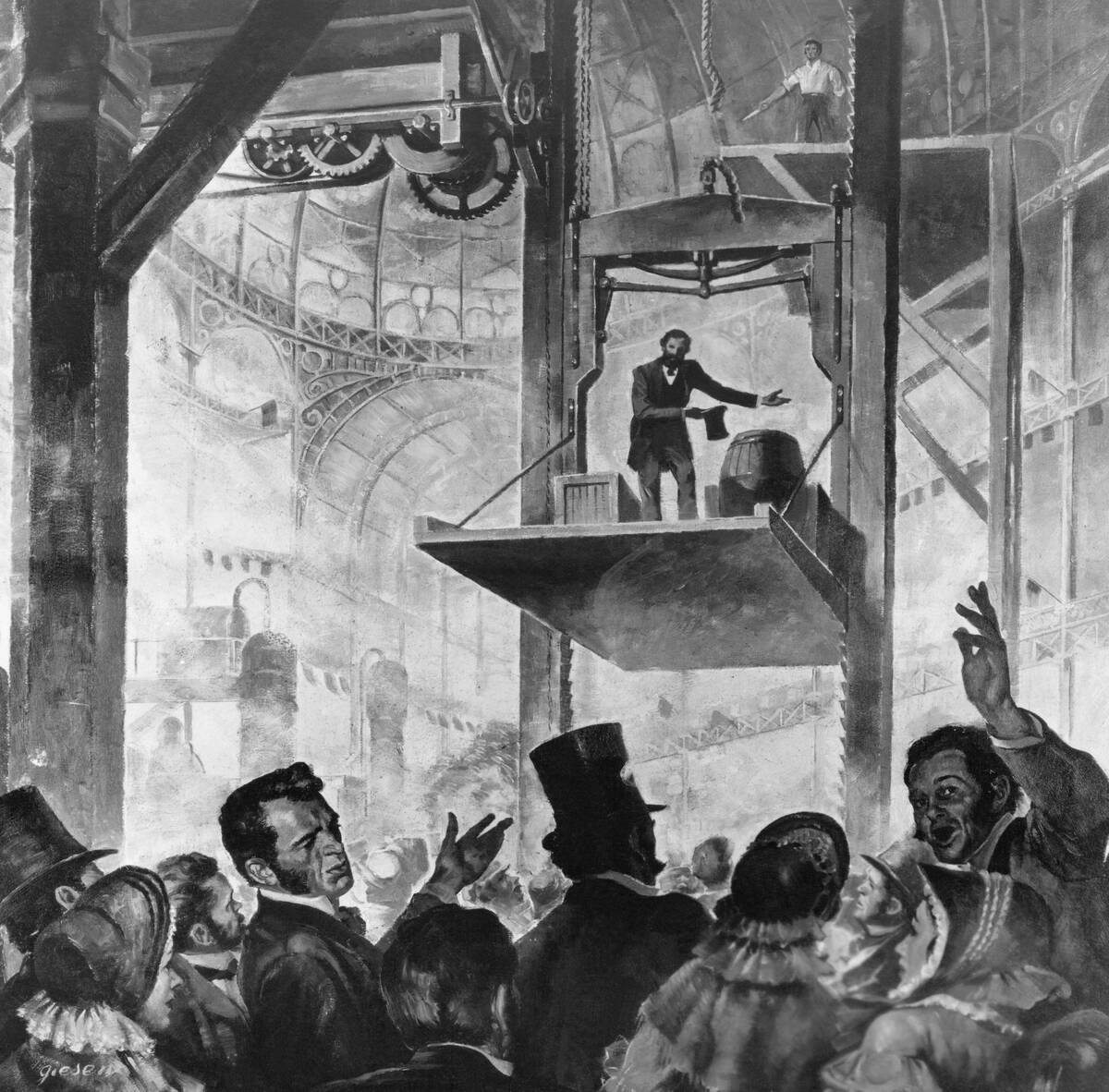
As urban populations grew, the demand for space intensified, and the vertical expansion of cities became necessary. Elevators met this need by making high-rise buildings feasible, allowing cities to house more people in less space.
This shift not only accommodated growing populations but also promoted the efficient use of land. Elevators thus played a critical role in the urbanization process, supporting the growth and functionality of modern metropolises.
Elevators and the Birth of the Modern City

Elevators were pivotal in the birth of the modern city, enabling the construction of dense urban environments. They facilitated the rise of high-rise offices and residential buildings, transforming cityscapes.
This vertical growth allowed cities to become economic powerhouses, concentrating businesses and people in a limited area. As elevators became more advanced, they further propelled urban development, shaping the cities we know today.
How Elevators Influenced Architectural Design
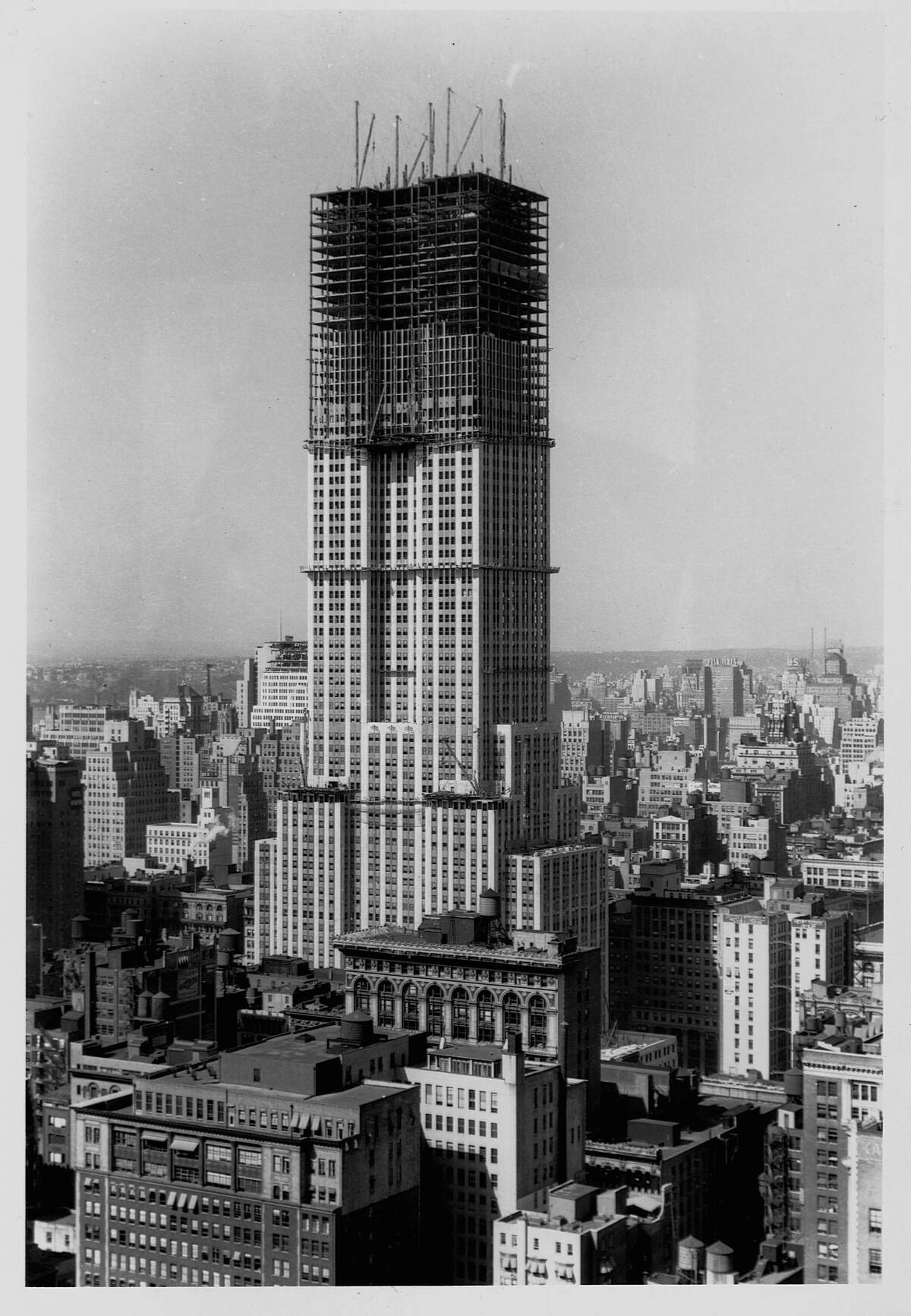
Elevators have significantly influenced architectural design, allowing for creative freedom and innovation. Architects could now design taller and more complex buildings, integrating elevators as central elements.
This led to the development of iconic structures like the Empire State Building and the Burj Khalifa. Elevators have also enabled open floor plans and sky lobbies, changing how spaces are utilized and experienced in high-rise buildings.
The Social Impact of Elevators: Bringing People Together
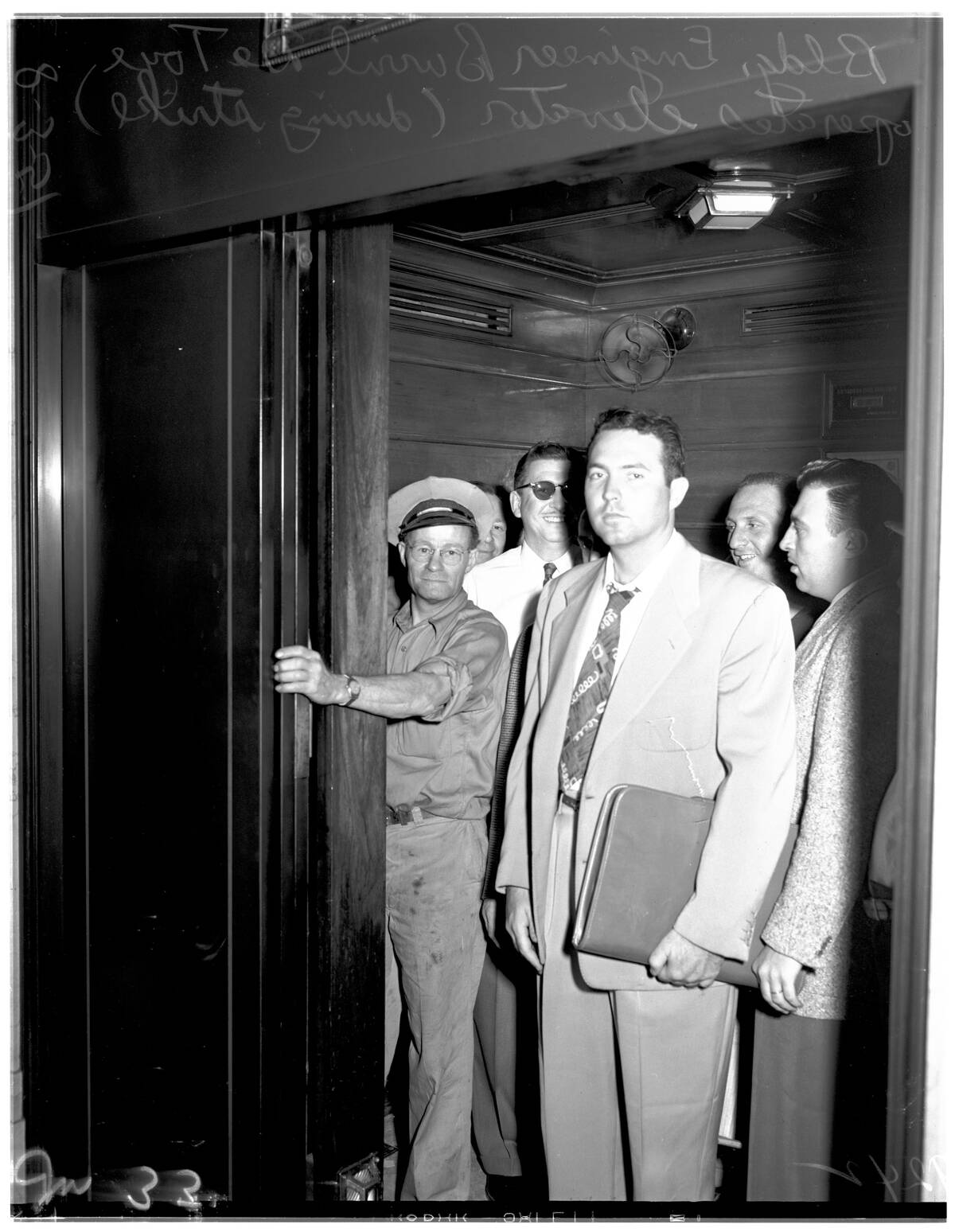
Elevators have had a profound social impact, bringing people from different floors and backgrounds together. By making upper levels accessible, elevators have encouraged social interaction and reduced the divide between the ground floor and higher levels.
They have also facilitated the development of mixed-use buildings, where people live, work, and socialize in the same structure, fostering a sense of community and connectivity.
Elevators in Popular Culture: An Iconic Symbol

Elevators have become iconic symbols in popular culture, often representing upward mobility and transformation. They are featured in countless films and TV shows, serving as settings for dramatic scenes or metaphors for change.
From action-packed sequences in “Die Hard” to romantic encounters in “You’ve Got Mail,” elevators captivate audiences, highlighting their role as more than just a mode of transport but as a cultural fixture.
The Role of Elevators in Business and Commerce
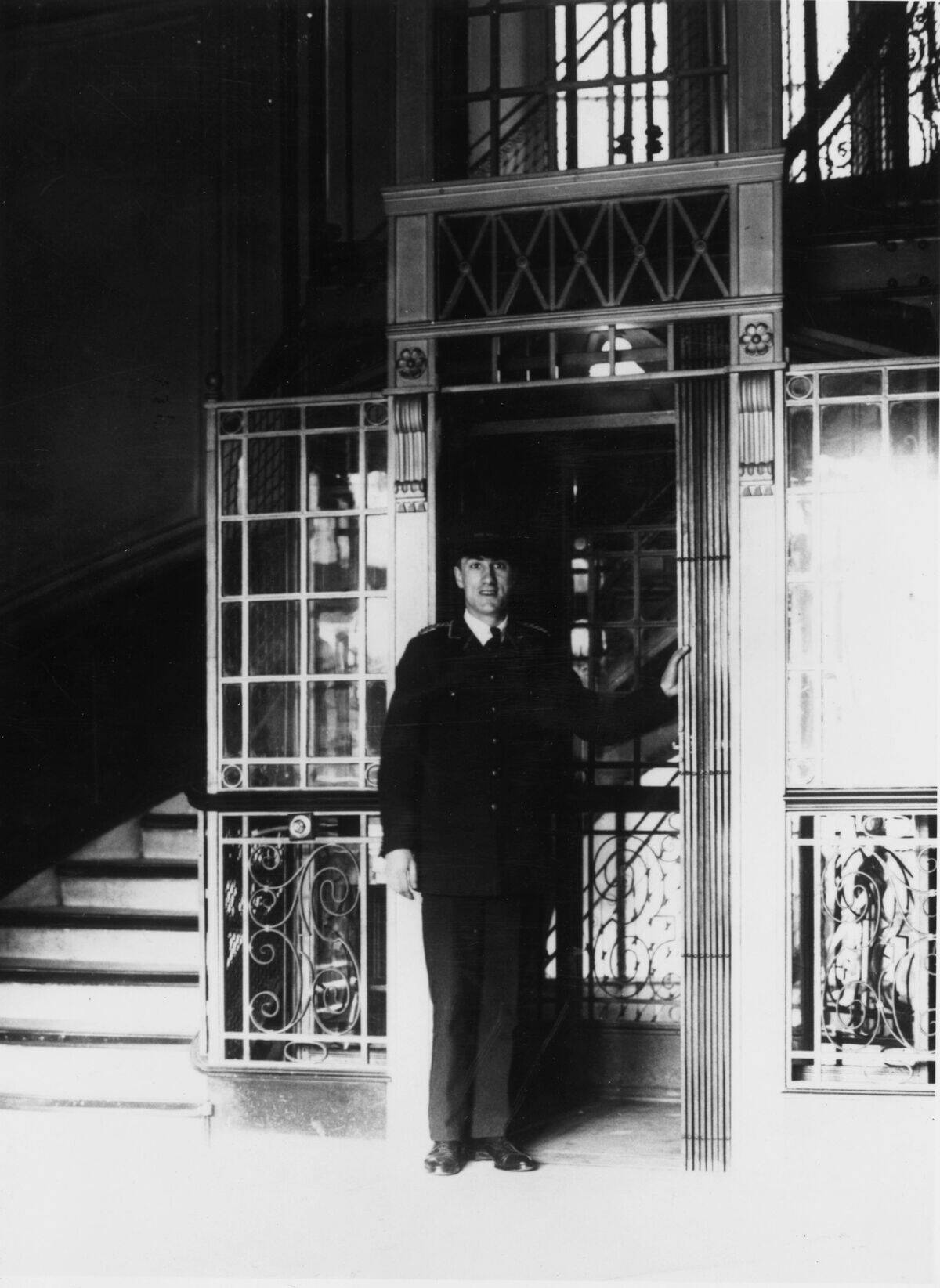
Elevators are integral to business and commerce, enabling the construction of large office buildings and shopping centers. They facilitate the movement of people and goods across floors, optimizing operational efficiency.
In retail spaces, elevators enhance customer experience by providing easy access to various levels. For businesses, they allow for vertical expansion, maximizing the use of limited urban land and supporting economic growth.
Elevators and Residential Living: High-Rise Apartments

Elevators have reshaped residential living, making high-rise apartments desirable and accessible. They provide convenience, allowing residents to effortlessly reach upper floors, which often offer better views and privacy.
This has led to the popularity of urban high-rise living, where people enjoy the benefits of city life from the comfort of elevated homes. Elevators have thus played a vital role in meeting housing demands in densely populated areas.
The Evolution of Elevator Technology

Elevator technology has evolved significantly since its inception, with advancements in speed, safety, and efficiency. Modern elevators use computerized systems for precise control and energy-efficient designs to minimize environmental impact.
Innovations such as double-decker and high-speed elevators have further enhanced their functionality, accommodating the needs of ever-taller skyscrapers. This evolution continues to push the boundaries of what’s possible in vertical transportation.
Safety Innovations: Keeping Elevators Secure

Safety has always been a priority in elevator design, leading to numerous innovations over the years. From Otis’s original safety brake to modern sensors and emergency systems, elevators are equipped with multiple layers of protection.
Regular inspections and maintenance ensure their reliability, while advancements like seismic detectors and fire-resistant materials enhance safety further. These innovations reassure passengers, making elevators one of the safest modes of transportation.
Elevators and Accessibility: Creating Inclusive Spaces
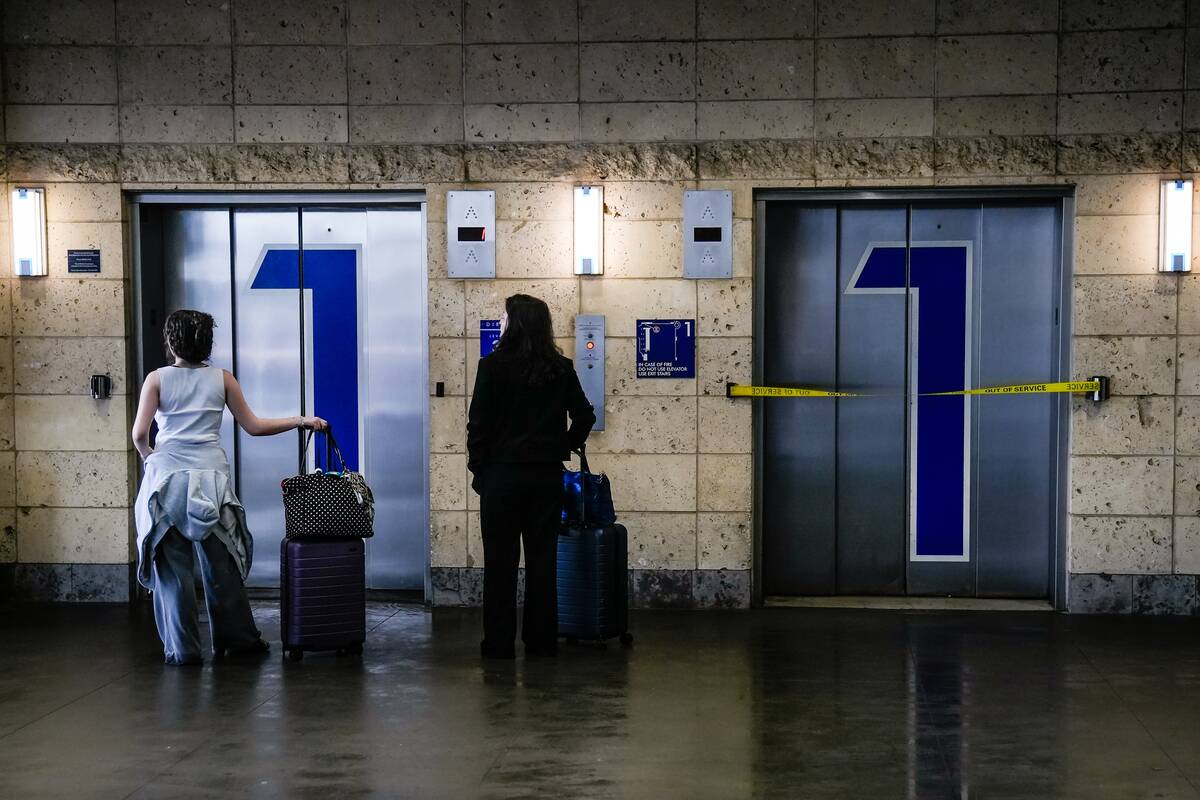
Elevators play a crucial role in creating inclusive spaces by providing accessibility to all, including those with mobility challenges. They ensure that buildings are compliant with accessibility standards, allowing everyone to navigate spaces with ease.
Features like Braille buttons, voice announcements, and wide doors make elevators user-friendly for people with disabilities. By removing barriers, elevators promote equality and inclusivity in urban environments.
The Environmental Impact of Elevators in Cities

While elevators facilitate urban growth, they also have environmental impacts, such as energy consumption. However, advances in technology have led to more eco-friendly designs, like regenerative drives that reduce energy usage.
Sustainable building practices integrate energy-efficient elevators, contributing to greener cities. As urban centers strive for sustainability, elevators continue to evolve, balancing the need for vertical transport with environmental considerations.
Elevators and the Future of Urban Development

The future of urban development is closely tied to elevators, as cities continue to grow vertically. Innovations like smart elevators, which optimize traffic flow and energy use, are shaping the next generation of buildings.
As urban populations increase, the demand for efficient and sustainable vertical transport solutions will rise. Elevators will remain central to urban planning, driving the evolution of cities and enabling new architectural possibilities.