Trees older than recorded civilization
Welcome to a journey through time, where ancient trees stand as silent sentinels of history on our planet.
These majestic giants have witnessed the rise and fall of civilizations, weathered countless storms, and silently observed the ever-changing world around them. As we delve into the lives of these incredible beings, we’ll uncover the secrets they hold and the stories they tell, providing a fascinating glimpse into Earth’s past.
The Bristlecone Pines: Nature’s Living Time Capsules
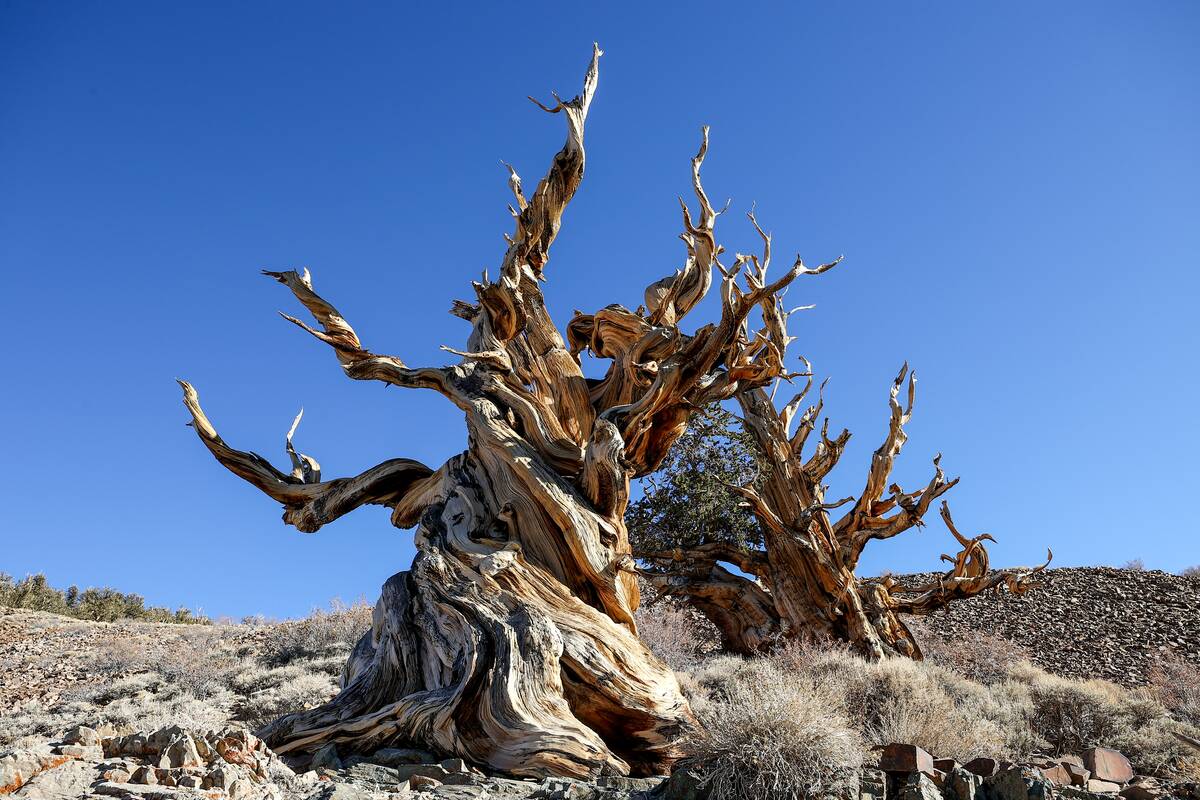
The bristlecone pines, found primarily in the White Mountains of California as well as other high-elevation areas in the western United States, are some of the oldest living trees on Earth. These trees have an incredible ability to withstand harsh climates, with some individuals reaching over 5,000 years old.
Their gnarled, twisted trunks bear witness to centuries of growth in extreme conditions, and their slow growth rate adds to their longevity. These natural time capsules hold invaluable data about past climates and ecological changes.
Methuselah: The Oldest Known Tree in the World
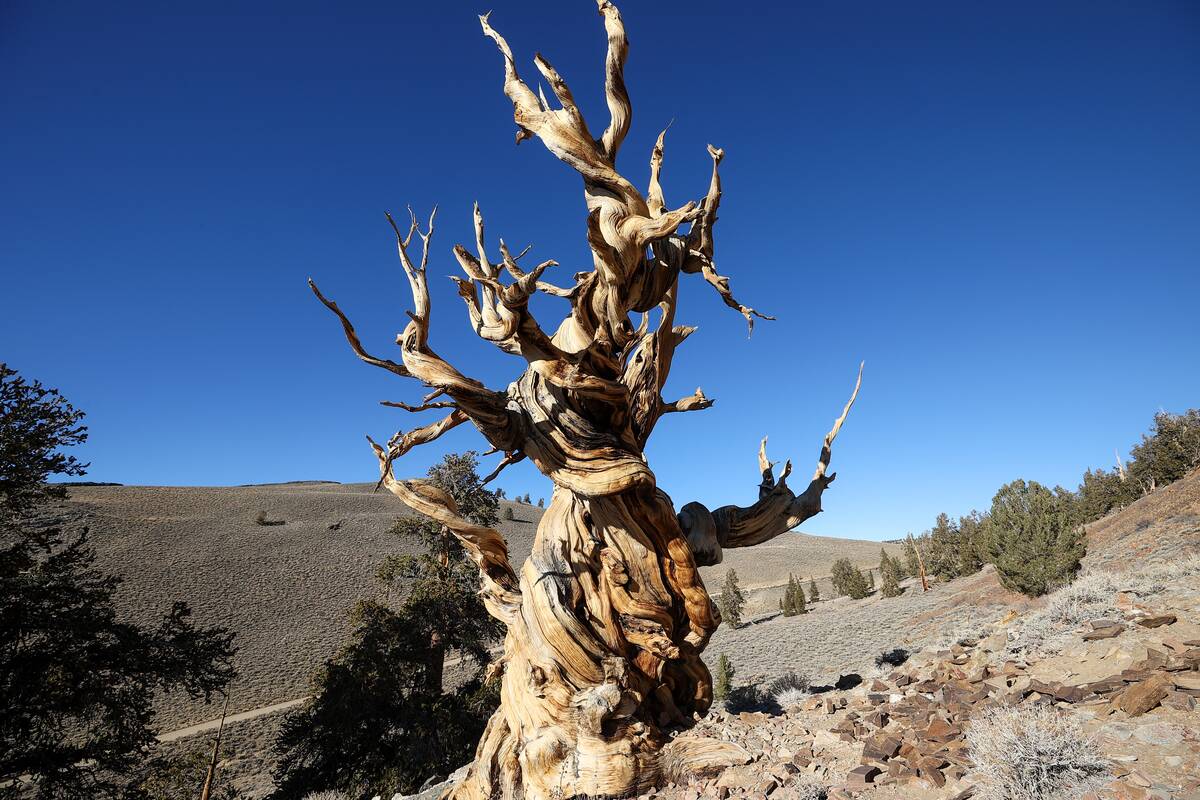
Methuselah, a bristlecone pine located in the White Mountains, holds the title of the oldest known non-clonal tree in the world. Thought to be over 4,850 years old, this ancient tree has been a silent witness to history, from the construction of the pyramids to the technological advancements of today. Methuselah’s exact location is kept secret to protect it from vandalism, ensuring its continued survival for future generations to marvel at.
The Great Basin Bristlecone Pines: Surviving the Test of Time
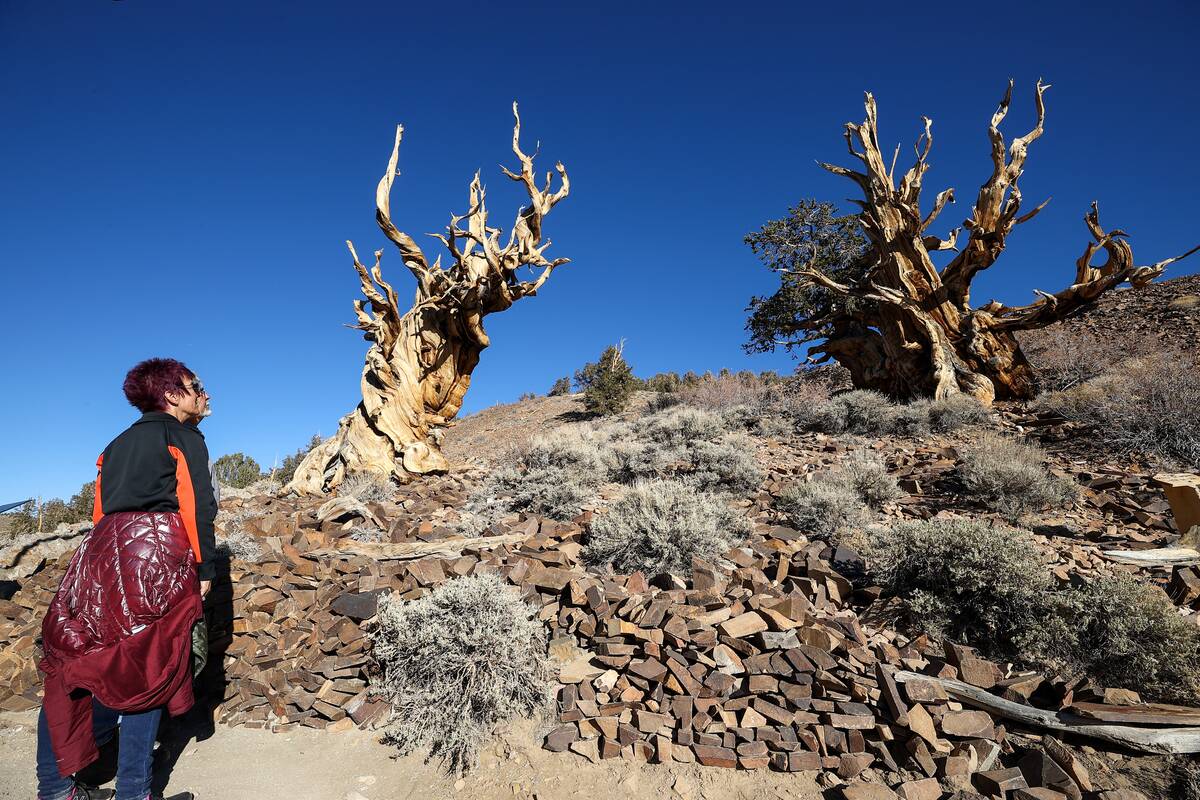
Nestled within the Great Basin National Park, the bristlecone pines thrive in an environment where few other species can survive. Their twisted, ancient forms reveal a history of enduring frigid temperatures and high altitudes.
These remarkable trees grow very slowly, often adding only a few inches in diameter over a century, a testament to their patience and perseverance. Their tenacity makes them one of nature’s most impressive survivors.
Alerce Trees: The Patagonian Giants
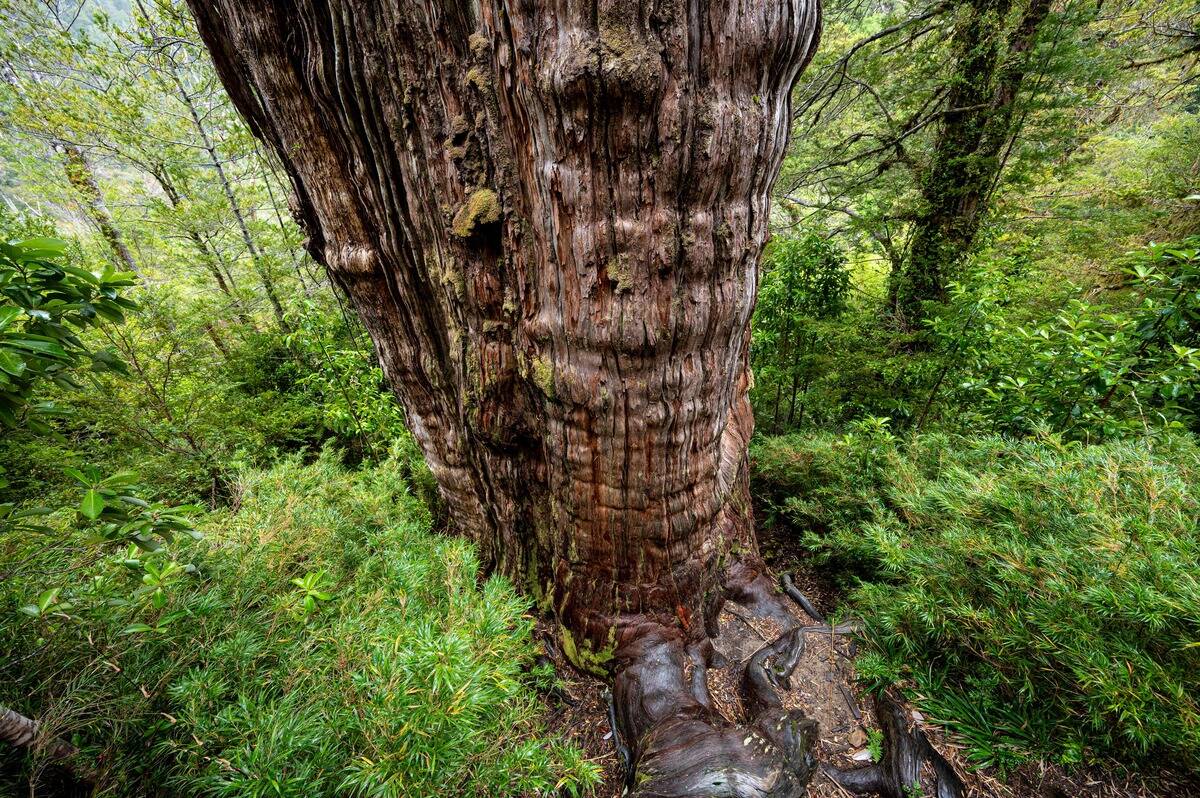
The Alerce trees, native to the Andes mountains in Chile and Argentina, are some of the largest and oldest trees in South America. These towering giants can live for over 3,600 years, with some specimens reaching over 200 feet in height.
2Their impressive longevity and size make them an important part of the Patagonian landscape and a vital resource for studying the region’s ecological history and climatic changes.
The Enigmatic Jomon Sugi of Japan
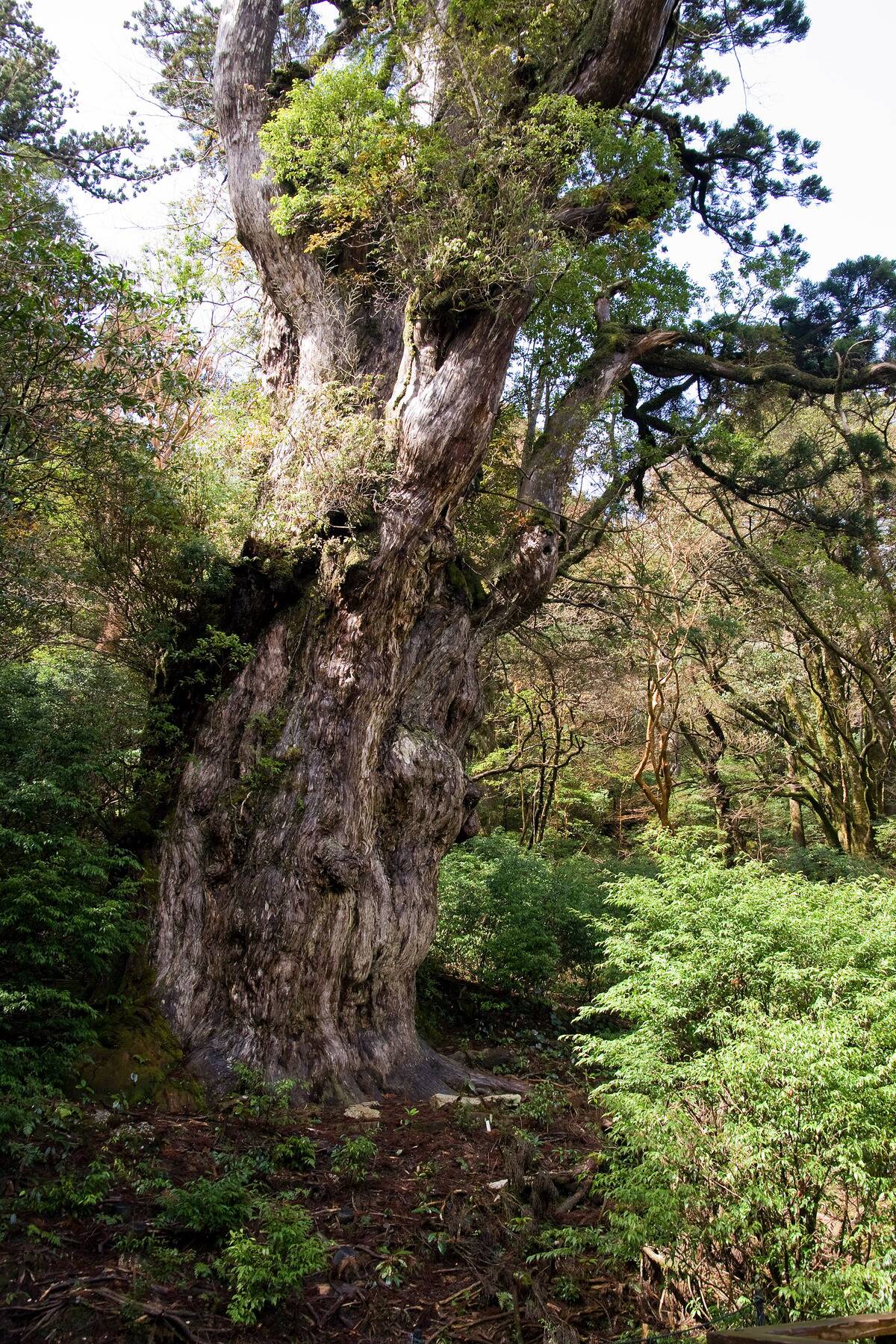
Jomon Sugi, located on the island of Yakushima, is Japan’s oldest and most revered tree, estimated to be between 2,170 and 7,200 years old.
This ancient cryptomeria tree has become a symbol of endurance and resilience, thriving in the island’s humid, subtropical climate. Its mysterious age and striking appearance draw visitors from all over the world, eager to catch a glimpse of this living piece of history.
The Ancient Olive Trees of the Mediterranean
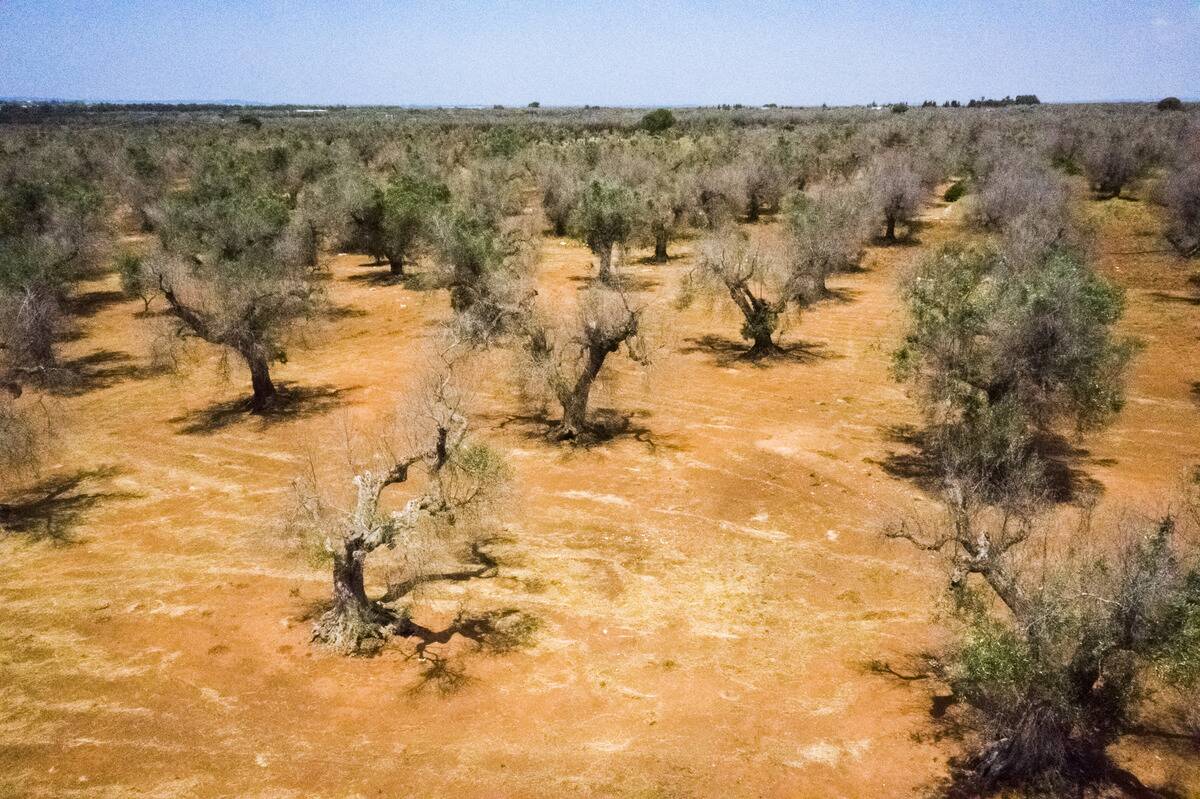
The ancient olive trees of the Mediterranean have been cultivated for thousands of years, with some trees believed to be over 2,000 years old. These hardy trees have provided sustenance and economic support to countless civilizations, from ancient Greece to modern-day Europe.
Their gnarled trunks and silvery leaves are a testament to their ability to thrive in arid, rocky environments, making them a beloved symbol of peace and prosperity.
The Old Tjikko: Sweden’s Resilient Spruce
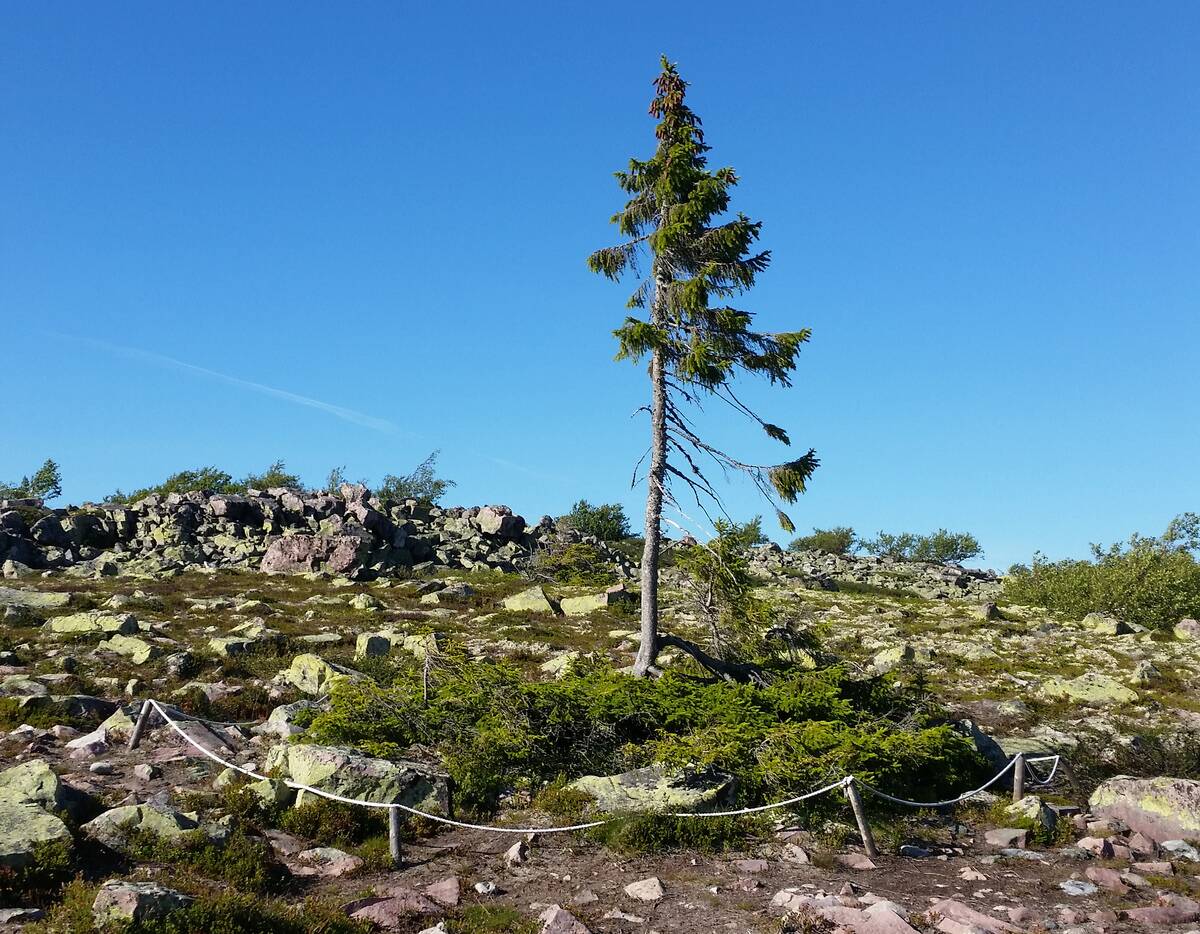
Old Tjikko, a Norway spruce located on Fulufjället Mountain in Sweden, is recognized as one of the world’s oldest clonal trees. Although the visible trunk is relatively young, radiocarbon dating has shown that its root system is over 9,500 years old.
This remarkable tree has adapted to harsh alpine conditions, surviving dramatic climate changes and demonstrating the resilience of nature over millennia.
The Wise Yew Trees of Britain
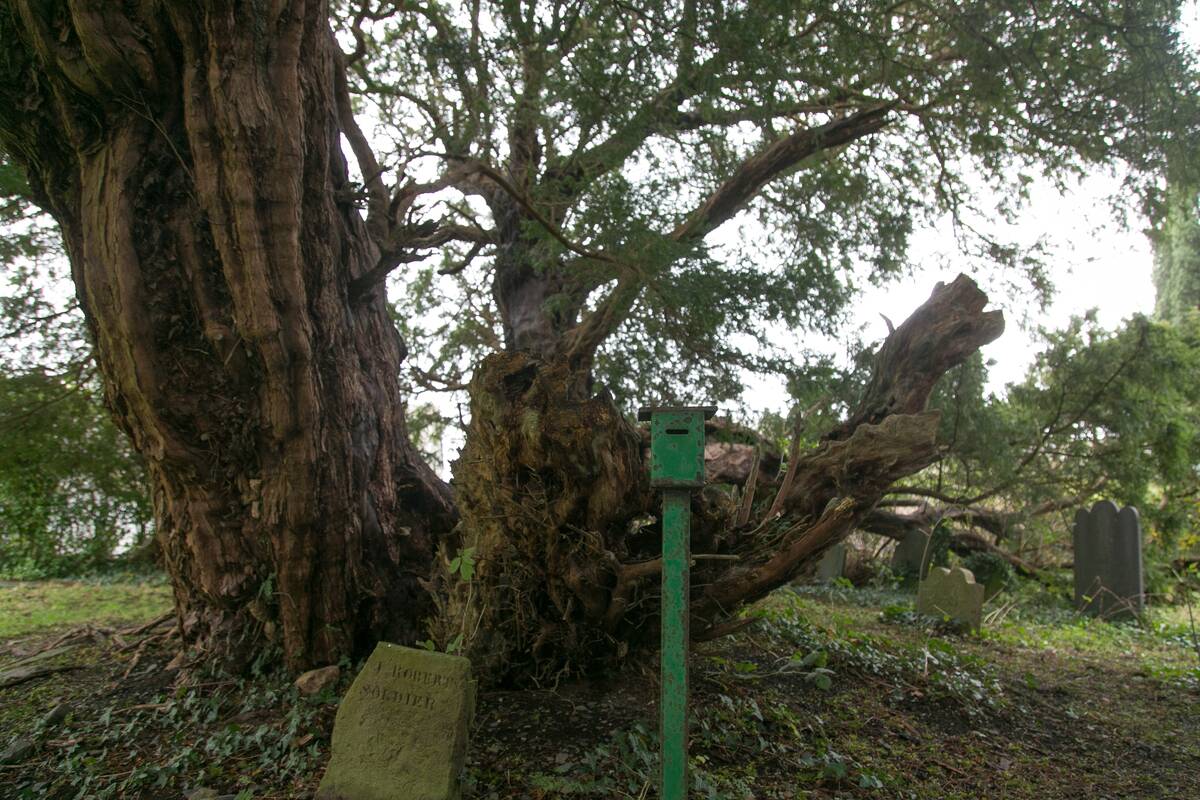
The yew trees of Britain are steeped in history and folklore, with some specimens believed to be over 2,000 years old.
These ancient trees have been revered as symbols of immortality and have often been planted in churchyards, where their presence connects the living with the past. Their dark, dense foliage and unique ability to regenerate from fallen branches add to their mystical allure and long-standing significance in British culture.
The Baobabs: Africa’s Upside-Down Giants
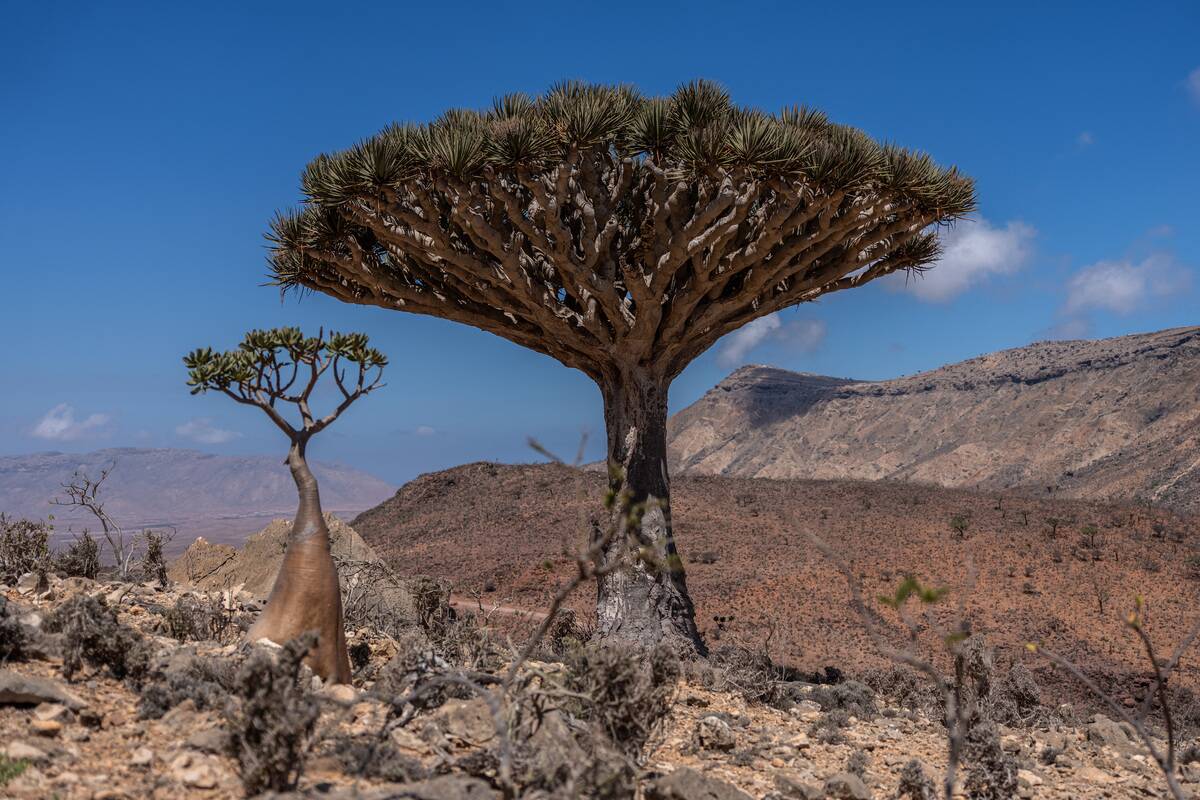
Baobabs, often referred to as the “upside-down trees” of Africa, are known for their distinctive, broad trunks and unique branching patterns.
These fascinating trees can live for over 1,000 years, with some estimates suggesting even greater ages, and are crucial to the ecosystems of the African savannah, providing food, water, and shelter to countless species. Baobabs have also played an important cultural role, featuring prominently in African folklore and traditional medicine.
The Sacred Fig Trees of India
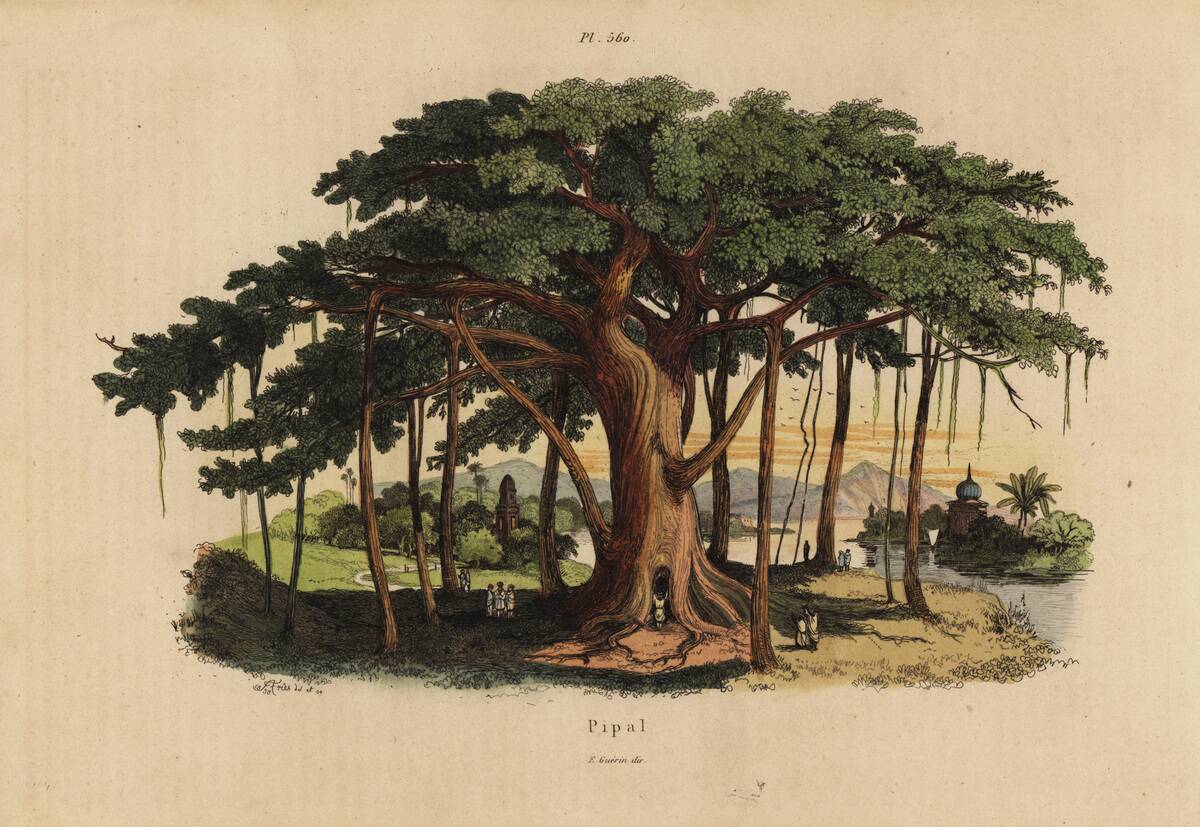
In India, the sacred fig tree, or Ficus religiosa, is revered for its spiritual significance and longevity. Often associated with the Buddha’s enlightenment, these trees are considered sacred in Hinduism, Buddhism, and Jainism.
Some sacred fig trees are believed to be over 2,000 years old, though their exact ages are difficult to determine. Their sprawling branches provide shelter and solace to those seeking peace and wisdom, making them cherished symbols of life and renewal.
The Huon Pines: Tasmania’s Timeless Wonders
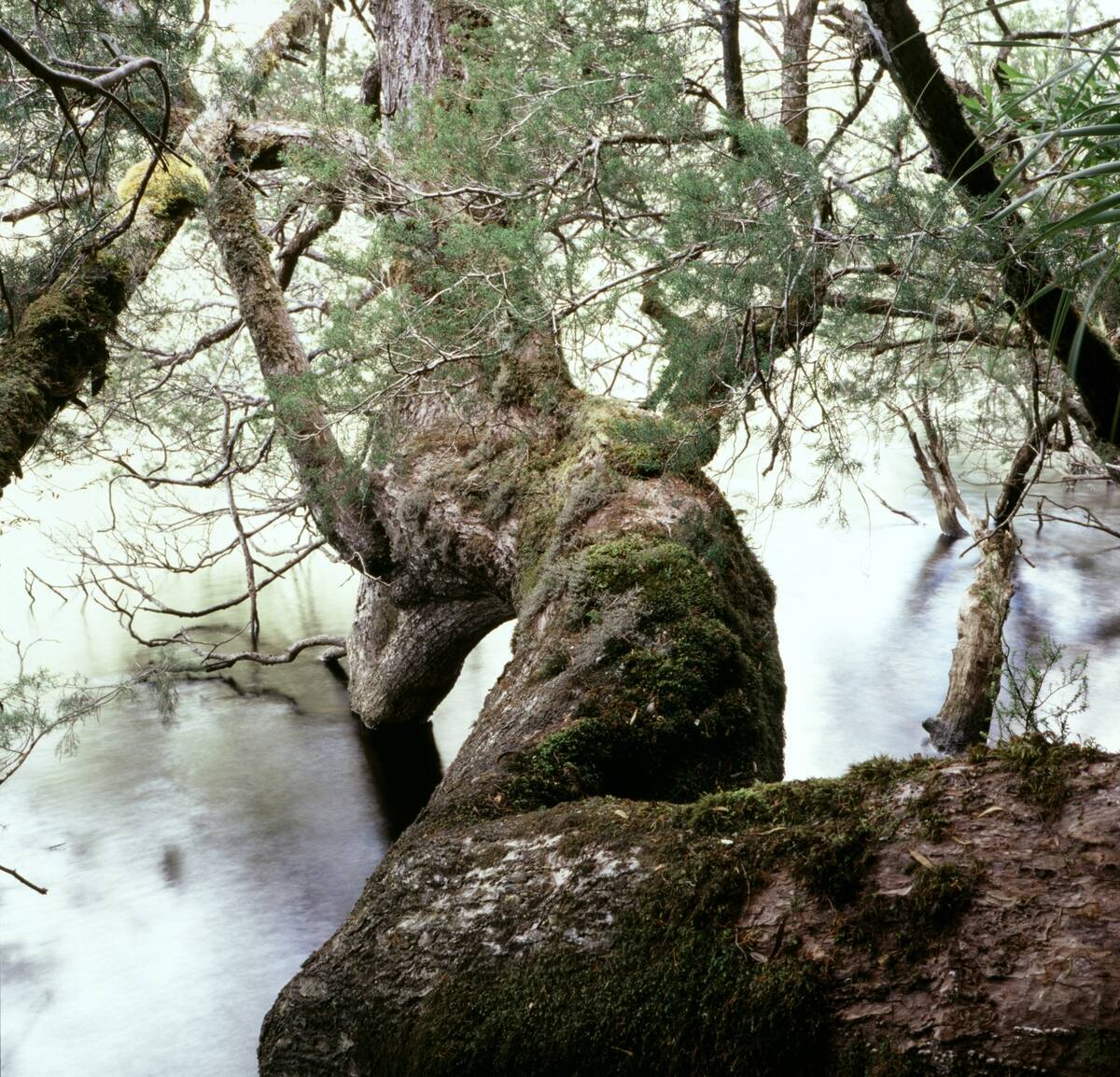
Huon pines, native to Tasmania, are among the oldest living trees in the world, with some individuals estimated to be over 3,000 years old. These slow-growing conifers are highly valued for their fine-grained, durable wood, which has been used for boat-building for centuries.
The Huon pine’s ability to thrive in the wet, temperate rainforests of Tasmania stands as a testament to its adaptability and enduring legacy as one of nature’s timeless wonders.
The Llangernyw Yew: A Welsh Monument of Time
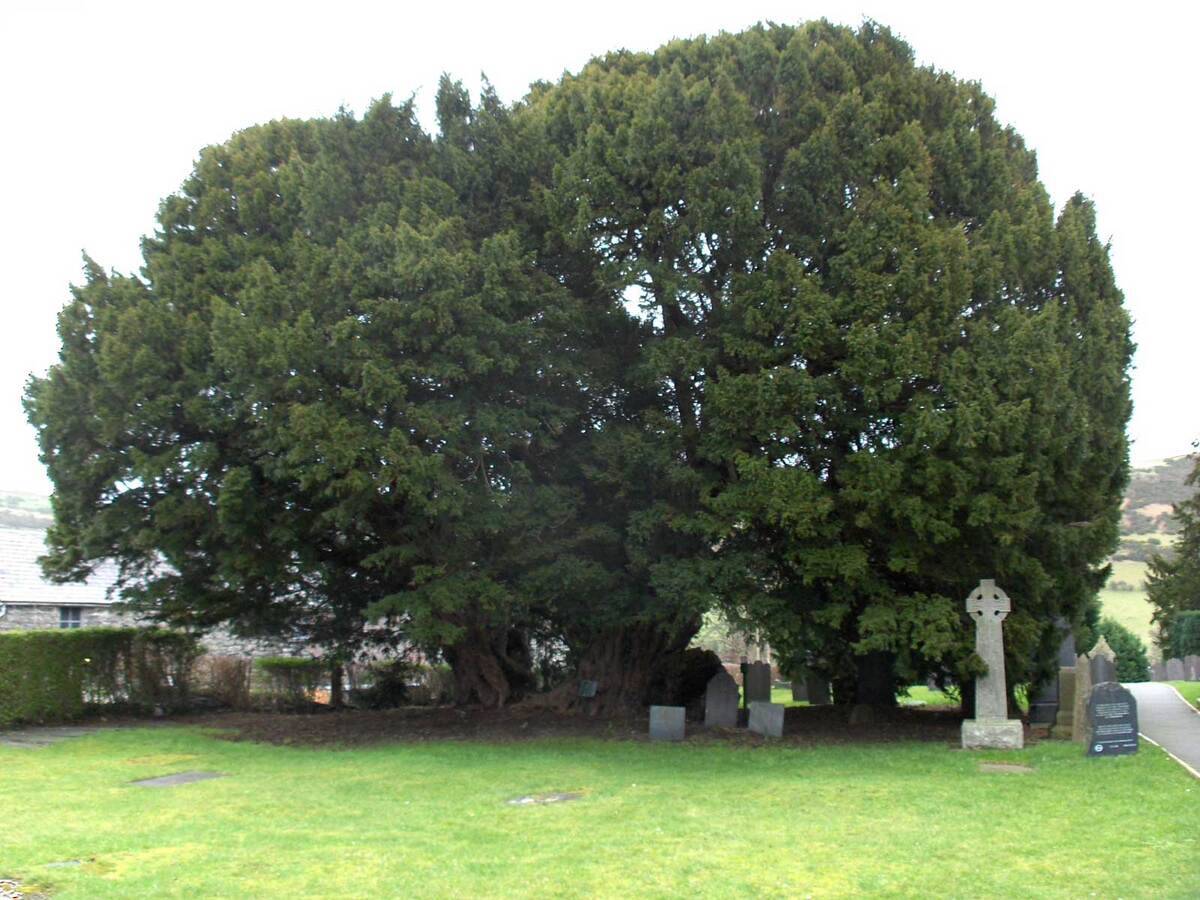
The Llangernyw Yew, situated in a churchyard in Wales, is estimated to be over 4,000 years old, making it one of the oldest known trees in Europe.
This ancient yew stands as a powerful symbol of longevity and resilience, its gnarled trunk and sprawling branches offering a living link to a distant past. Deeply entwined with Welsh folklore and local traditions, the tree holds a revered place in the cultural heritage of the region, embodying a cherished monument to time.
The Quiver Tree Forest: Namibia’s Desert Sentinels
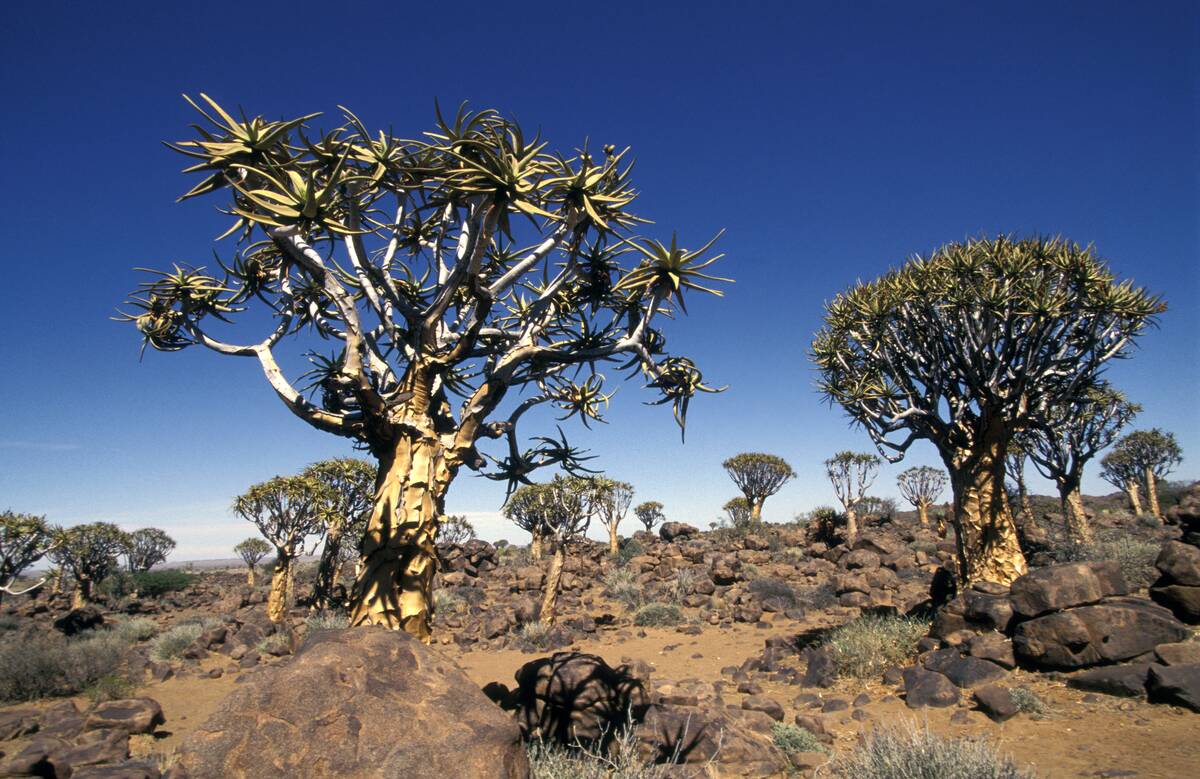
The Quiver Tree Forest in Namibia is home to hundreds of Aloe dichotoma, renowned for their striking, sculptural forms. These distinctive trees can live up to 200 years and have adapted remarkably well to the harsh desert environment.
Their hollow branches were traditionally used by the indigenous San people to craft quivers for their arrows, giving the trees their evocative name. The forest’s otherworldly beauty and resilience make it a captivating destination for nature lovers and photographers alike.
The Long-Lived Cypress Trees of Iran
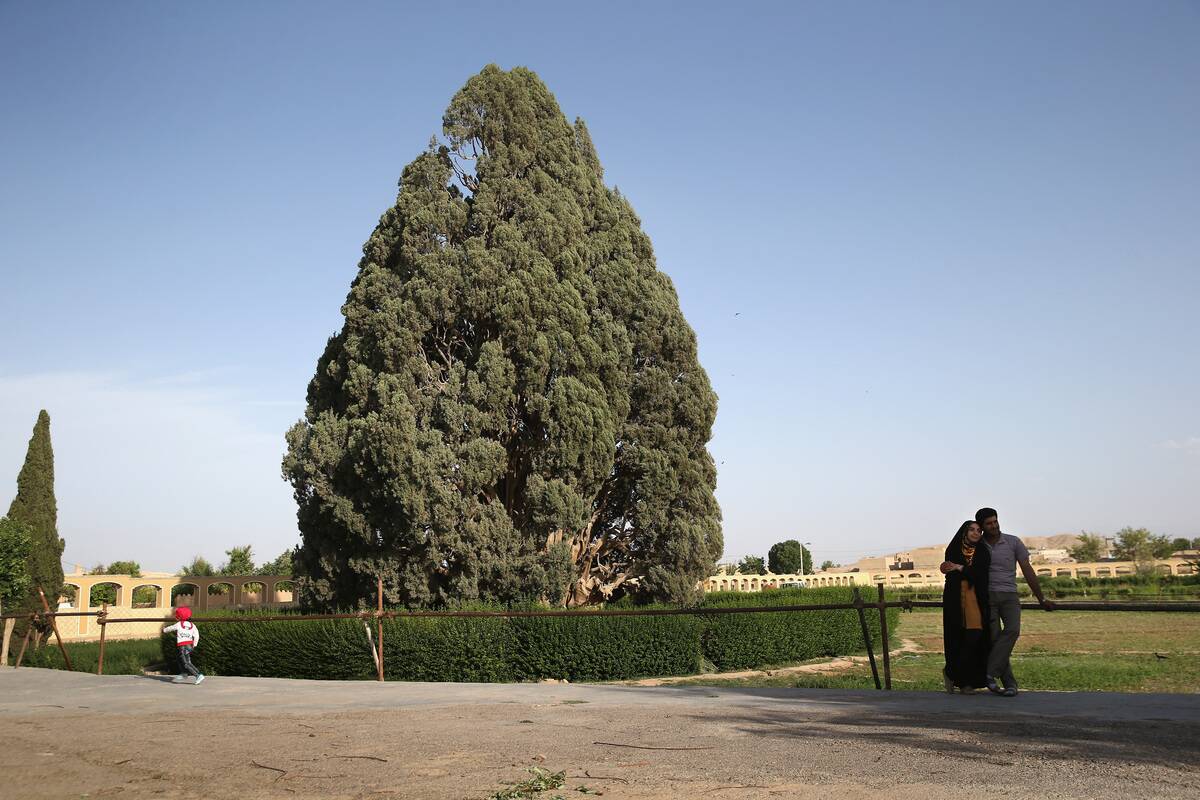
Iran’s cypress trees, especially the Sarv-e Abarqu, are celebrated for their remarkable age and deep cultural significance. Estimated to be over 4,000 years old, the Sarv-e Abarqu stands as one of the oldest living trees in Asia.
Revered in Persian culture for centuries, these cypress trees symbolize resilience and eternity. Their enduring presence reflects the rich history and natural beauty of the region.
The Montezuma Cypress: Mexico’s Timeless Wonder
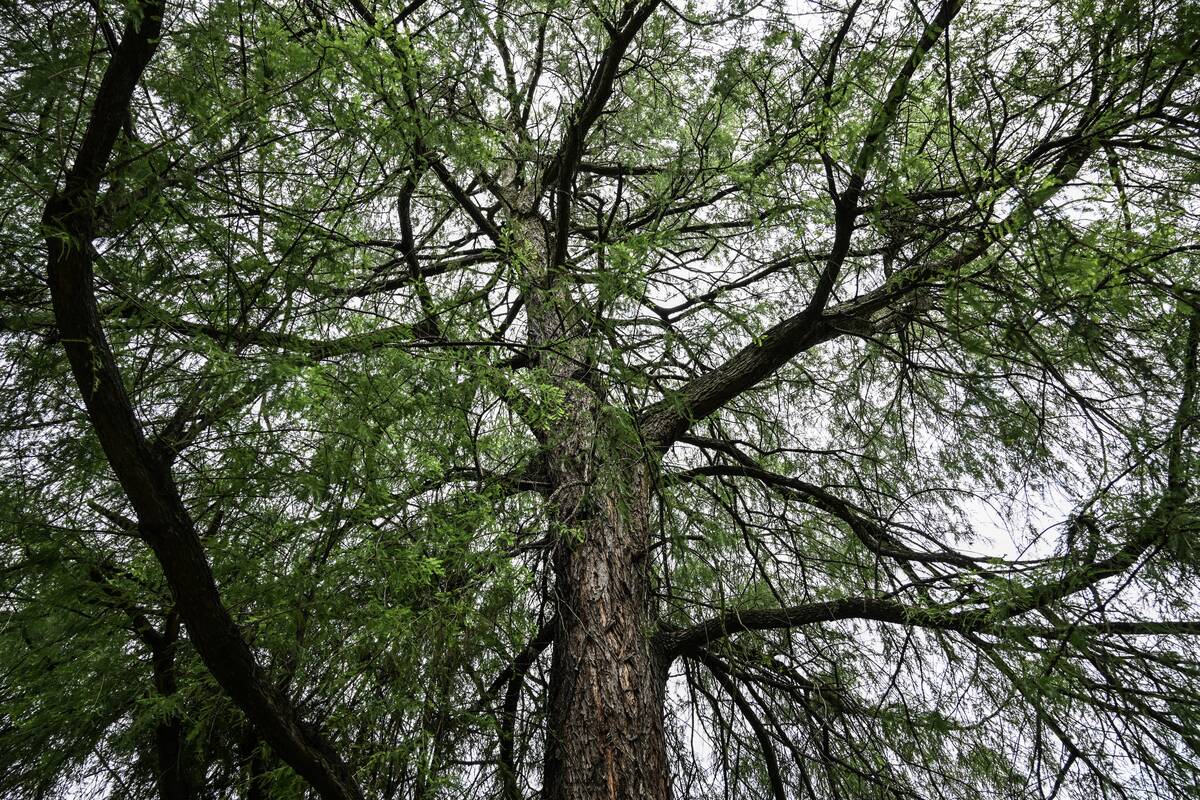
The Montezuma cypress, or Ahuehuete, is Mexico’s national tree and can live for more than 1,500 years. Its most famous specimen, the Árbol del Tule, boasts an enormous trunk circumference exceeding 137 feet, making it one of the widest trees in the world.
This majestic tree symbolizes stability and endurance, deeply woven into Mexican history and culture. Its awe-inspiring presence continues to captivate both visitors and locals, standing as a powerful testament to the passage of time.
The Aromatic Cedar of Lebanon: Legends and Longevity
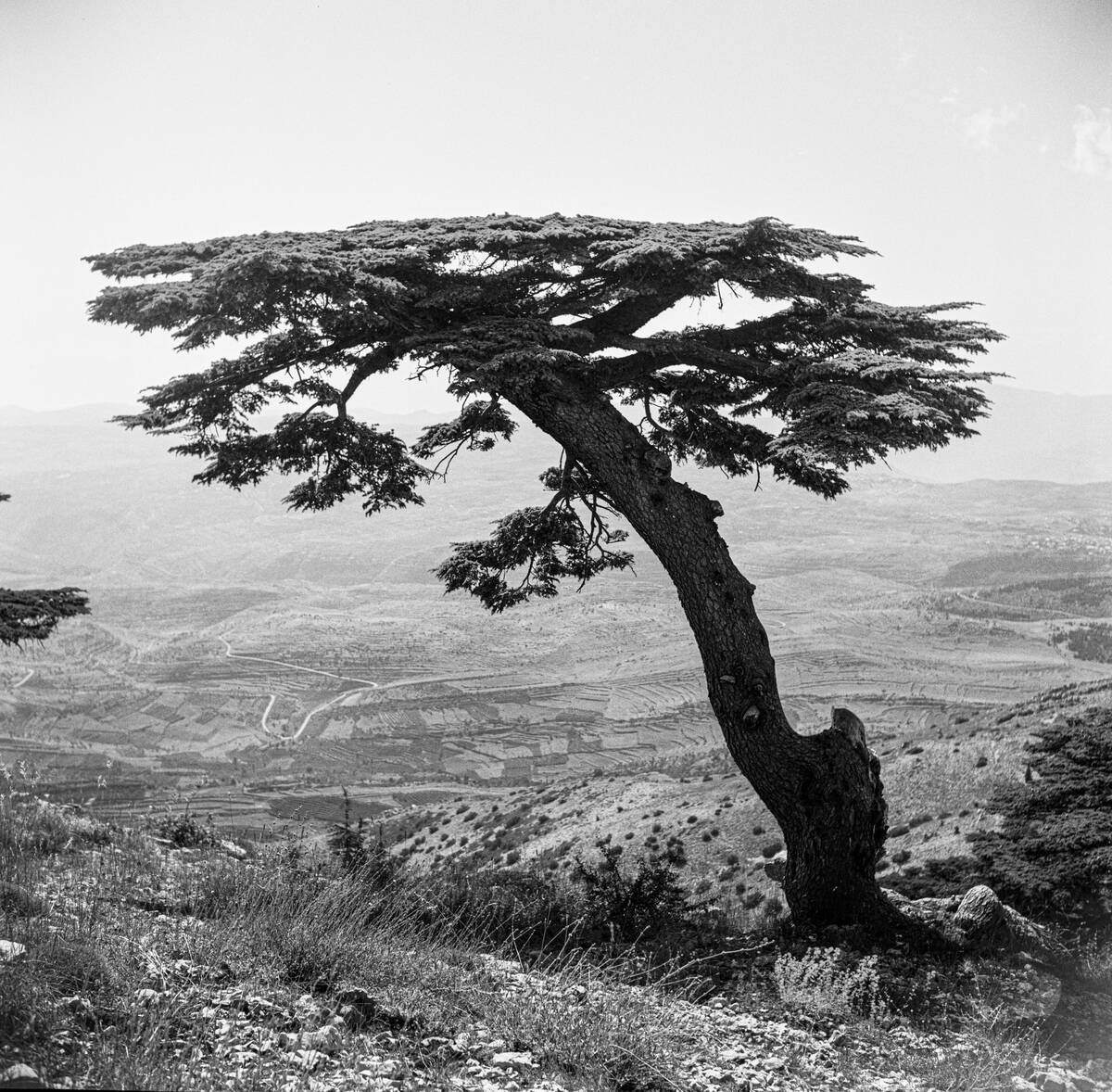
The cedar of Lebanon is celebrated for its majestic beauty, remarkable longevity, and fragrant wood, which has been highly valued for thousands of years. These trees can live for over 1,000 years and have played a crucial role in the region’s history, famously contributing timber for ancient temples, including the construction of King Solomon’s temple.
The cedar’s resilience and deep cultural significance have earned it a prominent place in the literature and mythology of many civilizations, solidifying its reputation as a symbol of strength and endurance.
The Eastern Junipers: Resilient Guardians of the American Southwest
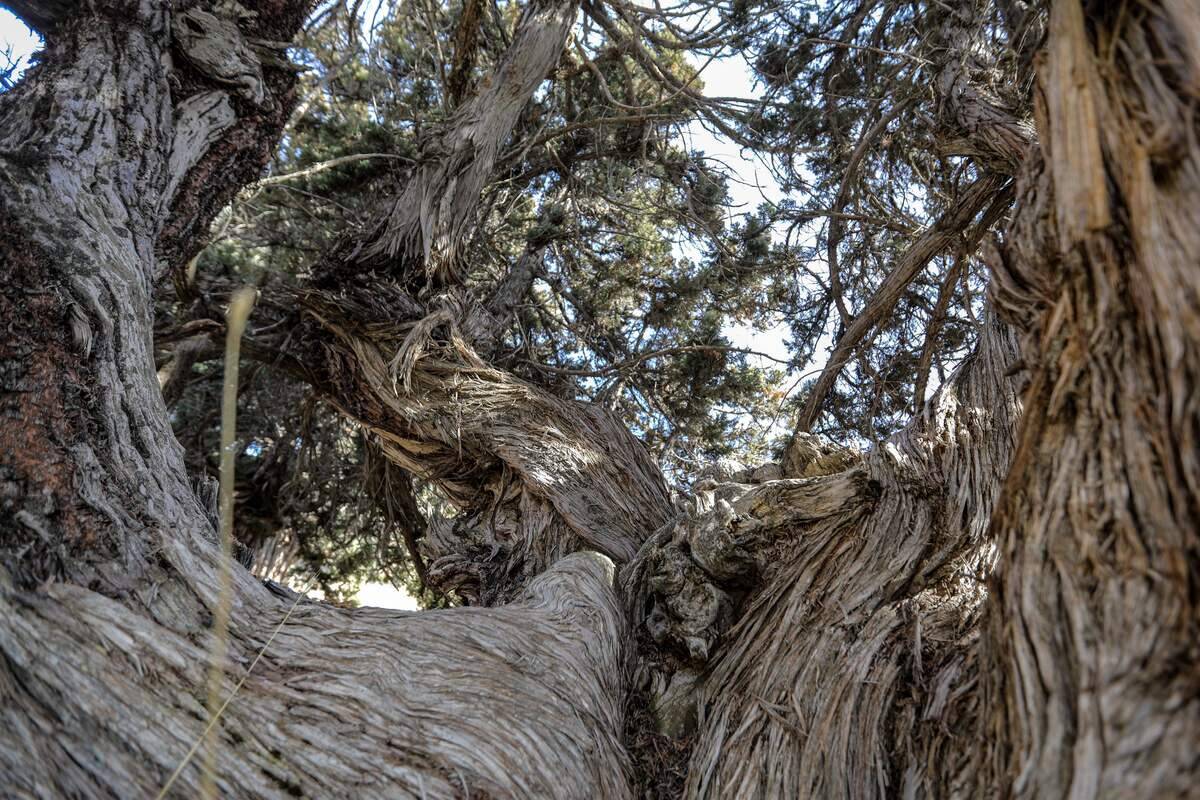
Eastern junipers, native to the American Southwest, are renowned for their resilience in harsh, arid environments. These hardy trees can live for several centuries, with some individuals surpassing 800 years of age.
Their twisted trunks and rugged forms showcase their remarkable ability to endure extreme weather and nutrient-poor soils. As an essential component of the regional ecosystem, eastern junipers offer shelter and sustenance to a diverse range of wildlife, embodying the spirit of survival in challenging landscapes.
The Secrets Held in Tree Rings: Nature’s Historical Record
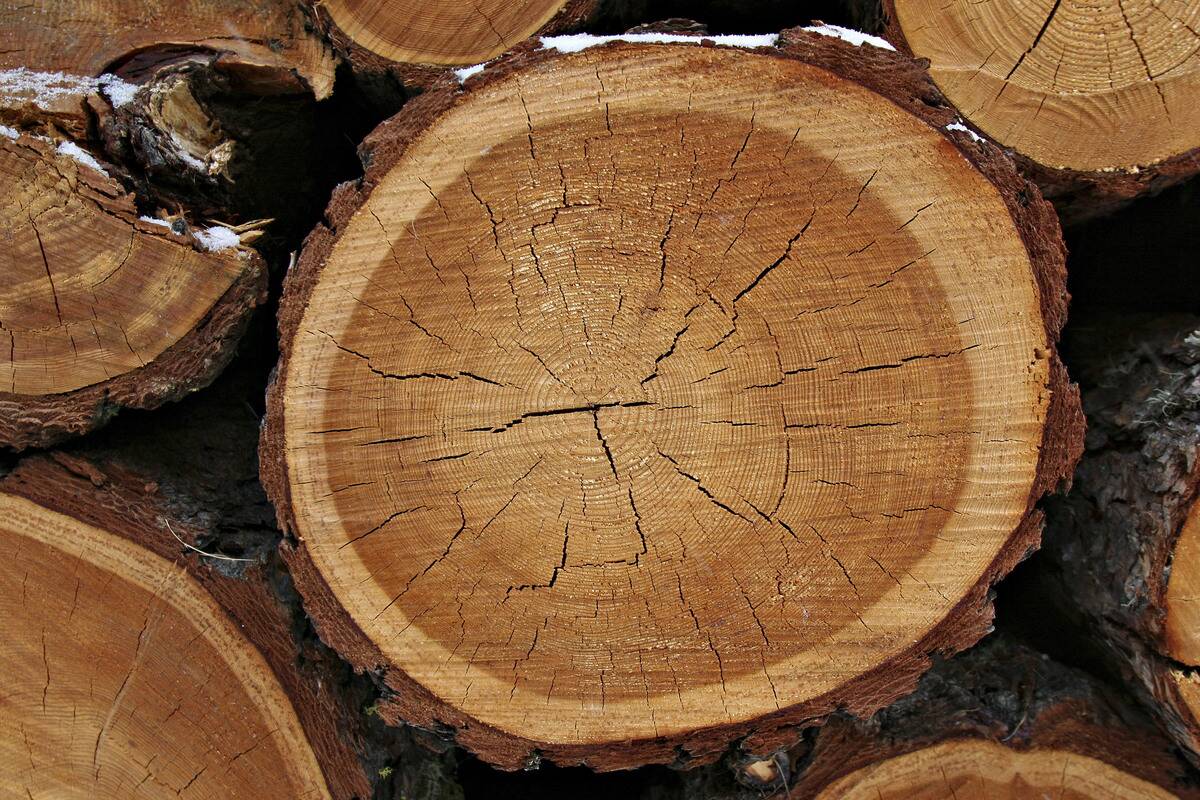
Tree rings provide a remarkable window into the past, preserving a detailed record of environmental changes across time. Through analyzing these rings, scientists can unravel historical climate patterns, growth rates, and shifts in ecosystems.
Each ring marks a year of the tree’s life, with variations in thickness and color reflecting changing weather conditions. This natural archive offers invaluable insights into Earth’s history and helps us understand how climate change impacts the environment.




