Rivers that change course and rewrite maps
Rivers are the lifelines of our planet, constantly flowing and shaping the landscapes they traverse. However, they’re not as predictable as one might think. Over time, some rivers have dramatically altered their courses, creating new paths and leaving behind old ones.
This phenomenon, while fascinating, can have significant consequences for the areas they flow through, affecting everything from local ecosystems to human settlements. Let’s dive into the intriguing world of rivers that dare to change their course.
The Science Behind River Meandering
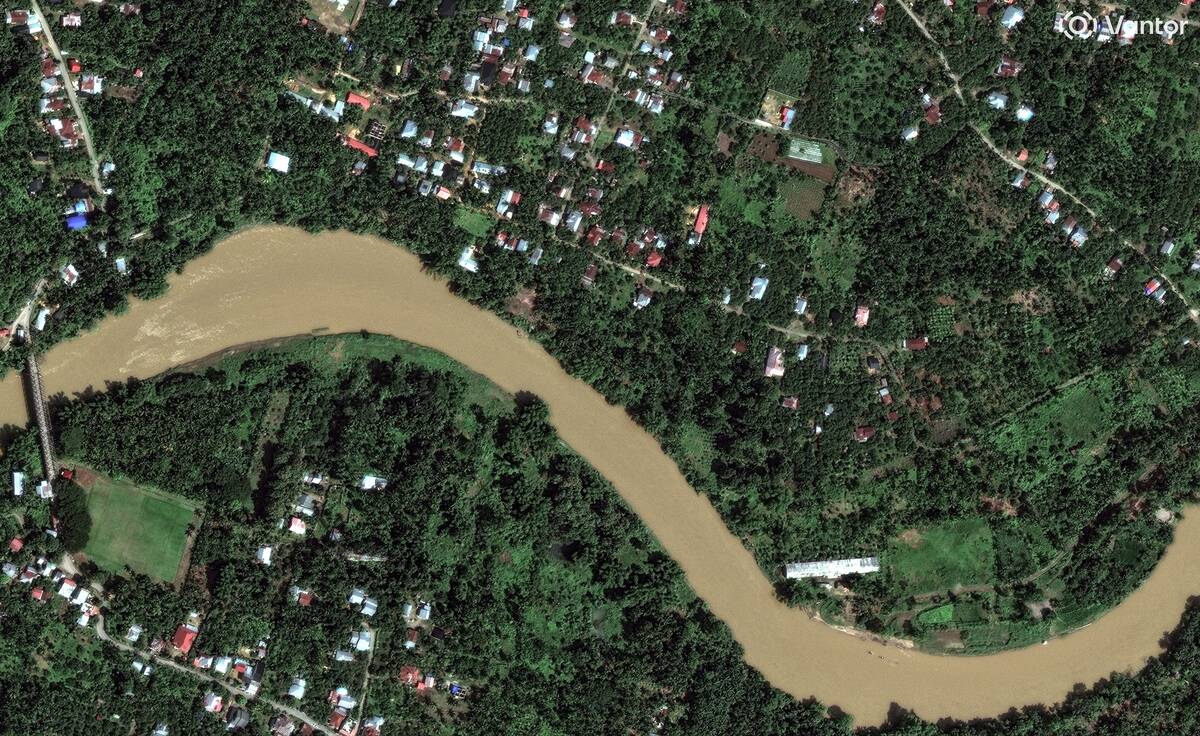
Rivers meander due to a process of erosion and deposition. As water flows, it erodes the bank on the outside of a bend and deposits sediment on the inside, gradually shifting the river’s path over time.
This natural process is influenced by factors such as the river’s speed, the gradient of the land, and the type of soil or rock it flows over. Geologists study these meanders to predict future changes and understand the dynamics of river ecosystems.
Historical Instances of Rivers Changing Course
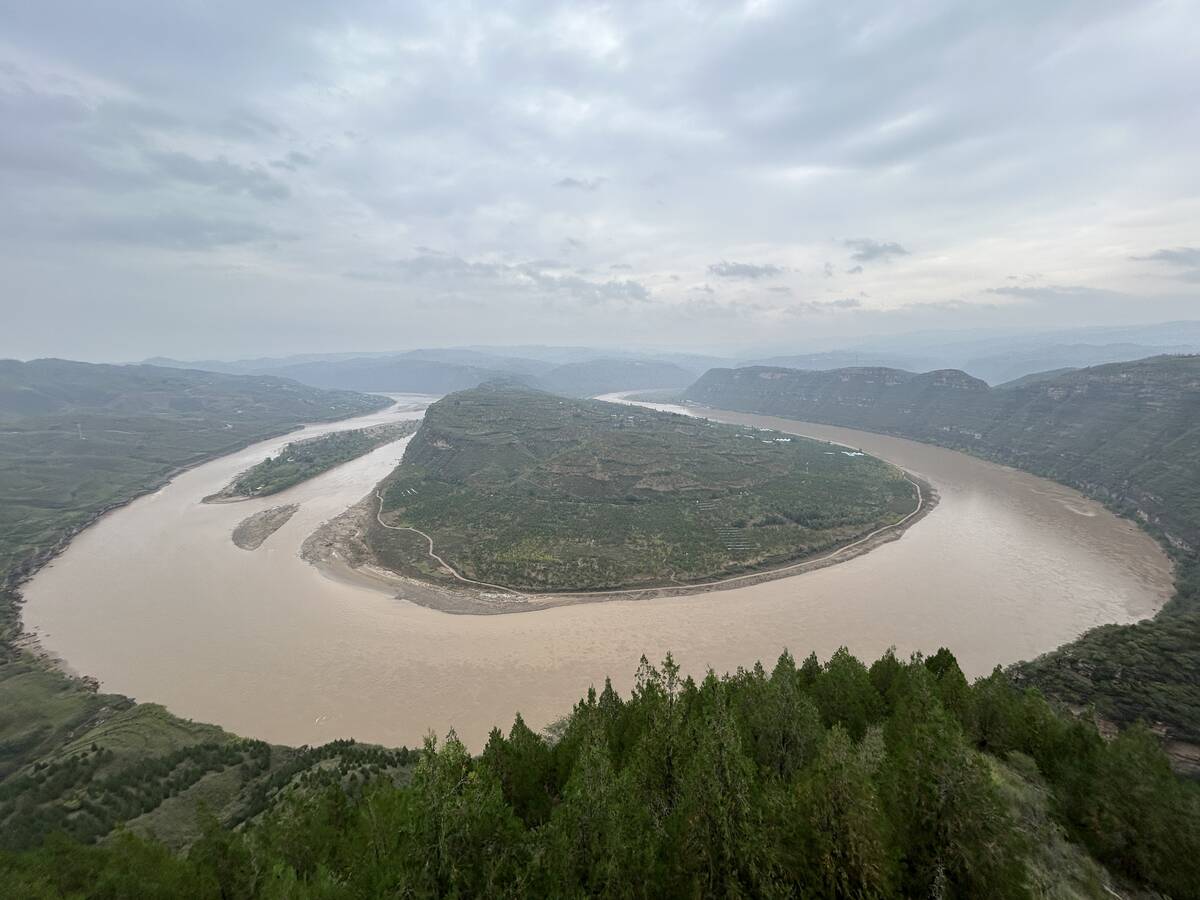
Throughout history, there have been several notable instances where rivers have changed their courses. For example, the Yellow River in China, known as “China’s Sorrow,” has changed its course numerous times due to flooding, with devastating effects on the surrounding regions.
Similarly, the Indus River in Pakistan has shifted its course over centuries, impacting ancient civilizations and modern settlements alike. These historical shifts highlight the power and unpredictability of nature.
The Impact on Geographical Maps
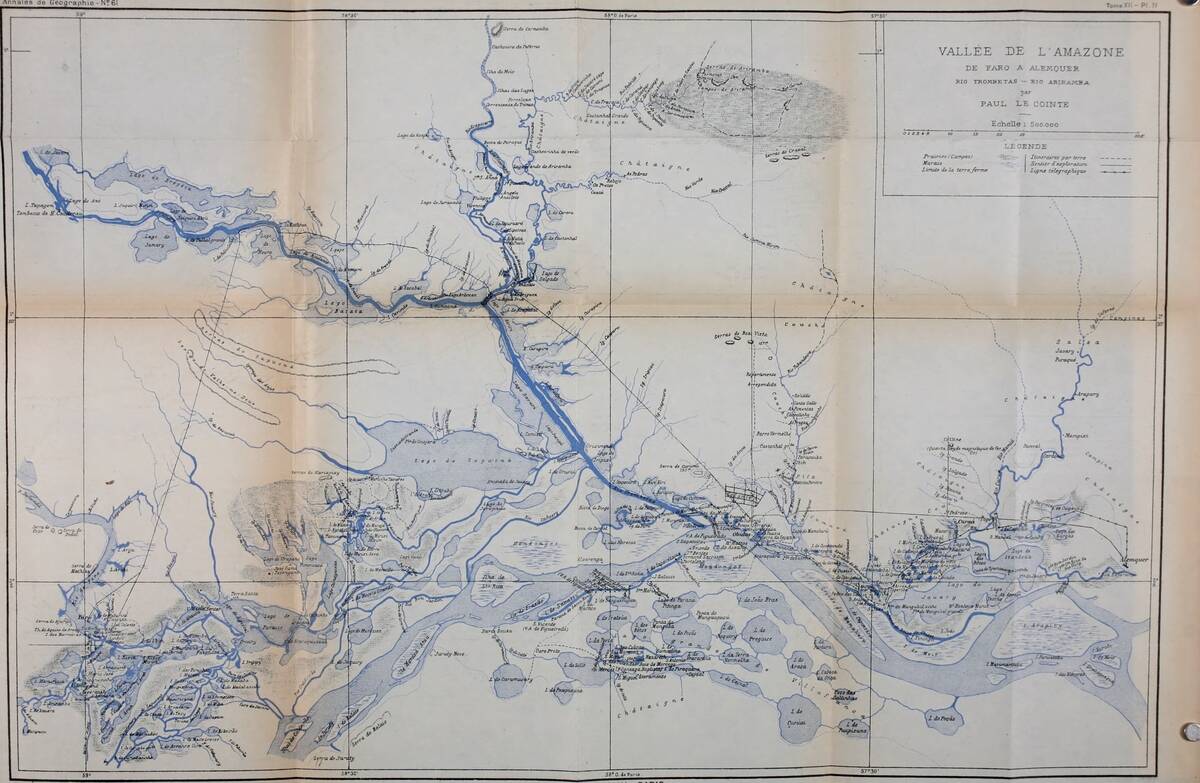
When rivers change course, they also change the face of our maps. Cartographers must update maps to reflect new realities, which can be a challenging task given the dynamic nature of these waterways.
Such changes can affect political boundaries, property lines, and even the identity of regions. In some cases, entire towns may find themselves on the opposite side of a river, altering their connection to other communities and resources.
Famous Rivers Known for Changing Their Paths
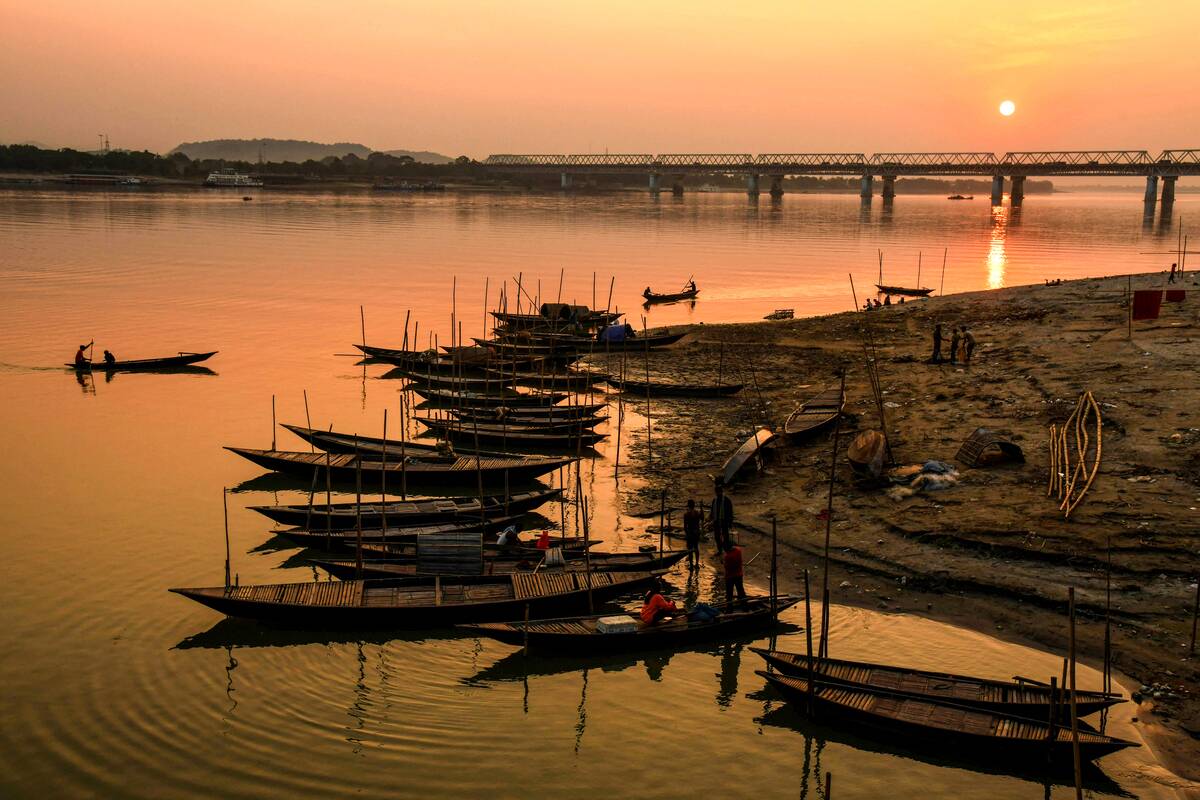
Some rivers are renowned for their shifting ways. The Brahmaputra in India and Bangladesh is notorious for its frequent course changes, often leading to significant flooding and displacement of communities.
Meanwhile, the Amazon River has meandered across the South American continent, its tributaries creating a vast network that supports one of the richest ecosystems on Earth. These rivers serve as powerful examples of nature’s ability to reshape the world.
How River Course Changes Affect Local Communities
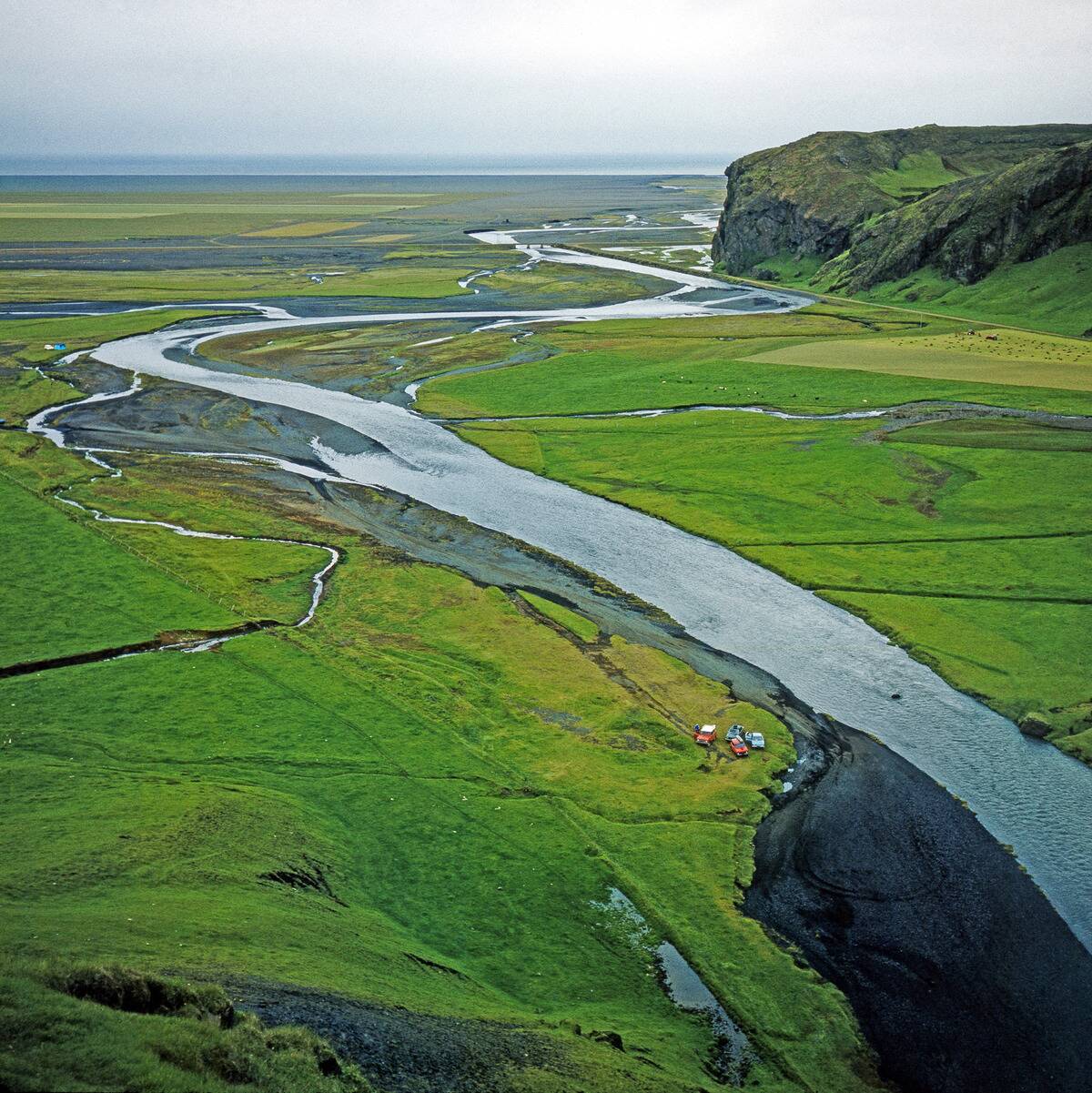
When a river changes course, it can have profound effects on local communities. Farmers may lose fertile land to erosion, while new areas may become available for cultivation. Towns may find themselves cut off from traditional water sources or trade routes, leading to economic hardship.
Conversely, new opportunities can arise, such as the creation of new habitats for fishing or tourism. Communities must adapt to these changes, often relying on local knowledge and resilience.
The Role of Natural Disasters in River Course Alteration
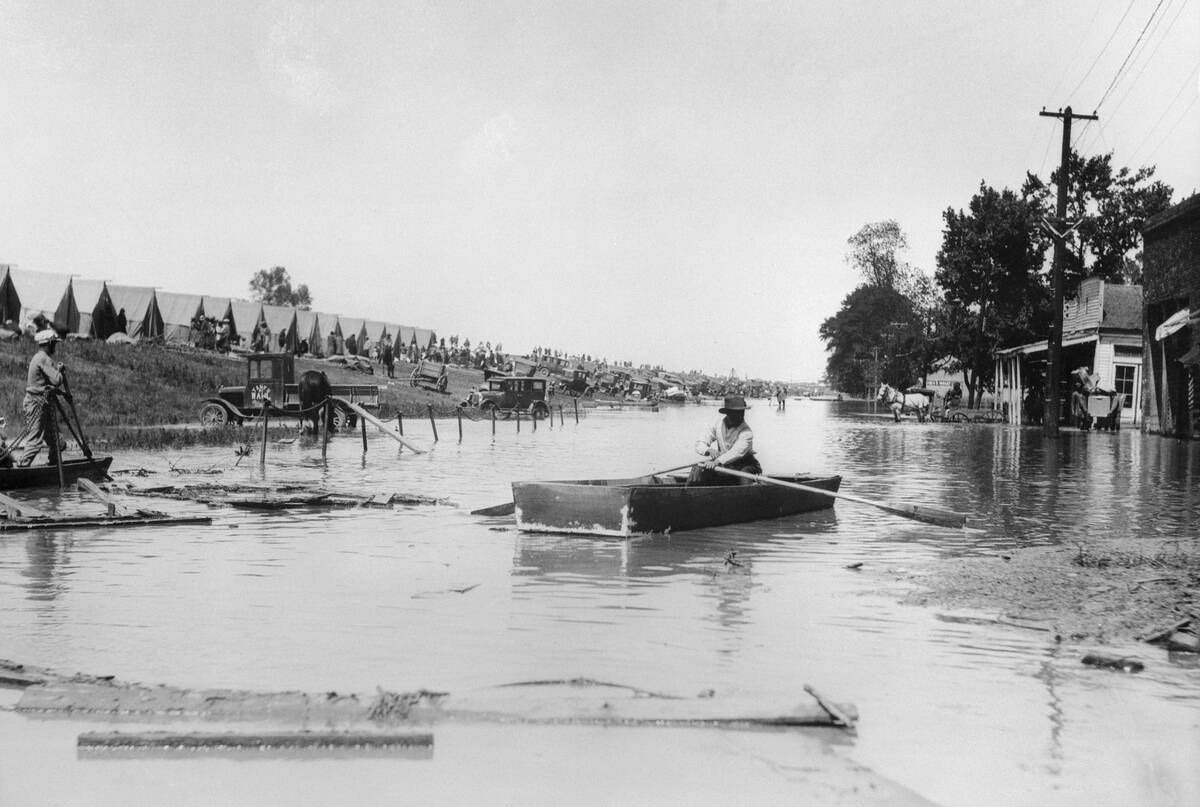
Natural disasters like floods and earthquakes can play a significant role in altering river courses. Floodwaters can breach riverbanks and carve new paths, while earthquakes may shift the land itself, forcing rivers to find new routes.
For instance, the 1811-1812 New Madrid earthquakes in the United States temporarily reversed the flow of the Mississippi River. These dramatic events highlight the raw power of nature and its ability to reshape the landscape in an instant.
Human Activities and Their Influence on River Paths
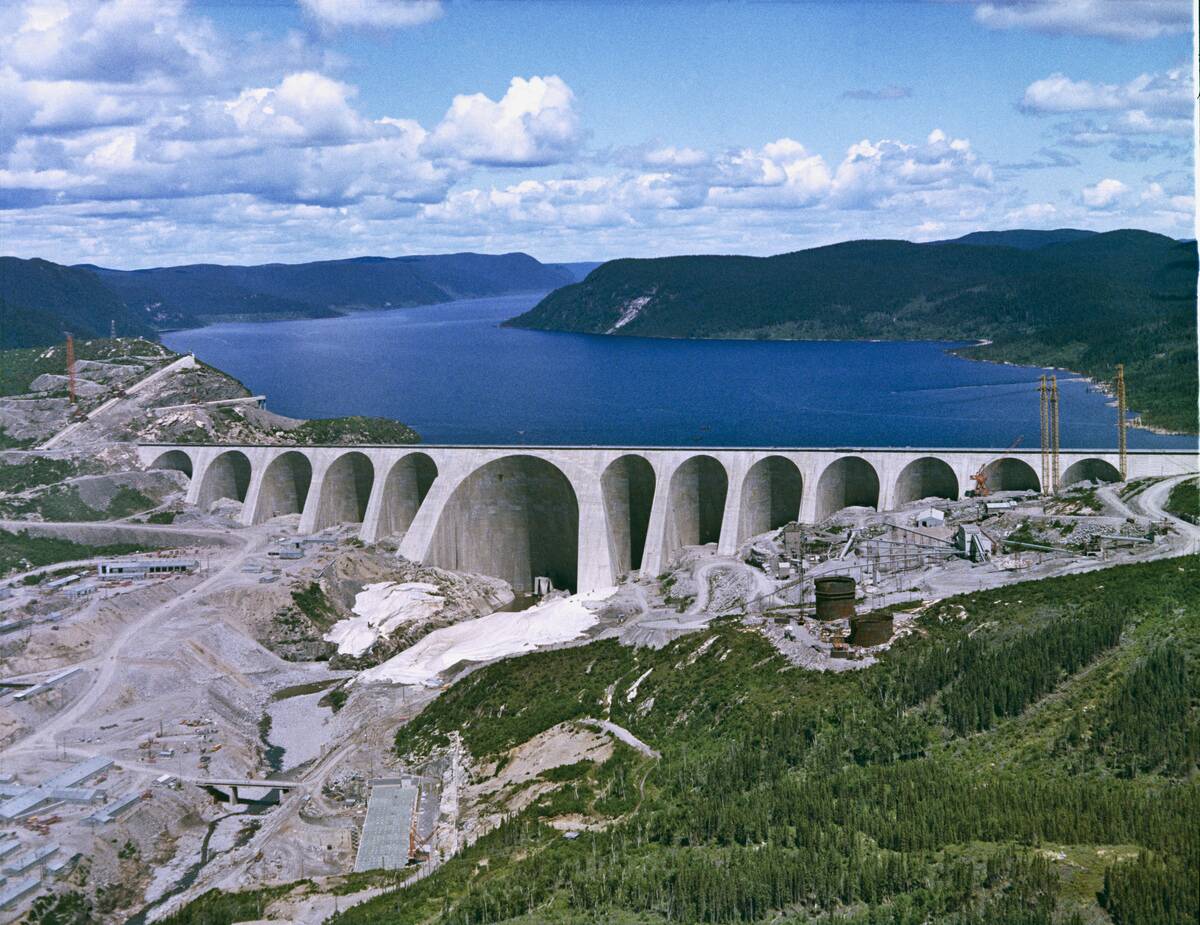
Human activities like dam construction, deforestation, and urban development can significantly influence river paths. Dams can alter the flow and sediment load of a river, potentially leading to downstream changes.
Deforestation can increase erosion, causing rivers to shift their courses more readily. Urban development often encroaches on riverbanks, limiting the natural meandering process. These activities underline the delicate balance between human needs and the natural environment.
The Legal Implications of Shifting River Boundaries
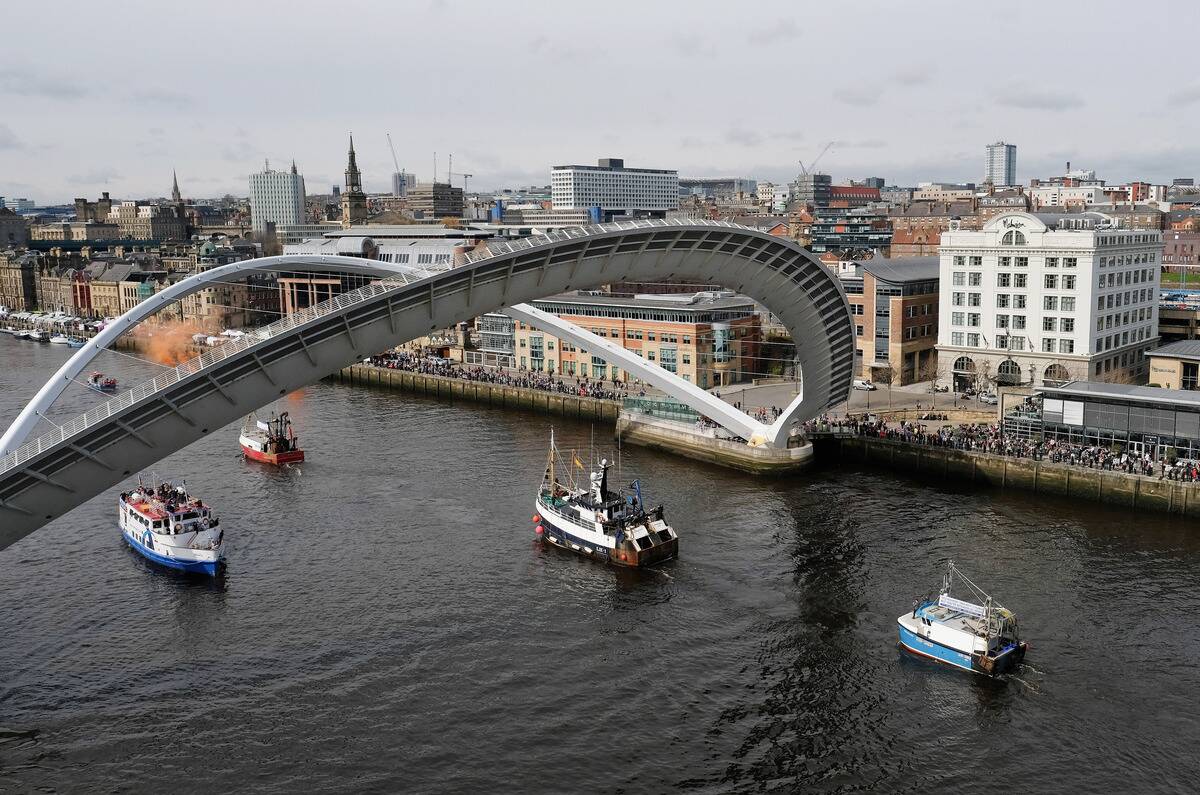
When rivers change course, they can create legal challenges, particularly in regions where rivers form political boundaries. Shifts can lead to disputes over land ownership, water rights, and even international borders.
Legal systems must adapt to these changes, often relying on historical maps or treaties to settle disputes. In some cases, new agreements are necessary to address the realities of a shifting landscape, requiring collaboration and negotiation between affected parties.
Notable Case Study: The Mississippi River
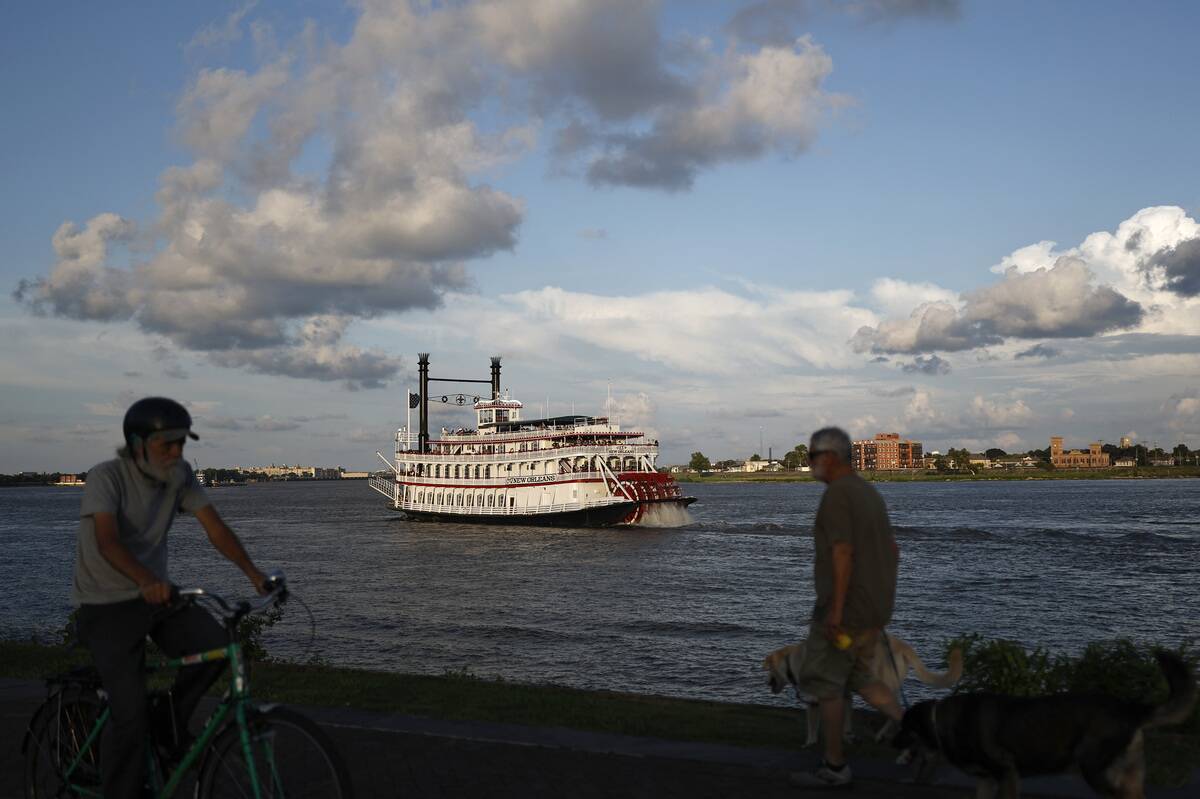
The Mississippi River is a prime example of a river known for its dynamic course changes. Over thousands of years, it has carved numerous channels, leaving behind oxbow lakes and reshaping the surrounding landscape.
Efforts to control the river, such as levees and dams, have helped manage its flow but also contribute to sediment build-up and increased flood risk. The Mississippi’s ever-changing nature continues to challenge engineers and communities along its banks.
The Ganges and Its Ever-Changing Path
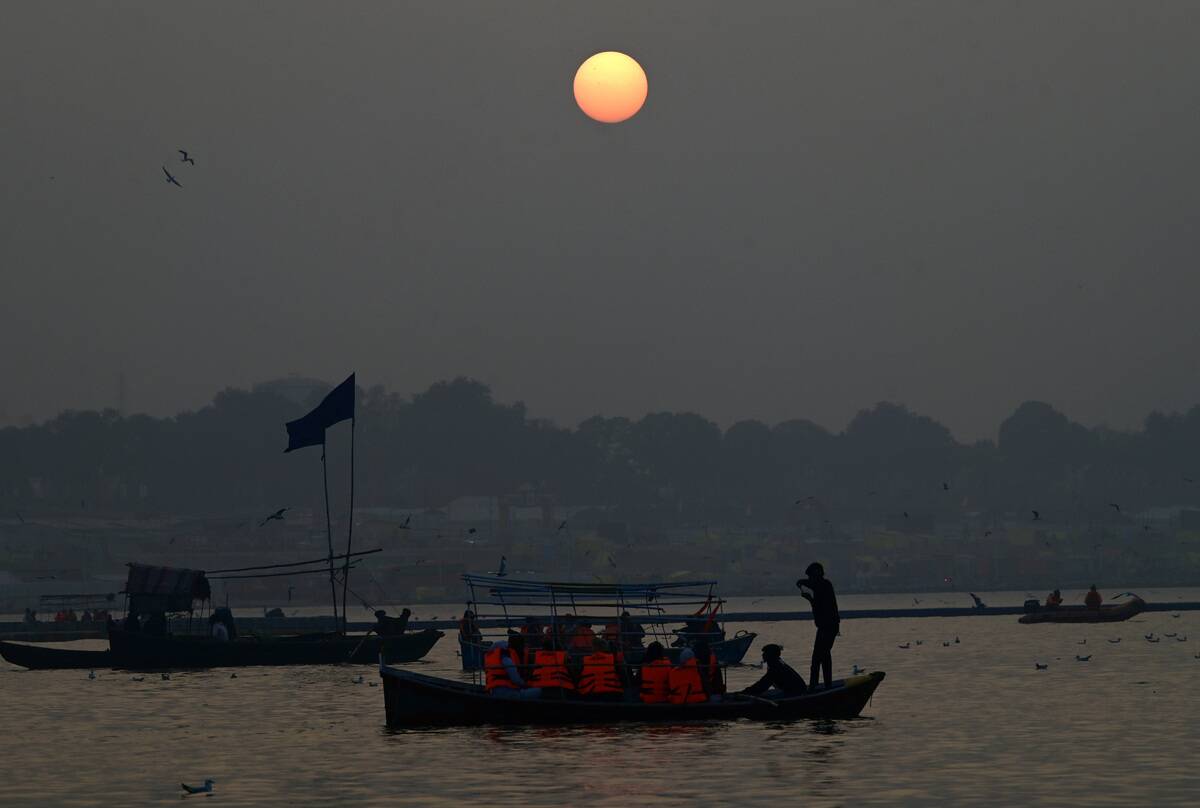
The Ganges River, sacred to millions in India, is another river known for its shifting path. Its meandering course is influenced by monsoon rains, sediment load, and tectonic activity. As the river shifts, it can inundate fields, displace communities, and alter the landscape.
Despite these challenges, the Ganges remains a vital cultural and economic lifeline for the region, supporting agriculture, industry, and spiritual practices along its banks.
The Importance of Satellite Imaging in Monitoring Rivers
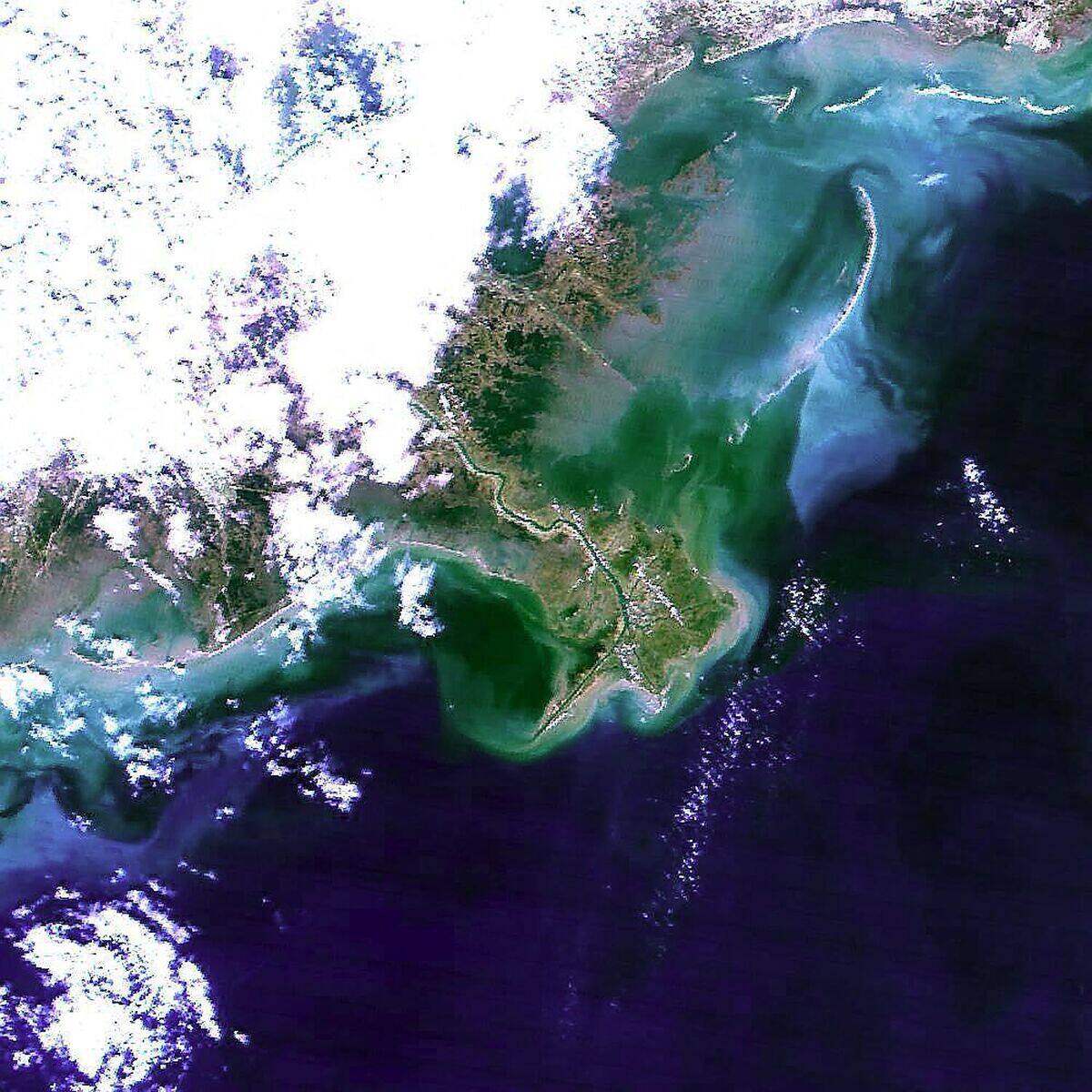
Satellite imaging has revolutionized the way we monitor rivers and their changing courses. High-resolution imagery allows scientists to track river dynamics in near real-time, providing valuable data for predicting future changes and managing resources.
Satellites can detect subtle shifts in river paths, monitor sediment transport, and assess the impact of human activities. This technology is an invaluable tool for understanding and responding to the complex behavior of rivers.
Wildlife and Ecosystem Adaptations to New River Courses

When rivers change course, wildlife and ecosystems must adapt to the new conditions. Fish populations may find new spawning grounds, while plants and animals adjust to altered water levels and sediment patterns.
These adaptations can lead to shifts in biodiversity, with some species thriving in the new environment while others struggle to survive. Studying these changes provides insights into the resilience and adaptability of nature in the face of ever-changing landscapes.
The Role of Climate Change in River Dynamics
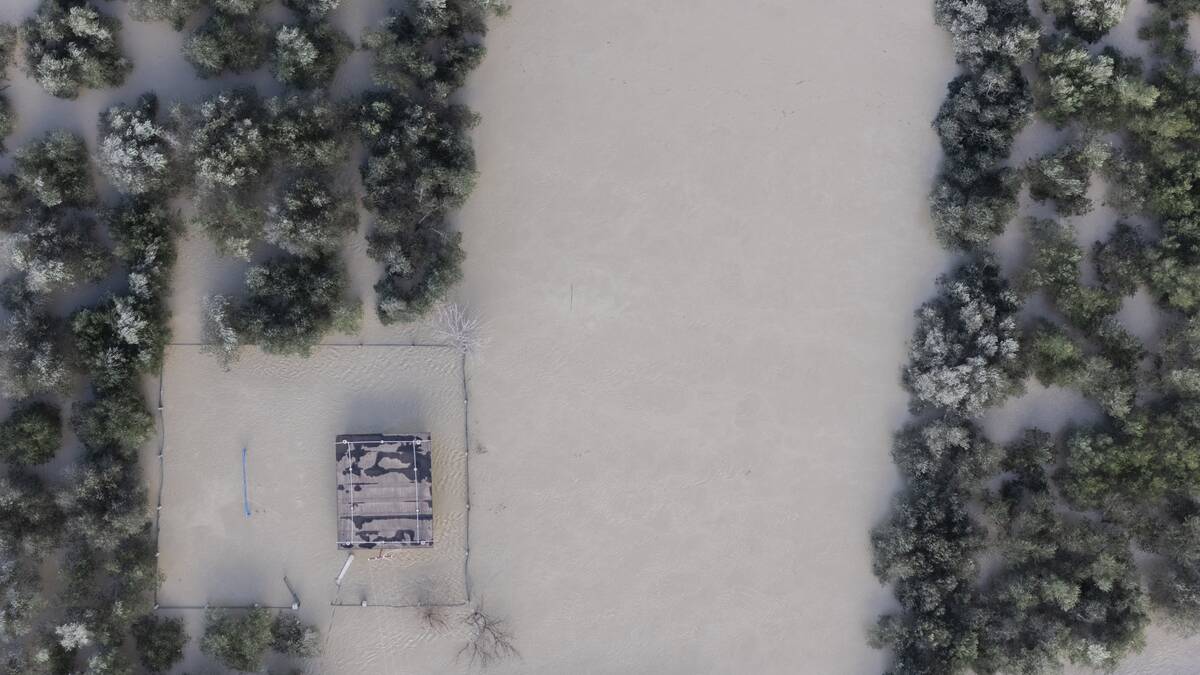
Climate change is increasingly influencing river dynamics, altering precipitation patterns, melting glaciers, and raising sea levels. These changes can affect river flow, sediment load, and the frequency of extreme weather events, leading to more frequent and unpredictable course changes.
Understanding the impact of climate change on rivers is crucial for developing strategies to mitigate its effects and protect communities and ecosystems that depend on healthy river systems.
How Technology Helps Predict and Manage Course Changes
Advancements in technology are playing a crucial role in predicting and managing river course changes. Geographic Information Systems (GIS) and remote sensing provide tools for analyzing river dynamics and modeling future scenarios.
These technologies enable scientists to assess the impact of human activities, climate change, and natural events on river behavior. By integrating data from various sources, we can develop more effective strategies for managing river systems and mitigating potential risks.
Ways to Protect Communities from Unexpected River Shifts

Protecting communities from unexpected river shifts requires a combination of engineering solutions, policy measures, and community engagement. Building levees and flood barriers can help manage river flow, while land-use planning can minimize development in high-risk areas.
Educating residents about potential risks and involving them in decision-making processes fosters resilience and preparedness. By working together, communities can develop strategies that balance the benefits of living near a river with the challenges of its dynamic nature.




