Exploring how fossils may have influenced mythical creatures
Welcome to a whimsical journey where myths meet the earth’s ancient history! Legendary creatures have long stirred the imagination, often believed to be conjured solely from fantasy.
However, fascinating fossil discoveries have revealed that many of these myths may have roots in real prehistoric life. As we delve into the possible connections between fossils and legendary creatures, prepare for a blend of science and storytelling that will leave you both informed and entertained.
Dragons: Born from Dinosaur Bones
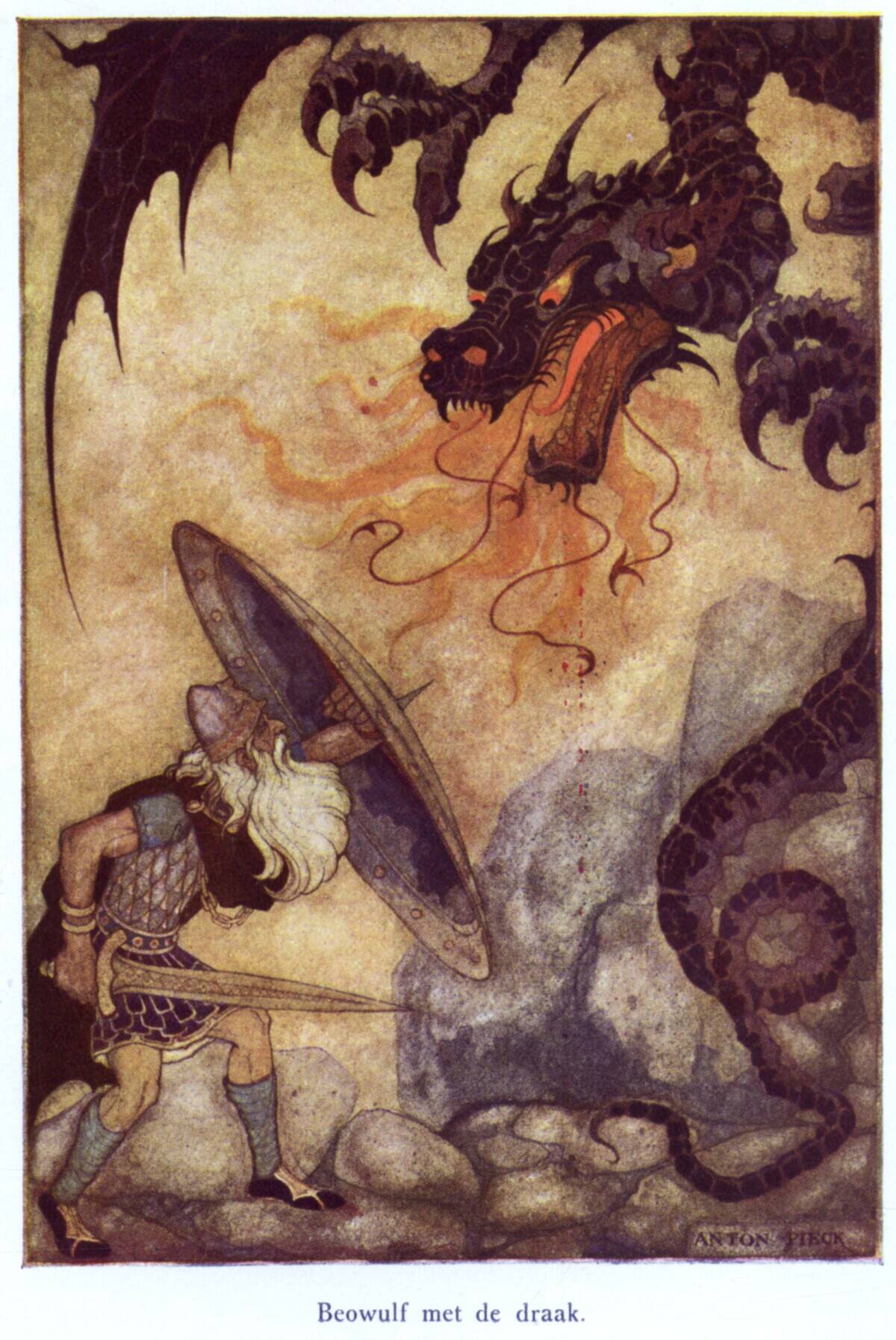
The mighty dragon, a symbol of power and fear, might owe its origins to dinosaur fossils. In China, large fossilized bones were often considered dragon remains. The discovery of massive vertebrae and skulls could easily inspire the imagery of dragons soaring through the skies.
These ancient bones, misinterpreted by early civilizations, led to the creation of one of the most enduring and widespread mythical creatures in history.
The Griffin: A Mix of Bird and Beast
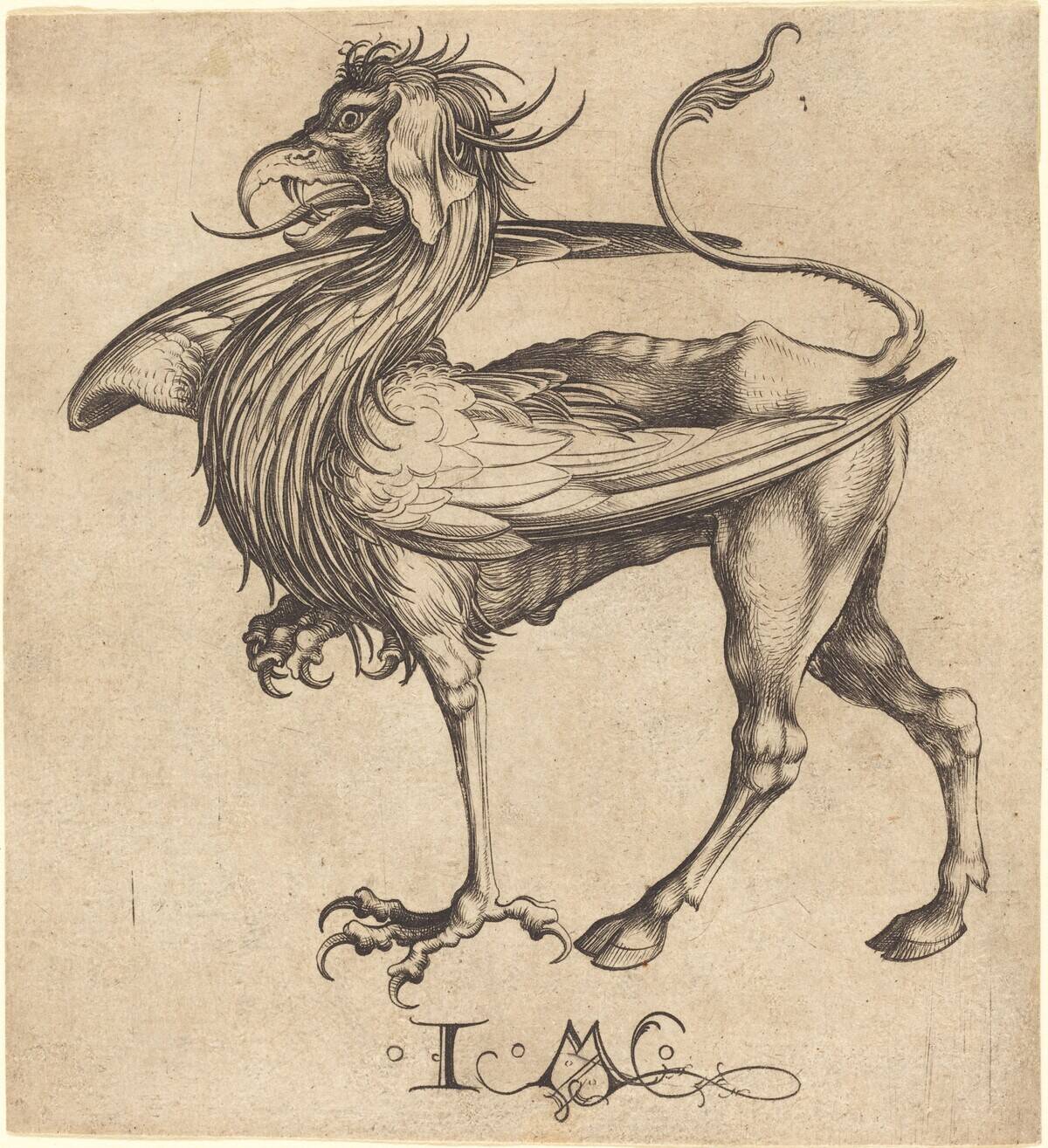
Griffins, with their lion’s body and eagle’s head, have a fascinating connection to fossils. Some scholars suggest that the myth of the griffin could have been inspired by the fossilized remains of Protoceratops, a dinosaur with a beaked face.
These fossils, found in the Gobi Desert, might have been interpreted as evidence of a creature both majestic and fearsome, giving rise to the legendary griffin.
Cyclopes: Inspired by Elephant Skulls
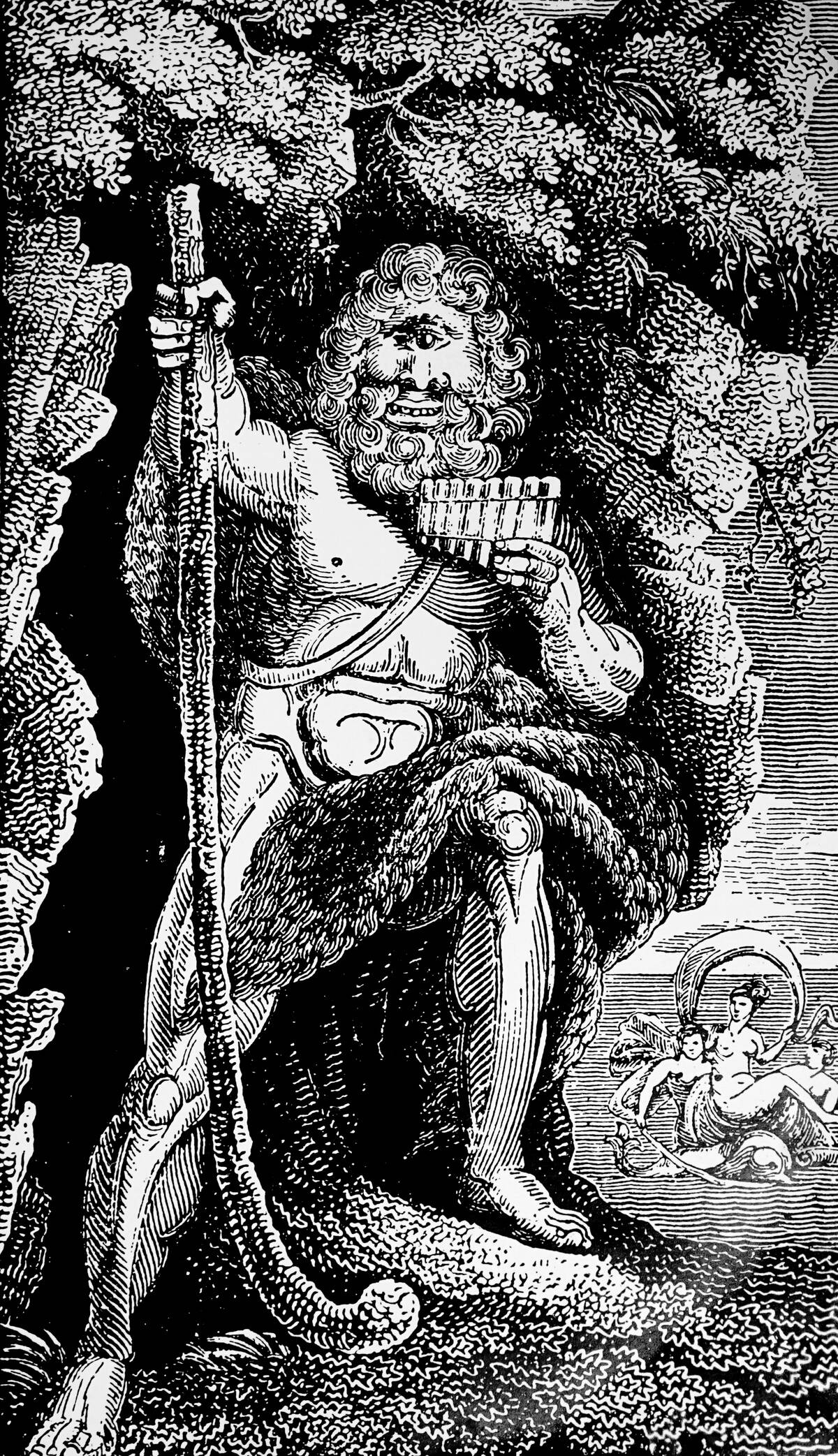
The one-eyed Cyclops of Greek mythology may have a rather surprising origin. Ancient Greeks who unearthed the skulls of prehistoric elephants might have mistaken the central nasal cavity for a single eye socket.
These massive skulls, combined with tales from sailors and travelers, could have fueled the belief in giant one-eyed beings, blending real paleontological finds with the rich tapestry of myth.
The Kraken: Giant Squid or Colossal Fossil?
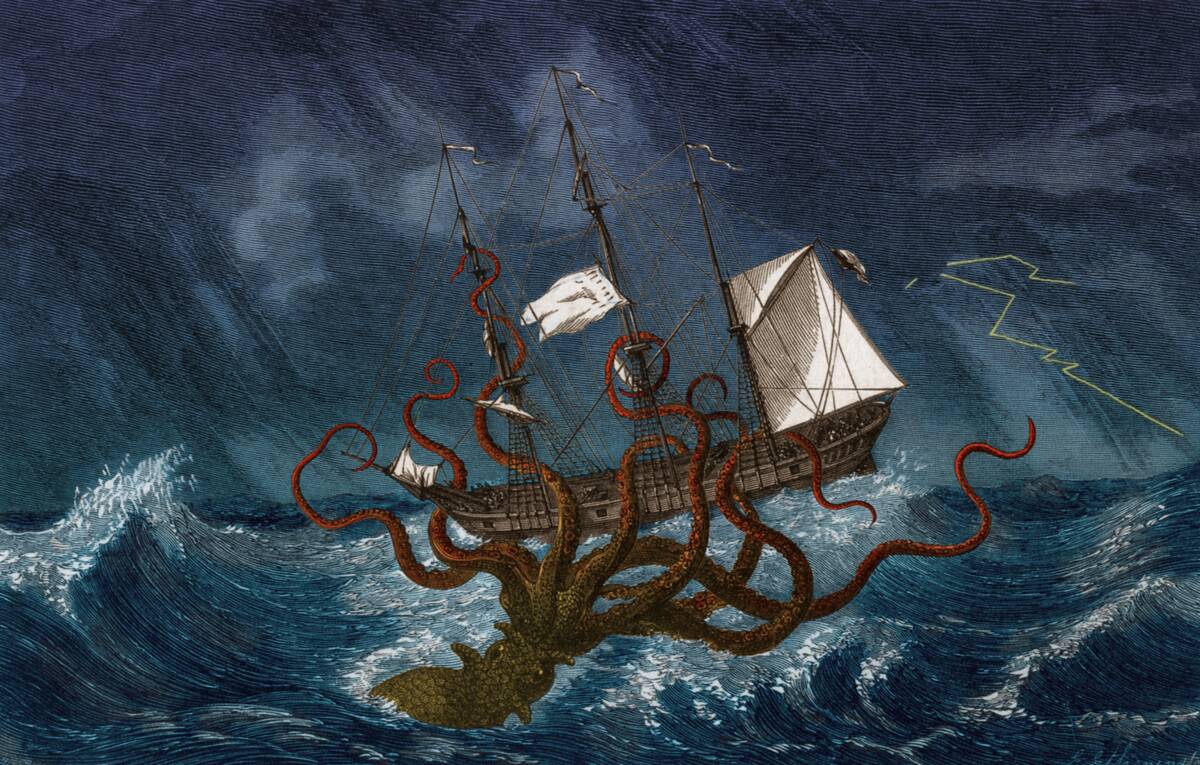
The Kraken, a legendary sea monster feared by sailors, might have roots in reality. While giant squids are the most likely candidates for the Kraken myth, some speculate that fossilized remains of massive sea creatures could have contributed to the lore.
The discovery of ancient, large marine fossils could have sparked tales of monstrous creatures lurking beneath the waves, blurring the lines between myth and marine biology.
The Unicorn: A Mythical Twist on Fossilized Horns
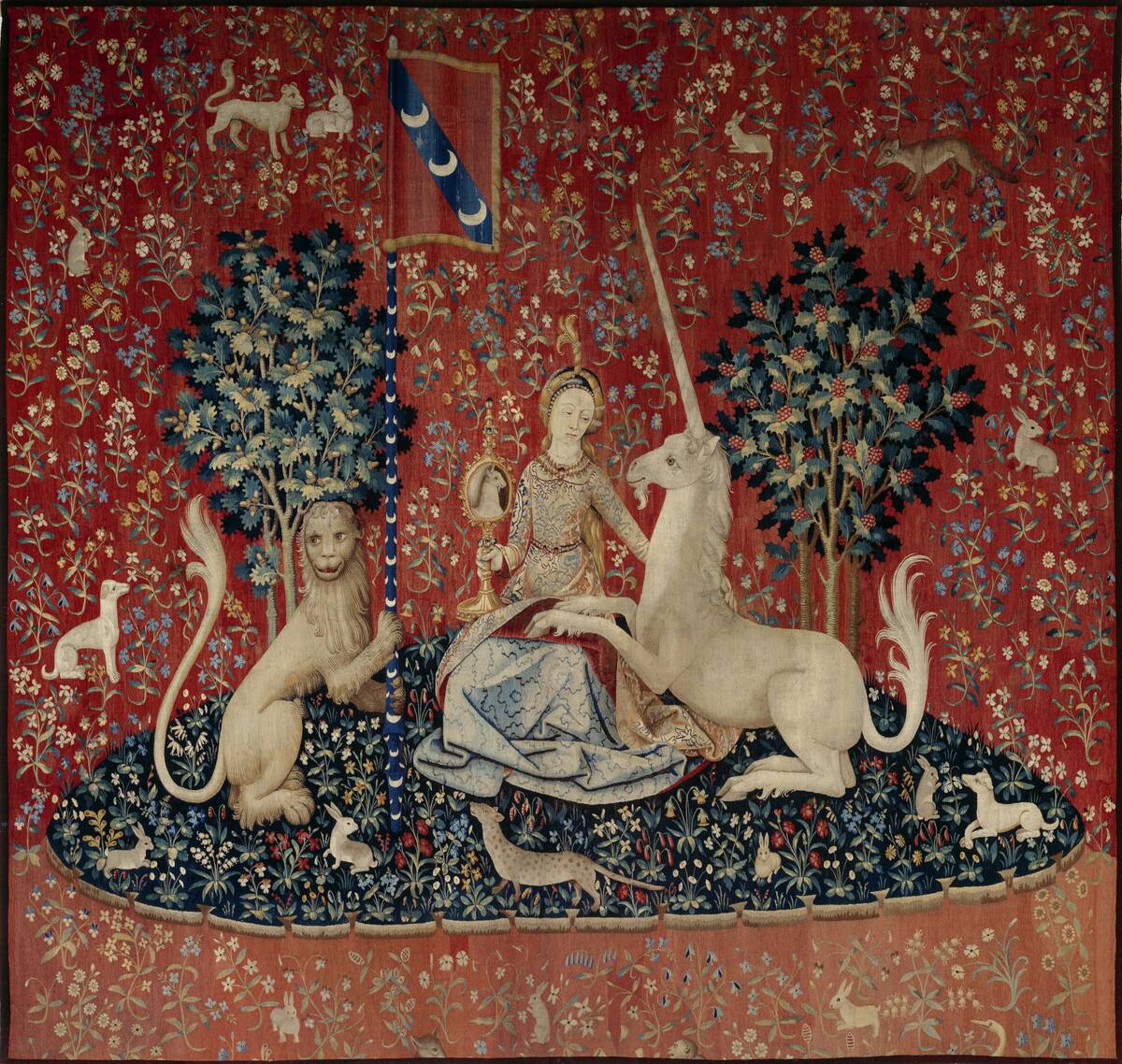
Unicorns, with their singular horns, have fascinated many. Some suggest that the myth of the unicorn may have originated from the discovery of ancient rhinoceros fossils, particularly the Elasmotherium, a giant rhino with a prominent horn.
These fossils could have been interpreted as belonging to a horse-like creature, giving rise to the enchanting and elusive unicorn, a symbol of purity and grace.
Chimeras: Fossil Finds and Fantasy Fusions
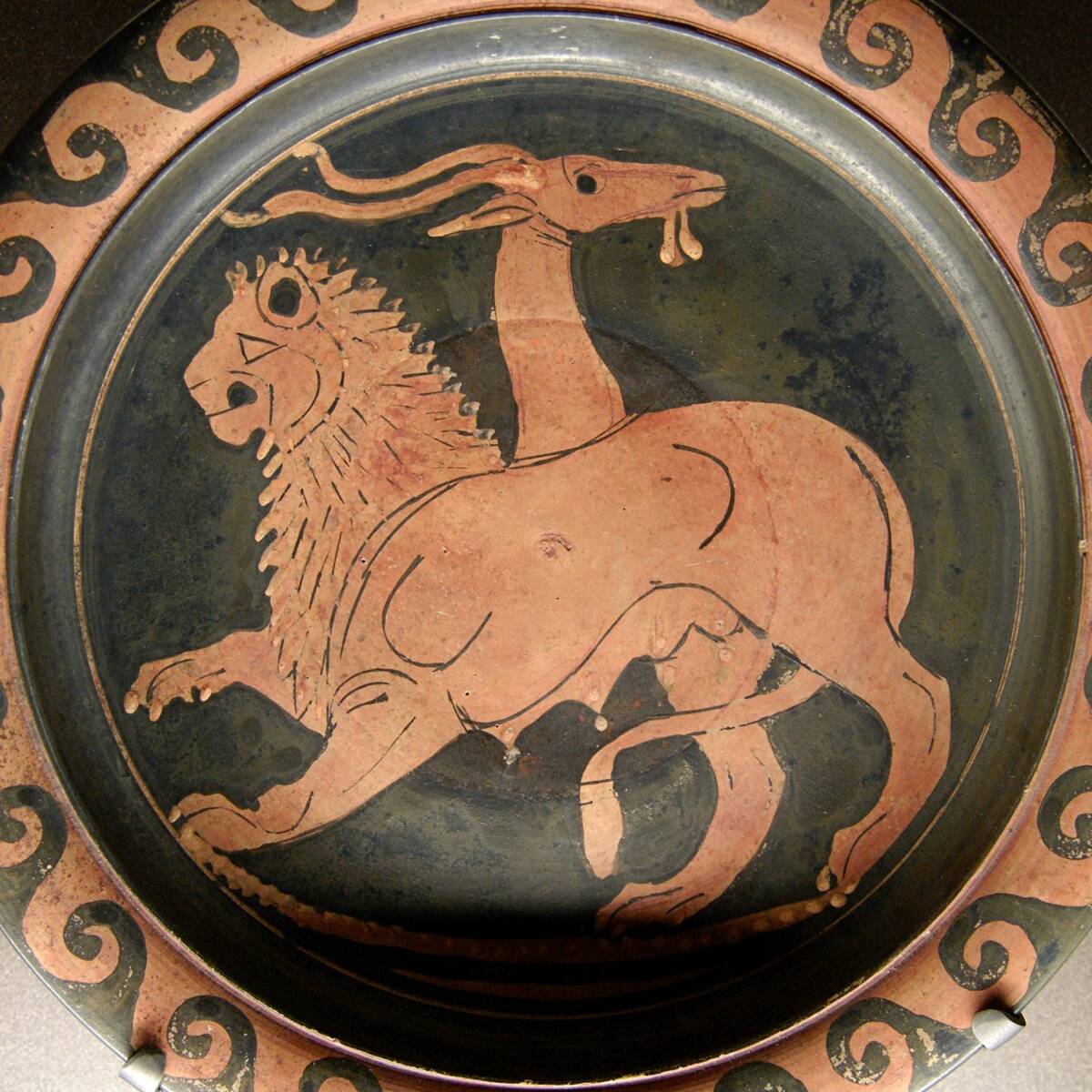
Chimeras, with their blend of different animal parts, could find their roots in fossilized remains. Discoveries of mixed fossils, such as a lion’s skull and a snake’s tail, might have been pieced together by ancient peoples, leading to tales of fantastical creatures.
These fossil fusions sparked imaginations, resulting in myths that combined the most fearsome traits of multiple animals into one formidable beast.
Mermaids: The Sirens of the Sea and Fossil Records
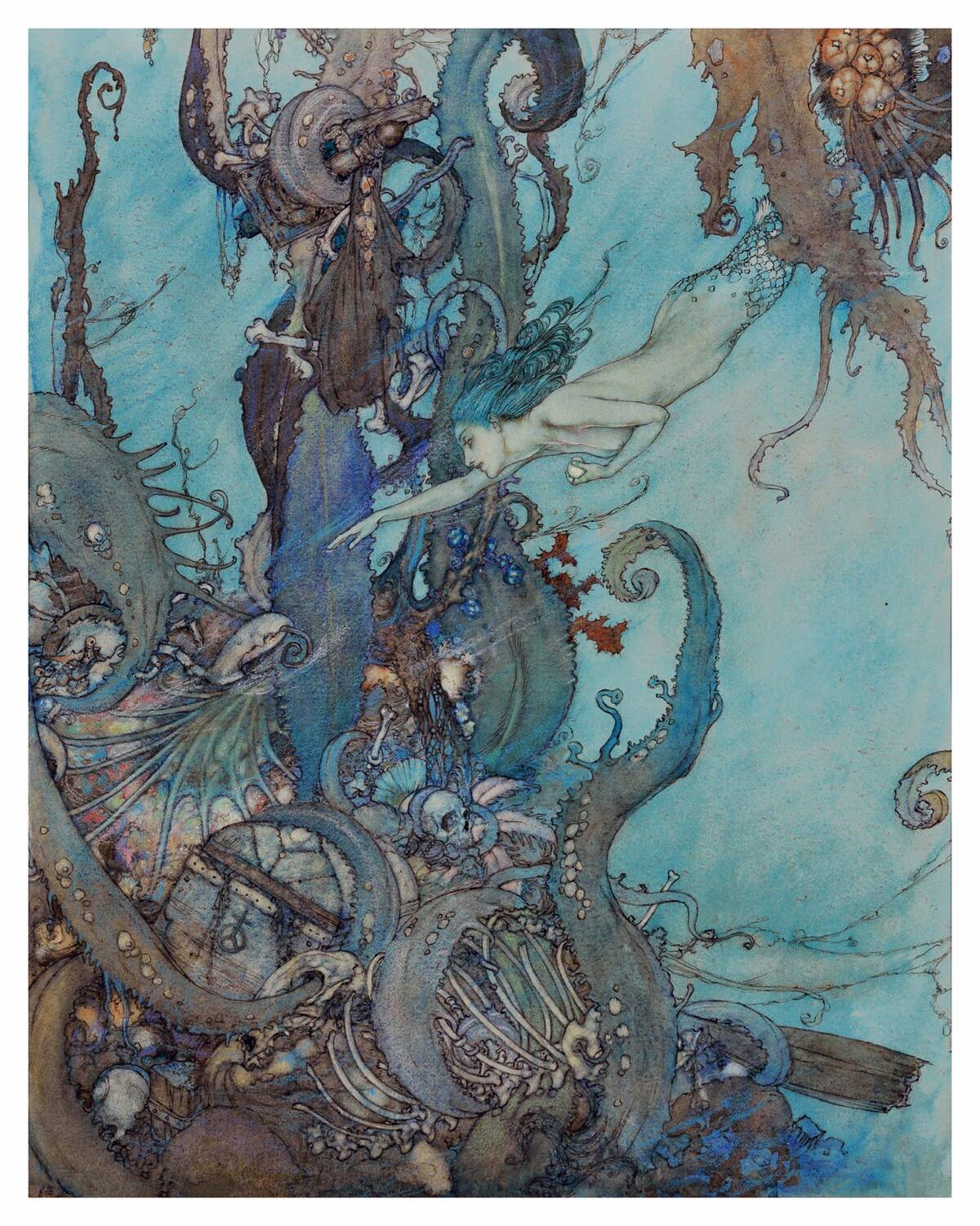
Mermaids, the enchanting sirens of the sea, may have ties to fossil discoveries. Some speculate that ancient fossils of marine reptiles could have inspired tales of half-human, half-fish creatures.
The misinterpretation of these fossils, combined with sightings of marine mammals like manatees, helped shape the myth of the mermaid, a creature that continues to captivate our imaginations and fuel oceanic folklore.
Yeti and Bigfoot: Fossil Footprints in the Snow
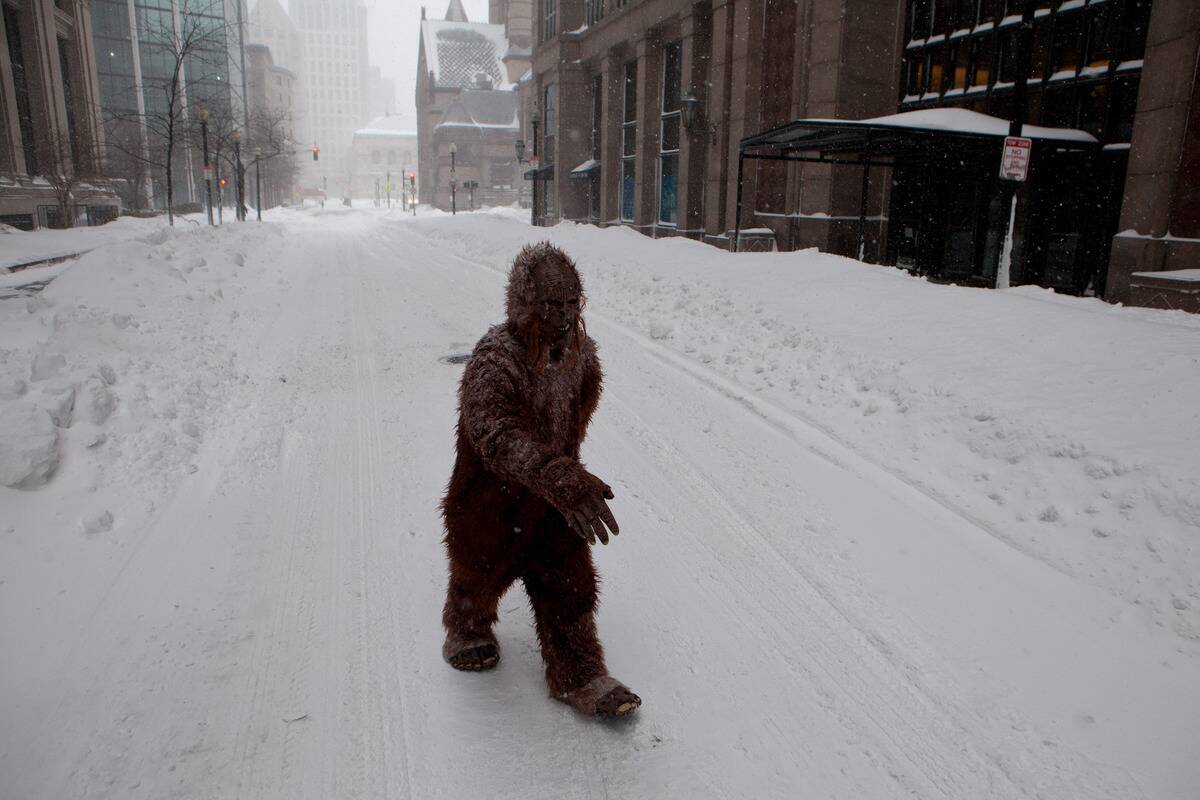
The legends of Yeti and Bigfoot might find some grounding in fossilized footprints and prehistoric bones. In the Himalayas, tales of the Yeti could have been inspired by the discovery of large ape-like footprints or the bones of ancient hominids.
Similarly, Bigfoot lore in North America may have been fueled by the unearthing of gigantic primate fossils, weaving a narrative of elusive giants roaming the forests.
Roc: The Legendary Bird with Fossilized Wings
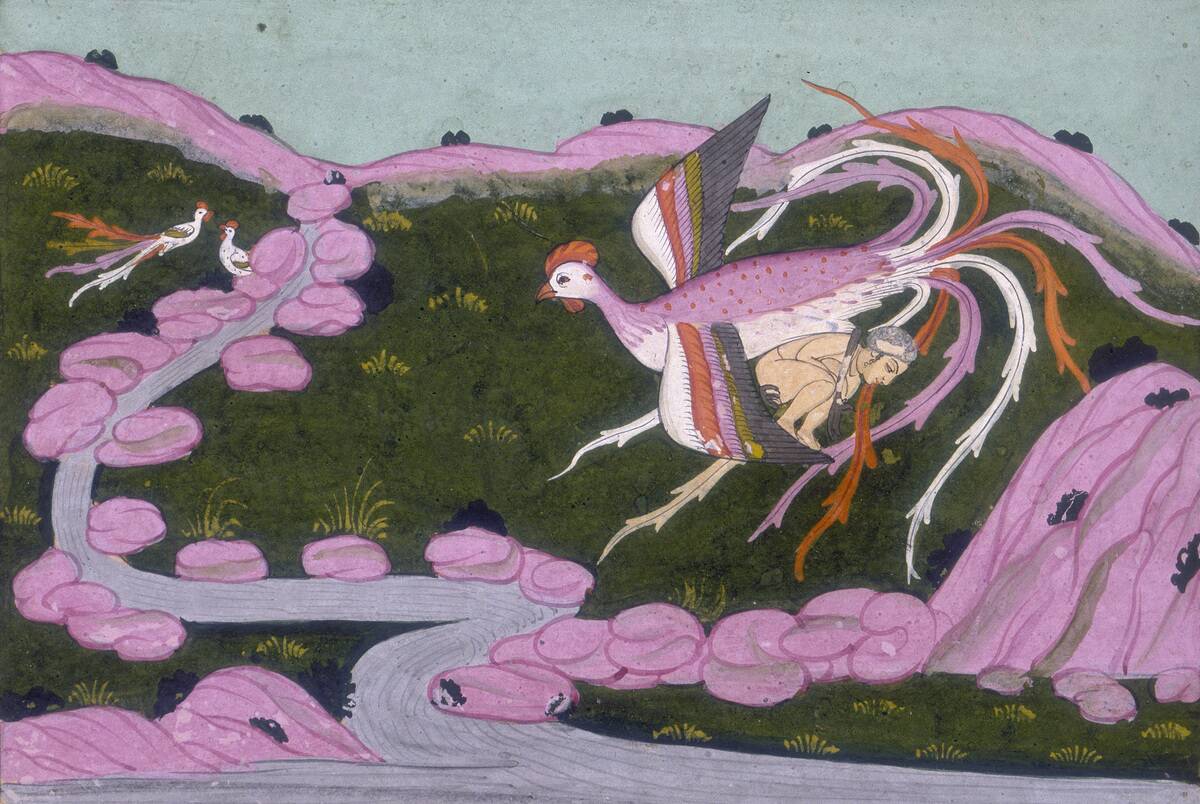
The Roc, a giant bird capable of carrying off elephants, may have been born from fossilized remains of massive prehistoric birds. Discoveries of large bird bones, perhaps from the now-extinct Aepyornis or other gigantic avians, could have inspired stories of a colossal creature in Eastern mythology.
These fossils helped craft the image of a bird so large, it could snatch up anything in its talons.
The Hydra: Multi-Headed Legends and Fossil Discoveries
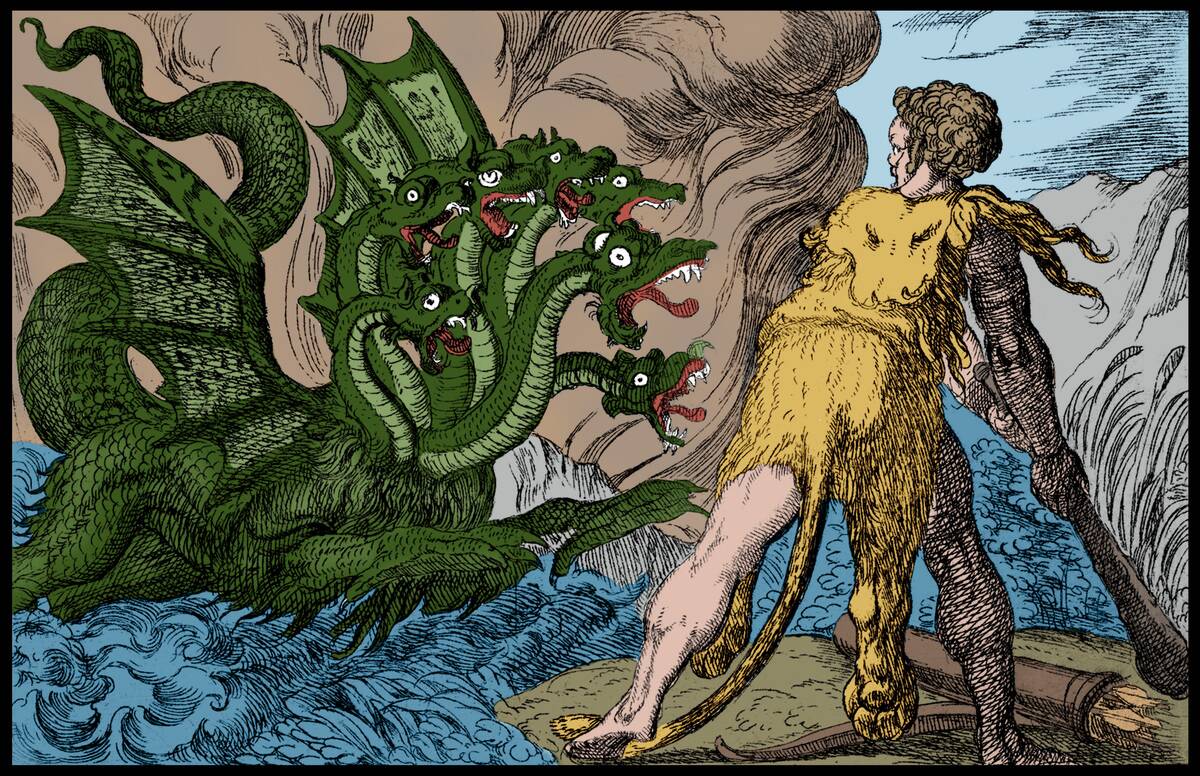
The Hydra, known for its many heads, might have connections to paleontological finds. Fossils of multi-headed animals, though rare, do occur and could have been misinterpreted by ancient peoples.
Combined with the incredible imagination of storytellers, these fossils might have fueled the myth of a fearsome creature that regrew two heads for every one cut off, further cementing the Hydra’s place in legendary lore.
The Roc’s Cousin: The Moa and Its Mythical Past
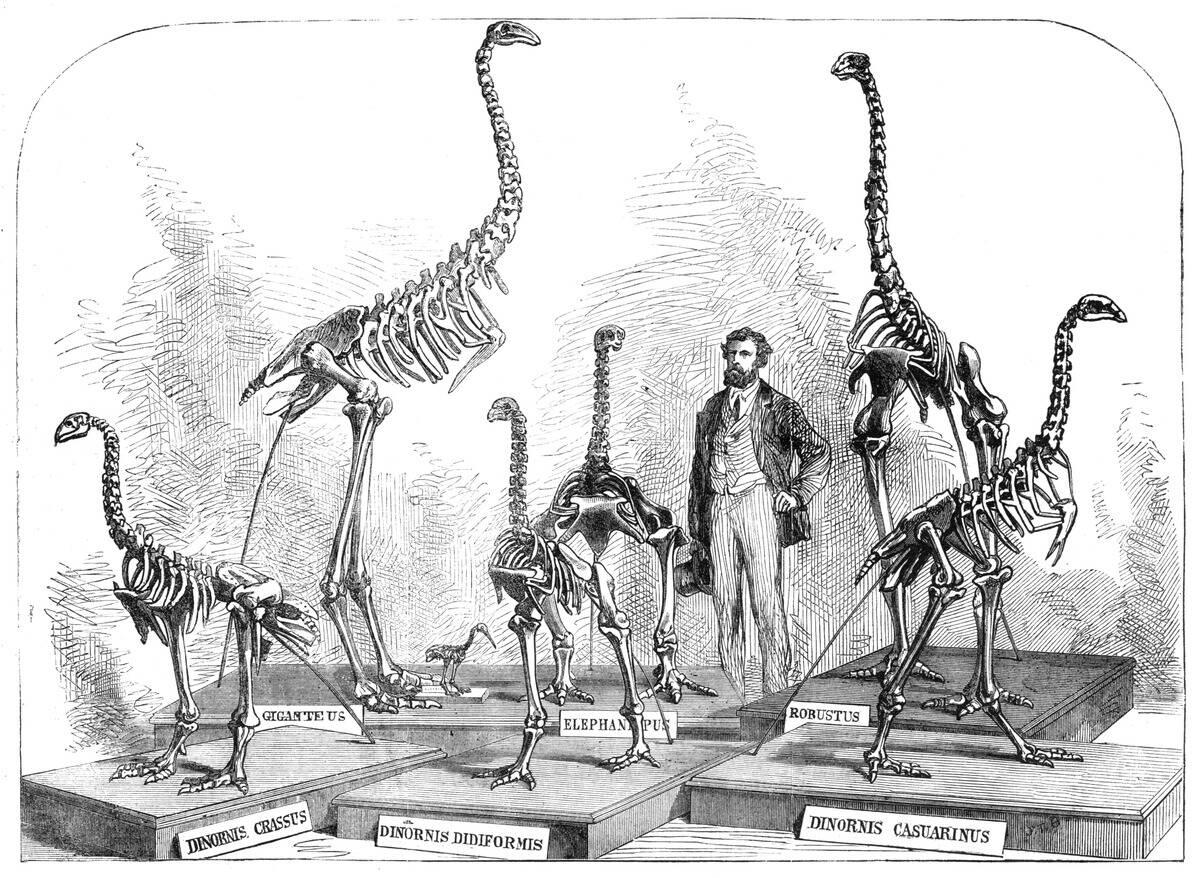
Similar to the Roc, the extinct Moa of New Zealand could have inspired its own legends. The Moa, a flightless bird of considerable size, left behind bones that suggested a creature of incredible proportions.
These remains might have led early Māori storytellers to weave tales of giant birds that roamed the land, echoing themes found in the Roc myth and enriching the local folklore with their grand narratives.
The Gorgons: Fossils and the Medusa Myth
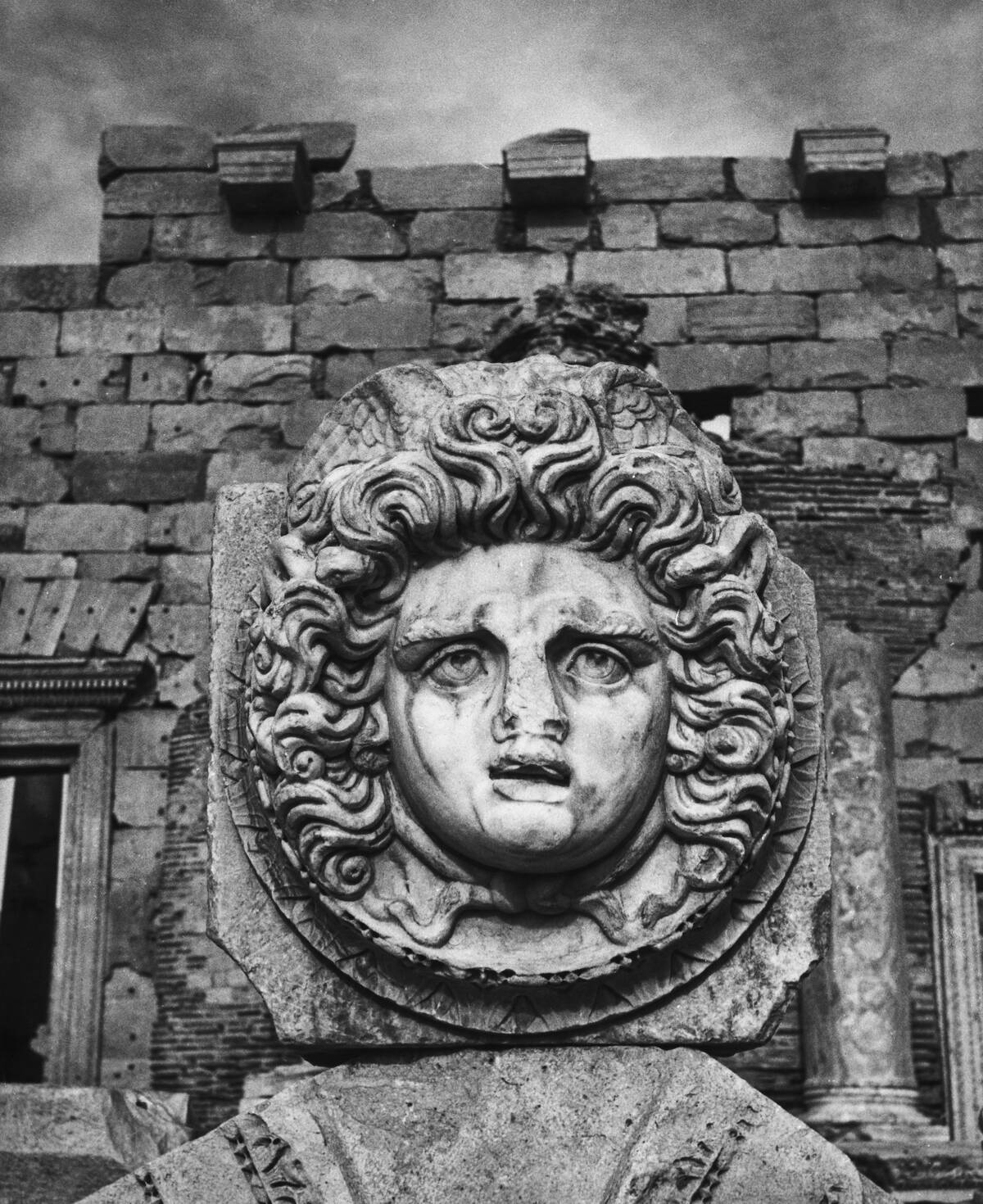
The Gorgons, with Medusa as their most famous member, might have origins in fossil findings. Some scholars suggest that fossils of sea creatures with intricate patterns could have been interpreted as evidence of Gorgons.
These patterns, resembling snake-like hair, might have sparked the terrifying tales of creatures whose gaze could turn people to stone, blending the petrifying power of fossils with myth.
Werewolves and Fossilized Transformations

Werewolves, the shape-shifting creatures of legend, may have connections to fossil discoveries. Ancient bones of large wolves or other canids, possibly unearthed in Europe, might have fueled stories of humans transforming into wolves.
These fossils, combined with the lore of lunar cycles and human transformation, contributed to the enduring myth of the werewolf, a terrifying figure that haunts the night in folklore.
Phoenix: The Fossilized Firebird of Legend
![Phoenix On A Burning Pyre [Reverse]](https://media.tellmebest.com/wp-content/uploads/2025/12/phoenix-on-a-burning-pyre-reverse-90037.jpeg)
The Phoenix, known for its fiery rebirth, might have roots in the discovery of fossilized birds. Some ancient peoples might have unearthed the remains of birds with striking features, leading to the belief in a creature that could rise from its ashes.
The cycle of life and death represented by fossils could have inspired tales of the Phoenix, a symbol of renewal and immortality in various cultures.
The Bunyip: Australian Legends and Ancient Remains
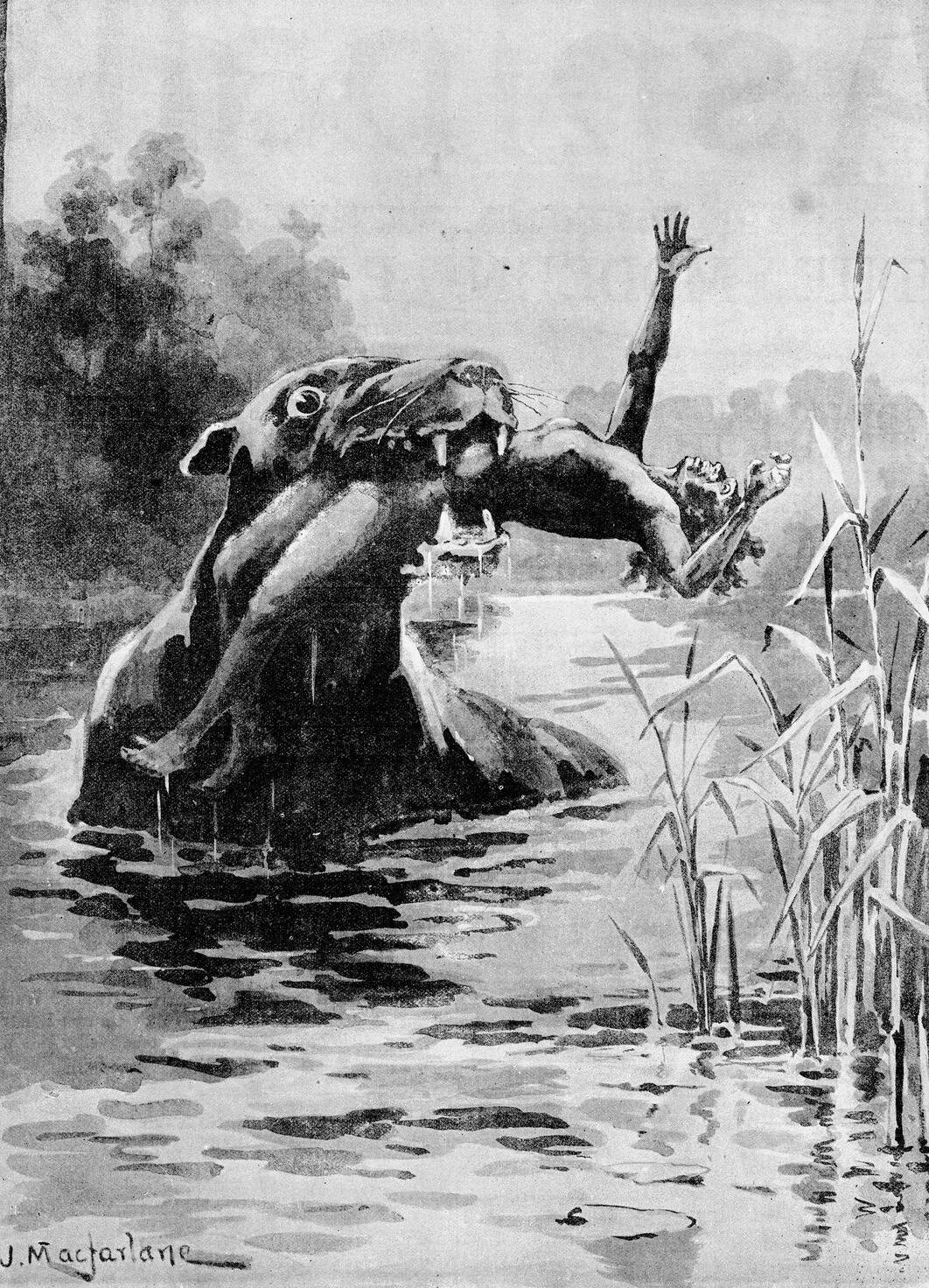
The Bunyip, a creature from Aboriginal Australian mythology, might find its origins in ancient fossils. Fossils of diprotodon, a large prehistoric marsupial, could have been misinterpreted as remains of a fearsome water-dwelling creature.
These fossils, combined with the rich oral traditions of Aboriginal peoples, crafted the legend of the Bunyip, a mysterious being that lurked in swamps and billabongs, haunting the Australian landscape.
The Minotaur: Mythical Labyrinths and Fossil Clues
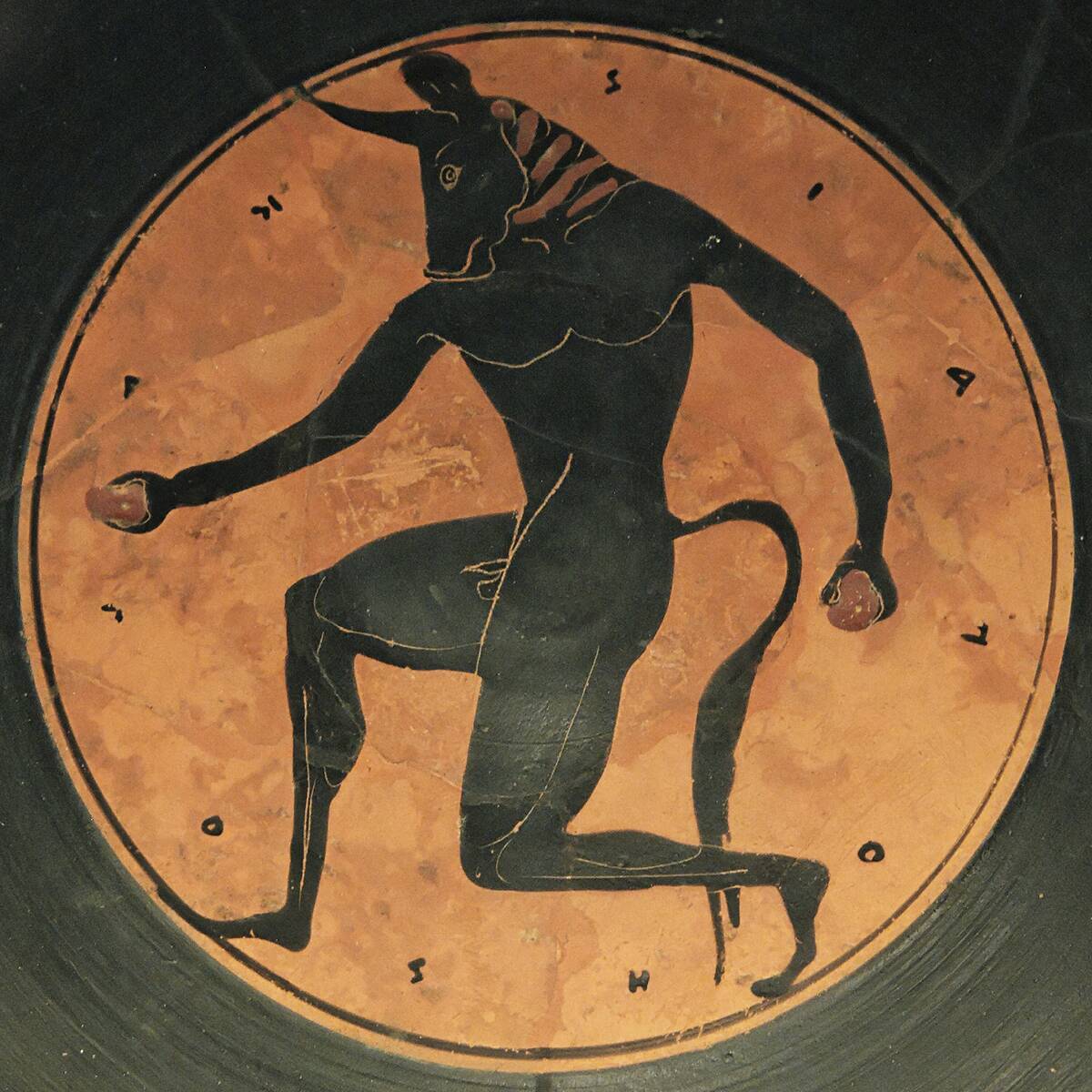
The Minotaur, a creature of Greek mythology with the body of a man and the head of a bull, might have been inspired by fossil findings. The discovery of large bull or bison bones, possibly mixed with human remains in ancient burial sites, could have led to the myth of a fearsome creature trapped in a labyrinth.
These fossils provided a tangible connection to the legendary tale of heroism and tragedy.
The Thunderbird: Fossilized Feathers and Stormy Skies
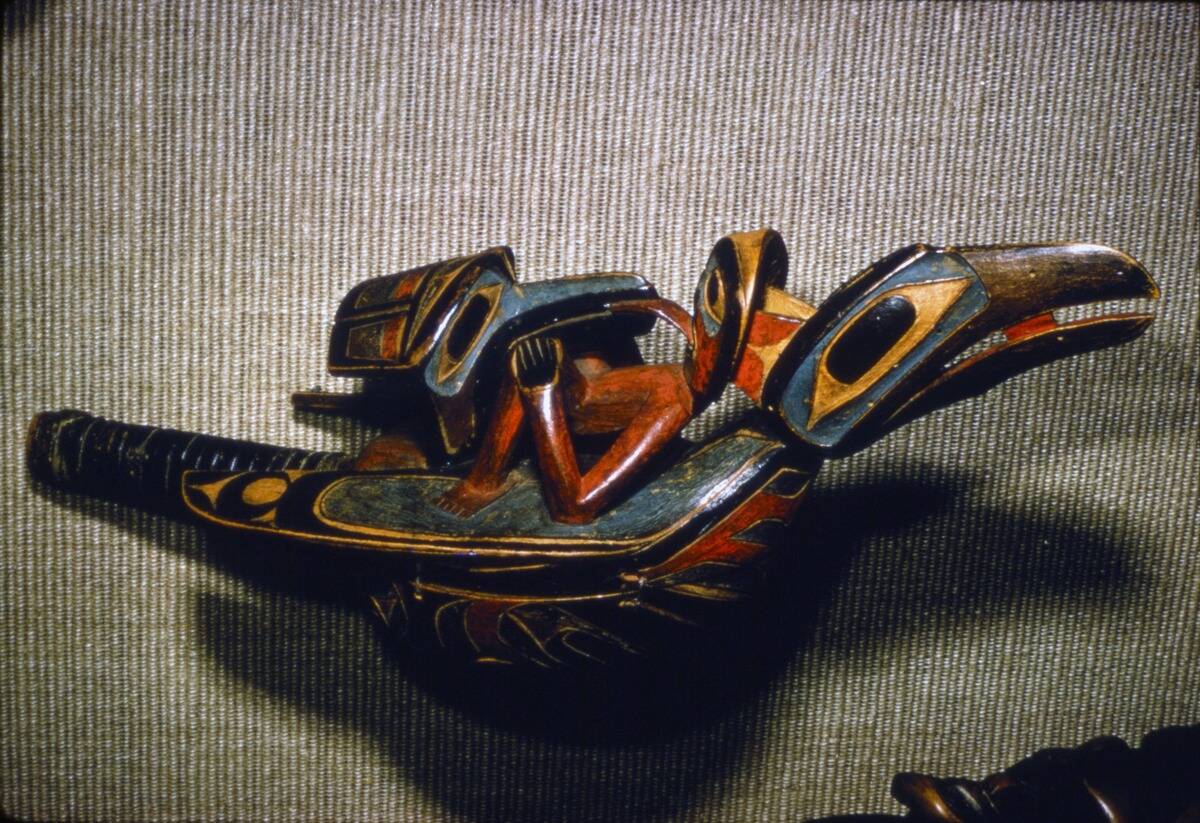
The Thunderbird, a powerful being in Native American mythology, might have connections to fossilized remains of large prehistoric birds. Fossils of enormous birds, possibly from the Pleistocene epoch, could have inspired tales of a creature capable of creating storms with its wingbeats.
These ancient remains, combined with the cultural significance of storms and skies, wove the myth of the Thunderbird, a symbol of strength and power.




