Technologies humans abandoned too soon
In the fast-paced world of technology, innovation often leads to obsolescence. While some tech wonders capture our hearts and homes for decades, others quickly fall by the wayside.
This article explores those fascinating marvels that, despite their initial promise, never quite made it. From gadgets that seemed ahead of their time to those simply outshined by competitors, join us as we delve into the intriguing world of abandoned technologies.
The Rise and Fall of the Betamax Tapes
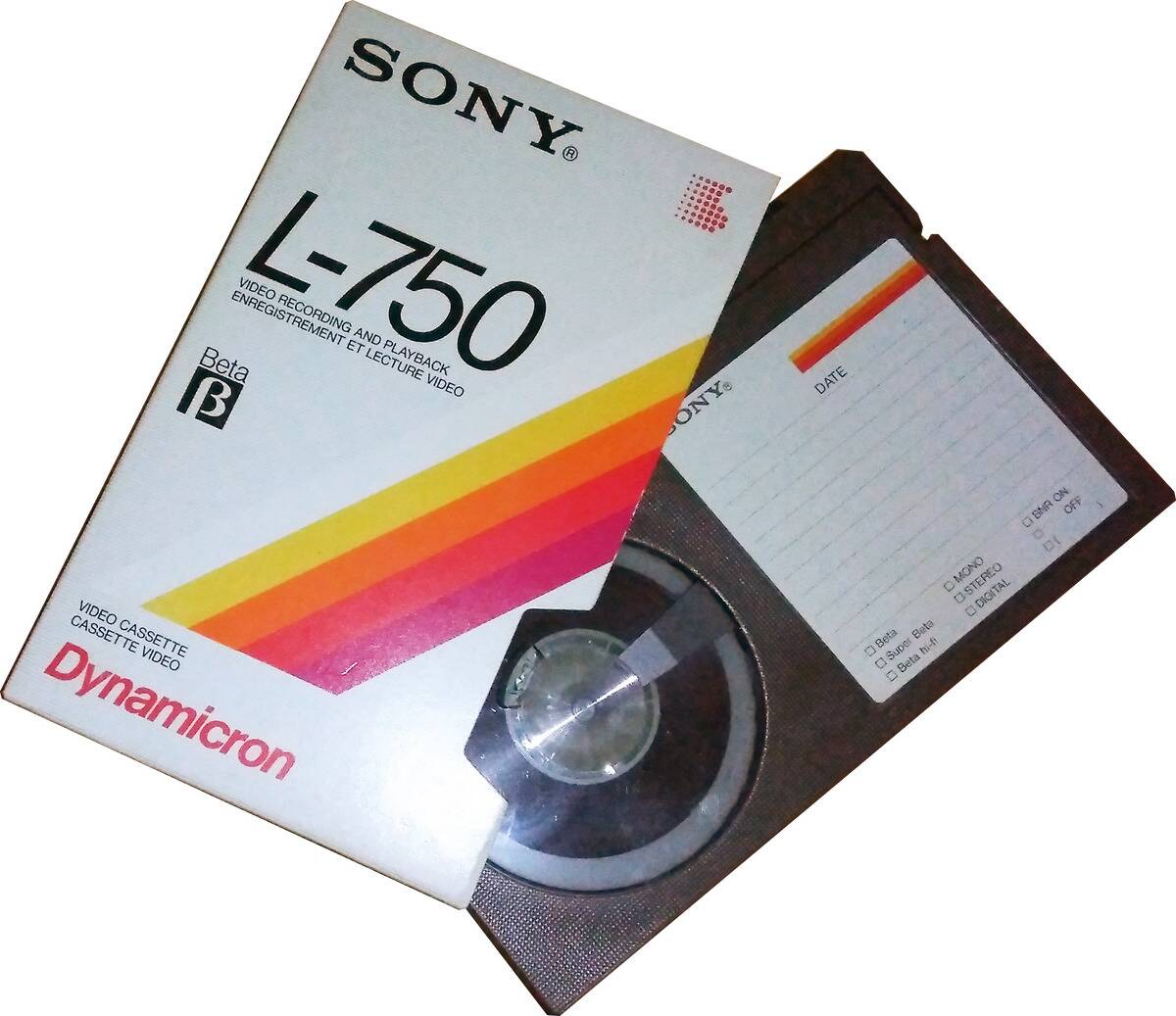
Betamax tapes were once lauded as the future of home video recording, introduced by Sony in 1975. Known for their superior video quality, Betamax tapes initially outperformed the more popular VHS format.
However, due to shorter recording times and higher costs, Betamax quickly lost ground. By the mid-1980s, VHS had taken over, leaving Betamax as a nostalgic relic of the past, remembered fondly by those who favored quality over convenience.
LaserDisc: The Forgotten Giant of Home Entertainment

Before DVDs became the standard, LaserDiscs were the go-to medium for cinephiles seeking superior picture and sound quality. Introduced in 1978, these large, shiny discs offered a cinematic experience unmatched at the time.
However, their cumbersome size and high price tag limited widespread adoption. As DVDs arrived with more portability and affordability, LaserDiscs quietly faded into history, now cherished by collectors and vintage enthusiasts.
The Minidisc: A Compact Revolution That Never Took Off

Sony’s Minidisc debuted in 1992, promising a new era in portable music with its compact size and ability to record and erase tracks. It was a perfect blend of cassette tape versatility and CD sound quality.
Despite its innovative design, the Minidisc struggled to compete with the emerging CD-R technology and digital MP3 players. By the early 2000s, it had quietly exited the market, remembered as a niche product with unrealized potential.
HD DVD: The Battle of the High-Definition Formats
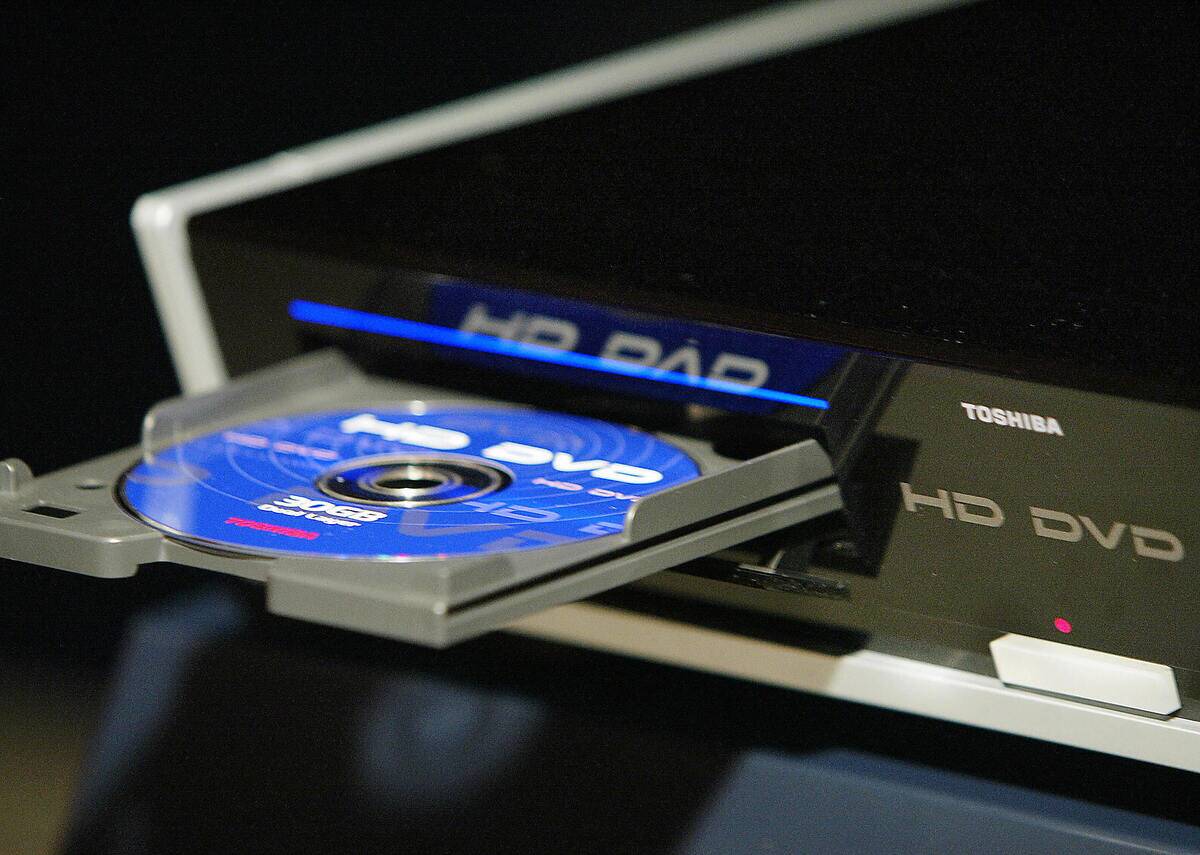
In the early 2000s, HD DVD emerged as a contender in the high-definition format wars, backed by Toshiba and Microsoft. It promised a seamless transition to high-def viewing with familiar DVD-like technology.
However, Blu-ray, supported by Sony and other major studios, offered greater storage capacity and eventually won the battle. By 2008, HD DVD had conceded defeat, leaving behind a small library of titles and a lesson in corporate alliances.
Microsoft Zune: The MP3 Player That Could Have Been
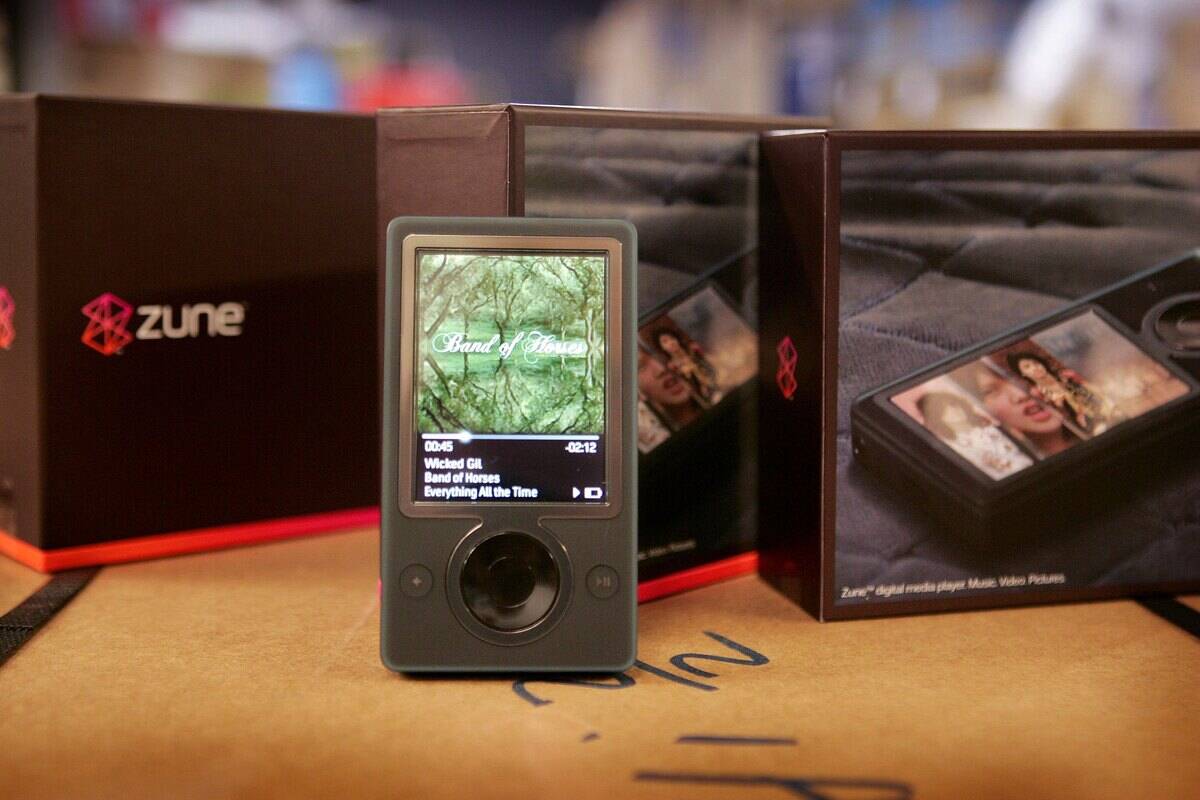
Launched in 2006, the Microsoft Zune aimed to challenge Apple’s iPod with unique features like wireless sharing and a subscription service. Despite its stylish design and user-friendly interface, the Zune struggled to gain traction in a market dominated by the iPod’s massive ecosystem.
By 2011, Microsoft discontinued the Zune, leaving it as a footnote in tech history, remembered by a dedicated fan base who appreciated its potential.
Google Glass: Ahead of Its Time or Just Misunderstood?
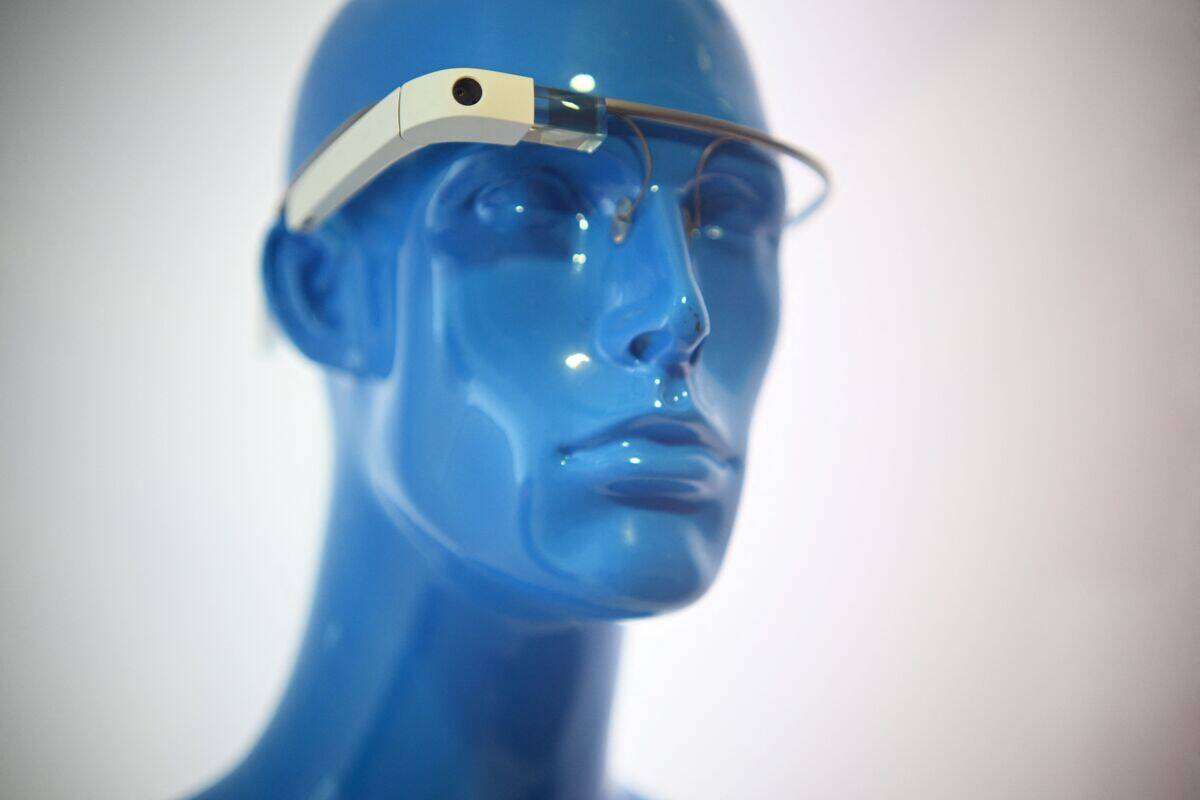
Google Glass was unveiled in 2013 with much fanfare, promising a futuristic world of augmented reality right before our eyes. Although it boasted impressive technology, including a built-in camera and hands-free operation, privacy concerns and high costs hampered its acceptance.
By 2015, Google had halted consumer sales, leaving Glass as a symbol of ambition that couldn’t quite connect with the mainstream, sparking debates about when society will be ready for such innovation.
The Floppy Disk: From Cutting-Edge to Obsolete

Once a staple of computing, the floppy disk was introduced in the 1970s by IBM, revolutionizing data storage with its portability and ease of use. These disks became synonymous with personal computing, but as software grew more complex, their limited storage capacity became a hindrance.
By the late 1990s, CDs and USB drives rendered floppy disks obsolete, but their iconic design still evokes nostalgia for early tech enthusiasts.
The Segway: A Two-Wheeled Dream That Never Rolled Out

When the Segway was introduced in 2001, it was hailed as a revolutionary personal transport device that could change urban mobility. With its self-balancing technology and eco-friendly design, expectations soared.
However, high costs and regulatory hurdles stunted its widespread adoption. Despite finding niche markets in tourism and security, the Segway never became the ubiquitous city vehicle it aspired to be, eventually ceasing production in 2020.
The Concorde: Supersonic Travel’s Fleeting Moment
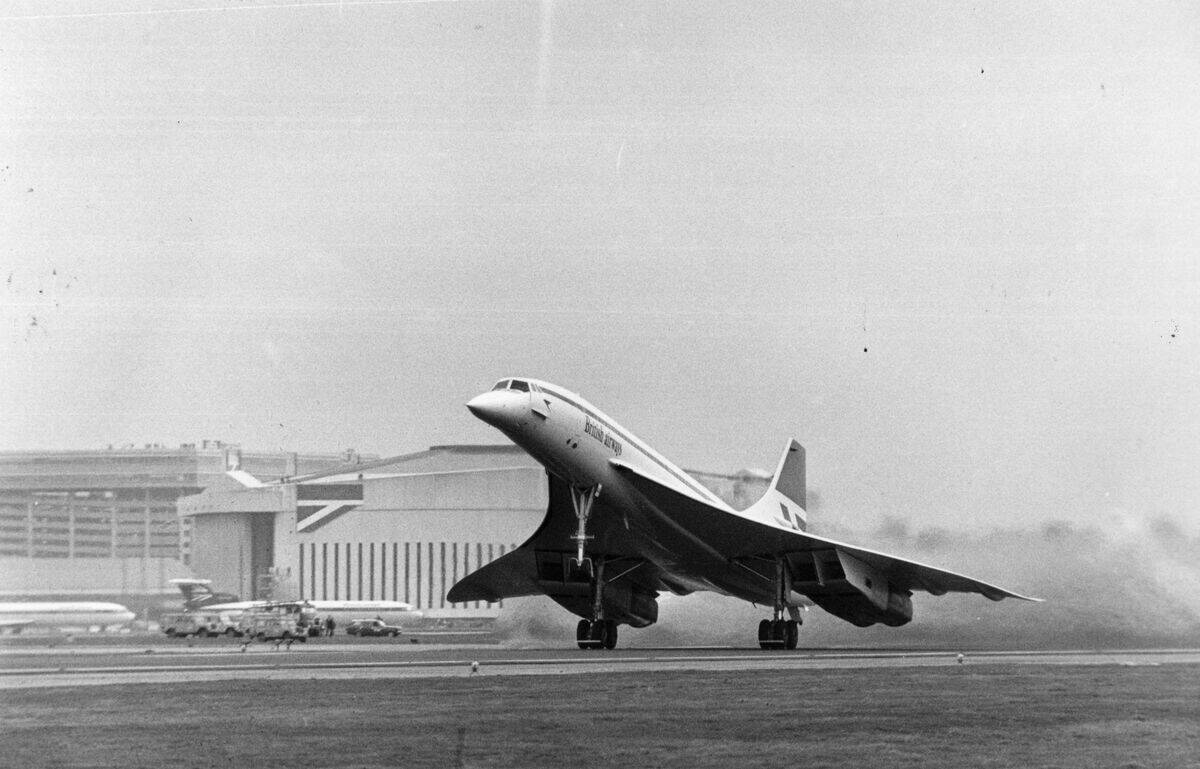
The Concorde, a marvel of aeronautical engineering, took to the skies in 1969, promising supersonic travel between continents. It cut flight times in half, offering a luxurious and fast transatlantic experience.
However, high operational costs, noise restrictions, and a tragic accident in 2000 led to its retirement in 2003. Today, Concorde is remembered as a symbol of speed and luxury, a testament to human ambition and the complexities of commercial aviation.
Myspace: The Social Media Pioneer That Lost Its Way

In the early 2000s, Myspace was the ultimate online destination, a platform that allowed users to personalize their profiles and connect with friends. Its emphasis on music and creativity attracted millions, but as Facebook emerged with a cleaner interface and real-name policy, Myspace struggled to keep pace.
By 2011, it had lost its status as a social media leader, though it remains a nostalgic memory of the internet’s formative years.
Virtual Boy: Nintendo’s Red and Black Misstep

Nintendo’s Virtual Boy, launched in 1995, was an ambitious attempt at bringing virtual reality to the gaming market. With its distinctive red and black graphics and stereoscopic 3D effects, it was unlike anything else.
However, it was plagued by a limited game library and reports of eye strain, leading to its discontinuation within a year. While a commercial flop, the Virtual Boy remains a curious chapter in gaming history, highlighting the challenges of early VR technology.
Palm Pilots: The Precursor to the Smartphone Era
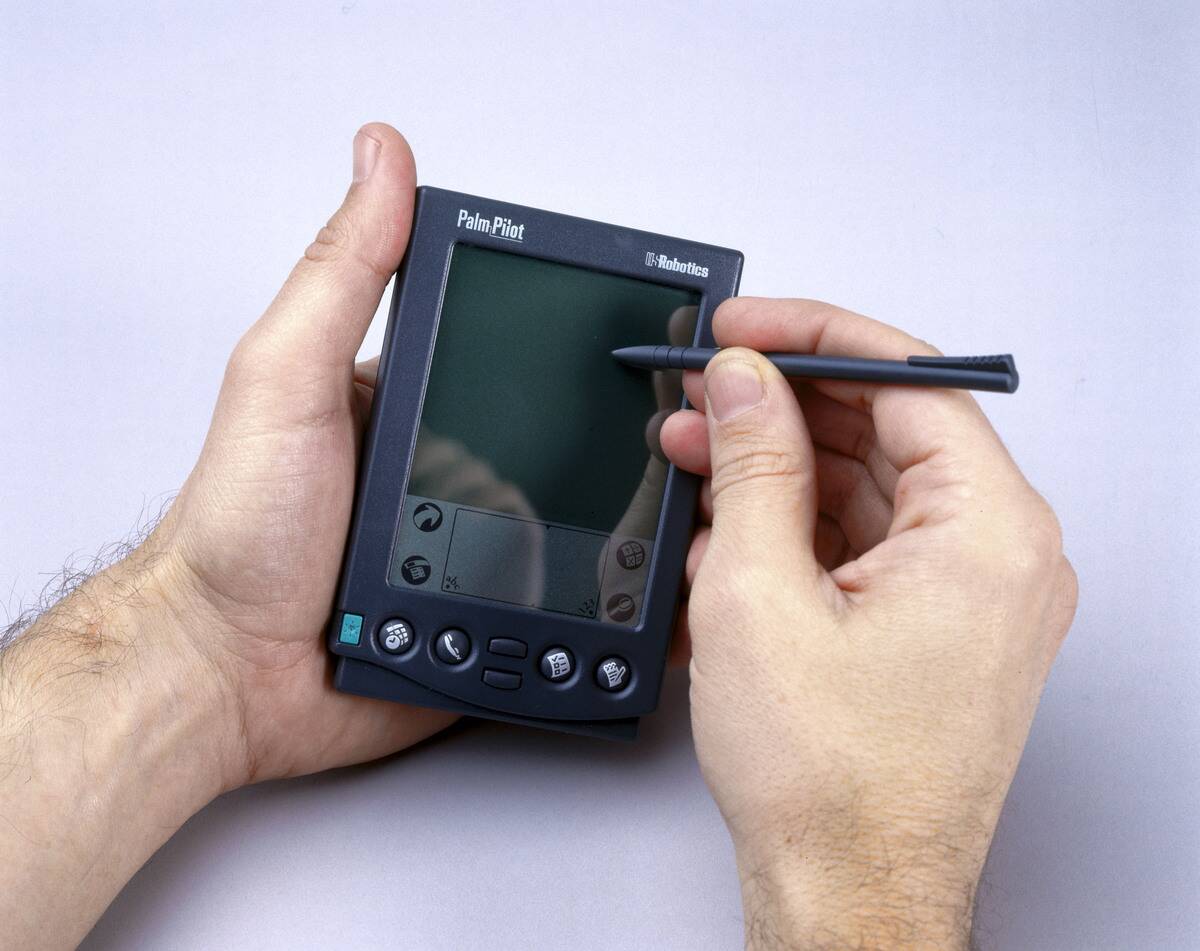
In the late 1990s, Palm Pilots emerged as cutting-edge personal digital assistants (PDAs), offering a handheld solution for managing contacts, calendars, and notes. Their intuitive interface and portability made them a hit among professionals.
However, as mobile phones began integrating similar features, Palm Pilots struggled to stay relevant. By the mid-2000s, they were overtaken by smartphones, yet their influence on mobile computing is undeniable.
The Sinclair C5: A Futuristic Flop on Three Wheels
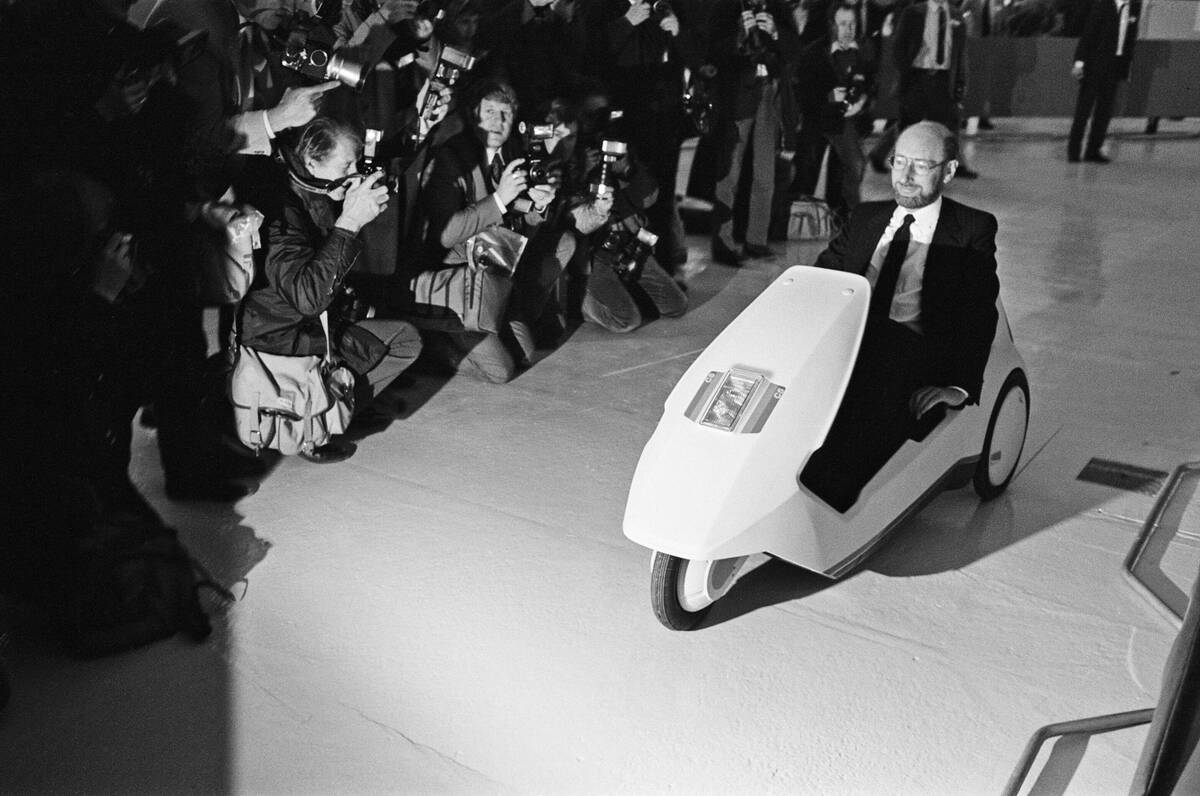
The Sinclair C5, launched in 1985, was envisioned as an electric vehicle revolution, offering an affordable, eco-friendly alternative for short commutes. With its distinctive three-wheel design, it captured public imagination but failed in execution.
Limited range, safety concerns, and British weather made it impractical, leading to its quick demise. Though commercially unsuccessful, the C5 is a fascinating example of early attempts at sustainable transportation.
The Fax Machine: An Office Staple That’s Becoming Extinct
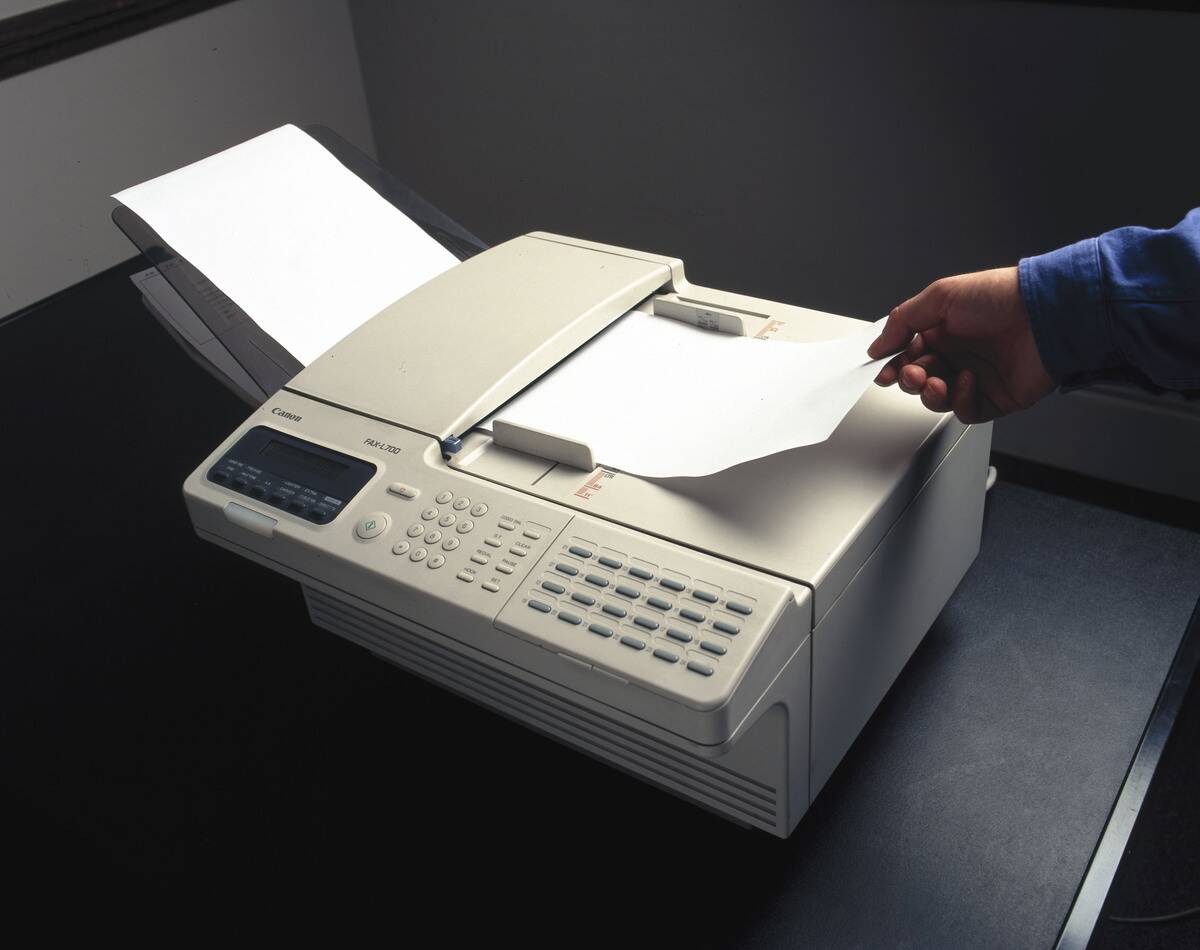
Fax machines, once the backbone of office communication, allowed for the rapid transmission of documents over phone lines. Introduced in the 1960s, they became ubiquitous by the 1980s, revolutionizing business operations.
However, as email and digital document sharing became the norm, the need for fax machines dwindled. Today, they are rare, mostly surviving in niche industries, but their legacy in transforming communication remains significant.
BlackBerry: The Smartphone that Dethroned Itself
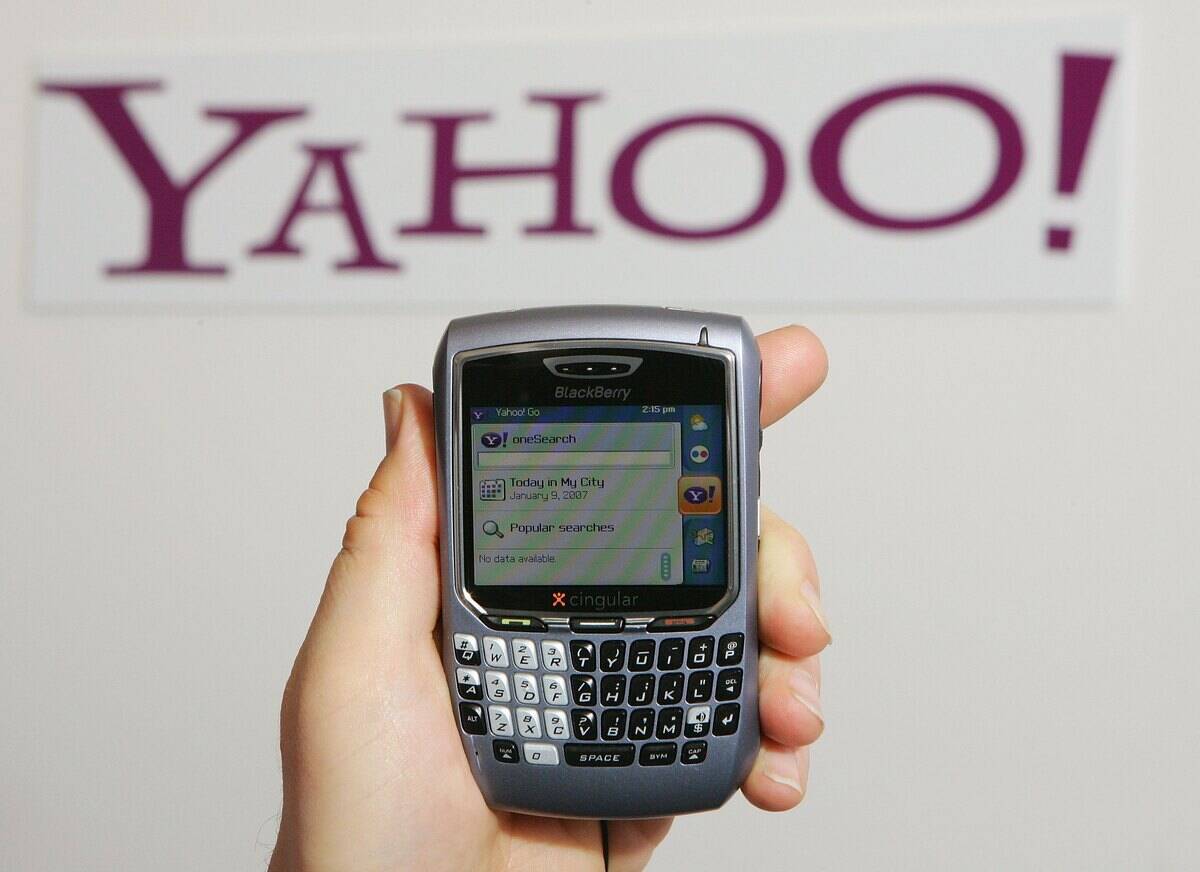
BlackBerry phones, known for their physical keyboards and robust security, dominated the smartphone market in the early 2000s. Business professionals adored them for their email capabilities and reliability.
However, as iPhone and Android introduced touchscreens and app ecosystems, BlackBerry struggled to innovate. By the mid-2010s, it had lost its stronghold, transitioning to software solutions. The BlackBerry story is a reminder of the rapid evolution in mobile technology.
The Hoverboard Craze: A Short-Lived Glimpse into the Future

Hoverboards, which gained popularity around 2015, captivated the public with their futuristic appeal and ease of use. Despite their name, these self-balancing scooters didn’t actually hover but offered a novel riding experience.
Safety concerns, including reports of batteries catching fire, quickly overshadowed their fun factor, leading to recalls and stricter regulations. While the craze was brief, hoverboards sparked interest in personal electric transport, hinting at future innovations.
Netscape Navigator: The Internet Browser Pioneer
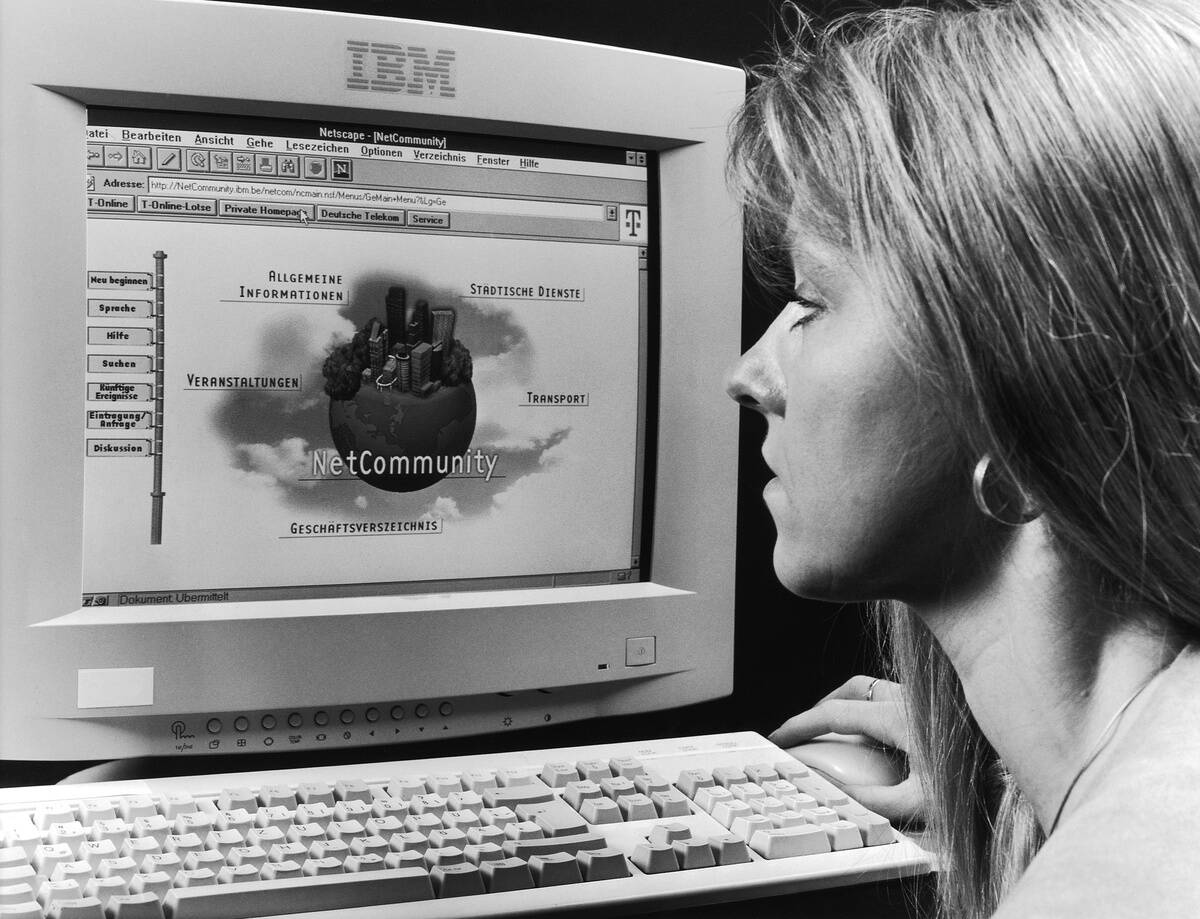
Netscape Navigator, launched in 1994, was a trailblazer in the early days of the internet, offering users an intuitive way to explore the web. Its rapid success set the stage for the browser wars, but competition from Microsoft’s Internet Explorer, which was bundled with Windows, led to its decline.
By the early 2000s, Netscape had faded, but its impact on web development and internet accessibility remains foundational.
Polaroid Cameras: Instant Photography Before Instagram
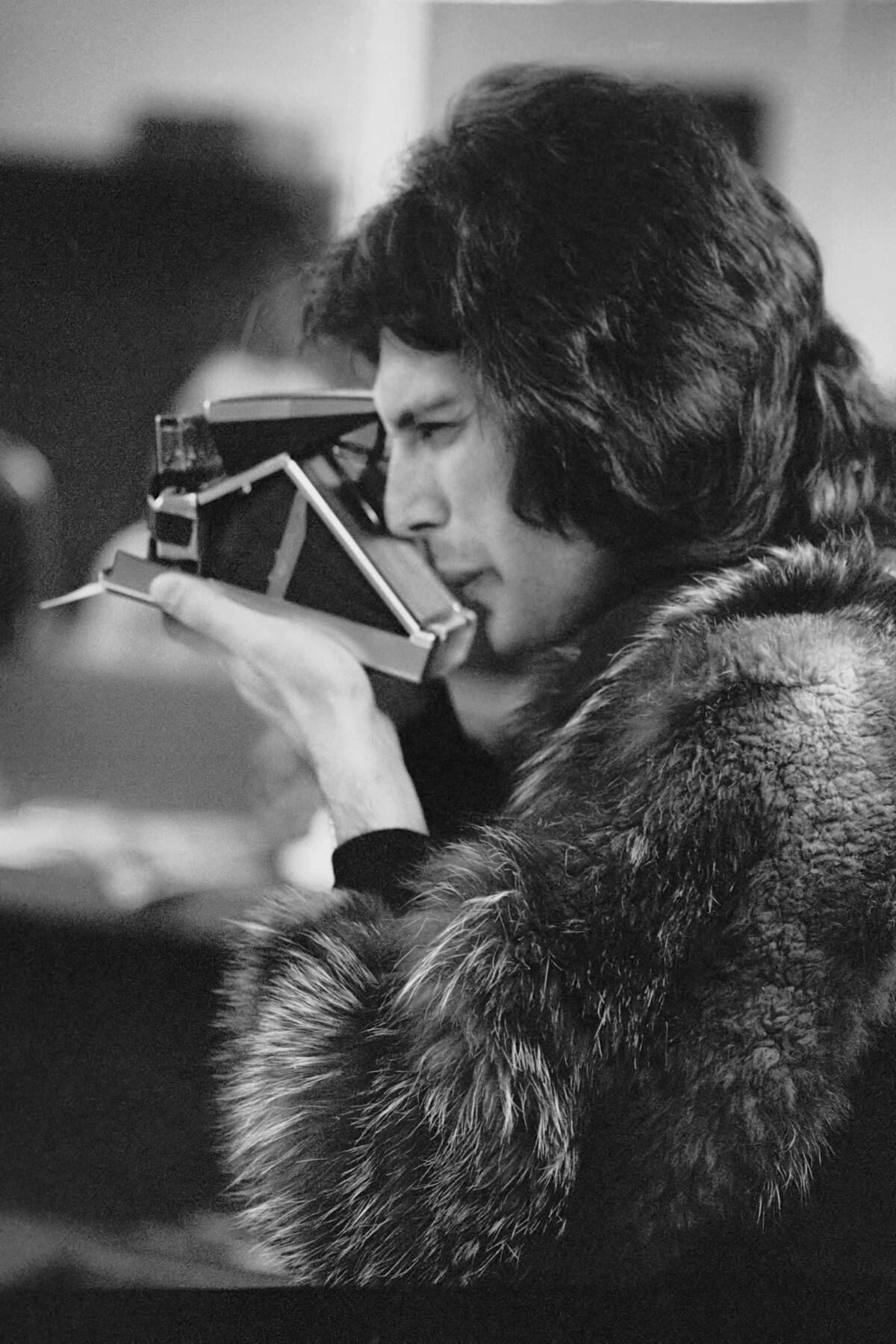
Polaroid cameras, synonymous with instant photography, allowed users to capture and print photos within moments. Introduced in the 1940s, they became cultural icons, celebrated for their spontaneity and creativity.
However, the rise of digital photography in the 2000s diminished their appeal. Despite this, Polaroid has seen a revival in recent years, embraced by those seeking a tactile and nostalgic photographic experience in a digital world.
The Clamshell Phone: Flip Phones and Their Surprising Comeback
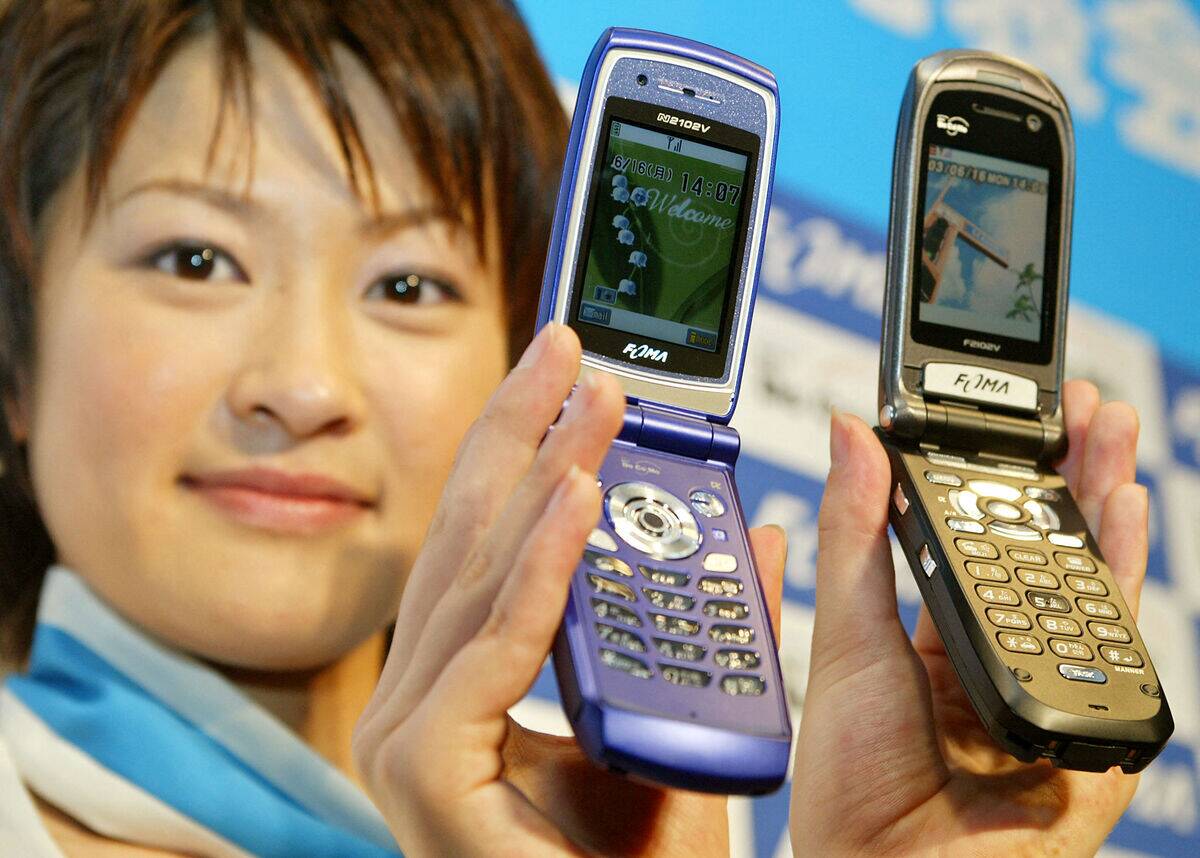
Clamshell phones, or flip phones, were the height of mobile fashion in the late 1990s and early 2000s, offering compact design and satisfying tactile feedback. As smartphones took over, flip phones seemed destined for obsolescence.
Yet, they have seen a resurgence recently, appealing to those seeking simplicity and nostalgia. Modern versions incorporate smart features while retaining their classic design, proving that sometimes, old favorites can find new life.




