Inventors who failed repeatedly before world-changing success
In a world where innovation is key to progress, the stories of those who persevered through countless failures are truly inspiring. These tales remind us that success often comes after a series of setbacks.
Whether it’s in technology, art, or business, the journey is often as important as the destination. Each of these pioneers faced obstacles that would have made many give up, yet they pushed forward, leaving a legacy of determination and ingenuity.
Thomas Edison: The Light Bulb Moment After 1,000 Tries
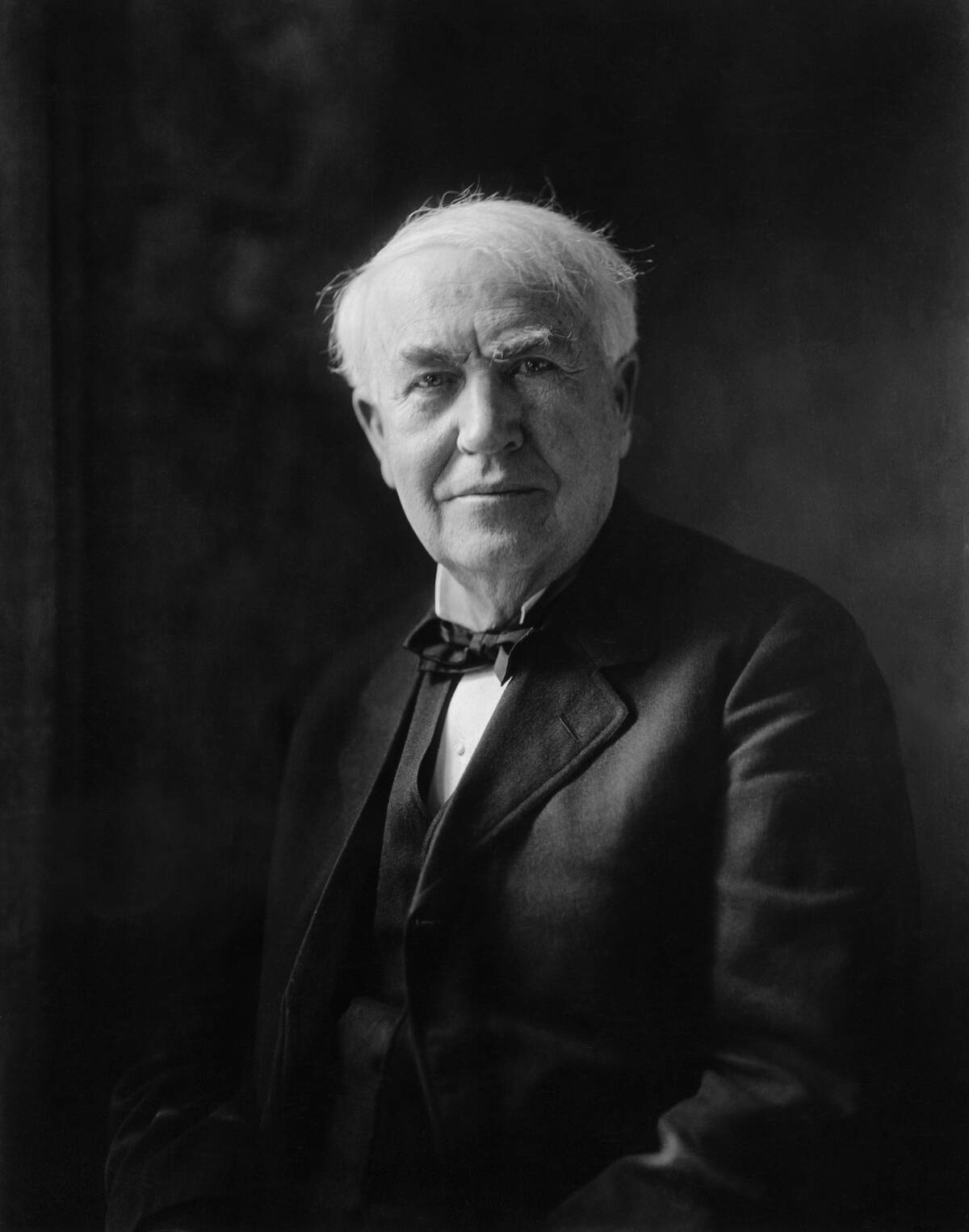
Thomas Edison, one of the most prolific inventors in history, famously said, “I have not failed. I’ve just found 10,000 ways that won’t work.” His relentless experimentation eventually led to the creation of the electric light bulb.
Despite facing numerous setbacks, Edison’s unwavering dedication to his work proved that perseverance is key to breakthroughs, illuminating not just homes but the path to modern innovation.
James Dyson: The 5,126 Prototypes That Led to Success
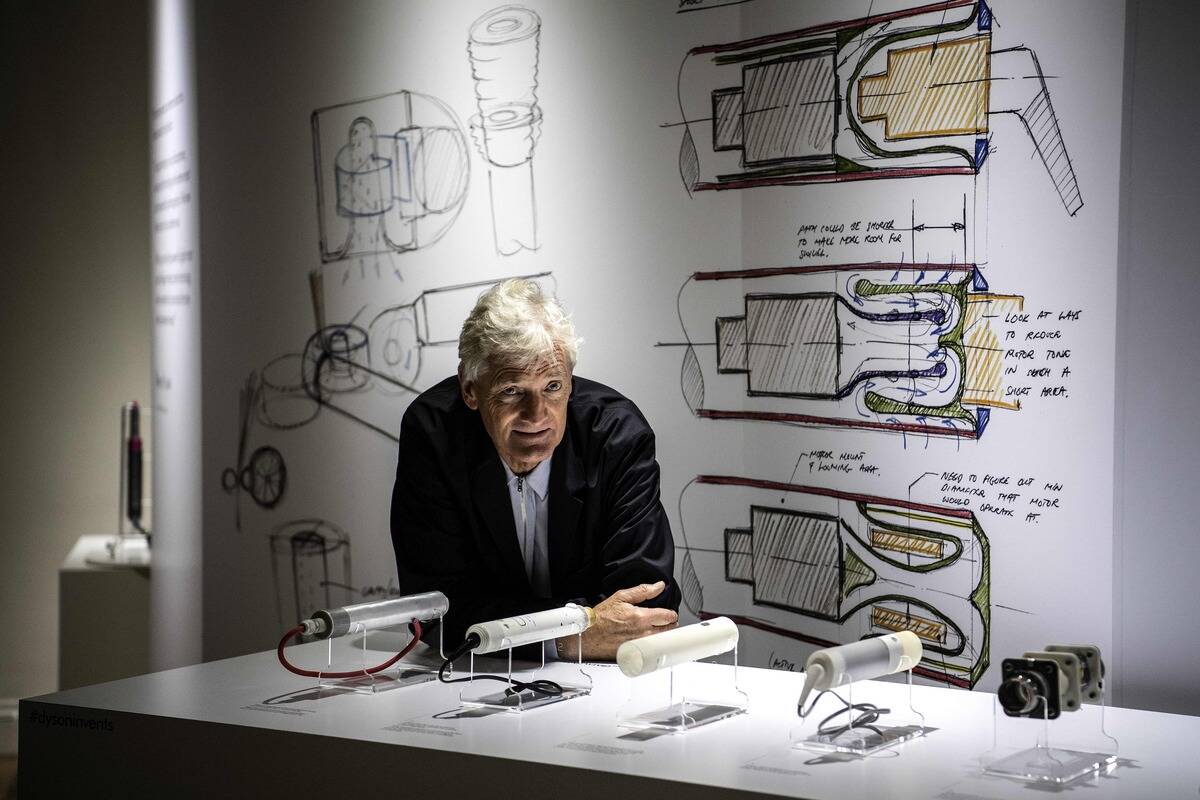
James Dyson’s journey to inventing the bagless vacuum cleaner was anything but smooth. After 5,126 prototypes and several years of trial and error, Dyson finally achieved the perfect design.
His story is a testament to the idea that persistence pays off, and his innovative vacuum cleaner revolutionized the home appliance industry, proving that determination can turn frustration into functionality.
Henry Ford: The Failures That Paved the Way for the Model T
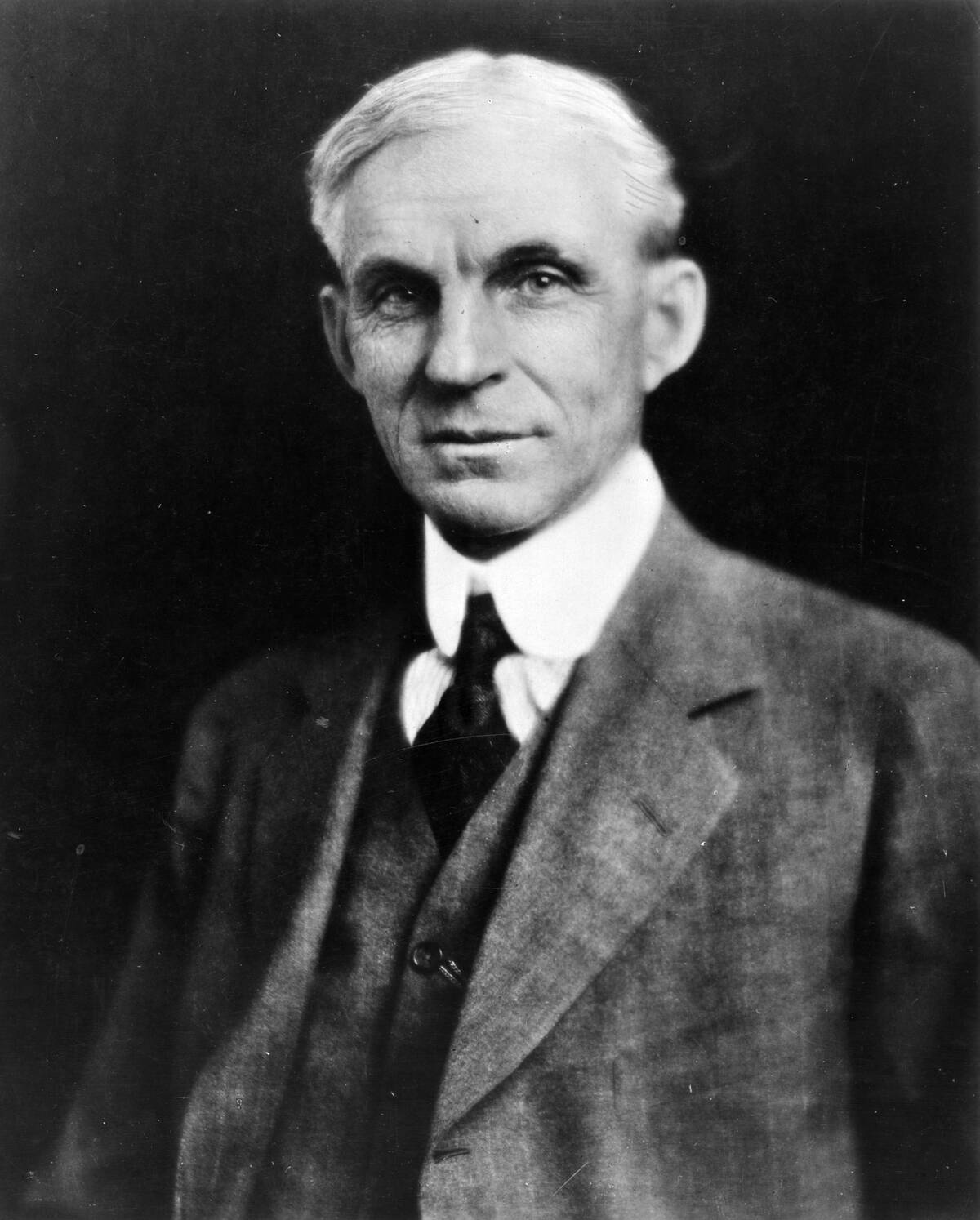
Henry Ford’s early ventures, including two failed automotive companies, taught him valuable lessons that led to the success of the Model T. His innovative assembly line method revolutionized manufacturing, making cars affordable for the masses.
Ford’s story is a perfect illustration of how learning from failures can fuel future success, transforming not just an industry but society itself.
Walt Disney: From Bankruptcy to Building a Magic Kingdom
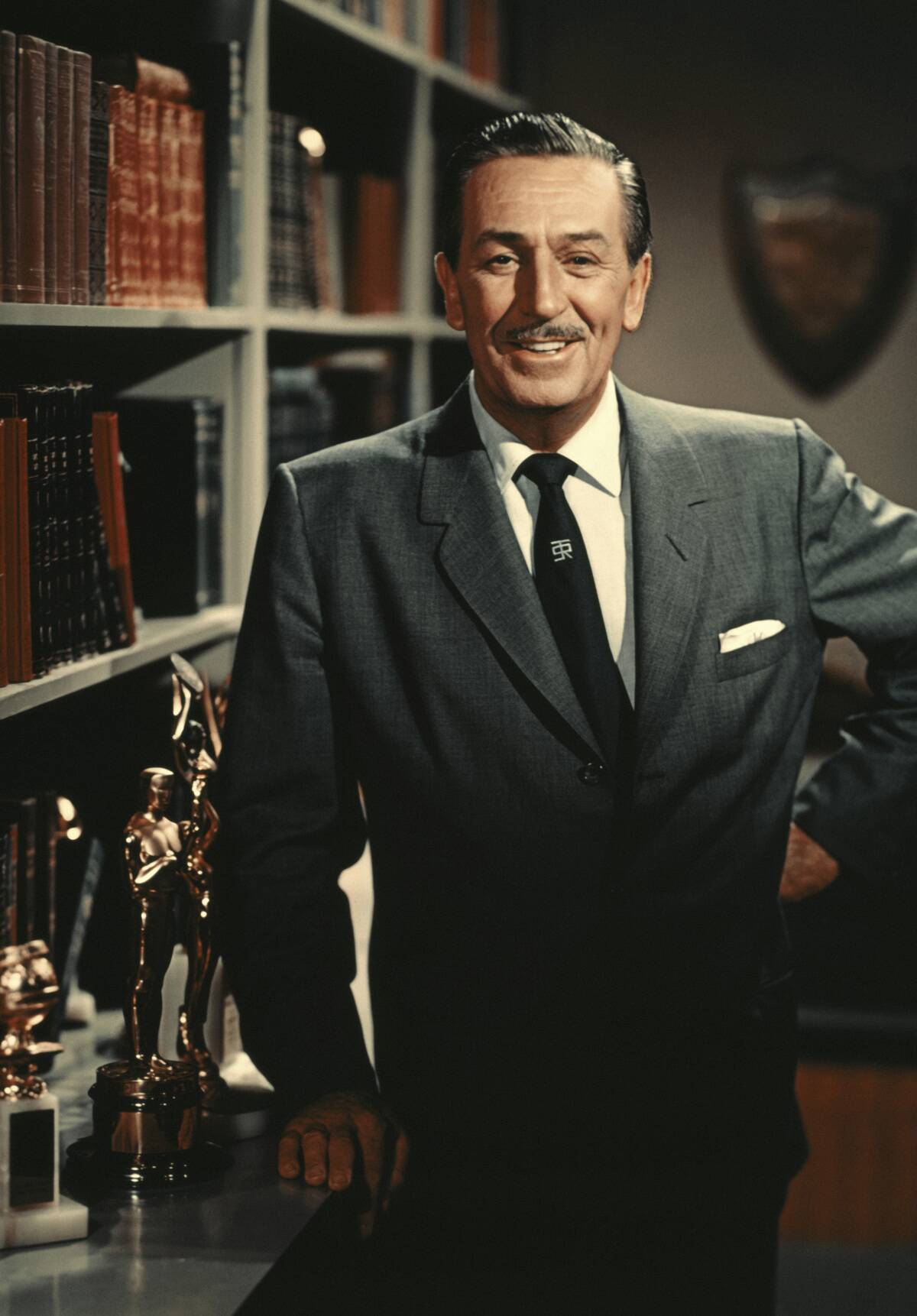
Walt Disney faced numerous financial struggles, including bankruptcy, before creating the magical empire we know today. His vision for animated films and theme parks was initially met with skepticism, but Disney’s unwavering belief in his dreams led to the creation of beloved characters and enchanting worlds.
His legacy is a testament to the power of imagination and determination in overcoming adversity.
Steve Jobs: The Comeback Kid of Silicon Valley

Steve Jobs’ journey with Apple was marked by dramatic highs and lows, including being ousted from the company he co-founded. His return to Apple in 1997 marked a turning point, leading to groundbreaking products like the iPhone and iPad.
Jobs’ story is a powerful example of how resilience and innovation can transform setbacks into a triumphant comeback, reshaping the tech industry in the process.
Colonel Sanders: From Frustrated Salesman to Fried Chicken Icon
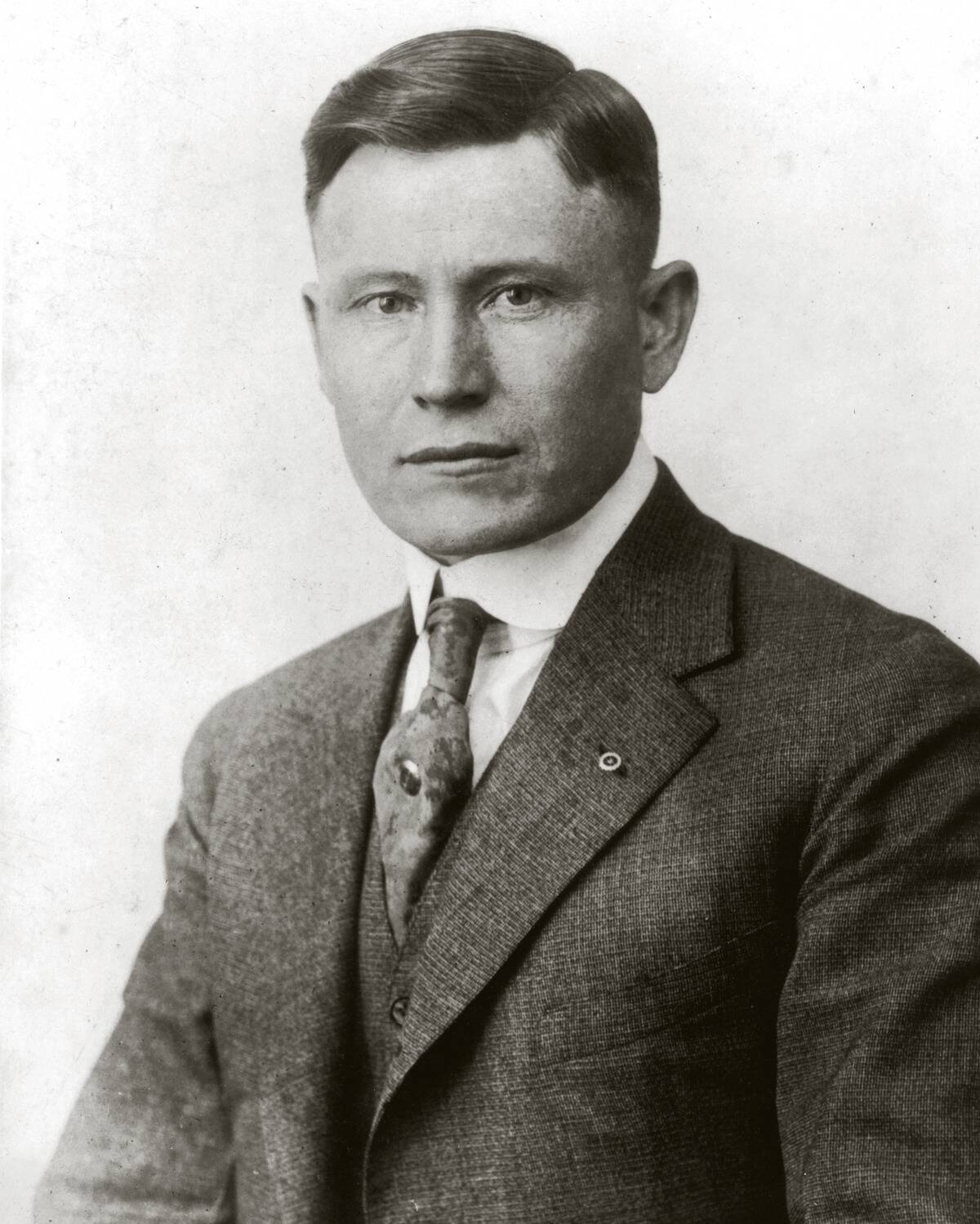
Colonel Harland Sanders faced numerous rejections when trying to sell his fried chicken recipe to restaurants. At the age of 65, after facing countless refusals, he finally found success, leading to the creation of the Kentucky Fried Chicken empire. Sanders’ story is a reminder that it’s never too late to start anew, and that perseverance can turn a simple recipe into a worldwide sensation.
The Wright Brothers: Numerous Crashes Before Soaring Success
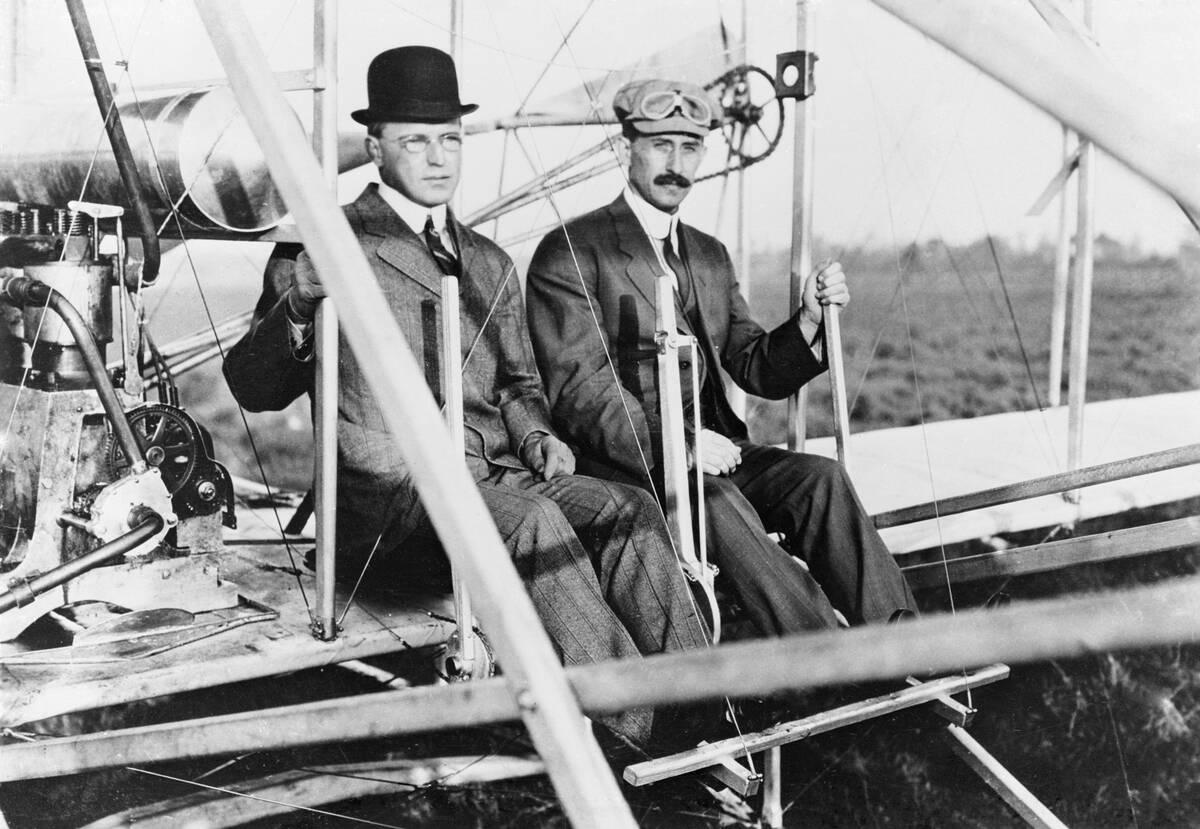
The Wright brothers, Orville and Wilbur, endured multiple failed attempts before achieving the first powered flight. Their dedication to understanding aerodynamics and mechanics eventually paid off, marking a milestone in aviation history.
The Wright brothers’ story highlights the importance of persistence and experimentation in achieving what was once thought impossible, forever changing the way we travel.
Alexander Graham Bell: From Failed Inventions to the Telephone
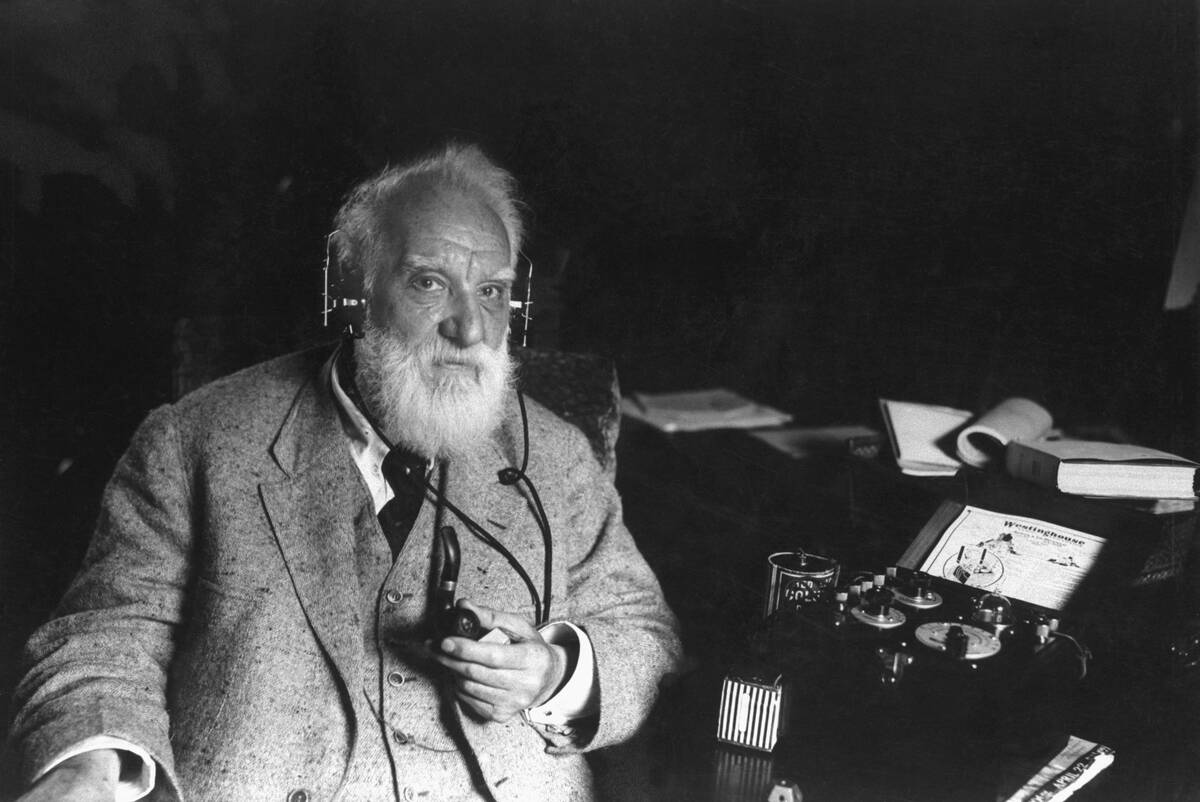
Alexander Graham Bell’s journey to invent the telephone was paved with numerous failed inventions. Despite these setbacks, Bell’s commitment to improving communication technology led to the first successful transmission of clear speech.
His story demonstrates how dedication and the willingness to learn from failure can lead to groundbreaking innovations that connect people across the globe.
Vincent van Gogh: Posthumous Fame After a Lifetime of Struggles
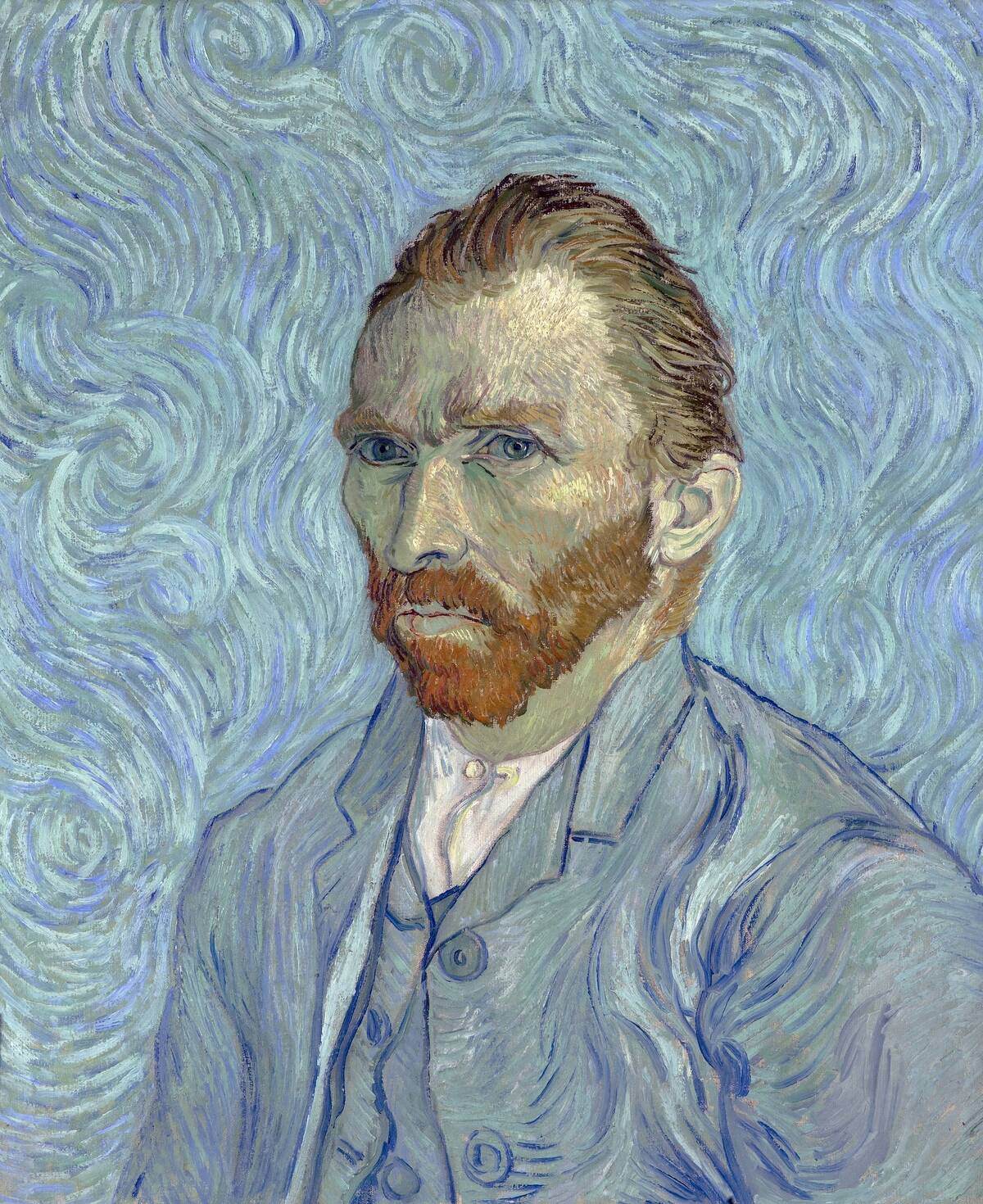
Vincent van Gogh, now celebrated as a master painter, struggled with mental health issues and financial hardship throughout his life. Despite selling only a few paintings, his passion for art never waned.
Van Gogh’s posthumous fame serves as a poignant reminder that recognition may come long after one’s lifetime, and that true artistry is driven by passion rather than immediate success.
R.H. Macy: The Retail Empire Built on Seven Failed Ventures
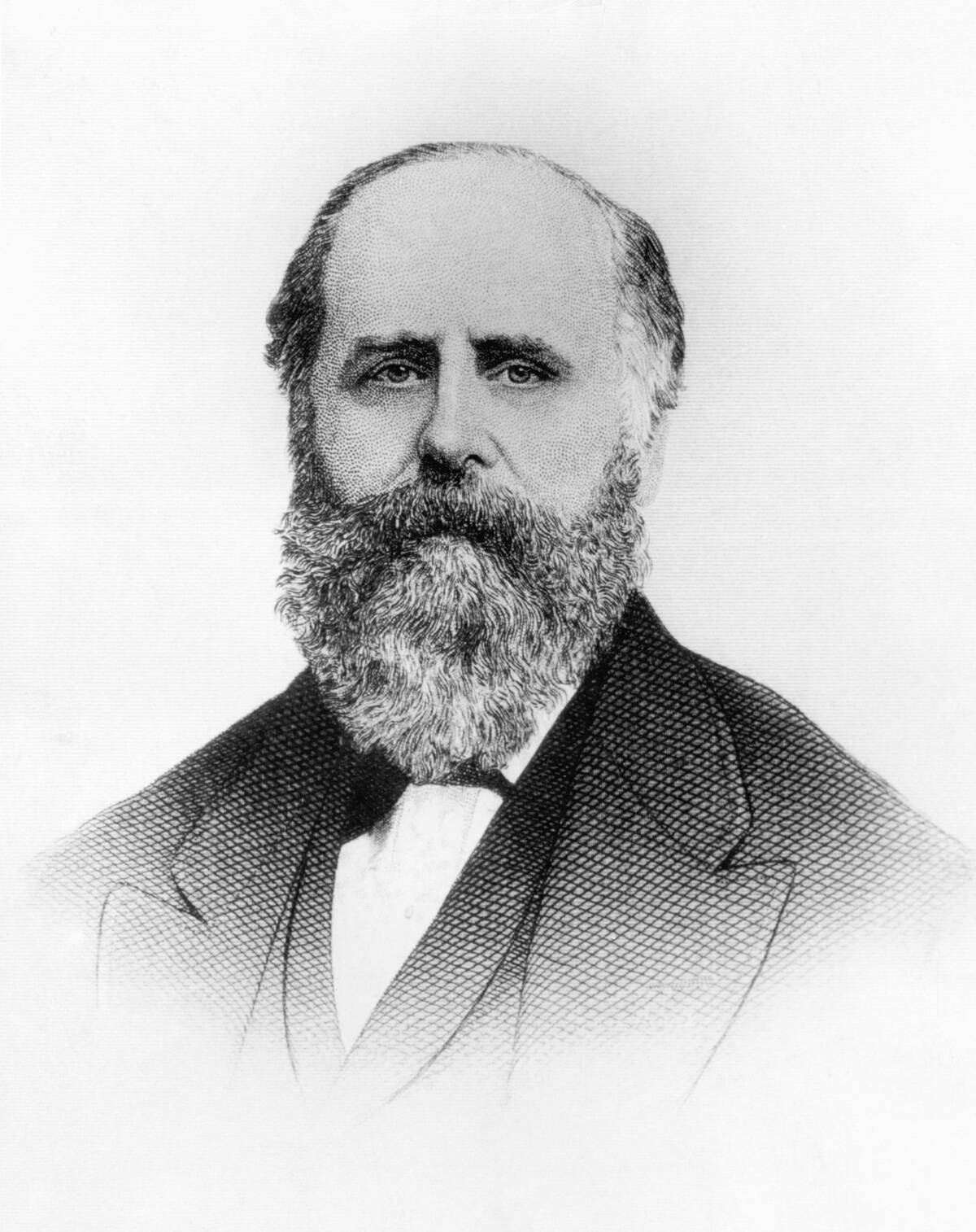
R.H. Macy’s journey to retail success was marked by a series of failed business ventures. However, with each setback, Macy learned valuable lessons that eventually led to the founding of Macy’s department store.
His story exemplifies the importance of perseverance and adaptation in the face of failure, ultimately building a retail empire that became a cornerstone of American shopping culture.
Isaac Newton: The Alchemist’s Journey to Scientific Greatness
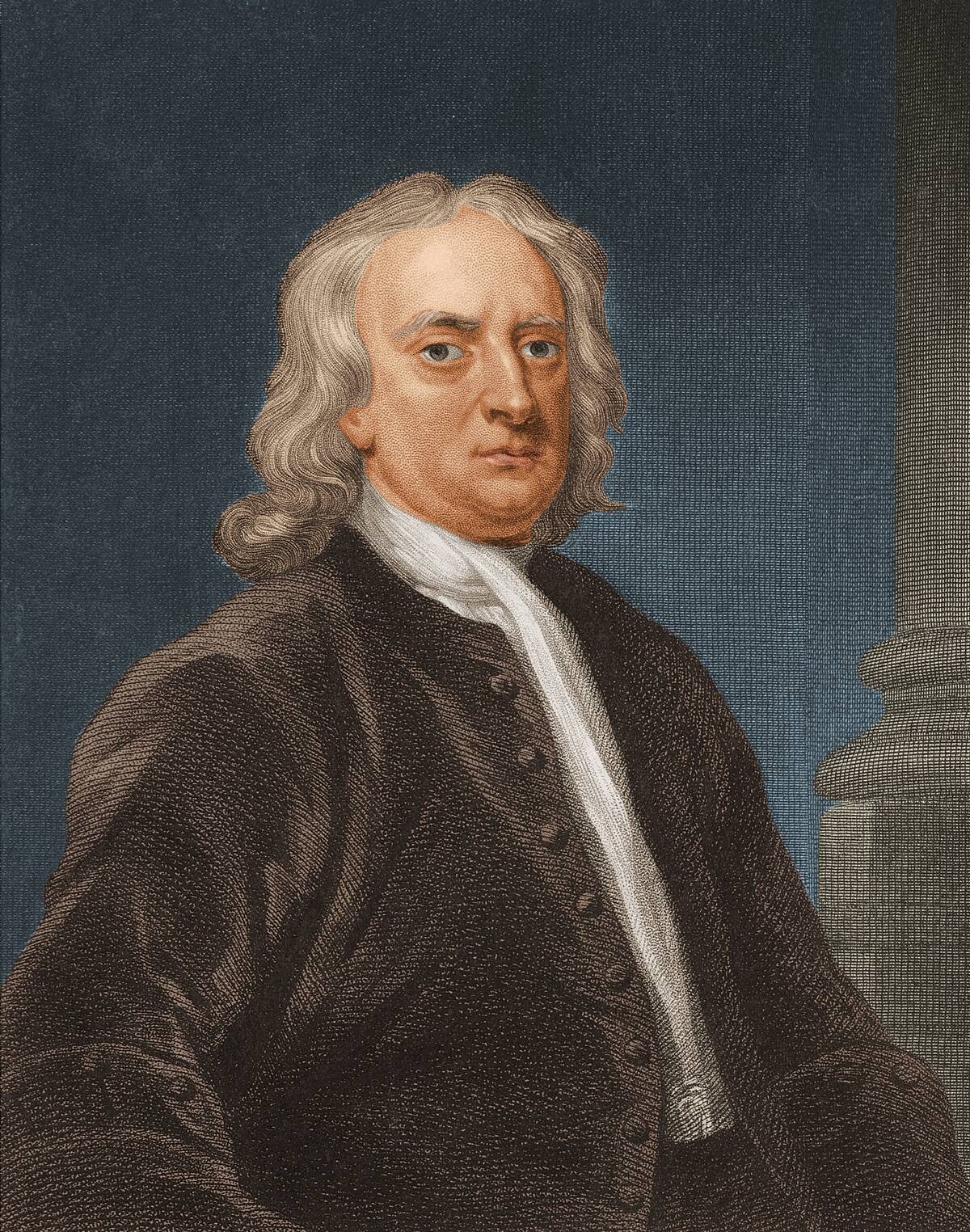
Isaac Newton, known for his laws of motion and gravity, also spent years studying alchemy, a pursuit that did not produce the outcomes he sought. Yet, his curiosity and methodical approach to understanding the world laid the foundation for modern physics.
Newton’s journey illustrates how diverse interests and a willingness to explore can lead to monumental breakthroughs, shaping the scientific landscape for centuries.
Soichiro Honda: From Rejected Engineer to Automotive Innovator
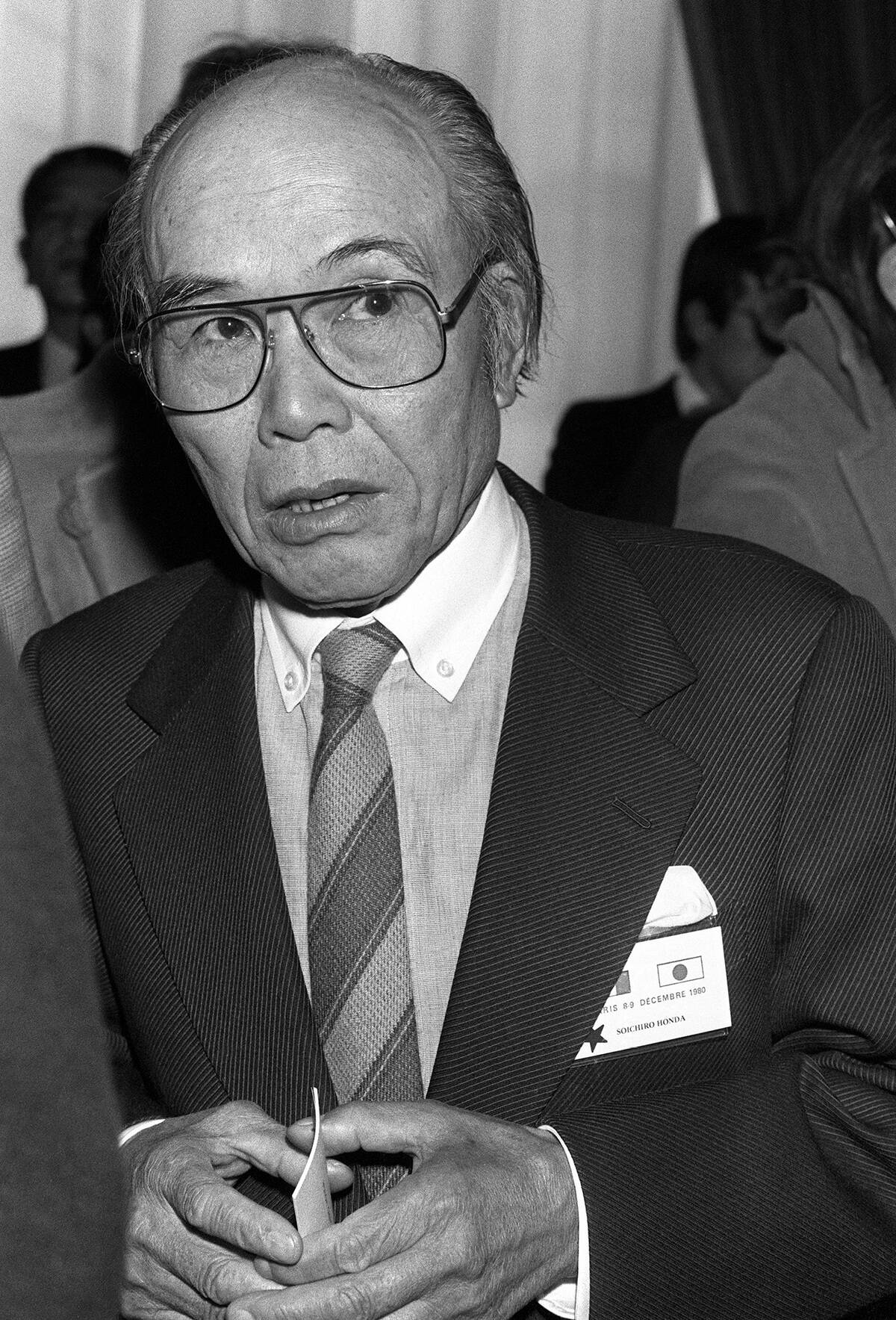
Soichiro Honda attempted to become a parts supplier to Toyota, but his piston ring designs were initially rejected for failing to meet quality standards. After further study and refinement, he improved his engineering skills, later founding Honda Motor Co., which grew into a global automotive leader.
Honda’s story is a testament to the power of resilience and innovation, showing how an engineer’s passion and perseverance can overcome early rejections and transform the automotive industry.




