Music styles that emerged from trade, conflict, and migration
Music has always been a universal language, transcending boundaries and uniting diverse cultures through its melodic charm. As we embark on this journey, we’ll explore how different music styles have evolved, influenced by historical movements and cultural exchanges.
From the bustling trade routes of ancient times to modern technological advancements, music has continuously adapted and transformed, creating a rich tapestry that connects us all through rhythm and harmony.
Silk Road Sounds: A Fusion of Eastern and Western Melodies
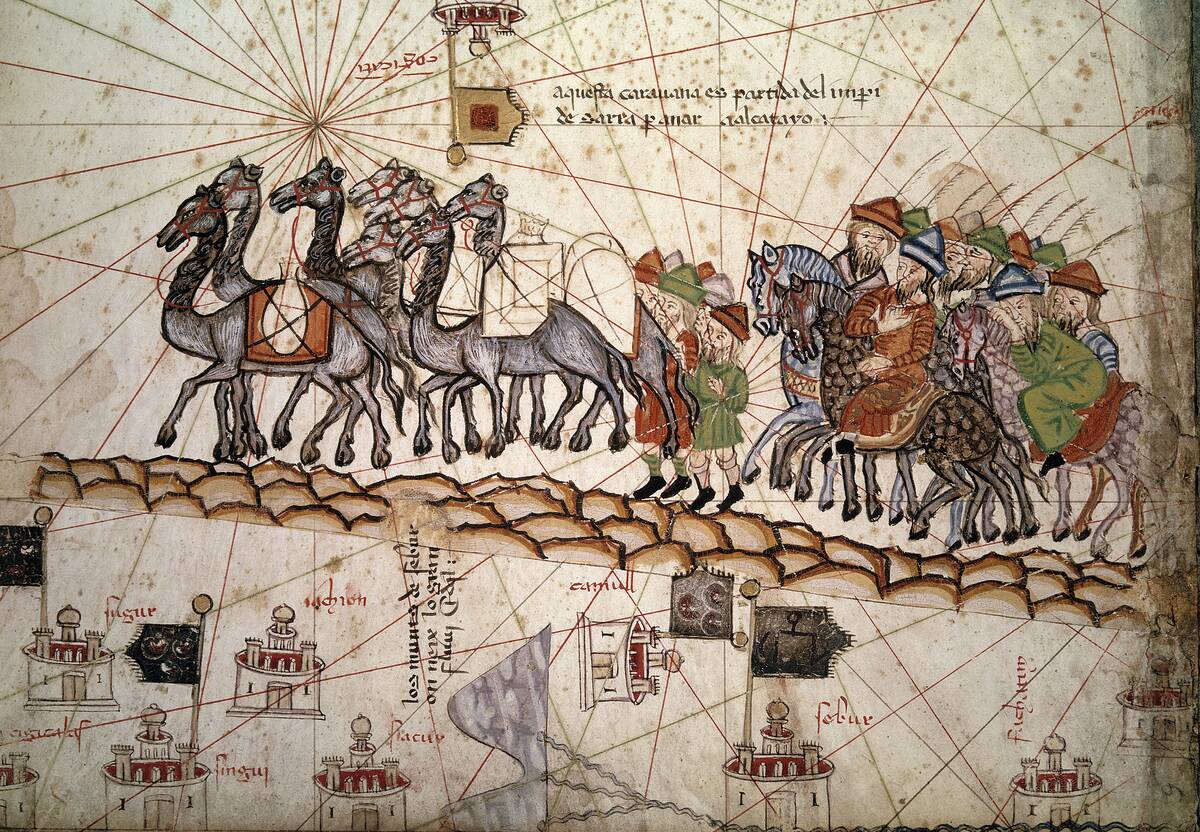
The Silk Road was much more than a pathway for silk and spices; it was a corridor for cultural interaction. As travelers journeyed through Asia and Europe, they carried musical influences with them.
Instruments like the lute traveled westward, while Eastern melodies inspired Western compositions. This fusion birthed new genres, showcasing how interconnected our world has always been through the universal language of music.
The African Diaspora: Rhythms Born from Movement
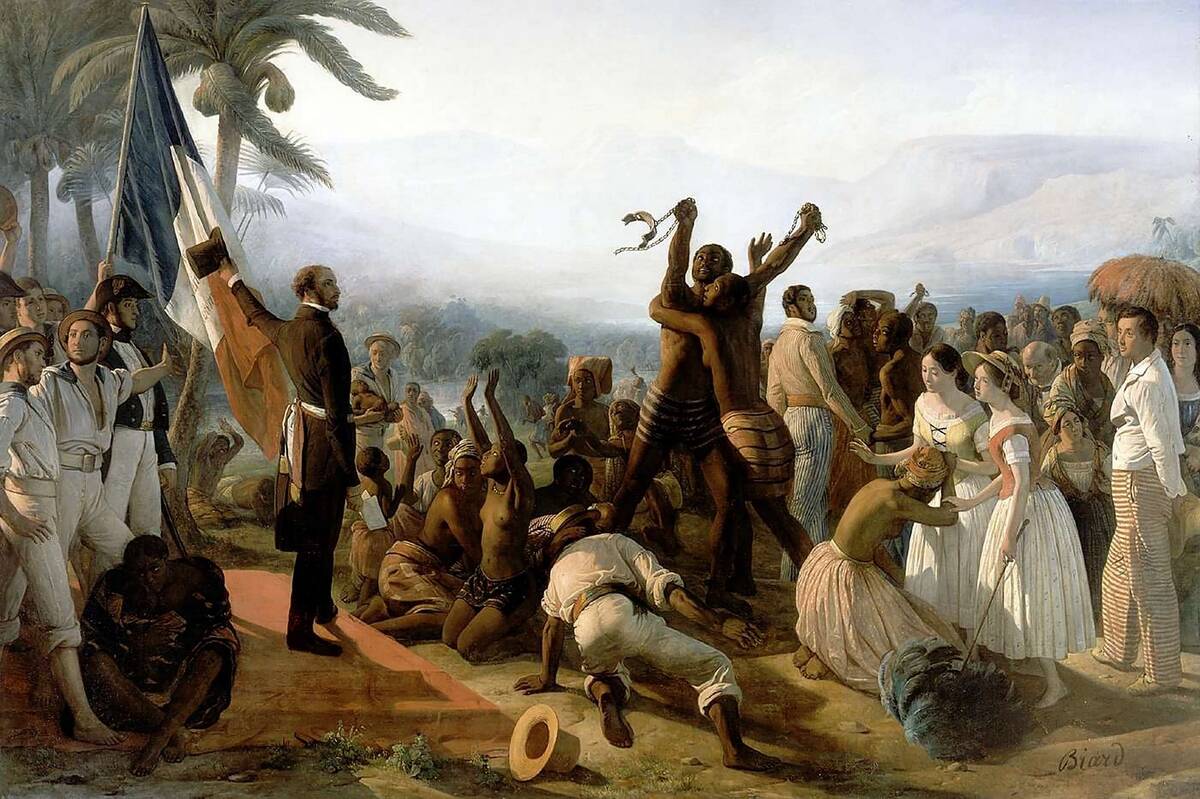
The African diaspora has played a pivotal role in shaping global music, with African rhythms and instruments influencing countless genres. As enslaved Africans were forcibly moved across the globe, they carried their musical traditions with them.
These rhythms laid the foundation for jazz, blues, and gospel, illustrating resilience and cultural preservation. The diaspora’s impact highlights music’s power to transcend adversity and foster new, vibrant styles.
Colonialism and Its Impact on Indigenous Music

Colonialism deeply affected indigenous music, often suppressing native traditions while introducing foreign influences. Indigenous communities found ways to blend their music with colonizers’ styles, resulting in the emergence of new genres.
This cultural melding, though born from oppression, highlights the resilience of indigenous music traditions and their ability to adapt and thrive despite external pressures.
The Jazz Age: A Product of Migration and Cultural Blending
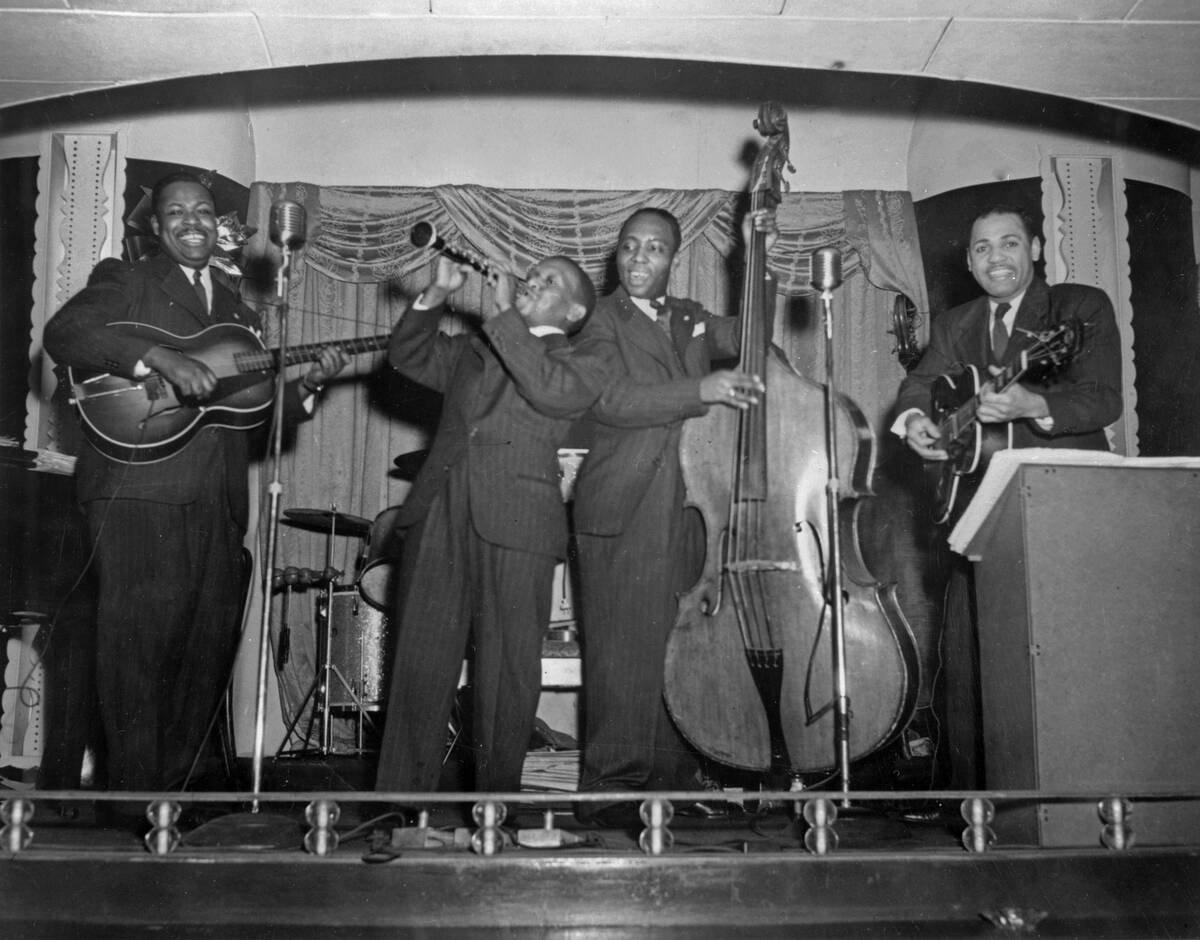
The Jazz Age, a vibrant period of musical innovation, emerged from the cultural melting pot of early 20th-century America. As African Americans migrated from the South to northern cities, they brought jazz with them, blending it with blues and ragtime.
This era saw the rise of iconic musicians and an explosion of creativity, proving that cultural exchange and migration can spark revolutionary artistic movements.
The Role of War in Spreading Musical Styles

Wars have historically played a significant role in spreading musical styles across borders. Soldiers and refugees carried their music with them, introducing it to new regions.
World War I and World War II, for instance, facilitated the global spread of jazz and swing, as American soldiers shared these genres abroad. Despite the turmoil, music acted as a unifying force, transcending the chaos of conflict and creating lasting cultural connections.
Reggae: The Soundtrack of Struggle and Resilience
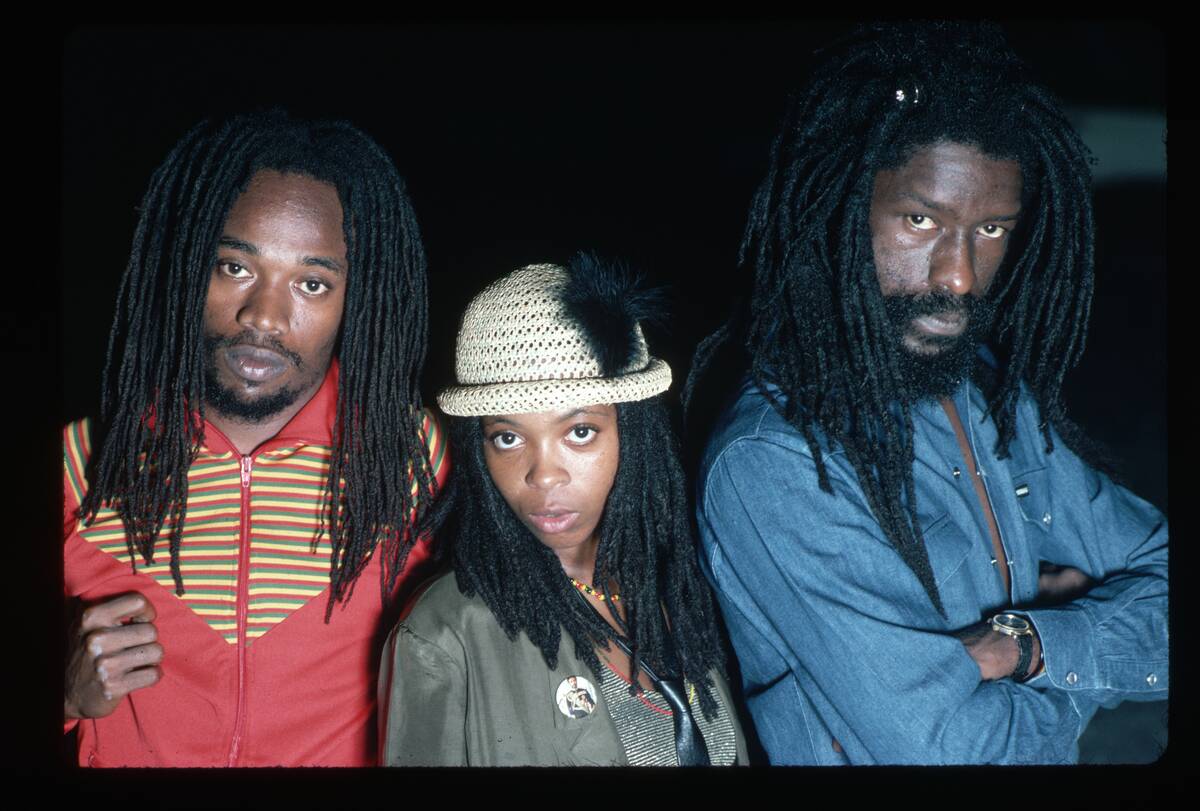
Reggae, born in Jamaica, is a powerful expression of social and political themes, often focusing on struggle and resilience. Influenced by African, Caribbean, and American music, reggae’s distinctive sound has resonated globally.
Its messages of resistance and unity have inspired countless movements, illustrating music’s potential to drive change and foster solidarity across different cultures.
The British Invasion: Music Crossing the Atlantic
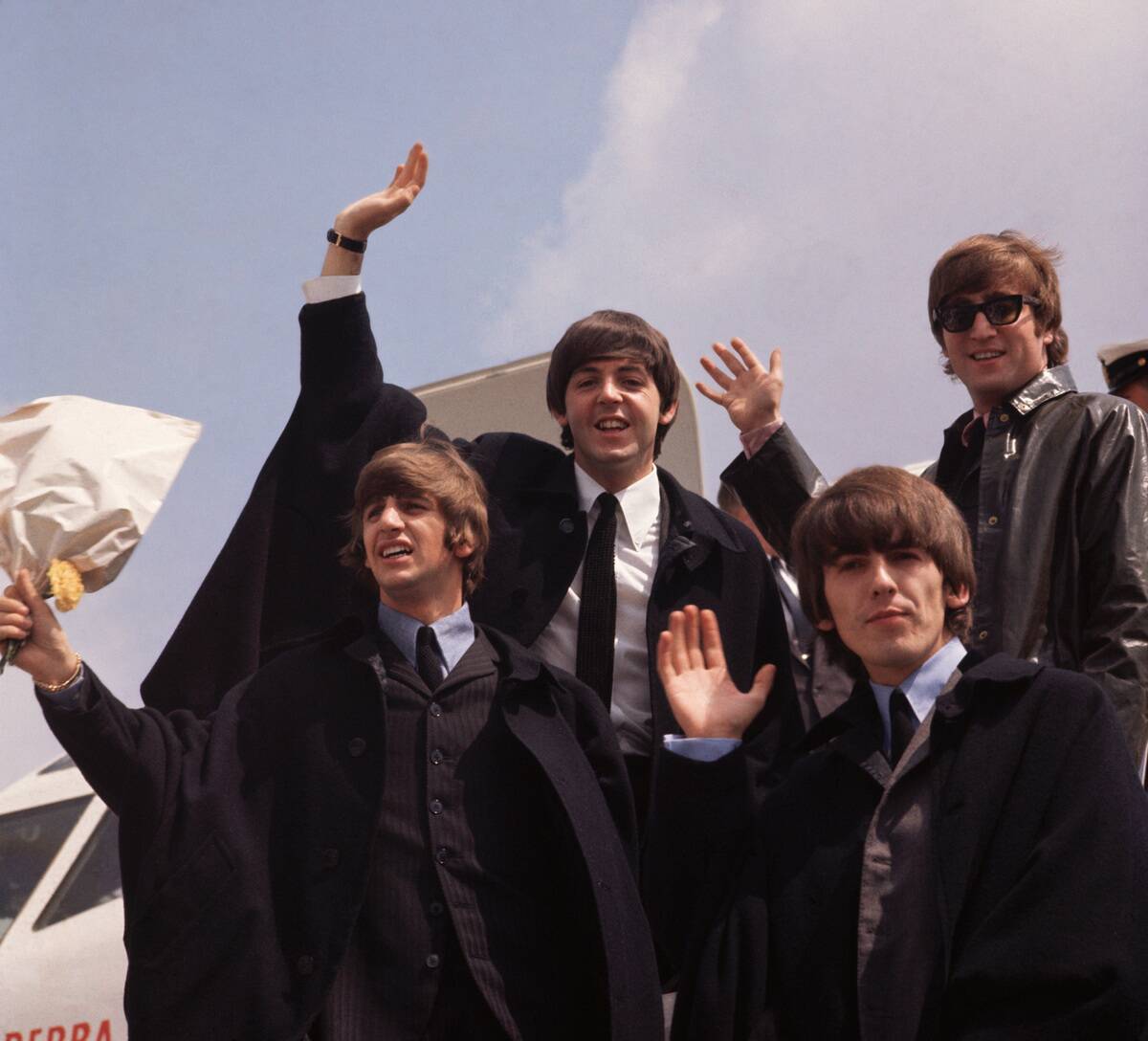
The British Invasion of the 1960s marked a significant cultural shift, with bands like The Beatles and The Rolling Stones introducing British rock to American audiences. This transatlantic exchange fueled musical innovation and expanded rock’s global influence.
The British Invasion underscores music’s ability to cross borders effortlessly, creating a shared cultural experience that continues to resonate with fans worldwide.
Hip Hop: Urban Stories of Migration and Identity
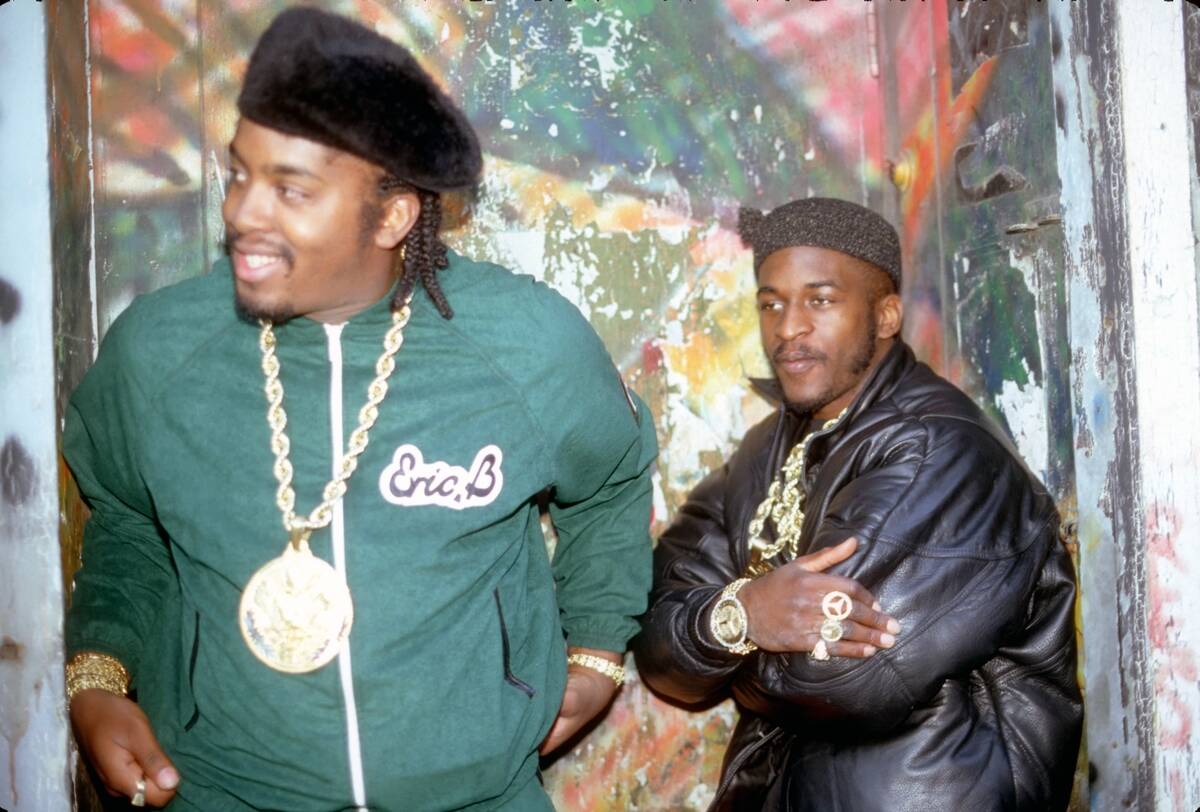
Hip hop emerged from the streets of New York City in the late 1970s, reflecting the urban experiences of African American and Latino communities.
As these communities navigated challenges of migration and identity, hip hop became a powerful platform for storytelling and self-expression. Its global spread highlights music’s role in giving voice to marginalized groups and fostering a shared sense of identity across diverse cultures.
The Tango: A Dance of Immigrants in Argentina
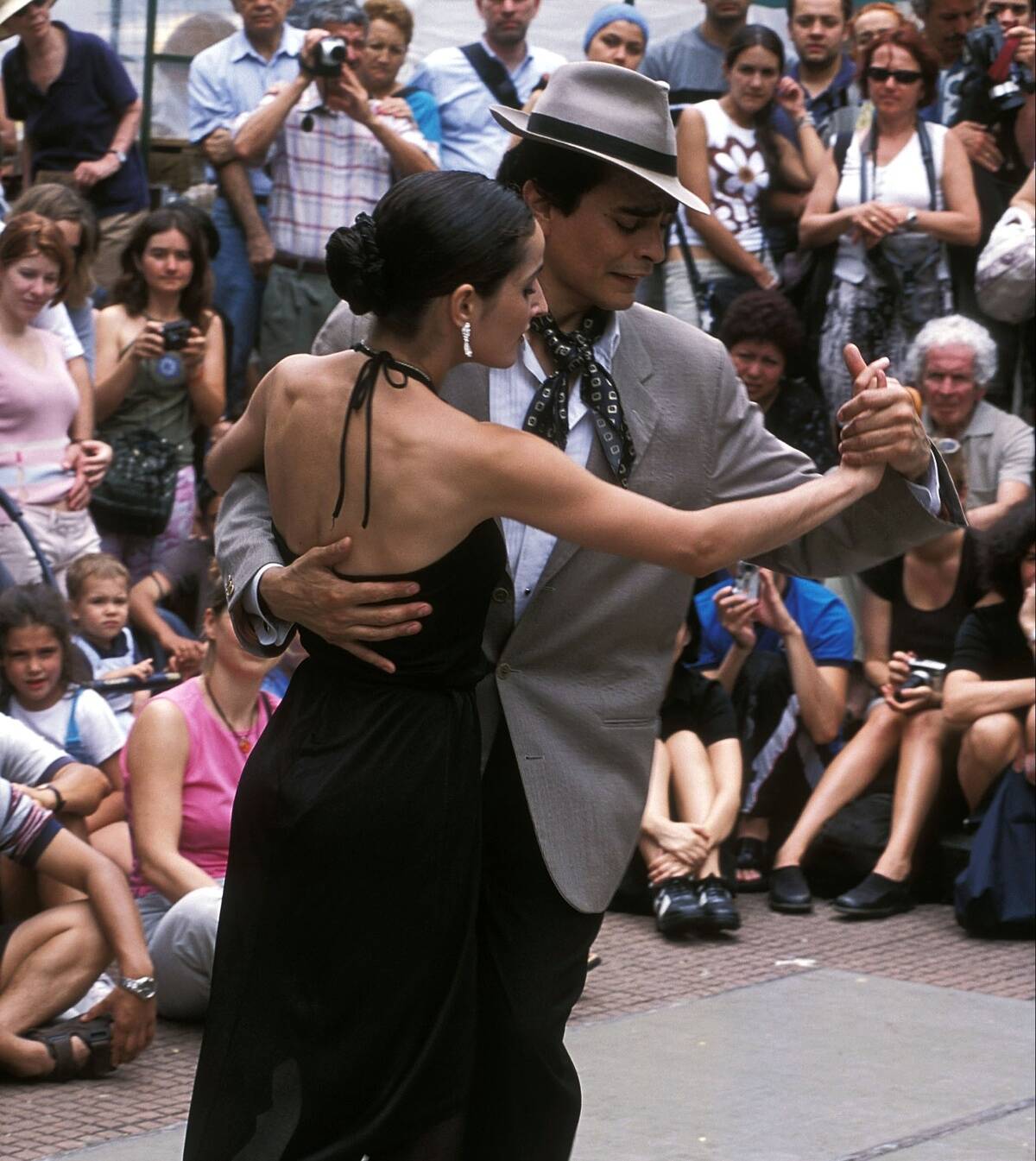
Tango, with its passionate rhythms and intricate steps, originated in the working-class neighborhoods of Buenos Aires. A fusion of African, European, and Indigenous influences, tango reflects Argentina’s diverse immigrant heritage.
This dance became a symbol of cultural blending and adaptation, illustrating how music and movement can tell stories of migration and create new traditions from a confluence of cultures.
Celtic Music: Tradition and Transformation Through Conflict
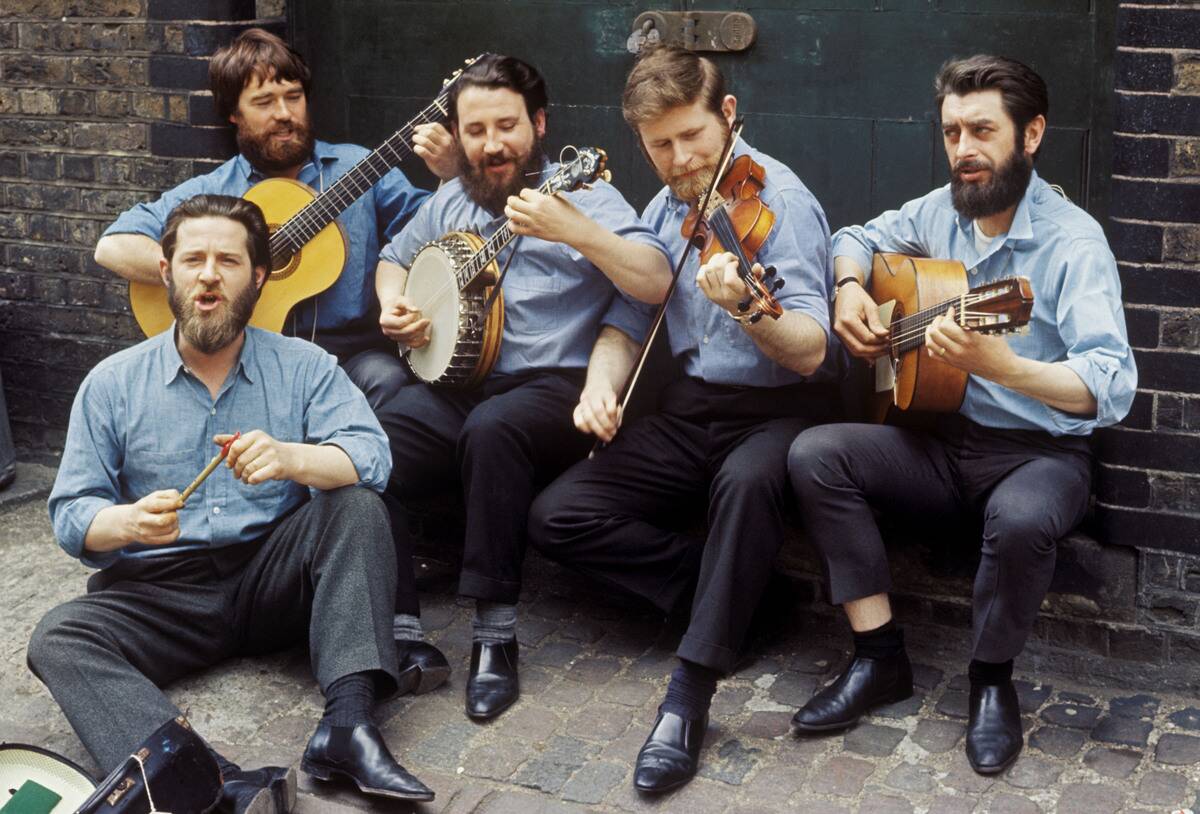
Celtic music, rich with history and tradition, has evolved through centuries of conflict and change. As Celtic peoples migrated and faced invasions, their music adapted, incorporating elements from other cultures.
This resilience has preserved Celtic music’s distinct identity while allowing it to transform and remain relevant. Today, it continues to captivate audiences, a testament to its enduring appeal and adaptability.
Flamenco: A Romani Legacy Born from Confluence
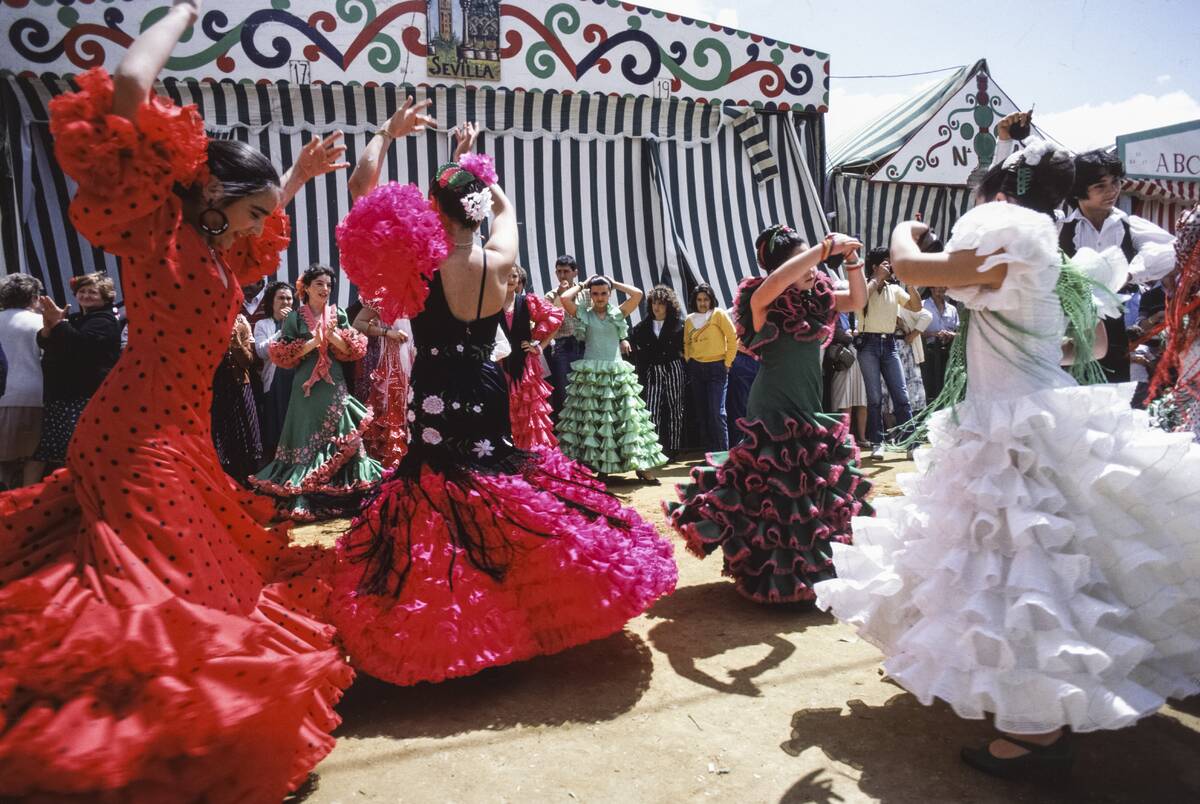
Flamenco, a passionate art form of music and dance, originated from the Romani communities in Spain. It bears the marks of diverse influences, including Moorish, Jewish, and Andalusian cultures.
This rich tapestry of sounds and rhythms reflects a history of cultural confluence and resilience, celebrating the Romani spirit and their ability to create beauty and expression despite adversity and marginalization.
K-Pop: Globalization and the Rise of Korean Beats

K-Pop, a vibrant genre from South Korea, has taken the world by storm, showcasing the power of globalization in music. With catchy tunes and elaborate performances, K-Pop blends Western pop influences with Korean culture.
The genre’s global success highlights music’s ability to transcend language barriers, creating a shared cultural phenomenon that connects fans from diverse backgrounds worldwide.
Salsa: The Flavorful Mix of Cultures in Music
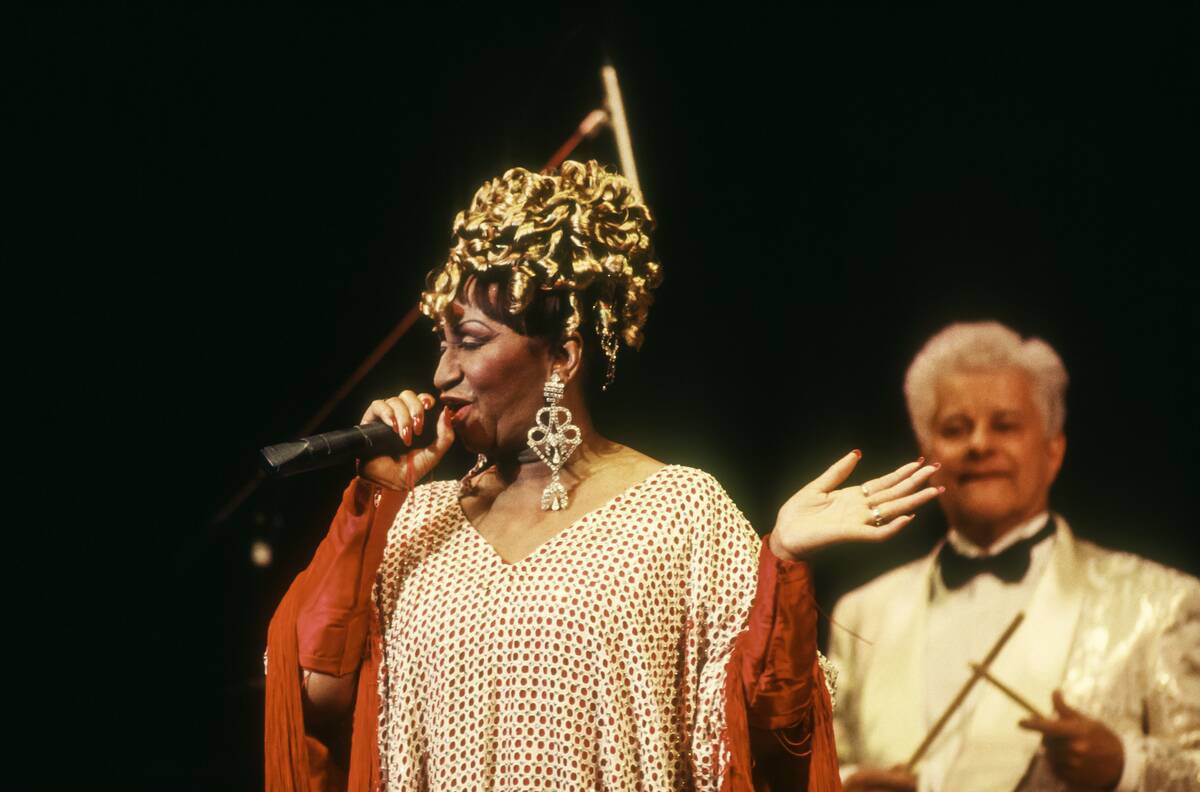
Salsa, with its infectious rhythms and vibrant energy, is a celebration of cultural fusion. Originating in the barrios of New York City, salsa combines Afro-Cuban music with jazz and other Latin influences.
This dynamic blend reflects the rich tapestry of immigrant communities, illustrating how music can serve as a bridge between cultures and create a sense of belonging and joy through shared artistic expression.
Bossa Nova: Brazil’s Musical Gift to the World
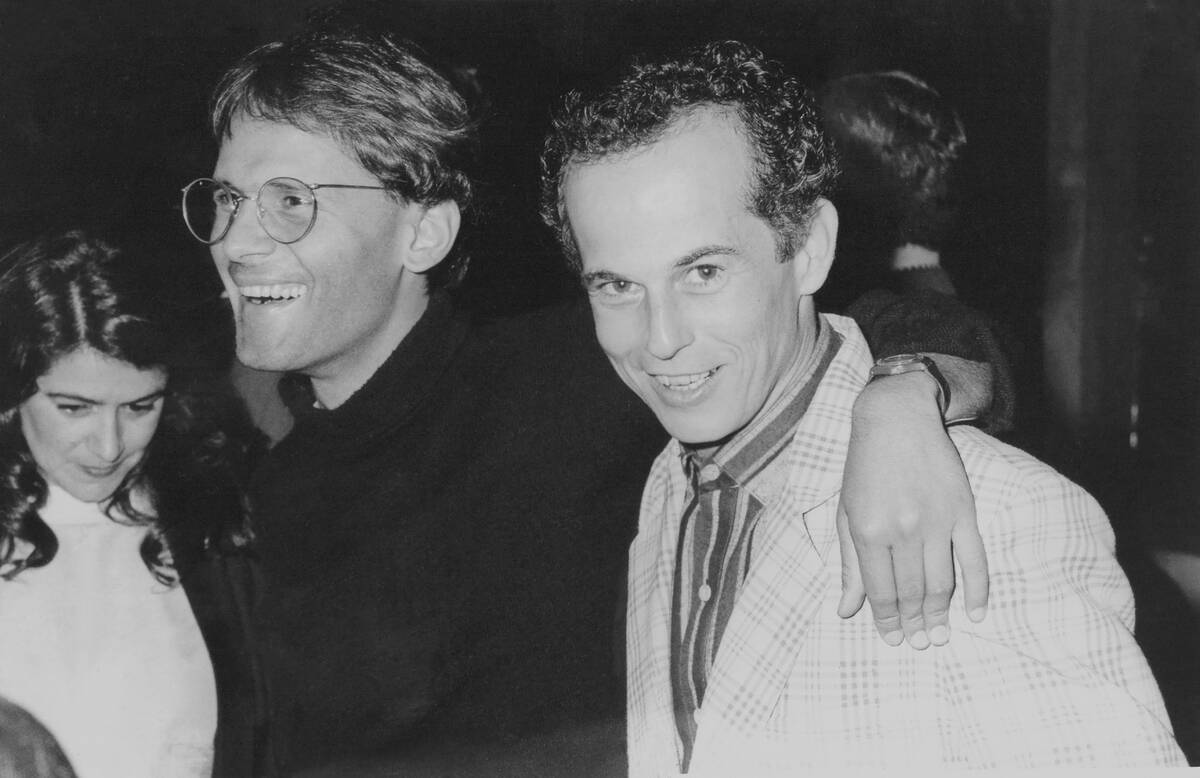
Bossa Nova, a genre that emerged in Brazil during the late 1950s, is a smooth blend of samba and jazz influences. Known for its gentle melodies and poetic lyrics, Bossa Nova captivated global audiences, bringing a taste of Brazilian culture to the world stage.
This genre’s international appeal underscores the power of music to transcend cultural boundaries and share a country’s unique artistic voice with the world.




