Cultural dances that tell stories of heritage
Dance is an expressive form of storytelling that transcends linguistic barriers, offering a universal medium of communication. From intricate footwork to captivating expressions, cultural dances narrate stories of heritage and tradition.
These dances are not just performances but living stories that have been passed down through generations. Each movement is a piece of a larger narrative that reflects the values, beliefs, and history of a community.
The Rich Tapestry of Cultural Dances
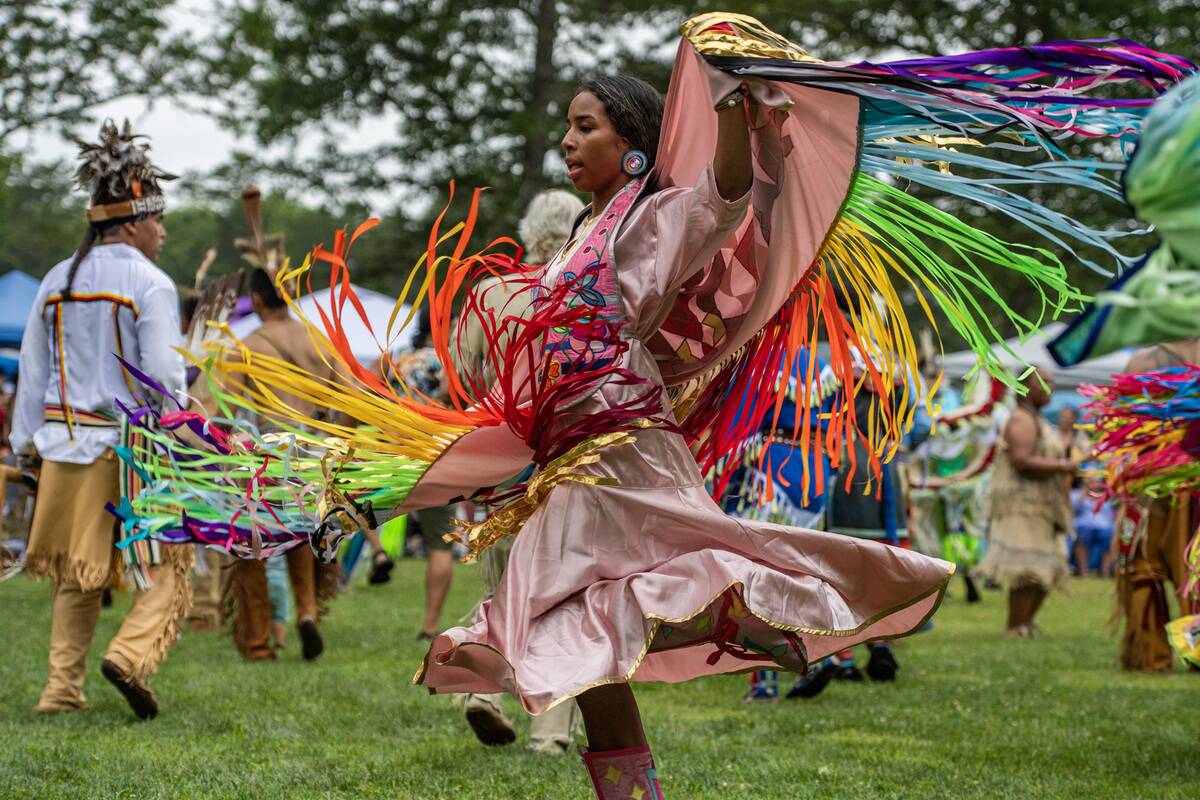
Cultural dances are as diverse as the cultures they spring from, each with its own unique rhythm and style. They serve as a window into a community’s soul, showcasing local customs and historical events.
For instance, many Asian dances incorporate intricate hand gestures and vibrant costumes, while African dances often focus on rhythm and energetic movements. These dances not only preserve history but also promote cultural exchange and understanding.
African Storytelling Through Movement
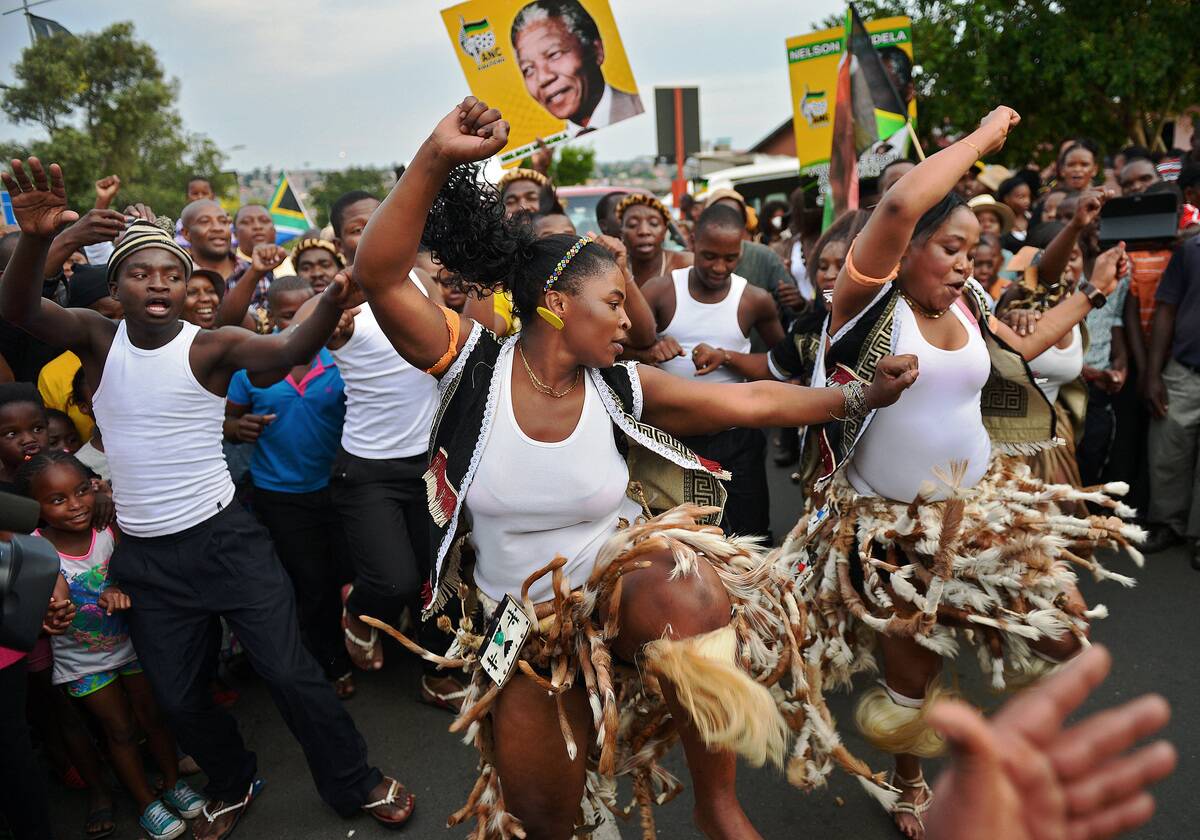
African dances are deeply rooted in the continent’s rich tradition of oral storytelling. Each dance is a narrative that conveys messages about community life, social norms, and historical events.
For example, the Zulu dance from South Africa is known for its energetic stomping, which symbolizes the unity and strength of the Zulu people. These dances are often performed during important ceremonies, serving as a bridge between the past and present.
Native American Powwows: A Celebration of Identity
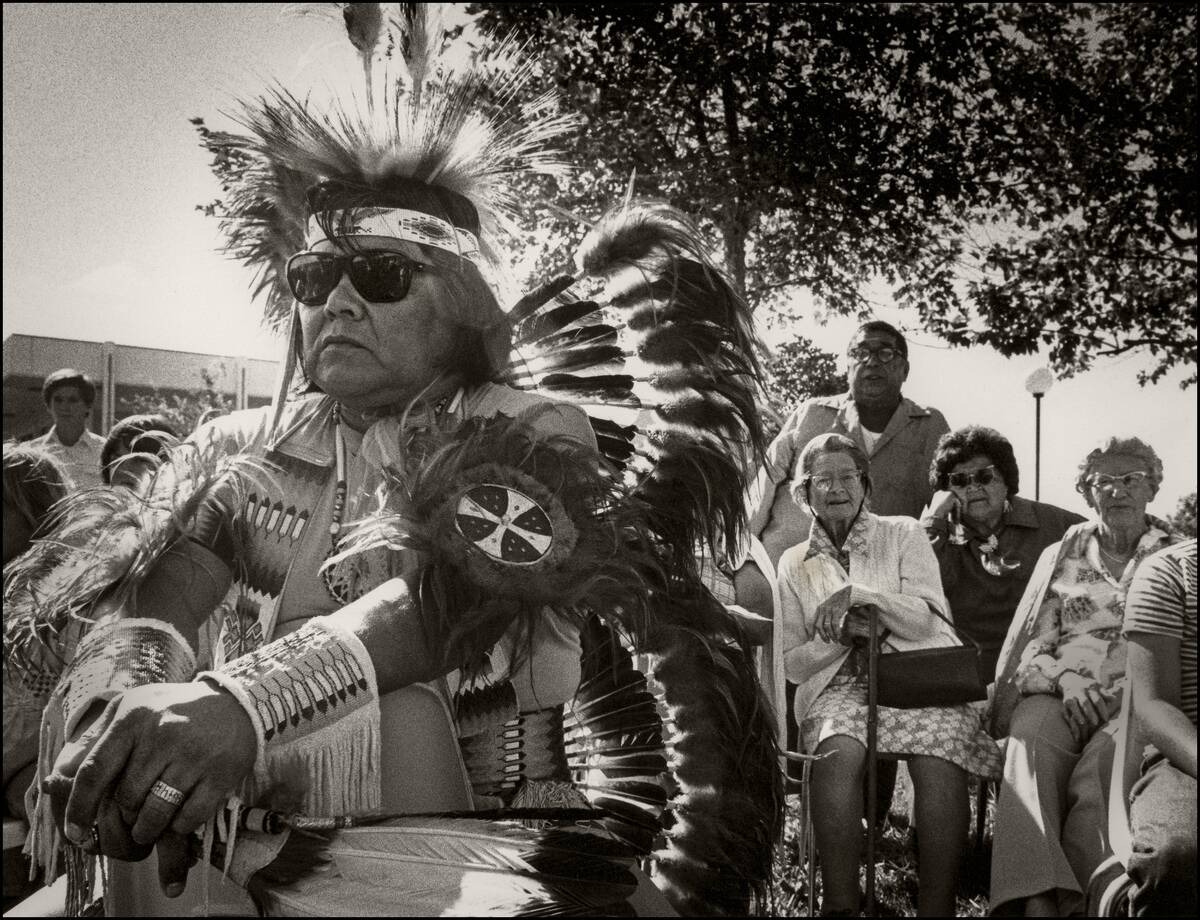
Powwows are vibrant gatherings where Native American tribes come together to celebrate their heritage through dance, music, and storytelling. These events feature a variety of dances, including the Grass Dance, which is known for its fluid, swaying movements, representing the connection to nature.
The powwow serves as a vital space for cultural expression, allowing participants to honor their ancestors and share their traditions with others.
The Intricate Art of Indian Classical Dance
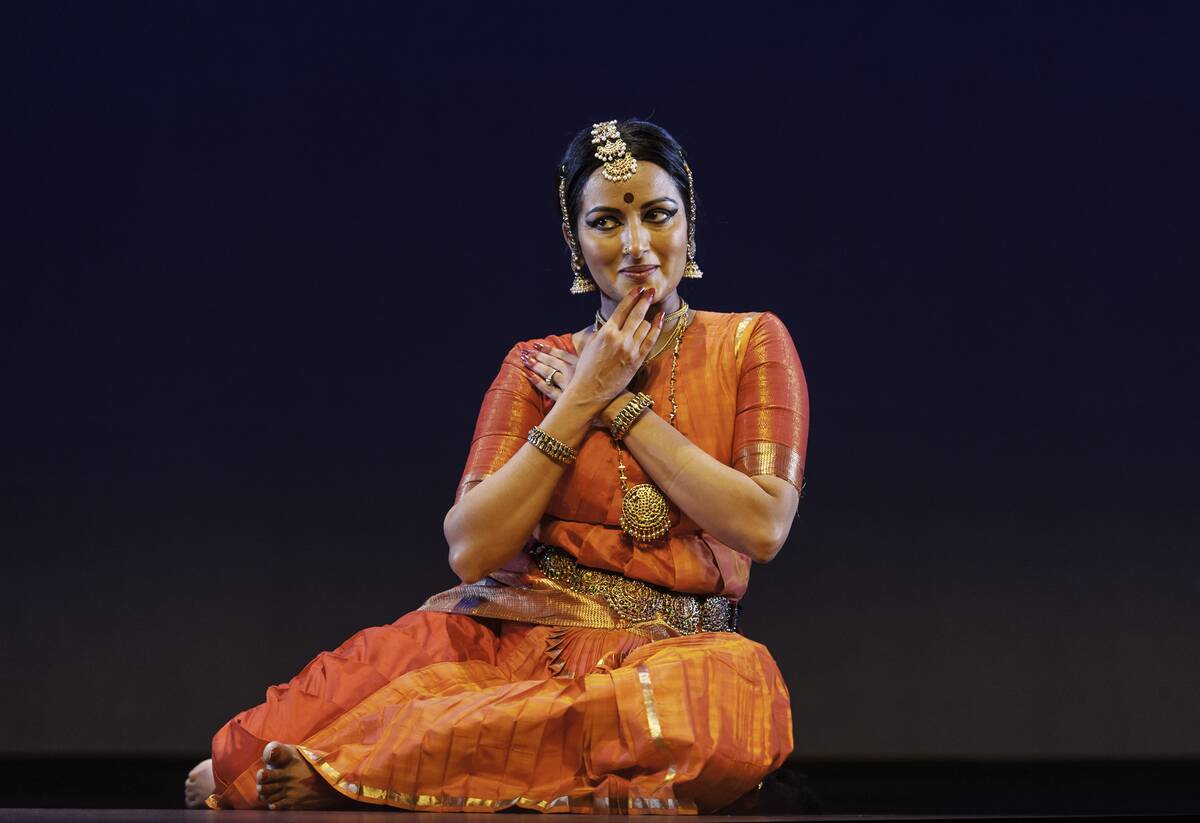
Indian classical dance is a complex art form that combines expressive gestures, elaborate costumes, and precise footwork. Bharatanatyam, one of the oldest classical dance forms, originated in Tamil Nadu and is characterized by its fixed upper torso and intricate hand movements.
These dances often depict stories from Hindu mythology, bringing ancient tales to life through graceful movements and emotive expressions.
Flamenco: The Passionate Dance of Spain
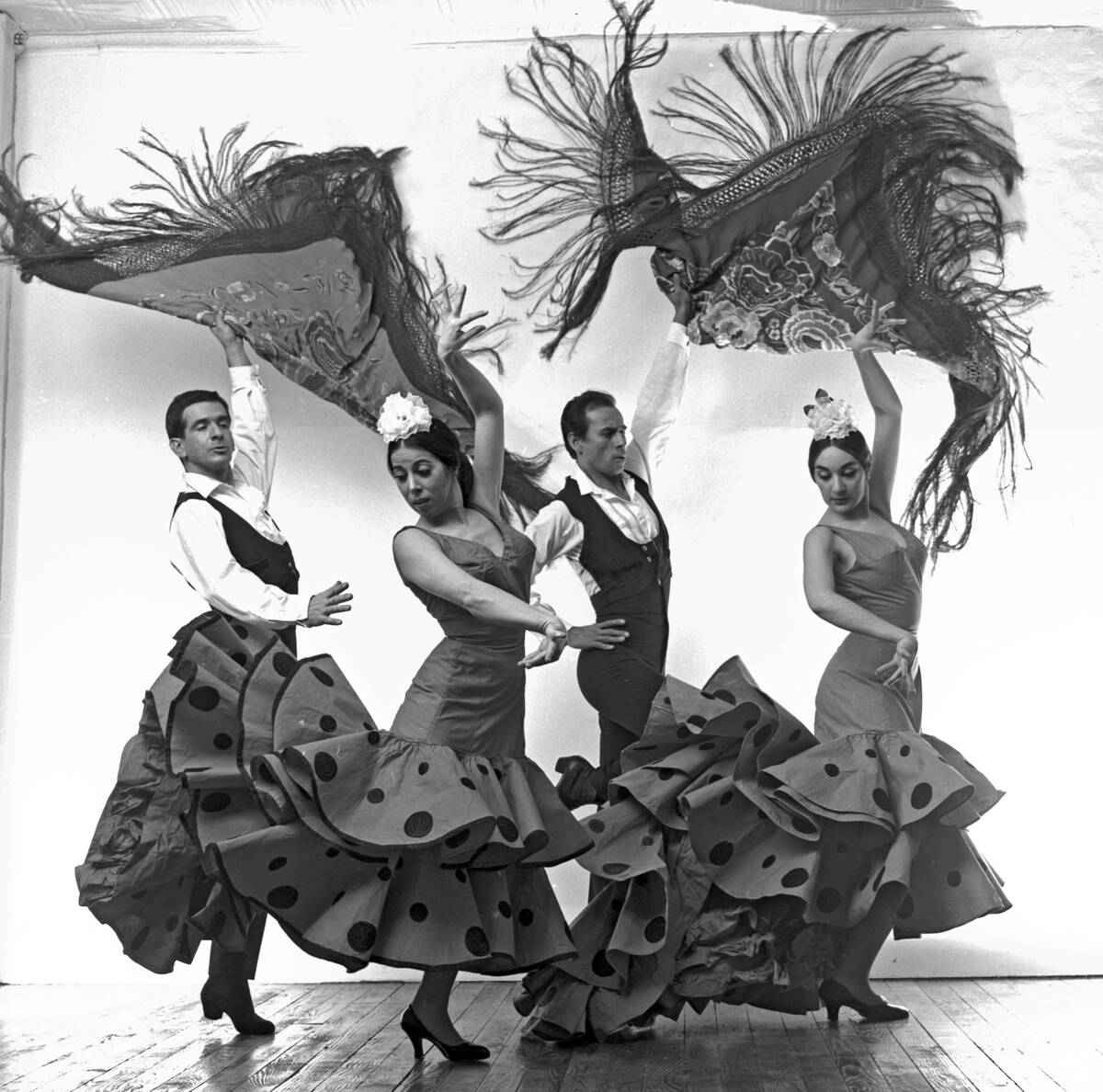
Flamenco is a fiery dance form from the Andalusian region of Spain, known for its passionate footwork and expressive arm movements. It evolved from the cultural fusion of Romani, Moorish, and Andalusian influences.
Traditionally performed to the accompaniment of guitar and singing, flamenco is both a personal and communal expression of emotion, often featuring spontaneous improvisation. This art form continues to captivate audiences worldwide with its intensity and rhythm.
Hula: Hawaii’s Dance of Myth and Legend
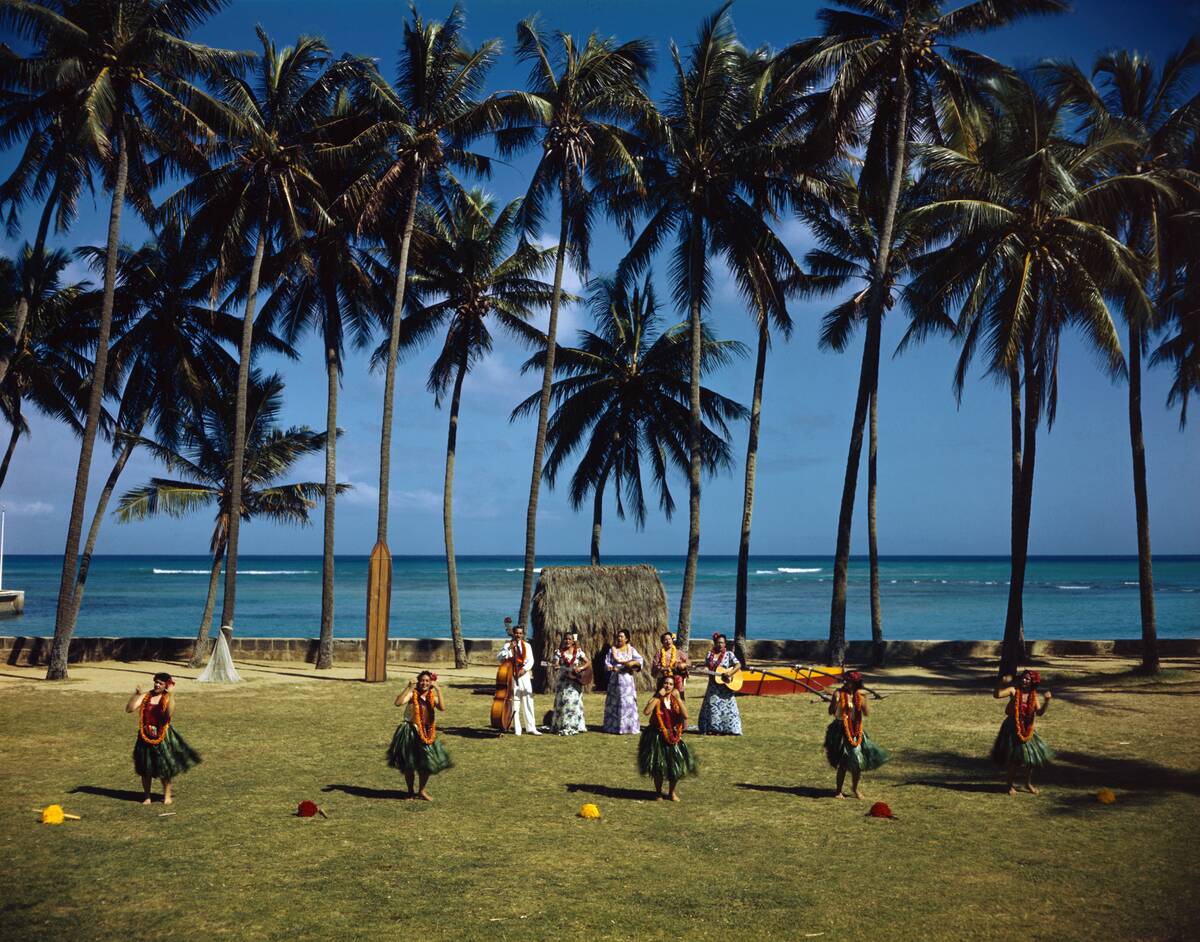
Hula is a traditional Hawaiian dance that tells stories through graceful movements and chants. It is a vital part of Hawaiian culture, often used to convey tales of gods, goddesses, and natural phenomena.
The dance is accompanied by mele (chants) and can be performed in two main styles: Hula Kahiko, which is more ancient and traditional, and Hula ʻAuana, which incorporates modern influences. Hula serves as a living connection to Hawaii’s rich history and mythology.
The Mesmerizing Moves of Middle Eastern Belly Dance
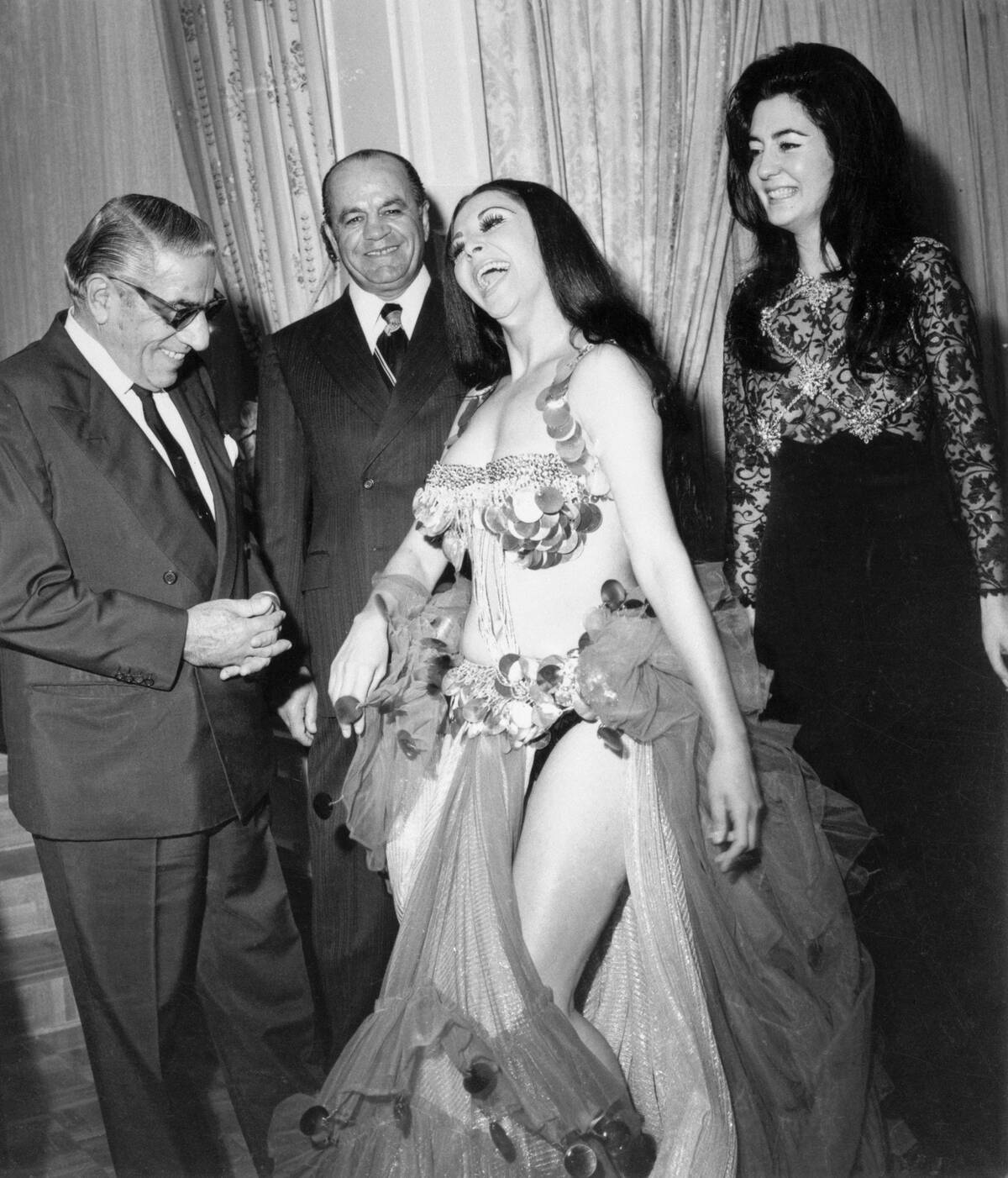
Belly dance, known for its fluid and undulating movements, is a captivating dance form that originated in the Middle East. It involves intricate hip and torso movements, often performed to traditional music with complex rhythms.
Historically, belly dance has been a part of social and celebratory events, with each region having its own distinct style. Today, it continues to be a popular form of expression and exercise, celebrated for its beauty and grace.
Ireland’s Riverdance: A Journey Through Time
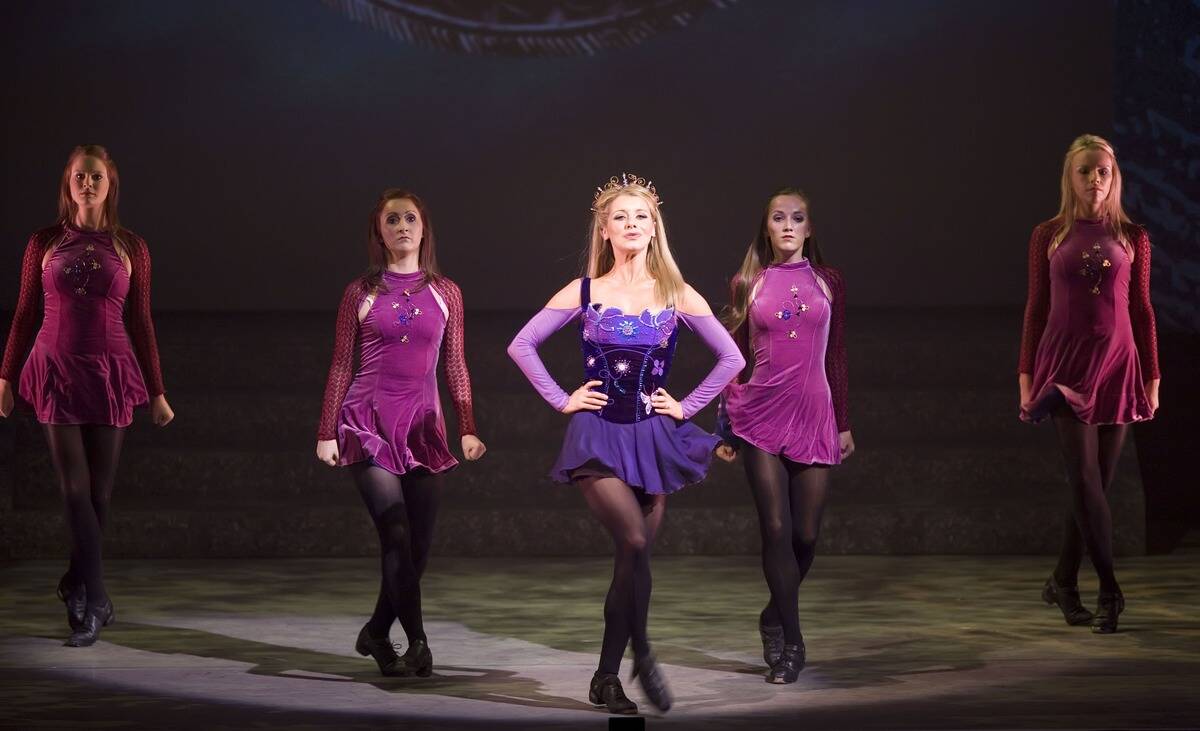
Riverdance is a theatrical show that combines traditional Irish step dancing with modern choreography. It gained international fame in the 1990s, showcasing the intricate footwork and high-energy movements of Irish dance.
The performance tells a story of Irish culture and heritage, celebrating themes of migration and renewal. Riverdance has played a significant role in popularizing Irish dance globally, inspiring a new generation of dancers and enthusiasts.
The Grace and Elegance of Japanese Noh and Kabuki
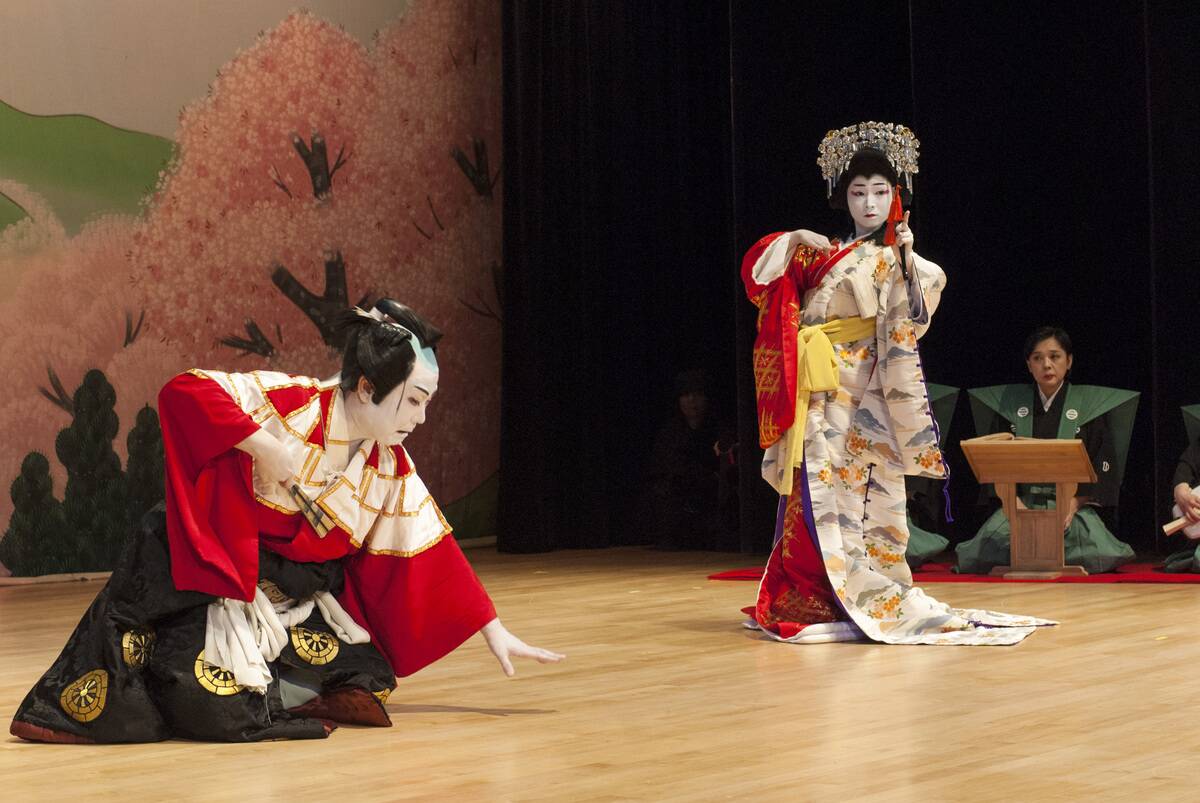
Noh and Kabuki are two distinct forms of traditional Japanese theater that incorporate dance, drama, and music. Noh is characterized by its slow, deliberate movements and use of masks, while Kabuki is known for its dynamic acting and elaborate costumes.
Both art forms have been performed for centuries, with Noh focusing on themes of spirituality and human emotion, and Kabuki providing entertainment with its vibrant storytelling. These performances reflect Japan’s cultural identity and artistic heritage.
The Energetic Beats of Brazilian Samba
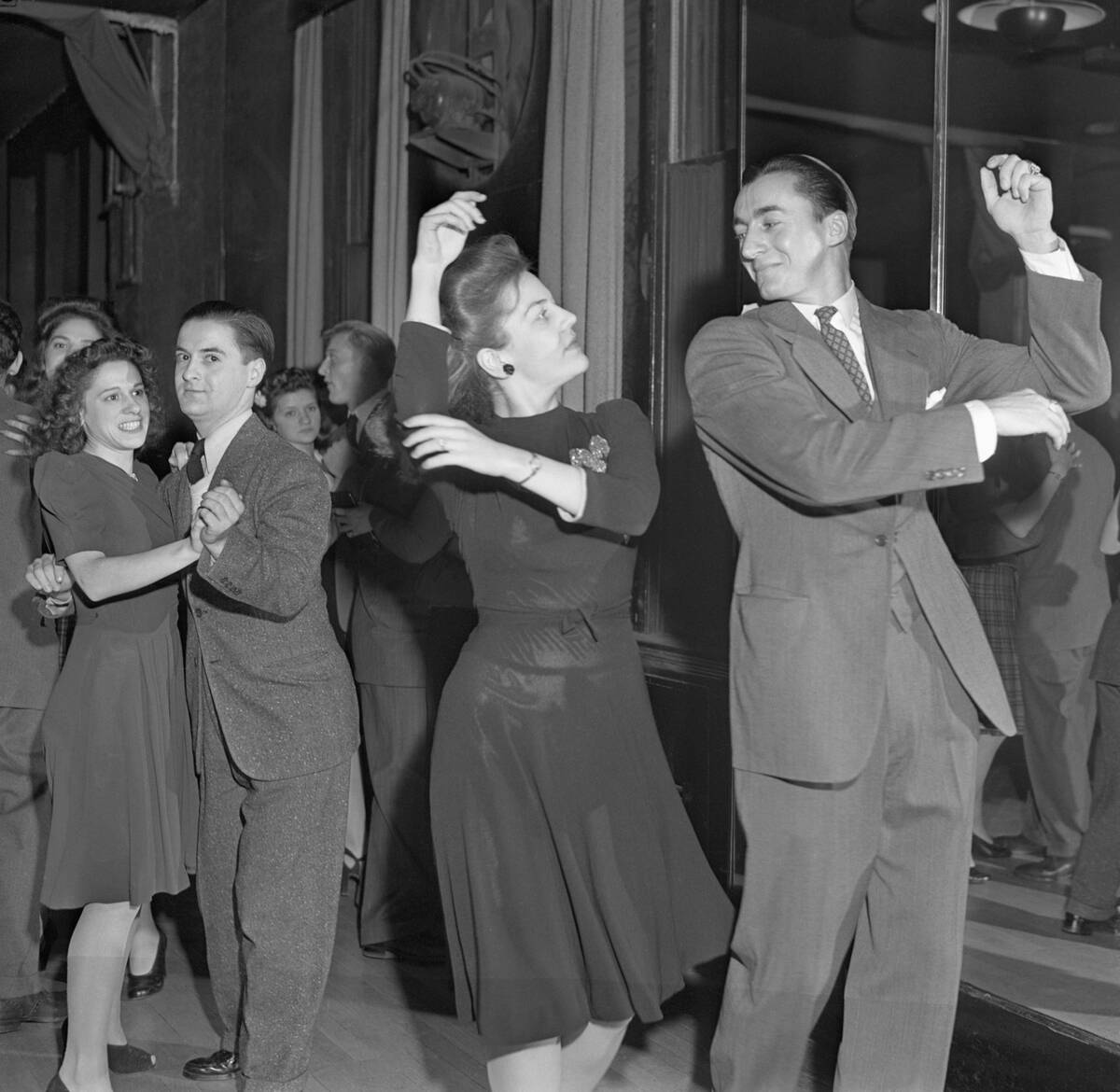
Samba is a lively dance form that originated in Brazil, known for its rhythmic beats and vibrant energy. It is an integral part of Brazilian culture, often associated with the famous Carnival festivals.
Samba involves rapid footwork and swinging hips, with dancers often wearing colorful costumes adorned with feathers and sequins. This dance form embodies the spirit of joy and celebration, bringing people together through its infectious rhythm and pulsating beats.
Maori Haka: A Dance of Challenge and Respect
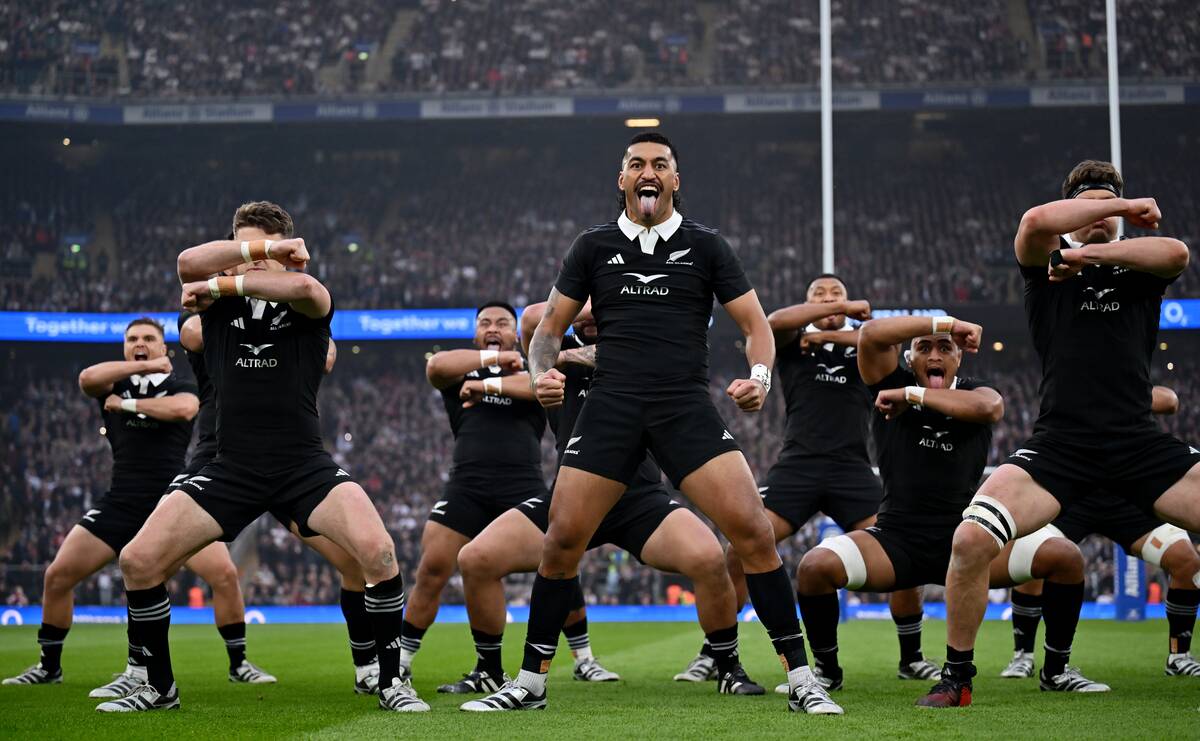
The Haka is a traditional Maori dance from New Zealand, known for its powerful and rhythmic movements. It is performed as a display of strength, unity, and respect, often seen at sports events and ceremonies.
The Haka involves chanting, stomping, and fierce facial expressions, creating an intense and captivating performance. Historically, it was used by Maori warriors to intimidate opponents, but today it serves as a symbol of cultural pride and identity.
Chinese Dragon and Lion Dances: Legendary Tales in Motion
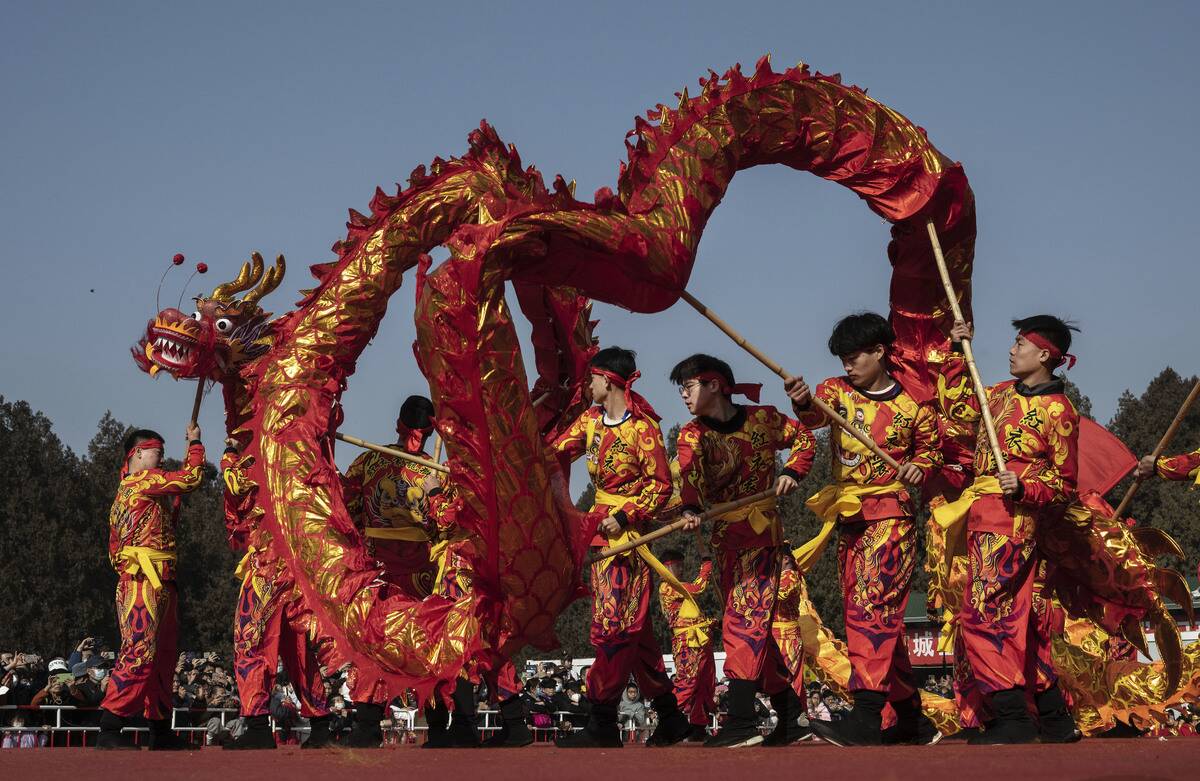
The Dragon and Lion dances are traditional Chinese performances that bring legends to life through dynamic movements and vibrant costumes. These dances are commonly performed during Chinese New Year and other celebrations, symbolizing good fortune and prosperity.
The Dragon Dance involves a team of dancers manipulating a long, flexible dragon puppet, while the Lion Dance features performers in elaborate lion costumes. Both dances are accompanied by the rhythmic beat of drums and cymbals, creating a festive atmosphere.
Indonesia’s Wayang Wong: Dance Drama of the Gods
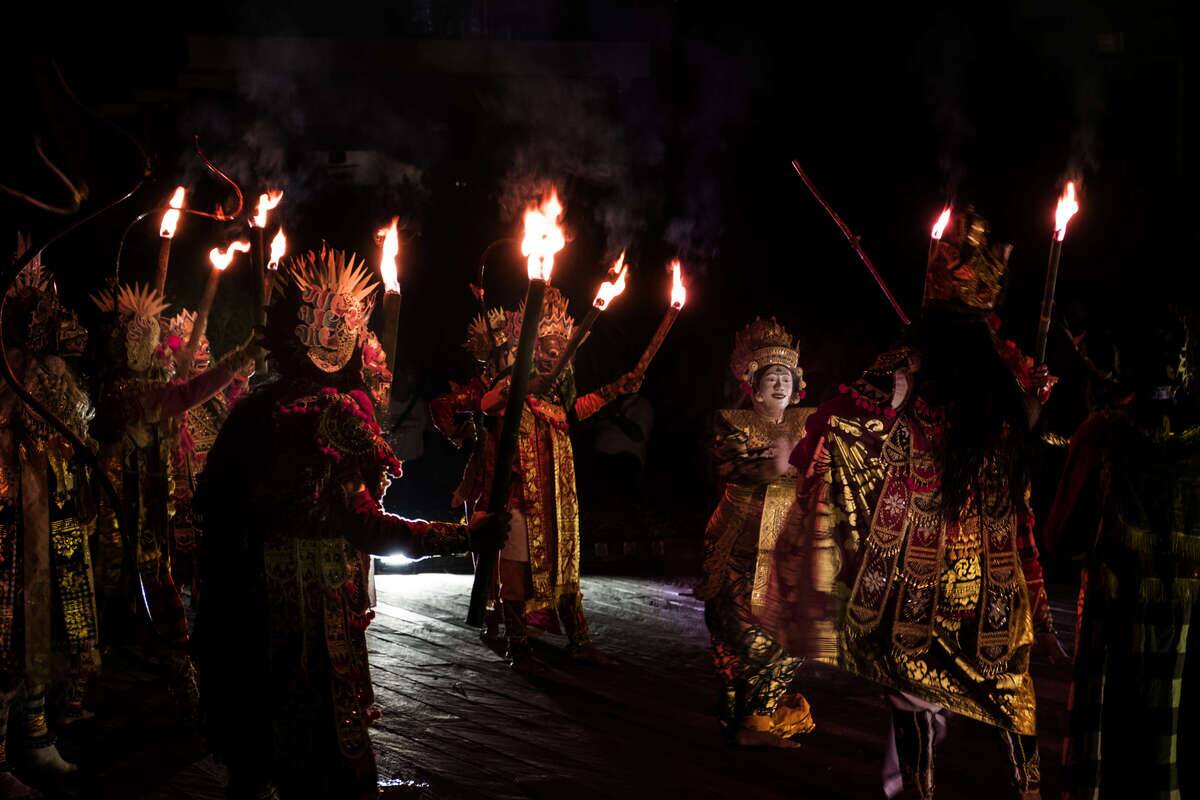
Wayang Wong is a traditional Javanese dance drama from Indonesia, known for its elaborate costumes and intricate storytelling. This art form combines dance, music, and theater to depict stories from the Ramayana and Mahabharata epics.
Wayang Wong performances are characterized by their precise movements and expressive gestures, often accompanied by a gamelan orchestra. These performances serve as a cultural bridge, preserving ancient traditions while engaging modern audiences.
The Vibrant Tinikling of the Philippines
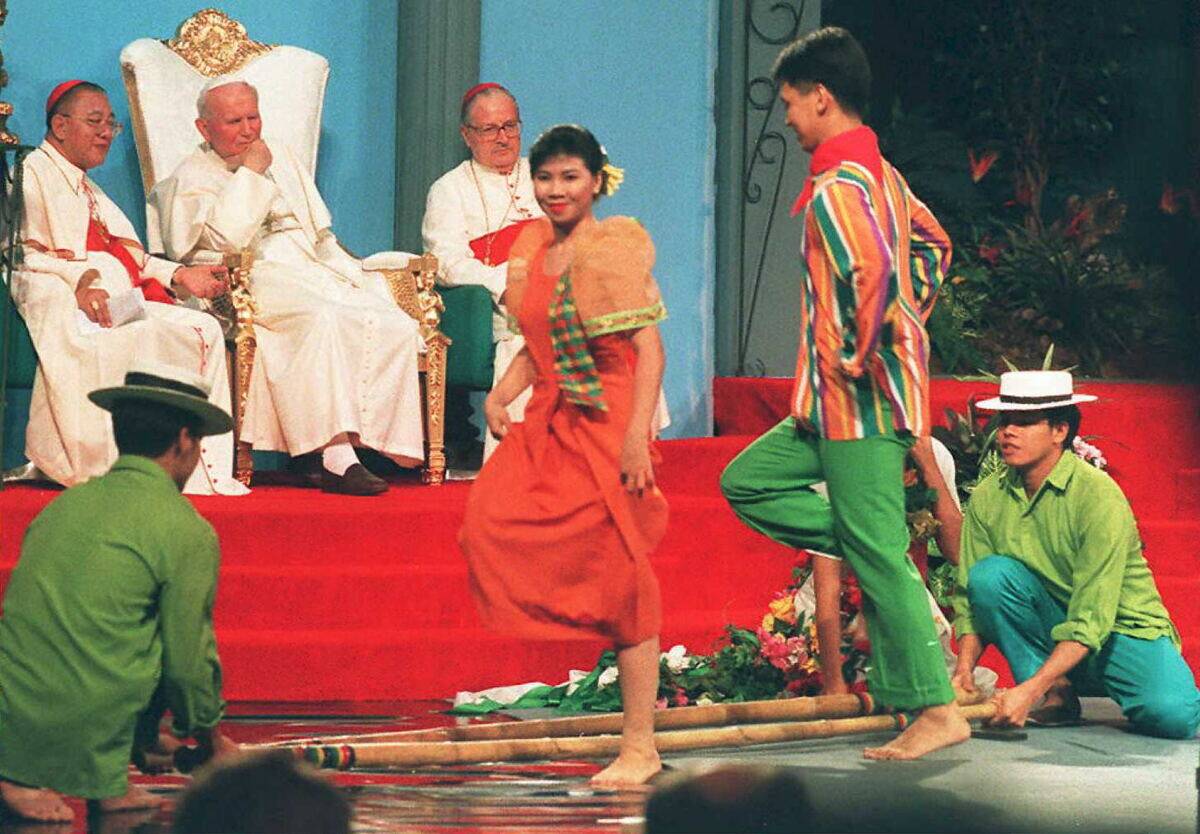
Tinikling is a traditional Filipino dance that mimics the movements of the tikling bird as it dodges bamboo traps set by rice farmers. Dancers skillfully navigate between rapidly clapping bamboo poles, showcasing agility and rhythm.
This dance is often performed at cultural festivals and school events, highlighting the Philippines’ agricultural roots and inventive spirit. Tinikling not only entertains but also fosters a sense of national pride and cultural continuity.
The Lively Steps of Scottish Highland Dancing
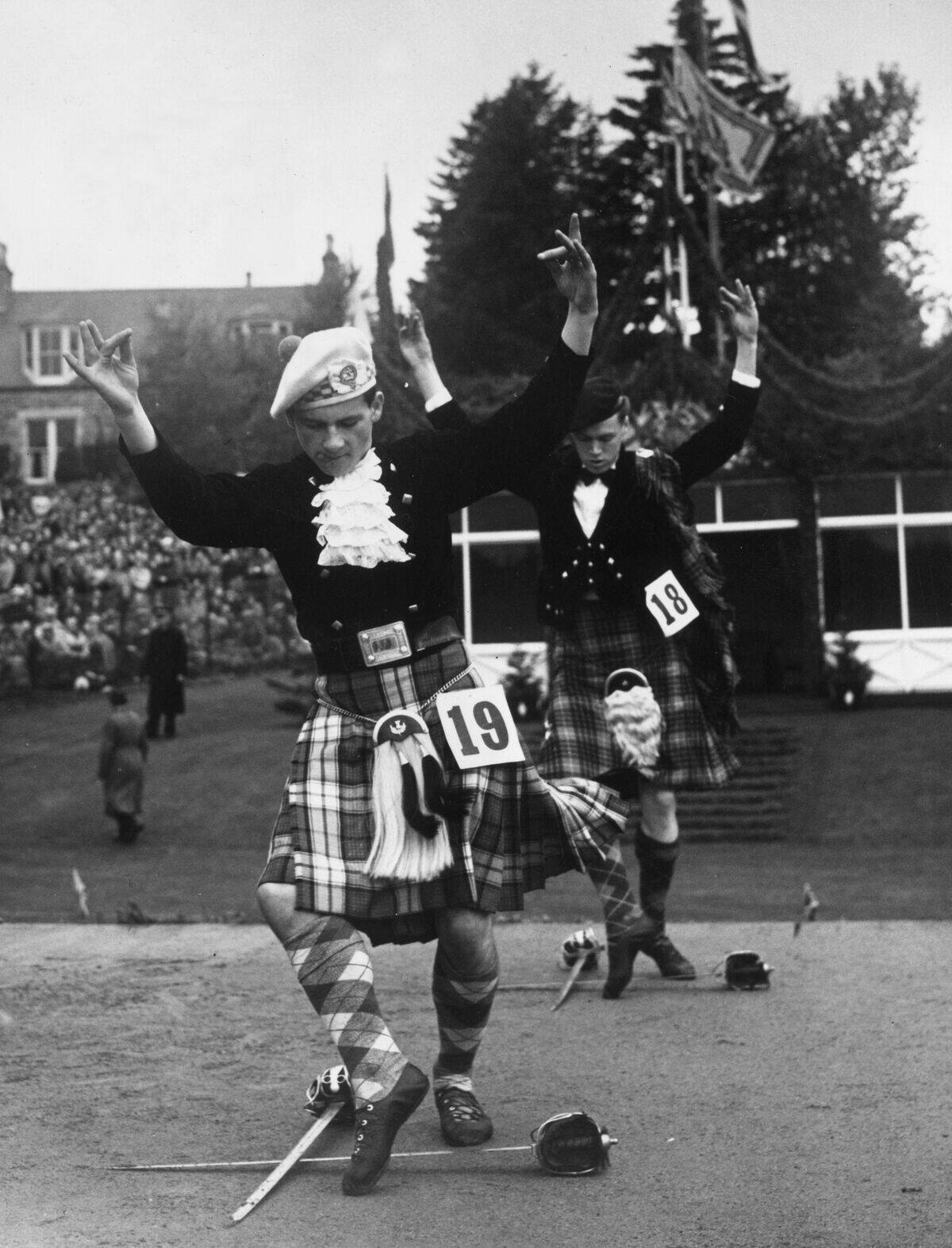
Scottish Highland dancing is a traditional form of competitive dance that originated in the Scottish Highlands. It is characterized by its athletic and graceful movements, often performed to bagpipe music.
Popular dances include the Highland Fling and the Sword Dance, both requiring precision and stamina. Highland dancing is a proud expression of Scottish culture, celebrated at Highland games and cultural festivals around the world, where dancers compete and showcase their skills.
Mexico’s Folklorico: A Dance of Color and History
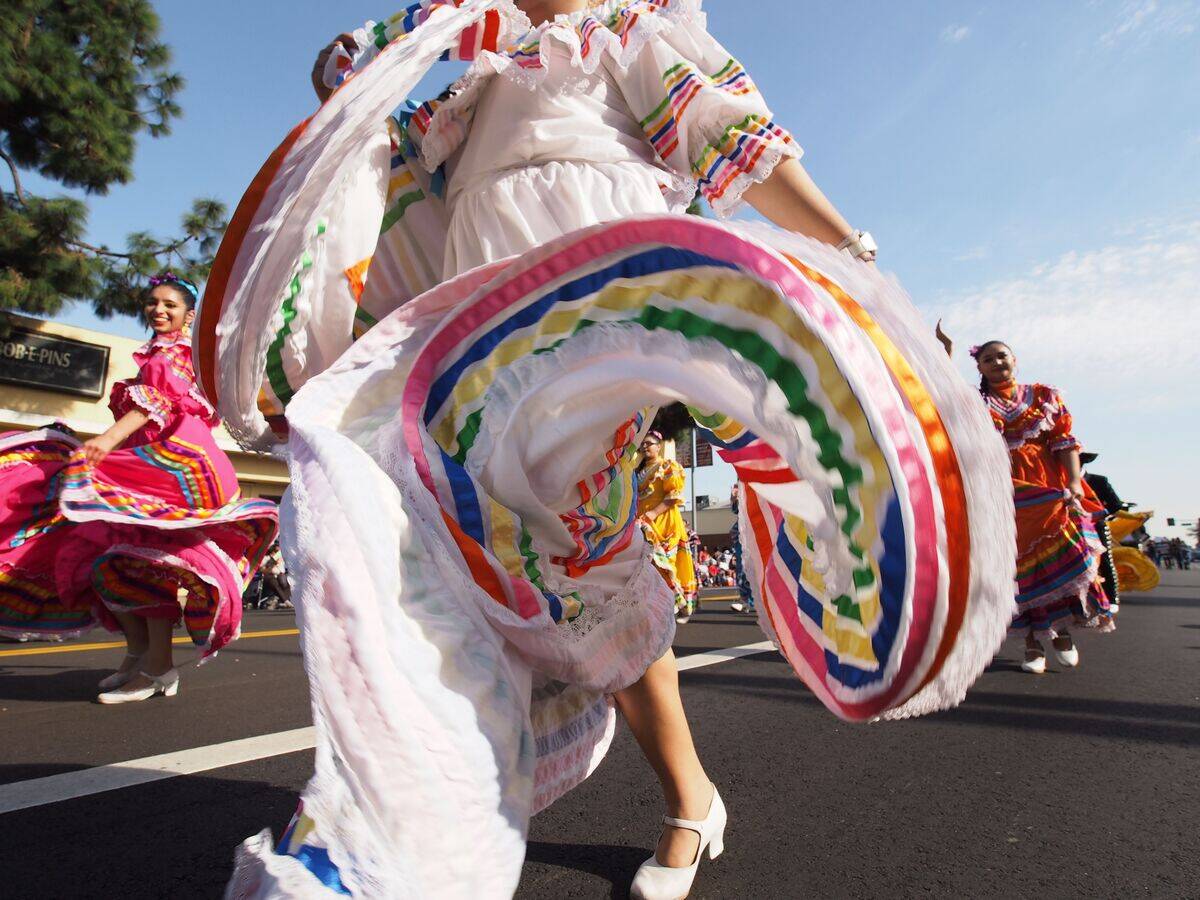
Folklorico is a vibrant Mexican dance form that reflects the country’s diverse cultural heritage. Each region in Mexico has its own distinct style and costumes, often inspired by local traditions and history.
The dances are characterized by lively footwork and colorful dresses, often telling stories of love, struggle, and celebration. Folklorico is a dynamic expression of Mexican identity, bringing communities together through its spirited performances and cultural storytelling.
The Social and Cultural Bonds of Caribbean Dance
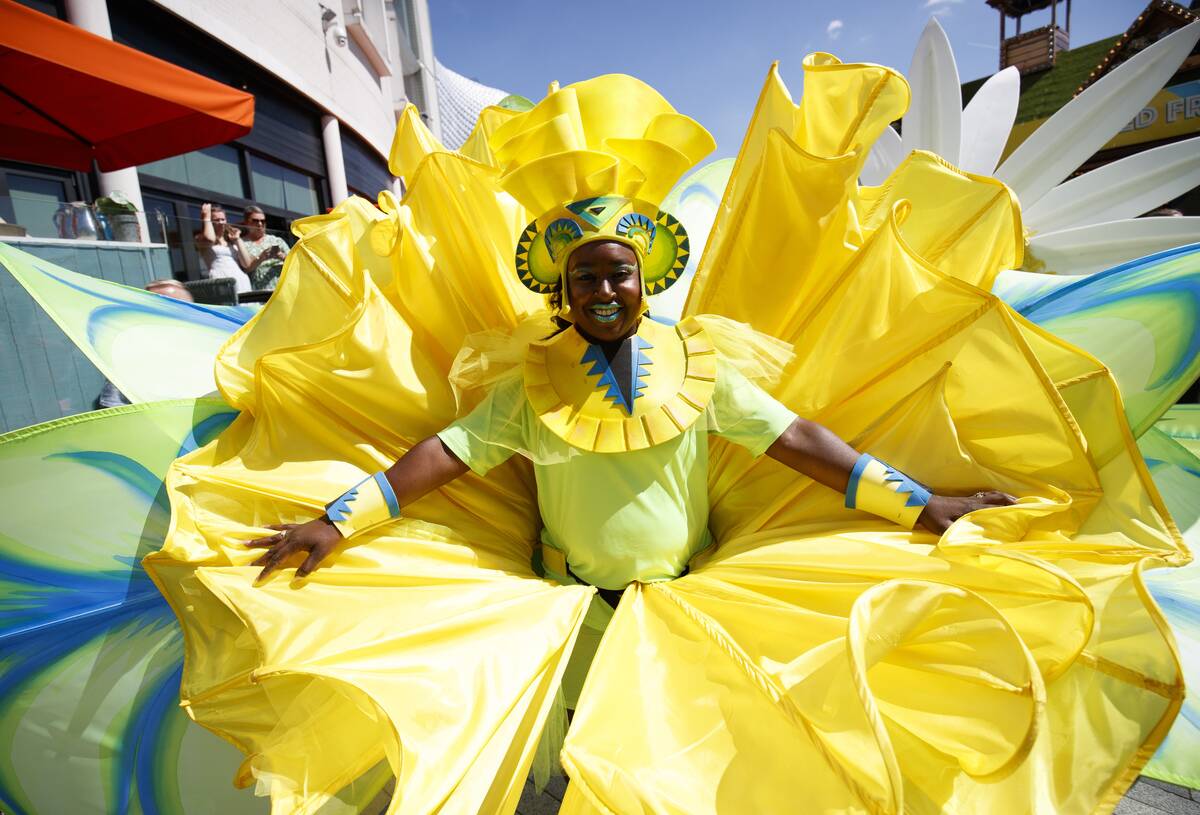
Caribbean dance is a rich tapestry of styles influenced by African, European, and indigenous cultures. Dances such as the reggae-inspired Dancehall from Jamaica and the festive Soca from Trinidad and Tobago are integral to the region’s vibrant social life.
These dances are often performed at carnivals and social gatherings, fostering a sense of community and cultural pride. They reflect the Caribbean’s history of resistance and resilience, celebrating life through rhythm and movement.




