Musical instruments invented centuries ago still used in orchestras
Orchestras wouldn’t be the same without the timeless charm of ancient instruments. These fascinating pieces of musical history have evolved over centuries, yet their essence remains.
Their presence in modern orchestras bridges the past and present, creating a tapestry of sound that is both rich and diverse. From the soft whispers of strings to the resounding calls of brass, each instrument tells a story, echoing through concert halls around the world.
The Violin: A Stringed Masterpiece from the 16th Century
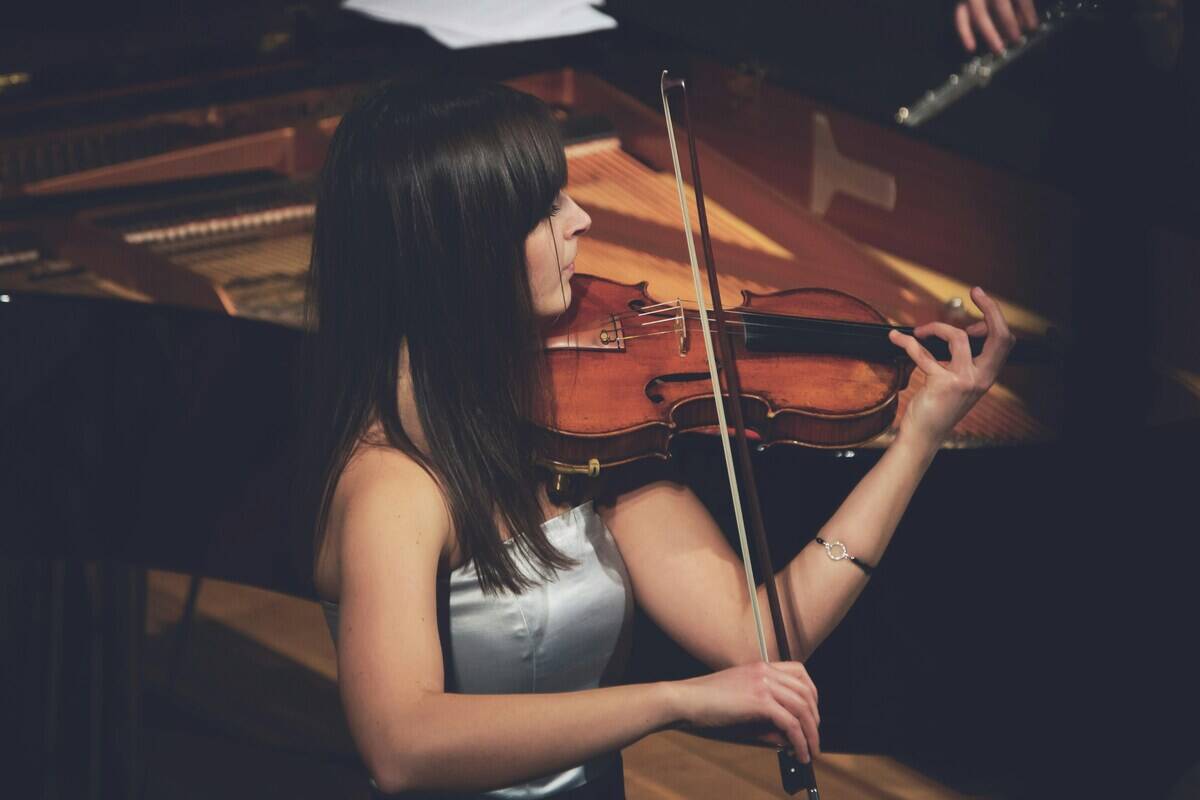
The violin, beloved by many, first appeared in the early 16th century in Italy. Crafted by legendary luthiers like Antonio Stradivari, these instruments have a distinct, vibrant sound that has captivated audiences for generations.
Violins are known for their versatility, able to convey the deepest emotions with a mere flick of the bow. Today, violinists continue to explore its rich repertoire, from classical concertos to contemporary compositions, ensuring its enduring legacy.
The Viola: The Violin’s Deeper-Voiced Cousin
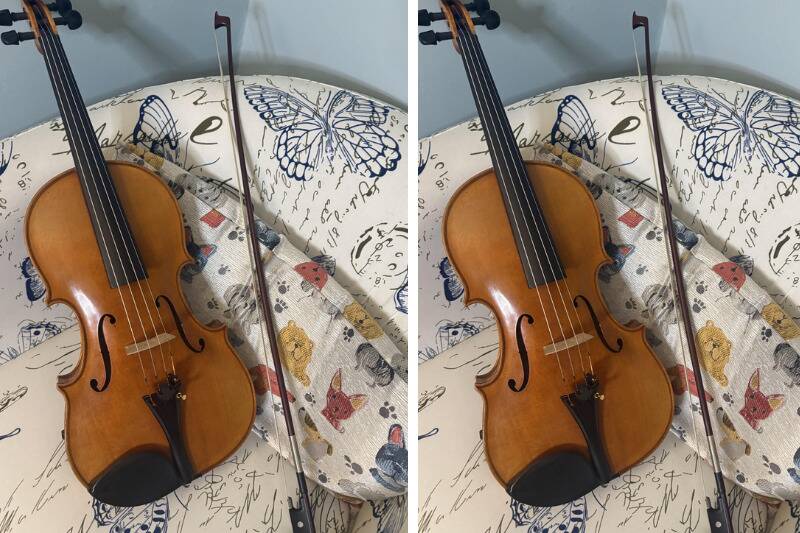
Often overshadowed by its smaller sibling, the viola boasts a deeper, warmer sound. Developed around the same time as the violin, the viola adds a unique timbre to the string section.
Its voice is often described as melancholic, providing a perfect counterpoint in orchestral arrangements. The viola’s role may be subtle, yet it is essential, lending depth and resonance to the music, much like the alto voice in a choir.
The Cello: The Soulful Backbone of the String Section
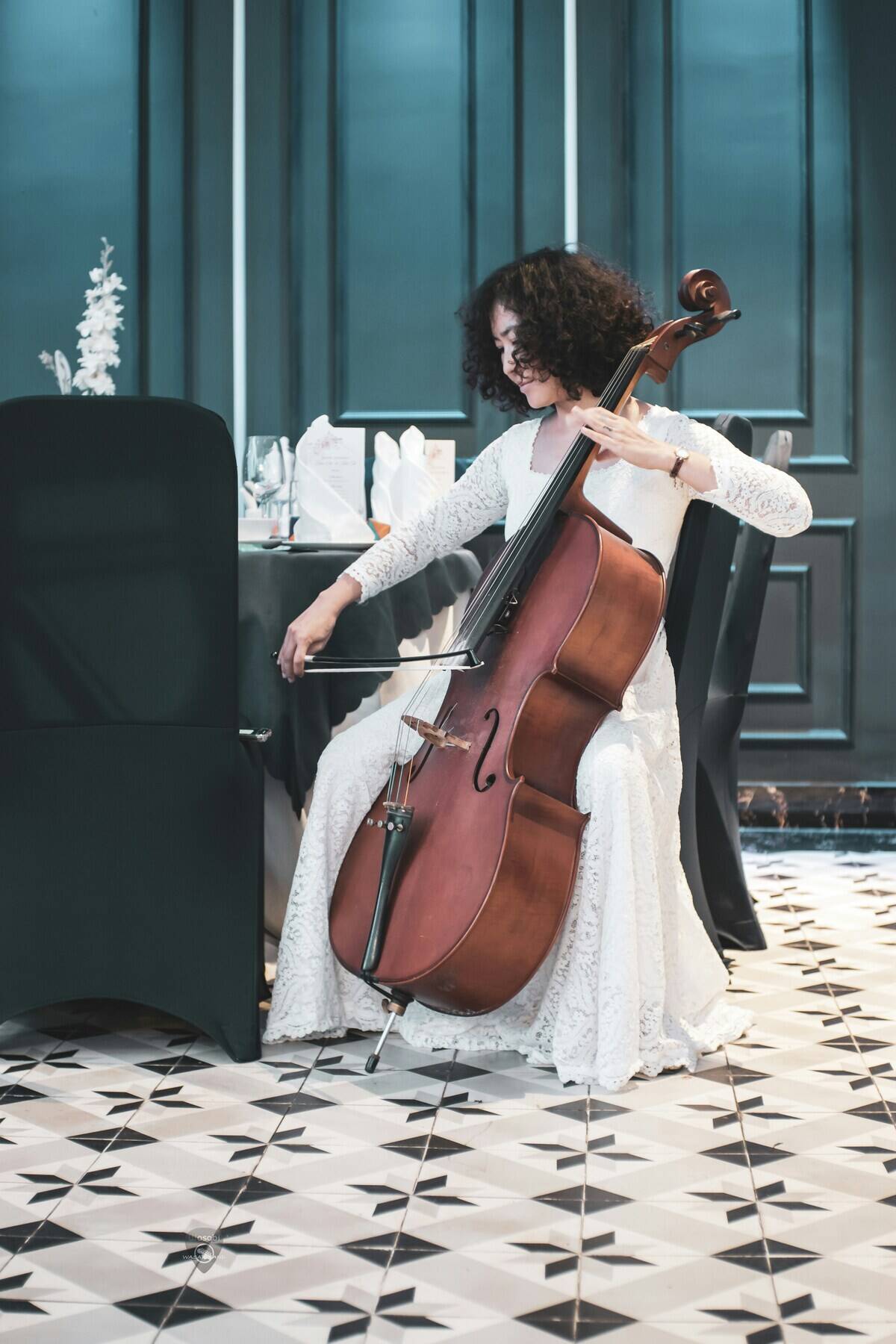
The cello, with its rich, resonant tones, is often considered the heart of the string section. Originating in the 16th century, this instrument has a range that closely resembles the human voice, making it ideal for conveying emotion.
Its ability to shift from robust bass lines to soaring melodies makes it indispensable in orchestral music. Cellists have a special role, providing both harmonic support and expressive solos that captivate listeners.
The Double Bass: The Grandfather of the String Family
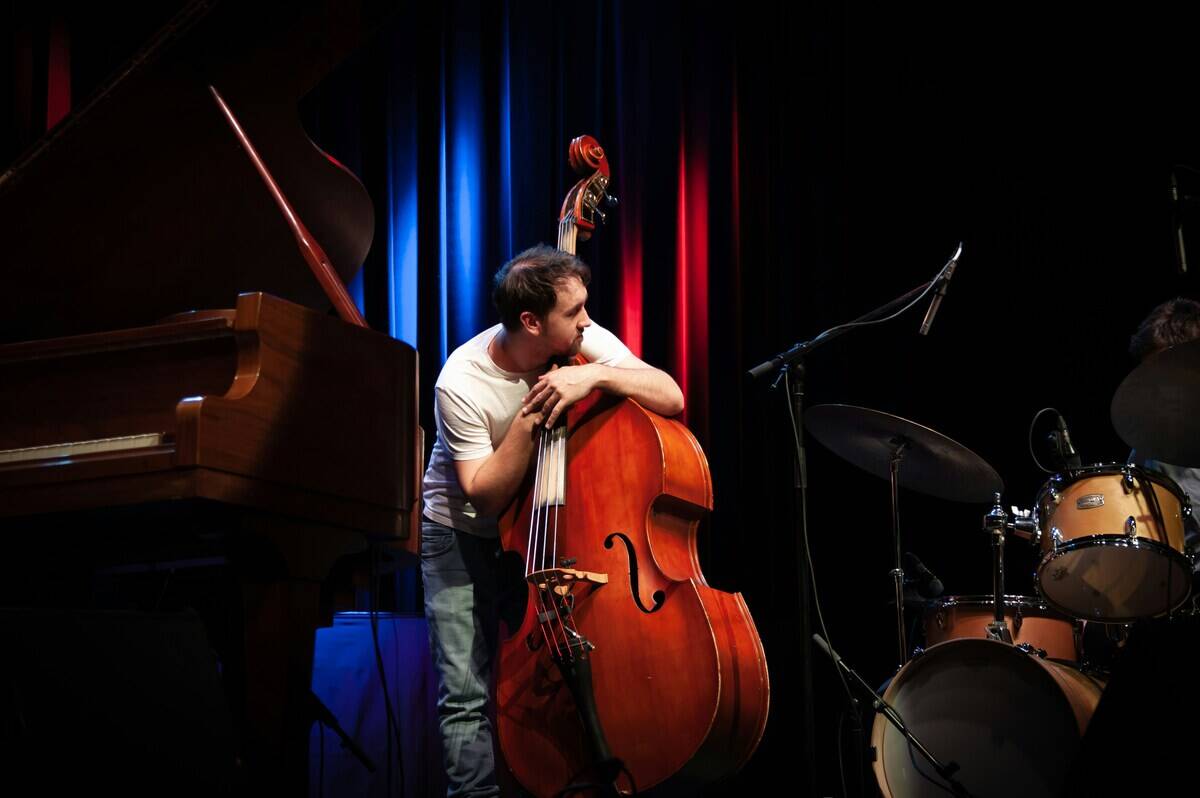
The double bass, sometimes referred to as the contrabass, is the largest and lowest-pitched instrument in the string family. Its origins trace back to the 15th century, evolving from earlier stringed instruments.
Despite its size, the double bass is surprisingly versatile, lending a robust foundation to orchestral music. Its deep, resonant tones provide the essential anchor for harmony, yet it can also shine in solo performances with surprising agility.
The Flute: A Breath of Fresh Air from Antiquity
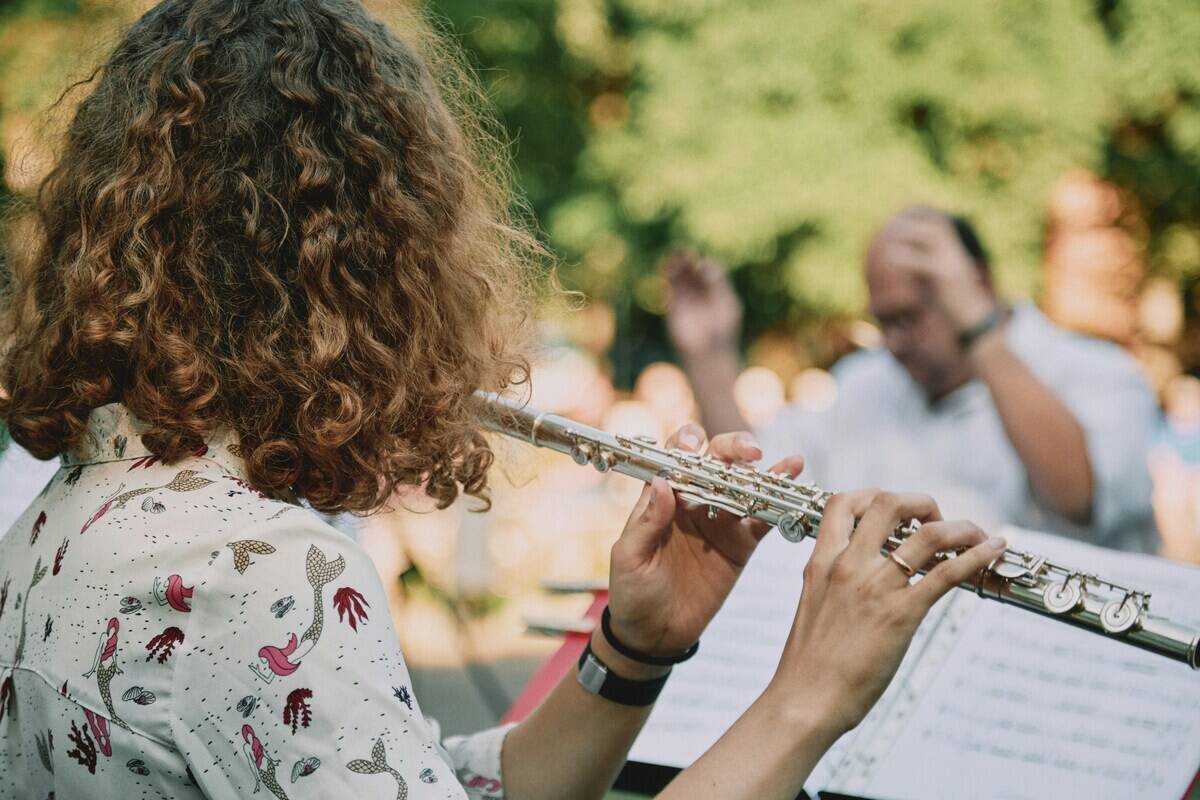
The flute is one of the oldest musical instruments, with origins dating back tens of thousands of years. Modern orchestral flutes are crafted from metal, but they still retain the ethereal quality that made them popular in ancient times.
Known for its bright, clear sound, the flute often carries the melody in orchestras, adding a lightness to the ensemble. Its ability to produce rapid passages and trills makes it a favorite for showcasing virtuosic skill.
The Oboe: The Melodious Reed Instrument of the Renaissance
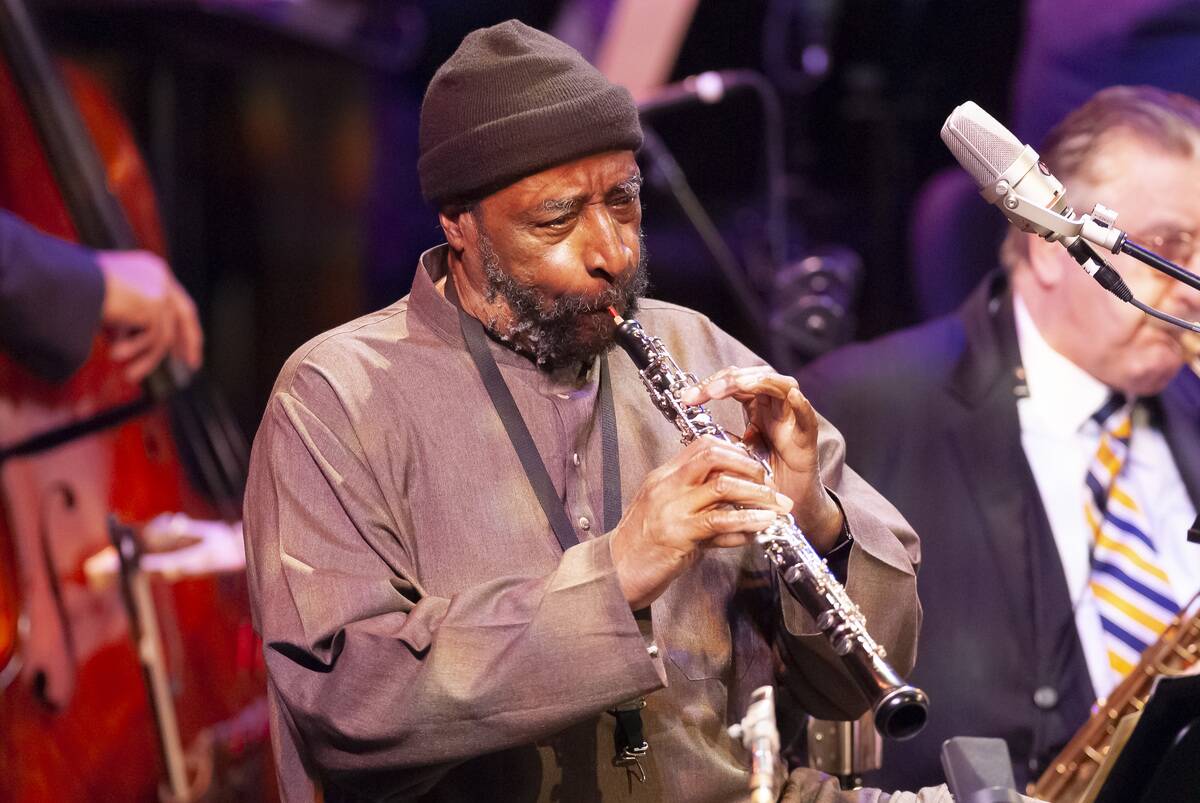
The oboe, with its distinctive, penetrating sound, has been a staple of orchestras since the Renaissance. Its double reed gives it a unique voice, capable of expressing both joy and sorrow.
Often tasked with tuning the orchestra due to its clear pitch, the oboe holds an important place in ensemble performance. Composers have long appreciated the oboe’s expressive capabilities, writing solos that highlight its lyrical nature and emotional depth.
The Bassoon: The Baroque Era’s Rich Voice
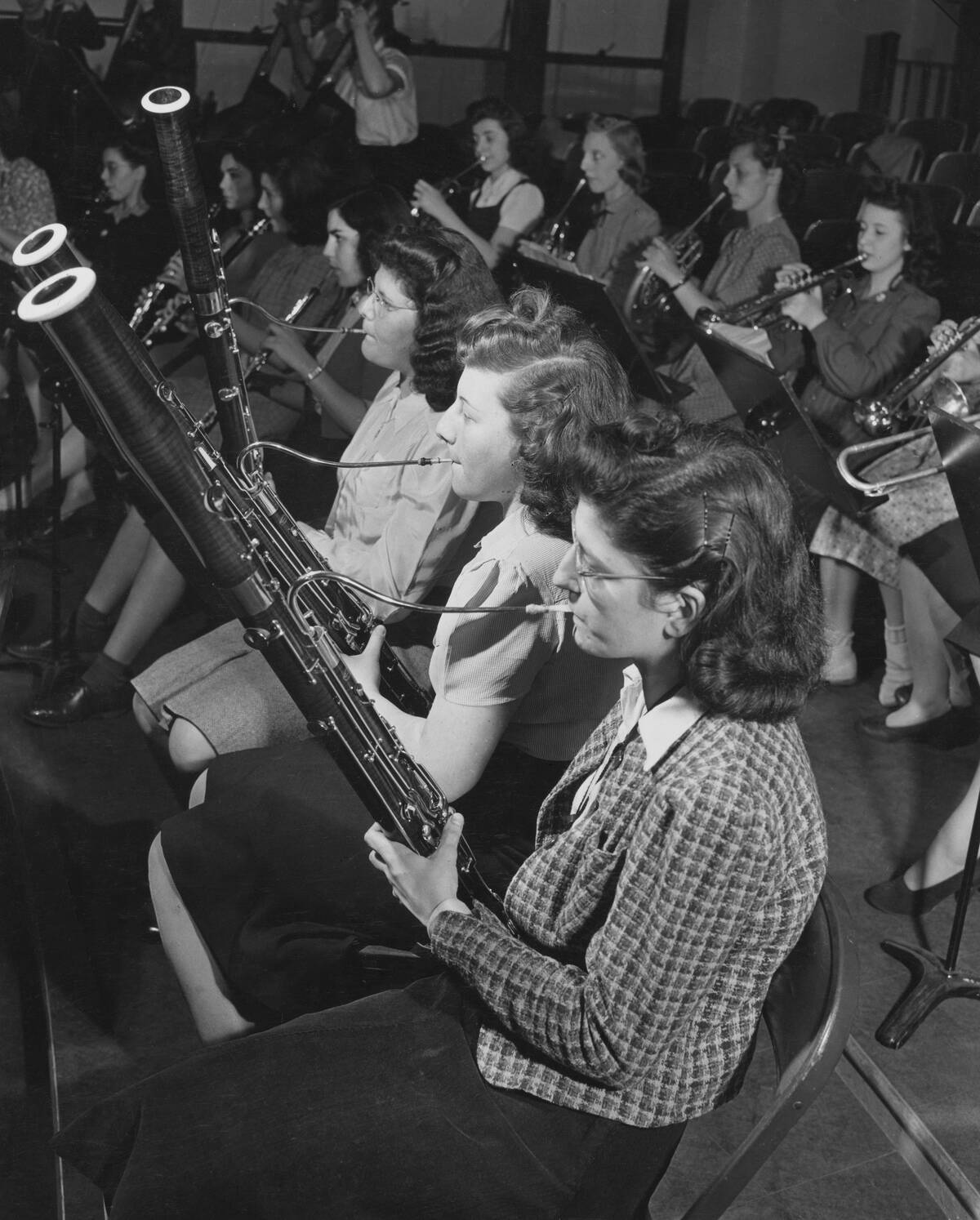
The bassoon, with its deep, reedy timbre, adds a rich, sonorous voice to the woodwind section. Emerging prominently during the Baroque era, the bassoon’s range and versatility made it a favorite among composers.
Its ability to produce both comical and poignant tones allows it to play a variety of roles in orchestral music. Whether providing a bass foundation or a lyrical melody, the bassoon is an indispensable part of the orchestral palette.
The Trumpet: A Brass Instrument with a Regal History
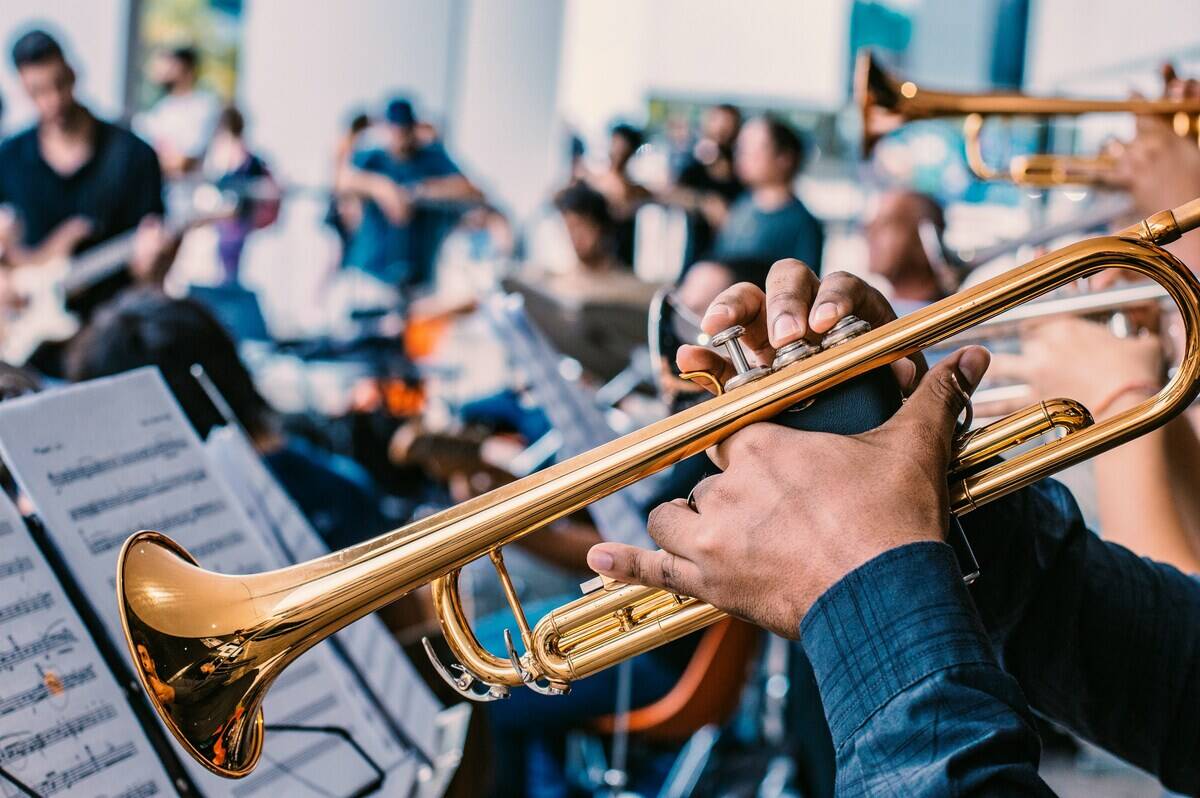
The trumpet has a storied history, once used for signaling in battle and ceremonies. Its bright, bold sound makes it a standout in any orchestra. Constructed from brass, the modern trumpet has valves that allow it to play a full chromatic range.
Its versatility is unmatched, from fanfares to solos, and its ability to project over an entire orchestra is legendary. The trumpet’s regal sound remains a symbol of splendor and grandeur.
The French Horn: Echoes of the Hunt in Orchestral Halls
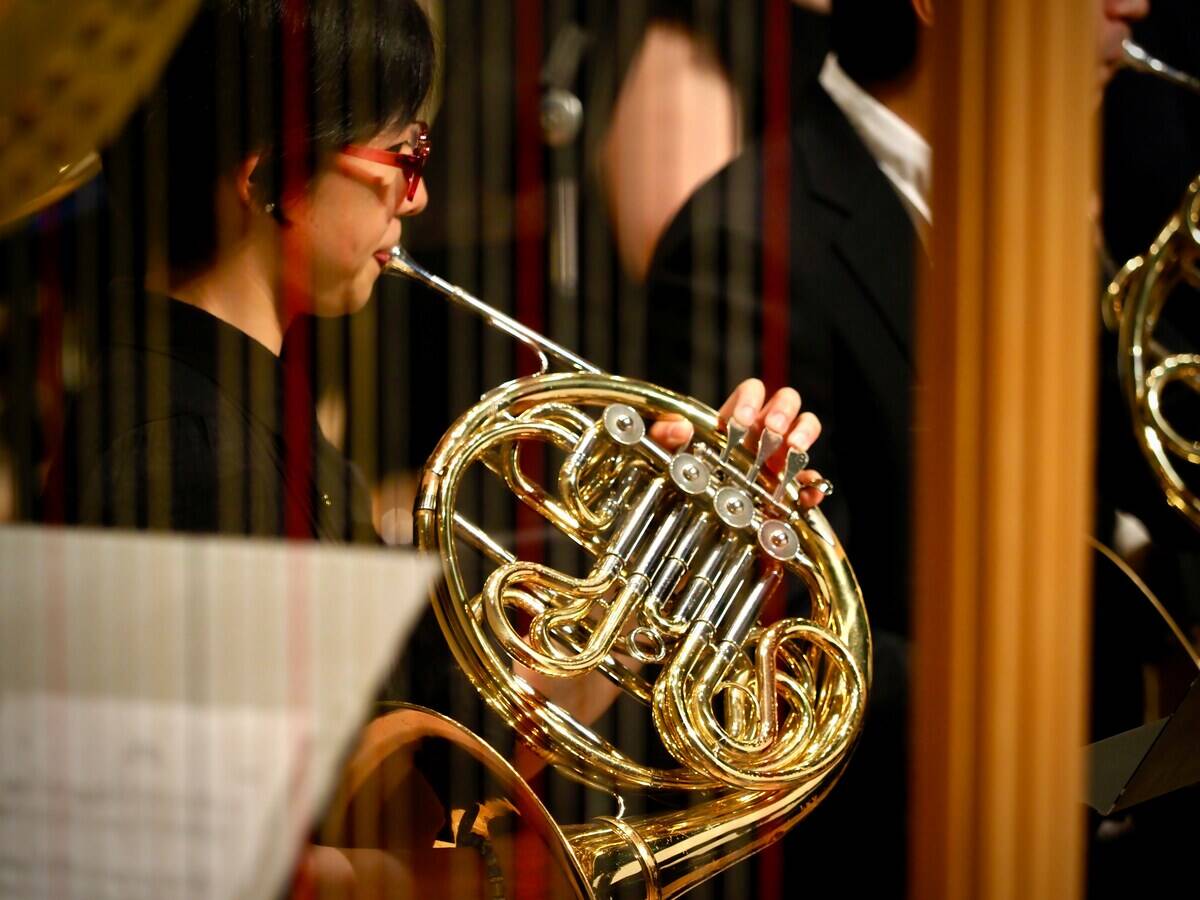
The French horn, with its coiled tubing and rich, mellow tone, traces its origins to hunting horns. Its unique design allows for a wide range of dynamics and tones, from soft, haunting melodies to powerful, resonant calls.
The French horn’s ability to blend seamlessly with both brass and woodwinds makes it a versatile and essential part of the orchestra. Its complex playing technique, using hand-stopping and precise embouchure, adds to its mystique.
The Timpani: Ancient Drums with a Boom in the Orchestra
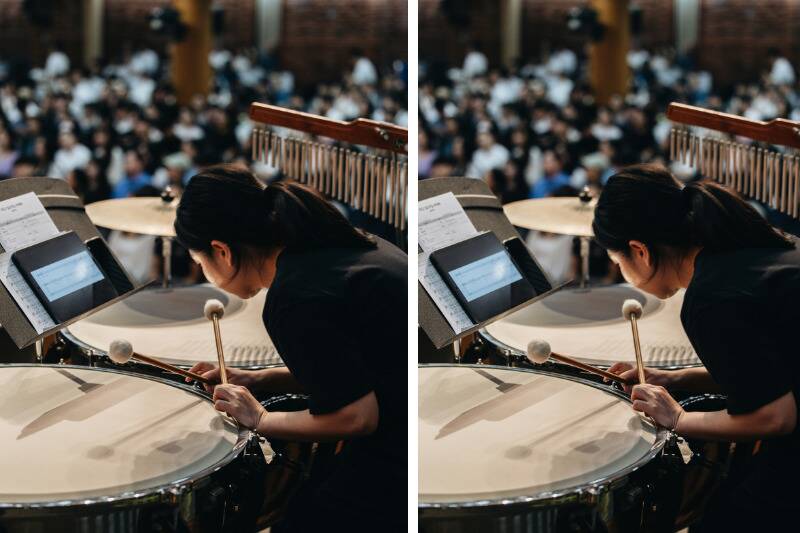
The timpani, or kettle drums, have roots in ancient percussion instruments but have become a staple in the symphony orchestra. Known for their thunderous sound, they add dramatic impact to orchestral music.
Timpani are tunable, allowing them to produce specific pitches, which makes them unique among percussion instruments. Their role is crucial in creating tension and excitement, often highlighting climactic moments with a powerful boom that reverberates through the concert hall.
The Harp: An Ancient Stringed Serenade
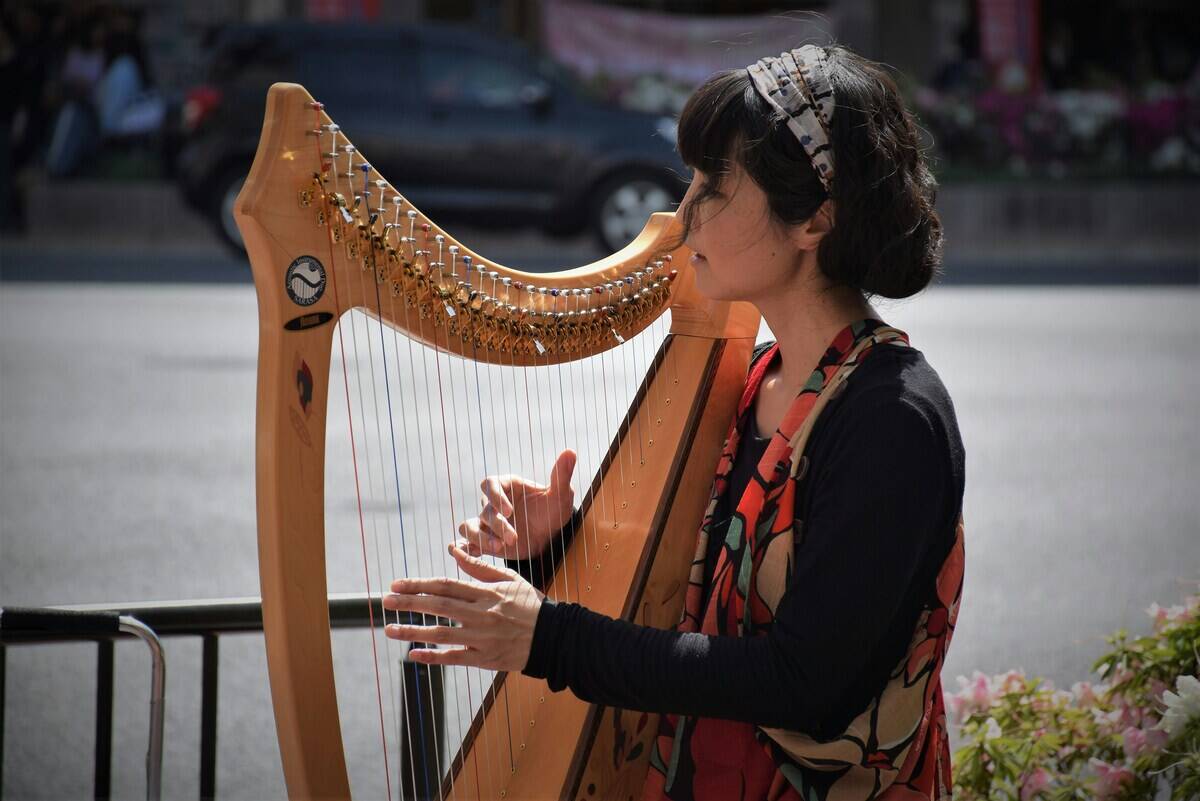
The harp, with its elegant frame and ethereal sound, is one of the oldest string instruments. Its origins date back to ancient civilizations, and it has evolved into a staple of the modern orchestra.
The harp’s ability to produce glissandos and shimmering arpeggios adds a touch of magic to orchestral music. Its unique sound, created by plucking strings with the fingers, offers a serene contrast to the more robust sounds of other instruments, making it truly enchanting.
The Clarinet: The Newcomer of the 18th Century
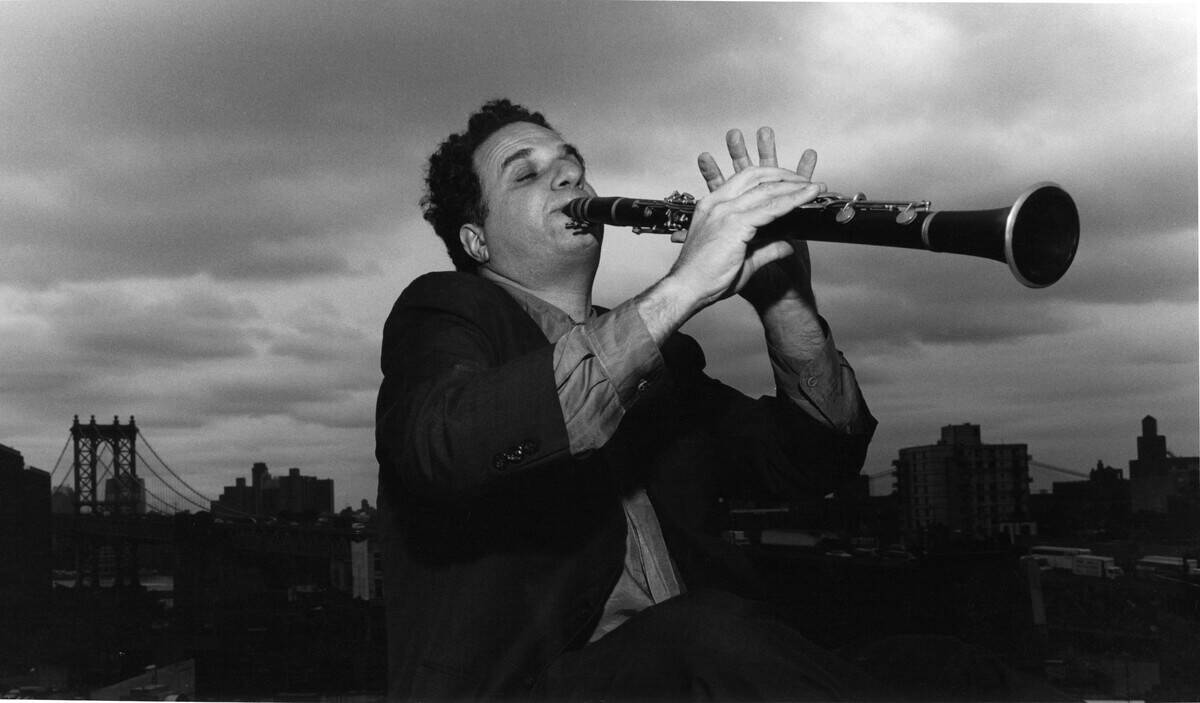
The clarinet, a relatively recent addition to the orchestral family, was developed in the early 18th century. Its single-reed design allows for a wide range of expression, from soft, velvety tones to bright, lively passages.
The clarinet’s flexibility and rich sound have made it a favorite for both orchestral and solo performances. Its ability to blend with strings and other woodwinds makes it an indispensable asset, adding warmth and depth to the ensemble’s sound.
The Organ: The Majestic Powerhouse of Sacred and Secular Music
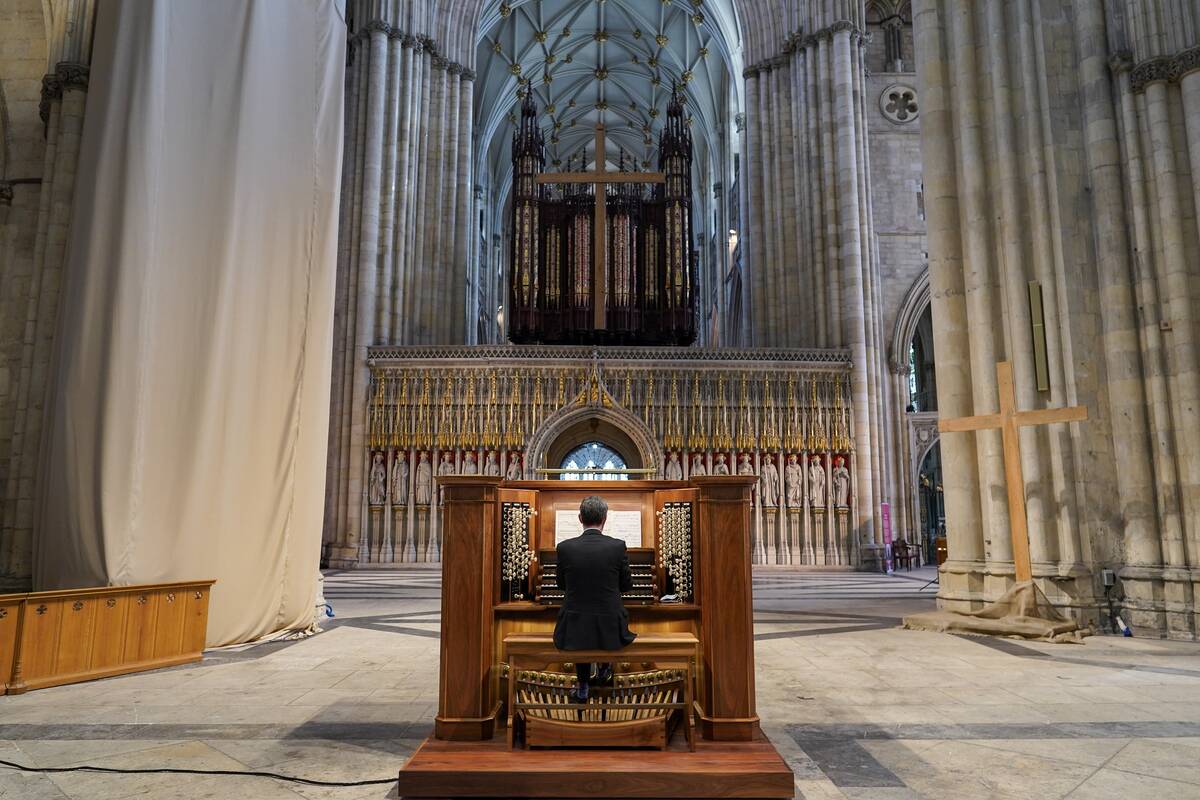
The organ, with its grand scale and powerful sound, has been a cornerstone of both sacred and secular music for centuries. Its intricate system of pipes and keyboards allows for a vast array of tones and dynamics, from soft whispers to thunderous roars.
Often found in churches and concert halls, the organ’s majestic presence and versatility make it a favorite for everything from Bach fugues to modern compositions. Its ability to fill a space with sound is unparalleled.
The Harpsichord: A Baroque Staple Still Resonating Today
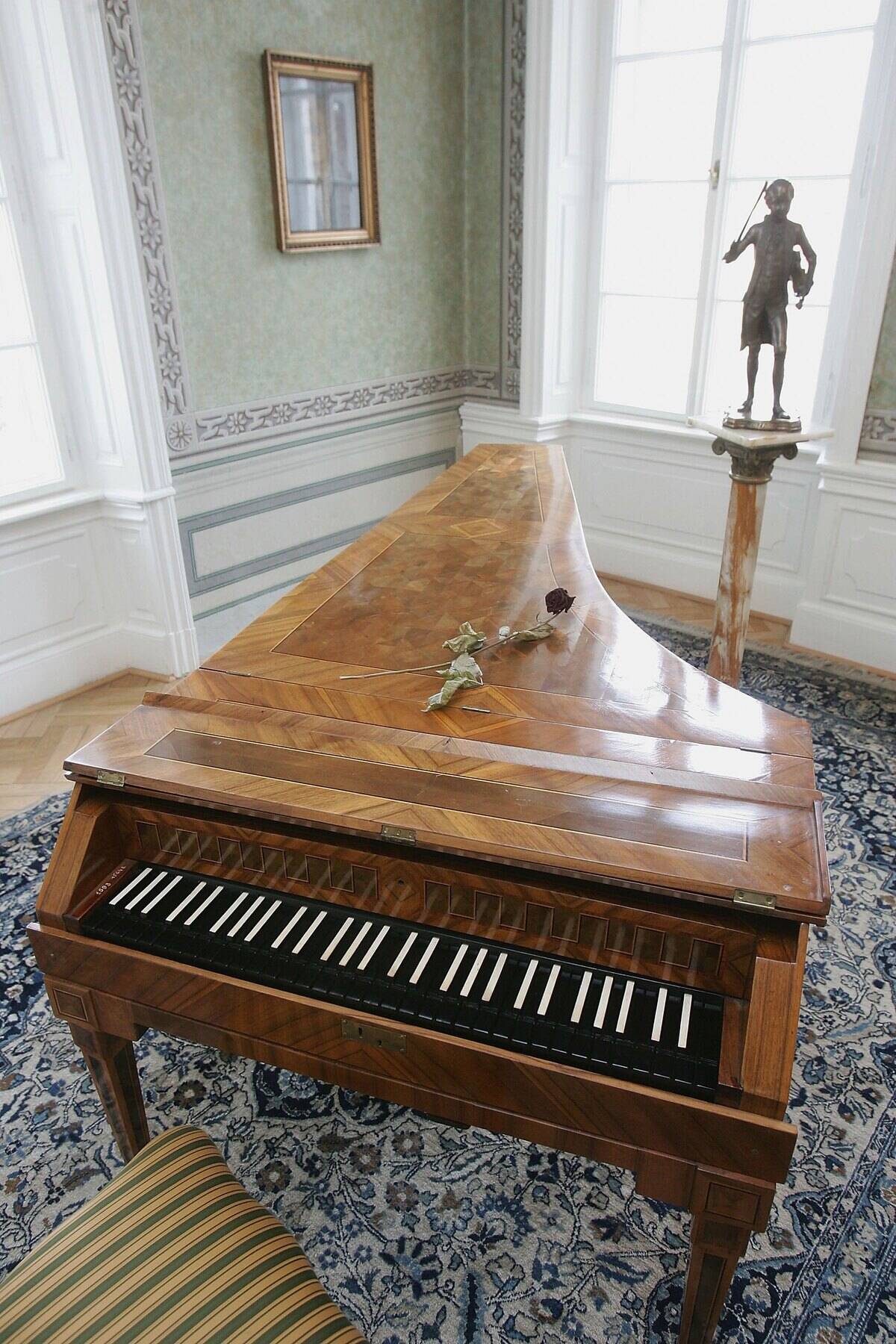
The harpsichord, with its distinctive plucked string sound, was a staple of Baroque music, preceding the piano. Its crisp, articulate tones made it ideal for the intricate counterpoint of composers like Bach and Handel.
Though its popularity waned with the advent of the piano, the harpsichord has seen a resurgence in early music performances. Its unique qualities continue to charm audiences, offering a glimpse into the rich musical tapestry of the past.
The Trombone: From Sacred to Secular Sounds
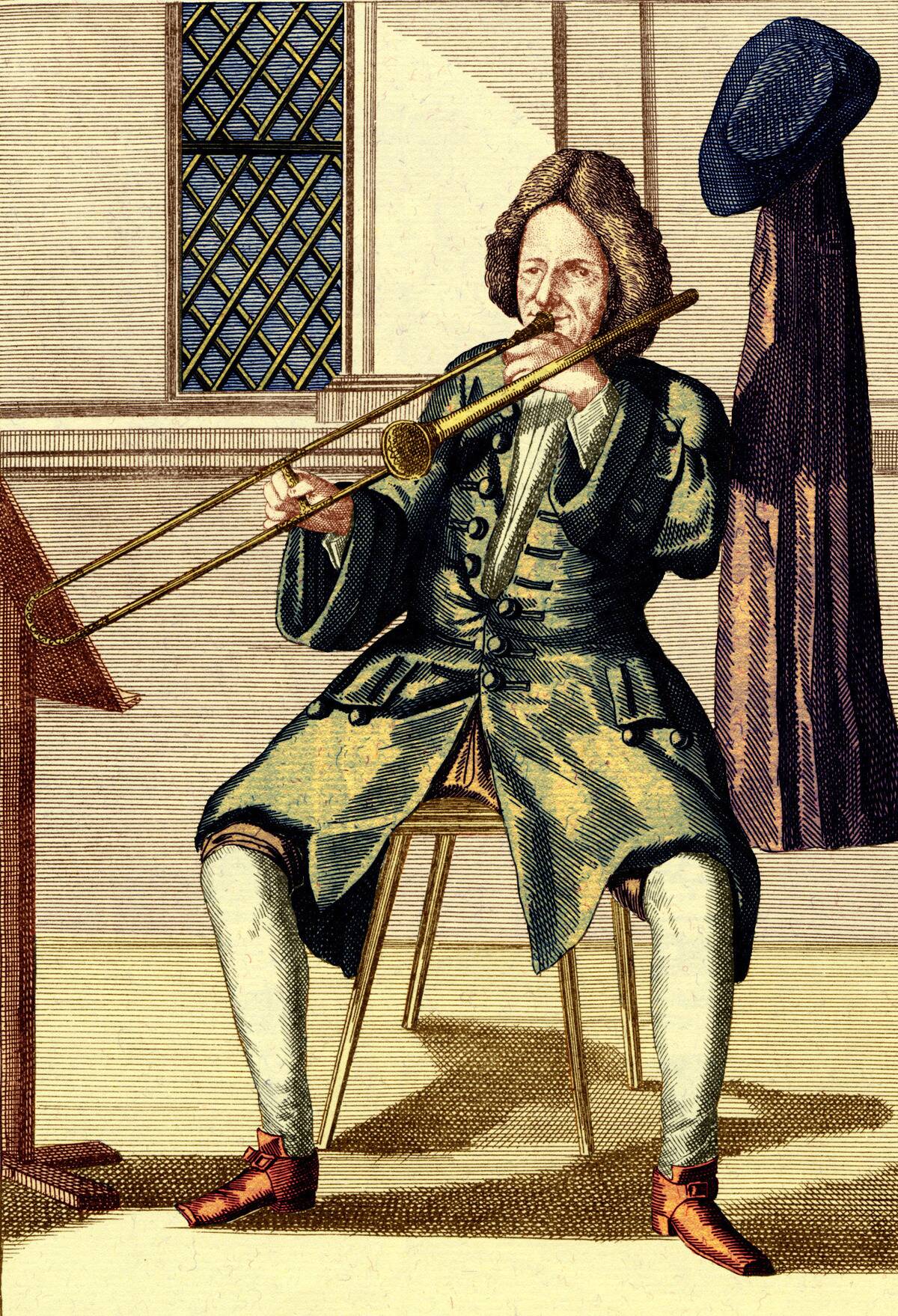
The trombone, with its slide mechanism, stands out for its ability to produce smooth glissandos and dynamic volume changes. Originating in the late Renaissance, it was initially used in sacred music settings.
Over time, the trombone found its way into orchestral and secular music, prized for its powerful, sonorous voice. Its versatility allows it to seamlessly transition from solemn, religious pieces to lively, rhythmic jazz, showcasing its wide-ranging capabilities.