Underwater caves that hold clues to prehistoric human migration
The world beneath the waves is a captivating frontier, teeming with secrets from a time long past. Underwater caves, often overlooked, are treasure troves of historical data.
These submerged labyrinths offer glimpses into ancient civilizations, preserved in the silence of the deep. As we delve into these watery depths, we uncover stories that reshape our understanding of human history and the natural world.
The Allure of Underwater Caves
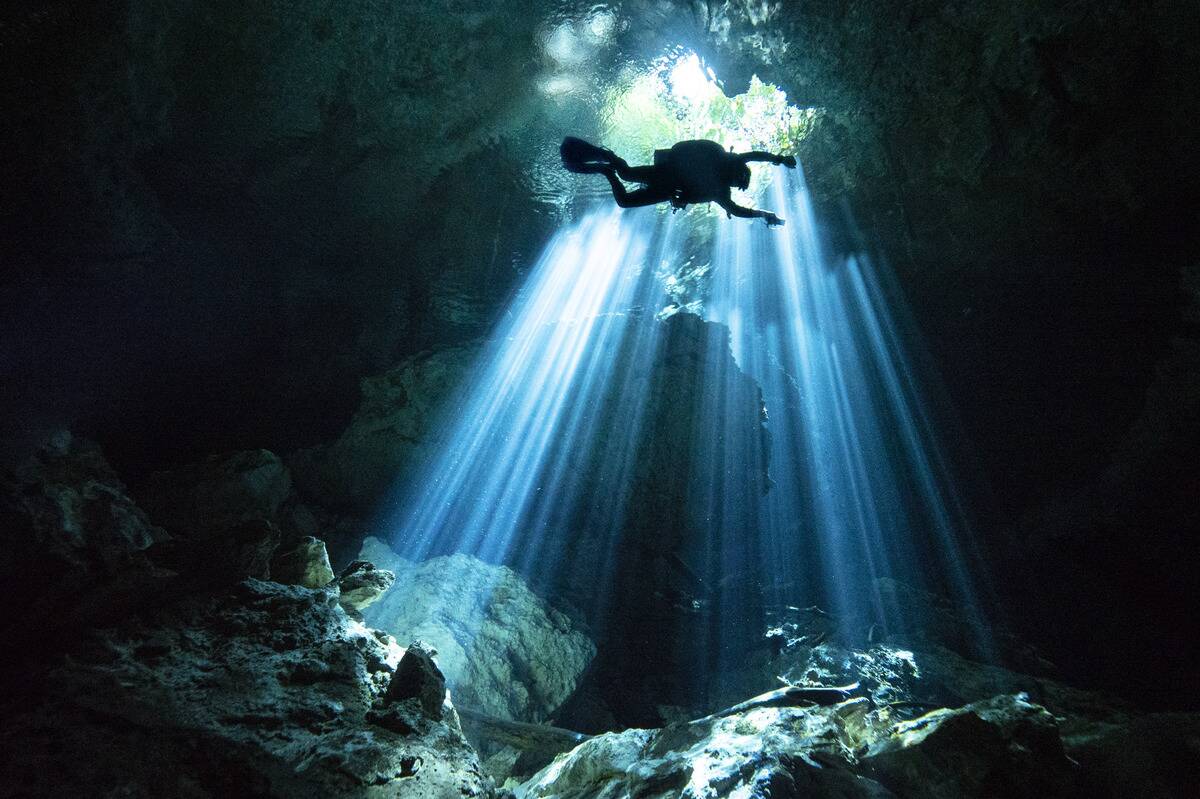
Underwater caves have an enigmatic allure that draws explorers and scientists alike. Their mysterious formations, often hidden from the casual eye, hold the promise of discovery. These caves are not just natural wonders; they are gateways to understanding the past.
The allure lies in their untouched nature and the secrets they guard, waiting patiently to be uncovered by those daring enough to venture into their depths.
Ancient Secrets Beneath the Waves
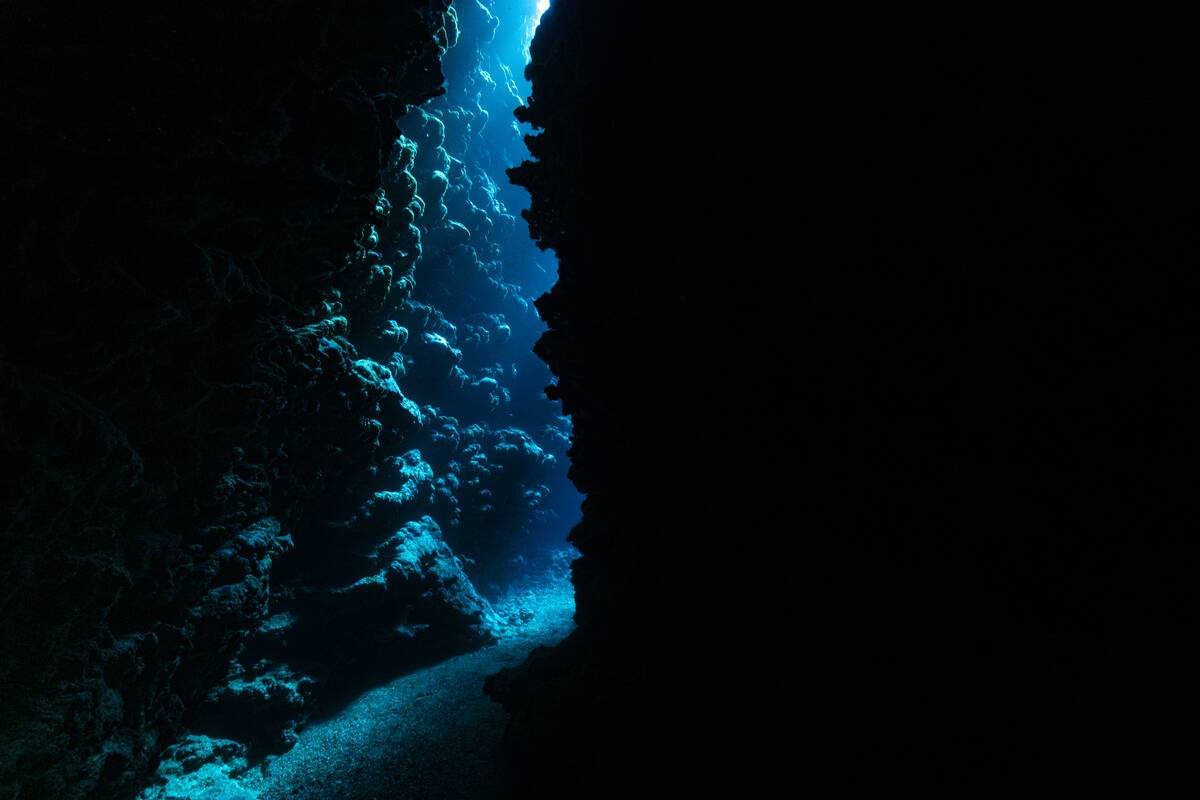
Beneath the waves, ancient secrets lie in wait, preserved in the timelessness of underwater caves. These submerged spaces often contain remnants of past human activity, including tools and pottery, offering a glimpse into the lives of our ancestors.
The preservation of organic materials, such as wood and bone, is remarkable, with some artifacts dating back thousands of years. These discoveries provide a tangible connection to the humans who once walked the earth.
The Science of Underwater Archaeology
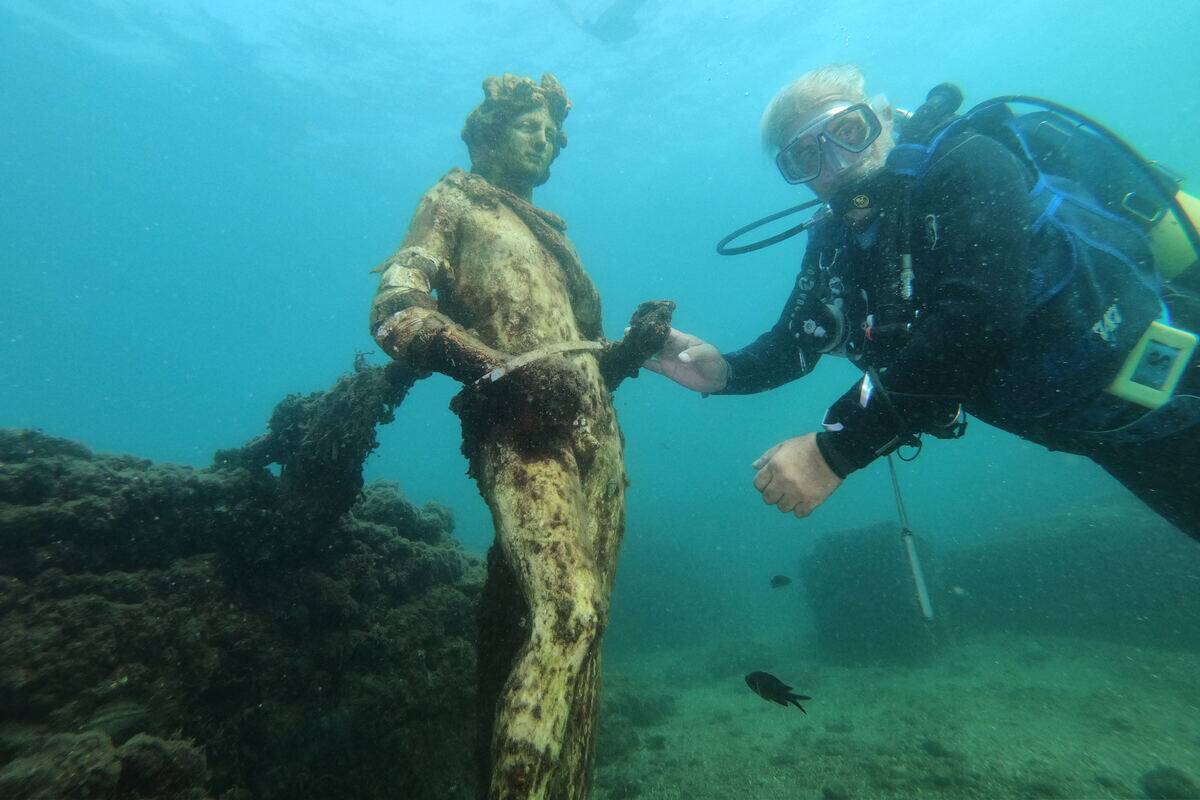
Underwater archaeology is a meticulous science, requiring a blend of diving skills and archaeological expertise. Researchers use advanced technology, such as sonar mapping and remotely operated vehicles, to explore and document submerged sites.
These scientific endeavors are crucial for preserving historical data and understanding the context of archaeological findings. The discipline continues to evolve, providing new insights into the complexities of human history beneath the sea.
How Caves Formed Underwater
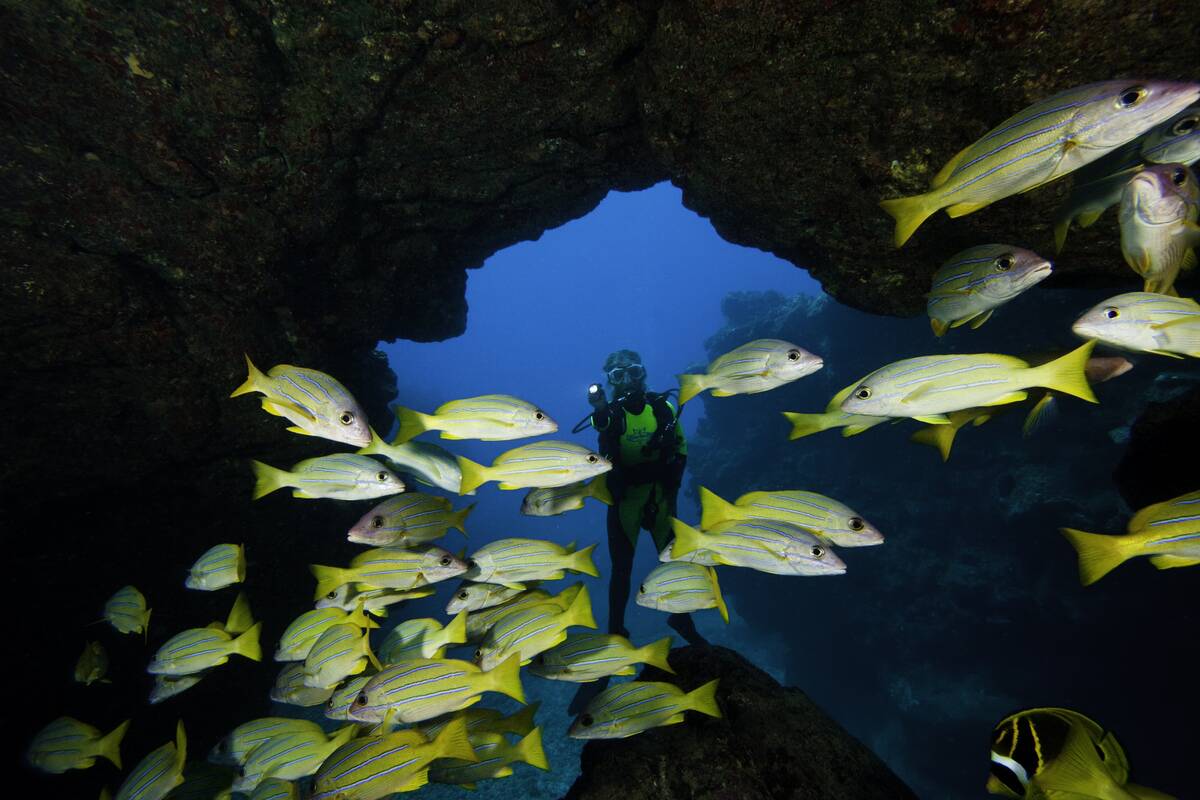
The formation of underwater caves is a fascinating geological process. Many of these caves were initially formed on land by the dissolution of limestone, a process known as karstification.
Over time, rising sea levels submerged these caves, preserving them underwater. This natural transformation creates unique ecosystems and geological formations, offering a window into the earth’s dynamic history and the forces that shape our planet.
Prehistoric Migration: A Human Odyssey
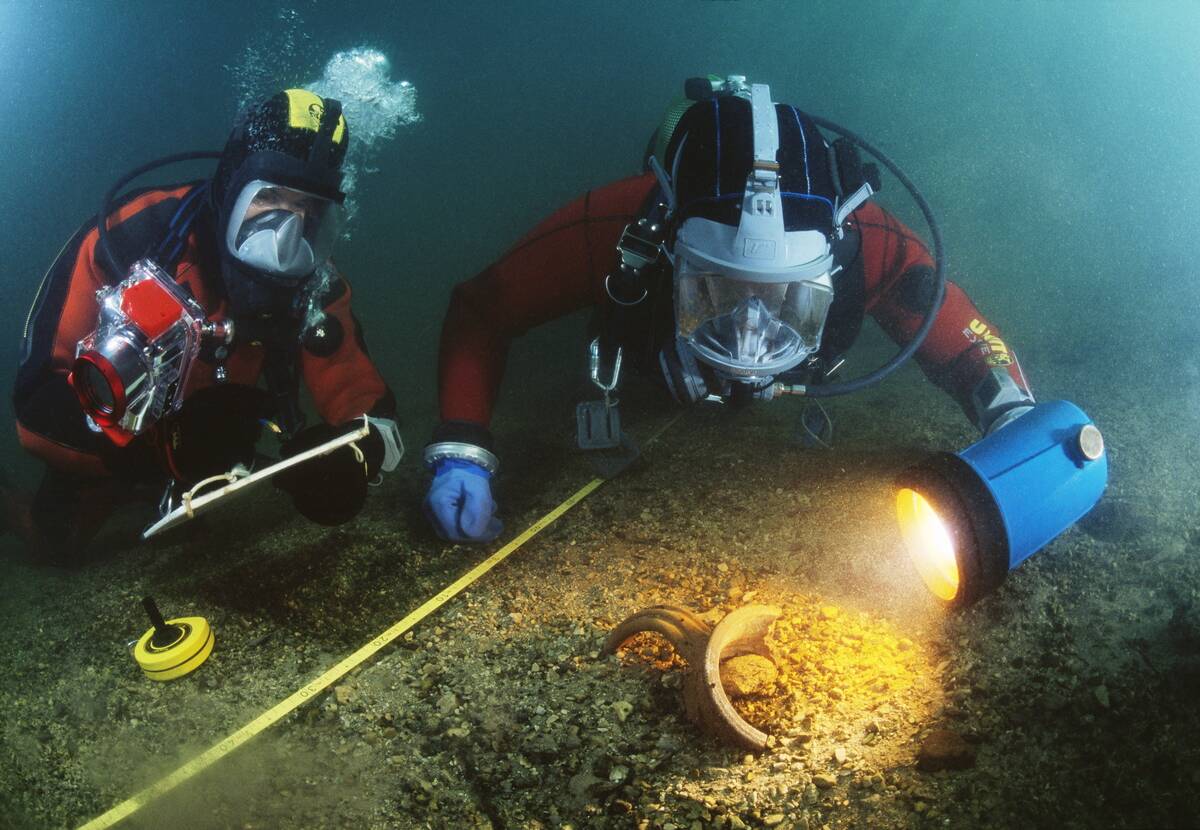
Prehistoric migration patterns are intricately linked to the stories told by underwater caves. As sea levels fluctuated over millennia, ancient humans adapted by migrating across land bridges now submerged.
These migrations are evidenced by the tools and artifacts found in underwater caves, shedding light on the routes and lifestyles of early humans. The study of these movements offers invaluable insights into the resilience and ingenuity of our ancestors.
The Role of Sea Levels in Human History
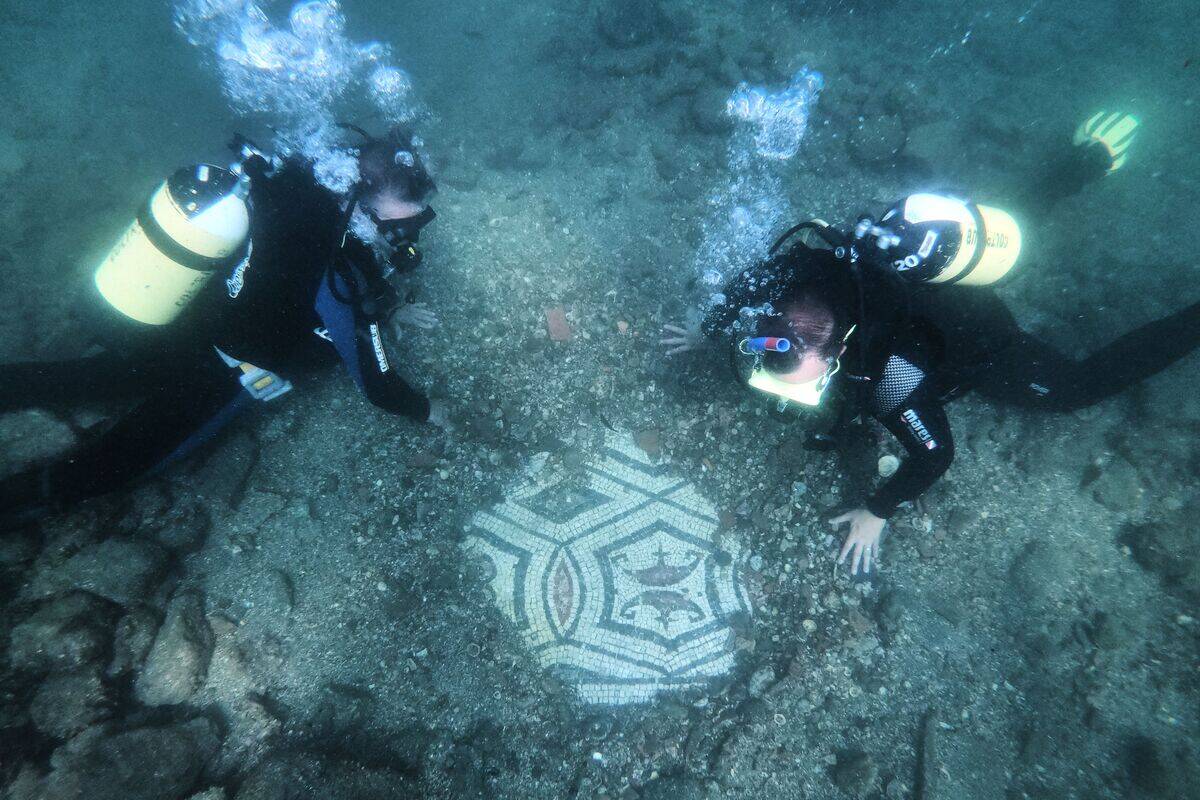
Sea levels have played a pivotal role in shaping human history, influencing migration patterns and the development of civilizations. During the last Ice Age, lower sea levels exposed vast tracts of land, facilitating human movement and settlement.
As the ice melted, rising waters submerged these territories, leaving behind underwater landscapes filled with historical artifacts. Understanding these changes helps historians reconstruct past environments and human responses to them.
Famous Underwater Cave Sites Around the World
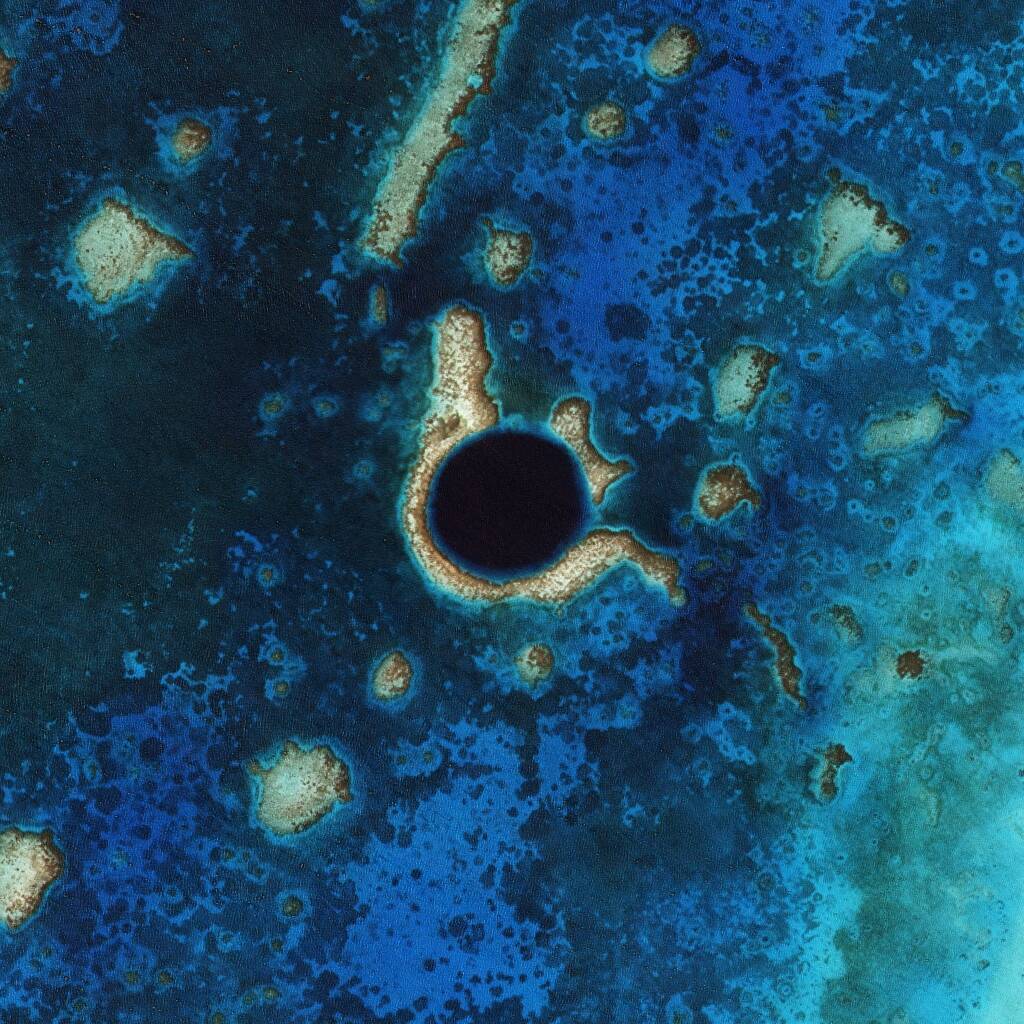
Some underwater caves have gained fame for their remarkable historical significance. The Great Blue Hole in Belize, for instance, attracts divers and researchers with its stunning beauty and geological history.
Meanwhile, the Cenotes of the Yucatán Peninsula are treasure troves of Mayan artifacts. These sites, among others, offer unparalleled opportunities to study human history and the natural processes that shape our world.
Fascinating Finds: Artifacts from the Depths
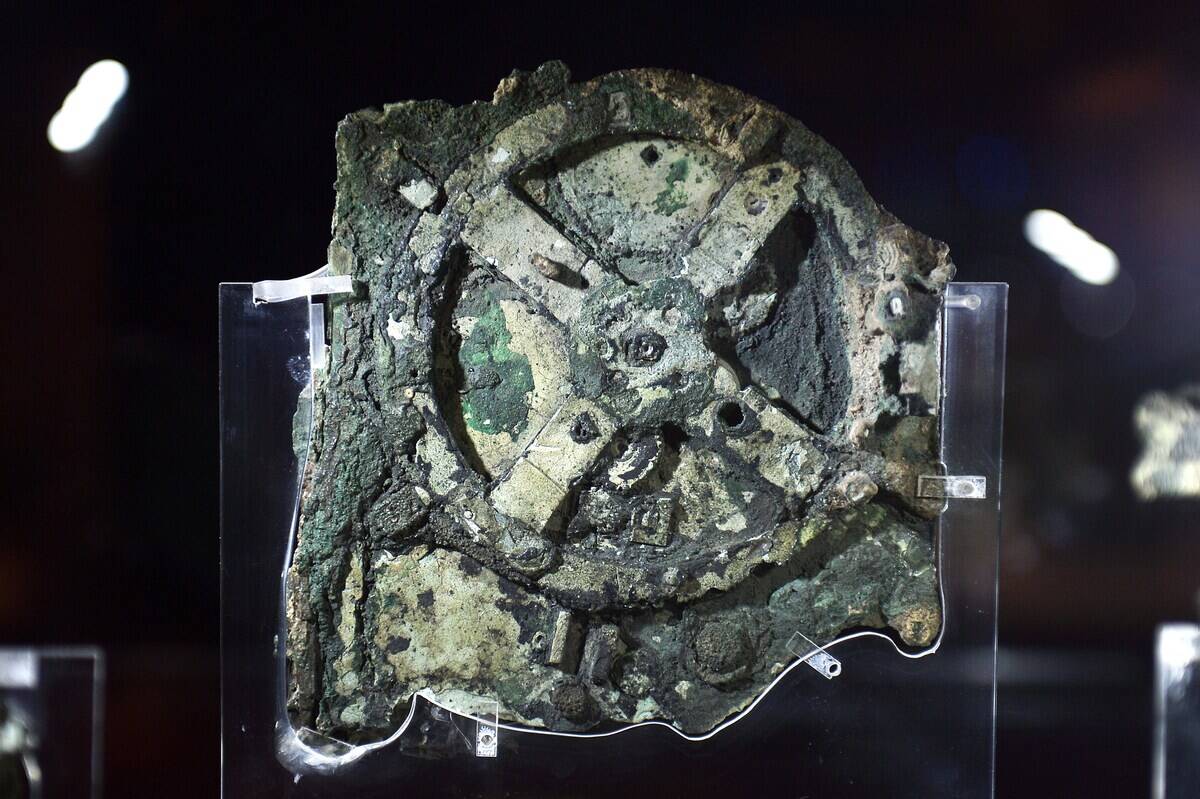
The depths of underwater caves have yielded a wealth of fascinating artifacts. From ancient pottery and stone tools to human remains and ceremonial objects, these finds illuminate the lives of past cultures.
One notable discovery is the Antikythera mechanism, an ancient Greek device recovered from a shipwreck, showcasing the advanced technological understanding of its creators. Each artifact recovered tells a story, enriching our understanding of human history.
Cave Art: Messages from Our Ancestors
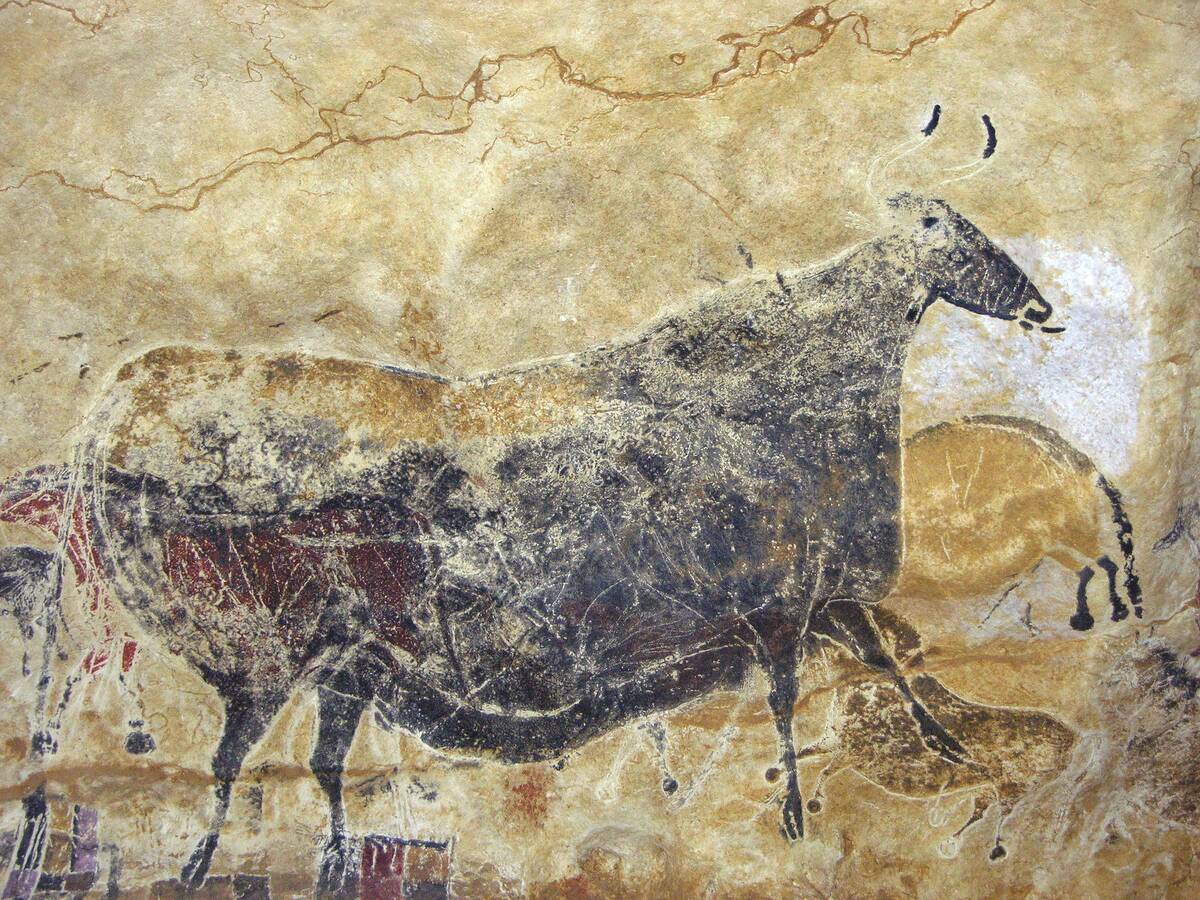
Cave art found in underwater sites offers a unique glimpse into the minds of our ancestors. These ancient artworks, often depicting animals and human figures, provide insights into the cultural and spiritual beliefs of early societies.
The artistic techniques and materials used reveal the creativity and resourcefulness of prehistoric peoples. Studying these artworks helps us understand the symbolic language and communication methods of past civilizations.
Tools and Techniques Used by Underwater Archaeologists
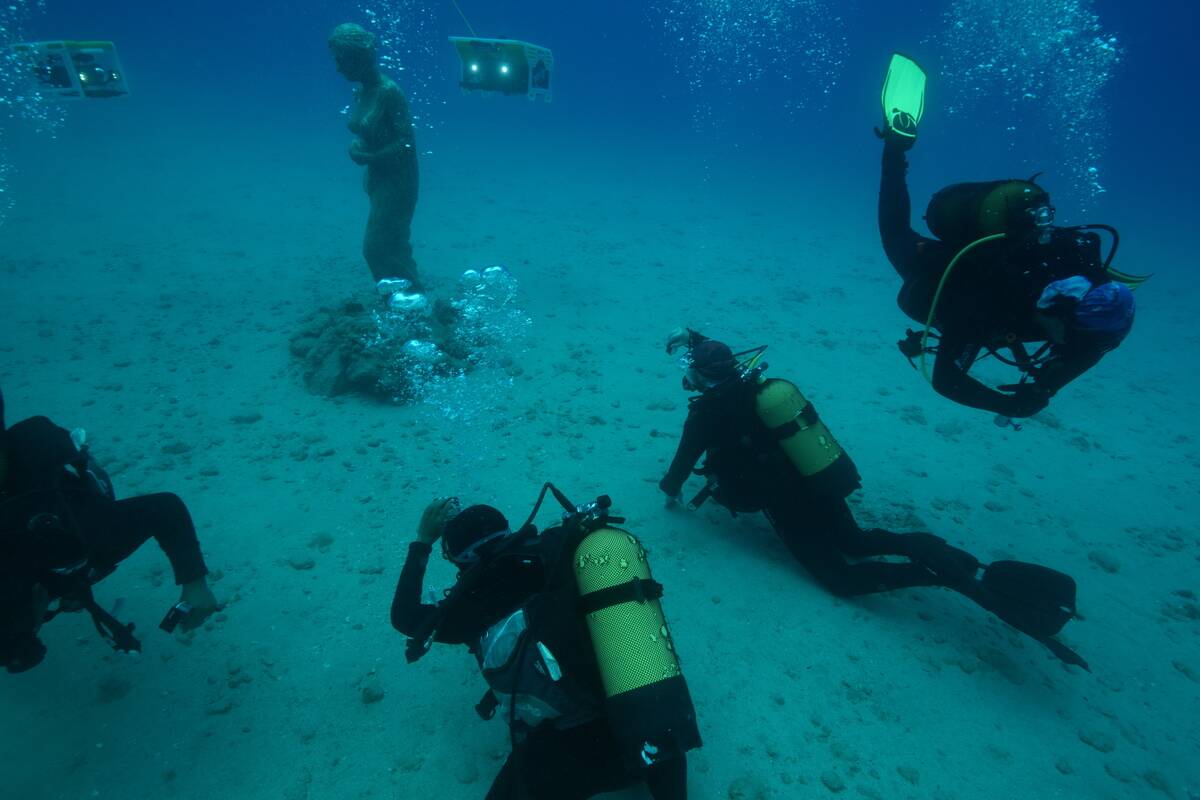
Underwater archaeologists rely on a variety of tools and techniques to explore submerged sites. Diving equipment, such as rebreathers and wetsuits, allows them to reach depths safely. Advanced technologies like sonar and underwater drones enable precise mapping and documentation of archaeological finds.
These tools, combined with the expertise of skilled archaeologists, ensure that the delicate process of underwater excavation is conducted with precision and care.
The Significance of Human Remains in Caves
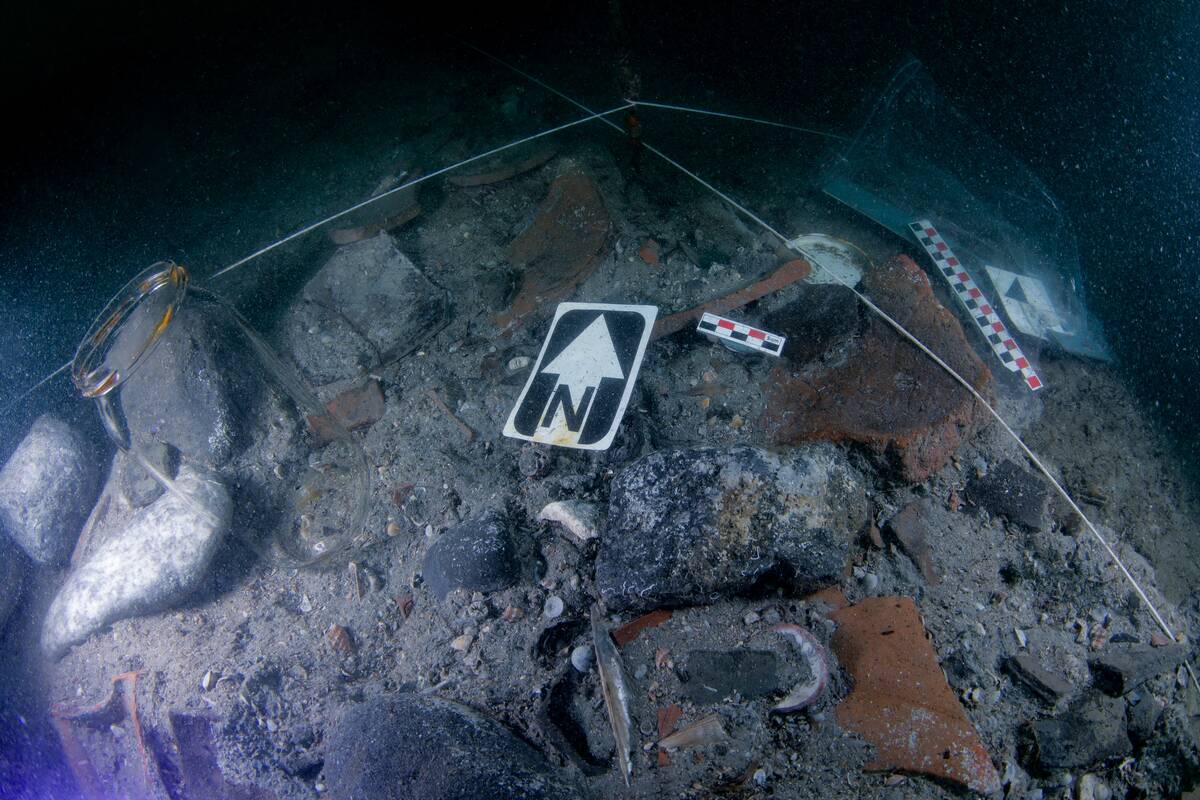
Human remains discovered in underwater caves hold significant archaeological value. They offer crucial insights into the health, diet, and lifestyles of ancient populations. The study of these remains helps researchers understand burial practices and social hierarchies of early societies.
Additionally, DNA analysis can reveal genetic links and migration patterns, providing a deeper understanding of human evolution and adaptation over time.
Challenges of Exploring Underwater Caves
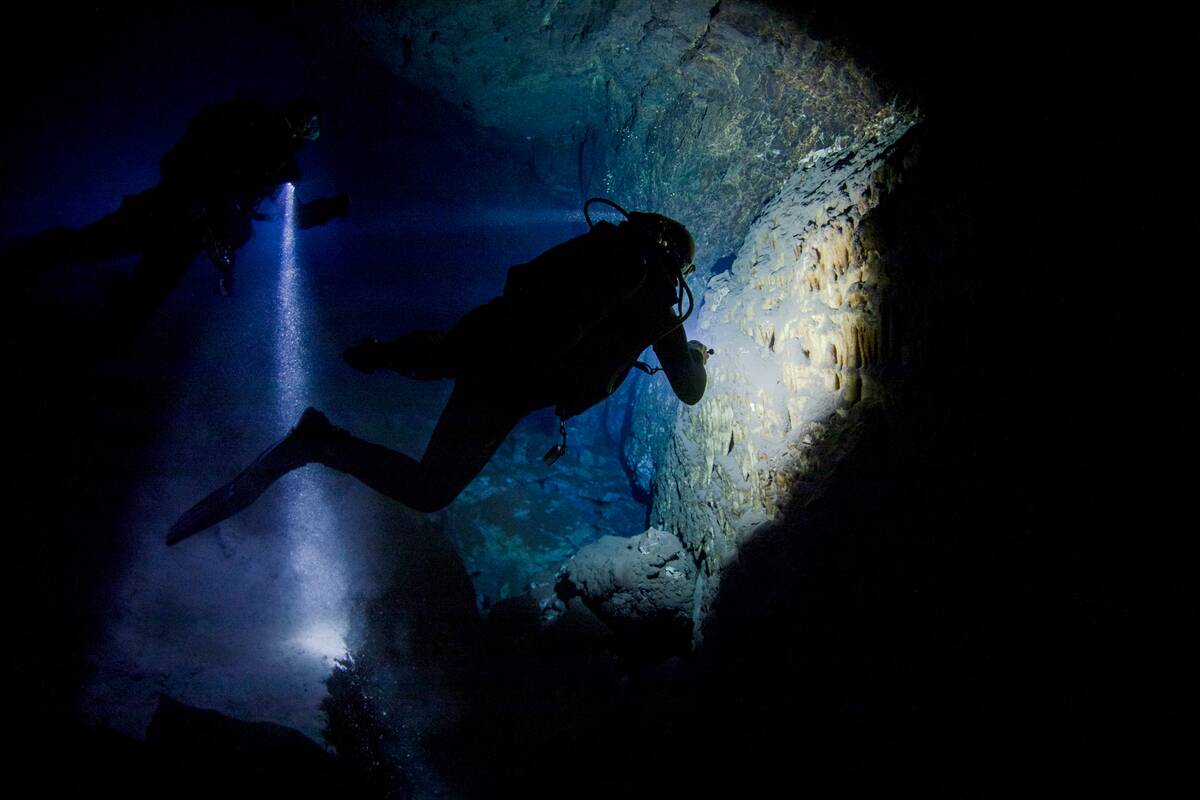
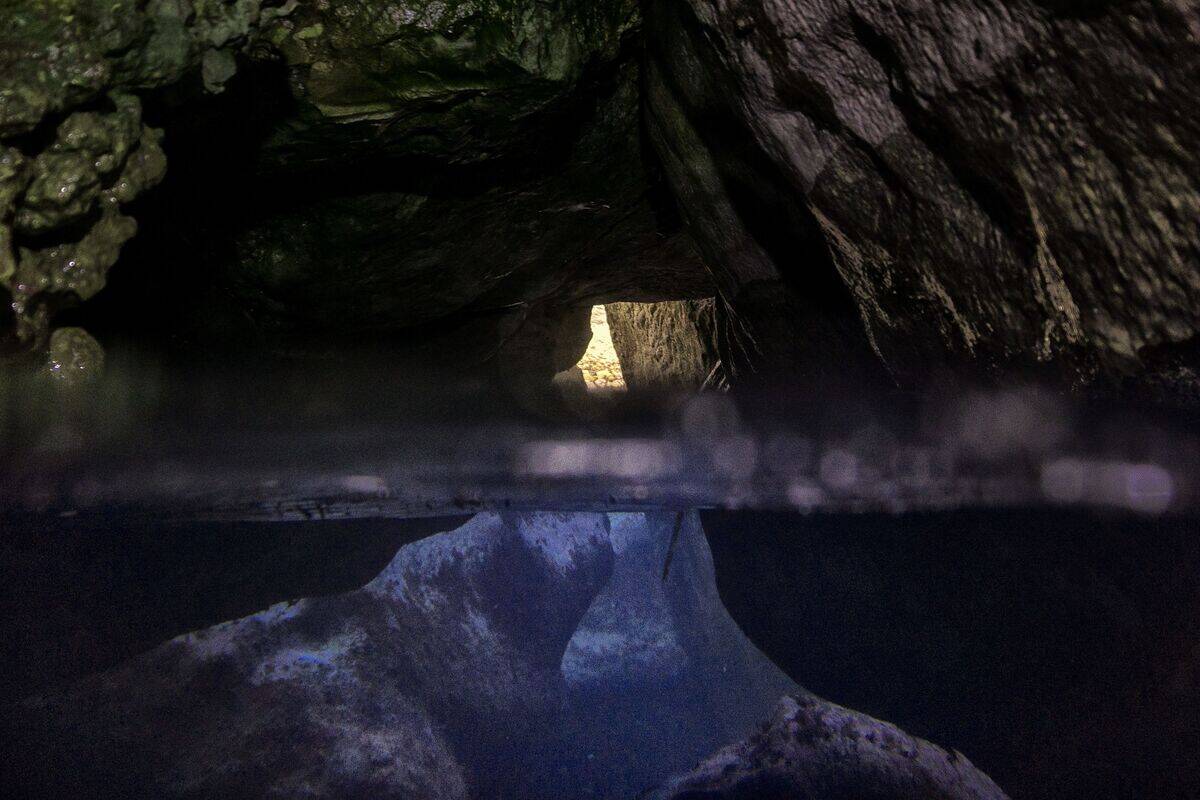
Exploring underwater caves presents numerous challenges for archaeologists and divers. The dark, confined spaces can be disorienting, requiring specialized training and equipment. Water currents and sediment clouds can obscure vision, making navigation difficult. Additionally, preserving fragile artifacts in situ is a delicate process, demanding careful planning and execution. Despite these challenges, the rewards of uncovering history beneath the waves are immense.
The Impact of Climate Change on Underwater Archaeology
Climate change poses new challenges and opportunities for underwater archaeology. Rising sea levels and changing ocean temperatures can threaten submerged sites, potentially damaging valuable artifacts.
However, these changes also expose new areas for exploration, revealing previously inaccessible historical sites. Archaeologists must adapt their methods to address these environmental shifts, ensuring the preservation of cultural heritage for future generations.




