Radio broadcasts that created the first international celebrities
The Golden Age of Radio, spanning from the 1920s to the 1950s, was a transformative period in entertainment history. It was a time when families would gather around their radios, captivated by the magic of sound waves delivering news, music, and stories.
Radio was a primary source of entertainment and information, shaping cultural norms and uniting listeners globally. It was a technological marvel that brought voices into homes, creating a shared experience that paved the way for future media.
The Power of Radio: A Global Phenomenon
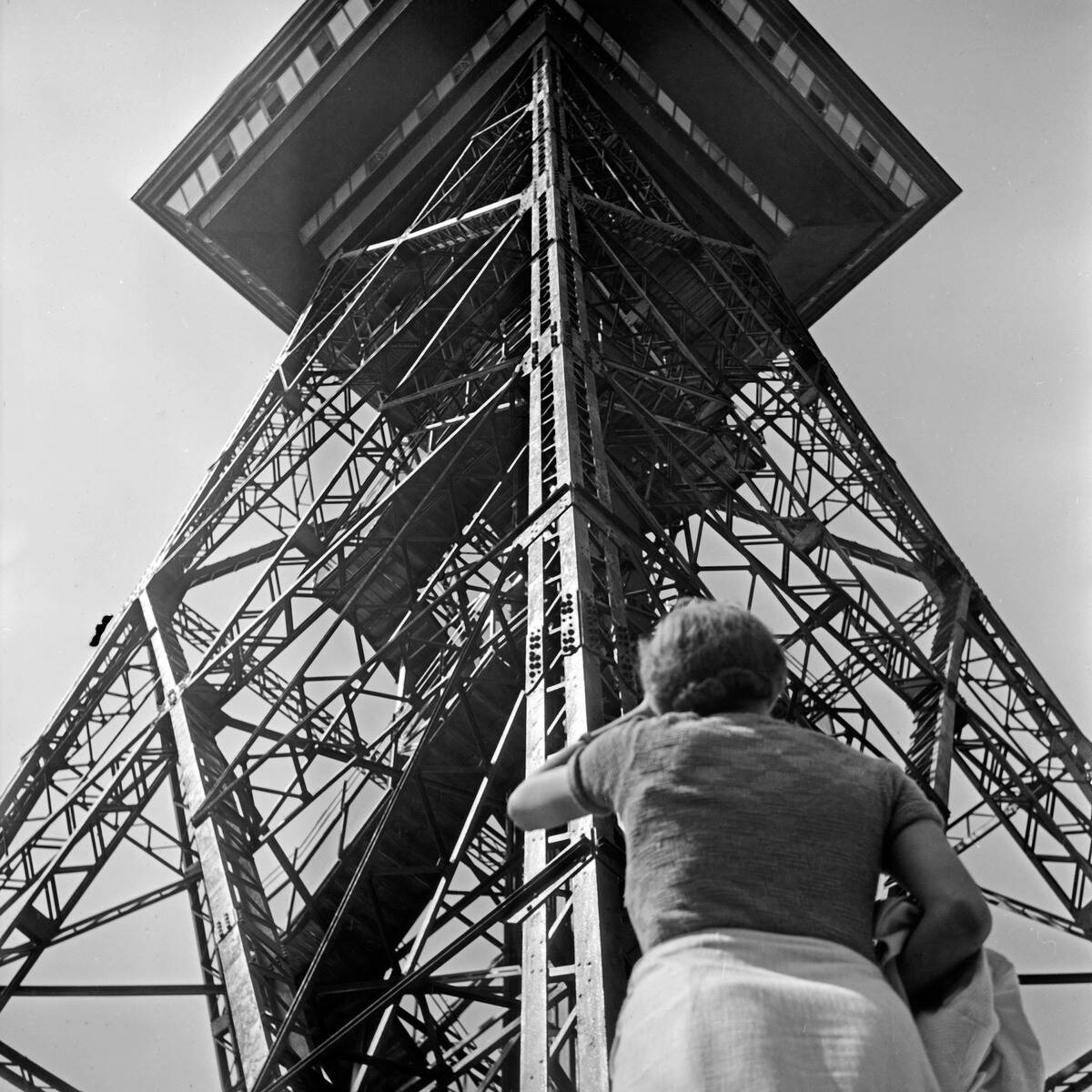
Radio’s reach was unprecedented, penetrating corners of the world where newspapers and television could not. By the late 1930s, over 80% of American households owned a radio, and similar adoption rates were seen in Europe.
Radio broadcasts were not limited by literacy, making them accessible to a wider audience. This medium became a tool for education, entertainment, and propaganda, influencing public opinion and cultural trends across the globe.
The Birth of Celebrity Culture Through Radio Waves
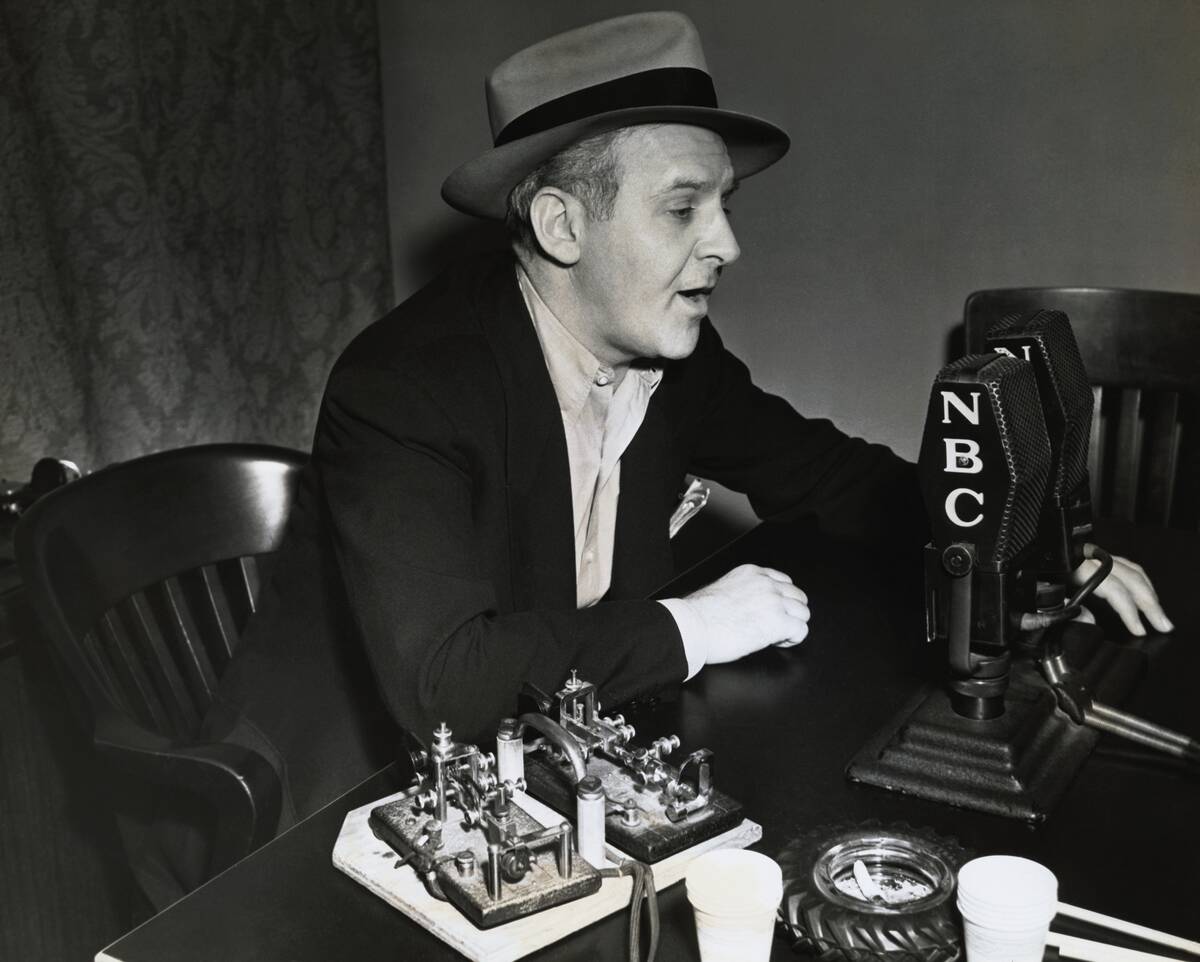
Radio was instrumental in creating the first wave of celebrities, as voices became instantly recognizable and beloved. Before television, radio personalities were the stars, their voices iconic and their influence immense.
People like Walter Winchell and Mary Margaret McBride became household names, providing a glimpse of the celebrity culture that would evolve with television and social media. Radio connected listeners to these personalities, creating a sense of intimacy and familiarity.
How Radio Broadcasts Transcended Borders
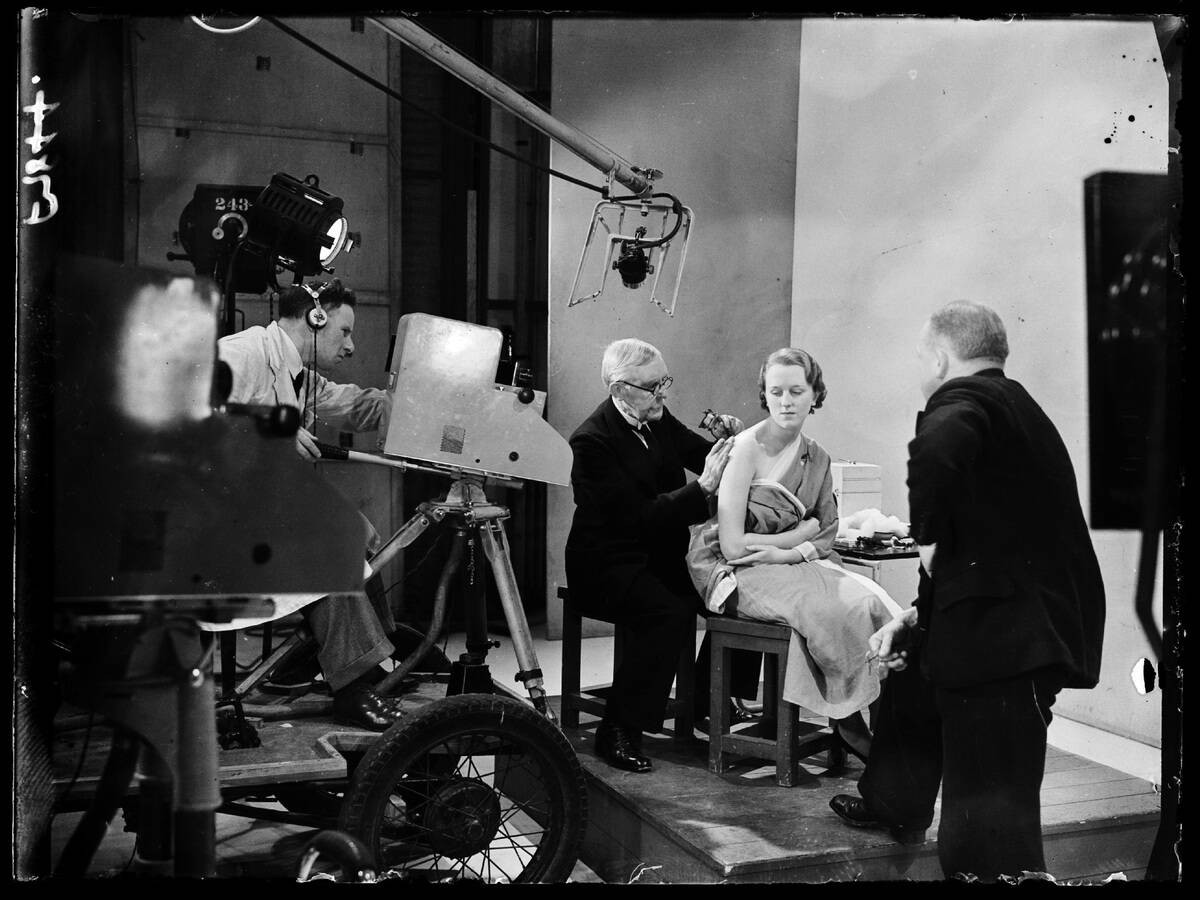
Radio broadcasts knew no borders, reaching international audiences and spreading cultural influences. Programs like the BBC World Service and Voice of America brought news, music, and entertainment to millions, fostering cultural exchange.
This cross-border transmission helped spread American jazz, British drama, and European classical music, creating a global cultural tapestry. Radio’s ability to transcend borders made it a powerful tool for diplomacy and international relations.
The Early Days: Radio’s Role in Creating Stars
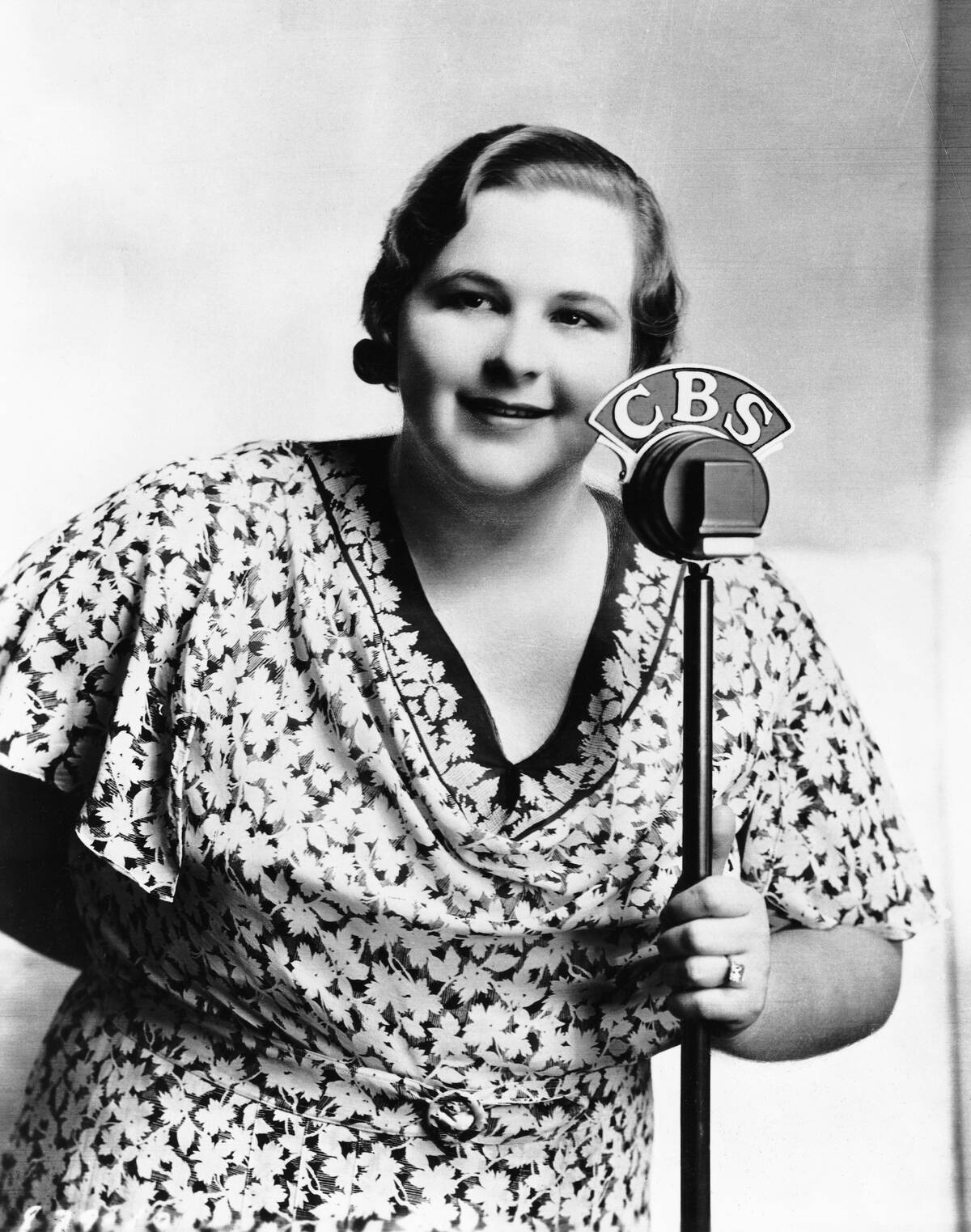
In radio’s infancy, stars were born from the ether, their talent broadcast into millions of homes. Singers and actors who might have remained local sensations found national fame.
Artists like Kate Smith and Fred Allen became icons through radio, their performances eagerly anticipated by the public. Radio was a launching pad for talent, with shows like “The Jack Benny Program” and “Amos ‘n’ Andy” showcasing the comedic and dramatic skills of their stars.
The Charisma of Radio Hosts: Pioneers of Fame
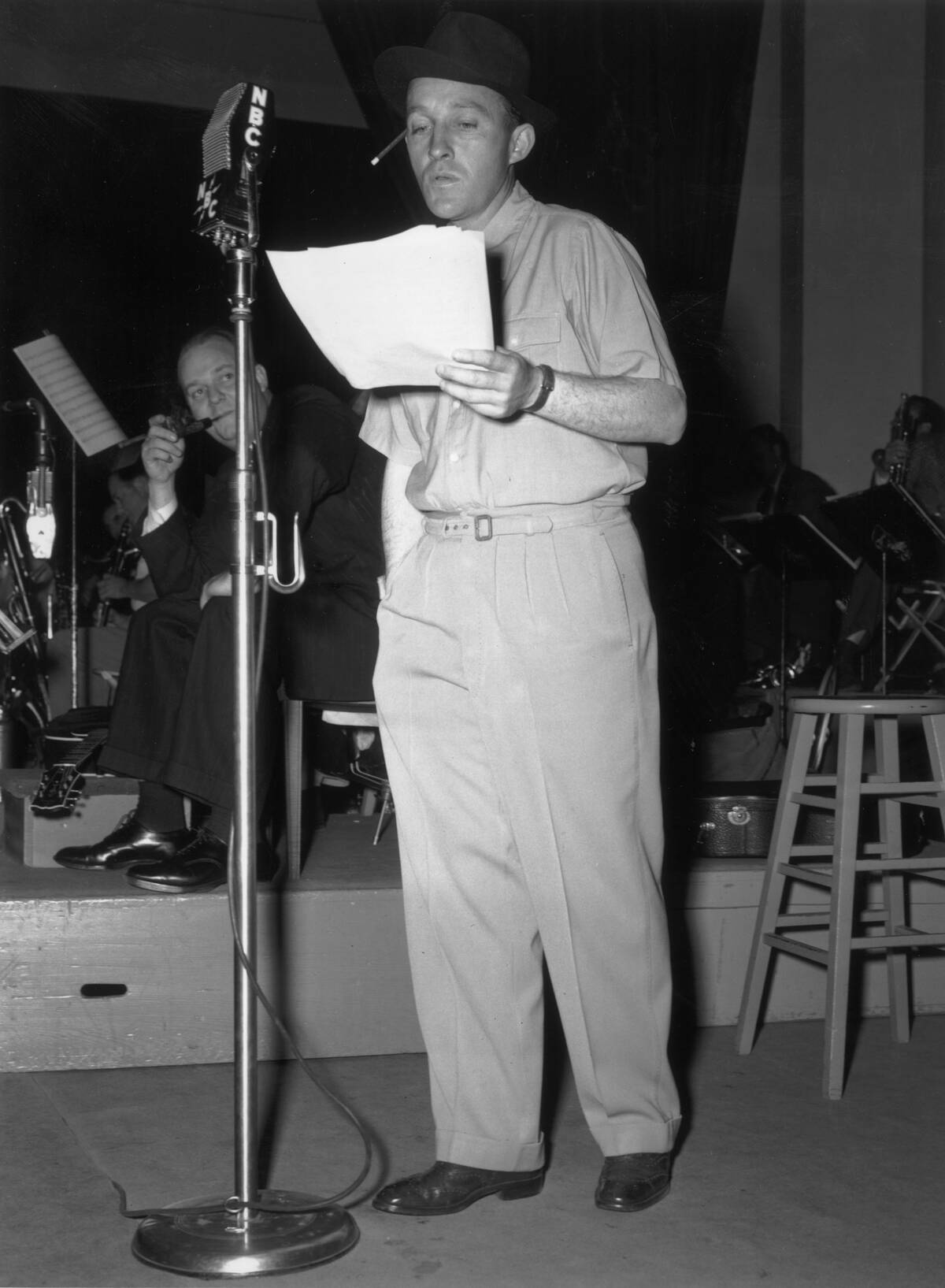
Radio hosts were the original influencers, their voices familiar companions to listeners. Figures like Bob Hope and Bing Crosby were known for their charm and wit, endearing themselves to audiences.
These hosts set the standard for broadcasting, with their charisma and style paving the way for future generations of media personalities. Their ability to engage and entertain listeners made them pioneers of fame, their influence felt across the entertainment industry.
War of the Worlds: Orson Welles and the Broadcast That Shocked the World
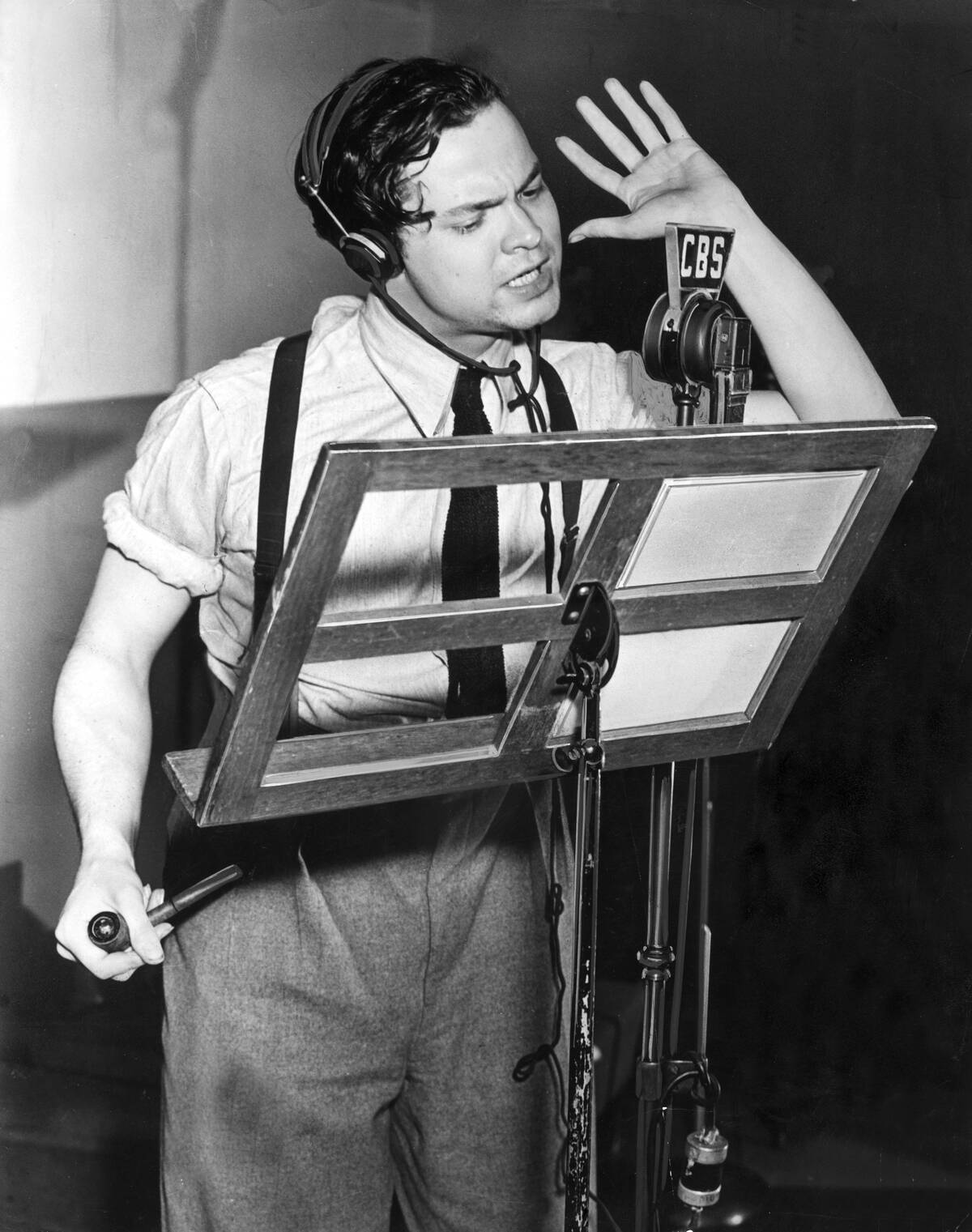
Orson Welles’ 1938 broadcast of “War of the Worlds” remains one of radio’s most infamous moments. Presented as a series of news bulletins, it caused widespread panic among listeners who believed Martians were invading Earth.
This broadcast showcased the power of radio to evoke emotion and reaction, highlighting the medium’s potential for storytelling. Welles’ innovative approach demonstrated how radio could blur the lines between reality and fiction, leaving a lasting impact on the world.
The Rise of Radio Dramas: Fictional Characters Turned Icons
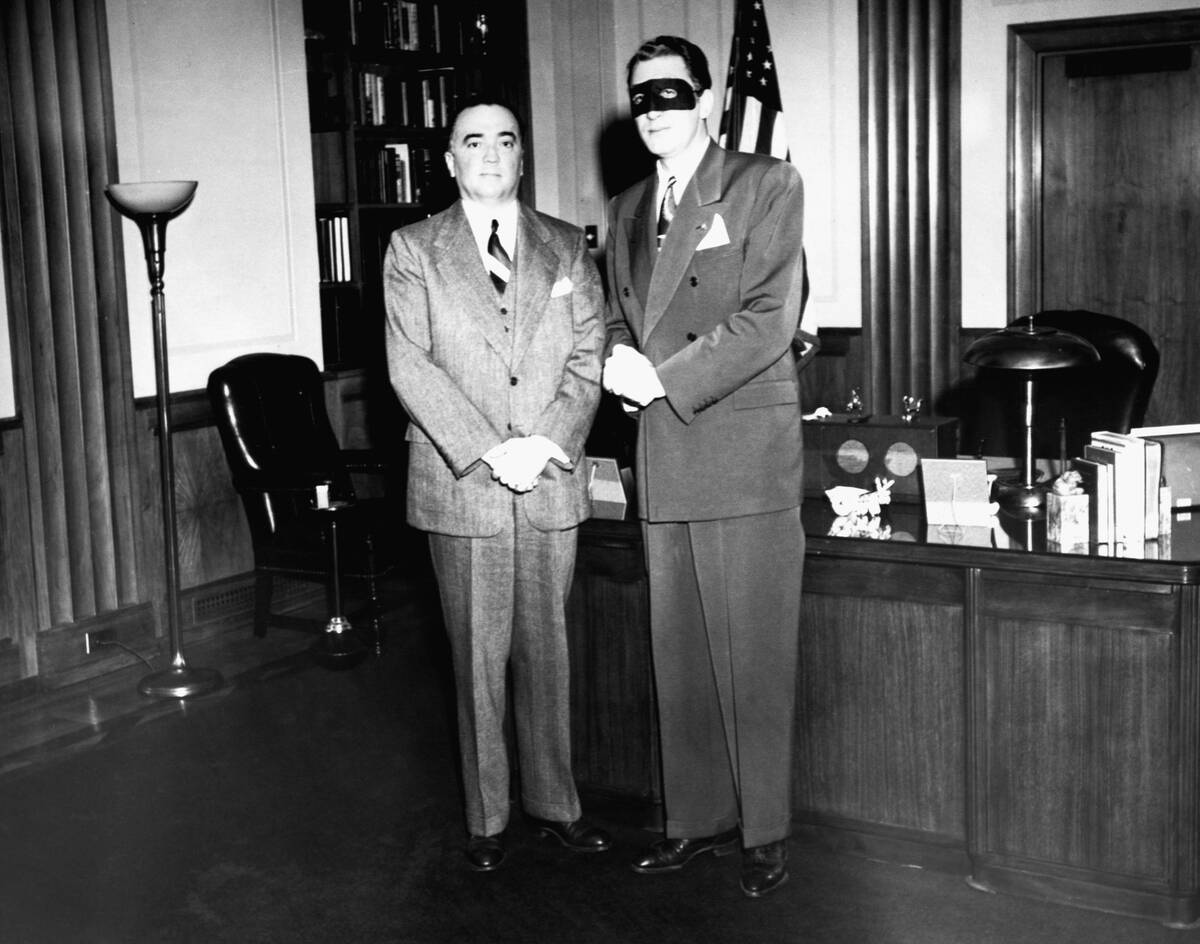
Radio dramas captivated audiences with their engaging storytelling and memorable characters. Shows like “The Shadow” and “The Lone Ranger” introduced fictional heroes who became cultural icons.
These dramas used sound effects and skilled voice acting to create immersive experiences. Listeners were transported into different worlds, their imaginations fueled by the vivid narratives. Radio dramas laid the groundwork for the serialized storytelling popular in television and podcasts today.
Bing Crosby: The Crooner Who Captivated a Global Audience
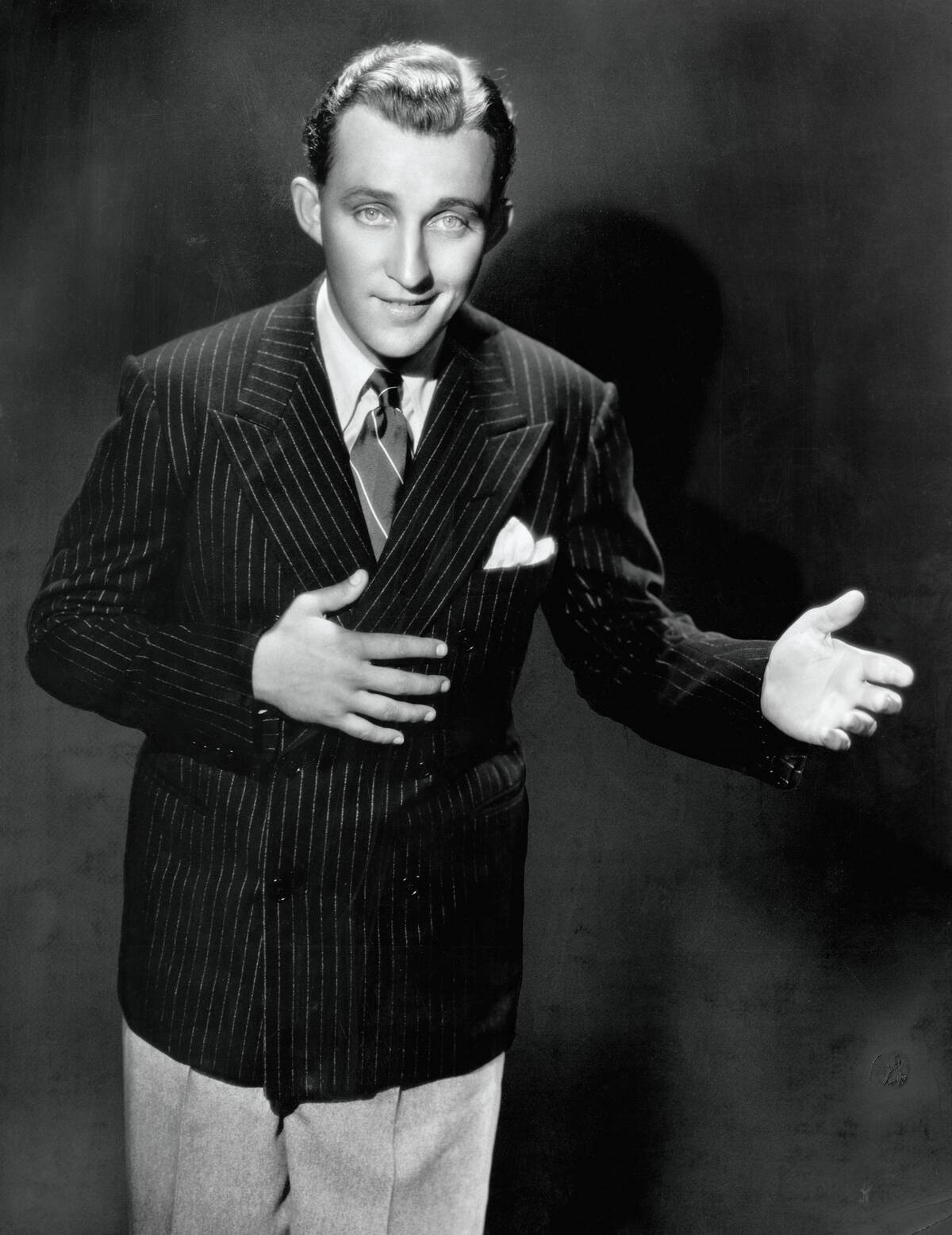
Bing Crosby’s smooth voice and laid-back style made him one of radio’s biggest stars. His radio show, “Kraft Music Hall,” was a hit, showcasing his vocal talents and charming personality. Crosby’s influence extended beyond radio; he was a pioneer in the pre-recorded broadcast, allowing for higher quality and more flexibility.
His collaboration with the Andrews Sisters and his holiday classic, “White Christmas,” cemented his status as a global icon.
The BBC Empire Service: Building International Fame
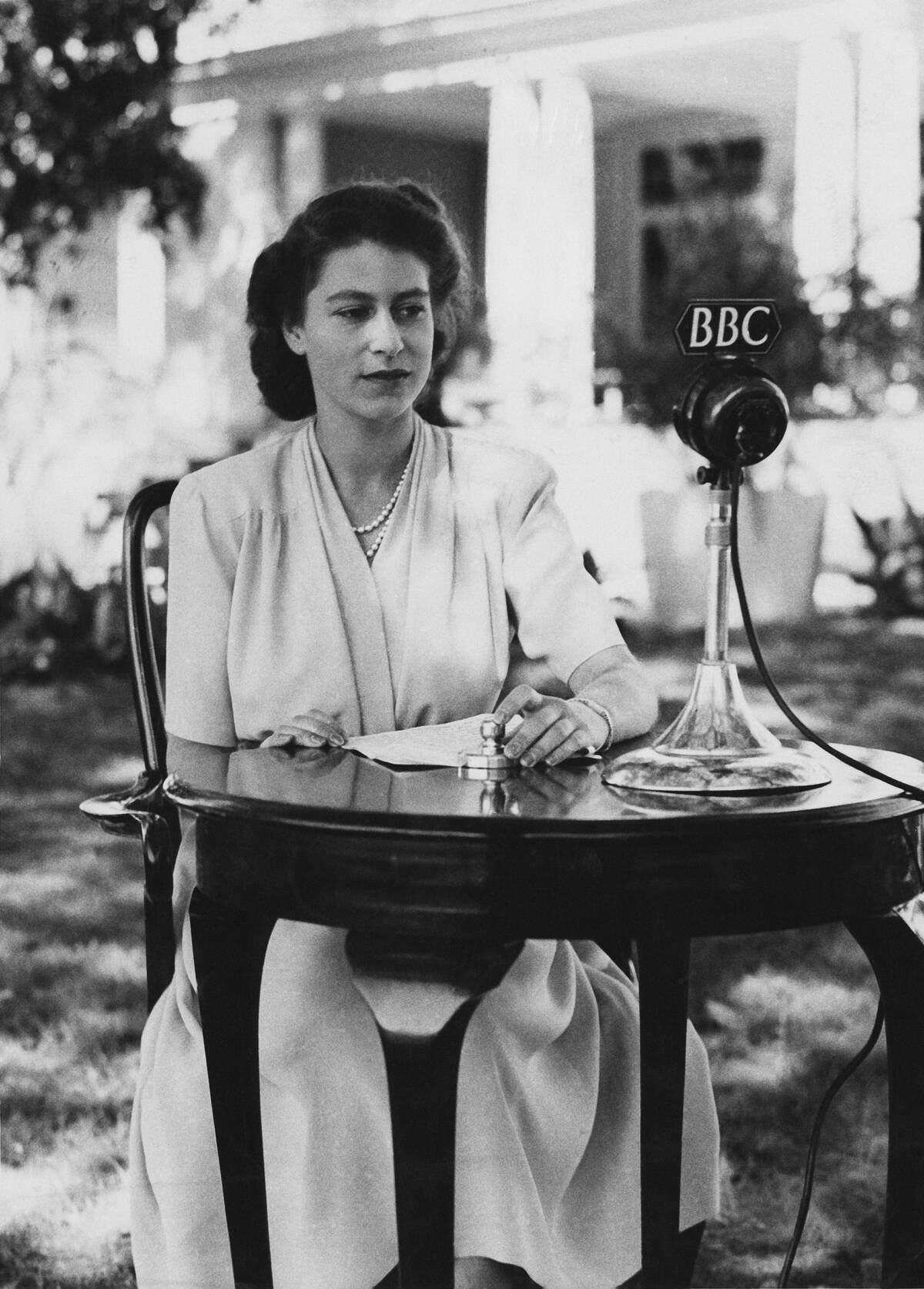
The BBC Empire Service, launched in 1932, was designed to connect the British Empire through radio. It provided news, music, and cultural programming to English speakers worldwide.
The service played a crucial role during World War II, offering reliable information and boosting morale. Its success paved the way for the BBC World Service, which continues to be a vital source of international news and cultural programming, shaping global perceptions of British culture.
Edith Piaf: The Little Sparrow’s Voice Across the Airwaves

Edith Piaf, known as “The Little Sparrow,” captivated radio audiences with her emotive voice and heartfelt songs. Her performances on French radio made her a national treasure, and her fame spread internationally.
Songs like “La Vie en Rose” and “Non, Je Ne Regrette Rien” showcased her unique vocal style, earning her a place among the world’s most beloved performers. Piaf’s radio presence helped cement her legacy as a symbol of French culture and music.
Marlene Dietrich: The Glamorous Voice from Berlin to Hollywood
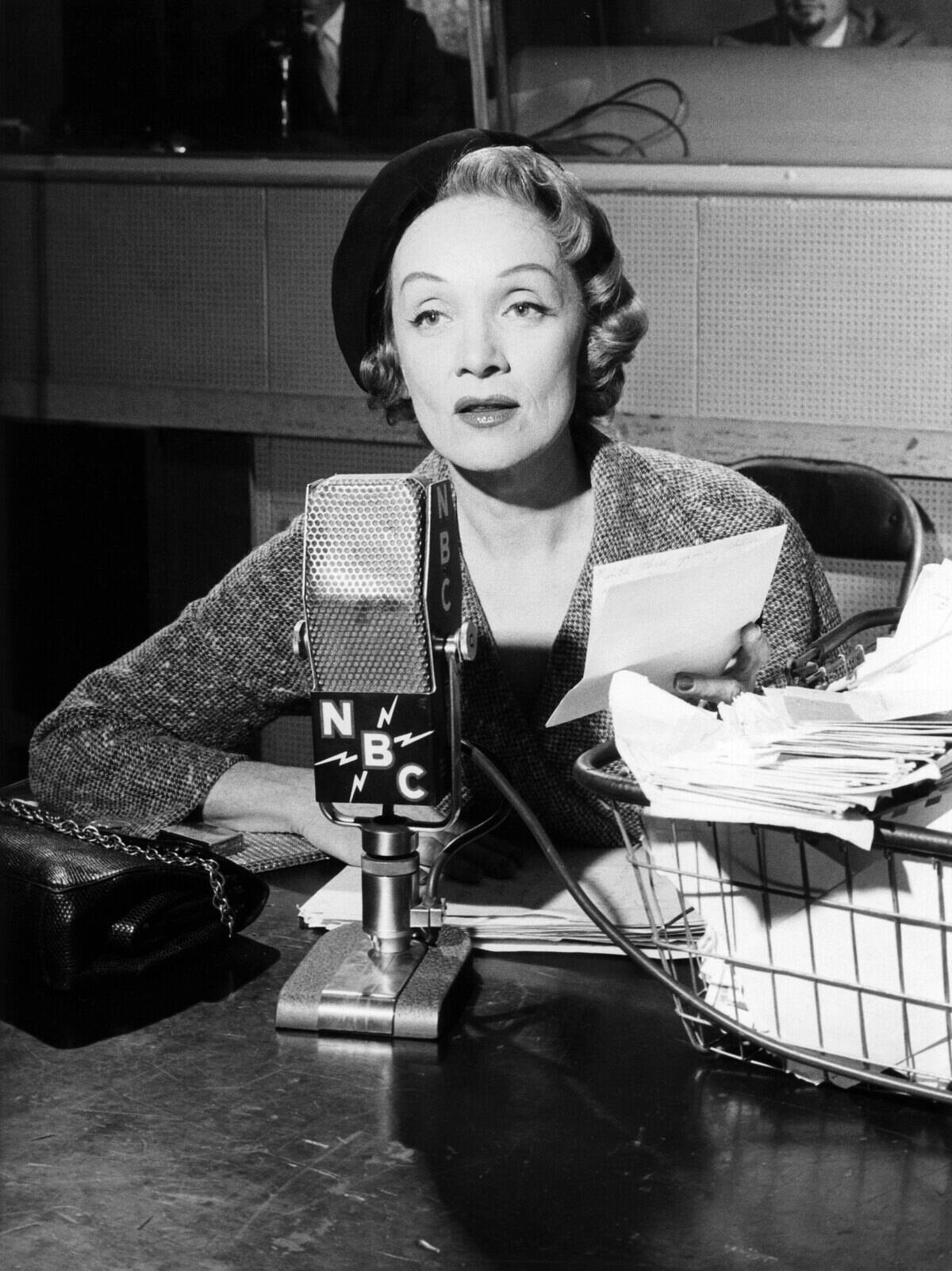
Marlene Dietrich’s sultry voice and glamorous persona made her a radio sensation. Her performances, characterized by a blend of elegance and allure, captivated audiences across Europe and America.
Dietrich’s radio appearances complemented her film career, enhancing her international appeal. Her rendition of “Lili Marlene” became an anthem during World War II, further solidifying her status as a cultural icon. Dietrich’s radio work exemplified the medium’s ability to enhance and amplify celebrity.
The Impact of Radio Jingles and Commercials on Celebrity Status
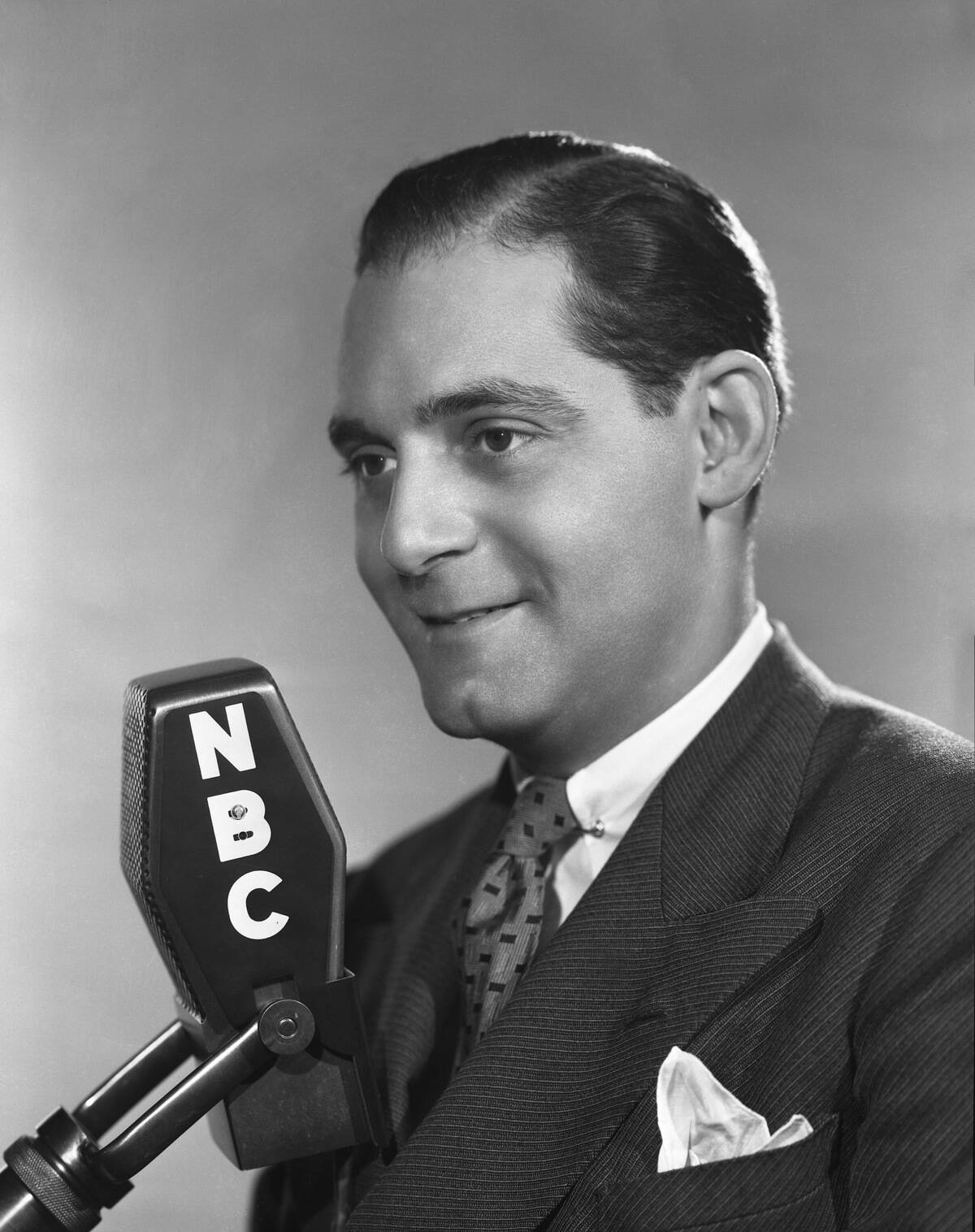
Radio jingles and commercials played a significant role in shaping celebrity status. Catchy tunes and memorable slogans helped embed products and personalities in the public consciousness.
Celebrities often lent their voices to commercials, adding star power and credibility to the brands they endorsed. This symbiotic relationship between radio and advertising demonstrated the medium’s influence on consumer behavior and celebrity culture, setting the stage for modern marketing strategies.
Voice of America: Broadcasting American Culture Worldwide
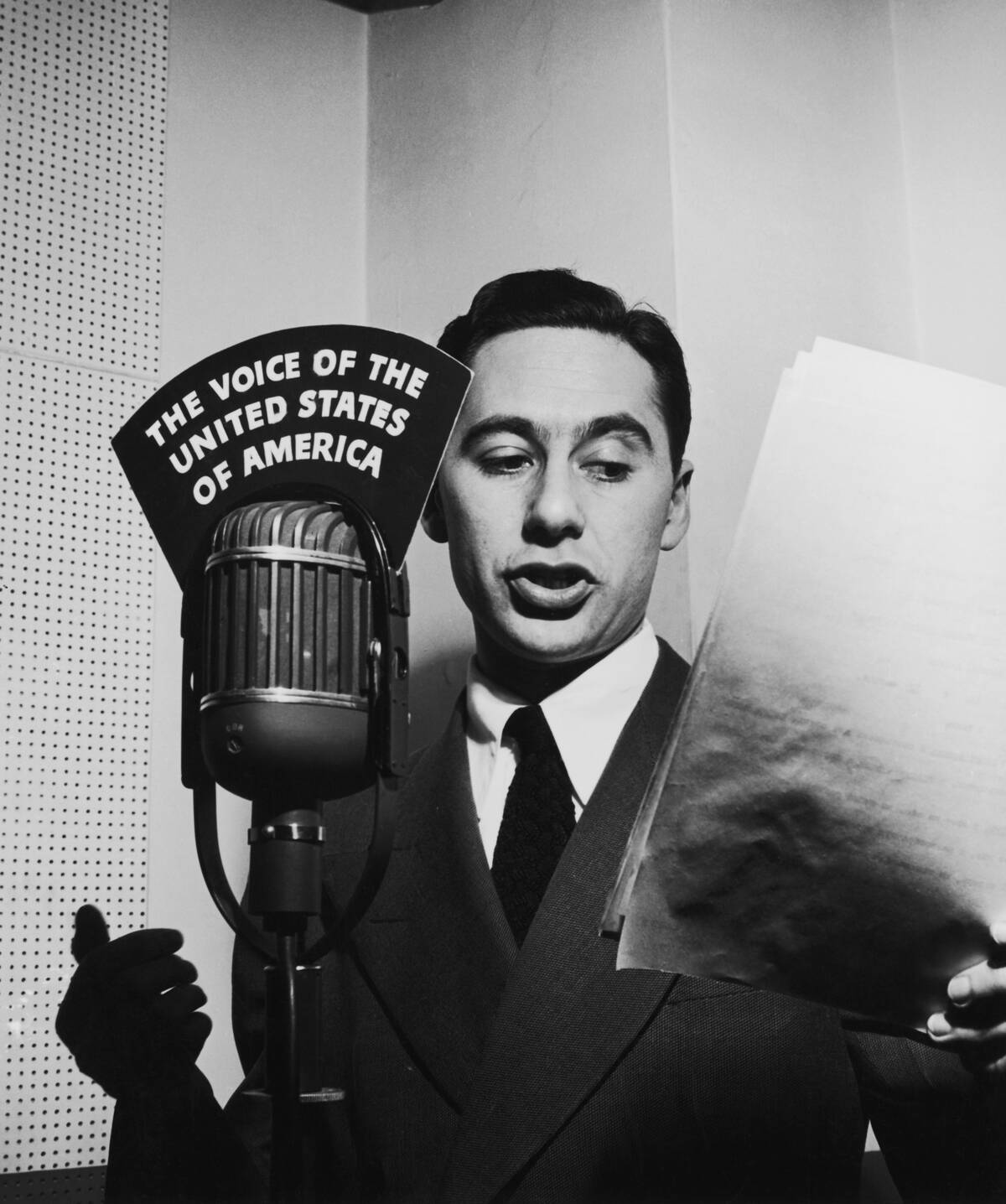
Voice of America (VOA) was established during World War II to counter enemy propaganda and promote American values. Broadcasting in multiple languages, VOA brought news, music, and cultural programming to global audiences.
It played a pivotal role in spreading American jazz and popular music, influencing cultural perceptions abroad. VOA’s mission to provide unbiased news and promote freedom of expression made it a vital tool in cultural diplomacy, enduring as a symbol of American influence.
The Role of Radio in Launching Music Legends

Radio was instrumental in launching the careers of numerous music legends. Artists like Elvis Presley, Chuck Berry, and Aretha Franklin gained widespread exposure through radio airplay.
DJs played a crucial role in promoting new music, with shows dedicated to showcasing emerging talent. Radio’s ability to reach large audiences quickly turned local musicians into international stars, shaping the music industry and influencing musical tastes for generations.
How Radio Revolutionized Sports Broadcasting and Created Sports Icons
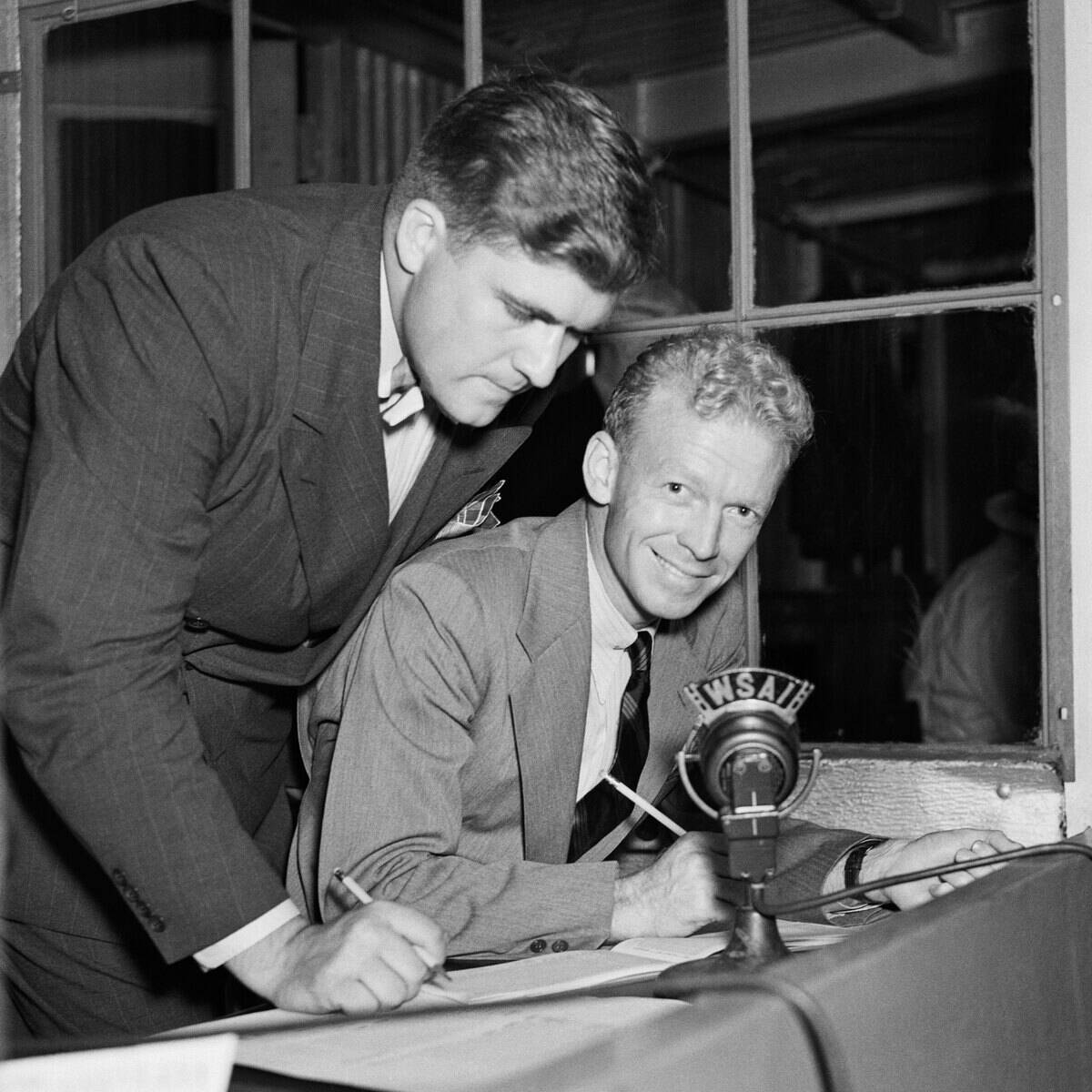
Radio revolutionized sports broadcasting, bringing live coverage of events to fans who couldn’t attend in person. Legendary announcers like Red Barber and Mel Allen became synonymous with baseball, their vivid descriptions painting pictures for listeners.
Radio helped create sports icons, with athletes like Joe Louis and Babe Ruth becoming household names. This intimacy between radio and sports fostered a deep connection with fans, laying the groundwork for the sports media landscape we know today.
The Evolution of Radio Celebrity in the Modern Era

In the modern era, radio celebrities have adapted to changing technologies and listener habits. Podcasting has emerged as a new frontier, with voices like Joe Rogan and Ira Glass reaching millions.
Traditional radio personalities have embraced digital platforms, expanding their reach beyond airwaves. Despite the rise of visual media, radio’s intimate nature and ability to connect with audiences remain vital. The evolution of radio celebrity continues, blending old traditions with new innovations in the digital age.




