Photographs that changed public opinion or policy
Photographs have an incredible ability to capture moments in time and evoke powerful emotions. Throughout history, certain images have become iconic, influencing public opinion and shaping policy decisions.
These images often transcend language and cultural barriers, allowing them to communicate messages of urgency, hope, or despair to a global audience. With the advent of digital media, the reach and impact of these photographs have only grown, making them potent tools for change.
The Iconic Image of Earth Rising: Inspiring Environmental Movements
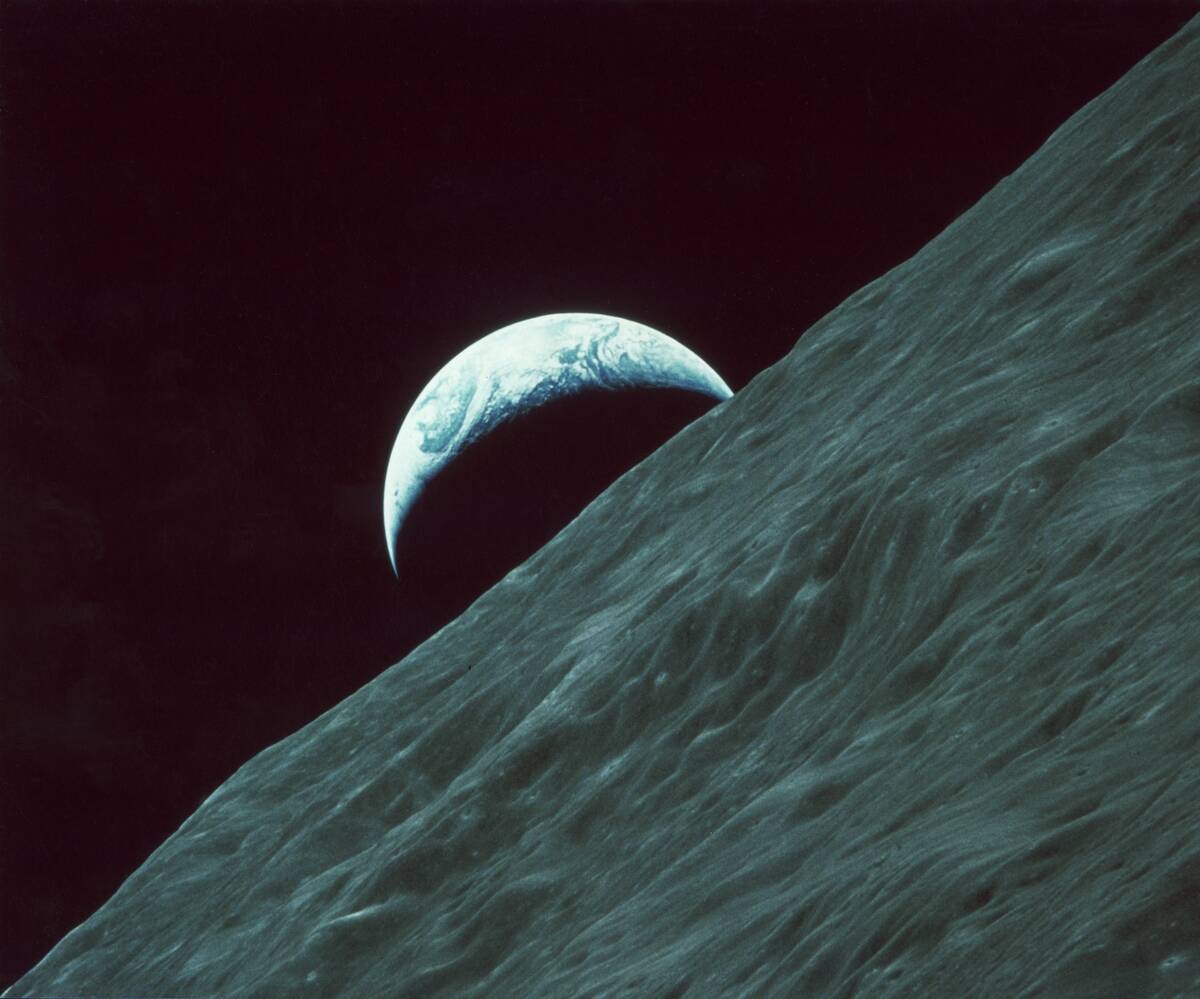
The Earthrise photograph, taken by astronaut William Anders during the Apollo 8 mission in 1968, is often credited with igniting the environmental movement. The image shows our planet as a small, beautiful, and fragile sphere rising above the barren lunar surface.
This perspective shift helped people realize the interconnectedness of all life on Earth and underscored the importance of environmental stewardship. The photograph’s impact led to significant events such as the first Earth Day in 1970.
The Migrant Mother: Humanizing the Great Depression
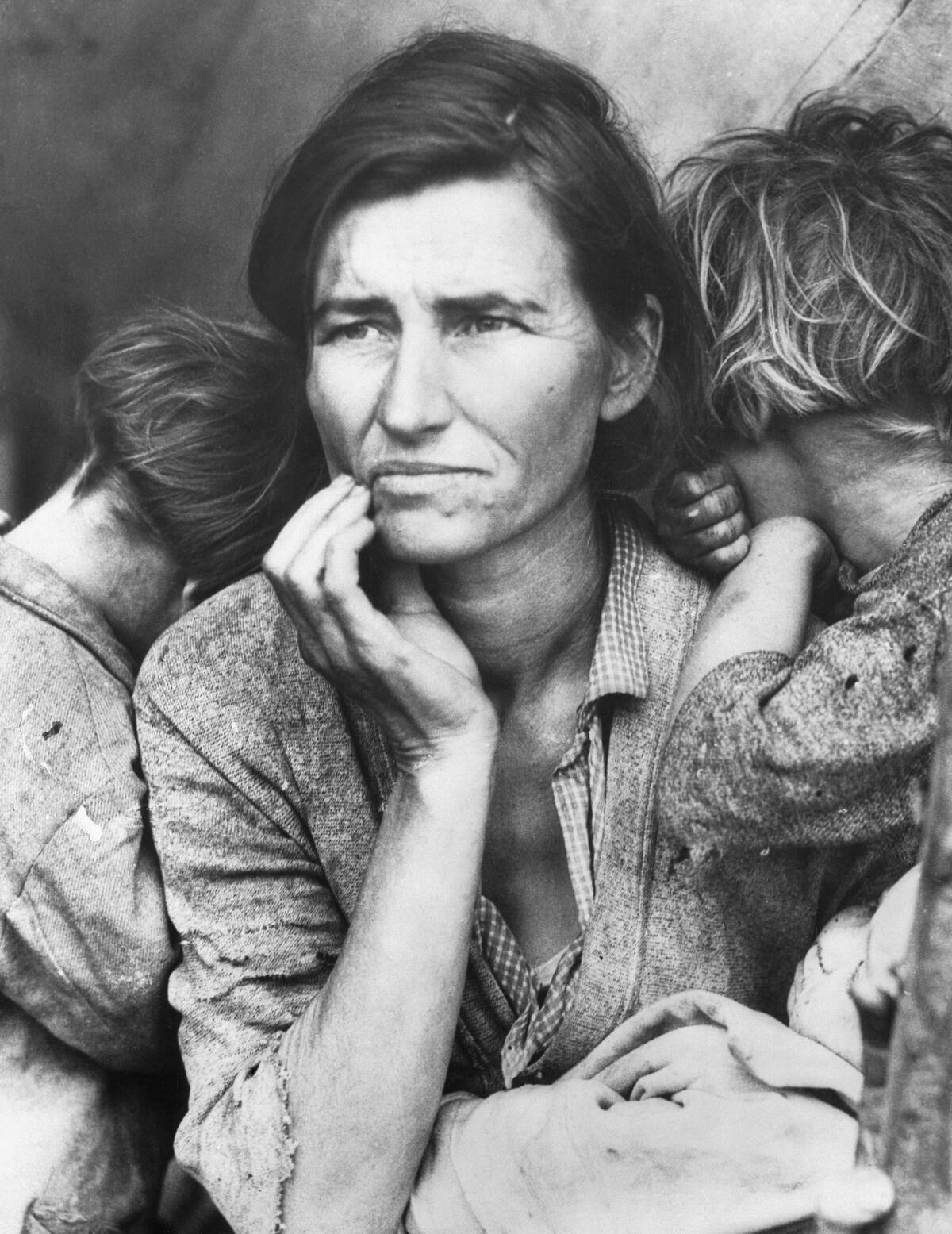
Dorothea Lange’s 1936 photograph of Florence Owens Thompson, known as ‘Migrant Mother,’ became an emblem of the Great Depression. The image depicts a worried mother with her children, capturing the desperation faced by many American families during this time.
The photograph’s raw emotion helped humanize the economic crisis, prompting government action to support struggling Americans. It remains a poignant reminder of the resilience and strength of those who endured the hardships of the era.
The Tank Man: A Symbol of Defiance in Tiananmen Square

The image of ‘Tank Man,’ an unidentified man standing in front of a column of tanks during the 1989 Tiananmen Square protests in Beijing, is a powerful symbol of resistance.
Captured by multiple photographers, including Jeff Widener, the image embodies the courage of individuals standing against oppressive regimes. Despite its censorship in China, the photograph has resonated worldwide, becoming a symbol of the fight for democracy and human rights.
The Abyss of Famine: The Heartbreaking Biafra Crisis
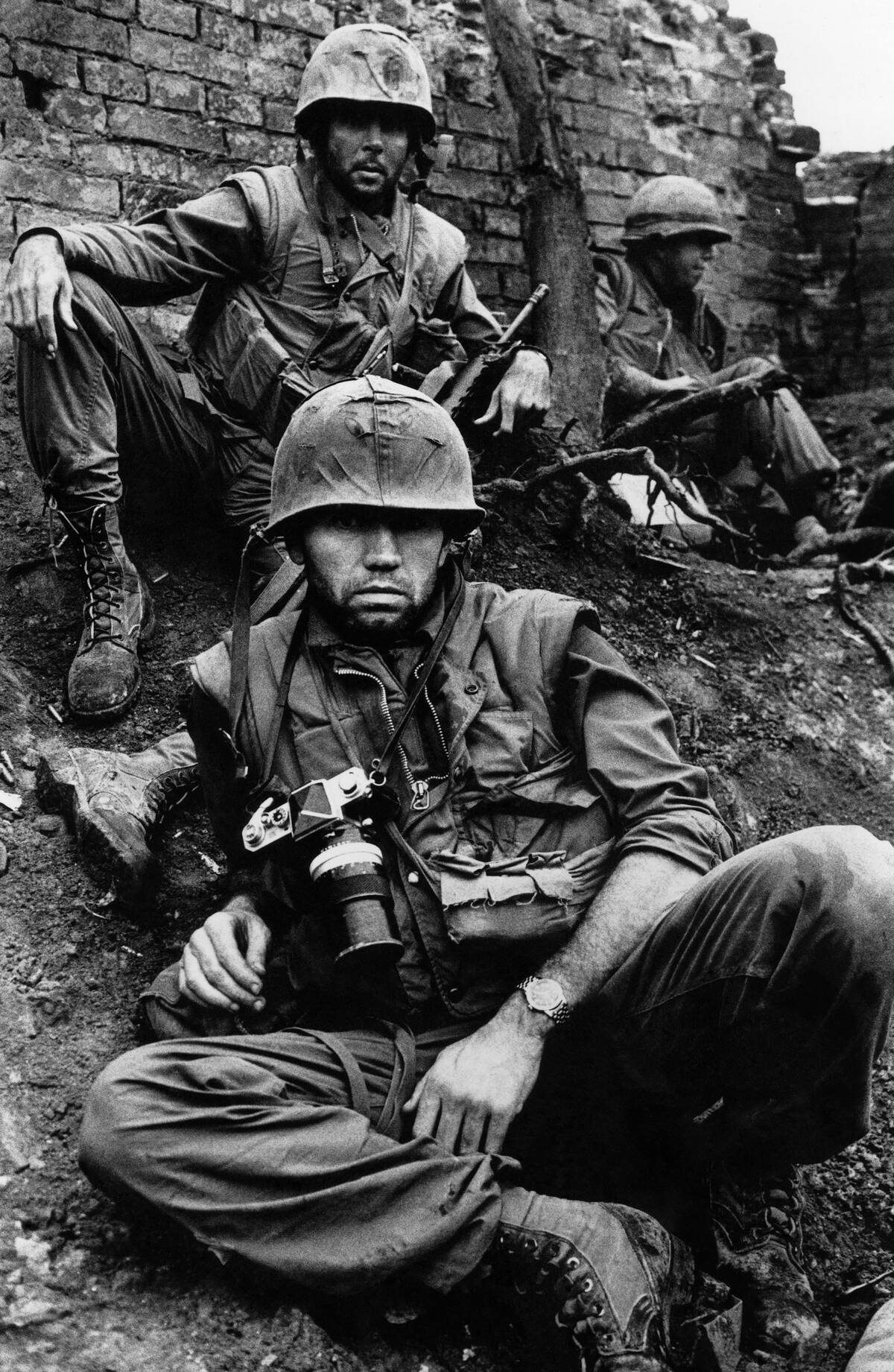
During the late 1960s, the Biafra War in Nigeria led to a devastating famine, highlighted by the haunting images captured by photographers like Don McCullin. These photographs revealed the extreme malnutrition and suffering of children in the region, drawing international attention and humanitarian aid.
The images of emaciated children with distended bellies became a powerful call to action, underscoring the importance of media in raising awareness and prompting global response during crises.
Iwo Jima Flag Raising: A Nation United in World War II
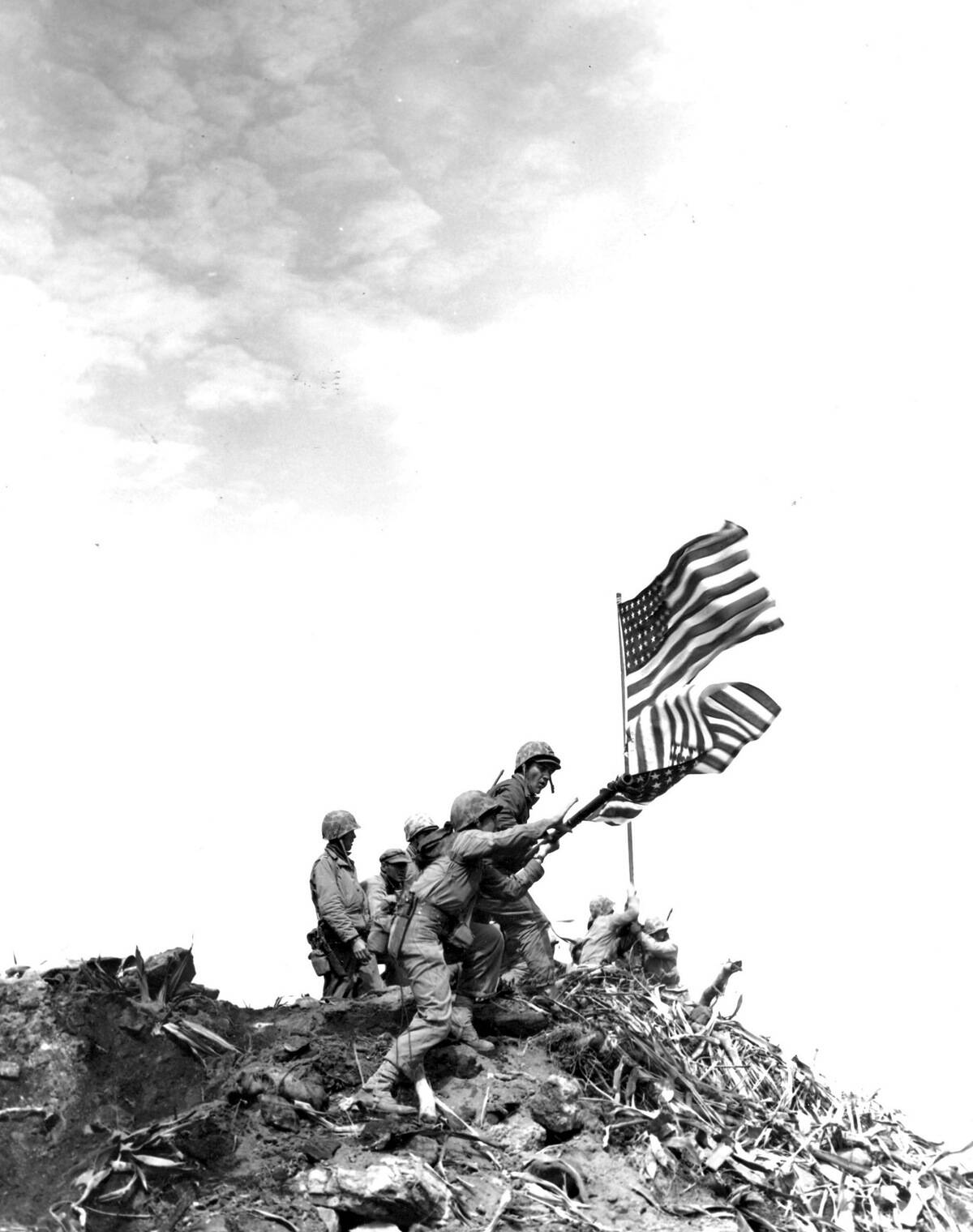
Joe Rosenthal’s photograph of U.S. Marines raising the American flag on Iwo Jima during World War II is an enduring symbol of unity and perseverance. Taken in 1945, the image boosted American morale and became an iconic representation of victory and sacrifice.
It captured the determination of the Allied forces and was instrumental in rallying support for the war effort. The photograph has since been immortalized in the Marine Corps War Memorial in Arlington, Virginia.
The Crying Girl at the Border: Highlighting Immigration Policies
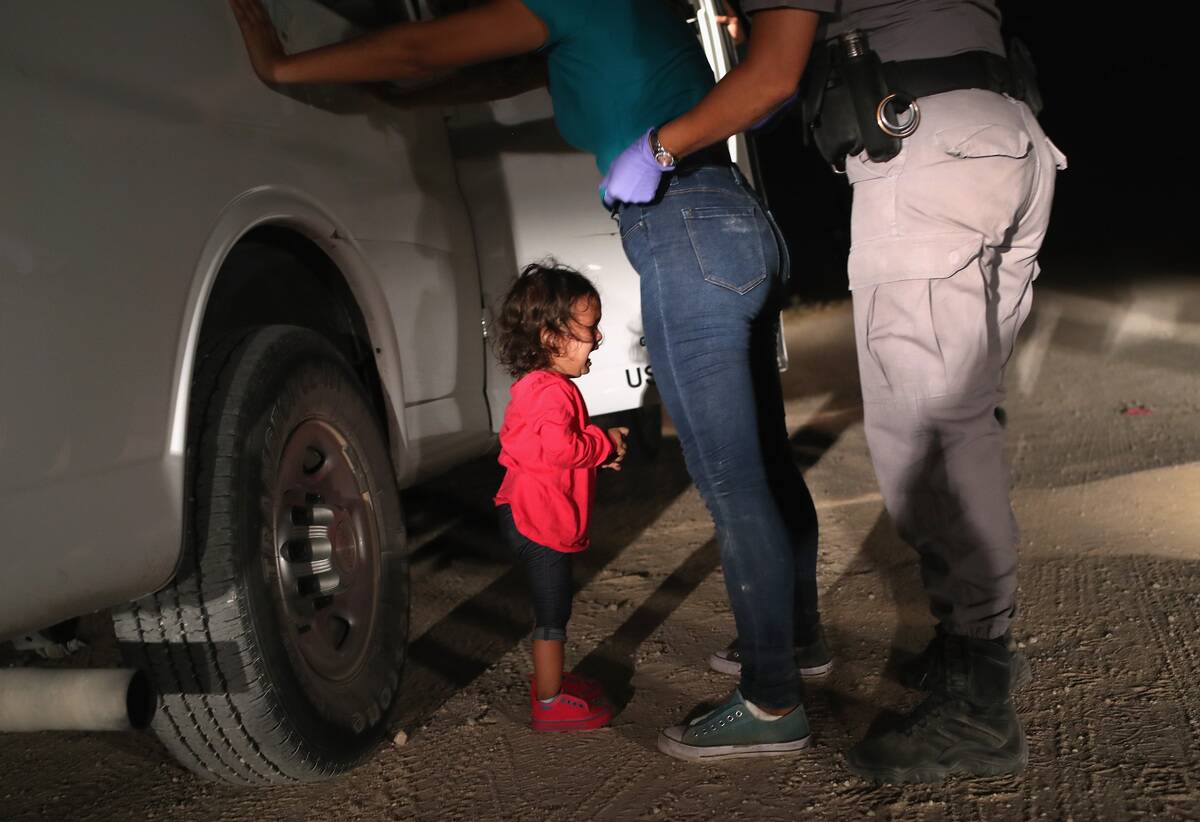
In 2018, John Moore’s photograph of a crying toddler at the U.S.-Mexico border brought international attention to the Trump administration’s family separation policy. The image showed a young girl, Yanela Sanchez, in distress as her mother was detained by Border Patrol agents.
The photograph quickly went viral, sparking widespread outrage and debate over immigration policies. It became a catalyst for change, leading to policy revisions and highlighting the human impact of political decisions.
The Hindenburg Disaster: Capturing the End of an Era
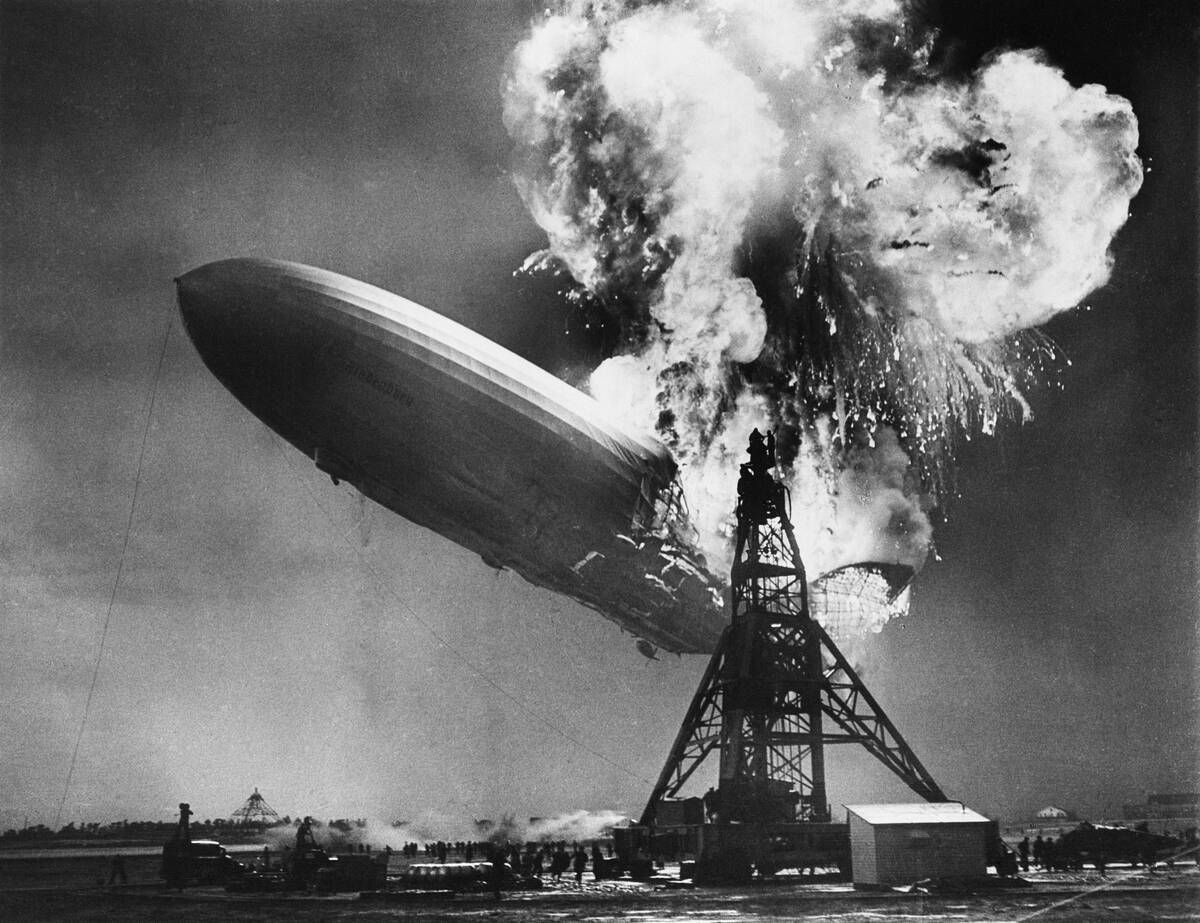
On May 6, 1937, the German airship Hindenburg burst into flames while attempting to land in New Jersey, a disaster captured by photographer Sam Shere. His photograph of the airship engulfed in flames marked the end of the zeppelin era, highlighting the risks associated with hydrogen-filled airships.
The image, alongside radio broadcasts, conveyed the tragedy’s immediacy, leading to changes in aviation safety and marking a pivotal moment in media history.
The First Steps on the Moon: A Giant Leap for Mankind
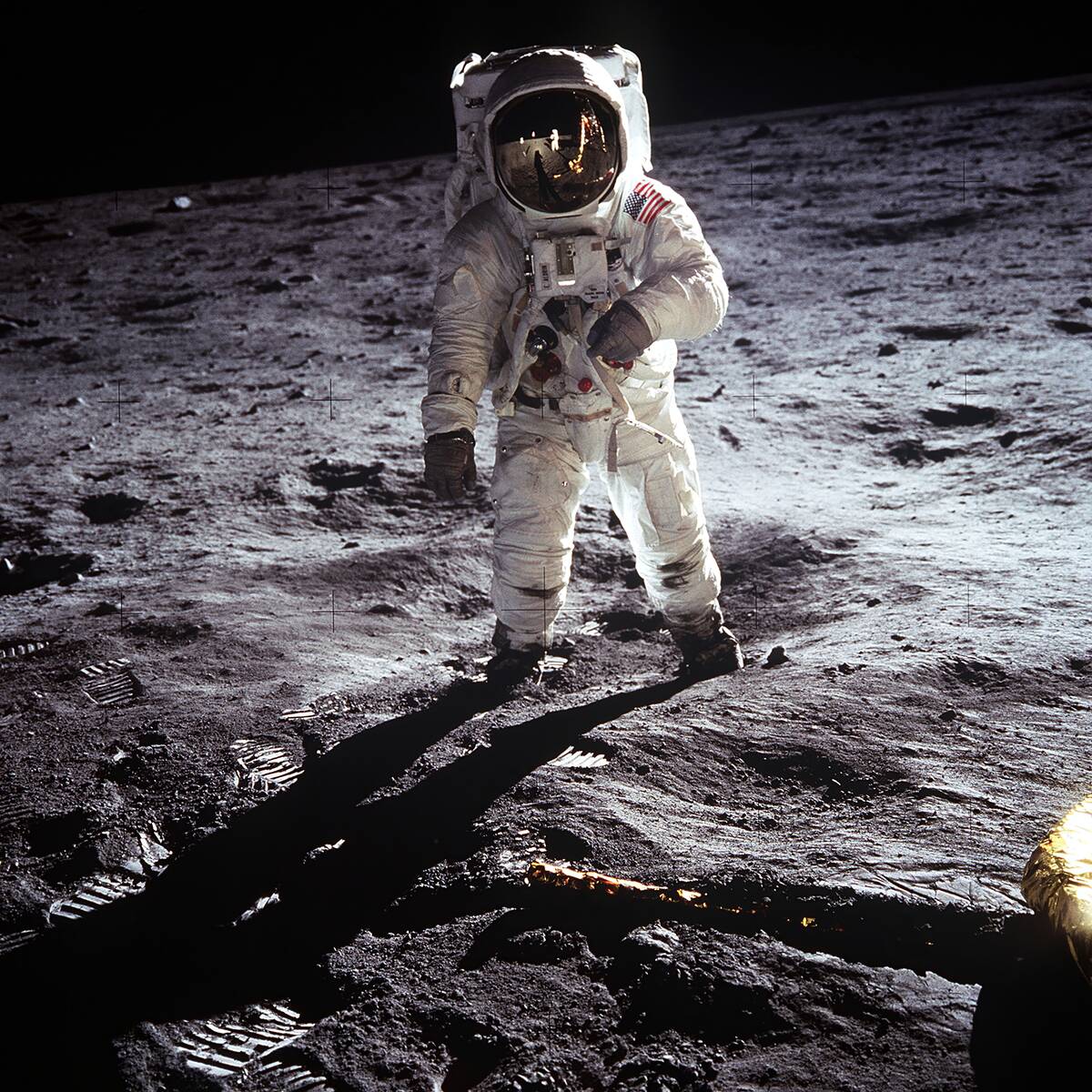
Neil Armstrong’s first steps on the moon in 1969 were captured by Buzz Aldrin, creating an image that signifies human achievement and exploration. The photograph of Armstrong’s footprint on the lunar surface became an iconic symbol of the Apollo 11 mission’s success.
This milestone in space exploration represented a triumph of technology and human spirit, inspiring generations to reach for the stars and fostering international collaboration in scientific endeavors.
The Falling Man: A Haunting Image from 9/11

Richard Drew’s photograph, known as ‘The Falling Man,’ captured a moment of despair during the September 11 attacks in 2001. The image shows a man falling from the World Trade Center, reflecting the chaos and tragedy of that day.
Though controversial, the photograph humanizes the victims, prompting reflection on the personal and collective impacts of these attacks. It serves as a stark reminder of the vulnerability and bravery displayed during one of history’s darkest moments.
Civil Rights Movements: The Powerful Image of Selma’s Bloody Sunday
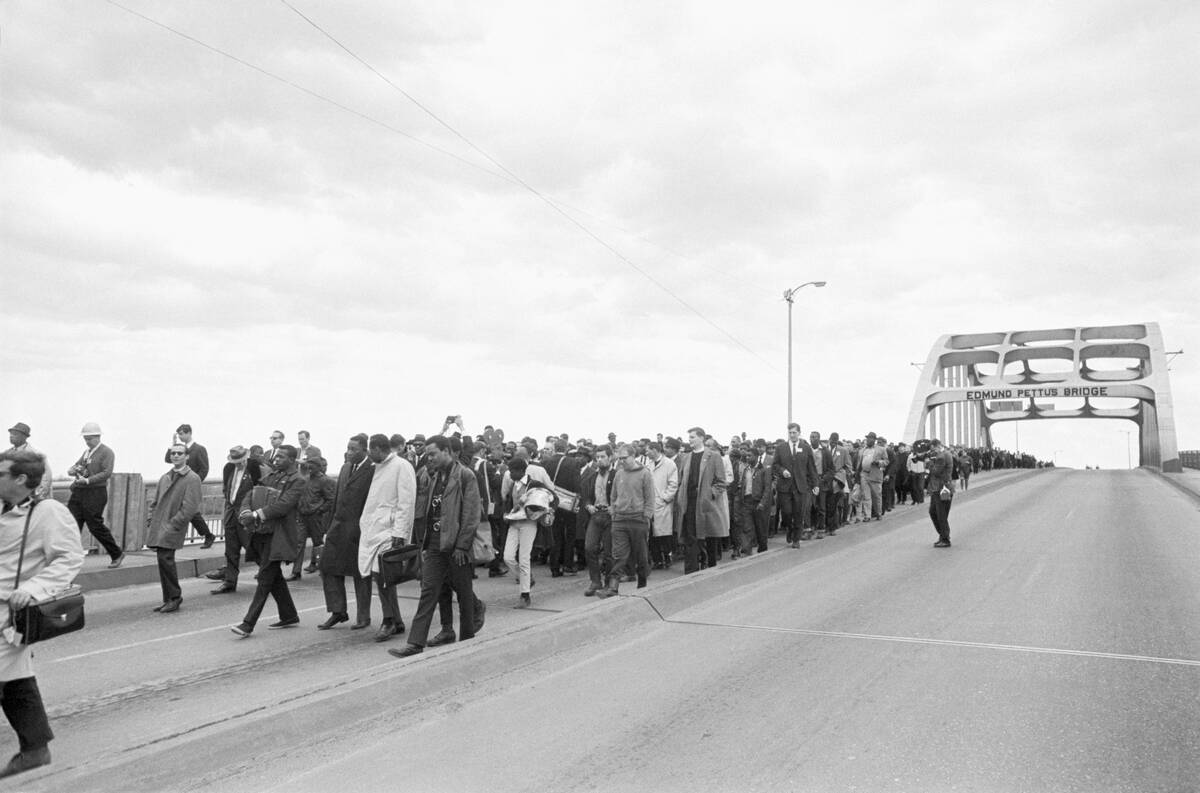
The 1965 photograph of the Selma to Montgomery march, known as Bloody Sunday, captured the brutal response of law enforcement to peaceful civil rights protesters. Images of marchers being attacked on the Edmund Pettus Bridge by state troopers shocked the nation and galvanized support for the civil rights movement.
These photographs played a crucial role in the passage of the Voting Rights Act, highlighting the power of visual media in promoting social justice and equality.
The Dust Bowl: Documenting the Struggles of American Farmers
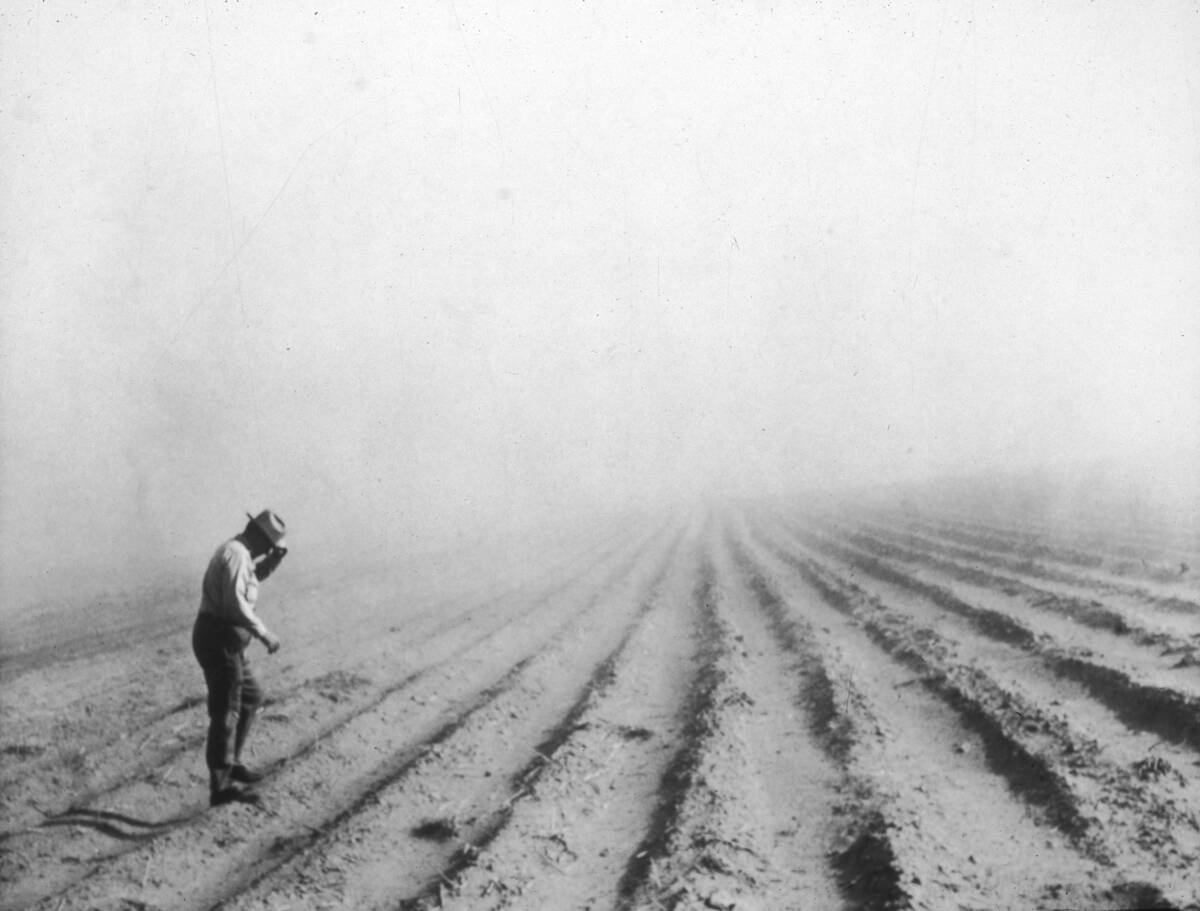
During the 1930s, photographers like Arthur Rothstein documented the Dust Bowl, capturing the plight of American farmers facing severe drought and economic hardship. These images, including the iconic ‘Fleeing a Dust Storm,’ conveyed the desperation and resilience of those affected.
The photographs helped raise awareness of the environmental and social challenges of the era, leading to government intervention and the development of conservation practices to prevent future ecological disasters.
The Berlin Wall Falls: Capturing the End of a Divided Era
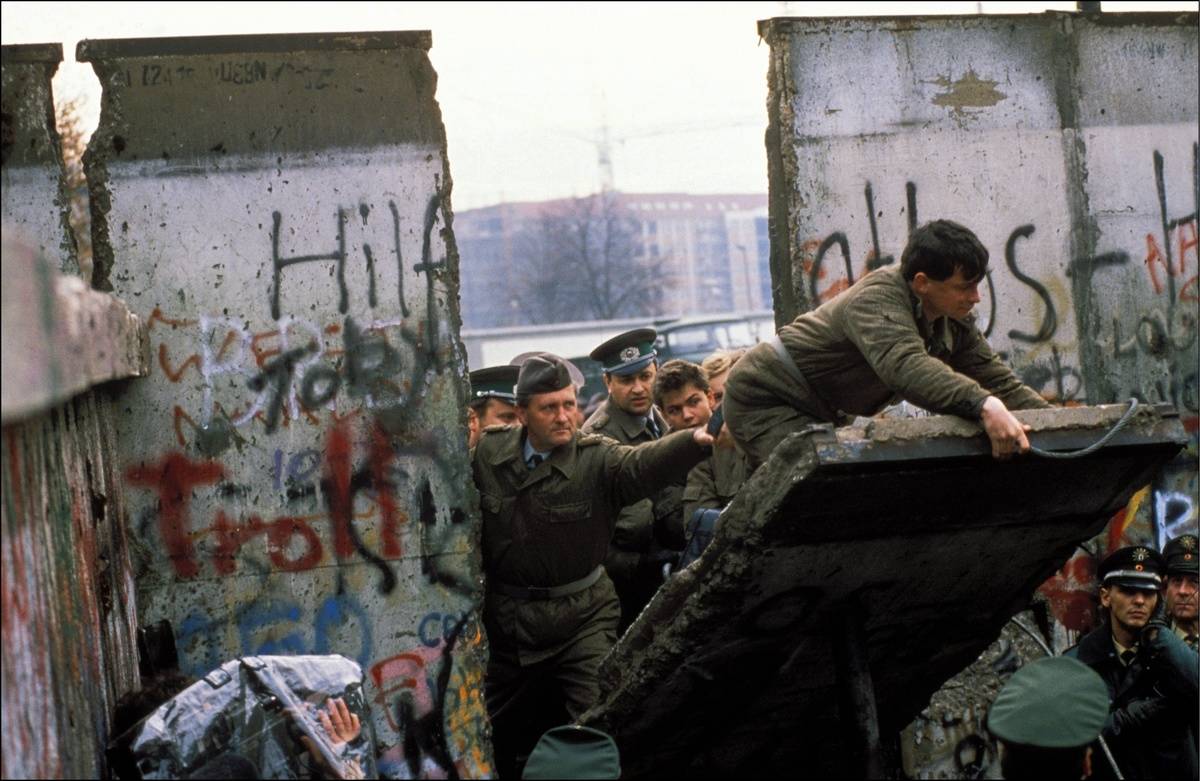
The fall of the Berlin Wall in 1989 was captured by photographers and television crews, symbolizing the end of Cold War divisions. Images of jubilant crowds dismantling the wall became emblematic of newfound freedom and unity.
The photographs highlighted the triumph of democracy over oppression and the power of grassroots movements. The fall of the wall paved the way for German reunification and a new era in European history, resonating as a symbol of hope and change.
The Atomic Attack: The Mushroom Cloud Over Hiroshima and Nagasaki
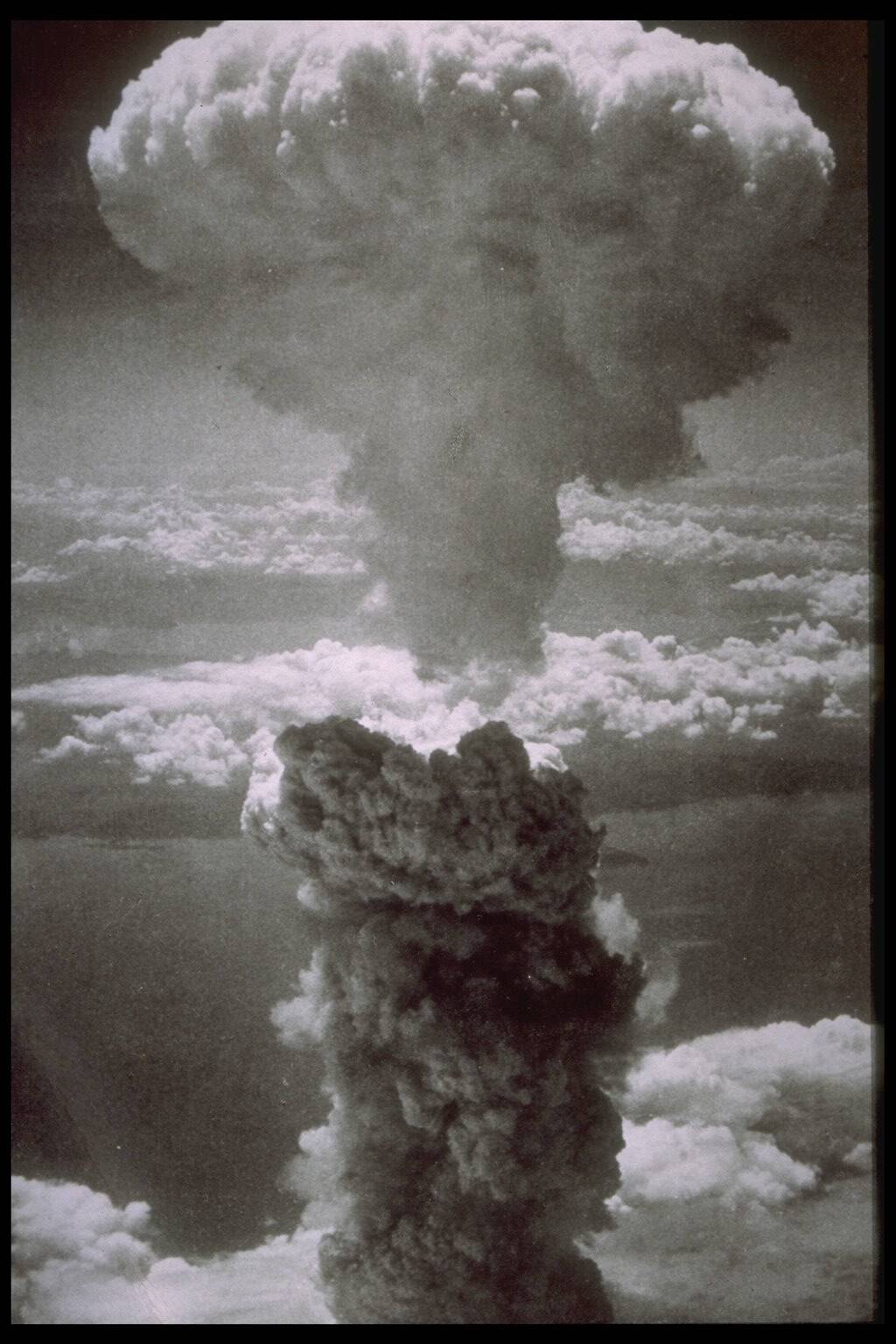
The photographs of the mushroom clouds over Hiroshima and Nagasaki in 1945, taken by military photographers, captured the devastating power of atomic warfare.
These images illustrated the destructive capabilities of nuclear weapons, prompting global reflection on the ethics of their use. The photographs contributed to the growing anti-nuclear movement, emphasizing the need for disarmament and the pursuit of peace. They remain powerful reminders of the human cost of war and the importance of diplomacy.




