Revolutionaries who operated entirely under false names
Revolutionaries have always been figures shrouded in intrigue, often resorting to secret identities to carry out their bold endeavors. From historical icons to fictional characters, these hidden personas add an element of mystery and allure to their revolutionary acts.
This article delves into the fascinating world of individuals who adopted aliases to protect themselves, enhance their mystique, or amplify their message. Whether real or imagined, these figures have captivated our imaginations and left lasting legacies.
The Enigmatic “Che”: From Ernesto Guevara to Icon
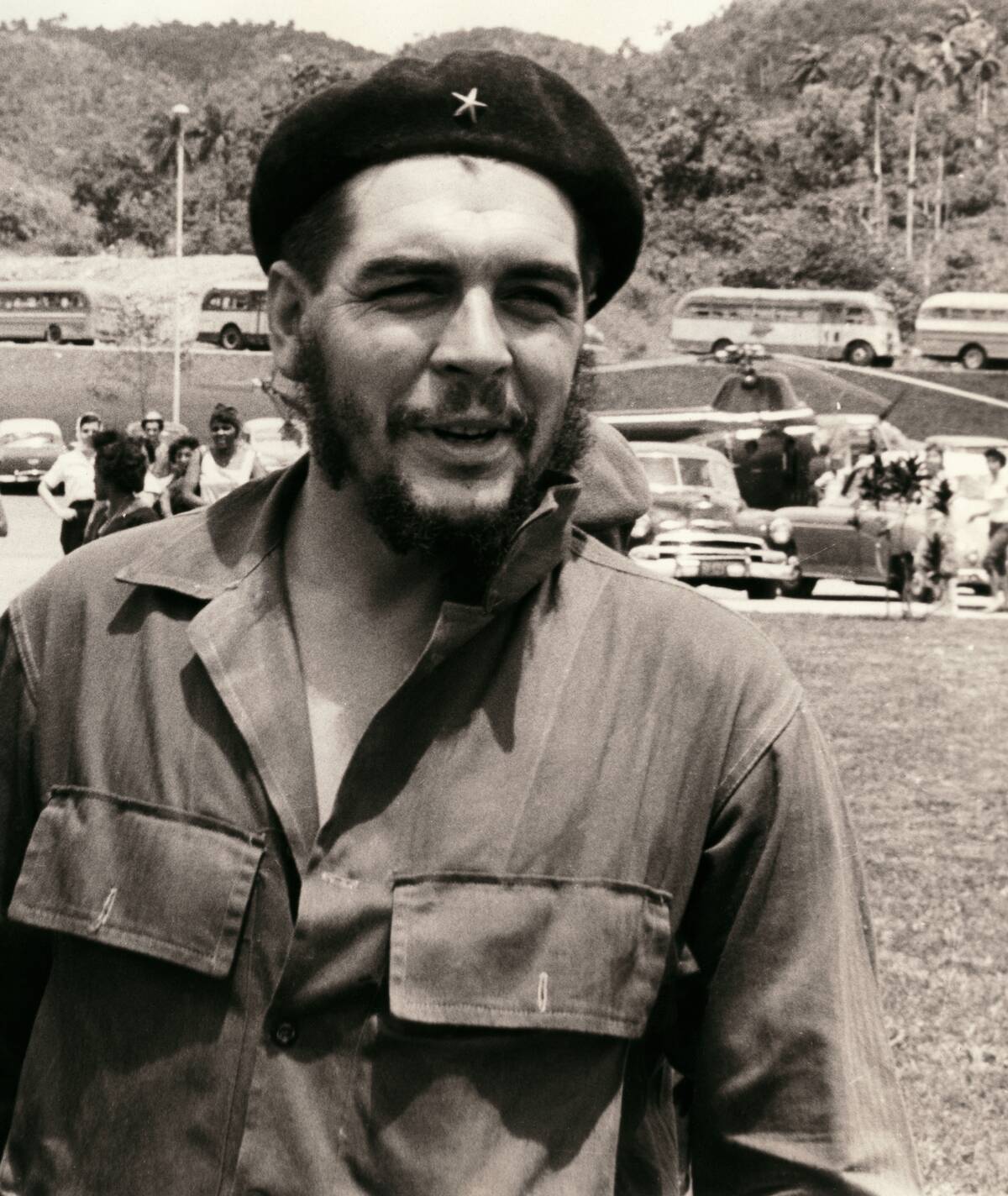
Ernesto Guevara, better known as “Che,” became an iconic revolutionary figure through his role in the Cuban Revolution. The nickname “Che” itself is a casual term used in Argentina, akin to “mate” or “pal,” but it became synonymous with Guevara’s identity as a revolutionary.
His image, captured in the famous Guerrillero Heroico photograph, became a symbol of rebellion worldwide, cementing “Che” as a larger-than-life figure in the annals of history.
“Subcomandante Marcos”: The Masked Leader of the Zapatistas
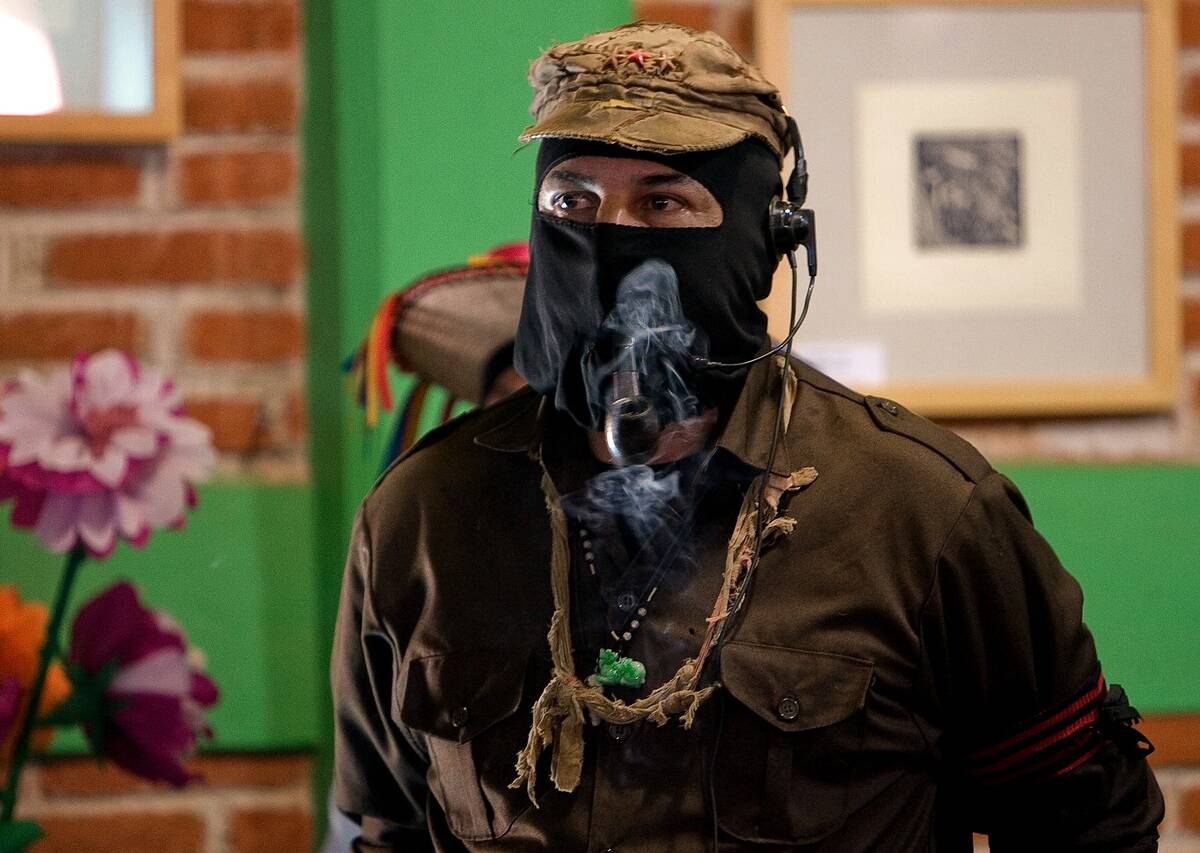
“Subcomandante Marcos” was the face of the Zapatista movement in Mexico, concealing his identity behind a ski mask. Marcos became a media-savvy figure, using his anonymity to focus attention on the movement’s message rather than any single leader.
Though his true identity was later revealed to be Rafael Guillén Vicente, the mystery surrounding “Subcomandante Marcos” helped galvanize support and ensure the Zapatistas’ demands were heard on a global stage.
“Thomas Paine”: The Pen Behind Revolutionary Propaganda
![[redacted]](https://media.tellmebest.com/wp-content/uploads/2023/09/thomas-paine-40688.jpeg)
Thomas Paine, whose writings fueled revolutionary fervor in both America and France, used his pen as a powerful weapon. Known for works like Common Sense and The Rights of Man, Paine’s writings were often published anonymously or under pseudonyms to avoid persecution.
His articulate arguments for liberty and equality inspired countless individuals, proving that sometimes, words can be mightier than the sword in revolutionary struggles.
“The Man of Steel”: Stalin and His Many Names
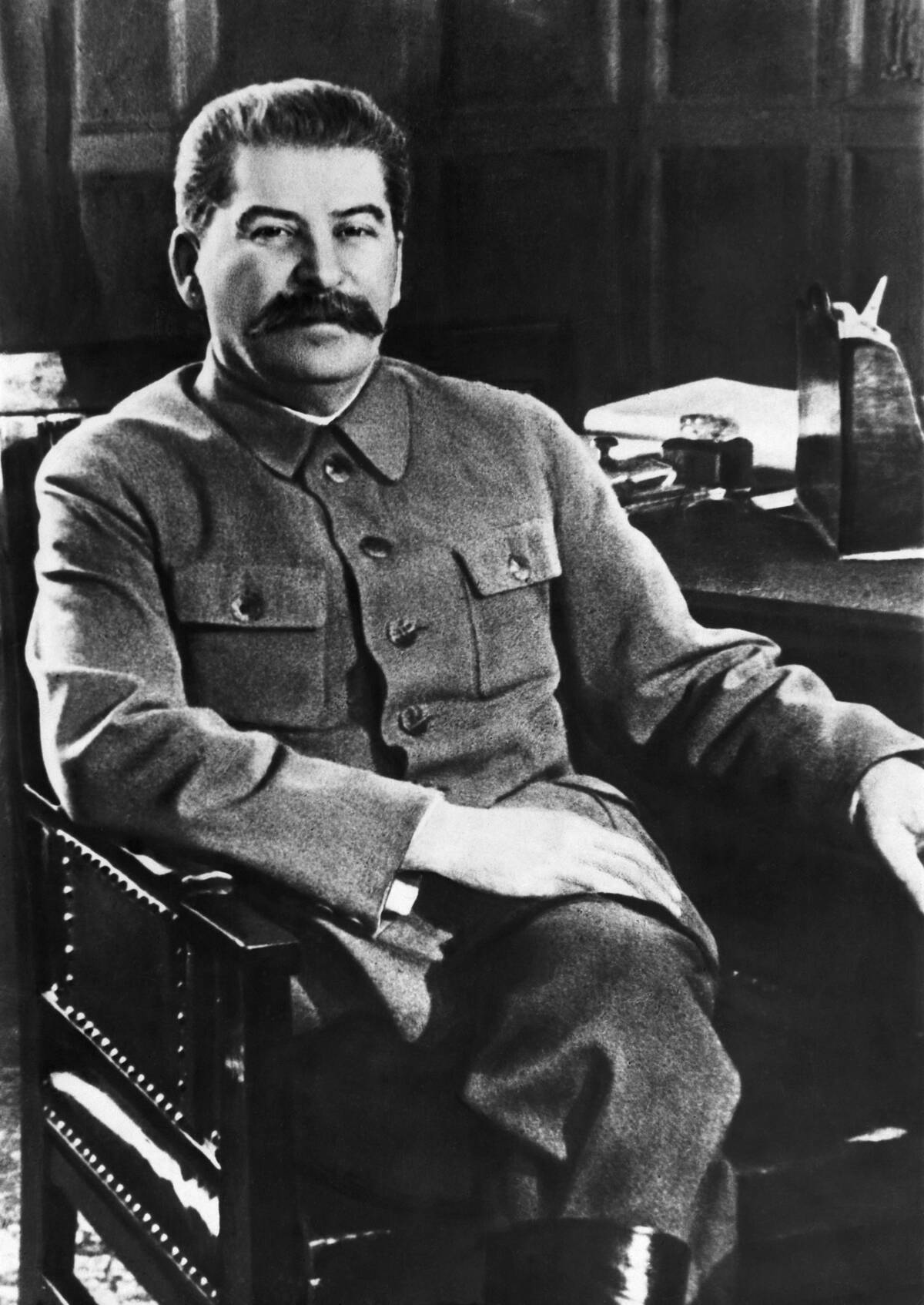
Joseph Stalin, born Ioseb Besarionis dze Jughashvili, adopted the name “Stalin,” meaning “man of steel,” to project an image of strength and resolve. Before settling on Stalin, he used various aliases to evade capture during his revolutionary activities, including “Koba,” after a Robin Hood-like figure in Georgian folklore.
These names helped craft the persona of a formidable leader, which he used to consolidate power and maintain control over the Soviet Union.
“Vladimir Lenin”: The Birth of a New Identity
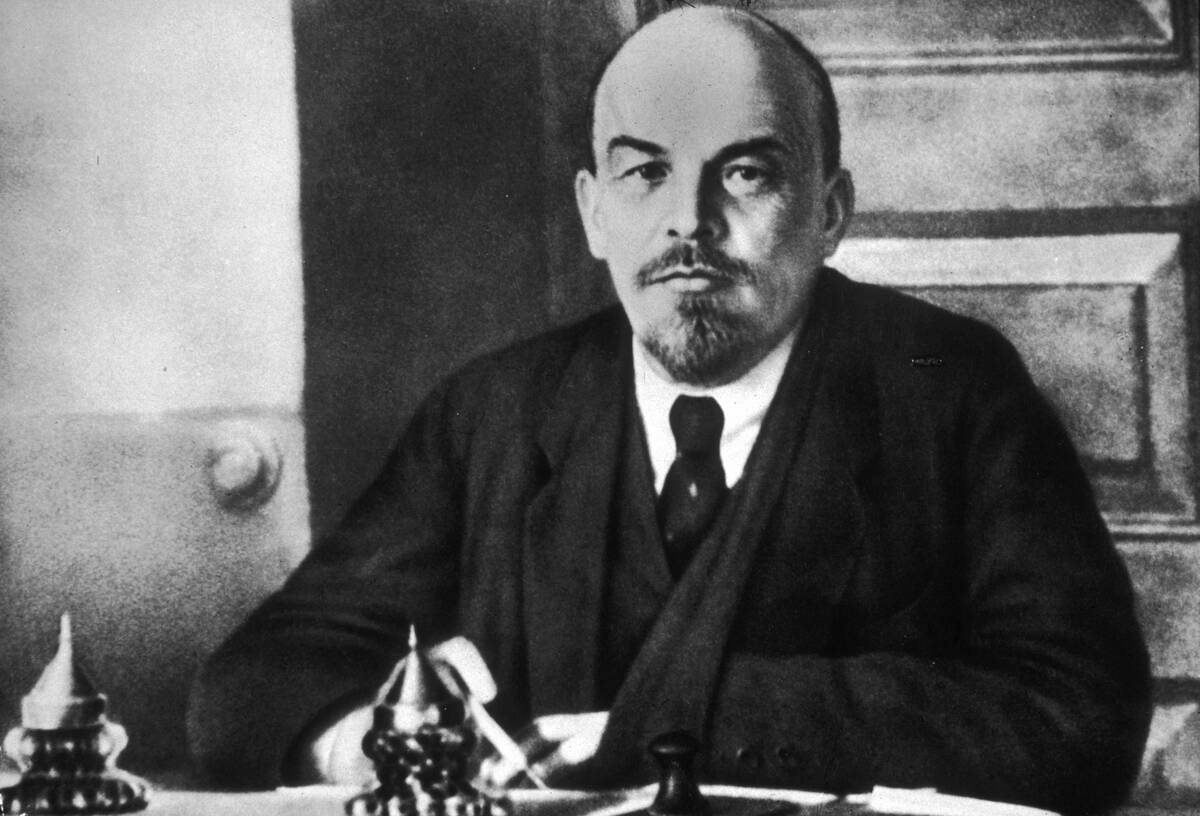
“Vladimir Lenin” was the pseudonym of Vladimir Ilyich Ulyanov, the architect of the Russian Revolution. Lenin’s choice of alias was strategic, helping him evade police during his years of underground activity.
The name “Lenin” is believed to be derived from the Lena River in Siberia, symbolizing his revolutionary journey. Under this name, he led the Bolsheviks to power, forever altering the course of Russian and world history.
“George Orwell”: The Pen Name Behind Political Satire
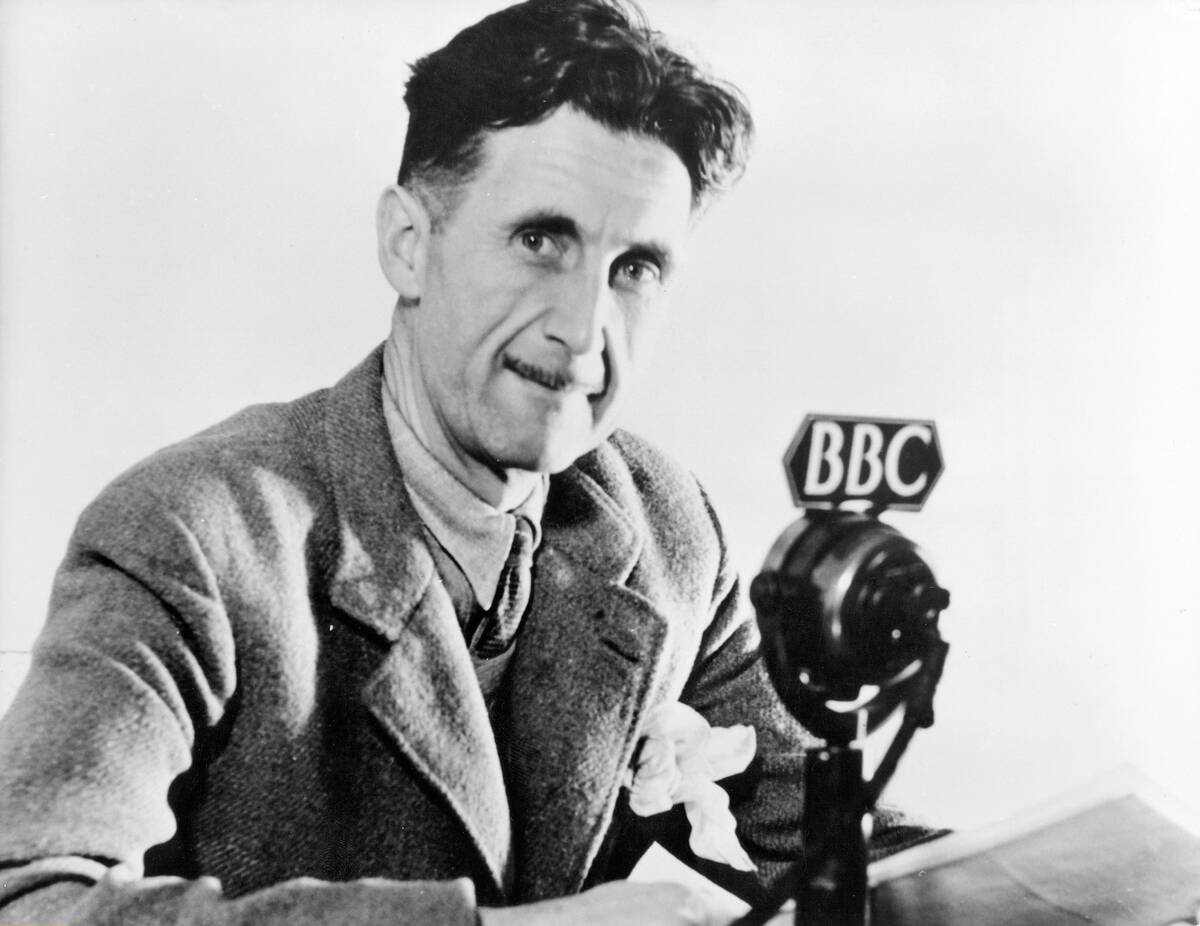
George Orwell, born Eric Arthur Blair, chose his pen name to separate his personal and professional life. “Orwell” was inspired by the River Orwell in Suffolk, England, while “George” was a common English name.
Under this pseudonym, he wrote influential works like 1984 and Animal Farm, which critiqued totalitarian regimes and explored themes of surveillance and propaganda. Orwell’s choice of pen name allowed him to craft a unique literary identity that endures to this day.
“Carlos the Jackal”: The International Man of Mystery
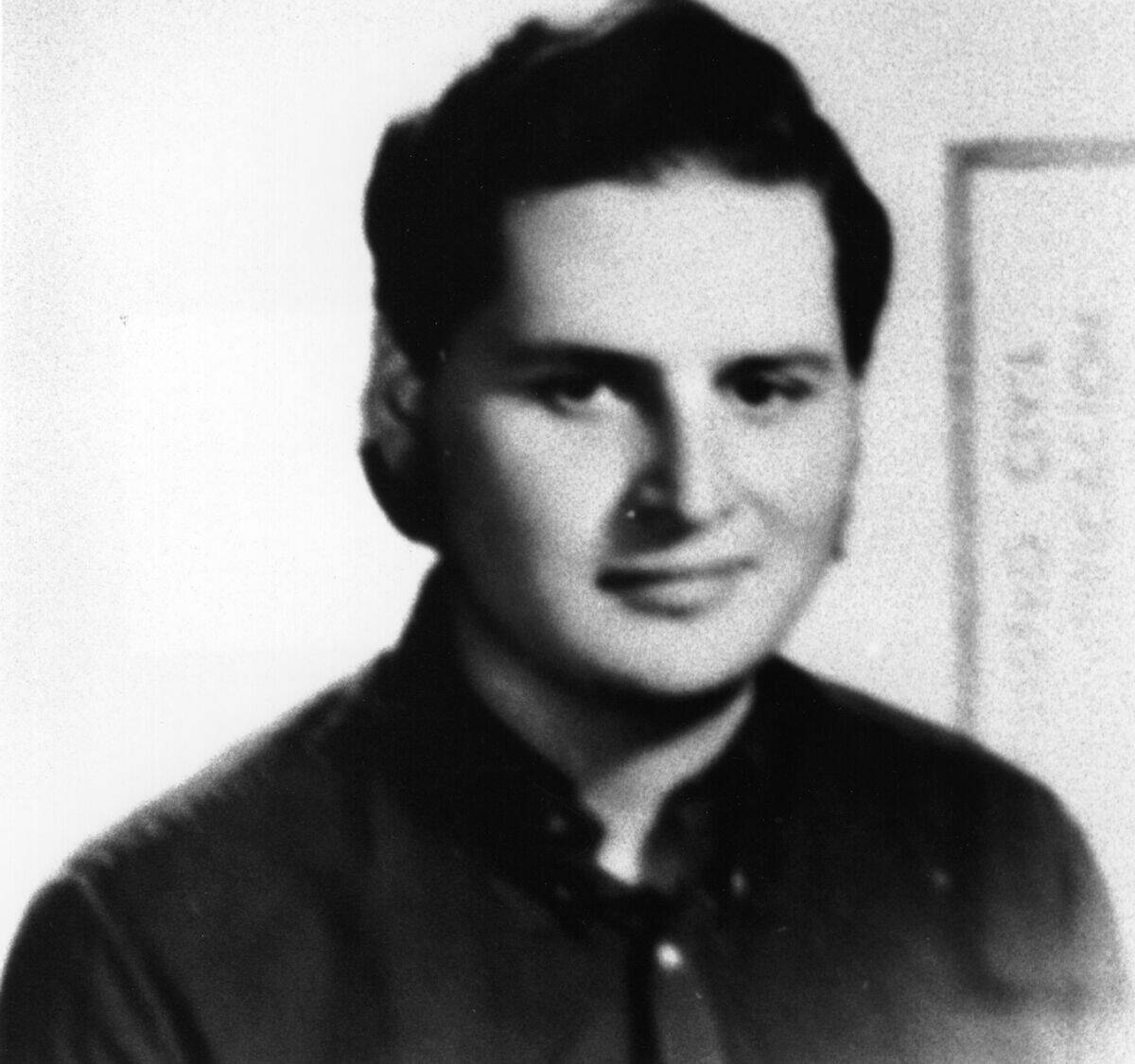
“Carlos the Jackal,” born Ilich Ramírez Sánchez, was a notorious figure in international terrorism. Known for his audacious activities in the 1970s and 1980s, he earned his nickname from the press, who dubbed him “The Jackal” after a copy of Frederick Forsyth’s novel The Day of the Jackal was found in his belongings.
His elusive nature and high-profile operations made him a media sensation, capturing the world’s imagination as a real-life man of mystery.
“Mahatma Gandhi”: The Evolution of a Name into a Movement
![Mahatma [redacted]](https://media.tellmebest.com/wp-content/uploads/2024/11/mahatma-gandhi-28048.jpeg)
Mohandas Karamchand Gandhi, known as “Mahatma” Gandhi, became the face of nonviolent resistance in the struggle for Indian independence. The title “Mahatma,” meaning “great soul,” was bestowed upon him by Indian poet Rabindranath Tagore.
This name transcended Gandhi’s individual identity, evolving into a symbol of peace and civil disobedience. His philosophy of nonviolence inspired global movements for social change, cementing his legacy as a revolutionary leader.
“Geronimo”: The Apache Leader with a Name of Power
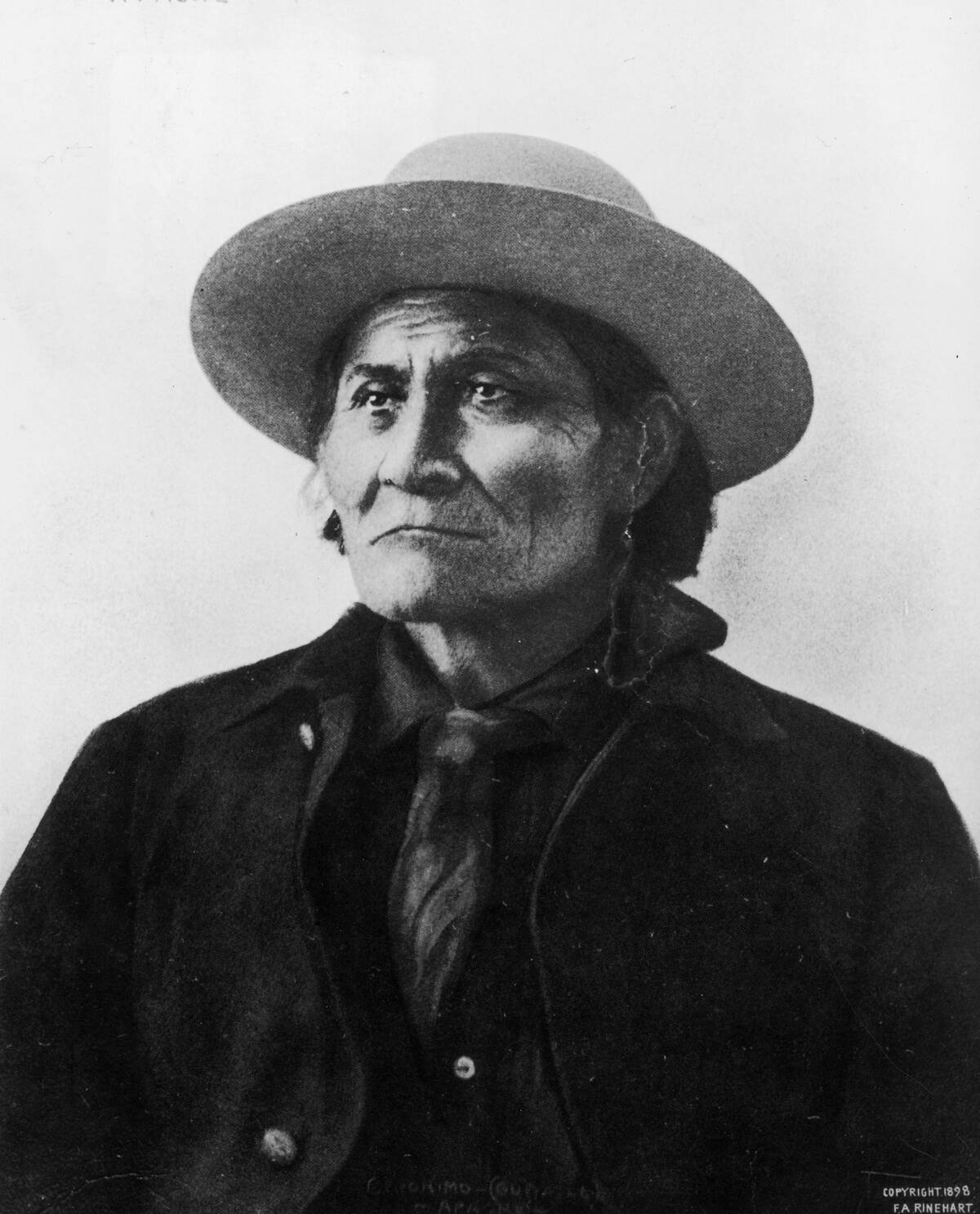
Geronimo, born Goyaalé, was a prominent leader of the Apache who fiercely resisted Mexican and American expansion into Apache lands. The name “Geronimo” is believed to have originated from Spanish soldiers invoking Saint Jerome for protection during battle, but it also may have been their genuine attempt to pronounce his true name.
Geronimo’s fierce resistance made him a symbol of Native American struggle and resilience. His legacy endures as a testament to the power of resistance and the enduring fight for justice and autonomy.
“Ho Chi Minh”: The Many Names of Vietnam’s Revolutionary Leader
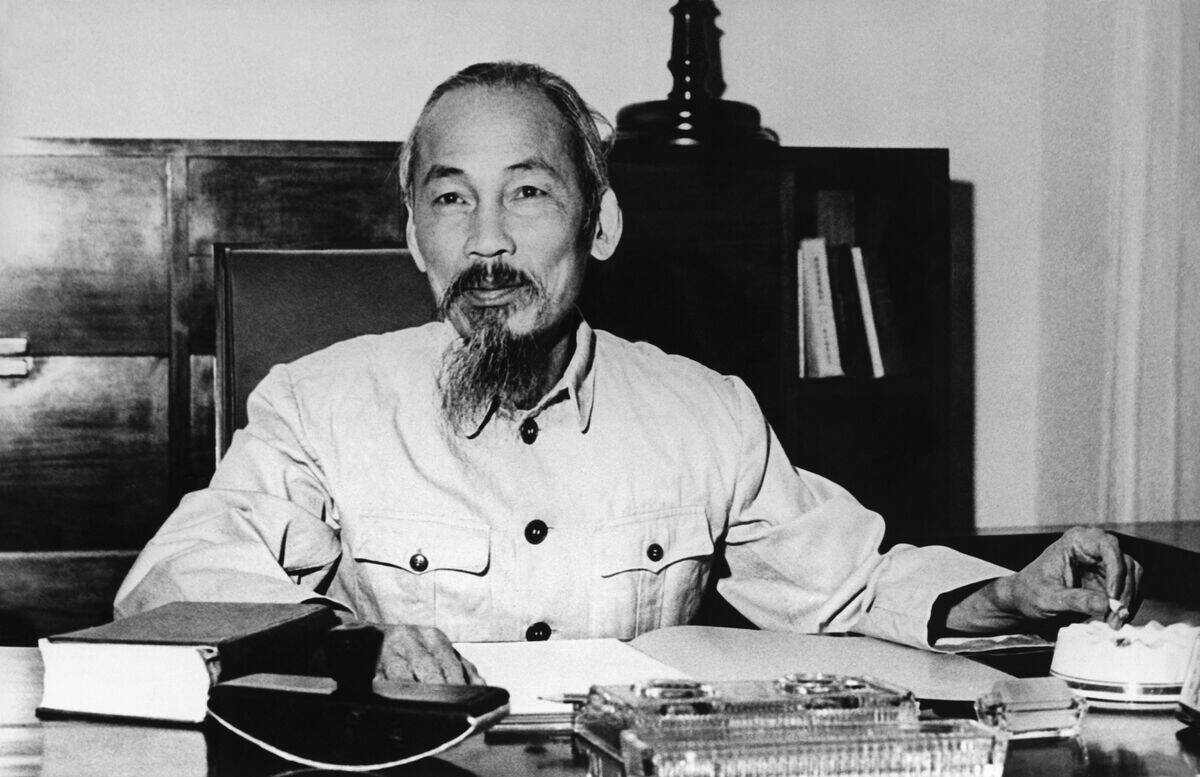
Ho Chi Minh, born Nguyễn Sinh Cung, was a pivotal figure in Vietnam’s struggle for independence. Over his lifetime, he adopted numerous aliases, including “Nguyễn Ái Quốc” and “Nguyễn Tất Thành,” to navigate his revolutionary activities across continents.
The name “Ho Chi Minh,” meaning “Bringer of Light,” became his most recognized identity, symbolizing his role in leading Vietnam to independence. His strategic use of aliases allowed him to operate effectively in the face of colonial opposition.
“Blackbeard”: The Pirate with a Revolutionary Flair
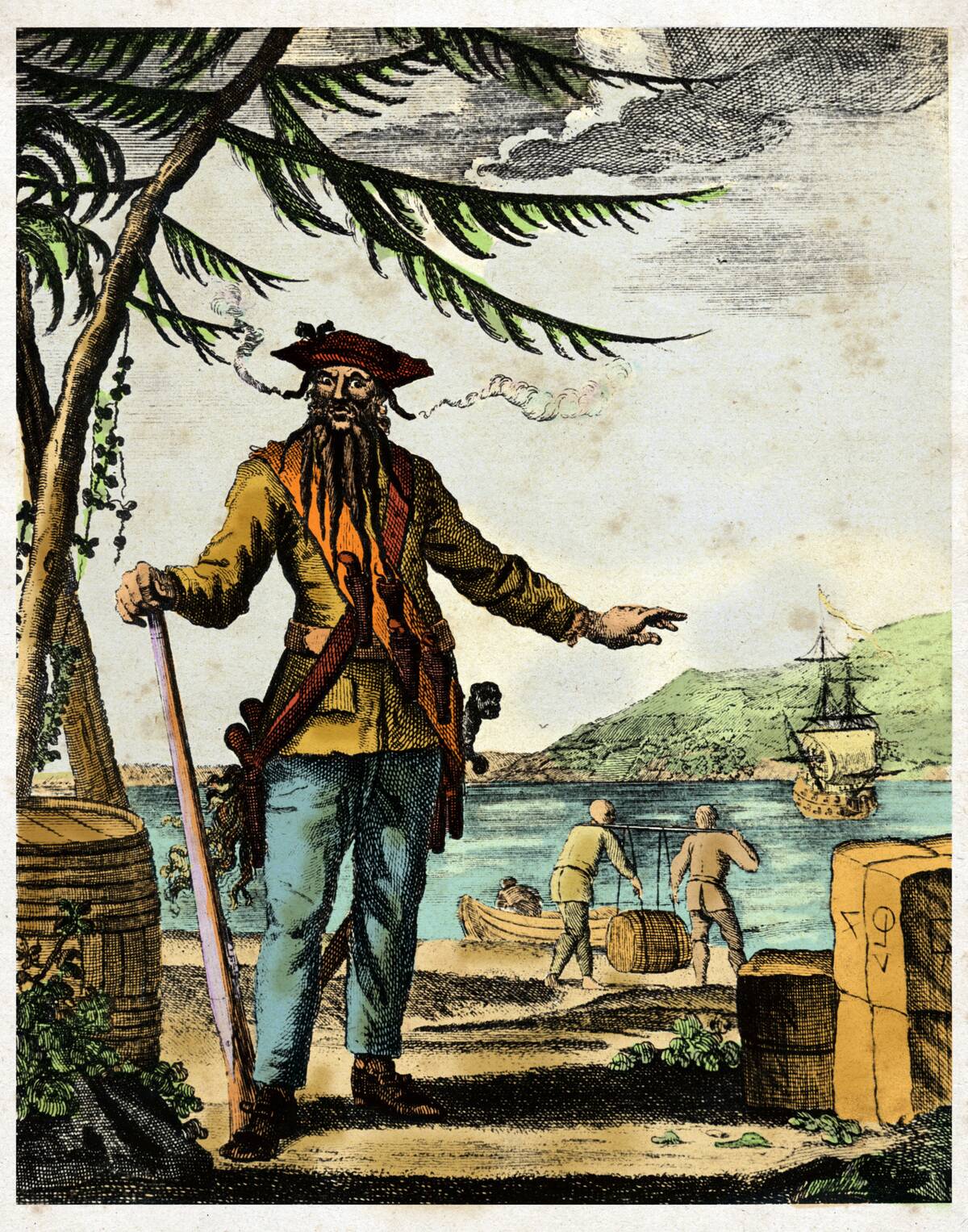
Blackbeard, born Edward Teach, was one of the most infamous pirates of the Golden Age of Piracy. Known for his fearsome appearance and strategic cunning, Blackbeard’s name became synonymous with maritime rebellion.
He capitalized on his terrifying reputation, using it to command his crew and intimidate adversaries. Though not a revolutionary in the traditional sense, his rebellious spirit and defiance of authority embody the essence of revolution, leaving an indelible mark on pirate lore.




