Legal loopholes that expanded voting rights before amendments
Voting rights in the United States have taken quite an unusual journey, characterized by a medley of social, economic, and political changes. From the early days of colonial charters to present-day legislation, the path has been anything but straightforward.
This article delves into some of the fascinating, and sometimes quirky, milestones along the way that helped shape the voting rights landscape we know today. Let’s explore how history’s twists and turns paved the road to expanded suffrage.
Colonial Charters and Their Unexpected Impact on Voting
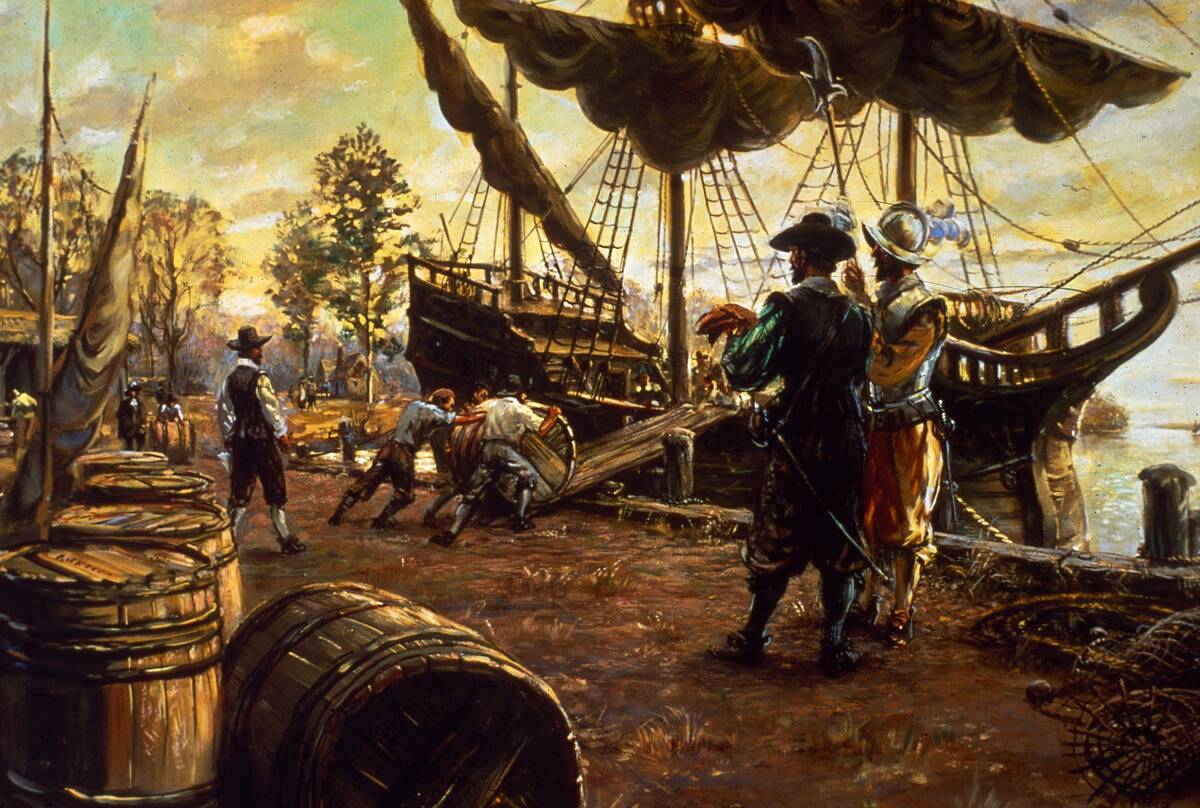
Colonial charters might seem like dry documents, but they were instrumental in shaping early voting rights. These charters were essentially the constitutions of the colonies and often included provisions for who could vote.
We Interestingly, these early frameworks sometimes allowed property-owning widows the right to vote (at least in certain parts of New York and Massachusetts) a fact that surprises many. While the charters varied from colony to colony, they laid the groundwork for future voting regulations in America.
The Role of Property Ownership in Early Voting Rights
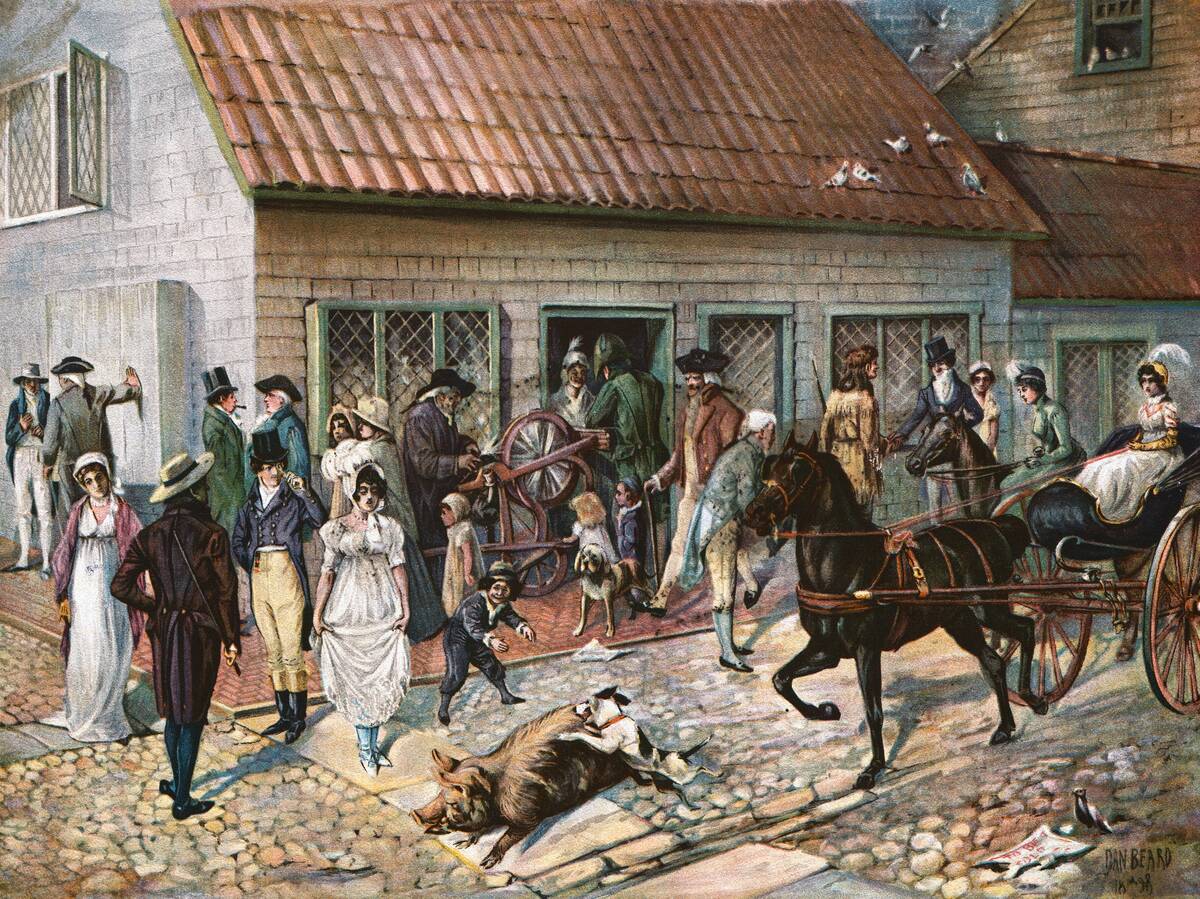
In the early days of America, property ownership was a key determinant of voting eligibility. The logic was that landowners had a vested interest in governmental decisions.
This meant that voting was largely the domain of wealthy, white males, leaving out a significant portion of the population. However, as land became more accessible, the property requirement slowly eroded, setting the stage for broader suffrage movements.
The Quakers’ Quiet Revolution in Voter Inclusion
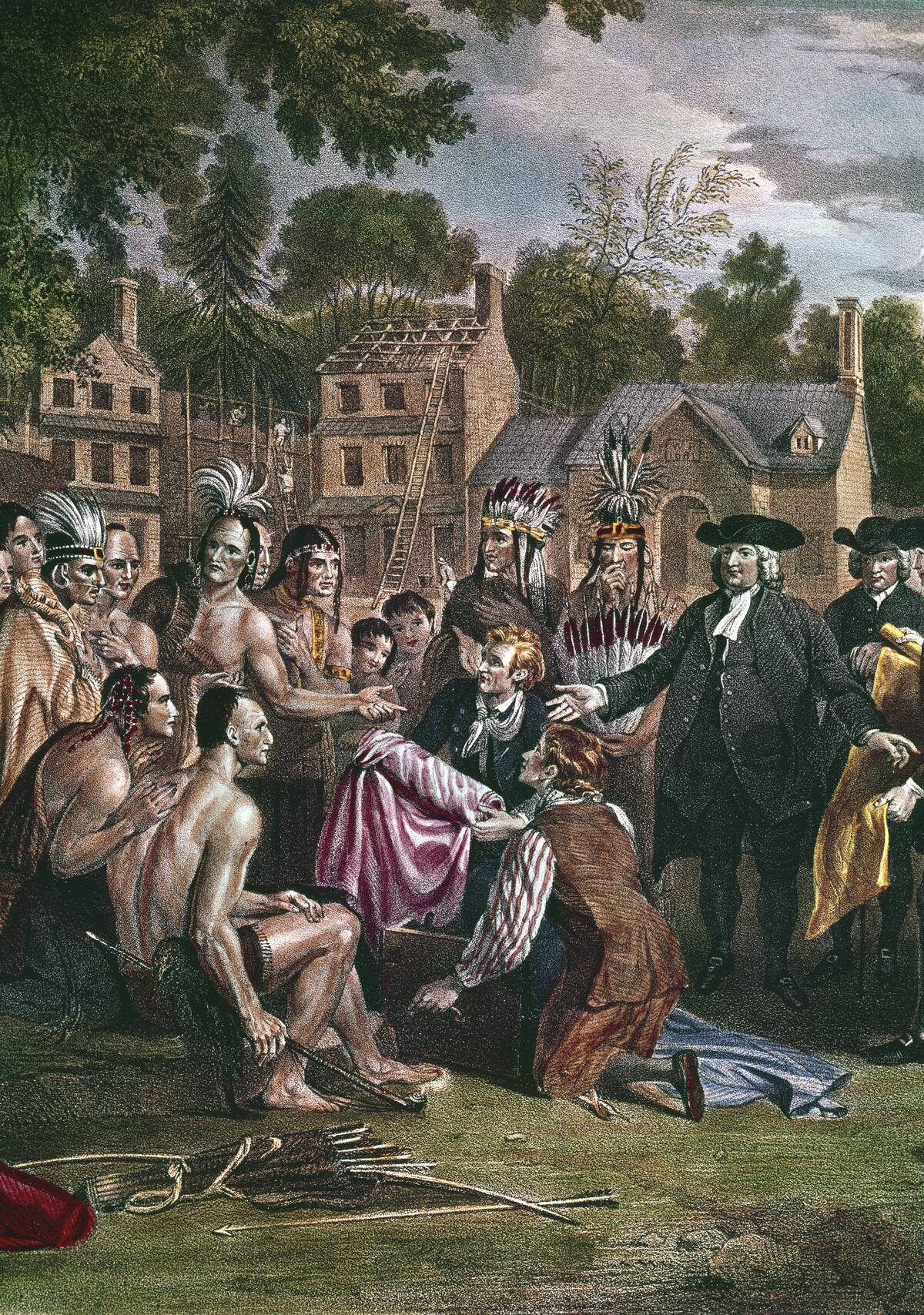
The Quakers, known for their peaceful ways, subtly influenced voting rights by advocating for equality and fairness. In Pennsylvania, a Quaker stronghold, they promoted policies that were more inclusive compared to other colonies.
This included advocating for voting rights that were less tied to property ownership and more to one’s community standing. Their quiet revolution helped sow seeds of a more egalitarian electoral process.
How the Northwest Ordinance Set Early Voting Precedents
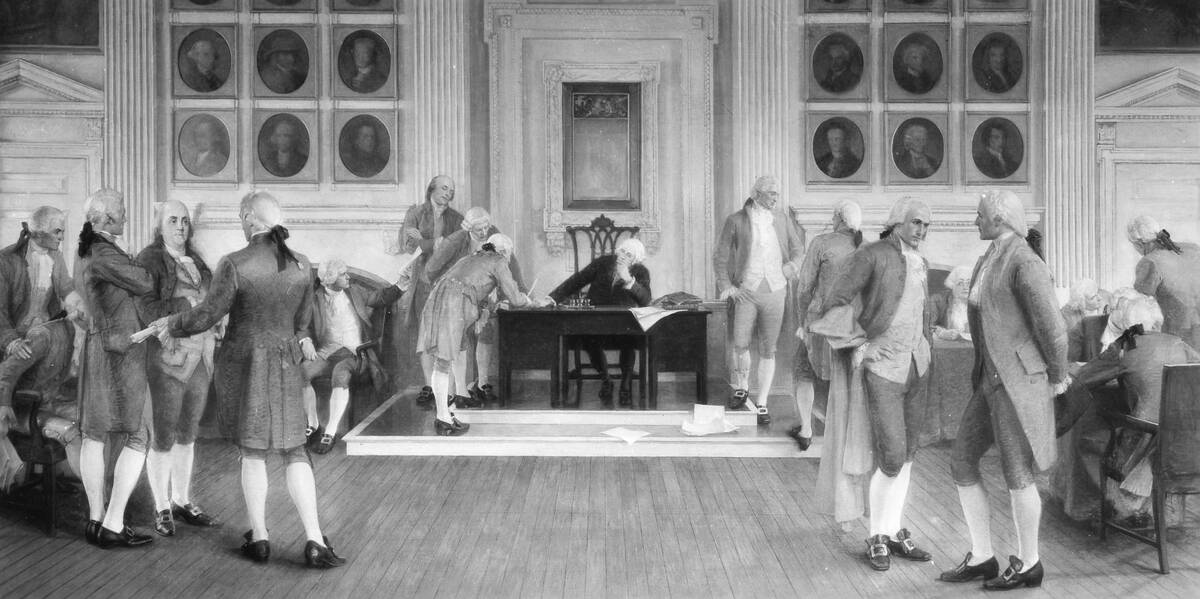
The Northwest Ordinance of 1787 was a landmark in American legislative history, establishing a precedent for governing new territories. Importantly, it included provisions for voting rights in these territories, which influenced future state constitutions.
The ordinance reflected progressive ideas for its time, such as the prohibition of slavery in the new territories, which indirectly influenced the expansion of voting rights by promoting a more egalitarian society.
The Peculiar Case of Taxpayer Voting Rights
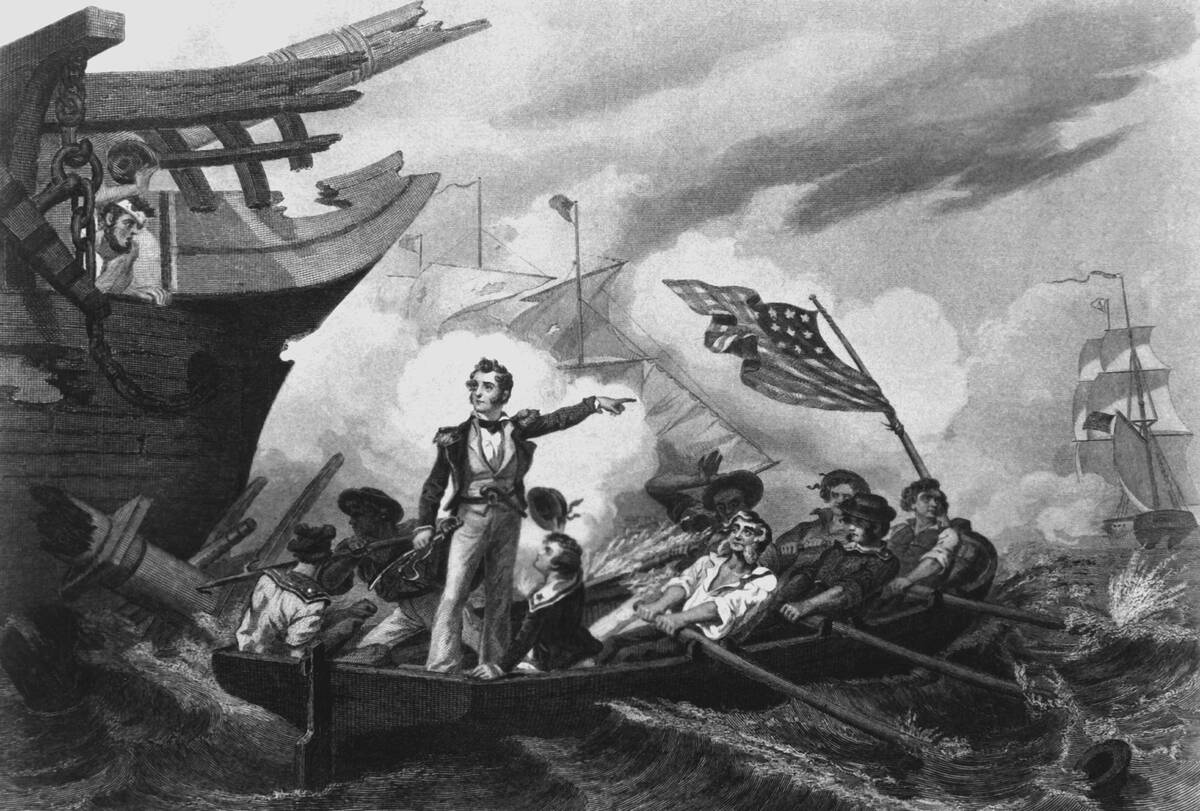
Taxpayer voting rights emerged as a peculiar criterion during the 19th century. In some states, paying taxes was seen as a qualification for voting, under the belief that those contributing to the state financially should have a say in its governance.
This criterion was a double-edged sword, as it expanded voting for some while excluding those who couldn’t pay taxes. Over time, this requirement was dropped, aligning with broader suffrage movements.
Legal Shenanigans of the Jacksonian Democracy Era
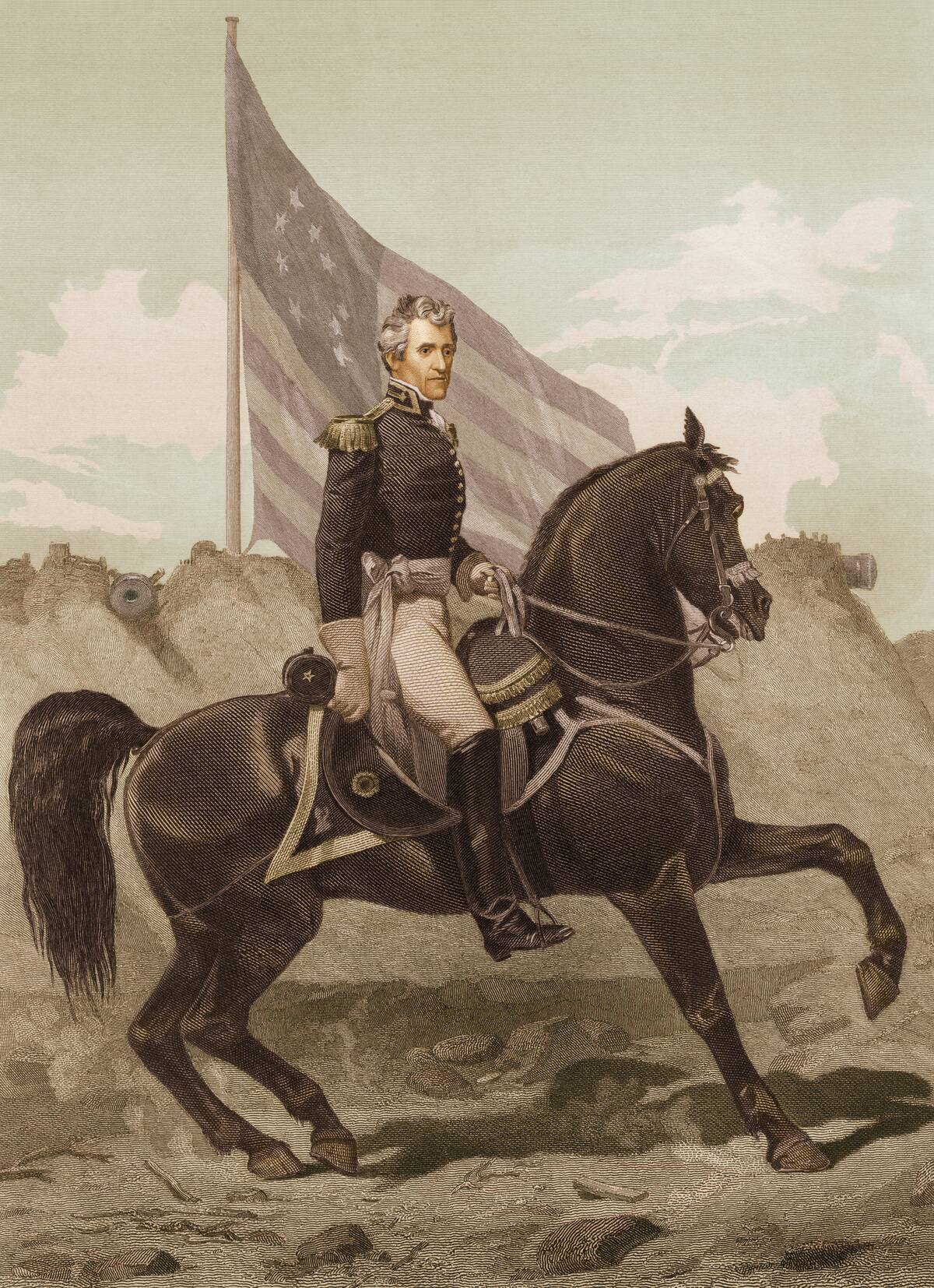
The Jacksonian Democracy era was rife with legal maneuvers aimed at expanding suffrage to the ‘common man.’ Andrew Jackson’s presidency marked a shift towards greater democratic involvement by dismantling property requirements.
However, this period wasn’t without its shenanigans—political machinations often overshadowed genuine reform. Despite this, the era is credited with significant strides in democratizing the electoral process, albeit with a focus on white male suffrage.
The “Corrupt Bargain” and Its Hidden Influence on Suffrage
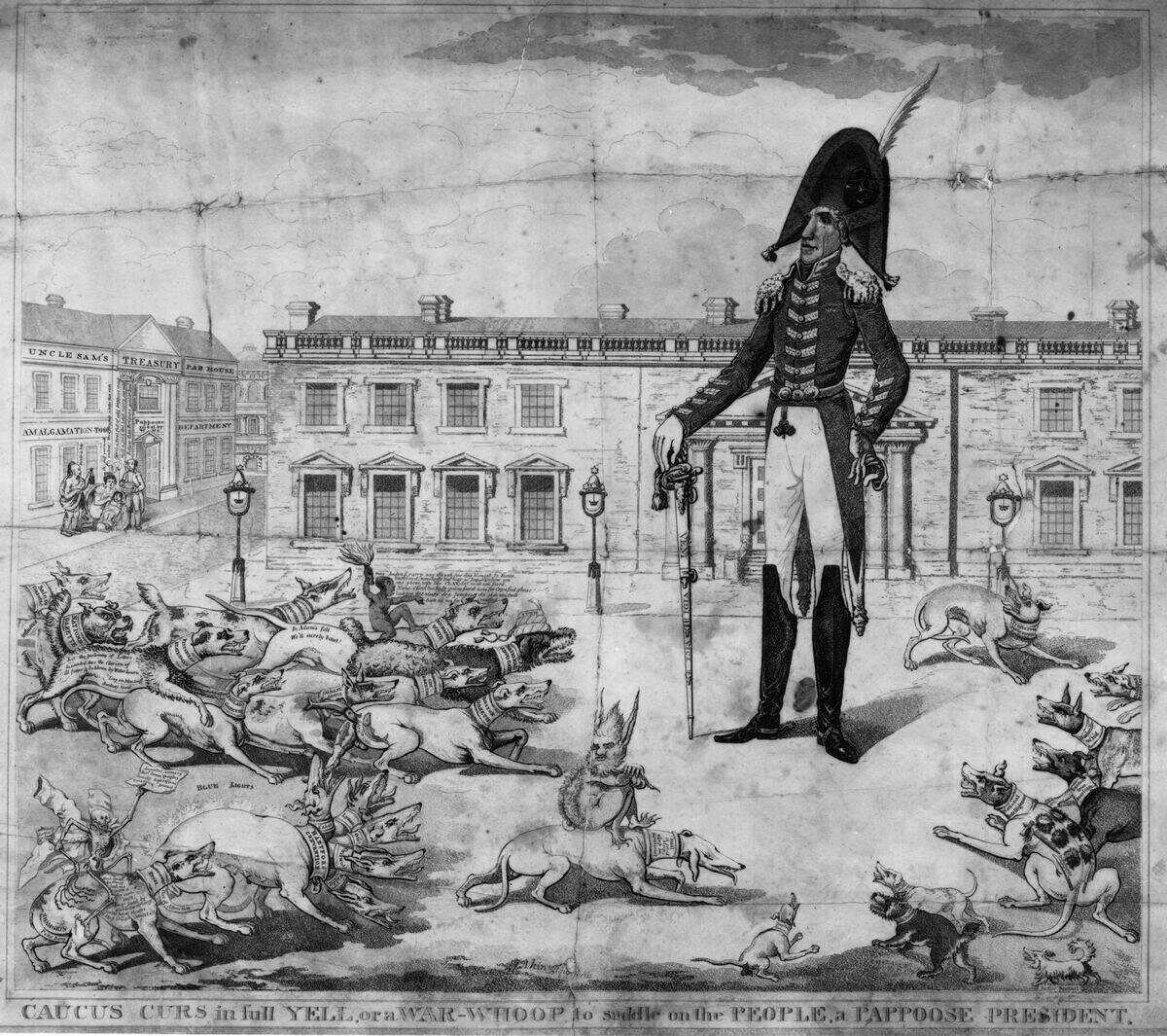
The infamous ‘Corrupt Bargain’ of the 1824 presidential election had unexpected implications for voting rights. When John Quincy Adams was accused of striking a deal to secure the presidency, it fueled public demand for more straightforward electoral processes.
This outcry contributed to the push for broader suffrage, as citizens wanted a more transparent and democratic system, ultimately leading to increased voter participation in subsequent elections.
The Influence of State Constitutions on Expanding the Electorate
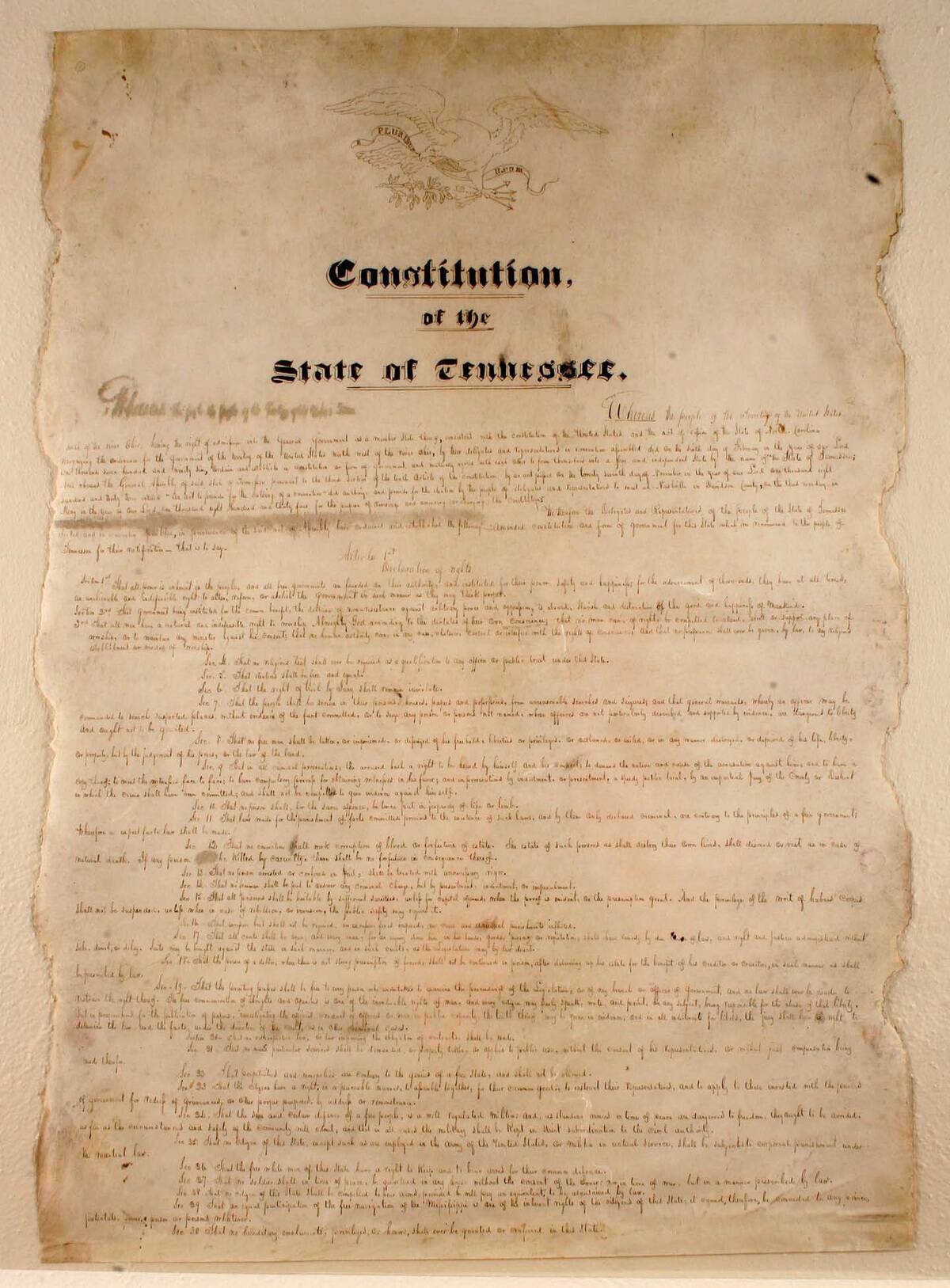
State constitutions have played a crucial role in shaping voting rights, often serving as testing grounds for suffrage expansion. As new states joined the Union, many adopted more inclusive voting laws, setting precedents for others to follow.
For example, the Tennessee Constitution of 1834 expanded voting rights to all white men, regardless of property ownership, showcasing the potential of state-level reforms to influence national policy. At the same time, it also disenfranchised free Black residents, whose right to vote was mentioned in the previous Tennessee Constitution of 1796.
The Impact of the Dorr Rebellion on Voting Rights
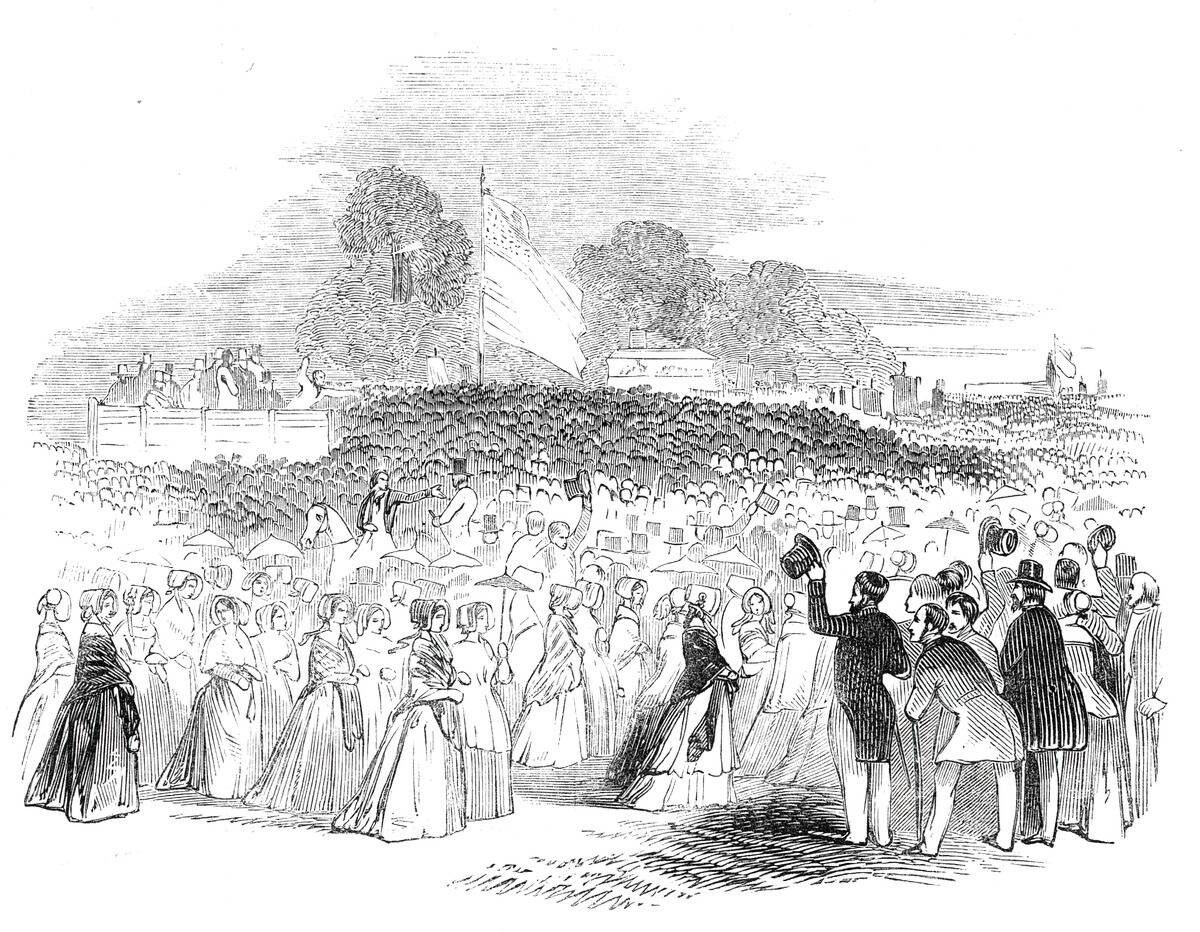
The Dorr Rebellion in Rhode Island during the 1840s was a significant event in the fight for voting rights. Led by Thomas Dorr, the movement sought to expand suffrage to non-landowners, challenging the state’s outdated charter.
Although the rebellion was short-lived, it highlighted the demand for broader electoral participation and eventually led to the adoption of a new state constitution, which granted voting rights to more citizens.
The Role of Literacy Tests in the Pre-Amendment Era

Before the constitutional amendments that expanded voting rights, literacy tests were often used to limit voter participation. These tests were ostensibly designed to ensure informed voting but were frequently manipulated to disenfranchise specific groups, especially African Americans and immigrants.
The use of literacy tests highlighted the ongoing struggle between expanding suffrage and maintaining societal control, a tension that persisted until such practices were outlawed.
How the Gold Rush Shifted Voting Demographics
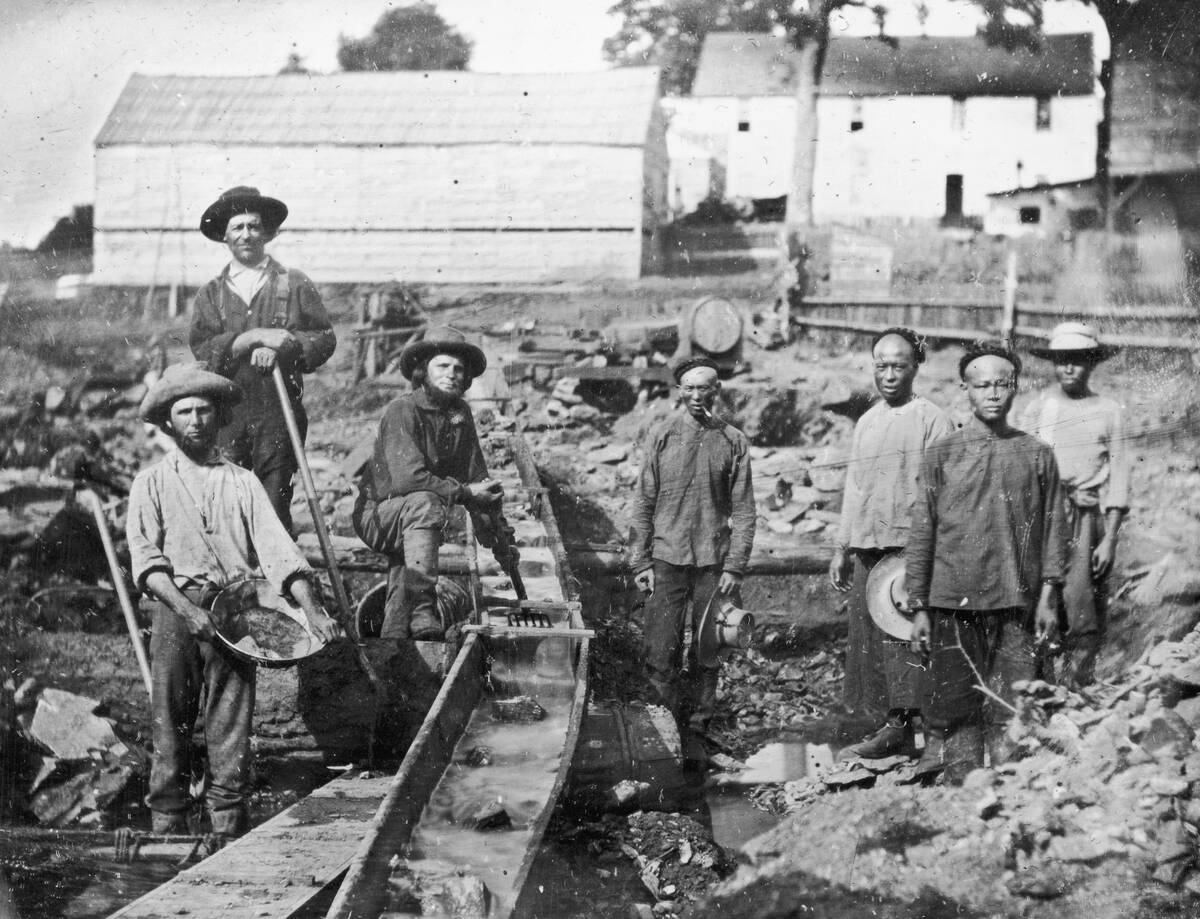
The Gold Rush of the mid-19th century brought significant demographic changes to the American West, influencing voting rights. As people flocked to California and other territories, the demand for representation grew.
Although statehood and the resulting constitution was fast-tracked in response, this constitution was much like others at the time in that it denied voting rights to African-Americans and Native Americans.
The Influence of Civil War and Reconstruction on Voting Laws
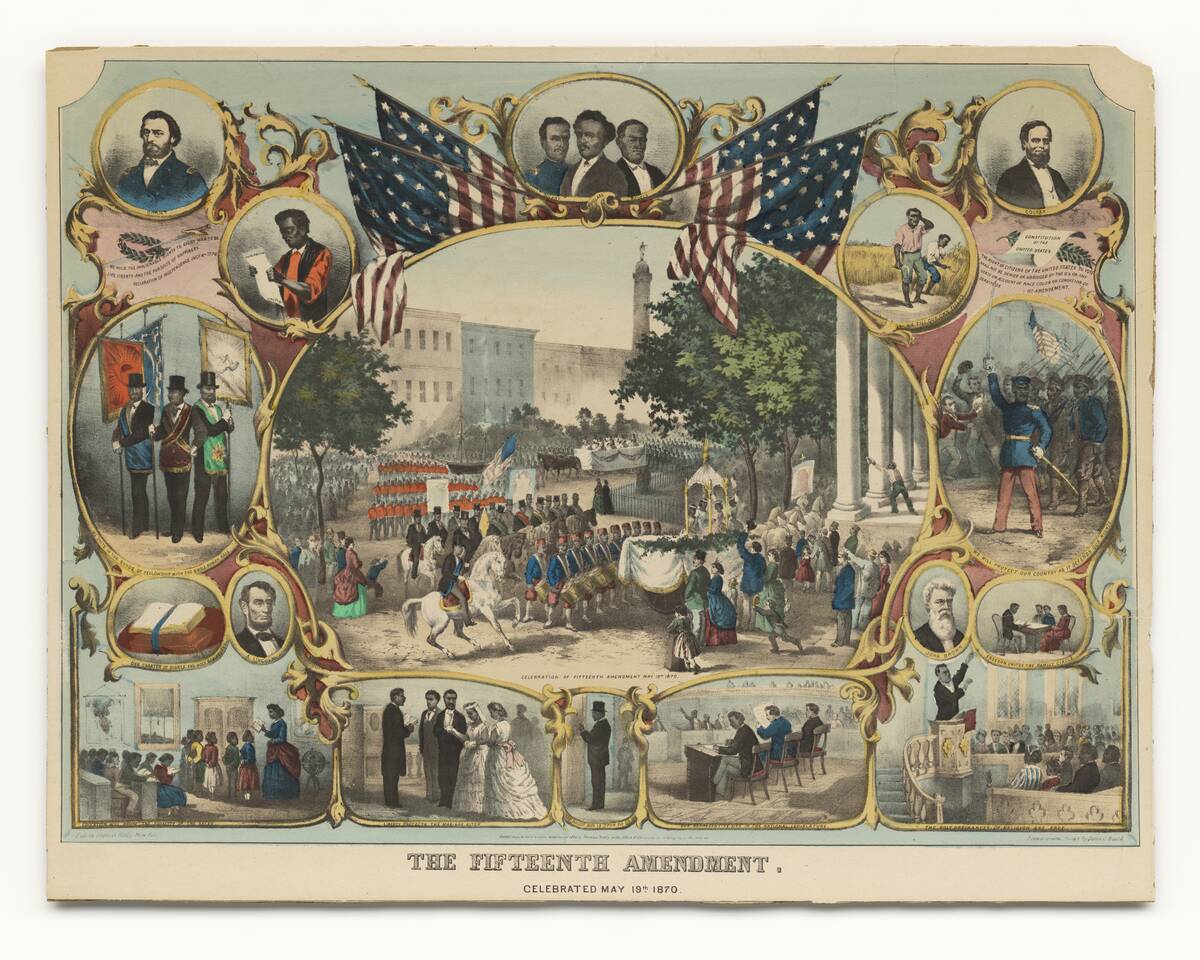
The Civil War and subsequent Reconstruction era were pivotal in reshaping voting laws in the United States. The post-war amendments, particularly the 15th Amendment, aimed to prohibit voter discrimination based on race.
Despite resistance and the emergence of Jim Crow laws, these changes laid the groundwork for future civil rights advancements. The period highlighted the ongoing struggle for true electoral equality, a battle that would continue well into the 20th century.




