How merchant families quietly shaped Renaissance politics
During the Renaissance, merchant families wielded significant, yet often understated, power. These families were more than mere traders; they were the architects of economic, cultural, and political landscapes. Their influence stretched beyond marketplaces into the very fabric of society.
As wealth accumulated, so did their ability to shape the world around them, often acting as the hidden hands guiding the course of history. Today, we explore how these merchants became pivotal figures during this transformative era.
The Renaissance: A Brief Overview
![[redacted] Creation Of Adam](https://media.tellmebest.com/wp-content/uploads/2023/09/michelangelo-creation-of-adam-85834.jpeg)
The Renaissance, spanning the 14th to the 17th century, was a period of rebirth in art, culture, and intellect. Originating in Italy, it marked a transition from the Middle Ages to modernity, characterized by a renewed interest in classical knowledge. This era saw the rise of humanism, a movement that emphasized the potential of human achievement.
The Renaissance brought forth remarkable figures like Leonardo da Vinci and Michelangelo, who pushed the boundaries of art and science, setting the stage for modern Western civilization.
Merchants and Their Unexpected Influence
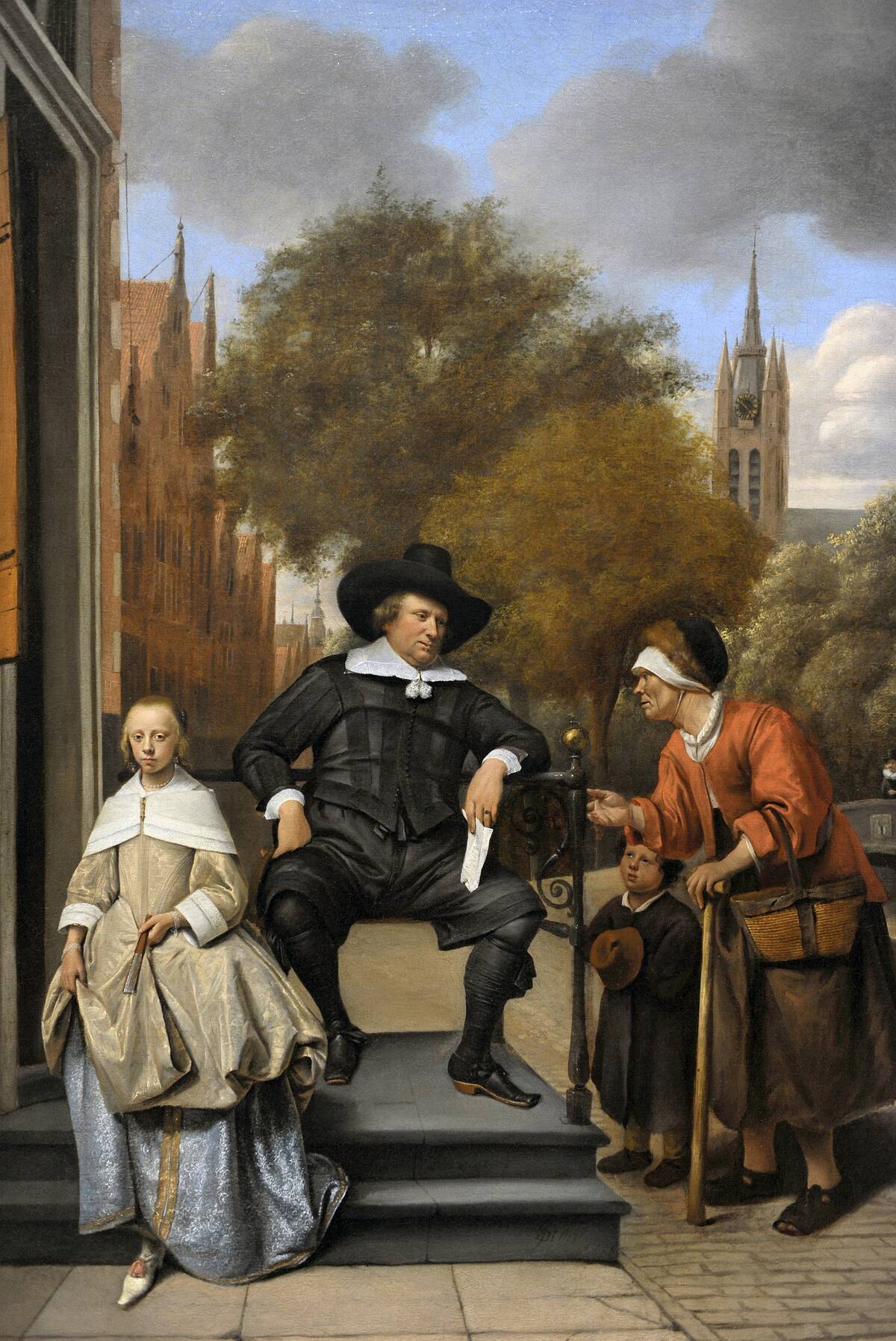
Merchants during the Renaissance were not just traders; they were pivotal players in shaping political and cultural norms. Their influence extended beyond commerce as they became patrons of the arts, financing works that defined the era. They also played a crucial role in the dissemination of ideas by funding explorers and scholars.
In Italian republics like Florence and Venice, wealthy merchants could rival or even surpass segments of the nobility in influence, challenging traditional hierarchies and laying the groundwork for a more modern world.
The Rise of Wealthy Merchant Families
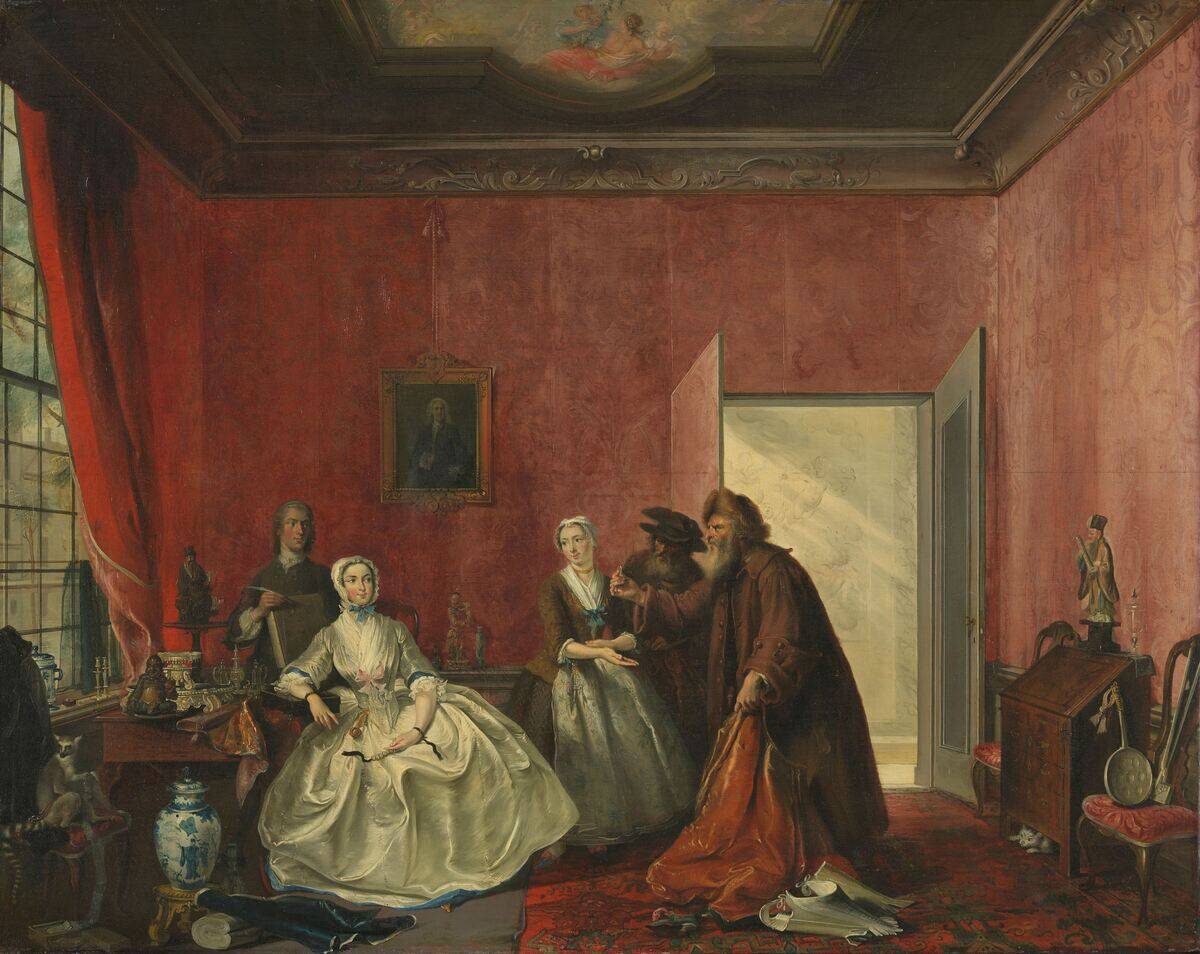
As trade flourished during the Renaissance, so did the wealth of merchant families. Cities like Florence and Venice became hubs of commerce, allowing families to amass fortunes. These families, such as the Medici, leveraged their wealth to gain social and political power.
Over time, they transitioned from mere merchants to influential figures in government and society. This rise was not just about accumulating wealth; it was about transforming economic power into lasting influence, changing the very nature of power dynamics.
Trade Routes: The Lifelines of Renaissance Europe
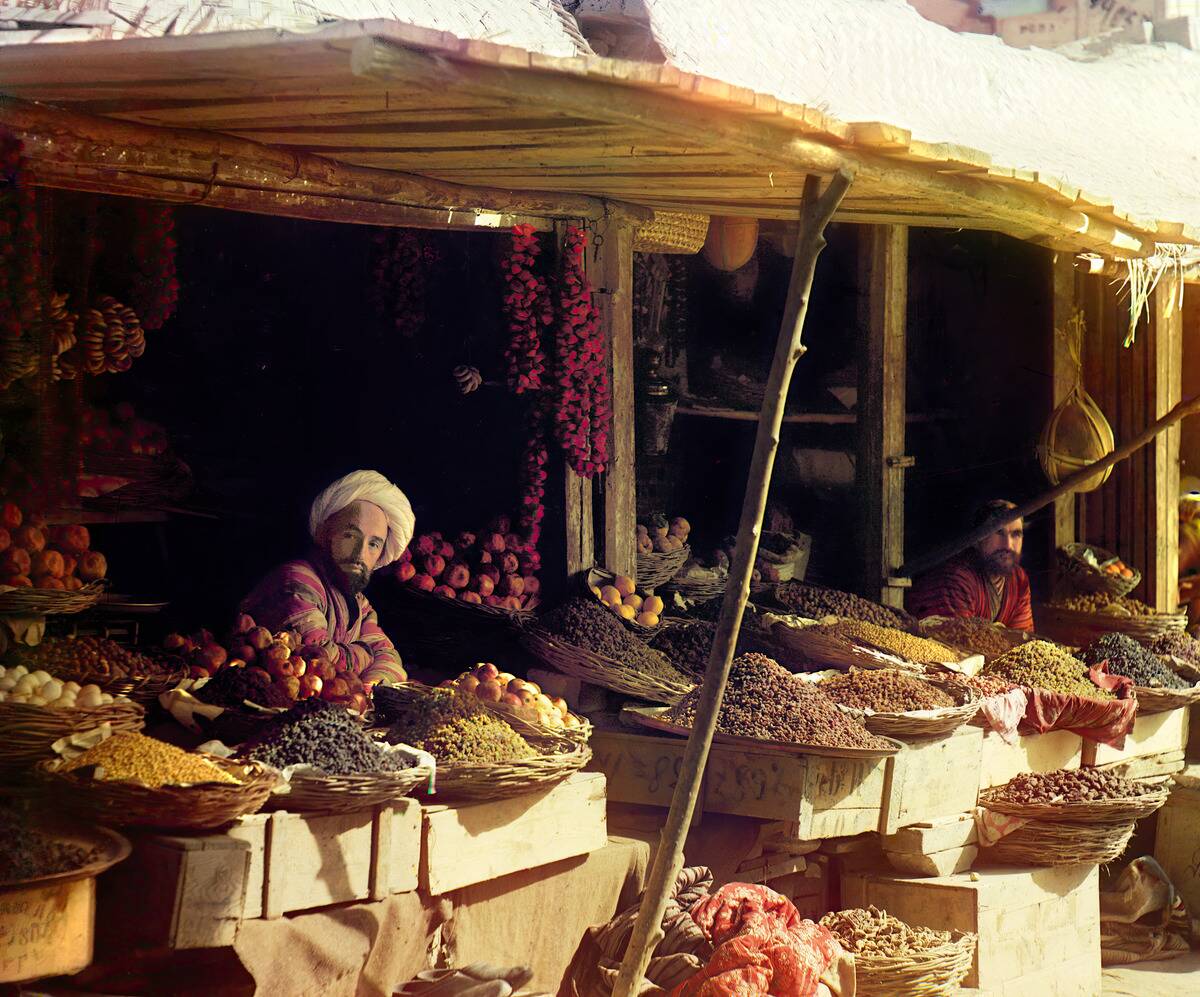
Trade routes were the arteries of Renaissance Europe, enabling the flow of goods, ideas, and cultures across the continent. The Silk Road and maritime routes connected Europe with Asia and Africa, bringing exotic goods and new knowledge.
Venice and Genoa thrived as key ports, becoming centers of trade and finance. These routes not only facilitated economic growth but also cultural exchange, as merchants became conduits for the spread of the Renaissance’s innovative ideas and artistic achievements across Europe.
Banking and Finance: Foundations of Power
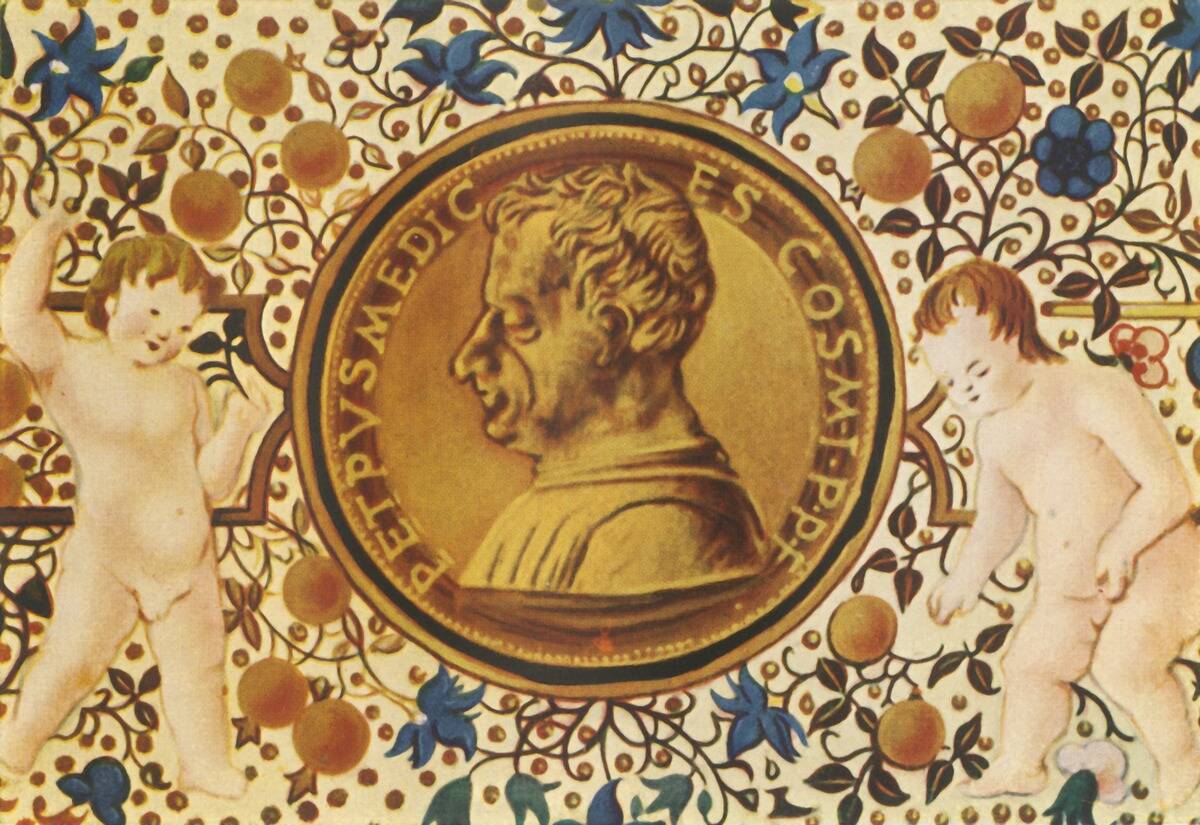
The development of banking and finance was crucial to the power of merchant families during the Renaissance. The Medici Bank, for instance, became one of the most prosperous and respected financial institutions in Europe. These early bankers introduced revolutionary practices such as double-entry bookkeeping.
By providing loans to monarchs and popes, they wielded significant political influence. Banking allowed merchants to transition from mere traders to powerful financiers, laying the groundwork for modern financial systems.
The Medici Family: Pioneers of Political Influence
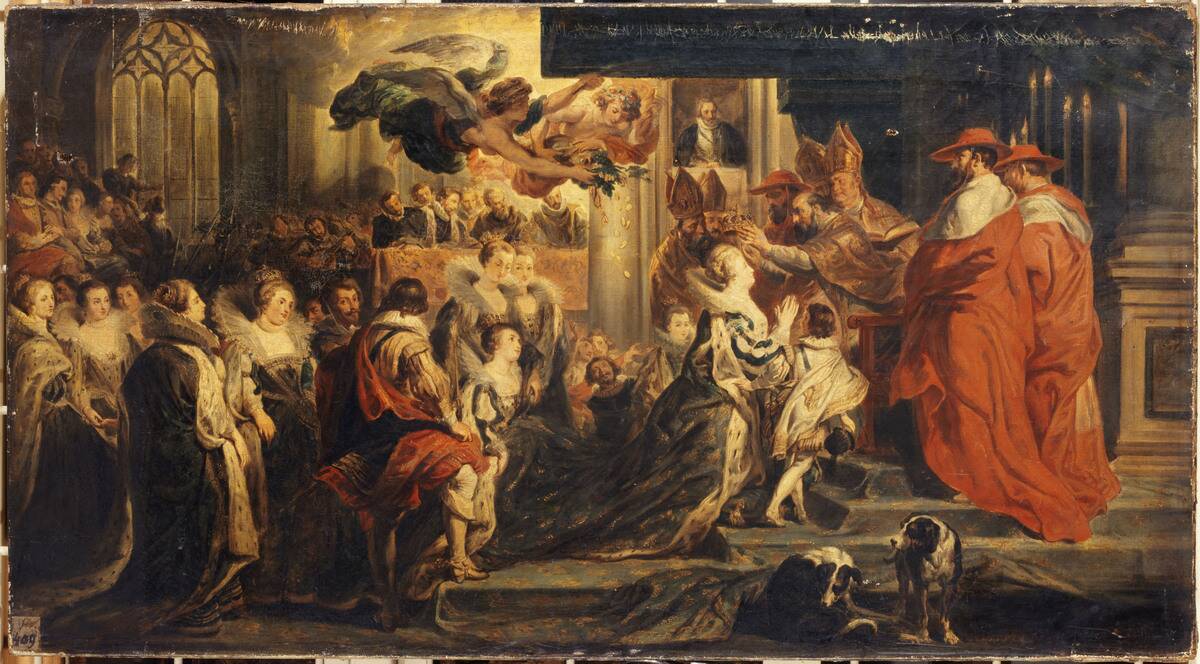
The Medici family epitomizes the merchant’s rise to power during the Renaissance. Originating from the textile trade, they became influential bankers and even rulers of Florence. Their political acumen was unparalleled, as they positioned themselves as key players in European affairs.
The Medici’s patronage of the arts and sciences not only enhanced their prestige but also fueled the Renaissance’s cultural renaissance. Their legacy is a testament to how strategic financial and political maneuvers can shape history.
Art Patronage: Merchant Families as Cultural Tastemakers
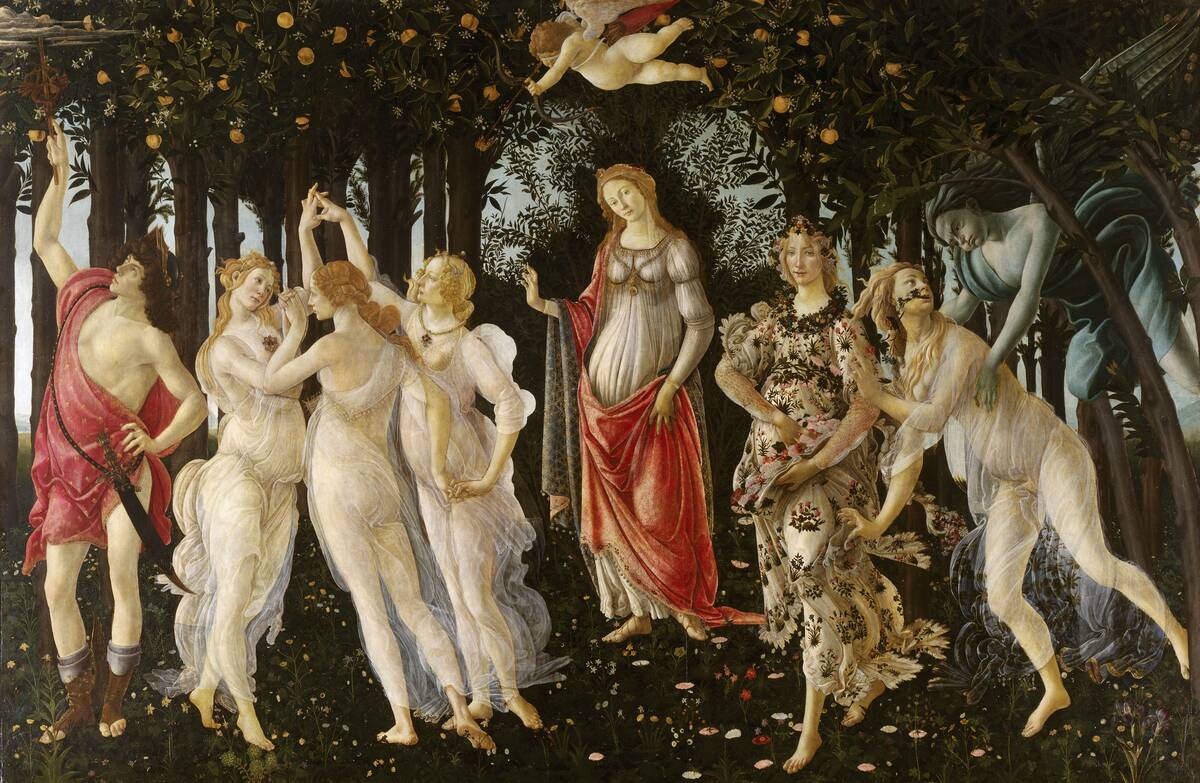
Merchant families were some of the greatest patrons of Renaissance art, commissioning works that are celebrated to this day. The Medici, for example, supported artists like Botticelli and Michelangelo, helping to define the era’s artistic style.
This patronage was not purely altruistic; it was a means to display wealth and power. By funding the arts, merchants became cultural tastemakers, influencing aesthetics and trends. This artistic investment enriched both their legacies and the cultural tapestry of the Renaissance.
Marriages and Alliances: Building Political Networks
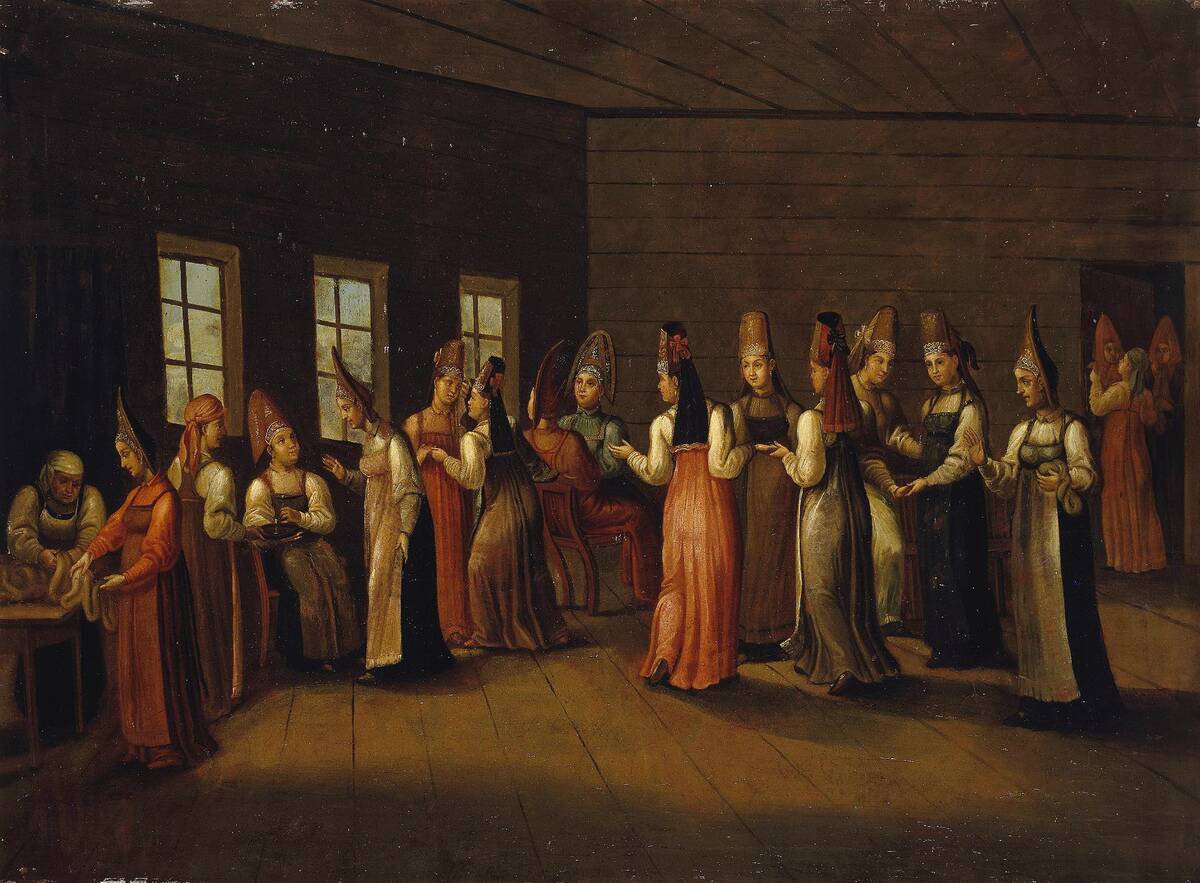
Marriages during the Renaissance were strategic tools for merchant families to forge alliances and consolidate power. By marrying into noble families, merchants could elevate their social standing and secure political influence.
These unions were often meticulously arranged to strengthen economic ties and enhance family fortunes. Through these marriages, merchant families expanded their networks, gaining access to resources and opportunities that might otherwise have been out of reach, thus weaving themselves into the political fabric of the time.
Merchant Guilds: The Quiet Powerhouses
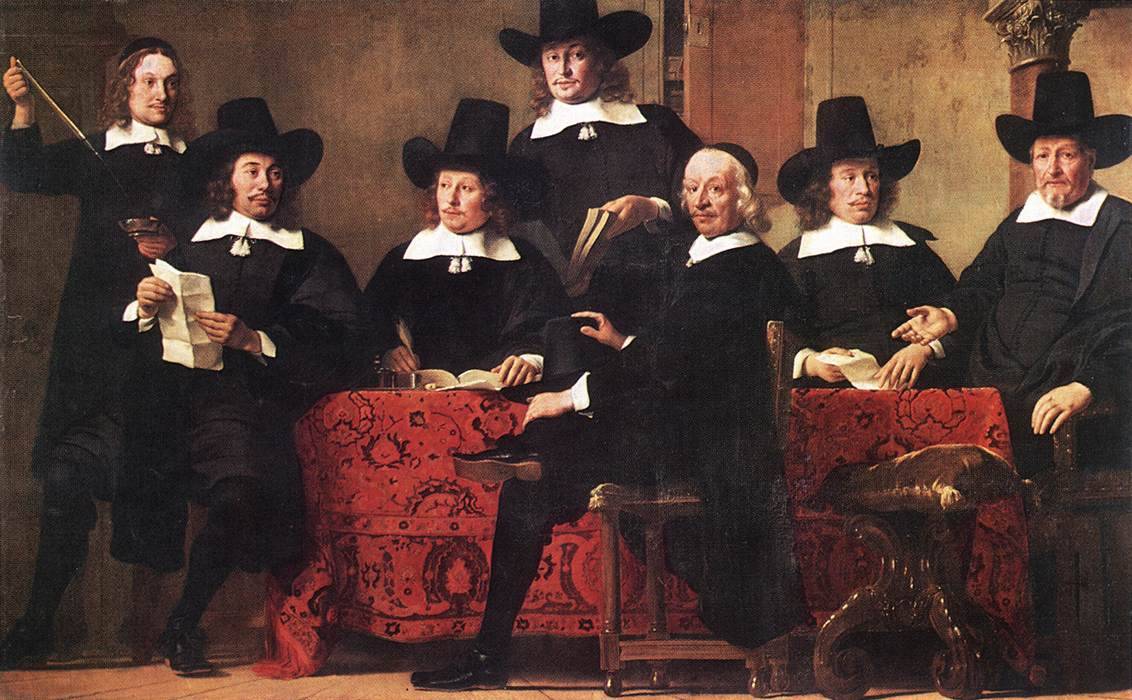
Merchant guilds were the backbone of economic life during the Renaissance, providing structure and support to the trading community. These organizations regulated trade, set standards, and protected the interests of their members. Guilds wielded considerable influence, often dictating local economic policies and shaping urban development.
By banding together, merchants could exert collective power, lobbying for favorable laws and protections. These guilds were instrumental in fostering a sense of community and shared purpose among merchants, strengthening their overall influence.
The Role of Merchant Families in City-States
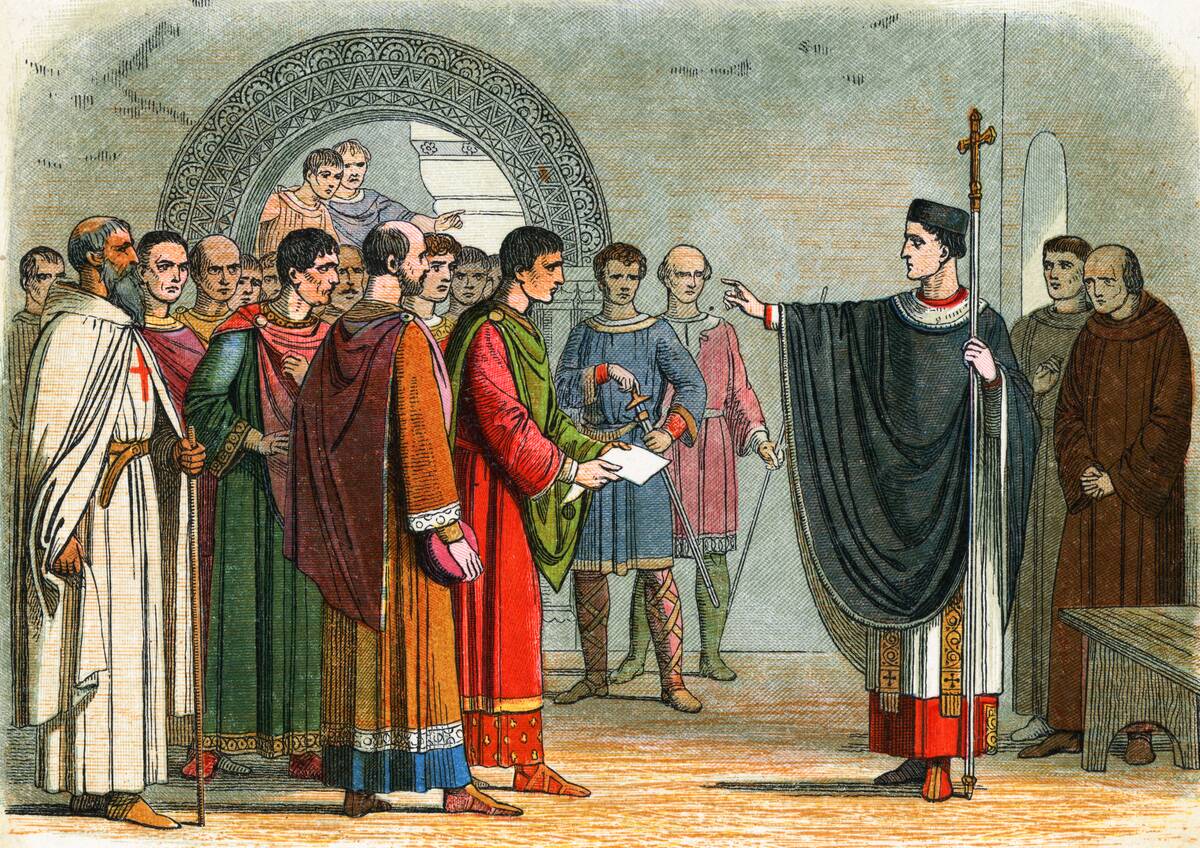
In Renaissance city-states like Florence and Venice, merchant families played crucial roles in governance and decision-making. Their economic power often translated into political influence, allowing them to shape policy and urban development.
Merchants were key figures in city councils and often funded public projects, from churches to bridges. Their involvement in civic life helped drive innovation and growth, as city-states competed for prestige and prosperity. This participation in governance underscored the intertwined nature of commerce and politics during the era.
Diplomacy and Trade Agreements: Securing Influence
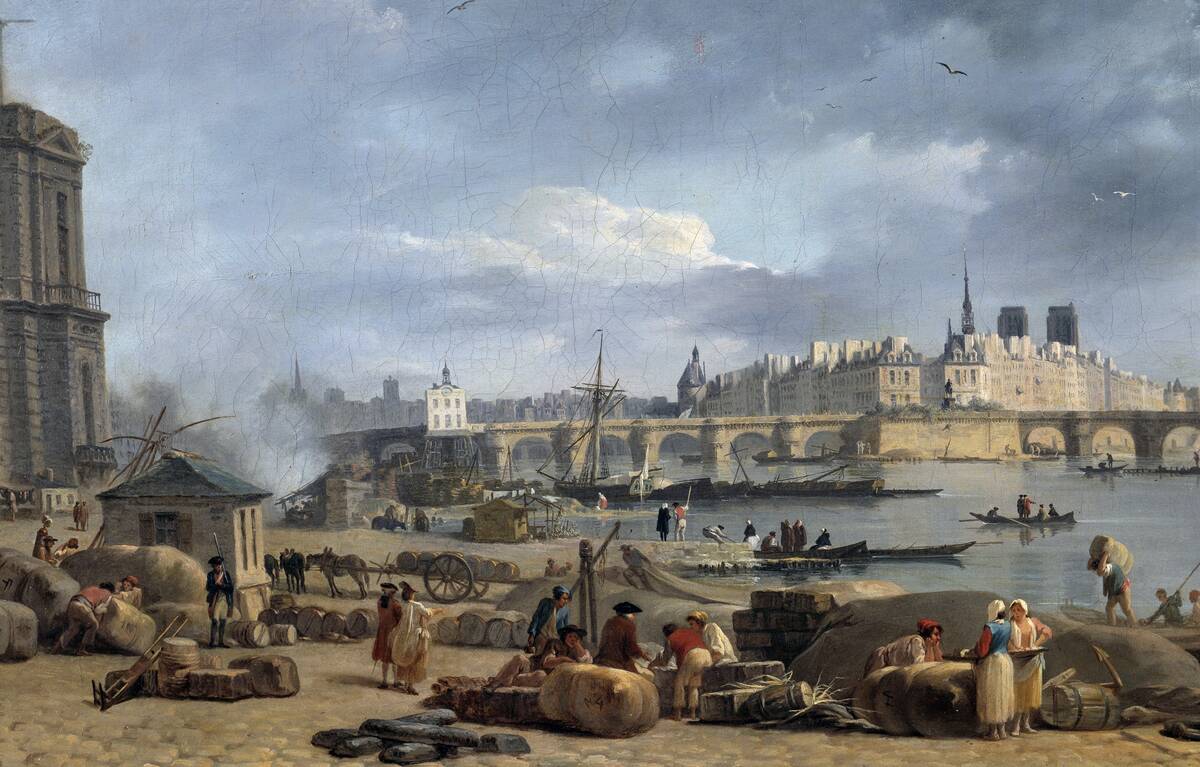
Merchant families were adept at using diplomacy and trade agreements to secure their influence during the Renaissance. By negotiating favorable terms with foreign powers, they could expand their business reach and secure vital resources.
These agreements often had political implications, aligning city-states with powerful allies. Merchants’ diplomatic skills were crucial in navigating the complex web of European politics, ensuring that their interests were protected and that they remained indispensable players on the international stage.
How Merchant Families Funded Wars and Armies
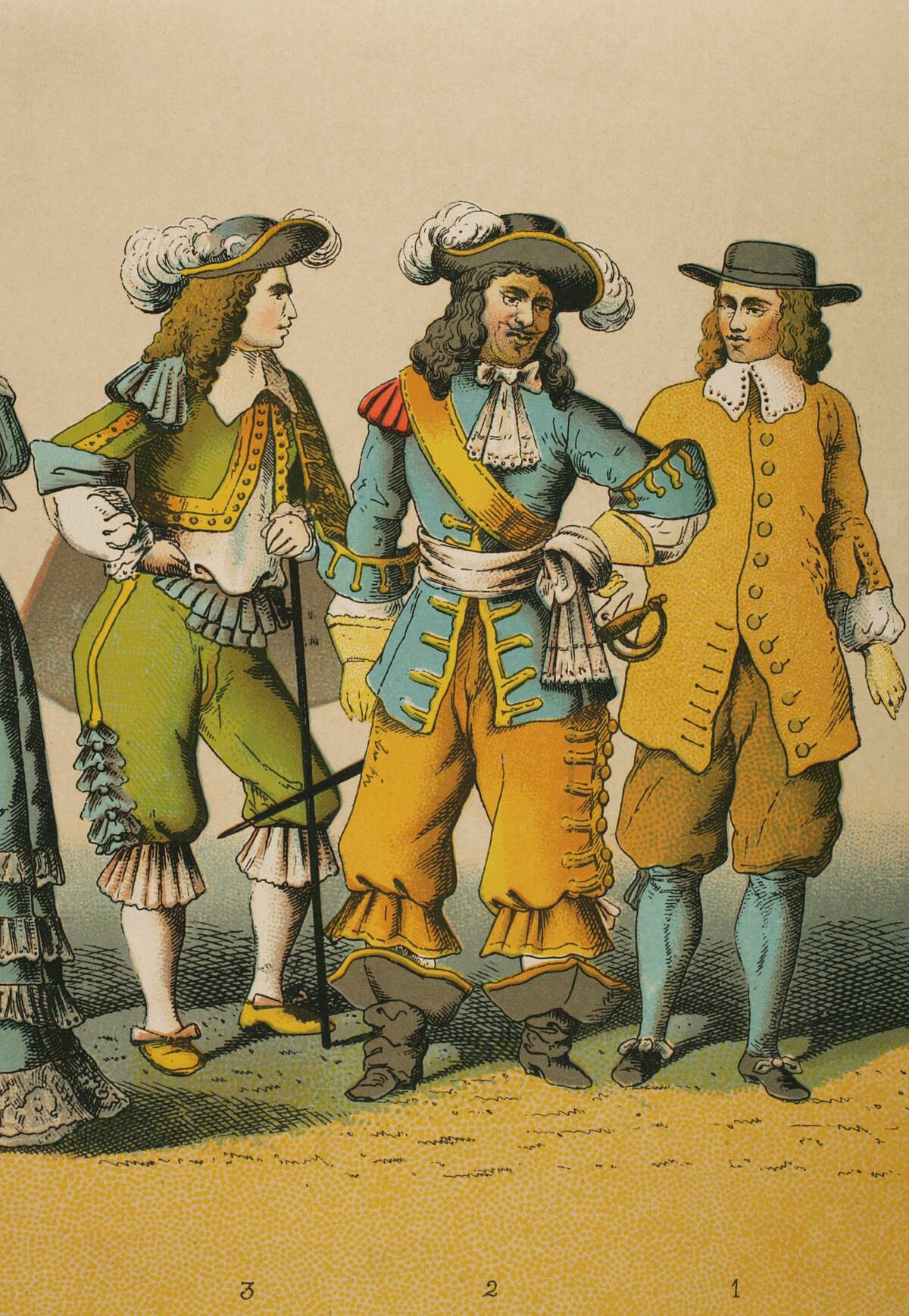
Merchant families played a significant role in funding wars and armies, often providing the financial backing needed for military campaigns. Through loans and resources, they supported rulers in exchange for political favors and influence.
This financial support was crucial during prolonged conflicts, as it allowed armies to be maintained and equipped. By funding wars, merchants not only protected their own interests but also cemented their status as indispensable allies to rulers, further entrenching their power and influence.
Behind the Scenes: Merchants in the Vatican
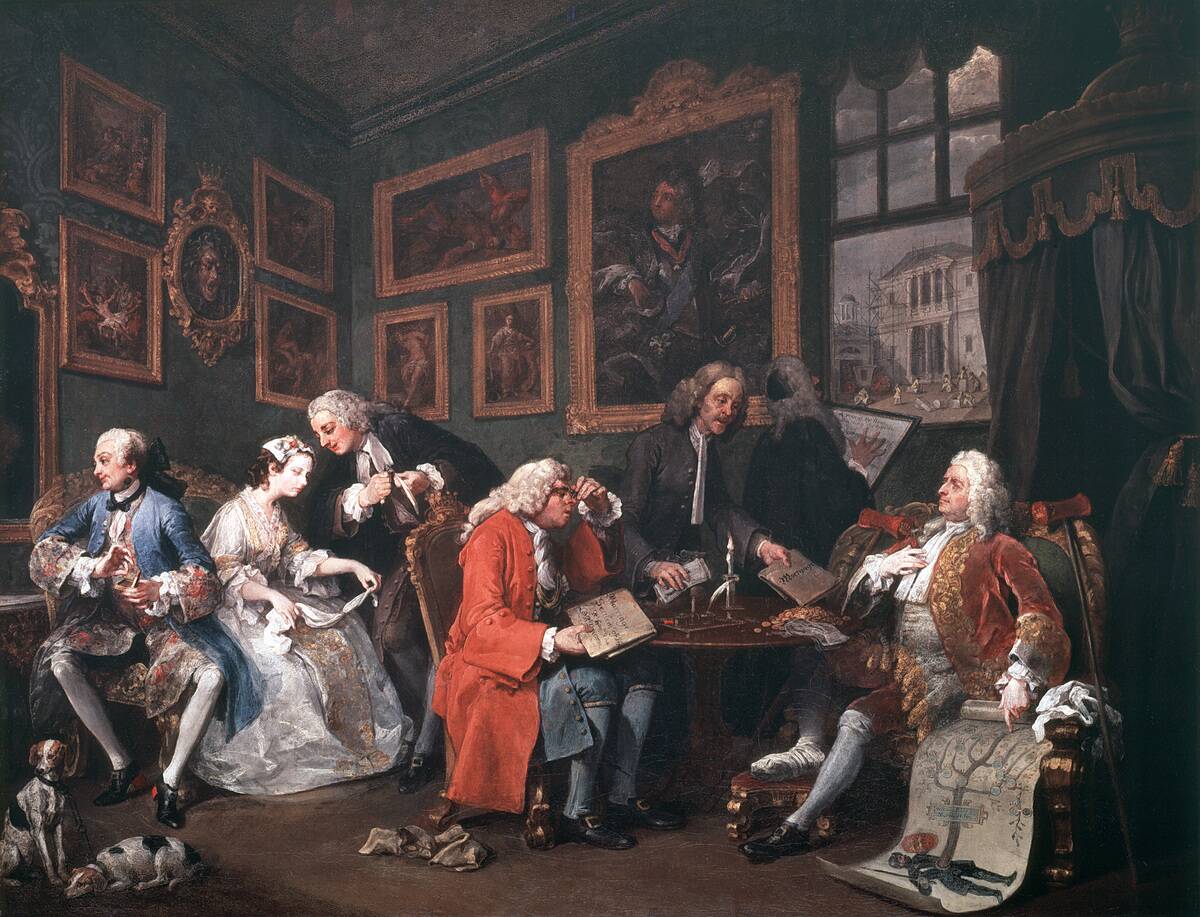
Merchant families often had a presence in the Vatican, using their wealth to gain influence within the Church. The Medici, for example, had several family members who became popes, thereby expanding their power beyond secular realms. Merchants funded the construction of churches and cathedrals, aligning themselves with religious authorities.
This relationship was mutually beneficial, as the Church relied on merchant finance for its projects, while merchants gained prestige and leverage. Their behind-the-scenes activities shaped both religious and secular landscapes.