Invisible trade routes that fueled early globalization
Imagine a world where the only way to access exotic goods was through long, perilous journeys across continents and oceans. These invisible trade routes were the arteries of ancient economies, paving the way for early globalization.
They weren’t marked on maps, yet they knitted together diverse cultures and created a web of commerce that stretched across the globe. From silk and spices to amber and incense, these routes carried not just goods but also the seeds of cultural exchange.
The Silk Road: More Than Just Silk

The Silk Road, an iconic trade network, was not just about silk. Stretching over 4,000 miles from China to the Mediterranean, it facilitated the exchange of goods like paper, gunpowder, and precious stones.
Chinese silk was highly coveted, but travelers also exchanged art, technology, and philosophies, making the route a melting pot of ideas. This legendary network was instrumental in shaping the civilizations it touched, leaving behind a legacy of cultural richness.
The Spice Routes: A Dash of Flavor and Fortune
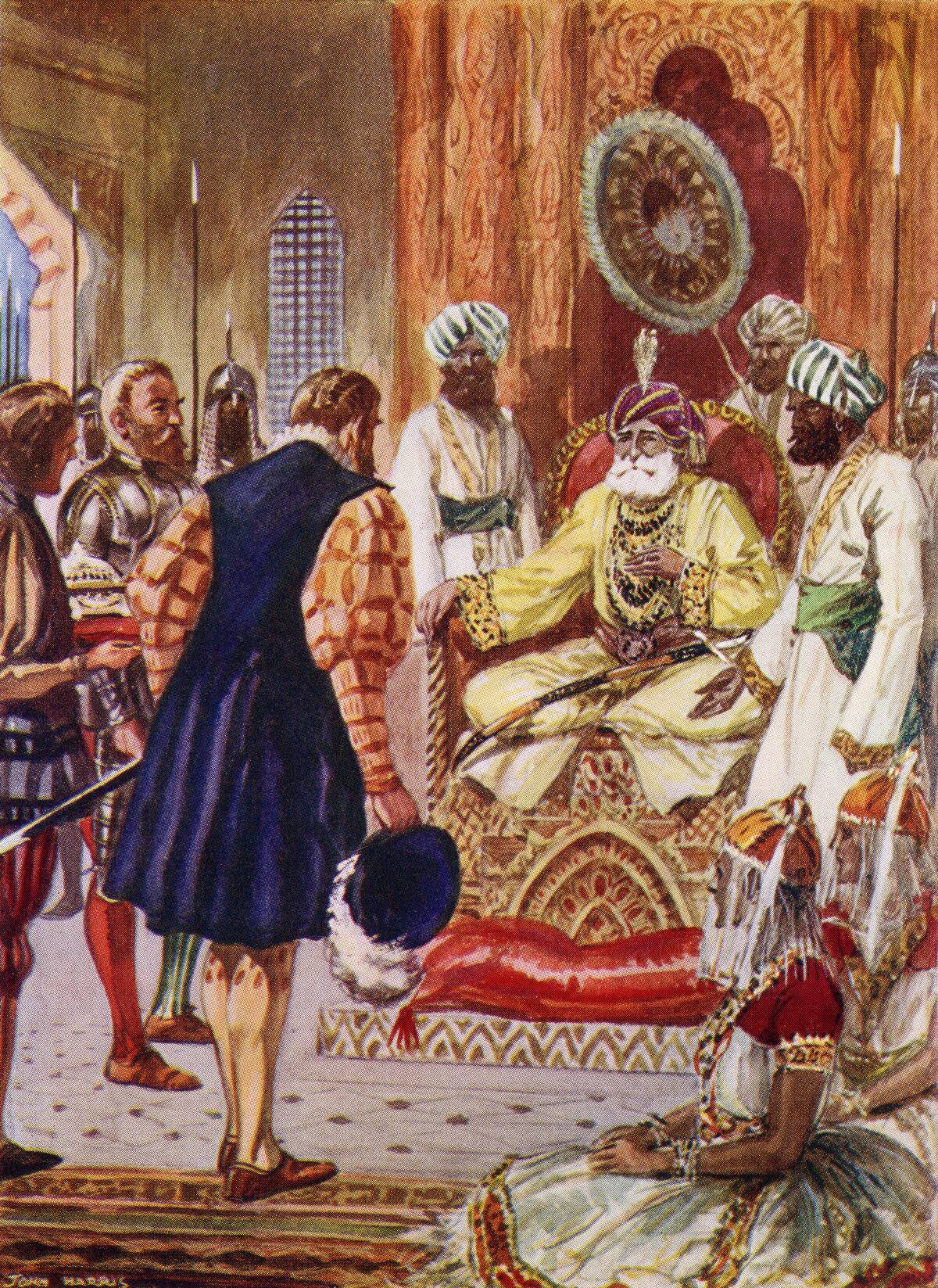
The Spice Routes were the pathways to flavor and fortune. Spices like cinnamon, cloves, and pepper were as valuable as gold, prompting European explorers to seek new trade routes to the East.
These aromatic goods transformed bland diets and were used for medicinal purposes. The pursuit of spices led to the Age of Discovery, with explorers like Vasco da Gama and Christopher Columbus setting sail to find these precious treasures, forever altering the course of history.
The Incense Trade: Scents Across Seas

The ancient incense trade was a fragrant affair, connecting the Arabian Peninsula with the Mediterranean and beyond. Frankincense and myrrh were in high demand for religious rituals and embalming.
The incense routes traversed harsh deserts, with camels carrying the precious cargo. These aromatic substances were not only valued for their scent but also for their supposed ability to ward off evil spirits. The trade brought wealth to cities like Petra, turning them into bustling economic centers.
The Amber Road: Gems of the North

Amber, often called “the gold of the North,” was a prized commodity in ancient times. The Amber Road stretched from the Baltic Sea to the Mediterranean, with traders exchanging this fossilized tree resin for goods like wine and metals.
Amber was adored for its beauty and believed to have magical properties. This trade route facilitated cultural exchange and helped spread artistic styles across Europe, with amber artifacts found in archaeological sites far from their origins.
The Salt Routes: Preserving the World
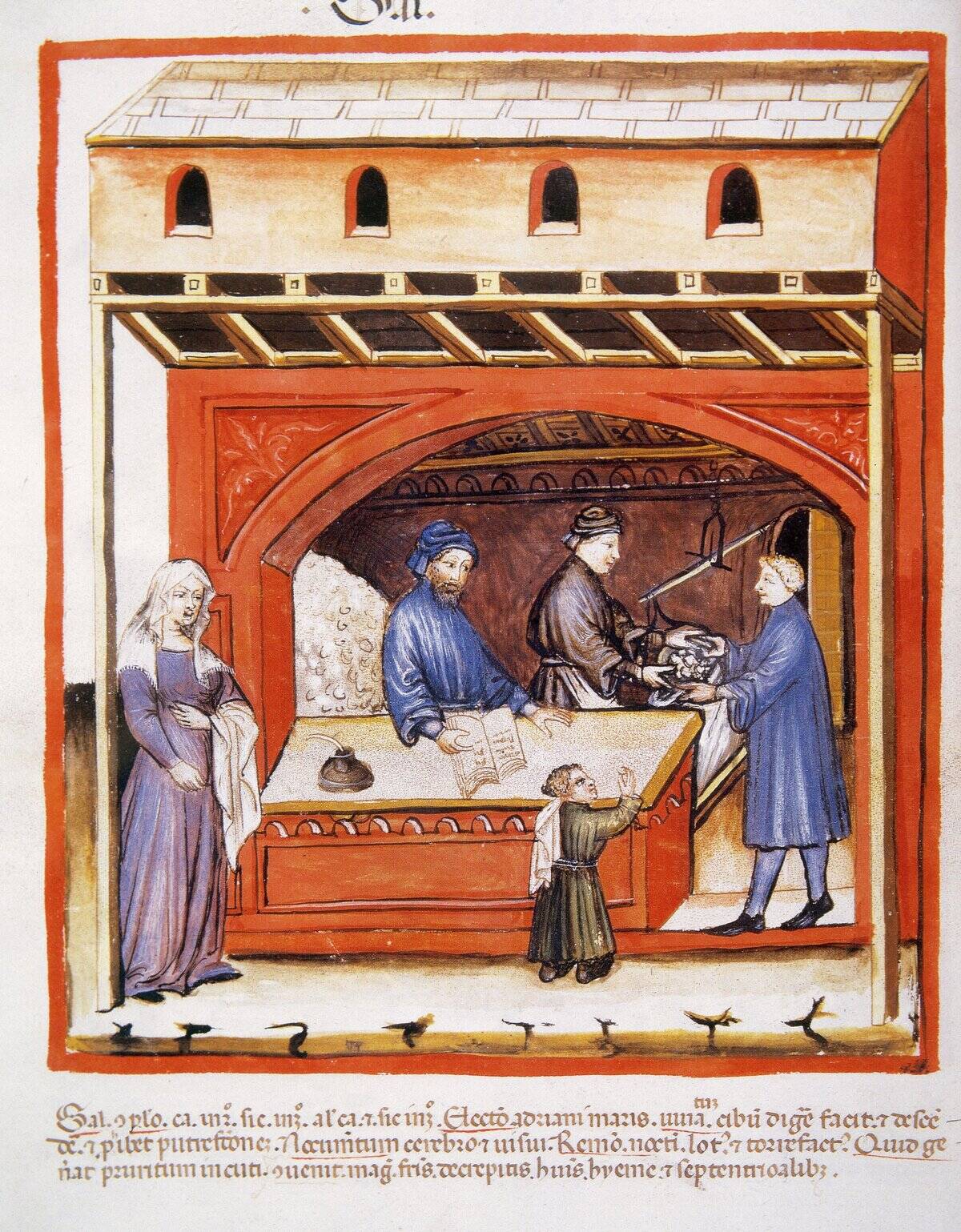
Salt, simple yet essential, was a foundation of ancient trade. The Salt Routes spanned continents, as this mineral was crucial for preserving food and maintaining health.
In Africa, it was exchanged for gold, and in China, it was once used as currency. Roman soldiers were even paid in salt, giving rise to the word “salary.” Salt’s ability to preserve food allowed societies to store provisions for lean times, making it a cornerstone of civilization.
The Tea Horse Road: Brewing Trade Connections
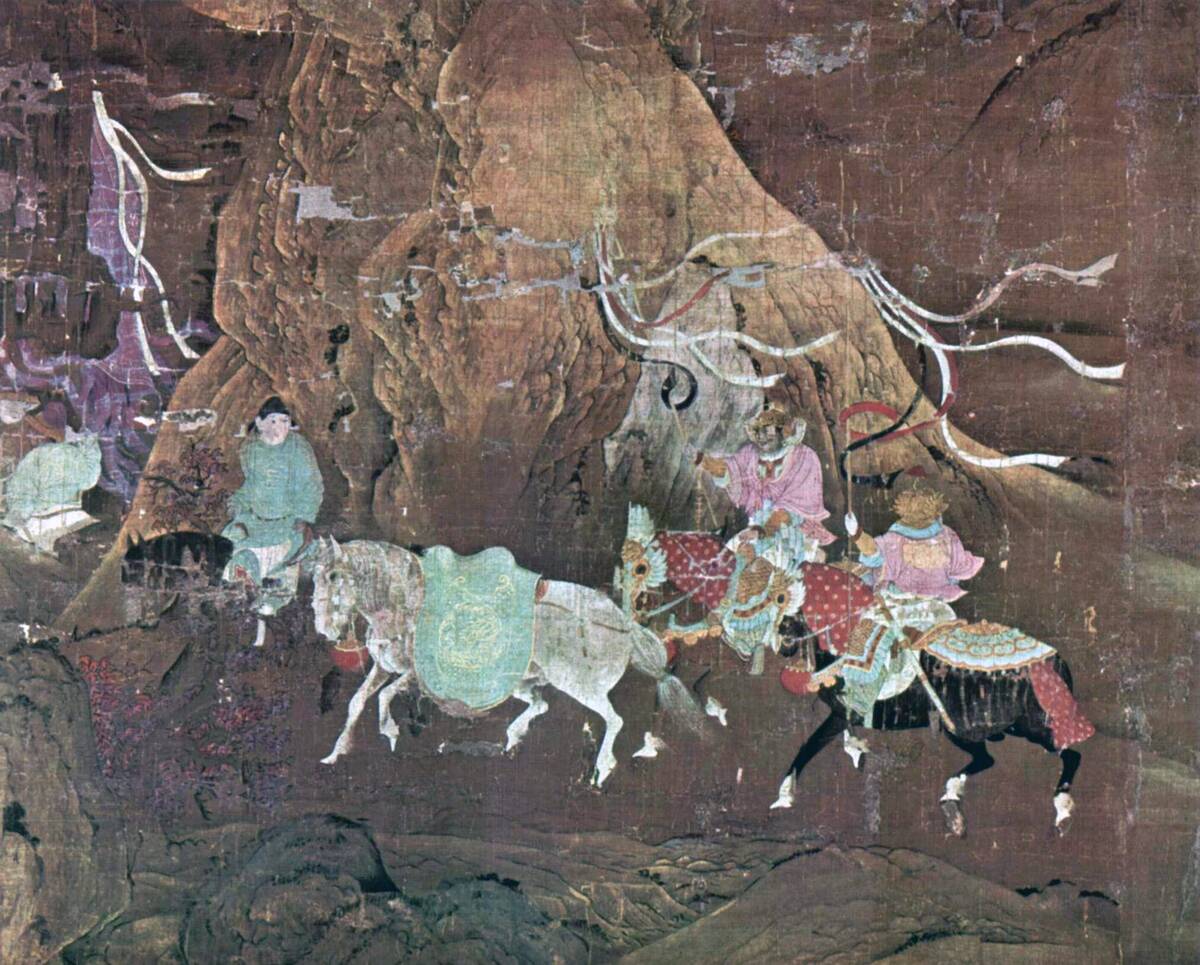
The Tea Horse Road was a rugged trade network in China that exchanged tea for Tibetan horses. It wound through treacherous terrains, with traders braving high altitudes and inclement weather.
Tea became an essential part of Tibetan culture, while horses were vital for Chinese armies. This trade route not only enriched economies but also fostered cultural ties between the regions. The exchange of tea and horses symbolized a unique blend of commerce and cooperation.
The Trans-Saharan Routes: Caravans in the Desert
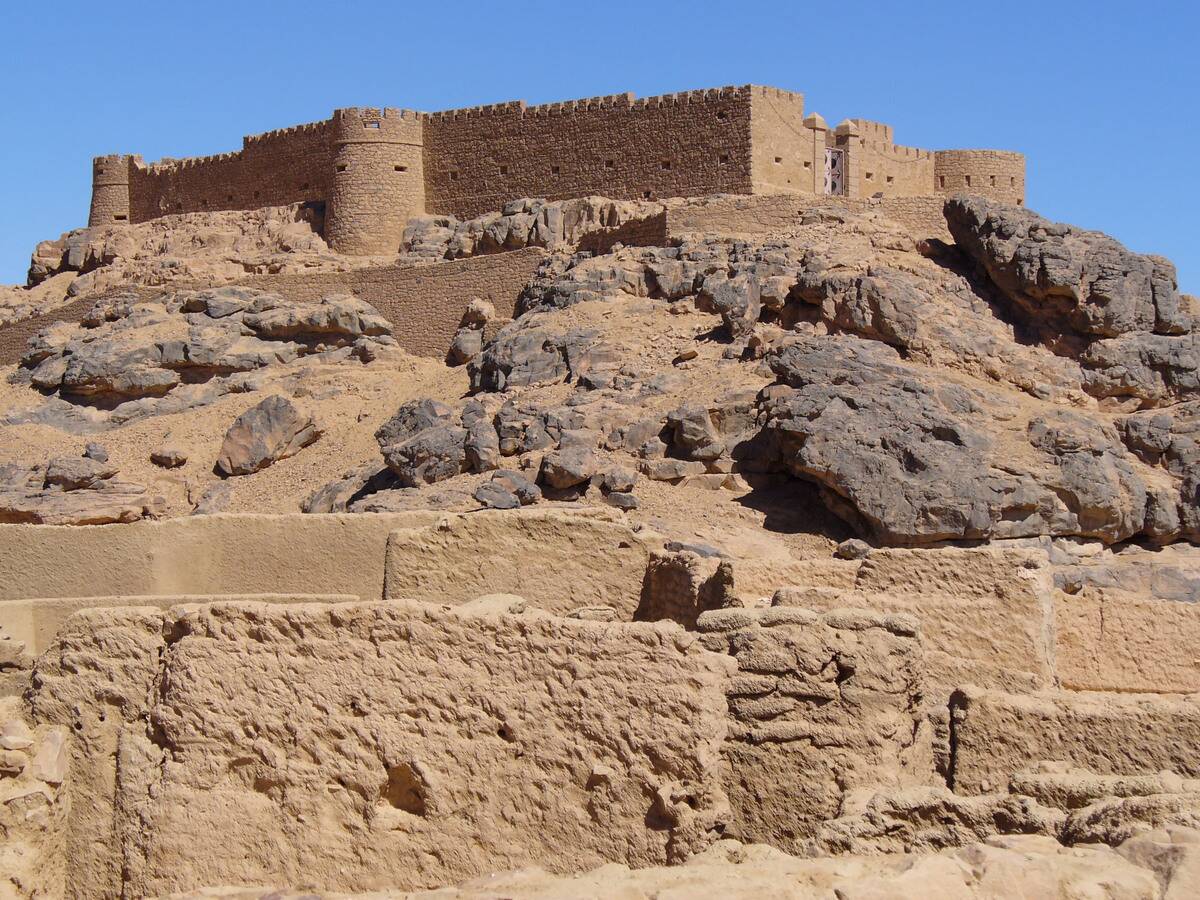
The Trans-Saharan trade routes were a lifeline across the expansive Sahara Desert, linking West Africa with the Mediterranean. Caravans of camels carried goods like gold, salt, and enslaved people across scorching sands.
These routes enabled the rise of powerful West African empires like Mali and Ghana. The legendary city of Timbuktu became a center of learning and trade. The arduous journey across the desert was a testament to human endurance and the unyielding spirit of trade.
The Maritime Silk Road: Setting Sail for Trade
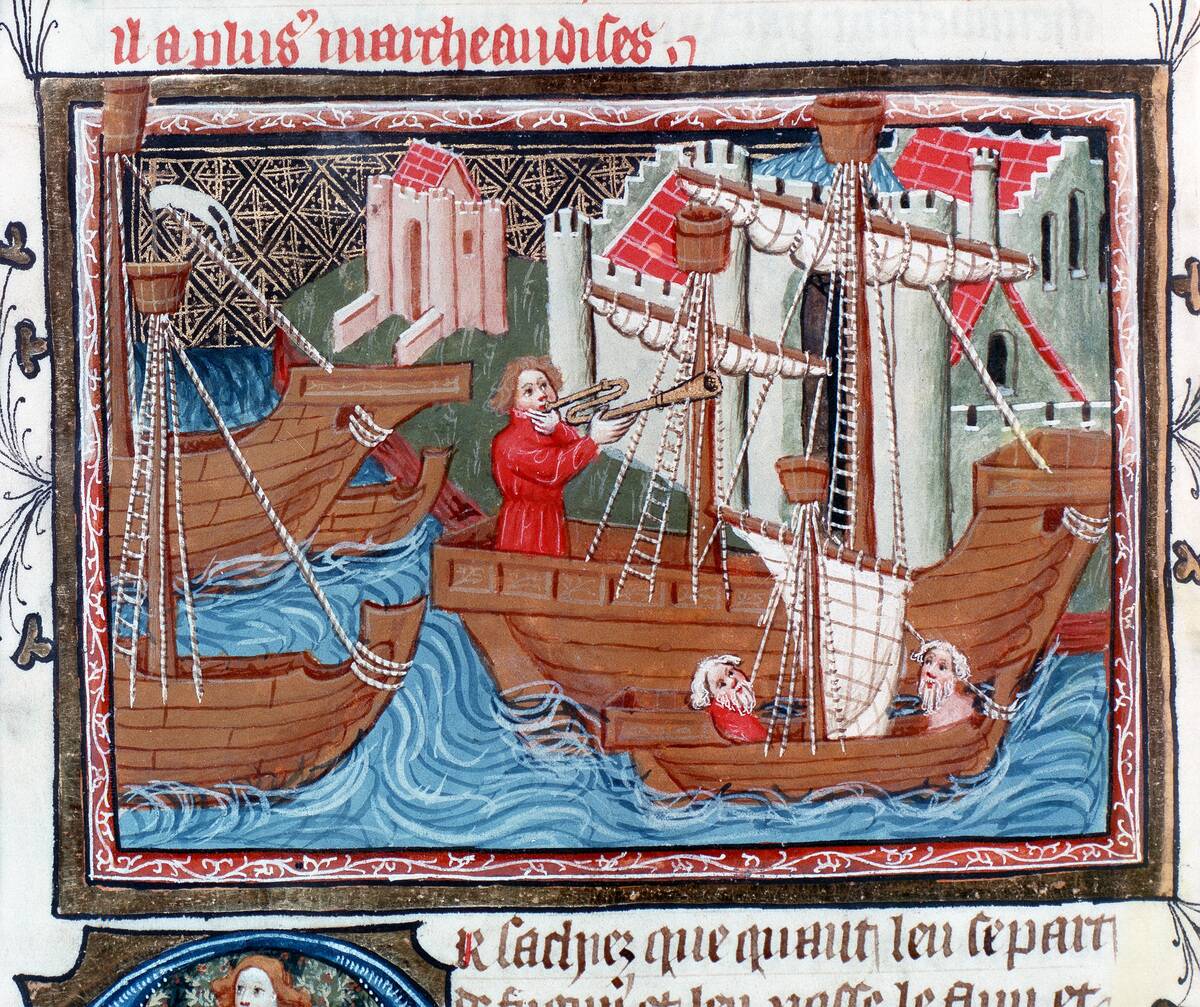
The Maritime Silk Road was a sea-based counterpart to the overland Silk Road. It connected Asia with Africa and Europe, facilitating the exchange of goods such as silk, ceramics, and spices. Sailors navigated treacherous waters and monsoon winds to reach distant shores.
This network not only boosted trade but also promoted the spread of cultures, religions, and technologies. The Maritime Silk Road was a testament to human ingenuity and the desire to connect across vast oceans.
The Viking Trade Routes: Norsemen and Novelty
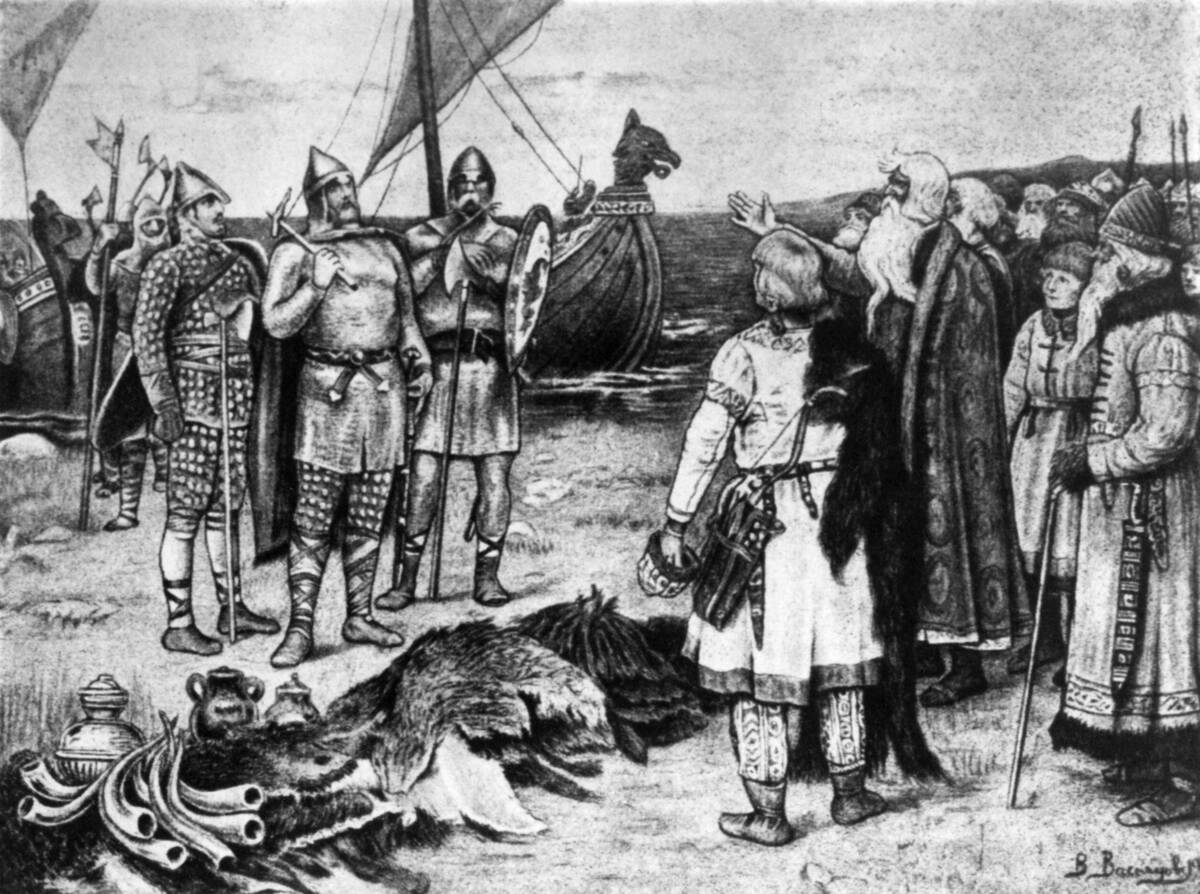
Vikings are often remembered as fierce warriors, but they were also shrewd traders. Their trade routes stretched from Scandinavia to the Byzantine Empire and beyond. The Vikings exchanged furs, amber, and enslaved people for silk, spices, and silver.
They navigated rivers and open seas with their iconic longships, establishing trade links with distant lands. These routes helped spread Norse culture far and wide, leaving a lasting impact on the regions they touched.
The Indian Ocean Trade: Monsoon-Powered Commerce
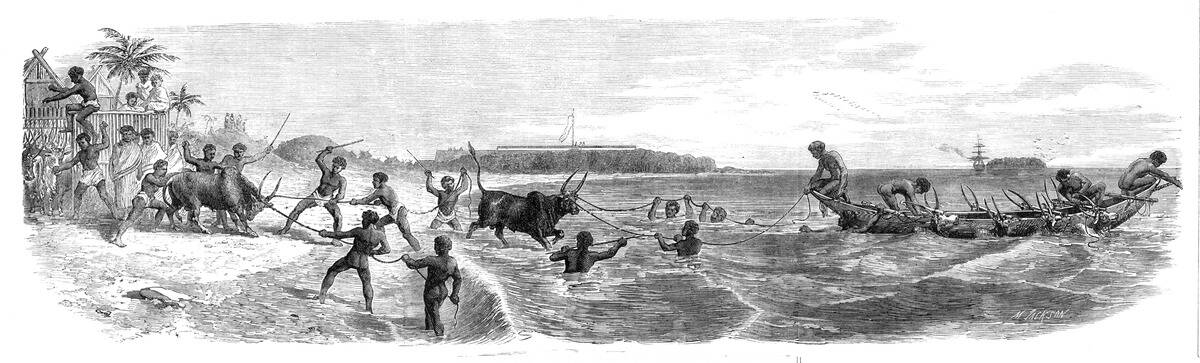
The Indian Ocean trade network was a bustling maritime hub powered by the seasonal monsoon winds. It connected East Africa, the Middle East, India, and Southeast Asia. Goods like ivory, gold, and textiles were exchanged, alongside the spread of Islam and other cultures.
The predictable winds allowed for efficient travel, making this trade network a cornerstone of economic and cultural exchange. It laid the foundation for some of the world’s greatest maritime empires.
The Roman Roads: Paving the Way for Trade

The Roman Empire was famous for its roads, which stretched over 250,000 miles. These roads were a marvel of engineering, facilitating the movement of goods, armies, and information across Europe, North Africa, and the Middle East.
Roman roads were crucial for trade, connecting remote provinces with the empire’s heart. They enabled the efficient transport of goods like olive oil, wine, and grain, helping sustain the empire’s economy and influence.
The Phoenician Routes: Ancient Mariners and Merchants
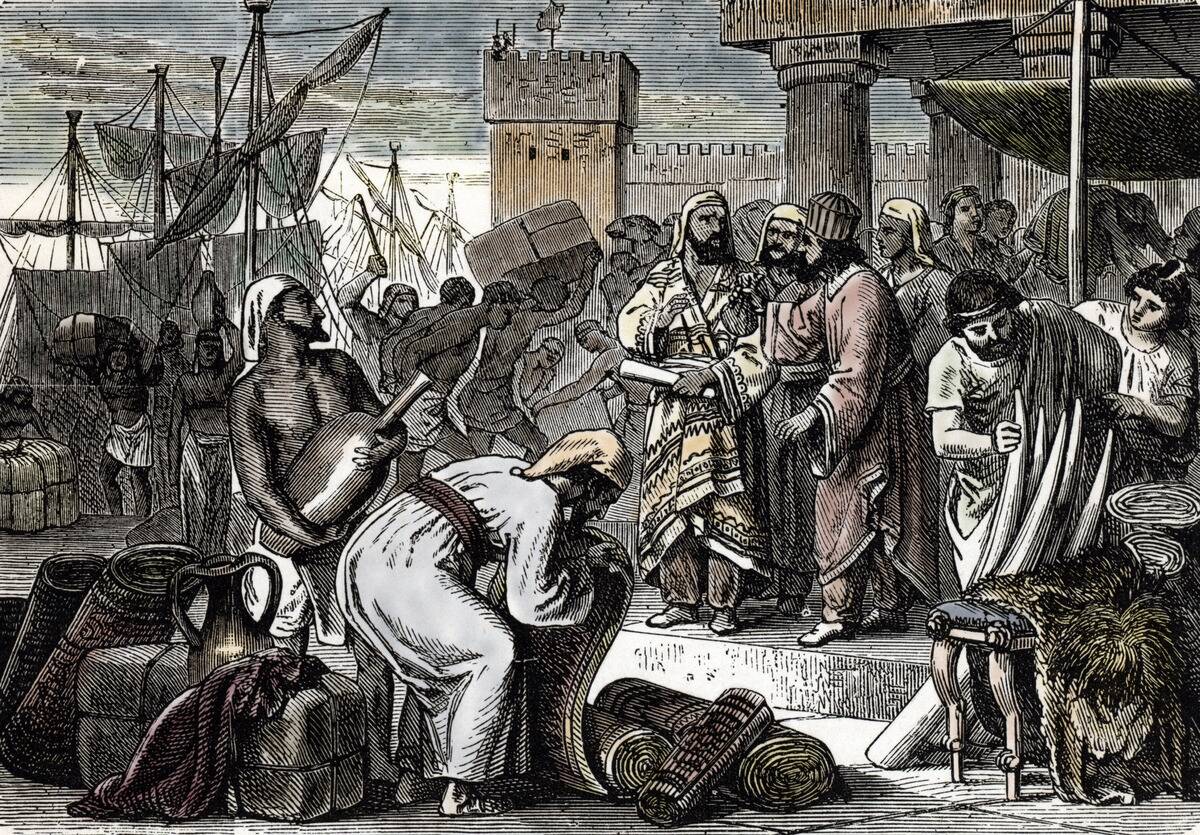
The Phoenicians were masterful sailors and traders, navigating the Mediterranean with ease. Their trade routes extended from the Levant to North Africa and Spain. They traded goods like glass, purple dye, and cedarwood, becoming known for their craftsmanship.
The Phoenicians established colonies and trading posts along their routes, spreading their alphabet and cultural influences. Their maritime prowess laid the groundwork for the future of Mediterranean trade.
The Hanseatic League: Trading Beyond Borders
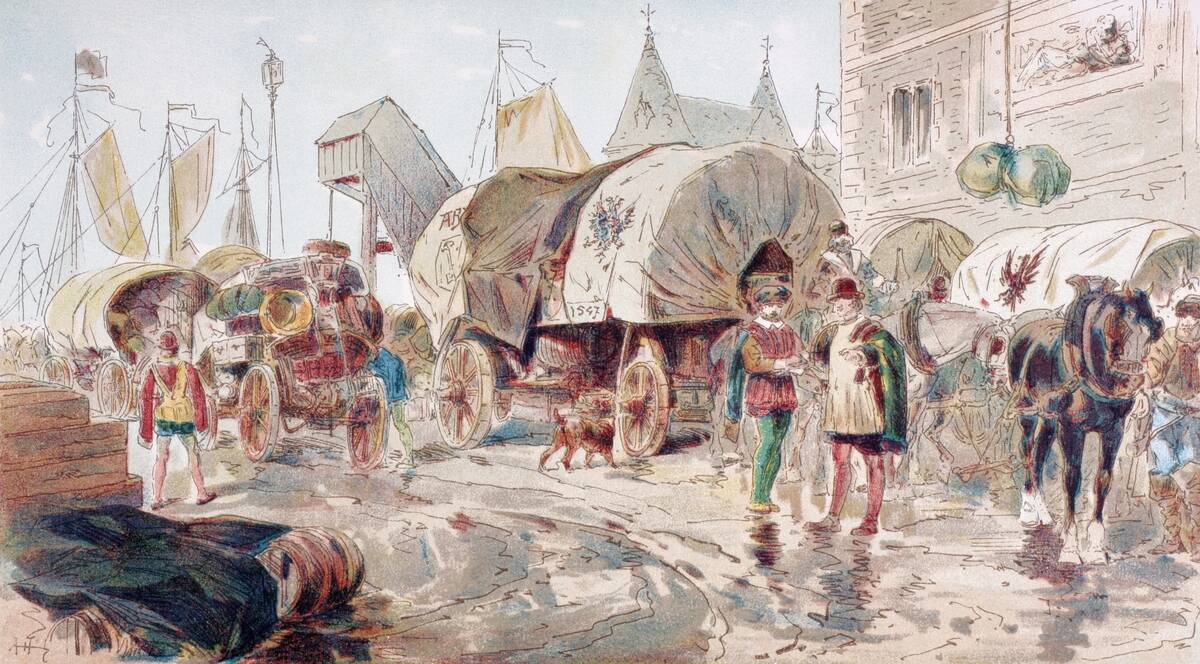
The Hanseatic League was a powerful trading alliance of Northern European cities during the Middle Ages. It dominated trade along the Baltic and North Seas, dealing in goods like timber, fish, and grain.
The League’s influence extended beyond borders, with member cities enjoying privileges and protection. This network not only boosted local economies but also fostered political and cultural ties among its members. The Hanseatic League’s legacy is evident in the prosperity of northern European cities.