The complicated legacy of Alexander the Great’s generals
When Alexander the Great embarked on his legendary conquests, he was not alone in his quest to reshape the world. His generals, known as the Diadochi, were instrumental in securing victories and expanding the empire.
These men not only carved out territories but also left a legacy that shaped the ancient world. Their stories are filled with ambition, betrayal, and the relentless pursuit of power. As we delve into their histories, we uncover the rich tapestry of their lives and the indelible mark they left on history.
The Rise of Alexander’s Empire: A Brief Overview
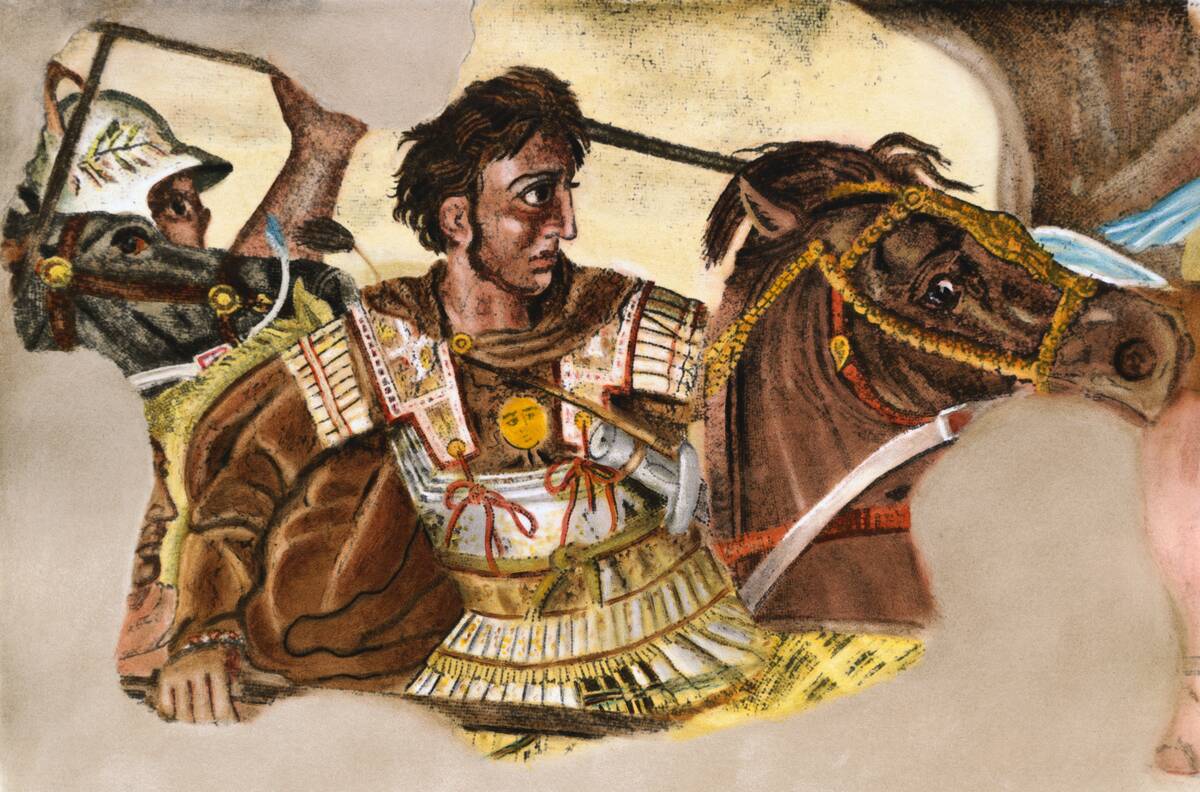
Alexander’s empire rose swiftly, beginning in 336 BC when he assumed the throne of Macedonia after the assassination of his father, King Philip II. Within a decade, he had conquered the Persian Empire, stretching his domain from Greece to Egypt and into India.
His military genius and charismatic leadership were key, but it was the loyalty and prowess of his generals that transformed his vision into reality. Their strategies and battlefield exploits were pivotal in maintaining the vast territories Alexander claimed.
The Role of Generals in Alexander’s Conquests
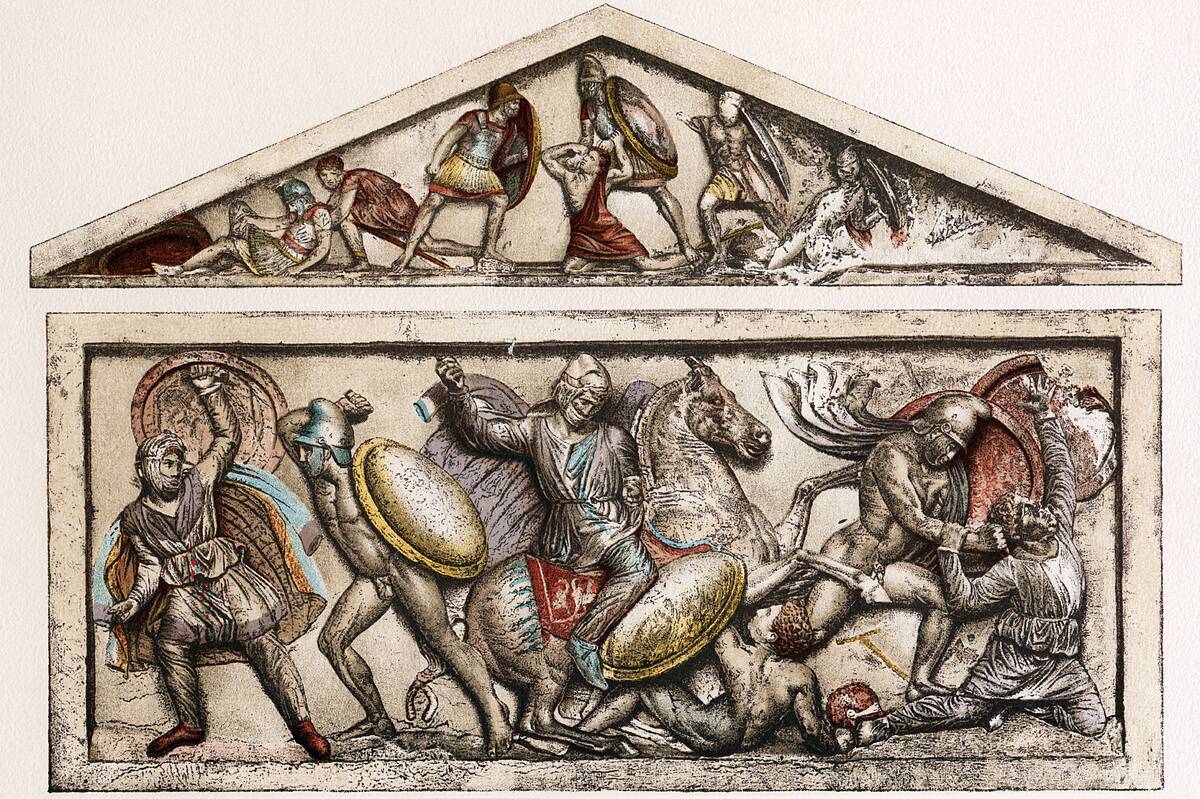
The generals under Alexander were more than just military leaders; they were architects of his grand strategy. Figures like Parmenion, Hephaestion, and Craterus played crucial roles in executing complex battle plans and managing logistics.
Their ability to adapt to diverse terrains and enemy tactics was unmatched, often turning the tide in critical battles. These men were entrusted with significant responsibility, acting as Alexander’s eyes and ears across vast distances, ensuring that his empire remained cohesive and formidable.
The Diadochi: Who Were Alexander’s Generals?
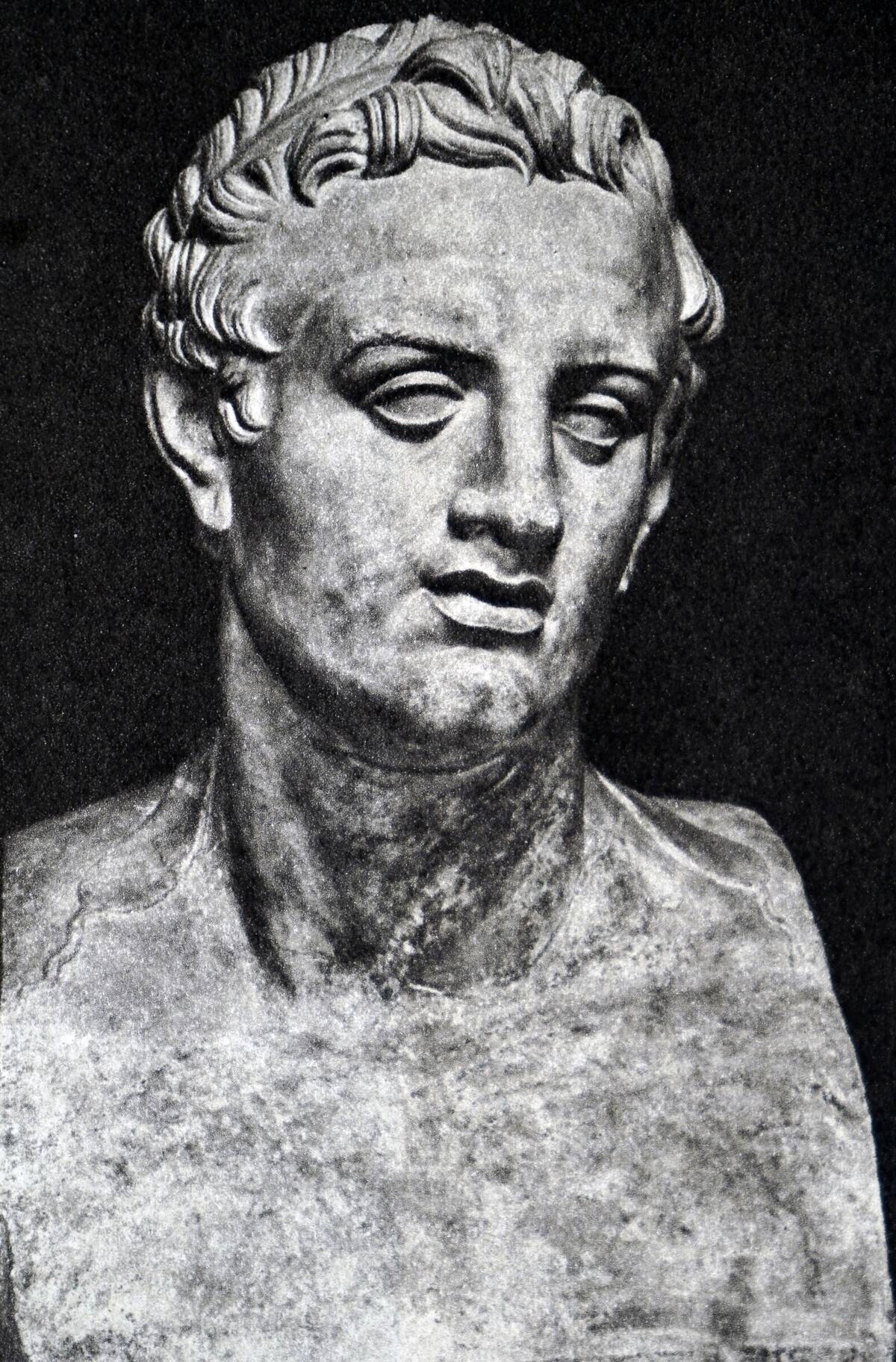
The term ‘Diadochi’ refers to Alexander’s generals and successors, who were instrumental in his campaigns and later vied for control after his death. Prominent among them were Ptolemy, Seleucus, Antigonus, Lysimachus, and Cassander.
Each brought unique skills and ambitions to the table, contributing to both the expansion and stabilization of Alexander’s empire. These men were not only warriors but also shrewd statesmen, navigating the complex political landscape of the post-Alexander world.
Ptolemy I Soter: From General to Pharaoh
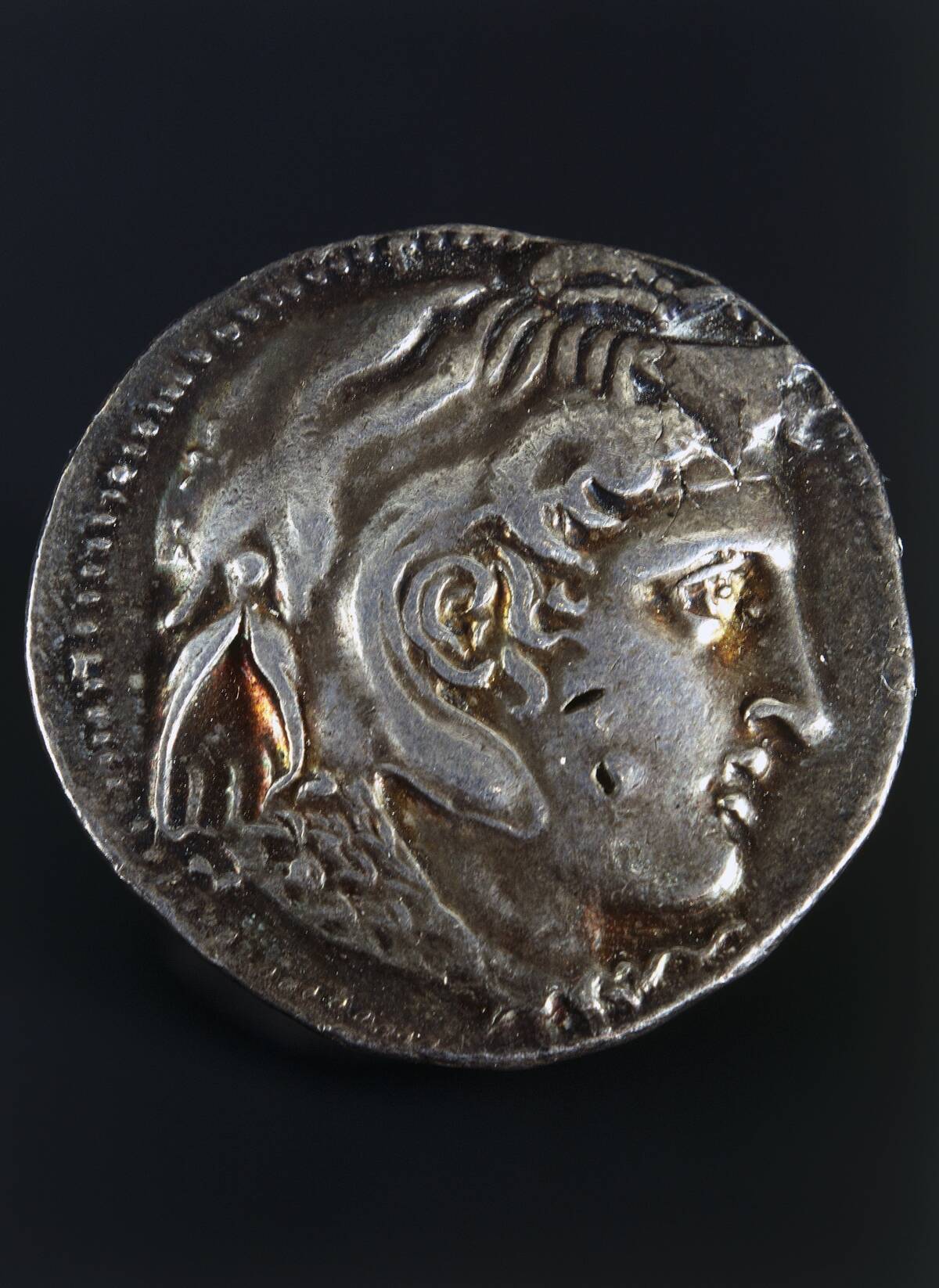
Ptolemy I Soter, originally a trusted general of Alexander, became the founder of the Ptolemaic Kingdom in Egypt. Following Alexander’s death, Ptolemy seized control of Egypt and declared himself Pharaoh. He established a dynasty that lasted nearly 300 years, blending Greek and Egyptian cultures.
Ptolemy was known for his diplomatic acumen, securing his rule through strategic marriages and alliances. His reign marked the beginning of a prosperous era in Egypt, with Alexandria emerging as a center of learning and culture.
Seleucus I Nicator: Founding the Seleucid Empire
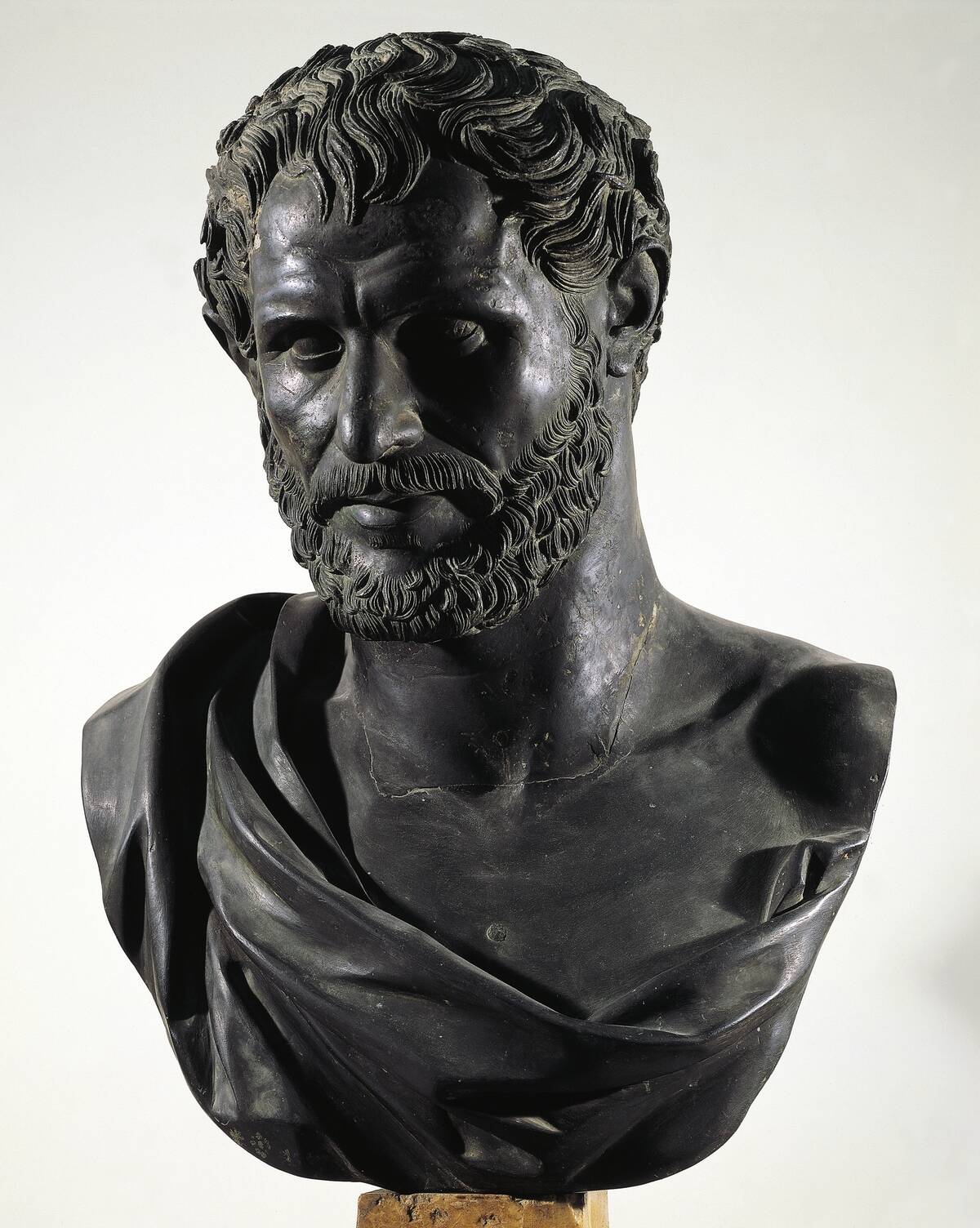
Seleucus I Nicator, another of Alexander’s stalwart generals, carved out the Seleucid Empire, which spanned much of the former Persian Empire. Known for his military prowess and political savvy, Seleucus established a dynasty that ruled over a culturally diverse region.
He founded numerous cities, including the famed Antioch, which became centers of Hellenistic culture. Seleucus’ vision of a multicultural empire was reflected in his policies, promoting Greek culture while respecting local traditions, thus ensuring stability and prosperity.
Antigonus I Monophthalmus: The One-Eyed Strategist
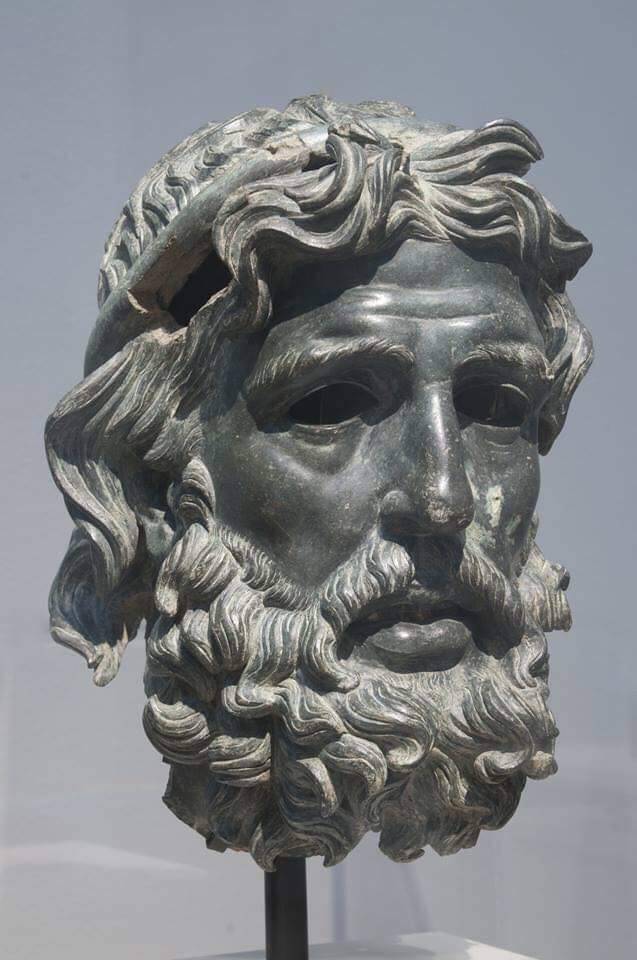
Antigonus I Monophthalmus, known as ‘the One-Eyed,’ was a formidable strategist who controlled Asia Minor and the Levant. His nickname stemmed from losing an eye in battle, a testament to his warrior spirit. Antigonus sought to reunite Alexander’s fragmented empire under his rule, facing off against other Diadochi in a series of conflicts.
His ambition and tactical brilliance left a lasting legacy, even though his plans for a unified empire eventually faltered. Antigonus’ influence persisted through his descendants, who continued to shape the Hellenistic world.
Lysimachus: King of Thrace and Beyond
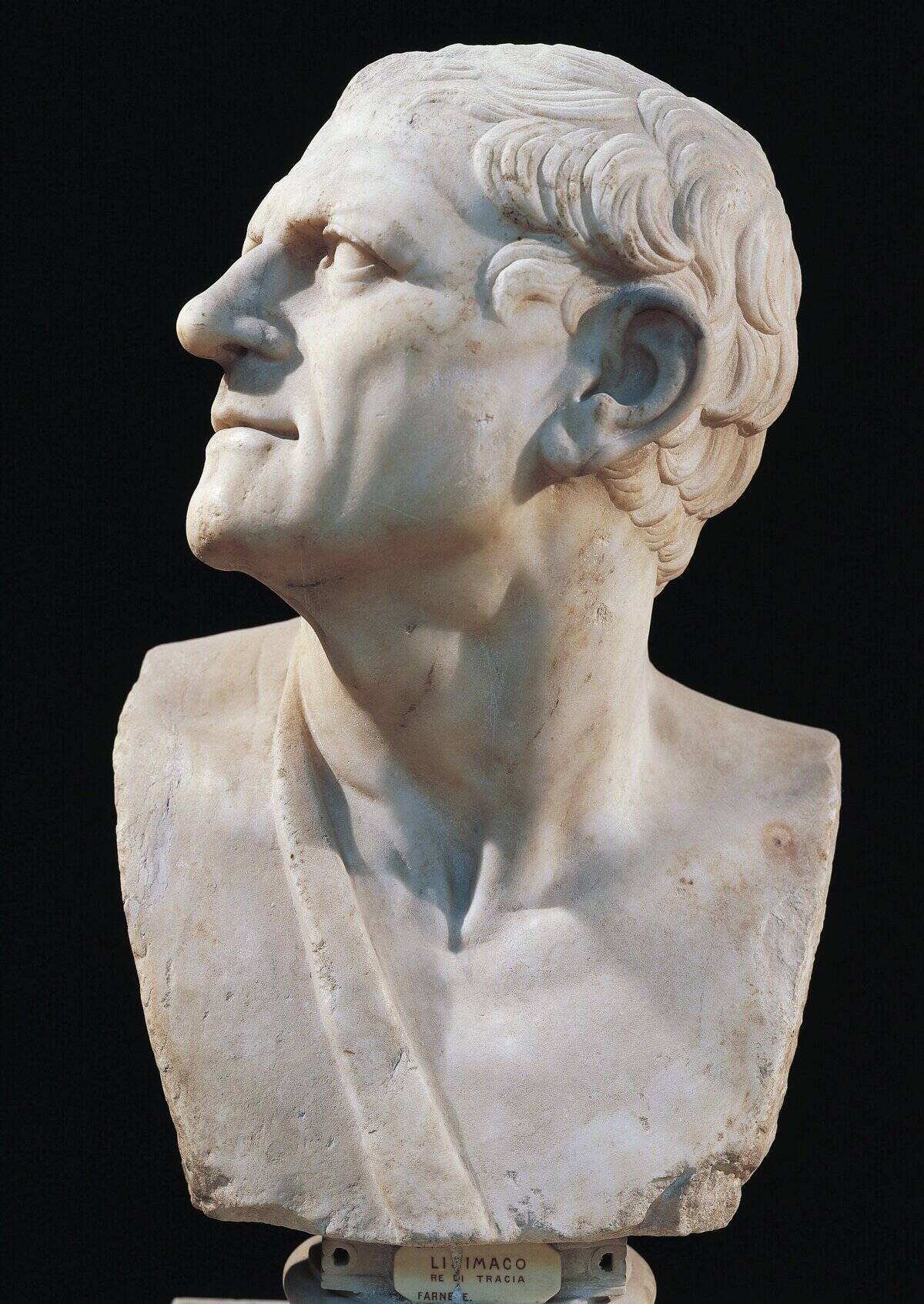
Lysimachus, initially a bodyguard of Alexander, rose to power as the ruler of Thrace and later expanded his territories to include parts of Asia Minor. Known for his tenacity and courage, Lysimachus established a strong kingdom, balancing diplomacy with military might.
His reign was marked by efforts to maintain stability amid the turbulent power struggles of the Diadochi. Despite facing numerous challenges, Lysimachus’ legacy endured through his contributions to the Hellenistic political landscape and the cultural exchange between Greece and Asia.
Cassander: The Macedonian Power Player
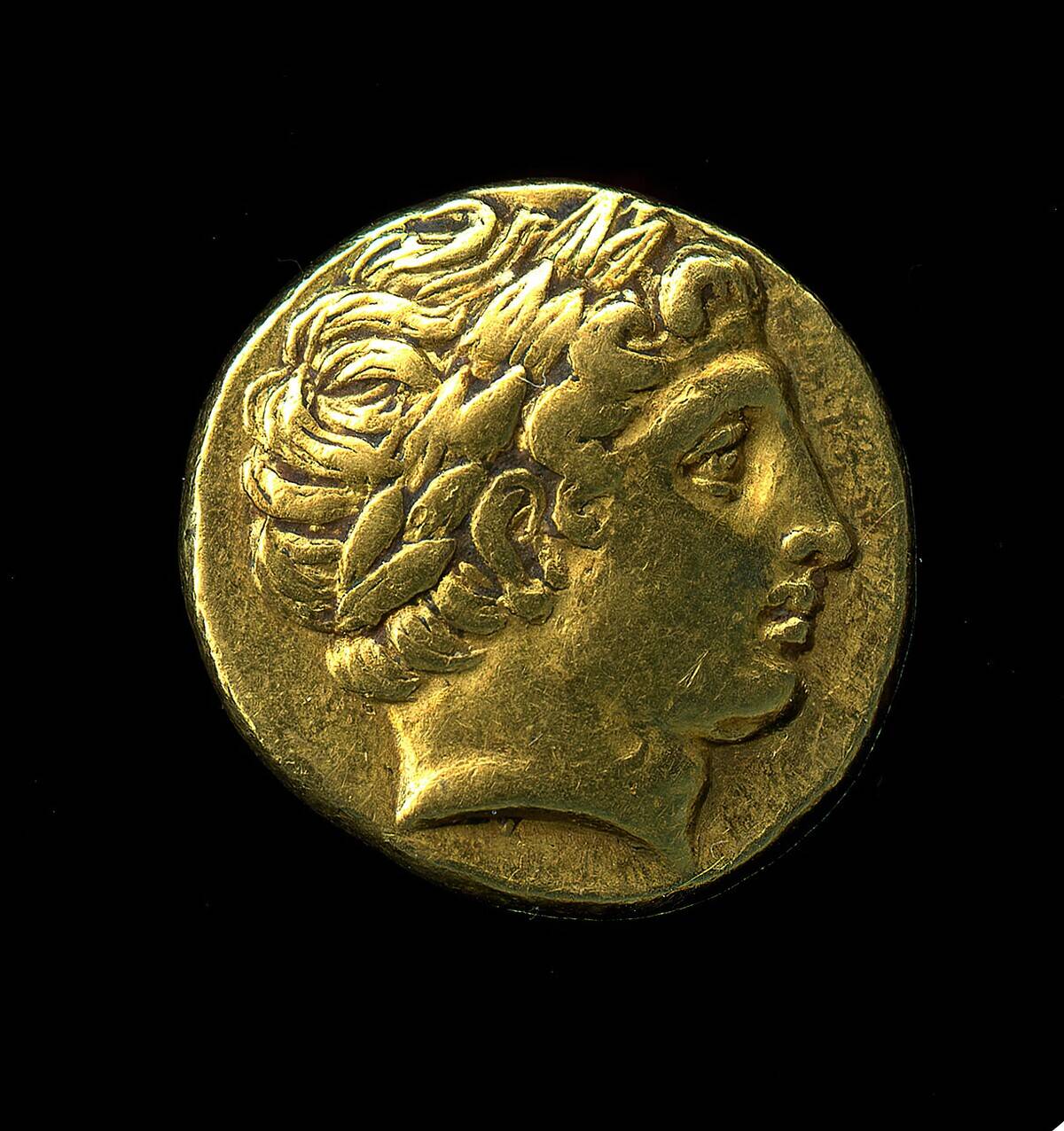
Cassander, the son of Antipater, emerged as a major power player in Macedonia following Alexander’s death. He is often remembered for his ruthless tactics, including the execution of Alexander’s mother, Olympias, and the imprisonment and eventual murder of Alexander’s widow, Roxana, and his son Alexander IV.
Cassander’s reign was characterized by his efforts to consolidate power, rebuilding cities like Thebes and promoting Hellenistic culture. Despite his aggressive methods, Cassander played a crucial role in shaping the post-Alexander political landscape in Greece, influencing the region’s history long after his death.
The Wars of the Diadochi: A Battle for Alexander’s Empire
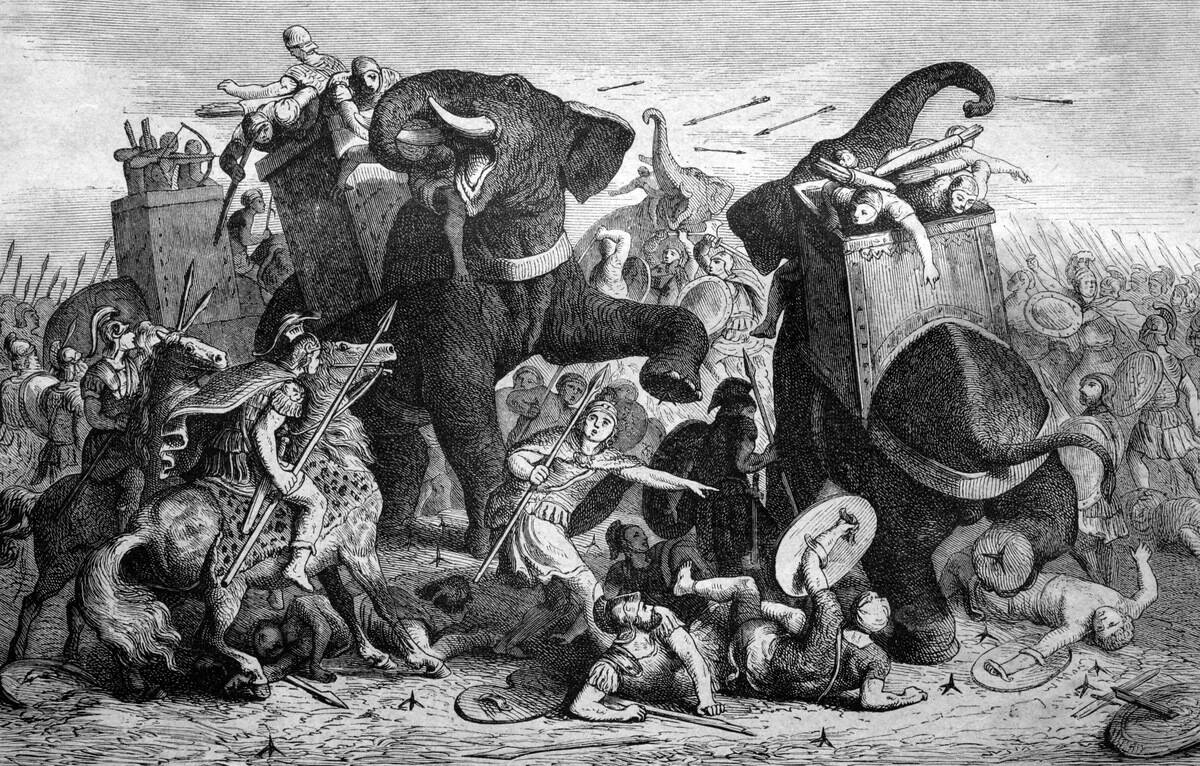
The Wars of the Diadochi were a series of conflicts that erupted after Alexander’s death, as his generals vied for control of his vast empire. These wars witnessed shifting alliances, epic battles, and strategic maneuvers as each general sought to secure territories.
The infighting led to the fragmentation of the empire into several Hellenistic kingdoms. Despite the turmoil, these conflicts spurred political innovations and cultural exchanges, setting the stage for a new era in the ancient world, marked by the spread of Greek influence.
The Partition of Babylon: Dividing the Spoils
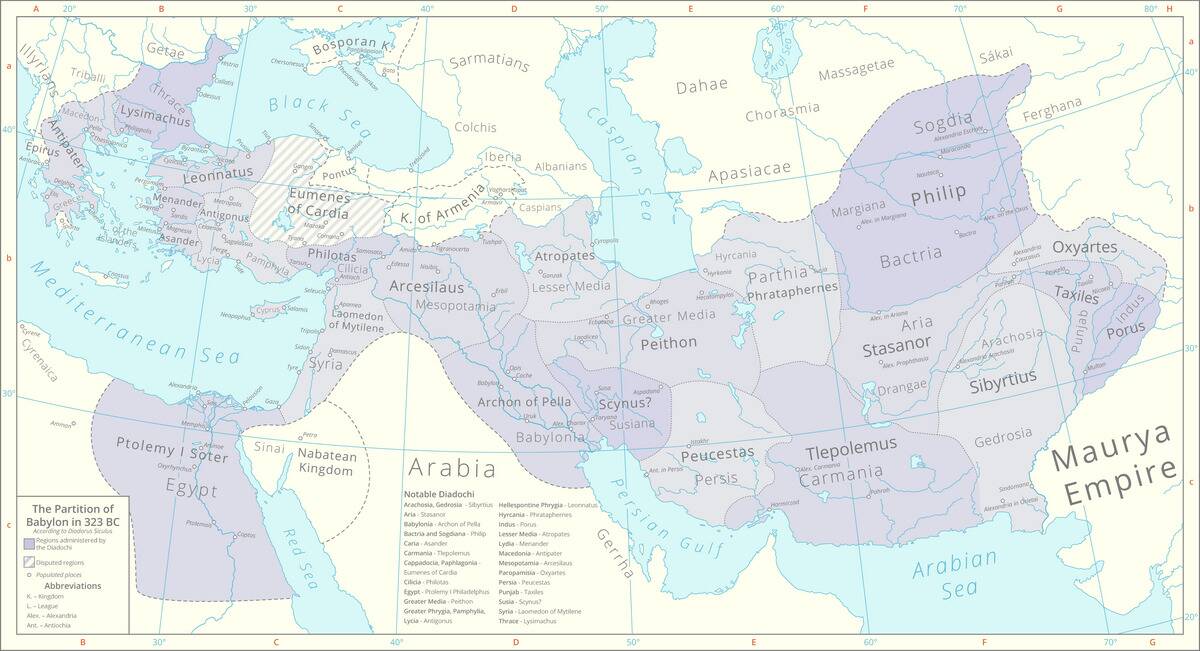
The Partition of Babylon, in 323 BC, was a critical event where Alexander’s generals gathered to divide his empire. This meeting aimed to maintain the empire’s unity, but it instead sowed seeds of rivalry.
Territories were allocated, with Perdiccas acting as regent. However, dissatisfaction soon led to conflict as generals like Ptolemy and Seleucus sought greater power. The partition highlighted the challenges of governing a vast, diverse empire and set the stage for the intense power struggles that followed.
The Influence of Greek Culture Across the Generals’ Territories
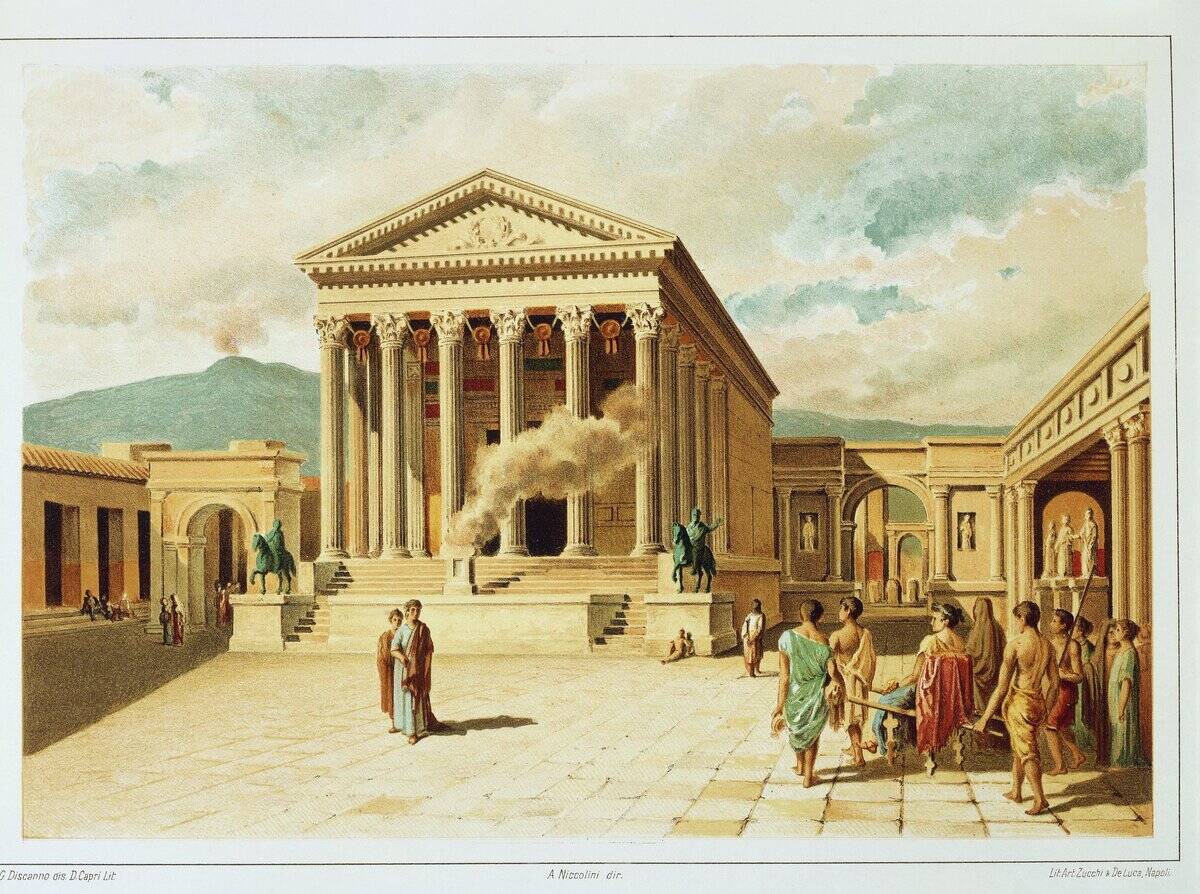
Greek culture flourished across the territories controlled by Alexander’s generals, creating a fusion of East and West. The spread of Hellenistic culture was marked by the establishment of Greek-style cities, promotion of the Greek language, and the blending of artistic and architectural styles.
This cultural diffusion led to advancements in science, philosophy, and the arts. The influence of Greek culture during this period was profound, leaving a lasting legacy that shaped the cultural and intellectual landscape of the ancient world.
The Founding of New Cities: Spreading Hellenism
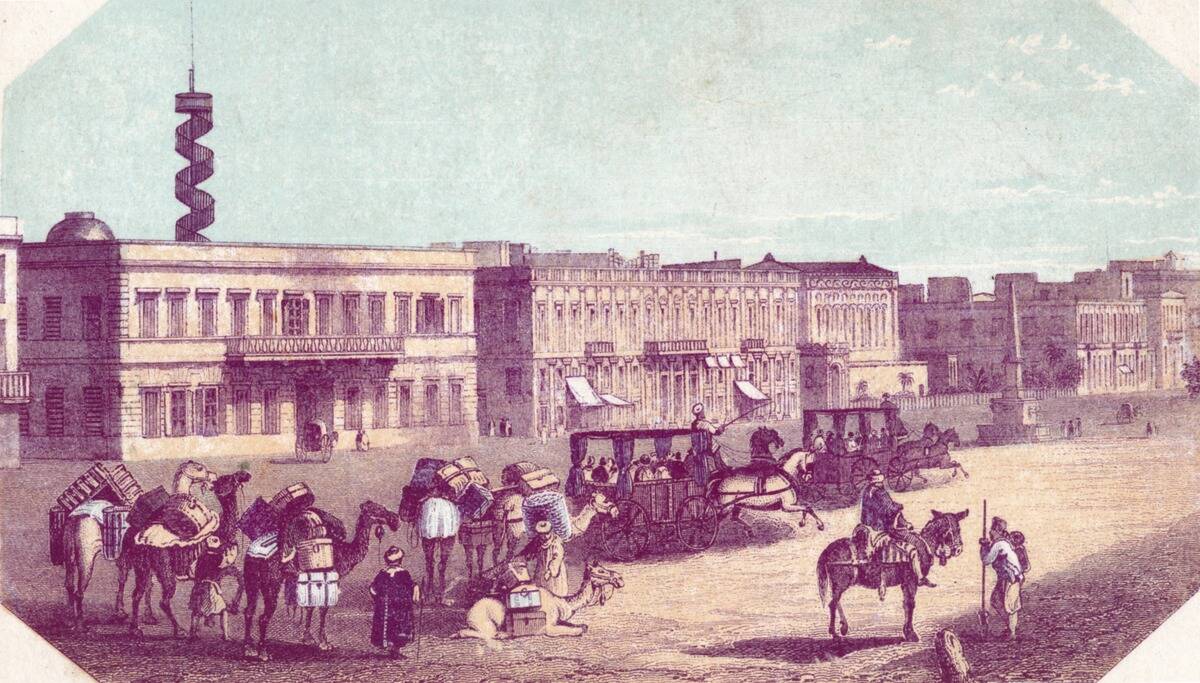
The Diadochi were instrumental in founding new cities across their territories, serving as centers for spreading Hellenistic culture. Cities like Alexandria in Egypt and Antioch in Syria became melting pots of cultural exchange, blending Greek and local traditions.
These urban centers facilitated trade, education, and innovation, contributing to the era’s prosperity. The city-building initiatives of the Diadochi not only reinforced their political power but also ensured that Greek culture thrived, influencing regions far beyond their immediate control.
The Generals’ Impact on Trade and Economy
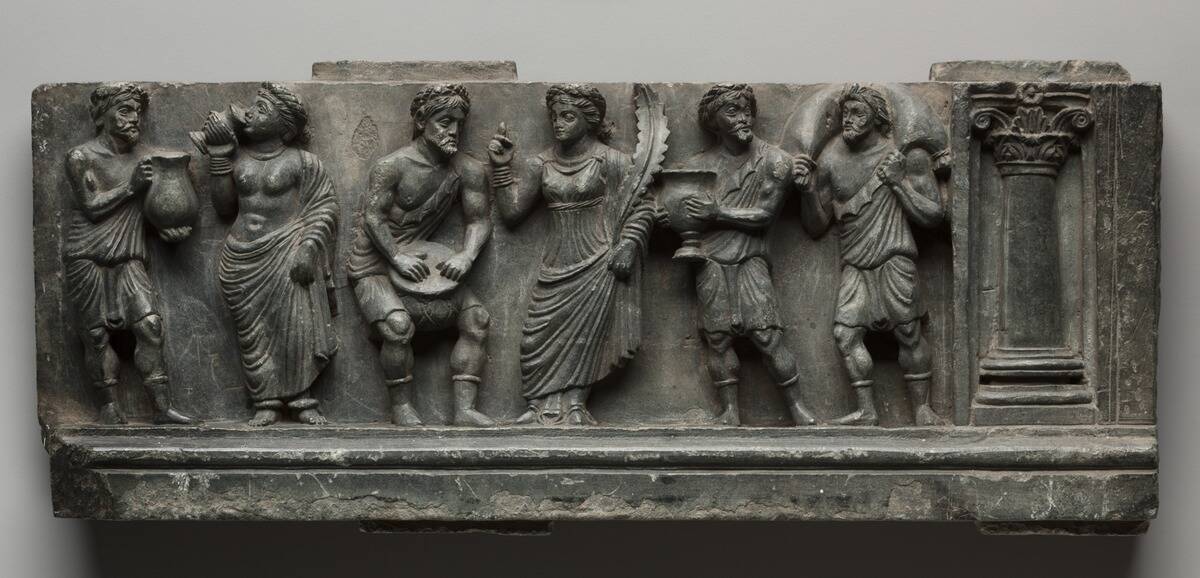
The generals of Alexander’s empire significantly impacted trade and economy by establishing trade routes and fostering economic growth. The interconnectedness of their territories allowed for the exchange of goods, ideas, and technology.
The circulation of Greek coins and the standardization of weights and measures facilitated commerce. These economic developments not only enriched the Hellenistic kingdoms but also enhanced cultural interactions, creating a vibrant network that spanned continents and laid the groundwork for future economic systems.
The Generals’ Complex Political Alliances
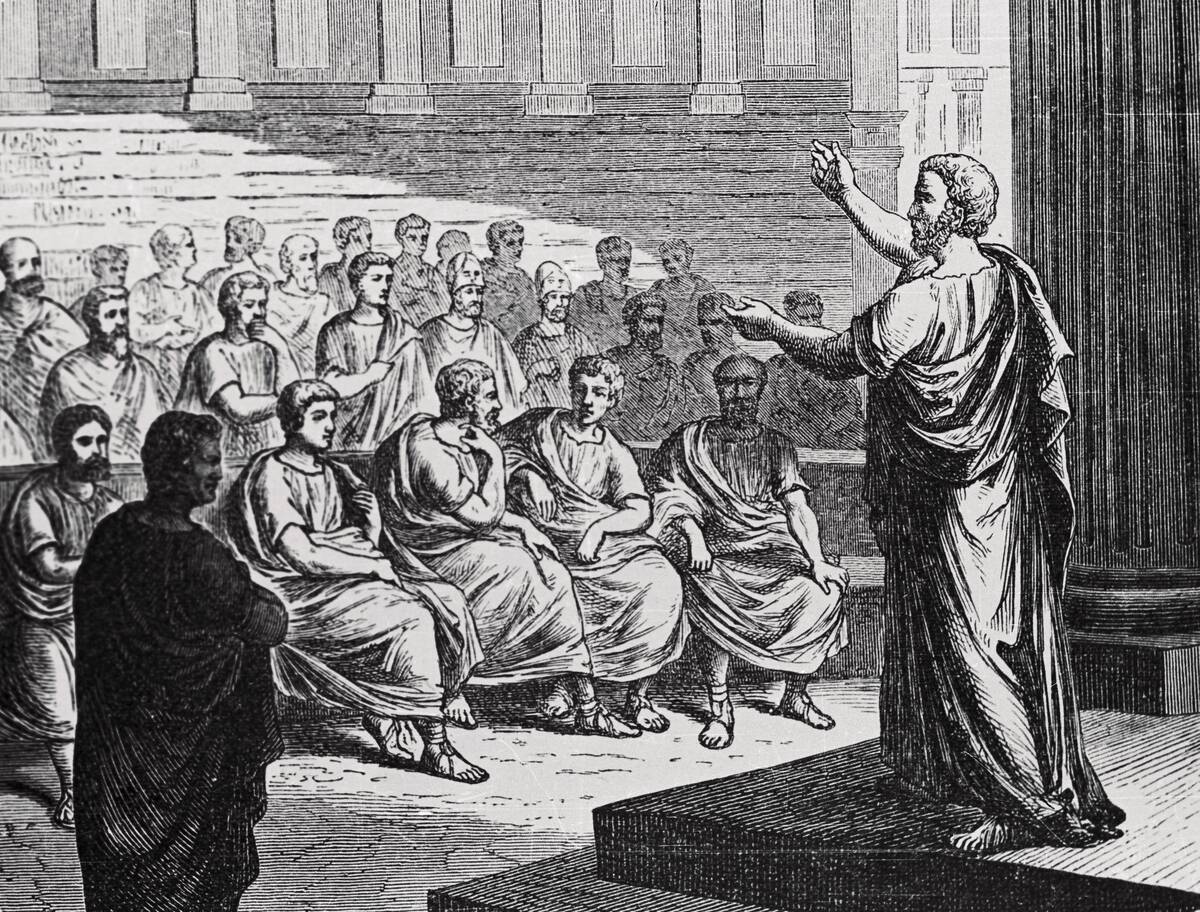
The political landscape following Alexander’s death was marked by complex alliances among his generals, as they maneuvered for power. These alliances were often temporary and fraught with tension, as trust was scarce and ambitions ran high.
Marriages, treaties, and betrayals were common as the Diadochi sought to outmaneuver each other. Despite their ephemeral nature, these alliances played a significant role in shaping the Hellenistic world, influencing the distribution of power and the political dynamics of the era.
The Generals’ Personal Ambitions and Rivalries

The personal ambitions and rivalries among Alexander’s generals fueled the conflicts that followed his death. Each general harbored aspirations of ruling a significant portion of the empire, leading to a series of wars and shifting alliances.
Personal vendettas and power struggles were common, with figures like Antigonus and Seleucus clashing repeatedly. These rivalries not only dictated the political landscape but also highlighted the intense competition and intrigue that characterized the era, ultimately shaping the course of Hellenistic history.
The Decline of the Diadochi: The End of an Era
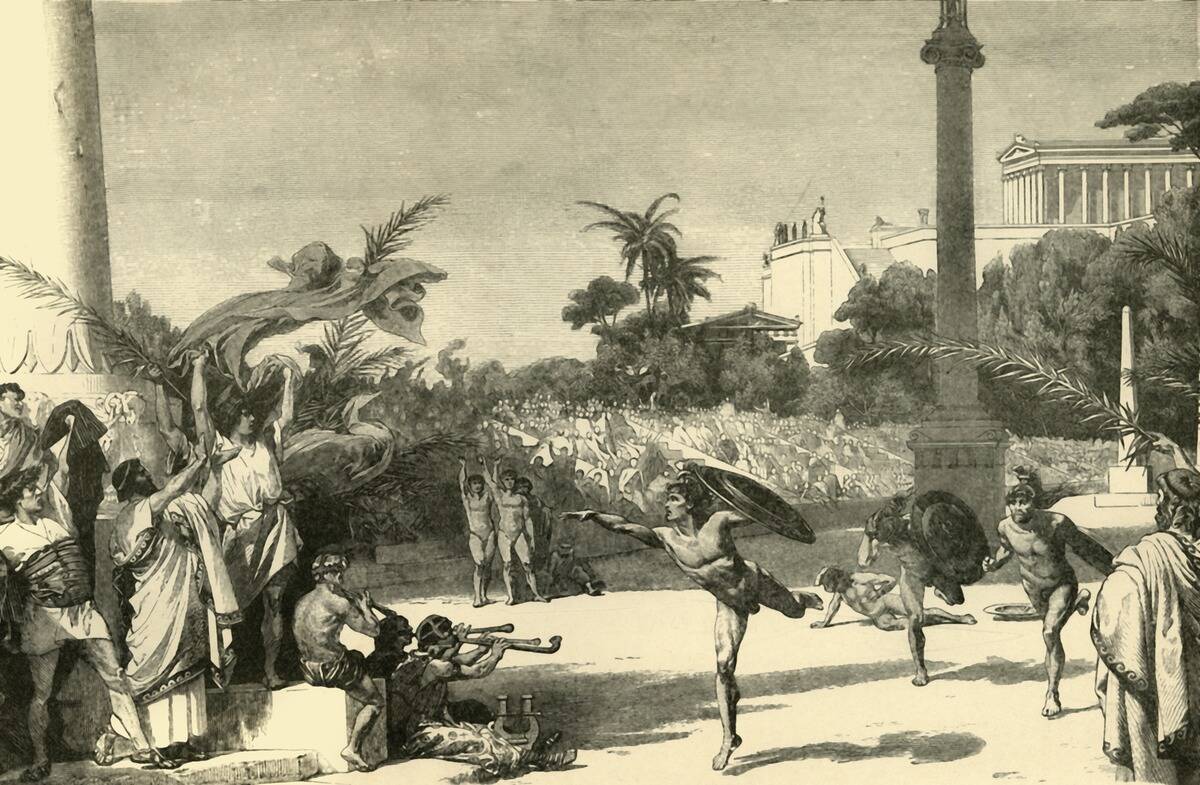
The decline of the Diadochi marked the end of an era characterized by the fragmentation of Alexander’s empire. As the original generals passed away, their successors struggled to maintain control amidst internal strife and external pressures.
The once-unified territories splintered into independent kingdoms, each with its own identity. Despite their decline, the Diadochi left a lasting legacy through the spread of Hellenistic culture and the political precedents they set. Their influence persisted, shaping the ancient world long after their power waned.




