Why diplomatic marriages once mapped the shape of Europe
Diplomatic marriages have long been a cornerstone of European politics. These unions were not just about romance; they were strategic decisions that shaped nations.
By marrying off sons and daughters, monarchs forged alliances, secured borders, and maintained peace. These marriages were more about treaties than love letters, creating a complex tapestry of political relationships that influenced the continent’s history.
The Concept of Diplomatic Marriages: A Royal Affair
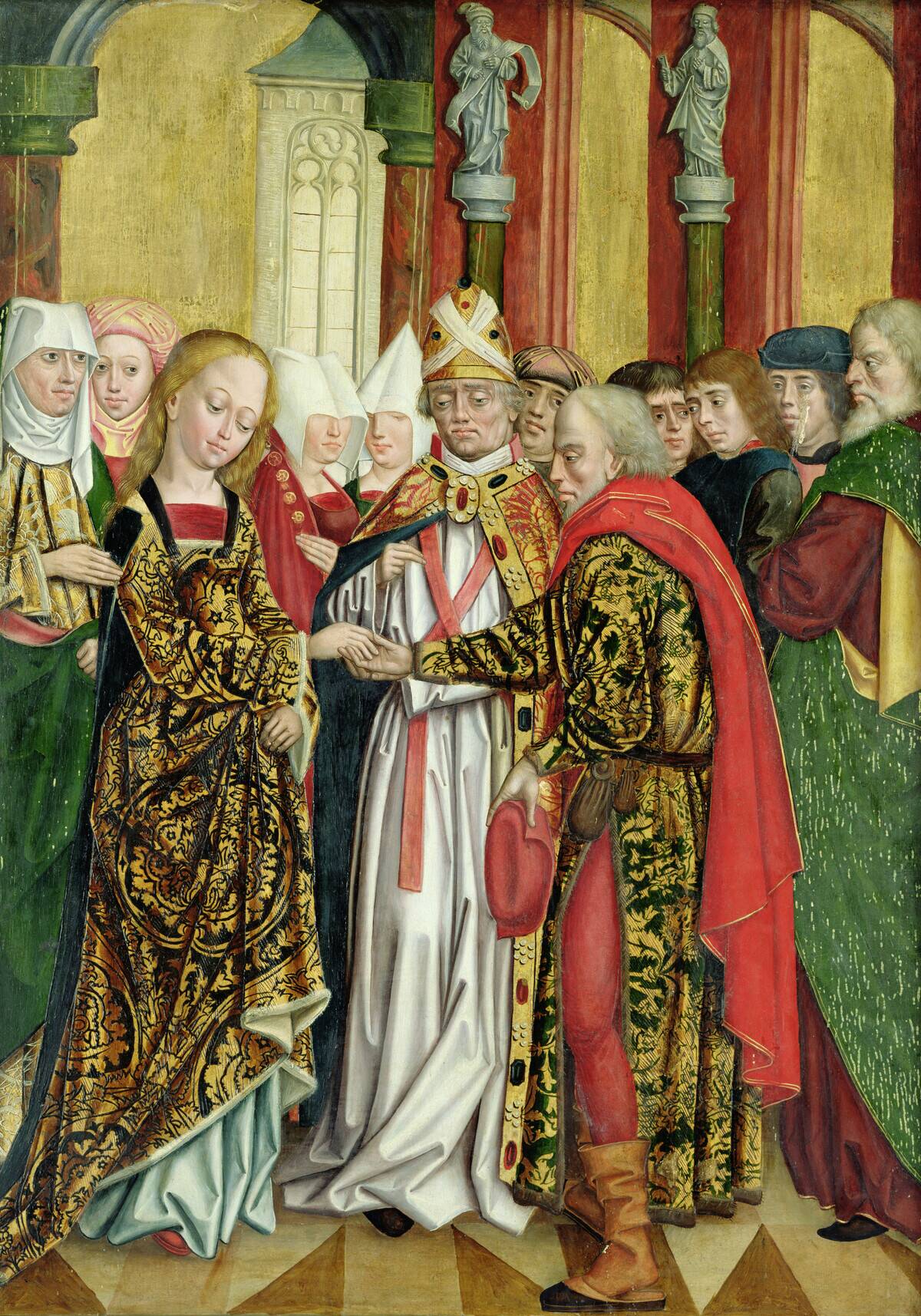
Royal families often arranged marriages to create alliances and strengthen their political power. These unions served as a tool for diplomacy, ensuring that kingdoms remained connected and cooperative.
In medieval Europe, a marriage between two powerful houses could mean the difference between war and peace. It was a game of thrones played out in chapels and banquet halls, a sophisticated dance of power and influence.
A Match Made in Politics: Strategic Alliances Through Matrimony
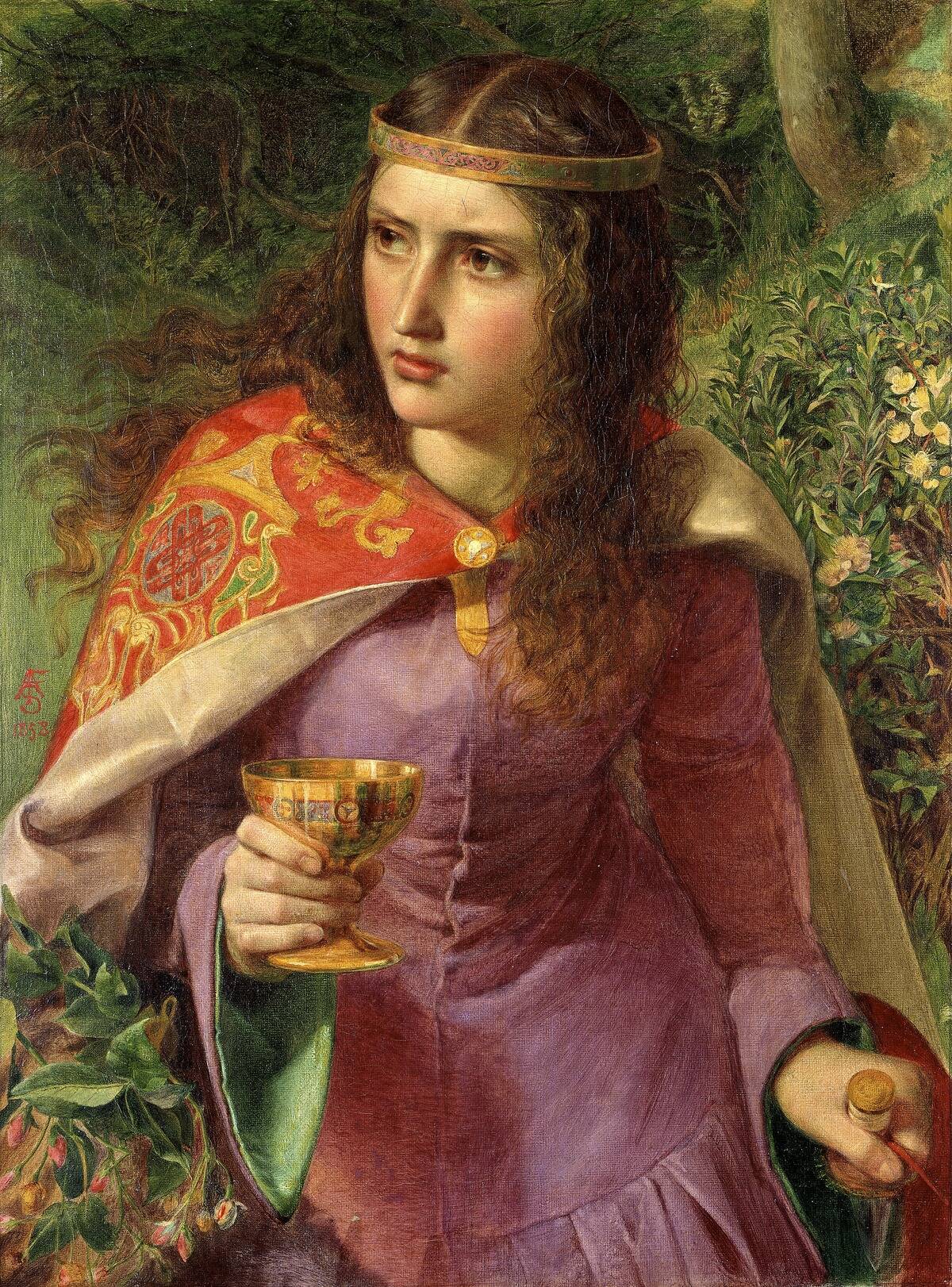
Strategic alliances through marriage were a common practice among European royalty. By marrying into another royal family, a king or queen could secure military support or economic benefits.
For example, the marriage of Henry II of England and Eleanor of Aquitaine in 1152 brought vast lands under English control. These alliances were calculated moves on the political chessboard, ensuring stability and mutual benefit.
The Role of Royal Families: Dynasties and Their Influence
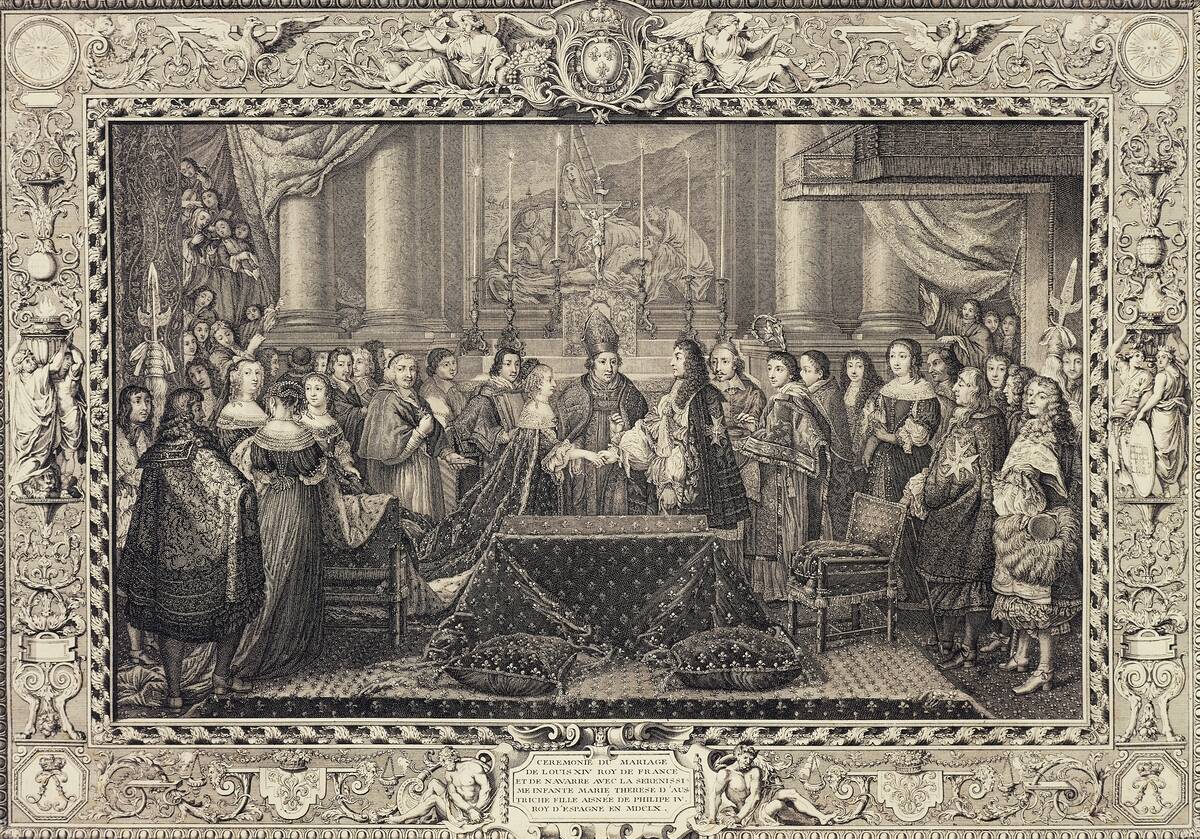
Royal families wielded significant influence through their dynastic connections. By intermarrying, they created a network of alliances that extended across Europe. The Habsburgs and Bourbons are notable examples, using marriage to expand their power and territory.
These families were like the original influencers, shaping politics through their extensive familial ties. Their influence can be seen in the lasting legacies they left behind.
Famous Historical Examples: Unions That Changed the Course of History
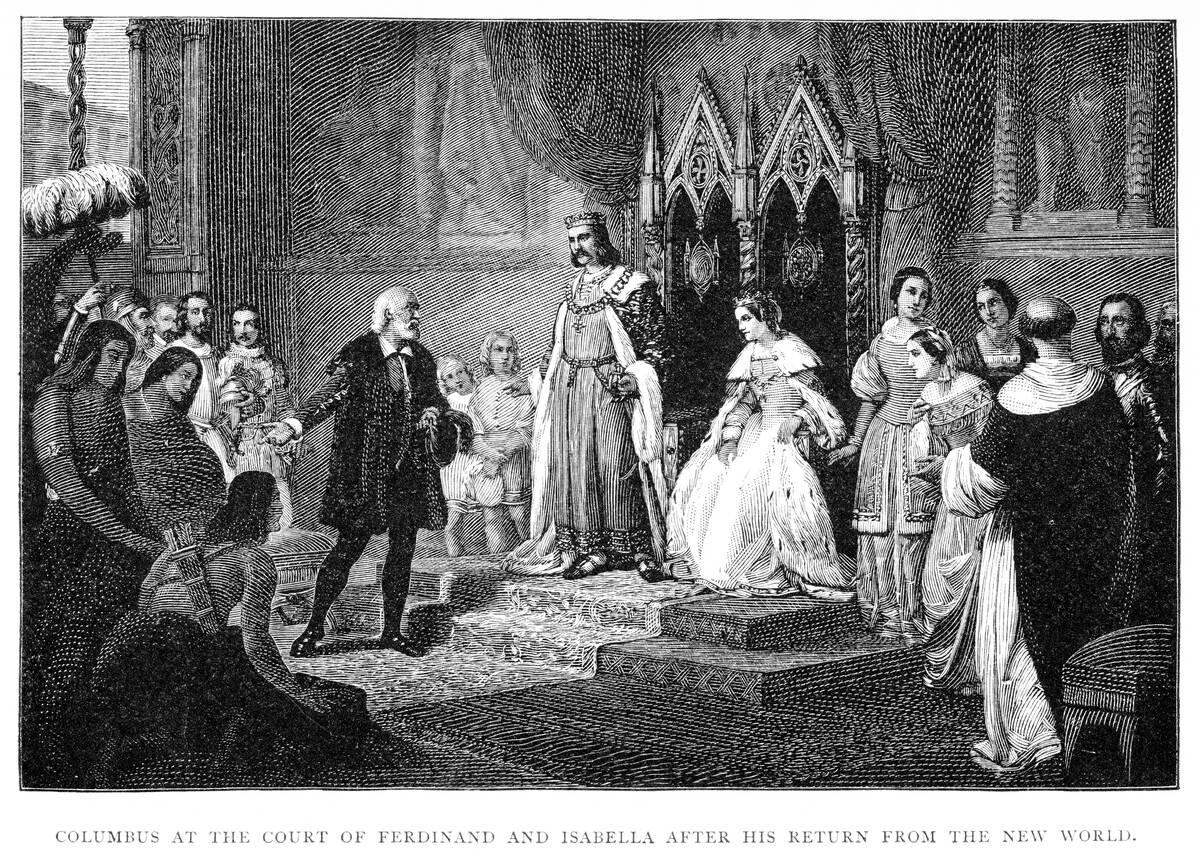
Several marriages stand out in history for their impact on European politics. The union of Ferdinand of Aragon and Isabella of Castile in 1469 unified Spain and set the stage for a global empire.
Another example is the marriage of Catherine of Aragon to Henry VIII, which indirectly led to the English Reformation. These unions were more than personal commitments; they were pivotal moments that altered the course of history.
The Hapsburgs: Masters of the Matrimonial Game

The Habsburgs were renowned for their use of marriage as a political tool, famously following the motto “Let others wage war, you, happy Austria, marry.” Their strategic marital alliances helped them control vast territories across Europe.
Marriages within the family also preserved their power, although this sometimes led to genetic complications. They were masters of using the altar as a means to secure thrones and influence.
The Bourbon Legacy: France’s Marital Diplomacy

The Bourbon dynasty of France was equally adept at using marriage to solidify power. By marrying into other royal families, they secured alliances that bolstered France’s position in Europe.
Louis XIV, the Sun King, used marital diplomacy to maintain France’s dominance, marrying his relatives into Spanish and other European nobility. The Bourbons demonstrated that diplomacy and marriage could be powerful tools in statecraft.
The Tudor Connection: England’s Royal Marriages

The Tudor dynasty leveraged marriage to strengthen England’s political standing. Henry VII’s marriage to Elizabeth of York ended the Wars of the Roses and unified the warring factions.
Henry VIII’s marriages, although tumultuous, were also politically motivated, aiming to secure alliances and produce heirs. The Tudors used marriage as both a diplomatic maneuver and a means to stabilize the monarchy, with lasting effects on English history.
The Role of Women: Queens, Consorts, and Power Brokers
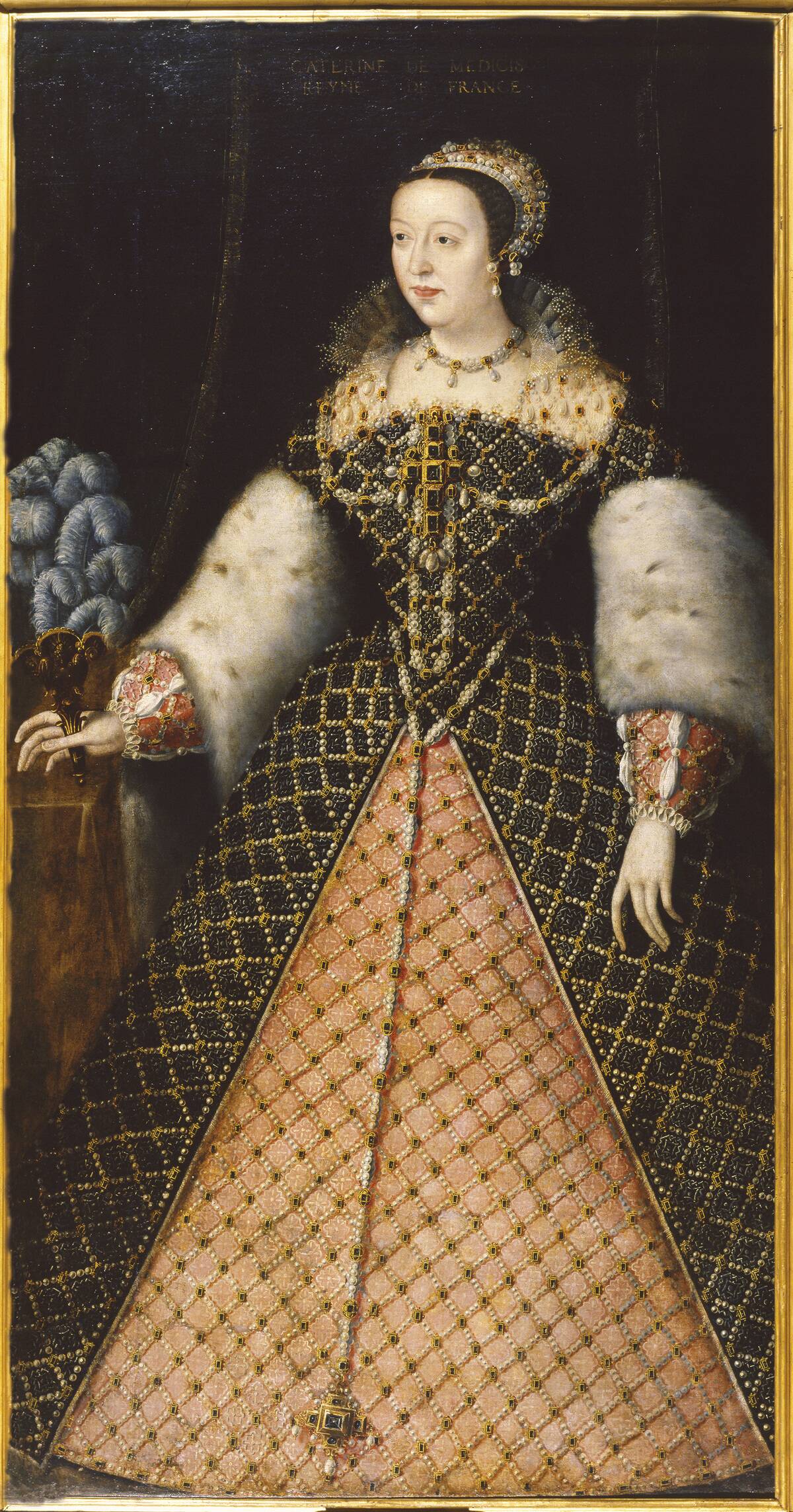
Women in diplomatic marriages often played crucial roles in political affairs. Queens and consorts acted as mediators and influencers, often wielding power behind the scenes.
Catherine de’ Medici, for example, was a formidable political player in France, using her position to influence policy and maintain her family’s power. These women were more than mere pawns; they were key figures in the intricate game of politics.
Love vs. Duty: The Personal Impact of Diplomatic Marriages
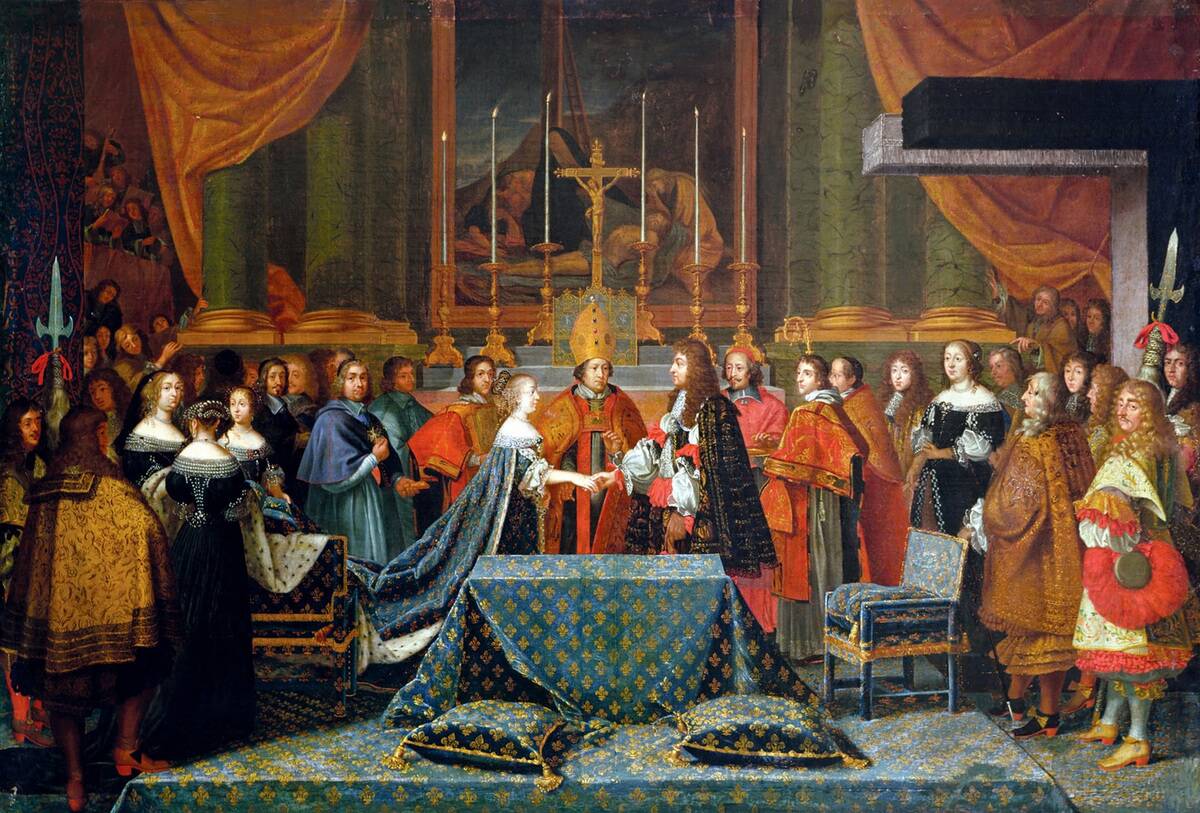
Diplomatic marriages often placed duty above personal happiness, leading to complex personal lives for the royals involved. While some couples developed genuine affection over time, others remained distant or unhappy.
The pressure to produce heirs and uphold political alliances often overshadowed personal desires. This tension between love and duty added a human element to these grand political strategies, making them relatable and poignant.
Unintended Consequences: When Marriages Led to War
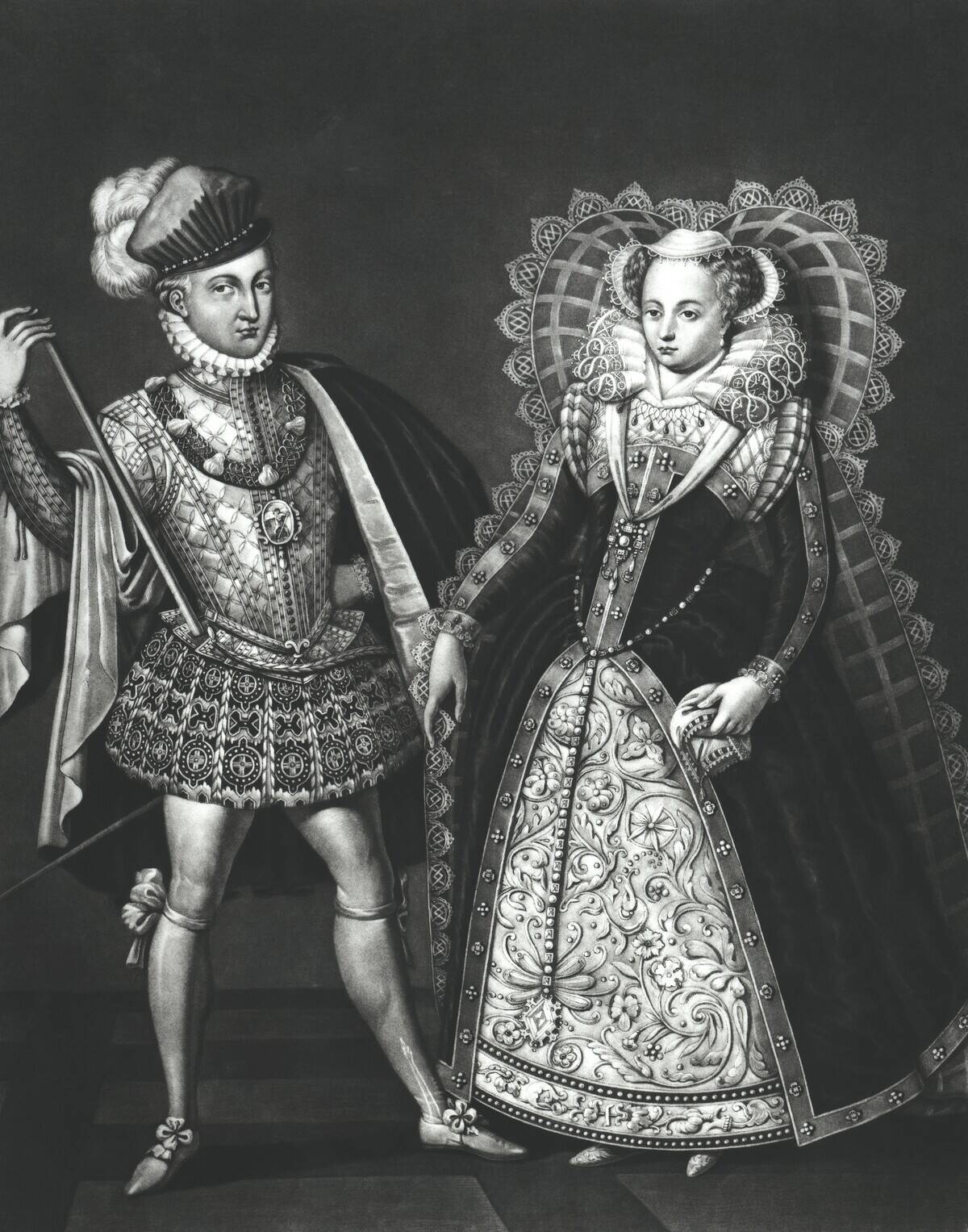
Not all diplomatic marriages resulted in peace; some inadvertently led to conflict. The marriage of Mary, Queen of Scots to Lord Darnley sparked a series of events that contributed to the Anglo-Scottish conflicts.
Similarly, alliances formed through marriage could backfire, entangling kingdoms in disputes. These unintended consequences highlight the delicate balance of power and the unpredictable nature of political unions.
The Cultural Exchange: How Marriages Broadened Horizons
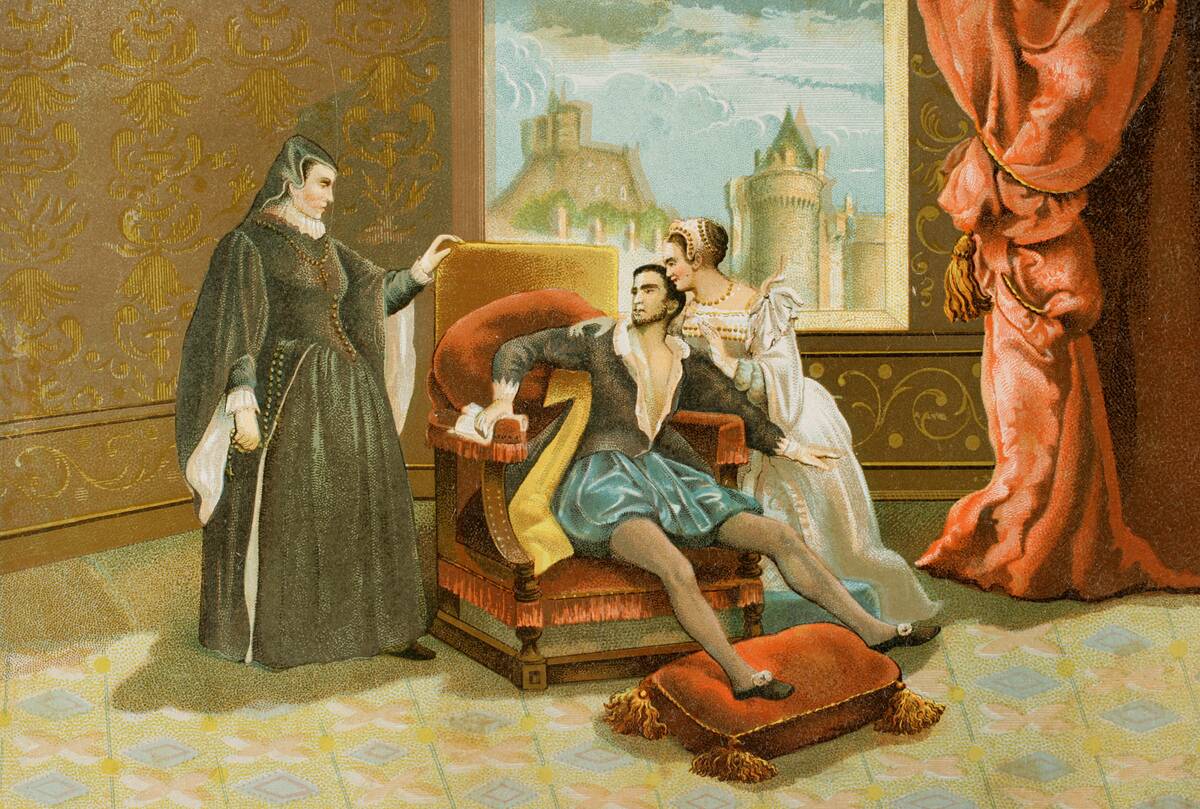
Diplomatic marriages facilitated cultural exchange, introducing new customs, fashion, and ideas across borders. When Catherine de’ Medici married into the French royal family, she brought Italian cuisine and art to France, influencing French culture.
Such unions were not just political; they were cultural bridges that enriched societies. This exchange of ideas and traditions broadened horizons and fostered a more interconnected Europe.
The Decline of Diplomatic Marriages: Changing Times and Politics
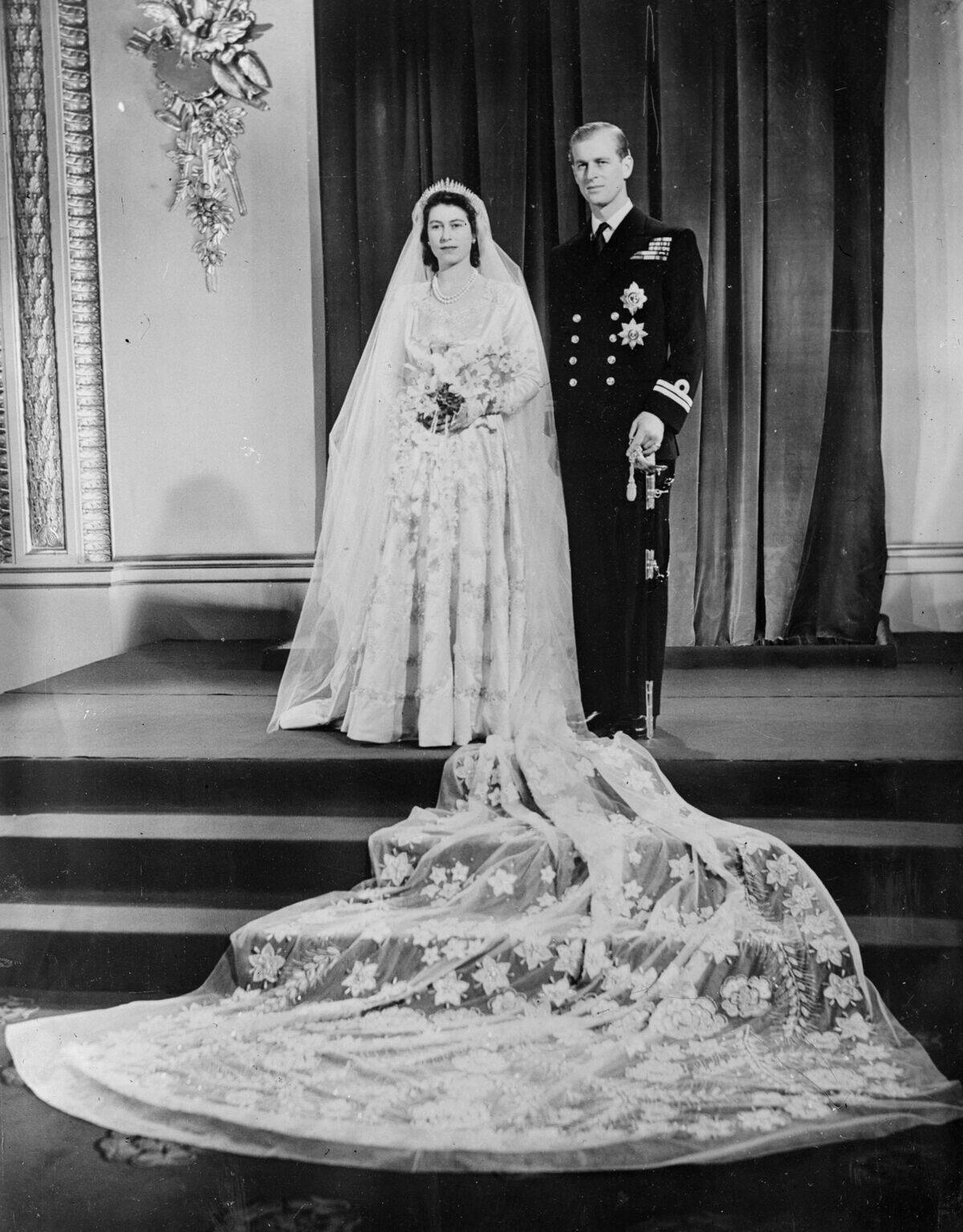
Over time, the practice of diplomatic marriages waned as political landscapes evolved. The rise of nation-states and the decline of absolute monarchies reduced the need for such alliances.
The 19th and 20th centuries saw a gradual shift towards marriages based on personal choice rather than political necessity. This change reflected broader societal transformations, including the rise of democratic ideals and changing perceptions of marriage.
Modern Royals: A New Era of Marital Choices
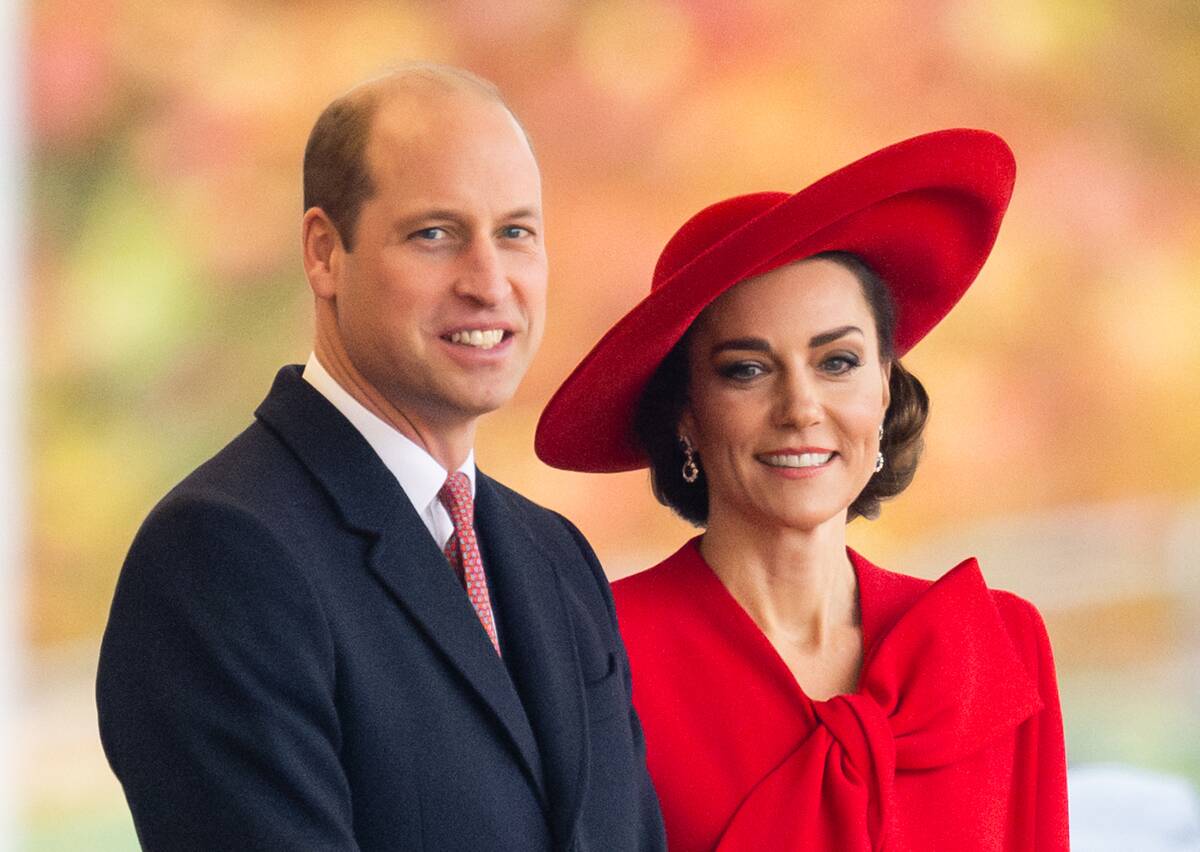
In today’s world, royal marriages are more about personal choice than political strategy. Modern royals often marry commoners or choose partners based on love rather than alliance.
Prince William’s marriage to Kate Middleton is a prime example of this shift. While these marriages still capture public interest, they reflect contemporary values of love and personal freedom, marking a new era in royal tradition.




