Lost civilizations at the edge of recorded history
Welcome to a journey through time where legends and reality blur. Before recorded history, there were civilizations that thrived, leaving behind whispers of their existence.
These lost kingdoms are steeped in mystery, tantalizing us with hints of their past glory. As we delve into their stories, we explore a world rich with intrigue and unanswered questions, inviting us to piece together the puzzles of our ancestors. Let’s embark on this adventure through the sands of time.
The Indus Valley Precursors: Early Civilizations in South Asia
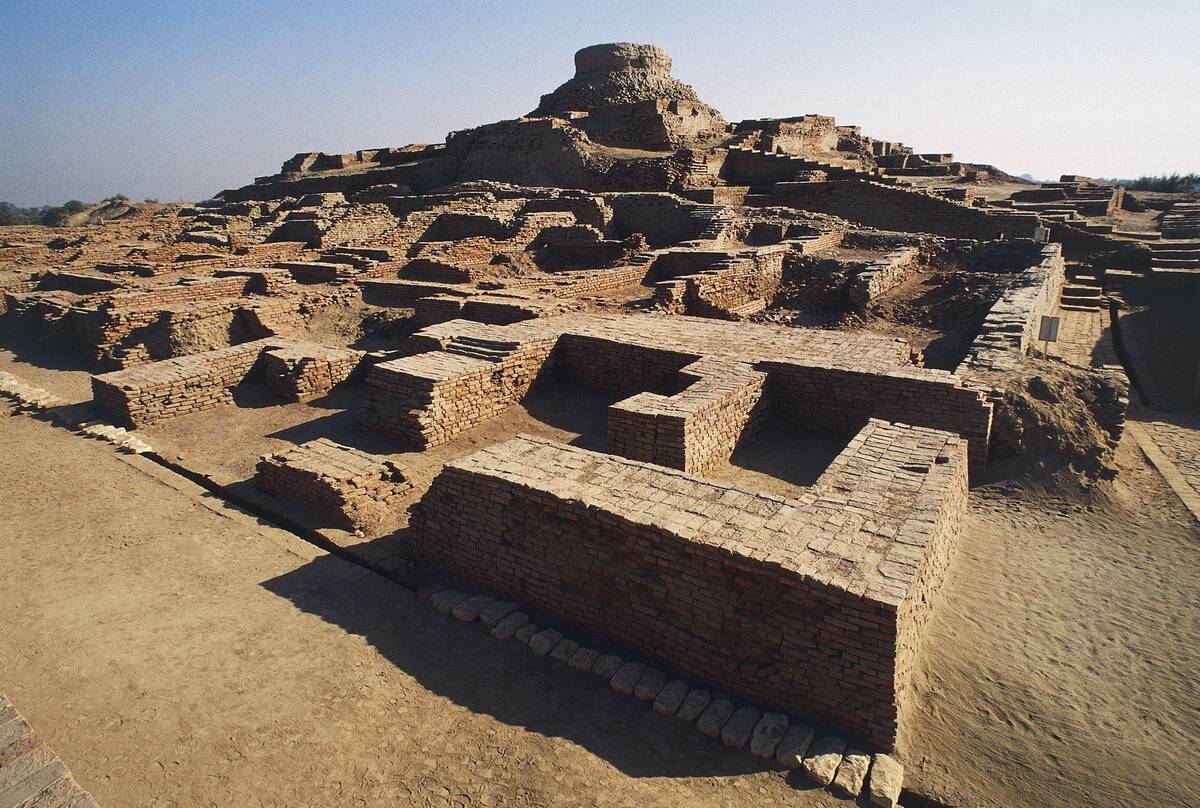
Long before the rise of the Indus Valley Civilization, South Asia was home to advanced societies. These precursors laid the groundwork for what would become one of the world’s earliest urban cultures.
Archaeological findings, such as pottery and tools, reveal a complex society with a rich culture. The development of agriculture and trade routes in this region helped set the stage for the flourishing of the Indus Valley Civilization, showcasing the region’s pivotal role in human history.
Göbekli Tepe: The World’s Oldest Known Temple
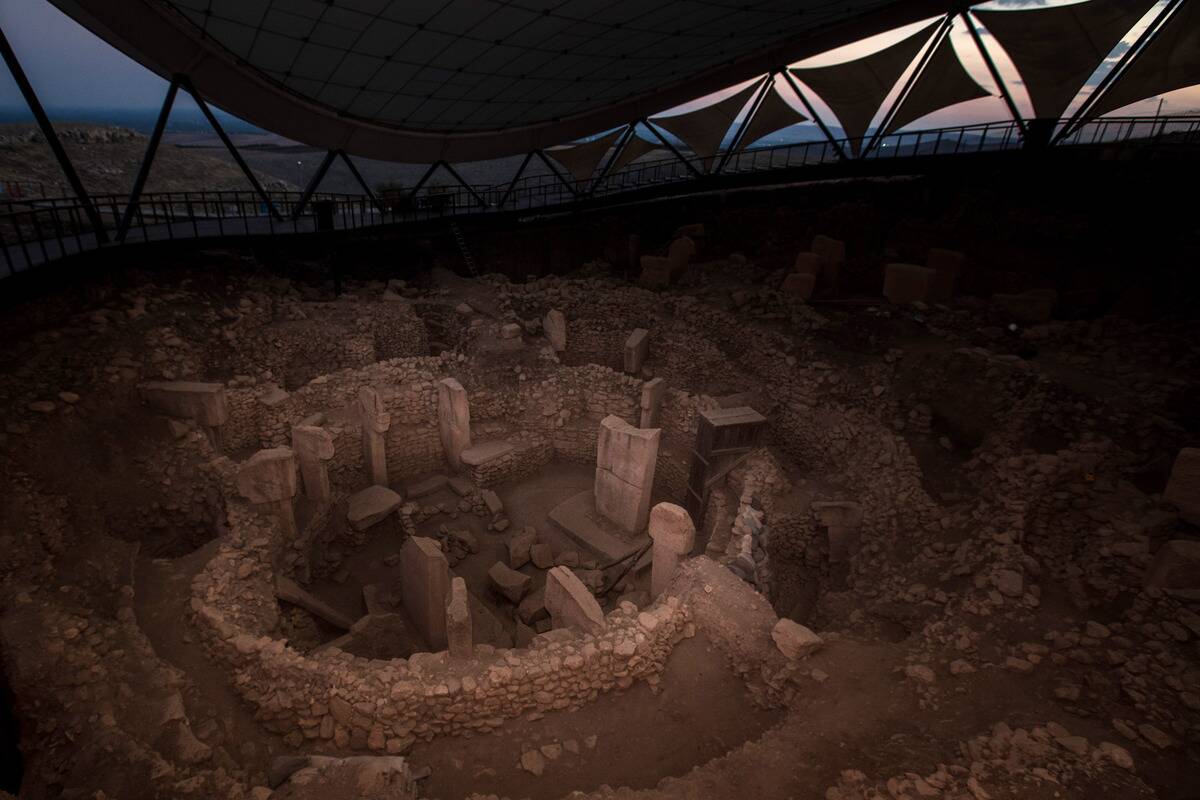
Göbekli Tepe, located in modern-day Turkey, is a site that has revolutionized our understanding of prehistoric societies. Dated back to around 9600 BCE, this temple complex predates Stonehenge by several millennia.
Its intricately carved pillars and sophisticated design suggest a level of organization and craftsmanship previously unassociated with hunter-gatherer communities. This site challenges our assumptions about the capabilities of ancient peoples and their spiritual and social complexities.
The Kingdom of Kush: Africa’s Forgotten Empire
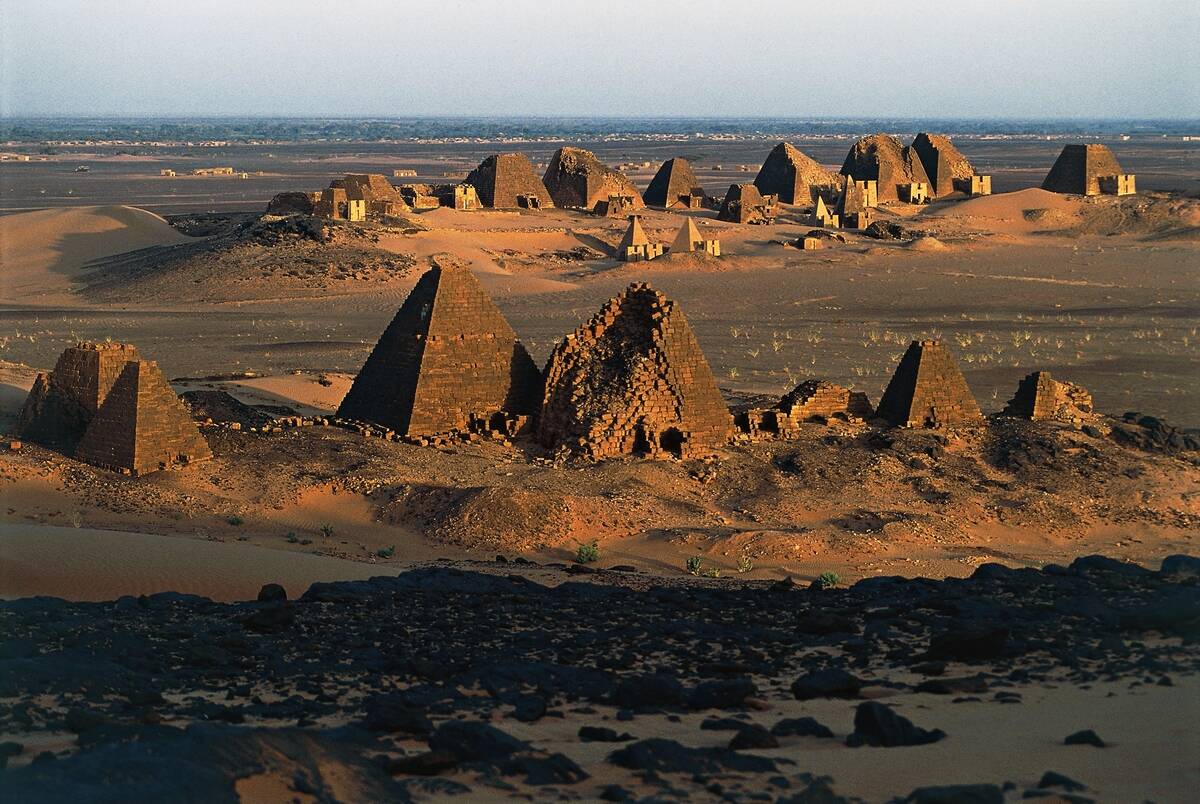
The Kingdom of Kush, nestled along the Nile in what is now Sudan, was a formidable force in ancient Africa. Known for its rich resources and powerful queens, Kushite rulers once even ruled Egypt as pharaohs during the 25th Dynasty.
The kingdom’s monumental pyramids and temples stand as testaments to its artistic and architectural achievements. Despite its historical significance, Kush remains overshadowed by its more famous northern neighbor, Egypt.
Tartessos: The Lost Kingdom of Southern Iberia
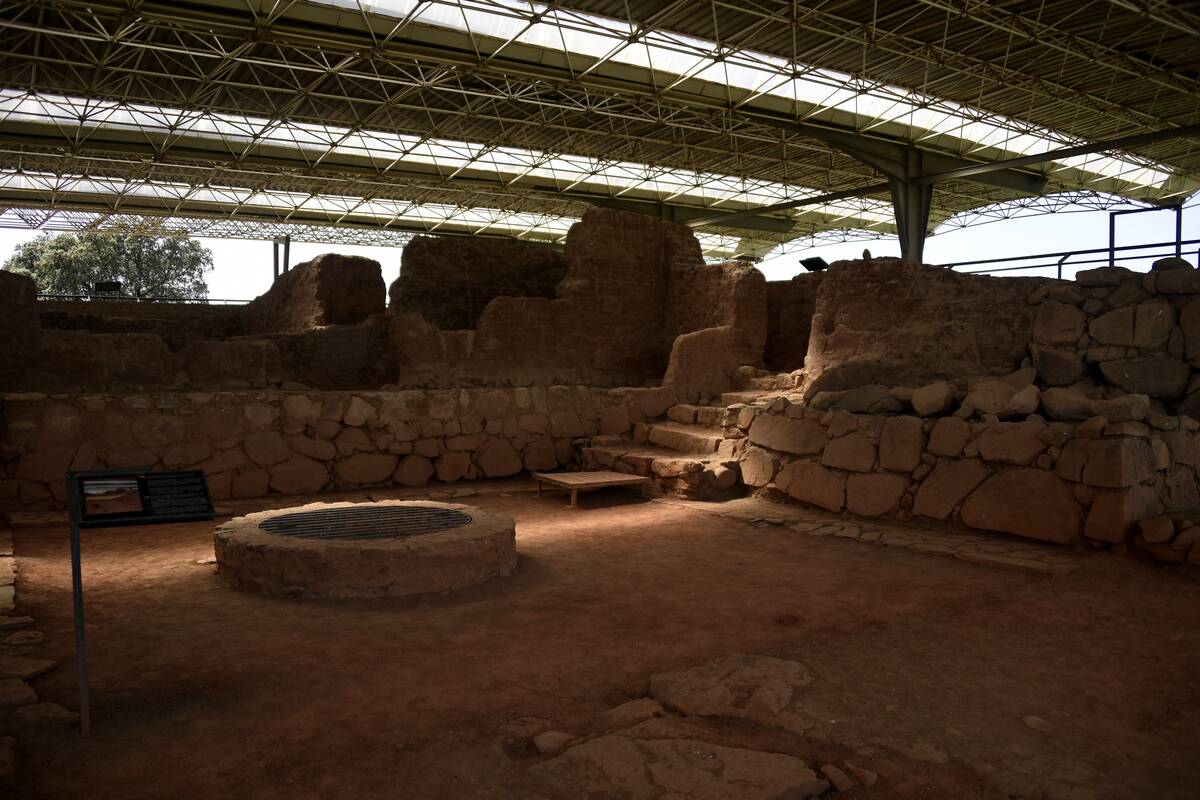
Tartessos, a civilization mentioned by Greek historians, is thought to have flourished in southern Iberia. Known for its wealth in metals, particularly silver, Tartessos was a key trading hub in the ancient world.
Archaeological evidence suggests a culture with strong Phoenician influences, blending Eastern Mediterranean and local traditions. The exact location and fate of Tartessos remain elusive, sparking ongoing debates and explorations in search of its remnants.
The Pre-Celtic Societies of Europe: A Cultural Puzzle
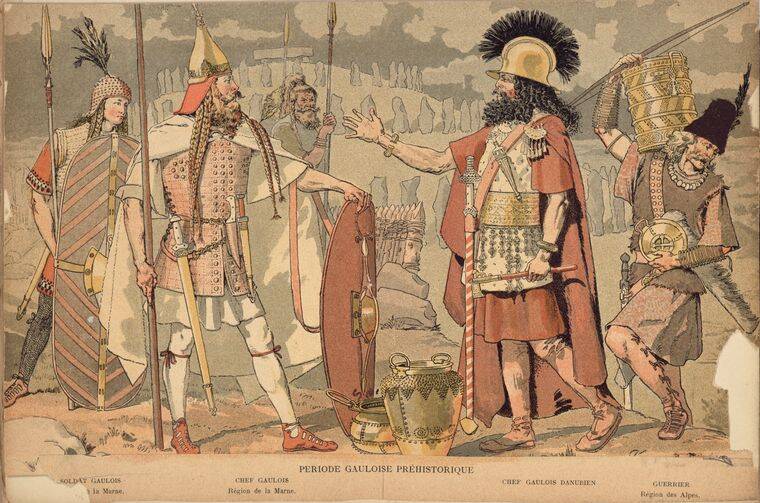
Before the Celts dominated Europe, a tapestry of diverse cultures inhabited the continent. These pre-Celtic societies left behind tantalizing clues, such as megalithic structures and enigmatic symbols.
Their languages, social structures, and beliefs are not fully understood, leaving much to speculation. However, their influence is evident in the archaeological record, showing a complex network of trade and cultural exchange that laid the foundation for future European civilizations.
The Minoan Civilization: Europe’s Earliest Advanced Society
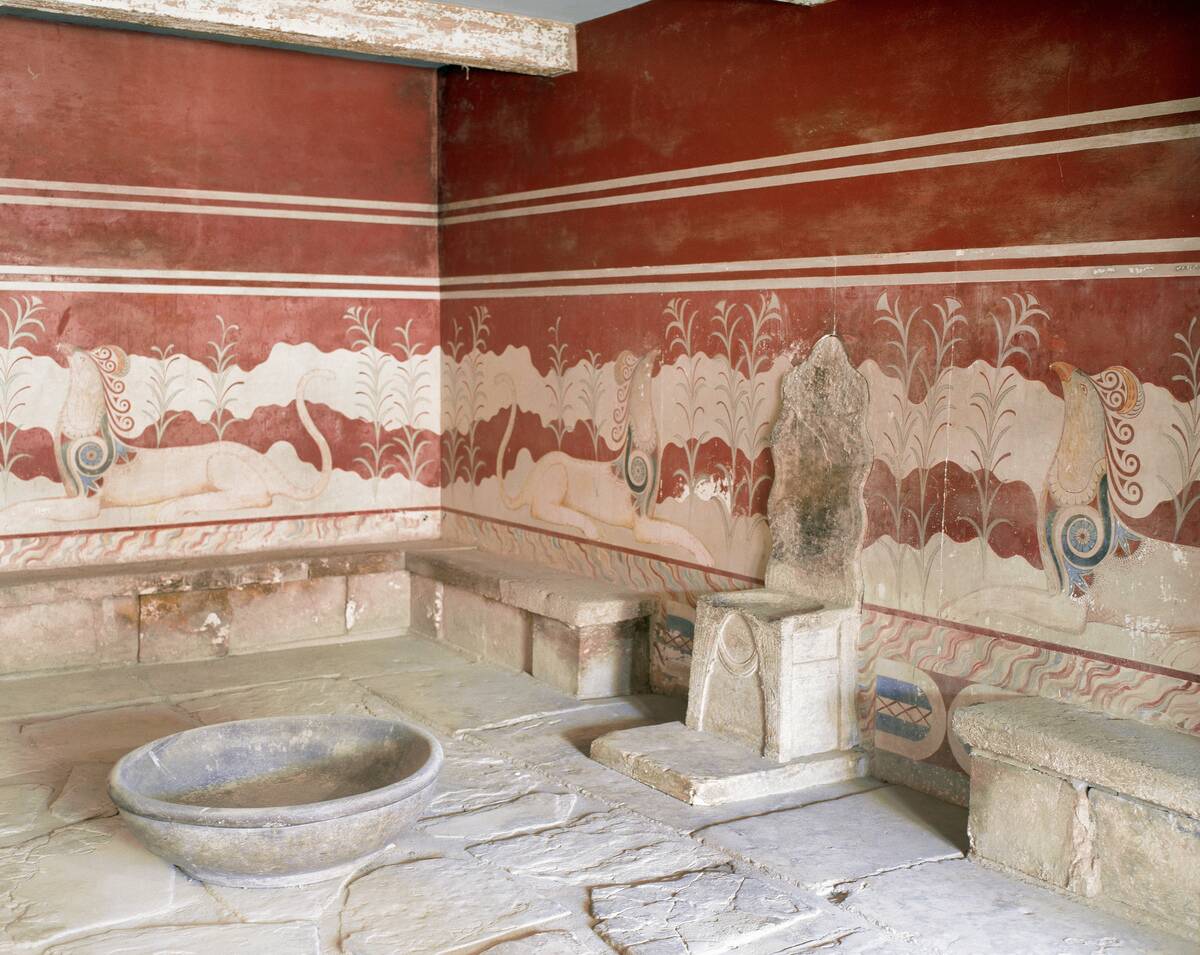
The Minoans, based on the island of Crete, are considered Europe’s first advanced civilization. Flourishing from approximately 2600 to 1100 BCE, the Minoans are known for their stunning art, sophisticated architecture, and complex urban planning.
The palace at Knossos is a prime example, with its elaborate frescoes and advanced engineering. The volcanic eruption on Thera is often cited as a factor in their decline, but their cultural legacy endured, influencing later Greek societies.
The Caral Civilization: Ancient Pioneers of the Americas
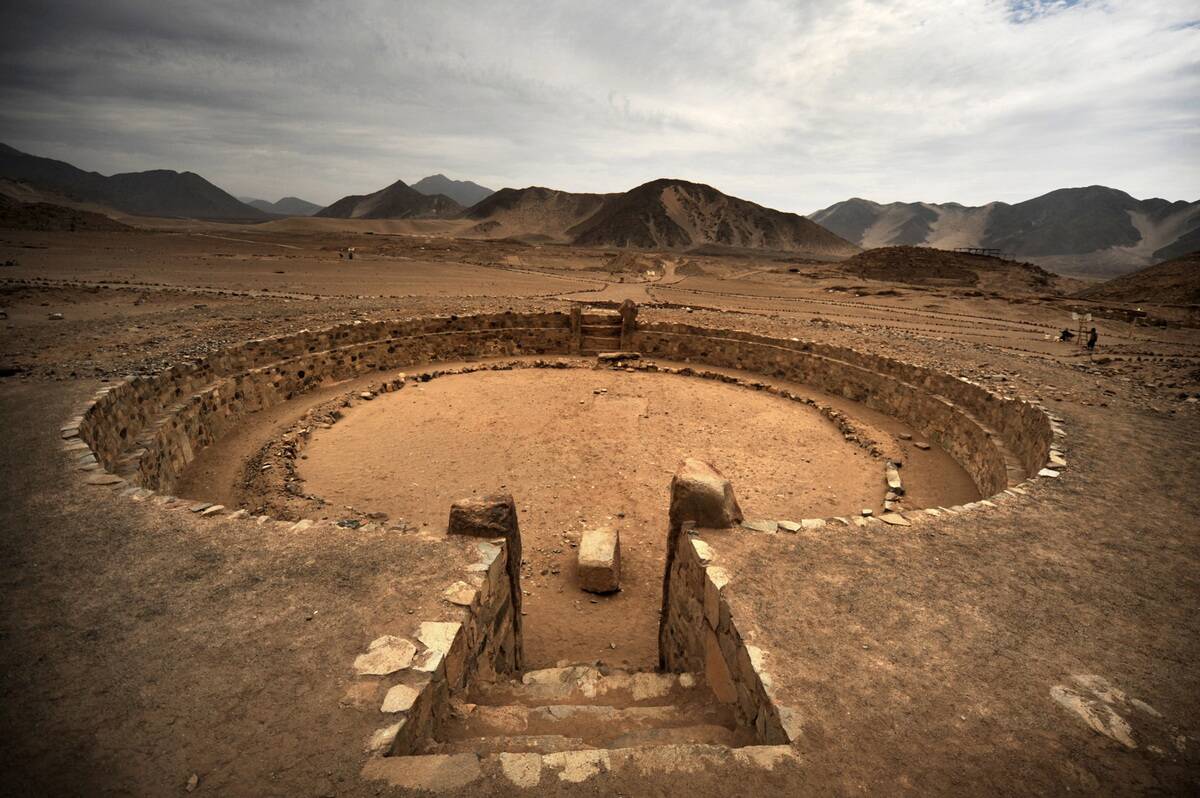
The Caral civilization, located in modern-day Peru, is one of the earliest known societies in the Americas, dating back to around 3000 BCE. Remarkable for its monumental architecture and intricate urban planning, Caral lacked defensive structures, suggesting a focus on commerce and cultural development rather than warfare.
The civilization’s impressive achievements, including early forms of agriculture and communication, provide insight into the origins of Andean culture and its long-lasting impact.
The Lost City of Helike: Greece’s Sunken Treasure
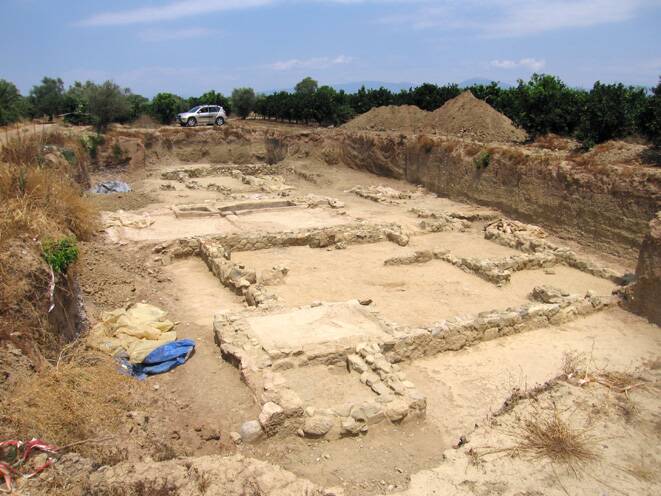
Helike, once a prosperous city in ancient Greece, was tragically submerged by a tsunami in 373 BCE. Often compared to Atlantis, Helike’s sudden disappearance has intrigued historians and archaeologists alike.
Rediscovered in the 1990s, excavations have revealed a wealth of artifacts, offering glimpses into the daily life and culture of this lost city. The story of Helike serves as a poignant reminder of nature’s power and the fragility of human settlements.
The Olmec Civilization: The Mysterious Builders of Colossal Heads
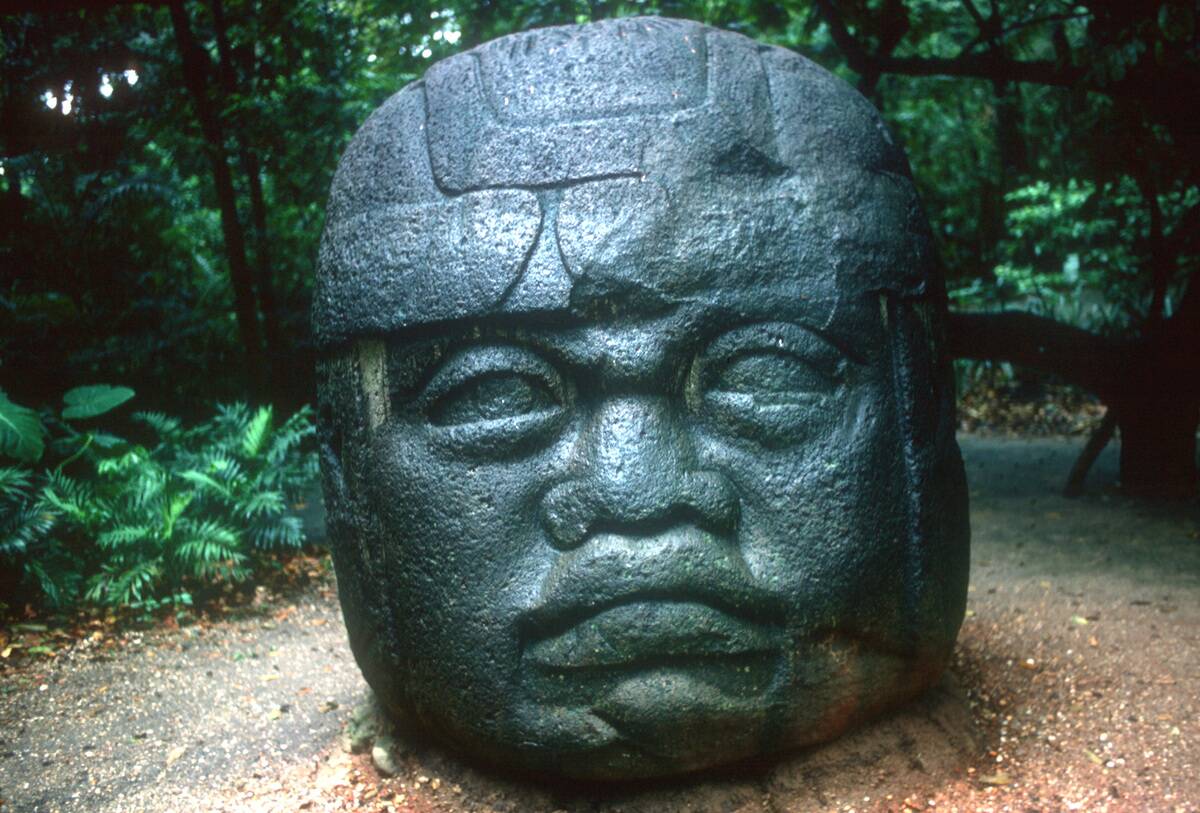
The Olmecs, often regarded as the ‘mother culture’ of Mesoamerica, thrived from around 1200 to 400 BCE. They are best known for their colossal stone heads, each weighing several tons, whose purpose and method of construction remain a mystery.
The Olmecs developed early forms of writing and a calendar system, influencing subsequent Mesoamerican societies. Despite their enigmatic legacy, the Olmecs laid the groundwork for complex civilizations like the Maya and Aztec.
The Legendary Land of Punt: Egypt’s Mysterious Trading Partner
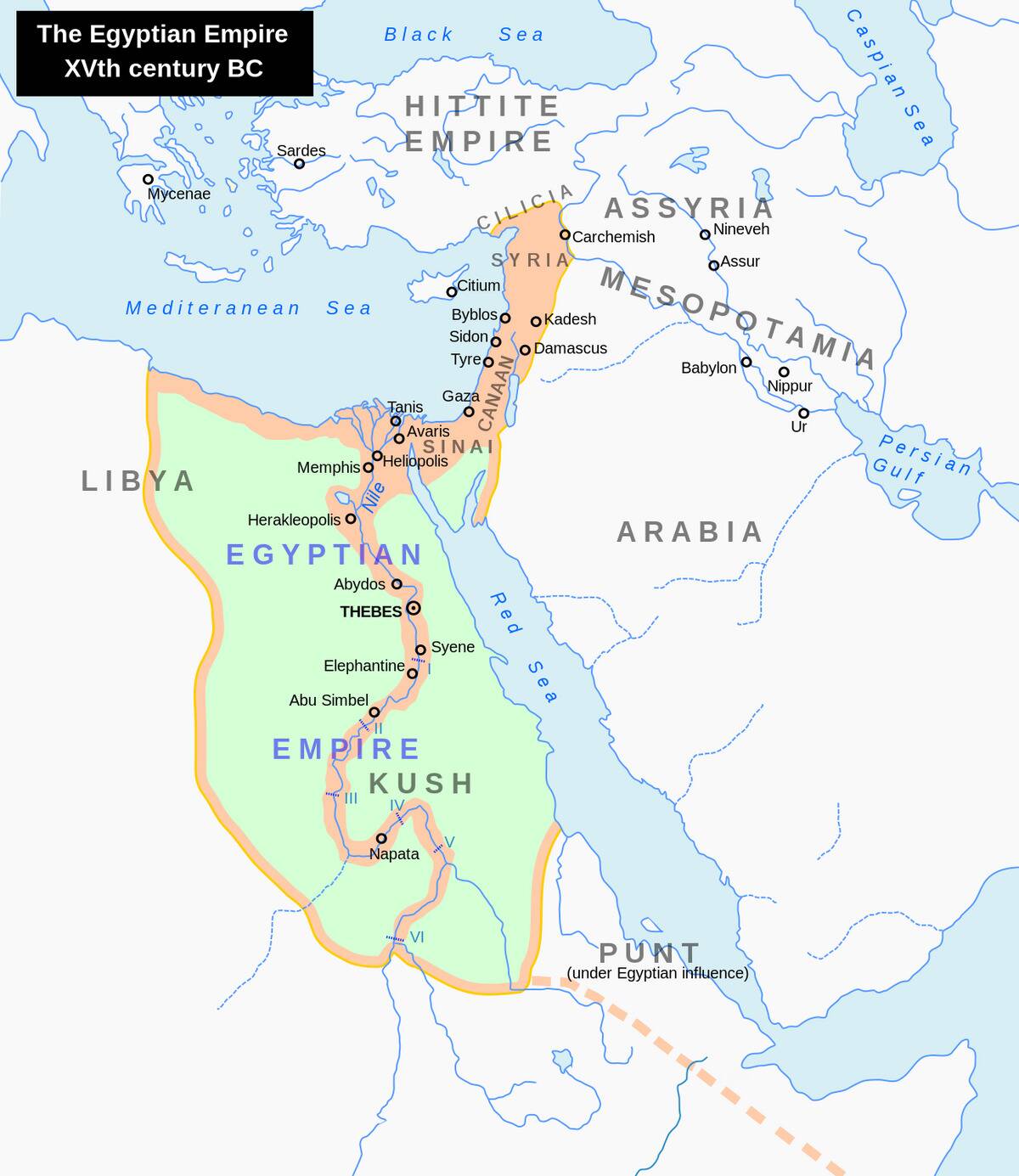
The Land of Punt, often described in ancient Egyptian texts, was a crucial trading partner known for its wealth of exotic goods. From incense to gold, Punt’s offerings enriched Egyptian culture and economy.
Despite detailed accounts of trade expeditions, the exact location of Punt remains uncertain, with theories ranging from the Horn of Africa to the Arabian Peninsula. This elusive land continues to puzzle historians, highlighting the complexities of ancient trade networks.
The Aksumite Empire: A Forgotten African Powerhouse
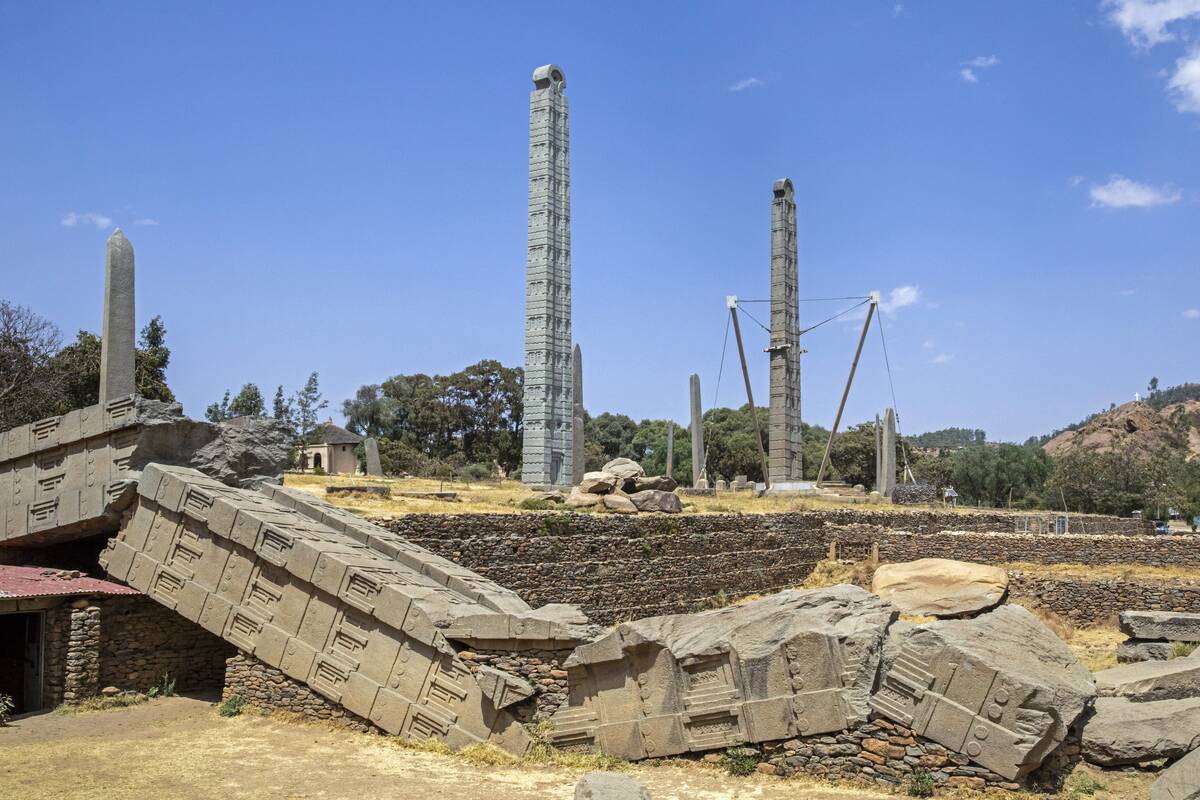
The Aksumite Empire, centered in present-day Ethiopia, was a dominant trading empire from the 1st to the 9th century CE. Known for its monumental obelisks and early adoption of Christianity, Aksum was a vital link between the Roman Empire and India.
Its strategic location facilitated trade across the Red Sea and the Indian Ocean. Despite its historical significance, the Aksumite Empire remains less known compared to its contemporaries, yet its legacy endures in Ethiopian culture.
The Nabataean Kingdom: Masters of the Desert Trade Routes
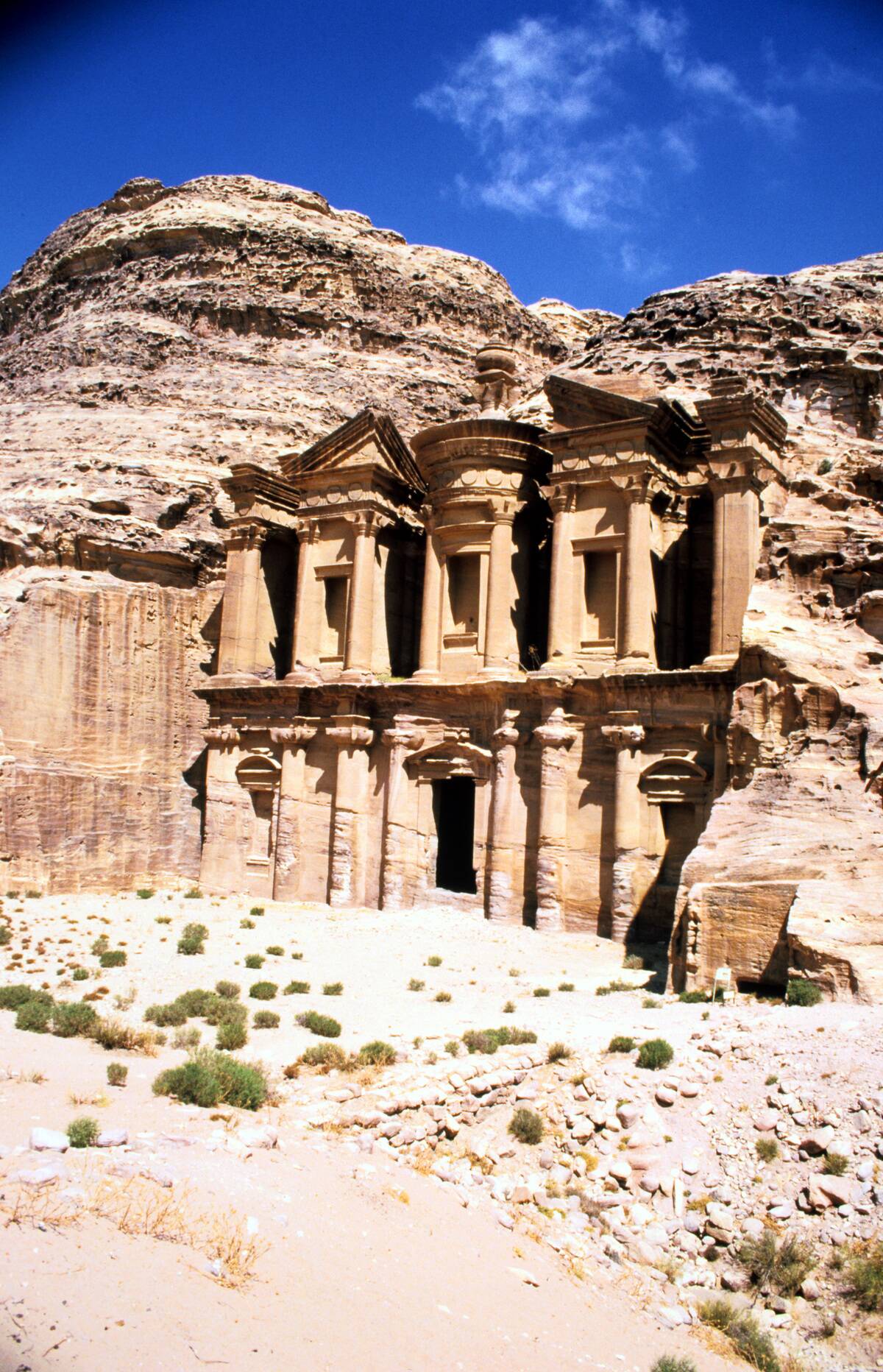
The Nabataeans, an ancient Arab people, are best known for their stunning rock-cut city of Petra in modern-day Jordan. Flourishing from the 4th century BCE to the 2nd century CE, they controlled vital trade routes across the Arabian Desert.
The Nabataeans excelled in hydraulic engineering, creating an intricate water management system that allowed them to thrive in arid conditions. Their ability to blend cultural influences is evident in their art and architecture, leaving a lasting legacy.
The Ancestral Puebloans: Builders of the Cliff Dwellings
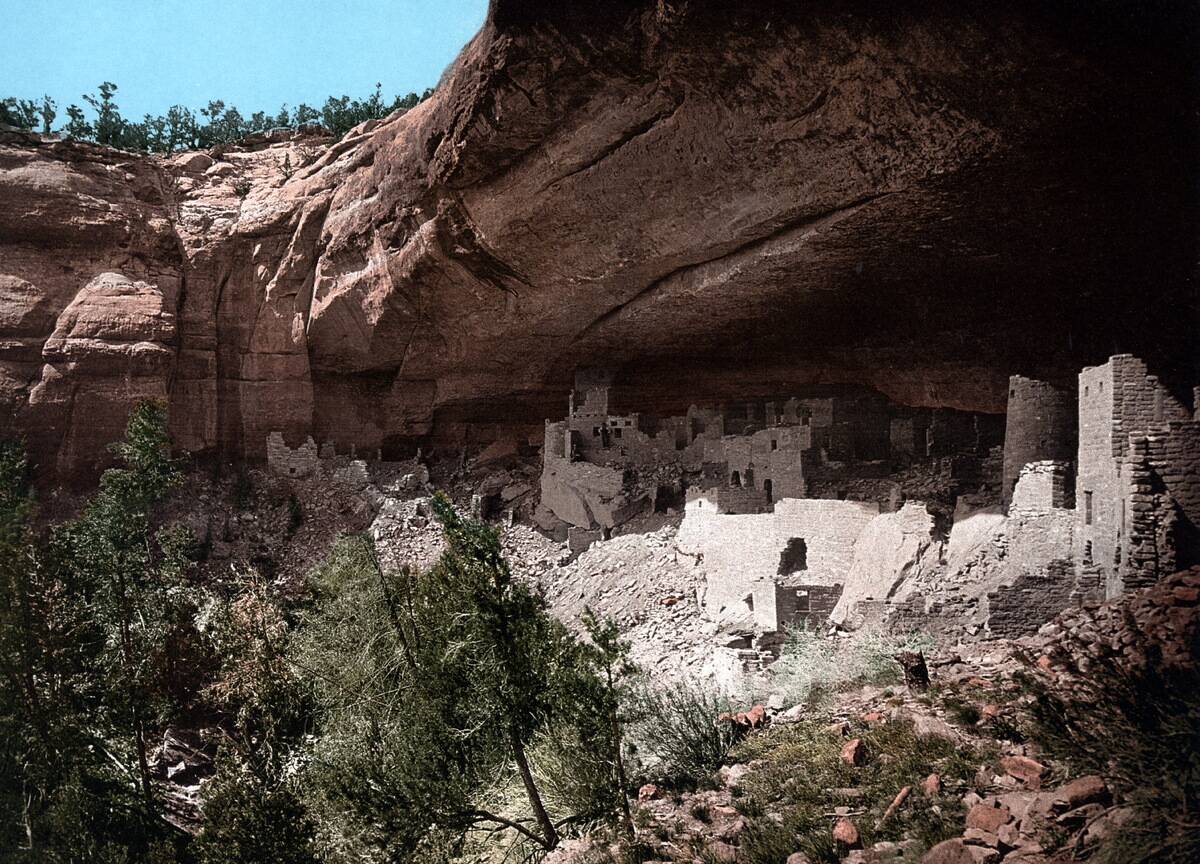
The Ancestral Puebloans, formerly known as the Anasazi, inhabited the Four Corners region of the United States from around 100 CE to 1600 CE. Renowned for their cliff dwellings, such as those at Mesa Verde, they developed advanced agricultural techniques and a rich cultural heritage.
The reasons for their sudden departure remain a subject of debate, with theories ranging from climate change to social upheaval. Their architectural achievements continue to fascinate and inspire visitors today.
The Mycenaean Civilization: The Greeks Before the Greeks
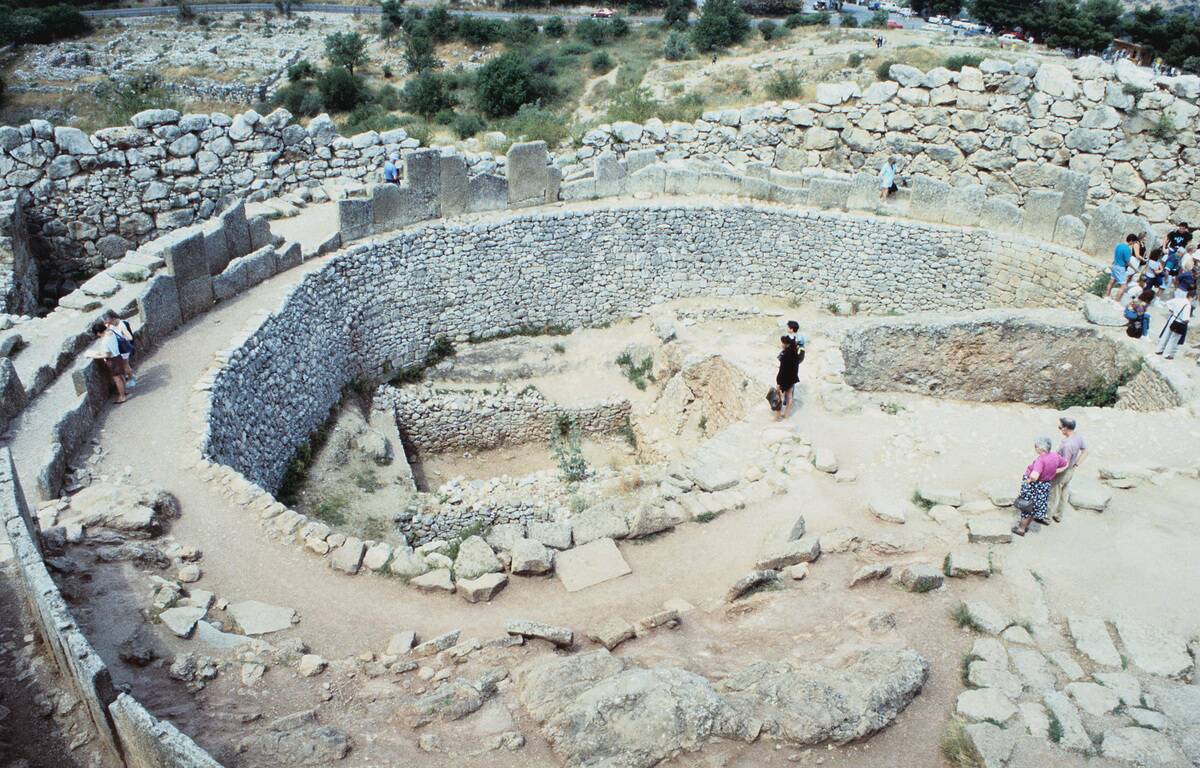
The Mycenaeans, flourishing from around 1750 to 1100 BCE, are often considered the precursors to classical Greek culture. Known for their fortified palace complexes and linear B script, they were a dominant force in the Aegean.
The epic tales of the Trojan War are rooted in Mycenaean lore, blending history with legend. Although their civilization eventually collapsed, the Mycenaeans left an indelible mark on Greek mythology and cultural development, laying the groundwork for future empires.
The Hittite Empire: Pioneers of the Iron Age
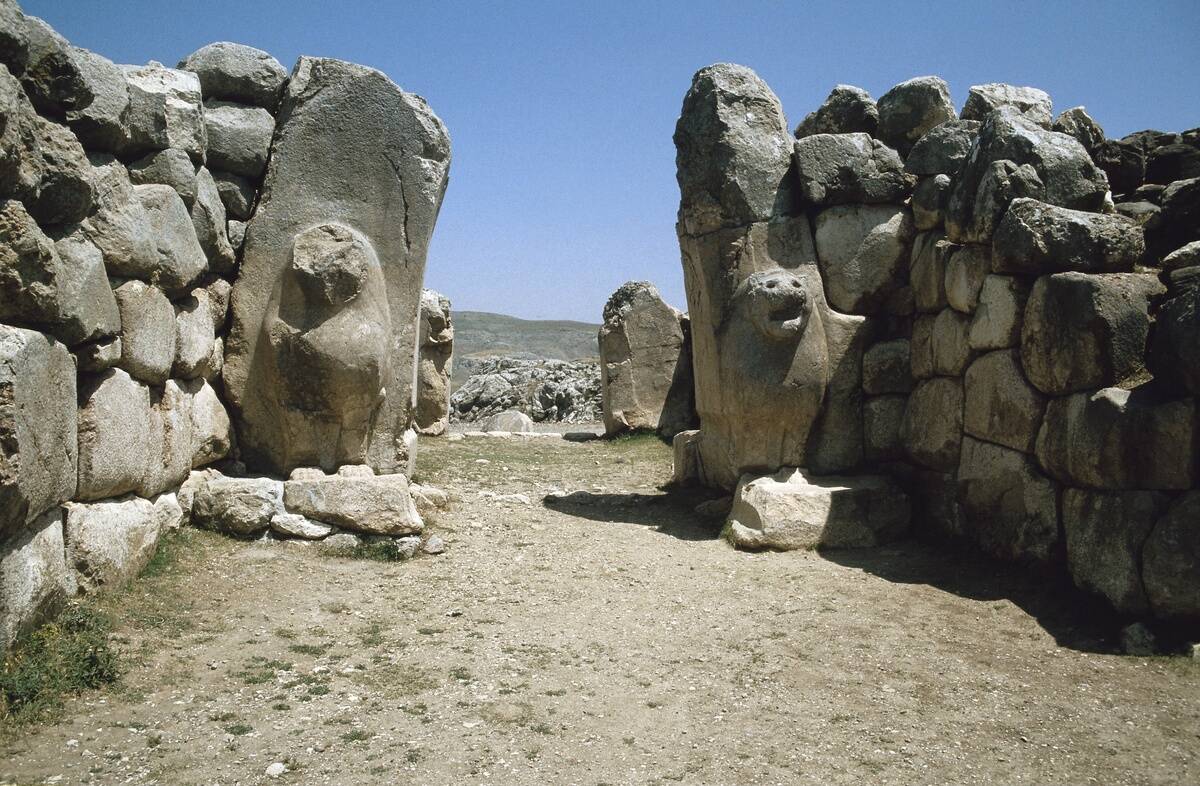
The Hittites, who established their empire in Anatolia around 1600 BCE, were among the first to utilize iron, giving them a technological edge. Their capital, Hattusa, was a center of culture and politics, featuring advanced architectural and administrative systems.
The Hittites are also known for their legal codes and treaties, including the famous treaty with Egypt after the Battle of Kadesh. Although their empire eventually fell, their contributions to metallurgy and diplomacy were significant.
The Xia Dynasty: China’s Legendary First Empire
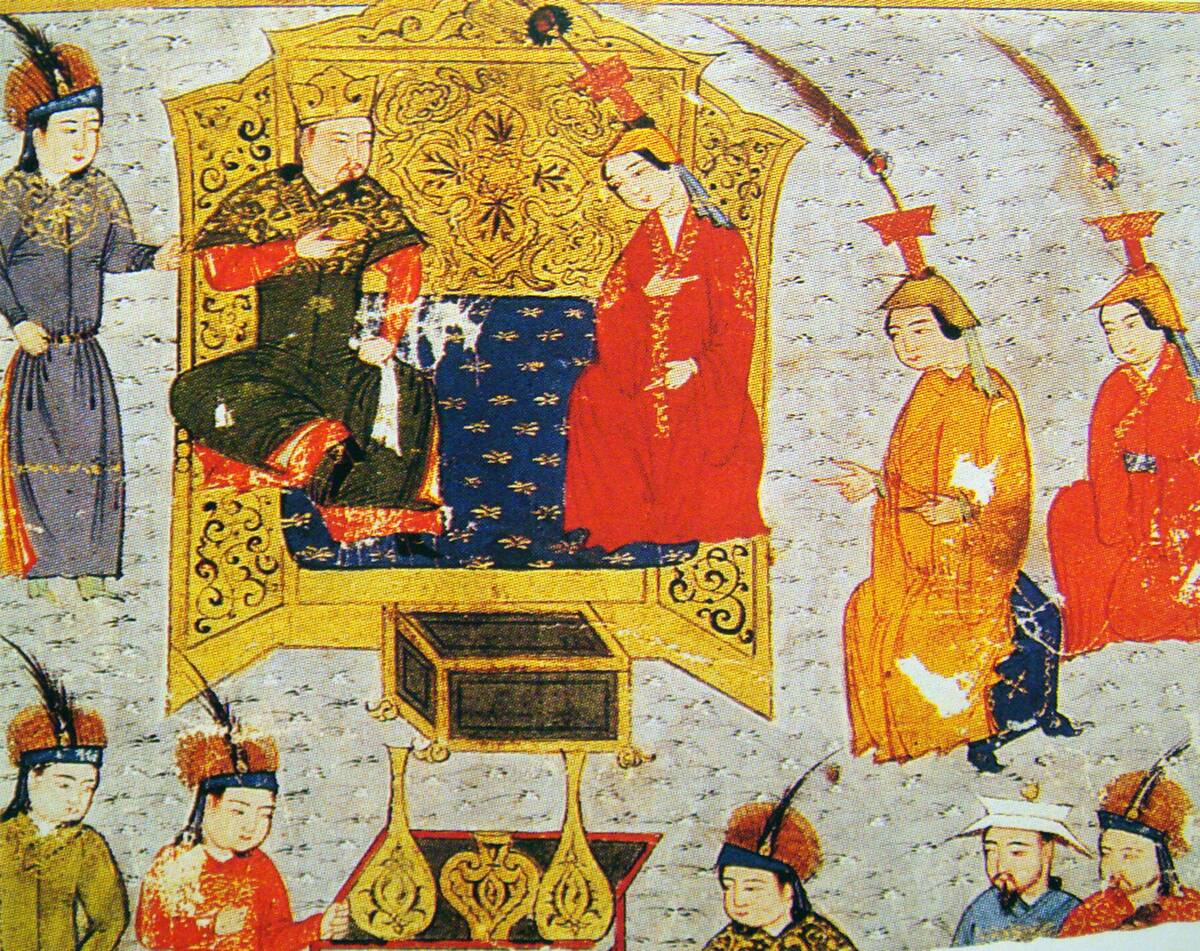
The Xia Dynasty, often regarded as China’s first dynasty, is shrouded in legend and debate. Believed to have existed from around 2070 to 1600 BCE, the Xia laid the foundation for later Chinese civilization.
Archaeological sites such as Erlitou have provided some evidence of their existence, though the lack of written records leaves much to speculation. The Xia Dynasty symbolizes the origins of Chinese culture and the enduring legacy of its ancient rulers.
The Etruscans: The Pre-Roman Civilization of Italy
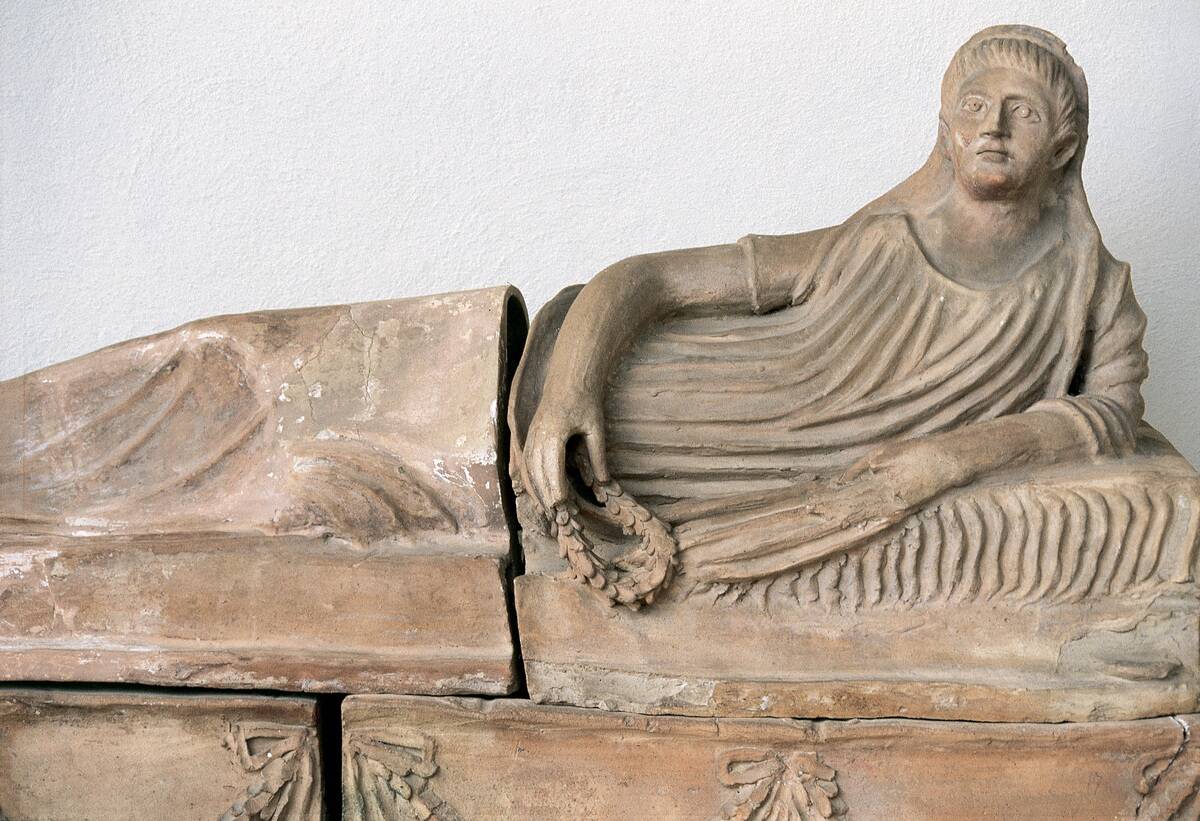
The Etruscans, flourishing in Italy before the rise of Rome, were a sophisticated and influential civilization. Known for their art, architecture, and religious practices, they significantly shaped Roman culture. Etruscan cities like Tarquinia and Cerveteri reveal a society skilled in metalwork and urban planning.
Despite their eventual assimilation into the Roman state, the Etruscans left a lasting legacy, particularly in the areas of language, religion, and governance, influencing the growth of the Roman Empire.




