The story of Queen Elizabeth I and Mary, Queen of Scots
In the grand tapestry of British history, few stories captivate like that of Elizabeth I and Mary, Queen of Scots. These two monarchs, cousins by blood, were at the center of a political and personal drama that defined an era.
Their lives, filled with intrigue, power struggles, and stark contrasts, continue to fascinate historians and the public alike. As we delve into their intertwined destinies, we uncover a narrative of rivalry, betrayal, and enduring legacy.
The Tudor and Stuart Dynasties: Setting the Stage

The 16th century was a time of tumult and transformation in Europe, with the Tudor and Stuart dynasties at its heart. The Tudors ruled England with a firm grip, while the Stuarts held sway over Scotland.
This era was marked by religious upheaval, with the Protestant Reformation challenging the Catholic Church’s authority. The stage was set for two powerful queens to emerge, each representing these dynastic and religious divides. Their reigns would forever alter the course of British history.
Queen Elizabeth I: The Virgin Queen
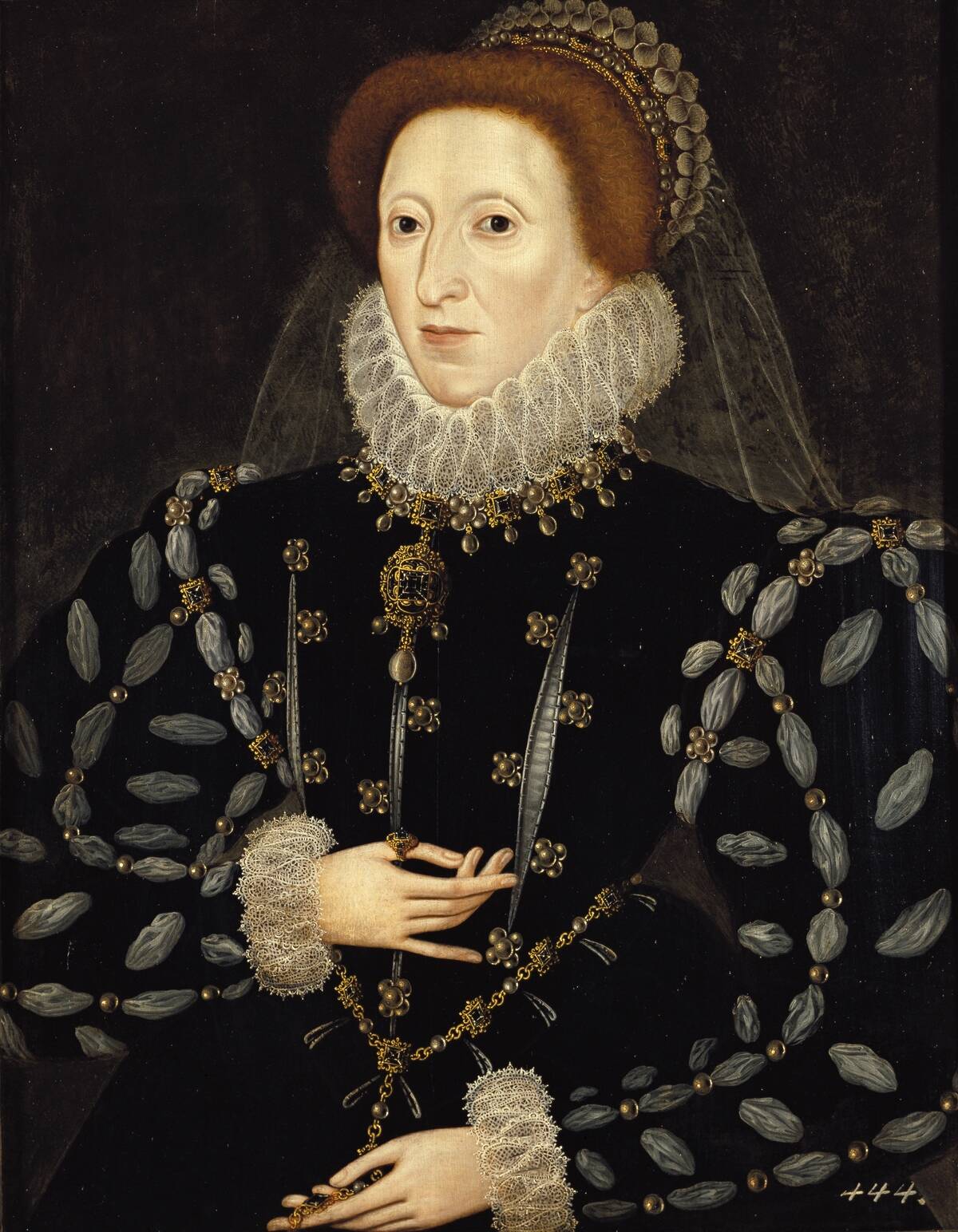
Elizabeth I, often called the Virgin Queen, was known for her intelligence, political acumen, and steadfast resolve. Born in 1533 to Henry VIII and Anne Boleyn, her early life was fraught with danger and uncertainty.
Despite these challenges, Elizabeth ascended to the throne in 1558, steering England through a golden age of exploration and culture. Her refusal to marry and produce an heir was both a personal choice and a political strategy, solidifying her image as a powerful, independent monarch.
Mary, Queen of Scots: The Tragic Monarch
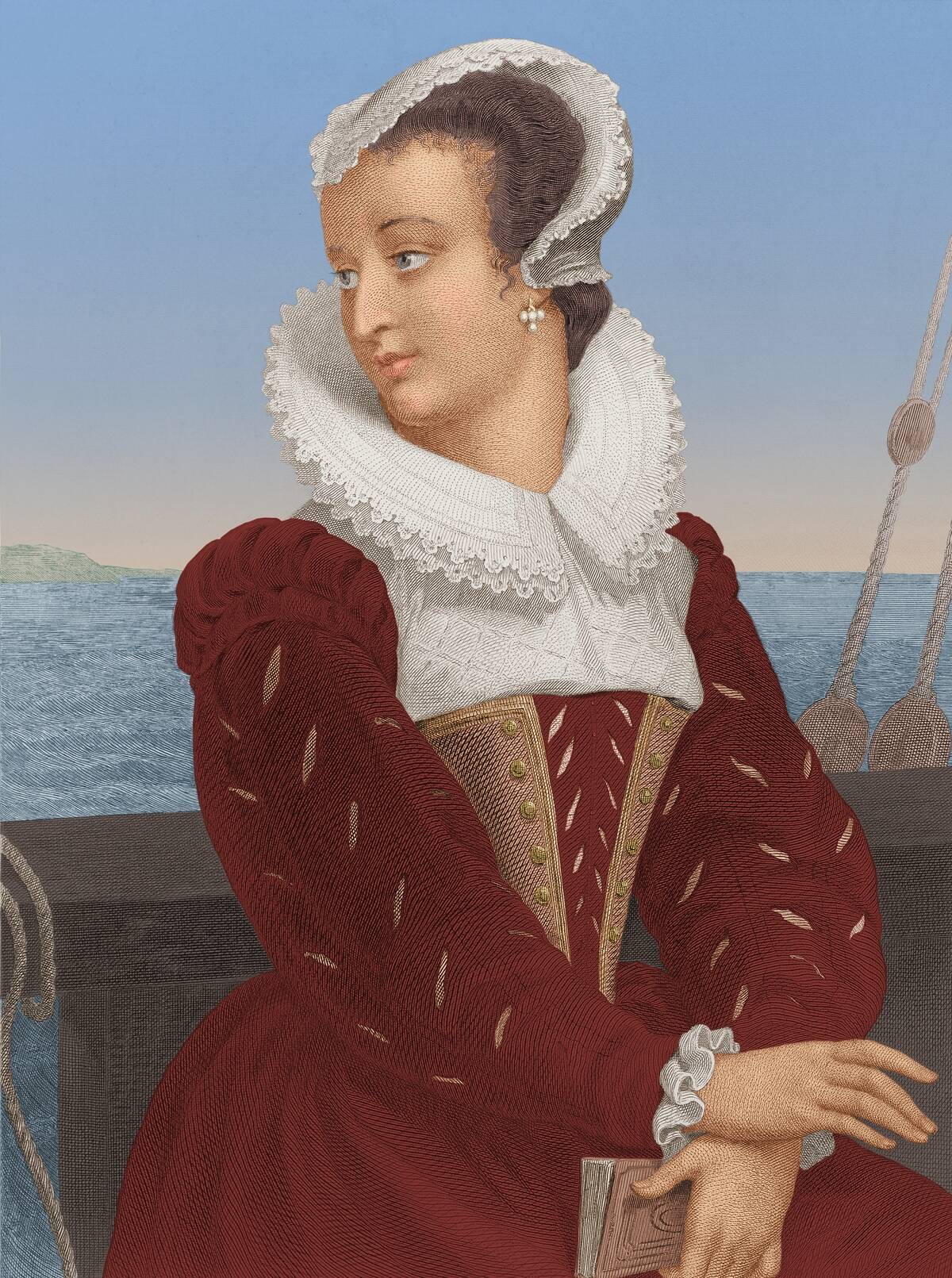
Mary, Queen of Scots, was a figure of romance and tragedy. Born in 1542, she became queen when she was just six days old after her father, James V of Scotland, died. Her life was a tumultuous blend of power and peril, including a controversial marriage to Lord Darnley and her eventual downfall.
Despite her many trials, Mary was admired for her beauty and charm, and her tragic end only heightened the intrigue surrounding her life and legacy.
Childhoods of Power: Elizabeth and Mary’s Early Lives
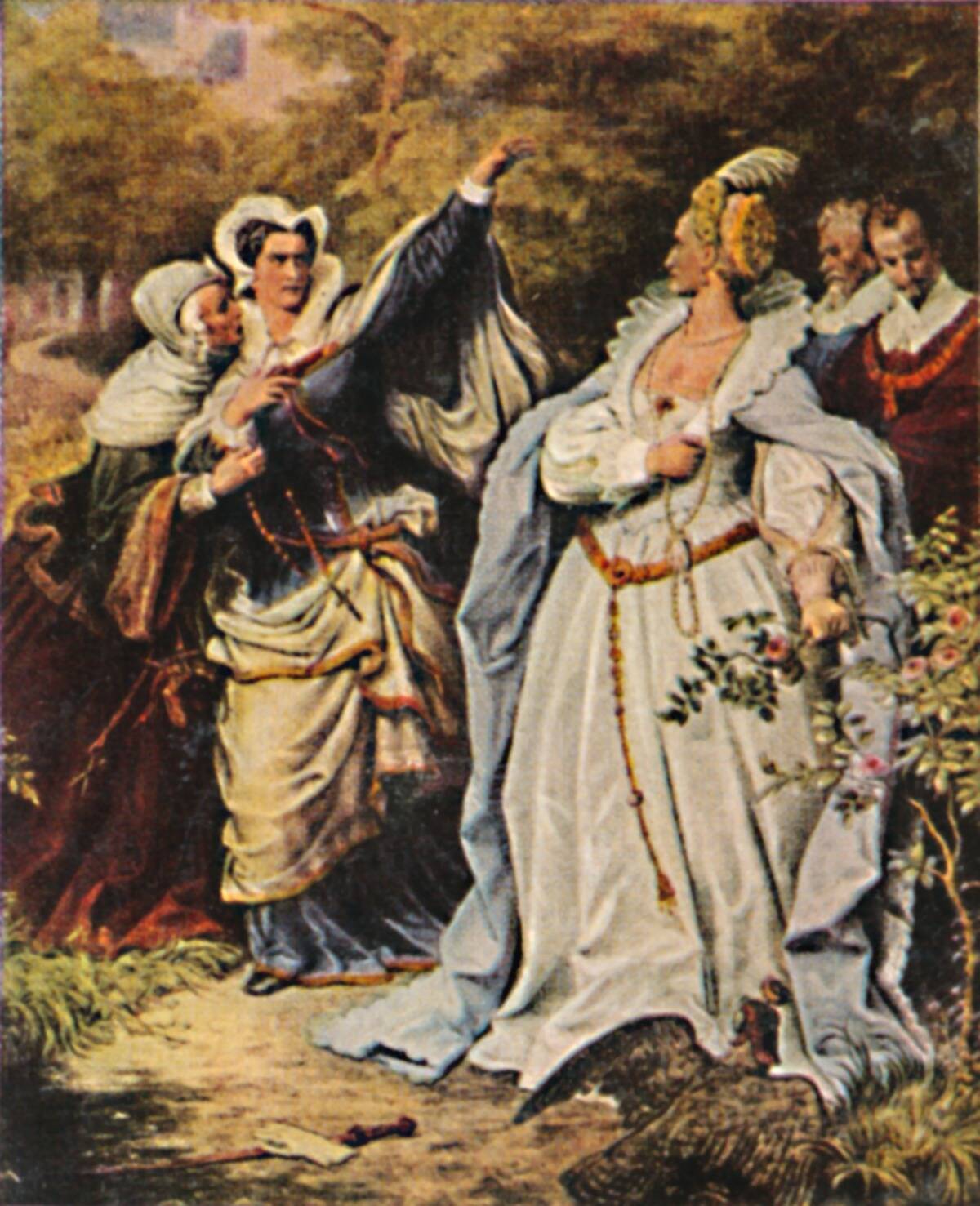
Elizabeth and Mary shared royal blood but experienced vastly different childhoods. Elizabeth’s upbringing was marred by her mother’s execution and her own status as a royal bastard. In contrast, Mary was raised in the opulent French court, educated to be a queen consort.
These early experiences shaped their personalities and reigns: Elizabeth, cautious and shrewd, and Mary, passionate and often reckless. Their divergent paths set the stage for the inevitable clash between these iconic queens.
A Royal Rivalry Begins: Elizabeth and Mary’s First Encounters
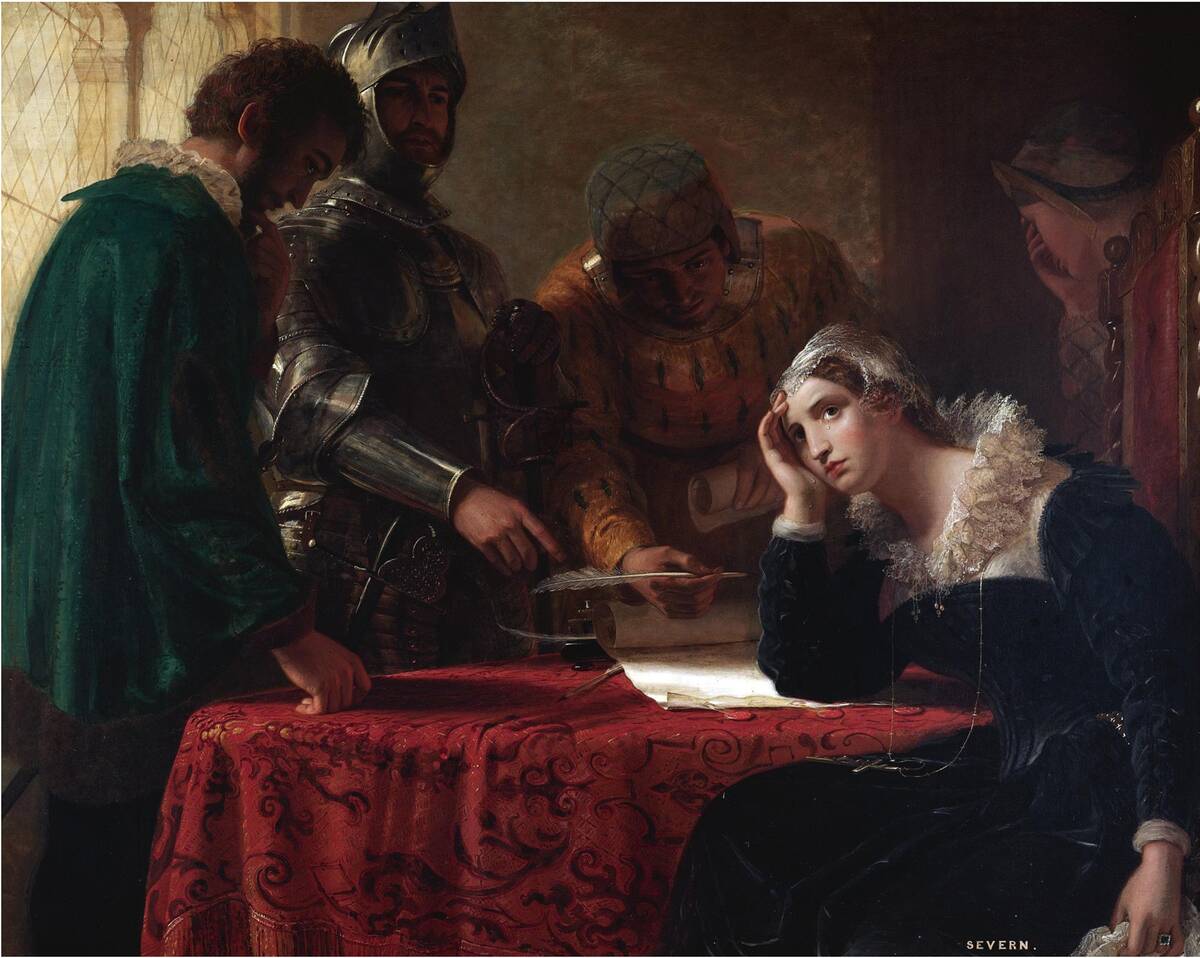
Though Elizabeth and Mary were cousins and exchanged letters, they never meet. Despite their shared heritage, they were rivals in a world where power was a zero-sum game.
Elizabeth saw Mary as a potential threat to her throne, especially given Mary’s Catholic faith and strong claim to the English crown. Their correspondence was filled with diplomatic niceties, yet beneath the surface, a rivalry simmered that would eventually boil over into open conflict.
Religious Tensions: Protestant Elizabeth vs. Catholic Mary

Religious tension was a defining feature of Elizabeth’s and Mary’s relationship. Elizabeth, a Protestant, was determined to maintain her country’s break from the Catholic Church. Mary, a devout Catholic, was seen by many as a figurehead for Catholic aspirations in England.
This religious divide not only fueled their personal rivalry but also had broader implications, as it played into the political machinations of European powers. The clash of faiths added yet another layer of complexity to their already fraught relationship.
Elizabeth’s Ascendancy: Becoming Queen of England
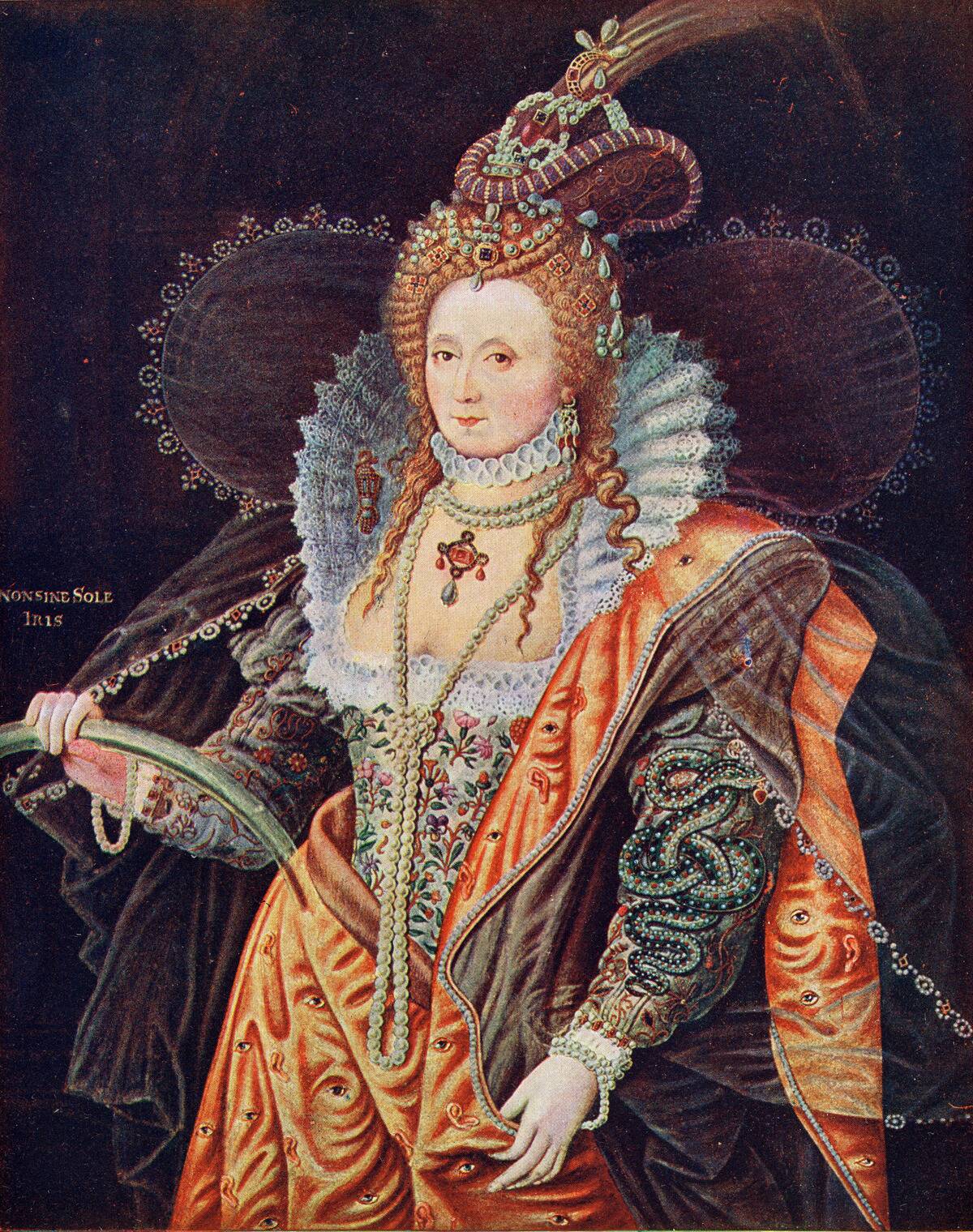
Elizabeth’s rise to power was anything but assured, yet her ascension to the English throne marked a new era. Upon the death of her half-sister, Mary I, Elizabeth became queen in 1558, inheriting a nation divided by religion and weakened by war.
Her early reign was characterized by cautious diplomacy and efforts to stabilize the economy. Under her leadership, England would not only survive but thrive, asserting itself as a burgeoning global power during the Elizabethan Golden Age.
Mary’s Tumultuous Reign in Scotland
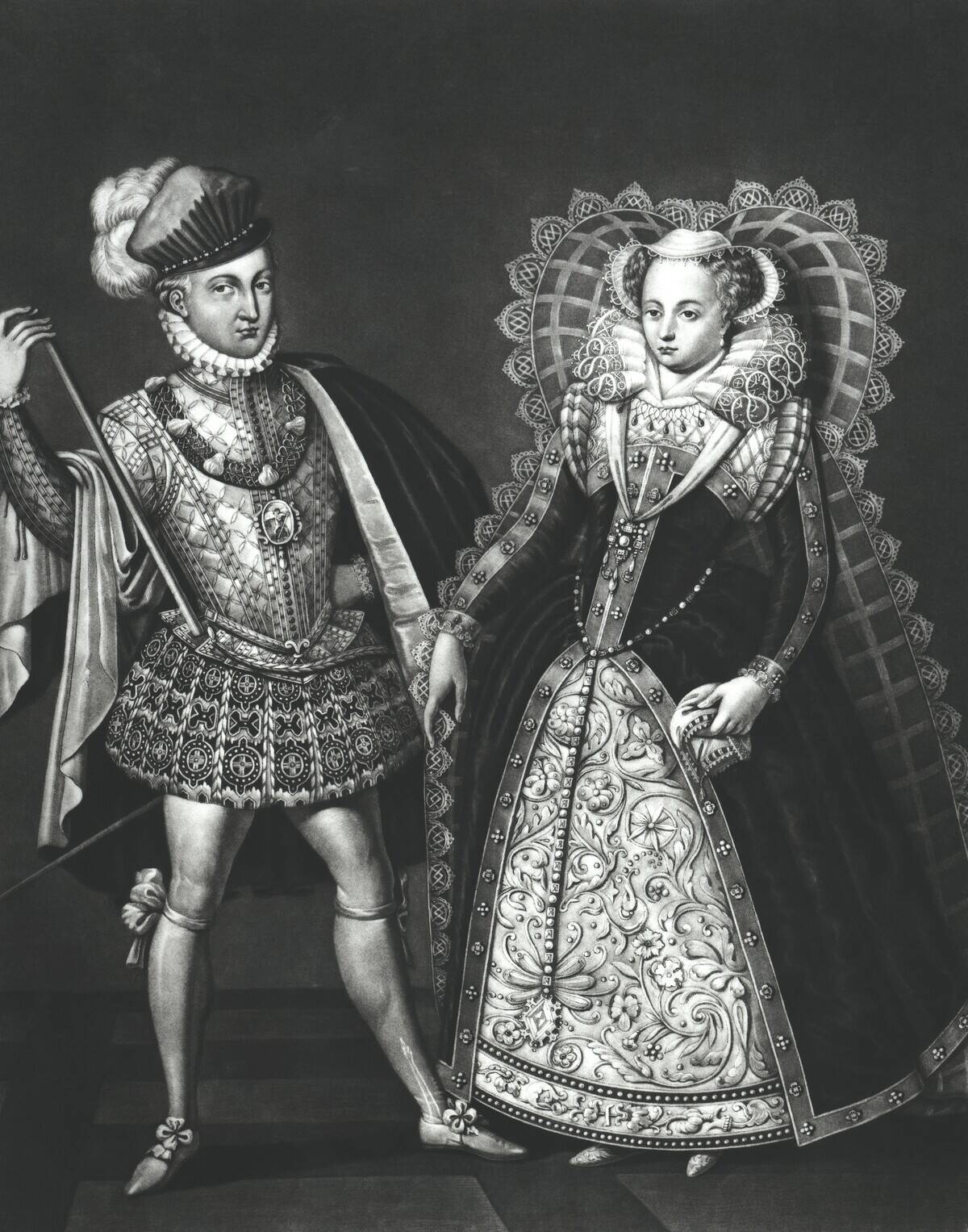
Mary’s reign in Scotland was fraught with challenges from the start. Returning from France as a widow, Mary faced a fractious nobility and religious discord. Her reign was marked by personal and political upheaval, including her controversial marriage to Henry Stuart, Lord Darnley.
Despite her best efforts, Mary’s rule was plagued by rebellion and betrayal. Her struggles to maintain control over her kingdom ultimately led to her imprisonment and abdication, highlighting the precarious nature of monarchical power.
The Darnley Dilemma: Scandal and Marriage for Mary
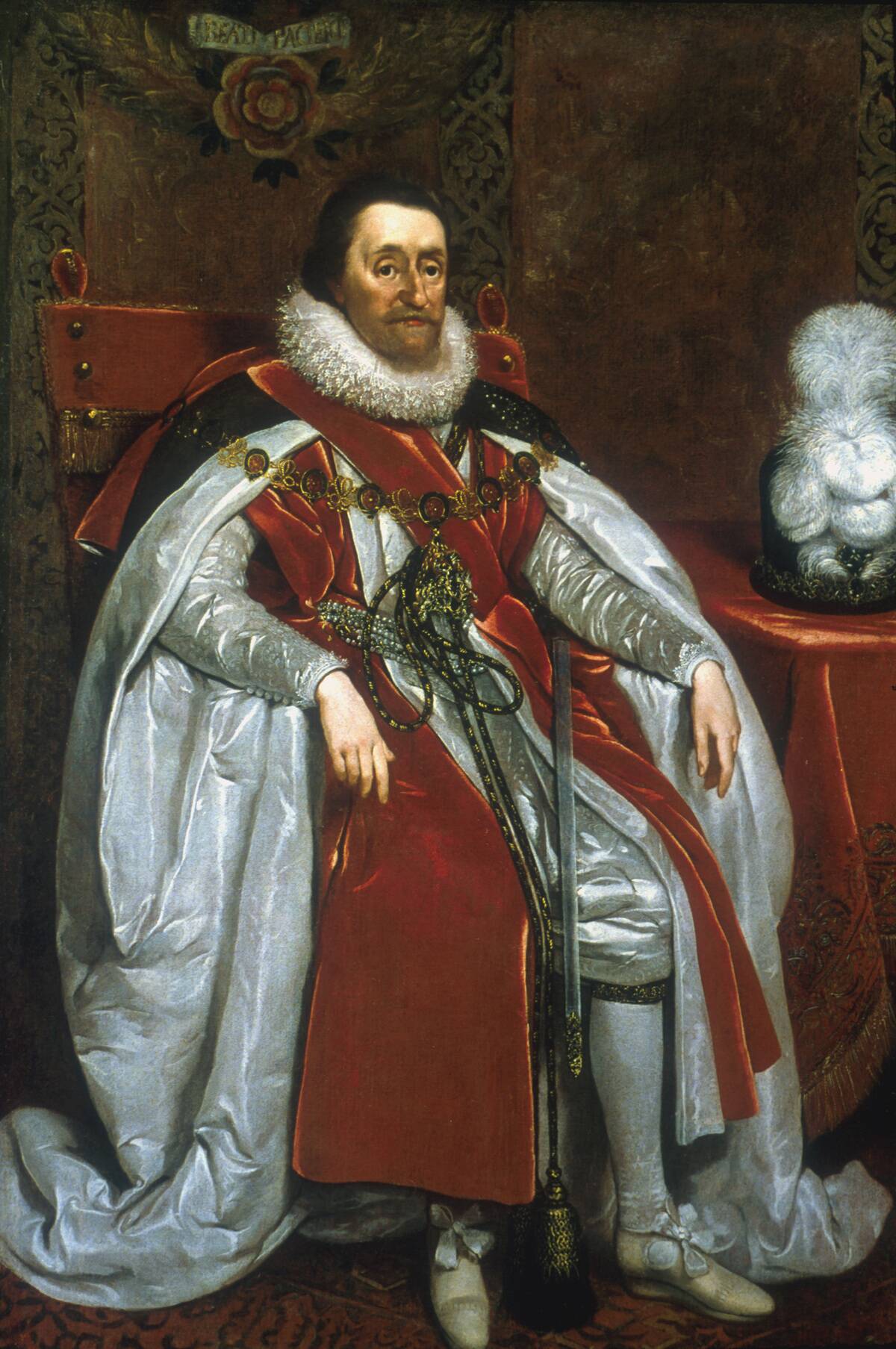
Mary’s marriage to Lord Darnley was a turning point in her life, one that quickly spiraled into scandal. Initially a union of power, their relationship deteriorated due to Darnley’s arrogance and ambition.
The marriage produced an heir, James VI, but was marred by infidelity and intrigue. Darnley’s mysterious murder in 1567, for which Mary was suspected of involvement, further tarnished her reputation. This scandalous episode exacerbated her political troubles and hastened her downfall.
The Babington Plot: A Conspiracy Unveiled
The Babington Plot was a pivotal moment in the downfall of Mary, Queen of Scots. In 1586, a group of Catholic conspirators, led by Anthony Babington, sought to assassinate Elizabeth and place Mary on the English throne.
The plot was uncovered by Elizabeth’s spymaster, Sir Francis Walsingham, who intercepted coded messages implicating Mary. This discovery provided the justification Elizabeth needed to take decisive action against her cousin, sealing Mary’s fate and altering the course of history.
Letters of Intrigue: The Coded Correspondence
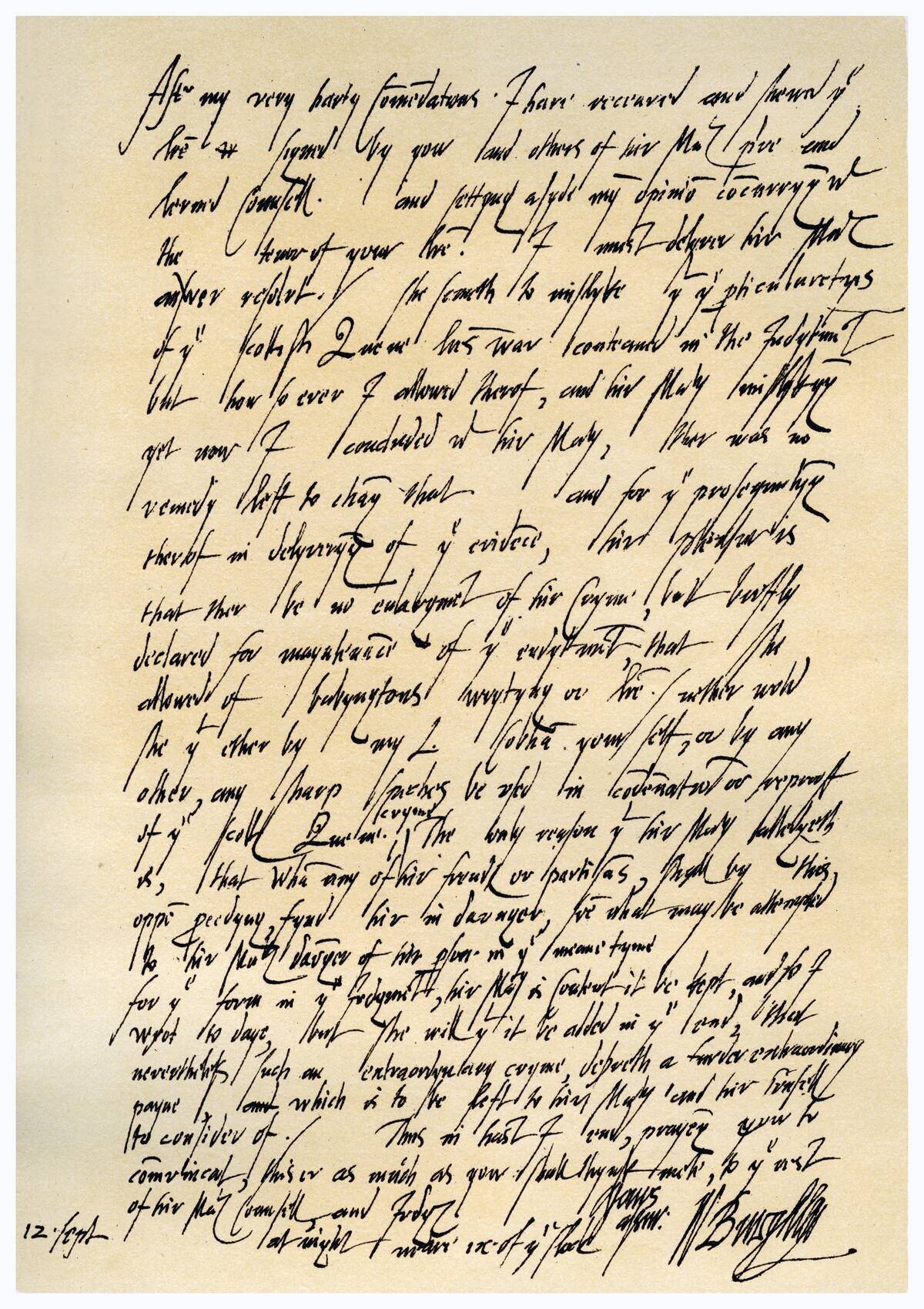
Mary’s involvement in the Babington Plot was evidenced by her coded letters, a testament to the era’s cloak-and-dagger politics. These letters, exchanged with conspirators, were encrypted using a cipher to evade detection.
However, Walsingham’s network of spies managed to decode them, revealing Mary’s complicity in the plot. The correspondence was used as damning evidence against her, illustrating the power of espionage in Elizabethan England and the precariousness of Mary’s position as a captive queen.
The Imprisonment of Mary, Queen of Scots
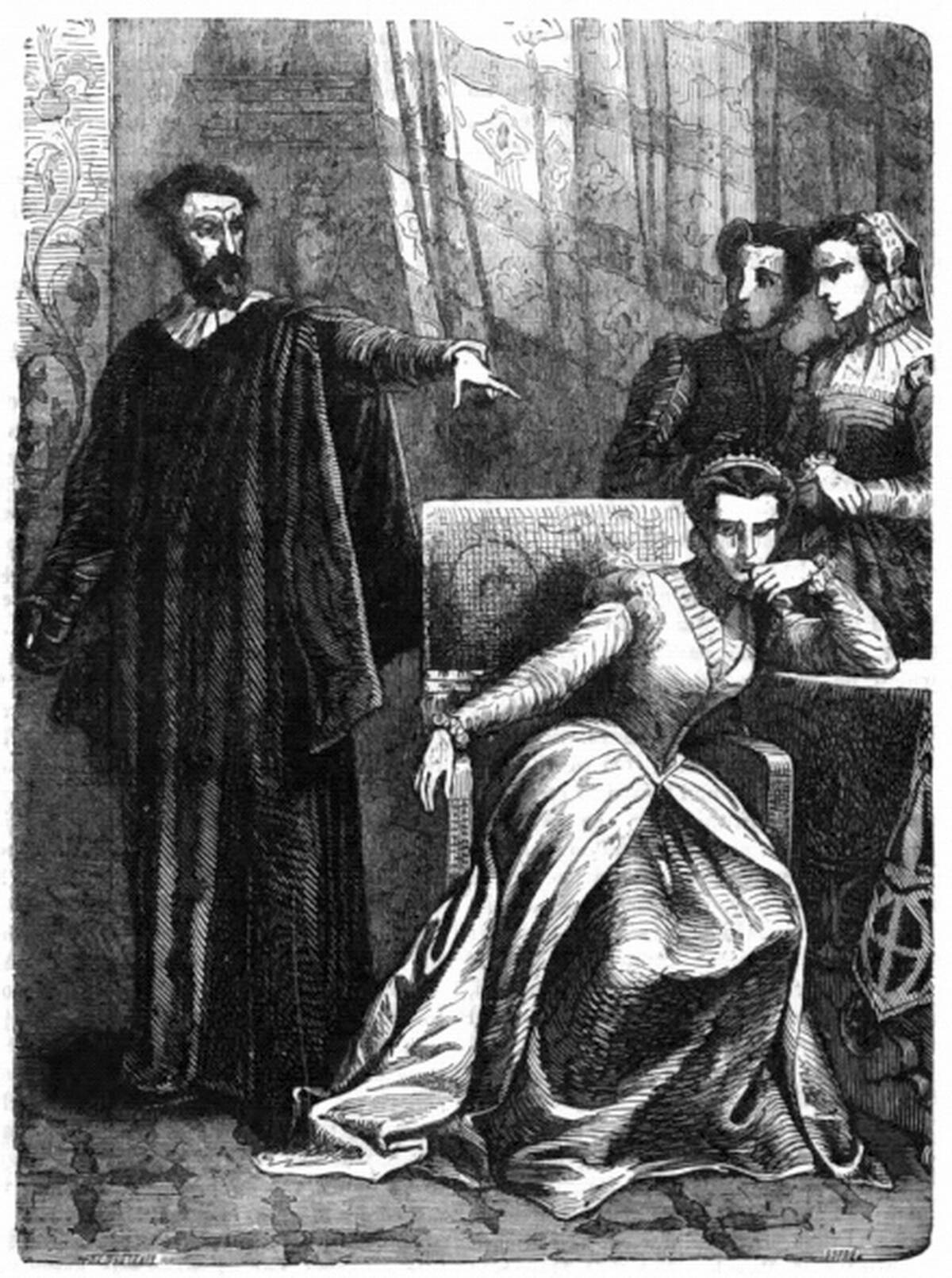
Mary’s imprisonment in England began in 1568 and lasted nearly two decades. Initially held in relatively comfortable conditions, her confinement grew increasingly stringent over time. Despite constant plotting, Mary remained under Elizabeth’s watchful eye.
The conditions of her captivity reflected the delicate political situation: Elizabeth could neither release nor execute her cousin without significant consequences. Mary’s long imprisonment was a testament to the complexities of power and the burdens of queenship.
The Trial of the Century: Mary Faces the Court
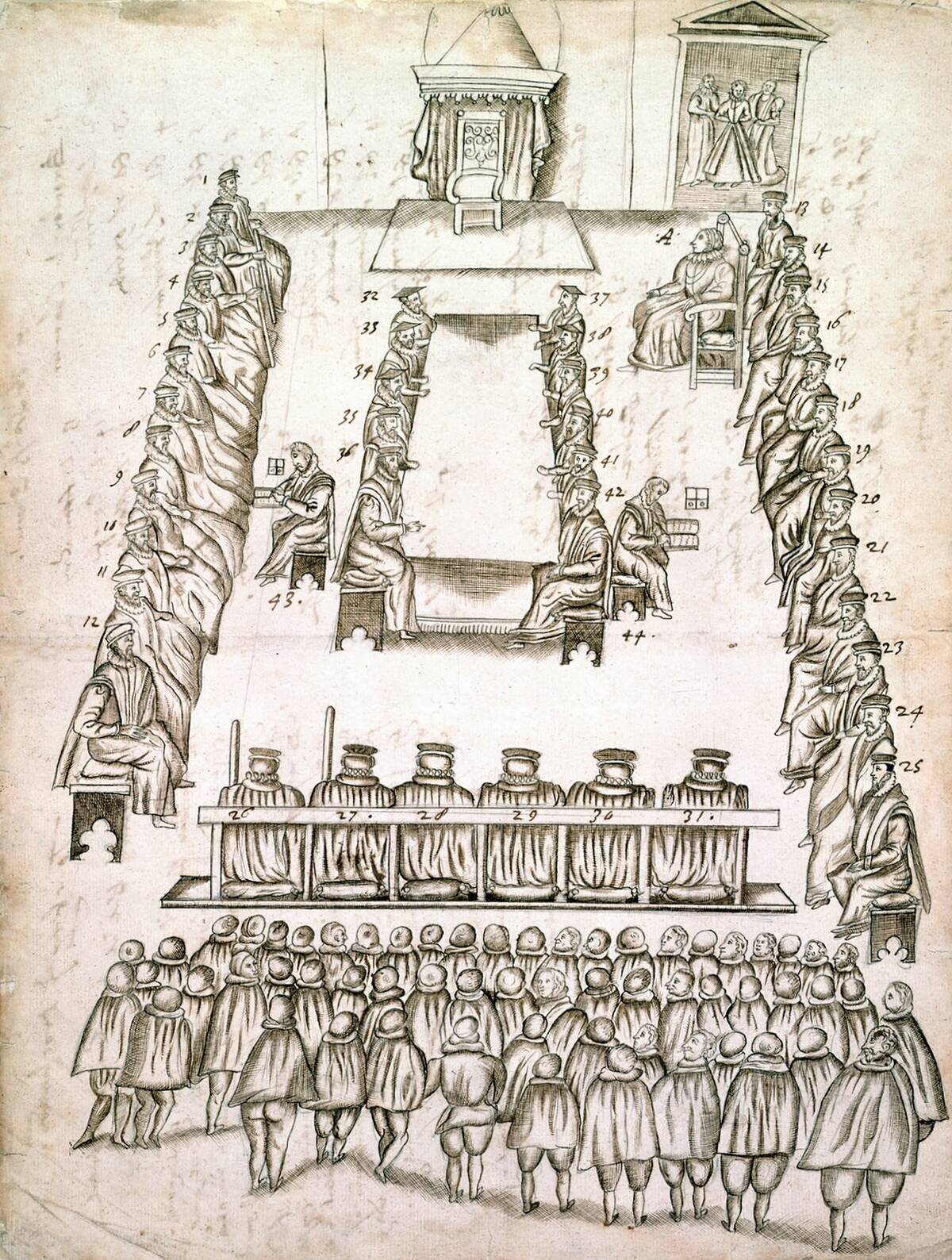
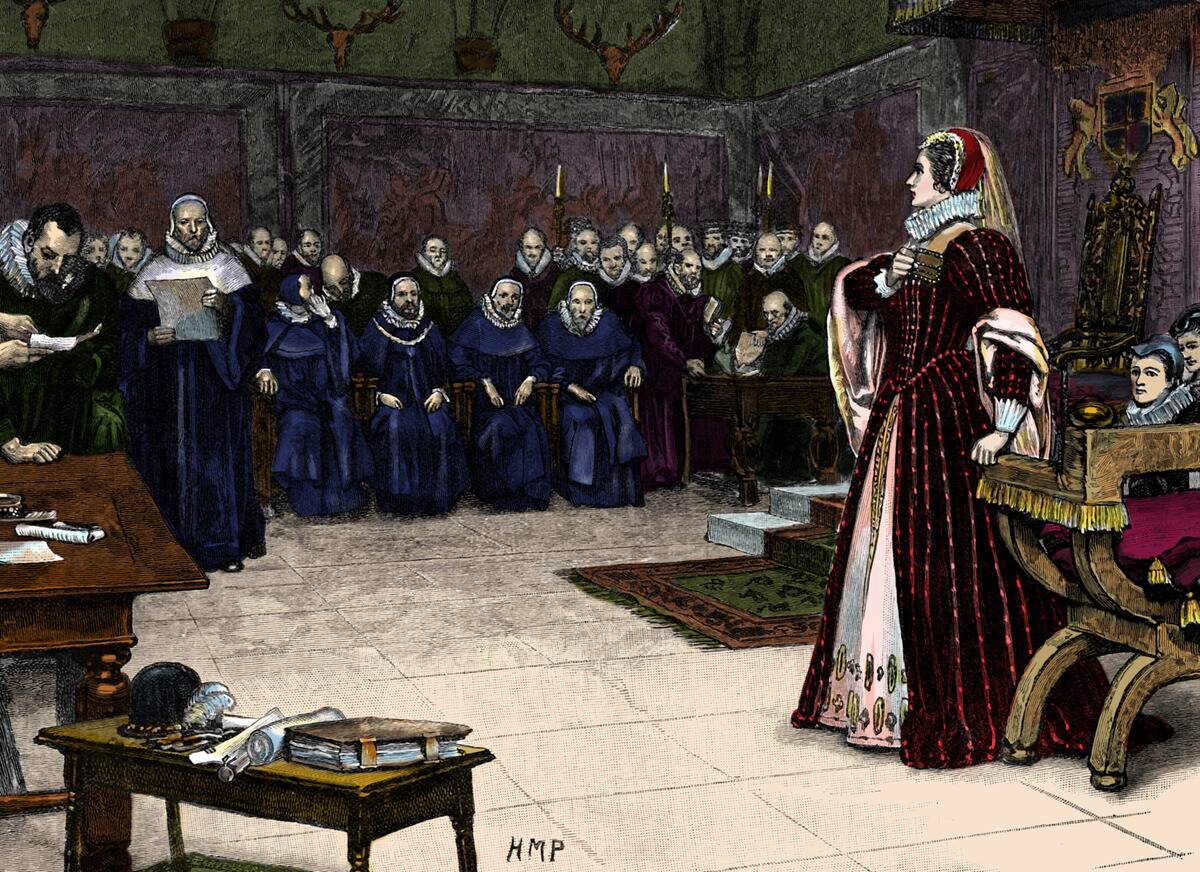
Mary’s trial in 1586 was a spectacle of political maneuvering and legal drama. Accused of treason for her role in the Babington Plot, Mary faced a panel of 36 judges. Despite her eloquent defense, the outcome was predetermined.
The trial was as much about Elizabeth’s political survival as it was about justice, with Mary’s fate serving as a warning to other would-be conspirators. This historic trial underscored the harsh realities of power and the precariousness of royal bloodlines.
Elizabeth’s Dilemma: A Queen’s Decision
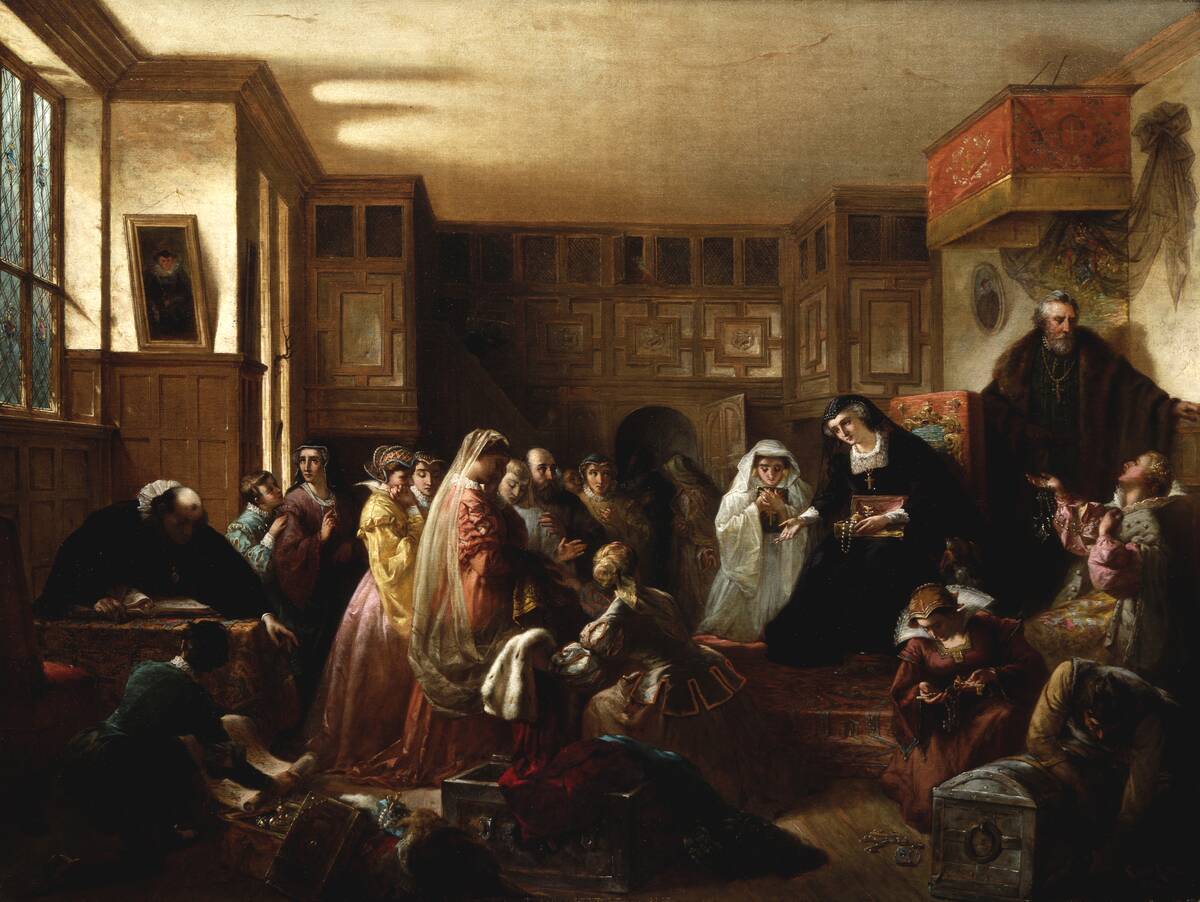
Elizabeth faced an agonizing decision over Mary’s fate, torn between familial loyalty and political necessity. Executing a fellow monarch was unprecedented and fraught with moral and diplomatic implications. Yet, the threat posed by Mary, both as a Catholic figurehead and a symbol of rebellion, could not be ignored.
After much deliberation, Elizabeth reluctantly signed the death warrant, a choice that haunted her for the rest of her life. This decision marked a turning point in Elizabeth’s reign, highlighting the burdens of leadership.
The Execution of Mary, Queen of Scots
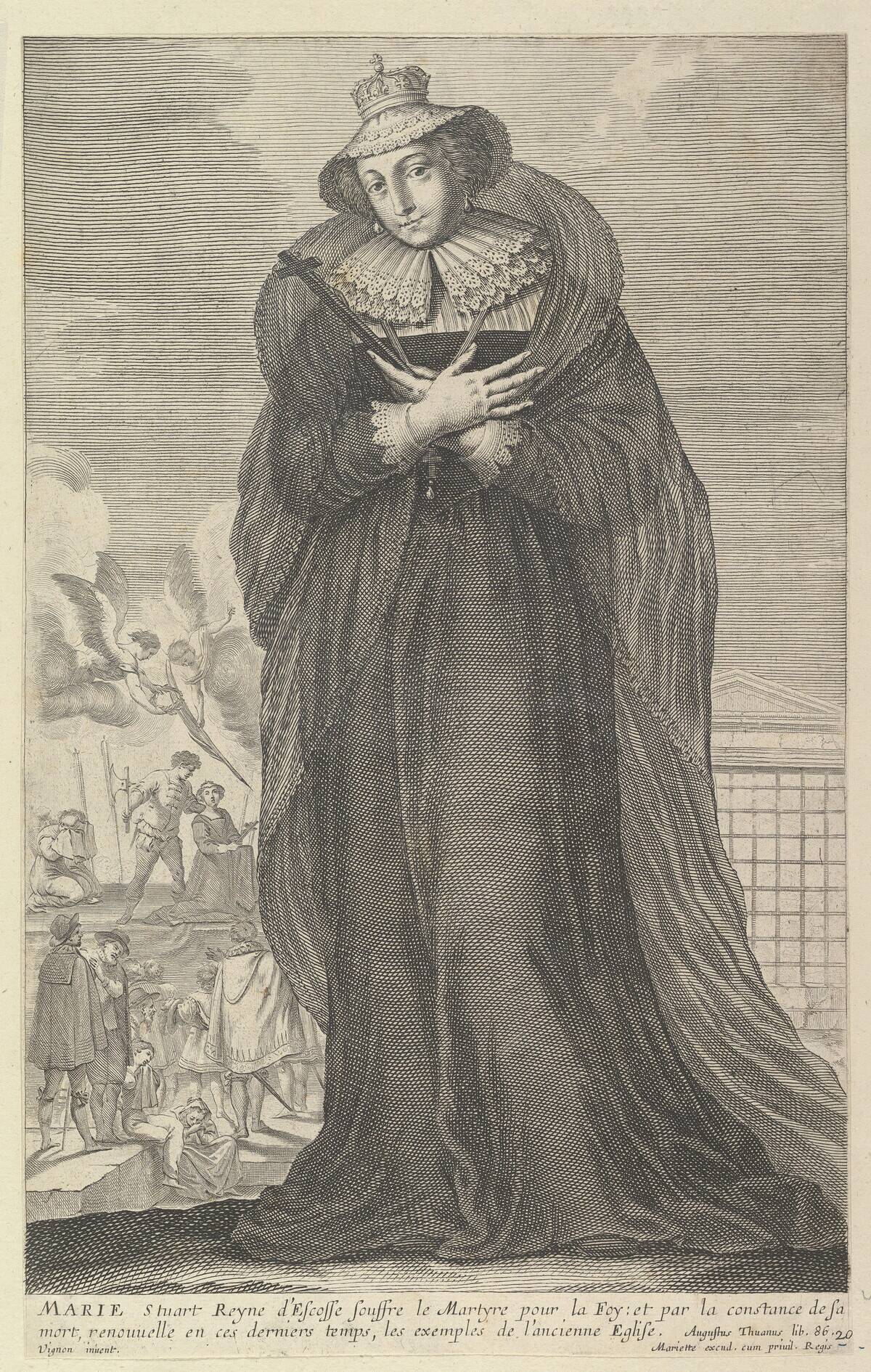
Mary’s execution on February 8, 1587, was a somber and controversial event. Held at Fotheringhay Castle, the execution was conducted with a grim sense of ceremony. Mary met her end with dignity, dressed in a crimson gown symbolizing martyrdom.
Her death sent shockwaves through Europe, cementing her status as a Catholic martyr. For Elizabeth, it was a necessary, albeit painful, resolution to a long-standing political conundrum. The execution remains a poignant symbol of the tragic intersection of politics and personal rivalry.




