Bizarre geological formations ever discovered
Earth is a treasure trove of geological wonders, each more fascinating than the last. These natural formations, sculpted by time and elements, captivate the imagination and offer a glimpse into the planet’s dynamic history.
From towering stone forests to vibrant deserts, these sites not only attract tourists but also intrigue scientists. As we embark on this journey, prepare to be amazed by the world’s most astounding and unique geological formations.
The Enigmatic Stone Forest of China
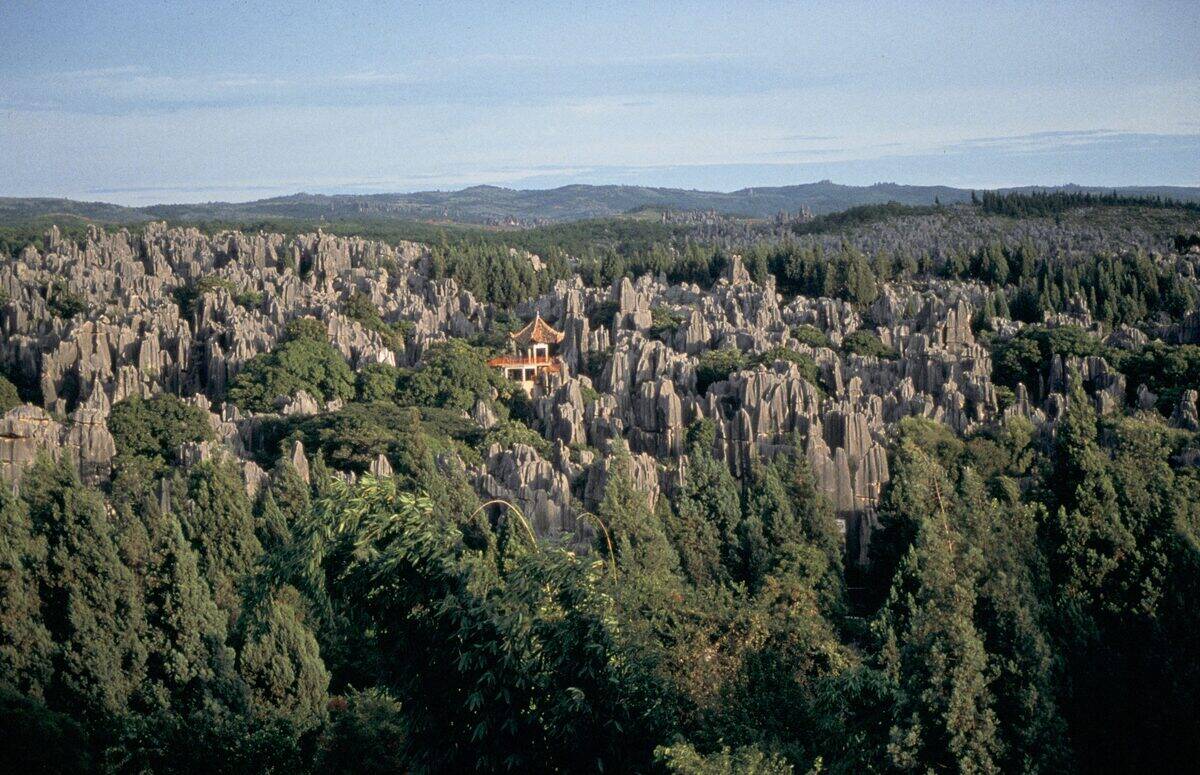
Located in the Yunnan Province, the Shilin Stone Forest is a marvel of limestone formations that span over 400 square kilometers. Formed over 270 million years ago, these towering pillars resemble petrified trees, giving rise to local legends and the forest’s mythical aura.
Visitors can wander through this labyrinth of stone, marveling at the intricacies of nature’s handiwork and witnessing a landscape that feels almost otherworldly.
The Wave: Nature’s Sandstone Masterpiece in Arizona
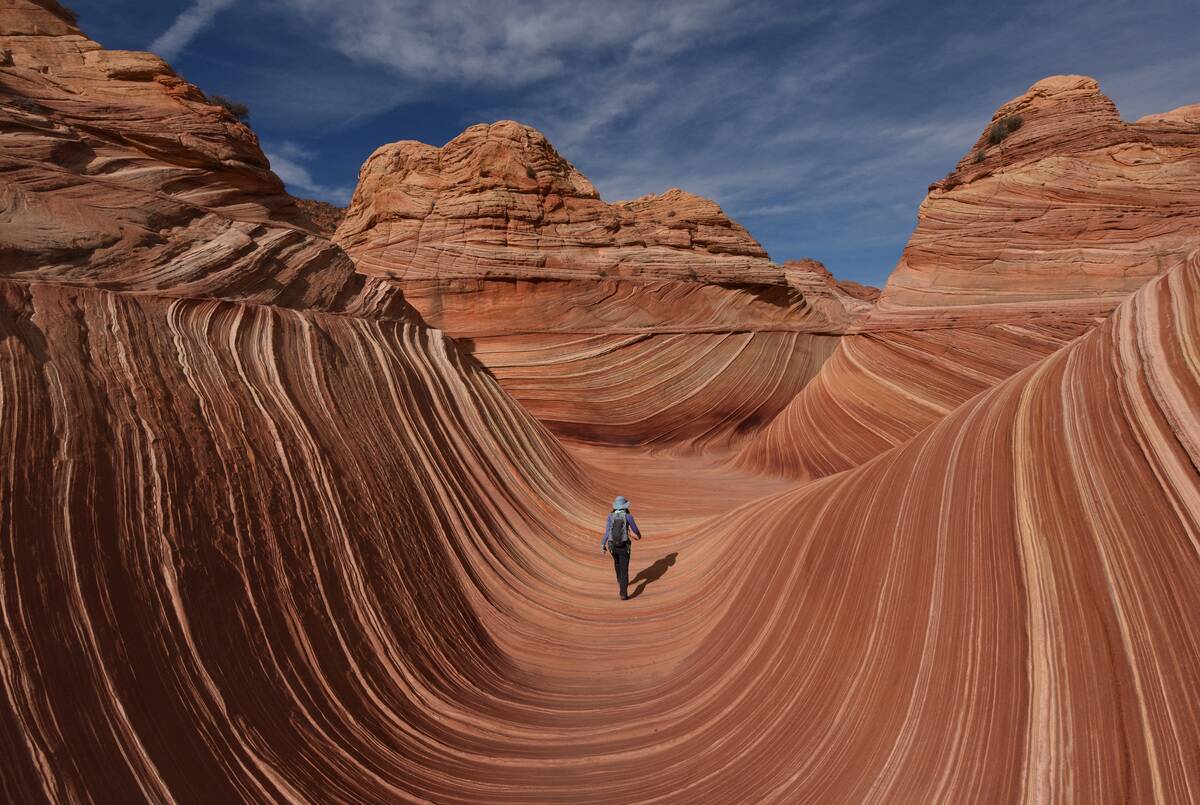
The Wave in the Coyote Buttes North area of Arizona is a photographer’s dream, with its undulating bands of red and orange sandstone.
Formed by the forces of wind and water over millions of years, this natural wonder requires a permit to visit, preserving its pristine beauty. The Wave’s unique patterns and vibrant colors offer a surreal experience, captivating all who venture into this stunning desert landscape.
Giant’s Causeway: Ireland’s Hexagonal Wonder
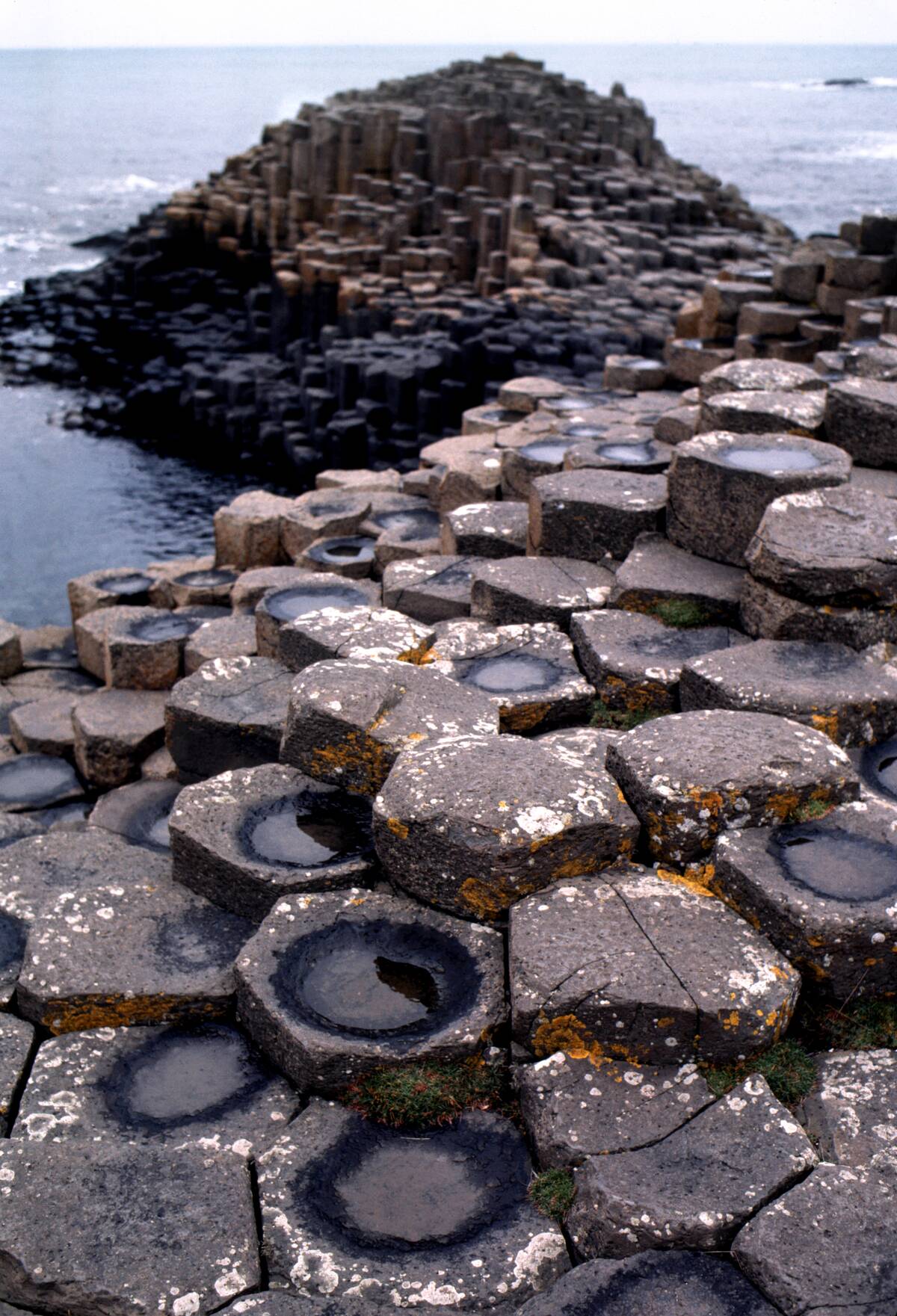
The Giant’s Causeway, located on the coast of Northern Ireland, is famed for its 40,000 interlocking basalt columns. These striking geometric formations are the result of an ancient volcanic eruption, and they have inspired countless myths, including stories of giants using them as stepping stones.
Recognized as a UNESCO World Heritage Site, the Giant’s Causeway draws visitors eager to walk where legends say giants once roamed.
The Breathtaking Salar de Uyuni Salt Flats
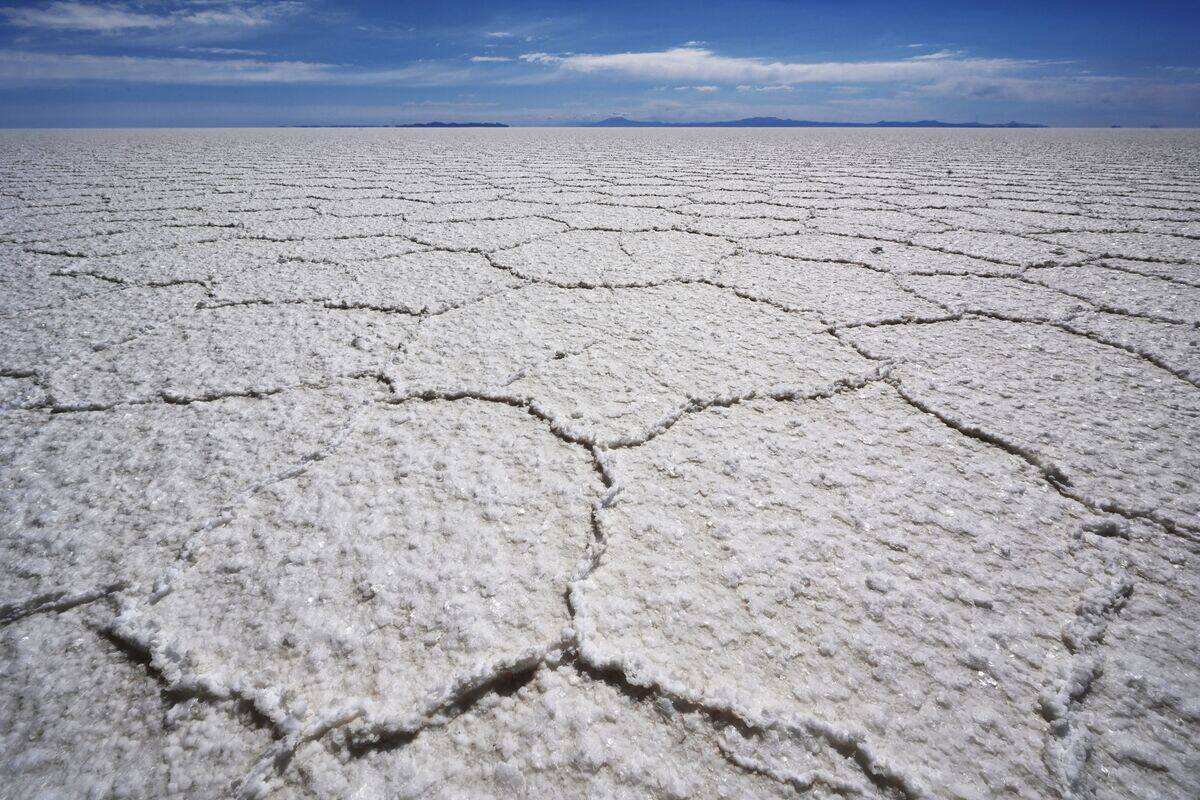
Spanning over 10,000 square kilometers, Bolivia’s Salar de Uyuni is the world’s largest salt flat. During the rainy season, a thin layer of water transforms it into a vast mirror, creating an awe-inspiring reflection of the sky.
This stunning optical illusion attracts photographers and travelers alike, offering a once-in-a-lifetime opportunity to witness nature’s artistry on an epic scale, where earth and sky seem to merge seamlessly.
The Captivating Chocolate Hills of the Philippines

Nestled in the Bohol Province, the Chocolate Hills are one of the Philippines’ most iconic landscapes. Consisting of over 1,200 hills, these formations turn brown during the dry season, resembling chocolate drops.
The hills are made of limestone covered with grass, and their uniform shapes have sparked numerous legends, including tales of giants and ancient battles. Visitors can enjoy panoramic views from designated viewpoints, especially during sunset.
The Mysterious Moeraki Boulders of New Zealand

Scattered along Koekohe Beach in New Zealand, the Moeraki Boulders are spherical stones that have intrigued geologists and visitors alike. Formed from ancient sea sediments over millions of years, these boulders are remarkably round, with some reaching up to two meters in diameter.
Legends of the indigenous Māori people describe them as the remains of calabashes from a shipwreck, adding a touch of mystique to this coastal wonder.
The Striking Pinnacles of Western Australia

The Pinnacles Desert in Nambung National Park is home to thousands of limestone pillars that rise dramatically from the yellow sands. These formations, some reaching up to three and a half meters tall, were created by the elements eroding ancient marine shells.
The eerie landscape resembles a scene from another world, and visitors can explore the area via walking trails or a scenic drive, experiencing the desert’s raw beauty.
The Majestic Fairy Chimneys of Turkey
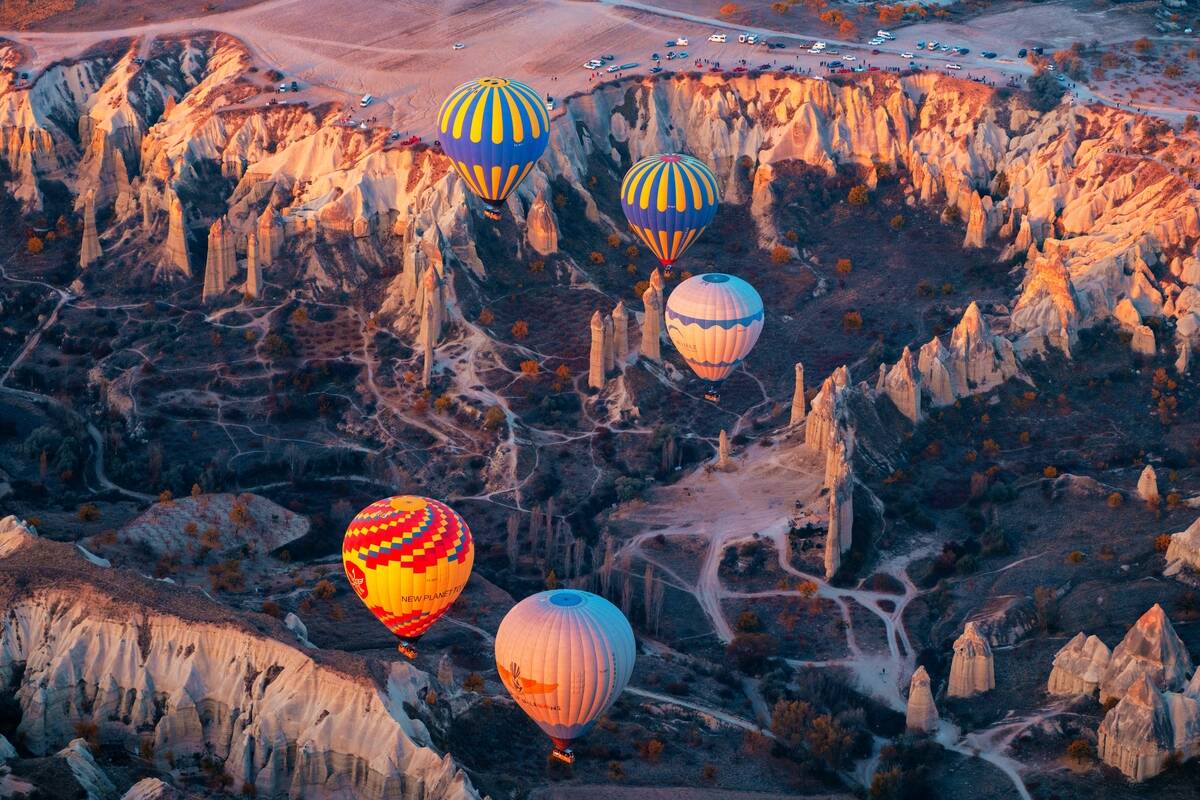
Turkey’s Cappadocia is famous for its fairy chimneys, but it’s the combination of natural beauty and human history that makes this area truly special. These unique rock formations have been shaped by erosion over millennia and have served as homes, churches, and even entire underground cities.
The region’s soft volcanic rock is easy to carve, and the intricate dwellings add an enchanting layer to the already surreal landscape.
The Fantastical Bryce Canyon Hoodoos in Utah
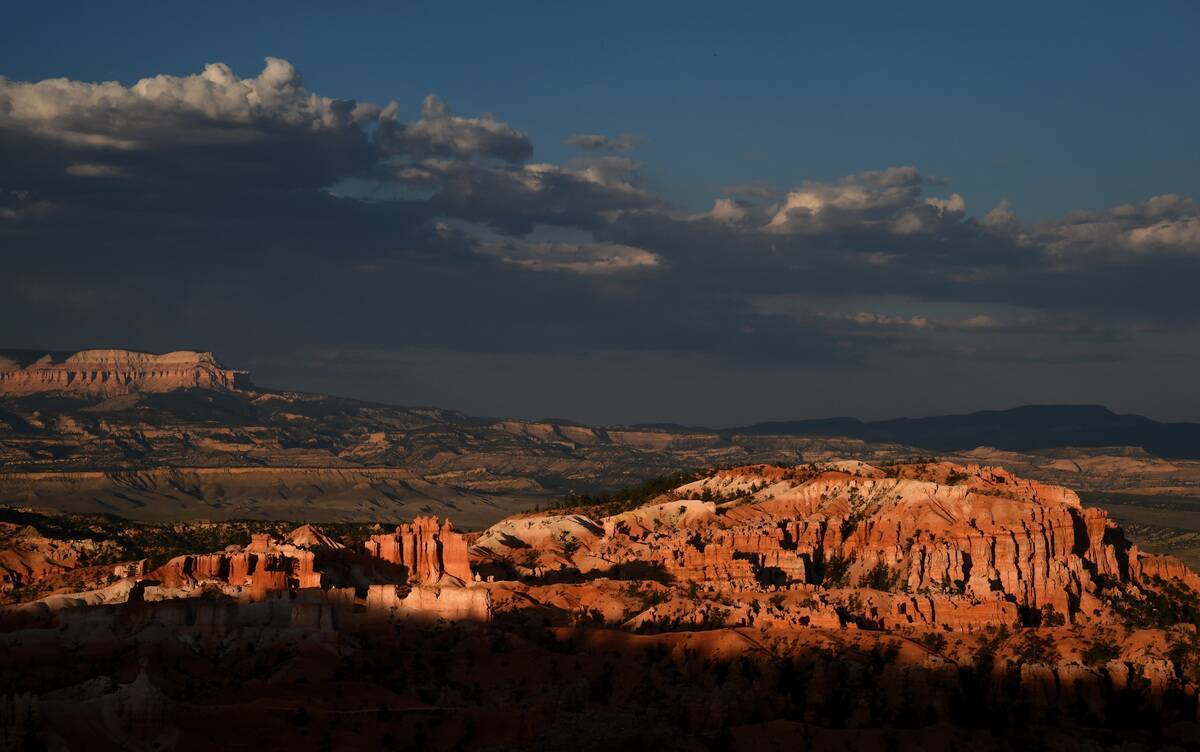
Bryce Canyon National Park in Utah is renowned for its hoodoos—tall, thin spires of rock that protrude from the bottom of arid basins. These formations are the result of frost weathering and stream erosion, creating a mesmerizing landscape of red, orange, and white rock.
The park offers numerous hiking trails, allowing visitors to explore the hoodoos up close and witness the stunning sunrises and sunsets that illuminate the surreal terrain.
Bolivia’s Surreal Stone Tree
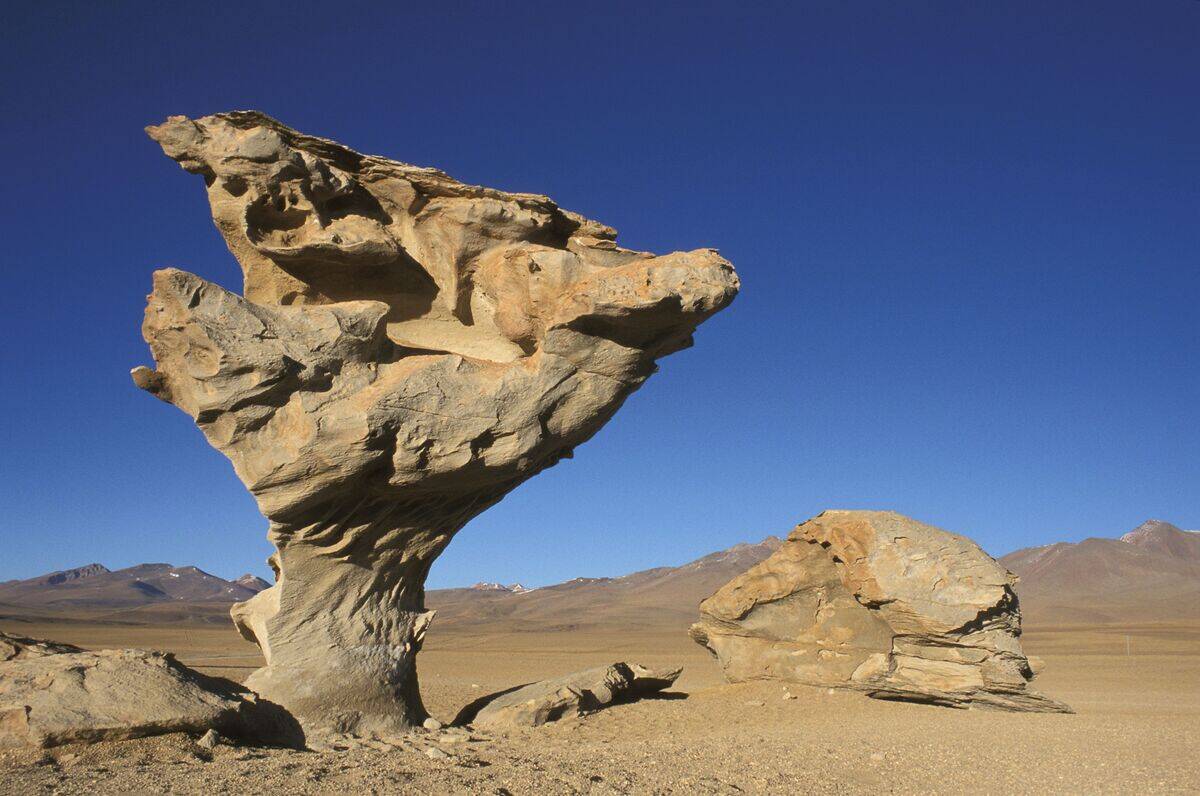
In the Eduardo Avaroa Andean Fauna National Reserve of Bolivia, the Arbol de Piedra, or Stone Tree, stands as a testament to nature’s artistic prowess. This isolated rock formation, shaped by strong winds and sand over time, resembles a tree with a narrow trunk and wide canopy.
Its unique appearance amidst the stark desert landscape makes it a popular attraction, drawing visitors who marvel at its delicate balance and natural beauty.
The Vibrant Painted Desert of Arizona
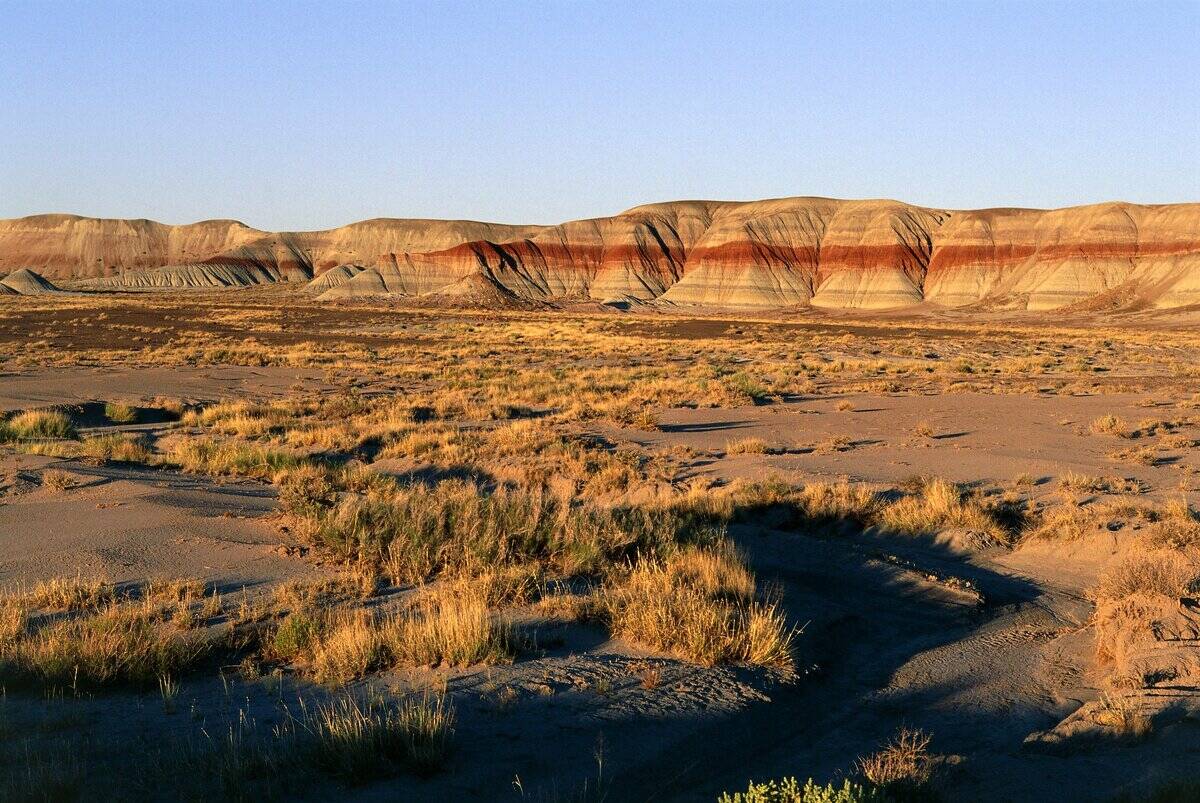
Arizona’s Painted Desert is a kaleidoscope of colors stretching over 160 miles. The area’s striking hues come from layers of sedimentary rock and clay, rich in iron and manganese compounds, which create shades of red, orange, pink, and purple.
This vibrant landscape is part of the Petrified Forest National Park, where visitors can explore trails, scenic drives, and the ancient remains of petrified trees, offering a glimpse into Earth’s geological past.
The Spellbinding Darvaza Gas Crater, aka “The Door to Hell”
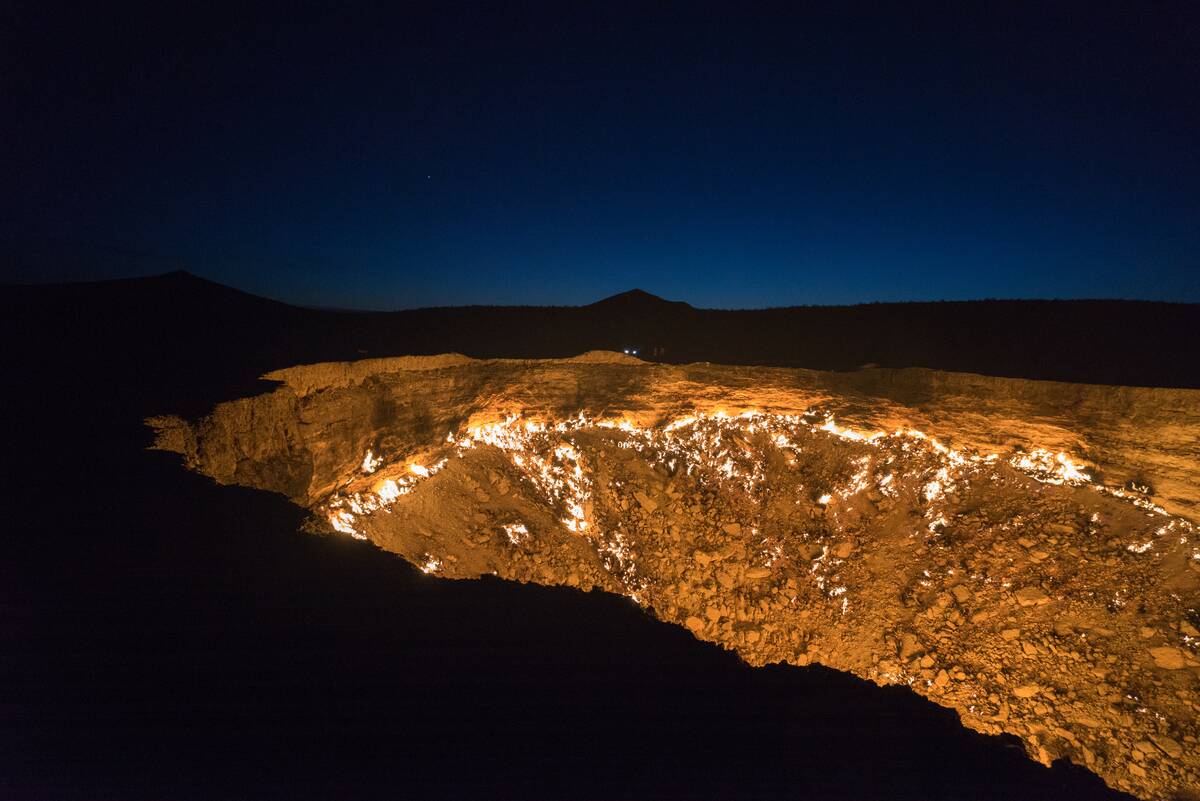
In Turkmenistan’s Karakum Desert, the Darvaza Gas Crater has been burning for over 50 years. Known as the “Door to Hell,” this fiery pit was created when a Soviet drilling rig collapsed into a natural gas cavern.
To prevent the spread of methane gas, geologists lit it on fire, expecting it to burn out quickly. Decades later, the crater continues to burn, drawing curious travelers to its otherworldly glow.
Antarctica’s Astonishing Blood Falls
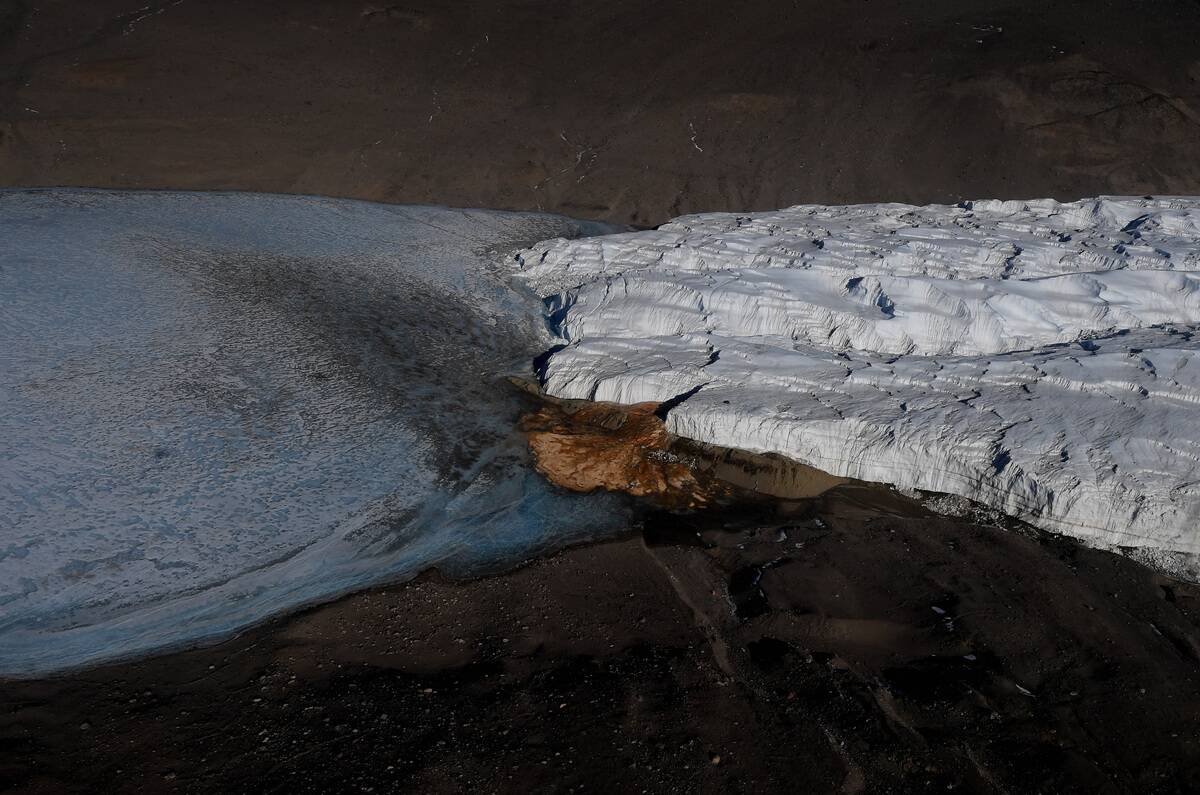
Blood Falls, located in Antarctica’s McMurdo Dry Valleys, is a striking sight where a stream of iron-rich, salty water emerges from the Taylor Glacier. The water’s red hue, caused by oxidized iron, gives the appearance of blood flowing onto the ice.
This unique phenomenon is a result of subglacial microbial activity and offers insights into extreme life forms, making it a fascinating subject for scientists and an eerie spectacle for visitors.
Madagascar’s Intriguing Tsingy de Bemaraha Stone Forest
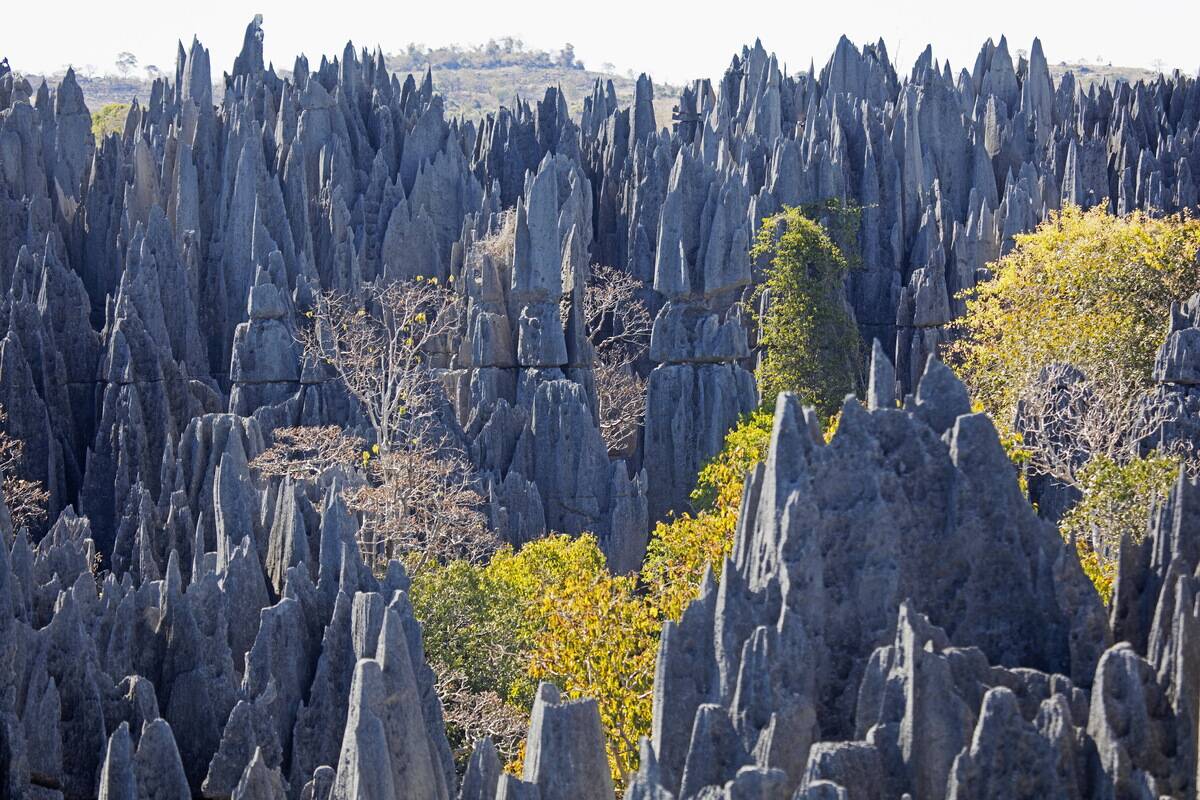
The Tsingy de Bemaraha National Park in Madagascar is home to a labyrinth of sharp limestone pinnacles known as “tsingy.” These formations, shaped by erosion over millions of years, create a dense stone forest that is difficult to navigate.
This unique landscape is a UNESCO World Heritage Site and a haven for biodiversity, with many species found nowhere else on Earth, offering a challenging yet rewarding experience for adventurous travelers.
The Eerie Badlands Guardian in Alberta, Canada
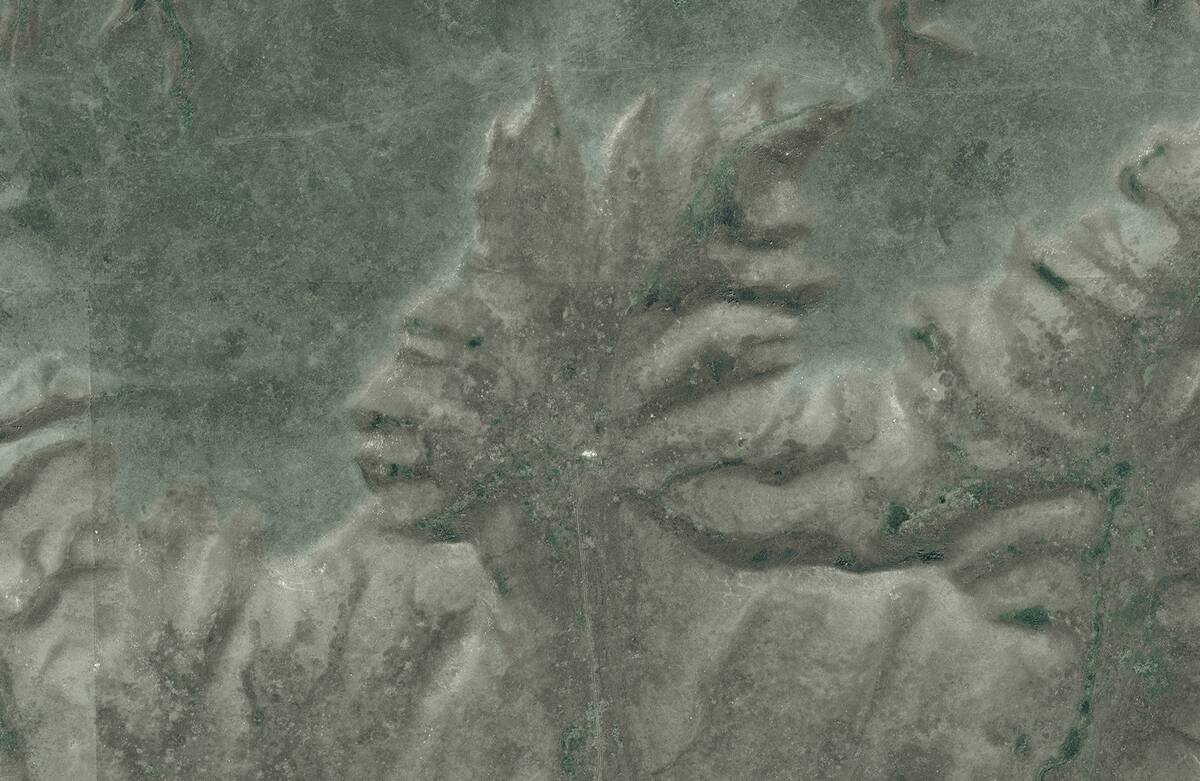
The Badlands Guardian is a geomorphological feature in Alberta, Canada, resembling a human head wearing a feathered headdress. This natural formation was discovered through satellite imagery and is a result of erosion and natural earth processes.
Its uncanny resemblance to a human face, complete with facial features, is a testament to nature’s ability to create art. The Badlands Guardian remains largely unknown to visitors, adding to its mysterious allure.
The Mystical Marble Caves of Chile

Nestled in the Patagonian Andes, the Marble Caves are a series of stunning natural formations along the shores of Lake General Carrera in Chile. The caves’ swirling patterns and striking blue hues are the result of wave erosion over thousands of years.
Accessible only by boat, visitors can explore these enchanting caverns, where light reflects off the water, illuminating the marble walls and creating a magical, almost ethereal atmosphere.
The Stunning Antelope Canyon Light Beams in Arizona
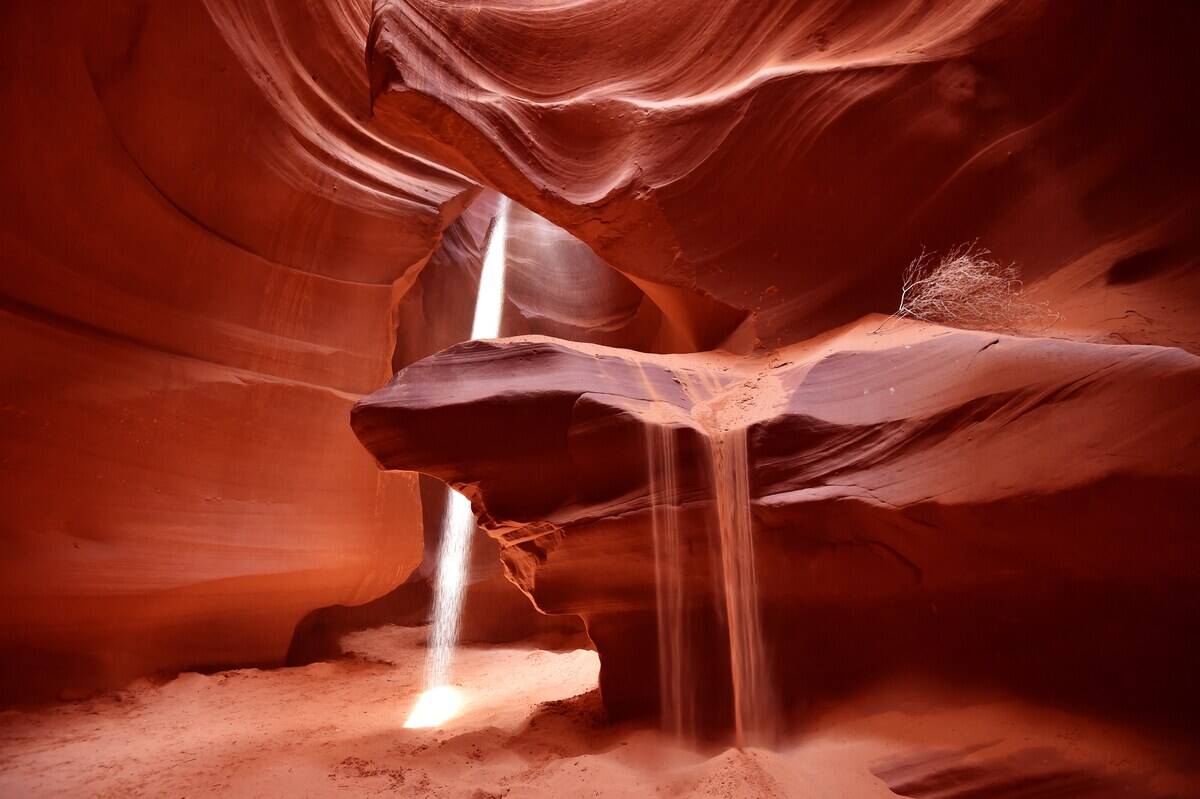
Antelope Canyon, located on Navajo land in Arizona, is a slot canyon known for its stunning light beams. These beams occur when sunlight filters through narrow openings, illuminating the canyon’s smooth, wave-like walls.
Carved by flash floods and wind, the canyon’s red and orange hues create a surreal experience, drawing photographers and nature lovers. Guided tours provide access to this natural wonder, ensuring its protection and preservation.
The Unusual Balancing Rock Formations in Various Locations

Balancing rocks are geological formations found worldwide, where large stones rest precariously on smaller bases. These formations are created by erosion and weathering, leaving behind a natural balance that seems to defy gravity.
Notable examples include the Balancing Rock in Arches National Park, Utah, and the Idol Rock in England’s Brimham Rocks. These intriguing structures captivate visitors, sparking wonder and curiosity about the forces of nature.




