The surprising history of the common house key
Have you ever stopped to marvel at the unassuming house key? This small object holds the power to secure our homes, yet its design is often taken for granted.
Surprisingly, the basic design of the common key we use today traces its lineage back thousands of years. These small metal tools are the culmination of centuries of innovation and evolution in security design, embodying a fascinating history that stretches back to ancient civilizations.
The Dawn of Security: Ancient Keys and Locks

The concept of securing possessions dates back to ancient times, with the earliest known locks and keys appearing in Mesopotamia around 4000 years ago. These primitive devices were made of wood and utilized a basic pin tumbler principle, which is still in use today.
It’s fascinating to think that these ancient peoples, living in what is now modern-day Iraq, were already pondering the need for security and privacy, laying the groundwork for future key designs.
From Wood to Metal: Early Key Materials
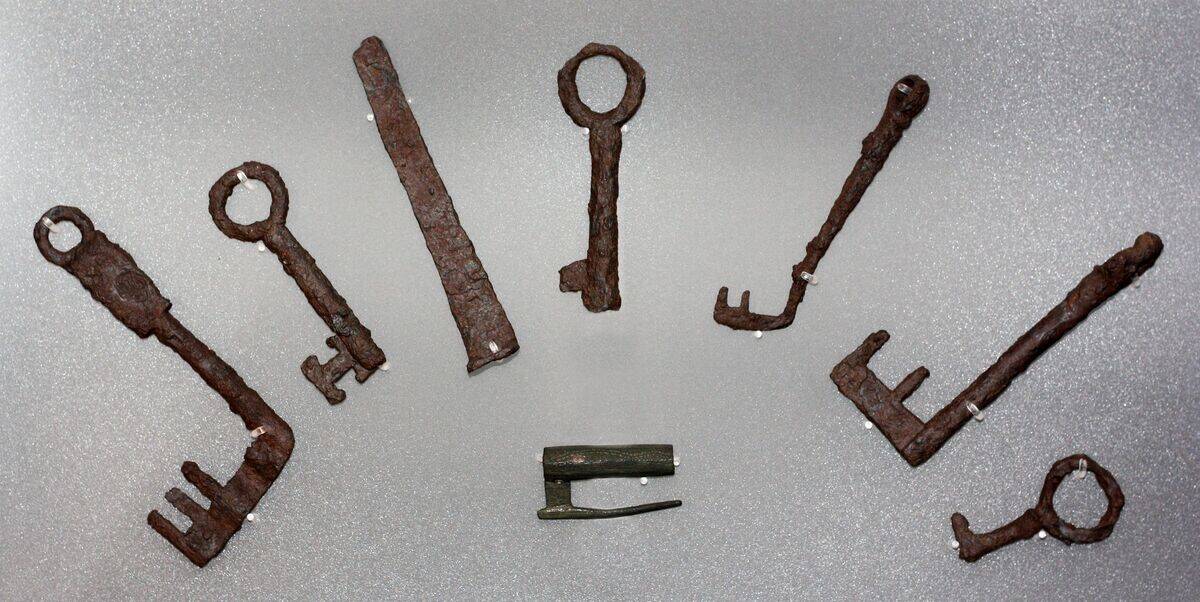
The materials used for making keys have evolved significantly over the millennia. Initially, keys were crafted from wood, which was readily available and easy to work with.
As metallurgy advanced, metal keys became more prevalent, offering greater durability and security. This transition marked a significant leap forward in the history of keys, as metal keys were not only more resilient but also allowed for more complex and secure designs.
Key Evolution in Ancient Egypt
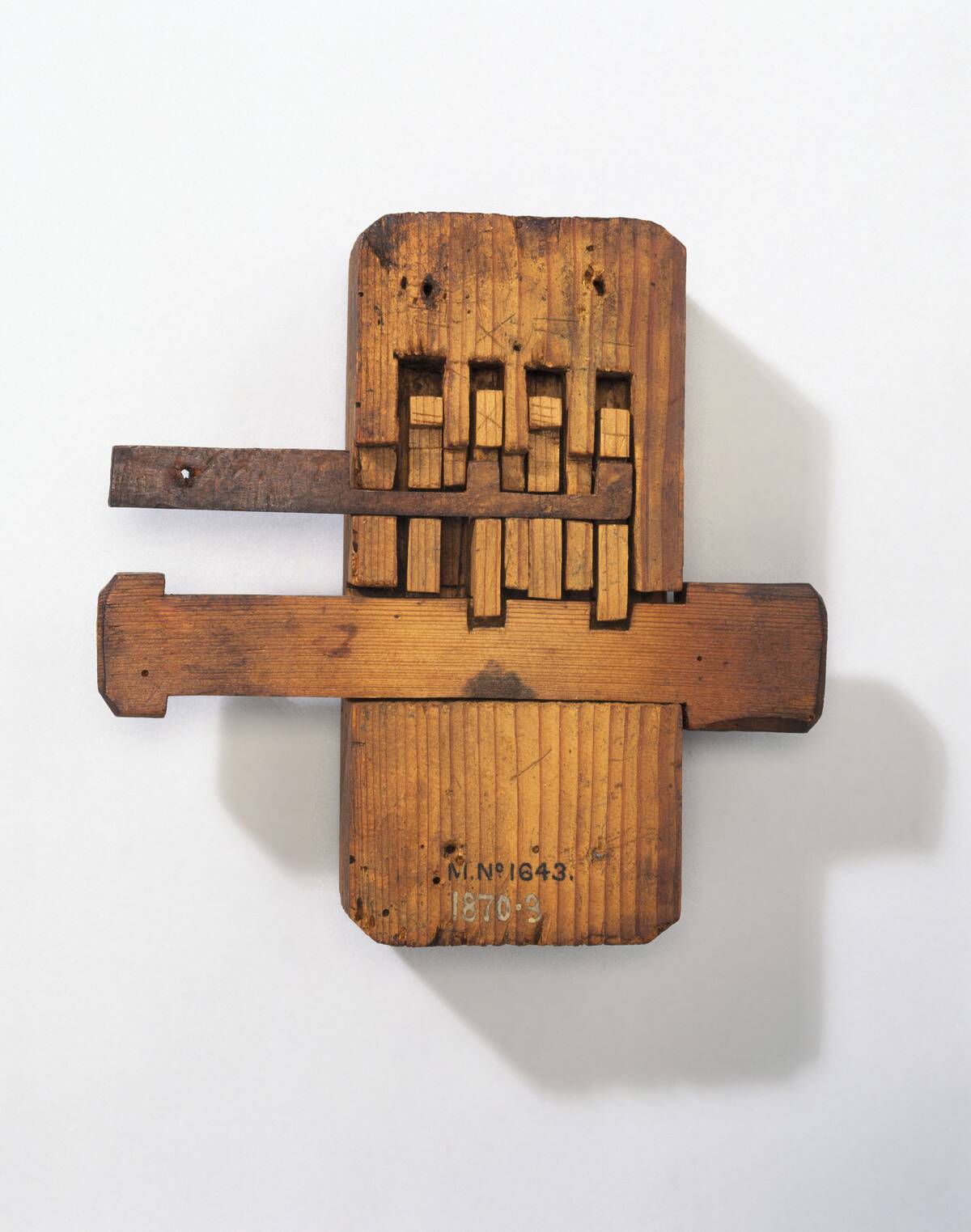
Ancient Egyptians are credited with developing one of the earliest known lock-and-key mechanisms around 2000 BCE. These locks were large and cumbersome, often attached to doors, and required equally large keys made of wood.
Despite their size, they were a remarkable innovation, showcasing Egypt’s advanced understanding of engineering and security. This early adoption of lock technology demonstrates the Egyptians’ desire to protect valuables within their bustling civilization.
Roman Innovations: The Birth of the Metal Key
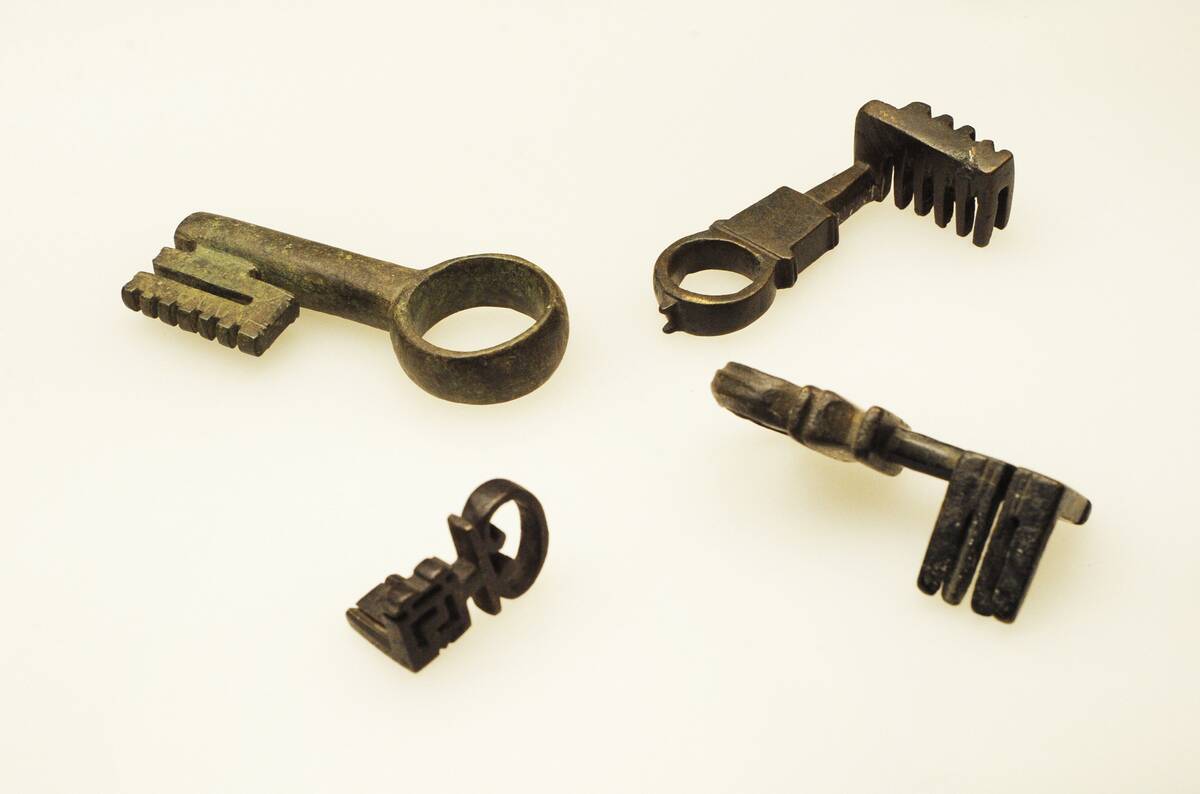
The Romans were pioneers in the transition from wooden keys to metal ones. They developed intricate metal keys, often made from bronze or iron, which were both stronger and more secure.
Roman keys were not only functional but also served as status symbols, with wealthy individuals often wearing them as ornate rings. This dual purpose of keys as both practical tools and symbols of wealth highlights the Romans’ sophisticated approach to security and social status.
Medieval Marvels: The Rise of Warded Locks

During medieval times, the warded lock became the predominant form of security in Europe. These locks used a series of wards, or obstructions, that had to be navigated by the correct key.
Known for their complexity and reliability, warded locks were a favorite among the nobility. The craftsmanship involved in creating these locks was impressive, reflecting the era’s emphasis on artistry and skill in metalwork, as well as the increasing need for effective security measures.
The Renaissance of Key Design

The Renaissance period witnessed a flourish in key design, with locksmiths becoming celebrated artisans. This era saw the emergence of more ornate and intricately designed keys, often featuring elaborate engravings and motifs.
The Renaissance love for beauty and detail extended to all aspects of life, including the humble key, which became a canvas for artistic expression. This period marked a significant shift in how keys were perceived, blending functionality with aesthetic appeal.
The Industrial Revolution: Mass Production and Standardization
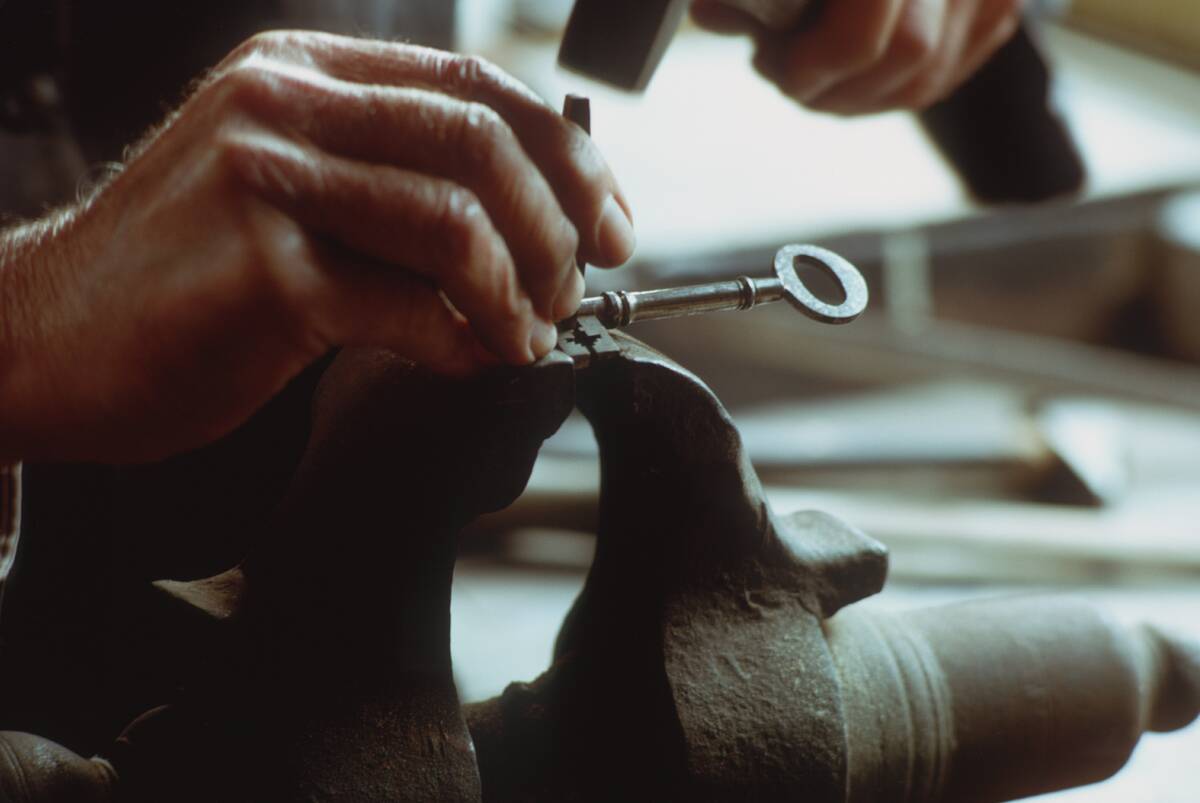
The Industrial Revolution transformed key manufacturing, bringing about mass production and standardization. With the advent of new machinery, keys could be produced in large quantities, making them more accessible to the general public.
This era also saw the introduction of more uniform key and lock designs, which improved efficiency and security. The shift from handcrafted keys to machine-made ones was a pivotal moment in the history of keys, democratizing access to security for many.
Skeleton Keys: The Master Key Myth and Reality
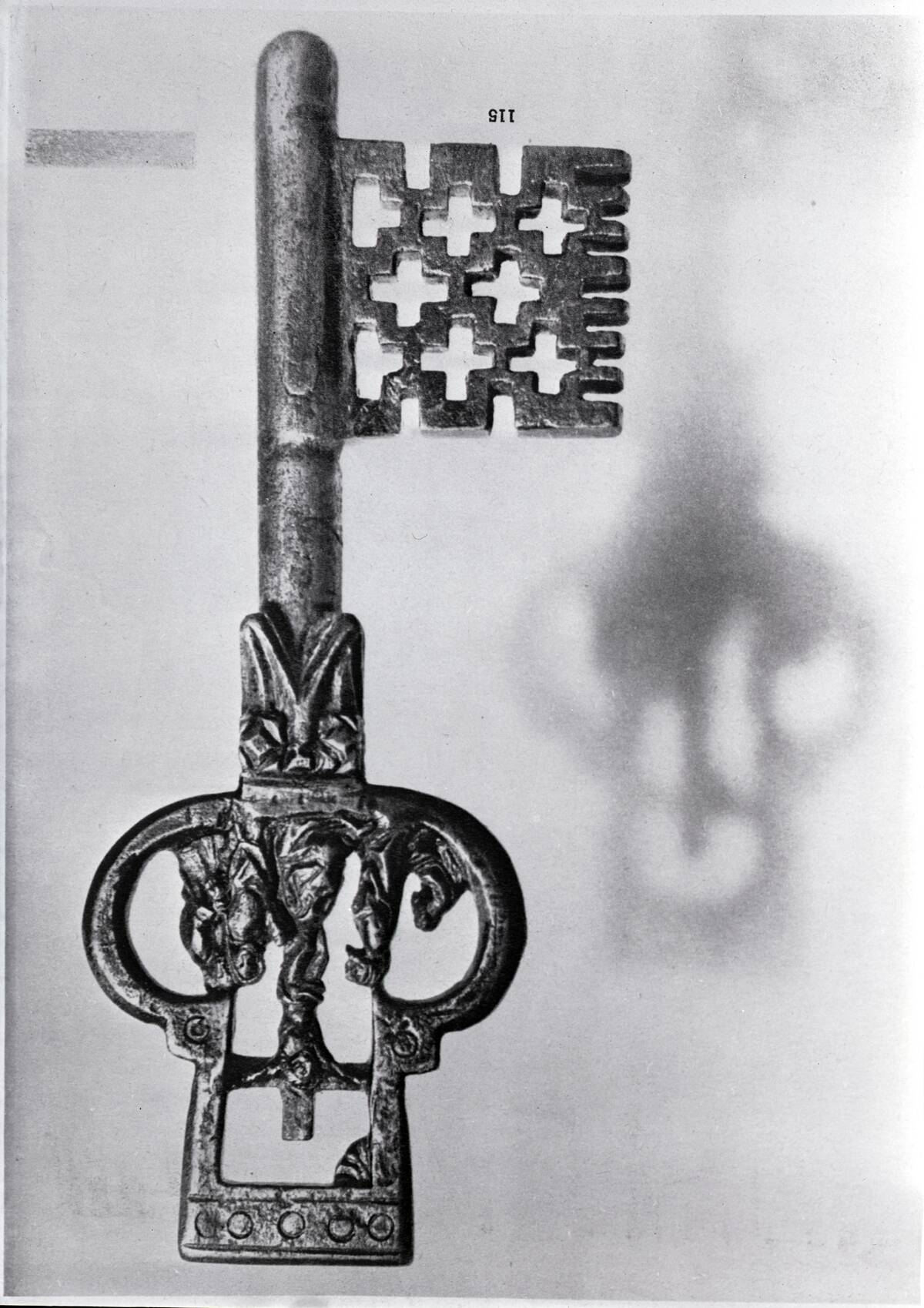
The term ‘skeleton key’ often conjures images of a master key that can open any lock. In reality, skeleton keys are designed to bypass the wards of warded locks, not modern pin tumbler systems.
They were commonly used in the past when warded locks were prevalent. While the notion of a universal key is largely mythical, skeleton keys were certainly useful tools for locksmiths and a staple in the repertoire of those dealing with older lock mechanisms.
The 20th Century: Keys in the Age of Technology

The 20th century saw remarkable innovations in key technology, with the introduction of car keys, electronic locks, and card keys. These advancements were driven by the growing need for enhanced security and convenience.
Car keys, for instance, evolved from simple cut metal pieces to sophisticated remote-controlled devices. The shift towards electronic and digital locks signaled a new era in security, reflecting society’s increasing reliance on technology and the ongoing quest for smarter solutions.
Modern Marvels: The Advent of Smart Keys

Today, smart keys are revolutionizing how we approach security, offering unprecedented convenience and control. These keys, often used for cars and high-security buildings, use radio signals or encrypted codes to unlock doors without physical contact.
The rise of smart technology in key design reflects a broader trend towards automation and connectivity in everyday objects. As we continue to embrace digital solutions, smart keys stand at the forefront of a new age in security technology.
Looking to the Future: What’s Next for the Humble House Key?
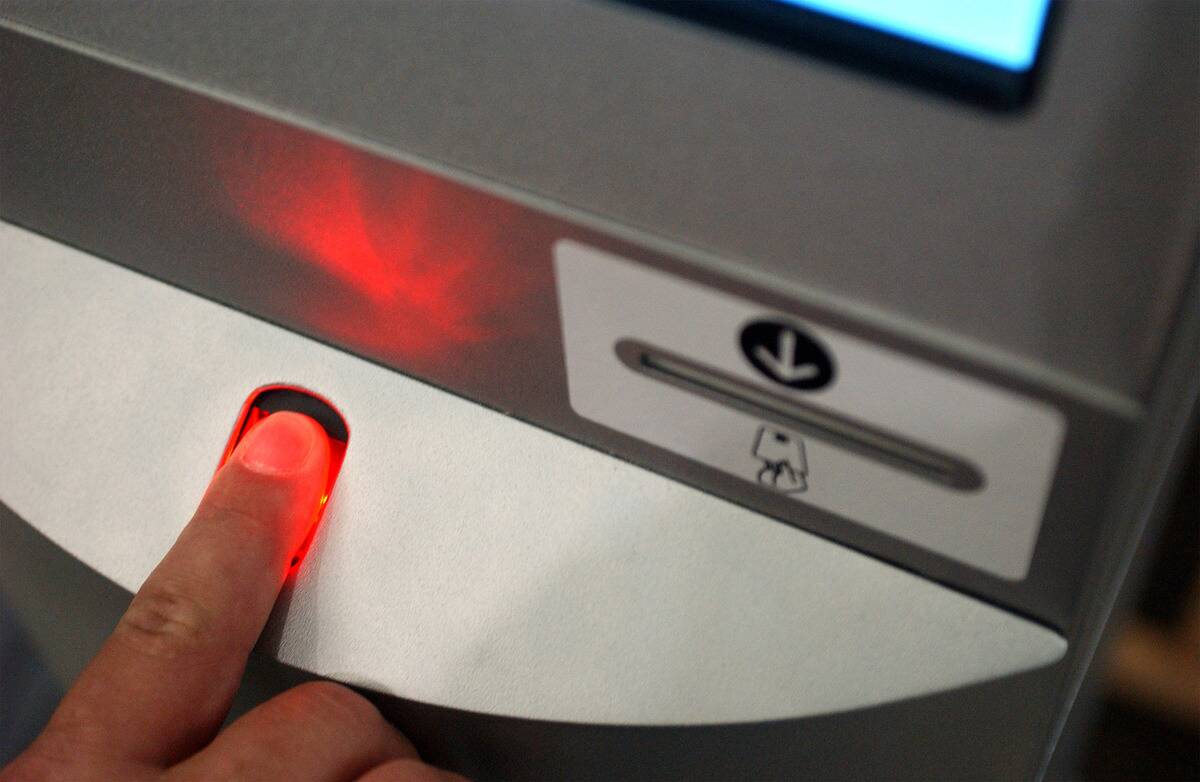
As technology advances, the future of the traditional house key is evolving rapidly. Biometric systems, such as fingerprint and facial recognition, are becoming more accessible and affordable.
These innovations promise to enhance security while reducing the need for physical keys. However, the sentimental and practical value of a tangible key may ensure its continued presence in some form. As we look to the future, it’s exciting to imagine how security technology will continue to evolve.




