Kings and Queens who were obsessed with hunting
Throughout history, hunting has been more than just a pastime for royalty; it has been a symbol of power, prestige, and tradition. From the lush forests of England to the expansive Russian steppes, kings and queens have pursued game as a means of showcasing their dominion over nature.
This regal obsession has left a lasting imprint on cultural landscapes, where hunting lodges and game preserves tell tales of a bygone era. Join us as we delve into the intriguing world of royal hunts, exploring how these pursuits have shaped the lives of monarchs and their realms.
The Historical Significance of Hunting in Royalty
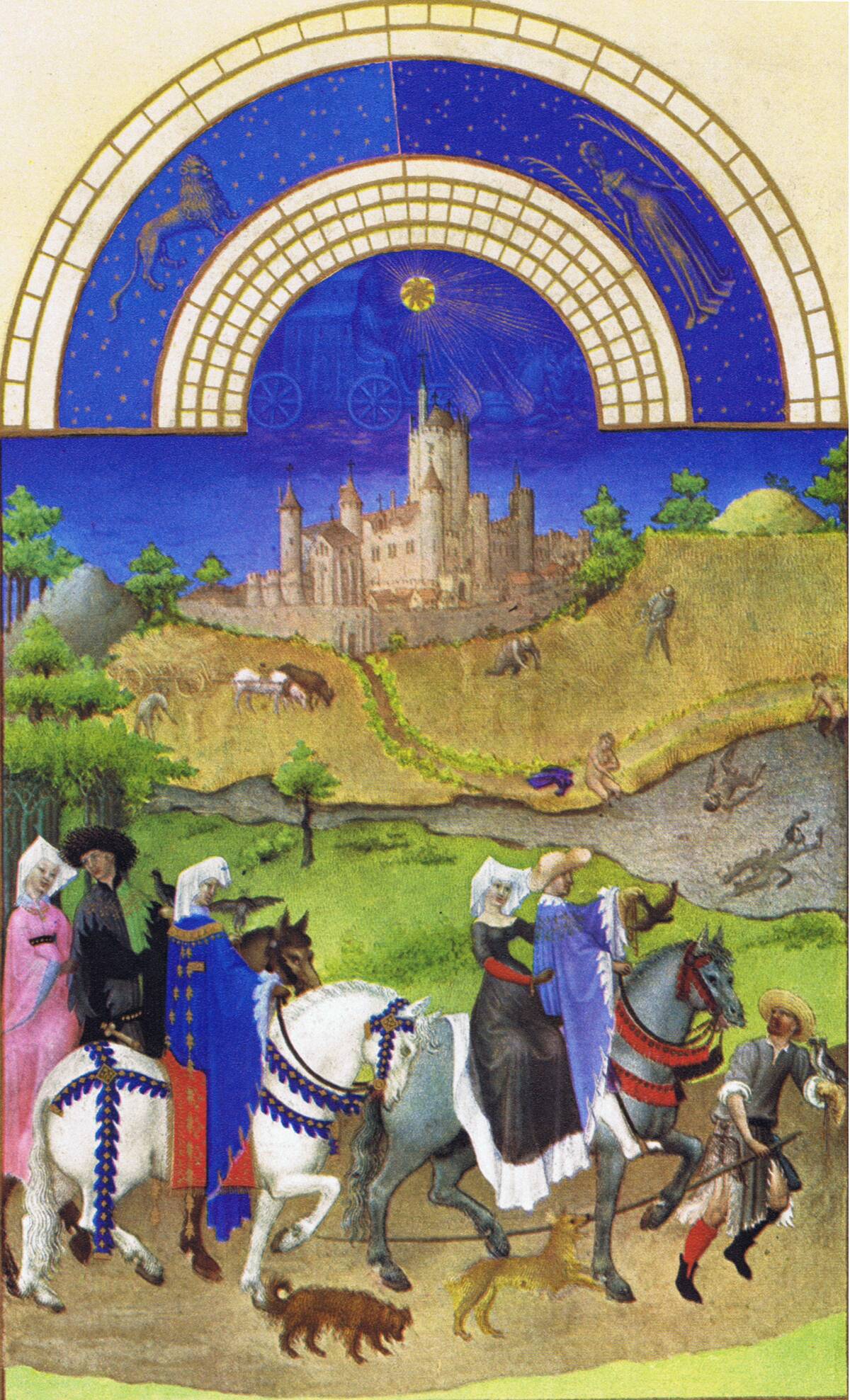
Hunting has long been intertwined with nobility, serving as a rite of passage and a demonstration of leadership qualities. In medieval Europe, royal hunts were grand affairs, involving elaborate ceremonies and a retinue of courtiers. These events were not only about securing food but also about reinforcing social hierarchies.
The chase allowed monarchs to display bravery, skill, and their ability to command both men and beasts. Over time, hunting evolved into a diplomatic tool, with international hunts fostering alliances and goodwill among rulers.
King Henry VIII: The Tudor Huntsman
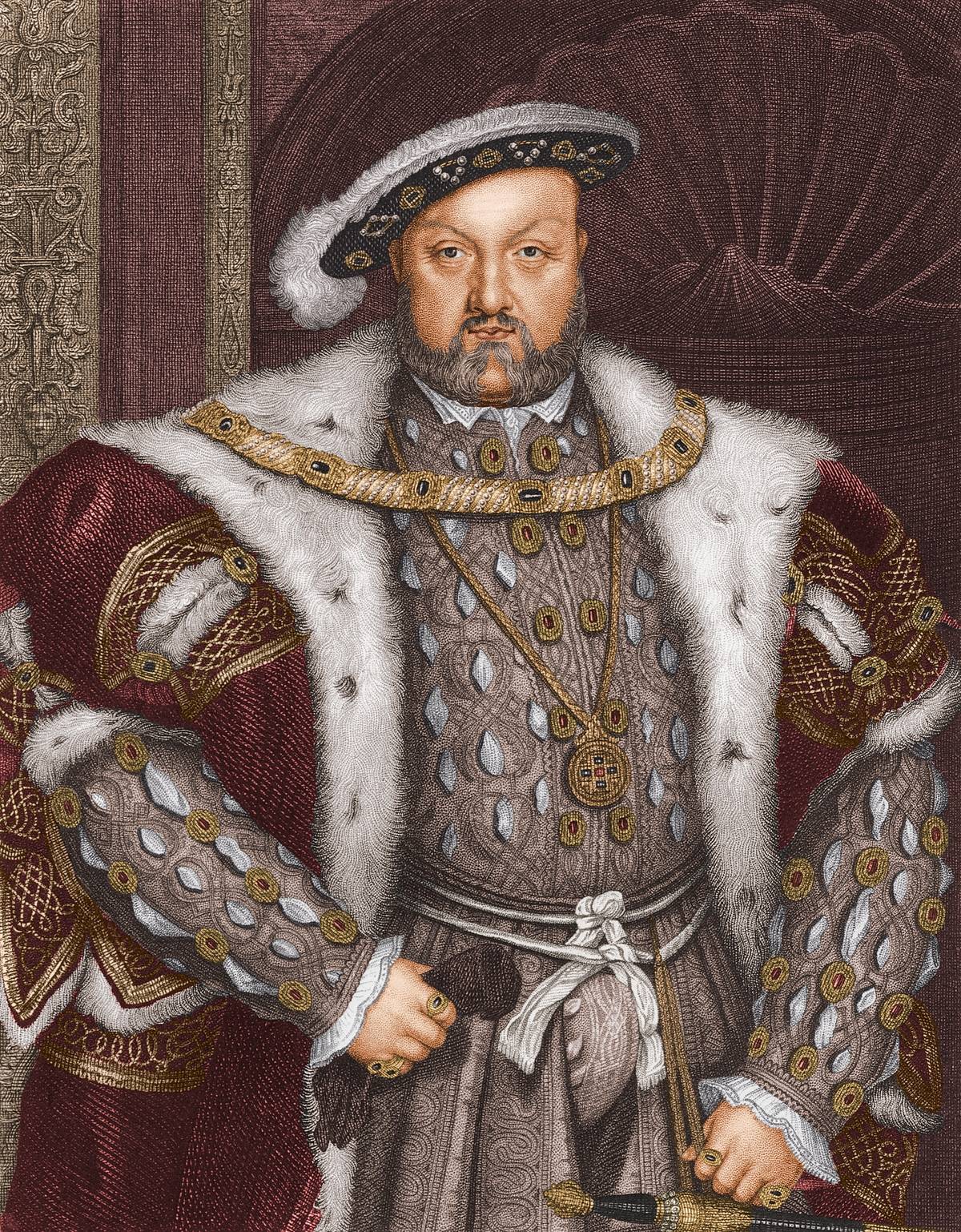
King Henry VIII was a fervent huntsman, known for his vigorous and relentless pursuit of game. His passion for hunting is well-documented, with records showing that he maintained numerous hunting reserves. Henry’s hunts were grand spectacles, often involving hundreds of attendants, horses, and hounds.
These outings were as much about sport as they were about showcasing his wealth and power. The king’s love for hunting was so profound that it influenced his architectural choices, leading to the construction of famous hunting lodges.
Queen Elizabeth I: The Huntress of the Golden Age
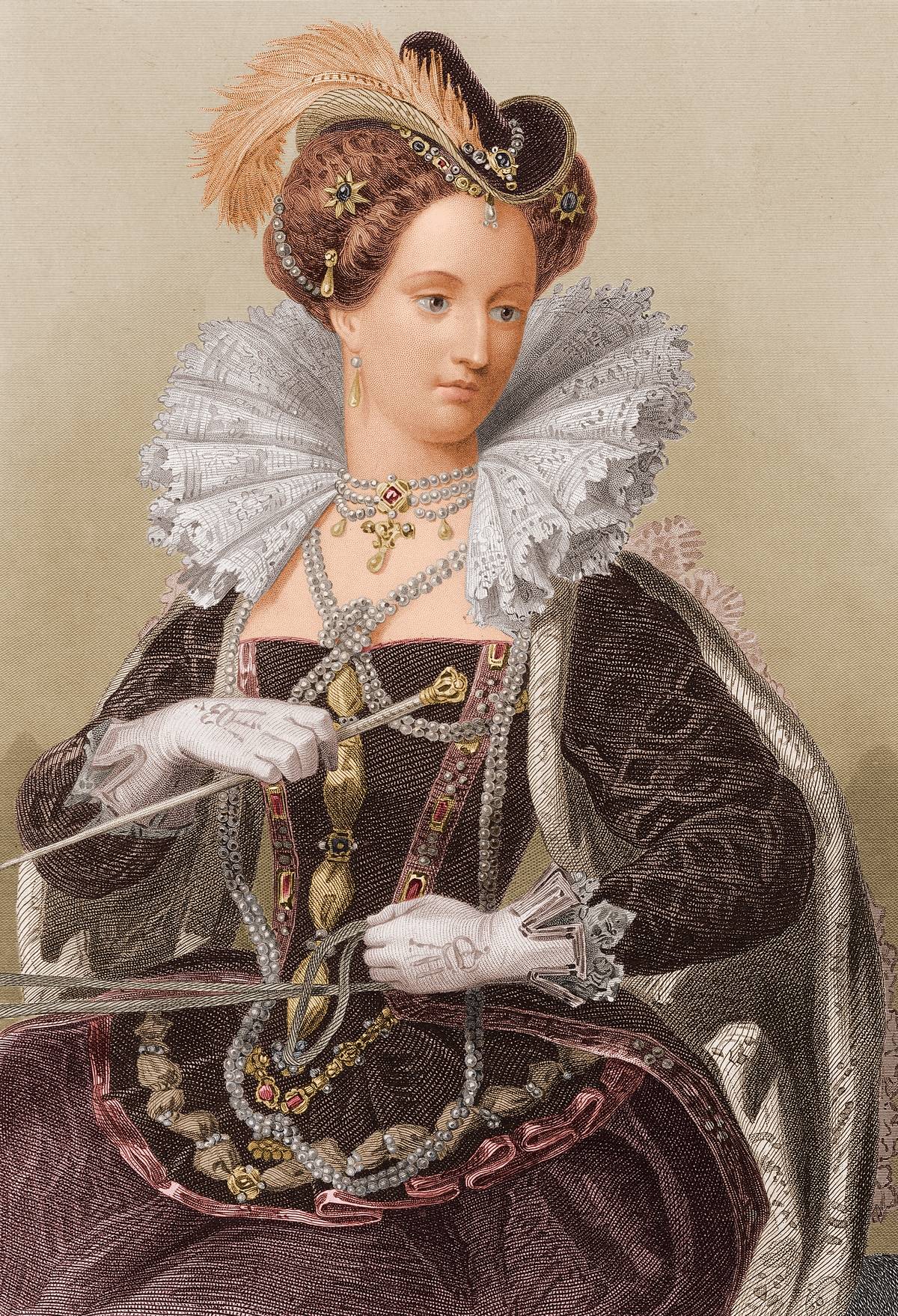
Queen Elizabeth I, daughter of Henry VIII, inherited her father’s enthusiasm for the hunt. Often depicted with a bow and arrow, she was known for her skills in archery and horsemanship. The queen used hunting as a means to strengthen her image as a powerful and independent ruler, often organizing hunts to impress visiting dignitaries.
Her hunts were not just exercises in leisure but strategic displays of her prowess and leadership. Elizabeth’s reign marked a golden age where hunting was both a personal passion and a tool of statecraft.
King Louis XIII of France: A Monarch and His Hounds
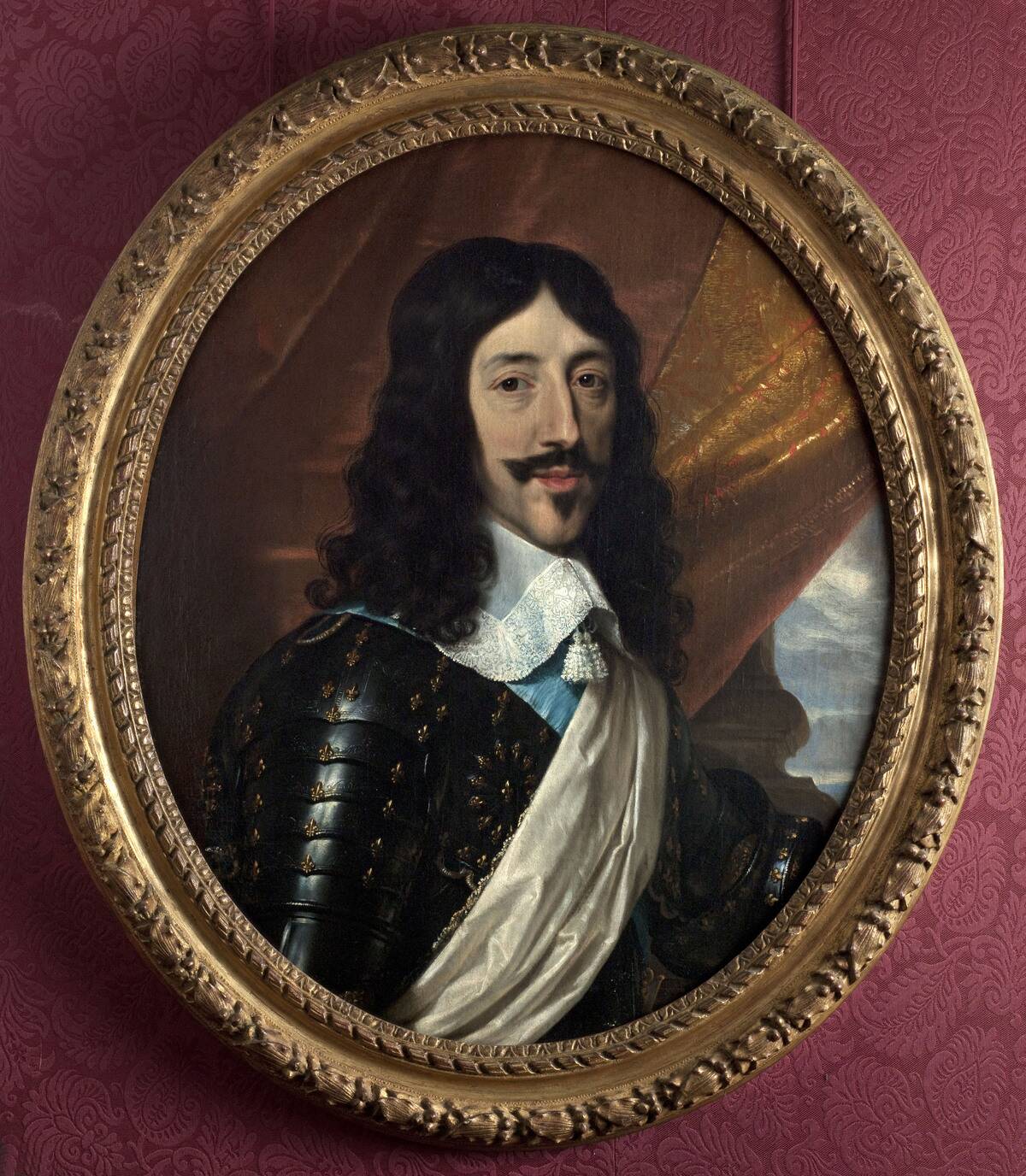
King Louis XIII of France had a deep affinity for hunting, particularly with his beloved pack of hounds. His dedication to the sport was evident in the way he meticulously bred and maintained his dogs, which were central to his hunting expeditions.
Louis’s passion for hunting extended beyond simple recreation; it was a way to bond with his courtiers and assert his royal authority. The king’s hunts were social events that reinforced communal ties within the court, showcasing the monarch’s role as both a leader and a huntsman.
King James I: The Scottish Passion for Deer Hunting
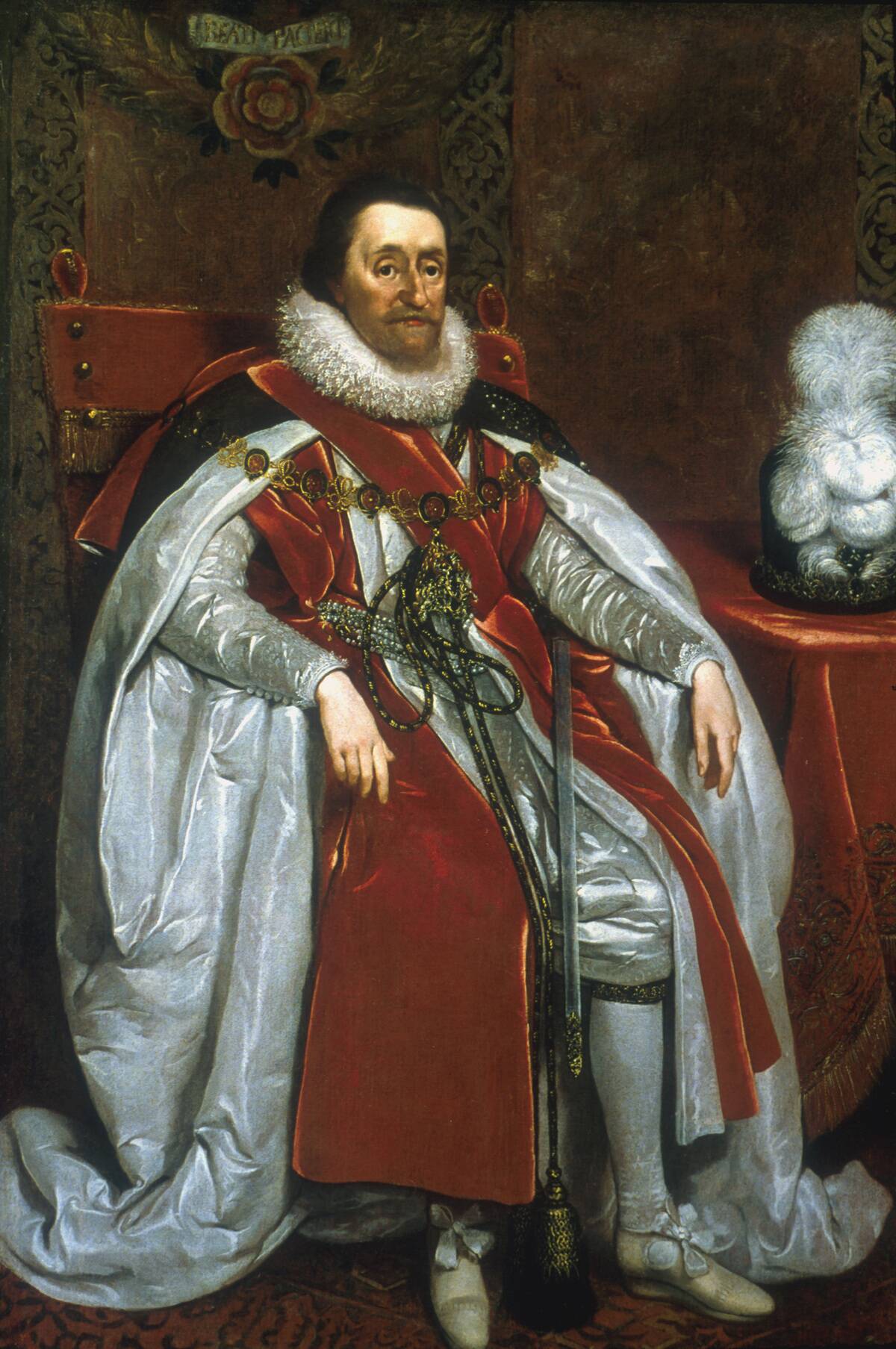
King James I of England and VI of Scotland had a lifelong passion for deer hunting, a tradition deeply rooted in Scottish culture. Known for his love of the chase, James often retreated to the vast Scottish Highlands for hunting expeditions. These trips were not only about sport but also about connecting with his Scottish roots.
The king’s fondness for deer hunting was reflected in the numerous hunting laws he enacted to preserve wildlife. His commitment to the hunt was a testament to his desire to unify his English and Scottish subjects through shared traditions.
Catherine the Great: Empress and Enthusiast of the Chase
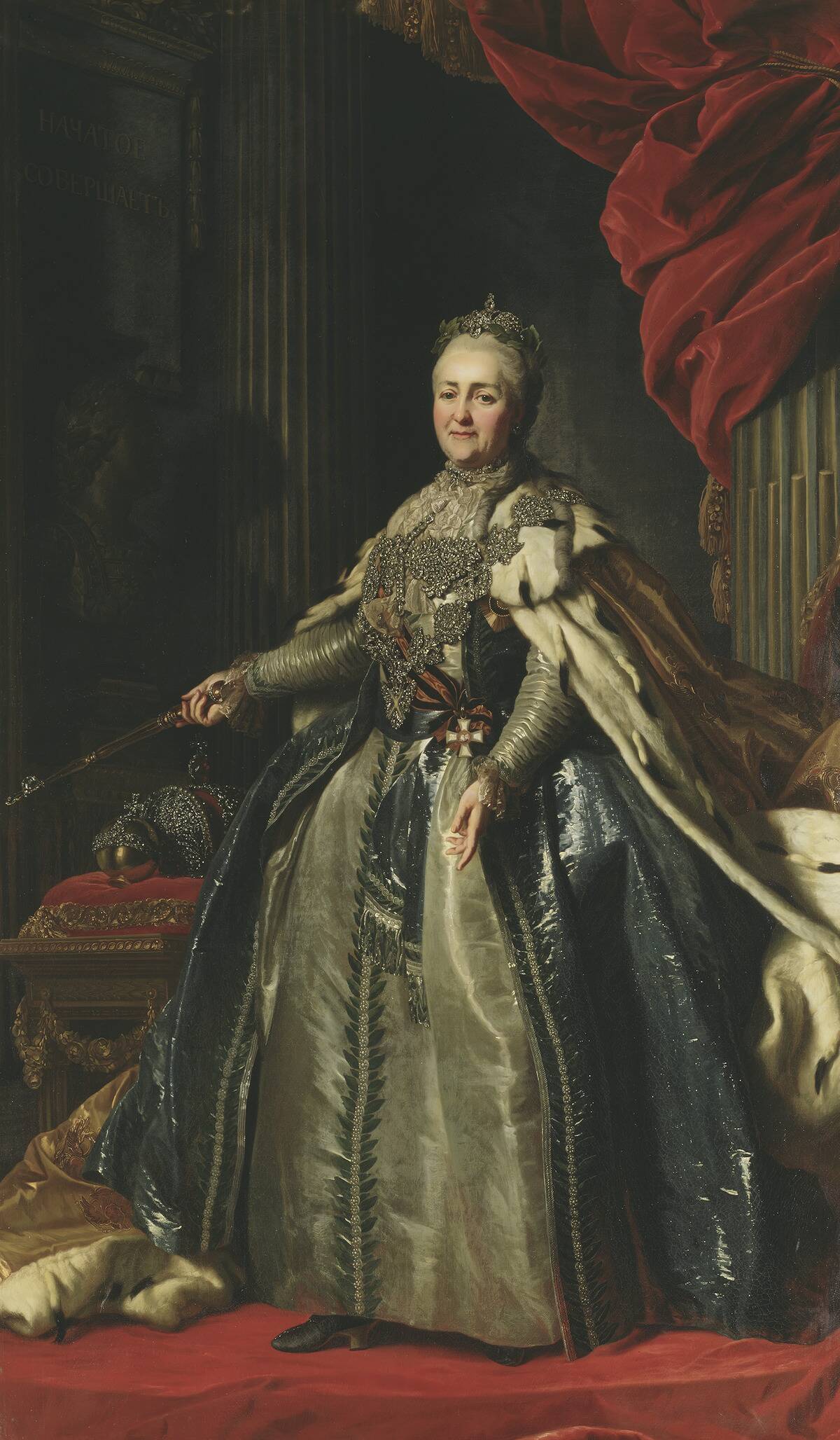
Catherine the Great of Russia was not just a formidable ruler but also an avid huntress. Her hunting excursions were legendary, often involving elaborate preparations and large entourages. Catherine’s passion for the chase was part of her broader interest in Western culture and enlightenment ideals.
She saw hunting as a means to demonstrate her strength and modernity, embracing the sport with the same vigor she applied to her governance. The empress’s hunting pursuits were also an opportunity to escape the rigors of court life and connect with nature.
King Charles IX of France: The Royal Hunter’s Edict
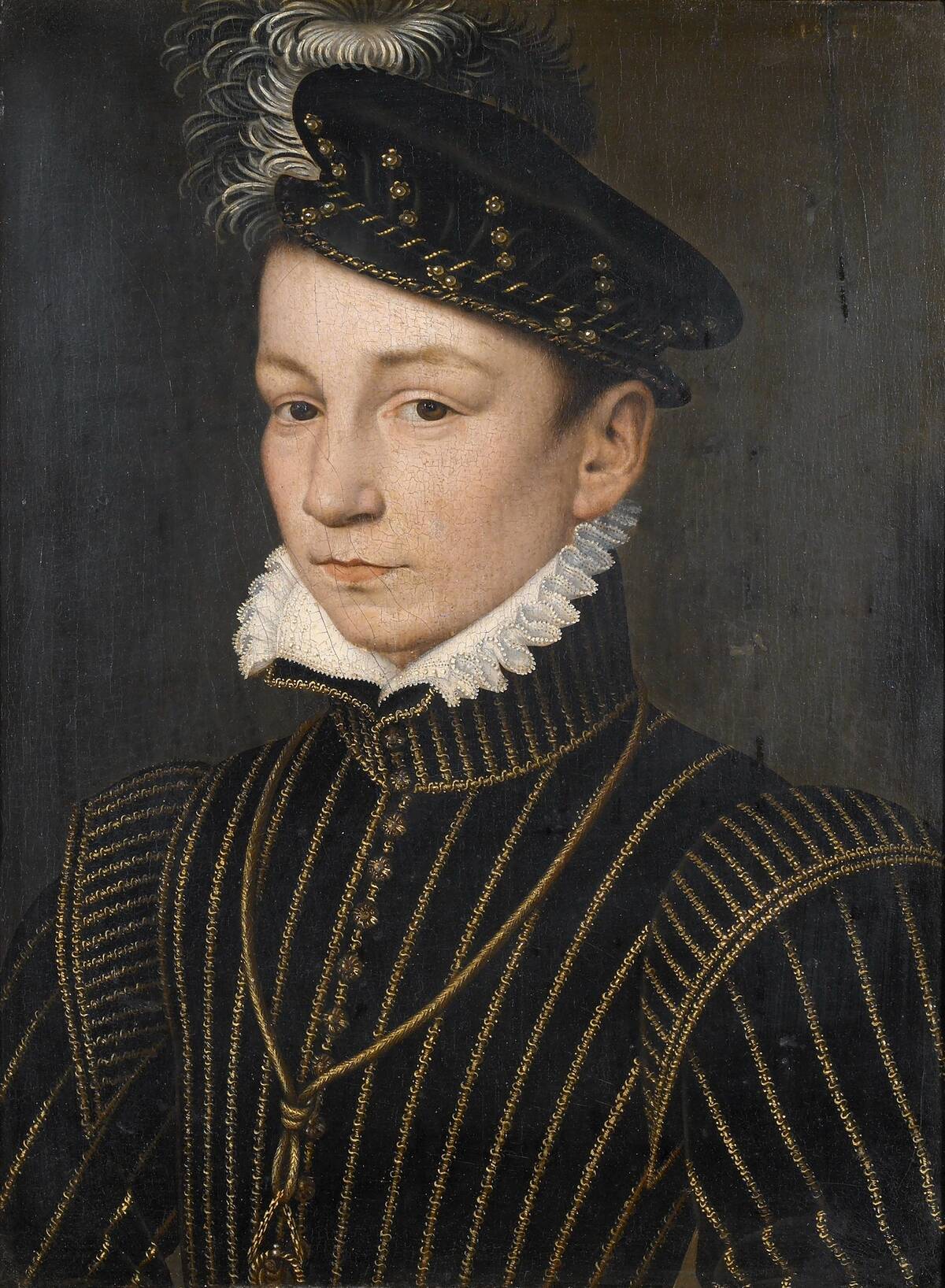
King Charles IX reigned during a period when French monarchs tightly regulated hunting to protect royal privileges and manage game. This edict highlighted the king’s dedication to the sport and his desire to ensure its sustainability for future generations.
Charles’s interest in hunting was more than just a pastime; it was an essential aspect of his royal duties. By imposing hunting regulations, he underscored the importance of conservation and responsible stewardship of natural resources. His edict remains a significant historical document reflecting the values of his reign.
Queen Victoria: Regal Pursuits in the Scottish Highlands
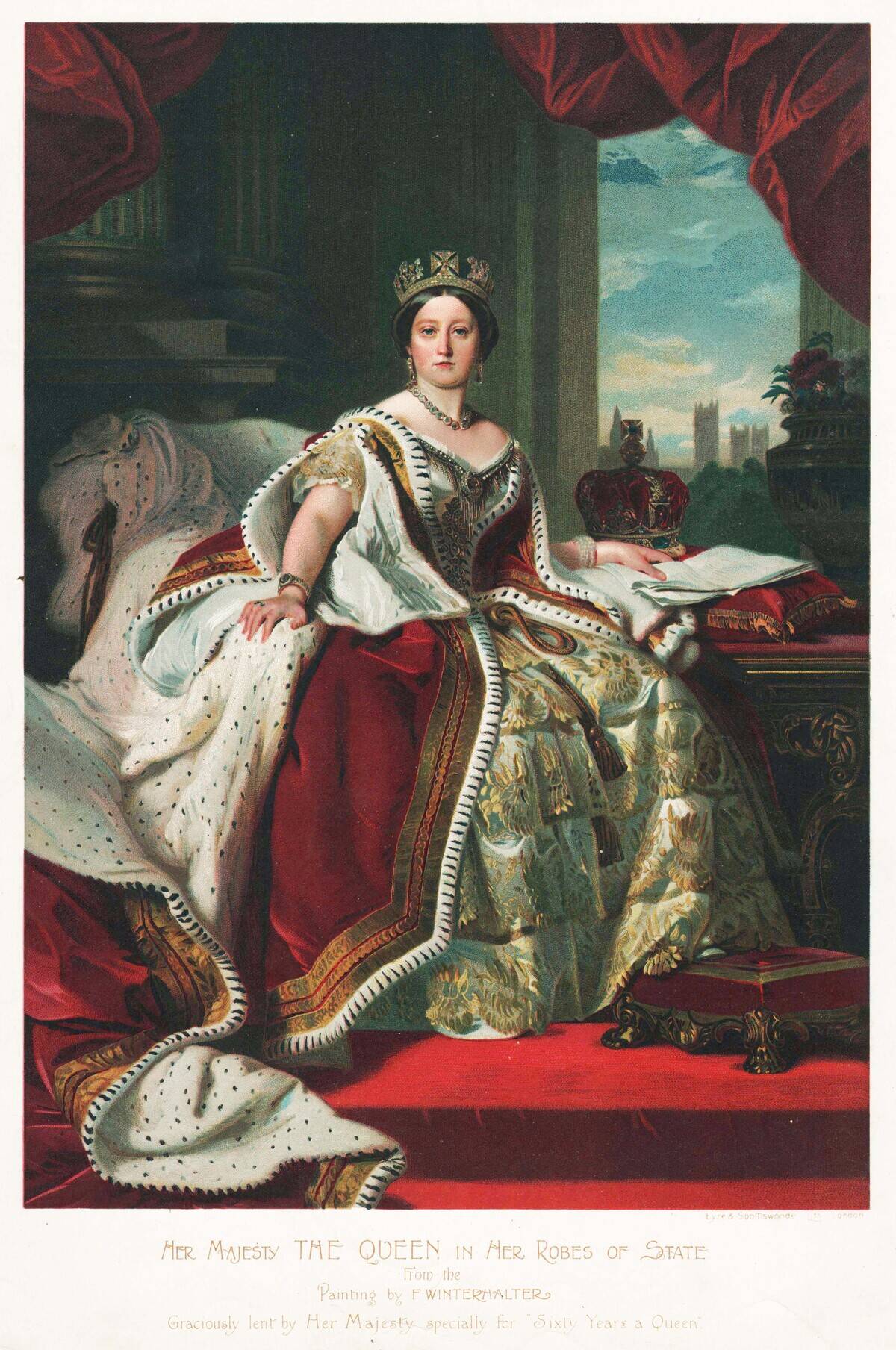
Queen Victoria’s love for the Scottish Highlands is well-documented, with Balmoral Castle serving as her beloved retreat. It was here that she indulged in hunting, a pastime that brought her closer to nature and the landscape she adored.
The queen’s hunting excursions were family affairs, often involving her children and husband, Prince Albert. Victoria’s time in Scotland was not just about recreation; it was also a means of connecting with her subjects and embracing the rugged beauty of the region. Her legacy in the Highlands continues to attract visitors to this day.
King Alfonso XIII of Spain: A Royal Adventurer in the Wild

King Alfonso XIII of Spain was known for his adventurous spirit and love of the outdoors. His passion for hunting took him to various parts of Spain, where he pursued game in the country’s diverse landscapes. Alfonso’s hunts were often daring and challenging, reflecting his intrepid nature.
The king’s enthusiasm for the sport was part of his broader desire to project an image of vitality and strength. Despite political challenges during his reign, Alfonso’s hunting adventures provided a respite and a connection to the natural world.
King Edward VII: The Sporting King of England
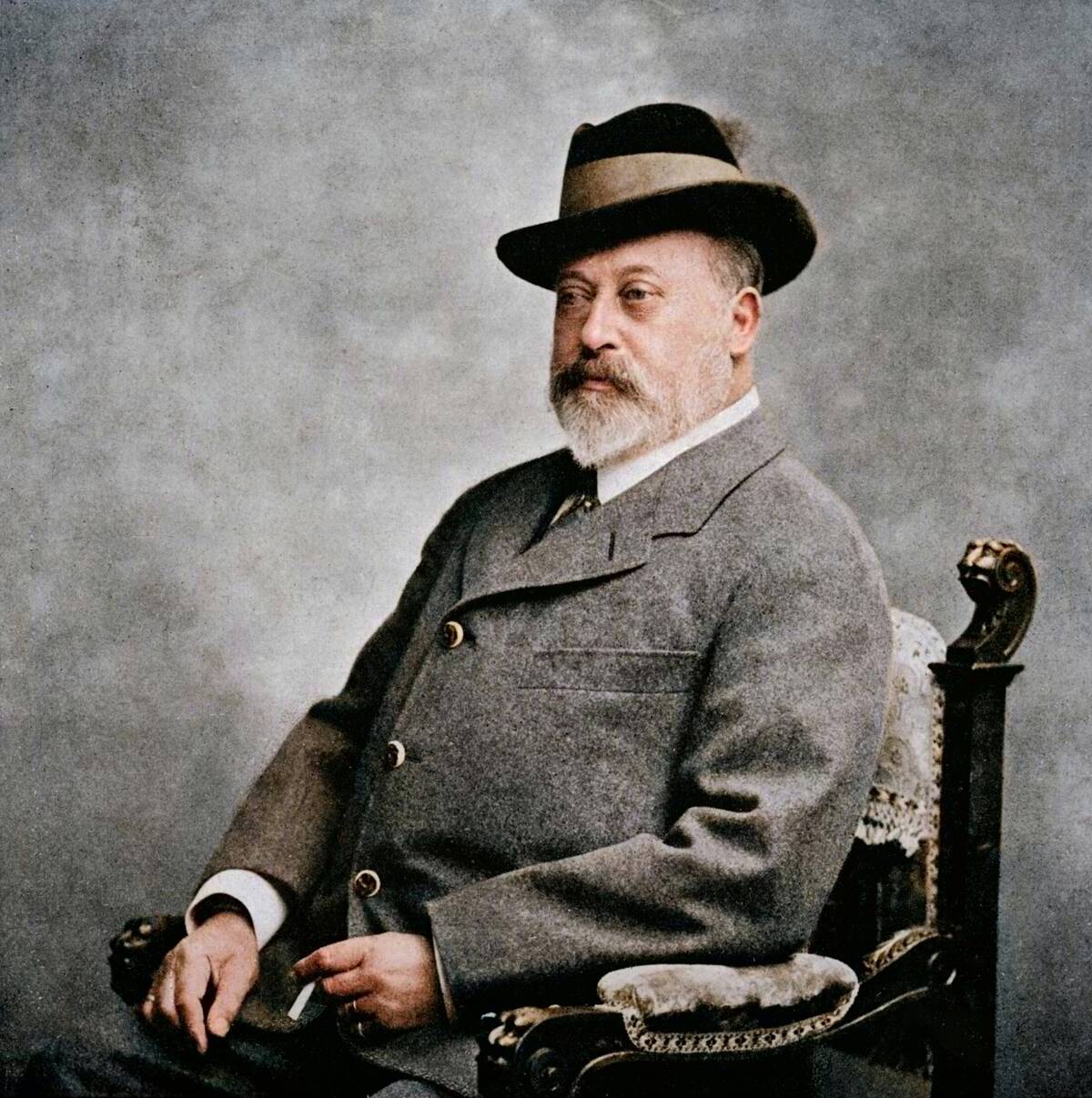
King Edward VII was a quintessential sporting monarch, with hunting being one of his favorite pastimes. Known for his jovial personality, Edward’s hunting parties were social gatherings that brought together the elite of British society.
His love for the sport extended beyond the British Isles, as he often traveled to Europe for hunting expeditions. Edward’s reign marked a period of social change, and his sporting pursuits were a way to maintain tradition while embracing new societal norms. His legacy as a sporting king is remembered fondly by many.
Marie Antoinette: A Queen’s Escape to the Hunting Lodge
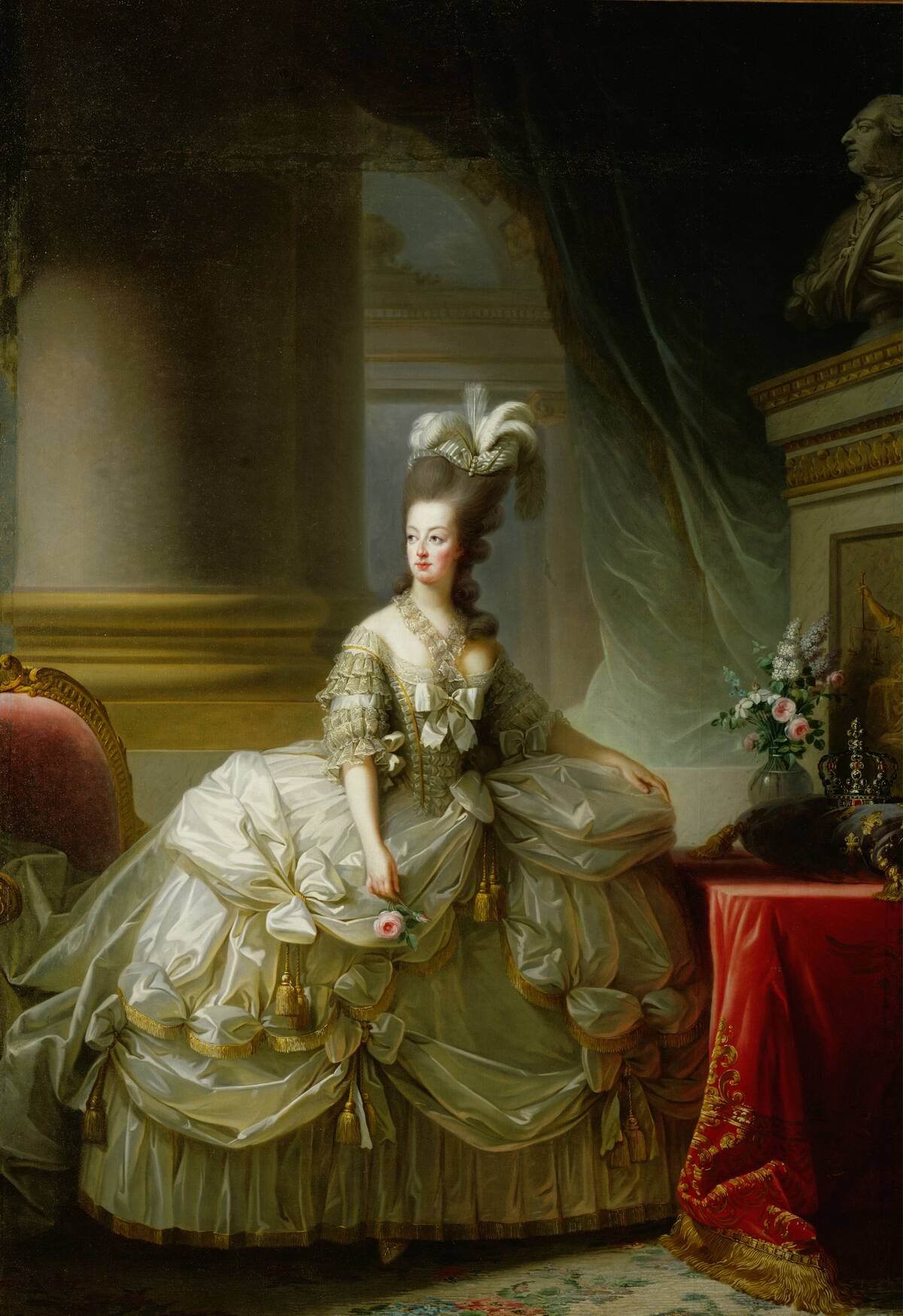
Marie Antoinette, the ill-fated queen of France, found solace in the tranquility of hunting lodges away from the opulence of Versailles. These retreats offered her a rare opportunity for privacy and relaxation. Marie’s interest in hunting was part of her desire to escape the rigid constraints of court life.
Her hunting excursions were modest compared to her predecessors, reflecting a more personal connection to the sport. Despite her eventual downfall, Marie’s moments in the countryside provided a glimpse into her more human side, away from the political turmoil that surrounded her.
King Gustav V of Sweden: A Royal Legacy in Hunting
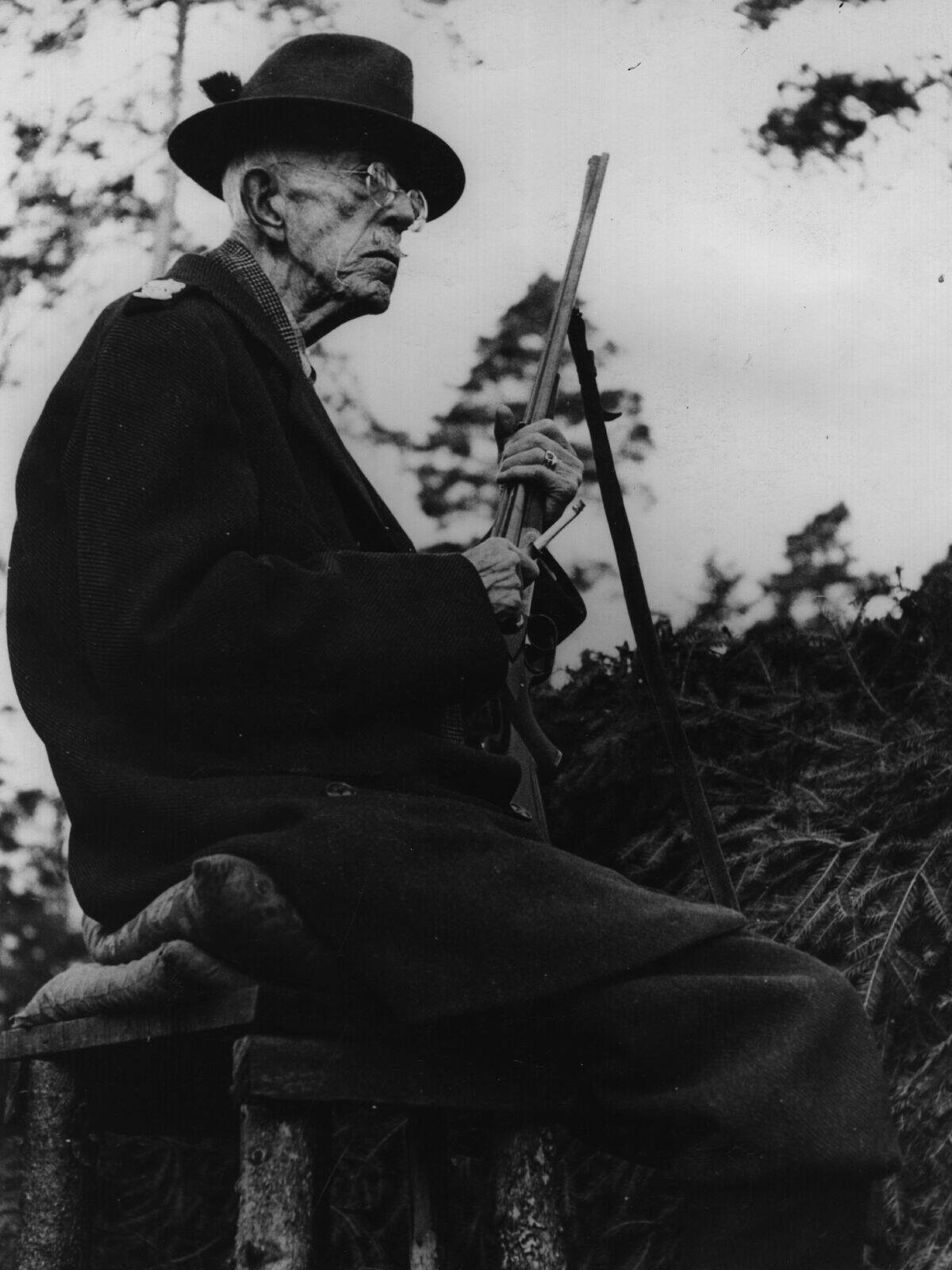
King Gustav V of Sweden was known for his dedication to hunting, a tradition he maintained throughout his long reign. His love for the sport was shared with his family, making hunting a unifying activity for the Swedish royal household. Gustav’s commitment to hunting also included efforts to preserve Sweden’s natural beauty and wildlife.
Under his patronage, several conservation initiatives were launched, ensuring that future generations could enjoy the country’s forests and game. His legacy in hunting reflects a balance between sport and sustainability.
Tsar Alexander II: The Russian Emperor’s Hunting Grounds
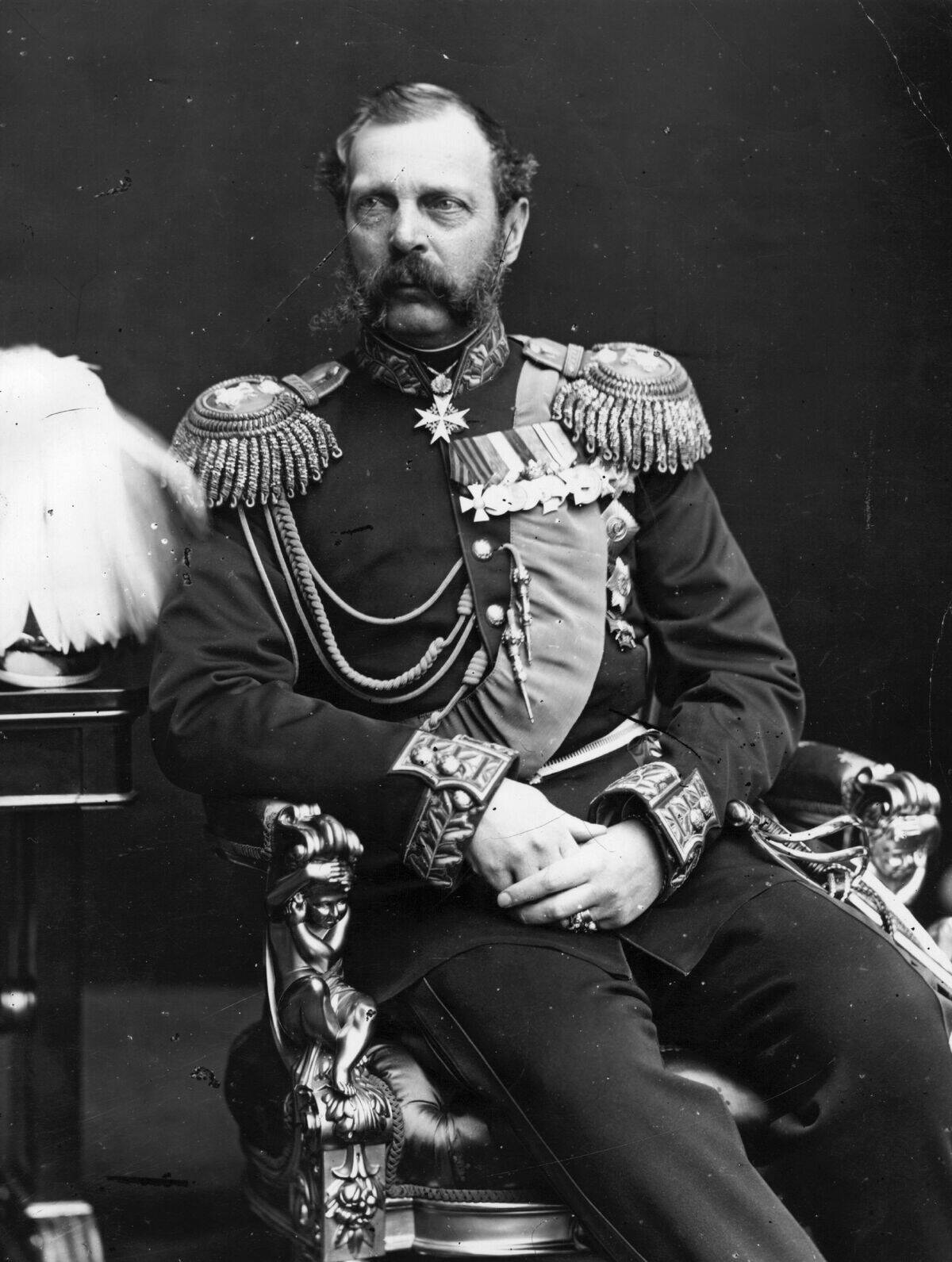
Tsar Alexander II of Russia had a deep appreciation for the vast hunting grounds of his empire. His excursions into the wilderness were not only about the thrill of the chase but also a means to escape the pressures of imperial life.
Alexander’s passion for hunting was part of his broader interest in nature and rural affairs. He often used these trips to reflect on matters of state, away from the formalities of the court. The tsar’s hunting grounds were expansive, highlighting the vastness of the Russian landscape and his dominion over it.
King George V: The Bird-Lover with a Royal Gun
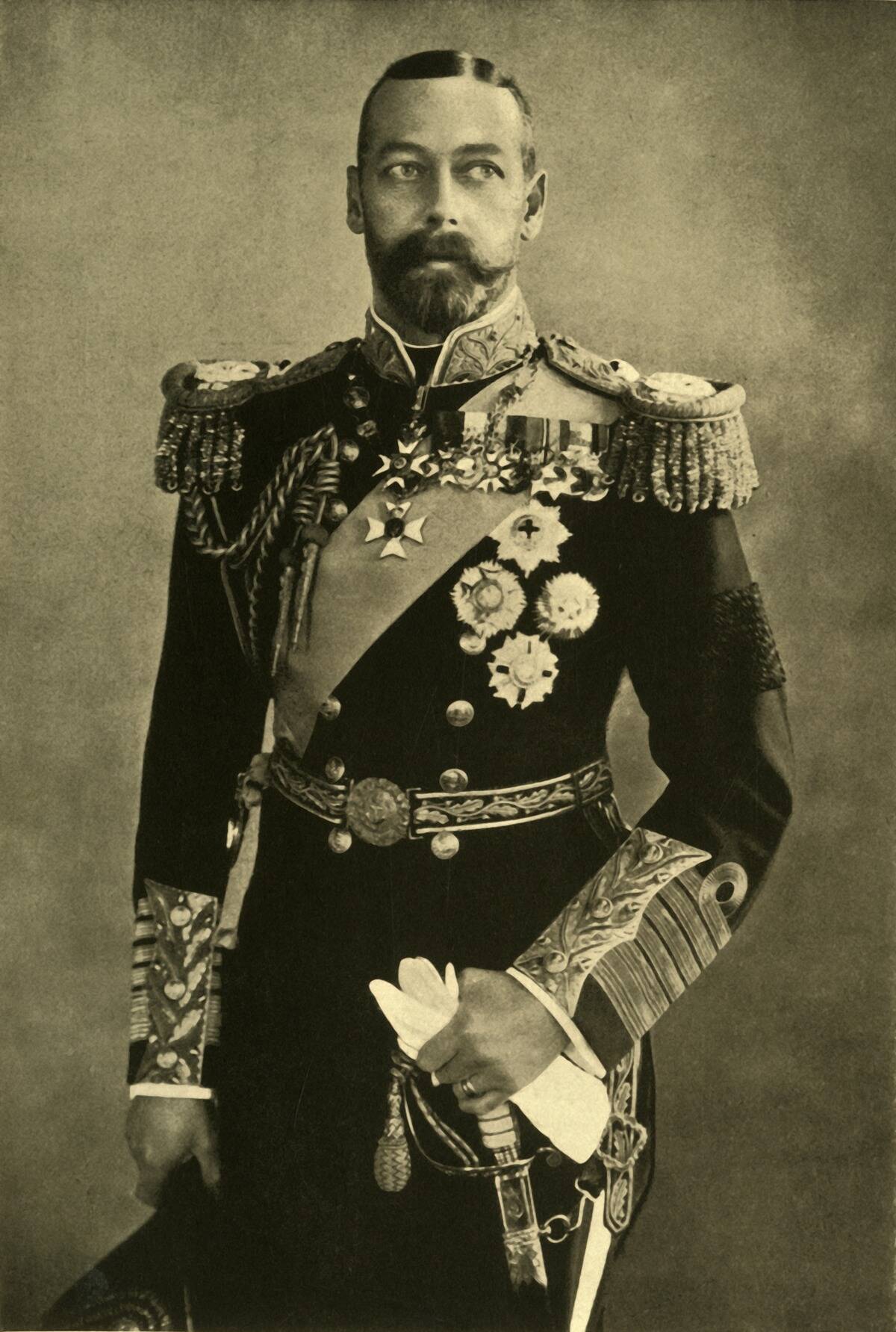
King George V of the United Kingdom was known for his love of bird hunting, particularly grouse shooting in the Scottish moors. His passion for the sport was matched by his keen interest in ornithology, making him a knowledgeable and dedicated hunter. George’s hunting expeditions were a testament to his appreciation for nature and the outdoors.
These pursuits also served as a way to connect with his subjects, fostering a sense of camaraderie and shared tradition. The king’s legacy as a bird-lover with a royal gun endures in the annals of British history.




