The evolution of the jury system, demystified
The jury system is a cornerstone of the legal process in many countries, yet it remains shrouded in mystery for many. Understanding its intricacies can demystify how justice is served.
Whether you’re called for jury duty or simply curious, the jury system plays a crucial role in ensuring fairness. Delving into its history offers insight into its evolution and significance in modern society.
The Origins: Where It All Began
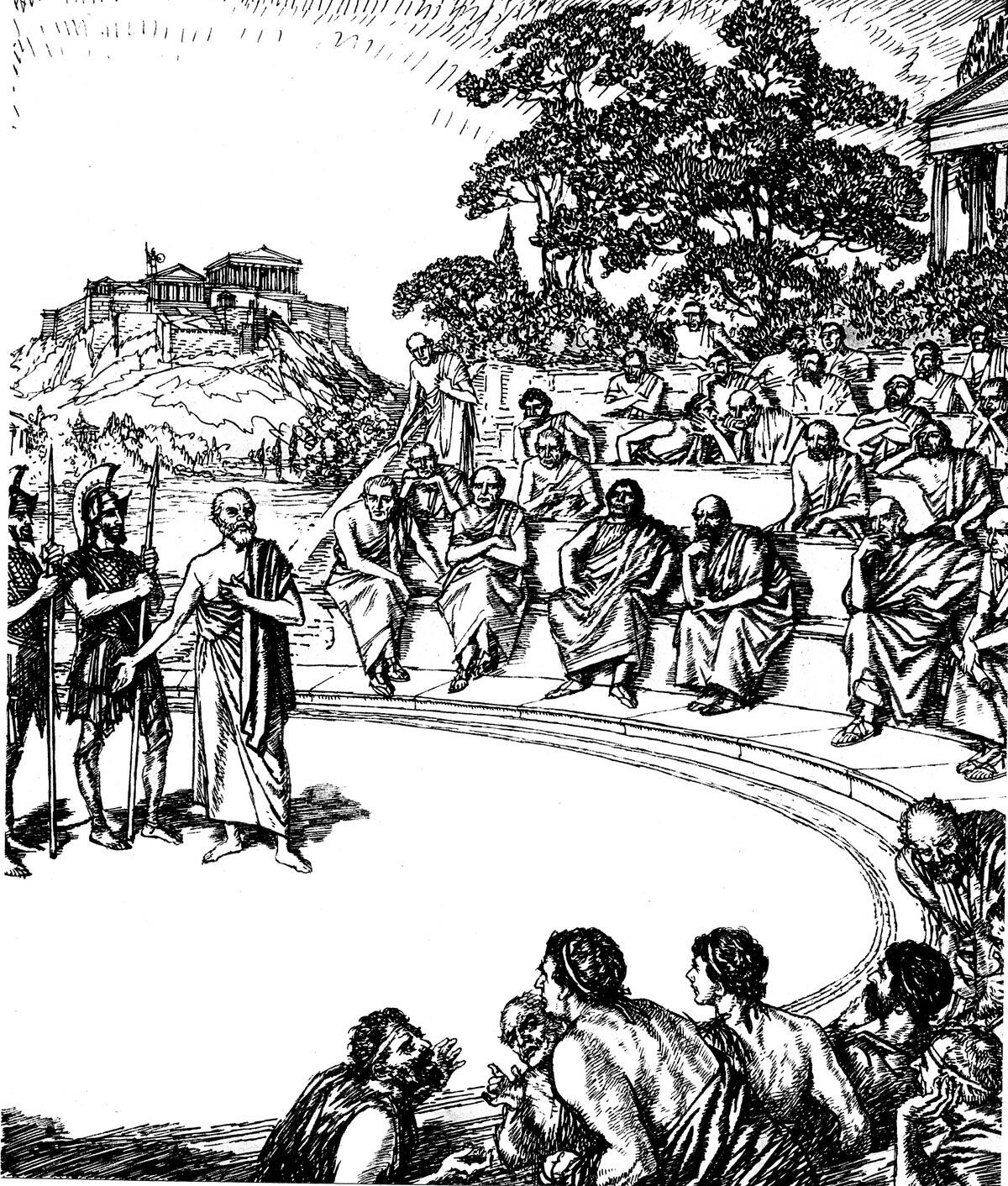
The concept of the jury system is rooted in centuries-old traditions. Initially, it began as a way to incorporate community judgment into legal proceedings.
This communal decision-making process was seen as a way to balance power between the state and its citizens. As societies evolved, so did the need for a more structured and formalized system, laying the groundwork for what we recognize today.
Ancient Greece: The Birthplace of Jury Trials

Jury trials trace back to Ancient Greece, where citizens actively participated in legal matters. The Greeks introduced large juries, consisting of hundreds or even over a thousand if the crime was serious enough, to ensure a broad representation of society.
This democratic approach provided a foundation for justice that was less prone to corruption. Their system emphasized the power of ordinary citizens in influencing legal outcomes.
Roman Influence: The Jury System Takes Shape
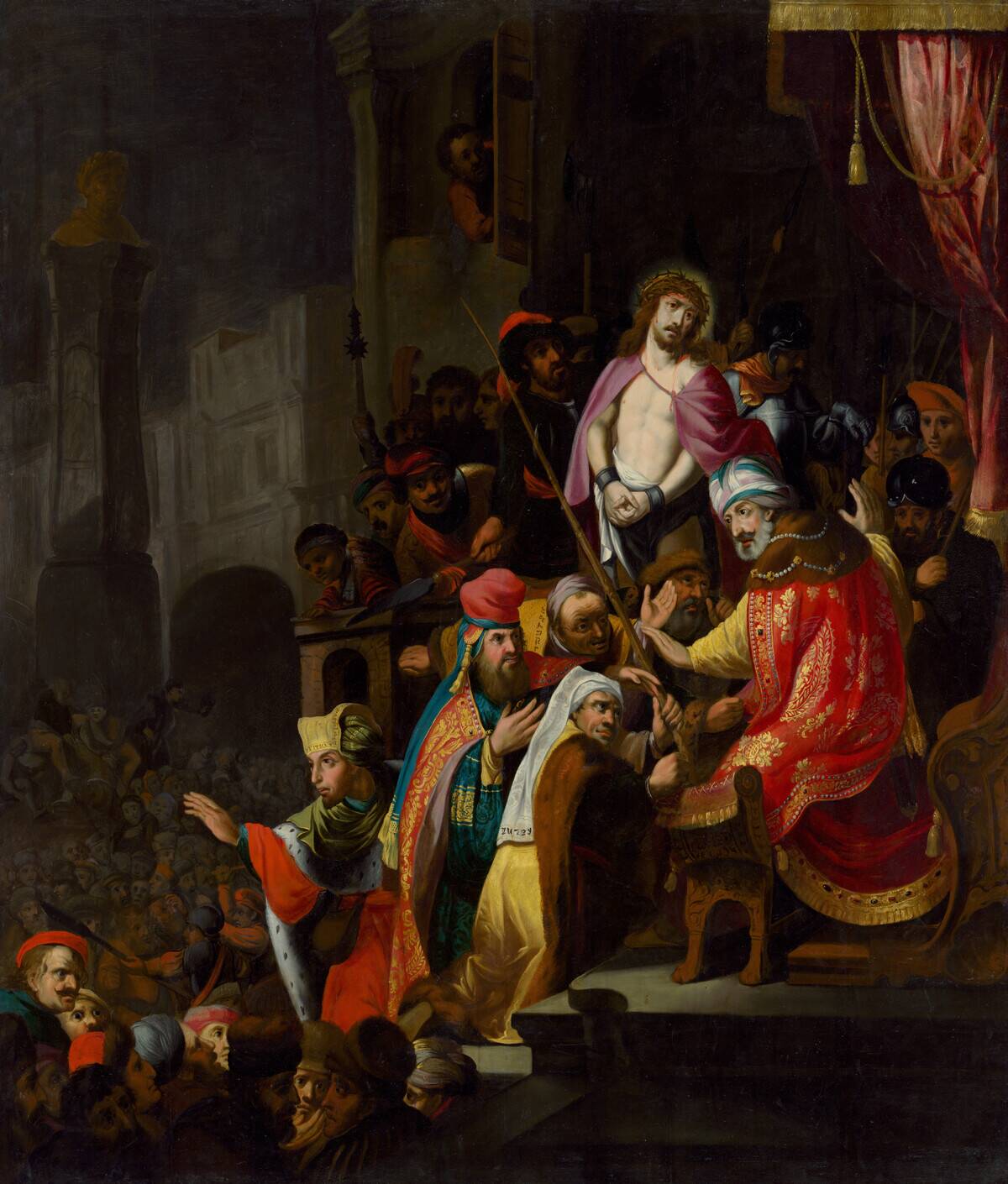
The Romans further developed the jury concept by introducing more structured legal frameworks. They refined the process by establishing clear roles for judges and jurors.
Roman law influenced many legal systems worldwide, embedding the idea of citizen participation in legal decisions. This integration of jurors helped bridge the gap between legal authorities and the populace.
Medieval Britain: The Jury System’s Early Days
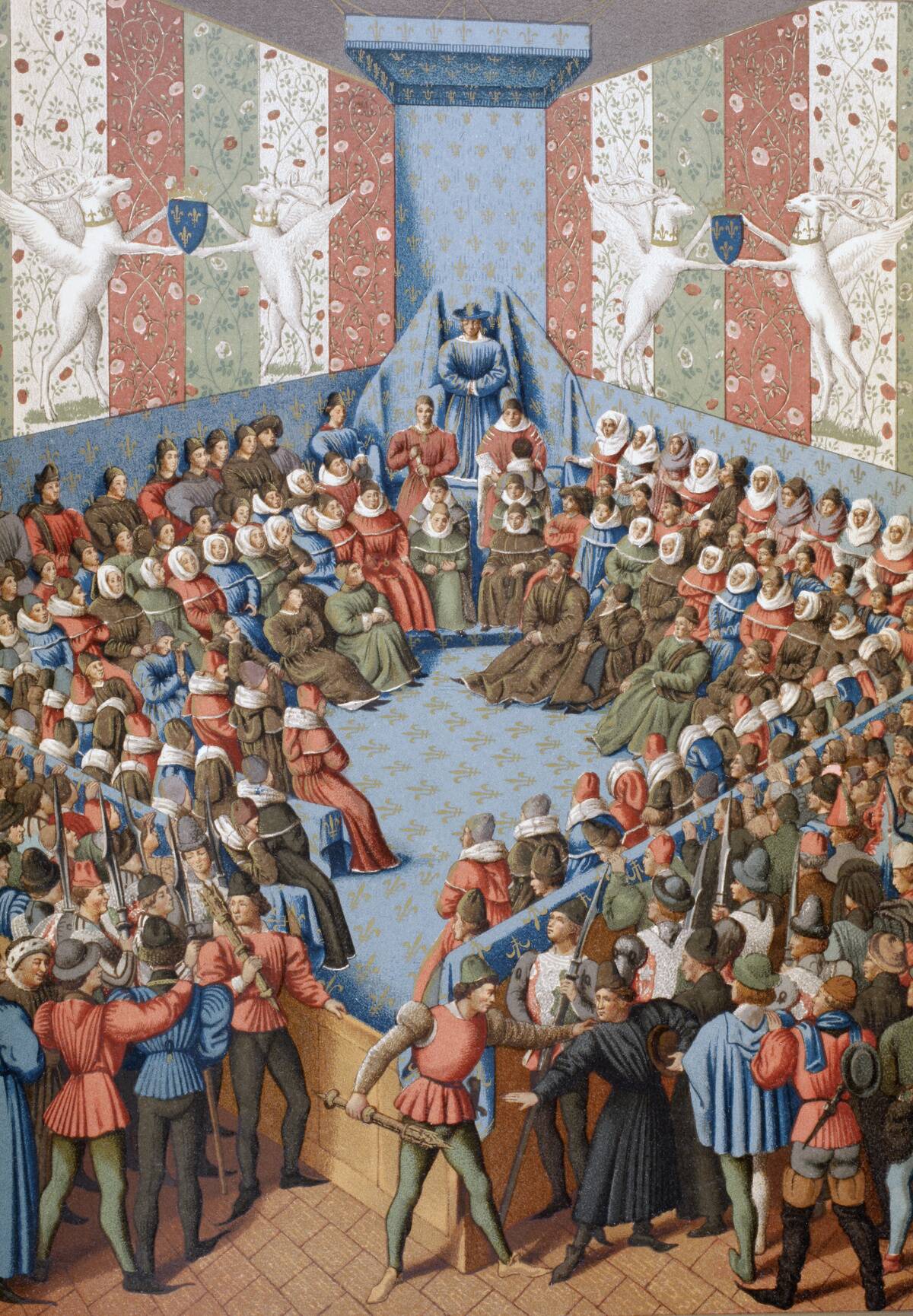
In medieval Britain, the jury system began to resemble its modern form. Initially, jurors were minor nobles who also had to investigate crimes themselves to decide on the gathered information.
Over time, this evolved into a more formalized process, with jurors serving as impartial arbiters. This period marked a shift from feudal justice to a system that recognized the importance of local knowledge and fairness.
The Magna Carta: A Turning Point for Jury Trials
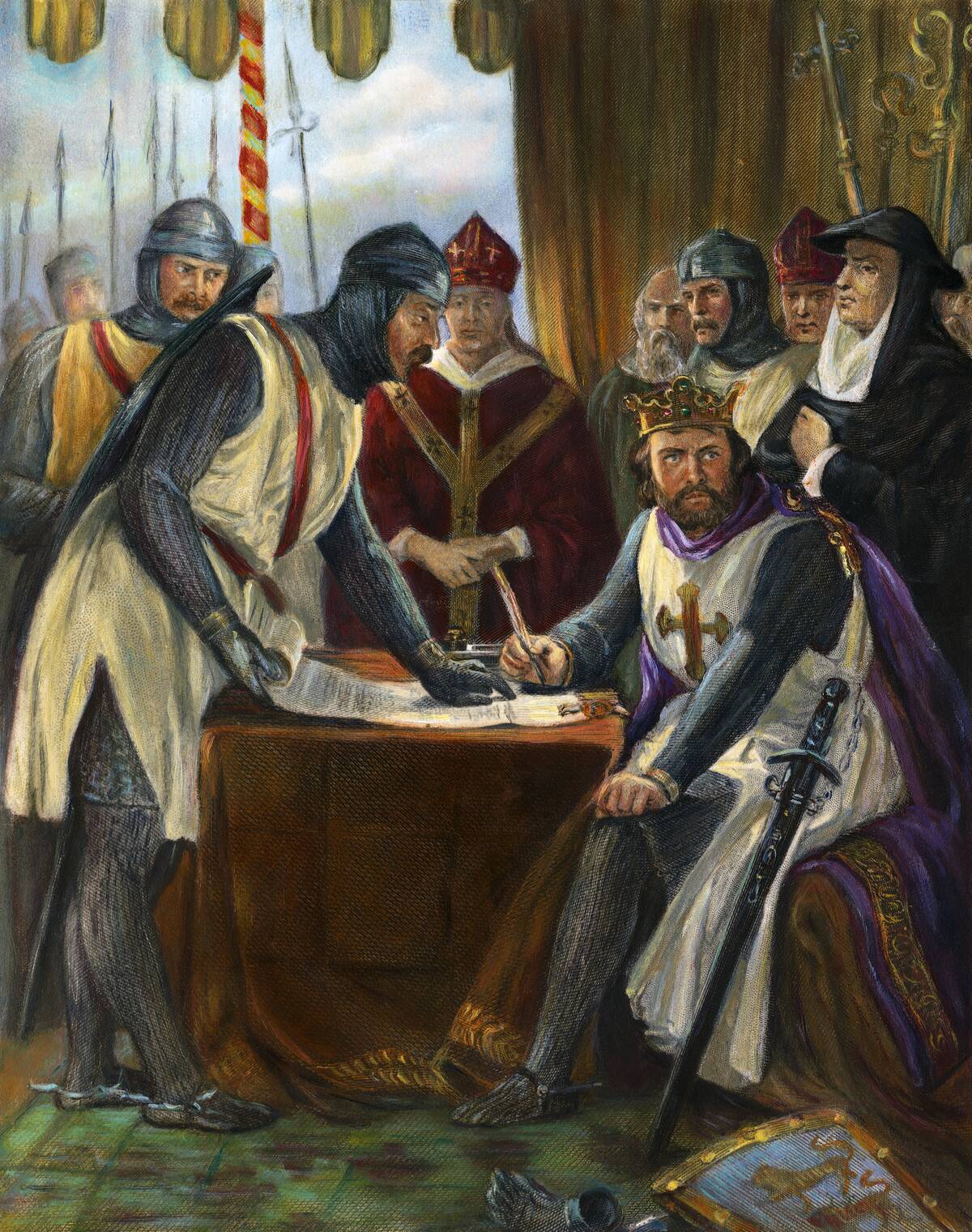
The Magna Carta of 1215 was a pivotal moment for jury trials, establishing the right to a fair trial by one’s peers. This document laid the groundwork for modern legal principles, emphasizing the importance of impartiality and justice.
It signified a shift towards limiting arbitrary authority and protecting individual rights, principles that continue to underpin today’s jury systems.
The Colonial Era: Juries in the New World
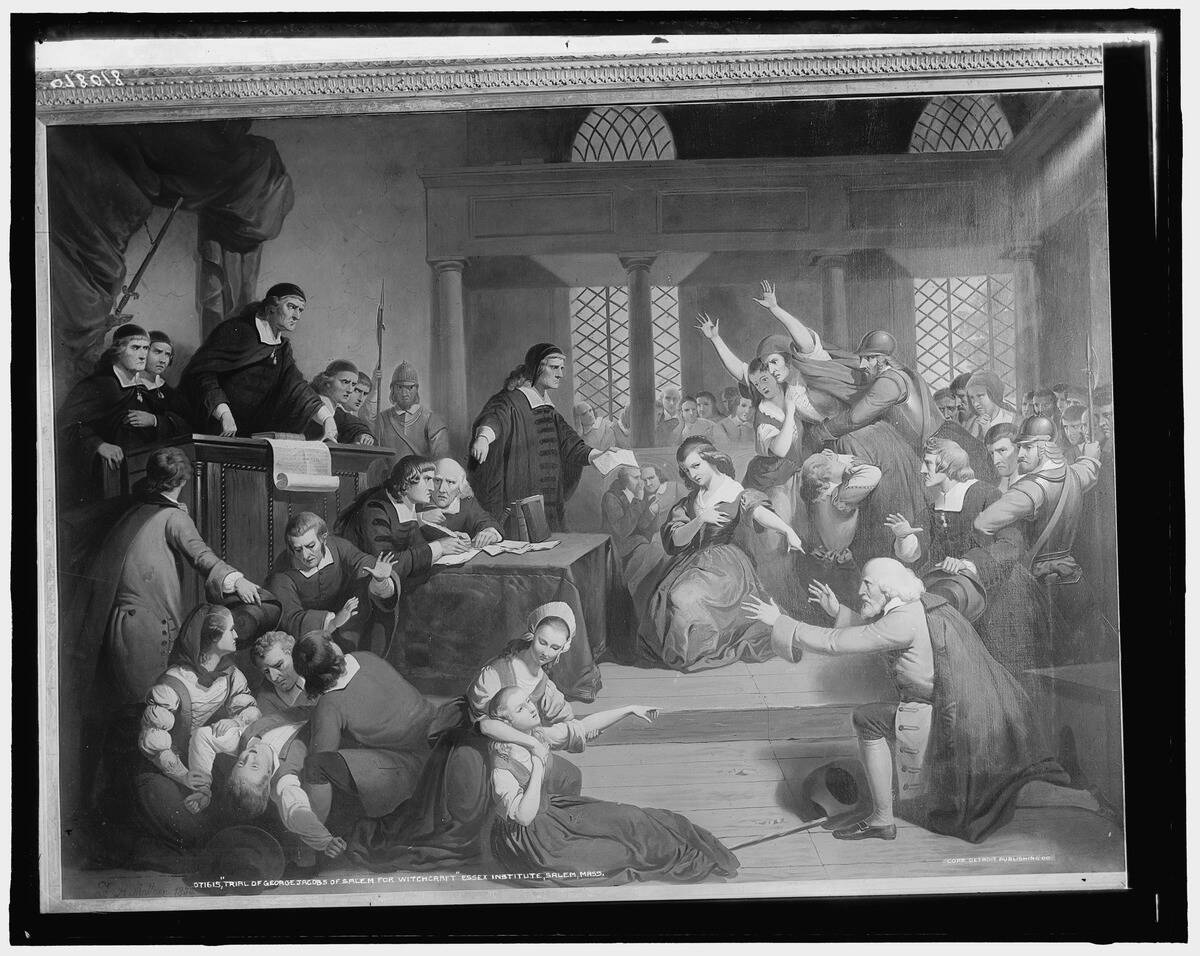
In the New World, colonists brought the jury system with them, adapting it to their new societal needs. Jury trials became a fundamental part of colonial justice, as one of the complaints lodged in the Declaration of Independence suggested the British crown limited the extent to which jury trials pervaded in colonial America.
This adaptation was crucial in shaping the legal landscapes of emerging nations. It also laid the groundwork for future legal innovations and adaptations in response to changing societal norms.
The American Revolution: A New Jury System Emerges
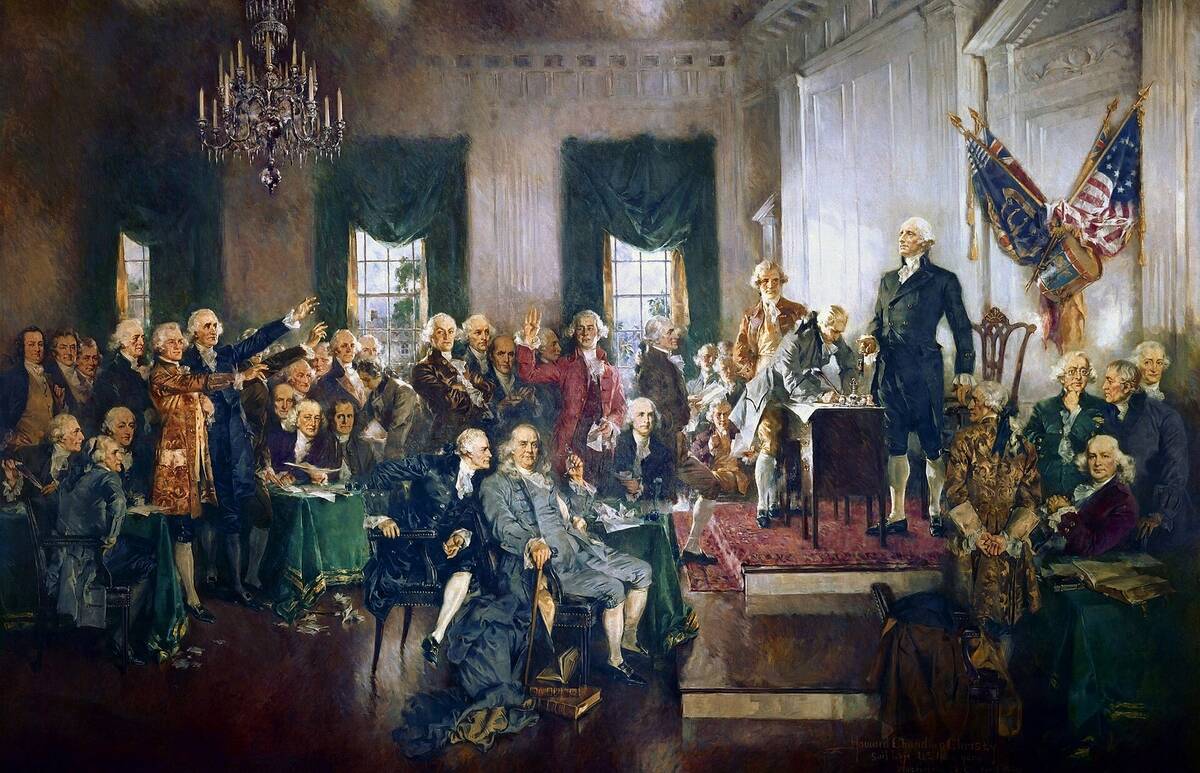
The American Revolution catalyzed significant changes in the jury system, emphasizing independence from British rule. The founding fathers enshrined the right to a jury trial in the U.S. Constitution, reflecting their commitment to justice and liberty.
This period highlighted the jury’s role as a protector of individual rights, ensuring that citizens had a voice in legal proceedings.
The 19th Century: Industrialization and Jury Evolution
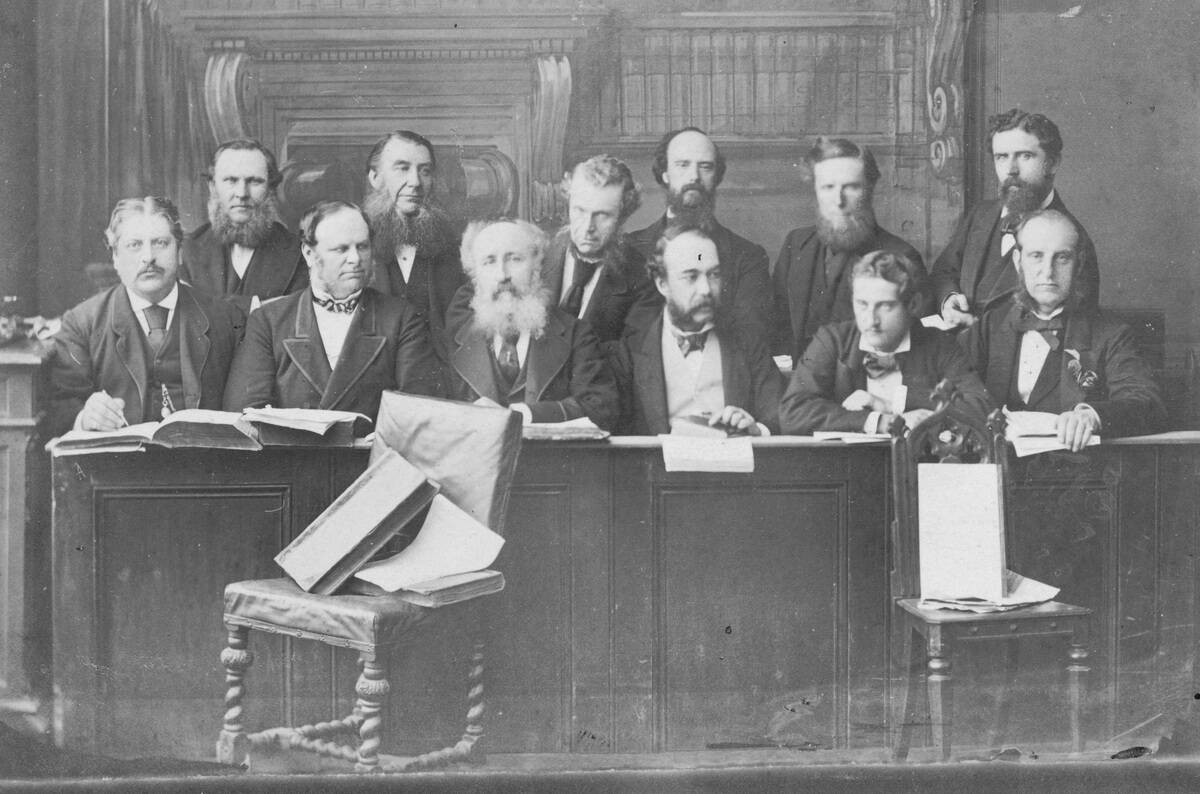
Industrialization in the 19th century brought new challenges and transformations to the jury system. As societies grew more complex, so did legal cases, requiring jurors to adapt to new types of evidence and legal concepts.
This era marked a shift towards more professionalized juries, with greater emphasis on impartiality and expertise, reflecting changes in societal structures. This was especially true in patent cases, where it was assumed that jurors were incapable of understanding the “new industrial reality” of the world.
The Women’s Movement: Expanding Jury Participation
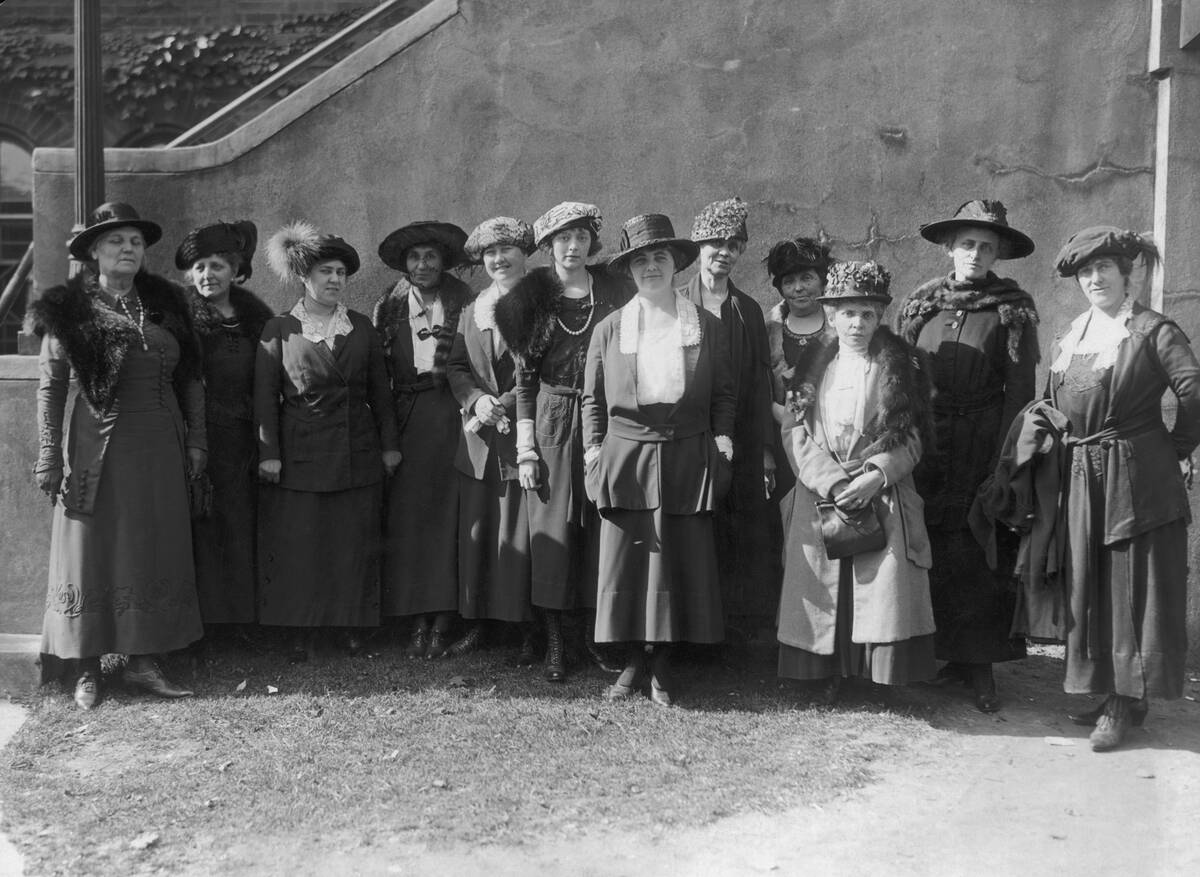
The women’s suffrage movement played a critical role in expanding jury participation. As women gained the right to vote, they also fought for the right to serve as jurors.
This inclusion was a significant step towards gender equality in the legal system. It highlighted the changing perceptions of women’s roles in society and underscored the importance of diverse perspectives in judicial processes.
Modern Day: The Jury System in the 21st Century

Today, the jury system continues to adapt and evolve, addressing contemporary challenges. Courts increasingly focus on ensuring impartiality and transparency in trials.
Ongoing debates center around jury selection processes and the role of technology in trials. Modern juries strive to reflect societal diversity, maintaining their role as essential arbiters of justice in an ever-changing world.
Jury Duty: A Civic Obligation or a Civic Right?
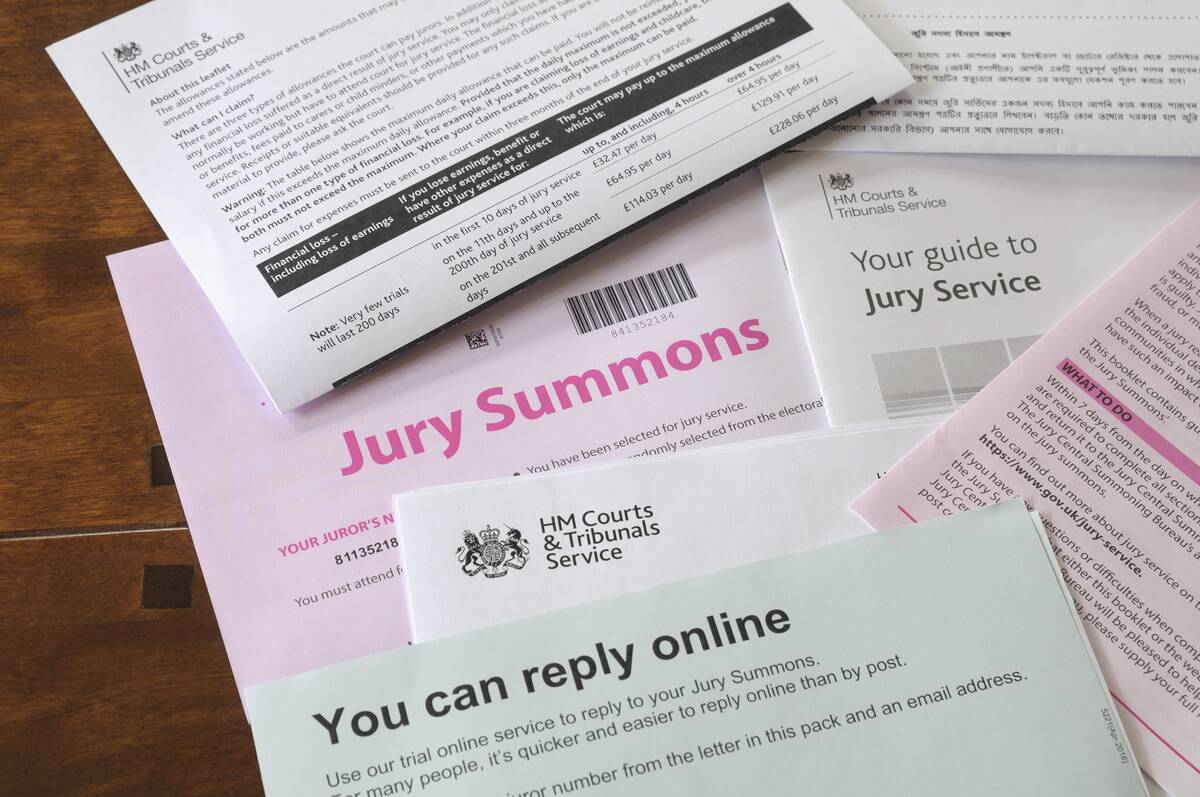
Jury duty is often seen as both a civic obligation and a civic right, embodying democratic participation in justice. While some view it as a burden, others see it as an opportunity to contribute to the legal process.
Serving on a jury allows citizens to engage directly with their legal system, reinforcing the principle that justice is a collective responsibility. This dual perspective highlights the jury’s role in civic life.
Jury Selection: How It Really Works
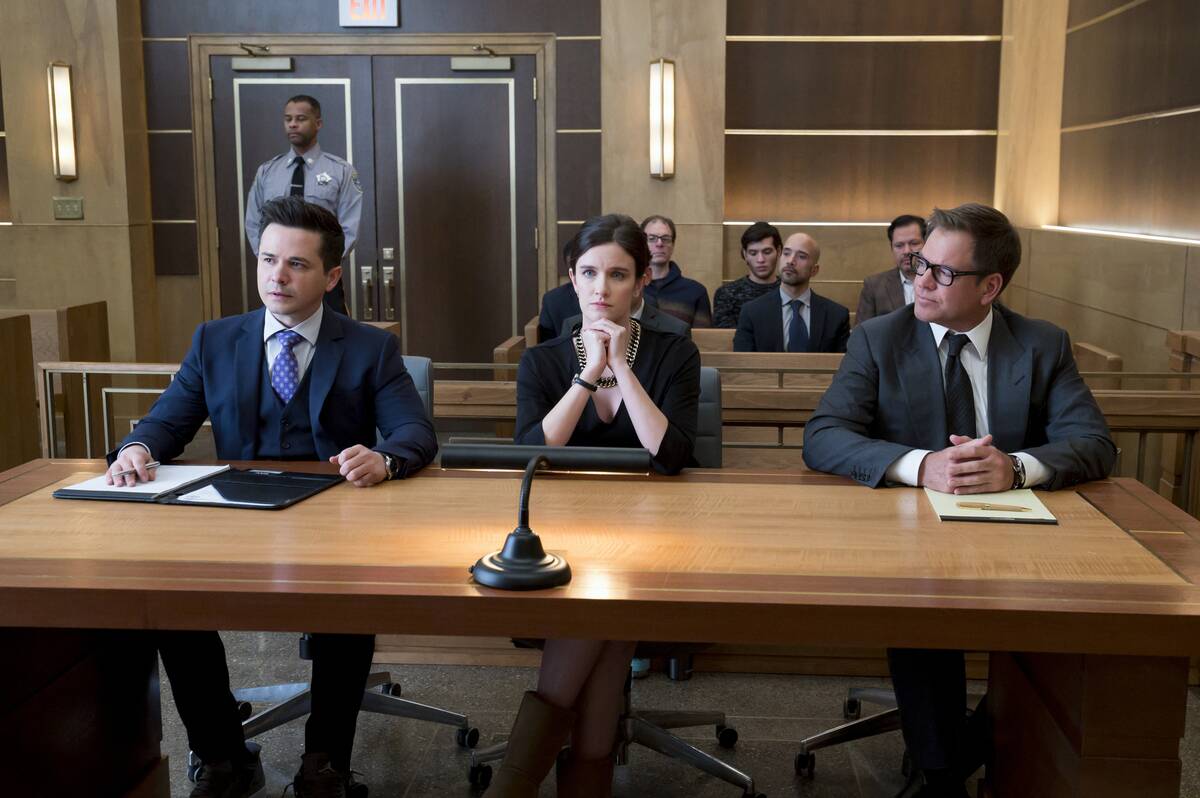
Jury selection is a meticulous process designed to ensure fair and impartial trials. It begins with a pool of potential jurors, randomly selected from voter or driver’s license lists.
Lawyers and judges then conduct “voir dire,” a questioning process for witnesses and jurors to identify biases. Though complex, this process is crucial in upholding the integrity of the legal system, ensuring that juries are free from prejudice and representative of the community.
Global Perspectives: Jury Systems Around the World
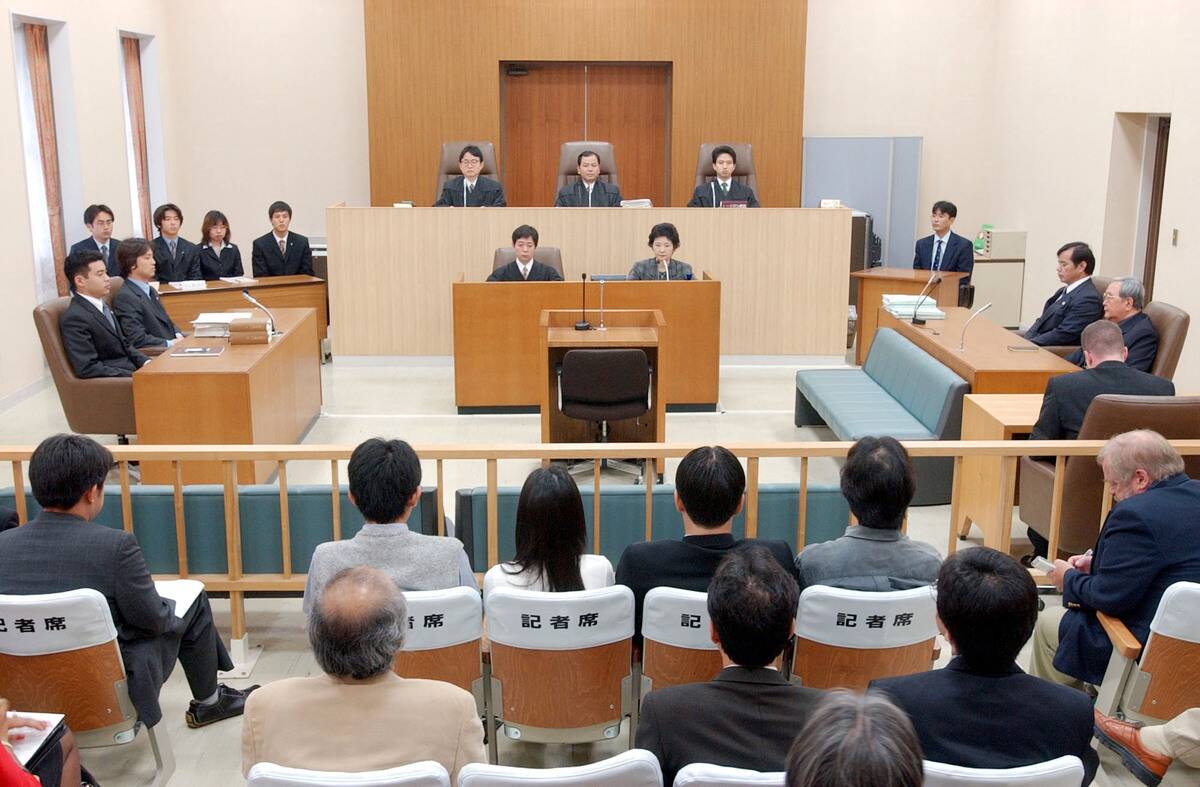
Jury systems vary widely across the globe, reflecting diverse legal traditions. While common in Anglo-American legal systems, many countries use different approaches.
For example, some European nations employ lay judges alongside professional judges. In Japan, the “saiban-in” system combines lay and professional judges in serious criminal cases. These variations highlight cultural differences in public participation in justice.




