The history of the presidential pardon, explained
The presidential pardon is a fascinating mechanism, deeply rooted in history and tradition. Originating from the English monarchy’s royal prerogative of mercy, it was adapted into the U.S. system by the Founding Fathers.
This power allows for the forgiveness of federal offenses, symbolizing mercy and the potential for redemption. The idea was to provide a check to judicial decisions, ensuring fairness in the justice system. It’s an extraordinary aspect of executive power that continues to evolve.
The Constitutional Foundation: Article II, Section 2
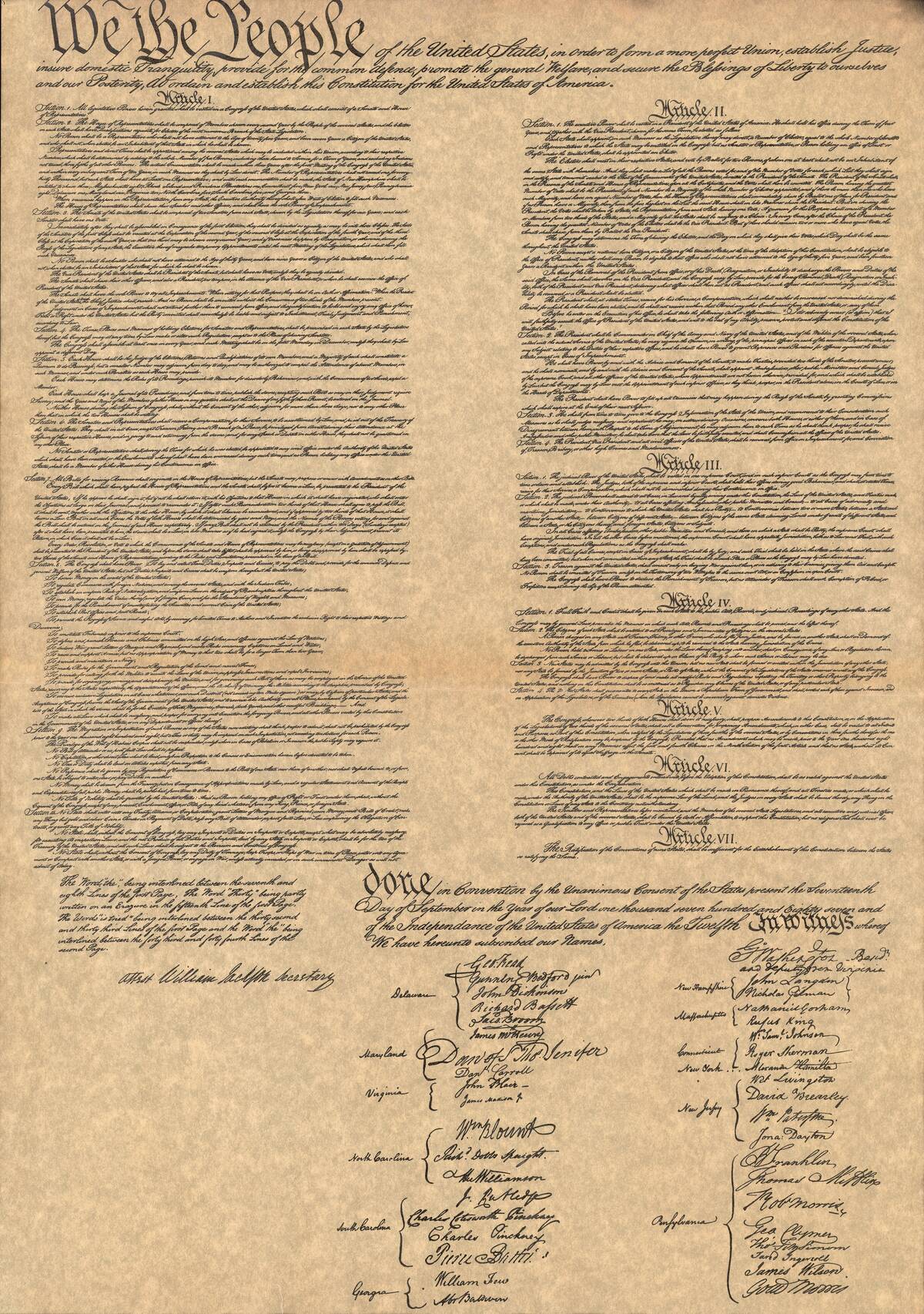
Article II, Section 2 of the U.S. Constitution grants the President the power to pardon. This section states that the President “shall have Power to grant Reprieves and Pardons for Offenses against the United States, except in Cases of Impeachment.”
It’s one of the broadest executive powers and has been interpreted in various ways over the years. It was designed to allow the President to act swiftly and decisively in matters of justice, offering a path to mercy when necessary.
The Founding Fathers’ Vision: Why Pardons Matter
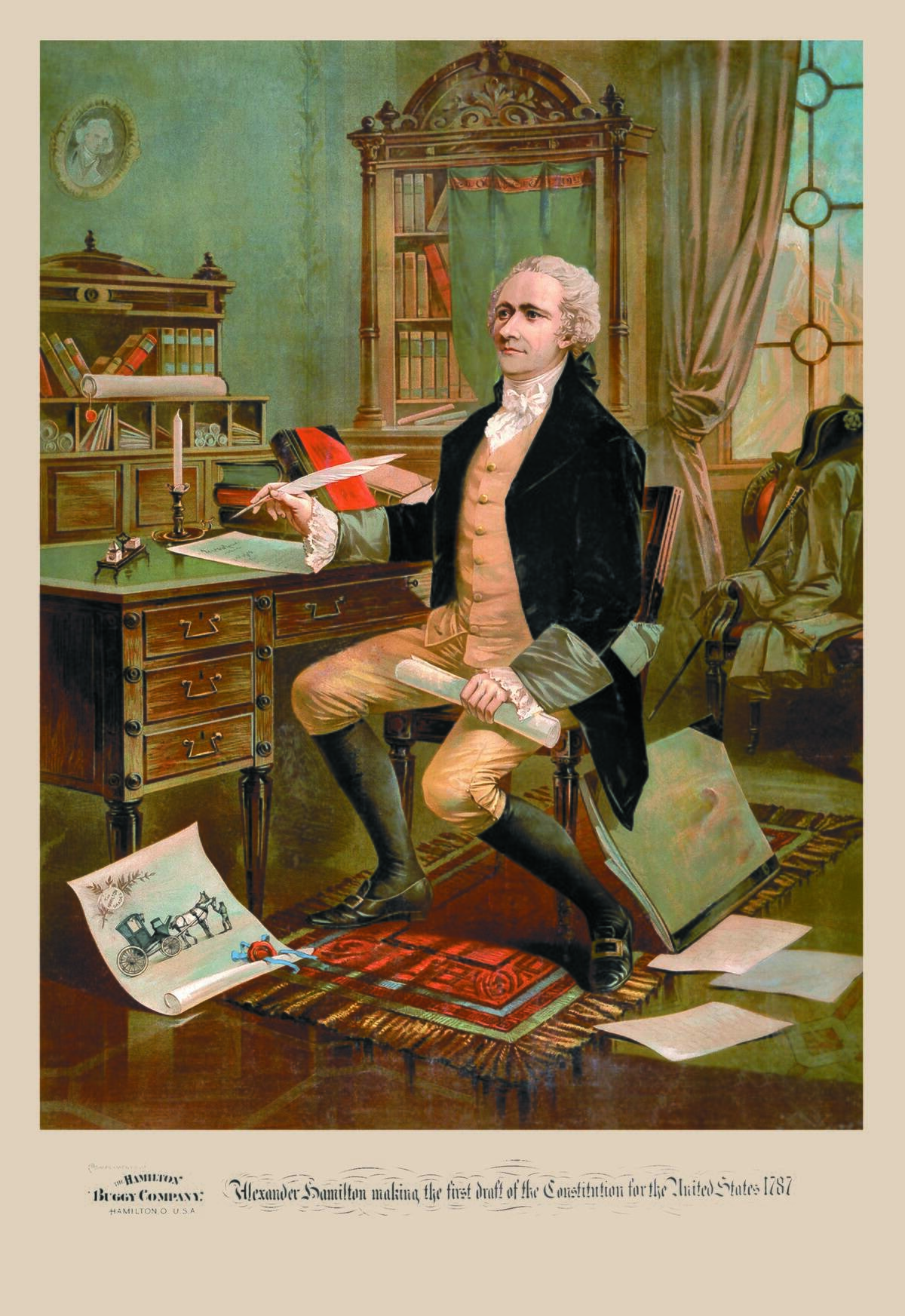
The Founding Fathers envisioned the pardon as a tool for justice and compassion. Alexander Hamilton, in Federalist No. 74, argued that pardons were necessary to temper justice with mercy. They believed that errors in judgment could occur and the pardon was a way to correct them.
This vision was to ensure that the law was humane and not overly rigid. By granting this power, the Founders aimed to balance justice with the potential for human error and the need for forgiveness.
Early Uses of the Pardon: Setting Precedents
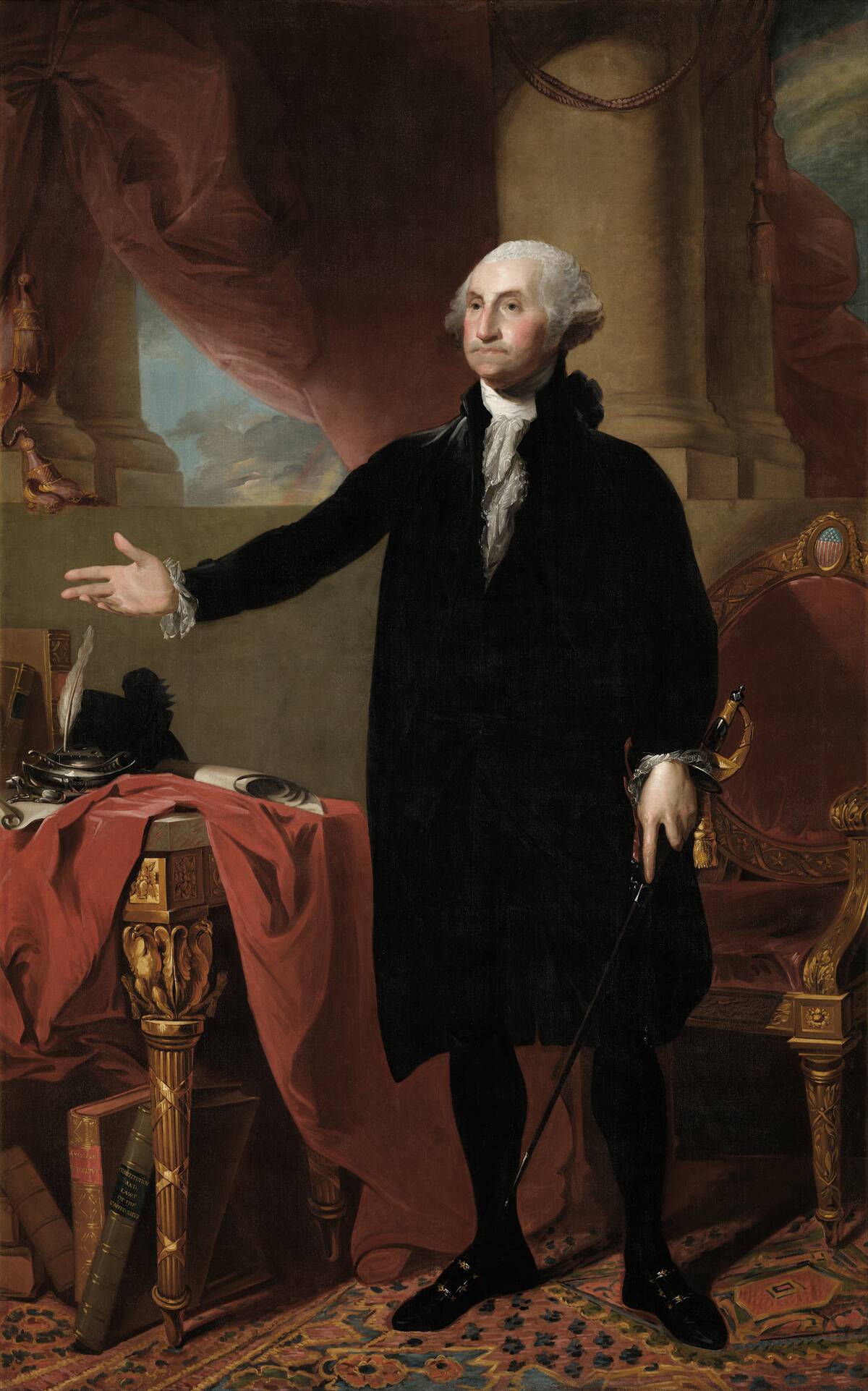
In the early days of the republic, pardons were used to set important legal precedents. George Washington issued the first presidential pardon in 1795 to the leaders of the Whiskey Rebellion, demonstrating the power’s potential to heal national wounds.
These early uses set the tone for how pardons could be used to promote national unity and reconcile contentious disputes. By employing the pardon, Washington and his successors showed that the power could be a tool for both justice and diplomacy.
The Whiskey Rebellion: Washington’s Bold Move
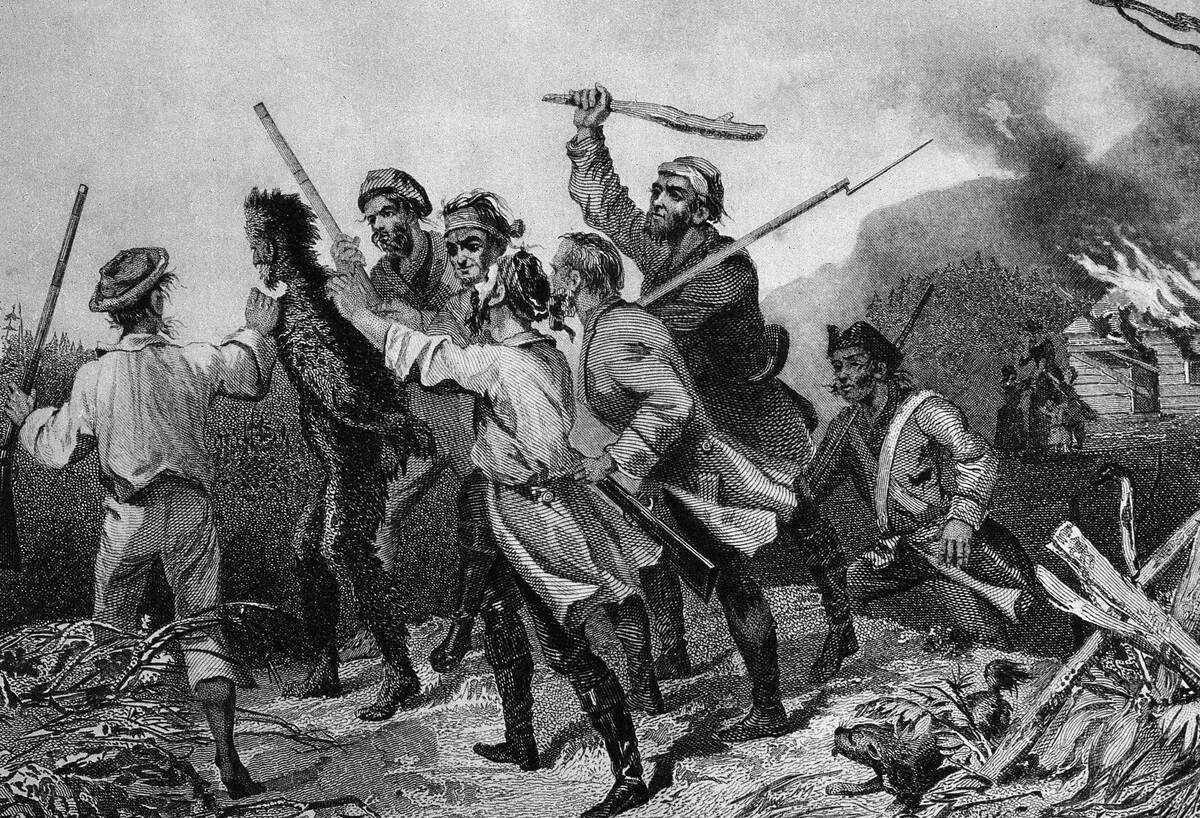
The Whiskey Rebellion of 1794 was a critical moment when President George Washington used the pardon power boldly. Farmers in western Pennsylvania protested a federal excise tax on whiskey, leading to a rebellion.
Washington’s decision to pardon two convicted participants after quelling the uprising was a strategic move to promote peace and stability. It demonstrated the effectiveness of pardons in de-escalating conflicts and was an early example of using presidential power to unify the nation post-crisis.
The Civil War Era: Lincoln’s Clemency Choices
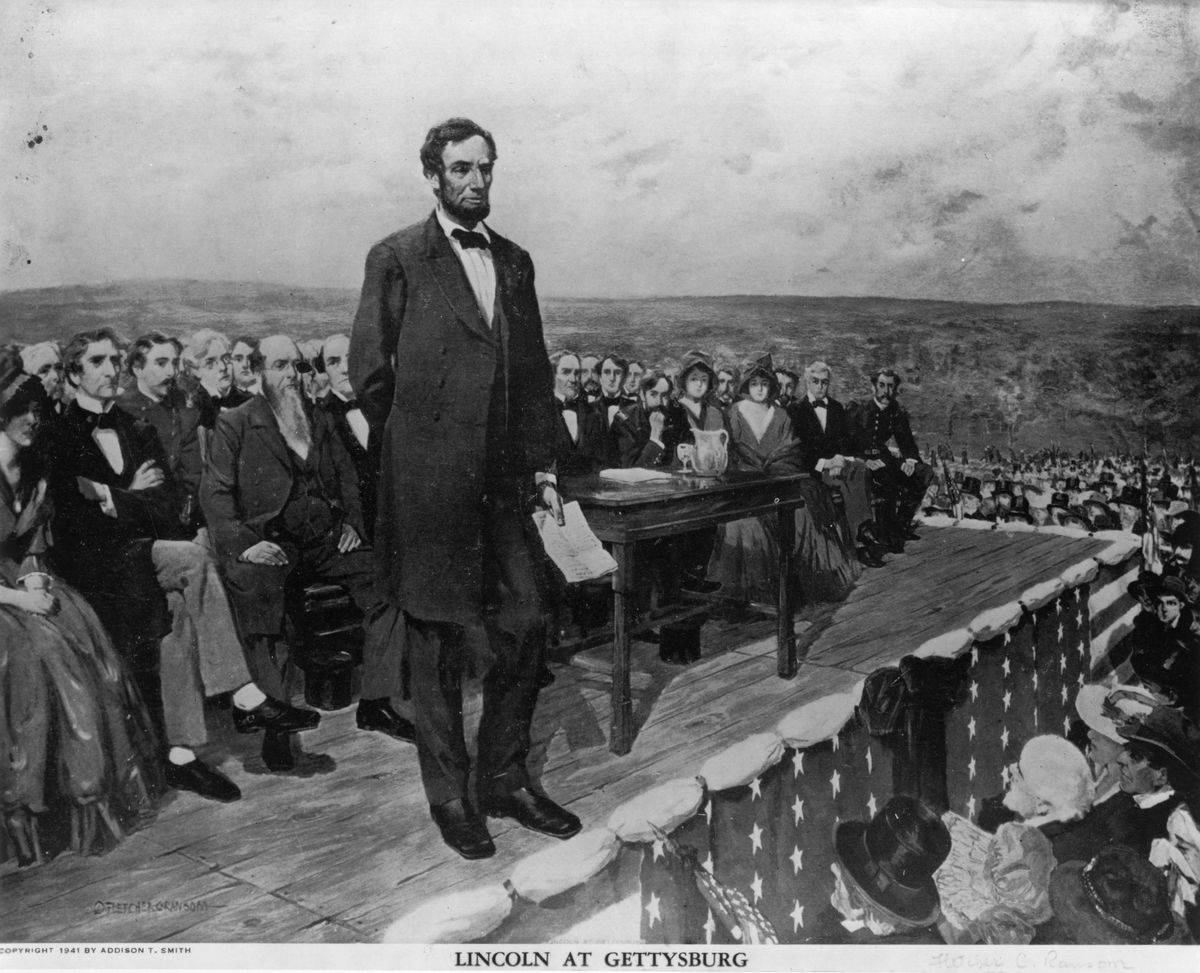
During the Civil War, President Abraham Lincoln used his pardon power to foster healing and reconciliation. He offered pardons to Confederate soldiers who pledged allegiance to the Union, a move aimed at mending a fractured nation.
Lincoln believed that clemency was essential for rebuilding trust and unity. His choices highlighted the role of the pardon as a tool for national recovery and emphasized mercy in times of division. Lincoln’s actions set a precedent for using pardons to aid in post-war recovery.
The Controversial Case of Richard Nixon

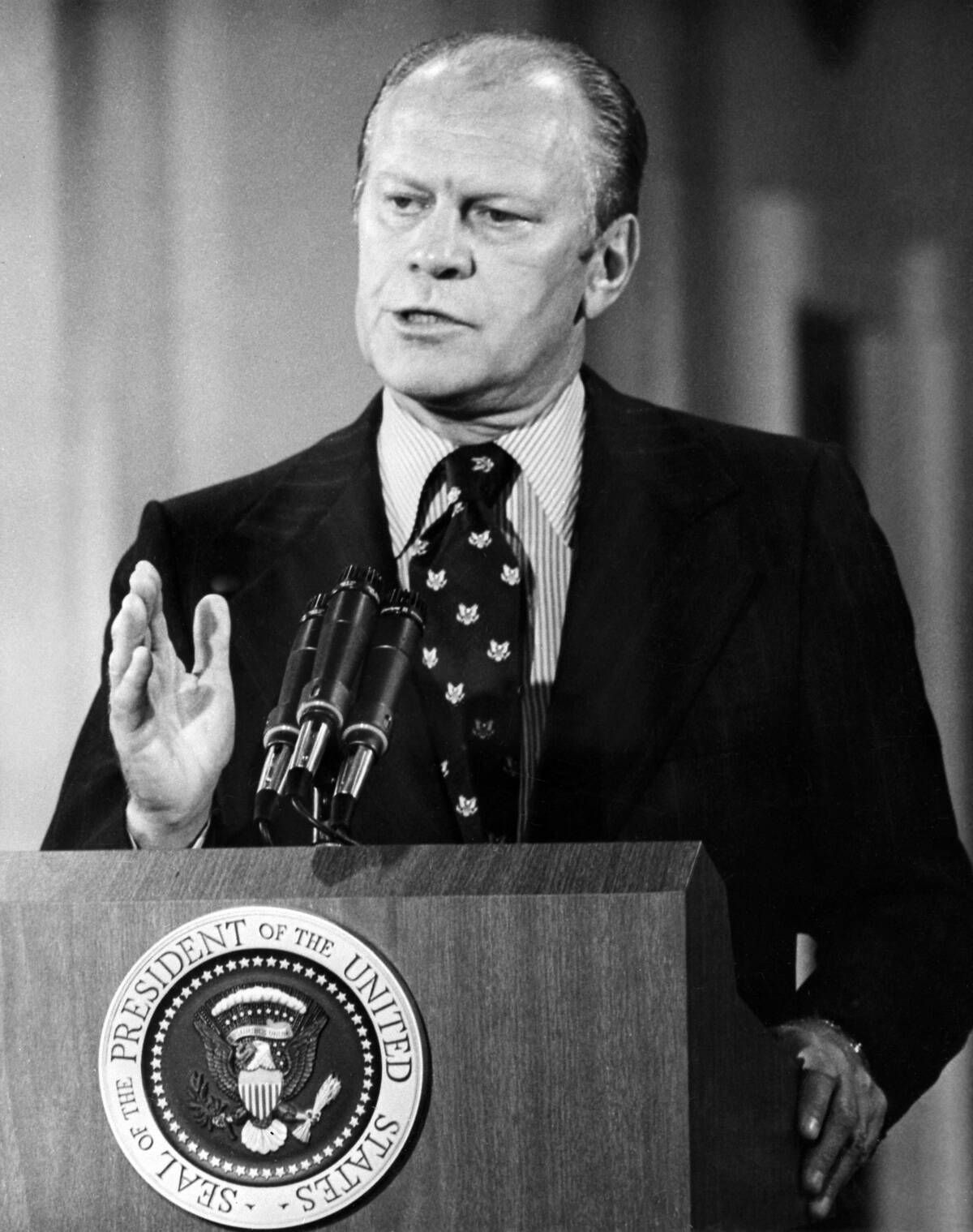
Arguably one of the most controversial uses of the pardon was when President Gerald Ford pardoned Richard Nixon in 1974. Nixon resigned following the Watergate scandal, and Ford issued a pardon to help the country move forward.
This decision was met with mixed reactions, with some viewing it as a necessary step to heal the nation and others seeing it as a denial of justice. Ford’s pardon of Nixon remains a defining moment in presidential pardon history, sparking debates about accountability and forgiveness.
Pardons in the 20th Century: A Changing Landscape
The 20th century saw the pardon power being used in diverse ways, reflecting the evolving political landscape. Presidents like Jimmy Carter used it to pardon Vietnam War draft evaders, aiming to heal the nation’s divisions. Meanwhile, other pardons were more controversial, often reflecting the political tensions of the times.
As society changed, so did the use of pardons, showcasing their adaptability to different eras and challenges. The century highlighted the pardon as both a tool for personal justice and broader societal healing.
Famous Presidential Pardons: From Ford to Clinton
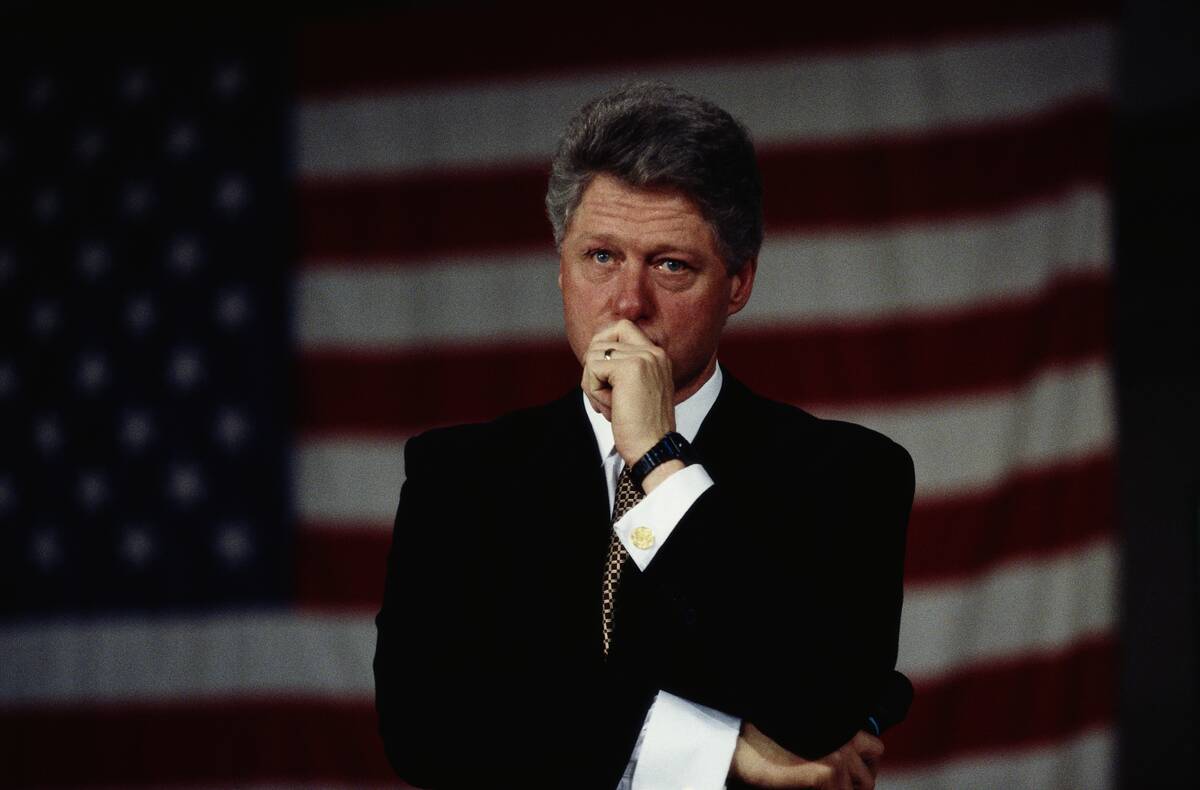
Famous presidential pardons have captured public attention and sparked debate. Besides Ford’s pardon of Nixon, Bill Clinton’s 2001 pardon of financier Marc Rich was notable. Rich had fled the U.S. to avoid charges of tax evasion and illegal trading.
Clinton’s decision drew criticism and accusations of favoritism. These high-profile cases underscore the power’s potential for controversy and its impact on a president’s legacy. Despite the debates, such pardons exemplify the complex intersection of law, politics, and public perception.
The Legal Process: How a Pardon is Granted
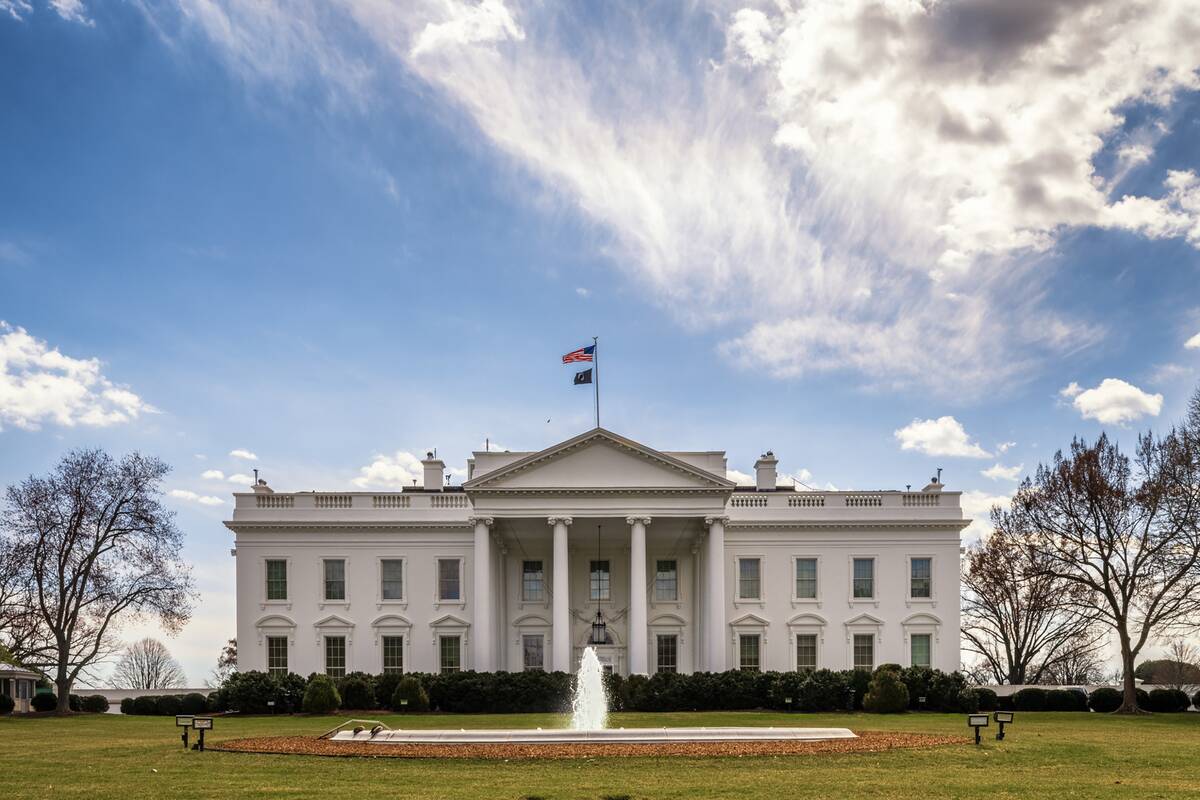
The process of granting a presidential pardon involves several steps. A pardon application is typically reviewed by the Department of Justice’s Office of the Pardon Attorney. The President may then consider recommendations before making a decision.
Although the President has the final say, the process ensures careful evaluation and consideration of each case. This system aims to maintain fairness and transparency, balancing the need for executive discretion with a structured approach to clemency.
The Role of the Department of Justice: Recommending Pardons
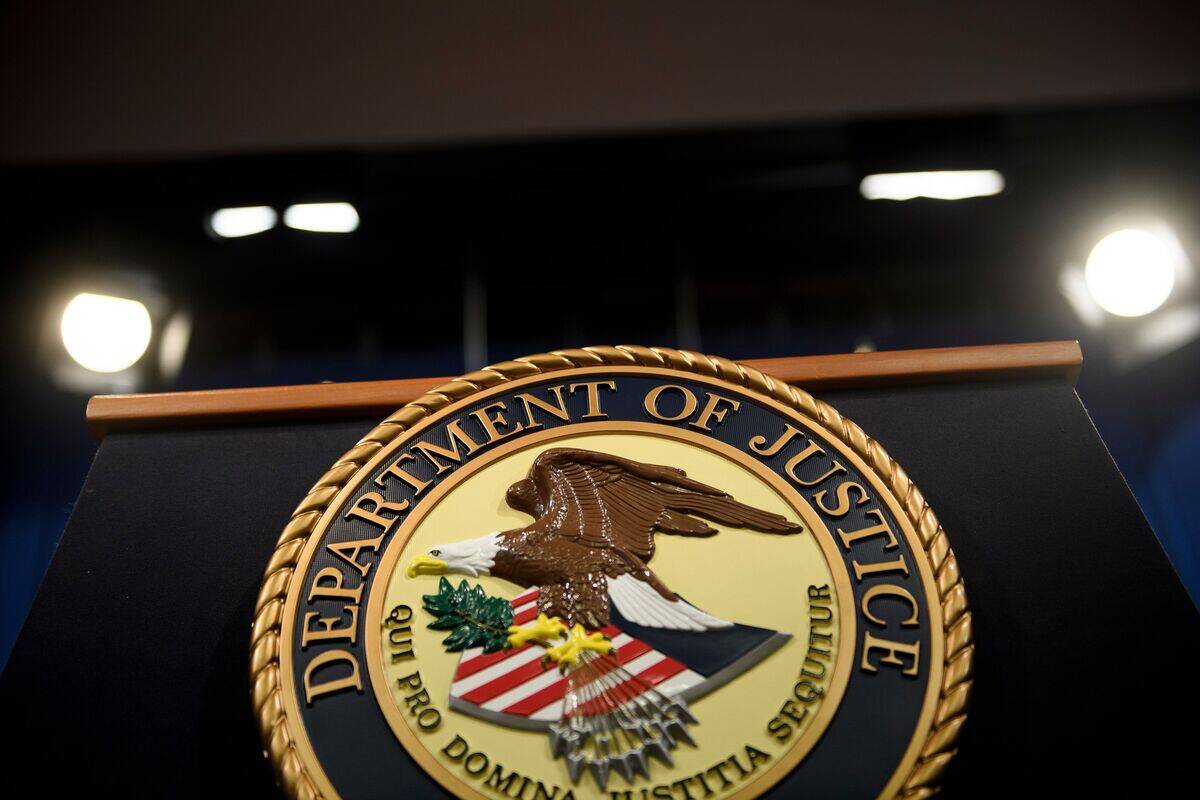
The Department of Justice plays a crucial role in the pardon process. The Office of the Pardon Attorney reviews applications and makes recommendations to the President. This office evaluates the merits of each case, considering factors like rehabilitation and remorse.
While the President isn’t bound by these recommendations, they provide a structured framework for decision-making. The DOJ’s involvement helps ensure that pardons are granted based on thorough assessments, aiming to uphold justice and fairness.
Recent Trends: Pardons in the 21st Century
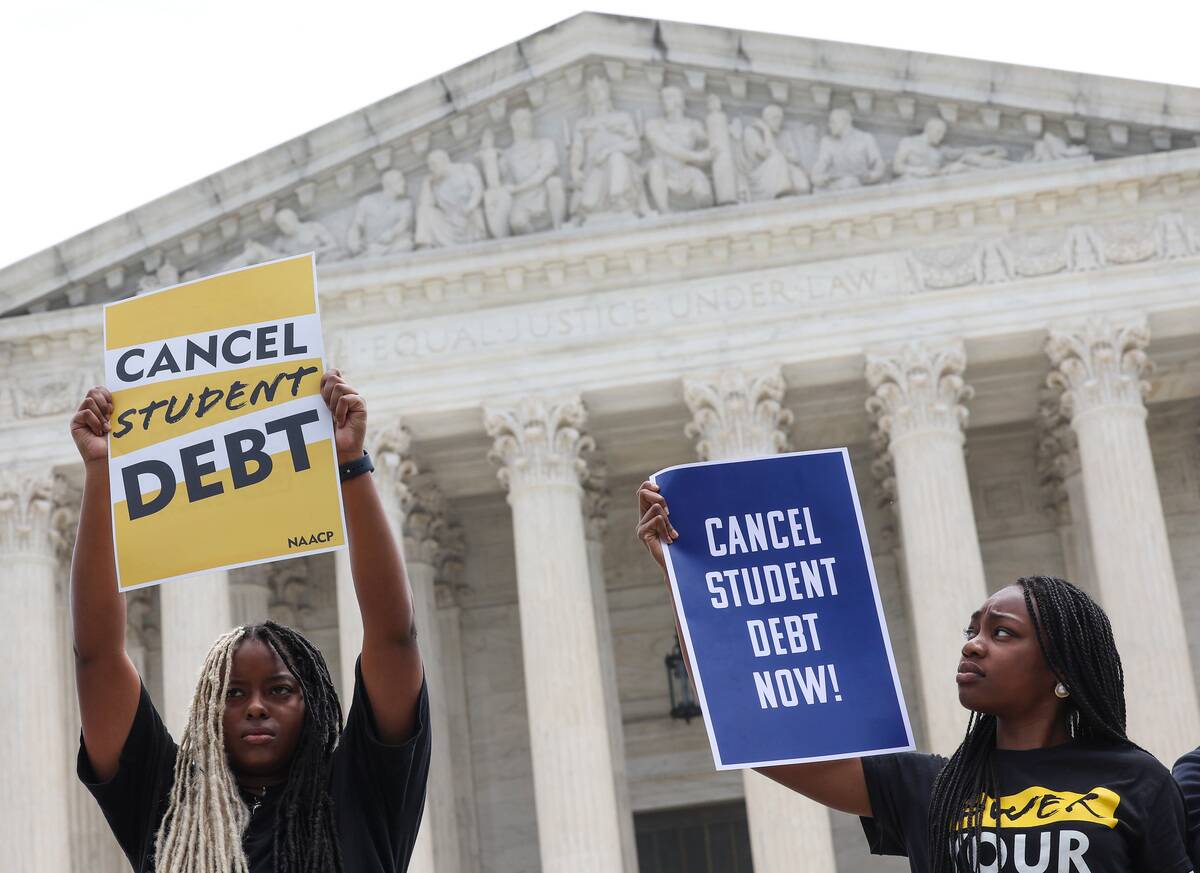
In the 21st century, presidential pardons have continued to evolve with societal changes. Recent administrations have used pardons to address issues like criminal justice reform and systemic inequities. The focus has shifted towards correcting past injustices and promoting rehabilitation.
This trend reflects a growing awareness of the justice system’s flaws and the need for compassionate solutions. As society progresses, so does the application of pardons, highlighting their relevance in contemporary governance.
Presidential Pardon vs. Commutation: What’s the Difference?
A presidential pardon and a commutation are distinct forms of clemency. A pardon forgives a crime and restores civil rights, while a commutation reduces a sentence but doesn’t erase the conviction. Commutations are often granted to address sentencing disparities or humanitarian concerns.
Understanding this distinction is crucial, as each serves different purposes within the justice system. While both are acts of mercy, they offer different paths for relief and rehabilitation for those impacted by the justice system.
The Future of the Presidential Pardon: Speculations and Predictions
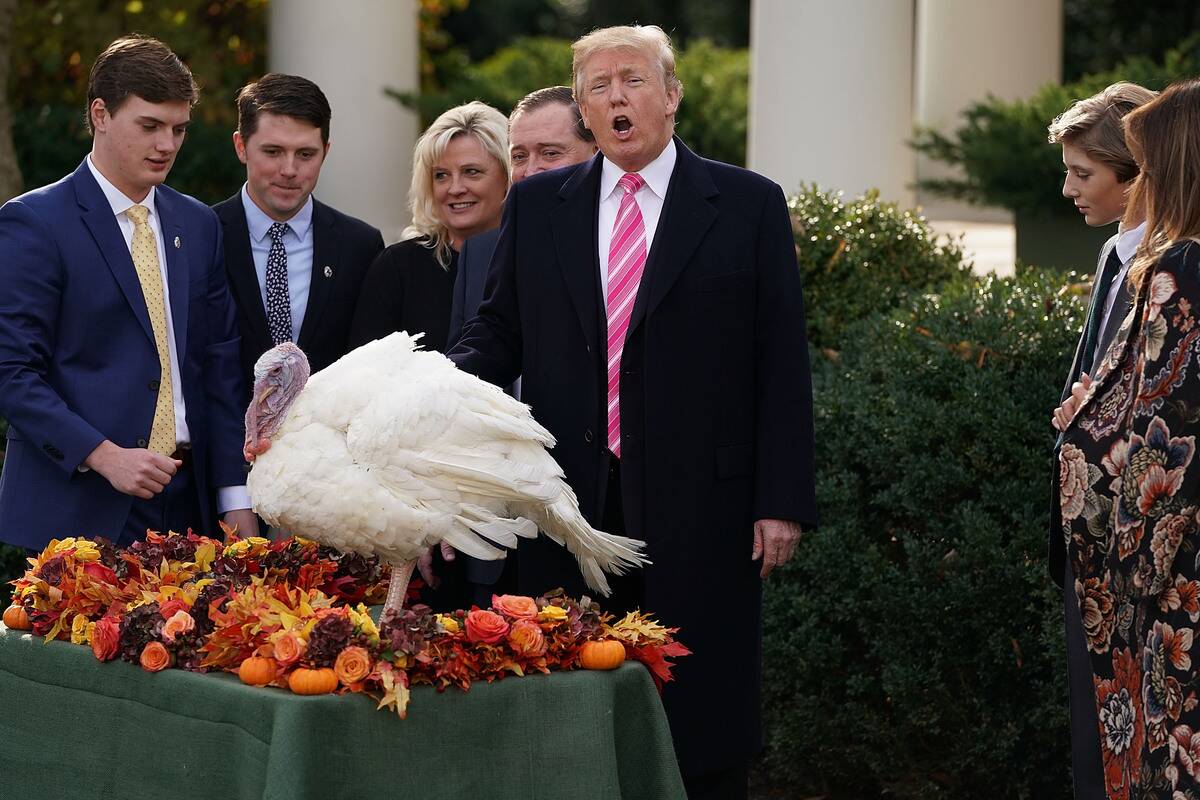
The future of the presidential pardon is likely to continue evolving with societal changes. As public awareness of social justice issues grows, future pardons may increasingly focus on correcting systemic injustices. Technological advancements could also influence the process, making it more transparent and accessible.
While the core principles of mercy and forgiveness will remain, the application of pardons may adapt to meet the needs of a changing world. Speculating on future trends, the pardon remains a powerful tool for justice and compassion.




