How much do you remember about FDR’s New Deal era
Franklin Delano Roosevelt, commonly known as FDR, was a pivotal figure in American history, especially noted for his innovative New Deal programs. Taking office during one of the toughest times in U.S. history, his presidency marked a significant shift in the role of the federal government.
The New Deal era, which spanned the 1930s, was characterized by a series of economic and social reforms aimed at reviving the American economy and providing relief to its citizens.
The Impact of the Great Depression
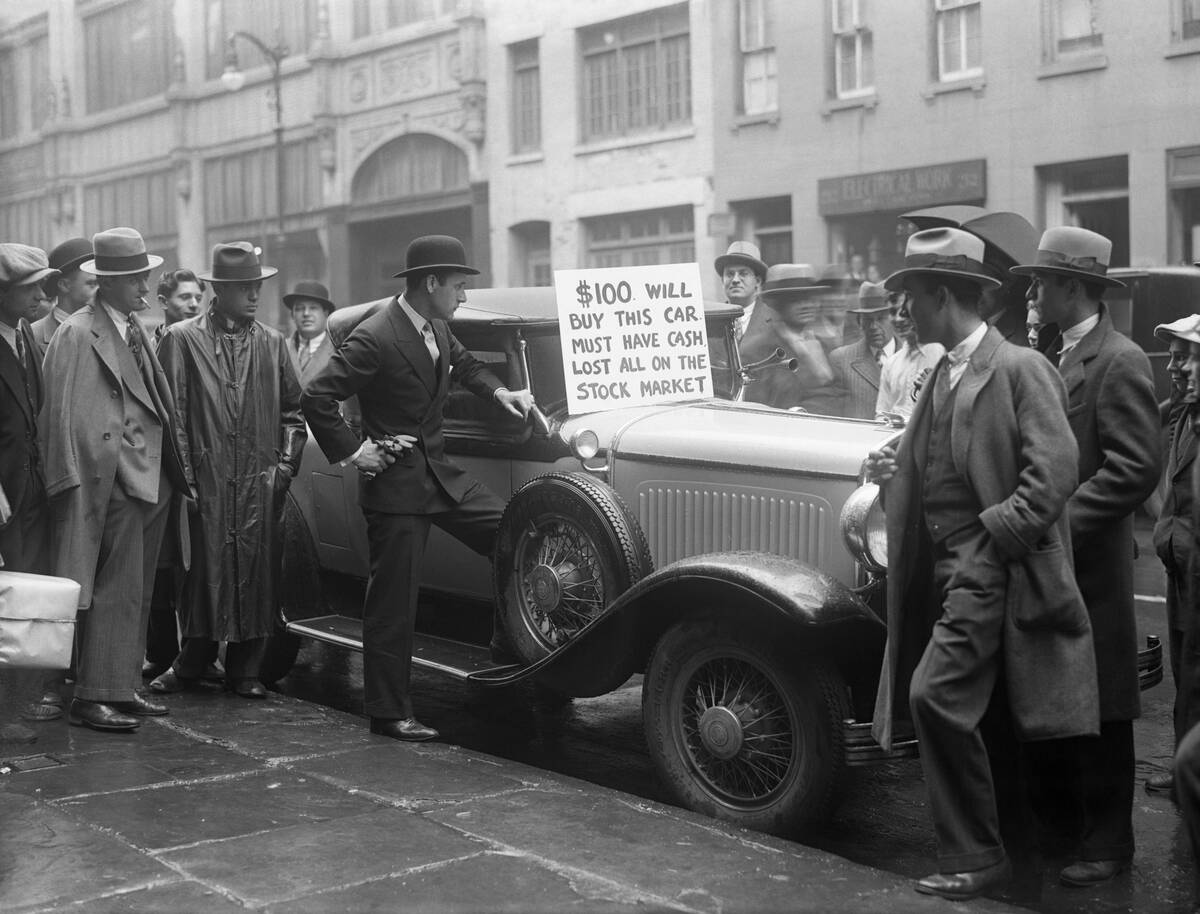
The Great Depression, which began with the stock market crash of 1929, was a devastating economic downturn that affected millions globally. In the U.S., unemployment soared to 25%, and banks failed, wiping out savings.
People faced poverty and homelessness, with bread lines and soup kitchens becoming common sights. The dire economic situation created a fertile ground for FDR’s New Deal, as Americans were desperate for change and relief.
The Election of Franklin D. Roosevelt
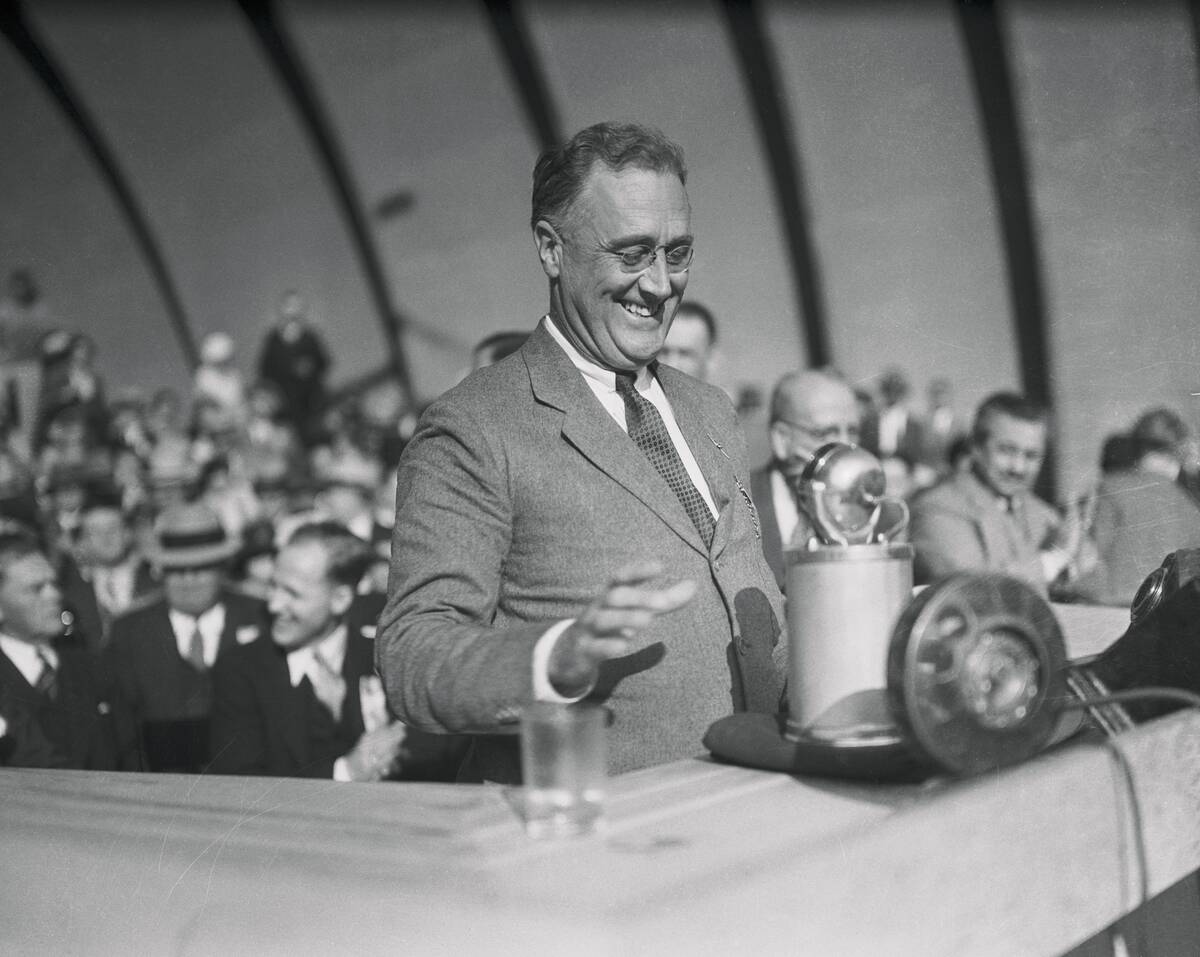
Franklin D. Roosevelt was elected in 1932, promising a ‘New Deal’ for the American people. He won in a landslide against incumbent Herbert Hoover, who many blamed for not doing enough to combat the Depression.
FDR’s charismatic and optimistic approach offered hope to a nation in despair. His promise of active government intervention was a stark contrast to Hoover’s policies, and it resonated with voters eager for new leadership.
An Overview of the New Deal
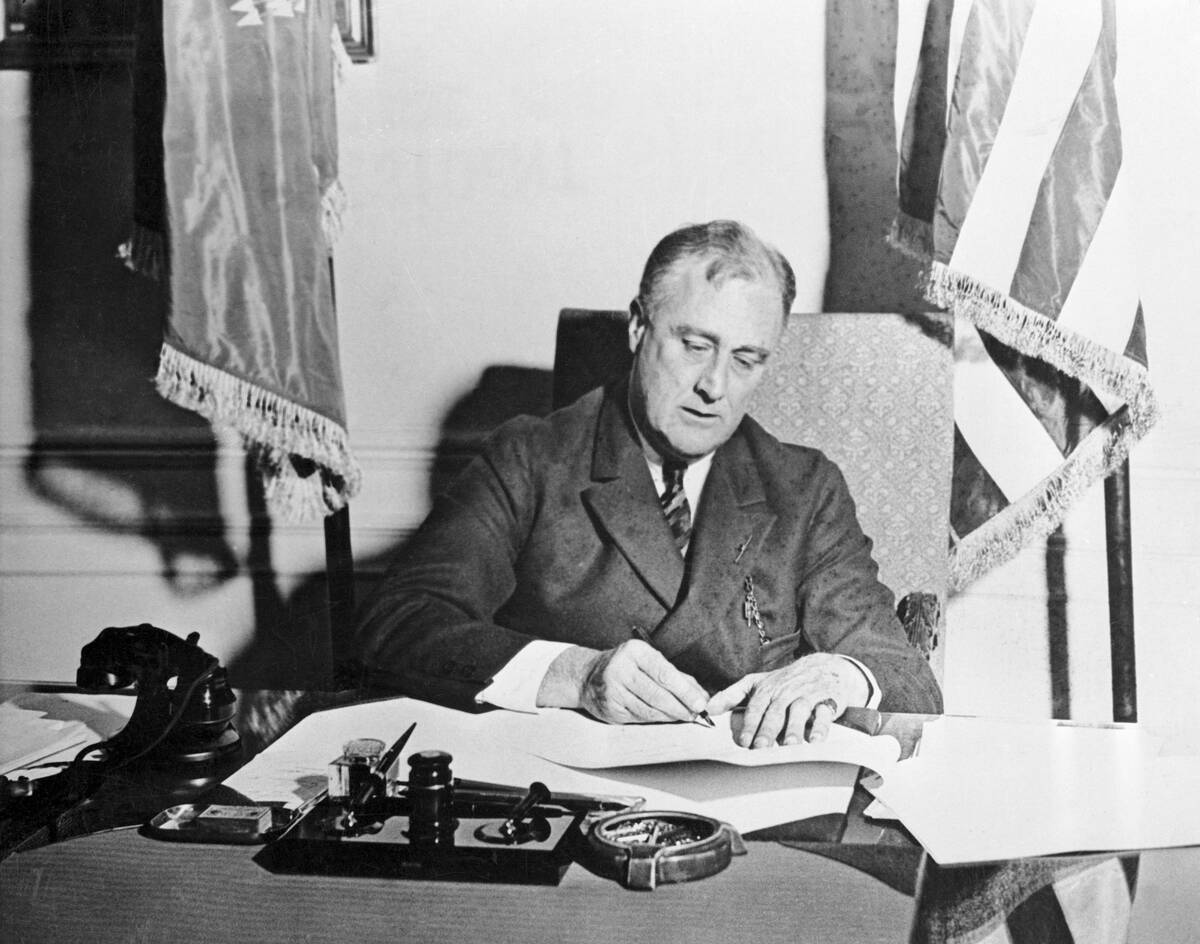
The New Deal was a series of programs and policies implemented to address the economic crisis. It aimed to provide relief for the unemployed, recovery of the economy, and reform of the financial system.
Initiatives included public works projects, financial reforms, and policies to stabilize the agricultural sector. The New Deal not only sought to revive the economy but also to prevent future depressions by regulating the economy and ensuring social welfare.
The First Hundred Days: A Flurry of Activity
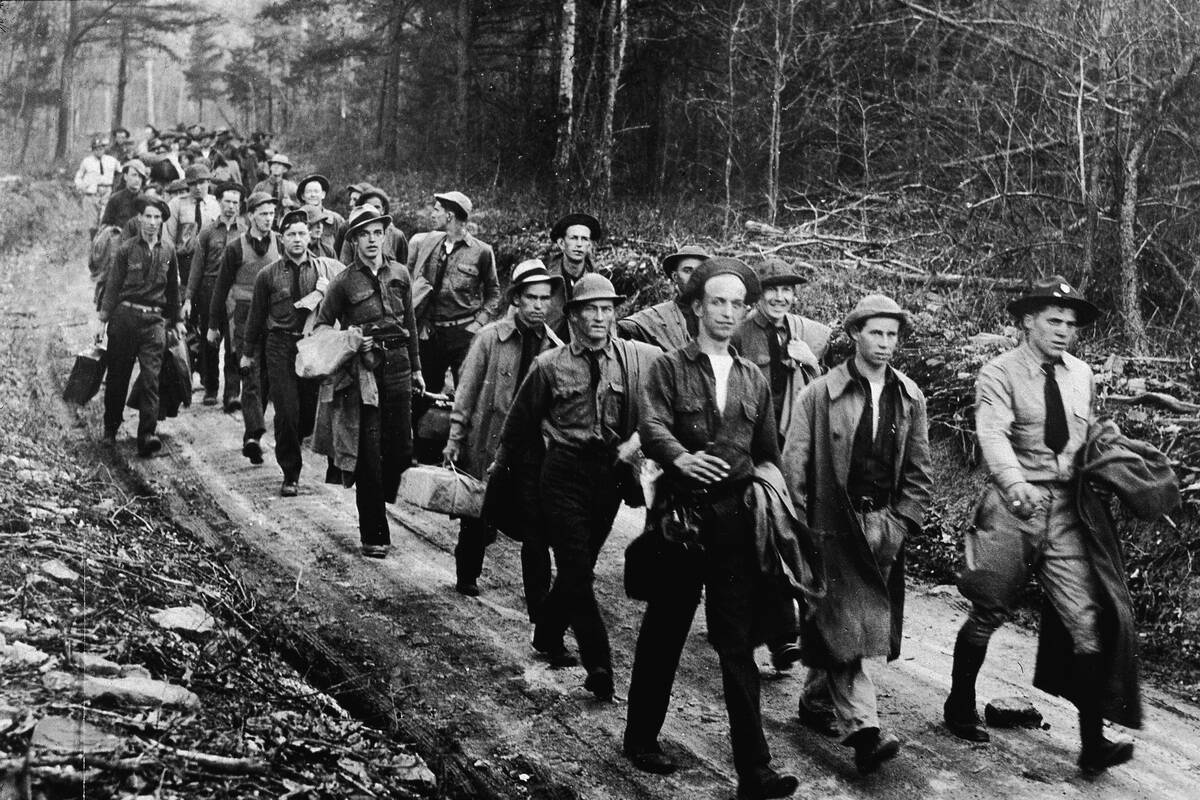
FDR’s first hundred days in office were marked by a whirlwind of legislative activity, resulting in the passage of 15 major bills. This period set the pace for his presidency and symbolized his commitment to swift action.
Key measures included banking reforms, emergency relief programs, and the establishment of agencies like the Civilian Conservation Corps (represented here). These efforts were intended to stabilize the economy and provide immediate relief to suffering Americans.
The Emergency Banking Act: Restoring Trust in Banks
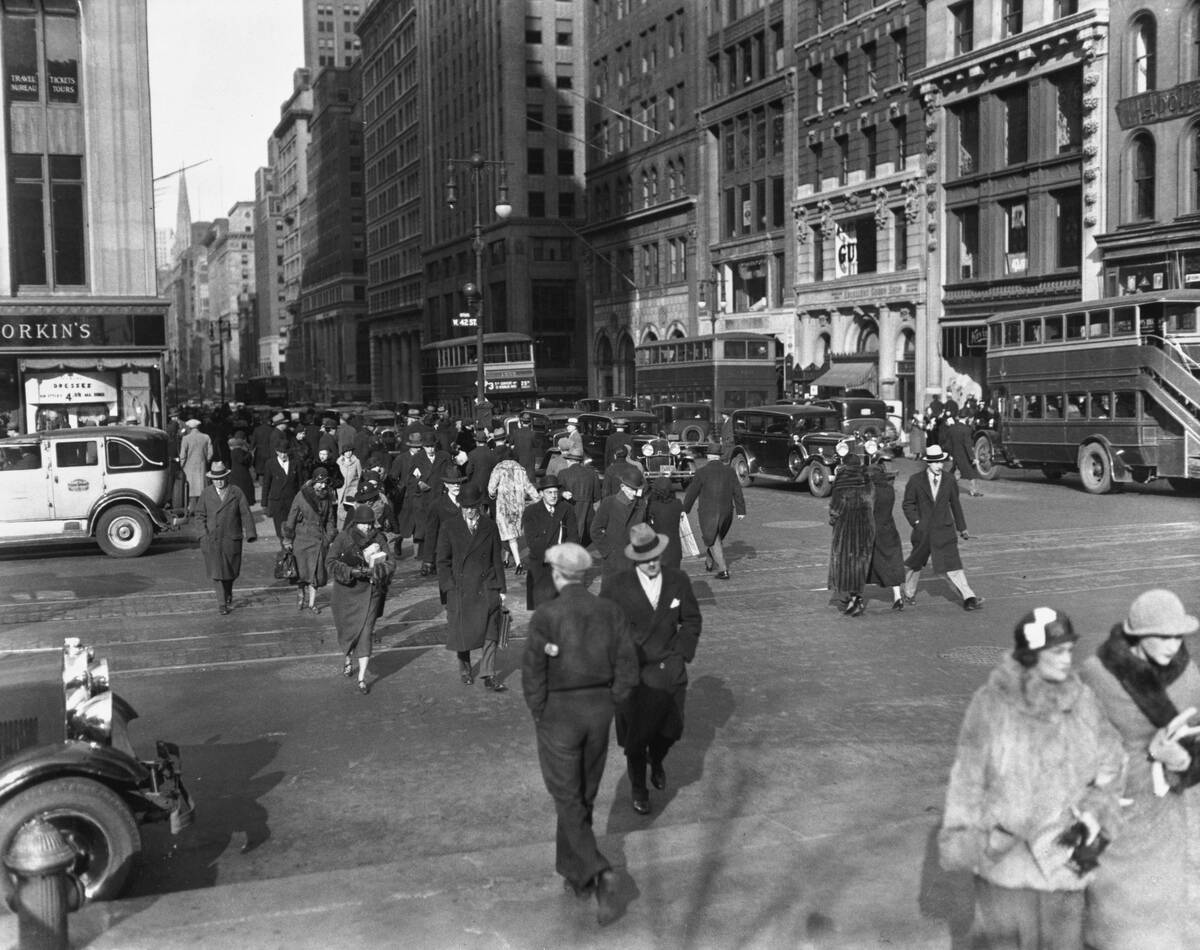
The Emergency Banking Act was one of FDR’s first major pieces of legislation, enacted to restore confidence in the nation’s banking system. The Act allowed federal reserve banks to issue sufficient currency for banks to reopen and service every legitimate call, while also inspecting banks for solvency that would justify reopening them.
This move helped to quell the panic and encouraged people to trust banks again, ultimately stabilizing the banking sector. Within days, deposits exceeded withdrawals, signaling a return of public confidence.
The Civilian Conservation Corps: Putting America to Work
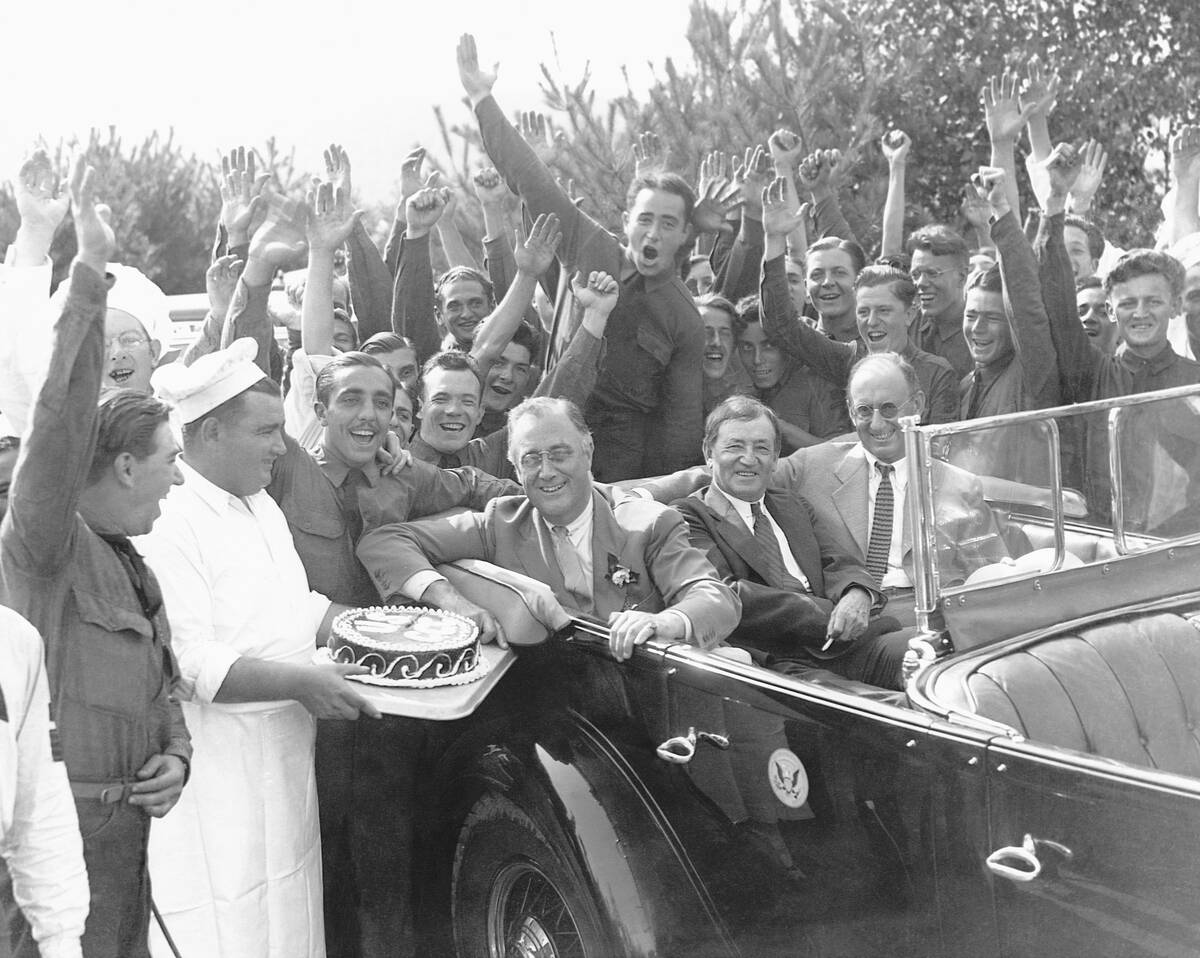
The Civilian Conservation Corps (CCC) was a New Deal program that provided jobs for young, unmarried men during the Great Depression. Participants worked on projects related to conservation and development of natural resources in rural lands.
The CCC not only helped to rejuvenate America’s landscapes but also offered participants educational opportunities and a small wage, which they often sent home to support their families. By 1942, about 3 million men had participated in the program.
The Agricultural Adjustment Act: Saving the Farmers
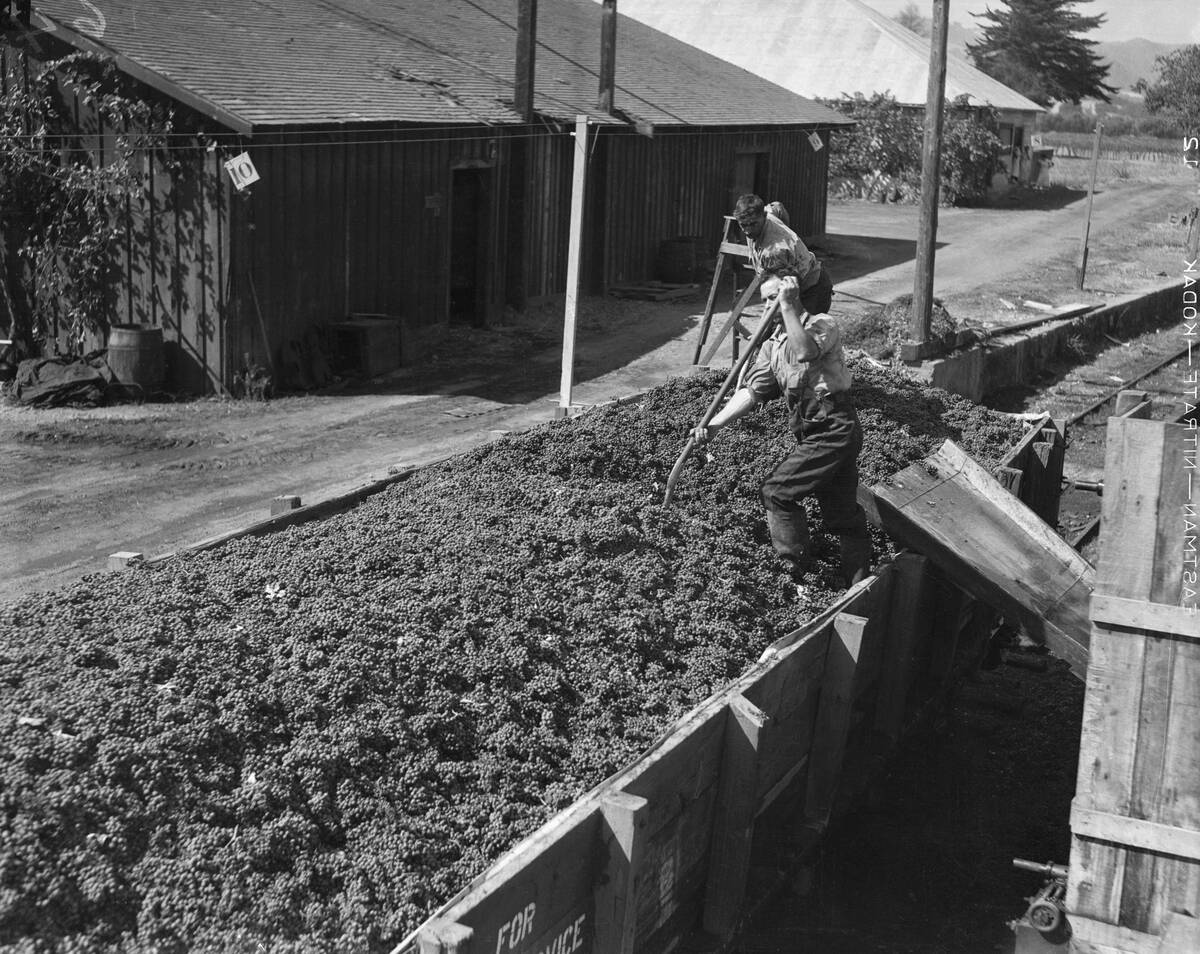
The Agricultural Adjustment Act (AAA) was implemented to support struggling farmers by reducing crop surplus and raising the value of crops. Farmers were paid subsidies to reduce production, which helped to stabilize prices.
Although controversial, as it led to the destruction of crops and livestock during a time of hunger, the AAA played a critical role in revitalizing the agricultural sector and increasing farmers’ purchasing power.
The Tennessee Valley Authority: Power to the People
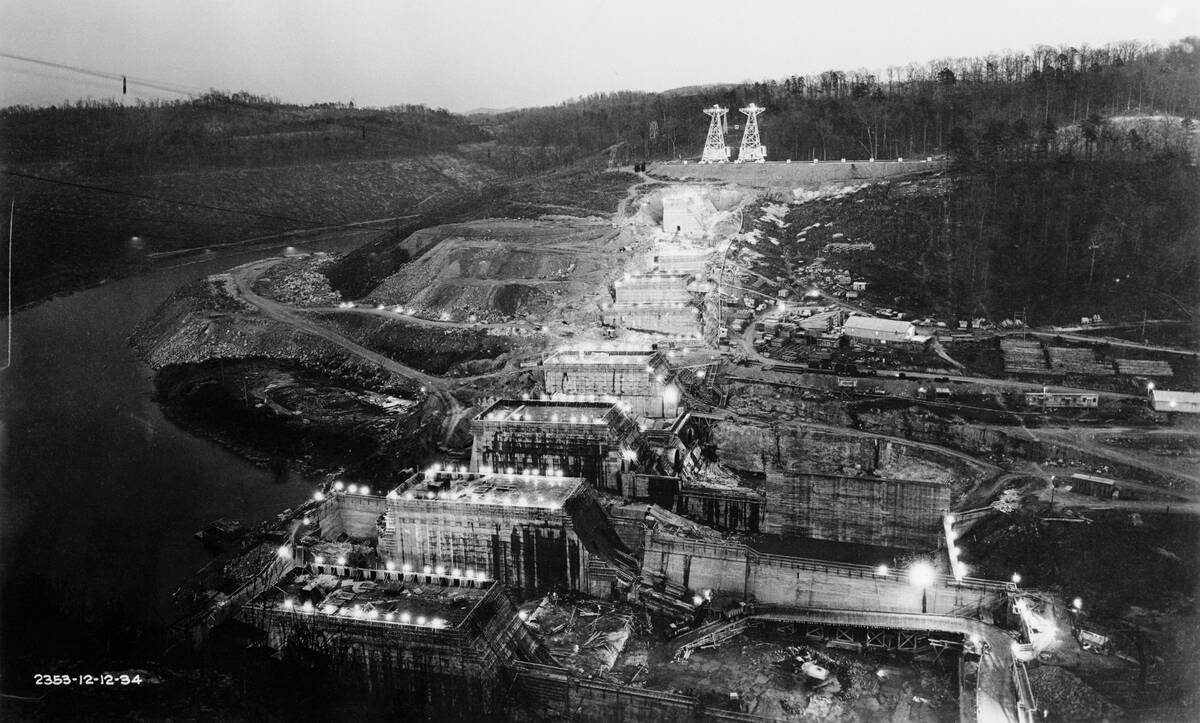
The Tennessee Valley Authority (TVA) was established to address economic issues in the Tennessee Valley, an area severely affected by the Great Depression. The TVA aimed to modernize the region through flood control, reforestation, and electricity generation.
It built dams and power plants, providing jobs and bringing electricity to rural areas. The TVA became a model for rural electrification and development, helping to transform the region’s economy and improve quality of life.
The National Industrial Recovery Act: Industry Overhaul
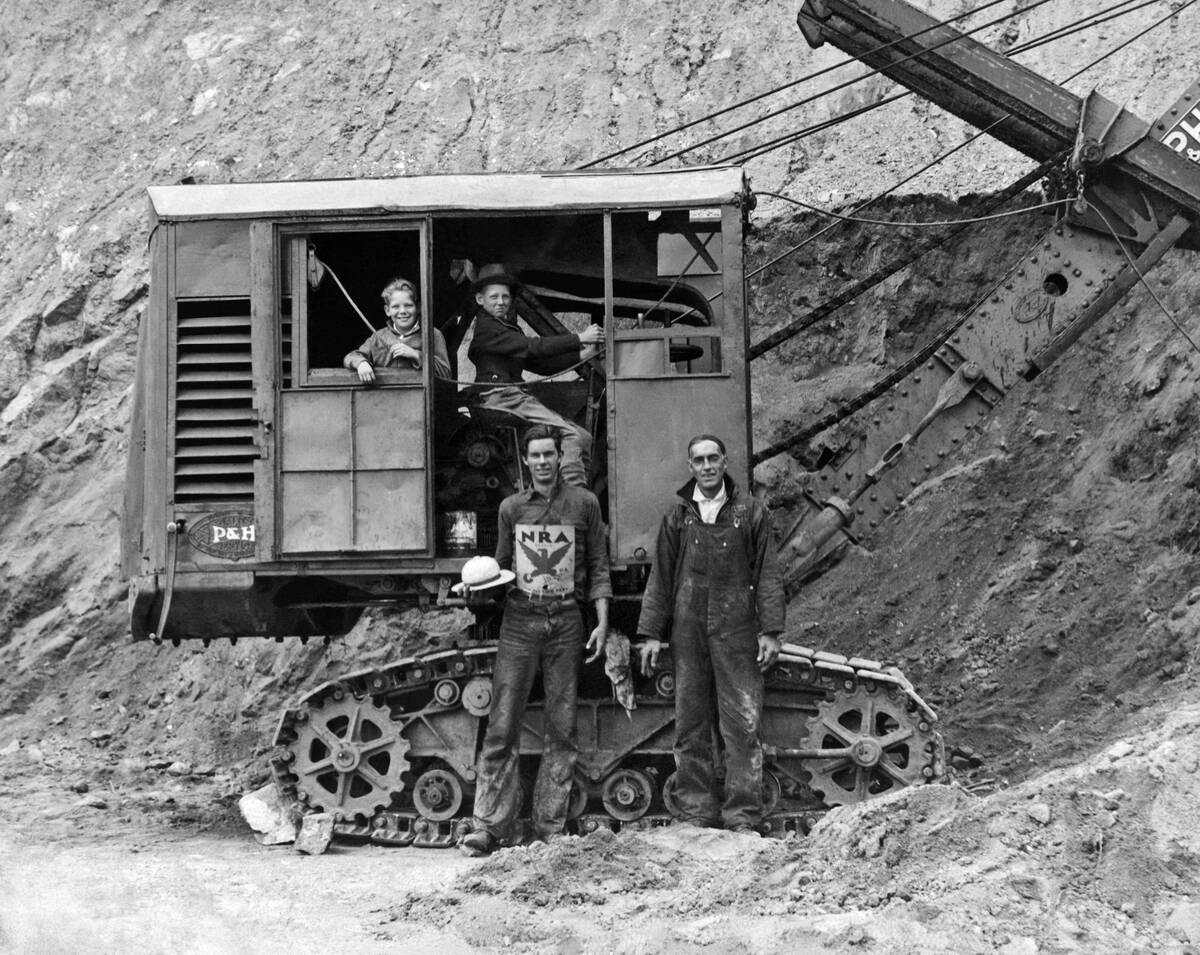
The National Industrial Recovery Act (NIRA) was a cornerstone of the New Deal, aiming to stimulate industrial recovery by establishing codes of fair competition. It sought to increase workers’ rights, including the right to unionize, and set standards for wages and hours.
While it faced legal challenges and was eventually declared unconstitutional, NIRA played a significant role in fostering a spirit of collaboration between businesses and workers.
Social Security Act: A Safety Net for Americans
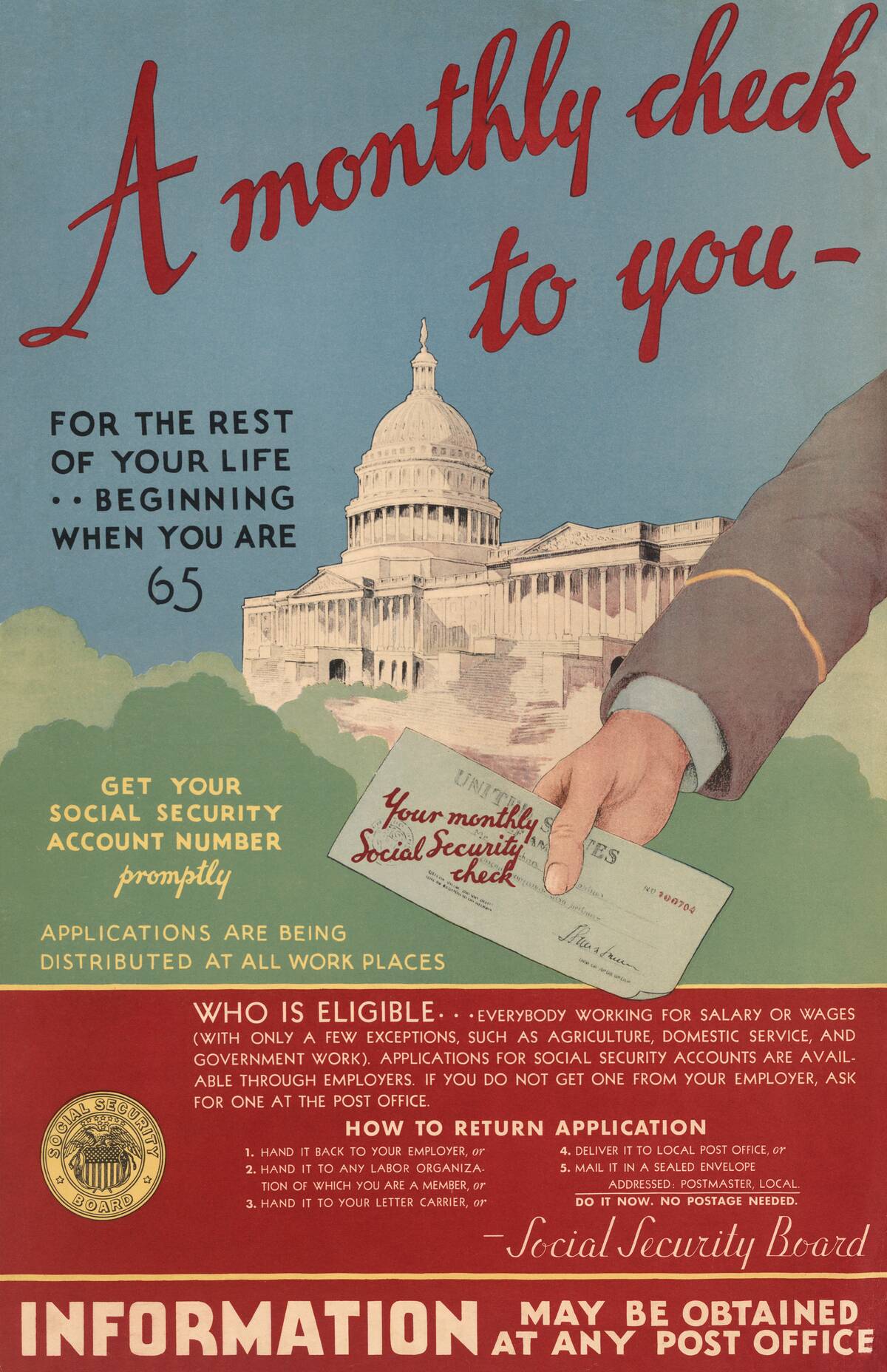
The Social Security Act of 1935 was a landmark piece of legislation that introduced a system of old-age benefits and unemployment insurance. It aimed to provide financial security for the elderly and unemployed, marking the beginning of the U.S. welfare state.
Funded by payroll taxes, the Act helped to alleviate poverty among seniors and offered a safety net for those who lost their jobs, fundamentally changing the social contract in America.
The Role of Eleanor Roosevelt in the New Deal
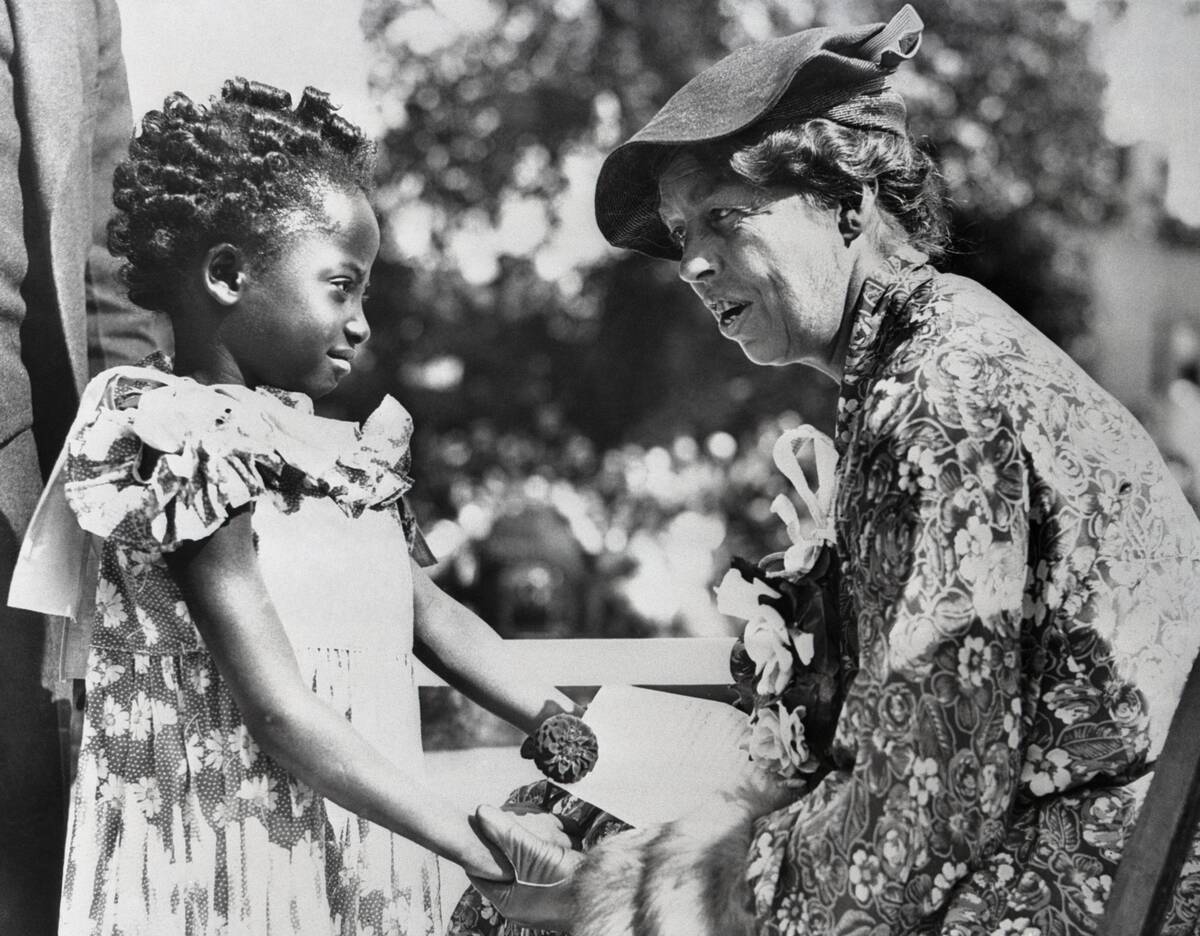
Eleanor Roosevelt, FDR’s wife, played a crucial role in the New Deal era as an advocate for social reform and human rights. She traveled extensively, gathering information and feedback from ordinary Americans to inform her husband’s policies.
Eleanor championed causes such as civil rights, women’s rights, and workers’ welfare, often pushing the administration to address issues it might have otherwise overlooked. Her influence extended beyond her role as First Lady, making her a key figure in shaping New Deal policies.
The Criticism and Opposition to the New Deal
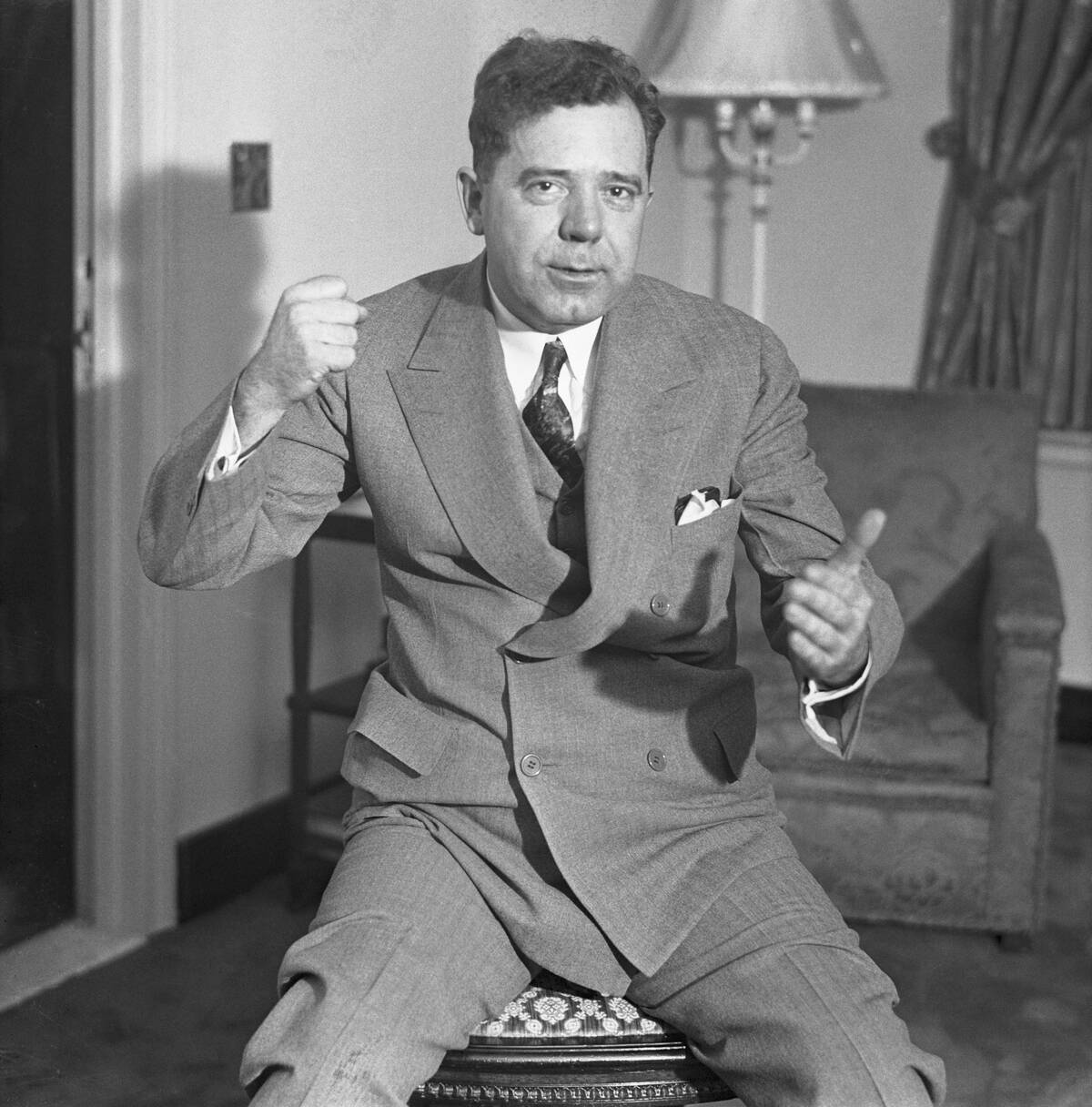
The New Deal faced significant criticism and opposition from a variety of groups. Some conservatives argued that it expanded the federal government too much, encroaching on free market principles.
Others, like Huey Long (pictured), believed it didn’t go far enough in redistributing wealth. The Supreme Court also challenged several New Deal laws, declaring them unconstitutional. Despite opposition, many of its programs laid the groundwork for future government intervention in the economy.
The Second New Deal: A New Wave of Reforms
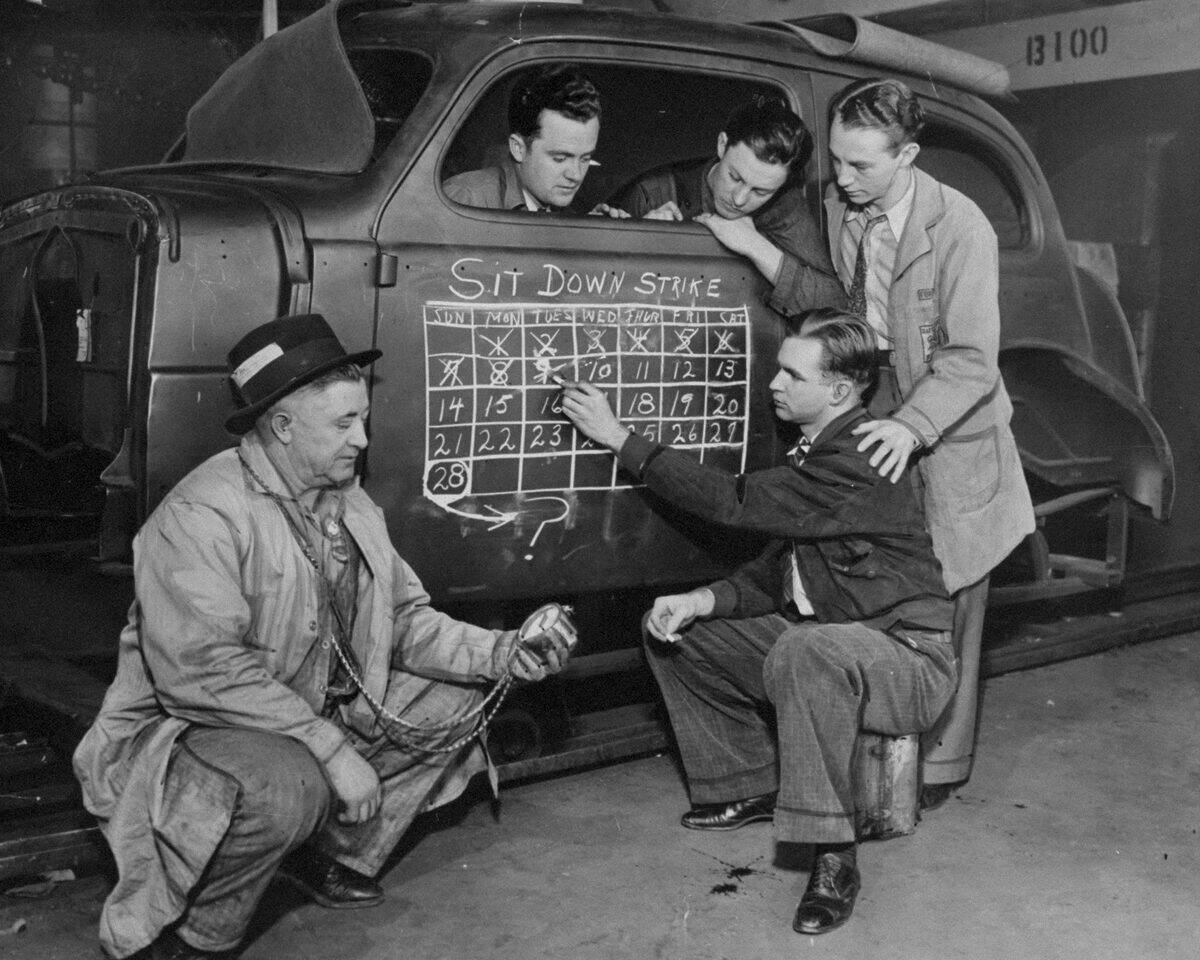
The Second New Deal, launched in 1935, introduced further reforms and social welfare programs. It included measures like the Works Progress Administration (WPA), which created millions of jobs, and the Wagner Act, which strengthened labor rights.
This phase aimed to address criticisms of the initial New Deal by focusing more on social justice and economic security. The Second New Deal solidified the government’s role in ensuring the welfare of its citizens and provided a more enduring safety net.
The Legacy of the New Deal in Modern America
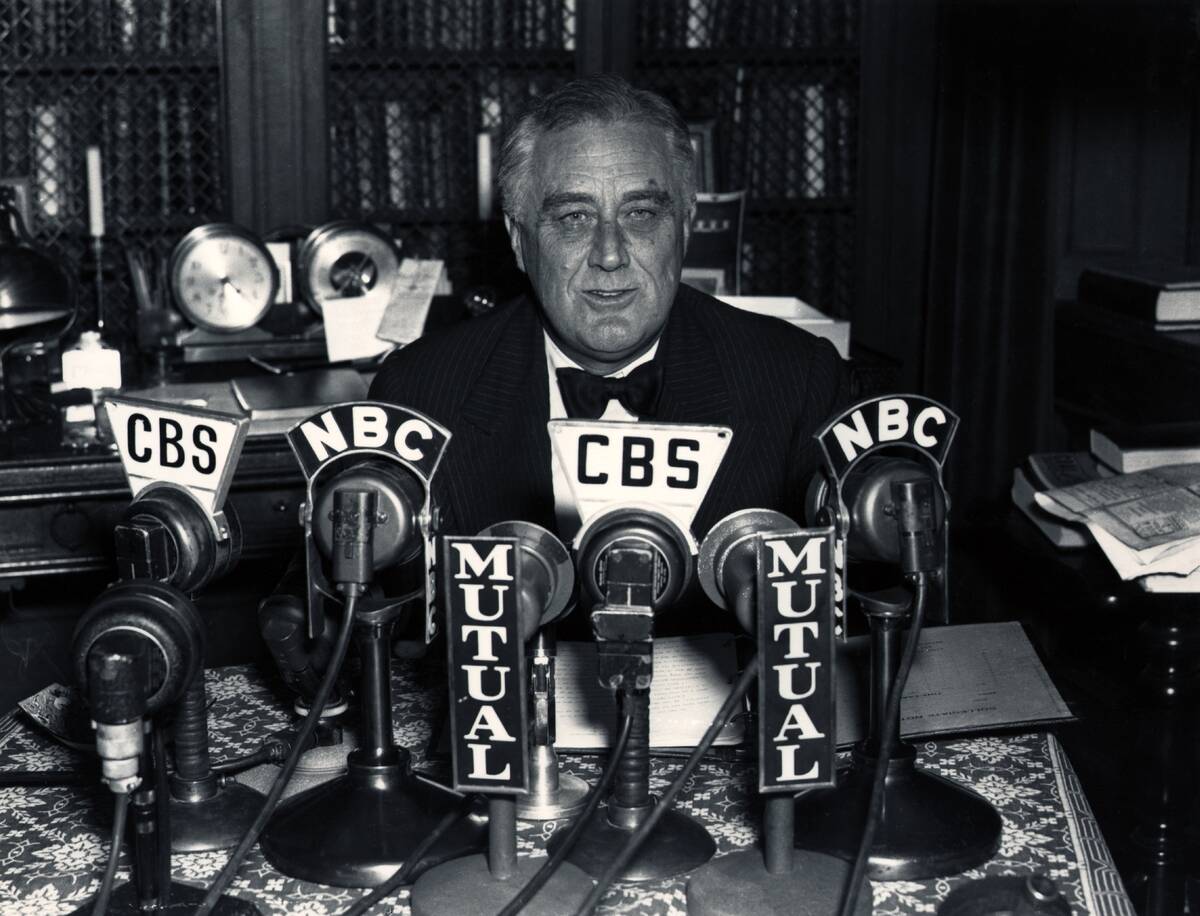
The New Deal’s legacy is evident in many aspects of modern American life, from social security to labor laws. It fundamentally reshaped the relationship between the government and the economy, establishing the idea that the federal government has a responsibility to ensure economic stability and welfare.
Many New Deal programs, like Social Security, remain integral parts of American society. The New Deal set a precedent for future government programs and interventions, influencing public policy for generations.




