Here’s why bridges sometimes fail
Bridges have always captivated the human imagination, representing both physical and symbolic connections. They are marvels of engineering that span vast distances, overcoming obstacles like rivers, valleys, and urban landscapes. Beyond their practical utility, bridges often become iconic landmarks, admired for their aesthetic beauty and architectural grandeur.
The complexity of these structures lies in their ability to balance function with form, seamlessly integrating into their surroundings while serving as critical components of transportation networks.
The Role of Bridges in Modern Infrastructure

Bridges are vital to modern infrastructure, serving as crucial links in transportation networks by facilitating the movement of goods and people. They help alleviate congestion in urban areas and provide access to remote regions, bolstering economic activity and development.
In addition to their logistical importance, bridges also play a significant cultural role, often serving as points of pride for communities and cities. By connecting disparate areas, they foster greater social and economic integration.
A Brief History of Bridge Engineering

The history of bridge engineering stretches back thousands of years, with the earliest bridges likely being simple log structures spanning streams. The Romans revolutionized bridge construction with their use of arches, many of which still stand today.
The Industrial Revolution introduced new materials like iron and steel, enabling longer spans and stronger bridges. The Brooklyn Bridge, completed in 1883, was one of the first suspension bridges to use steel wire, marking a significant technological leap. Today, bridge engineering continues to evolve with cutting-edge technology and innovative design principles.
Common Materials Used in Bridge Construction

Modern bridges are constructed using a variety of materials, each chosen for its specific properties. Steel is favored for its strength and flexibility, making it ideal for long spans. Concrete is prized for its durability and resistance to compression, often used in shorter spans and foundations.
Composite materials, which combine the best properties of different substances, are becoming increasingly popular as engineers seek to balance performance with environmental considerations. Each material choice impacts the bridge’s overall design and functionality.
The Forces and Stresses Bridges Endure

Bridges must withstand a variety of forces and stresses, including tension, compression, and shear. Tension occurs when forces pull on a structure, while compression involves forces pushing it together. Shear forces, on the other hand, can cause parts of a bridge to slide relative to each other.
Engineers must carefully calculate these forces to ensure the bridge remains stable under different conditions, such as heavy traffic or high winds. Failure to account for these stresses can lead to catastrophic failures.
Influence of Environmental Factors on Bridges
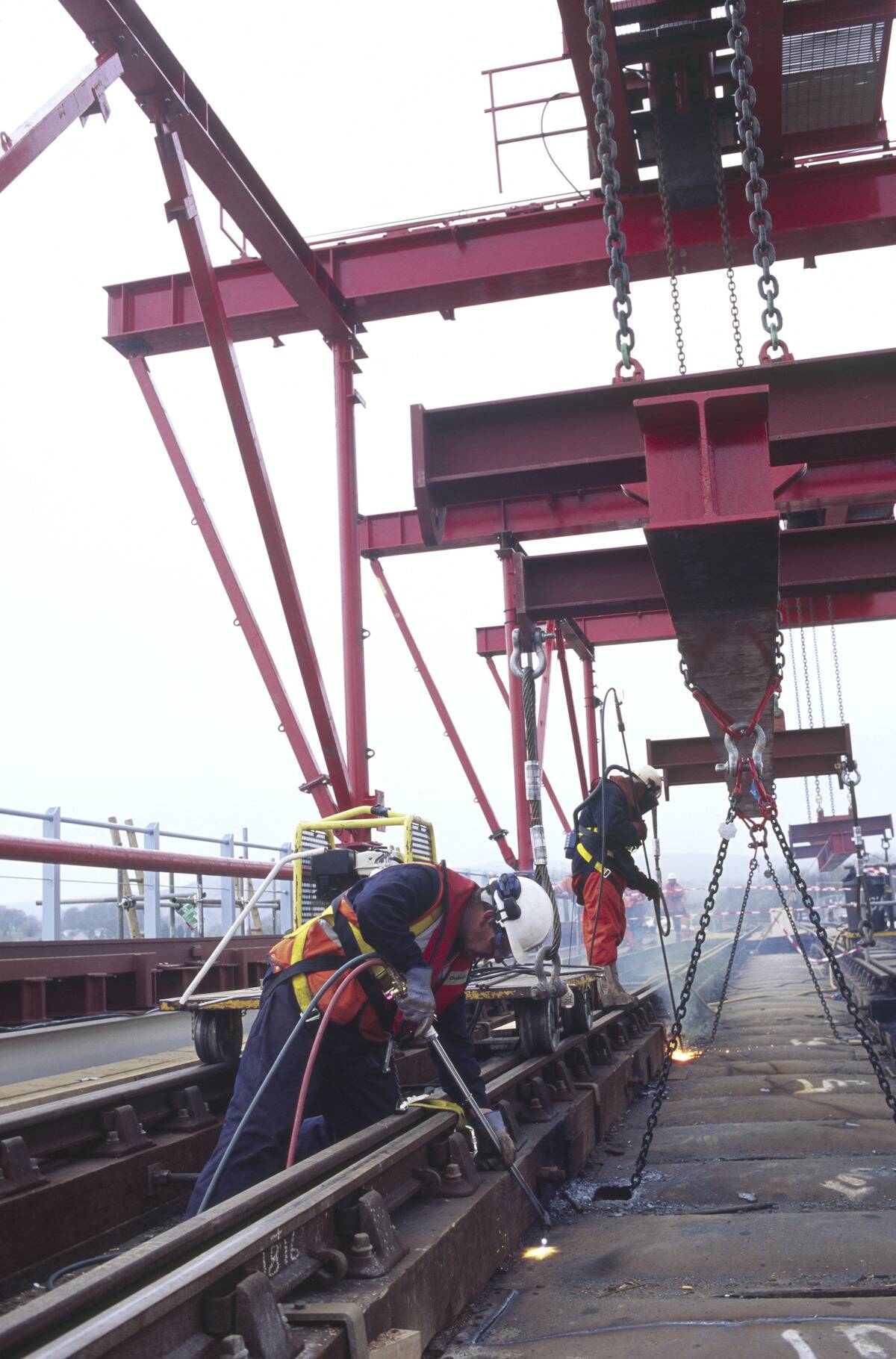
Environmental factors play a significant role in the longevity and stability of bridges. Temperature fluctuations can cause materials to expand and contract, leading to stress and potential damage.
Moisture from rain or humidity can accelerate the corrosion of metal components, while wind and seismic activity can impose dynamic loads that challenge a bridge’s structural integrity. Engineers must consider these environmental influences during design and construction to ensure bridges remain safe and functional over time.
The Impact of Natural Disasters on Bridge Stability
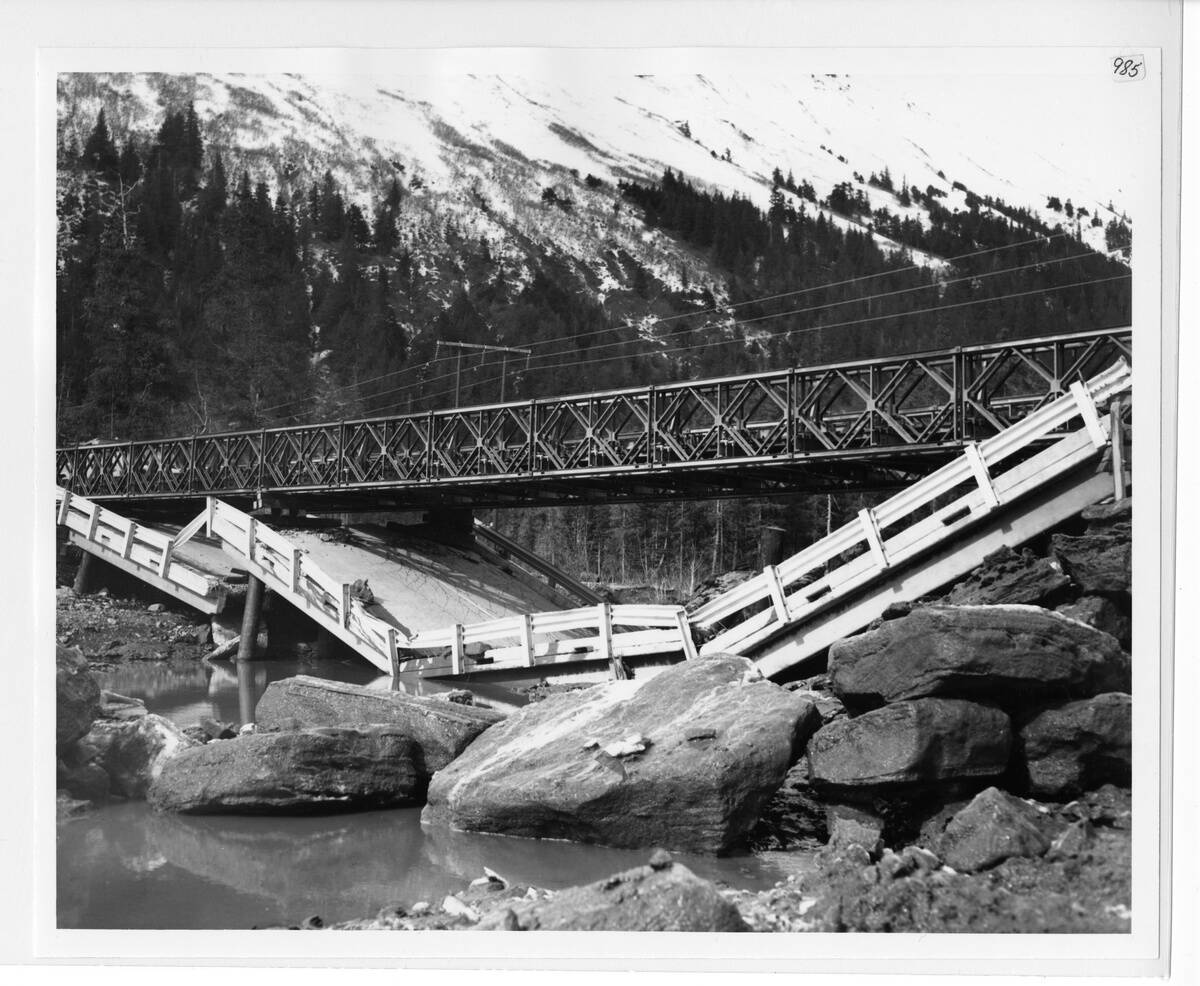
Natural disasters such as earthquakes, floods, and hurricanes can have devastating impacts on bridge stability. Earthquakes, for instance, can induce severe ground shaking, leading to structural failures if bridges are not adequately designed to withstand seismic forces.
Floods can erode foundations and supports, while hurricanes can impose extreme wind loads. Engineers now incorporate advanced design techniques to enhance a bridge’s resilience against these natural events, ensuring they can withstand the forces of nature.
Case Study: The Collapse of the Tacoma Narrows Bridge
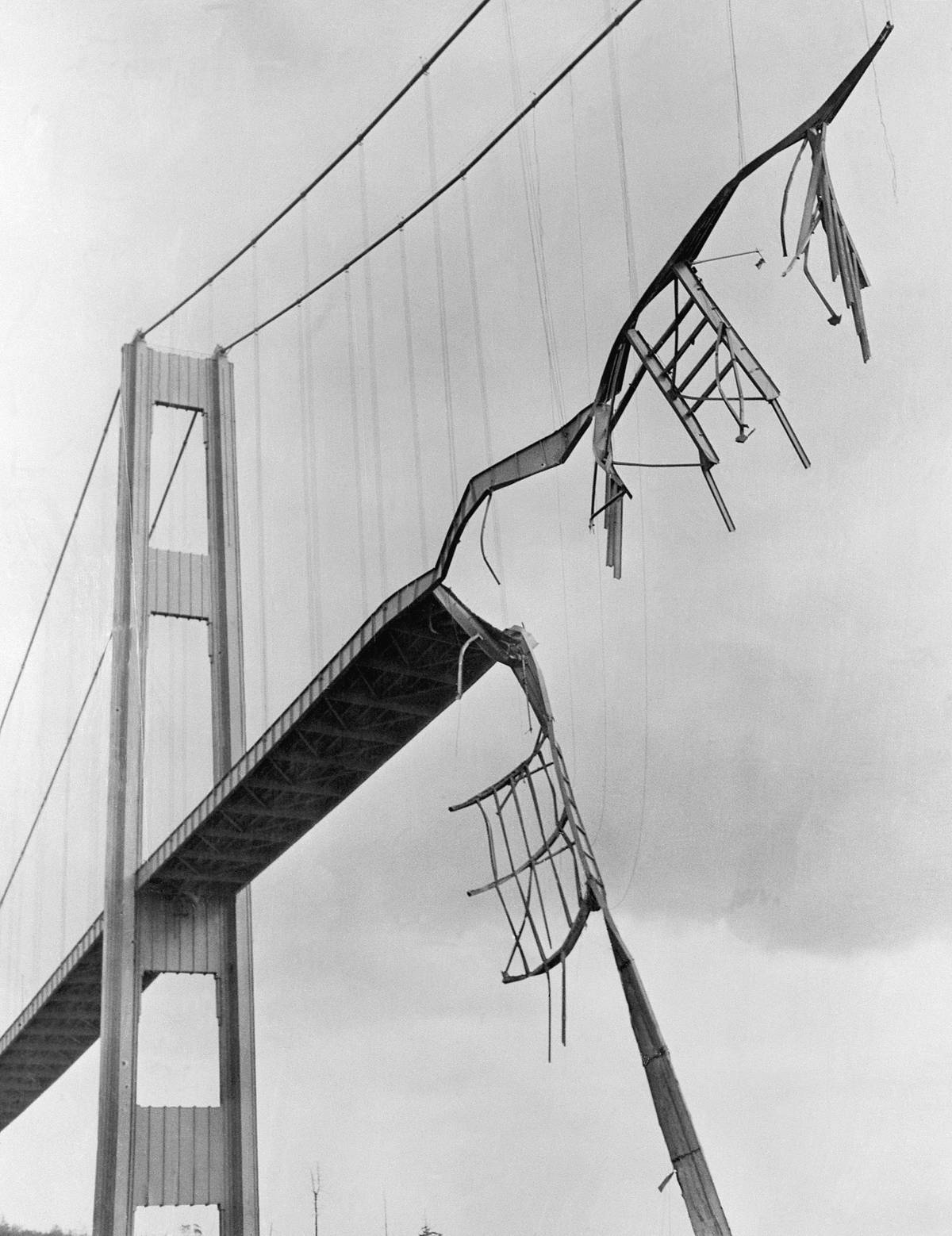
The Tacoma Narrows Bridge, also known as “Galloping Gertie,” is a famous case study in bridge engineering failure. Opened in 1940, it collapsed just months later due to aeroelastic flutter caused by wind.
The bridge’s design did not adequately account for aerodynamic forces, leading to its dramatic oscillations and eventual collapse. This incident highlighted the importance of considering wind effects in bridge design and led to significant advancements in the understanding of aeroelasticity in engineering.
Frequent Inspection and Maintenance: A Preventative Measure
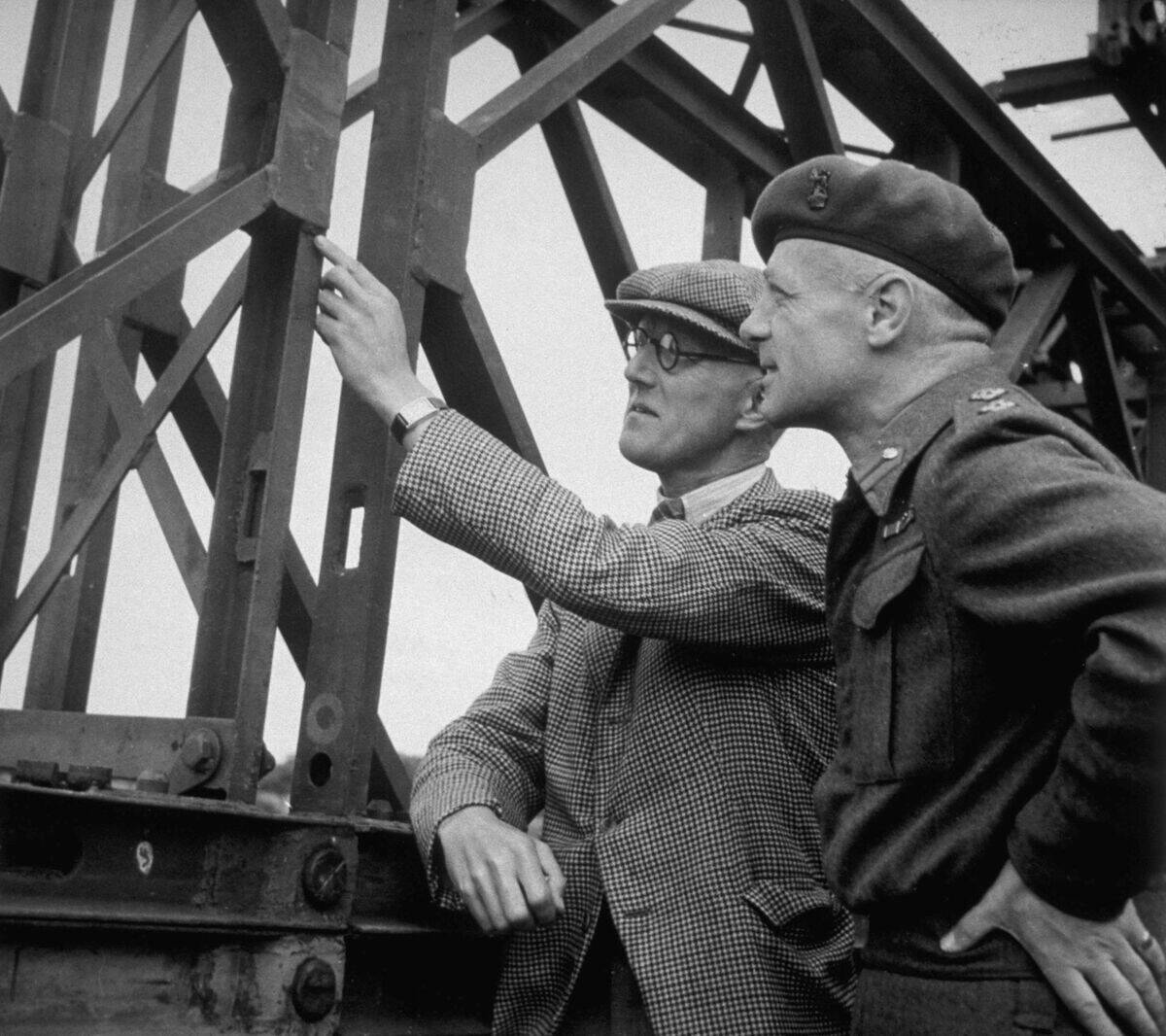
Regular inspection and maintenance are critical preventative measures in ensuring the safety and longevity of bridges. Routine inspections help identify potential issues such as cracks, corrosion, or other signs of structural wear before they become major problems.
Maintenance activities, including cleaning, repairing, and reinforcing vulnerable areas, are essential to extending a bridge’s lifespan. By investing in these practices, authorities can prevent costly repairs and enhance public safety.
Technological Advances in Bridge Monitoring

Technological advances have significantly improved the monitoring of bridge health and performance. Modern bridges are often equipped with sensors that track stress, strain, and other critical parameters in real-time. These systems provide valuable data that can alert engineers to potential issues before they escalate.
Additionally, drones and robotic systems are increasingly used for inspections, offering a safer and more efficient way to assess hard-to-reach areas. Such technologies are revolutionizing bridge maintenance and ensuring long-term safety.
Famous Bridges That Have Stood the Test of Time

Several bridges around the world have stood the test of time, becoming symbols of engineering excellence and cultural heritage. The Golden Gate Bridge, with its iconic red-orange hue, has been a San Francisco landmark since 1937.
The Tower Bridge in London, completed in 1894, continues to awe visitors with its unique bascule design. These structures not only showcase the ingenuity of their engineers but also serve as enduring testaments to the importance of preserving historic engineering achievements.
Learning from Past Failures to Build Better Bridges

Learning from past failures is crucial in advancing bridge engineering and safety. Each failure, such as the collapse of the Tacoma Narrows Bridge, offers valuable lessons that influence future design and construction practices.
Engineers analyze these incidents to understand their causes and develop solutions that prevent repetition. This iterative process of learning and improvement is essential for building bridges that are not only functional and beautiful but also resilient and safe for future generations.




