What everyday life was like during the American Revolution
The American Revolution was a pivotal moment in history, not just for the battles fought, but for the cultural shifts it sparked. This era saw the thirteen colonies break free from British rule, creating a new nation. It’s fascinating to think about how everyday life continued amidst this backdrop of change.
From bustling markets to quiet rural homes, the lives of colonists were as varied as the landscapes they inhabited. Exploring their daily routines, we gain insight into a world that laid the foundation for modern America.
The Daily Grind: Work and Occupations in the 18th Century
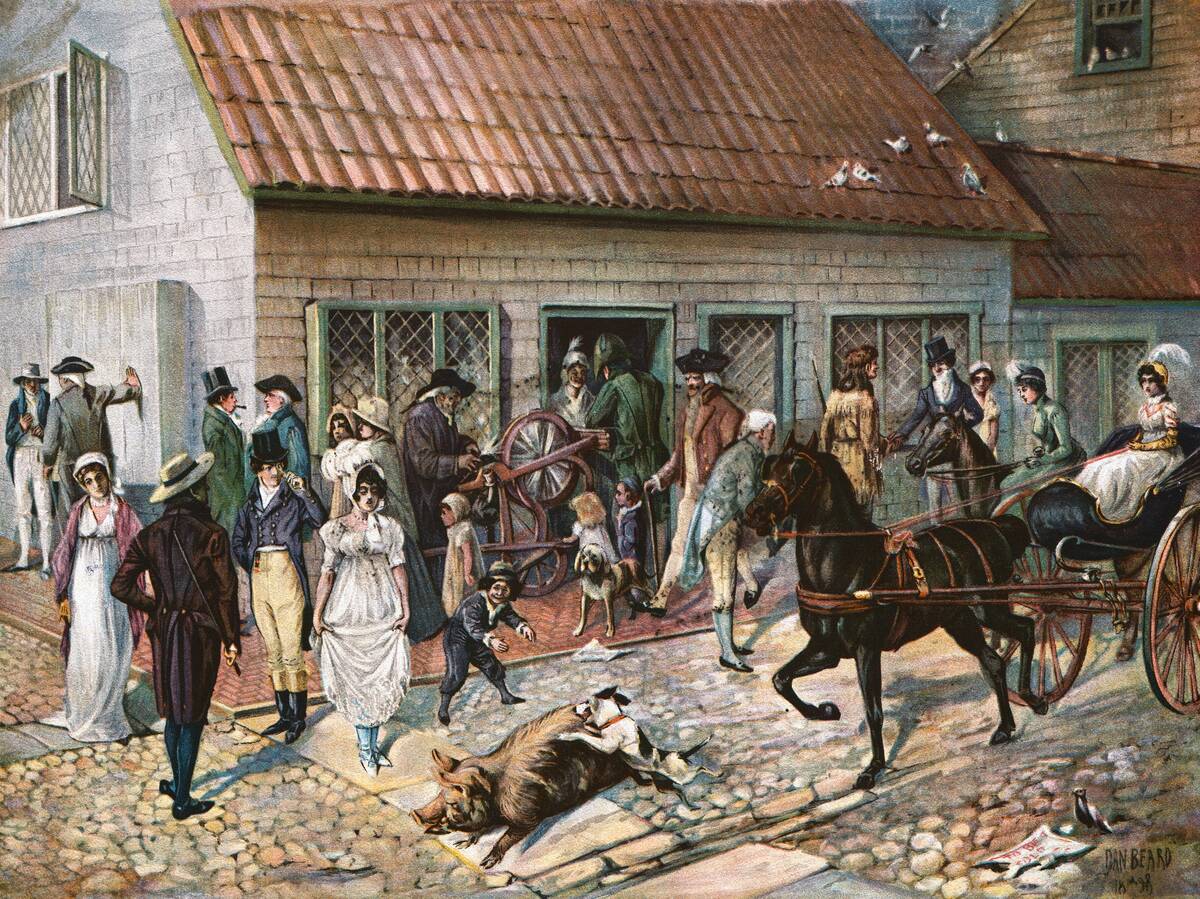
In the 18th century, work life was largely dictated by one’s location and social status. Many colonists were farmers, tending to crops and livestock, an essential part of both survival and economy. In urban areas, tradesmen like blacksmiths and carpenters were indispensable, crafting tools and structures.
Women often managed household duties, but they also contributed to the family income by weaving or selling goods. Occupations were a blend of necessity and skill, with each role vital to the community’s well-being.
Colonial Cuisine: What Was on the Menu?
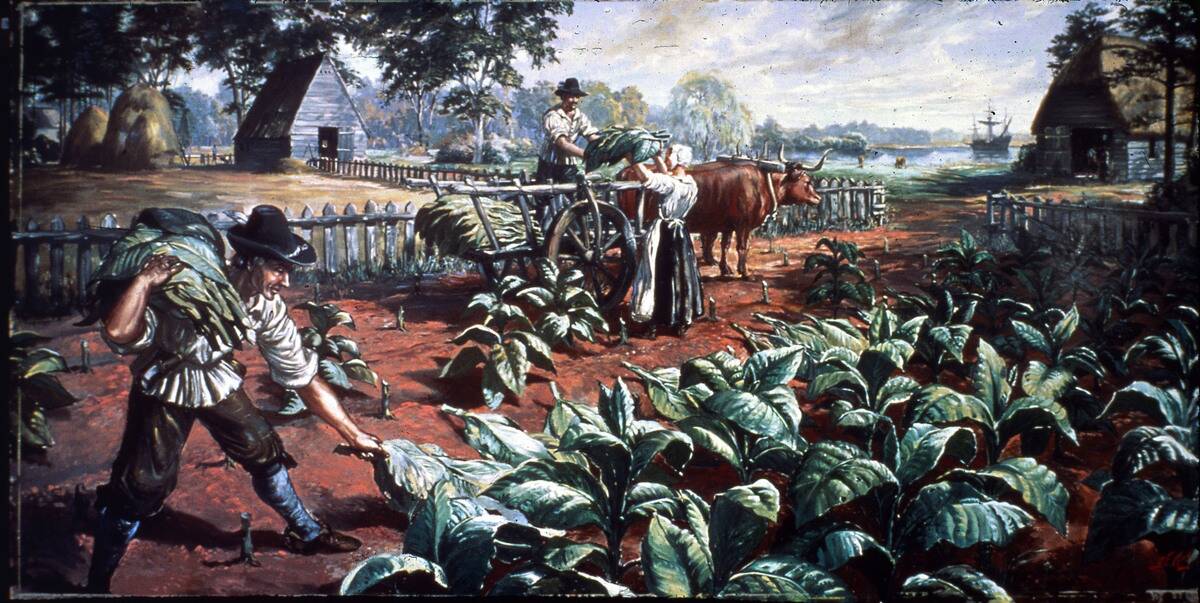
Colonial cuisine was a hearty mix of local produce and imported goods. Corn, a staple crop, was turned into everything from cornbread to mush. Meat was often smoked or salted to preserve it, with pork being a popular choice.
Colonists also enjoyed a variety of pies, both sweet and savory. Imported tea and sugar were luxuries, often reserved for special occasions. Meals were a communal affair, with everyone contributing to the preparation and enjoyment of the food.
Dress to Impress: Fashion Trends of the Revolutionary Era
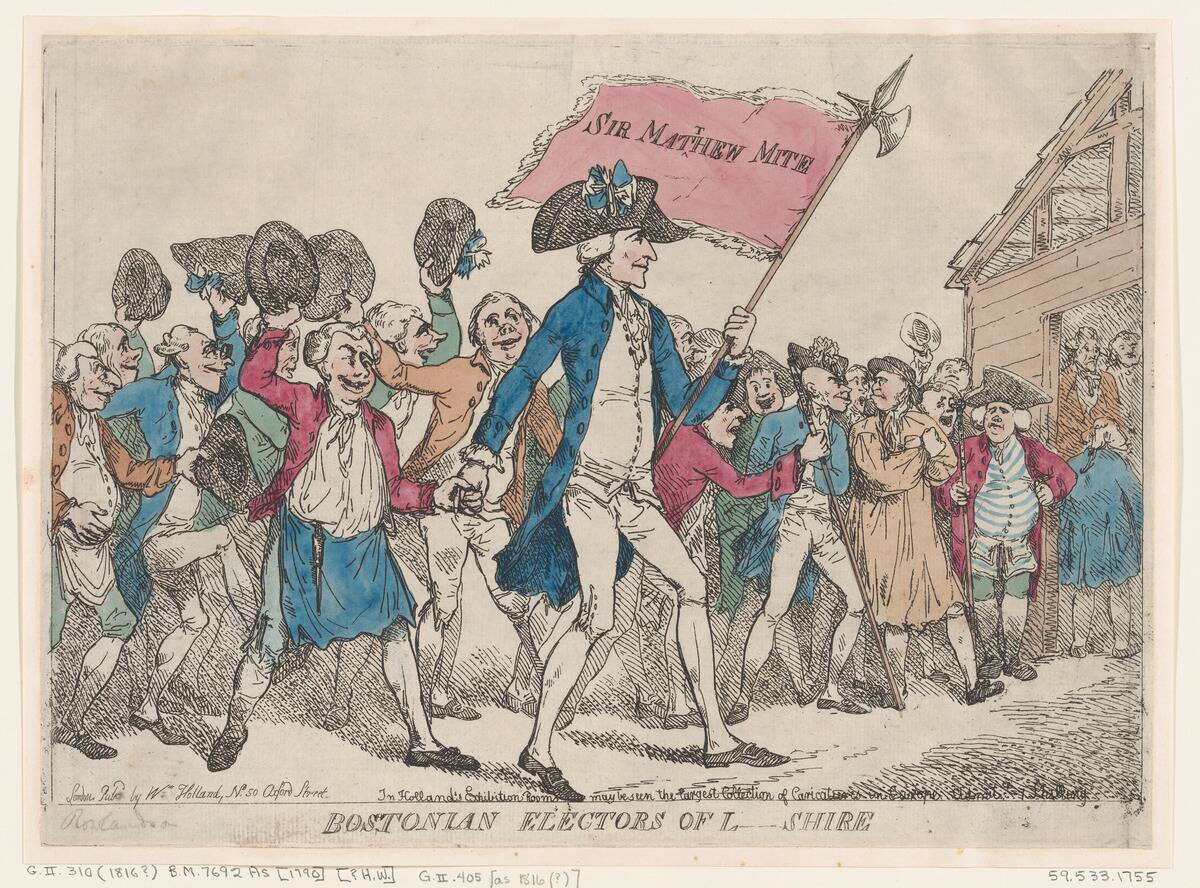
Fashion in the Revolutionary Era was a statement of one’s social standing and identity. Men often wore breeches and waistcoats, while women donned gowns with elaborate petticoats. The color and fabric of one’s clothing could indicate wealth, with silk and velvet being highly prized.
Accessories like wigs and hats added to the ensemble’s elegance. Despite the war, fashion continued to evolve, influenced by European styles, yet adapted to the practical needs of colonial life.
Home Sweet Home: Colonial Living Arrangements
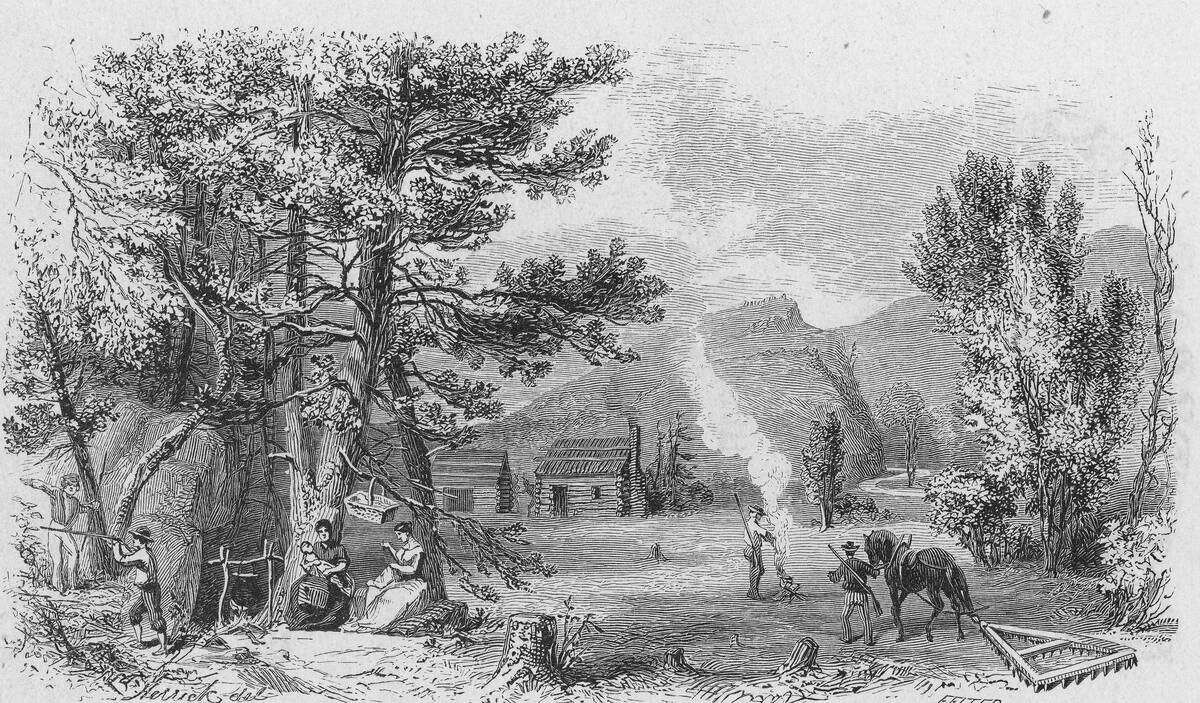
Colonial homes varied greatly, from simple log cabins to grand brick houses. Many families lived in one or two-room dwellings, where the hearth was the heart of the home, providing warmth and a place to cook. Wealthier families might have larger homes with distinct areas for cooking, dining, and sleeping.
Despite the differences, homes were centers of family life and gatherings. They reflected the colonists’ resourcefulness, built with materials sourced from the surrounding land.
Family Life: Roles and Responsibilities in Colonial Households

Family life in colonial times revolved around clearly defined roles. Men were typically the breadwinners, working the land or engaging in trade, while women managed the household and cared for children.
Children were expected to help with chores from a young age, learning skills essential for adulthood. Education, when available, was often basic, focusing on reading and religious texts. Despite the hard work, families often gathered for meals and shared stories, strengthening their bonds.
Education: Schooling and Learning in the 1700s
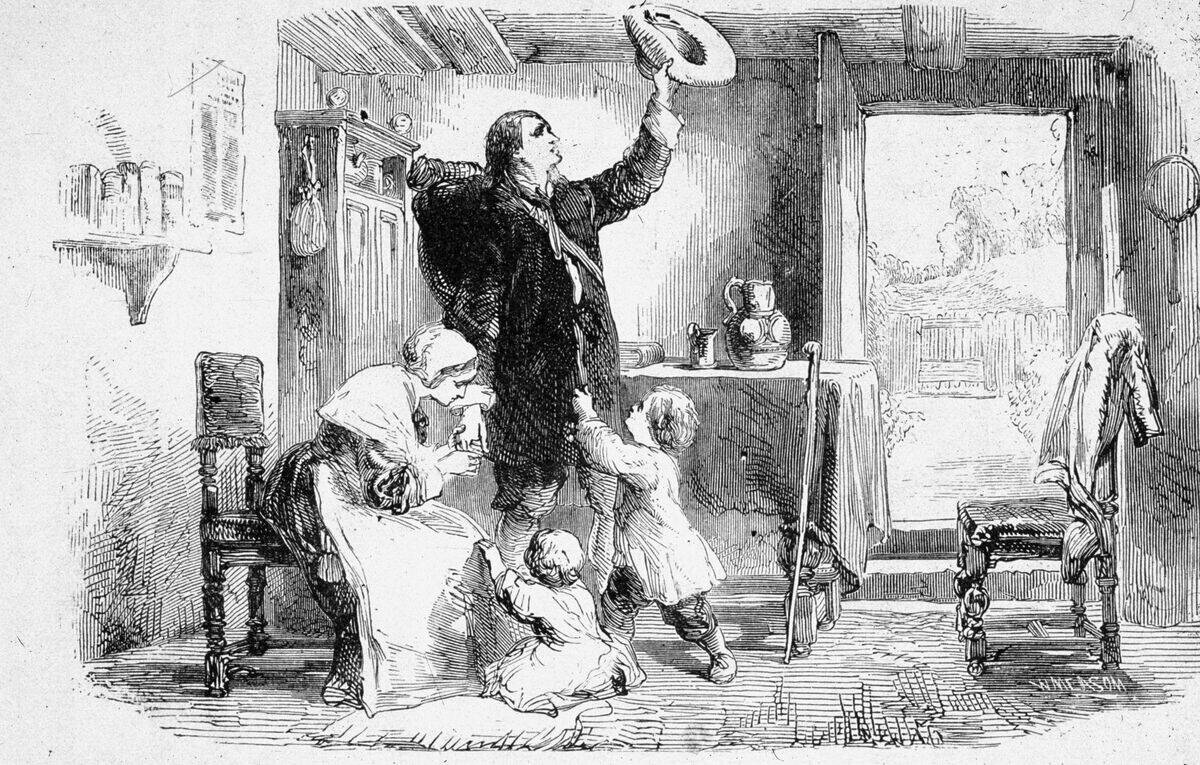
Education in the 1700s was a luxury not afforded to all, with schools often being one-room setups. Boys typically received more formal education than girls, studying subjects like arithmetic and Latin. Girls, on the other hand, learned skills necessary for managing a household.
Wealthier families might hire private tutors to educate their children. Despite these limitations, literacy was valued, and communities worked to establish schools to provide basic education for their young.
Health and Medicine: Common Practices and Remedies
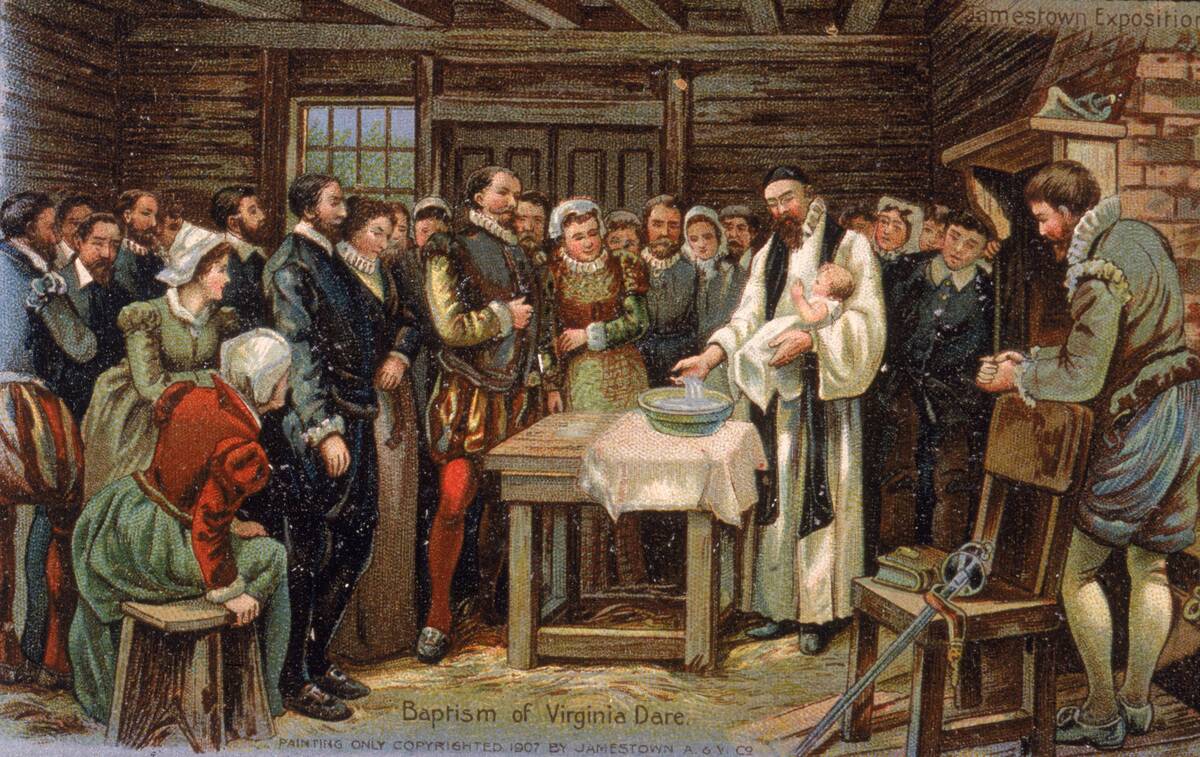
Health and medicine during the colonial era were rudimentary by today’s standards. Herbal remedies were widely used, with plants like echinacea and elderberry believed to cure ailments. Medical practices often included bloodletting and the use of leeches, based on the theory of balancing bodily humors.
Doctors were scarce, and many relied on midwives and apothecaries for care. Despite the limitations, colonists were resourceful, using the knowledge they had to treat common illnesses.
Entertainment and Leisure: How Colonists Had Fun
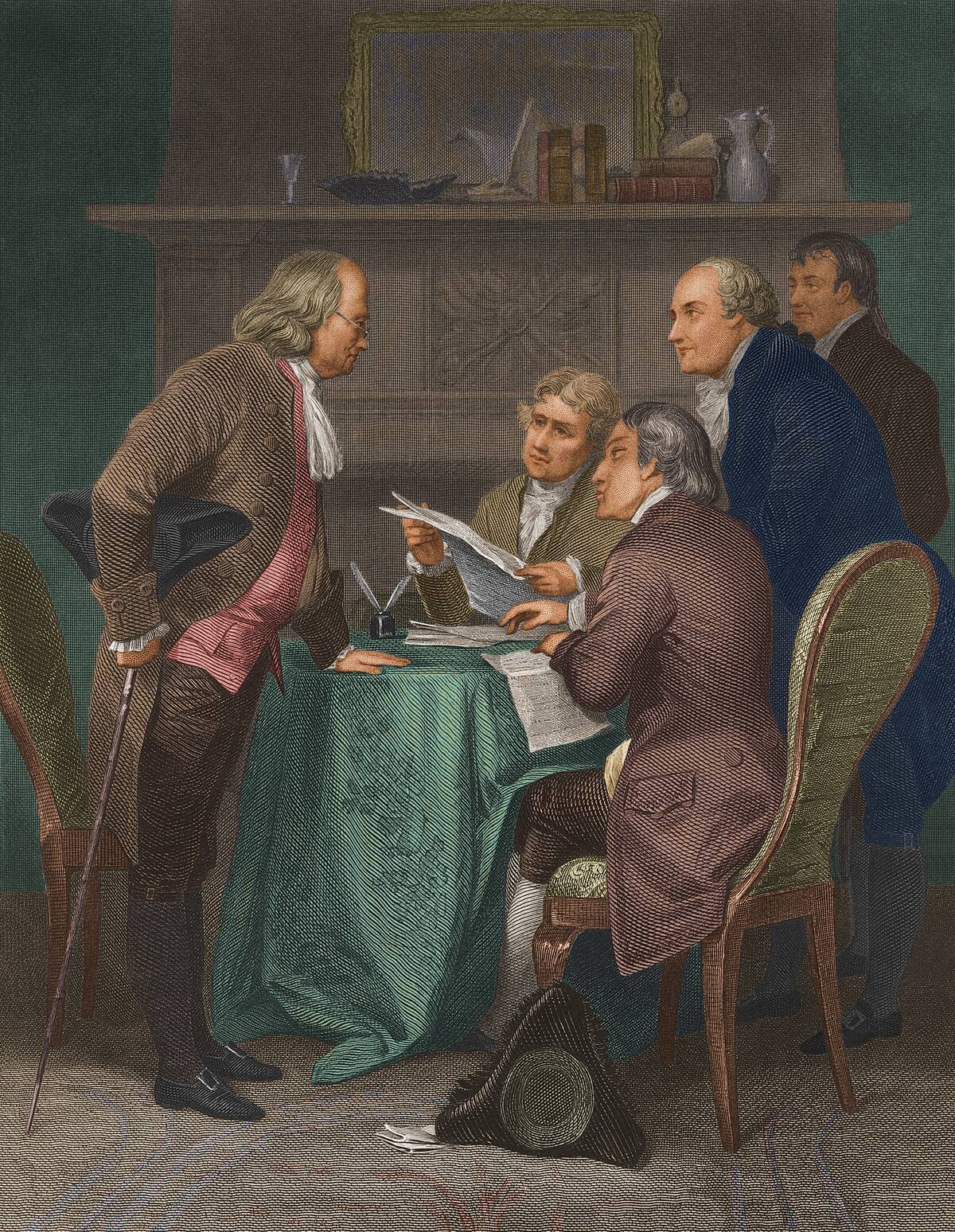
Colonial entertainment was a mix of simple pleasures and communal gatherings. Music and dance were popular, with fiddles and flutes accompanying lively jigs and reels. Storytelling was a cherished pastime, with tales of adventure and folklore captivating audiences.
Social events like barn raisings and quilting bees provided opportunities for neighbors to come together. These activities offered a welcome respite from daily toil, strengthening community bonds and providing joy in an otherwise challenging life.
Communication: Gossip, News, and the Art of Letter Writing

Communication in colonial times was a blend of personal interactions and written correspondence. Letters were a primary means of staying in touch, often taking weeks to reach their destination. Newspapers, though not as widespread, provided news from afar and were eagerly read by those who could access them.
Gossip played a significant role in spreading information, with taverns and marketplaces serving as hubs for exchanging news. Despite the lack of modern technology, colonists were adept at staying informed.
Transportation: Getting Around in the Revolutionary Days
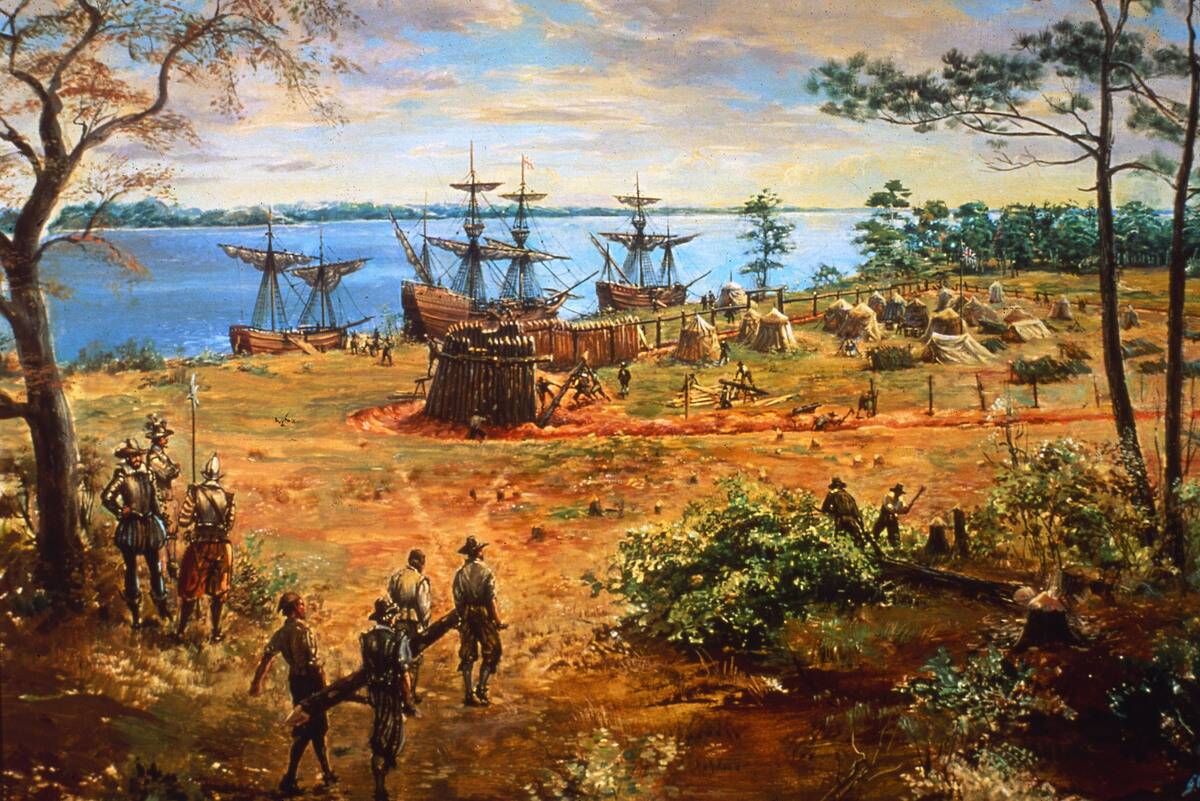
Travel in the Revolutionary era was slow and often arduous. Walking was the most common mode of transport, with horses and carriages reserved for those who could afford them. Roads were rough and poorly maintained, making long-distance travel challenging.
Rivers served as vital highways, with boats and ferries transporting goods and people. Despite these challenges, colonists were resourceful, using available means to move about and connect with distant settlements.
Religion and Spirituality: A Central Part of Life
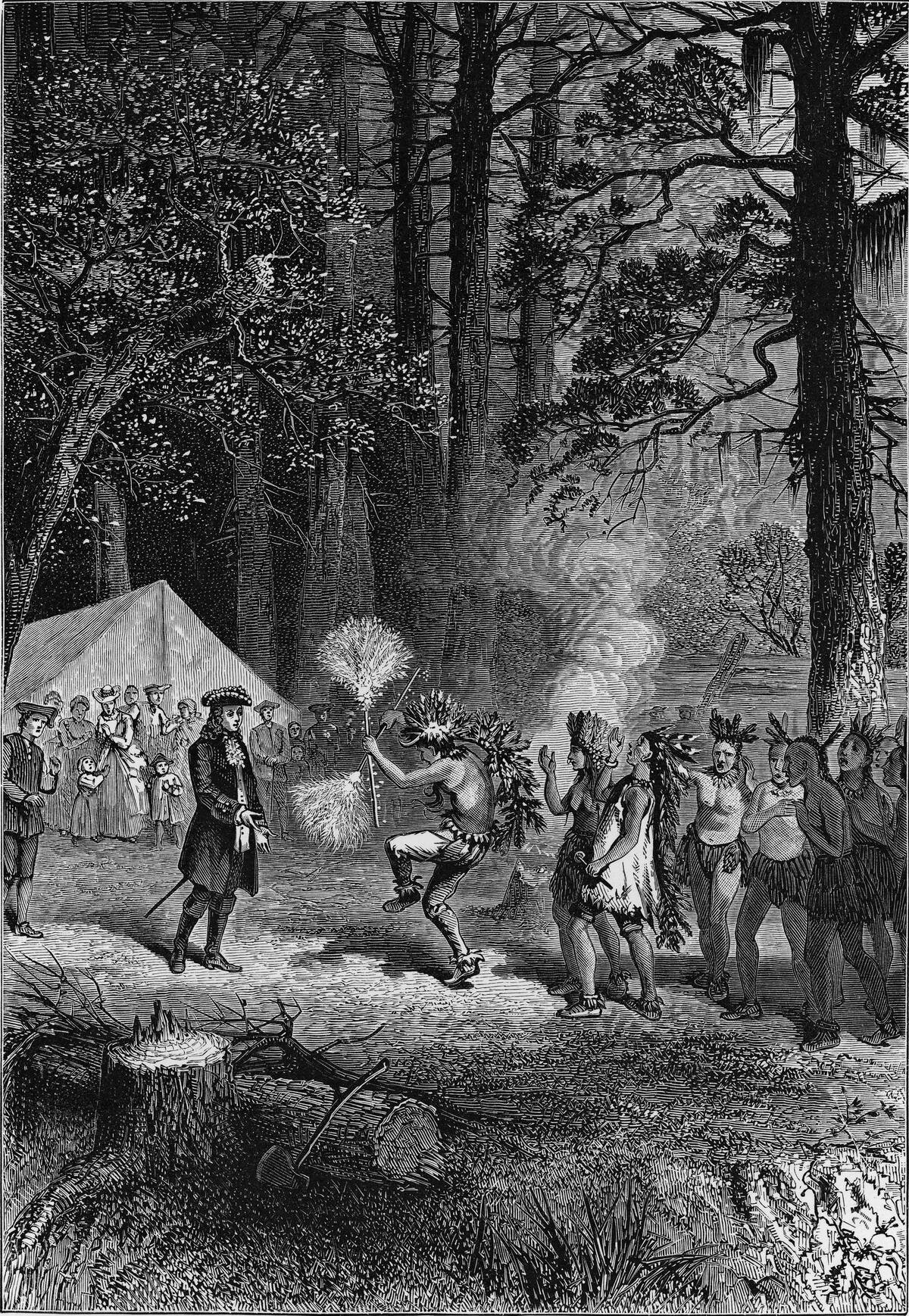
Religion played a fundamental role in colonial life, influencing daily routines and community structure. Many colonists were Puritans, Quakers, or Anglicans, with church attendance being a central aspect of life.
Churches were often the heart of the community, hosting social events and gatherings. Religious beliefs influenced laws and education, with the Bible serving as a primary text. Despite the diversity of denominations, spirituality provided comfort and guidance in a time of uncertainty.
Shopping and Trade: The Colonial Marketplace
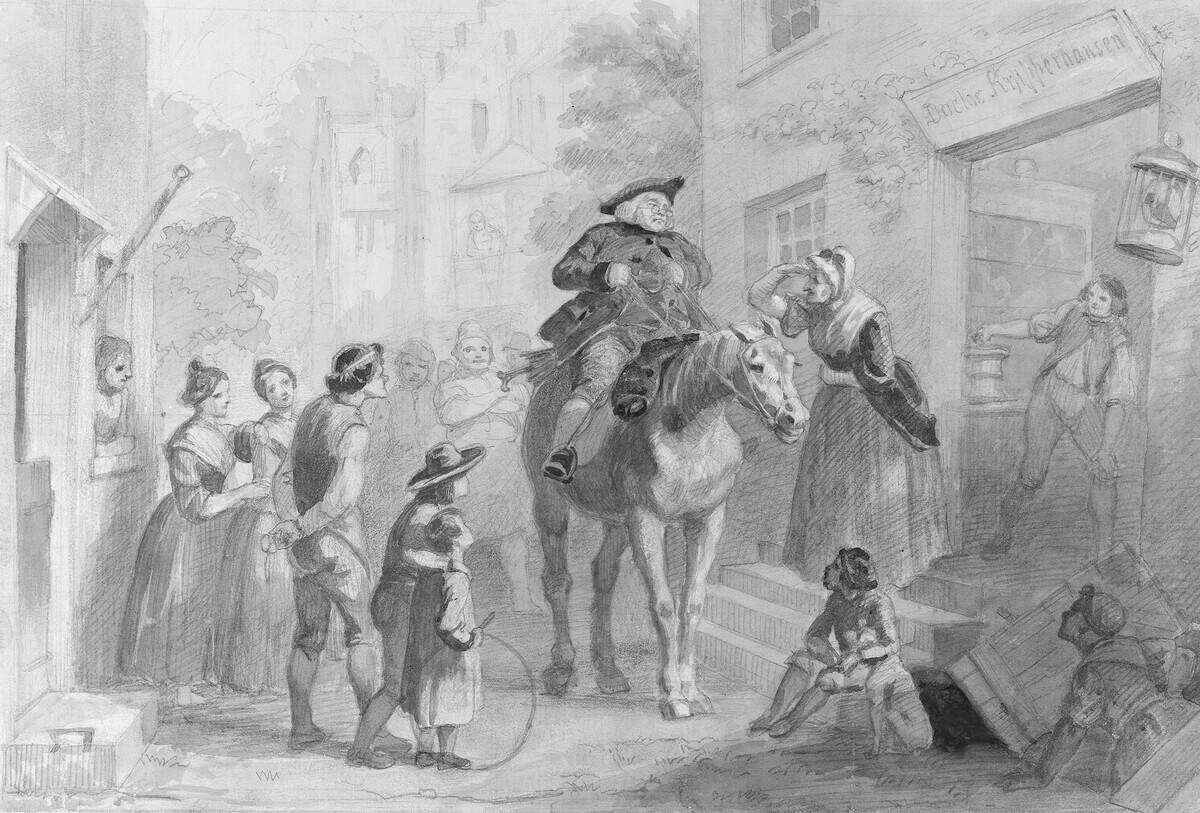
The colonial marketplace was a bustling hub of activity, where goods from near and far were traded. Local farmers would sell produce and livestock, while imported goods like tea and spices were prized commodities.
Bartering was common, with goods often exchanged for services or other items. Shops were typically small and family-run, offering a range of products. The marketplace was not just for commerce; it was a social center where news was shared and connections made.
Weathering the Seasons: Coping with Nature’s Challenges
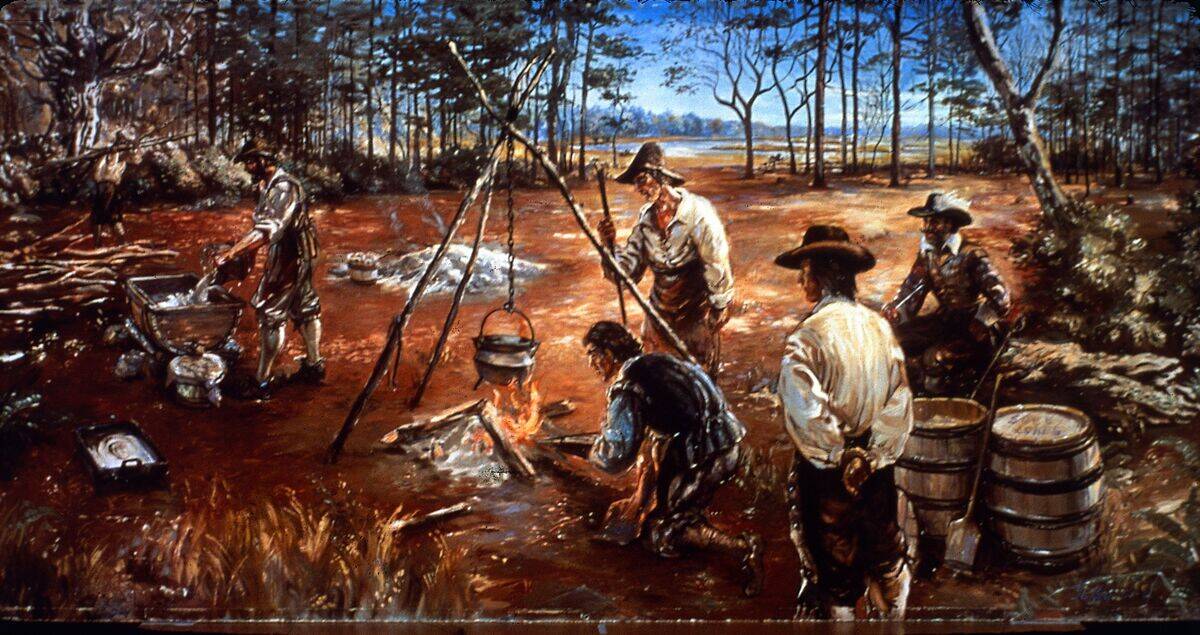
Colonial life was heavily influenced by the seasons, with each one bringing its own challenges. Winters were harsh, requiring careful preparation and resource management. Spring and summer were busy times for planting and harvesting, with communities working together to ensure food supplies.
Fall brought the harvest, a time of hard work but also celebration. Colonists were attuned to nature, their lives dictated by its cycles, relying on their ingenuity to survive and thrive.
Social Gatherings: Parties, Balls, and Community Events
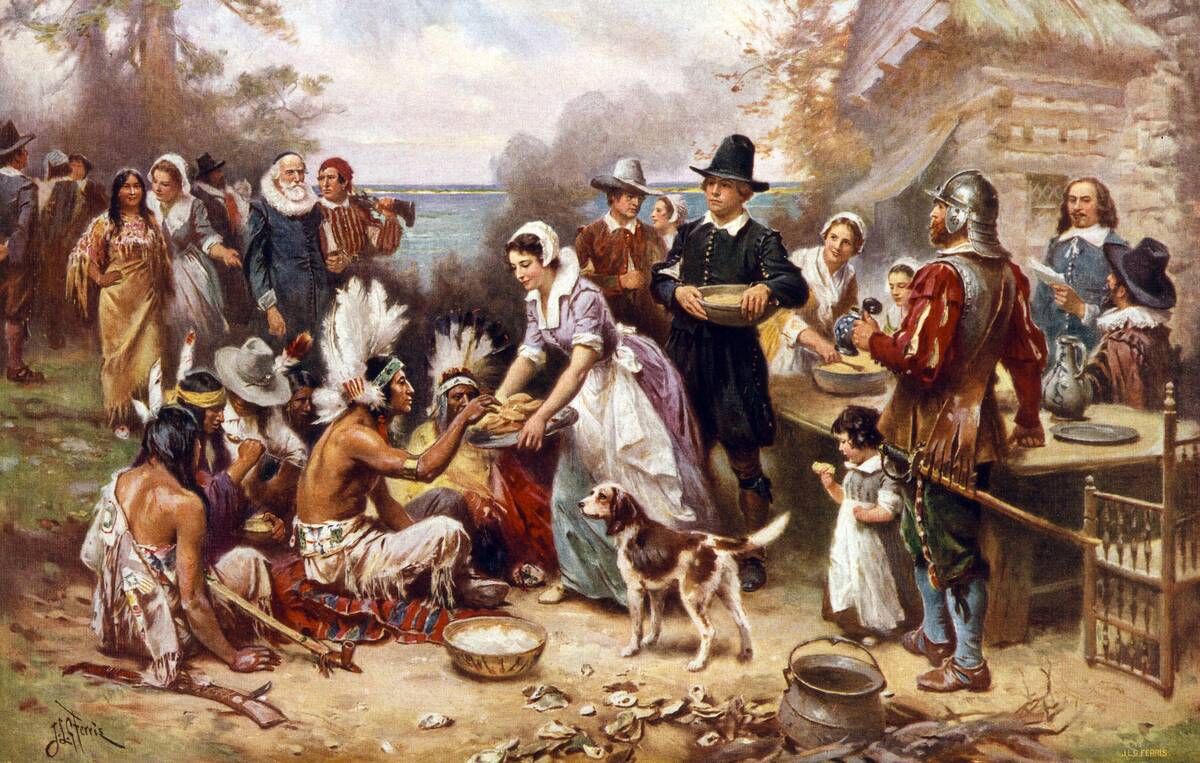
Social gatherings in colonial times were lively affairs, providing much-needed relief from everyday hardships. Balls and dances were popular, offering a chance to dress up and socialize. Community events like fairs and festivals were eagerly anticipated, with games, food, and music.
These gatherings were not only for fun; they reinforced community ties and brought people together. Despite the era’s challenges, colonists found joy in coming together to celebrate and enjoy each other’s company.
Military Life: The Soldier’s Experience in the Revolution
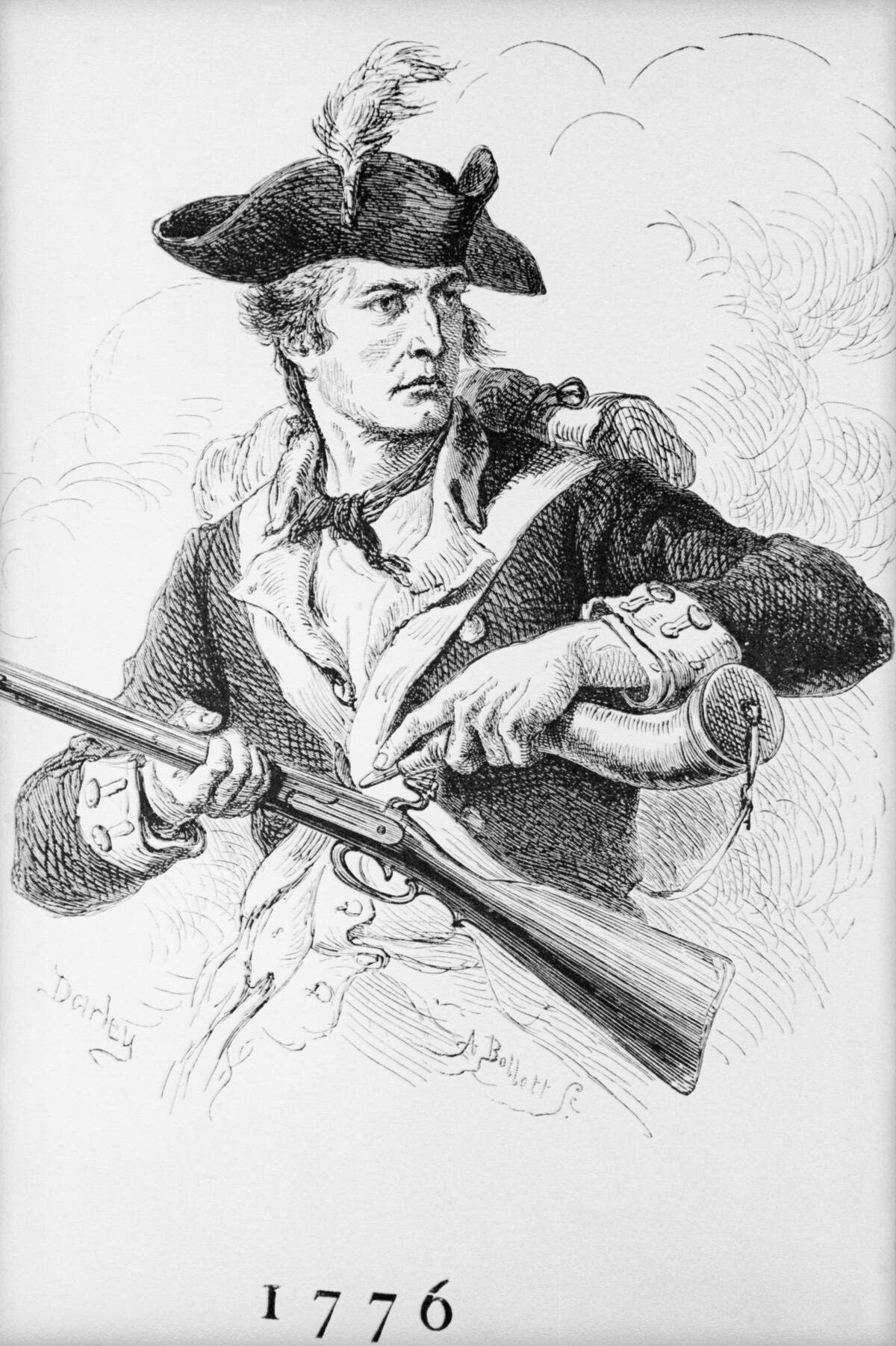
Military life during the American Revolution was a mix of camaraderie and hardship. Soldiers faced long marches, harsh weather, and supply shortages. Despite these challenges, they were driven by a sense of duty and the fight for independence.
Camp life was a blend of drills and downtime, with letters from home providing comfort. Soldiers formed close bonds, united by their shared experiences. Their resilience and determination were crucial to the colonies’ eventual victory.
Women’s Role: Beyond the Homefront
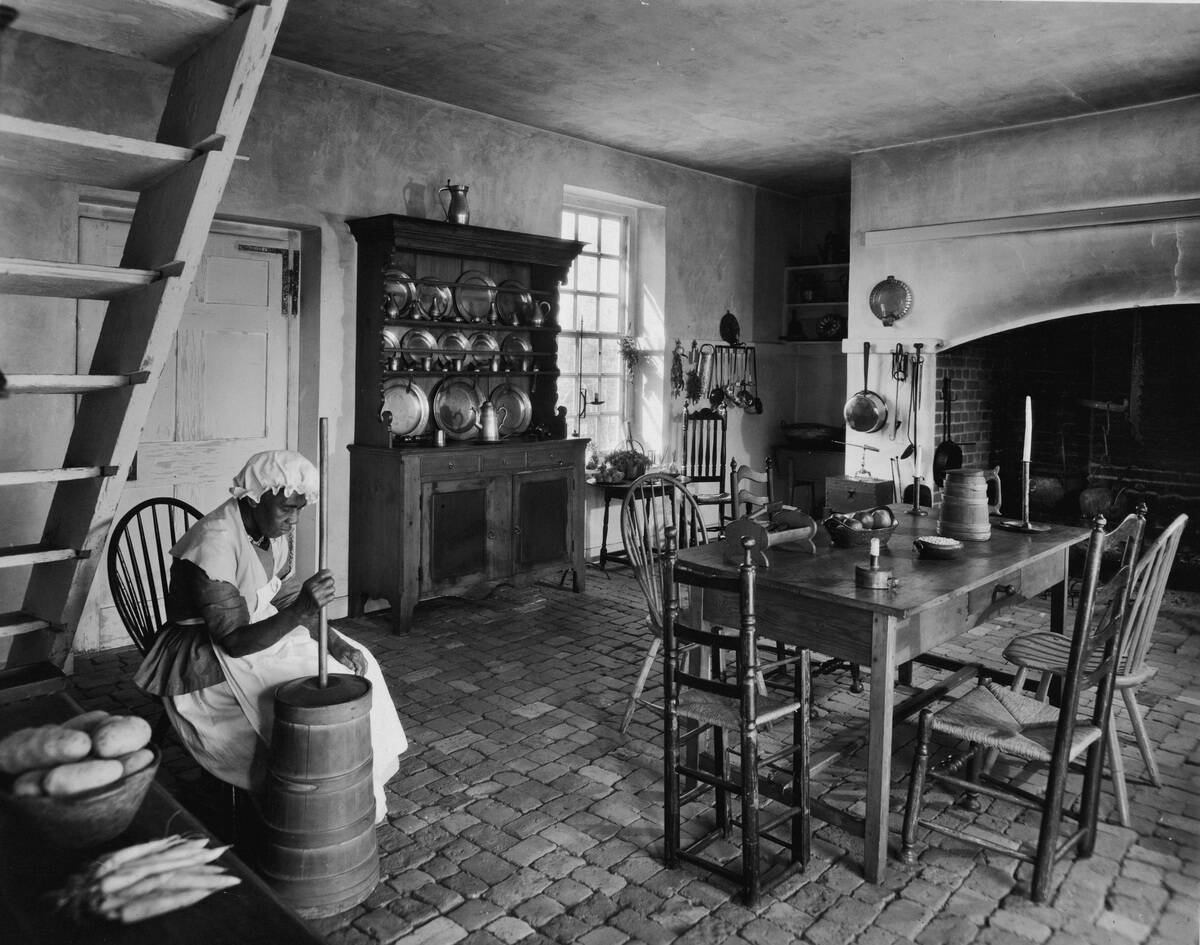
Women in the Revolutionary era played crucial roles beyond managing households. Many took on additional responsibilities, running farms and businesses while men were at war. Some women served as nurses or camp followers, providing essential support to the troops.
Figures like Abigail Adams and Mercy Otis Warren emerged as influential voices, advocating for greater rights and education. Women’s contributions were invaluable, and their efforts laid the groundwork for future movements toward gender equality.
Children’s Play: Toys and Games of the Time
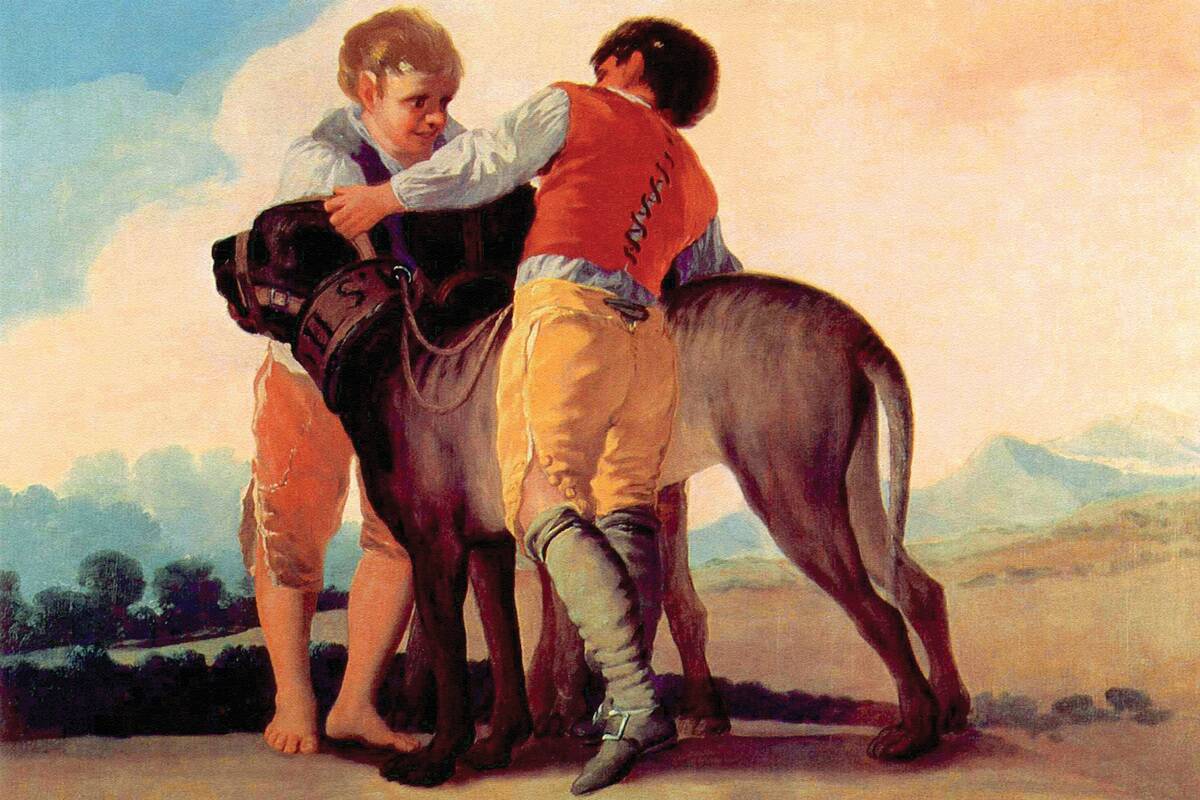
Children in colonial America found joy in simple toys and games. Dolls, carved from wood or made from fabric scraps, were cherished companions. Boys often played with marbles or engaged in games like tag and hopscotch.
Board games, such as checkers, were enjoyed by families, providing entertainment and a chance to bond. Despite limited resources, children’s creativity flourished, finding fun and laughter in their surroundings and making the most of what they had.
Challenges and Hardships: Surviving the Revolutionary Era
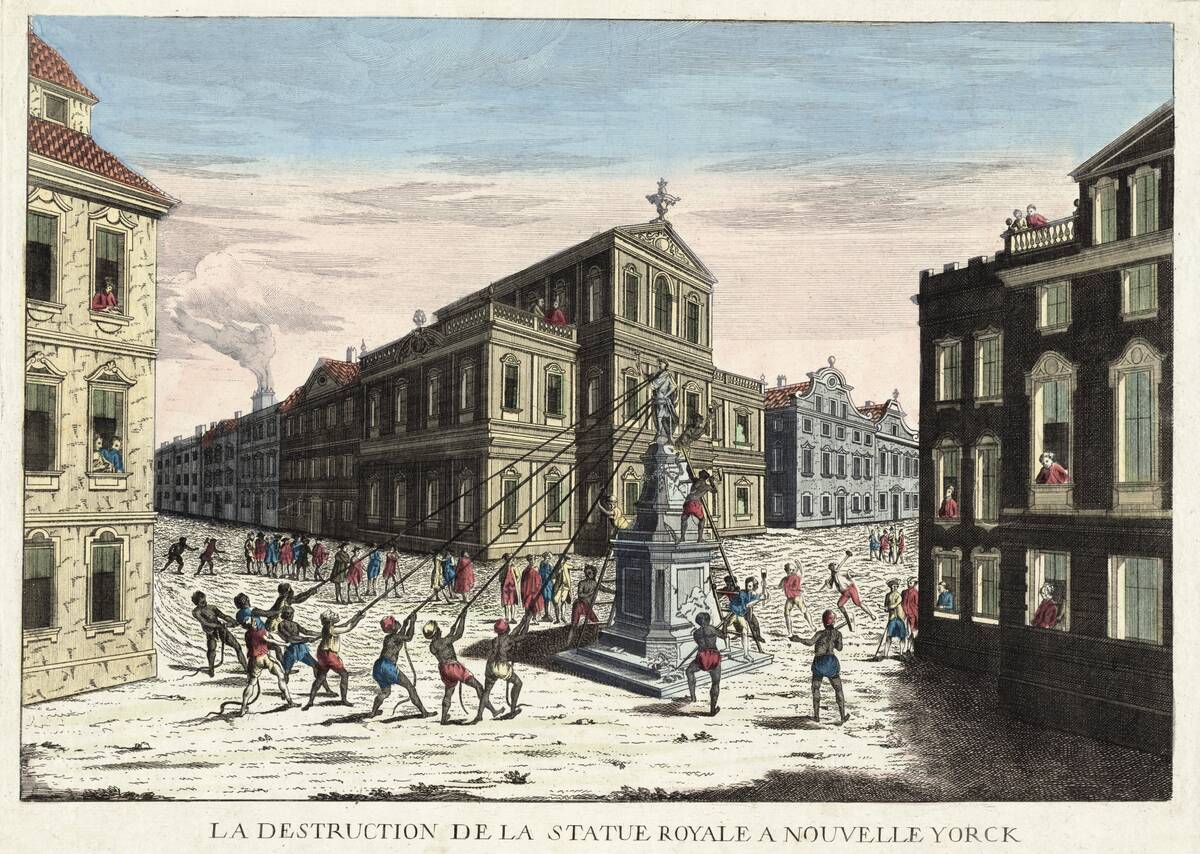
The Revolutionary era was fraught with challenges, from economic difficulties to the threat of war. Colonists faced shortages of essential goods due to blockades and inflation. The constant threat of conflict and the strain of war weighed heavily on communities.
Despite these hardships, resilience was a hallmark of the colonial spirit. Neighbors supported one another, sharing resources and providing aid. The determination to overcome these obstacles was instrumental in the eventual triumph of independence.
The Spirit of Independence: Patriotism in Everyday Life
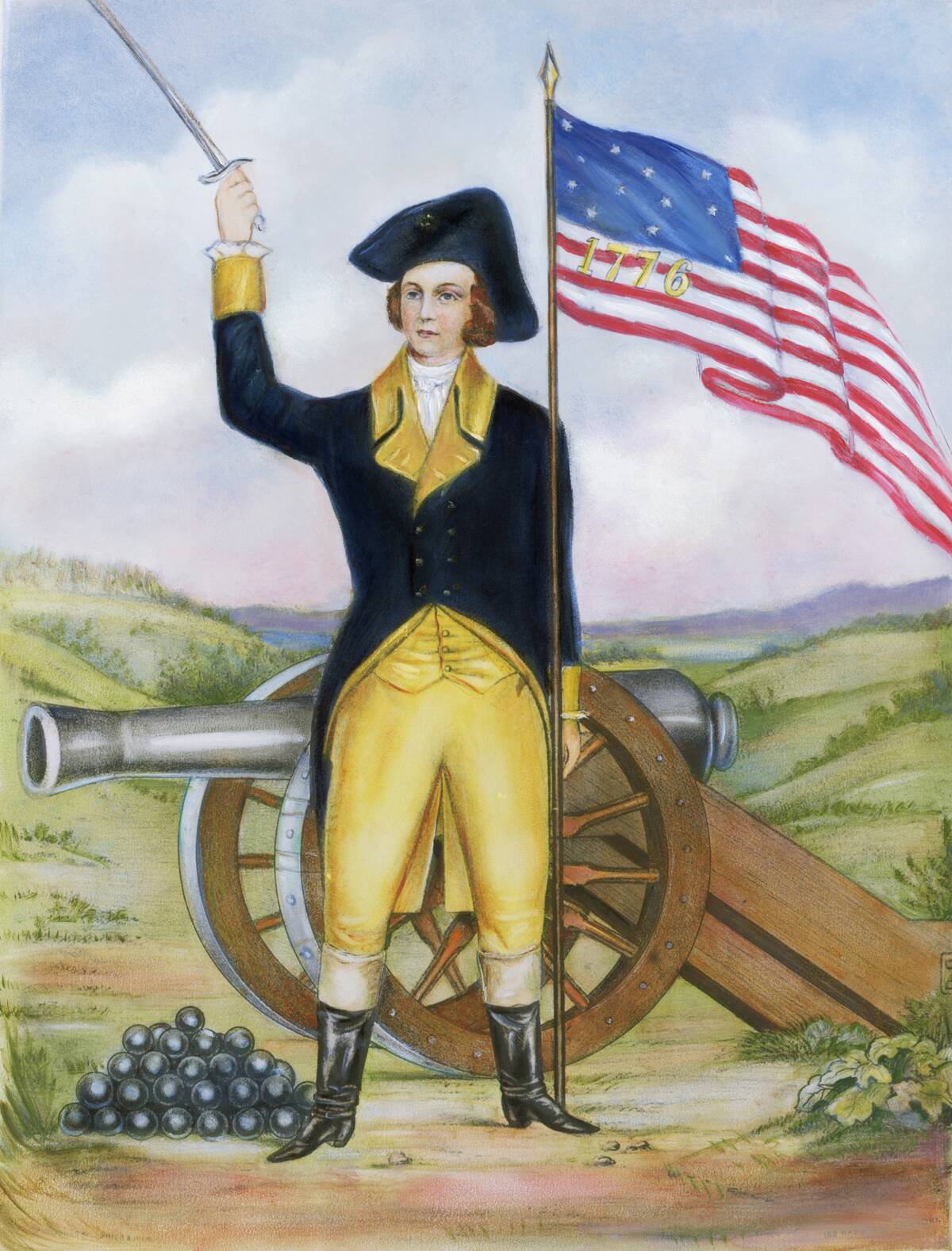
The spirit of independence was palpable in colonial America, driving the quest for freedom. Symbols like the Liberty Tree and the rattlesnake, with its “Don’t Tread on Me” slogan, became rallying points. Patriotism permeated daily life, from songs and pamphlets to public speeches.
Events like the Boston Tea Party galvanized colonists, uniting them in the fight for self-governance. The shared vision of a new, independent nation inspired actions both big and small, shaping the future of America.




