Royal courts obsessed with predicting the future through stars
Astrology has long captivated the imagination of royalty. From predicting the future to influencing major decisions, the stars have played a significant role in royal lives.
The fascination with astrology is not merely a modern trend; it stretches back centuries, with royals turning to astrologers for guidance and insight. The allure of astrology lies in its promise to unveil the mysteries of the universe, a promise that many royals found irresistible.
The Role of Court Astrologers
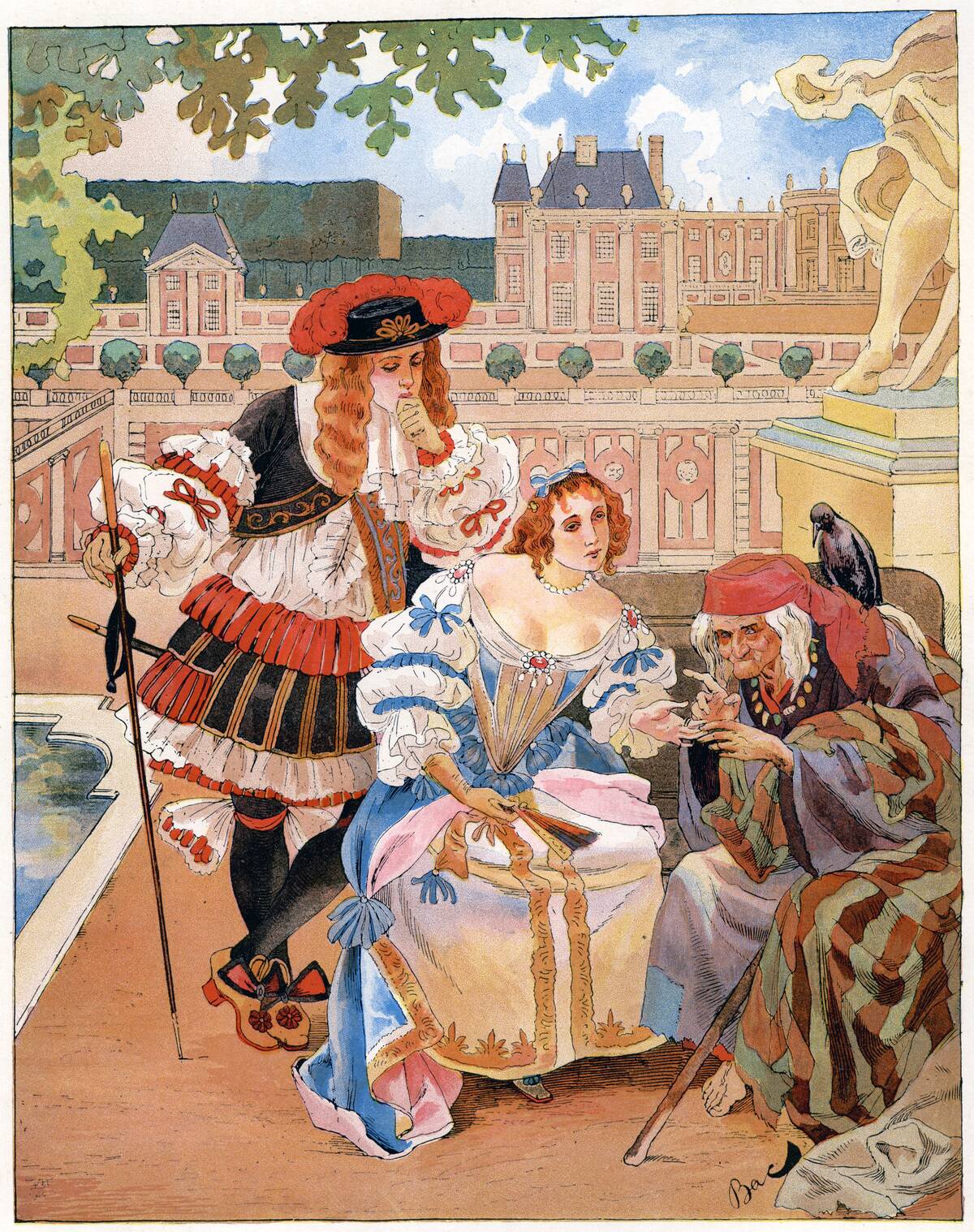
Court astrologers were essential figures in royal courts, revered for their perceived ability to interpret the stars. They often held prestigious positions, advising monarchs on matters ranging from personal relationships to state affairs.
These astrologers were tasked with creating horoscopes and offering predictions, their influence sometimes rivaling that of military advisors or counselors. Their insights were seen as vital in navigating the complexities of ruling.
How Astrology Guided Royal Decisions
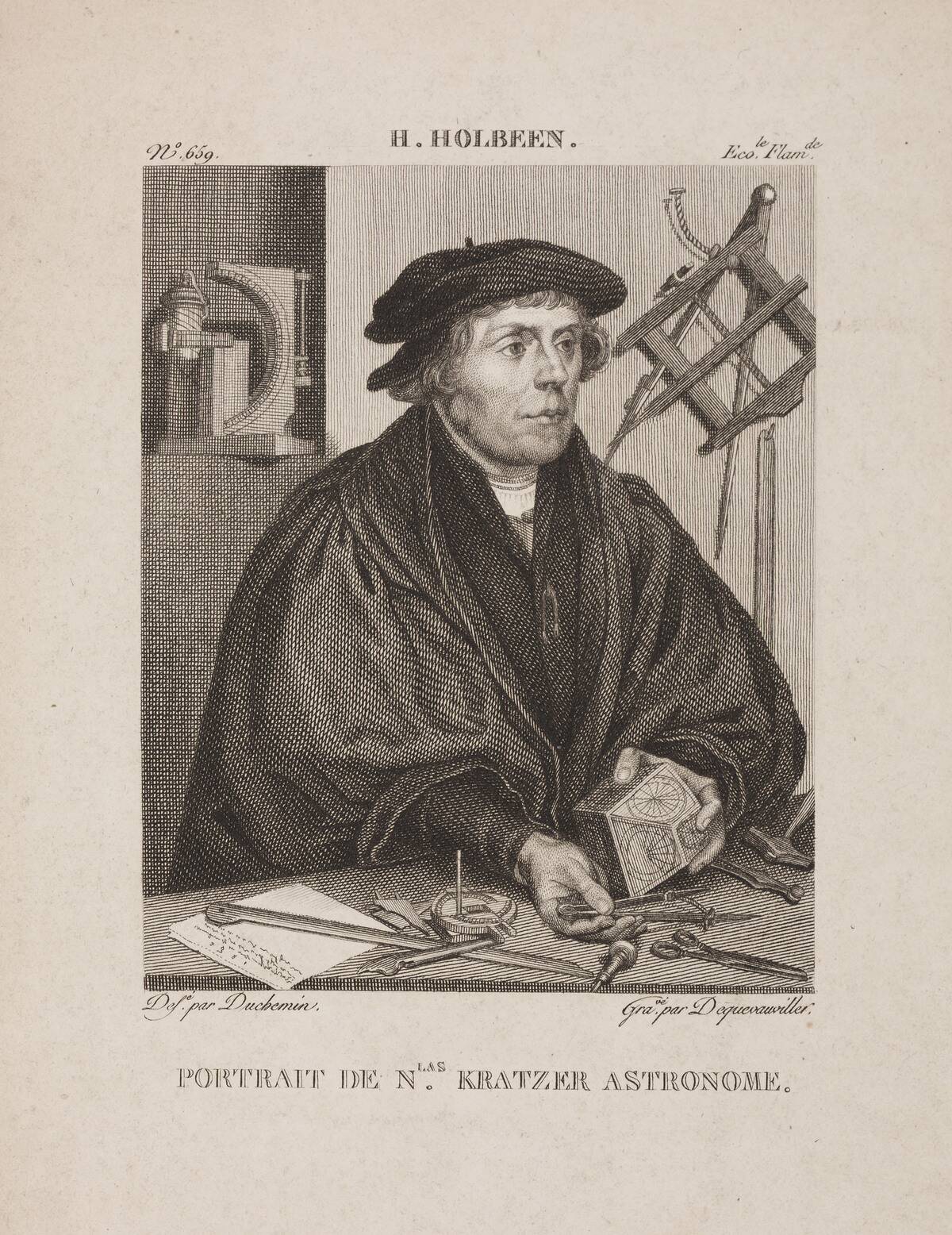
Astrology often guided critical royal decisions, from the timing of battles to the formation of alliances. Monarchs would consult astrologers to choose auspicious dates for important events, believing that celestial alignment could determine success or failure.
This reliance on astrology is evident in historical documents, where astrological charts were used to plan everything from military campaigns to diplomatic negotiations.
Famous Royal Astrologers Through History

Some astrologers became legendary figures in their own right, thanks to their association with royalty. Nostradamus, for instance, is one of the most famous astrologers, known for his cryptic predictions and his role as an advisor to various European royals.
Another notable figure was John Dee, the astrologer to Queen Elizabeth I, who combined astrology with alchemy and magic, leaving a lasting impact on the English court.
Astrological Beliefs in Ancient Civilizations
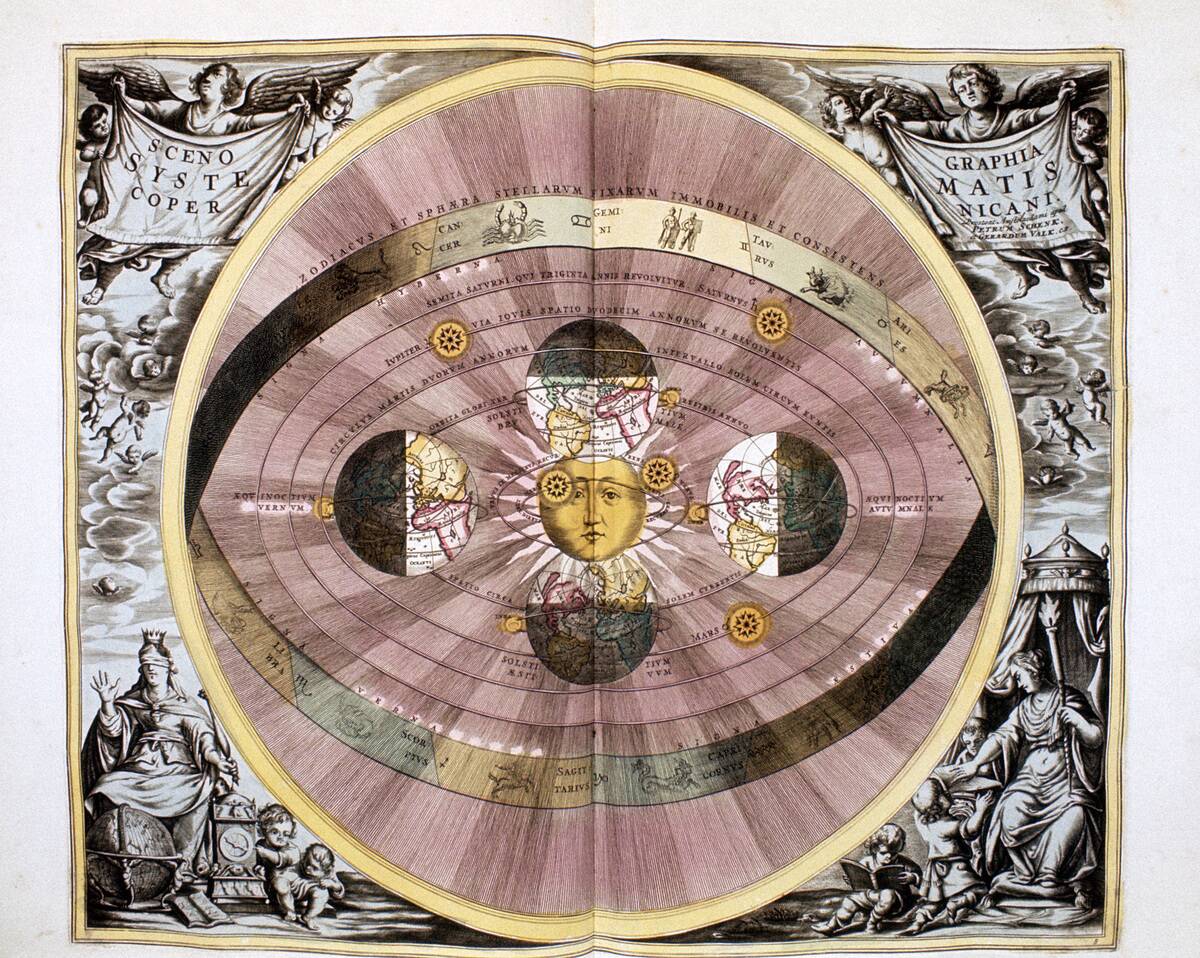
Astrological beliefs were deeply ingrained in ancient civilizations such as the Babylonians, Egyptians, and Greeks. These cultures developed sophisticated systems to track celestial movements, attributing divine significance to planetary alignments.
The Greeks, in particular, contributed to the spread of astrology through the works of scholars like Ptolemy, whose writings influenced both scientific and astrological thought for centuries.
The Influence of Astrology on Royal Marriages
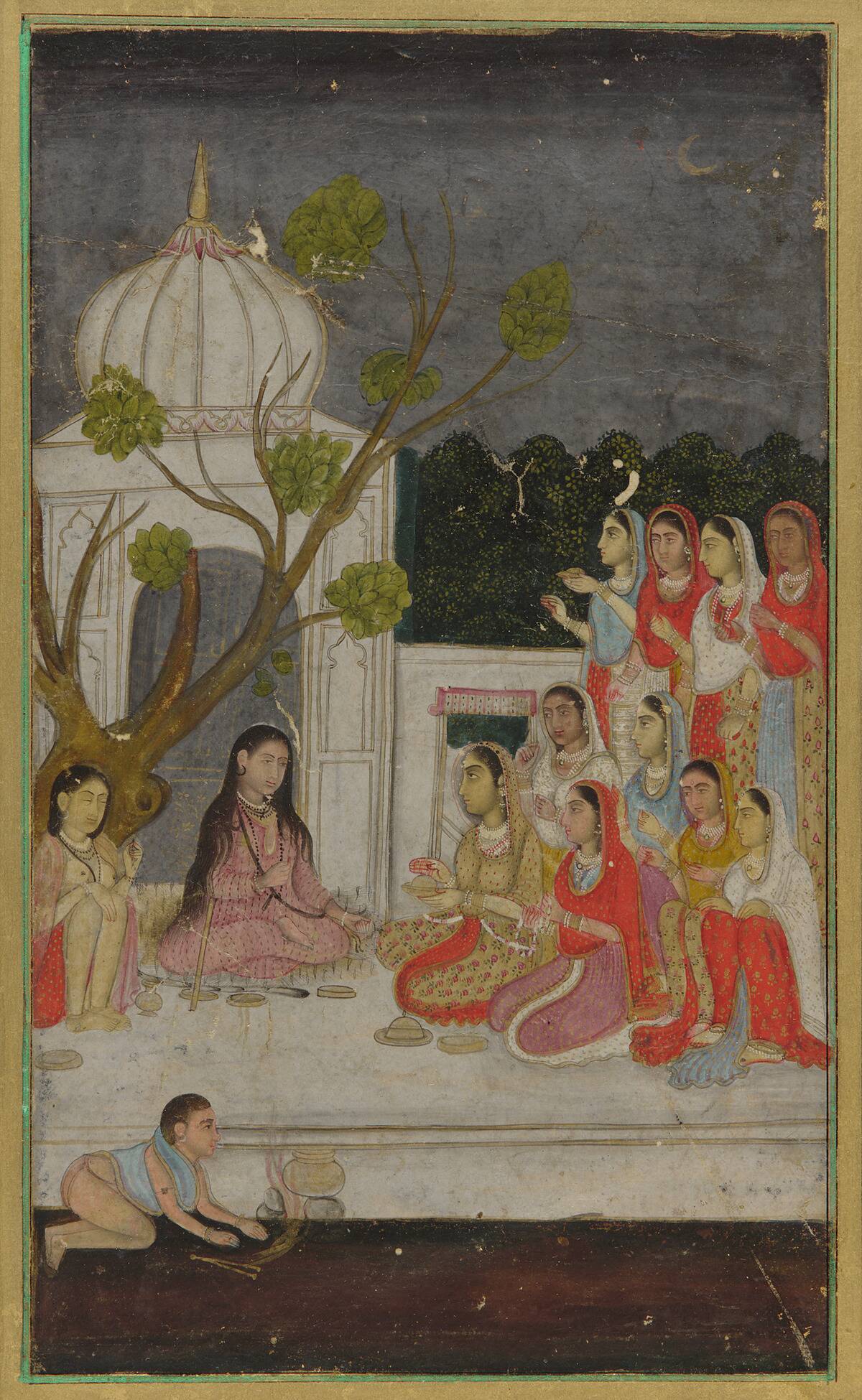
Astrology sometimes played a role in royal marriages, with astrologers consulted to ensure compatibility between prospective partners. The belief was that harmonious planetary alignments could lead to successful and prosperous unions.
This practice was not limited to Europe; in India and China, astrological charts were also used to determine auspicious dates and compatibility, reflecting a global fascination with celestial guidance in personal relationships.
Astrology’s Impact on Political Alliances
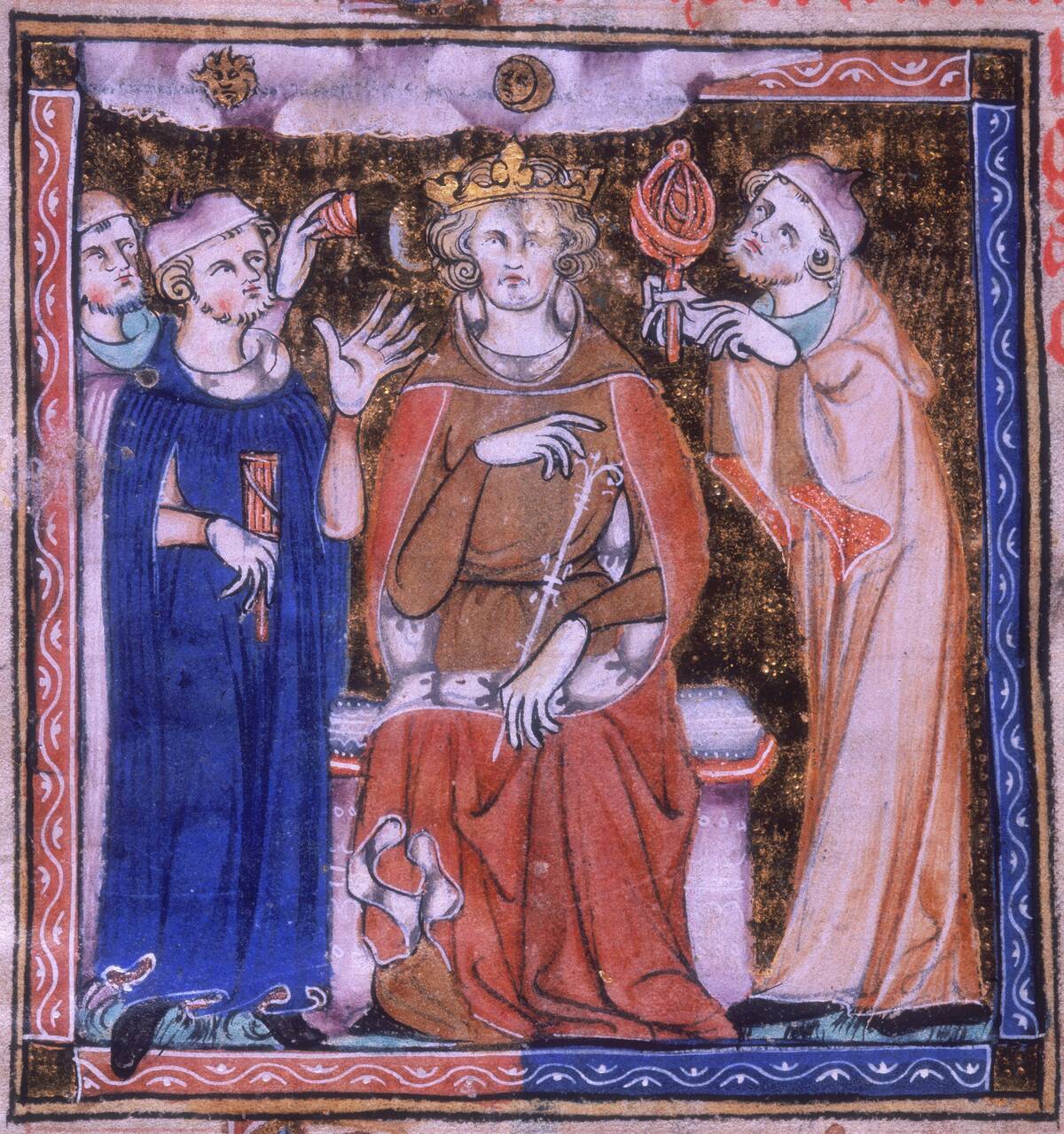
Political alliances were sometimes influenced based on astrological readings. Monarchs sought the counsel of astrologers to determine the best times to form alliances, believing that the stars could predict the strength and longevity of these partnerships.
This reliance on astrology added an extra layer of complexity to diplomatic negotiations, where celestial interpretations were weighed alongside political considerations.
Predicting Battles and Wars with Astrology
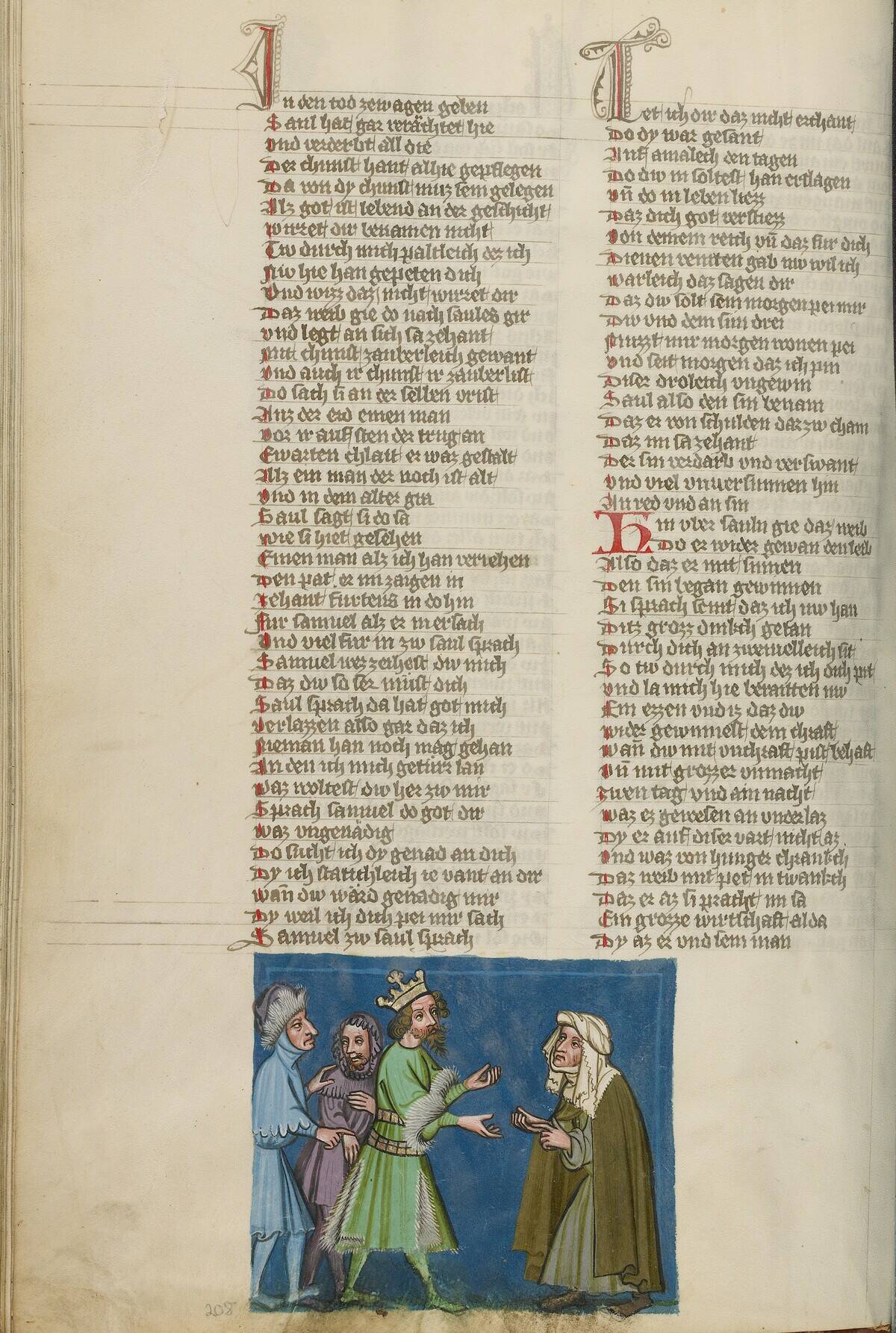
Astrologers were sometimes called upon to predict the outcomes of battles and wars, offering guidance on strategy and timing. Their predictions were based on the positions of the stars and planets, with the belief that celestial forces could influence earthly events.
While their accuracy was sometimes questionable, the perceived wisdom of astrologers provided comfort and confidence to monarchs preparing for conflict.
Royal Births and Astrological Predictions
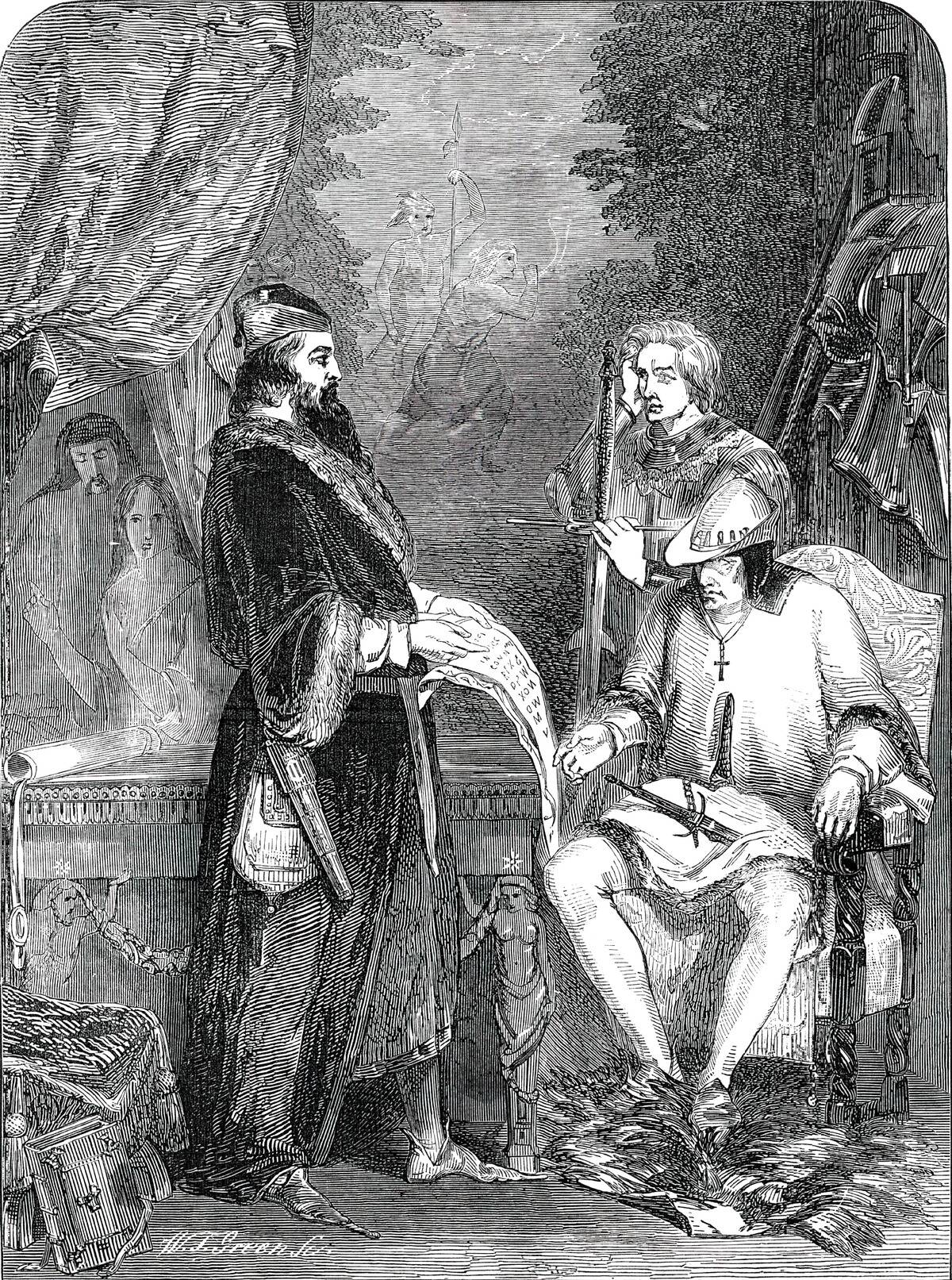
The births of royal heirs were significant events, often accompanied by astrological predictions. Astrologers would create detailed horoscopes for newborns, forecasting their futures and potential impact on the realm.
These predictions could influence how a child was raised and educated, as well as their eventual role in the monarchy. Royal families viewed these celestial insights as essential to preparing future rulers for their destiny.
The Use of Celestial Events in Coronations
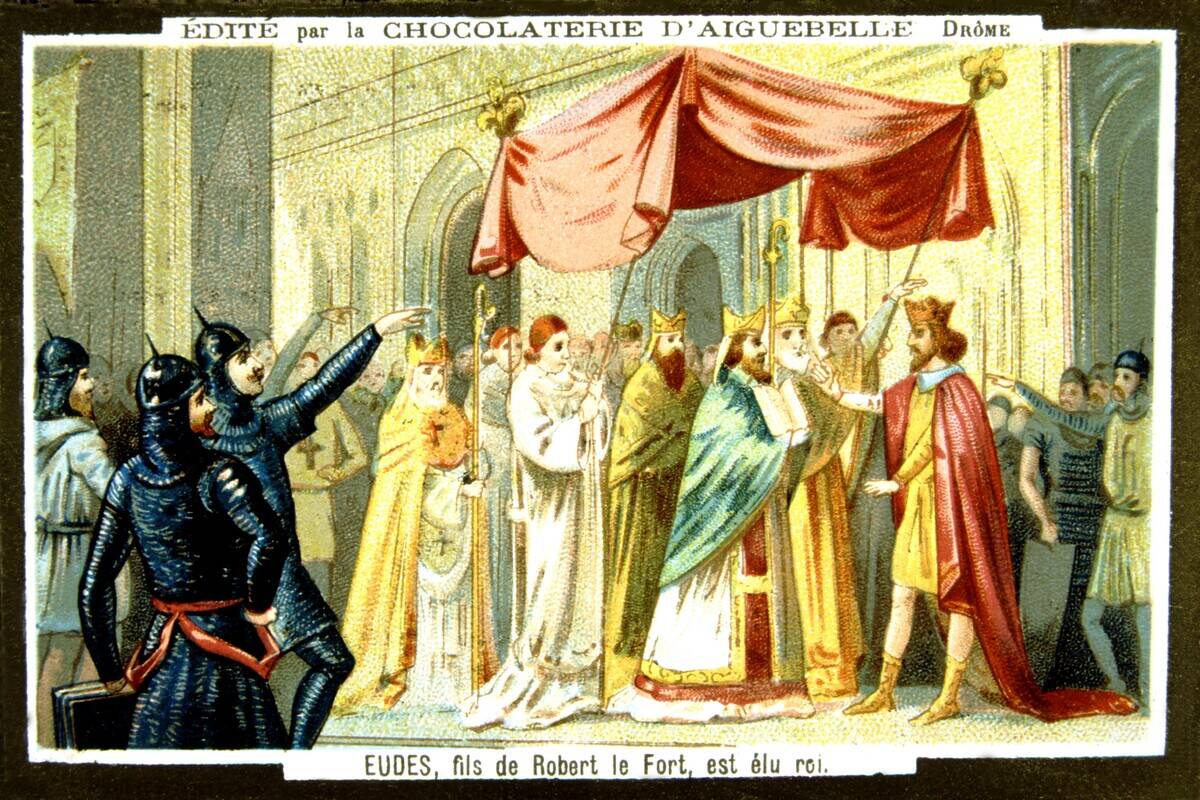
Celestial events such as eclipses and planetary alignments were often interpreted as significant omens. Some monarchs would time their ascensions to the throne with these events, believing that they heralded divine approval and favor.
This practice underscored the connection between heavenly phenomena and earthly power, reinforcing the notion that rulers were chosen by the stars themselves.
Astrology and the Economy of Royal Courts

Astrology occasionally intersected with economic affairs of royal courts. Predictions about harvests and trade were sometimes influenced by astrological readings.
While modern economics has moved away from astrology, its historical influence on royal economies is a testament to its once-pervasive presence.
Royal Patronage of Astrological Studies
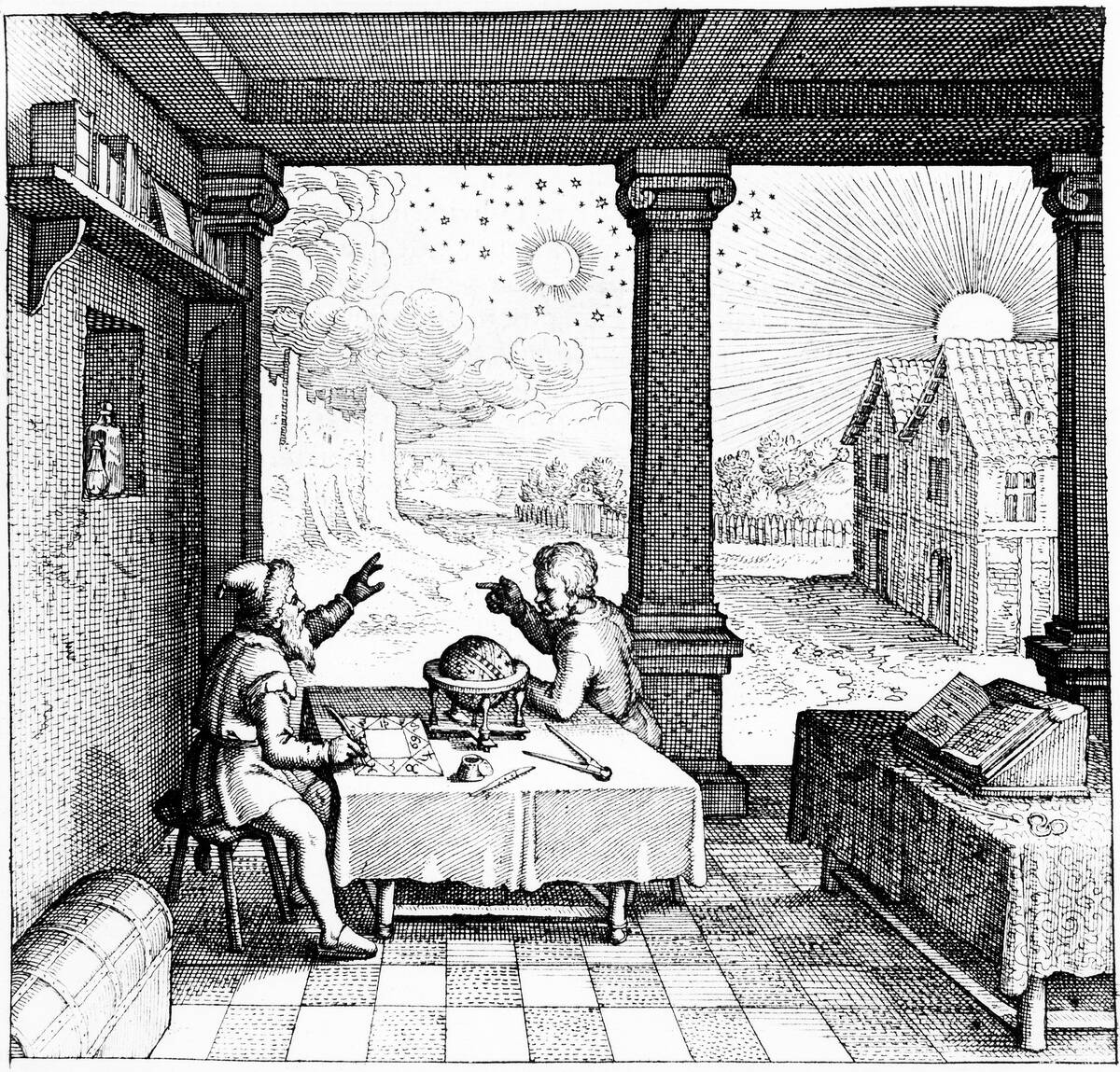
Royal patronage was sometimes supported astrological studies, with monarchs funding research and education. This support enabled astrologers to develop their craft, contributing to the broader understanding of celestial phenomena.
Libraries and observatories were often commissioned by royals, serving as centers for astrological and astronomical study. This patronage reflected the high value placed on astrology as both a science and an art.
Skeptics and Believers: The Royal Debate
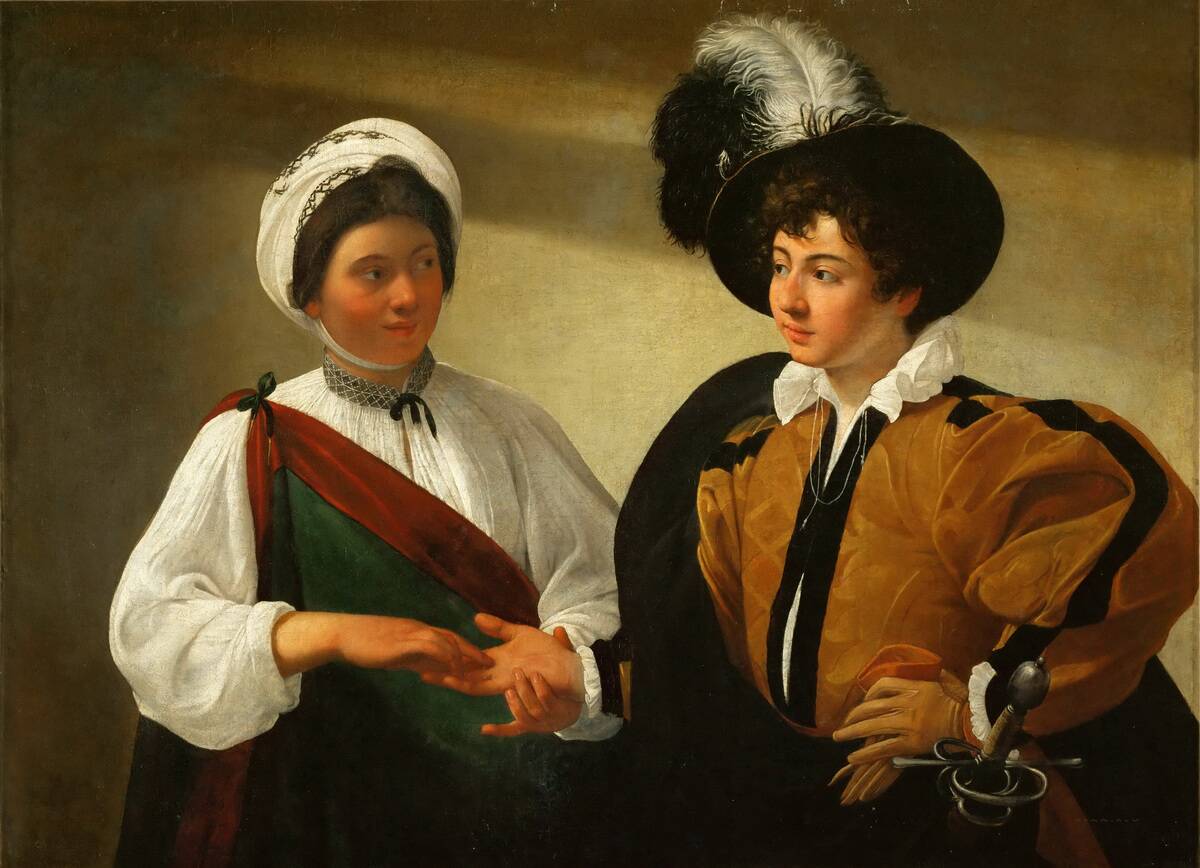
Within royal circles, debate often raged between skeptics and believers of astrology. Some monarchs embraced astrological guidance wholeheartedly, while others viewed it with skepticism, preferring more empirical forms of counsel.
This division highlights the diverse attitudes toward astrology, where personal beliefs and experiences shaped the level of trust placed in celestial predictions. Despite differing opinions, astrology remained a prominent feature of royal life.




