Bridges and tunnels built long before modern tools existed
Ancient engineering marvels are a testament to human ingenuity and resourcefulness. These structures, from bridges to tunnels, showcase the ability of early civilizations to overcome geographical challenges with limited technology.
As we journey through history, we’ll uncover the mysteries and marvels of these awe-inspiring constructions that have stood the test of time. From the intricate designs of Roman aqueducts to the hidden passages of the Great Wall of China, each tells a story of innovation and determination.
The Pioneers of Bridge and Tunnel Construction
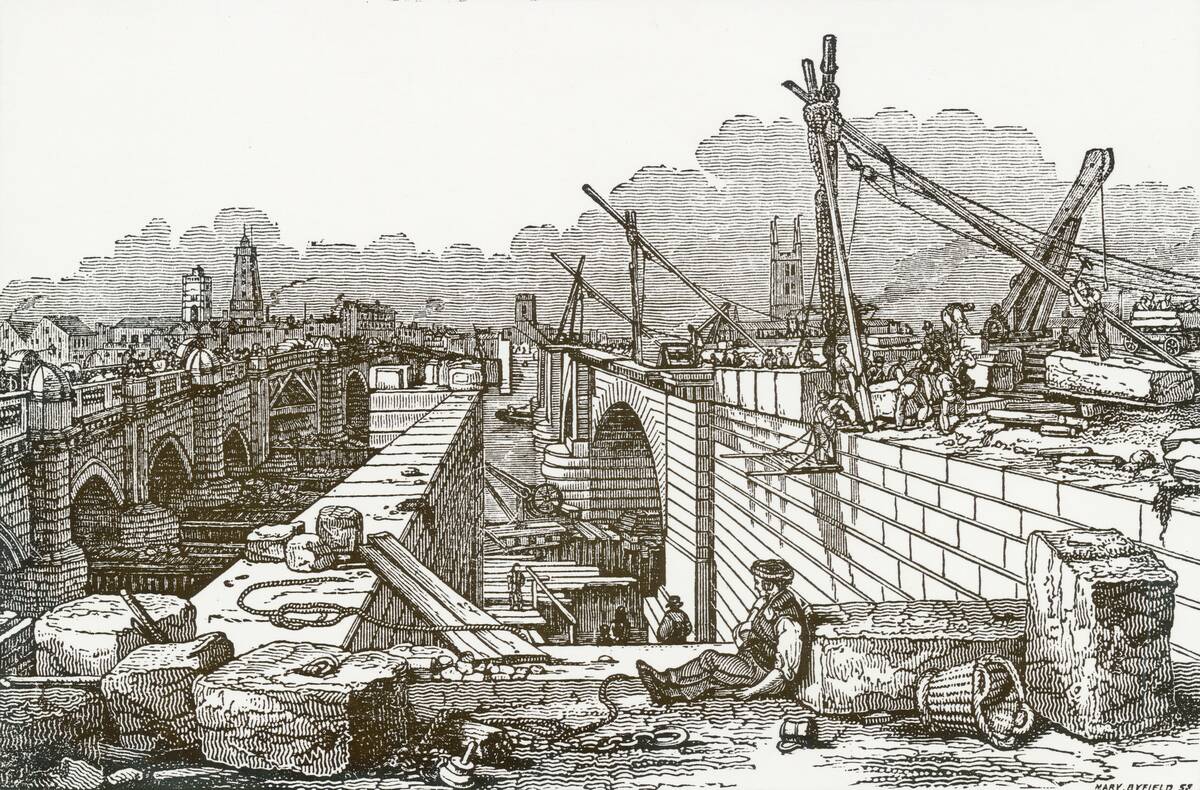
The origins of bridge construction dates back to ancient times, with the Mesopotamians and Egyptians leading the way. These early builders used materials like stone and wood, relying on basic principles of physics to create stable structures.
The Romans later revolutionized construction with the use of concrete, allowing for more ambitious projects. Their innovations laid the foundation for modern engineering, demonstrating that the desire to connect and protect was as strong then as it is today.
The Mesmerizing Mystery of the Arkadiko Bridge
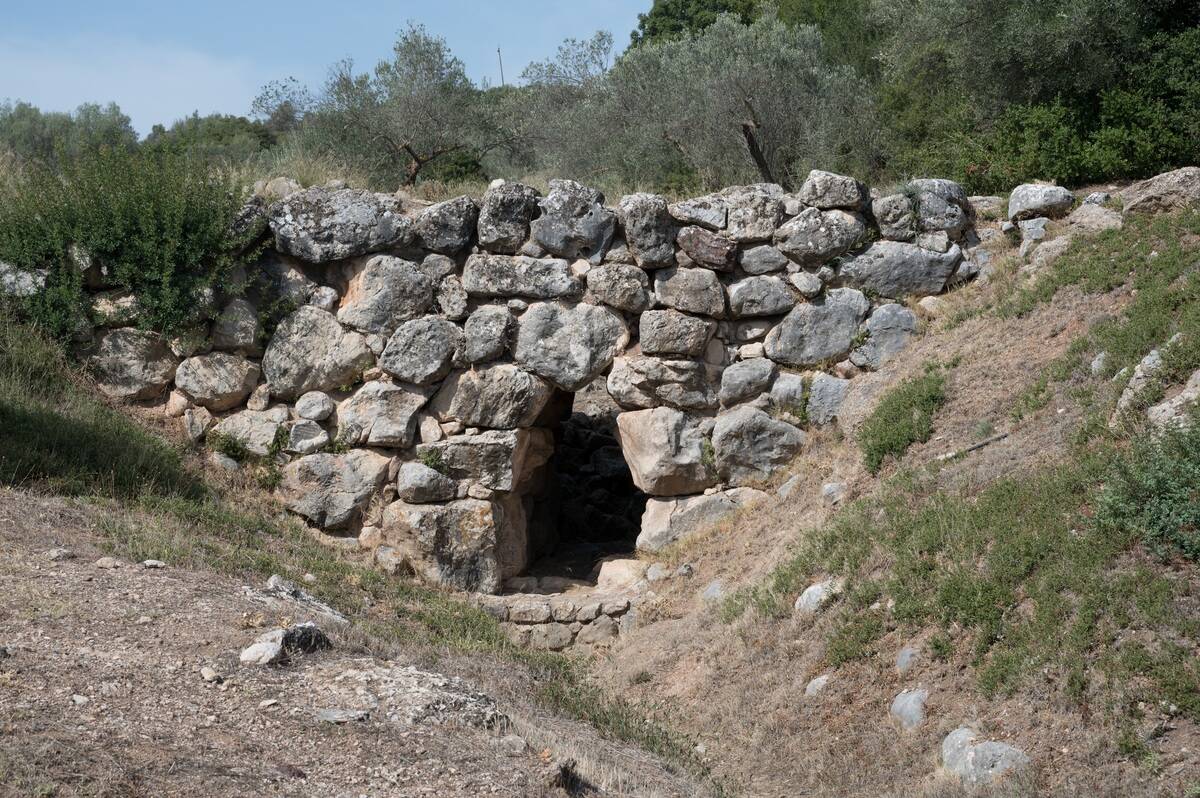
The Arkadiko Bridge, located in Greece, is one of the oldest arch bridges still in use today. Built during the Greek Bronze Age, it was part of a network of roads connecting Mycenae to Tiryns.
Made from limestone boulders, the bridge’s design has withstood the test of time, a testament to the ingenuity of its builders. Its construction is believed to be based on corbel arch techniques, showcasing the advanced understanding of weight distribution even in ancient times.
The Magnificent Roman Aqueducts: More Than Just Water Carriers
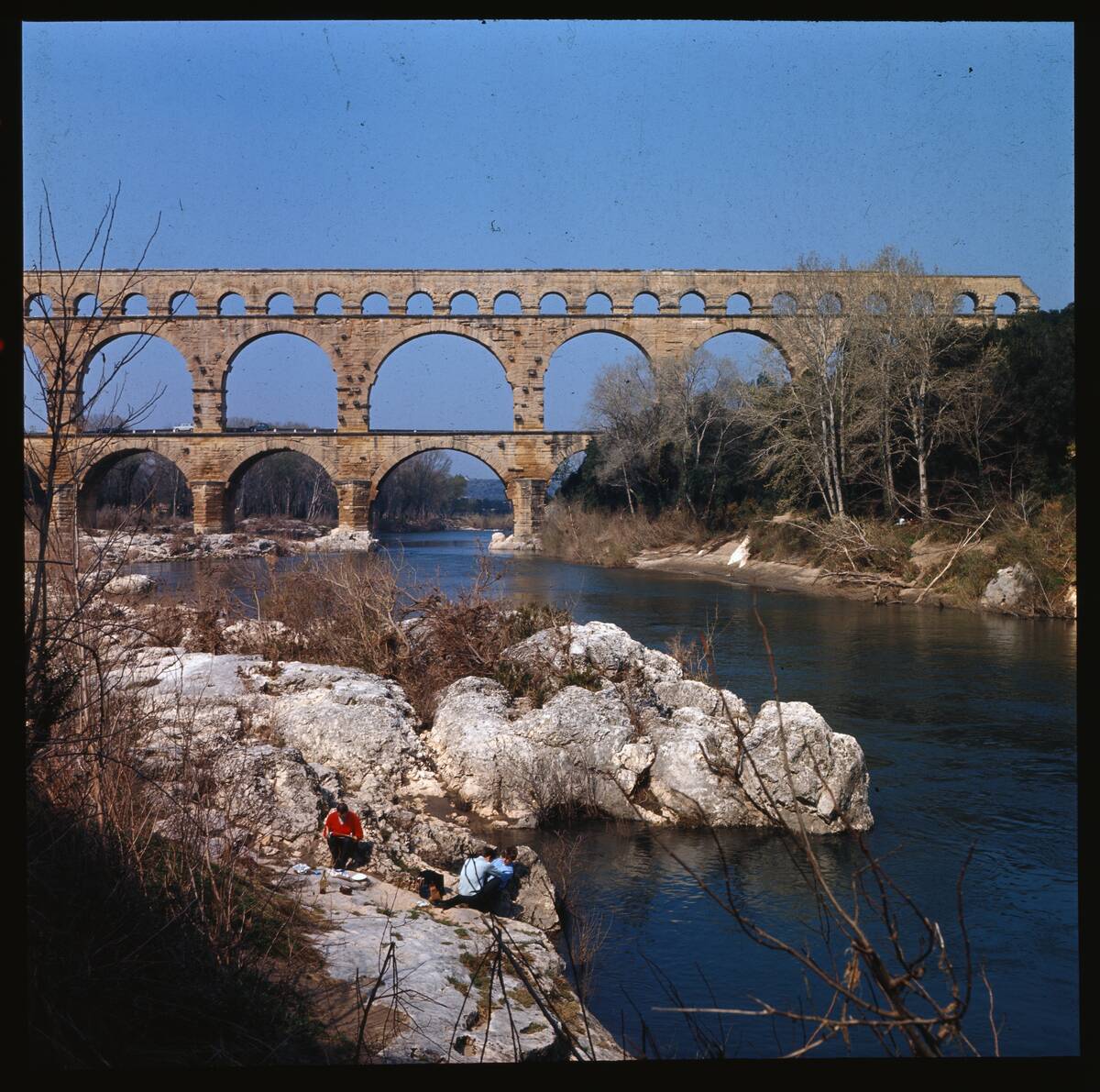
Roman aqueducts are often celebrated for their architectural beauty and functionality. These impressive structures were designed to transport water over long distances, sometimes spanning valleys and rivers.
The Pont du Gard in France is one of the most famous examples, standing over 160 feet tall and stretching across 31 miles. It highlights the Roman’s mastery of engineering, using a series of arches to maintain a steady gradient, ensuring water flow without the use of pumps.
The Great Wall of China’s Hidden Passages

Though widely known for its imposing presence, the Great Wall of China also harbors numerous concealed gates, trapdoors, and small internal passages. These were strategically designed for troop movement and supplies, providing an element of surprise during battles.
The wall, stretching over 13,000 miles, was built over several dynasties, each adding its own enhancements. The hidden passages are a reminder of the wall’s dual purpose as both a defensive structure and a sophisticated network for military logistics.
The Architectural Genius of the Inca Rope Bridges
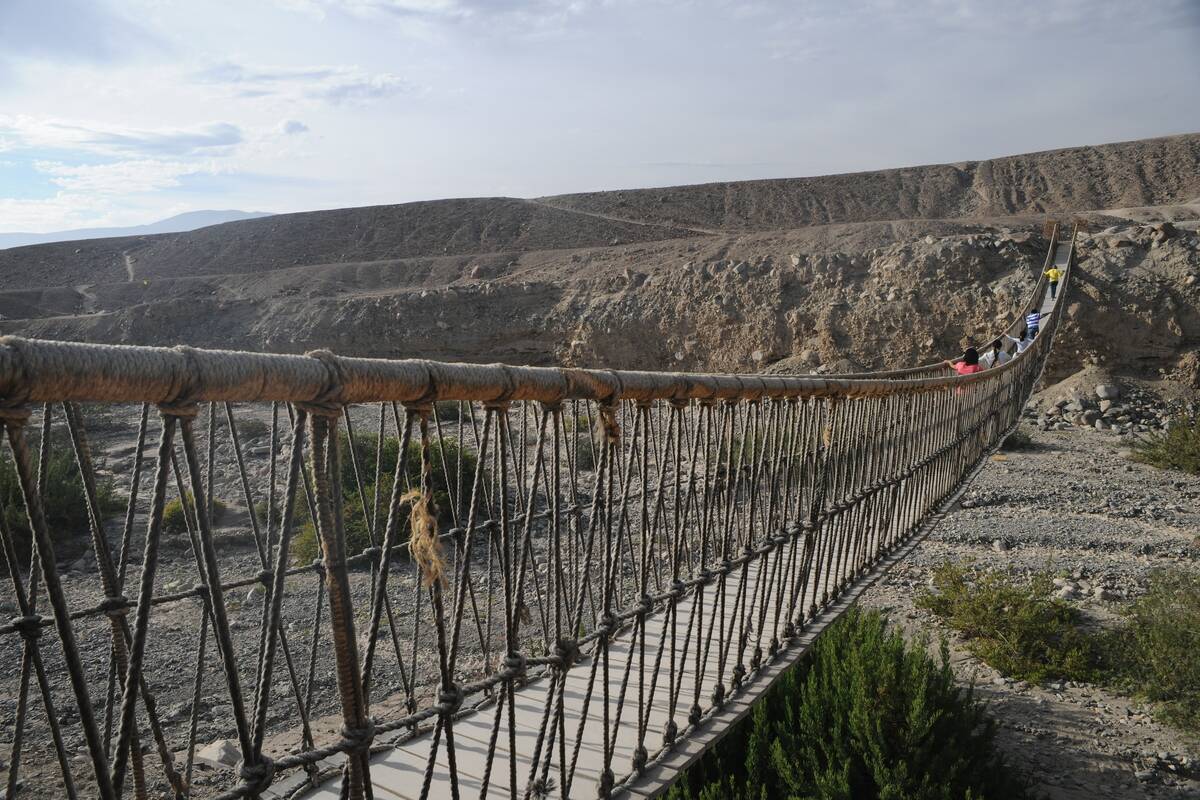
Inca rope bridges are a remarkable example of ancient engineering in South America. Made from woven grass and other natural fibers, these bridges connected the vast Inca Empire across deep gorges and rivers.
The Q’eswachaka bridge in Peru, reconstructed annually by local communities, is a living testament to this tradition. The Incas’ understanding of tension and load distribution allowed these seemingly fragile structures to support the weight of people and animals, showcasing their innovative spirit.
The Underground Wonders of the Derinkuyu Tunnels
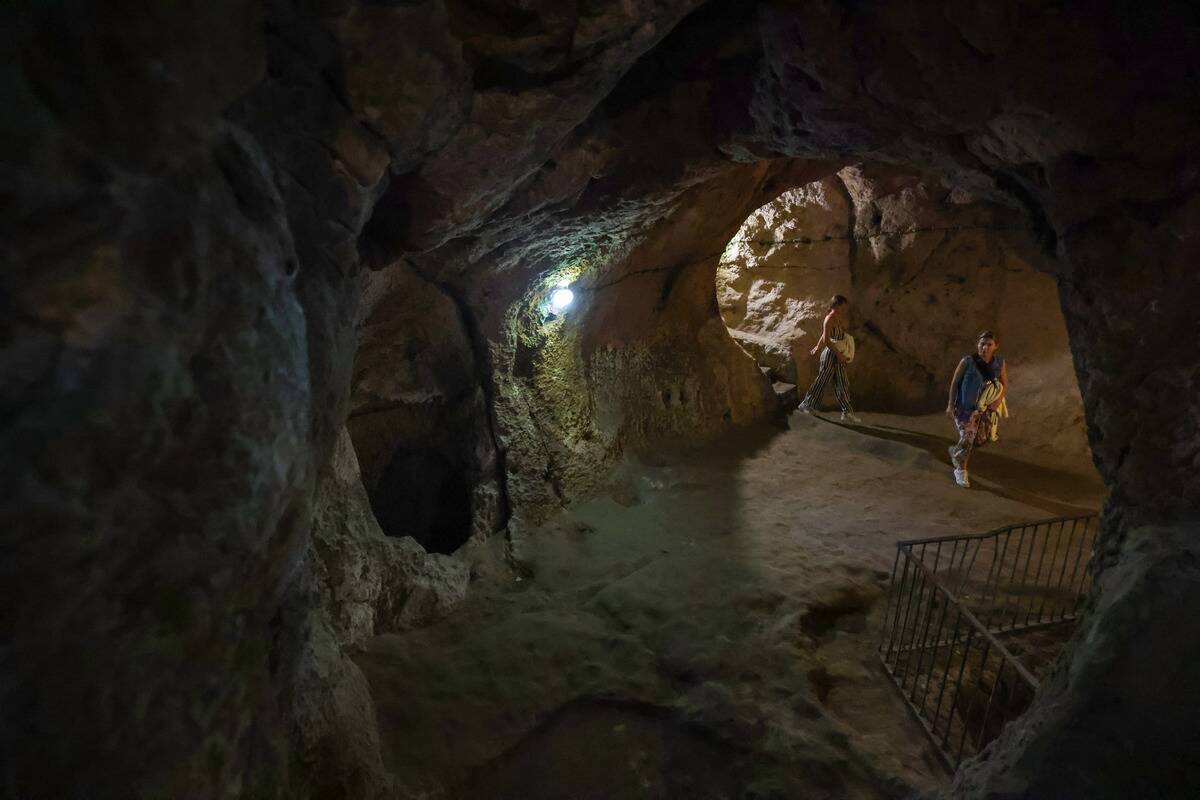
The Derinkuyu underground city in Turkey is a marvel of ancient engineering, extending over 200 feet below the surface. This subterranean city could house up to 20,000 people, complete with ventilation shafts, storage rooms, and even a school.
Built during the Byzantine era to protect inhabitants from invasions, these tunnels demonstrate advanced understanding of ventilation and insulation. The complexity and scale of Derinkuyu highlight the lengths to which people went to ensure their survival in times of conflict.
The Ancient Bridges of the Silk Road
The Silk Road, a historic trade route connecting the East and West, was dotted with numerous ancient bridges. These structures facilitated trade and cultural exchange, allowing for the movement of goods and ideas.
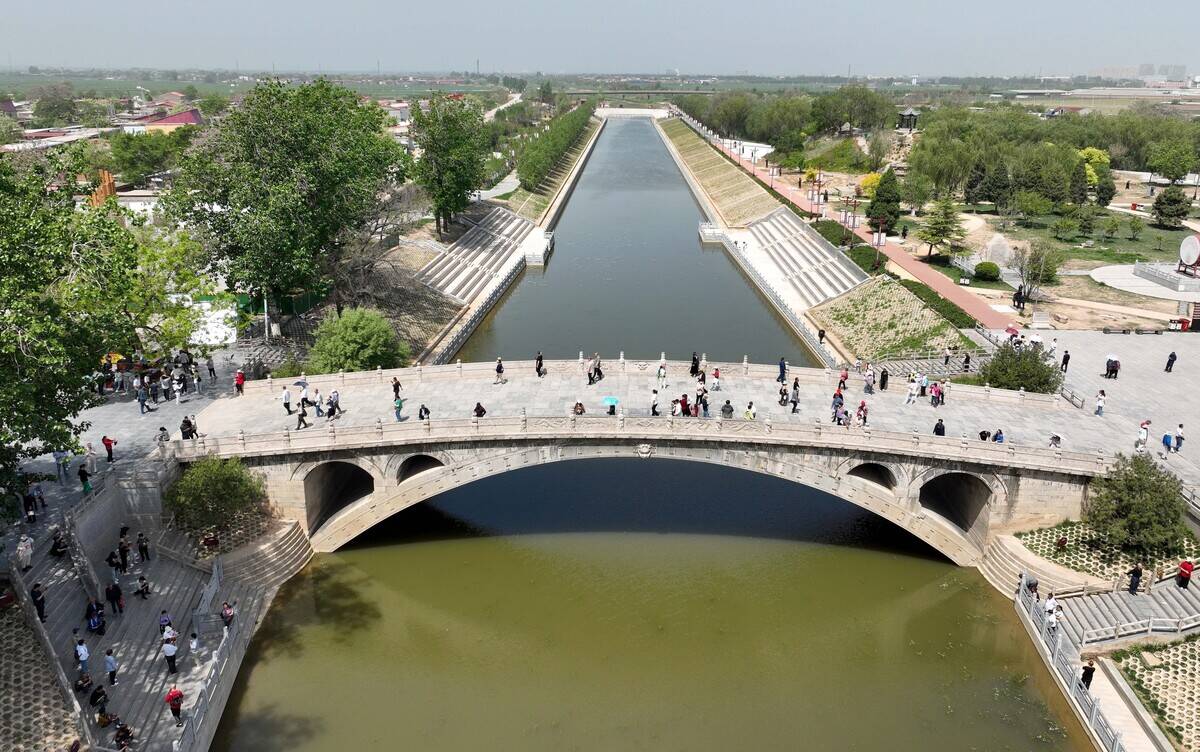
The Zhaozhou Bridge in China, dating back to the 7th century, is one of the oldest stone segmental arch bridges in the world. Its innovative design reduced the number of piers in the water, minimizing flood impact, and exemplifying the advanced engineering practices of the time.
The Legendary Khufu’s Causeway: An Egyptian Enigma
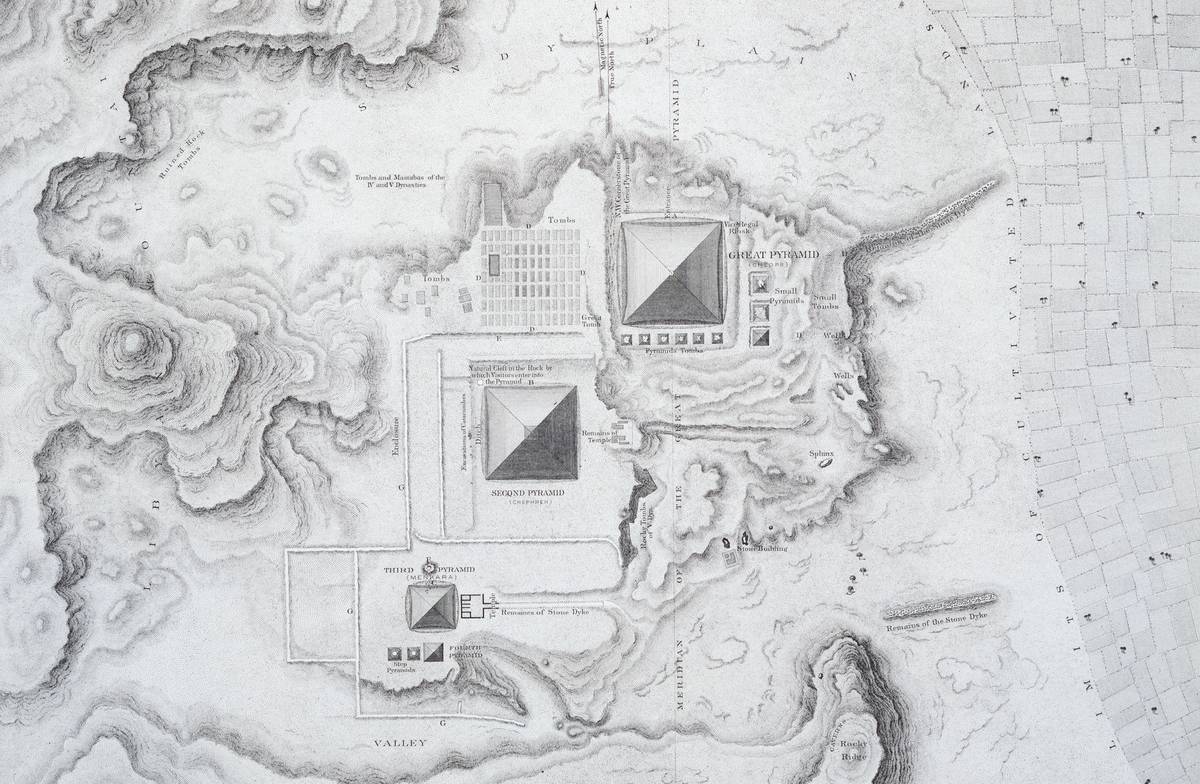
Khufu’s Causeway, part of the Great Pyramid complex in Giza, remains an Egyptian enigma. This massive structure, believed to have been used to transport stone blocks for pyramid construction, stretches over a mile.
The exact engineering techniques used remain a subject of debate among historians. However, the precision with which the causeway was built, aligning almost perfectly with the cardinal points, highlights the Egyptians’ sophisticated understanding of geometry and astronomy.
The Intricate Network of the Etruscan Tunnels

The Etruscans, an ancient civilization predating the Romans, left behind a remarkable network of tunnels across Italy. These tunnels served various purposes, including drainage, water supply, and transportation.
The city of Orvieto is home to an extensive network of Etruscan tunnels that continue to intrigue archaeologists today. The tunnels’ construction, often carved into volcanic rock, demonstrates the Etruscans’ advanced engineering skills and their ability to adapt to the challenging terrain of their environment.
The Engineering Secrets of the Bridge of Alcántara
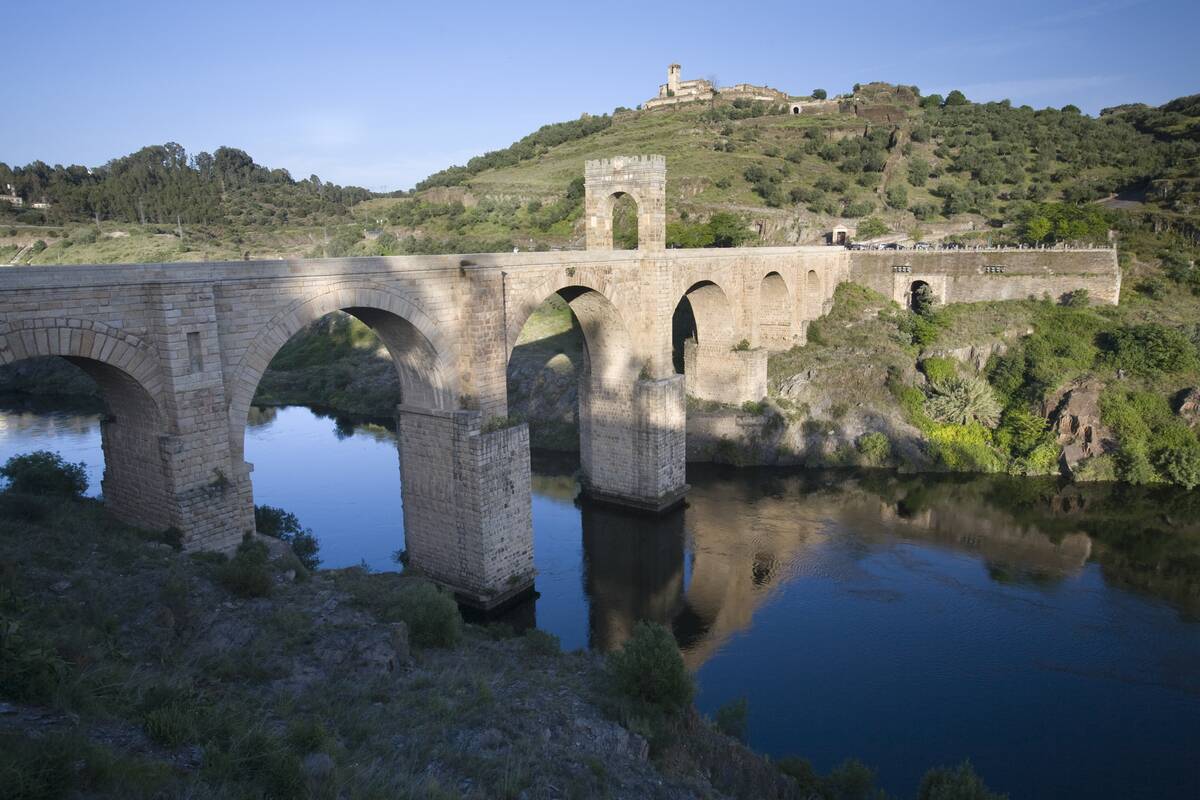
The Bridge of Alcántara in Spain is a stunning example of Roman engineering that has stood for nearly 2,000 years. Built in 106 AD, it spans the Tagus River with six elegant arches. The bridge’s enduring strength is attributed to the high-quality granite used in its construction and the Romans’ mastery of arch design.
An inscription on the bridge dedicates it to Emperor Trajan, reflecting the importance of infrastructure to the expansion and maintenance of the Roman Empire.
The Remarkable Subterranean World of the Catacombs
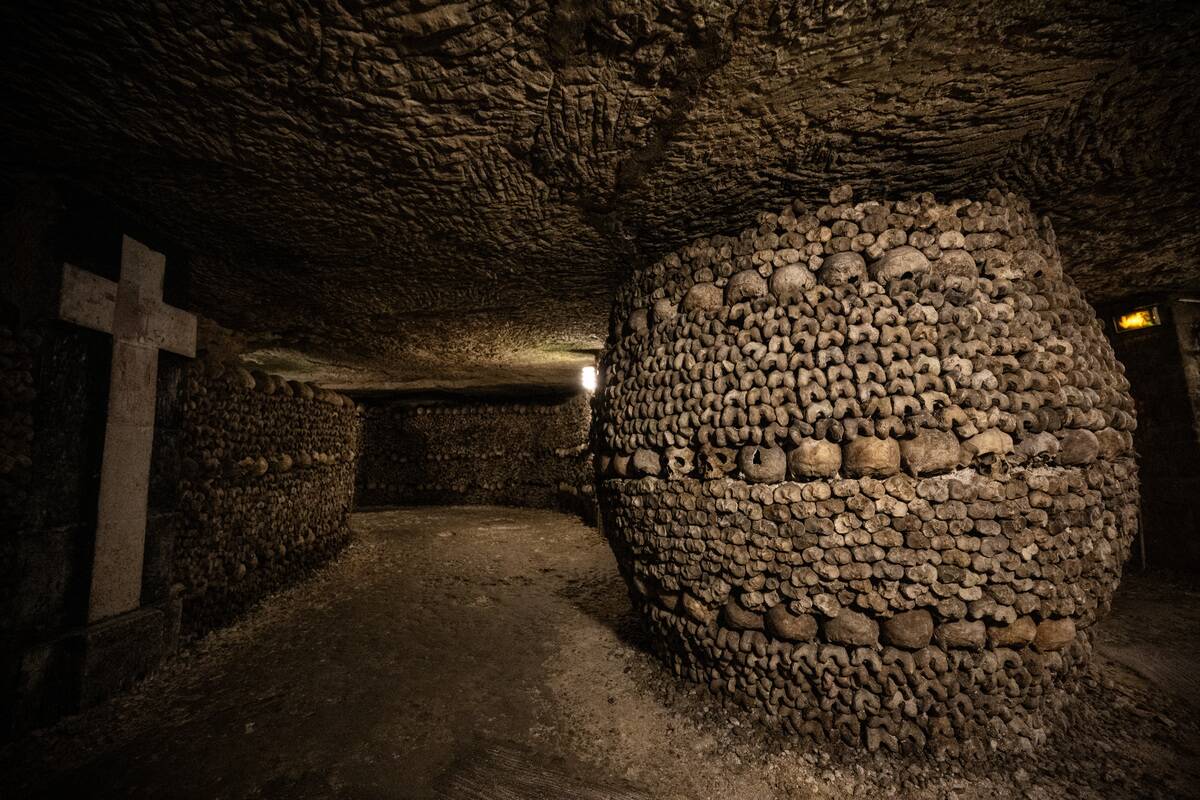
The catacombs beneath cities like Rome and Paris are a fascinating glimpse into subterranean architecture. Originally created as burial sites, these labyrinthine networks span miles underground.
The Roman catacombs, dating back to the 2nd century, were built using a technique called “loculi,” where narrow niches were carved into the rock. These underground passages reveal much about ancient burial practices and the challenges of constructing safe, stable tunnels in soft volcanic rock.
The Timeless Beauty of the Pons Fabricius in Rome
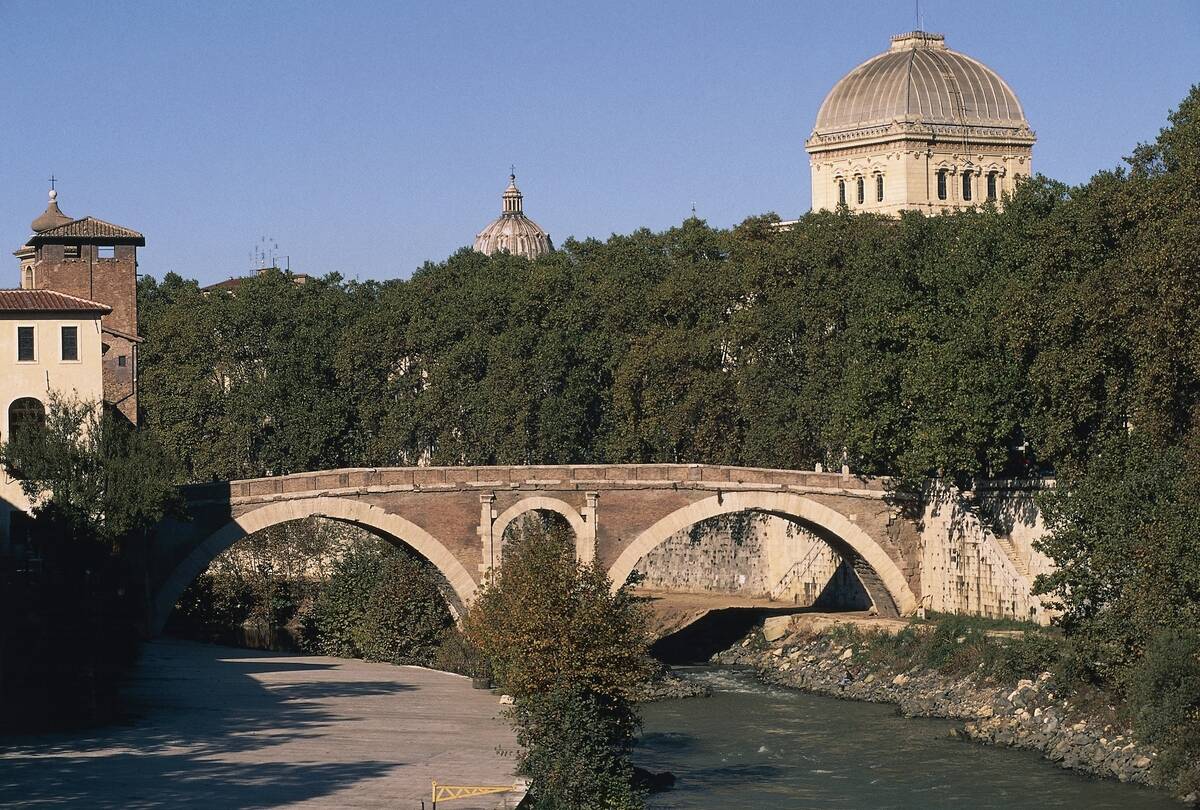
The Pons Fabricius, the oldest Roman bridge still in use, spans the Tiber River in Rome. Constructed in 62 BC, it has survived numerous floods and earthquakes, a testament to Roman engineering.
The bridge, made of tuff and peperino stone, features two main arches and a smaller central arch to allow for water flow. Its enduring presence in the heart of Rome highlights the Romans’ skill in building structures that are both functional and aesthetically pleasing.
The Stalwart Bridges of the Ancient Khmer Empire
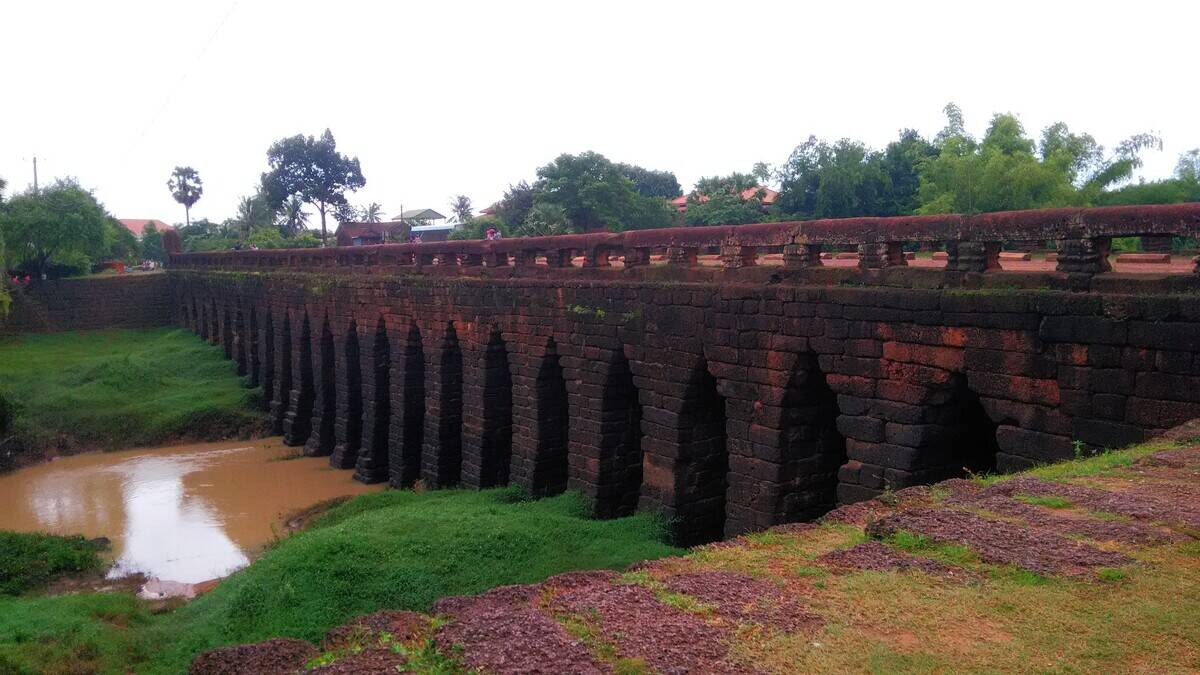
The Khmer Empire, known for its architectural wonders, also boasted impressive bridge constructions. These stone bridges facilitated trade and movement across the vast empire, connecting cities like Angkor.
The Spean Praptos, a surviving example, features 21 arches and stretches over the Chikreng River. Built during the reign of King Jayavarman VII, it showcases the Khmer’s advanced understanding of hydraulic engineering and their ability to integrate infrastructure seamlessly with the natural landscape.




